



Doramapimod (GMP)
Doramapimod GMP (BIRB 796 GMP) is an orally active inhibitor for p38 MAPK, with IC50s of 38, 65, 200 and 520 nM, for p38α, p38β, p38γ, p38δ. Doramapimod exhibits cytotoxicity and antitumor activity against multiple myeloma, synergizes with multidrug resistance protein 1 (ABCB1) and aurora kinase inhibitor VX680, promoting their antitumor efficacy against oral epidermoid carcinoma and cervical cancer. Doramapimod also exhibits anti-inflammatory activity.
For research use only. We do not sell to patients.
The Doramapimod (GMP) was designed by Boehringer Ingelheim and could be obtained free of charge through the Boehringer Ingelheim open innovation portal opnMe.com, associated with its negative control.
- CAS No.: 285983-48-4
- Formula: C31H37N5O3
- Molecular Weight:527.66
-
Storage:
Please store the product under the recommended conditions in the Certificate of Analysis.


To place orders, for customer services and technical support, please contact: MedChemExpress USA
Tel: 609-228-6898 E-mail: [email protected] [email protected]


-
 Biological Activity
-
Chemical Information
- Protocols
- Purity & Documentation
- References
-
 Help & FAQs


-
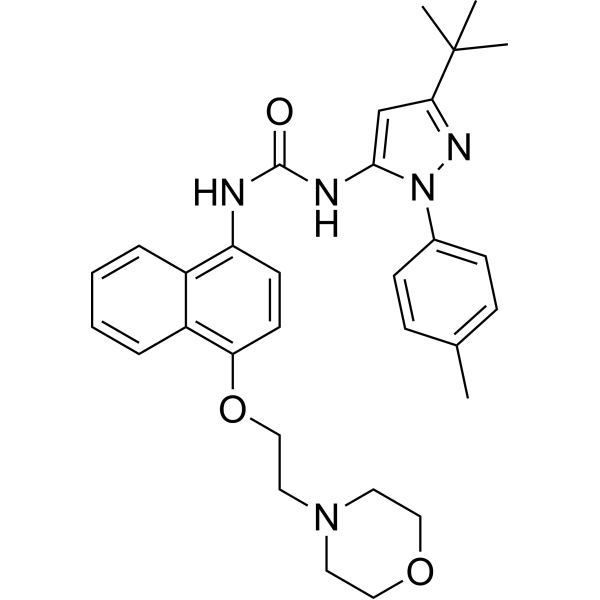
HY-10320
Doramapimodp38 MAPK Inhibitor -
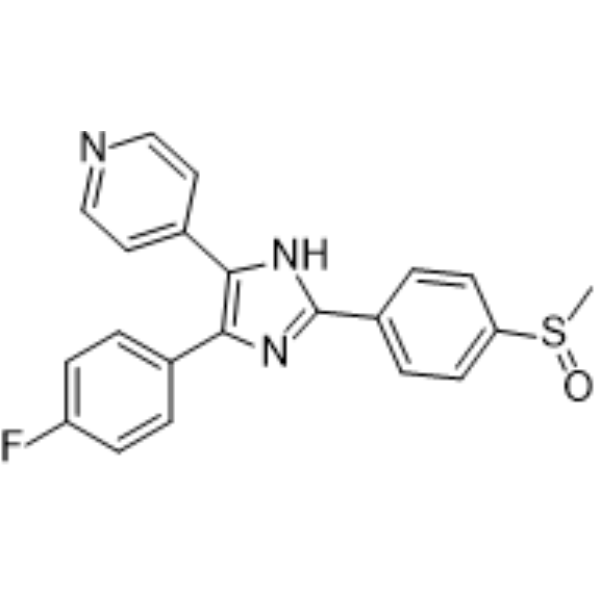
HY-10256
Adezmapimodp38 MAPK Inhibitor -
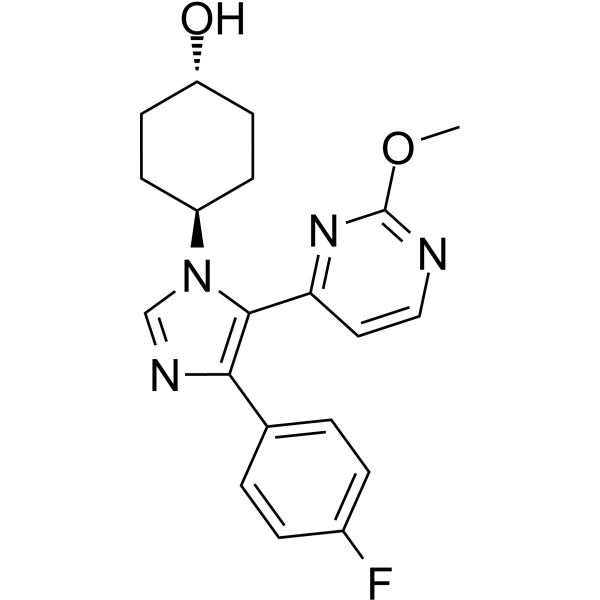
HY-11068
SB 239063p38 MAPK Inhibitor -
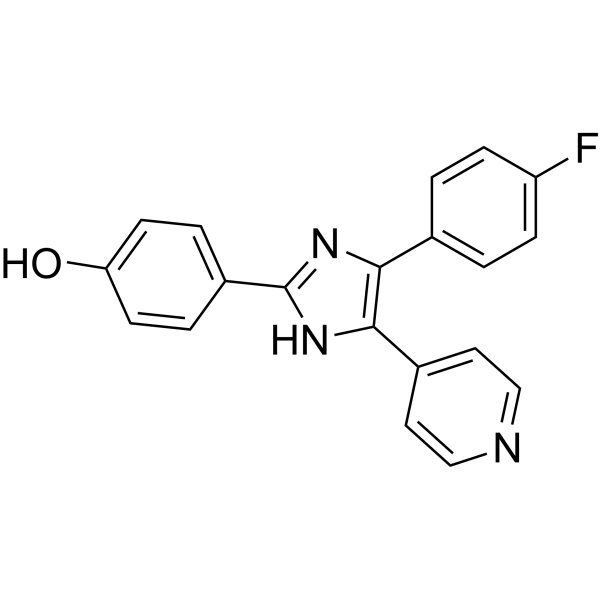
HY-10295
SB 202190p38 MAPK Inhibitor -
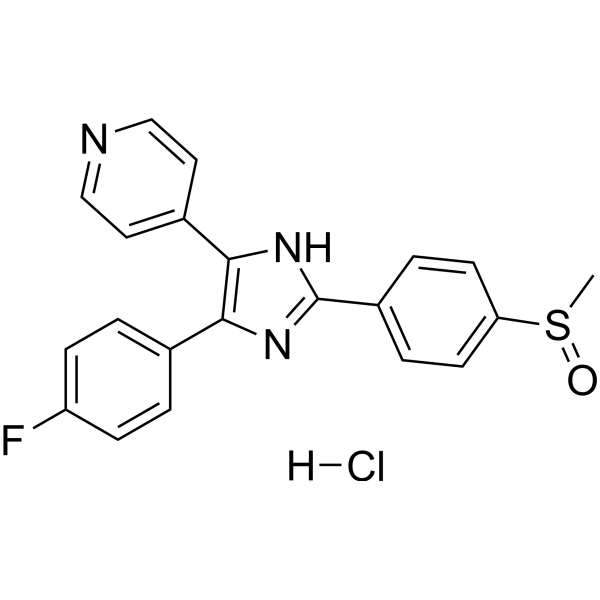
HY-10256A
Adezmapimod hydrochloridep38 MAPK Inhibitor -

HY-10320R
Doramapimod (Standard)p38 MAPK Inhibitor -
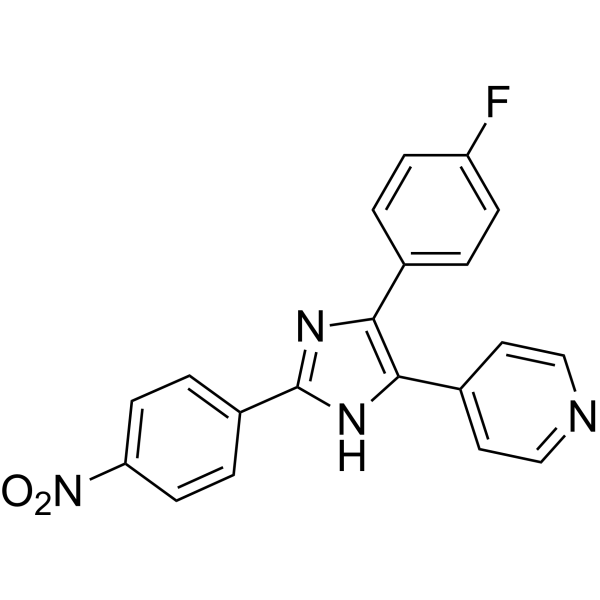
HY-10578
PD 169316p38 MAP Kinase Inhibitor -

HY-10256R
Adezmapimod (Standard)p38 MAPK Inhibitor -
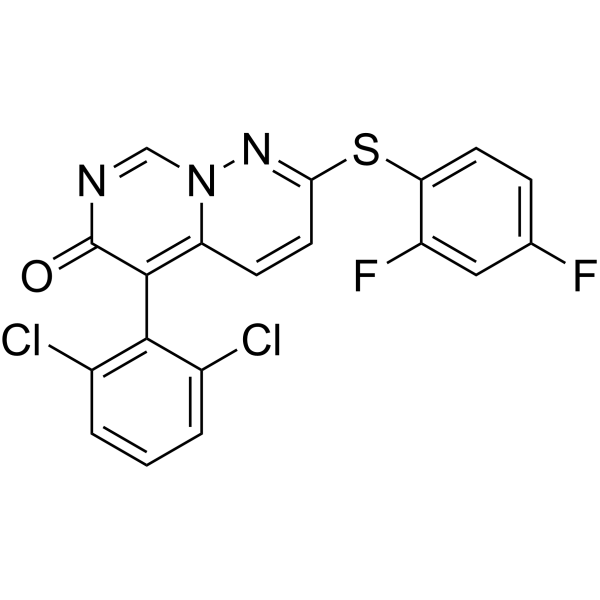
HY-10328
Neflamapimodp38α Inhibitor -
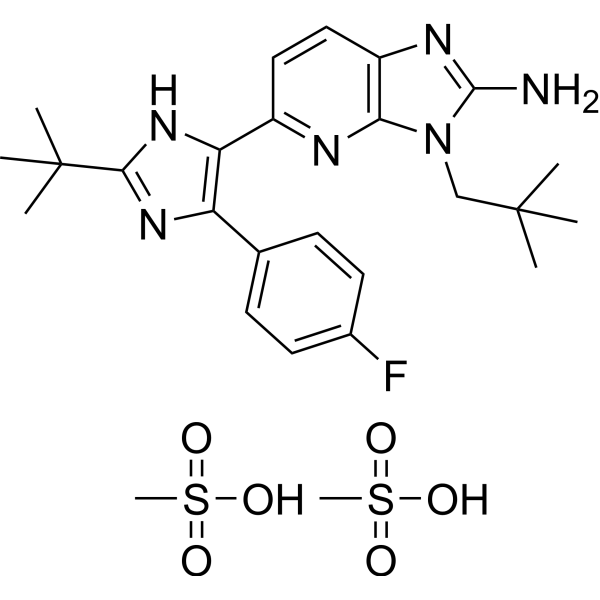
HY-13241
Ralimetinib dimesylateApoptosis Inducer -
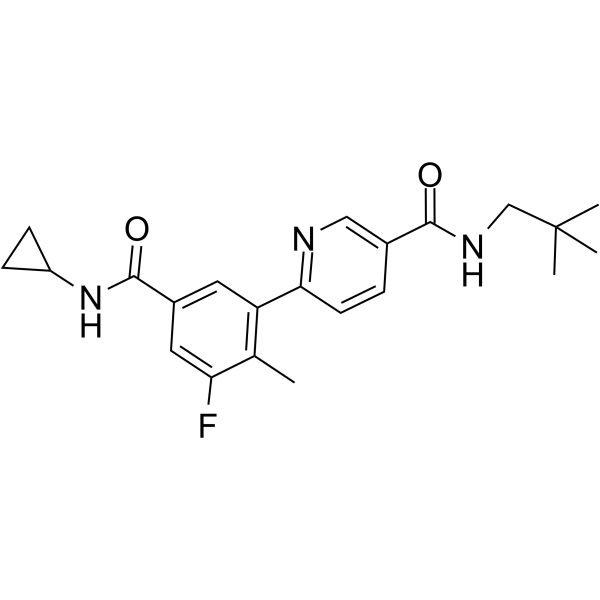
HY-10402
Losmapimodp38α/β MAPK Inhibitor -
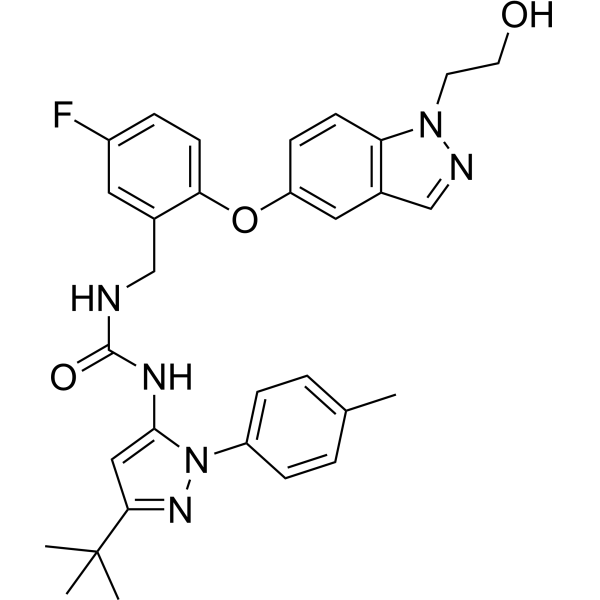
HY-16782
PexmetinibTie-2/p38 MAPK Inhibitor


Biological Activity
Description
IC50 & Target
|
p38α 38 nM (IC50) |
p38β 65 nM (IC50) |
p38γ 200 nM (IC50) |
p38δ 520 nM (IC50) |
Cellular Effect
|
Cell Line

|
Type | Value | Description | References |
|---|---|---|---|---|
| PBMC | IC50 |
15 nM
Compound: BIRB-796
|
Antiinflammatory activity in LPS-stimulated human isolated PBMC assessed as inhibition of TNFalpha production preincubated for 1 hr prior to LPS-challenge by ELISA
Antiinflammatory activity in LPS-stimulated human isolated PBMC assessed as inhibition of TNFalpha production preincubated for 1 hr prior to LPS-challenge by ELISA
|
[PMID: 21888439] |
| PBMC | IC50 |
30 nM
Compound: BIRB-796
|
Inhibition of LPS-stimulated TNFalpha release in human PBMC by ELISA
Inhibition of LPS-stimulated TNFalpha release in human PBMC by ELISA
|
[PMID: 18602262] |
| THP-1 | EC50 |
18 nM
Compound: 45
|
Inhibition of LPS-induced tumor necrosis factor-alpha (TNF-alpha) production in THP-1 cells
Inhibition of LPS-induced tumor necrosis factor-alpha (TNF-alpha) production in THP-1 cells
|
[PMID: 12086485] |
| THP-1 | IC50 |
0.013 μM
Compound: BIRB-796
|
Inhibition of LPS-induced TNFalpha production in human THP1 cells
Inhibition of LPS-induced TNFalpha production in human THP1 cells
|
[PMID: 18325768] |
| THP-1 | IC50 |
18 nM
Compound: 1, BIRB-796
|
Inhibition of LPS-induced TNFalpha production in human THP1 cells
Inhibition of LPS-induced TNFalpha production in human THP1 cells
|
[PMID: 19356929] |
| THP-1 | IC50 |
18 nM
Compound: BIRB-796
|
Inhibition of LPS-induced TNFalpha production in THP1 cells
Inhibition of LPS-induced TNFalpha production in THP1 cells
|
[PMID: 17560108] |
| THP-1 | IC50 |
18 nM
Compound: BIRB-796
|
Inhibition of LPS-stimulated TNFalpha production in human THP1 cells
Inhibition of LPS-stimulated TNFalpha production in human THP1 cells
|
[PMID: 18462940] |
| U-937 | IC50 |
15 nM
Compound: 4; BIRB-796
|
Antiinflammatory activity in differentiated human U937 cells assessed as inhibition of LPS-induced TNFalpha production preincubated for 2 hrs followed by LPS-stimulation for 4 hrs by sandwich ELISA relative to vehicle-treated control
Antiinflammatory activity in differentiated human U937 cells assessed as inhibition of LPS-induced TNFalpha production preincubated for 2 hrs followed by LPS-stimulation for 4 hrs by sandwich ELISA relative to vehicle-treated control
|
[PMID: 26800309] |


Chemical Information
-
CAS No. 285983-48-4
-
Molecular Weight 527.66
-
Formula C31H37N5O3
-
SMILES
O=C(NC1=CC(C(C)(C)C)=NN1C2=CC=C(C)C=C2)NC3=C4C=CC=CC4=C(OCCN5CCOCC5)C=C3
-
Synonyms
BIRB 796 (GMP)
-
Shipping
Room temperature in continental US; may vary elsewhere.
-
Storage
Please store the product under the recommended conditions in the Certificate of Analysis.

Protocols
-
Cell Cytotoxicity Assay
Cytotoxicity assays are usually based on the assessment of cell membrane damage, which can also be indirectly detected by measuring cell viability. Detection methods include MTT assay, CKK-8 assay, LDH assay and ATP assay, etc.
-
Mammalian live/dead viability and cytotoxicity staining
Live/dead viability and cytotoxicity staining assays are based on the simultaneous detection of intracellular esterase activity in metabolically active (viable) cells and membrane integrity loss in non-viable cells. In commonly used dual-staining approaches, membrane-permeant fluorogenic substrates are converted by intracellular esterases into fluorescent products in live cells, while impermeant DNA-binding dyes selectively enter cells with compromised plasma membranes and label nucleic acids in dead or dying cells, enabling discrimination between viable and non-viable populations by fluorescence microscopy or flow cytometry.
-
Cotton Pellet Granuloma
Cotton pellet granuloma is a classical in vivo chronic inflammation model used to evaluate the anti-inflammatory potential of test substances by measuring their ability to inhibit granuloma tissue formation around an implanted foreign body (cotton pellet) in rodents. The method is based on the biological response to a sterile implanted material, which induces proliferative phase inflammation characterized by fibroblast proliferation and collagen-rich granuloma formation, and the final readout reflects the extent of chronic inflammatory tissue growth surrounding the pellet. In multiple preclinical pharmacological evaluations, inhibition of cotton pellet-induced granuloma formation has been used as an indicator of anti-inflammatory activity in both synthetic and natural product screening contexts.
-
Carrageenan-Induced Paw Edema
Carrageenan-induced paw edema is an acute inflammation model in which intraplantar injection of carrageenan induces localized inflammatory swelling characterized by vascular permeability, leukocyte infiltration, and production of inflammatory mediators such as prostaglandins and cytokines, making it widely used to evaluate anti-inflammatory agents in vivo. The resulting paw volume or thickness increase is quantified over time as a direct readout of inflammatory intensity and drug efficacy, typically reflecting cyclooxygenase-mediated prostaglandin-driven edema formation and immune cell recruitment in peripheral tissue[20].
-
Patient-Derived Xenograft (PDX)
Patient-derived xenograft (PDX) models are generated by engrafting primary human tumor tissue directly into immunodeficient mice, allowing in vivo propagation of patient tumor biology without initial in vitro adaptation. These models are used to preserve key histopathological and molecular characteristics of the original tumor and enable assessment of tumor growth dynamics and therapeutic response in a living organism. The biological readout is tumor engraftment and subsequent growth in the murine host, which reflects the ability of human tumor cells to survive, vascularize, and expand in an immunocompromised microenvironment.
-
Research Protocol for Inflammation-related Diseases
The NLRP3 inflammasome is a cytosolic innate immune signaling platform that integrates priming signals and danger-signal activation to promote caspase-1 activation, maturation of IL-1β and IL-18, and gasdermin D-mediated pyroptotic cell death. The core experimental logic is to determine whether inflammatory disease phenotypes are driven by increased NLRP3 expression, ASC-containing inflammasome assembly, caspase-1 cleavage, GSDMD cleavage, and extracellular release of IL-1β/IL-18 rather than by nonspecific cell injury alone. The pathway is strongly linked to inflammation-related disease phenotypes because monosodium urate crystals activate NALP3/NLRP3 inflammasome signaling in gout-like crystal inflammation, cholesterol crystals activate NLRP3 inflammasomes in atherogenesis models, and DSS-induced intestinal inflammation has been reported to involve NLRP3 inflammasome activity. However, experimental colitis studies also show context-dependent protective effects of NLRP3 inflammasome co
-
Subcutaneous Cell-Line-Derived Xenograft
Subcutaneous cell-line-derived xenograft (CDX) models are established by implanting cultured human cancer cell lines into immunodeficient mice, where the injected cells form localized tumors that can be monitored in vivo as a measure of tumorigenic potential, growth kinetics, and treatment response. These models are widely used in oncology research because they allow reproducible tumor formation and enable comparative assessment of tumor growth between different cell lines or genetic manipulations in a controlled in vivo microenvironment. Subcutaneous implantation of cancer cells in immunodeficient mice is a standard approach for evaluating tumor growth behavior and therapeutic response across multiple cancer types, including prostate, esophageal, pancreatic, and colon cancer models.
-
Cell Viability Determination by MTT Colorimetric Assay
The following protocol uses the MTT colorimetric assay as a classic literature-established method for assessing cell viability/metabolic activity in cultured mammalian cells. MTT[3-(4,5-dimethylthiazol-2-yl)-2,5-diphenyltetrazolium bromide] is reduced by metabolically active cells to a colored formazan product; the amount of formazan is quantified spectrophotometrically and provides an indirect measure of metabolically active viable cells. Importantly, MTT reduction reflects cellular oxidoreductase/metabolic activity rather than an absolute direct count of living cells, so changes in cellular metabolism can alter the signal independently of cell number.


Purity & Documentation
References

Calculators
Concentration (start) × Volume (start) = Concentration (final) × Volume (final)


Doramapimod (GMP) Related Classifications
HY-10320G Related Classifications
 Powered by Bioz