
Search Result
Results for "
lung permeability
" in MedChemExpress (MCE) Product Catalog:
1
Isotope-Labeled Compounds
| Cat. No. |
Product Name |
Target |
Research Areas |
Chemical Structure |
-
- HY-109061
-
|
YH25448; GNS-1480
|
Apoptosis
Akt
TRP Channel
EGFR
ERK
|
Infection
Neurological Disease
Metabolic Disease
Cancer
|
|
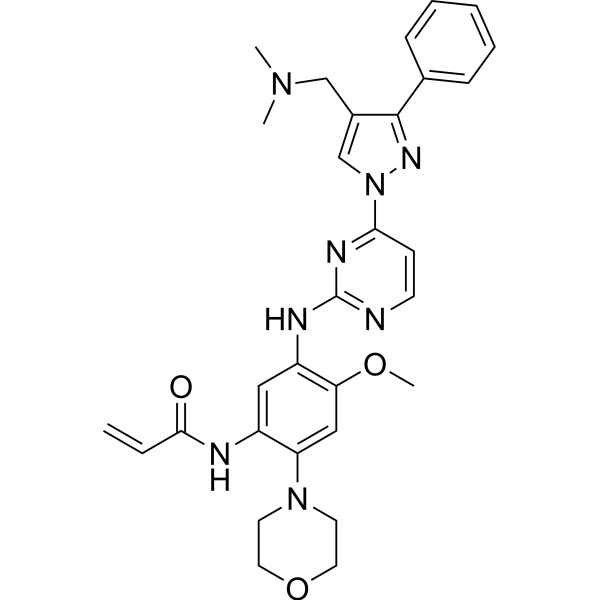
Lazertinib (YH25448; GNS-1480) is an orally active, blood-brain barrier permeable third-generation EGFR tyrosine kinase inhibitor, as well as an ABCB1/ABCG2 inhibitor and a TRPA1 activator. Lazertinib exhibits IC50 values of 0.4 mM and 0.2 mM against human ABCB1 and ABCG2, respectively. By inhibiting mutant EGFR signaling, EGFR phosphorylation and the downstream ERK/AKT pathway, as well as upregulating surface expression of EGFR/MET, Lazertinib induces cell cycle arrest, apoptosis, spontaneous calcium responses, hyperexcitability of dorsal root ganglion (DRG) neurons, and TRPA1-dependent pain-like behaviors. Lazertinib competitively binds to the substrate-binding sites of ABCB1/ABCG2, stimulates their ATPase activity without altering their expression or plasma membrane localization, thereby enhancing ADCC activity, acting as a chemosensitizer, and reversing ABCB1-mediated multidrug resistance. It exerts antitumor activity as a single agent or in combination with other drugs. Lazertinib is applicable to research related to non-small cell lung cancer, multidrug-resistant cancers, and paresthesia .
|
-
-
- HY-173629
-
|
|
Ras
Apoptosis
|
Cancer
|
|
RMC-5127 is a small molecule inhibitor that binds to GTP-targeted KRAS G12V, with oral bioavailability and blood-brain barrier permeability. RMC-5127 inhibits the activities of the RAS and MAPK pathways, suppresses the proliferation of KRAS G12V-mutant cancer cells and induces their apoptosis. RMC-5127 can be used for the research of KRAS G12V-mutant non-small cell lung cancer, pancreatic ductal adenocarcinoma, colorectal cancer and intracranial KRAS G12V tumors .
|
-
-
- HY-147140
-
BOS-318
2 Publications Verification
|
Furin
|
Inflammation/Immunology
|
|
BOS-318 is a potent, slowly dissociating, highly selective, and cell-permeable furin inhibitor with IC50 value of 1.9 nM. BOS-318 protects ENaC from subsequent activation by neutrophil elastase. BOS-318 can be used for the rsearch for CF lung disease .
|
-
-
- HY-156617A
-
|
SHR169265
|
ADC Payload
Topoisomerase
|
Cancer
|
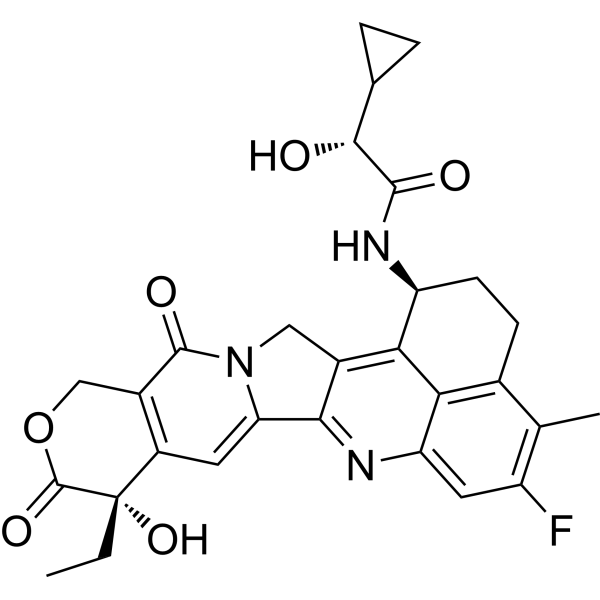
(αR)-Cyclopropaneacetamide-Exatecan (SHR169265) is a DNA Topoisomerase I inhibitor with enhanced membrane permeability (with an IC50 of 1.34 μM against the human DNA Topoisomerase I). (αR)-Cyclopropaneacetamide-Exatecan exerts cytotoxic effects by inhibiting the enzymatic activity of Topoisomerase I, and this anticancer effect is independent of the expression level of HER2. (αR)-Cyclopropaneacetamide-Exatecan is an ADC Cytotoxin derived from Exatecan (HY-13631), which can be used in research related to advanced cancers such as breast cancer, gastric cancer, colorectal cancer and non-small cell lung cancer .
|
-
-
- HY-N1988
-
|
Hemslecin A
|
Survivin
Apoptosis
EGFR
Caspase
p38 MAPK
Autophagy
MEK
Raf
ERK
STAT
CaMK
|
Inflammation/Immunology
Cancer
|
|
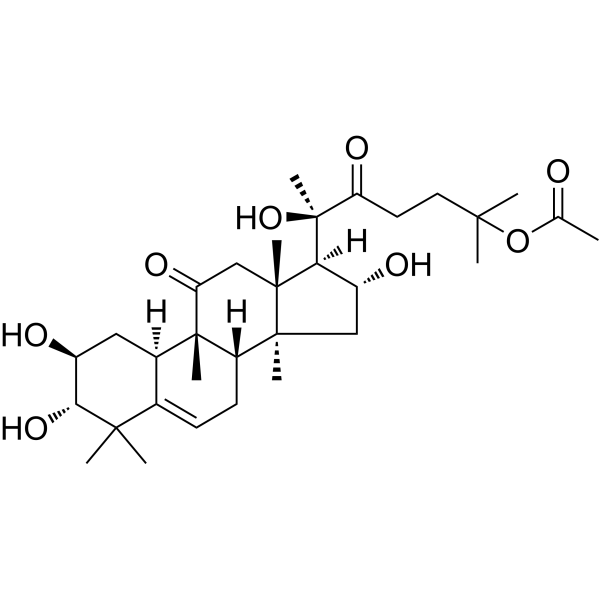
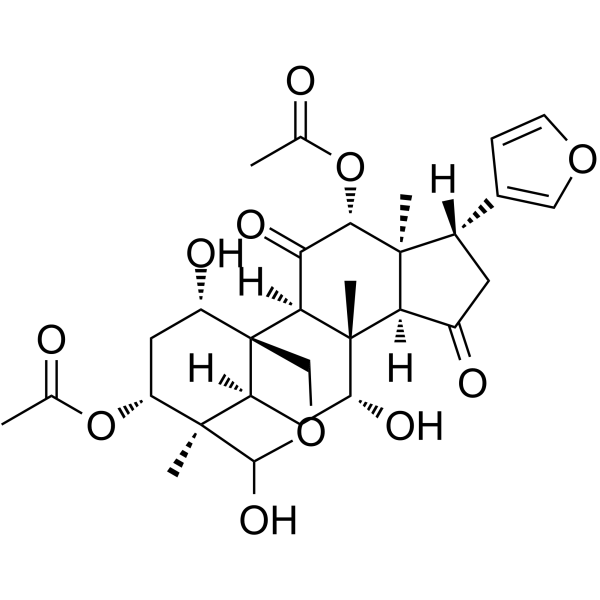
Cucurbitacin IIa (Hemslecin A) is an orally active, blood-brain barrier-permeable EGFR inhibitor with an IC50 of 1.455 nM against human EGFR. Cucurbitacin IIa induces caspase-3-dependent apoptosis, downregulates survivin expression, enhances autophagy levels, disrupts the actin cytoskeleton via actin aggregation, arrests the cell cycle at the G2/M phase, and exerts anti-inflammatory activity by inhibiting the EGFR-MAPK signaling pathway. Cucurbitacin IIa can be used in the research of inflammation-related diseases, depression, and cancers such as non-small cell lung cancer .
|
-
-
- HY-B1589A
-
|
|
Histamine Receptor
Influenza Virus
|
Infection
Inflammation/Immunology
|
|
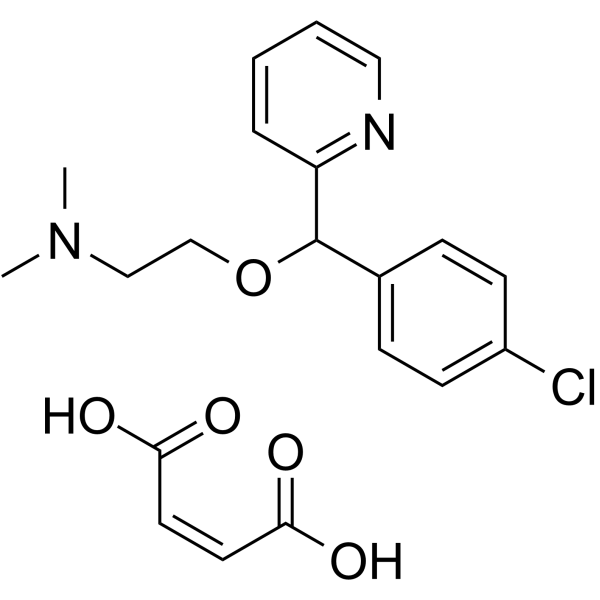
Carbinoxamine maleate salt is a blood-brain barrier-permeable histamine H1 receptor antagonist. Carbinoxamine maleate salt blocks the action of histamine on H1 receptors, reducing symptoms such as sneezing, rhinitis, rhinorrhea, erythema, pruritus and urticaria. Carbinoxamine maleate salt inhibits influenza virus entry into cells via endocytosis, targets the early stage of the viral life cycle, and simultaneously reduces viral replication levels in the lungs, alleviating pathological damage and inflammatory responses in lung tissues. Carbinoxamine maleate salt can be used in research on allergic rhinitis, influenza, etc.
|
-
-
- HY-19763
-
-
-
- HY-13464
-
|
Brigatinib analog
|
Anaplastic lymphoma kinase (ALK)
EGFR
|
Cancer
|
|
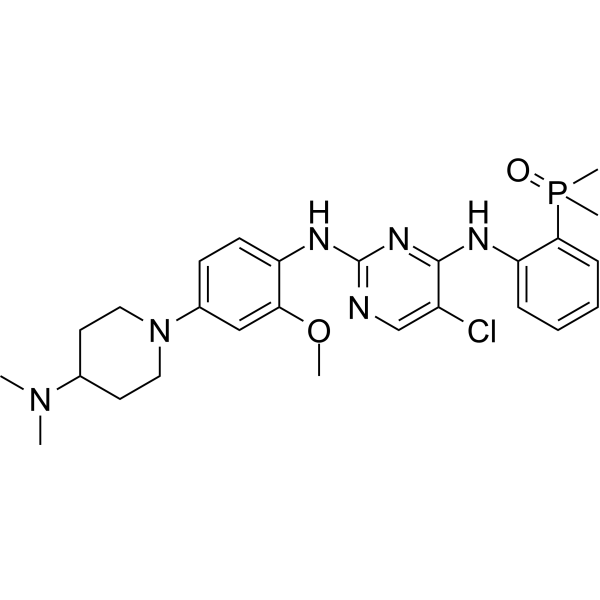
ALK-IN-1 is an orally active, blood-brain barrier-permeable ALK and EGFR inhibitor. ALK-IN-1 binds to and inhibits ALK kinase, ALK fusion proteins, and wild-type and mutant EGFR variants, thereby disrupting their corresponding signaling pathways. ALK-IN-1 can suppress the growth and proliferation of tumor cells and exhibits potential inhibitory activity against mutant EGFR. ALK-IN-1 can be used in the research of non-small-cell lung cancer .
|
-
-
- HY-N0660
-
|
|
Apoptosis
PARP
Caspase
AMPK
Autophagy
VEGFR
Keap1-Nrf2
STING
11β-HSD
Ferroptosis
PI3K
Akt
p38 MAPK
ERK
|
Neurological Disease
Metabolic Disease
Inflammation/Immunology
Cancer
|
|
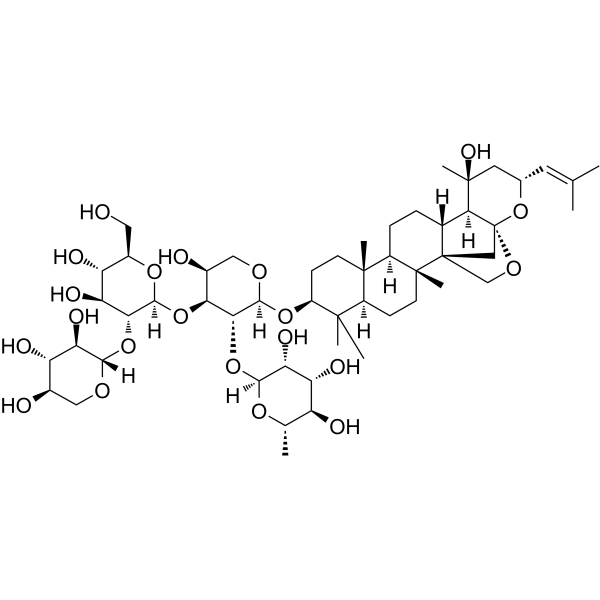
Jujuboside B is a bioactive saponin component isolated from Ziziphi Spinosae Semen (sour jujube seed), with oral efficacy and blood-brain barrier permeability. Jujuboside B induces acute leukemia cell death and drives necroptosis apoptosis by activating the RIPK1/RIPK3/MLKL pathway. Jujuboside B upregulates the expression of NOXA, PARP and caspase-3, activates AMPK, inhibits the proliferation of breast cancer cells, and induces cell apoptosis and autophagy. Jujuboside B inhibits angiogenesis and tumor growth by blocking the VEGFR-2 signaling pathway. Jujuboside B alleviates liver injury in mice by regulating the Nrf2-STING signaling pathway . Jujuboside B alleviates liver injury by regulating anti-inflammatory responses and downregulating the expression of 11β-HSD2. Jujuboside B induces ferroptosis and overcomes radioresistance in non-small cell lung cancer via the PPARγ-ATF3-Gpx4 signaling pathway. Jujuboside B exerts inhibitory effects on platelet aggregation. Jujuboside B inhibits febrile seizures by suppressing the activity of AMPA receptors. Jujuboside B reverses chronic unpredictable mild stress-promoted tumor progression by blocking the PI3K/Akt and MAPK/ERK pathways and dephosphorylating CREB signaling. Jujuboside B is applicable to related studies on acute leukemia, breast cancer, PM2.5-induced lung injury, hepatotoxicity, liver injury, colorectal cancer, non-small cell lung cancer, thromboembolic diseases, cardiovascular diseases associated with high platelet aggregation, febrile seizures, and depressive-like phenotypes .
|
-
-
- HY-109061B
-
|
YH25448 mesylate; GNS-1480 mesylate
|
TRP Channel
EGFR
Akt
ERK
Apoptosis
|
Cancer
|
|
Lazertinib (YH25448; GNS-1480) mesylate is an orally active, blood-brain barrier permeable third-generation EGFR tyrosine kinase inhibitor, as well as an ABCB1/ABCG2 inhibitor and a TRPA1 activator. Lazertinib mesylate exhibits IC50 values of 0.4 mM and 0.2 mM against human ABCB1 and ABCG2, respectively. By inhibiting mutant EGFR signaling, EGFR phosphorylation and the downstream ERK/AKT pathway, as well as upregulating surface expression of EGFR/MET, Lazertinib mesylate induces cell cycle arrest, apoptosis, spontaneous calcium responses, hyperexcitability of dorsal root ganglion (DRG) neurons, and TRPA1-dependent pain-like behaviors. Lazertinib mesylate competitively binds to the substrate-binding sites of ABCB1/ABCG2, stimulates their ATPase activity without altering their expression or plasma membrane localization, thereby enhancing ADCC activity, acting as a chemosensitizer, and reversing ABCB1-mediated multidrug resistance. It exerts antitumor activity as a single agent or in combination with other drugs. Lazertinib mesylate is applicable to research related to non-small cell lung cancer, multidrug-resistant cancers, and paresthesia .
|
-
-
- HY-16694
-
BAMB-4
1 Publications Verification
ITPKA-IN-C14
|
Phosphatase
|
Cancer
|
|
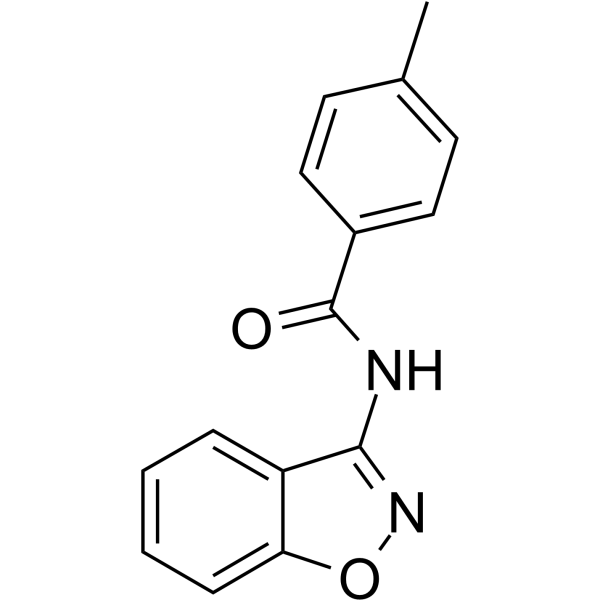
BAMB-4 (ITPKA-IN-C14) is a specific and membrane-permeable ITPKA inhibitor. BAMB-4 has high stability and membrane permeability and against the inositol-1,4,5-trisphosphate (InsP3) kinase activity of inositol-1,4,5-trisphosphate-3-kinase A (ITPKA) with an IC50 value of 20 μM. BAMB-4 can be used for the research of metastasis of lung cancer .
|
-
-
- HY-139300
-
|
HMPL-813
|
EGFR
|
Cancer
|
|
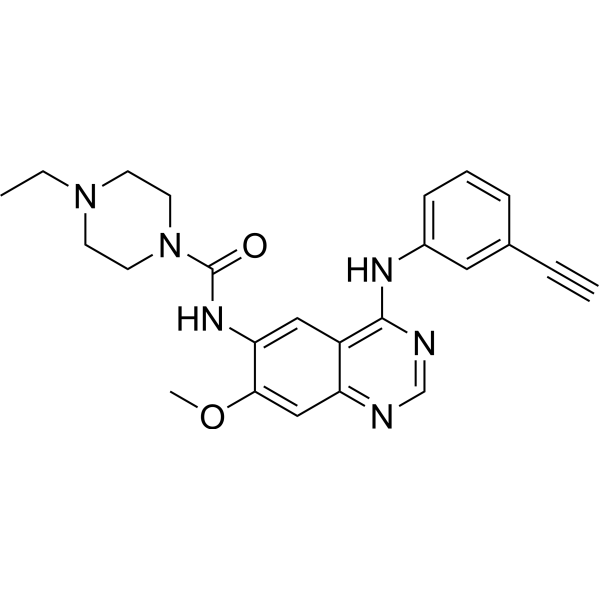
Epitinib (HMPL-813) is a selective, orally active, blood-brain barrier-permeable EGFR tyrosine kinase inhibitor. Epitinib is applicable to research on EGFR T790M-positive non-small cell lung cancer with brain metastasis and advanced solid tumors .
|
-
-
- HY-100764
-
YUKA1
1 Publications Verification
|
Histone Demethylase
|
Cancer
|
|
YUKA1 is a potent and cell permeable Lysine demethylase 5A (KDM5A) inhibitor, with an IC50 of 2.66 μM. YUKA1 has less inhibitory active on KDM5C (IC50 = 7.12 μM) and is inactive on KDM5B, KDM6A or KDM6B. YUKA1 can increase H3K4me3 levels and inhibit cell proliferation. YUKA1 can be used for the research of cancer, such as lung and breast cancers .
|
-
-
- HY-12716A
-
|
|
Adrenergic Receptor
ERK
p38 MAPK
Dopamine Receptor
|
Cardiovascular Disease
Neurological Disease
|
|
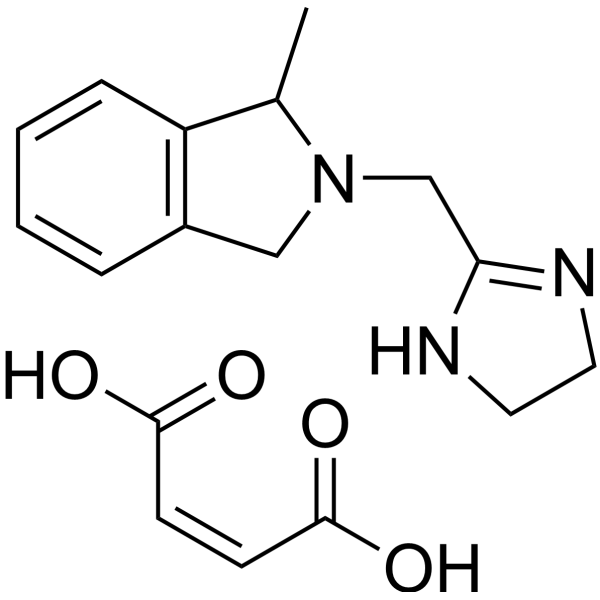
BRL-44408 maleate is a selective, blood-brain barrier-permeable α2A-adrenergic receptor antagonist with a Ki value of 8.56 nM against human targets. BRL-44408 maleate exhibits activities such as antidepressant, analgesic effects and attenuation of sepsis-induced acute lung injury by regulating the release of neurotransmitters such as norepinephrine and dopamine, or inhibiting signaling pathways including ERK1/2, p38MAPK and p65. BRL-44408 maleate can be used in studies related to acute respiratory distress syndrome, depression and visceral pain .
|
-
-
- HY-P10580
-
|
|
Tie
PI3K
Akt
Cadherin
Claudin
|
Cardiovascular Disease
Infection
Inflammation/Immunology
|
|
Vasculotide is a blood-brain barrier (BBB)-penetrant Tie2 agonist. Vasculotide binds to a unique domain of Tie2, induces receptor clustering to drive phosphorylation, activates downstream PI3K/Akt and eNOS pathways, enhances inter-endothelial cell junctions (such as VE-cadherin and claudin-5), and inhibits inflammatory adhesion molecules, ultimately stabilizing the vascular endothelial barrier and reducing its permeability . Vasculotide alleviates pulmonary microvascular leakage and microcirculatory dysfunction caused by cardiopulmonary bypass, acts as an adjuvant radioprotective agent to reduce acute radiation dermatitis, and promotes BBB recovery after focused ultrasound (FUS). Combination of Vasculotide with antibiotics reduces lung injury .
|
-
-
- HY-P1110
-
AF12198
4 Publications Verification
|
Interleukin Related
|
Inflammation/Immunology
|
|
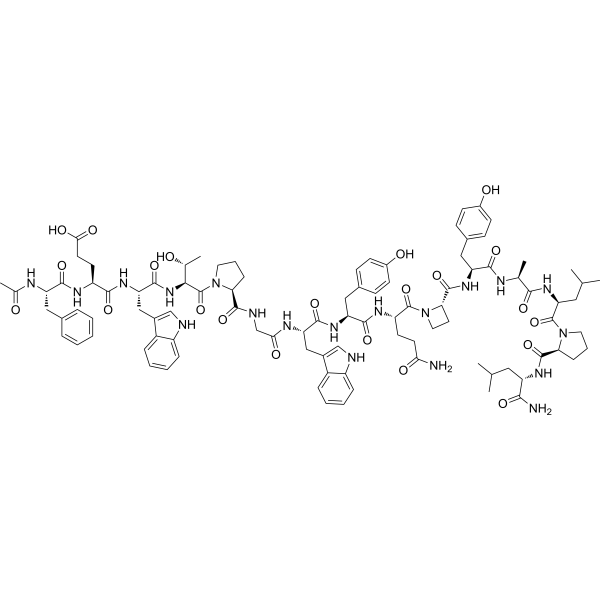
AF12198 is a potent, selective and specific peptide antagonist for human type I interleukin-1 receptor (IL1-R1) (IC50=8 nM) but not the human type II receptor (IC50=6.7 µM) or the murine type I receptor (IC50>200 µM). AF12198 inhibits IL-1-induced IL-8 production (IC50=25 nM) and IL-1-induced intercellular adhesion molecule-1 (ICAM-1) expression (IC50=9 nM) in vitro. AF12198 has anti-inflammatory activities and blocks responses to IL-1 in vivo .
|
-
-
- HY-147027
-
|
|
PARP
Caspase
Apoptosis
|
Neurological Disease
Inflammation/Immunology
Cancer
|
|
PARP-1-IN-2 (compound 11g) is a potent PARP1 inhibitor, with an IC50 of 149 nM, and ADME prediction indicates it has high blood-brain barrier permeability. PARP1-IN-2 shows significantly potent anti-proliferative activity against Human lung adenocarcinoma epithelial cell line A549. PARP1-IN-2 can induce A549 cells apoptosis .
|
-
-
- HY-N7694
-
|
|
TGF-β Receptor
JAK
STAT
Apoptosis
|
Inflammation/Immunology
Cancer
|
|
Isotoosendanin is an orally active TGFβR1 inhibitor and abrogating its kinase activity (IC50 = 6732 nM). Isotoosendanin inhibits the JAK/STAT3 signaling pathway by directly targeting SHP-2, enhancing its stability, and reducing its ubiquitination. Isotoosendanin inhibits TGF-β-induced reduces the migration, invasion, and metastasis in triple-negative breast cancer (TNBC) cells. Isotoosendanin exhibits anti-tumor efficacy in TNBC xenograft models and A549 xenograft tumors. Isotoosendanin exhibits significant anti-inflammatory effects in acetic acid-induced vascular permeability and λ-carrageenan-induced hind paw edema tests. Isotoosendanin can be used for the study of non-small cell lung cancer (NSCLC), TNBC and inflammation .
|
-
-
- HY-P10580A
-
|
|
Cadherin
Tie
Claudin
PI3K
Akt
|
Cardiovascular Disease
Infection
Inflammation/Immunology
|
|
Vasculotide TFA is a blood-brain barrier (BBB)-penetrant Tie2 agonist. Vasculotide TFA binds to a unique domain of Tie2, induces receptor clustering to drive phosphorylation, activates downstream PI3K/Akt and eNOS pathways, enhances inter-endothelial cell junctions (such as VE-cadherin and claudin-5), and inhibits inflammatory adhesion molecules, ultimately stabilizing the vascular endothelial barrier and reducing its permeability . Vasculotide TFA alleviates pulmonary microvascular leakage and microcirculatory dysfunction caused by cardiopulmonary bypass, acts as an adjuvant radioprotective agent to reduce acute radiation dermatitis, and promotes BBB recovery after focused ultrasound (FUS). Combination of Vasculotide TFA with antibiotics reduces lung injury .
|
-
-
- HY-12716
-
|
|
Adrenergic Receptor
p38 MAPK
Dopamine Receptor
ERK
|
Cardiovascular Disease
Neurological Disease
|
|
BRL-44408 is a selective, blood-brain barrier-permeable α2A-adrenergic receptor antagonist with a Ki value of 8.56 nM against human targets. BRL-44408 exhibits activities such as antidepressant, analgesic effects and attenuation of sepsis-induced acute lung injury by regulating the release of neurotransmitters such as norepinephrine and dopamine, or inhibiting signaling pathways including ERK1/2, p38MAPK and p65. BRL-44408 can be used in studies related to acute respiratory distress syndrome, depression and visceral pain .
|
-
-
- HY-149823
-
|
|
TRP Channel
|
Neurological Disease
|
|
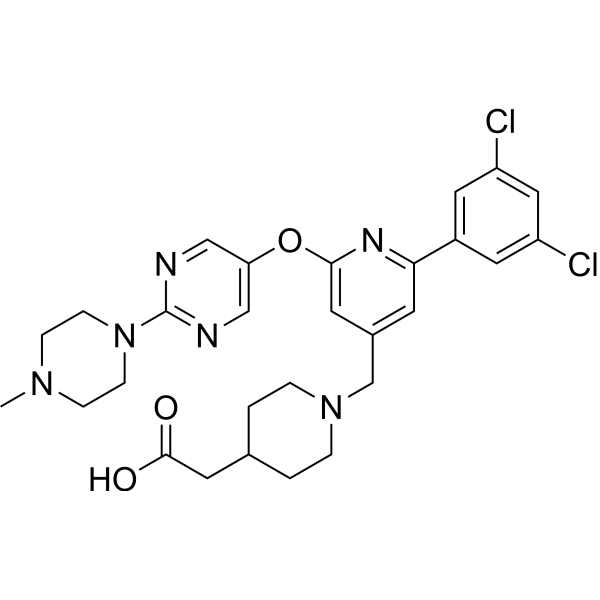
TRPV4 antagonist 4 is a potent TRPV4 antagonist with an IC50 value of 22.65 nM. TRPV4 antagonist 4 inhibits TRPV4 current. TRPV4 antagonist 4 shows protective effects on acute lung injury .
|
-
-
- HY-B1589
-
|
|
Histamine Receptor
|
Infection
Inflammation/Immunology
|
|
(±)-Carbinoxamine is a blood-brain barrier-permeable histamine H1 receptor antagonist. (±)-Carbinoxamine blocks the action of histamine on H1 receptors, reducing symptoms such as sneezing, rhinitis, rhinorrhea, erythema, pruritus and urticaria. (±)-Carbinoxamine inhibits influenza virus entry into cells via endocytosis, targets the early stage of the viral life cycle, and simultaneously reduces viral replication levels in the lungs, alleviating pathological damage and inflammatory responses in lung tissues. (±)-Carbinoxamine can be used in research on allergic rhinitis, influenza, etc.
|
-
-
- HY-131340
-
|
|
Phosphodiesterase (PDE)
|
Inflammation/Immunology
|
|
LASSBio-1632 is a new anti-asthmatic lead candidate associated with selective inhibition of PDE4A and PDE4D isoenzymes and blockade of airway hyper-reactivity (AHR) and TNF-α production in the lung tissue. LASSBio-1632 (7j) displays high experimental BBB permeability across BBB through passive diffusion .
|
-
-
- HY-117039
-
|
|
VEGFR
|
Cancer
|
|
YM-359445 dihydroxybutanedioate is an orally active VEGFR2 tyrosine kinase inhibitor, with an IC50 of 8.5 nM. YM-359445 dihydroxybutanedioate shows a complete inhibition of vascular permeability induced by VEGF. YM-359445 dihydroxybutanedioate shows antitumor activity against both lung cancer and Paclitaxel (HY-B0015)-resistant colon cancer .
|
-
-
- HY-B1589AR
-
|
|
Reference Standards
Histamine Receptor
Influenza Virus
|
Infection
Inflammation/Immunology
|
|
Carbinoxamine maleate salt (Standard) is the analytical standard of Carbinoxamine maleate salt (HY-B1589A). This product is intended for research and analytical applications. Carbinoxamine maleate salt is a blood-brain barrier-permeable histamine H1 receptor antagonist. Carbinoxamine maleate salt blocks the action of histamine on H1 receptors, reducing symptoms such as sneezing, rhinitis, rhinorrhea, erythema, pruritus and urticaria. Carbinoxamine maleate salt inhibits influenza virus entry into cells via endocytosis, targets the early stage of the viral life cycle, and simultaneously reduces viral replication levels in the lungs, alleviating pathological damage and inflammatory responses in lung tissues. Carbinoxamine maleate salt can be used in research on allergic rhinitis, influenza, etc.
|
-
-
- HY-W424851
-
|
6,7-Dimethoxy-2-(1-piperazinyl)-4-quinazolinamine hydrochloride
|
PARP
|
Infection
Inflammation/Immunology
|
|
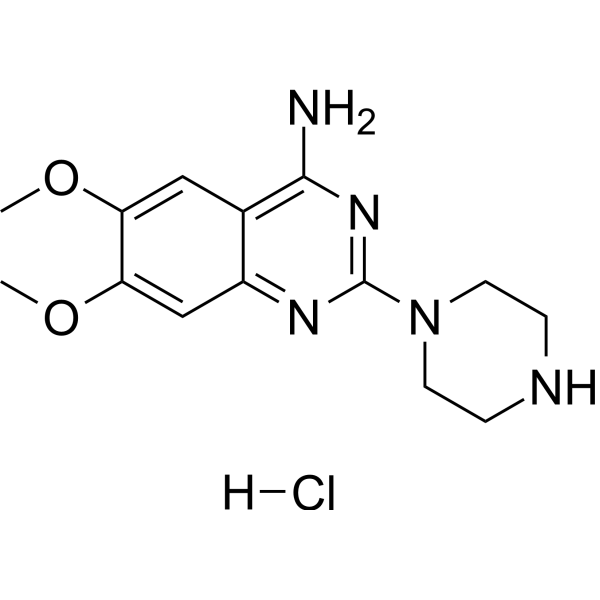
DPQ hydrochloride is a blood-brain barrier permeable and selective PARP-1 inhibitor that blocks PARP-1-mediated DNA damage repair and NAD +/ATP consumption, thereby inhibiting excessive inflammatory responses. DPQ hydrochloride inhibits NF-κB pathway activation, reduces the expression of pro-inflammatory factors (such as TNF-α, IL-6) and oxidative stress. DPQ hydrochloride can be used in inflammation-related studies of acute lung injury, myocardial infarction, and neurodegenerative diseases .
|
-
-
- HY-B1589S
-
|
|
Isotope-Labeled Compounds
Histamine Receptor
Influenza Virus
|
Infection
Inflammation/Immunology
|
|
(±)-Carbinoxamine-d6 is the deuterium labeled (±)-Carbinoxamine (HY-B1589) . (±)-Carbinoxamine is a blood-brain barrier-permeable histamine H1 receptor antagonist. (±)-Carbinoxamine blocks the action of histamine on H1 receptors, reducing symptoms such as sneezing, rhinitis, rhinorrhea, erythema, pruritus and urticaria. (±)-Carbinoxamine inhibits influenza virus entry into cells via endocytosis, targets the early stage of the viral life cycle, and simultaneously reduces viral replication levels in the lungs, alleviating pathological damage and inflammatory responses in lung tissues. (±)-Carbinoxamine can be used in research on allergic rhinitis, influenza, etc.
|
-
-
- HY-183572
-
|
|
Acyltransferase
|
Neurological Disease
Cancer
|
|
BW813U is a blood-brain barrier-permeable choline acetyltransferase (ChAT) inhibitor. BW813U reduces acetylcholine secretion, decreases cancer cell viability, and slows tumor growth rate. BW813U alters reference memory and causes working memory dysfunction. BW813U shows a synergistic effect with age factors in memory deficits of rats. BW813U can be used in studies related to Alzheimer's disease and lung cancer .
|
-
-
- HY-181568
-
|
|
PROTACs
Aurora Kinase
DNA/RNA Synthesis
Apoptosis
|
Neurological Disease
Cancer
|
|
PROTAC Aurora A Degrader-1 (Compound 280) is a blood-brain barrier-permeable selective Aurora A PROTAC degrader, with DC50 values of 1 nM and 2 nM in LAN5 and SMS-SAN cells, respectively. PROTAC Aurora A Degrader-1 induces the formation of a ternary complex between AURKA and CRBN, degrades AURKA, reduces MYCN levels, induces DNA damage and apoptosis, exerts antiproliferative activity in cancer cells, and regulates the immune system. PROTAC Aurora A Degrader-1 is applicable to the research of neuroblastoma and small cell lung cancer .
|
-
-
- HY-100764R
-
|
|
Histone Demethylase
Reference Standards
|
Cancer
|
|
YUKA1 (Standard) is the analytical standard of YUKA1 (HY-100764). This product is intended for research and analytical applications. YUKA1 is a potent and cell permeable Lysine demethylase 5A (KDM5A) inhibitor, with an IC50 of 2.66 μM. YUKA1 has less inhibitory active on KDM5C (IC50 = 7.12 μM) and is inactive on KDM5B, KDM6A or KDM6B. YUKA1 can increase H3K4me3 levels and inhibit cell proliferation. YUKA1 can be used for the research of cancer, such as lung and breast cancers .
|
-
-
- HY-181943
-
|
|
Acyltransferase
|
Cancer
|
|
SPT-IN-2 is an orally active serine palmitoyltransferase (SPT) inhibitor (with an IC50 of 0.71 nM against human SPT2). SPT-IN-2 inhibits ceramide synthesis, suppresses cancer cell growth, and exhibits in vivo anti-tumor activity, favorable metabolic stability and cell membrane permeability in xenograft mouse models. SPT-IN-2 blocks the de novo sphingolipid synthesis pathway, significantly reducing intracellular ceramide levels and the levels of 3-ketodihydrosphingosine (3-KDS), the immediate downstream product of SPT. SPT-IN-2 can be used in research related to lung adenocarcinoma, acute promyelocytic leukemia and breast cancer .
|
-
-
- HY-138008
-
|
|
Microtubule/Tubulin
Apoptosis
|
Cancer
|
|
WX-132-18B is a tubulin inhibitor with an IC50 of 0.45-0.99 nM. WX-132-18B selectively binds to the colchicine-binding site on tubulin, reduces microtubule content via depolymerization, and inhibits tubulin polymerization. WX-132-18B induces tumor cell cycle arrest, apoptosis and changes in nuclear membrane permeability, and decreases mitochondrial membrane potential. WX-132-18B exhibits antiproliferative activity against endothelial cells and human tumor cells, and inhibits the proliferation and growth of xenograft tumors in mice. WX-132-18B can be used in research related to sarcoma, non-small cell lung cancer, gastric cancer and breast cancer .
|
-
-
- HY-181657
-
|
|
EGFR
TNF Receptor
Interleukin Related
Apoptosis
|
Cancer
|
|
EGFR-IN-200 is an inhibitor targeting EGFR, TNF-α, and the IL-6/GP130 complex, which potently targets human EGFR (IC50=0.03 μM), TNF-α (IC50=3.1 μM), and the IL-6/GP130 complex (IC50=1.6 μM). EGFR-IN-200 binds to the ATP pocket of EGFR, the trimer interface of TNF-α, and the cytokine-receptor interface of IL-6/GP130, induces G2/M cell cycle arrest, apoptosis, and antiproliferative activity. EGFR-IN-200 exhibits high gastrointestinal absorbability, low BBB permeability, and complies with the Lipinski's rule. EGFR-IN-200 can be used for the research of lung cancer and breast adenocarcinoma .
|
-
-
- HY-N0660R
-
|
|
Reference Standards
ERK
p38 MAPK
Akt
PI3K
11β-HSD
STING
VEGFR
Ferroptosis
Autophagy
Apoptosis
Keap1-Nrf2
Caspase
PARP
AMPK
|
Neurological Disease
Metabolic Disease
Inflammation/Immunology
Cancer
|
|
Jujuboside B (Standard) is the analytical standard of Jujuboside B. This product is intended for research and analytical applications. Jujuboside B is a bioactive saponin component isolated from Ziziphi Spinosae Semen (sour jujube seed), with oral efficacy and blood-brain barrier permeability. Jujuboside B induces acute leukemia cell death and drives necroptosis apoptosis by activating the RIPK1/RIPK3/MLKL pathway. Jujuboside B upregulates the expression of NOXA, PARP and caspase-3, activates AMPK, inhibits the proliferation of breast cancer cells, and induces cell apoptosis and autophagy. Jujuboside B inhibits angiogenesis and tumor growth by blocking the VEGFR-2 signaling pathway. Jujuboside B alleviates liver injury in mice by regulating the Nrf2-STING signaling pathway . Jujuboside B alleviates liver injury by regulating anti-inflammatory responses and downregulating the expression of 11β-HSD2. Jujuboside B induces ferroptosis and overcomes radioresistance in non-small cell lung cancer via the PPARγ-ATF3-Gpx4 signaling pathway. Jujuboside B exerts inhibitory effects on platelet aggregation. Jujuboside B inhibits febrile seizures by suppressing the activity of AMPA receptors. Jujuboside B reverses chronic unpredictable mild stress-promoted tumor progression by blocking the PI3K/Akt and MAPK/ERK pathways and dephosphorylating CREB signaling. Jujuboside B is applicable to related studies on acute leukemia, breast cancer, PM2.5-induced lung injury, hepatotoxicity, liver injury, colorectal cancer, non-small cell lung cancer, thromboembolic diseases, cardiovascular diseases associated with high platelet aggregation, febrile seizures, and depressive-like phenotypes.
|
-
-
- HY-16265A
-
|
|
Ephrin Receptor
PDGFR
VEGFR
|
Cancer
|
|
JI-101 hydrochloride is an orally active angiogenesis inhibitor and anticancer agent with 55% oral bioavailability in Sprague Dawley rats, high permeability, and no P-gp substrate activity .JI-101 hydrochloride modulates angiogenesis signaling pathways in tumor vessel beds, downregulates EphB4, targets EphB4, VEGFR-2, and PDGFR-β, and inhibits multiple stages of tumor angiogenesis .JI-101 hydrochloride exerts activity against cancer cells and xenografts, exhibits mild to moderate inhibition of CYP3A4, and shows stability in pre-clinical and human liver microsomes .JI-101 hydrochloride undergoes rapid oral absorption in Sprague Dawley rats, has extensive tissue distribution with preferred lung uptake, and is excreted via bile with mono- and di-hydroxy metabolites, with feces as the primary elimination route .JI-101 hydrochloride can be used for the research of ovarian cancer and solid tumors .
|
-
-
- HY-109061A
-
|
YH25448 mesylate hydrate; GNS-1480 mesylate hydrate
|
Apoptosis
Akt
TRP Channel
EGFR
ERK
|
Cancer
|
|
Lazertinib (YH25448; GNS-1480) mesylate hydrate is an orally active, blood-brain barrier permeable third-generation EGFR tyrosine kinase inhibitor, as well as an ABCB1/ABCG2 inhibitor and a TRPA1 activator. Lazertinib mesylate hydrate exhibits IC50 values of 0.4 mM and 0.2 mM against human ABCB1 and ABCG2, respectively. By inhibiting mutant EGFR signaling, EGFR phosphorylation and the downstream ERK/AKT pathway, as well as upregulating surface expression of EGFR/MET, Lazertinib mesylate hydrate induces cell cycle arrest, apoptosis, spontaneous calcium responses, hyperexcitability of dorsal root ganglion (DRG) neurons, and TRPA1-dependent pain-like behaviors. Lazertinib mesylate hydrate competitively binds to the substrate-binding sites of ABCB1/ABCG2, stimulates their ATPase activity without altering their expression or plasma membrane localization, thereby enhancing ADCC activity, acting as a chemosensitizer, and reversing ABCB1-mediated multidrug resistance. It exerts antitumor activity as a single agent or in combination with other drugs. Lazertinib mesylate hydrate is applicable to research related to non-small cell lung cancer, multidrug-resistant cancers, and paresthesia .
|
-
-
-
HY-L075
-
|
|
2,886 compounds
|
|
Lung cancer is a major global health problem, as it is the leading cause of cancer-related deaths worldwide. Lung cancer is divided into two categories: small cell lung cancer and non-small cell lung cancer (NSCLC). Non-small cell lung cancer accounts for about 85 percent of lung cancers.
As with all cancers, lung cancer may be treated with surgery, chemotherapy, radiation therapy, targeted therapy, immunotherapy or a combination thereof. Targeted therapy is one of the most exciting developments in lung cancer medicine, especially for NSCLC. Extensive genomic characterization of NSCLC has led to the identification of molecular subtypes of NSCLC that are oncogene addicted and exquisitely sensitive to targeted therapies. These include activating mutations in epidermal growth factor receptor (EGFR) and BRAF or echinoderm microtubule-associated protein-like 4 (EML4)-anaplastic lymphoma kinase (ALK) fusions and ROS1 receptor tyrosine kinase fusions. These are important targets for target therapy.
MCE offers a unique collection of 2,886 compounds with identified and potential anti-lung cancer activity. These compounds target lung cancer’s major targets and signaling pathways. MCE anti-lung cancer compound library is a useful tool for anti-lung cancer drugs screening and other related research.
|
| Cat. No. |
Product Name |
Target |
Research Area |
-
- HY-P10580
-
|
|
Tie
PI3K
Akt
Cadherin
Claudin
|
Cardiovascular Disease
Infection
Inflammation/Immunology
|
|
Vasculotide is a blood-brain barrier (BBB)-penetrant Tie2 agonist. Vasculotide binds to a unique domain of Tie2, induces receptor clustering to drive phosphorylation, activates downstream PI3K/Akt and eNOS pathways, enhances inter-endothelial cell junctions (such as VE-cadherin and claudin-5), and inhibits inflammatory adhesion molecules, ultimately stabilizing the vascular endothelial barrier and reducing its permeability . Vasculotide alleviates pulmonary microvascular leakage and microcirculatory dysfunction caused by cardiopulmonary bypass, acts as an adjuvant radioprotective agent to reduce acute radiation dermatitis, and promotes BBB recovery after focused ultrasound (FUS). Combination of Vasculotide with antibiotics reduces lung injury .
|
-
- HY-P1110
-
AF12198
4 Publications Verification
|
Interleukin Related
|
Inflammation/Immunology
|
|
AF12198 is a potent, selective and specific peptide antagonist for human type I interleukin-1 receptor (IL1-R1) (IC50=8 nM) but not the human type II receptor (IC50=6.7 µM) or the murine type I receptor (IC50>200 µM). AF12198 inhibits IL-1-induced IL-8 production (IC50=25 nM) and IL-1-induced intercellular adhesion molecule-1 (ICAM-1) expression (IC50=9 nM) in vitro. AF12198 has anti-inflammatory activities and blocks responses to IL-1 in vivo .
|
-
- HY-P10580A
-
|
|
Cadherin
Tie
Claudin
PI3K
Akt
|
Cardiovascular Disease
Infection
Inflammation/Immunology
|
|
Vasculotide TFA is a blood-brain barrier (BBB)-penetrant Tie2 agonist. Vasculotide TFA binds to a unique domain of Tie2, induces receptor clustering to drive phosphorylation, activates downstream PI3K/Akt and eNOS pathways, enhances inter-endothelial cell junctions (such as VE-cadherin and claudin-5), and inhibits inflammatory adhesion molecules, ultimately stabilizing the vascular endothelial barrier and reducing its permeability . Vasculotide TFA alleviates pulmonary microvascular leakage and microcirculatory dysfunction caused by cardiopulmonary bypass, acts as an adjuvant radioprotective agent to reduce acute radiation dermatitis, and promotes BBB recovery after focused ultrasound (FUS). Combination of Vasculotide TFA with antibiotics reduces lung injury .
|
| Cat. No. |
Product Name |
Category |
Target |
Chemical Structure |
-
- HY-N1988
-
-
-
- HY-N0660
-
|
|
Cardiovascular Disease
Triterpenes
Structural Classification
other families
Classification of Application Fields
Terpenoids
Plants
Disease Research Fields
Source Classification
|
Apoptosis
PARP
Caspase
AMPK
Autophagy
VEGFR
Keap1-Nrf2
STING
11β-HSD
Ferroptosis
PI3K
Akt
p38 MAPK
ERK
|
|
Jujuboside B is a bioactive saponin component isolated from Ziziphi Spinosae Semen (sour jujube seed), with oral efficacy and blood-brain barrier permeability. Jujuboside B induces acute leukemia cell death and drives necroptosis apoptosis by activating the RIPK1/RIPK3/MLKL pathway. Jujuboside B upregulates the expression of NOXA, PARP and caspase-3, activates AMPK, inhibits the proliferation of breast cancer cells, and induces cell apoptosis and autophagy. Jujuboside B inhibits angiogenesis and tumor growth by blocking the VEGFR-2 signaling pathway. Jujuboside B alleviates liver injury in mice by regulating the Nrf2-STING signaling pathway . Jujuboside B alleviates liver injury by regulating anti-inflammatory responses and downregulating the expression of 11β-HSD2. Jujuboside B induces ferroptosis and overcomes radioresistance in non-small cell lung cancer via the PPARγ-ATF3-Gpx4 signaling pathway. Jujuboside B exerts inhibitory effects on platelet aggregation. Jujuboside B inhibits febrile seizures by suppressing the activity of AMPA receptors. Jujuboside B reverses chronic unpredictable mild stress-promoted tumor progression by blocking the PI3K/Akt and MAPK/ERK pathways and dephosphorylating CREB signaling. Jujuboside B is applicable to related studies on acute leukemia, breast cancer, PM2.5-induced lung injury, hepatotoxicity, liver injury, colorectal cancer, non-small cell lung cancer, thromboembolic diseases, cardiovascular diseases associated with high platelet aggregation, febrile seizures, and depressive-like phenotypes .
|
-
-
- HY-N7694
-
-
-
- HY-N0660R
-
|
|
Triterpenes
Structural Classification
other families
Terpenoids
Plants
Source Classification
|
Reference Standards
ERK
p38 MAPK
Akt
PI3K
11β-HSD
STING
VEGFR
Ferroptosis
Autophagy
Apoptosis
Keap1-Nrf2
Caspase
PARP
AMPK
|
|
Jujuboside B (Standard) is the analytical standard of Jujuboside B. This product is intended for research and analytical applications. Jujuboside B is a bioactive saponin component isolated from Ziziphi Spinosae Semen (sour jujube seed), with oral efficacy and blood-brain barrier permeability. Jujuboside B induces acute leukemia cell death and drives necroptosis apoptosis by activating the RIPK1/RIPK3/MLKL pathway. Jujuboside B upregulates the expression of NOXA, PARP and caspase-3, activates AMPK, inhibits the proliferation of breast cancer cells, and induces cell apoptosis and autophagy. Jujuboside B inhibits angiogenesis and tumor growth by blocking the VEGFR-2 signaling pathway. Jujuboside B alleviates liver injury in mice by regulating the Nrf2-STING signaling pathway . Jujuboside B alleviates liver injury by regulating anti-inflammatory responses and downregulating the expression of 11β-HSD2. Jujuboside B induces ferroptosis and overcomes radioresistance in non-small cell lung cancer via the PPARγ-ATF3-Gpx4 signaling pathway. Jujuboside B exerts inhibitory effects on platelet aggregation. Jujuboside B inhibits febrile seizures by suppressing the activity of AMPA receptors. Jujuboside B reverses chronic unpredictable mild stress-promoted tumor progression by blocking the PI3K/Akt and MAPK/ERK pathways and dephosphorylating CREB signaling. Jujuboside B is applicable to related studies on acute leukemia, breast cancer, PM2.5-induced lung injury, hepatotoxicity, liver injury, colorectal cancer, non-small cell lung cancer, thromboembolic diseases, cardiovascular diseases associated with high platelet aggregation, febrile seizures, and depressive-like phenotypes.
|
-
| Cat. No. |
Product Name |
Chemical Structure |
-
- HY-B1589S
-
|
|
|
(±)-Carbinoxamine-d6 is the deuterium labeled (±)-Carbinoxamine (HY-B1589) . (±)-Carbinoxamine is a blood-brain barrier-permeable histamine H1 receptor antagonist. (±)-Carbinoxamine blocks the action of histamine on H1 receptors, reducing symptoms such as sneezing, rhinitis, rhinorrhea, erythema, pruritus and urticaria. (±)-Carbinoxamine inhibits influenza virus entry into cells via endocytosis, targets the early stage of the viral life cycle, and simultaneously reduces viral replication levels in the lungs, alleviating pathological damage and inflammatory responses in lung tissues. (±)-Carbinoxamine can be used in research on allergic rhinitis, influenza, etc.
|
-
| Cat. No. |
Product Name |
|
Classification |
-
- HY-139300
-
|
HMPL-813
|
|
Alkynes
|
|
Epitinib (HMPL-813) is a selective, orally active, blood-brain barrier-permeable EGFR tyrosine kinase inhibitor. Epitinib is applicable to research on EGFR T790M-positive non-small cell lung cancer with brain metastasis and advanced solid tumors .
|
Your information is safe with us. * Required Fields.
Inquiry Information
- Product Name:
- Cat. No.:
- Quantity:
- MCE Japan Authorized Agent:

