Search Result
Results for "
minimum inhibitory concentration (MIC)
" in MedChemExpress (MCE) Product Catalog:
1
Isotope-Labeled Compounds
| Cat. No. |
Product Name |
Target |
Research Areas |
Chemical Structure |
-
- HY-B1325
-
|
|
Bacterial
Antibiotic
|
Infection
Inflammation/Immunology
|
|
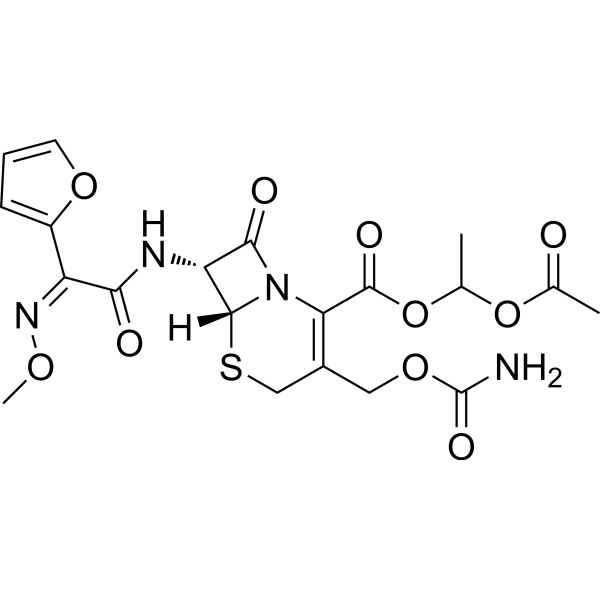
Cefuroxime axetil is an orally effective broad-spectrum β-lactam antibiotic that targets bacterial penicillin-binding proteins (PBPs, such as PBP3 and PBP1). Cefuroxime axetil inhibits cell wall synthesis, leading to bacterial lysis and death, with a minimum inhibitory concentration (MIC) of 0.12-4 mg/L for non-typeable Haemophilus influenzae (NTHi). Cefuroxime axetil is hydrolyzed by esterase to the active ingredient Cefuroxime (HY-B1256A) after oral absorption. Topical administration of Cefuroxime via bioadhesive nanoparticles (BNPs) can prolong the drug's retention time in the middle ear (≥7 days). Cefuroxime axetil can be used in the study of otitis media (especially NTHi infection). Cefuroxime axetil can achieve precise antibacterial effects through oral or topical nano-delivery systems, reducing systemic exposure and the risk of antibiotic resistance .
|
-
-
- HY-125747
-
|
Actinomycin V (purity≥85%)
|
Bacterial
Antibiotic
Apoptosis
|
Infection
Cancer
|
|
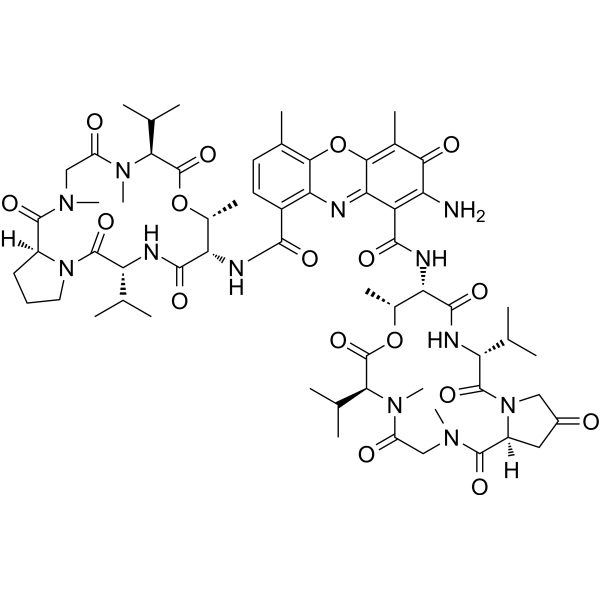
Actinomycin X2 (Actinomycin V), produced by many Streptomyces sp., shows strong inhibition of MRSA with a minimum inhibitory concentration (MIC) value of 0.25 μg/mL. Actinomycin X2 can be used for cancer and bacterial infection .
|
-
-
- HY-23155
-
|
2-PE ITC
|
Fungal
|
Infection
|
|
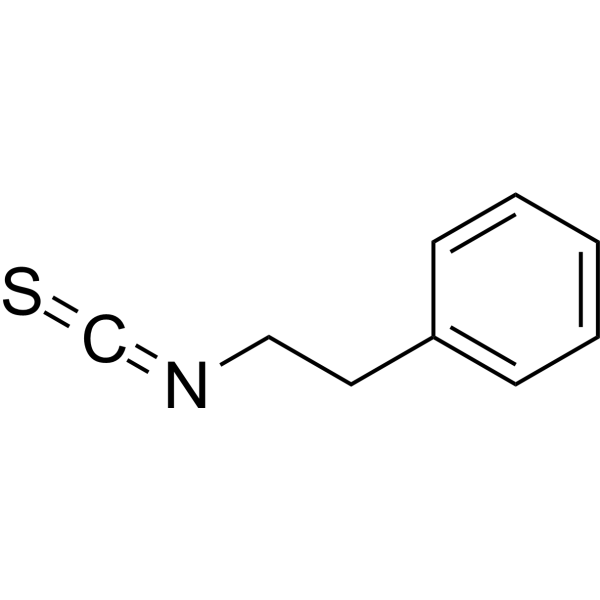
2-Phenylethyl isothiocyanate is a potent antifungal agent. 2-Phenylethyl isothiocyanate significantly inhibited spore germination and mycelial growth of Alternaria alternata, with a MIC (minimum inhibitory concentration) of 1.22 mM. The antifungal effect of 2-Phenylethyl isothiocyanate against Alternaria alternate might be via reduction in toxin content and breakdown of cell membrane integrity .
|
-
-
- HY-132191
-
|
|
Fungal
SARS-CoV
HIV
|
Infection
|
|
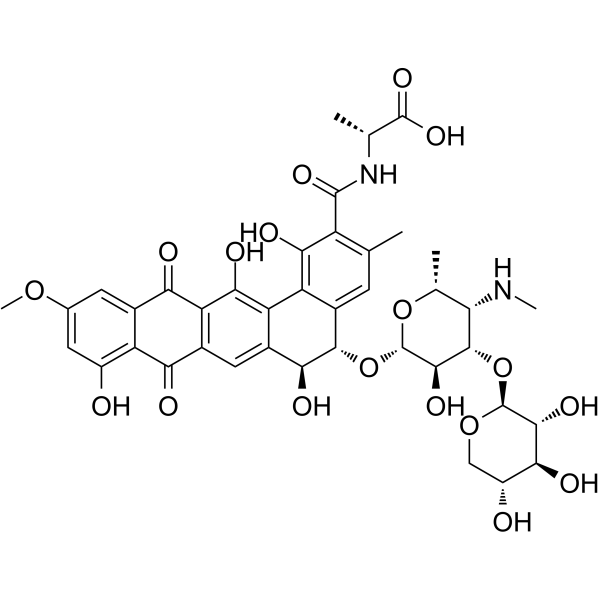
Pradimicin A is a potent antifungal agent with a minimum inhibitory concentration (MIC) of 4 μg/mL against Candida rugosa. Pradimicin A exhibits antiviral activity against SARS-CoV, human immunodeficiency virus (HIV) and other enveloped viruses. Pradimicin A exerts its fungicidal activity through a Ca 2+-dependent mechanism, which induces fungal lysis. Pradimicin A can be used in research related to fungal infections, HIV infections and COVID-19 .
|
-
-
- HY-162959
-
|
|
Bacterial
Topoisomerase
DNA/RNA Synthesis
|
Infection
|
|
BWC0977 is an antibacterial agent that inhibits bacterial DNA replication via inhibition of DNA gyrase and topoisomerase IV. BWC0977 exhibits a minimum inhibitory concentration (MIC90) of 0.03-2 µg/mL against MDR (Multi-Drug Resistant) Gram-negative bacteria .
|
-
-
- HY-10979
-
|
|
Bacterial
|
Infection
Inflammation/Immunology
|
|
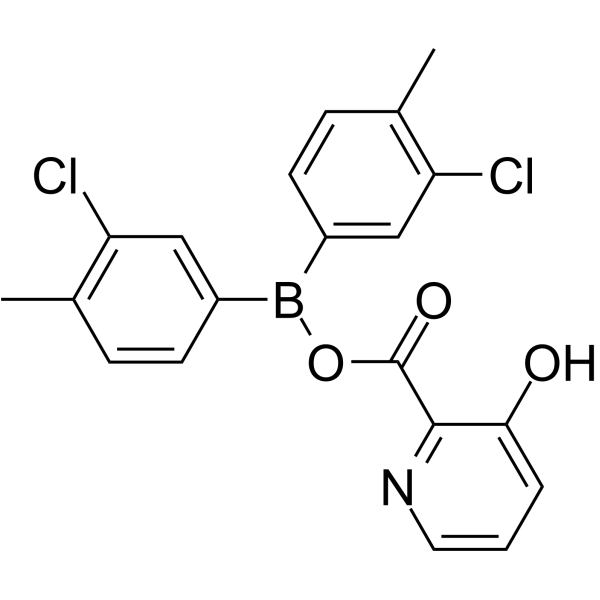
AN0128 is a boron-containing antibacterial and anti-inflammatory agent. AN0128 against S. aureus, S. epidermidis, P. acnes, B. subtilis with minimum inhibitory concentration (MIC) values of 1, 0.5, 0.3, 1 μg/mL. AN0128 can be used for the research of periodontal disease and cutaneous diseases .
|
-
-
- HY-W128705
-
|
3-Phenyl-1H-indole
|
Bacterial
|
Infection
|
|
3-Phenylindole (3-phenyl-1H-indole) is an indole compound. 3-Phenylindole exhibits weak anti-tuberculosis activity with an MIC of 129.4 μM. 3-Phenylindole can be utilized in anti-tuberculosis research .
|
-
-
- HY-23155S
-
|
2-PE ITC-d5
|
Fungal
|
Infection
|
|
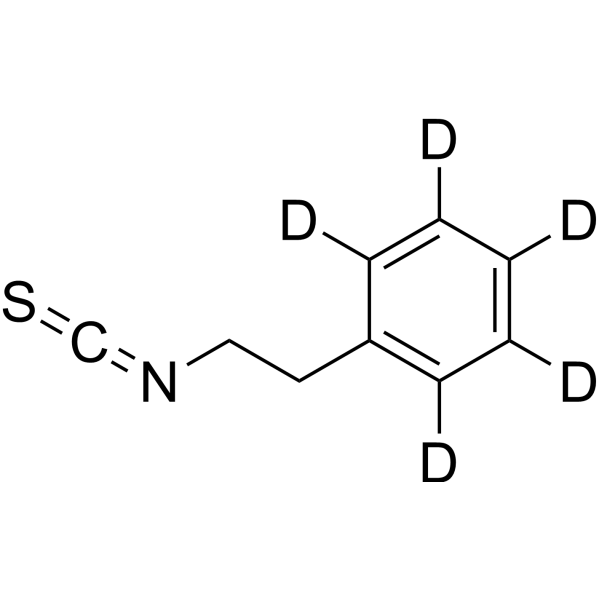
2-Phenylethyl isothiocyanate-d5 isothiocyanate-d5 is the deuterium labeled 2-Phenylethyl isothiocyanate[1]. 2-Phenylethyl isothiocyanate is a potent antifungal agent. 2-Phenylethyl isothiocyanate significantly inhibited spore germination and mycelial growth of Alternaria alternata, with a MIC (minimum inhibitory concentration) of 1.22 mM. The antifungal effect of 2-Phenylethyl isothiocyanate against Alternaria alternata might be via reduction in toxin content and breakdown of cell membrane integrity[2][3].
|
-
-
- HY-P5737
-
|
|
Bacterial
|
Infection
|
|
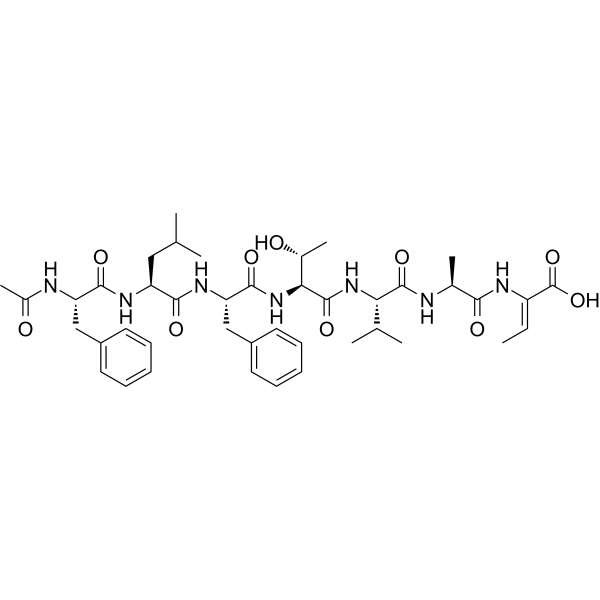
ASP-1 is a strong antistaphylococcal peptide with minimum inhibitory concentrations (MICs) of the purified peptide against S. aureus and methicillin-resistant S. aureus (MRSA) ranged from 2 μg/mL to 64 μg/mL .
|
-
-
- HY-N8406
-
|
|
Bacterial
Antibiotic
|
Infection
|
|
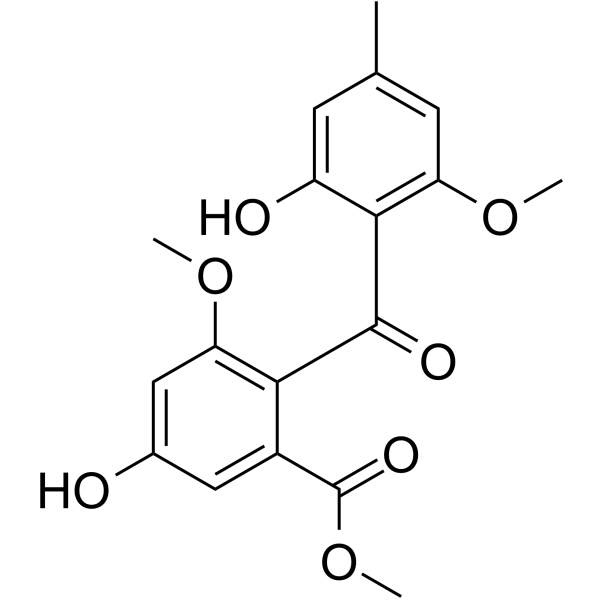
Monomethylsulochrin is a potent antibacterial metabolite from endophytic fungus Aspergillus fumigatus, isolated from Albizia lucidior leaves (fabaceae). Monomethylsulochrin exhibits anti-Staphylococcus aureus activity with minimum inhibitory concentration (MIC) of 31.25 μg/mL .
|
-
-
- HY-N12240
-
|
|
Bacterial
|
Infection
|
|
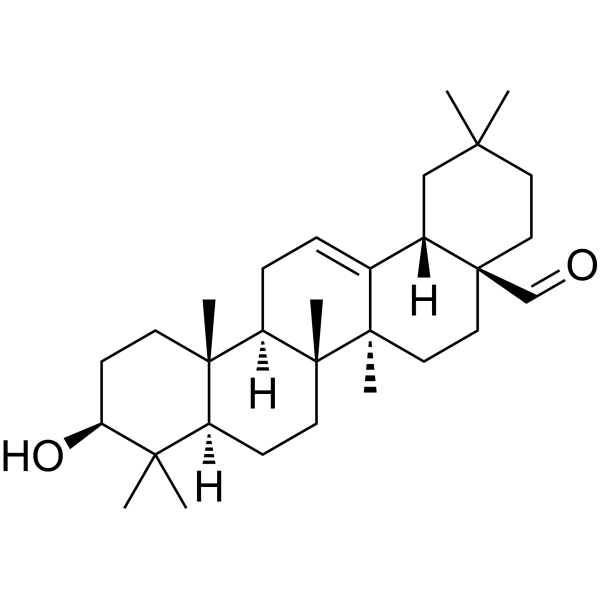
Oleanolic aldehyde is an antimicrobial compound used to inhibit oral bacteria. Oleanolic aldehyde inhibits Streptococcus mutans and Porphyromonas gingivalis, which are associated with dental caries and periodontal disease, with minimum inhibitory concentrations (MICs) of 488 μg/mL and 250 μg/mL, respectively .
|
-
-
- HY-162959A
-
|
|
Bacterial
Topoisomerase
DNA/RNA Synthesis
|
Infection
|
|
BWC0977 formic is an antibacterial agent that inhibits bacterial DNA replication via inhibition of DNA gyrase and topoisomerase IV. BWC0977 formic exhibits a minimum inhibitory concentration (MIC90) of 0.03-2 µg/mL against MDR (Multi-Drug Resistant) Gram-negative bacteria .
|
-
-
- HY-161797
-
|
|
Aminoacyl-tRNA Synthetase
|
Infection
|
|
Antibacterial agent 227 (Compd 29) is a SerRS (Seryl-tRNA synthetase) inhibitor. Antibacterial agent 227 has a significant inhibitory effect on the growth of planktonic and biofilm culture of Staphylococcus aureus 25923 with MIC (minimum inhibitory concentration) value of 32 µg/ml. Antibacterial agent 227 can be proposed as effective antiseptic toward multidrug-resistant biofilm-forming S. aureus isolates .
|
-
-
- HY-W004296
-
|
|
Environmental Pollutants
Bacterial
|
Infection
|
|
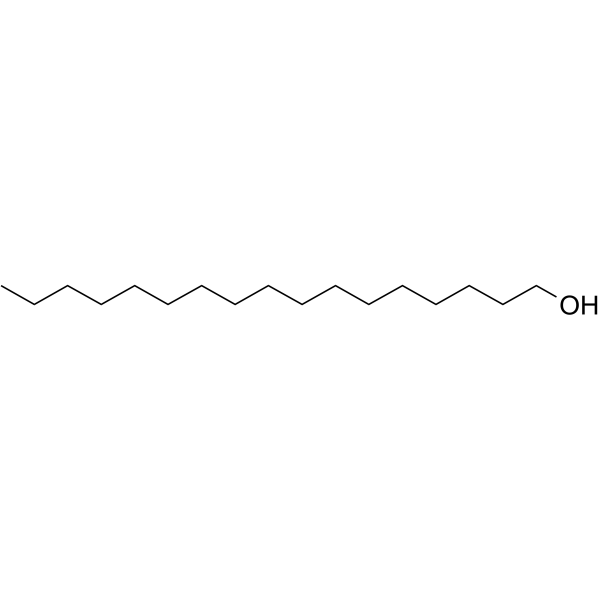
1-Heptadecanol is a long-chain primary alcohol and antibacterial agent. 1-Heptadecanol can be isolated from Solena amplexicaulis. 1-Heptadecanol exhibits antibacterial activity against Salmonella gallinarum with a minimum inhibitory concentration (MIC) of 15.08 μg/mL. 1-Heptadecanol can be used in the research of dandruff caused by Malassezia furfur .
|
-
-
- HY-144381
-
|
|
Bacterial
|
Infection
|
|
Glutamate-5-kinase-IN-1 (compound 50) is a potent glutamate-5-kinase (G5K) inhibitor with an MIC (minimum inhibitory concentration) of 4.1 μM. Glutamate-5-kinase-IN-1 shows G5K inhibition by alters the ATP binding site architecture for enzyme recognition. Glutamate-5-kinase-IN-1 has the potential for the research of anti-TB agents .
|
-
-
- HY-102009
-
|
|
Bacterial
|
Infection
|
|
BB-83698 is a peptide deformylase (PDF) inhibitor. BB-83698 exhibits potent in vitro activity against Streptococcus pneumoniae, with a minimum inhibitory concentration (MIC) range of 0.06-0.25μg/mL. BB-83698 elevates the survival rate of mice regardless of whether the infecting strain carries resistance mechanisms. BB-83698 can be used for the study of diseases related to drug-resistant Streptococcus pneumoniae infections .
|
-
-
- HY-23155R
-
|
2-PE ITC (Standard)
|
Fungal
Reference Standards
|
Infection
|
|
2-Phenylethyl isothiocyanate (Standard) is the analytical standard of 2-Phenylethyl isothiocyanate. This product is intended for research and analytical applications. 2-Phenylethyl isothiocyanate is a potent antifungal agent. 2-Phenylethyl isothiocyanate significantly inhibited spore germination and mycelial growth of Alternaria alternata, with a MIC (minimum inhibitory concentration) of 1.22 mM. The antifungal effect of 2-Phenylethyl isothiocyanate against Alternaria alternate might be via reduction in toxin content and breakdown of cell membrane integrity .
|
-
-
- HY-W923644
-
|
Aegelinol; (-)-Smyrinol
|
Bacterial
|
Infection
|
|
(-)-Decursinol (Aegelinol; (-)-Smyrinol) is a natural pyranocoumarin compound tant can be isolated from the roots of Apiaceae plants such as Ferulago campestris. (-)-Decursinol inhibits both Gram-positive bacteria (Staphylococcus aureus ATCC 13709, Enterococcus faecalis ATCC 14428) and Gram-negative bacteria (Salmonella typhii ATCC 19430, Enterobacter cloacae ATCC 10699, Enterobacter aerogenes ATCC 13048) with minimum inhibitory concentrations (MIC) ranging from 16 to 64 μg/mL. (-)-Decursinol possesses antioxidant activity. (-)-Decursinol can be used for the study of bacterial infections .
|
-
-
- HY-144727
-
|
|
Bacterial
TNF Receptor
|
Infection
Inflammation/Immunology
|
|
Anti-inflammatory agent 11 (compound 16) is a potent antimycobacterial and anti-inflammatory agent. Anti-inflammatory agent 11 inhibits Mtb H37Rv and M299 growth, with MIC50 (minimum inhibitory concentration 50%) of 1.3 and 6.9 μM, respectively. Anti-inflammatory agent 11 inhibits NO through the suppression of iNOS expression, and also inhibited the production of TNF-α and IL-1β. Anti-inflammatory agent 11 can be used for tuberculosis (TB) research .
|
-
-
- HY-N3887
-
|
Haplophytin B; Haplophytine B
|
Bacterial
|
Infection
|
|
Evoxine (Haplophytin B) is a compound that selectively inhibits CO2-induced immunosuppression and has activity in inhibiting the expression of interleukin-6 and chemokine CCL2 in human THP-1 macrophages. Evoxine shows antimicrobial activity against a wide range of bacteria, especially performing well in minimum inhibitory concentration (MIC) tests against Escherichia coli, Bacillus subtilis, and Staphylococcus aureus. Evoxine extracts may find application in crude drug preparations in West Africa, provided that their in vivo toxicity results are negative .
|
-
-
- HY-149155
-
|
|
Bacterial
|
Infection
|
|
o-Cymen-5-ol is a broad-spectrum antimicrobial agent with direct antimicrobial activity. o-Cymen-5-ol showed effective minimum inhibitory concentrations (MICs) against a variety of bacteria and fungi, such as Streptococcus mutans and Candida albicans. The combination of o-Cymen-5-ol and zinc showed synergistic effects, enhancing the inhibitory effect against oral pathogens. o-Cymen-5-ol was able to inhibit the glycolysis process and co-enhanced this effect with zinc. o-Cymen-5-ol showed a stronger antibacterial effect in toothpaste than placebo .
|
-
-
- HY-178330
-
|
|
Others
Topoisomerase
|
Infection
|
|
IKE16 is a fungi-selective eukaryotic topoisomerase II inhibitor, with an IC50 value of 13.68 μM. IKE16 suppresses both the DNA relaxation activity and the decatenation activity of yTOPOII selectively. IKE16 shows moderate activity against standard fungal strains (Candida albicans ATCC 10231, Saccharomyces cerevisiae ATCC 89763) with a minimum inhibitory concentration (MIC) of 2 μg/mL against S. cerevisiae ATCC 89763. IKE16 exhibits high cytotoxicity against human cells, with an EC50 of 0.07 μM in HepG2 and 0.045 μM in HEK-293. IKE16 can be used for the study of antifungal infection .
|
-
-
- HY-N10278
-
|
|
Others
|
Others
|
|
Pycnophorin significantly inhibits the growth of Bacillus subtilis and Staphyloccocus aureus with equal minimum inhibitory concentration (MIC) values of 25 μM.
|
-
-
- HY-N12600
-
|
|
Bacterial
|
Infection
|
|
Thiolopyrrolone A (compound 1) exhibits antibacterial activities against BCG, M. tuberculosis and S. aureus with minimum inhibitory concentrations (MIC) of 10, 10 and 100 μg/mL, respectively .
|
-
-
- HY-P1602
-
|
|
Bacterial
|
Infection
|
|
Apidaecin IB is a insect antimicrobial peptide, with minimum inhibitory concentration (MIC) values of 8 μM for E. coli (ML35, O18K1H7 and ATCC 25922).
|
-
-
- HY-130753
-
|
|
Bacterial
|
Infection
|
|
JM 1397 is an antibacterial agent that exhibits potent antibacterial activity against both methicillin-susceptible and methicillin-resistant Staphylococcus aureus with a minimum inhibitory concentration (MIC90) of 1 μg/mL . .
|
-
-
- HY-121294
-
|
X 14547A
|
Antibiotic
|
Infection
|
|
Indanomycin is an antibiotic of the pyrroloketoindane class, which includes an unusual indane ring structure. It has bactericidal activity against Gram-positive bacteria, with minimum inhibitory concentration (MIC) values of ≤0.2 μg/mL.
|
-
-
- HY-157027
-
|
|
Fungal
|
Others
|
|
Antifungal agent 85 (compound 24f) is a potent antibacterial compound with the minimum inhibitory concentration (MIC) values between 2.5 and 10 μM against various Gram-positive bacteria .
|
-
-
- HY-171540
-
|
|
Fungal
|
Infection
|
|
AnCDA-IN-1 (Compound J075-4187) is an inhibitor of chitin deacetylase (CDA) with antifungal activity. It has an IC50 of 4.24 μM against AnCDA of A. nidulans, a minimum inhibitory concentration (MIC) of 260 μg/mL against food spoilage fungi and plant pathogenic fungi, and a minimum fungicidal concentration (MFC) of 520 μg/mL. AnCDA-IN-1 can be used in the research of the antifungal field .
|
-
-
- HY-168109
-
|
|
Antibiotic
Bacterial
|
Infection
|
|
Antibacterial agent 246 (compound A33) is a antibacterial agent and has minimum inhibitory concentrations (MICs) of 0.5-4 μg/mL against twenty-three Gram-positive bacteria. Antibacterial agent 246 in combination with Polymyxin E(HY-113678) E inhibits the growth of various Gram-negative bacteria with the fractional inhibitory concentration index of 0.066 .
|
-
-
- HY-173490
-
|
|
Fungal
|
Infection
|
|
Antifungal agent 131 (compound A20) is an antifungal compound with a minimum inhibitory concentration (MIC) of 64 μg/mL. Antifungal agent 131 demonstrates excellent antifungal potential when used in combination with Fluconazole (HY-B0101) .
|
-
-
- HY-172263
-
|
|
Antibiotic
Bacterial
|
Infection
|
|
KU13 is an inhibitor of nontuberculous mycobacteria (NTM). The minimum inhibitory concentrations (MIC) of KU13 against Mycobacterium and E. coli are 0.032-8 μg/mL and 2 μg/mL, respectively. KU13 can be used for research in the field of anti-infection .
|
-
-
- HY-163630
-
|
|
Bacterial
|
Infection
|
|
Antibacterial agent 217 (Compound 24) is a non-cytotoxic, non-hemolytic, moderately active antibacterial agent that inhibits the growth of Staphylococcus aureus strains with a minimum inhibitory concentration (MIC) of 32 μg/mL. Antibacterial agent 217 also moderately inhibits the growth of Staphylococcus epidermidis .
|
-
-
- HY-146373
-
|
|
Bacterial
|
Infection
|
|
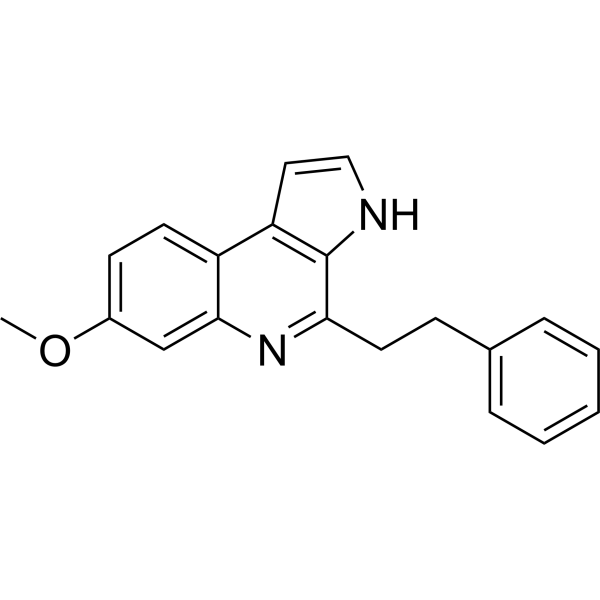
The minimum inhibitory concentration (MIC) of a new 2- (quinoline-4-methoxy) acetamide antituberculotic agent against the reference strain of Mycobacterium tuberculosis H37Rv was as low as 0.3 μ M. It also inhibited the growth of Mycobacterium tuberculosis in the macrophage model of tuberculosis infection.
|
-
-
- HY-173240
-
|
|
Bacterial
|
Infection
|
|
IPMCL-28b is an antibacterial agent targeting the bacterial cell membrane. Its minimum inhibitory concentration (MIC) against Staphylococcus aureus ATCC 25923 is 1.56 μg/mL, and the MIC against methicillin-resistant Staphylococcus aureus (MRSA) is 6.25 μg/mL. IPMCL-28b is expected to be used in the research of the anti-infection field .
|
-
-
- HY-161404
-
|
|
Bacterial
|
Infection
|
|
Antibacterial agent 202 (compound 45c) is a low cytotoxicity bacterial inhibitor with good activity against Gram-negative bacteria, including Escherichia coli, Klebsiella pneumonia, especially Pseudomonas aeruginosa, (MIC (minimum inhibitory concentration)=7.8-31.25 μM). Antibacterial agent 202 can exert antibacterial activity by destroying the integrity of cell membranes and can be used in the research of bacterial infections .
|
-
-
- HY-161922
-
|
|
Bacterial
|
Infection
|
|
Antibacterial agent 235 (compound thy2I) shows antibacterial activity with minimum inhibitory concentration (MIC) values ranging from 0.5 μg/mL to 8 μg/mL. Antibacterial agent 235 could kill both gram-positive and gram-negative bacteria via a membrane-targeting mechanism of action with a low frequency of resistance .
|
-
-
- HY-W012088
-
|
Myristoleic acid methyl ester; Methyl myristoleate; cis-9-Tetradecenoate methyl ester
|
Bacterial
Apoptosis
|
Infection
|
|
(Z)-Methyl tetradec-9-enoate (Myristoleic acid methyl ester; Methyl myristoleate) is a cytotoxic component extracted from S. repens fruit extract. It induces apoptosis and necrosis in human prostate cancer LNCaP cells. In addition, (Z)-Methyl tetradec-9-enoate found in cheese-making byproducts inhibits Candida albicans germination with a minimum inhibitory concentration (MIC) of 9 μM in vivo.
|
-
-
- HY-162493
-
|
|
Bacterial
|
Infection
|
|
MBL-IN-3 (compound 72922413) is a New Delhi metallo-β-lactamase-1 (NDM-1) inhibitor(IC50=54±4 μM). MBL-IN-3 is identified and shown to lower minimum inhibitory concentrations (MICs) of Meropenem (HY-13678) for a panel of E. coli and K. pneumoniae clinical isolates expressing NDM-1. MBL-IN-3 can be used for antibiotic sensitizer research .
|
-
-
- HY-172773
-
|
|
Bacterial
|
Infection
|
|
PAA-38 is a highly potent selective inhibitor targeting bacterial prolyl-tRNA synthetase (ProRS). PAA-38 againsts Pseudomonas aeruginosa ProRS (PaProRS) with a Kd value of 0.399 nM and an IC50 value of 4.97 nM. PAA-38 againsts human cytoplasmic ProRSs (HsProRS) with an IC50 value of 35.5 nM. PAA-38 demonstrates an in vitro antibacterial activity of minimum inhibitory concentration (MIC) = 4-8 μg/mL .
|
-
-
- HY-W587414
-
|
|
Bacterial
Antibiotic
|
Infection
|
|
Neospiramycin I is a macrolide antibiotic and a derivative of Spiramycin I (HY-N7141). Neospiramycin I is effective against the macrolide-sensitive KB210 strain of S. aureus, but ineffective against the macrolide-resistant KB224 strain, with minimum inhibitory concentrations (MIC) of 3.12 and greater than 100 µg/mL, respectively; it is also effective against B. cereus, B. subtilis, M. luteus, E. coli, and K. pneumoniae, with respective MIC values of 1.56, 3.12, 3.12, 0.2, 50, and 12.5 µg/mL. Neospiramycin I binds to the ribosomes of E. coli, with an inhibitory concentration 50 (IC50) of 1.2 µM. It protects mice from death in a type III S. pneumoniae infection model, with an effective dose 50 (ED50) of 399.8 mg/kg .
|
-
-
- HY-144382
-
|
|
Bacterial
|
Infection
|
|
Glutamate-5-kinase-IN-2 (compound 54) is a potent glutamate-5-kinase (G5K) inhibitor with an MIC (minimum inhibitory concentration) of 4.2 μM. Glutamate-5-kinase-IN-2 shows G5K inhibition by promotes conformational changes at the L-glutamate binding site. Glutamate-5-kinase-IN-2 has the potential for the research of anti-TB agents .
|
-
-
- HY-144737
-
|
|
Bacterial
TNF Receptor
|
Infection
Inflammation/Immunology
|
|
Anti-inflammatory agent 15 (compound 29) is a potent antimycobacterial and anti-inflammatory agent. Anti-inflammatory agent 15 inhibits Mtb H37Rv and M299 growth, with MIC50 (minimum inhibitory concentration 50%) of 2.3 and 7.8 μM, respectively. Anti-inflammatory agent 15 inhibits NO through the suppression of iNOS expression, and also inhibited the production of TNF-α and IL-1β. Anti-inflammatory agent 15 can be used for tuberculosis (TB) research .
|
-
-
- HY-161823
-
|
|
Bacterial
|
Infection
|
|
Anti-MRSA agent 13 (Compound 9b) is an agent against methicillin-resistant Staphylococcus aureus (MRSA), exhibiting a minimum inhibitory concentration (MIC) of 0.5–2 μg/mL against clinically isolated MRSA strains. Anti-MRSA agent 13 possesses favorable biosafety, plasma tolerance stability, and a low tendency to develop resistance. Anti-MRSA agent 13 disrupts cell walls and membranes, reduces metabolic activity, causes oxidative damage, affects DNA function, and ultimately leads to MRSA death through multi-target synergies .
|
-
-
- HY-115693
-
|
|
Bacterial
|
Infection
|
|
CAP 3 is a cholic acid-peptide conjugate (CAP) antimicrobial agent. CAP 3 effectively inhibits Gram-negative bacteria, with MIC99 (minimum inhibitory concentration for 99% bacterial killing) values of 8 μM, 16 μM, and 16 μM against E. coli, Klebsiella pneumoniae and Acinetobacter baumannii, respectively. CAP 3 exerts its antibacterial effects by disrupting the structural integrity of the bacterial lipopolysaccharide (LPS) outer membrane. CAP 3 rapidly kills bacteria, inhibits biofilm formation, and effectively combats drug-resistant strains and persistent bacterial infections .
|
-
-
- HY-125048
-
|
229-B; Streptothricin D
|
Bacterial
|
Infection
|
|
Racemomycin B (229-B; Streptothricin D), the main component from Streptomyces lavendulae OP-2, is a streptothricin antibiotic containing three β-lysine groups. RM-B exhibits antimicrobial activity against plant pathogenic microorganisms and effectively inhibits the growth of Brassica rapa L. roots at 50 ppm. RM-B showed a minimum inhibitory concentration (MIC) of 0.4 μg/ml against Pseudomonas syringae pv. tabaci IFO-3508 and a MIC range of 0.1-2.0 μg/ml against six strains of Fusarium oxysporum, showing stronger antimicrobial activity than RM-A and RM-C. The biological activity of racemomycin compounds increases with the increase in the number of β-lysine groups.
|
-
-
- HY-14988
-
|
|
Bacterial
|
Infection
|
|
I-A09 and its derivatives, specifically 1,2,3-triazole-adamantylacetamide hybrids (5a–u), exhibit significant antitubercular activity. These hybrids were synthesized using copper-catalyzed click chemistry, combining bioactive fragments from antitubercular I-A09 and substituted adamantyl urea. The compound N-(1-adamantyl)-2-azido acetamide was reacted with various alkyl/aryl acetylenes to produce new analogues. Among them, N-(1-adamantan-1-yl)-2-(4-(phenanthren-2-yl)-1H-1,2,3-triazol-1-yl)acetamide (5t) showed the most promise with a minimum inhibitory concentration (MIC) of 3.12 μg/mL against Mycobacterium tuberculosis H37Rv, and a selectivity index greater than 15 .
|
-
-
- HY-137121
-
|
|
Bacterial
|
Infection
|
|
YKAs3003 is a potent inhibitor of Escherichia coli KAS III (ecKAS III) with antibacterial activity. The minimum inhibitory concentrations (MICs) of YKAs3003 against a variety of bacteria ranged from 128 to 256 μg/mL .
|
-
-
- HY-N9833
-
|
|
Bacterial
|
Infection
|
|
Sampsone B is a dihydrodibenzodioxinone-type antibacterial agent with a minimum inhibitory concentration (MIC) of ≥128 μg/mL against methicillin-resistant Staphylococcus aureus (MRSA). Sampsone B can be naturally extracted from the aerial parts (stems and leaves) of Hypericum sampsonii .
|
-
-
- HY-173205
-
|
|
Bacterial
|
Infection
|
|
Antimycobacterial agent - 11 (Compound QM7) is a bacteriostatic agent with anti-tuberculosis activity. Its minimum inhibitory concentration (MIC) against Mycobacterium tuberculosis (Mtb) is 5.58 μg/mL. Antimycobacterial agent - 11 can be used in the research of the anti - infection field, especially in the field of tuberculosis .
|
-
- HY-179670
-
|
|
Bacterial
|
Infection
|
|
Antibacterial agent 304 (Compound 3a) is an antibacterial agent with a minimum inhibitory concentration (MIC) of 8 μg/mL against S. aureus and P. aeruginosa. This antibacterial agent has a bactericidal effect and can disrupt the integrity of the cell wall. Antibacterial agent 304 has the potential to be a sustainable organic photocatalyst .
|
-
- HY-124900
-
|
|
Fungal
|
Infection
Cancer
|
|
Tylophorinicine is an anti-leukemic and anti-fungal agent. Tylophorinicine exhibits minimum inhibitory concentrations (MIC) in the range of 2-4 mg/mL for TdnH and 0.6-2.5 mg/mL for TnnH against Candida species. Tylophorinicine is a phenanthroindolizidine alkaloid from tylophora asthamatica and pergulatia pallid. Tylophorinicine inhibits thymidylate synthase by pergularinine .
|
-
- HY-159796A
-
|
GR69153
|
Bacterial
Antibiotic
Glycosidase
|
Infection
Metabolic Disease
|
|
Ceftezole (GR69153) is a broad-spectrum cephalosporin antibiotic and an α-glucosidase inhibitor. Ceftezole inhibits bacterial cell lysis by inhibiting cell wall synthesis and binding to penicillin-binding proteins (PBPs). Ceftezole exhibits in vivo anti-diabetic activity in diabetic mice. Ceftezole can be used in antibacterial and anti-diabetic research .
|
-
- HY-W748468
-
|
|
Drug Derivative
Bacterial
|
Infection
|
|
6-Isopentenyloxyisobergapten is a furanocoumarin found in the aerial parts of Semenovia transiliensis and the roots of Heracleum maximum. 6-Isopentenyloxyisobergapten has both selective phytotoxicity and antimycobacterial activity. 6-Isopentenyloxyisobergapten shows a minimum inhibitory concentration (MIC) of 166.5 μM and an IC50 of 27.4 μM against Mycobacterium tuberculosis H37Ra. 6-Isopentenyloxyisobergapten has an IC50 of 29 μM for the growth inhibition of Lemna paucicostata. 6-Isopentenyloxyisobergapten exhibits higher activity against Agrostis stolonifera than Lactuca sativa at a concentration of 1000 μM .
|
-
- HY-179611
-
|
|
Bacterial
|
Infection
|
|
LP-03 is an antibacterial agent with selective activity against Methicillin-resistant Staphylococcus aureus (MRSA). Its minimum inhibitory concentration (MIC) is 6.2 μM. LP-03 has an inhibitory effect on biofilm formation, but it is unable to effectively remove the formed biofilms. LP-03 can enhance membrane permeability, disrupt the membrane structure of MRSA cells, and does not cause significant membrane depolarization. LP-03 has no hemolytic toxicity and shows low mammalian cell toxicity. It can be used for research on MRSA infections .
|
-
- HY-N16699
-
|
|
Bacterial
|
Infection
|
|
4'-O-Methyl-8-prenylnaringenin is a prenylated flavonoid compound with antibacterial activity, which can be isolated from propolis of the Solomon Islands. 4'-O-Methyl-8-prenylnaringenin exerts its antibacterial activity by enhancing cell penetration and damaging bacterial cell membranes or cell walls. The minimum inhibitory concentrations (MICs) against Staphylococcus aureus, Bacillus subtilis, and Pseudomonas aeruginosa are 32 μg/mL, 32 μg/mL, and 128 μg/mL, respectively .
|
-
- HY-W004296R
-
|
|
Bacterial
Reference Standards
|
Infection
|
|
1-Heptadecanol (Standard) is the analytical standard of 1-Heptadecanol (HY-W004296). This product is intended for research and analytical applications. 1-Heptadecanol is a long-chain primary alcohol and antibacterial agent. 1-Heptadecanol can be isolated from Solena amplexicaulis. 1-Heptadecanol exhibits antibacterial activity against Salmonella gallinarum with a minimum inhibitory concentration (MIC) of 15.08 μg/mL. 1-Heptadecanol can be used in the research of dandruff caused by Malassezia furfur .
|
-
- HY-W052289R
-
|
|
Endogenous Metabolite
Reference Standards
|
Cancer
|
|
Methyl 6-bromo-1H-indole-3-carboxylate (Standard) is the analytical standard of Methyl 6-bromo-1H-indole-3-carboxylate (HY-W052289). This product is intended for research and analytical applications. Methyl 6-bromo-1H-indole-3-carboxylate is a marine-derived natural product with antitumor activity. Methyl 6-bromo-1H-indole-3-carboxylate showed growth inhibition against Staphylococcus epidermidis, exhibiting weak or moderate minimum inhibitory concentrations (MICs) .
|
-
| Cat. No. |
Product Name |
Target |
Research Area |
-
- HY-125747
-
|
Actinomycin V (purity≥85%)
|
Bacterial
Antibiotic
Apoptosis
|
Infection
Cancer
|
|
Actinomycin X2 (Actinomycin V), produced by many Streptomyces sp., shows strong inhibition of MRSA with a minimum inhibitory concentration (MIC) value of 0.25 μg/mL. Actinomycin X2 can be used for cancer and bacterial infection .
|
-
- HY-P5737
-
|
|
Bacterial
|
Infection
|
|
ASP-1 is a strong antistaphylococcal peptide with minimum inhibitory concentrations (MICs) of the purified peptide against S. aureus and methicillin-resistant S. aureus (MRSA) ranged from 2 μg/mL to 64 μg/mL .
|
| Cat. No. |
Product Name |
Category |
Target |
Chemical Structure |
-
- HY-N8406
-
|
|
Microorganisms
Phenols
Source Classification
|
Bacterial
Antibiotic
|
|
Monomethylsulochrin is a potent antibacterial metabolite from endophytic fungus Aspergillus fumigatus, isolated from Albizia lucidior leaves (fabaceae). Monomethylsulochrin exhibits anti-Staphylococcus aureus activity with minimum inhibitory concentration (MIC) of 31.25 μg/mL .
|
-
-
- HY-N12240
-
-
-
- HY-W004296
-
-
-
- HY-W923644
-
|
Aegelinol; (-)-Smyrinol
|
Structural Classification
Wyethia glabra A.Gray
Coumarins
Phenylpropanoids
Umbelliferae
Plants
Source Classification
|
Bacterial
|
|
(-)-Decursinol (Aegelinol; (-)-Smyrinol) is a natural pyranocoumarin compound tant can be isolated from the roots of Apiaceae plants such as Ferulago campestris. (-)-Decursinol inhibits both Gram-positive bacteria (Staphylococcus aureus ATCC 13709, Enterococcus faecalis ATCC 14428) and Gram-negative bacteria (Salmonella typhii ATCC 19430, Enterobacter cloacae ATCC 10699, Enterobacter aerogenes ATCC 13048) with minimum inhibitory concentrations (MIC) ranging from 16 to 64 μg/mL. (-)-Decursinol possesses antioxidant activity. (-)-Decursinol can be used for the study of bacterial infections .
|
-
-
- HY-N3887
-
|
Haplophytin B; Haplophytine B
|
Alkaloids
Other Alkaloids
Rutaceae
Plants
Haplophyllum acutifolium (DC.) G. Don
Source Classification
|
Bacterial
|
|
Evoxine (Haplophytin B) is a compound that selectively inhibits CO2-induced immunosuppression and has activity in inhibiting the expression of interleukin-6 and chemokine CCL2 in human THP-1 macrophages. Evoxine shows antimicrobial activity against a wide range of bacteria, especially performing well in minimum inhibitory concentration (MIC) tests against Escherichia coli, Bacillus subtilis, and Staphylococcus aureus. Evoxine extracts may find application in crude drug preparations in West Africa, provided that their in vivo toxicity results are negative .
|
-
-
- HY-N10278
-
-
-
- HY-N12600
-
-
-
- HY-125048
-
|
229-B; Streptothricin D
|
Natural Products
Microorganisms
Source Classification
|
Bacterial
|
|
Racemomycin B (229-B; Streptothricin D), the main component from Streptomyces lavendulae OP-2, is a streptothricin antibiotic containing three β-lysine groups. RM-B exhibits antimicrobial activity against plant pathogenic microorganisms and effectively inhibits the growth of Brassica rapa L. roots at 50 ppm. RM-B showed a minimum inhibitory concentration (MIC) of 0.4 μg/ml against Pseudomonas syringae pv. tabaci IFO-3508 and a MIC range of 0.1-2.0 μg/ml against six strains of Fusarium oxysporum, showing stronger antimicrobial activity than RM-A and RM-C. The biological activity of racemomycin compounds increases with the increase in the number of β-lysine groups.
|
-
-
- HY-N9833
-
-
-
- HY-124900
-
-
-
- HY-W748468
-
|
|
Structural Classification
Semenovia transiliensis Regel & Herder
Apiaceae
Coumarins
Phenylpropanoids
Plants
Source Classification
|
Drug Derivative
Bacterial
|
|
6-Isopentenyloxyisobergapten is a furanocoumarin found in the aerial parts of Semenovia transiliensis and the roots of Heracleum maximum. 6-Isopentenyloxyisobergapten has both selective phytotoxicity and antimycobacterial activity. 6-Isopentenyloxyisobergapten shows a minimum inhibitory concentration (MIC) of 166.5 μM and an IC50 of 27.4 μM against Mycobacterium tuberculosis H37Ra. 6-Isopentenyloxyisobergapten has an IC50 of 29 μM for the growth inhibition of Lemna paucicostata. 6-Isopentenyloxyisobergapten exhibits higher activity against Agrostis stolonifera than Lactuca sativa at a concentration of 1000 μM .
|
-
-
- HY-N16699
-
|
|
Structural Classification
Flavonoids
Animals
Flavonones
Source Classification
|
Bacterial
|
|
4'-O-Methyl-8-prenylnaringenin is a prenylated flavonoid compound with antibacterial activity, which can be isolated from propolis of the Solomon Islands. 4'-O-Methyl-8-prenylnaringenin exerts its antibacterial activity by enhancing cell penetration and damaging bacterial cell membranes or cell walls. The minimum inhibitory concentrations (MICs) against Staphylococcus aureus, Bacillus subtilis, and Pseudomonas aeruginosa are 32 μg/mL, 32 μg/mL, and 128 μg/mL, respectively .
|
-
-
- HY-W004296R
-
-
-
- HY-W052289R
-
-
| Cat. No. |
Product Name |
Chemical Structure |
-
- HY-23155S
-
|
|
|
2-Phenylethyl isothiocyanate-d5 isothiocyanate-d5 is the deuterium labeled 2-Phenylethyl isothiocyanate[1]. 2-Phenylethyl isothiocyanate is a potent antifungal agent. 2-Phenylethyl isothiocyanate significantly inhibited spore germination and mycelial growth of Alternaria alternata, with a MIC (minimum inhibitory concentration) of 1.22 mM. The antifungal effect of 2-Phenylethyl isothiocyanate against Alternaria alternata might be via reduction in toxin content and breakdown of cell membrane integrity[2][3].
|
-
Your information is safe with us. * Required Fields.
Inquiry Information
- Product Name:
- Cat. No.:
- Quantity:
- MCE Japan Authorized Agent:

