1. Search Result
Search Result
Results for "

myeloperoxidase activity

" in MedChemExpress (MCE) Product Catalog:

41

Inhibitors & Agonists

1

Fluorescent Dyes

1

Biochemical Assay Reagents

12

Natural
Products

3

Isotope-Labeled Compounds

Cat. No. Product Name Target Research Areas Chemical Structure
  • HY-P2818
    Alkaline phosphatase, Bovine intestine
    1 Publications Verification

    Apase

    Endogenous Metabolite Phosphatase Glutathione Peroxidase Bacterial Infection Inflammation/Immunology
    Alkaline phosphatase, Bovine intestine (Apase) is an orally active membrane-bound glycoprotein that catalyzes the hydrolysis of phosphate monoesters at alkaline pH. Alkaline phosphatase, Bovine intestine reduces myeloperoxidase activity and bacterial translocation. Alkaline phosphatase, Bovine intestine improves survival rate of mice infected with E. coli. Alkaline phosphatase, Bovine intestine improves TNBS-induced colon inflammation .
    Alkaline phosphatase, Bovine intestine
  • HY-P2818E
    Alkaline Phosphatase, Calf intestinal
    1 Publications Verification

    Apase, Calf intestinal

    Endogenous Metabolite Phosphatase Glutathione Peroxidase Bacterial Infection Inflammation/Immunology
    Alkaline Phosphatase (Apase), Calf intestinal is an alkaline phosphatase from Calf intestinal, and is one of the most active alkaline phosphatases. Alkaline Phosphatase, Calf intestinal is an orally active membrane-bound glycoprotein that catalyzes the hydrolysis of phosphate monoesters at alkaline pH. Alkaline Phosphatase, Calf intestinal reduces myeloperoxidase activity and bacterial translocation. Alkaline Phosphatase, Calf intestinal improves survival rate of mice infected with E. coli. Alkaline Phosphatase, Calf intestinal improves TNBS-induced colon inflammation .
    Alkaline Phosphatase, Calf intestinal
  • HY-114360A
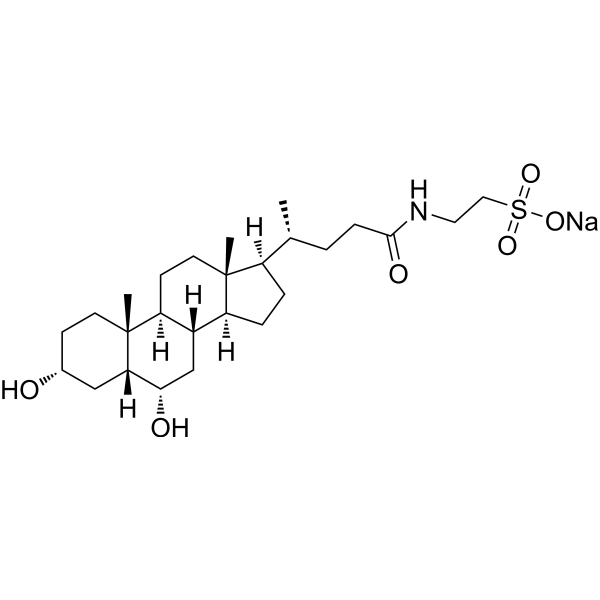
    Taurohyodeoxycholic acid sodium
    2 Publications Verification

    Interleukin Related TNF Receptor Inflammation/Immunology
    Taurohyodeoxycholic acid (THDCA) sodium is the taurine-conjugated form of the secondary bile acid hyodeoxycholic acid. Taurohyodeoxycholic acid can also reduce the activity and expression of myeloperoxidase TNF-α and IL-6, as well as colonic damage in TNBS-induced ulcerative colitis mouse model.
    Taurohyodeoxycholic acid sodium
  • HY-B0679
    Lubiprostone
    1 Publications Verification

    RU-0211; SPI-0211

    Chloride Channel CFTR Glutathione Peroxidase NO Synthase TNF Receptor Metabolic Disease
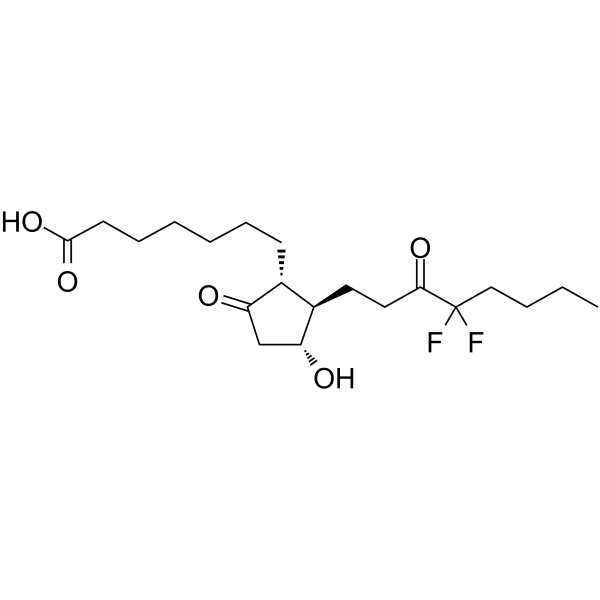
    Lubiprostone (SPI-0211) increases intestinal fluid secretion through generation of CIC-2/CFTR and activation of cAMP signaling pathway. Lubiprostone inhibits myeloperoxidase (MPO) activity, downregulates Indomethacin (HY-14397)-induced iNOS and TNFα expression. Lubiprostone can be used for chronic constipation research .
    Lubiprostone
  • HY-125859A
    Myeloperoxidase, human white blood cells
    1 Publications Verification

    MPO

    Bacterial Inflammation/Immunology
    Myeloperoxidase, human white blood cells (MPO) is a peroxidase. In Myeloperoxidase, human white blood cells mediate oxidative stress by promoting the production of reactive oxygen species (ROS) and active nitrogen (RNS), regulating the polarization and inflammation-related signaling pathways of microglia and neutrophils. Myeloperoxidase, human white blood cells has antibacterial activity .
    Myeloperoxidase, human white blood cells
  • HY-N3029
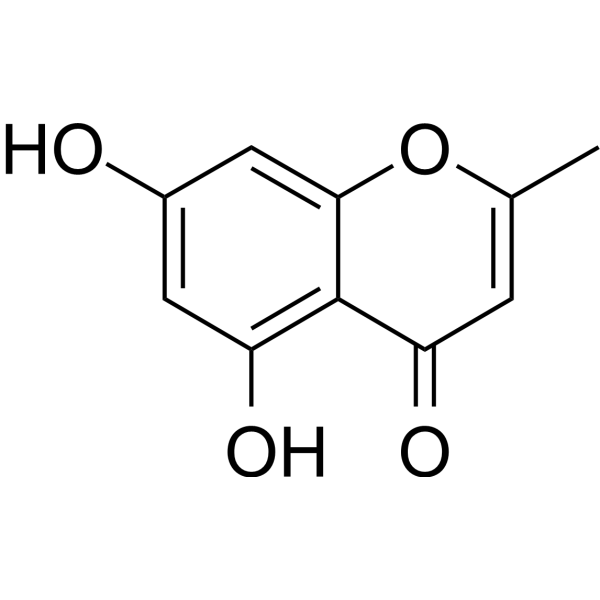
    Noreugenin
    2 Publications Verification

    Interleukin Related Apoptosis Glutathione Peroxidase SOD Glutathione S-transferase Necroptosis Inflammation/Immunology
    Noreugenin is a phenolic compound found in Calea uniflora Less. Noreugenin inhibits myeloperoxidase activity and reduces levels of proinflammatory cytokines IL-1β and IL-17A levels in LPS (HY-D1056)-induced murine pleurisy model. Noreugenin reduces apoptosis and necrosis. Noreugenin reduces lipid peroxidation, and antioxidant enzyme (CAT, SOD, GST) activity. Noreugenin exhibits anti-inflammatory and antioxidant effects. Noreugenin can be used for the research of inflammatory conditions, such as pleurisy .
    Noreugenin
  • HY-N4288
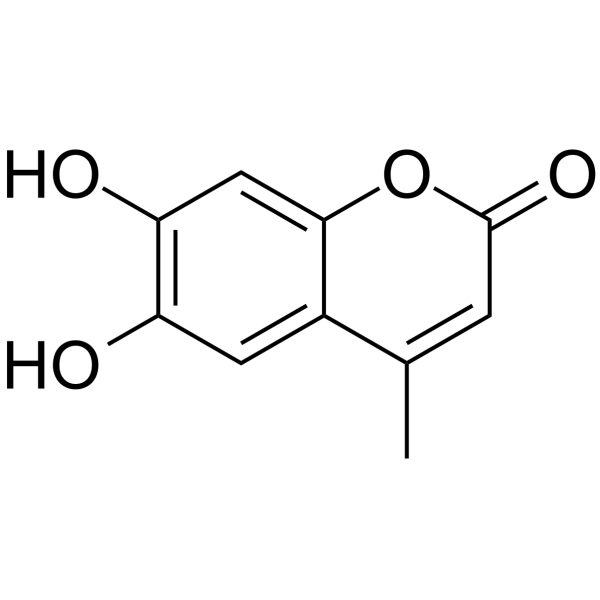
    4-Methylesculetin
    3 Publications Verification

    Glutathione Peroxidase Cathepsin Phosphatase Inflammation/Immunology Cancer
    4-Methylesculetin is an orally active coumarin derivative, with potent anti-oxidant and anti-inflammatory activities. 4-Methylesculetin inhibits myeloperoxidase activity. 4-Methylesculetin protects bone resorption by reducing the elevated levels of bone-joint exoglycosidases, cathepsin-D and tartrate resistant acid phosphatases. 4-Methylesculetin ameliorats the upregulated non-enzymatic inflammatory markers like TNF-α, IL-1β, IL-6, COX-2 and PGE2, which is promising for research of inflammatory diseases .
    4-Methylesculetin
  • HY-145581
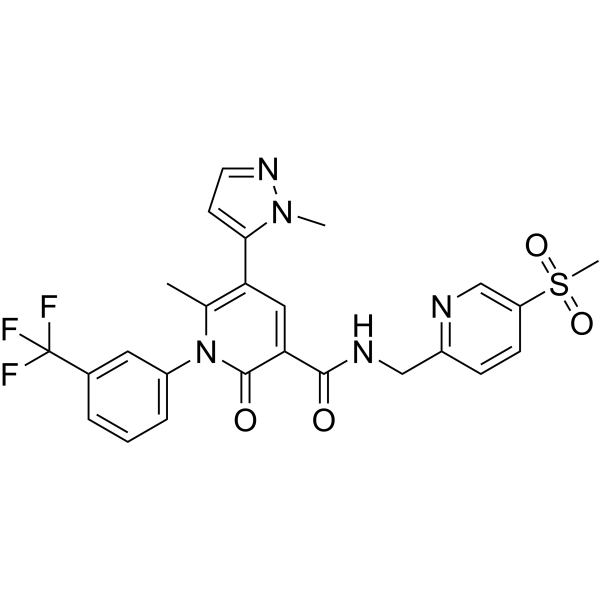
    Mitiperstat
    1 Publications Verification

    AZD4831

    Glutathione Peroxidase Cytochrome P450 Cardiovascular Disease Inflammation/Immunology
    Mitiperstat (AZD4831) is an effective oral inhibitor of myeloperoxidase (MPO). Mitiperstat inhibits MPO and thyroid peroxidase (TPO) with IC50s of 1.5 nM and 0.69 μM. Mitiperstat exhibits a weak inhibitory activity against CYP3A4 with an IC50 of 6 μM. Mitiperstat can reduce inflammation and improve microvascular function, and it can be used in studies related to heart failure, preserved or mildly reduced ejection fraction, non-alcoholic fatty liver disease, and chronic obstructive pulmonary disease .
    Mitiperstat
  • HY-D0169A
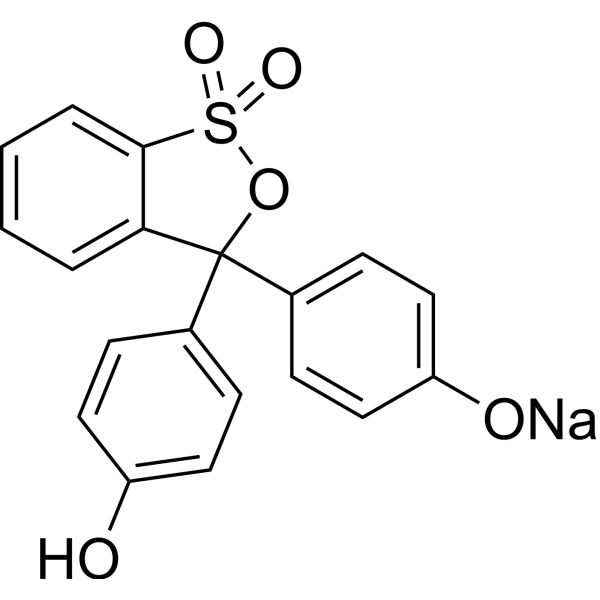
    Phenol Red sodium salt
    1 Publications Verification

    Phenolsulfonephthalein sodium salt

    Fluorescent Dye Glutathione Peroxidase Others
    Phenol red (Phenolsulfonephthalein) sodium salt is a pH indicator dye. Phenol Red sodium salt is also an antagonist of rat P2X1R. Phenol Red sodium salt enhances the halogenating activity of myeloperoxidase. Phenol Red sodium salt shows a distinct color change from pink to yellow in a positive pH reaction .
    Phenol Red sodium salt
  • HY-N0656
    Usnic acid
    2 Publications Verification

    Bacterial DNA/RNA Synthesis Nuclear Factor of activated T Cells (NFAT) Apoptosis Infection Inflammation/Immunology Cancer
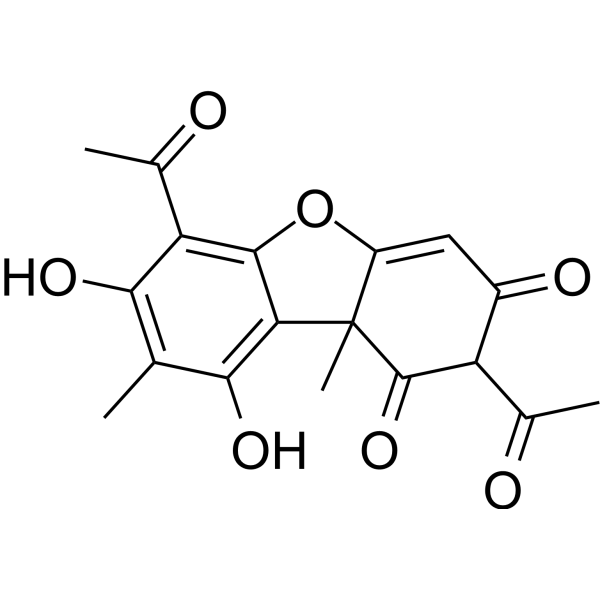
    Usnic acid is a secondary metabolite of lichens with a unique dibenzofuran skeleton. Usnic acid inhibits DNA/RNA synthesis and has antibacterial activity. Usnic acid induces cell cycle arrest and apoptosis and has anticancer activity. Usnic acid inhibits RANKL-mediated osteoclast formation and function by reducing the transcriptional and translational expression of NFATc1. Usnic acid has antioxidant and anti-inflammatory activities by inhibiting lipid peroxidation and myeloperoxidase .
    Usnic acid
  • HY-P2818C
    Alkaline phosphatase, microorganism
    1 Publications Verification

    Apase, microorganism

    Endogenous Metabolite Phosphatase Glutathione Peroxidase Bacterial Infection Inflammation/Immunology
    Alkaline Phosphatase (Apase), microorganism is an alkaline phosphatase from microorganism, and is one of the most active alkaline phosphatases. Alkaline phosphatase, microorganism is an orally active membrane-bound glycoprotein that catalyzes the hydrolysis of phosphate monoesters at alkaline pH. Alkaline phosphatase, microorganism reduces myeloperoxidase activity and bacterial translocation. Alkaline phosphatase, microorganism improves survival rate of mice infected with E. coli. Alkaline phosphatase, microorganism improves TNBS-induced colon inflammation .
    Alkaline phosphatase, microorganism
  • HY-P2818A
    Alkaline phosphatase, Escherichia coli
    1 Publications Verification

    Apase, Escherichia coli

    Endogenous Metabolite Phosphatase Glutathione Peroxidase Bacterial Infection Inflammation/Immunology
    Alkaline Phosphatase (Apase), Escherichia coli is an alkaline phosphatase from Escherichia coli, and is one of the most active alkaline phosphatases. Alkaline phosphatase, Escherichia coli is an orally active membrane-bound glycoprotein that catalyzes the hydrolysis of phosphate monoesters at alkaline pH. Alkaline phosphatase, Escherichia coli reduces myeloperoxidase activity and bacterial translocation. Alkaline phosphatase, Escherichia coli improves survival rate of mice infected with E. coli. Alkaline phosphatase, Escherichia coli improves TNBS-induced colon inflammation .
    Alkaline phosphatase, Escherichia coli
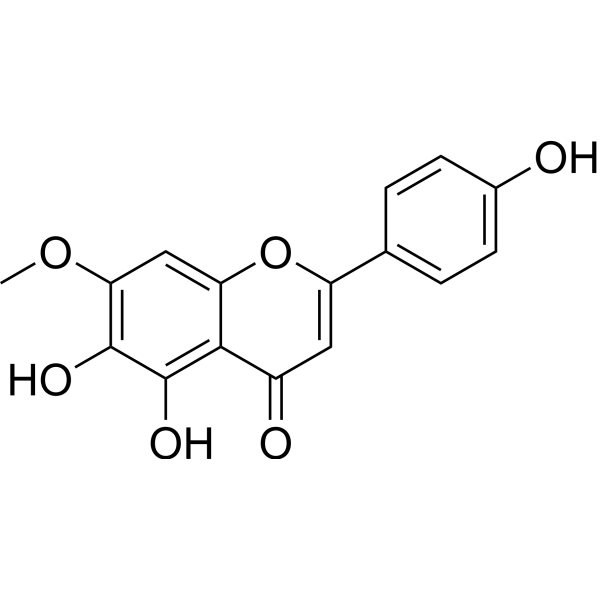
  • HY-N11552

    Glutathione Peroxidase Inflammation/Immunology
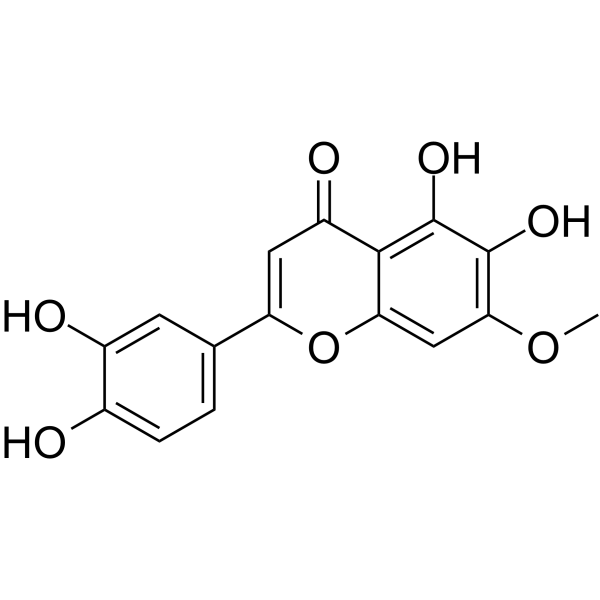
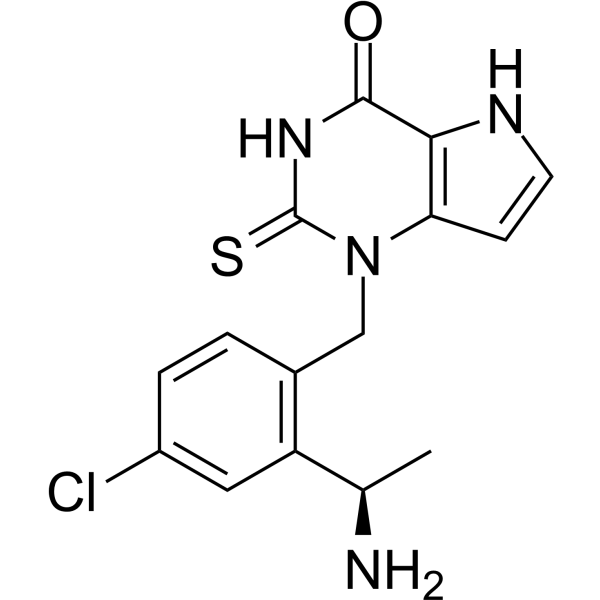
    Sorbifolin, a flavone glucoside, can be isolated from the Pterogyne nitens. Sorbifolin has myeloperoxidase inhibitory and radical scavenging activities. Sorbifolin is also a MPO inhibitor with an IC50 value of 19.2 nM .
    Sorbifolin
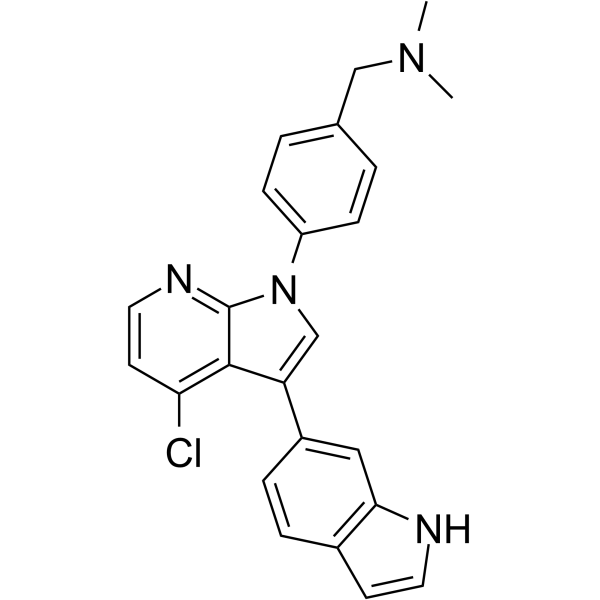
  • HY-139915

    Glutathione Peroxidase Inflammation/Immunology
    MPO-IN-1 is a potent, orally active, and irreversible indole-containing inhibitor of myeloperoxidase (MPO). MPO-IN-1 has IC50s of 2.6 μM and 5.3 μM for MPO and thyroid peroxidase (TPO), respectively. MPO-IN-1 inhibits MPO activity in an acute mouse model of inflammation .
    MPO-IN-1
  • HY-N6937
    (R,R)-Secoisolariciresinol diglucoside
    1 Publications Verification

    (R,R)-SDG; (R,R)-LGM2605

    Others Inflammation/Immunology
    (R,R)-Secoisolariciresinol diglucoside ((R,R)-SDG) is the minor isomer of Secoisolariciresinol diglucoside in flaxseed. (R,R)-Secoisolariciresinol diglucoside ((R,R)-SDG) possesses antioxidant and free radical scavenging activities and DNA-radioprotective properties. (R,R)-Secoisolariciresinol diglucoside ((R,R)-SDG) inhibits myeloperoxidase (MPO) activity by suppressing both the peroxidase and chlorination cyclesin inflammatory cells .
    (R,R)-Secoisolariciresinol diglucoside
  • HY-N0902

    13,14-Dihydrosanguinarine

    Fungal Bacterial Interleukin Related Infection Inflammation/Immunology
    Dihydrosanguinarine (13,14-Dihydrosanguinarine) is an alkaloid with antibacterial and anti-inflammatory activities, and also an important precursor of Sanguinarine (HY-N0052). Dihydrosanguinarine targets and regulates the TNF/IL-17/PI3K signaling pathway, downregulates the levels of pro-inflammatory factors such as IL-17A, TNF-α and IL-6, upregulates the expression of TGF-β, inhibits myeloperoxidase activity, and regulates the transcription of multiple inflammation-related genes. Dihydrosanguinarine exhibits antibacterial activity against a variety of oral microorganisms. Dihydrosanguinarine can be used in research related to liver inflammation and oral flora dysbiosis .
    Dihydrosanguinarine
  • HY-105017

    ATL 313; DE 112

    Adenosine Receptor Infection Inflammation/Immunology
    Evodenoson is a selective agonist of the A2A adenosine receptor. Evodenoson’s primary actions include reducing inflammatory responses, decreasing intestinal fluid secretion, edema, tissue damage, and neutrophil infiltration induced by Clostridium difficile toxin A. Evodenoson’s protective effect is achieved by reducing myeloperoxidase (MPO) and adenosine deaminase (ADA) activities, and by lowering the production of tumor necrosis factor-alpha (TNF-α) .
    Evodenoson
  • HY-P2818B
    Alkaline phosphatase, Chicken Intestine
    1 Publications Verification

    Apase, Chicken Intestine

    Endogenous Metabolite Phosphatase Glutathione Peroxidase Bacterial Infection Inflammation/Immunology
    Alkaline Phosphatase (Apase), Chicken Intestine is an alkaline phosphatase from Chicken Intestine, and is one of the most active alkaline phosphatases. Alkaline phosphatase, Chicken Intestine is an orally active membrane-bound glycoprotein that catalyzes the hydrolysis of phosphate monoesters at alkaline pH. Alkaline phosphatase, Chicken Intestine reduces myeloperoxidase activity and bacterial translocation. Alkaline phosphatase, Chicken Intestine improves survival rate of mice infected with E. coli. Alkaline phosphatase, Chicken Intestine improves TNBS-induced colon inflammation .
    Alkaline phosphatase, Chicken Intestine
  • HY-W996116

    Glutathione Peroxidase Cardiovascular Disease Neurological Disease Inflammation/Immunology
    AZM198 is an orally active myeloperoxidase (MPO) inhibitor. AZM198 irreversibly inactivates MPO (IC50=0.015 μM) via covalent binding to the heme prosthetic group, preferentially targets extracellular MPO activity, and reduces neutrophil extracellular trap formation, reactive oxygen species production and degranulation. AZM198 increases the fibrous cap thickness of atherosclerotic plaques, reduces lesion area, ameliorates hepatic steatosis and fibrosis in non-alcoholic steatohepatitis, and alleviates proteinuria and inflammatory infiltration associated with glomerulonephritis. AZM198 also decreases circulating levels of high-sensitivity Cardiac Troponin I and IL-1β, and mitigates endothelial cell injury. Therefore, AZM198 is suitable for research on various MPO-related diseases, including atherosclerotic cardiovascular disease, myocardial infarction, ischemic stroke, non-alcoholic steatohepatitis and crescentic glomerulonephritis .
    AZM198
  • HY-116005

    Adenosine Kinase Neurological Disease Inflammation/Immunology
    A-286501 is an orally active and potent carbocyclic nucleoside adenosine kinase inhibitor with an IC50 value of 0.47 nM, which shows analgesic and anti-inflammatory effects. A-286501 reduces nociception in animal models of acute (thermal), inflammatory (formalin and carrageenan) and neuropathic (L5/L6 nerve ligation and streptozotocin-induced diabetic) pain. A-286501 also reduces Carrageenan (HY-125474)-induced paw edema and myeloperoxidase activity in the injured paw. A-286501 is promising for research of analgesic and anti-inflammatory agents .
    A-286501
  • HY-W023331

    Glutathione Peroxidase Bacterial Infection
    (R)-β-Aminoisobutyric acid is a β-amino acid. (R)-β-Aminoisobutyric acid boosts myeloperoxidase microbicidal activity against susceptible microorganisms. (R)-β-Aminoisobutyric acid can be used for the research of bacterial infections .
    (R)-b-Aminoisobutyric acid
  • HY-N0656R

    Reference Standards Bacterial DNA/RNA Synthesis Nuclear Factor of activated T Cells (NFAT) Apoptosis Infection Inflammation/Immunology Cancer
    Usnic acid is a secondary metabolite of lichens with a unique dibenzofuran skeleton. Usnic acid inhibits DNA/RNA synthesis and has antibacterial activity. Usnic acid induces cell cycle arrest and apoptosis and has anticancer activity. Usnic acid inhibits RANKL-mediated osteoclast formation and function by reducing the transcriptional and translational expression of NFATc1. Usnic acid has antioxidant and anti-inflammatory activities by inhibiting lipid peroxidation and myeloperoxidase .
    Usnic acid (Standard)
  • HY-159986

    Pantetheinase Cancer
    X-17 is a Vanin-1 Inhibitor with potent anti-inflammatory and antioxidant activities. X-17 repressrs the inflammatory factor expressions and myeloperoxidase activity, elevats the colonic glutathione reserve, and restors the intestinal barrier .
    X-17
  • HY-N4280
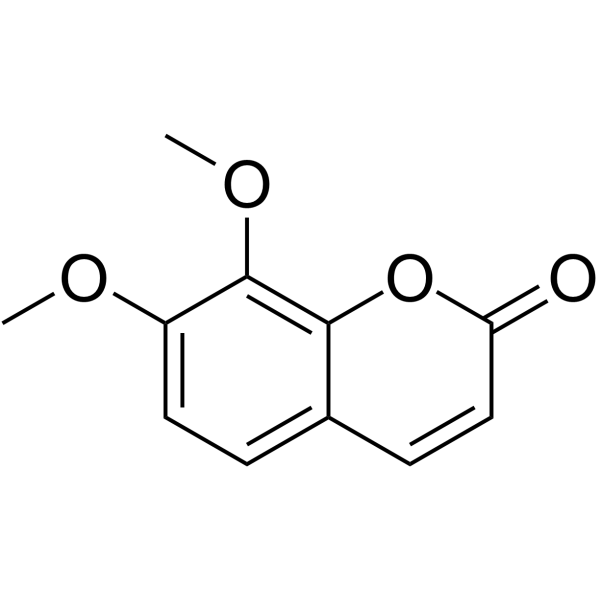
    7,8-Dimethoxycoumarin
    1 Publications Verification

    Na+/K+ ATPase Glutathione Peroxidase NF-κB p38 MAPK Interleukin Related Neurological Disease Metabolic Disease Inflammation/Immunology
    7,8-Dimethoxycoumarin is a coumarin compound derived from Artemisia caruifolia with oral activity. 7,8-Dimethoxycoumarin inhibits mitochondrial permeability transition pore and H +/K +-ATPase, and exhibits antioxidant, anti-inflammatory, renoprotective, neuroprotective and gastroprotective effects. 7,8-Dimethoxycoumarin reduces lipid peroxidation (TBARS), increases GSH levels, inhibits myeloperoxidase (MPO) activity, and regulates the expression of inflammatory factors by inhibiting the NF‑κB and MAPK pathways. 7,8-Dimethoxycoumarin ameliorates gastric mucosal injury, alleviates renal tissue lesions and relieves neuropathic pain. 7,8-Dimethoxycoumarin can be used in studies related to acute renal failure, trigeminal neuralgia and gastritis .
    7,8-Dimethoxycoumarin
  • HY-112740

    Leukotriene Receptor Inflammation/Immunology
    SC-53228 is an orally active human leukotriene B4 receptor (LTB4 receptor) antagonist. SC-53228 exerts its anti-inflammatory effect by specifically blocking the LTB4 receptor and inhibiting neutrophil infiltration. SC-53228 has demonstrated significant efficacy and good safety in various inflammatory models. SC-53228 can be used for a variety of inflammatory diseases, such as psoriasis and ulcerative colitis .
    SC-53228
  • HY-163335

    Glutathione Peroxidase Dipeptidyl Peptidase Glycosidase Cardiovascular Disease Inflammation/Immunology
    MPO-IN-7 (compound MDC) is a myeloperoxidase inhibitor with the IC50 values of 41 μM, 25 μM and 4.5 μM towards α-Glucosidase, dipeptidyl peptidase-4 and myeloperoxidase, respectively. MPO-IN-7 shows antioxidant and anti-inflammatory activity in vitro .
    MPO-IN-7
  • HY-114360AS1

    Isotope-Labeled Compounds TNF Receptor Interleukin Related Inflammation/Immunology
    Taurohyodeoxycholic acid-d4 (sodium) is a deuterated labeled Taurohyodeoxycholic acid (sodium) . Taurohyodeoxycholic acid (THDCA) sodium is the taurine-conjugated form of the secondary bile acid hyodeoxycholic acid. Taurohyodeoxycholic acid can also reduce the activity and expression of myeloperoxidase TNF-α and IL-6, as well as colonic damage in TNBS-induced ulcerative colitis mouse model.
    Taurohyodeoxycholic acid-d4 sodium
  • HY-168002

    Glutathione Peroxidase Inflammation/Immunology
    MPO-IN-8 is an orally active myeloperoxidase (MPO) inhibitor. MPO-IN-8 can inhibit the generation of hypochlorous acid in neutrophils and the release of extracellular traps (NETosis). In mice with gouty arthritis, MPO-IN-8 can reduce swelling, lower peroxidase activity, and decrease IL-1β levels .
    MPO-IN-8
  • HY-147692

    COX Inflammation/Immunology
    COX-2-IN-14 (compound 2a) is a potent and selective COX-2 (cyclooxygenase-2) inhibitor. COX-2-IN-14 shows effective binding at the active site of COX-2 co-crystal. COX-2-IN-14 exhibits a high level of in vivo anti-inflammatory activity, reducing ear edema and myeloperoxidase (MPO) activity in mice .
    COX-2-IN-14
  • HY-171183

    Microtubule/Tubulin Apoptosis Cancer
    AB8939 is an effective small moleculeMicrotubule/Tubulin polymerization inhibitor with anti-tumor activity (it inhibits tumor cell proliferation with an IC50 of less than 10 nM). AB8939 can effectively evade resistance mechanisms mediated by things like P-glycoprotein and myeloperoxidase. AB8939 can induce G2/M phase cell cycle arrest and apoptosis in cells .
    AB8939
  • HY-B0679R

    RU-0211 (Standard); SPI-0211 (Standard)

    Reference Standards Chloride Channel CFTR Glutathione Peroxidase NO Synthase TNF Receptor Metabolic Disease
    Lubiprostone (Standard) is the analytical standard of Lubiprostone. This product is intended for research and analytical applications. Lubiprostone (SPI-0211) increases intestinal fluid secretion through generation of CIC-2/CFTR and activation of cAMP signaling pathway. Lubiprostone inhibits myeloperoxidase (MPO) activity, downregulates Indomethacin (HY-14397)-induced iNOS and TNFα expression. Lubiprostone can be used for chronic constipation research .
    Lubiprostone (Standard)
  • HY-N6937R

    (R,R)-SDG (Standard); (R,R)-LGM2605 (Standard)

    Reference Standards Others Inflammation/Immunology
    (R,R)-Secoisolariciresinol diglucoside (Standard) is the analytical standard of (R,R)-Secoisolariciresinol diglucoside. This product is intended for research and analytical applications. (R,R)-Secoisolariciresinol diglucoside ((R,R)-SDG) is the minor isomer of Secoisolariciresinol diglucoside in flaxseed. (R,R)-Secoisolariciresinol diglucoside ((R,R)-SDG) possesses antioxidant and free radical scavenging activities and DNA-radioprotective properties. (R,R)-Secoisolariciresinol diglucoside ((R,R)-SDG) inhibits myeloperoxidase (MPO) activity by suppressing both the peroxidase and chlorination cyclesin inflammatory cells .
    (R,R)-Secoisolariciresinol diglucoside (Standard)
  • HY-N6937S1

    (R,R)-SDG-d6; (R,R)-LGM2605-d6

    Isotope-Labeled Compounds Inflammation/Immunology
    (R,R)-Secoisolariciresinol diglucoside-d6 is deuterated labeled (R,R)-Secoisolariciresinol diglucoside (HY-N6937). (R,R)-Secoisolariciresinol diglucoside ((R,R)-SDG) is the minor isomer of Secoisolariciresinol diglucoside in flaxseed. (R,R)-Secoisolariciresinol diglucoside ((R,R)-SDG) possesses antioxidant and free radical scavenging activities and DNA-radioprotective properties. (R,R)-Secoisolariciresinol diglucoside ((R,R)-SDG) inhibits myeloperoxidase (MPO) activity by suppressing both the peroxidase and chlorination cyclesin inflammatory cells .
    (R,R)-Secoisolariciresinol diglucoside-d6
  • HY-B0679S

    RU-0211-d7; SPI-0211-d7

    Isotope-Labeled Compounds Chloride Channel CFTR Glutathione Peroxidase NO Synthase TNF Receptor Metabolic Disease
    Lubiprostone-d7 (RU-0211-d7) is the deuterium labeled Lubiprostone. Lubiprostone (SPI-0211) increases intestinal fluid secretion through generation of CIC-2/CFTR and activation of cAMP signaling pathway. Lubiprostone inhibits myeloperoxidase (MPO) activity, downregulates Indomethacin (HY-14397)-induced iNOS and TNFα expression. Lubiprostone can be used for chronic constipation research .
    Lubiprostone-d7
  • HY-N3029R

    Reference Standards Interleukin Related Apoptosis Glutathione Peroxidase SOD Glutathione S-transferase Inflammation/Immunology
    Noreugenin (Standard) is the analytical standard of Noreugenin. This product is intended for research and analytical applications. Noreugenin is a phenolic compound found in Calea uniflora Less. Noreugenin inhibits myeloperoxidase activity and reduces levels of proinflammatory cytokines IL-1β and IL-17A levels in LPS (HY-D1056)-induced murine pleurisy model. Noreugenin reduces apoptosis and necrosis. Noreugenin reduces lipid peroxidation, and antioxidant enzyme (CAT, SOD, GST) activity. Noreugenin exhibits anti-inflammatory and antioxidant effects. Noreugenin can be used for the research of inflammatory conditions, such as pleurisy .
    Noreugenin (Standard)
  • HY-103388

    COX TGF-β Receptor Glutathione Peroxidase Inflammation/Immunology
    NCX 466 is an orally active COX-1 and COX-2 inhibitor that exhibits anti-inflammatory and analgesic effects. Additionally, NCX 466 acts as a NO donor, exerting anti-inflammatory and antioxidant effects by improving microcirculation. NCX 466 significantly reduces the levels of transforming growth factor-β (TGF-β) and oxidative stress markers (such as thiobarbituric acid reactive substances (TBARS) and 8-hydroxy-2'-deoxyguanosine (8-OHdG)), and it decreases leukocyte recruitment during inflammation by reducing myeloperoxidase (MPO) activity, thereby preventing bleomycin (HY-108345)-induced pulmonary fibrosis in mice .
    NCX 466
  • HY-169067

    Mtx-C

    DNA/RNA Synthesis p38 MAPK Bacterial Infection Cancer
    10-Methoxy-canthin-6-one (Mtx-C) is analkaloid derivative. 10-Methoxy-canthin-6-one can induce DNA damage by intercalating into DNA. 10-Methoxy-canthin-6-one can inhibit cancer cells proliferation, cause G2/M phase arrest and induce myeloid differentiation. T10-Methoxy-canthin-6-one can upregulate the expression of myeloperoxidase, CD15, CD11b, and CD14, as well as activation of p38 MAPK. 10-Methoxy-canthin-6-one also exhibits anti-bacterial activity. 10-Methoxy-canthin-6-one can be used for the researches of cancer and infection, such as acute myeloid leukemias (AML) .
    10-Methoxy-canthin-6-one
  • HY-E71006

    Endogenous Metabolite Metabolic Disease
    Myeloperoxidase Isoform A, Human (EC 1.11.1.7) is a peroxidase. Myeloperoxidase is most abundantly expressed in neutrophils (a subtype of leukocytes) and produces hypohalous acid to exert its antibacterial activity.
    Myeloperoxidase Isoform A, Human
  • HY-E71007

    Endogenous Metabolite Metabolic Disease
    Myeloperoxidase Isoform B, Human (EC 1.11.1.7) is a peroxidase. Myeloperoxidase is most abundantly expressed in neutrophils (a subtype of leukocytes) and produces hypohalous acid to exert its antibacterial activity.
    Myeloperoxidase Isoform B, Human
  • HY-E71008

    Endogenous Metabolite Metabolic Disease
    Myeloperoxidase Isoform C, Human (EC 1.11.1.7) is a peroxidase. Myeloperoxidase is most abundantly expressed in neutrophils (a subtype of leukocytes) and produces hypohalous acid to exert its antibacterial activity.
    Myeloperoxidase Isoform C, Human
  • HY-P2818F

    Apase, Human (HEK293)

    Endogenous Metabolite Phosphatase Glutathione Peroxidase Bacterial Infection Inflammation/Immunology
    Alkaline phosphatase (Apase), Human (HEK293) is an orally active membrane-bound glycoprotein that catalyzes the hydrolysis of phosphate monoesters at alkaline pH. Alkaline phosphatase reduces myeloperoxidase activity and bacterial translocation. Alkaline phosphatase improves survival rate of mice infected with E. coli. Alkaline phosphatase improves TNBS-induced colon inflammation .
    Alkaline phosphatase, Human (HEK293)

Inquiry Online

Your information is safe with us. * Required Fields.

Salutation


Country or Region *

Applicant Name *


Organization Name *

Department *


Email Address *


Product Name *

Cat. No.


Requested quantity *

Phone Number *


Remarks

Inquiry Online

Inquiry Information

Product Name:
Cat. No.:
Quantity:
MCE Japan Authorized Agent:

