1. Search Result
Search Result
Results for "

prostaglandin synthesis

" in MedChemExpress (MCE) Product Catalog:

84

Inhibitors & Agonists

1

Biochemical Assay Reagents

10

Natural
Products

9

Isotope-Labeled Compounds

Cat. No. Product Name Target Research Areas Chemical Structure
  • HY-30235A

    PGE synthase Bacterial TNF Receptor Inflammation/Immunology Cancer
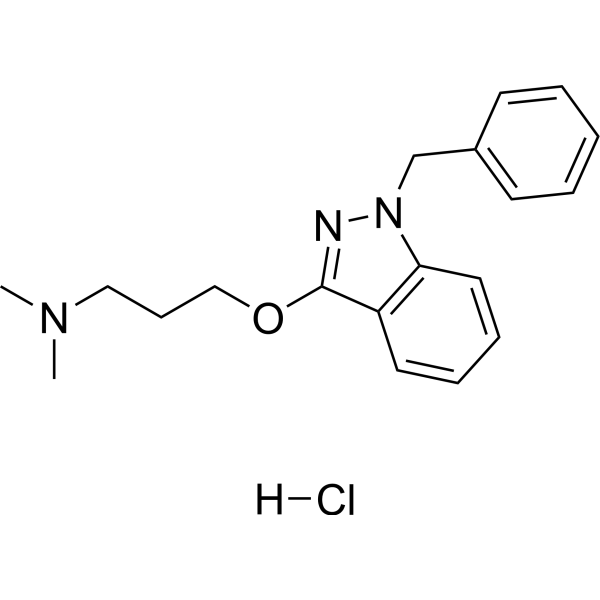
    Benzydamine hydrochloride is an orally administered prostaglandin synthesis inhibitor that has anti-inflammatory, analgesic, antipyretic, and antibacterial properties. Benzydamine hydrochloride can inhibit TNF-α, stabilize cell membranes, and reduce oxidative stress within cells .
    Benzydamine hydrochloride
  • HY-B1153
    Glafenine
    4 Publications Verification

    Glafenin

    COX CFTR Apoptosis Endoplasmic Reticulum Oxidoreductase 1 (ERO1) Metabolic Disease Inflammation/Immunology
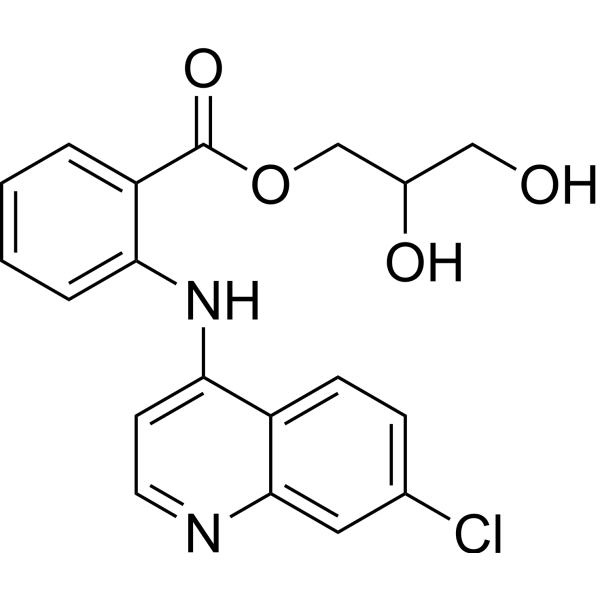
    Glafenine (Glafenin) is a non-selective, non-steroidal anti-inflammatory drug-based COX-1/COX-2 inhibitor. Glafenine exerts anti-inflammatory, anti-proliferative and anti-cell migration effects by inhibiting the arachidonic acid metabolic pathway and reducing prostaglandin synthesis. Glafenine can induce cell cycle arrest in vascular smooth muscle cells and endothelial cells and reduce the synthesis of the extracellular matrix protein Tenascin. Glafenine can be used in the research of inflammatory-related diseases, vascular restenosis and cystic fibrosis (CF) .
    Glafenine
  • HY-B1398
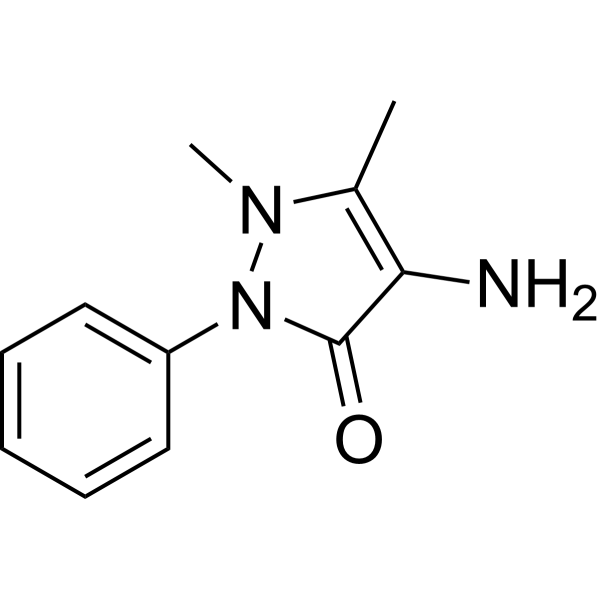
    Ampyrone
    1 Publications Verification

    4-Aminophenazone

    COX Drug Metabolite Neurological Disease Inflammation/Immunology Cancer
    Ampyrone (4-Aminophenazone; 4-Aminoantipyrine) is a reversible and low-damage optical clearing agent and non-selective COX inhibitor based on UV absorption properties. Ampyrone can improve the optical transmittance of mouse skin and other tissues. Ampyrone can induce tissue refractive index matching by enhancing UV absorption, reduce light scattering, and achieve tissue transparency in vivo. Ampyrone reduces the synthesis of prostaglandin PGE2, thereby exerting anti-inflammatory, analgesic and antipyretic effects. Ampyrone inhibits DNA damage, cell apoptosis and immune cell phagocytosis induced by Doxorubicin (HY-15142A) and Cisplatin (HY-17394), etc., and participates in the regulation of toxicity in tumor chemotherapy .
    Ampyrone
  • HY-B0531

    COX Phosphodiesterase (PDE) NF-κB NO Synthase Prostaglandin Receptor Infection Neurological Disease Inflammation/Immunology Cancer
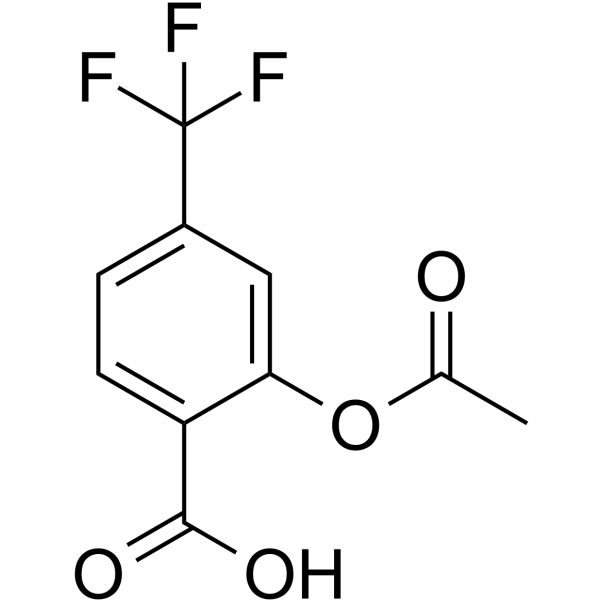
    Triflusal is an orally bioavailable, blood-brain barrier-permeable dual Cyclooxygenase-1 (COX-1)/cAMP phosphodiesterase inhibitor. Triflusal inhibits platelet aggregation, NF-κB activation, iNOS activity, and prostaglandin synthesis in ischaemic tissue. Triflusal stimulates neutrophil nitric oxide production, eNOS protein expression, and cNOS activity. Triflusal alleviates cerebral ischemic injury in rats and ameliorates pathological lesions and related gene expression in transgenic Alzheimer’s disease models. Triflusal can be used for the research of thromboembolic/ischemic cardiovascular and cerebrovascular diseases, and Alzheimer’s disease .
    Triflusal
  • HY-124108

    ETYA

    COX Lipoxygenase Orthopoxvirus Potassium Channel DNA/RNA Synthesis Drug Derivative Infection Neurological Disease Inflammation/Immunology Cancer
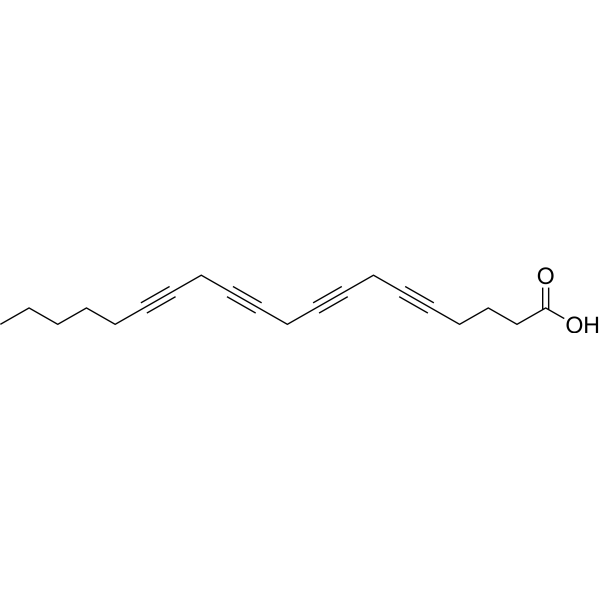
    Eicosatetraynoic acid (ETYA) is a non-metabolizable analog of Arachidonic acid (HY-109590) and also an inhibitor of the lipoxygenase (LOX)/cyclooxygenase (COX) pathway (ID50 = 8 μM and 4 μM). Eicosatetraynoic acid acts as a suicide substrate to inhibit the production of inflammatory mediators such as leukotrienes and prostaglandins. Eicosatetraynoic acid acts directly on cell membranes and membrane proteins to exert a wide range of effects, including blocking potassium channels, increasing cell membrane fluidity, elevating intracellular calcium levels, inhibiting DNA synthesis in tumor cells, inducing differentiation of certain cells, and specifically inhibiting the assembly and replication of orthopoxviruses. Eicosatetraynoic acid alleviates acute lung injury induced by chemicals such as phosgene .
    Eicosatetraynoic acid
  • HY-B0336
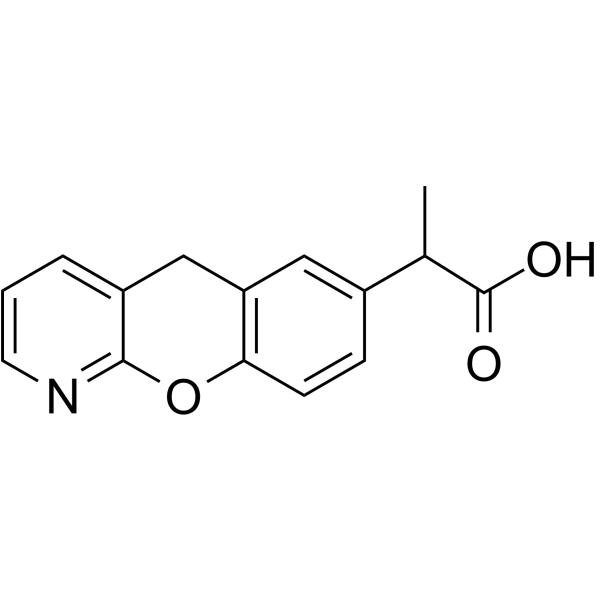
    Pranoprofen
    2 Publications Verification

    COX Apoptosis PGE synthase Inflammation/Immunology Cancer
    Pranoprofen is a non-steroidal anti-inflammatory agent (NSAID) for the research of keratitis or other ophthalmology diseases. Pranoprofen inhibit COX-1 and COX-2 enzymes, thus blocking arachidonic acid converted to eicosanoids and reducing prostaglandins synthesis .
    Pranoprofen
  • HY-17474
    Parecoxib
    5 Publications Verification

    SC 69124

    COX Infection Neurological Disease Inflammation/Immunology Cancer
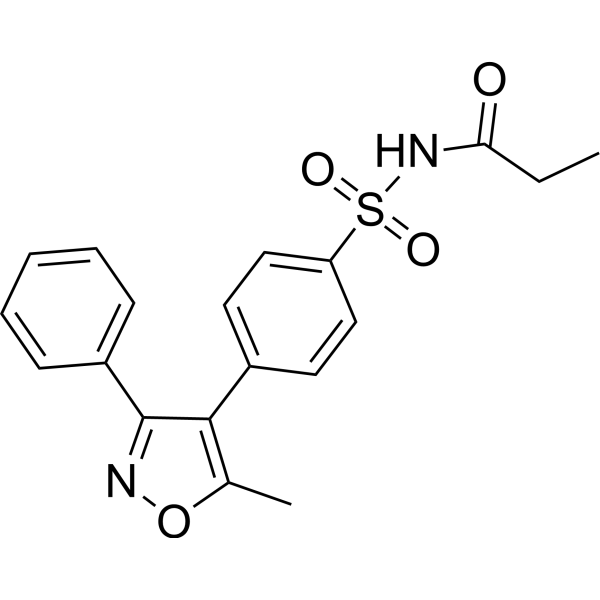
    Parecoxib (SC 69124) is a highly selective and orally active COX-2 inhibitor that is permeable to the blood-brain barrier, the proagent of Valdecoxib (HY-15762). Parecoxib Sodium is a nonsteroidal anti-inflammatory agent (NSAID) and inhibits prostaglandin (PG) synthesis. Parecoxib can be used for the relief of acute postoperative pain and symptoms of chronic inflammatory conditions such as osteoarthritis and rheumatoid arthritis in vivo.
    Parecoxib
  • HY-N8469

    COX Inflammation/Immunology
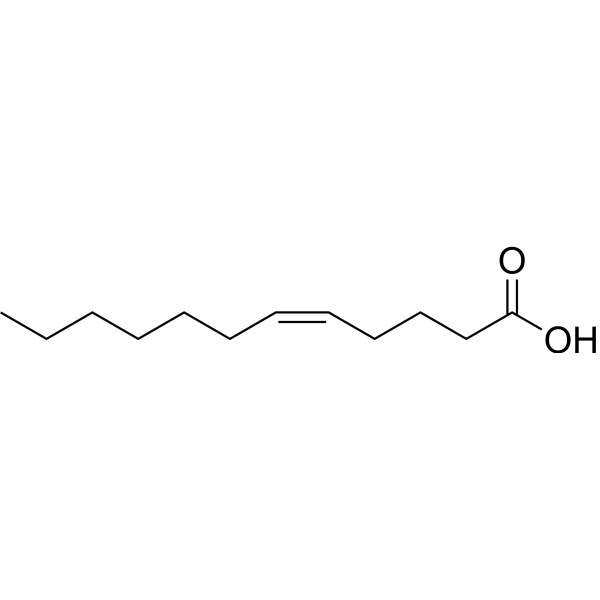
    cis-5-Dodecenoic acid is an inhibitor of COX-I and COX-II with anti-inflammatory activity. cis-5-Dodecenoic acid reduces prostaglandin synthesis by inhibiting COX enzyme activity and is involved in the fatty acid -β oxidative metabolic pathway. The metabolic rate of cis-5-Dodecenoic acid is significantly lower than that of saturated fatty acids. cis-5-Dodecenoic acid can be used in the research of anti-inflammation, fatty acid metabolism mechanisms and related physiological and pathological processes .
    cis-5-Dodecenoic acid
  • HY-B1111

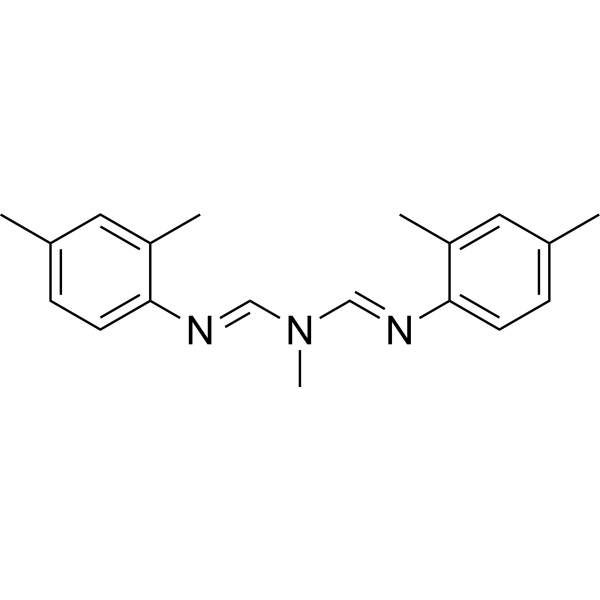
    BTS-27419

    Environmental Pollutants Adrenergic Receptor Parasite Monoamine Oxidase Infection Endocrinology
    Amitraz is a non-systemic acaricide and insecticide with alpha-adrenergic agonist activity that interacts with octopamine receptors in the central nervous system and inhibits monoamine oxidase and prostaglandin synthesis .
    Amitraz
  • HY-B0885
    Econazole
    5 Publications Verification

    (±)-Econazol

    Fungal Bacterial Calcium Channel Cytochrome P450 Infection Metabolic Disease
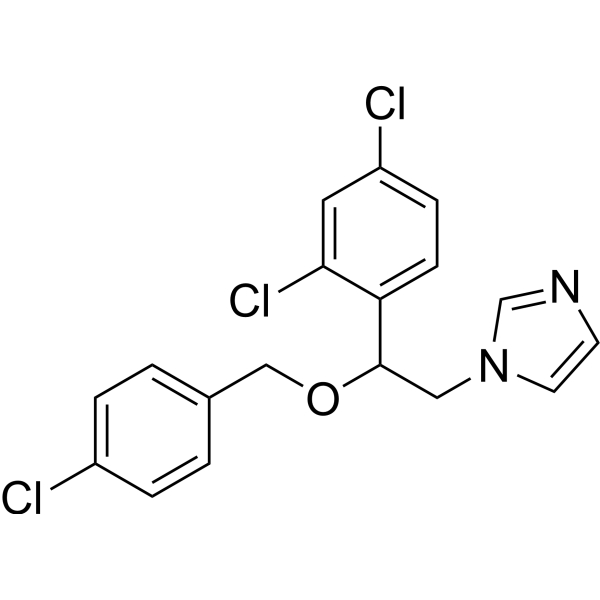
    Econazole ((±)-Econazol) is an orally active imidazole antifungal agent, as well as a cytochrome P-450 inhibitor and a blocker of calcium and manganese ion uptake. Econazole is active against a variety of fungi and some Gram-positive bacteria, but has no significant activity against Gram-negative bacteria. Econazole can inhibit the synthesis of prostaglandins and can also induce liver damage .
    Econazole
  • HY-W012817

    Environmental Pollutants COX Inflammation/Immunology
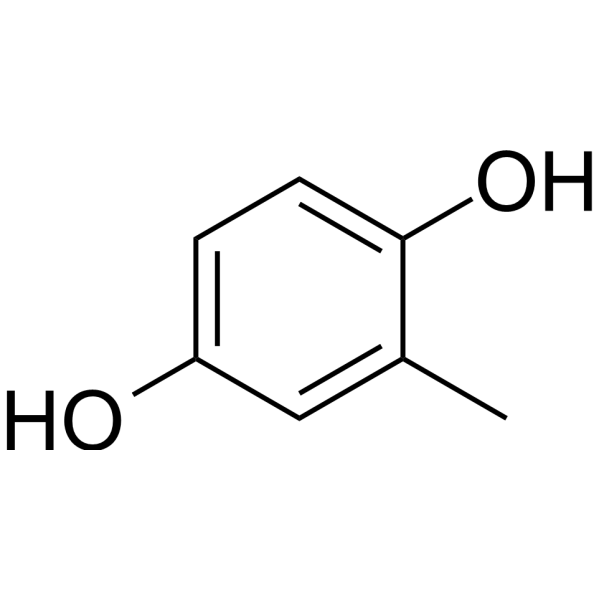
    Methylhydroquinone is an orally active COX inhibitor with IC50s of 480.7 μM and 52.2 μM for ovine COX-1 and human recombinant COX-2, respectively. Methylhydroquinone has potential DNA damaging effects: 1) inhibiting COX-1 to reduce prostaglandin synthesis and exert anti-inflammatory activity; 2) inducing DNA single-strand breaks. Methylhydroquinone exerts its effects by competitively binding to the active sites of COX-1 (such as Tyr385, Met522) and non-covalent interactions .
    Methylhydroquinone
  • HY-B0890

    McN-2783-21-98

    PGE synthase Neurological Disease Inflammation/Immunology
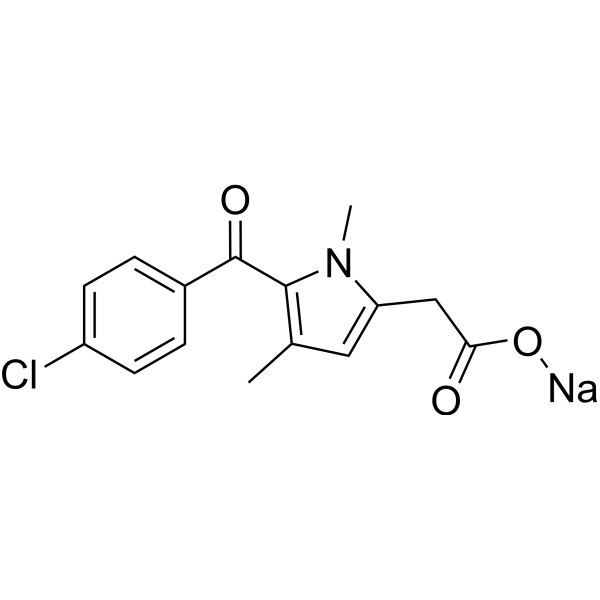
    Zomepirac sodium salt (McN-2783-21-98) is an orally active prostaglandin synthetase inhibitor. Zomepirac sodium salt blocks prostaglandin synthesis and inhibits Collagen (HY-P72147)- or Epinephrine (HY-B0447)-induced platelet aggregation. Zomepirac sodium salt can be used for the research of postoperative pain and osteoarthritis .
    Zomepirac sodium salt
  • HY-W008393

    Drug Intermediate Cardiovascular Disease Inflammation/Immunology
    (-)-Corey lactone diol is the reduced form of Corey aldehyde. (-)-Corey lactone diol can be used as a drug intermediate for the synthesis of Beraprost (HY-13569A) .
    (-)-Corey lactone diol
  • HY-106579
    Tiaprofenic acid
    1 Publications Verification

    COX Inflammation/Immunology
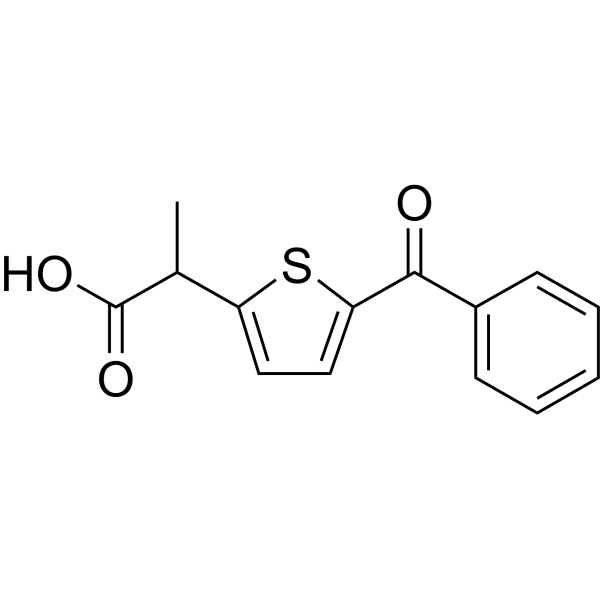
    Tiaprofenic acid is an orally active nonsteroidal anti-inflammatory agent (NSAID) with anti-inflammatory and analgesic potency. Tiaprofenic acid inhibits prostaglandin synthesis by suppressing cyclo-oxygenase (COX). Tiaprofenic acid can be used in the treatment of rheumatic diseases .
    Tiaprofenic acid
  • HY-108259

    PGE synthase Inflammation/Immunology
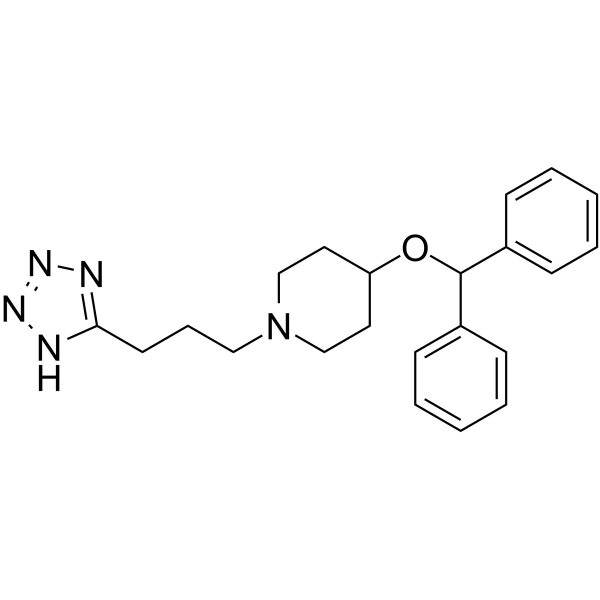
    HQL-79, a potent, selective and orally active human hematopoietic prostaglandin D synthase (H-PGDS) inhibitor, highly selectively inhibits the synthesis of PGD2, and acts as an anti-allergic agent, with a Kd of 0.8 μM and an IC50 of 6 μM. Shows no obvious effect on COX-1, COX-2, m-PGES, or L-PGDS .
    HQL-79
  • HY-W050088

    HP 549

    Drug Derivative Neurological Disease Inflammation/Immunology
    Isoxepac (HP 549) is an orally active non-steroidal anti-inflammatory agent. Isoxepac can inhibit Carrageenan (HY-125474) paw oedema, adjuvant-induced polyarthritis, and prostaglandin synthesis. Isoxepac (200 mg) has an analgesic effect after meniscectomy with a low incidence of side effects. Isoxepac can be used in the research of inflammatory (rheumatoid arthritis) and pain-related diseases .
    Isoxepac
  • HY-141469

    HPA; Heneicosapentaenoic acid methyl ester

    PGE synthase Lipoxygenase Cardiovascular Disease Neurological Disease
    6,9,12,15,18-Heneicosapentaenoic acid (HPA) is a ∆5 desaturase inhibitor. 6,9,12,15,18-Heneicosapentaenoic acid serves as a weak substrate for Prostaglandin H synthase and 5-lipoxygenase, yet it inactivates Prostaglandin H synthase at a rate comparable to that of AA, EPA and DHA. 6,9,12,15,18-Heneicosapentaenoic acid is a weak inducer of Aacyl-CoA oxidase. 6,9,12,15,18-Heneicosapentaenoic acid incorporates into phospholipids and triacylglycerols in cell culture. 6,9,12,15,18-Heneicosapentaenoic acid can be used in research related to liver cancer .
    6,9,12,15,18-Heneicosapentaenoic acid
  • HY-107795
    Benorilate
    1 Publications Verification

    Salipran

    Prostaglandin Receptor Inflammation/Immunology Endocrinology
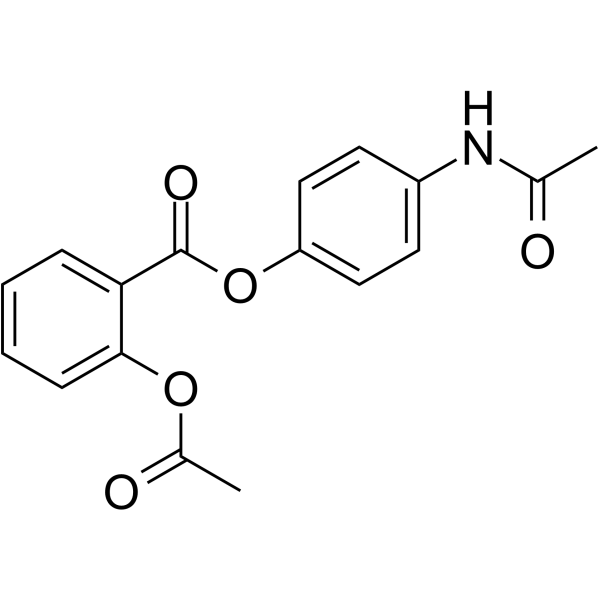
    Benorylate (Salipran) is the esterification product of paracetamol and acetylsalicylic acid. Benorylate has anti-inflammatory, analgesic and antipyretic properties. Benorylate could also inhibit prostaglandin (PG) synthesis .
    Benorilate
  • HY-17474A
    Parecoxib Sodium
    5 Publications Verification

    SC 69124A

    COX Infection Neurological Disease Inflammation/Immunology Cancer
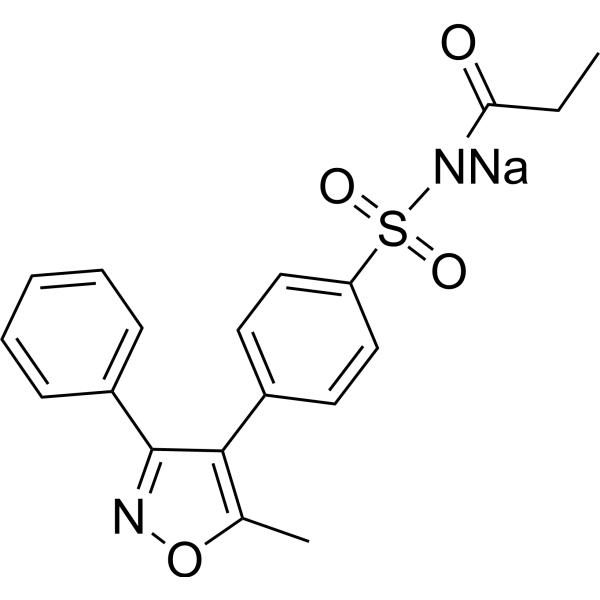
    Parecoxib Sodium (SC 69124A) is a highly selective and orally active COX-2 inhibitor that is permeable to the blood-brain barrier, the proagent of Valdecoxib (HY-15762). Parecoxib Sodium is a nonsteroidal anti-inflammatory agent (NSAID) and inhibits prostaglandin (PG) synthesis. Parecoxib Sodium can be used for the relief of acute postoperative pain and symptoms of chronic inflammatory conditions such as osteoarthritis and rheumatoid arthritis in vivo.
    Parecoxib Sodium
  • HY-B1153A
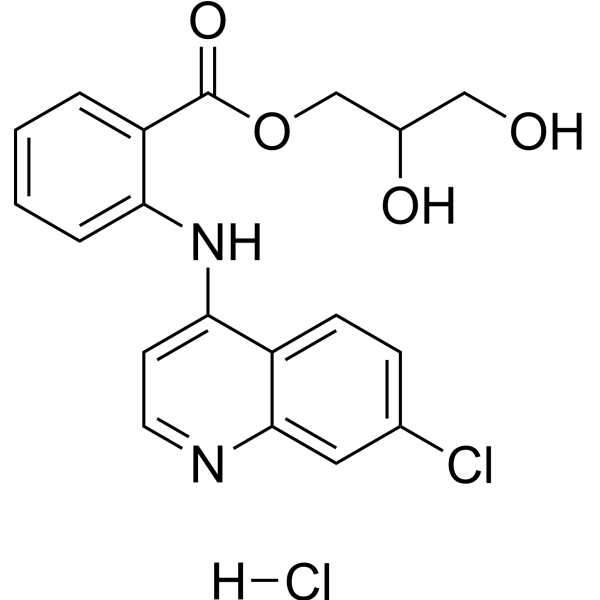
    Glafenine hydrochloride
    4 Publications Verification

    Glafenin hydrochloride

    COX CFTR Apoptosis Endoplasmic Reticulum Oxidoreductase 1 (ERO1) Metabolic Disease Inflammation/Immunology
    Glafenine (Glafenin) hydrochloride is a non-selective, non-steroidal anti-inflammatory drug-based COX-1/COX-2 inhibitor. Glafenine hydrochloride exerts anti-inflammatory, anti-proliferative and anti-cell migration effects by inhibiting the arachidonic acid metabolic pathway and reducing prostaglandin synthesis. Glafenine hydrochloride can induce cell cycle arrest in vascular smooth muscle cells and endothelial cells and reduce the synthesis of the extracellular matrix protein Tenascin. Glafenine hydrochloride can be used in the research of inflammatory-related diseases, vascular restenosis and cystic fibrosis (CF) .
    Glafenine hydrochloride
  • HY-103387
    DuP-697
    1 Publications Verification

    COX Apoptosis Inflammation/Immunology Cancer
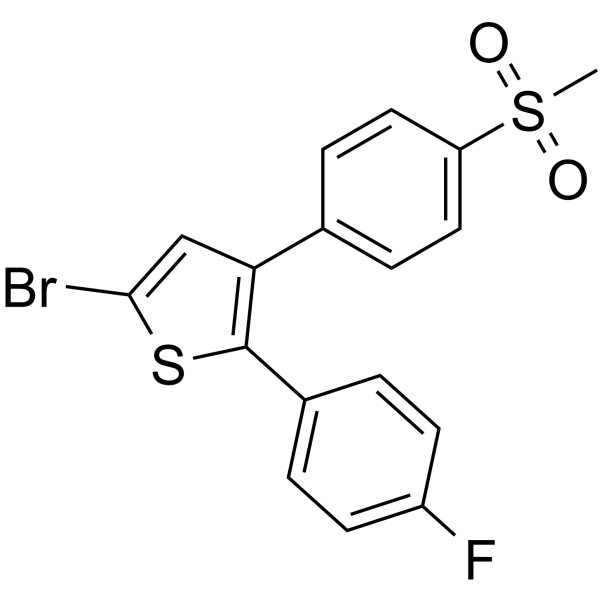
    DuP-697 is a member of the vicinal diaryl heterocycles and a potent, irreversible, selective and orally active COX-2 inhibitor (IC50 of 10 nM and 800 nM for human COX-2 and COX-1, respectively). DuP-697 exerts antiproliferative (IC50 of 42.8 nM), antiangiogenic and apoptotic effects on HT29 colorectal cancer cells. DuP-697 inhibits prostaglandin synthesis and has anti-inflammatory, anticancer and antipyretic effects .
    DuP-697
  • HY-B1111S1

    BTS-27419-d3

    Isotope-Labeled Compounds Adrenergic Receptor Monoamine Oxidase Parasite Infection Endocrinology
    Amitraz-d3 is the deuterium labeled Amitraz. Amitraz is a non-systemic acaricide and insecticide, with alpha-adrenergic agonist activity, interaction with octopamine receptors of the central nervous system and inhibition of monoamine oxidases and prostaglandin synthesis.
    Amitraz-d3
  • HY-19622

    PGE synthase Inflammation/Immunology
    PF-9184 is a potent and highly selective inhibitor of human microsomal prostaglandin E synthase-1 (mPGES-1), with an IC50 of 16.5 nM. PF-9184 inhibits IL-1β-induced PGE2 synthesis in vitro .
    PF-9184
  • HY-E70229

    COX-1

    Endogenous Metabolite Metabolic Disease
    Cyclooxygenase 1, sheep (COX-1) is a 71 kDa membrane bound protein predominantly present in endoplasmic reticulum. Cyclooxygenase 1 has three domains, the epidermal growth factor (EGF) like domain, enzymatic and membrane binding domain. Cyclooxygenase 1 mediates prostaglandin synthesis and is modulated by anti-inflammatory nonsteroidal drugs .
    Cyclooxygenase 1, sheep
  • HY-113330
    12S-HHT
    1 Publications Verification

    12(S)-HHTrE

    Leukotriene Receptor Endogenous Metabolite Inflammation/Immunology
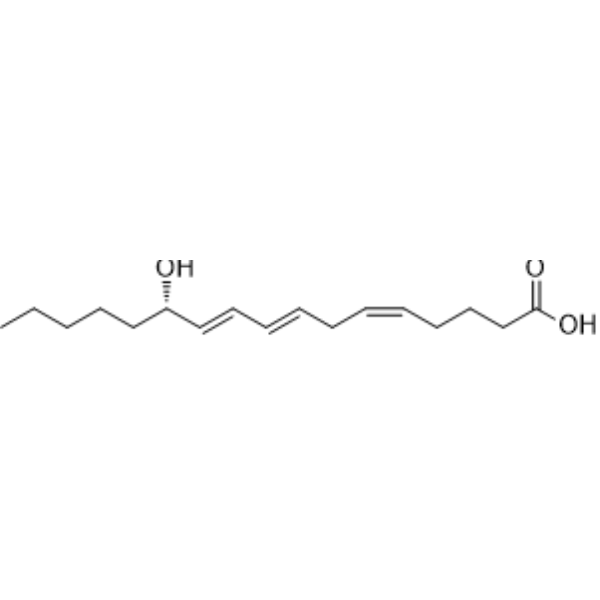
    12S-HHT (12(S)-HHTrE) is an enzymatic product of prostaglandin H2 (PGH2) derived from cyclooxygenase (COX)-mediated arachidonic acid metabolism. 12S-HHT is an endogenous ligand for BLT2 that fully activates BLT2 in vivo. 12S-HHT suppresses UV-induced IL-6 synthesis in keratinocytes, exerting an anti-inflammatory activity .
    12S-HHT
  • HY-B1153R

    Glafenin (Standard)

    COX CFTR Apoptosis Endoplasmic Reticulum Oxidoreductase 1 (ERO1) Reference Standards Metabolic Disease Inflammation/Immunology
    Glafenine (Standard) is the analytical standard of Glafenine. This product is intended for research and analytical applications. Glafenine (Glafenin) is a non-selective, non-steroidal anti-inflammatory drug-based COX-1/COX-2 inhibitor. Glafenine exerts anti-inflammatory, anti-proliferative and anti-cell migration effects by inhibiting the arachidonic acid metabolic pathway and reducing prostaglandin synthesis. Glafenine can induce cell cycle arrest in vascular smooth muscle cells and endothelial cells and reduce the synthesis of the extracellular matrix protein Tenascin. Glafenine can be used in the research of inflammatory-related diseases, vascular restenosis and cystic fibrosis (CF) .
    Glafenine (Standard)
  • HY-B2121

    6-MNA; Naproxen impurity O

    Drug Metabolite COX Neurological Disease Inflammation/Immunology
    6-Methoxy-2-naphthoic acid (6-MNA) is the active metabolite of Nabumetone (HY-B0559). 6-Methoxy-2-naphthoic acid is also an inhibitor of COX-1 and COX-2. 6-Methoxy-2-naphthoic acid can inhibit the synthesis of gastric mucosal prostaglandin E2. 6-Methoxy-2-naphthoic acid can be used in the research of inflammation and pain-related diseases. In addition, 6-Methoxy-2-naphthoic acid is an impurity in Naproxen (HY-15030) and can also be used in the synthesis of other active compounds .
    6-Methoxy-2-naphthoic acid
  • HY-177440

    Prostaglandin Receptor COX PGE synthase Metabolic Disease
    T26A is a highly selective prostaglandin transporter (PGT) inhibitor.T26A does not interact with the PGT homolog OATPc, blocks PGT-mediated PGE2 influx, and blocks PGE2 metabolism.T26A retains PGE2 in the extracellular compartment and reduces intracellular PGE2 metabolites.T26A elevates circulating endogenous PGE2 levels, reduces circulating endogenous PGE2 metabolite levels, and slows metabolism of exogenously injected PGE2 in Rattus norvegicus via intravenous injection.T26A does not affect PGE2 synthesis.T26A can be used for the research of PGT function in adult animals .
    T26A
  • HY-109134

    TAS-205 free base

    Prostaglandin Receptor Metabolic Disease Inflammation/Immunology
    Pizuglanstat (Compound 3; TAS-205 free base) is an orally active prostaglandin D synthase inhibitor with an IC50 of 76 nM for human hematopoietic prostaglandin D synthase. Pizuglanstat inhibits the synthesis of PGD2. Pizuglanstat improves experimental allergic rhinitis. Pizuglanstat can be used in the study of muscle regenerative diseases such as muscular dystrophy .
    Pizuglanstat
  • HY-107795R

    Salipran (Standard)

    Reference Standards Prostaglandin Receptor Inflammation/Immunology Endocrinology
    Benorilate (Standard) is the analytical standard of Benorilate. This product is intended for research and analytical applications. Benorylate (Salipran) is the esterification product of paracetamol and acetylsalicylic acid. Benorylate has anti-inflammatory, analgesic and antipyretic properties. Benorylate could also inhibit prostaglandin (PG) synthesis .
    Benorilate (Standard)
  • HY-W747297

    COX Endogenous Metabolite Neurological Disease Inflammation/Immunology
    β-Selinene is a sesquiterpene and is the main active component of the essential oil of red purple hibiscus (Callicarpa macrophylla). β-Selinene exhibits significant related antioxidant activity, anti-inflammatory activity, and antipyretic analgesic activity. β-Selinene may exert antioxidant effects by directly scavenging free radicals (DPPH, NO, •OH) and chelating pro-oxidative metal ions (Fe²⁺); inhibit cyclooxygenase (COX) activity, reduce prostaglandin (such as PGE₂) synthesis to exert anti-inflammatory effects; regulate the thermoregulatory set point of the hypothalamus and inhibit inflammatory mediators to exert antipyretic and analgesic effects .
    β-Selinene
  • HY-N7833

    Biochemical Assay Reagents Others
    Heneicosapentaenoic Acid (HPA) is a 21:5 omega-3 fatty acid found in trace amounts in the green alga B. pennata and in fish oils. Its chemical composition is similar to eicosapentaenoic acid (EPA), except that a carbon is extended at the carboxy terminus, placing the first double bond at the δ6 position. HPA can be used to study the importance of double bond position in omega-3 fatty acids. It incorporates phospholipids and triacylglycerols in vivo with the same efficiency as EPA and docosahexaenoic acid, and exhibits a strong inhibitory effect on the synthesis of arachidonic acid from linoleic acid. HPA is a poor substrate for prostaglandin H synthase (PGHS) (cyclooxygenase) and 5-lipoxygenase, but retains the ability to rapidly inactivate PGHS.
    Heneicosapentaenoic acid
  • HY-B1111R

    BTS-27419 (Standard)

    Reference Standards Adrenergic Receptor Monoamine Oxidase Parasite Infection Endocrinology
    Amitraz (Standard) is the analytical standard of Amitraz. This product is intended for research and analytical applications. Amitraz is a non-systemic acaricide and insecticide with alpha-adrenergic agonist activity that interacts with octopamine receptors in the central nervous system and inhibits monoamine oxidase and prostaglandin synthesis.
    Amitraz (Standard)
  • HY-107320

    Prostaglandin Receptor COX NO Synthase Inflammation/Immunology
    Amtolmetin guacil is an effective nonsteroidal anti-Inflammatory agent with pain-relieving effects. Amtolmetin guacil inhibits prostaglandin synthesis and cyclooxygenase (COX). Amtolmetin guacil can stimulate capsaicin receptors present on the gastrointestinal wall and also releases gastroprotective nitric oxide (NO). Amtolmetin guacil can be used to research knee osteoarthritis .
    Amtolmetin guacil
  • HY-151173

    Xanthine Oxidase Lipoxygenase COX Metabolic Disease Inflammation/Immunology
    XO/COX/LOX-IN-1 is a XO/COX/LOX inhibitor with an IC50 of 3.2 μM against rat XO, 10.83 μM against 5-LOX, 12.67 μM against COX-1, and 8.31 μM against COX-2. XO/COX/LOX-IN-1 binds to the active sites of XO, 5-LOX, COX-1 and COX-2, thereby blocking enzyme activities associated with uric acid, leukotriene, prostaglandin synthesis and inflammatory pathways. XO/COX/LOX-IN-1 can be used in the research of hyperuricemia and inflammation .
    XO/COX/LOX-IN-1
  • HY-B1398R
    Ampyrone (Standard)
    1 Publications Verification

    4-Aminophenazone (Standard)

    Reference Standards COX Drug Metabolite Neurological Disease Inflammation/Immunology Cancer
    Ampyrone (4-Aminophenazone) (Standard) is the analytical standard of Ampyrone (HY-B1398). This product is intended for research and analytical applications. Ampyrone (4-Aminophenazone; 4-Aminoantipyrine) is a reversible and low-damage optical clearing agent and non-selective COX inhibitor based on UV absorption properties. Ampyrone can improve the optical transmittance of mouse skin and other tissues. Ampyrone can induce tissue refractive index matching by enhancing UV absorption, reduce light scattering, and achieve tissue transparency in vivo. Ampyrone reduces the synthesis of prostaglandin PGE2, thereby exerting anti-inflammatory, analgesic and antipyretic effects. Ampyrone inhibits DNA damage, cell apoptosis and immune cell phagocytosis induced by Doxorubicin (HY-15142A) and Cisplatin (HY-17394), etc., and participates in the regulation of toxicity in tumor chemotherapy .
    Ampyrone (Standard)
  • HY-43001

    Drug Intermediate Others
    (−)-G-Lactone is a synthetic intermediate useful for prostaglandins synthesis .
    (−)-G-Lactone
  • HY-N12643

    [6]-Gingerdione

    PGE synthase Others
    [6]-Gingerdione is a prostaglandin synthesis inhibitor that can be isolated from ginger rhizomes.
    Gingerdione
  • HY-109134A

    TAS-205

    Prostaglandin Receptor Metabolic Disease Inflammation/Immunology
    Pizuglanstat hydrate (Compound 3; TAS-205) is an orally active prostaglandin D synthase inhibitor with an IC50 of 76 nM for human hematopoietic prostaglandin D synthase. Pizuglanstat hydrate inhibits the synthesis of PGD2. Pizuglanstat hydrate improves experimental allergic rhinitis. Pizuglanstat hydrate can be used in the study of muscle regenerative diseases such as muscular dystrophy .
    Pizuglanstat hydrate
  • HY-106907
    Furprofen
    1 Publications Verification

    PGE synthase Inflammation/Immunology Endocrinology
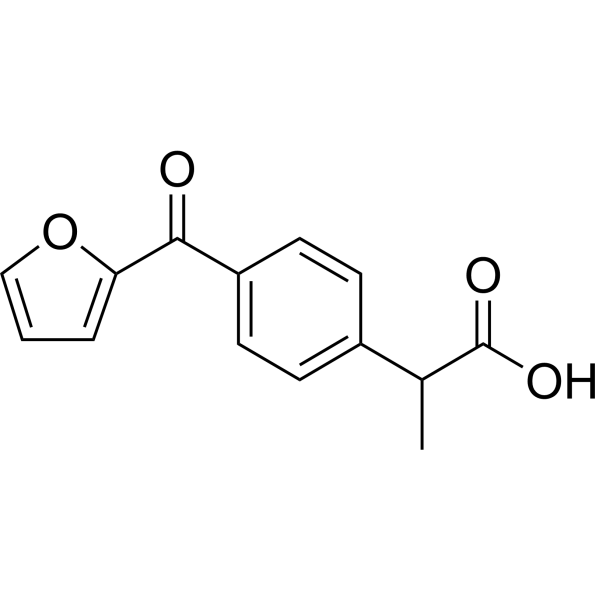
    Furprofen is an non-steroidal anti-inflammatory drug (NSAID) with analgesic properties . Furprofen acts via the inhibition of prostaglandin (PGE) synthesis. Furprofen can be treated orally for the relief of pain .
    Furprofen
  • HY-30235

    PGE synthase TNF Receptor Bacterial Inflammation/Immunology Cancer
    Benzydamine is an orally administered prostaglandin synthesis inhibitor that has anti-inflammatory, analgesic, antipyretic, and antibacterial properties. Benzydamine can inhibit TNF-α, stabilize cell membranes, and reduce oxidative stress within cells .
    Benzydamine
  • HY-B1111S

    BTS-27419-d6

    Isotope-Labeled Compounds Adrenergic Receptor Monoamine Oxidase Parasite Infection Endocrinology
    Amitraz-d6 (BTS-27419-d6) is the deuterium labeled Amitraz. Amitraz is a non-systemic acaricide and insecticide, with alpha-adrenergic agonist activity, interaction with octopamine receptors of the central nervous system and inhibition of monoamine oxidases and prostaglandin synthesis.
    Amitraz-d6
  • HY-B0885R

    (±)-Econazol (Standard)

    Reference Standards Fungal Bacterial Calcium Channel Cytochrome P450 Infection Metabolic Disease
    Econazole (Standard) ((±)-Econazol (Standard)) is the analytical standard of Econazole (HY-B0885). This product is intended for research and analytical applications. Econazole ((±)-Econazol) is an orally active imidazole antifungal agent, as well as a cytochrome P-450 inhibitor and a blocker of calcium and manganese ion uptake. Econazole is active against a variety of fungi and some Gram-positive bacteria, but has no significant activity against Gram-negative bacteria. Econazole can inhibit the synthesis of prostaglandins and can also induce liver damage .
    Econazole (Standard)
  • HY-W050088S

    HP 549-d6

    Isotope-Labeled Compounds Drug Derivative Neurological Disease Inflammation/Immunology
    Isoxepac-d6 (HP 549-d6) is the deuterium labeled Isoxepac (HY-W050088). Isoxepac (HP 549) is an orally active non-steroidal anti-inflammatory agent. Isoxepac can inhibit Carrageenan (HY-125474) paw oedema, adjuvant-induced polyarthritis, and prostaglandin synthesis. Isoxepac (200 mg) has an analgesic effect after meniscectomy with a low incidence of side effects. Isoxepac can be used in the research of inflammatory (rheumatoid arthritis) and pain-related diseases .
    Isoxepac-d6
  • HY-Z7640

    COX Inflammation/Immunology
    4-Desmethyl-2-methyl celecoxib (Compound 1g) is an orally active and selective Cyclooxygenase-2 (COX-2) inhibitor with an IC50 value of 0.069 μM. 4-Desmethyl-2-methyl celecoxib shows anti-inflammatory, analgesic, and antipyretic activities. 4-Desmethyl-2-methyl celecoxib can reduces the synthesis of prostaglandins. 4-Desmethyl-2-methyl celecoxib is promising for research of inflammatory diseases and pain-related diseases, such as rheumatoid arthritis and osteoarthritis .
    4-Desmethyl-2-methyl celecoxib
  • HY-165587

    Prostaglandin Receptor Cardiovascular Disease
    BM-573 is an orally active dual thromboxane A₂ (TXA₂) modulator with an IC50 of 1.3 nM. BM-573 possesses both thromboxane synthase (TxAS) inhibition and thromboxane receptor (TP) antagonistic effects. BM-573 can completely inhibit platelet aggregation induced by Arachidonic acid (HY-109590) or U-46619 (TXA₂ analogues). BM-573 completely blocks the generation of TXB₂ (the stable metabolite of TXA₂) in human platelets and does not inhibit cyclooxygenase (COX-1/COX-2), thus avoiding interference with other prostaglandin synthesis. BM-573 has an inhibitory effect on U-46619-induced contractions in rat gastric fundus smooth muscle (ED₅₀ = 4.2 μM), but has no effect on contractions caused by PGE₂, PGF₂α, or PGI₂. BM-573 can be used in the study of atherosclerosis, myocardial infarction, pulmonary hypertension and shock .
    BM-573
  • HY-B0890A

    McN-2783-21-98 free acid

    PGE synthase Neurological Disease Inflammation/Immunology
    Zomepirac (McN-2783-21-98 free acid) is an orally active prostaglandin synthetase inhibitor. Zomepirac blocks prostaglandin synthesis and inhibits Collagen (HY-P72147)- or Epinephrine (HY-B0447)-induced platelet aggregation. Zomepirac can be used for the research of postoperative pain and osteoarthritis .
    Zomepirac
  • HY-B0890R

    McN-2783-21-98 (Standard)

    PGE synthase Reference Standards Neurological Disease Inflammation/Immunology
    Zomepirac sodium salt (Standard) is the analytical standard of Zomepirac sodium salt (HY-B0890). This product is intended for research and analytical applications. Zomepirac sodium salt (McN-2783-21-98) is an orally active prostaglandin synthetase inhibitor. Zomepirac sodium salt blocks prostaglandin synthesis and inhibits Collagen (HY-P72147)- or Epinephrine (HY-B0447)-induced platelet aggregation. Zomepirac sodium salt can be used for the research of postoperative pain and osteoarthritis .
    Zomepirac sodium salt (Standard)
  • HY-169496

    Drug Intermediate Metabolic Disease
    TBS-Corey lactone aldehyde is a versatile, hydroxyl-protected intermediate for the synthesis of prostaglandins and prostaglandin analogs.
    TBS-Corey lactone aldehyde
  • HY-106619

    GW 80126

    Prostaglandin Receptor Metabolic Disease
    Seprilose (GW 80126) is a prostaglandin E2 inhibitor that can inhibit prostaglandin E2 synthesis .
    Seprilose

Inquiry Online

Your information is safe with us. * Required Fields.

Salutation


Country or Region *

Applicant Name *


Organization Name *

Department *


Email Address *


Product Name *

Cat. No.


Requested quantity *

Phone Number *


Remarks

Inquiry Online

Inquiry Information

Product Name:
Cat. No.:
Quantity:
MCE Japan Authorized Agent:

