
Search Result
Results for "
thromboembolic diseases
" in MedChemExpress (MCE) Product Catalog:
2
Biochemical Assay Reagents
4
Isotope-Labeled Compounds
| Cat. No. |
상품명 |
Target |
연구분야 |
Chemical Structure |
-
- HY-D0837
-
|
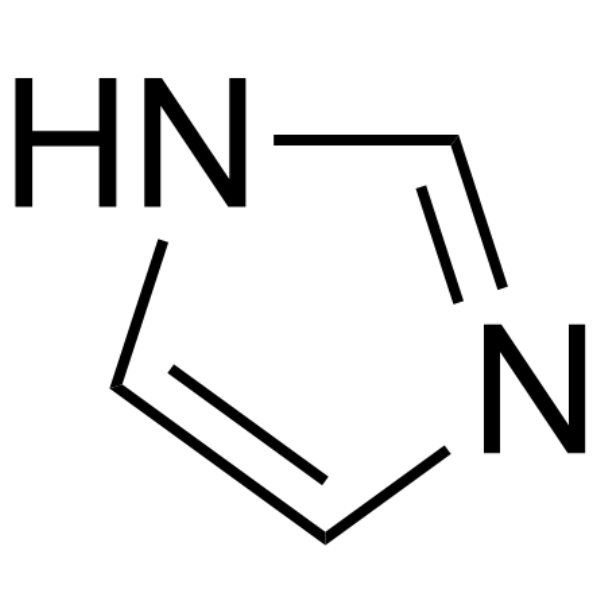
Glyoxaline; 1,3-Diaza-2,4-cyclopentadiene
|
MOFs
Ser/Thr Protease
Thrombopoietin Receptor
|
Neurological Disease
Inflammation/Immunology
|
|
Imidazole (Glyoxaline; 1,3-Diaza-2,4-cyclopentadiene) is a heterocyclic aromatic compound. Imidazole bearing molecules have been used as corrosion, acetylcholinesterase (AChEI) and xanthine oxidase (XO) inhibitors, performing biological activities such as antifungal, antituberculosis, anti-inflammatory, antioxidant, and analgesic, amongst many others. Imidazole inhibits the enzymatic conversion of the endoperoxides (PGG2 and PGH2) to thromboxane A2 by platelet microsomes. Imidazole derivatives exhibits inhibition on SARS-CoV-2 3CL Pro enzyme, which is promising for research in the field of Alzheimer’s disease, gout, COVID-19 and thrombo-embolic disease .
|
-
-
- HY-50667
-
Apixaban
Maximum Cited Publications
13 Publications Verification
BMS-562247-01
|
Factor Xa
|
Cardiovascular Disease
Cancer
|
|
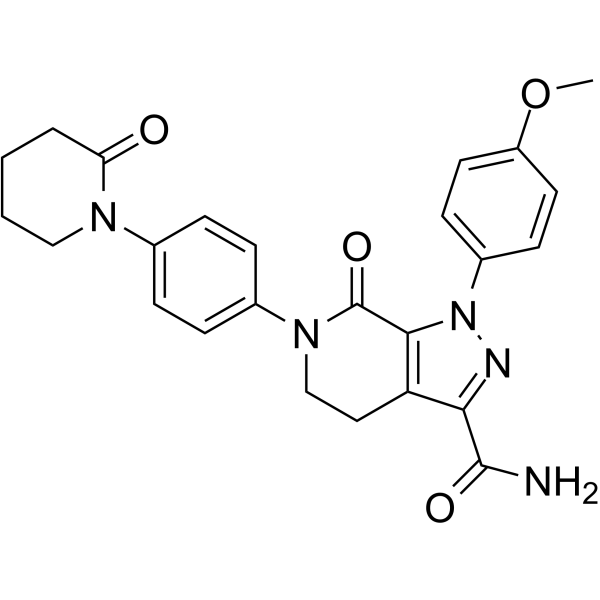
Apixaban (BMS-562247-01) is a highly selective, reversible and orally active inhibitor of Factor Xa with Ki of 0.08 nM and 0.17 nM in human and rabbit, respectively . Apixaban is in development for the prevention and treatment of various thromboembolic diseases .
|
-
-
- HY-P99415
-
|
MAA868
|
Factor Xa
|
Cardiovascular Disease
|
|
Abelacimab (MAA868) is a fully human IgG1 monoclonal antibody that binds with high affinity to the catalytic structural domain of FXI and locks it in the zymogen conformation, thereby preventing its activation by FXIIa or thrombin. Abelacimab can be used in thromboembolic disease studies .
|
-
-
- HY-10264
-
|
DU-176
|
Factor Xa
Thrombin
|
Cardiovascular Disease
Cancer
|
|
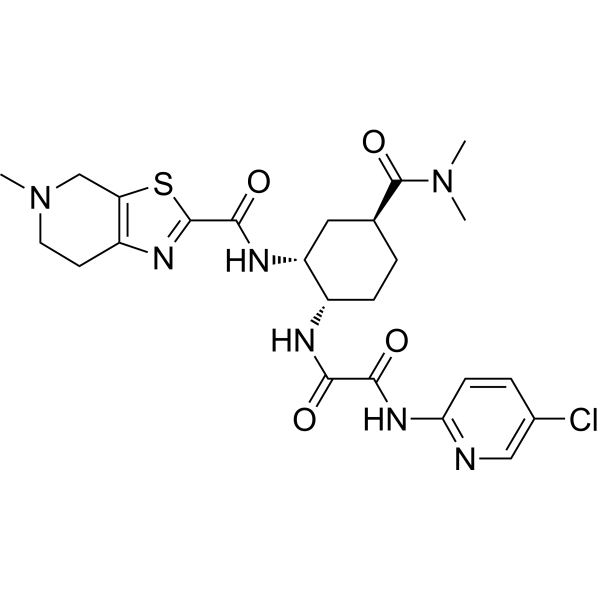
Edoxaban (DU-176b) is an orally active, highly potent, selective, and direct Factor Xa (FXa) inhibitor with Ki values of 0.561 and 2.98 nM for free human FXa and prothrombinase. Edoxaban exhibits more than 10,000-fold selectivity over other coagulation proteases. Edoxaban can be used in preventing thromboembolic disease research .
|
-
-
- HY-10264B
-
|
DU-176b monohydrate
|
Factor Xa
Thrombin
|
Cardiovascular Disease
Cancer
|
|
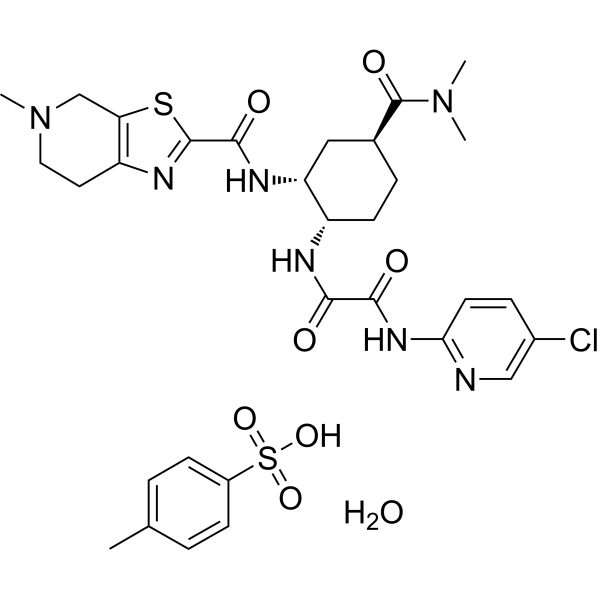
Edoxaban (DU-176b) monohydrate is an orally active, highly potent, selective, and direct Factor Xa (FXa) inhibitor with Kis of 0.561 and 2.98 nM for free human FXa and prothrombinase. Edoxaban monohydrate exhibits more than 10,000-fold selectivity over other coagulation proteases. Edoxaban monohydrate can be used for preventing thromboembolic disease research .
|
-
-
- HY-10264A
-
|
DU-176b
|
Factor Xa
Thrombin
|
Cardiovascular Disease
Cancer
|
|
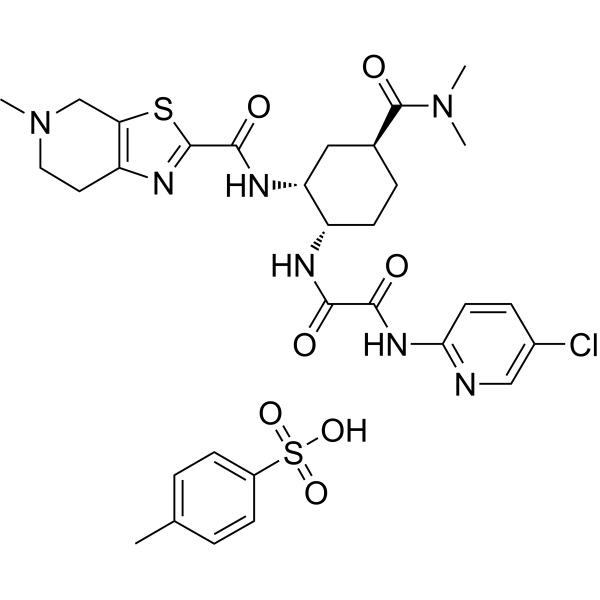
Edoxaban (DU-176b) tosylate is an orally active, highly potent, selective, and direct Factor Xa (FXa) inhibitor with Kis of 0.561 and 2.98 nM for free human FXa and prothrombinase. Edoxaban tosylate exhibits more than 10,000-fold selectivity over other coagulation proteases. Edoxaban tosylate can be used for preventing thromboembolic disease research .
|
-
-
- HY-B0531
-
|
|
COX
Phosphodiesterase (PDE)
NF-κB
NO Synthase
Prostaglandin Receptor
|
Infection
Neurological Disease
Inflammation/Immunology
Cancer
|
|
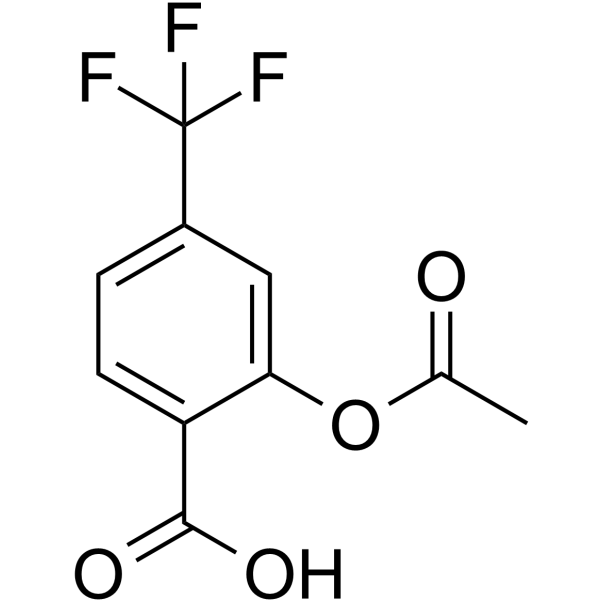
Triflusal is an orally bioavailable, blood-brain barrier-permeable dual Cyclooxygenase-1 (COX-1)/cAMP phosphodiesterase inhibitor. Triflusal inhibits platelet aggregation, NF-κB activation, iNOS activity, and prostaglandin synthesis in ischaemic tissue. Triflusal stimulates neutrophil nitric oxide production, eNOS protein expression, and cNOS activity. Triflusal alleviates cerebral ischemic injury in rats and ameliorates pathological lesions and related gene expression in transgenic Alzheimer’s disease models. Triflusal can be used for the research of thromboembolic/ischemic cardiovascular and cerebrovascular diseases, and Alzheimer’s disease .
|
-
-
- HY-N0660
-
|
|
Apoptosis
PARP
Caspase
AMPK
Autophagy
VEGFR
Keap1-Nrf2
STING
11β-HSD
Ferroptosis
PI3K
Akt
p38 MAPK
ERK
|
Neurological Disease
Metabolic Disease
Inflammation/Immunology
Cancer
|
|
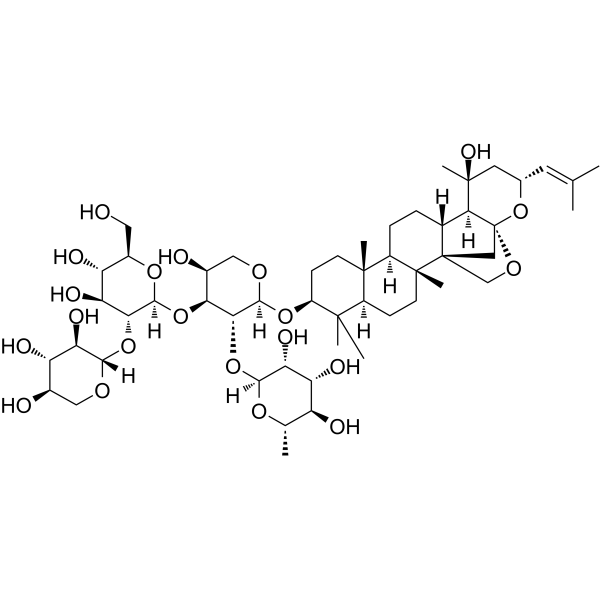
Jujuboside B is a bioactive saponin component isolated from Ziziphi Spinosae Semen (sour jujube seed), with oral efficacy and blood-brain barrier permeability. Jujuboside B induces acute leukemia cell death and drives necroptosis apoptosis by activating the RIPK1/RIPK3/MLKL pathway. Jujuboside B upregulates the expression of NOXA, PARP and caspase-3, activates AMPK, inhibits the proliferation of breast cancer cells, and induces cell apoptosis and autophagy. Jujuboside B inhibits angiogenesis and tumor growth by blocking the VEGFR-2 signaling pathway. Jujuboside B alleviates liver injury in mice by regulating the Nrf2-STING signaling pathway . Jujuboside B alleviates liver injury by regulating anti-inflammatory responses and downregulating the expression of 11β-HSD2. Jujuboside B induces ferroptosis and overcomes radioresistance in non-small cell lung cancer via the PPARγ-ATF3-Gpx4 signaling pathway. Jujuboside B exerts inhibitory effects on platelet aggregation. Jujuboside B inhibits febrile seizures by suppressing the activity of AMPA receptors. Jujuboside B reverses chronic unpredictable mild stress-promoted tumor progression by blocking the PI3K/Akt and MAPK/ERK pathways and dephosphorylating CREB signaling. Jujuboside B is applicable to related studies on acute leukemia, breast cancer, PM2.5-induced lung injury, hepatotoxicity, liver injury, colorectal cancer, non-small cell lung cancer, thromboembolic diseases, cardiovascular diseases associated with high platelet aggregation, febrile seizures, and depressive-like phenotypes .
|
-
-
- HY-B0428
-
Ozagrel
1 Publications Verification
OKY-046
|
Prostaglandin Receptor
|
Cardiovascular Disease
Neurological Disease
Inflammation/Immunology
|
|
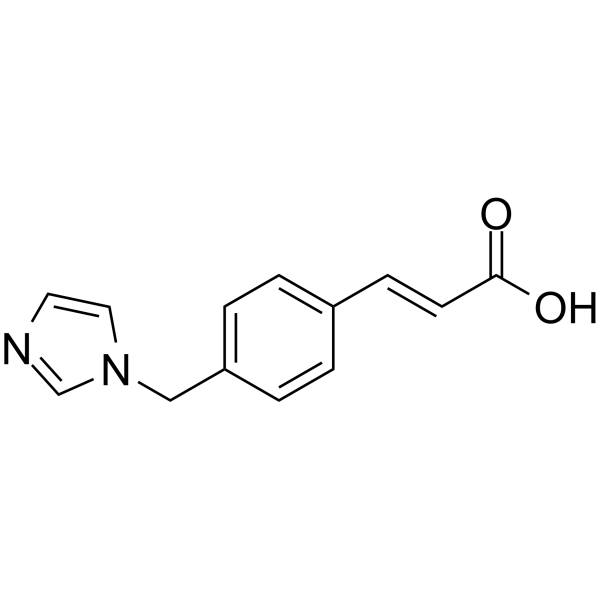
Ozagrel (OKY-046) is a high selective and orally active thromboxane A2 (TXA2) synthase inhibitor with an IC50 of 11 nM. Ozagrel exerts anti-platelet aggregation, vasodilation and anti-inflammatory effects by inhibiting the production of TXA2 and increasing the production of prostacyclin (PGI2). Ozagrel can be used for the study of ischemic stroke, asthma and thromboembolic diseases .
|
-
-
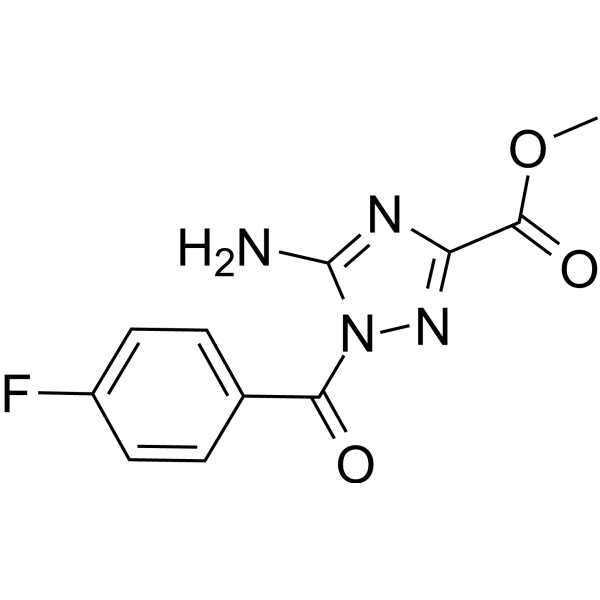
- HY-138053
-
|
Ristomycin III
|
Antibiotic
|
Cardiovascular Disease
Infection
|
|
Ristocetin A sulfate (Ristomycin III) is a glycopeptide antibiotic that binds to von Willebrand factor (VWF) and bacterial cell wall components. Ristocetin A sulfate interferes with the biosynthesis of bacterial peptidoglycan by inhibiting transpeptidation. As an inducer of platelet adhesion and aggregation, Ristocetin A sulfate drives conformational changes by binding to the A1 domain of VWF, thereby activating downstream signaling pathways and promoting cytoskeletal rearrangement. Ristocetin A sulfate not only enhances platelet adhesion and spreading on immobilized VWF, but also induces the formation of asymmetric dimers with anticooperativity between platelets and plasma VWF. Ristocetin A sulfate is widely used in studies related to thromboembolic diseases and bacterial infections .
|
-
-
- HY-101918
-
|
|
Thrombin
|
Cardiovascular Disease
|
|
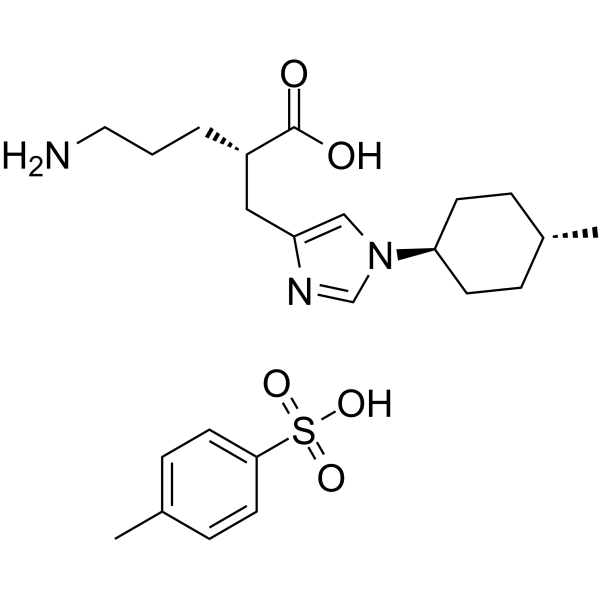
DS-1040 Tosylate is an orally active, selective inhibitor of activated thrombin-activatable fibrinolysis inhibitor (TAFIa) with IC50s of 5.92 nM and 8.01 nM for human and rat TAFIa. DS-1040 Tosylate is a fibrinolysis enhancer for thromboembolic diseases .
|
-
-
- HY-N6987
-
|
|
FXR
Factor Xa
|
Cardiovascular Disease
Inflammation/Immunology
|
|
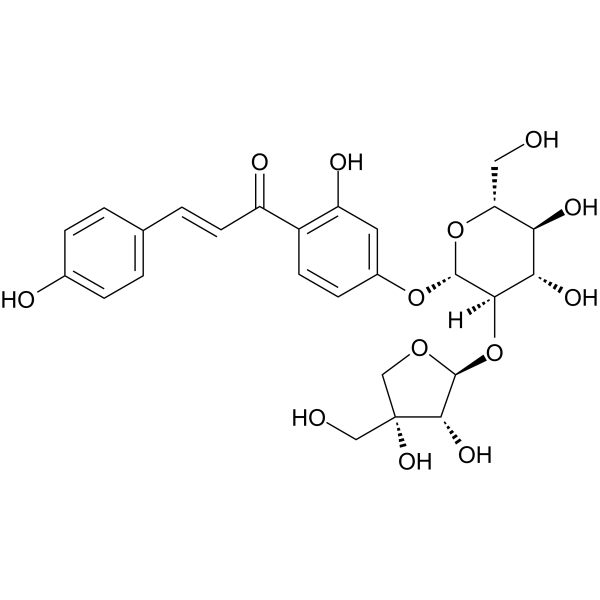
Licraside, found in Glycyrrhiza glabra, is a Farnesoid X receptor (FXR) activator. Licraside activates FXR to induce upregulation of SHP and BSEP, regulates bile acid homeostasis, reduces elevated biliary and serum TBA, serum ALT, AST, GGT, ALP, and TBIL levels, and attenuates liver histopathological damage. Licraside inhibits factor Xa with an IC50 of 48.54 mM. Licraside can be used for the research of cholestasis and thromboembolic diseases .
|
-
-
- HY-B0428B
-
|
OKY-046 hydrochloride
|
Prostaglandin Receptor
|
Cardiovascular Disease
Neurological Disease
Inflammation/Immunology
|
|
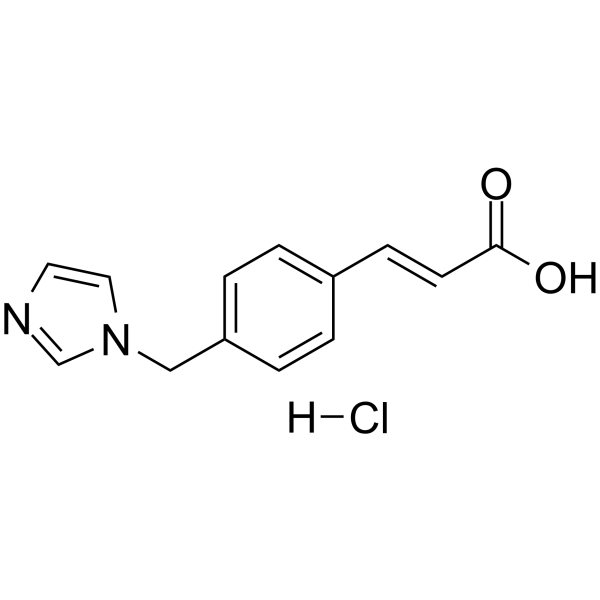
Ozagrel hydrochloride (OKY-046 hydrochloride) is a high selective and orally active thromboxane A2 (TXA2) synthase inhibitor with an IC50 of 11 nM. Ozagrel hydrochloride exerts anti-platelet aggregation, vasodilation and anti-inflammatory effects by inhibiting the production of TXA2 and increasing the production of prostacyclin (PGI2). Ozagrel hydrochloride can be used for the study of ischemic stroke, asthma and thromboembolic diseases .
|
-
-
- HY-100655
-
|
|
Drug Metabolite
|
Cardiovascular Disease
|
|
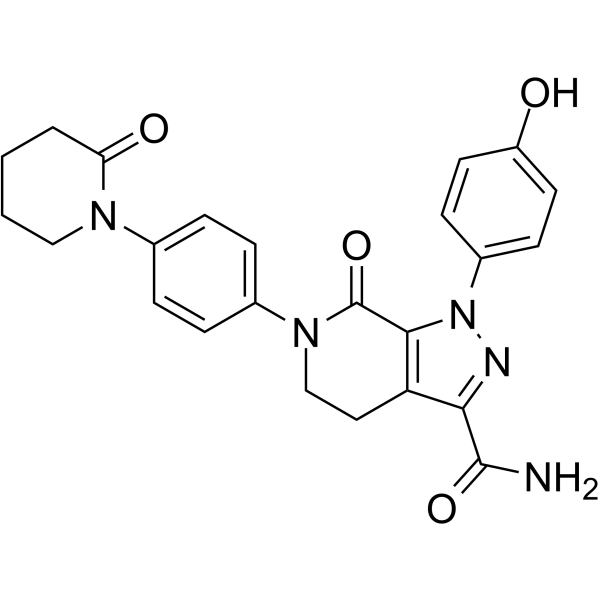
O-Desmethyl apixaban is a metabolite of Apixaban (BMS-562247-01) . Apixaban is a highly selective, reversible inhibitor of Factor Xa with Ki of 0.08 nM and 0.17 nM in human and rabbit, respectively .
|
-
-
- HY-B0428A
-
|
OKY-046 sodium
|
Prostaglandin Receptor
|
Cardiovascular Disease
Neurological Disease
Inflammation/Immunology
|
|
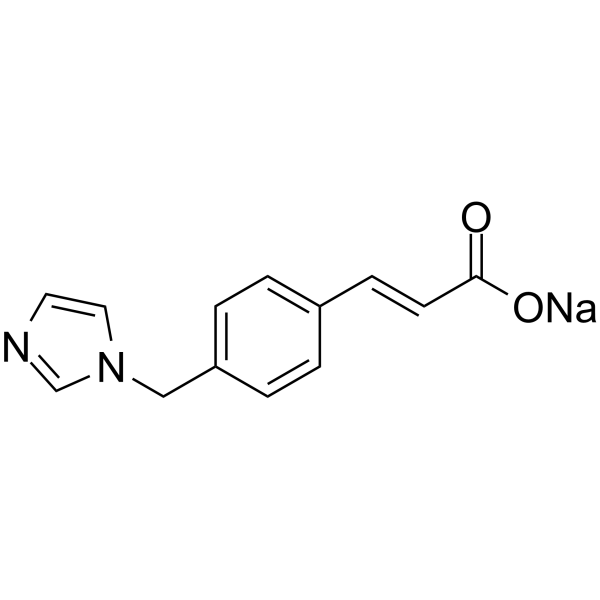
Ozagrel sodium (OKY-046 sodium) is a high selective and orally active thromboxane A2 (TXA2) synthase inhibitor with an IC50 of 11 nM. Ozagrel sodium exerts anti-platelet aggregation, vasodilation and anti-inflammatory effects by inhibiting the production of TXA2 and increasing the production of prostacyclin (PGI2). Ozagrel sodium can be used for the study of ischemic stroke, asthma and thromboembolic diseases .
|
-
-
- HY-50667R
-
|
BMS-562247-01 (Standard)
|
Reference Standards
Factor Xa
|
Cardiovascular Disease
Cancer
|
|
Apixaban (Standard) is the analytical standard of Apixaban. This product is intended for research and analytical applications. Apixaban (BMS-562247-01) is a highly selective, reversible and orally active inhibitor of Factor Xa with Ki of 0.08 nM and 0.17 nM in human and rabbit, respectively . Apixaban is in development for the prevention and treatment of various thromboembolic diseases .
|
-
-
- HY-50667S1
-
|
BMS-562247-01-d3
|
Isotope-Labeled Compounds
Factor Xa
|
Others
|
|
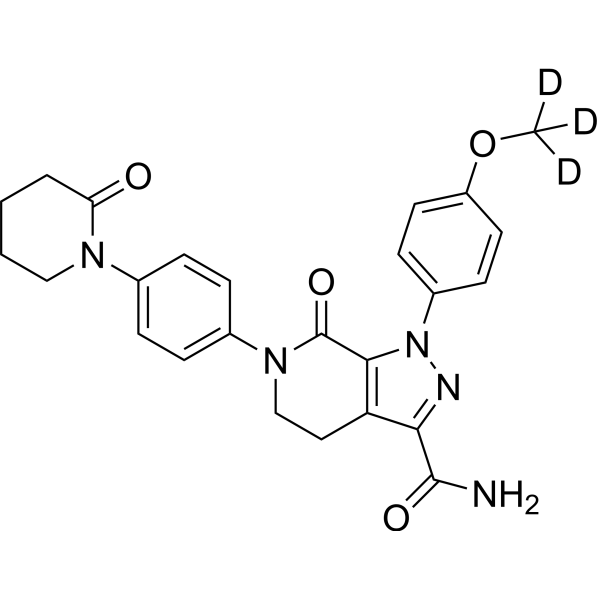
Apixaban-d3 (BMS-562247-01-d3) is the deuterium labeled Apixaban (HY-50667) . Apixaban (BMS-562247-01) is a highly selective, reversible and orally active inhibitor of Factor Xa with Kis of 0.08 nM and 0.17 nM in human and rabbit, respectively . Apixaban is in development for the prevention and treatment of various thromboembolic diseases .
|
-
-
- HY-150682
-
|
|
Factor Xa
|
Cardiovascular Disease
|
|
FXIa-IN-9 (compound 3f) is a potent and selective FXIa inhibitor. FXIa-IN-9 can bind with FXIa and form hydrogen bond (human FXIa Ki: 0.17 nM, rabbit FXIa Ki: 0.5 nM). FXIa-IN-9 also has anticoagulant activity, and can be used in the research of thromboembolic diseases such as atrial fibrillation, stroke, myocardial infarction, deep vein thrombosis, and pulmonary embolism .
|
-
-
- HY-10264R
-
|
DU-176 (Standard)
|
Reference Standards
Factor Xa
Thrombin
|
Cardiovascular Disease
Cancer
|
|
Edoxaban (Standard) is the analytical standard of Edoxaban. This product is intended for research and analytical applications. Edoxaban (DU-176b) is an orally active, highly potent, selective, and direct Factor Xa (FXa) inhibitor with Ki values of 0.561 and 2.98 nM for free human FXa and prothrombinase. Edoxaban exhibits more than 10,000-fold selectivity over other coagulation proteases. Edoxaban can be used in preventing thromboembolic disease research .
|
-
-
- HY-10264S
-
|
DU-176-d6
|
Factor Xa
Thrombin
|
Cardiovascular Disease
|
|
Edoxaban-d6 is deuterium labeled Edoxaban. Edoxaban (DU-176) is a selective, potent and orally active factor Xa (FXa) inhibitor with Kis of 0.561 nM and 2.98 nM for free FXa and prothrombinase, respectively. Edoxaban is an anticoagulant agent and can be used for stroke prevention. Edoxaban is also a weak inhibitor of thrombin and factor IXaβ (FIXa), with Kis of 6.00 μM and 41.7 μM, respectively, exhibits >10000-fold selectivity for FXa. Edoxaban has antithrombotic properties and has potential for thromboembolic diseases treatment .
|
-
-
- HY-163348
-
|
|
Factor Xa
Thrombin
|
Cardiovascular Disease
|
|
FXIIa-IN-4 (compound 22) is a potent, selective human FXIIa inhibitor with the IC50 of 0.032 μM, 0.30 μM, >50 μM for FXIIa, thrombin and FXIa, respectively. FXIIa-IN-4 can be used for study of anticoagulant .
|
-
-
- HY-150519
-
|
|
Factor XI
Kallikrein
|
Cardiovascular Disease
|
|
FXIa/Plasma kallikrein-IN-1 is an inhibitor of coagulation factor XIa (FXIa) and plasma kallikrein with Ki values of 187.70 nM and 151.6 nM, respectively. FXIa/Plasma kallikrein-IN-1 can be used in the research of thromboembolic diseases .
|
-
-
- HY-D0837R
-
|
Glyoxaline (Standard); 1,3-Diaza-2,4-cyclopentadiene (Standard)
|
Xanthine Oxidase
Reference Standards
Ser/Thr Protease
Thrombopoietin Receptor
|
Neurological Disease
Inflammation/Immunology
|
|
Imidazole (Standard) is the analytical standard of Imidazole. This product is intended for research and analytical applications. Imidazole (Glyoxaline; 1,3-Diaza-2,4-cyclopentadiene) is a heterocyclic aromatic compound. Imidazole bearing molecules have been used as corrosion, acetylcholinesterase (AChEI) and xanthine oxidase (XO) inhibitors, performing biological activities such as antifungal, antituberculosis, anti-inflammatory, antioxidant, and analgesic, amongst many others. Imidazole inhibits the enzymatic conversion of the endoperoxides (PGG2 and PGH2) to thromboxane A2 by platelet microsomes. Imidazole derivatives exhibits inhibition on SARS-CoV-2 3CLPro enzyme, which is promising for research in the field of Alzheimer’s disease, gout, COVID-19 and thrombo-embolic disease .
|
-
-
- HY-179017
-
|
|
Factor Xa
|
Cardiovascular Disease
|
|
FXa-IN-2 (Compound K3) is a reversible FXainhibitor, with an IC50 value of 45.08 μM. FXa-IN-2 can be used in the research of thromboembolic diseases .
|
-
-
- HY-100655R
-
|
|
Reference Standards
Drug Metabolite
|
Cardiovascular Disease
|
|
O-Desmethyl apixaban (Standard) is the analytical standard of O-Desmethyl apixaban. This product is intended for research and analytical applications. O-Desmethyl apixaban is a metabolite of Apixaban (BMS-562247-01) . Apixaban is a highly selective, reversible inhibitor of Factor Xa with Ki of 0.08 nM and 0.17 nM in human and rabbit, respectively .
|
-
-
- HY-W091734
-
|
|
Amino Acid Derivatives
|
Cardiovascular Disease
Neurological Disease
|
|
Methyl 4-iodo-L-phenylalaninate hydrochloride is a Phenylalaninate derivative. Methyl 4-iodo-L-phenylalaninate hydrochloride can be used for the preparation of factor XI modulators used in the research of thrombotic and thromboembolic. Methyl 4-iodo-L-phenylalaninate hydrochloride can also be used for the synthesis of compounds for the research of amyloid-related diseases, such as Alzheimer’s disease .
|
-
-
- HY-125615
-
|
|
Glycoprotein VI
|
Cardiovascular Disease
Others
|
|
DMP 728 methanesulfonate is a platelet glycoprotein (GP) IIb/IIIa receptor antagonist. DMP 728 methanesulfonate shows dose-dependent antiplatelet and antithrombotic effects. DMP 728 methanesulfonate can be used in the study of effective antithrombotic agents in thromboembolic diseases of coronary and peripheral arteries .
|
-
-
- HY-163347
-
|
|
Factor Xa
|
Cardiovascular Disease
|
|
FXIIa-IN-3 (Compound 8) is a potent and selective Factor XIIa (FXIIa) inhibitor, with an IC50 of 0.045 μM. FXIIa-IN-3 also exhibits a substantial margin of selectivity against related serine proteases, including FXIa, FXa, and FIXa. FXIIa-IN-3 can be used for the research of thromboembolic diseases .
|
-
-
- HY-10264C
-
|
DU-176 hydrochloride
|
Factor Xa
Thrombin
|
Cardiovascular Disease
Cancer
|
|
Edoxaban (DU-176b) hydrochloride is an orally active, highly potent, selective, and direct Factor Xa (FXa) inhibitor with Ki values of 0.561 and 2.98 nM for free human FXa and prothrombinase. Edoxaban hydrochloride exhibits more than 10,000-fold selectivity over other coagulation proteases. Edoxaban hydrochloride can be used for preventing thromboembolic disease research .
|
-
-
- HY-B0531S
-
|
|
Isotope-Labeled Compounds
COX
NF-κB
Phosphodiesterase (PDE)
NO Synthase
Prostaglandin Receptor
|
Infection
Neurological Disease
Inflammation/Immunology
Cancer
|
|
Triflusal-d3 is deuterium labeled Triflusal (HY-B0531). Triflusal is an orally bioavailable, blood-brain barrier-permeable dual Cyclooxygenase-1 (COX-1)/cAMP phosphodiesterase inhibitor. Triflusal inhibits platelet aggregation, NF-κB activation, iNOS activity, and prostaglandin synthesis in ischaemic tissue. Triflusal stimulates neutrophil nitric oxide production, eNOS protein expression, and cNOS activity. Triflusal alleviates cerebral ischemic injury in rats and ameliorates pathological lesions and related gene expression in transgenic Alzheimer’s disease models. Triflusal can be used for the research of thromboembolic/ischemic cardiovascular and cerebrovascular diseases, and Alzheimer’s disease .
|
-
-
- HY-B0531R
-
|
|
Reference Standards
COX
Phosphodiesterase (PDE)
NF-κB
NO Synthase
Prostaglandin Receptor
|
Infection
Neurological Disease
Inflammation/Immunology
Cancer
|
|
Triflusal (Standard) is the analytical standard of Triflusal (HY-B0531). This product is intended for research and analytical applications. Triflusal is an orally bioavailable, blood-brain barrier-permeable dual Cyclooxygenase-1 (COX-1)/cAMP phosphodiesterase inhibitor. Triflusal inhibits platelet aggregation, NF-κB activation, iNOS activity, and prostaglandin synthesis in ischaemic tissue. Triflusal stimulates neutrophil nitric oxide production, eNOS protein expression, and cNOS activity. Triflusal alleviates cerebral ischemic injury in rats and ameliorates pathological lesions and related gene expression in transgenic Alzheimer’s disease models. Triflusal can be used for the research of thromboembolic/ischemic cardiovascular and cerebrovascular diseases, and Alzheimer’s disease .
|
-
-
- HY-B0428BR
-
|
OKY-046 hydrochloride (Standard)
|
Reference Standards
Prostaglandin Receptor
|
Cardiovascular Disease
Neurological Disease
Inflammation/Immunology
|
|
Ozagrel hydrochloride (Standard) is the analytical reference standard of Ozagrel hydrochloride (HY-B0428B). Ozagrel hydrochloride (OKY-046 hydrochloride) is a high selective and orally active thromboxane A2 (TXA2) synthase inhibitor with an IC50 of 11 nM. Ozagrel hydrochloride exerts anti-platelet aggregation, vasodilation and anti-inflammatory effects by inhibiting the production of TXA2 and increasing the production of prostacyclin (PGI2). Ozagrel hydrochloride can be used for the study of ischemic stroke, asthma and thromboembolic diseases .
|
-
-
- HY-W699983
-
|
Glyoxaline-15N2; 1,3-Diaza-2,4-cyclopentadiene-15N2
|
Isotope-Labeled Compounds
Thrombopoietin Receptor
Ser/Thr Protease
Xanthine Oxidase
|
Neurological Disease
Inflammation/Immunology
|
|
Imidazole- 15N2 (Glyoxaline- 15N2) is 15N labeled Imidazole. Imidazole (Glyoxaline; 1,3-Diaza-2,4-cyclopentadiene) is a heterocyclic aromatic compound. Imidazole bearing molecules have been used as corrosion, acetylcholinesterase (AChEI) and xanthine oxidase (XO) inhibitors, performing biological activities such as antifungal, antituberculosis, anti-inflammatory, antioxidant, and analgesic, amongst many others. Imidazole inhibits the enzymatic conversion of the endoperoxides (PGG2 and PGH2) to thromboxane A2 by platelet microsomes. Imidazole derivatives exhibits inhibition on SARS-CoV-2 3CL Pro enzyme, which is promising for research in the field of Alzheimer’s disease, gout, COVID-19 and thrombo-embolic disease .
|
-
-
- HY-101918R
-
|
|
Thrombin
Reference Standards
|
Cardiovascular Disease
|
|
DS-1040 Tosylate (Standard) is the analytical standard of DS-1040 Tosylate (HY-101918). This product is intended for research and analytical applications. DS-1040 Tosylate is an orally active, selective inhibitor of activated thrombin-activatable fibrinolysis inhibitor (TAFIa) with IC50s of 5.92 nM and 8.01 nM for human and rat TAFIa. DS-1040 Tosylate is a fibrinolysis enhancer for thromboembolic diseases .
|
-
-
- HY-10762
-
|
|
Factor Xa
|
Cardiovascular Disease
|
|
FXa-IN-3 (compound 1a) is a potent coagulation factor Xa (FXa) inhibitor with a Ki of 43 nM. FXa-IN-3 can be used in the research of thromboembolic diseases .
|
-
-
- HY-179636
-
|
|
Drug Intermediate
|
Cardiovascular Disease
|
|
DS-1040 Tosylate prodrug-1 (Compound 2) is a prodrug of DS-1040 Tosylate (Compound 1) (HY-101918). DS-1040 Tosylate prodrug-1 can be used to study thromboembolic diseases .
|
-
-
- HY-W169940
-
|
|
Prostaglandin Receptor
|
Cardiovascular Disease
|
|
NP-184 is a novel orally active antithrombotic agent. NP-184 selectively inhibits TXA2 synthase activity with an IC50 value of 4.3 μM. NP-184 has antiplatelet and antithrombotic activities. NP-184 can be used in the research of thromboembolic diseases .
|
-
-
- HY-182420
-
|
|
Factor Xa
|
Cardiovascular Disease
|
|
DJT06001 is an orally active, highly selective Factor Xa inhibitor. DJT06001 shows inhibition with Ki of 0.99 nM, IC50 of 2.53 nM in prothrombinase complex and 3.33 nM in human plasma. DJT06001 dose-dependently prolongs PT and APTT, inhibits thrombus formation in vivo. DJT06001 can be used for the research of thromboembolic diseases .
|
-
-
- HY-19220
-
|
|
Thrombin
|
Cardiovascular Disease
|
|
S-18326 is an orally active direct thrombin inhibitor. S-18326 inhibits thrombus formation by reversibly and with high affinity binding to the active site of thrombin, directly preventing the conversion of fibrinogen to fibrin. S-18326 effectively prolongs various clotting times in human plasma. S-18326 has demonstrated antithrombotic efficacy in multiple animal models without causing thrombocytopenia. S-18326 can be used in research on thromboembolic diseases .
|
-
-
- HY-10264BR
-
|
DU-176b monohydrate (Standard)
|
Reference Standards
Factor Xa
Thrombin
|
Cardiovascular Disease
Cancer
|
|
Edoxaban tosylate monohydrate (Standard) is the analytical standard of Edoxaban tosylate monohydrate (HY-10264B). This product is intended for research and analytical applications. Edoxaban (DU-176b) monohydrate is an orally active, highly potent, selective, and direct Factor Xa (FXa) inhibitor with Kis of 0.561 and 2.98 nM for free human FXa and prothrombinase. Edoxaban monohydrate exhibits more than 10,000-fold selectivity over other coagulation proteases. Edoxaban monohydrate can be used for preventing thromboembolic disease research .
|
-
-
- HY-B0428D
-
|
(E/Z)-OKY-046 sodium
|
Prostaglandin Receptor
|
Cardiovascular Disease
Neurological Disease
Inflammation/Immunology
|
|
(E/Z)-Ozagrel sodium [(E/Z)-OKY-046 sodium] is an EZ configuration mixture of Ozagrel sodium (HY-B0428A). Ozagrel sodium (OKY-046 sodium) is a high selective and orally active thromboxane A2 (TXA2) synthase inhibitor with an IC50 of 11 nM. Ozagrel sodium exerts anti-platelet aggregation, vasodilation and anti-inflammatory effects by inhibiting the production of TXA2 and increasing the production of prostacyclin (PGI2). Ozagrel sodium can be used for the study of ischemic stroke, asthma and thromboembolic diseases .
|
-
-
- HY-N17826
-
-
-
- HY-N0660R
-
|
|
Reference Standards
ERK
p38 MAPK
Akt
PI3K
11β-HSD
STING
VEGFR
Ferroptosis
Autophagy
Apoptosis
Keap1-Nrf2
Caspase
PARP
AMPK
|
Neurological Disease
Metabolic Disease
Inflammation/Immunology
Cancer
|
|
Jujuboside B (Standard) is the analytical standard of Jujuboside B. This product is intended for research and analytical applications. Jujuboside B is a bioactive saponin component isolated from Ziziphi Spinosae Semen (sour jujube seed), with oral efficacy and blood-brain barrier permeability. Jujuboside B induces acute leukemia cell death and drives necroptosis apoptosis by activating the RIPK1/RIPK3/MLKL pathway. Jujuboside B upregulates the expression of NOXA, PARP and caspase-3, activates AMPK, inhibits the proliferation of breast cancer cells, and induces cell apoptosis and autophagy. Jujuboside B inhibits angiogenesis and tumor growth by blocking the VEGFR-2 signaling pathway. Jujuboside B alleviates liver injury in mice by regulating the Nrf2-STING signaling pathway . Jujuboside B alleviates liver injury by regulating anti-inflammatory responses and downregulating the expression of 11β-HSD2. Jujuboside B induces ferroptosis and overcomes radioresistance in non-small cell lung cancer via the PPARγ-ATF3-Gpx4 signaling pathway. Jujuboside B exerts inhibitory effects on platelet aggregation. Jujuboside B inhibits febrile seizures by suppressing the activity of AMPA receptors. Jujuboside B reverses chronic unpredictable mild stress-promoted tumor progression by blocking the PI3K/Akt and MAPK/ERK pathways and dephosphorylating CREB signaling. Jujuboside B is applicable to related studies on acute leukemia, breast cancer, PM2.5-induced lung injury, hepatotoxicity, liver injury, colorectal cancer, non-small cell lung cancer, thromboembolic diseases, cardiovascular diseases associated with high platelet aggregation, febrile seizures, and depressive-like phenotypes.
|
-
-
- HY-D0837
-
|
Glyoxaline; 1,3-Diaza-2,4-cyclopentadiene
|
Biochemical Assay Reagents
|
|
Imidazole (Glyoxaline; 1,3-Diaza-2,4-cyclopentadiene) is a heterocyclic aromatic compound. Imidazole bearing molecules have been used as corrosion, acetylcholinesterase (AChEI) and xanthine oxidase (XO) inhibitors, performing biological activities such as antifungal, antituberculosis, anti-inflammatory, antioxidant, and analgesic, amongst many others. Imidazole inhibits the enzymatic conversion of the endoperoxides (PGG2 and PGH2) to thromboxane A2 by platelet microsomes. Imidazole derivatives exhibits inhibition on SARS-CoV-2 3CL Pro enzyme, which is promising for research in the field of Alzheimer’s disease, gout, COVID-19 and thrombo-embolic disease .
|
-
- HY-D0837R
-
|
Glyoxaline (Standard); 1,3-Diaza-2,4-cyclopentadiene (Standard)
|
Biochemical Assay Reagents
|
|
Imidazole (Standard) is the analytical standard of Imidazole. This product is intended for research and analytical applications. Imidazole (Glyoxaline; 1,3-Diaza-2,4-cyclopentadiene) is a heterocyclic aromatic compound. Imidazole bearing molecules have been used as corrosion, acetylcholinesterase (AChEI) and xanthine oxidase (XO) inhibitors, performing biological activities such as antifungal, antituberculosis, anti-inflammatory, antioxidant, and analgesic, amongst many others. Imidazole inhibits the enzymatic conversion of the endoperoxides (PGG2 and PGH2) to thromboxane A2 by platelet microsomes. Imidazole derivatives exhibits inhibition on SARS-CoV-2 3CLPro enzyme, which is promising for research in the field of Alzheimer’s disease, gout, COVID-19 and thrombo-embolic disease .
|
| Cat. No. |
상품명 |
Target |
Research Area |
-
- HY-W091734
-
|
|
Amino Acid Derivatives
|
Cardiovascular Disease
Neurological Disease
|
|
Methyl 4-iodo-L-phenylalaninate hydrochloride is a Phenylalaninate derivative. Methyl 4-iodo-L-phenylalaninate hydrochloride can be used for the preparation of factor XI modulators used in the research of thrombotic and thromboembolic. Methyl 4-iodo-L-phenylalaninate hydrochloride can also be used for the synthesis of compounds for the research of amyloid-related diseases, such as Alzheimer’s disease .
|
| Cat. No. |
상품명 |
Target |
Research Area |
Image |
-
- HY-P99415
-
|
MAA868
|
Factor Xa
|
Cardiovascular Disease
|
|
Abelacimab (MAA868) is a fully human IgG1 monoclonal antibody that binds with high affinity to the catalytic structural domain of FXI and locks it in the zymogen conformation, thereby preventing its activation by FXIIa or thrombin. Abelacimab can be used in thromboembolic disease studies .
|
-
(5)
| Cat. No. |
상품명 |
Category |
Target |
Chemical Structure |
-
- HY-N0660
-
|
|
Cardiovascular Disease
Triterpenes
Structural Classification
other families
Classification of Application Fields
Terpenoids
Plants
Disease Research Fields
Source Classification
|
Apoptosis
PARP
Caspase
AMPK
Autophagy
VEGFR
Keap1-Nrf2
STING
11β-HSD
Ferroptosis
PI3K
Akt
p38 MAPK
ERK
|
|
Jujuboside B is a bioactive saponin component isolated from Ziziphi Spinosae Semen (sour jujube seed), with oral efficacy and blood-brain barrier permeability. Jujuboside B induces acute leukemia cell death and drives necroptosis apoptosis by activating the RIPK1/RIPK3/MLKL pathway. Jujuboside B upregulates the expression of NOXA, PARP and caspase-3, activates AMPK, inhibits the proliferation of breast cancer cells, and induces cell apoptosis and autophagy. Jujuboside B inhibits angiogenesis and tumor growth by blocking the VEGFR-2 signaling pathway. Jujuboside B alleviates liver injury in mice by regulating the Nrf2-STING signaling pathway . Jujuboside B alleviates liver injury by regulating anti-inflammatory responses and downregulating the expression of 11β-HSD2. Jujuboside B induces ferroptosis and overcomes radioresistance in non-small cell lung cancer via the PPARγ-ATF3-Gpx4 signaling pathway. Jujuboside B exerts inhibitory effects on platelet aggregation. Jujuboside B inhibits febrile seizures by suppressing the activity of AMPA receptors. Jujuboside B reverses chronic unpredictable mild stress-promoted tumor progression by blocking the PI3K/Akt and MAPK/ERK pathways and dephosphorylating CREB signaling. Jujuboside B is applicable to related studies on acute leukemia, breast cancer, PM2.5-induced lung injury, hepatotoxicity, liver injury, colorectal cancer, non-small cell lung cancer, thromboembolic diseases, cardiovascular diseases associated with high platelet aggregation, febrile seizures, and depressive-like phenotypes .
|
-
-
- HY-N6987
-
|
|
Structural Classification
Chalcones
Flavonoids
Classification of Application Fields
Leguminosae
Phenols
Polyphenols
Plants
Glycyrrhiza uralensis Fisch.
Inflammation/Immunology
Disease Research Fields
Source Classification
|
FXR
Factor Xa
|
|
Licraside, found in Glycyrrhiza glabra, is a Farnesoid X receptor (FXR) activator. Licraside activates FXR to induce upregulation of SHP and BSEP, regulates bile acid homeostasis, reduces elevated biliary and serum TBA, serum ALT, AST, GGT, ALP, and TBIL levels, and attenuates liver histopathological damage. Licraside inhibits factor Xa with an IC50 of 48.54 mM. Licraside can be used for the research of cholestasis and thromboembolic diseases .
|
-
-
- HY-N17826
-
-
-
- HY-N0660R
-
|
|
Triterpenes
Structural Classification
other families
Terpenoids
Plants
Source Classification
|
Reference Standards
ERK
p38 MAPK
Akt
PI3K
11β-HSD
STING
VEGFR
Ferroptosis
Autophagy
Apoptosis
Keap1-Nrf2
Caspase
PARP
AMPK
|
|
Jujuboside B (Standard) is the analytical standard of Jujuboside B. This product is intended for research and analytical applications. Jujuboside B is a bioactive saponin component isolated from Ziziphi Spinosae Semen (sour jujube seed), with oral efficacy and blood-brain barrier permeability. Jujuboside B induces acute leukemia cell death and drives necroptosis apoptosis by activating the RIPK1/RIPK3/MLKL pathway. Jujuboside B upregulates the expression of NOXA, PARP and caspase-3, activates AMPK, inhibits the proliferation of breast cancer cells, and induces cell apoptosis and autophagy. Jujuboside B inhibits angiogenesis and tumor growth by blocking the VEGFR-2 signaling pathway. Jujuboside B alleviates liver injury in mice by regulating the Nrf2-STING signaling pathway . Jujuboside B alleviates liver injury by regulating anti-inflammatory responses and downregulating the expression of 11β-HSD2. Jujuboside B induces ferroptosis and overcomes radioresistance in non-small cell lung cancer via the PPARγ-ATF3-Gpx4 signaling pathway. Jujuboside B exerts inhibitory effects on platelet aggregation. Jujuboside B inhibits febrile seizures by suppressing the activity of AMPA receptors. Jujuboside B reverses chronic unpredictable mild stress-promoted tumor progression by blocking the PI3K/Akt and MAPK/ERK pathways and dephosphorylating CREB signaling. Jujuboside B is applicable to related studies on acute leukemia, breast cancer, PM2.5-induced lung injury, hepatotoxicity, liver injury, colorectal cancer, non-small cell lung cancer, thromboembolic diseases, cardiovascular diseases associated with high platelet aggregation, febrile seizures, and depressive-like phenotypes.
|
-
| Cat. No. |
상품명 |
Chemical Structure |
-
- HY-50667S1
-
|
|
|
Apixaban-d3 (BMS-562247-01-d3) is the deuterium labeled Apixaban (HY-50667) . Apixaban (BMS-562247-01) is a highly selective, reversible and orally active inhibitor of Factor Xa with Kis of 0.08 nM and 0.17 nM in human and rabbit, respectively . Apixaban is in development for the prevention and treatment of various thromboembolic diseases .
|
-
-
- HY-10264S
-
|
|
|
Edoxaban-d6 is deuterium labeled Edoxaban. Edoxaban (DU-176) is a selective, potent and orally active factor Xa (FXa) inhibitor with Kis of 0.561 nM and 2.98 nM for free FXa and prothrombinase, respectively. Edoxaban is an anticoagulant agent and can be used for stroke prevention. Edoxaban is also a weak inhibitor of thrombin and factor IXaβ (FIXa), with Kis of 6.00 μM and 41.7 μM, respectively, exhibits >10000-fold selectivity for FXa. Edoxaban has antithrombotic properties and has potential for thromboembolic diseases treatment .
|
-
-
- HY-B0531S
-
|
|
|
Triflusal-d3 is deuterium labeled Triflusal (HY-B0531). Triflusal is an orally bioavailable, blood-brain barrier-permeable dual Cyclooxygenase-1 (COX-1)/cAMP phosphodiesterase inhibitor. Triflusal inhibits platelet aggregation, NF-κB activation, iNOS activity, and prostaglandin synthesis in ischaemic tissue. Triflusal stimulates neutrophil nitric oxide production, eNOS protein expression, and cNOS activity. Triflusal alleviates cerebral ischemic injury in rats and ameliorates pathological lesions and related gene expression in transgenic Alzheimer’s disease models. Triflusal can be used for the research of thromboembolic/ischemic cardiovascular and cerebrovascular diseases, and Alzheimer’s disease .
|
-
-
- HY-W699983
-
|
|
|
Imidazole- 15N2 (Glyoxaline- 15N2) is 15N labeled Imidazole. Imidazole (Glyoxaline; 1,3-Diaza-2,4-cyclopentadiene) is a heterocyclic aromatic compound. Imidazole bearing molecules have been used as corrosion, acetylcholinesterase (AChEI) and xanthine oxidase (XO) inhibitors, performing biological activities such as antifungal, antituberculosis, anti-inflammatory, antioxidant, and analgesic, amongst many others. Imidazole inhibits the enzymatic conversion of the endoperoxides (PGG2 and PGH2) to thromboxane A2 by platelet microsomes. Imidazole derivatives exhibits inhibition on SARS-CoV-2 3CL Pro enzyme, which is promising for research in the field of Alzheimer’s disease, gout, COVID-19 and thrombo-embolic disease .
|
-
Your information is safe with us. * Required Fields.
Inquiry Information
- 상품명:
- Cat. No.:
- 수량:
- MCE Japan Authorized Agent:

