Search Result
Results for "
type+1+diabetes
" in MedChemExpress (MCE) Product Catalog:
1
Biochemical Assay Reagents
3
Isotope-Labeled Compounds
| Cat. No. |
Product Name |
Target |
Research Areas |
Chemical Structure |
-
- HY-142295
-
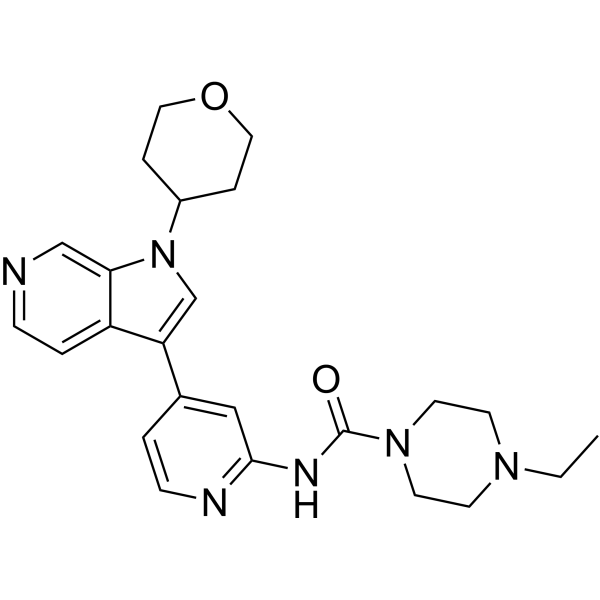
GNF2133
1 Publications Verification
|
DYRK
|
Metabolic Disease
|
|
GNF2133 is a potent, selective and orally active DYRK1A inhibitor with IC50s of 0.0062, >50 µM for DYRK1A and GSK3β, respectively. GNF2133 shows good proliferation potency and efficacy on rat and human primary β-cell. GNF2133 significantly improves glucose disposal capacity and increases insulin secretion. GNF2133 has the potential for the research of type 1 diabetes [1].
|
-
-
- HY-P99222
-
|
MGA-031; PRV-031
|
CD3
|
Metabolic Disease
|
|
Teplizumab (MGA-031) is a Fc receptor non-binding anti-human CD3 monoclonal antibody. Teplizumab reduces the loss of beta-cell function. Teplizumab can be used in the research of type 1 diabetes [1] .
|
-

-
- HY-P3507
-
|
ShK-186
|
Potassium Channel
|
Metabolic Disease
Inflammation/Immunology
|
|
Dalazatide (ShK-186) is a specific Kv1.3 potassium channel peptide inhibitor. Dalazatide can be used in the study of autoimmune diseases such as multiple sclerosis (MS), lupus erythematosus, psoriasis, rheumatoid arthritis, type 1 diabetes and inflammatory bowel disease [1] .
|
-

-
- HY-P1856
-
|
|
Insulin Receptor
PDGFR
MAPKAPK2 (MK2)
|
Cardiovascular Disease
Metabolic Disease
Inflammation/Immunology
|
|
Proinsulin C-peptide (human) is a peptide consisting of 31 amino acids that links the A and B chains of proinsulin to ensure its correct folding. Proinsulin C-peptide (human) inhibits the high glucose-induced increase in PDGF-β receptor protein expression and the phosphorylation of p42/p44 MAP kinase. Proinsulin C-peptide (human) increases the deformability of erythrocytes derived from type 1 diabetes, inhibits insulin-induced neointimal thickening, and suppresses the proliferation of rat aortic smooth muscle cells cultured under high-glucose conditions [1] .
|
-

-
- HY-109555
-
|
HMR 1964
|
Insulin Receptor
|
Metabolic Disease
Inflammation/Immunology
|
|
Insulin glulisine (HMR 1964) is a rapid-acting insulin analog whose pharmacokinetic and pharmacodynamic properties mimic physiological insulin secretion in humans, with a rapid onset of action. Insulin glulisine controls hyperglycemia. Insulin glulisine is applicable to research related to type 1 diabetes and type 2 diabetes [1].
|
-

-
- HY-142295A
-
|
|
DYRK
|
Metabolic Disease
|
|
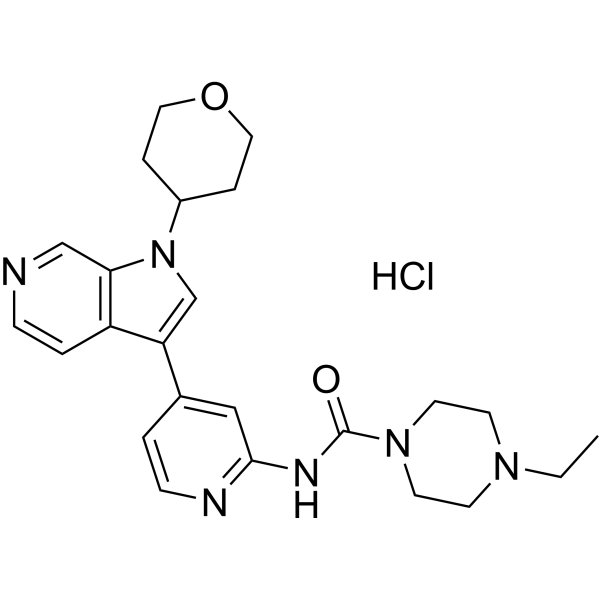
GNF2133 hydrochloride is a potent, selective and orally active DYRK1A inhibitor with IC50s of 0.0062, >50 µM for DYRK1A and GSK3β, respectively. GNF2133 hydrochloride shows good proliferation potency and efficacy on rat and human primary β-cell. GNF2133 hydrochloride significantly improves glucose disposal capacity and increases insulin secretion. GNF2133 hydrochloride has the potential for the research of type 1 diabetes [1].
|
-
-
- HY-P1745
-
|
Insulin B chain (9-23)
|
MHC
Insulin Receptor
IFNAR
|
Inflammation/Immunology
|
|
InsB (9-23) (Insulin B chain (9-23)) is an HLA-DQ8-restricted insulin B-chain peptide composed of amino acid residues 9-23. InsB (9-23) serves as a major MHC II class-restricted antigen. InsB (9-23) supports the recognition and activation of T cells, stimulates the secretion of IFN-γ and cytokines, and induces cross-reactive immune responses. InsB (9-23)-specific CD4 T cells can initiate diabetes . InsB (9-23) can be used in research related to type 1 diabetes and autoimmune diabetes [1] .
|
-

-
- HY-109854A
-
|
(R)-Lisophylline
|
STAT
|
Metabolic Disease
Inflammation/Immunology
|
|
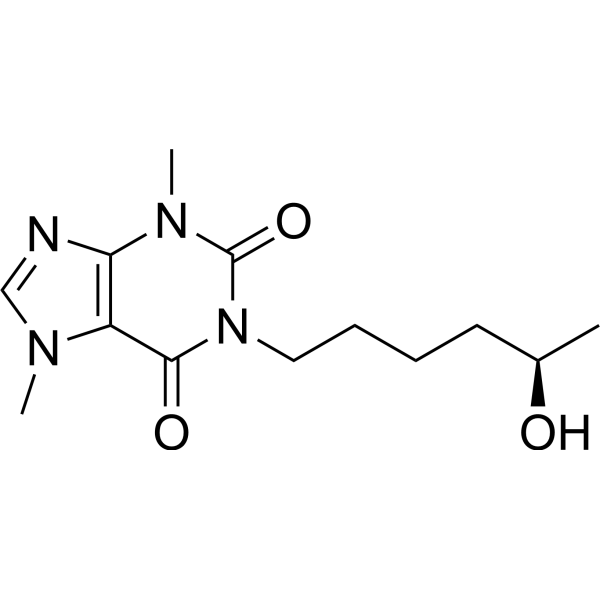
(R)-Lisofylline ((R)-Lisophylline) is a (R)-enantiomer of the metabolite of Pentoxifylline with anti-inflammatory properties. (R)-Lisofylline is a lysophosphatidic acid acyltransferase inhibitor with an IC50 of 0.6 μM and interrupts IL-12 signaling-mediated STAT4 activation. (R)-Lisofylline has the potential for type 1 diabetes, autoimmune disorders research [1] .
|
-
-
- HY-P99383
-
|
REMD-477; AMG-477
|
GCGR
|
Metabolic Disease
|
|
Volagidemab is an antagonistic glucagon receptor (GCGR) monoclonal antibody (mAb). Volagidemab can be used in the research of type 1 diabetes (T1D) [1] .
|
-

-
- HY-W142432
-
|
|
Biochemical Assay Reagents
β-catenin
Wnt
Arginase
TGF-beta/Smad
mTOR
Akt
ERK
Atg8/LC3
p62
Autophagy
|
Metabolic Disease
Inflammation/Immunology
Cancer
|
|
Perfluoroundecanoic acid is a perfluoroalkyl substance (PFAS). Perfluoroundecanoic acid is an orally active oxidative stress inducer. Perfluoroundecanoic acid promotes macrophage M2 polarization, activates Wnt/β-catenin signaling and enhances β-catenin nuclear accumulation. Perfluoroundecanoic acid -induced M2 phenotype macrophage accelerates tumor progression in vitro and in vivo. Perfluoroundecanoic acid induces DNA damage, reproductive and pathophysiological dysfunctions via oxidative stress in male Swiss mice. Perfluoroundecanoic acid inhibits Leydig cell development in pubertal male rats via inducing oxidative stress and autophagy. Perfluoroundecanoic acid accelerates insulitis development in a mouse model of type 1 diabetes. Perfluoroundecanoic acid can be used for the study of ovarian cancer, type 1 diabetes and inflammation [1] .
|
-

-
- HY-P3507A
-
|
ShK-186 TFA
|
Potassium Channel
|
Metabolic Disease
Inflammation/Immunology
|
|
Dalazatide (ShK-186) TFA is a specific Kv1.3 potassium channel peptide inhibitor. Dalazatide TFA can be used in the study of autoimmune diseases such as multiple sclerosis (MS), lupus erythematosus, psoriasis, rheumatoid arthritis, type 1 diabetes and inflammatory bowel disease [1] .
|
-
-
- HY-135783
-
AT 1001
1 Publications Verification
|
nAChR
|
Neurological Disease
Metabolic Disease
Inflammation/Immunology
|
|
AT 1001 is an orally effective α3β4 nicotinic acetylcholine receptor (α3β4 nAChR) antagonist with a Ki value of 2.64 nM. AT 1001 reversibly blocks Epibatidine (HY-101078)-induced inward currents in HEK cells transfected with α3β4 nAChR. AT 1001 dose-dependently blocks nicotine self-administration behavior in rats, alleviates gluten-induced gastrointestinal symptoms, blocks tight junction toxin-induced immune responses, and reduces the incidence of type 1 diabetes in rats. AT 1001 can be used in the research of nicotine addiction and celiac disease [1] .
|
-

-
- HY-119684
-
|
|
NOD-like Receptor (NLR)
Interleukin Related
|
Neurological Disease
Inflammation/Immunology
|
|
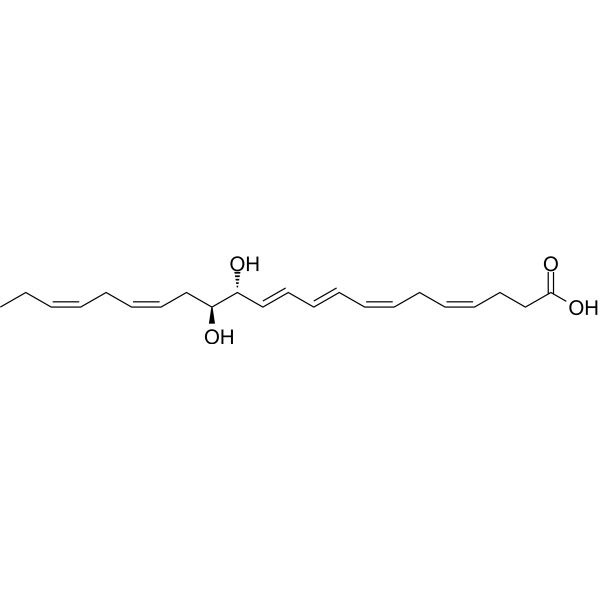
Maresin 2 is an anti-inflammatory and pro-resolving mediator. Maresin 2 drives intestinal epithelial cell migration by activating the focal cell-matrix adhesion signaling pathway in primary human intestinal epithelial cells, thereby promoting mucosal wound repair. Maresin 2 alleviates nociceptive and anxiety-like behaviors in rats with type 1 diabetes by inhibiting IL-1β in the spinal cord and prefrontal cortex. Maresin 2 attenuates allergic airway inflammation in mice by inhibiting the activation of the NLRP3 inflammasome, Th2-type immune responses, and oxidative stress. Maresin 2 inhibits inflammatory and neuropathic trigeminal neuralgia and reduces neuronal activation in the trigeminal ganglion. Maresin 2 promotes inflammation resolution and mucosal repair after DSS-induced colitis or biopsy-induced colonic mucosal injury [1] .
|
-
-
- HY-P99211
-
|
ChAglyCD3; TRX 4
|
CD3
|
Metabolic Disease
|
|
Otelixizumab (ChAglyCD3) is an anti-human CD3 monoclonal antibody and can be used for the research of type 1 diabetes [1].
|
-

-
- HY-113266
-
|
|
Endogenous Metabolite
|
Metabolic Disease
|
|
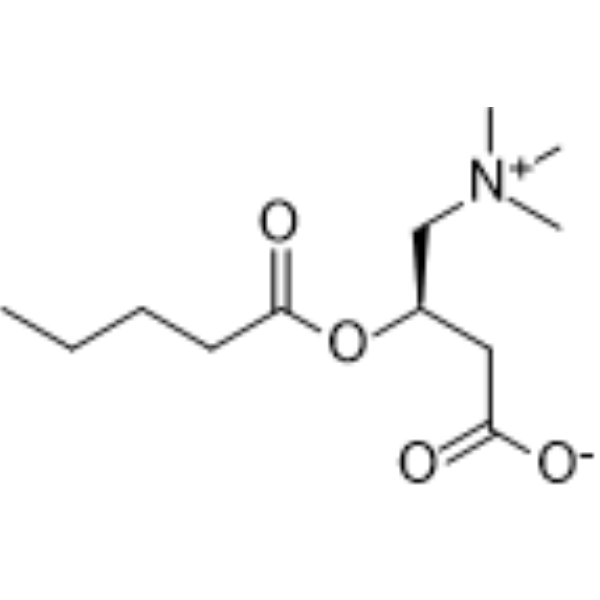
Valerylcarnitine is an endogenous metabolite, belonging to the short-chain acylcarnitines. Valerylcarnitine acts as a metabolomic biomarker for ionizing radiation exposure in nonhuman primates. Valerylcarnitine can be used for the research of type 1 diabetes [1] .
|
-
-
- HY-138688
-
|
CDC
|
Lipoxygenase
|
Metabolic Disease
Cancer
|
|
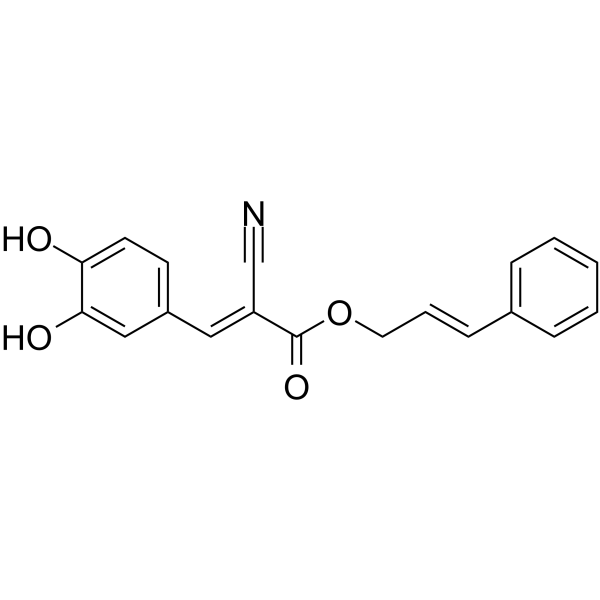
Cinnamyl-3,4-dihydroxy-α-cyanocinnamate (CDC) is a potent 12/15-Lipoxygenases (LO) inhibitor. Cinnamyl-3,4-dihydroxy-α-cyanocinnamate has the potential for the research of type 1 diabetes mellitus [1].
|
-
-
- HY-113033
-
|
|
Others
Biochemical Assay Reagents
|
Neurological Disease
Metabolic Disease
Inflammation/Immunology
|
|
Pentosidine is a fluorescent advanced glycation end product (AGE) and cross-linker. Pentosidine is a fluorescent cross-linked structure formed by lysine and arginine in sugar oxidation reactions, and it is commonly found in collagen, skin, bone, lens and plasma proteins . Pentosidine is used in research related to type 1 diabetes, brown cataracts, rheumatoid arthritis, atherosclerosis and neurodegenerative diseases [1] .
|
-

-
- HY-164595
-
|
|
Hippo (MST)
Apoptosis
AMPK
|
Metabolic Disease
|
|
IHMT-MST1-39 is an orally active inhibitor for MST kinase, with IC50 of 42, 109, 286, 159 nM for MST1, MST2, MST3, MST4. IHMT-MST1-39 activates the AMPK signaling pathway in liver cells, reduces apoptosis of pancreatic β-cells. IHMT-MST1-39 can be used for the studies of type 1 diabetes (T1D) and type 2 diabetes (T2D) [1].
|
-

-
- HY-P990001
-
|
|
Interleukin Related
|
Neurological Disease
Metabolic Disease
Inflammation/Immunology
Cancer
|
|
Anti-Mouse IL-10 Antibody (JES5-2A5) is an anti-mouse IL-10 IgG1 monoclonal antibody. Anti-Mouse IL-10 Antibody (JES5-2A5) restores the anti-tumor activity of IL-6 by blocking the IL-10/SOCS3 axis. Anti-Mouse IL-10 Antibody (JES5-2A5) can reverse microcirculation and cognitive deficits. Anti-Mouse IL-10 Antibody (JES5-2A5) can be used for researches on cancer and metabolic disease such as osteosarcoma and type 1 diabetes mellitus (T1DM) [1] .
|
-
-
- HY-126042
-
|
(±)-Lisophylline
|
Interleukin Related
|
Metabolic Disease
Inflammation/Immunology
|
|
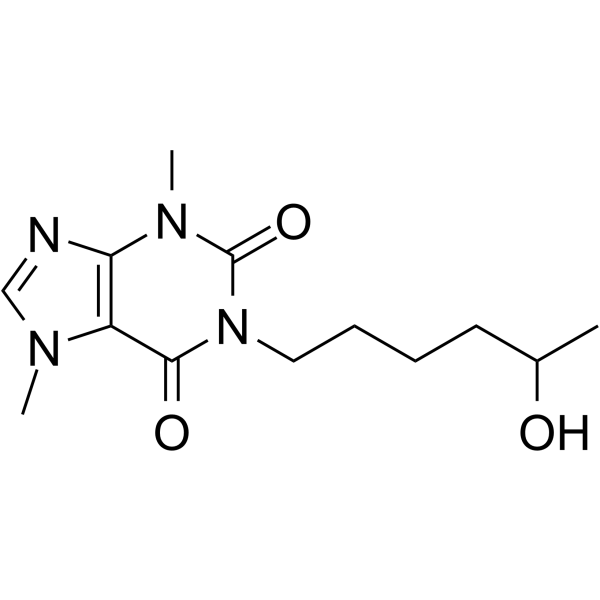
(±)-Lisofylline ((±)-Lisophylline) is the racemate of Lisofylline. Lisofylline inhibits the generation of phosphatidic acid and free fatty acids. Lisofylline also blocks the release of pro-inflammatory cytokines in oxidative tissue injury, in response to cancer chemotherapy and in experimental sepsis. Lisofylline can be used for Type 1 diabetes research [1].
|
-
-
- HY-P5396A
-
|
|
Amino Acid Decarboxylase
|
Others
|
|
GAD65 (524-543) acetate is a biological active peptide with amino acids 524 to 543 fragment of glutamic acid decarboxylase 65 (GAD65). GAD65 (524-543) acetate is one of the first fragments of the islet antigen to induce proliferative T cell responses in the non-obese diabetic (NOD) mouse model of spontaneous autoimmune diabetes. GAD65 (524-543) acetate is a specific, possibly low affinity, stimulus for the spontaneously arising diabetogenic T cell clone BDC2.5. Immunization with GAD65 (524-543) acetate increases the susceptibility of the NOD mice to type 1 diabetes induced by the adoptive transfer of BDC2.5 T cells [1].
|
-

-
- HY-P991326
-
|
EDP-10; JHL-1311
|
Interleukin Related
|
Endocrinology
|
|
BL-9020 is a human monoclonal antibody (mAb) targeting NKp46/NCR1. BL-9020 can be used in type 1 diabetes mellitus research.
|
-

-
- HY-10397
-
|
F1013
|
Caspase
|
Metabolic Disease
|
|
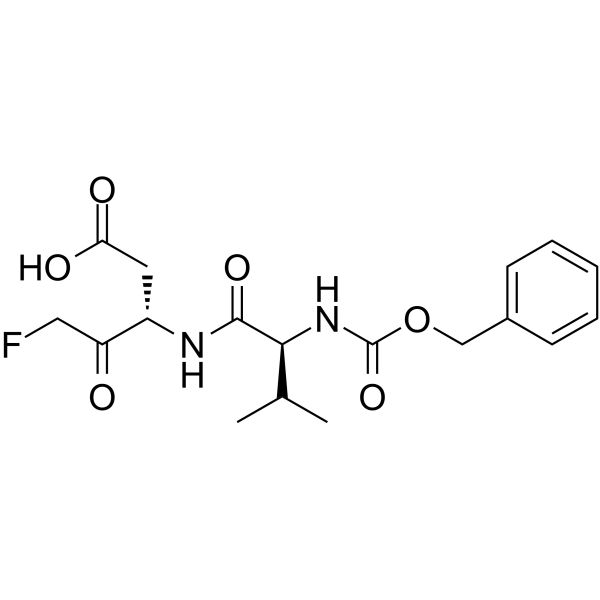
EP1013 (F1013) is a broad-spectrum caspase selective inhibitor, used in the research of type 1 diabetes [1].
|
-
-
- HY-P991552
-
|
|
CD3
|
Metabolic Disease
Inflammation/Immunology
|
|
AFM15 is a humanized monoclonal antibody inhibitor targeting CD3E. AFM15 can be used to study metabolic and immune system diseases, such as type 1 diabetes and inflammatory bowel disease (IBD) [1].
|
-

-
- HY-124665
-
|
|
TNF Receptor
Interleukin Related
|
Infection
Metabolic Disease
Inflammation/Immunology
|
|
LMP-420 is a selective tumor necrosis factor-α (TNF-α) inhibitor. LMP-420 reduces the release of pro-inflammatory cytokines (e.g., IL-1β, IL-2), inducing the expression of anti-inflammatory cytokine IL-10 and anti-apoptotic molecules SOCS-1 and Mn-SOD. LMP-420 also downregulates chemokines (e.g., IP-10, MCP-1) to reduce immune cell infiltration. LMP-420 is promising for research of type 1 diabetes mellitus, inflammatory diseases (e.g., colitis), and HIV-Mycobacterium tuberculosis coinfection [1].
|
-

-
- HY-158525
-
|
A3G3S3 N-linked oligosaccharide
|
Biochemical Assay Reagents
|
Others
|
|
A3G3S3 glycan (A3G3S3 N-linked oligosaccharide) is an N-glycosylated plasma protein that plays an important role in indicating different stages of type 1 diabetes [1].
|
-

-
- HY-P10612
-
|
|
Bacterial
|
Metabolic Disease
|
|
Tetanus toxin peptide is a specific peptide isolated from the toxin produced by Clostridium tetani. Tetanus toxin peptide can be used as an immunogen to induce diabetes in mice. Tetanus toxin peptide can be used in the study of type 1 diabetes [1].
|
-

-
- HY-113266R
-
|
|
Reference Standards
Endogenous Metabolite
|
Metabolic Disease
|
|
Valerylcarnitine (Standard) is the analytical standard of Valerylcarnitine. Valerylcarnitine is an endogenous metabolite, belonging to the short-chain acylcarnitines. Valerylcarnitine acts as a metabolomic biomarker for ionizing radiation exposure in nonhuman primates. Valerylcarnitine can be used for the research of type 1 diabetes [1] .
|
-

-
- HY-126042R
-
|
(±)-Lisophylline (Standard)
|
Interleukin Related
Reference Standards
|
Metabolic Disease
Inflammation/Immunology
|
|
(±)-Lisofylline (Standard) is the analytical standard of (±)-Lisofylline. This product is intended for research and analytical applications. (±)-Lisofylline ((±)-Lisophylline) is the racemate of Lisofylline. Lisofylline inhibits the generation of phosphatidic acid and free fatty acids. Lisofylline also blocks the release of pro-inflammatory cytokines in oxidative tissue injury, in response to cancer chemotherapy and in experimental sepsis. Lisofylline can be used for Type 1 diabetes research [1].
|
-

-
- HY-113266S
-
|
C5:0 L-carnitine-d9
|
Isotope-Labeled Compounds
Endogenous Metabolite
|
Metabolic Disease
|
|
Valerylcarnitine-d9 (C5:0 L-carnitine-d9) is the deuterium labeled Valerylcarnitine (HY-113266). Valerylcarnitine is an endogenous metabolite, belonging to the short-chain acylcarnitines. Valerylcarnitine acts as a metabolomic biomarker for ionizing radiation exposure in nonhuman primates. Valerylcarnitine can be used for the research of type 1 diabetes [1] .
|
-

-
- HY-126042S4
-
|
(±)-Lisophylline-d4
|
Isotope-Labeled Compounds
Interleukin Related
|
Metabolic Disease
Inflammation/Immunology
|
|
(±)-Lisofylline-d4 ((±)-Lisophylline-d4) is deuterium labeled (±)-Lisofylline. (±)-Lisofylline ((±)-Lisophylline) is the racemate of Lisofylline. Lisofylline inhibits the generation of phosphatidic acid and free fatty acids. Lisofylline also blocks the release of pro-inflammatory cytokines in oxidative tissue injury, in response to cancer chemotherapy and in experimental sepsis. Lisofylline can be used for Type 1 diabetes research [1].
|
-

-
- HY-176865
-
|
|
Drug Derivative
|
Inflammation/Immunology
|
|
Anti-inflammatory agent 106 (Example 2) is a derivative of Paeonol (HY-N0159). Anti-inflammatory agent 106 has potent anti-inflammatory activity. Anti-inflammatory agent 106 effectively inhibits xylene-induced ear swelling in mouse models. Anti-inflammatory agent 106 can be used for inflammatory diseases like rheumatoid arthritis, psoriasis and type 1 diabetes research [1].
|
-

-
- HY-125316
-
|
ARRY-403
|
Endogenous Metabolite
|
Metabolic Disease
|
|
AMG-151 (ARRY-403) is a glucokinase agonist with fasting plasma glucose (FPG) lowering activity. AMG-151 showed a significant linear dose-response trend compared with placebo in a randomized, placebo-controlled Phase IIa study. The use of AMG-151 was associated with a higher incidence of hypoglycemia and hypertriglyceridemia. AMG-151 may serve as a potential compound for the inhibition of type 1 diabetes [1].
|
-

-
- HY-138990
-
|
|
Phospholipase
Apoptosis
|
Inflammation/Immunology
|
|
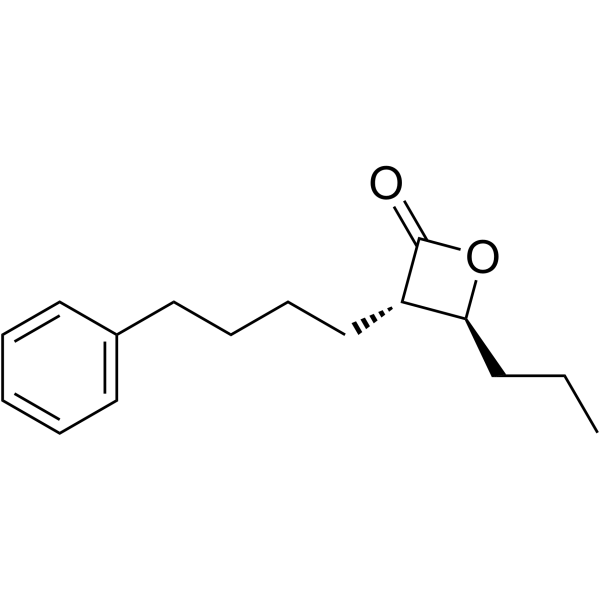
GK563 is a selective Ca 2+-independent phospholipase A2 (GVIA iPLA2) inhibitor with an IC50 value of 1 nM. GK563 is 22000 times more active against GVIA iPLA2 than GIVA cPLA2. GK563 reduces β-cell apoptosis induced by proinflammatory cytokines, raising the possibility that it can be beneficial in countering autoimmune diseases, such as type 1 diabetes [1].
|
-
-
- HY-145492
-
|
N-(3-Oxo-7Z-tetradecenoyl)-L-homoserine lactone
|
Drug Derivative
|
Inflammation/Immunology
|
|
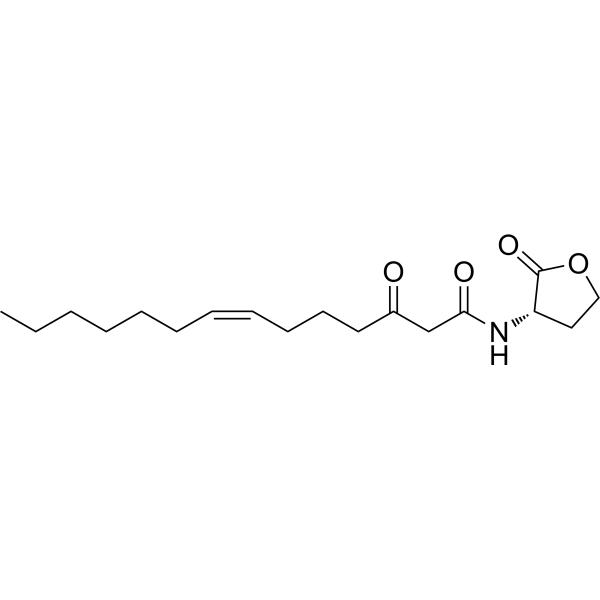
Δ7(Z)-C14-HSL (Compound 12) is an immunosuppressive agent that can inhibit the proliferation of mouse splenic cells with an IC50 of 17 μM. Δ7(Z)-C14-HSL can be used for further studying its potential as a molecular mechanism in TNF-R-driven immune diseases, especially autoimmune diseases such as psoriasis, rheumatoid arthritis, and type 1 diabetes [1].
|
-
-
- HY-N11723
-
|
Katenarin
|
CCR
CXCR
p38 MAPK
JNK
Calcium Channel
|
Infection
Metabolic Disease
Inflammation/Immunology
|
|
Catenarin, an anthraquinone compound, inhibits CCR5- and CXCR4-mediated chemotaxis. Catenarin reduces the phosphorylation of mitogen-activated protein kinases (p38 and JNK) and their upstream kinases (MKK6 and MKK7), and calcium mobilization. Catenarin shows anti-inflammatory effect and suppresses leukocyte migration in the diabetes. Catenarin exhibits significant inhibitory effects against Gram-positive bacteria. Catenarin prevents type 1 diabetes (T1D) in nonobese diabetic mice [1][2].
|
-

-
- HY-P5396
-
|
|
Amino Acid Decarboxylase
|
Others
|
|
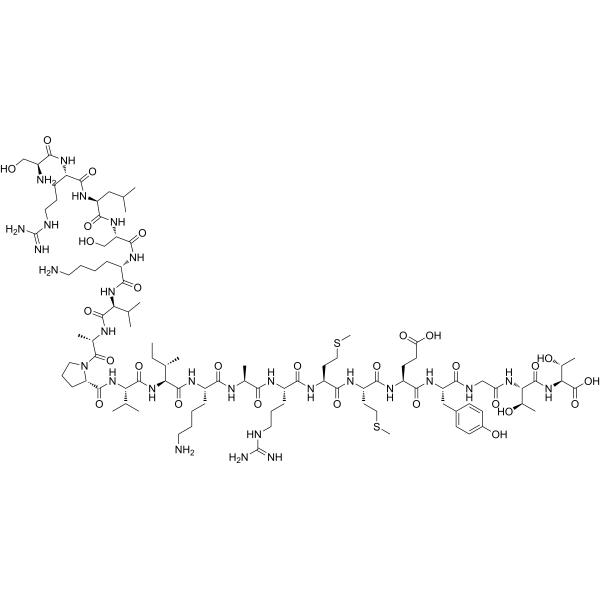
GAD65 (524-543) is a biological active peptide with amino acids 524 to 543 fragment of glutamic acid decarboxylase 65 (GAD65). GAD65 (524-543) is one of the first fragments of islet antigen to induce proliferative T cell responses in the non-obese diabetic (NOD) mouse model of spontaneous autoimmune diabetes. GAD65 (524-543) is a specific, possibly low affinity, stimulus for the spontaneously arising diabetogenic T cell clone BDC2.5. Immunization with GAD65 (524-543) increases the susceptibility of the NOD mice to type 1 diabetes induced by the adoptive transfer of BDC2.5 T cells [1].
|
-
-
- HY-W142432S
-
|
|
Isotope-Labeled Compounds
Biochemical Assay Reagents
β-catenin
Wnt
Arginase
TGF-beta/Smad
mTOR
Akt
ERK
Atg8/LC3
p62
Autophagy
|
Metabolic Disease
|
|
Perfluoroundecanoic acid- 13C7 is the 13C-labeled Perfluoroundecanoic acid (HY-W142432). Perfluoroundecanoic acid is a perfluoroalkyl substance (PFAS). Perfluoroundecanoic acid is an orally active oxidative stress inducer. Perfluoroundecanoic acid promotes macrophage M2 polarization, activates Wnt/β-catenin signaling and enhances β-catenin nuclear accumulation. Perfluoroundecanoic acid -induced M2 phenotype macrophage accelerates tumor progression in vitro and in vivo. Perfluoroundecanoic acid induces DNA damage, reproductive and pathophysiological dysfunctions via oxidative stress in male Swiss mice. Perfluoroundecanoic acid inhibits Leydig cell development in pubertal male rats via inducing oxidative stress and autophagy. Perfluoroundecanoic acid accelerates insulitis development in a mouse model of type 1 diabetes. Perfluoroundecanoic acid can be used for the study of ovarian cancer, type 1 diabetes and inflammation [1] .
|
-

-
- HY-119119
-
|
|
NO Synthase
Apoptosis
|
Metabolic Disease
Inflammation/Immunology
|
|
ATV399 is an inducible nitric oxide synthase (iNOS) inhibitor. ATV399 reduces NO production via allosteric inhibition of iNOS dimerization, thereby protecting rat pancreatic islet β-cells from cytokine-induced mitochondrial stress, endoplasmic reticulum stress, and apoptosis. ATV399 can be used in research related to type 1 diabetes [1].
|
-

-
- HY-183955
-
|
|
DYRK
GSK-3
|
Metabolic Disease
Inflammation/Immunology
|
|
GNF7156 is a DYRK1A/GSK3B inhibitor, IC50 values of 100 nM for DYRK1A and 40 nM for GSK3B. GNF7156 inhibits DYRK1A and GSK3B kinase activity and induces NFAT nuclear retention. GNF7156 stimulates beta-cell cycle entry and division and maintains insulin secretory capacity. GNF7156 can be used for the research of type 1 diabetes, and type 2 diabetes [1] .
|
-

-
- HY-D3174
-
|
|
Fluorescent Dye
|
Metabolic Disease
Inflammation/Immunology
|
|
PiF is a fluorescent probe with high specificity for pancreatic β-cells (Ex/Em = 535 nm/565 nm), and its fluorescence signal increases significantly with elevated insulin concentrations in in vitro experiments. PiF enables visualization of rat and human islets transplanted via the portal vein in mouse livers with low liver background signals. The fluorine atom of PiF can be replaced by radioactive 18F to prepare a PET tracer. PiF can be used for research on type 1 diabetes [1].
|
-

-
- HY-181335
-
|
|
Arrestin
|
Metabolic Disease
Inflammation/Immunology
|
|
SKL1223 is an orally effective thioredoxin-interacting protein (TXNIP) inhibitor with an IC50 of 0.64 µM. SKL1223 interacts with the E-box region of the TXNIP promoter to inhibit TXNIP transcription and related signaling pathways. SKL1223 reduces hepatic glucose output. SKL1223 exerts hypoglycemic effects by regulating the action of glucagon, and modulates blood glucose levels in Streptozotocin (HY-13753)-induced and obesity-induced diabetic mice. SKL1223 can be used in the research of type 1 diabetes and type 2 diabetes [1].
|
-

-
- HY-W750419
-
|
Palmitoleoylcarnitine (C16:1)
|
Endogenous Metabolite
|
Metabolic Disease
Inflammation/Immunology
|
|
cis-9-Hexadecenoylcarnitine inner salt (Palmitoleoylcarnitine (C16:1)) is a long-chain acylcarnitine controlling fatty acid metabolism and mitochondrial function. cis-9-Hexadecenoylcarnitine inner salt accumulates in colorectal cancer cells. cis-9-Hexadecenoylcarnitine inner salt exists in plants and mediates lipid anabolic development. cis-9-Hexadecenoylcarnitine inner salt acts as a metabolic marker for type 1 diabetes and inflammatory bowel disease plasma. cis-9-Hexadecenoylcarnitine inner salt can be used for research on diabetes, metabolism, and inflammatory bowel disease [1] .
|
-

-
- HY-P992159
-
|
|
SLC39 (Zinc Transporter)
|
Metabolic Disease
Inflammation/Immunology
|
|
Anti-ZnT8 Antibody (mAb43) is a monoclonal antibody targeting the zinc transporter ZnT8, with islet-specific biodistribution characteristics. Anti-ZnT8 Antibody (mAb43) binds to extracellular ZnT8 on the surface of pancreatic β-cells and masks its insulin-co-localizing sites to block autoimmune recognition. Anti-ZnT8 Antibody (mAb43) also promotes an increase in the proportion of regulatory T cells and inhibits B cell antigen presentation, thereby effectively blocking the T cell-mediated cascade of β-cell destruction. Anti-ZnT8 Antibody (mAb43) eliminates insulitis, preserves β-cell mass and induces seroconversion of autoantibodies, without directly altering the insulin secretion function or content of β-cells. Anti-ZnT8 Antibody (mAb43) can be used for research related to type 1 diabetes [1].
|
-

| Cat. No. |
Product Name |
Type |
-
- HY-D3174
-
|
|
Fluorescent Dyes
|
|
PiF is a fluorescent probe with high specificity for pancreatic β-cells (Ex/Em = 535 nm/565 nm), and its fluorescence signal increases significantly with elevated insulin concentrations in in vitro experiments. PiF enables visualization of rat and human islets transplanted via the portal vein in mouse livers with low liver background signals. The fluorine atom of PiF can be replaced by radioactive 18F to prepare a PET tracer. PiF can be used for research on type 1 diabetes [1].
|
| Cat. No. |
Product Name |
Type |
-
- HY-158525
-
|
A3G3S3 N-linked oligosaccharide
|
Biochemical Assay Reagents
|
|
A3G3S3 glycan (A3G3S3 N-linked oligosaccharide) is an N-glycosylated plasma protein that plays an important role in indicating different stages of type 1 diabetes [1].
|
| Cat. No. |
Product Name |
Target |
Research Area |
-
- HY-P3507
-
|
ShK-186
|
Potassium Channel
|
Metabolic Disease
Inflammation/Immunology
|
|
Dalazatide (ShK-186) is a specific Kv1.3 potassium channel peptide inhibitor. Dalazatide can be used in the study of autoimmune diseases such as multiple sclerosis (MS), lupus erythematosus, psoriasis, rheumatoid arthritis, type 1 diabetes and inflammatory bowel disease [1] .
|
-
- HY-P1856
-
|
|
Insulin Receptor
PDGFR
MAPKAPK2 (MK2)
|
Cardiovascular Disease
Metabolic Disease
Inflammation/Immunology
|
|
Proinsulin C-peptide (human) is a peptide consisting of 31 amino acids that links the A and B chains of proinsulin to ensure its correct folding. Proinsulin C-peptide (human) inhibits the high glucose-induced increase in PDGF-β receptor protein expression and the phosphorylation of p42/p44 MAP kinase. Proinsulin C-peptide (human) increases the deformability of erythrocytes derived from type 1 diabetes, inhibits insulin-induced neointimal thickening, and suppresses the proliferation of rat aortic smooth muscle cells cultured under high-glucose conditions [1] .
|
-
- HY-109555
-
|
HMR 1964
|
Insulin Receptor
|
Metabolic Disease
Inflammation/Immunology
|
|
Insulin glulisine (HMR 1964) is a rapid-acting insulin analog whose pharmacokinetic and pharmacodynamic properties mimic physiological insulin secretion in humans, with a rapid onset of action. Insulin glulisine controls hyperglycemia. Insulin glulisine is applicable to research related to type 1 diabetes and type 2 diabetes [1].
|
-
- HY-P1745
-
|
Insulin B chain (9-23)
|
MHC
Insulin Receptor
IFNAR
|
Inflammation/Immunology
|
|
InsB (9-23) (Insulin B chain (9-23)) is an HLA-DQ8-restricted insulin B-chain peptide composed of amino acid residues 9-23. InsB (9-23) serves as a major MHC II class-restricted antigen. InsB (9-23) supports the recognition and activation of T cells, stimulates the secretion of IFN-γ and cytokines, and induces cross-reactive immune responses. InsB (9-23)-specific CD4 T cells can initiate diabetes . InsB (9-23) can be used in research related to type 1 diabetes and autoimmune diabetes [1] .
|
-
- HY-P3507A
-
|
ShK-186 TFA
|
Potassium Channel
|
Metabolic Disease
Inflammation/Immunology
|
|
Dalazatide (ShK-186) TFA is a specific Kv1.3 potassium channel peptide inhibitor. Dalazatide TFA can be used in the study of autoimmune diseases such as multiple sclerosis (MS), lupus erythematosus, psoriasis, rheumatoid arthritis, type 1 diabetes and inflammatory bowel disease [1] .
|
-
- HY-P5396A
-
|
|
Amino Acid Decarboxylase
|
Others
|
|
GAD65 (524-543) acetate is a biological active peptide with amino acids 524 to 543 fragment of glutamic acid decarboxylase 65 (GAD65). GAD65 (524-543) acetate is one of the first fragments of the islet antigen to induce proliferative T cell responses in the non-obese diabetic (NOD) mouse model of spontaneous autoimmune diabetes. GAD65 (524-543) acetate is a specific, possibly low affinity, stimulus for the spontaneously arising diabetogenic T cell clone BDC2.5. Immunization with GAD65 (524-543) acetate increases the susceptibility of the NOD mice to type 1 diabetes induced by the adoptive transfer of BDC2.5 T cells [1].
|
-
- HY-P10512
-
|
|
Peptides
|
Others
|
|
BDC2.5 mimotope is a potent antigen-mimicking peptide that can activate CD4+ T cell populations that have the same antigen recognition properties as BDC2.5 cells. BDC2.5 mimotope can be used to study the prevention or treatment of type 1 diabetes by targeting specific T cell populations [1].
|
-
- HY-P5488
-
|
|
Peptides
|
Others
|
|
BDC2.5 Mimotope 1040-63 is a biological active peptide. (The TCR transgenic model (BDC2.5) mimitope was used in type 1 diabetes (T1D) study. T1D is an autoimmune disease in which T cells mediate damage to pancreatic islet b cells. T1D is caused by autoreactive T cell destruction of insulin-producing cells. BDC2.5 mimotope was utilized to support the study on antigen presentation of antigenic peptides to islet autoantigen-specific T cells.)
|
-
- HY-P10612
-
|
|
Bacterial
|
Metabolic Disease
|
|
Tetanus toxin peptide is a specific peptide isolated from the toxin produced by Clostridium tetani. Tetanus toxin peptide can be used as an immunogen to induce diabetes in mice. Tetanus toxin peptide can be used in the study of type 1 diabetes [1].
|
-
- HY-P5396
-
|
|
Amino Acid Decarboxylase
|
Others
|
|
GAD65 (524-543) is a biological active peptide with amino acids 524 to 543 fragment of glutamic acid decarboxylase 65 (GAD65). GAD65 (524-543) is one of the first fragments of islet antigen to induce proliferative T cell responses in the non-obese diabetic (NOD) mouse model of spontaneous autoimmune diabetes. GAD65 (524-543) is a specific, possibly low affinity, stimulus for the spontaneously arising diabetogenic T cell clone BDC2.5. Immunization with GAD65 (524-543) increases the susceptibility of the NOD mice to type 1 diabetes induced by the adoptive transfer of BDC2.5 T cells [1].
|
-
- HY-P10492
-
|
|
Peptides
|
Others
Metabolic Disease
|
|
Tregitope 289 is a peptide derived from the Fc region of immunoglobulin G (IgG) and is a highly conserved T cell epitope that stimulates the expansion of natural regulatory T cells. Co-delivery of Tregitope 289 with type 1 diabetes (T1D) antigens delays the development of hyperglycemia and reduces the incidence of diabetes in the NOD mouse model. Tregitope 289 can be used to study T1D and other autoimmune diseases [1].
|
| Cat. No. |
Product Name |
Target |
Research Area |
Image |
-
- HY-P99222
-
|
MGA-031; PRV-031
|
CD3
|
Metabolic Disease
|
|
Teplizumab (MGA-031) is a Fc receptor non-binding anti-human CD3 monoclonal antibody. Teplizumab reduces the loss of beta-cell function. Teplizumab can be used in the research of type 1 diabetes [1] .
|
-

(5)
-
- HY-P99383
-
|
REMD-477; AMG-477
|
GCGR
|
Metabolic Disease
|
|
Volagidemab is an antagonistic glucagon receptor (GCGR) monoclonal antibody (mAb). Volagidemab can be used in the research of type 1 diabetes (T1D) [1] .
|
-
(5)
-
- HY-P99211
-
|
ChAglyCD3; TRX 4
|
CD3
|
Metabolic Disease
|
|
Otelixizumab (ChAglyCD3) is an anti-human CD3 monoclonal antibody and can be used for the research of type 1 diabetes [1].
|
-
(5)
-
- HY-P990001
-
|
|
Interleukin Related
|
Neurological Disease
Metabolic Disease
Inflammation/Immunology
Cancer
|
|
Anti-Mouse IL-10 Antibody (JES5-2A5) is an anti-mouse IL-10 IgG1 monoclonal antibody. Anti-Mouse IL-10 Antibody (JES5-2A5) restores the anti-tumor activity of IL-6 by blocking the IL-10/SOCS3 axis. Anti-Mouse IL-10 Antibody (JES5-2A5) can reverse microcirculation and cognitive deficits. Anti-Mouse IL-10 Antibody (JES5-2A5) can be used for researches on cancer and metabolic disease such as osteosarcoma and type 1 diabetes mellitus (T1DM) [1] .
|
-
(5)
-
- HY-P991326
-
|
EDP-10; JHL-1311
|
Interleukin Related
|
Endocrinology
|
|
BL-9020 is a human monoclonal antibody (mAb) targeting NKp46/NCR1. BL-9020 can be used in type 1 diabetes mellitus research.
|
-
(5)
-
- HY-P991552
-
|
|
CD3
|
Metabolic Disease
Inflammation/Immunology
|
|
AFM15 is a humanized monoclonal antibody inhibitor targeting CD3E. AFM15 can be used to study metabolic and immune system diseases, such as type 1 diabetes and inflammatory bowel disease (IBD) [1].
|
-
(5)
-
- HY-P992159
-
|
|
SLC39 (Zinc Transporter)
|
Metabolic Disease
Inflammation/Immunology
|
|
Anti-ZnT8 Antibody (mAb43) is a monoclonal antibody targeting the zinc transporter ZnT8, with islet-specific biodistribution characteristics. Anti-ZnT8 Antibody (mAb43) binds to extracellular ZnT8 on the surface of pancreatic β-cells and masks its insulin-co-localizing sites to block autoimmune recognition. Anti-ZnT8 Antibody (mAb43) also promotes an increase in the proportion of regulatory T cells and inhibits B cell antigen presentation, thereby effectively blocking the T cell-mediated cascade of β-cell destruction. Anti-ZnT8 Antibody (mAb43) eliminates insulitis, preserves β-cell mass and induces seroconversion of autoantibodies, without directly altering the insulin secretion function or content of β-cells. Anti-ZnT8 Antibody (mAb43) can be used for research related to type 1 diabetes [1].
|
-
(5)
| Cat. No. |
Product Name |
Category |
Target |
Chemical Structure |
| Cat. No. |
Product Name |
Chemical Structure |
-
- HY-113266S
-
|
|
|
Valerylcarnitine-d9 (C5:0 L-carnitine-d9) is the deuterium labeled Valerylcarnitine (HY-113266). Valerylcarnitine is an endogenous metabolite, belonging to the short-chain acylcarnitines. Valerylcarnitine acts as a metabolomic biomarker for ionizing radiation exposure in nonhuman primates. Valerylcarnitine can be used for the research of type 1 diabetes [1] .
|
-
-
- HY-126042S4
-
|
|
|
(±)-Lisofylline-d4 ((±)-Lisophylline-d4) is deuterium labeled (±)-Lisofylline. (±)-Lisofylline ((±)-Lisophylline) is the racemate of Lisofylline. Lisofylline inhibits the generation of phosphatidic acid and free fatty acids. Lisofylline also blocks the release of pro-inflammatory cytokines in oxidative tissue injury, in response to cancer chemotherapy and in experimental sepsis. Lisofylline can be used for Type 1 diabetes research [1].
|
-
-
- HY-W142432S
-
|
|
|
Perfluoroundecanoic acid- 13C7 is the 13C-labeled Perfluoroundecanoic acid (HY-W142432). Perfluoroundecanoic acid is a perfluoroalkyl substance (PFAS). Perfluoroundecanoic acid is an orally active oxidative stress inducer. Perfluoroundecanoic acid promotes macrophage M2 polarization, activates Wnt/β-catenin signaling and enhances β-catenin nuclear accumulation. Perfluoroundecanoic acid -induced M2 phenotype macrophage accelerates tumor progression in vitro and in vivo. Perfluoroundecanoic acid induces DNA damage, reproductive and pathophysiological dysfunctions via oxidative stress in male Swiss mice. Perfluoroundecanoic acid inhibits Leydig cell development in pubertal male rats via inducing oxidative stress and autophagy. Perfluoroundecanoic acid accelerates insulitis development in a mouse model of type 1 diabetes. Perfluoroundecanoic acid can be used for the study of ovarian cancer, type 1 diabetes and inflammation [1] .
|
-
Your information is safe with us. * Required Fields.
Inquiry Information
- Product Name:
- Cat. No.:
- Quantity:
- MCE Japan Authorized Agent:








