Search Result
Results for "
urinary metabolite
" in MedChemExpress (MCE) Product Catalog:
17
Isotope-Labeled Compounds
| Cat. No. |
Product Name |
Target |
Research Areas |
Chemical Structure |
-
- HY-W045271
-
-
-
- HY-W011910
-
-
-
- HY-113409
-
|
|
Endogenous Metabolite
|
Metabolic Disease
|
|
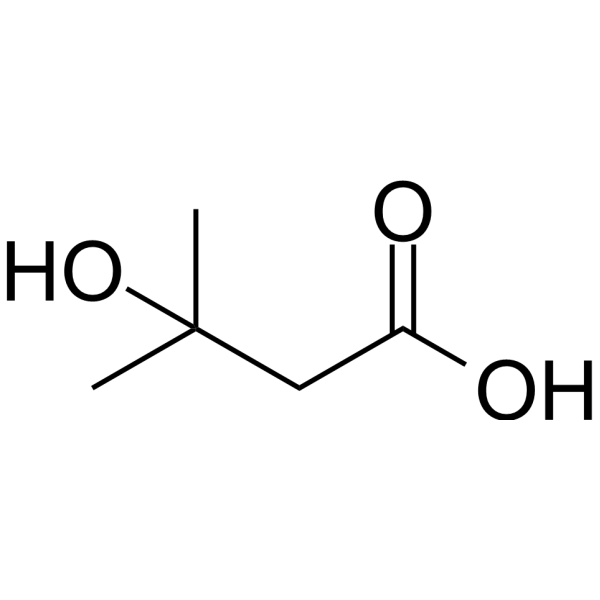
3-Hydroxyisovaleric acid is a normal endogenous metabolite excreted in the urine. The urinary excretion of 3-hydroxyisovaleric acid is early and sensitive indicator of biotin deficiency .
|
-
-
- HY-40161
-
|
|
Endogenous Metabolite
Bacterial
|
Metabolic Disease
Cancer
|
|
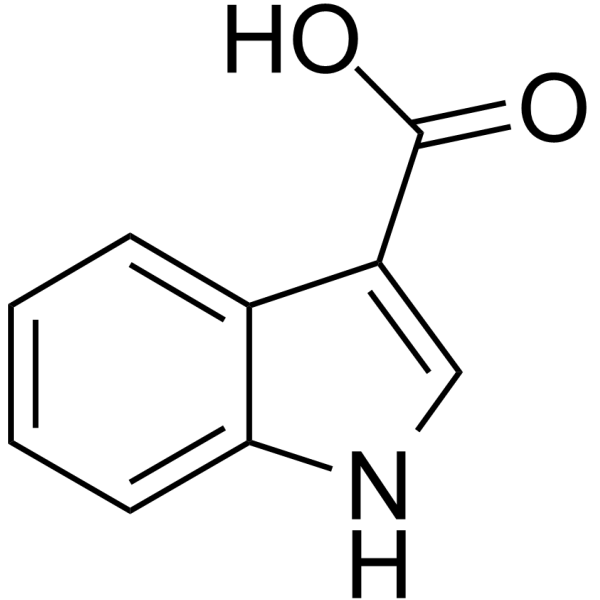
Indole-3-carboxylic acid is an orally active urinary indolic tryptophan metabolite. Indole-3-carboxylic acid is a mediator of priming against Plectosphaerella cucumerina. Indole-3-carboxylic acid enhances the anti-colorectal cancer potency of Doxorubicin (HY-15142A) by inducing cell senescence. Indole-3-carboxylic acid can be used in liver disease research .
|
-
-
- HY-77641
-
|
|
Endogenous Metabolite
|
Metabolic Disease
|
|
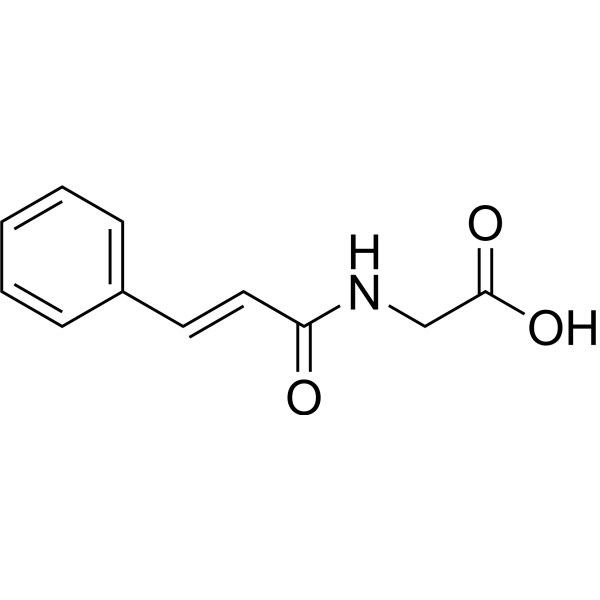
Cinnamoylglycine is a human urinary metabolite and PPG analog. Cinnamoylglycine is a conjugate of cinnamic acid and glycine. Cinnamoylglycine is used as a urine marker. Cinnamoylglycine can be used in adipogenic differentiation studies .
|
-
-
- HY-A0111
-
|
Ro 15-8074; Deacetoxycefotaxime
|
Antibiotic
Bacterial
Penicillin-binding protein (PBP)
Drug Metabolite
|
Infection
|
|
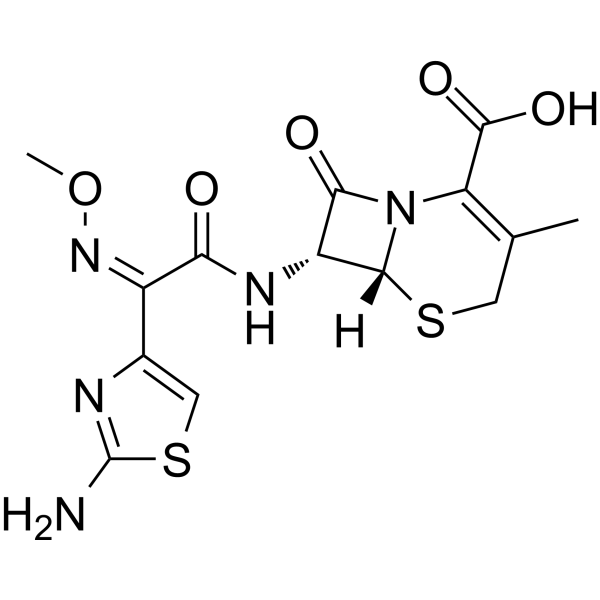
Cefetamet (Ro 15-8074) is a cephalosporin antibiotic and the active metabolite of Cefetamet pivoxil (HY-B1894A). Cefetamet binds to bacterial penicillin-binding protein (PBP) (IC50 for PBP3 in Escherichia coli W3110 is 2.5 μg/mL). Cefetamet has significant activity against Gram-negative bacteria such as Enterobacteriaceae, Neisseria species, and Haemophilus influenzae, as well as Gram-positive bacteria such as Streptococcus. Cefetamet kills and lyses Treponema pallidum. Cefetamet can be used in the research of respiratory tract, urinary tract, ear, nose and throat infections, and syphilis .
|
-
-
- HY-113247
-
|
|
Drug Metabolite
|
Others
|
|
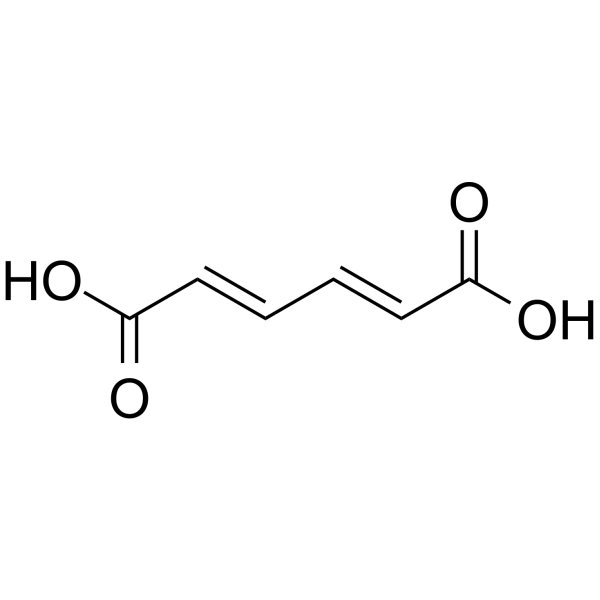
trans-trans-Muconic acid is a urinary metabolite of Benzene. trans-trans-Muconic acid serves as a urinary biomarker for occupational benzene exposure .
|
-
-
- HY-113157
-
|
|
Drug Metabolite
Endogenous Metabolite
|
Endocrinology
|
|
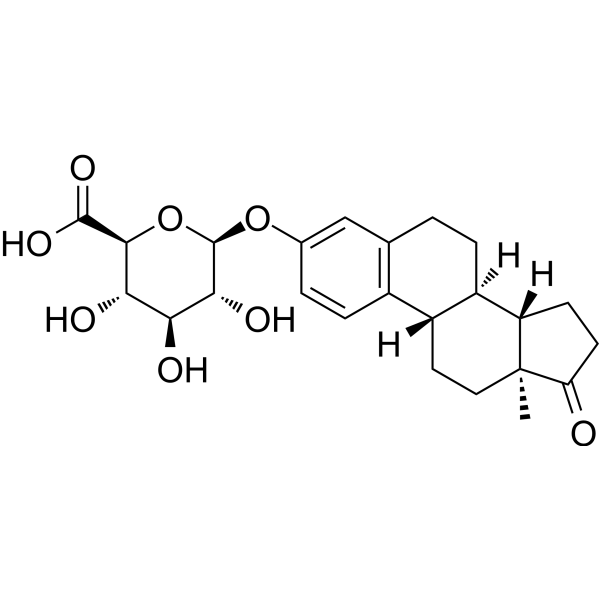
Estrone 3-glucuronide is a dominant urinary metabolite of Estradiol (HY-B0141) and urinary marker for female fertile window prediction. Estrone 3-glucuronide can be used in combination with luteinizing hormone in ovulation prediction kits [2].
|
-
-
- HY-114988
-
|
tetranor-PGEM
|
Drug Metabolite
|
Metabolic Disease
Inflammation/Immunology
Cancer
|
|
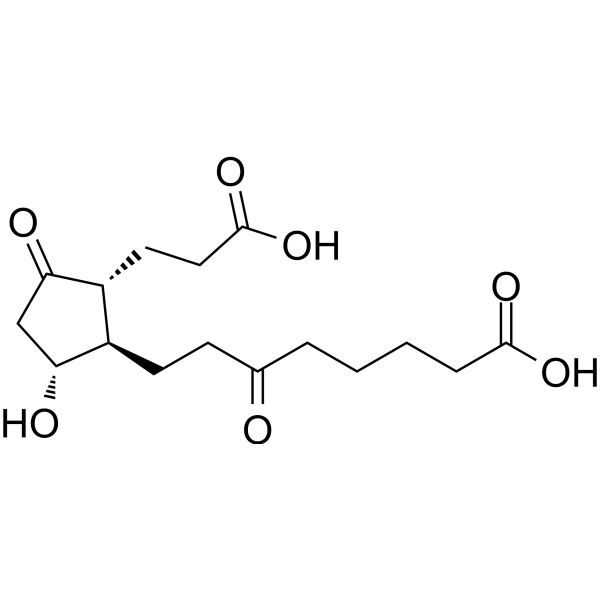
PGE-M (tetranor-PGEM) is a metabolite of Prostaglandin E2 (HY-101952) and also an inflammatory biomarker. Urinary PGE-M is a potential biomarker for detecting advanced colorectal tumors. PGE-M can be used in studies related to colorectal cancer, obesity, aging and breast cancer .
|
-
-
- HY-W008449
-
|
|
Drug Metabolite
Endogenous Metabolite
|
Cancer
|
|
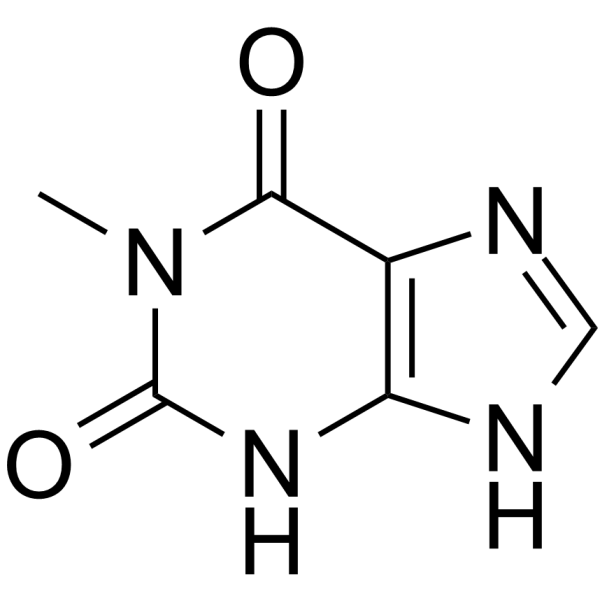
1-Methylxanthine, a caffeine derivative, is an essential human urinary metabolite of caffeine and theophylline (1,3-dimethylxanthine, TP) . 1-Methylxanthine enhances the radiosensitivity of tumor cells .
|
-
-
- HY-113286
-
-
-
- HY-132429S
-
|
|
Isotope-Labeled Compounds
|
Others
|
|
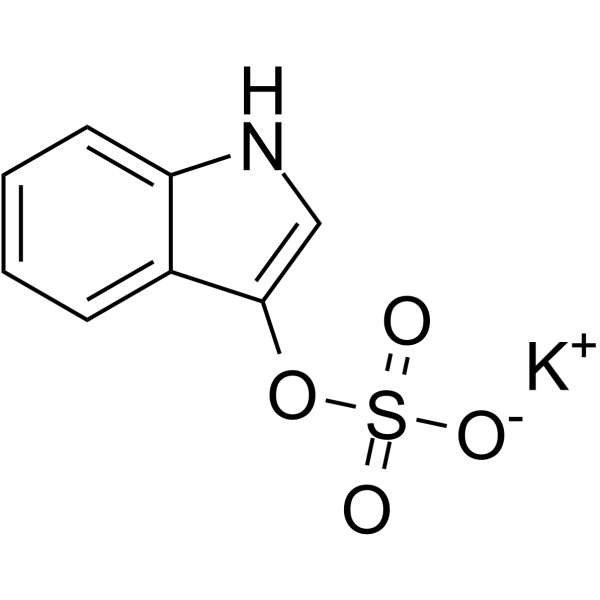
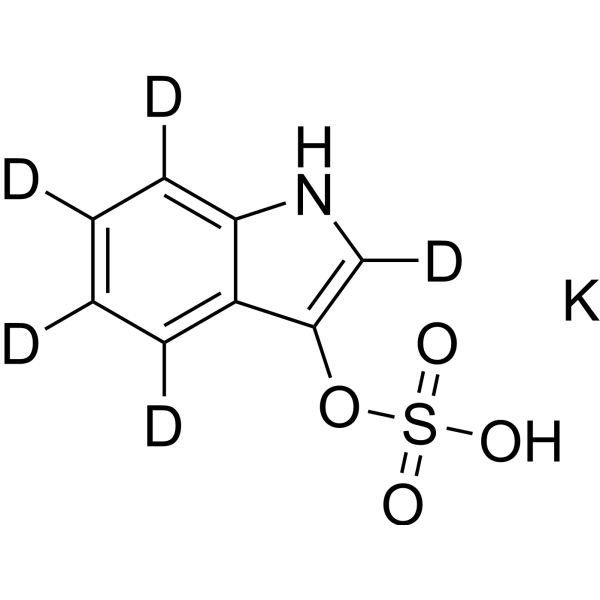
Potassium 1H-indol-3-yl sulfate-d5 is the deuterium labeled 3-Indoxyl Sulfate potassium. Potassium 1H-indol-3-yl sulfate is a metabolite of tryptophan, produced by intestinal microorganisms and combined with sulfate in the liver before entering the circulatory system. Potassium 1H-indol-3-yl sulfate is a potent endogenous agonist of the aryl hydrocarbon receptor (AhR) and a urinary toxin. Potassium 1H-indol-3-yl sulfate can be used for research on kidney diseases.
|
-
-
- HY-134611
-
|
β-hydroxyethoxyacetic acid; HEAA
|
Drug Metabolite
|
Others
|
|
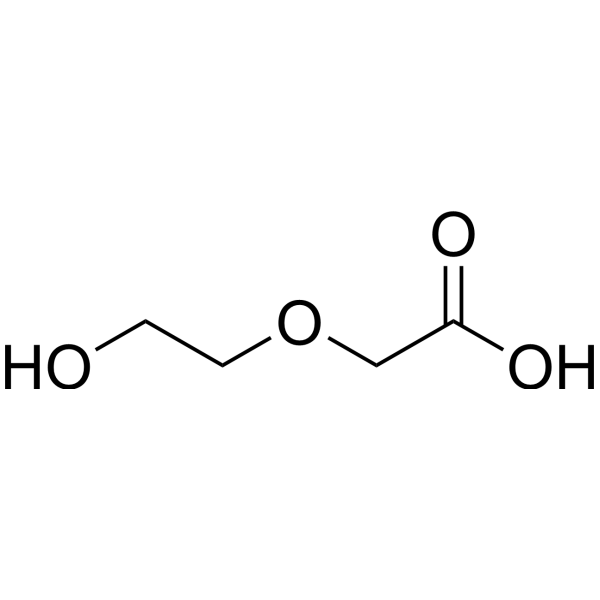
(2-Hydroxyethoxy)acetic acid (β-hydroxyethoxyacetic acid) is the main urinary metabolite of 1,4-Dioxane. (2-Hydroxyethoxy)acetic acid is a reliable and sensitive shortterm biomarker in urine .
|
-
-
- HY-N9941
-
|
|
Endogenous Metabolite
|
Metabolic Disease
|
|
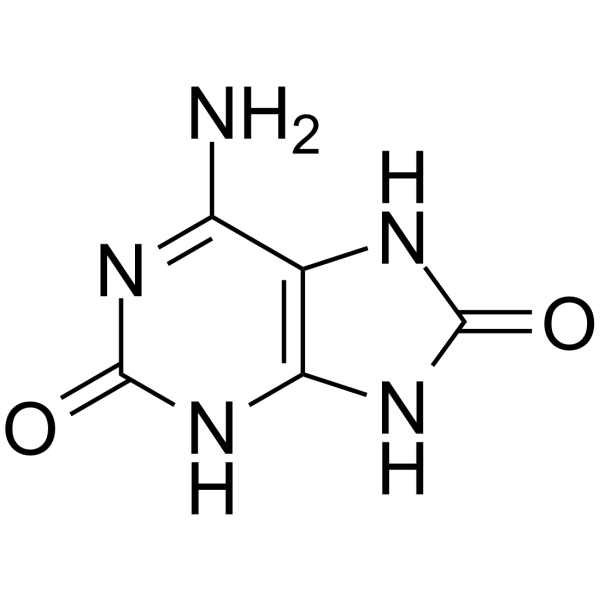
2,8-Dihydroxyadenine, an endogenous metabolite, can cause the formation of urinary crystals and kidney stones. 2,8-Dihydroxyadenine can be used to diagnose adenine phosphoribosyltransferase (APRT) deficiency .
|
-
-
- HY-Y1097
-
|
2-(Methoxycarbonyl)benzoic acid
|
Endogenous Metabolite
Reactive Oxygen Species (ROS)
|
Cancer
|
|
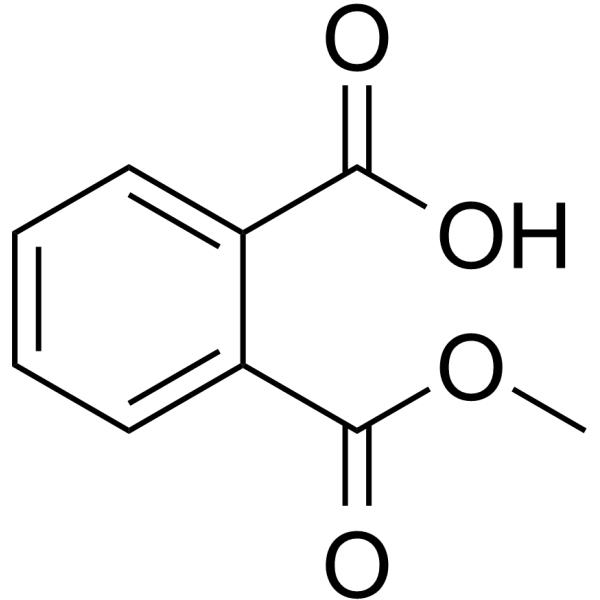
Monomethyl phthalate is an orally active metabolite of phthalic acid. Monomethyl phthalate, as a urine biomarker after exposure to phthalate, can be used as a detection indicator for thyroid cancer and benign nodules. Monomethyl phthalate reduces the survival rate of young frogs. Monomethyl phthalate induces oxidative damage to red blood cells in rats .
|
-
-
- HY-W011910S
-
-
-
- HY-Y1097S
-
|
2-(Methoxycarbonyl)benzoic acid-d4
|
Isotope-Labeled Compounds
|
Cancer
|
|
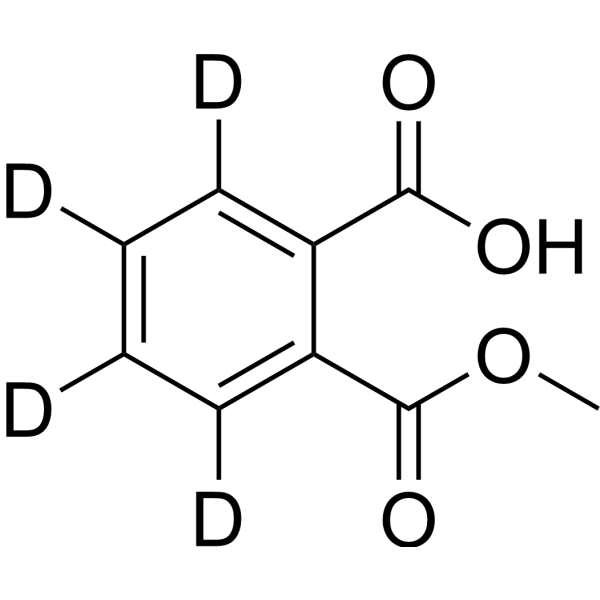
Monomethyl phthalate-d4 (2-(Methoxycarbonyl)benzoic acid-d4) is the deuterium labeled Monomethyl phthalate. Monomethyl phthalate is a phthalate metabolite. Monomethyl phthalate acts as a urinary biomarker of phthalates exposure and can be used as a standard for the determination of thyroid cancer and benign nodule .
|
-
-
- HY-113340
-
-
-
- HY-136410
-
|
|
Endogenous Metabolite
|
Metabolic Disease
|
|
4-hydroxy Nonenal Mercapturic Acid is a major urinary metabolite of 4-hydroxy-2-nonenal (4-HNE). 4-hydroxy Nonenal Mercapturic Acid metabolites include reduced alcohols, aldehydes, and carboxylic acids, which further form gamma-lactols and gamma-lactones, resulting in 4-5 final urinary metabolites in vivo. 4-hydroxy Nonenal Mercapturic Acid can be used as a biomarker to assess oxidative stress .
|
-

-
- HY-113215
-
|
5a-Tetrahydrocortisol
|
Endogenous Metabolite
|
Others
|
|
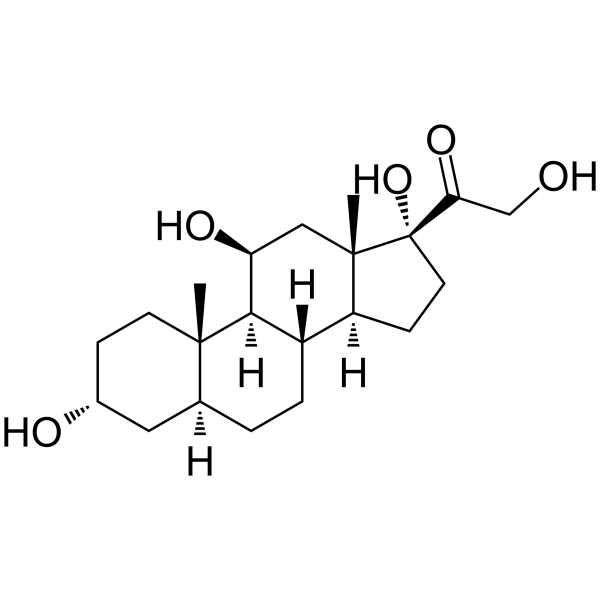
Allotetrahydrocortisol (5a-Tetrahydrocortisol) is a metabolite of Cortisol. Cortisol is the main glucocorticoid in human. It is produced in adrenal cortex and plays a crucial role in many physiological processes .
|
-
-
- HY-135604
-
|
DBUP
|
Drug Metabolite
|
Metabolic Disease
|
|
Dibutyl phosphate (DBUP) is a urinary metabolite of organophosphate esters (OPEs). Dibutyl phosphate is positively correlated with an increased risk of sarcopenia .
|
-

-
- HY-160755
-
-
-
- HY-113304
-
|
|
Endogenous Metabolite
|
Metabolic Disease
|
|
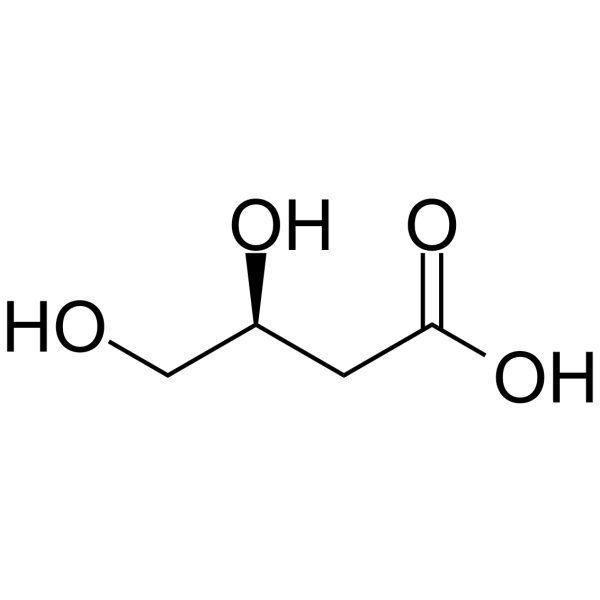
(S)-3,4-Dihydroxybutyric acid, a normal human urinary metabolite, is a β-oxidation metabolite of γ-hydroxybutyrate. (S)-3,4-Dihydroxybutyric acid can be used for research on succinic semialdehyde dehydrogenase deficiency .
|
-
-
- HY-D0272
-
|
|
Estrogen Receptor/ERR
|
Metabolic Disease
|
|
2,3,4-Trihydroxybenzophenone is a hydroxylated benzophenone UV filter with estrogenic activity. 2,3,4-Trihydroxybenzophenone is a quorum sensing inhibitor and an EC 1.14.18.1 (tyrosinase) inhibitor. 2,3,4-Trihydroxybenzophenone is also a human urinary metabolite, a rat metabolite and a drug metabolite .
|
-

-
- HY-113304A
-
|
|
Endogenous Metabolite
|
Metabolic Disease
|
|
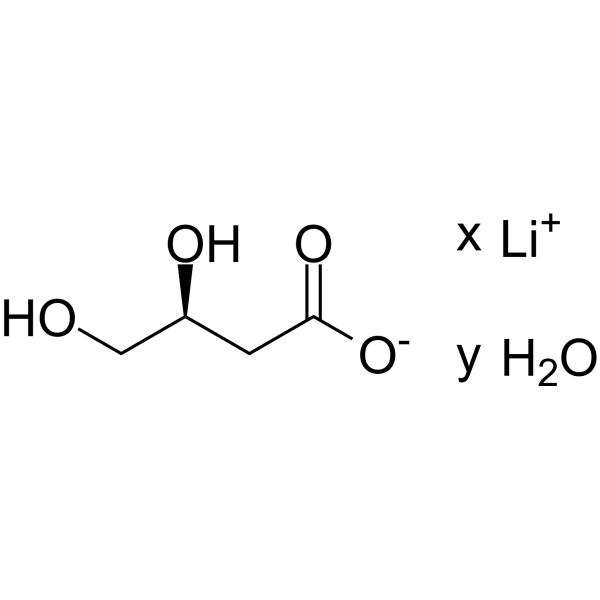
(S)-3,4-Dihydroxybutyric acid lithium hydrate, a normal human urinary metabolite, is a β-oxidation metabolite of γ-hydroxybutyrate. (S)-3,4-Dihydroxybutyric acid lithium hydrate can be used for research on succinic semialdehyde dehydrogenase deficiency .
|
-
-
- HY-113247S
-
|
|
Endogenous Metabolite
|
Metabolic Disease
|
|
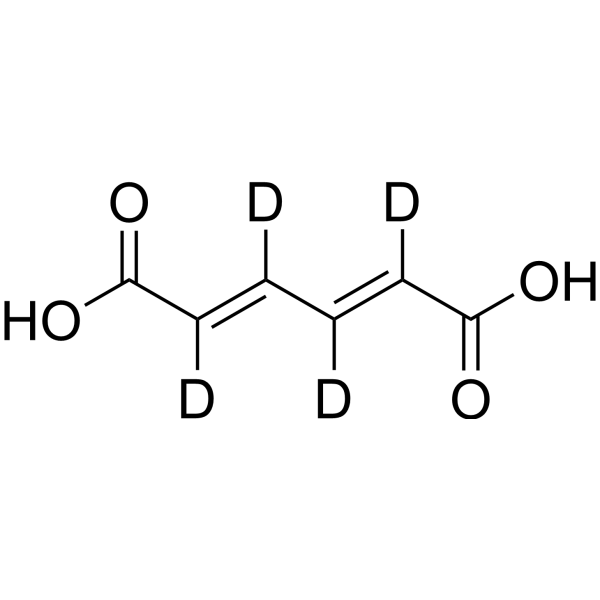
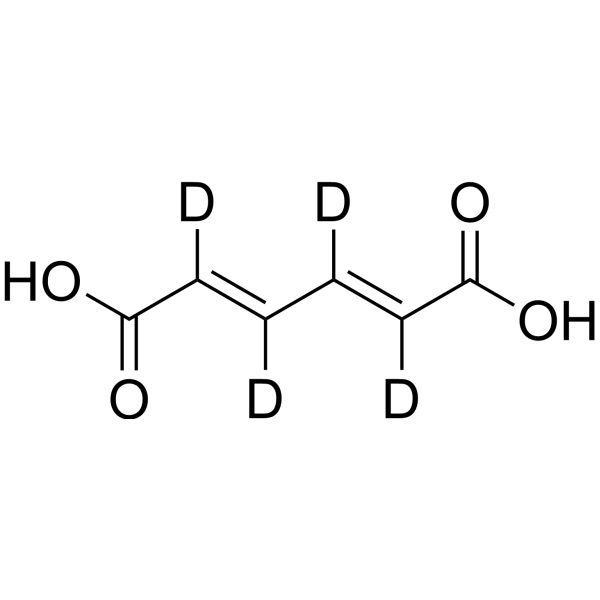
trans-trans-Muconic acid-d4 is the deuterium labeled trans-trans-Muconic acid . trans-trans-Muconic acid is a urinary metabolite of benzene and has been used as a biomarker of exposure to benzene in human .
|
-
-
- HY-113409R
-
|
|
Reference Standards
Endogenous Metabolite
|
Metabolic Disease
|
|
3-Hydroxyisovaleric acid (Standard) is the analytical standard of 3-Hydroxyisovaleric acid. This product is used for research and analytical applications. 3-Hydroxyisovaleric acid is a normal endogenous metabolite excreted in urine. The urinary excretion of 3-Hydroxyisovaleric acid serves as an early and sensitive indicator of biotin deficiency .
|
-

-
- HY-113377
-
|
|
Endogenous Metabolite
|
Metabolic Disease
|
|
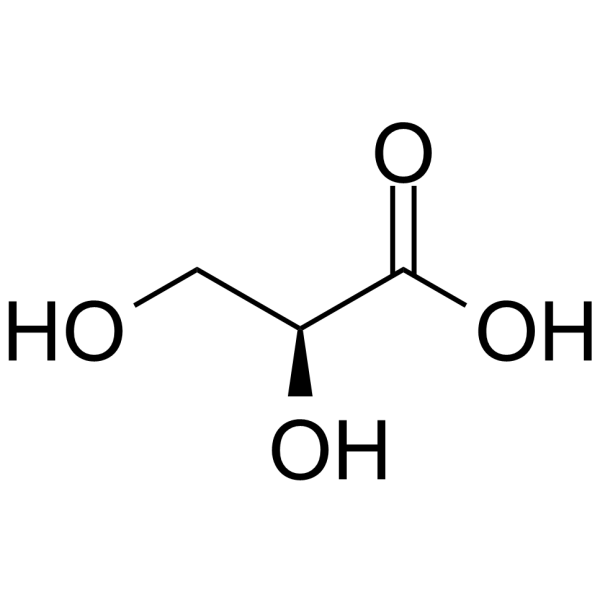
L-Glyceric acid is a mainly urinary metabolite accumulating in rare inherited metabolic disease L-glyceric aciduria. L-Glyceric acid can be used to diagnose primary hyperoxaluria type 2 (PH2). L-Glyceric acid excretion to distinguish PH1 from PH2 .
|
-
-
- HY-40161R
-
|
|
Reference Standards
Endogenous Metabolite
|
Metabolic Disease
|
|
Indole-3-carboxylic acid (Standard) is the analytical standard of Indole-3-carboxylic acid. This product is intended for research and analytical applications. Indole-3-carboxylic acid is a normal urinary indolic tryptophan metabolite and has been found elevated in patients with liver diseases .
|
-

-
- HY-40161S
-
-

-
- HY-W400496
-
|
|
HDAC
|
Cancer
|
|
Valproic acid β-D-glucuronide is the major urinary metabolite of Valproic acid (HY-10585) .
|
-

-
- HY-77641S
-
|
|
Isotope-Labeled Compounds
Endogenous Metabolite
|
Metabolic Disease
|
|
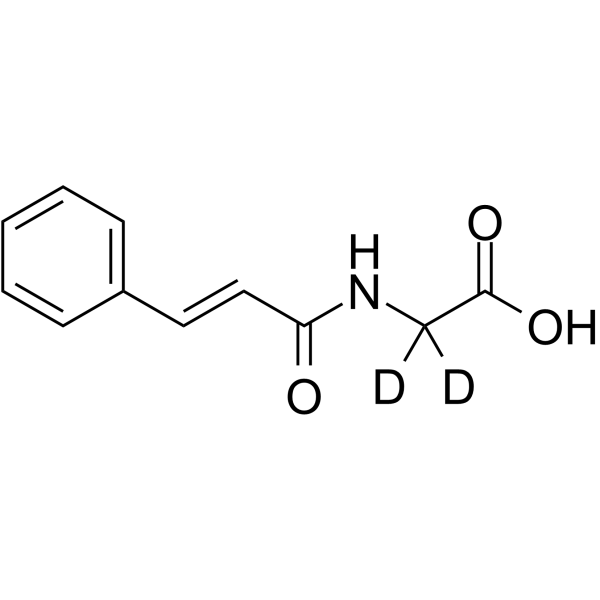
Cinnamoylglycine-d2 is the deuterium labeled Cinnamoylglycine. Cinnamoylglycine is a glycine conjugate of cinnamic acid and a urinary metabolite in human. Cinnamoylglycine is used as a potential urinary biomarker indicating intact or disrupted colonization resistance during and after antibiotic treatment .
|
-
-
- HY-W011848S
-
|
2-((Benzyloxy)carbonyl)benzoic acid-d4
|
Isotope-Labeled Compounds
Endogenous Metabolite
|
Metabolic Disease
|
|
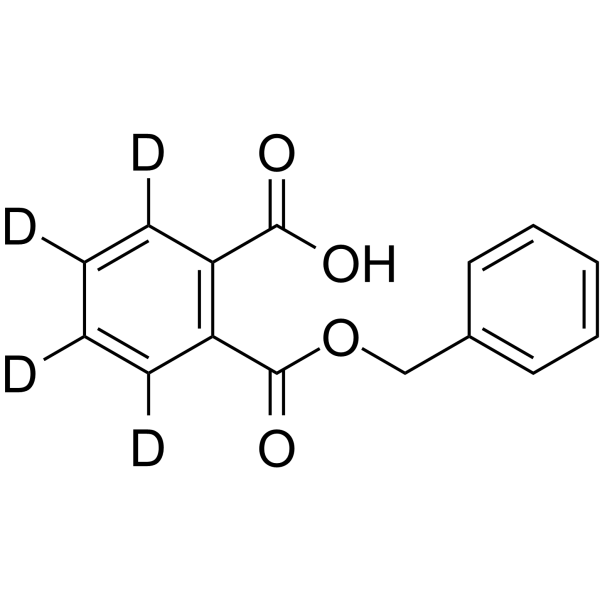
Monobenzyl phthalate-d4 is the deuterium labeled Monobenzyl phthalate. Monobenzyl phthalate (2-((Benzyloxy)carbonyl)benzoic acid) is the urinary metabolite exposuring to phthalates, such as, diethylhexyl phthalate (DEHP) .
|
-
-
- HY-109174
-
|
CPX-POM
|
γ-secretase
|
Metabolic Disease
Cancer
|
|
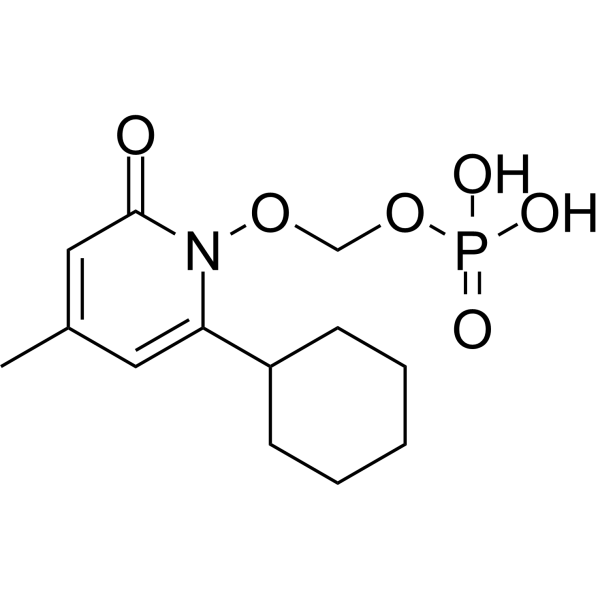
Fosciclopirox (CPX-POM) suppresses growth of urothelial cancer by targeting the γ-secretase complex. Fosciclopirox selectively delivers the active metabolite, Ciclopirox (CPX), to the entire urinary tract. Ciclopirox has anticancer activity in a number of solid and hematologic malignancies .
|
-
-
- HY-176301
-
|
Tetranor-prostaglandin D metabolite lactone
|
Endogenous Metabolite
|
Inflammation/Immunology
Endocrinology
|
|
Tetranor-PGDM lactone (Tetranor-prostaglandin D metabolite lactone) is a urinary metabolite of PGD2 (HY-101988). Prostaglandin D2 (PGD2) is one of the most potent endogenous sleep promoting substances. PGD2 plays a protective role by suppressing inflammation .
|
-

-
- HY-W017431
-
|
|
Drug Metabolite
|
Metabolic Disease
|
|
2,5-Dimethylbenzoic acid is one of the main urinary metabolites of Pseudocumene (1,2,4-trimethylbenzene) in rats. 2,5-Dimethylbenzoic acid can be used to quantitatively determine the inhalation exposure level of Pseudocumene .
|
-

-
- HY-126986
-
-
-
- HY-W008449S
-
|
|
Isotope-Labeled Compounds
Endogenous Metabolite
|
Cancer
|
|
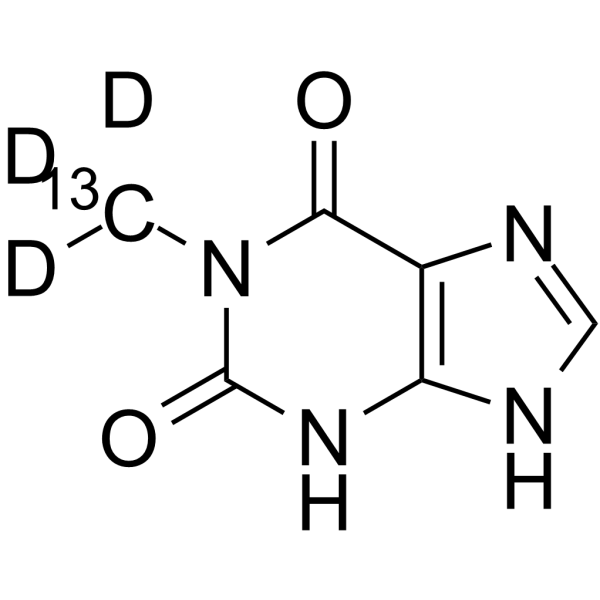
1-Methylxanthine- 13C,d3 is the 13C- and deuterium labeled 1-Methylxanthine. 1-Methylxanthine, a caffeine derivative, is an essential human urinary metabolite of caffeine and theophylline (1,3-dimethylxanthine, TP) . 1-Methylxanthine enhances the radiosensitivity of tumor cells .
|
-
-
- HY-N15364
-
|
|
Endogenous Metabolite
|
Metabolic Disease
|
|
Imidazoleacetic acid riboside is a metabolite of histamine, belonging to the riboside conjugates of imidazoleacetic acid. Imidazoleacetic acid riboside is generated by dephosphorylation of imidazoleacetic acid ribonucleotide in rats. Imidazoleacetic acid riboside can be detected in the kidney and brain tissue after administration of labeled histamine or histidine, and exists as a urinary metabolite of histamine in both rats and humans. Imidazoleacetic acid riboside is not only excreted in urine, but also can be used to capture and isolate ribose for studying the metabolic pathways of ribose synthesis from glucose or glucuronolactone via the pentose phosphate pathway or the C-6 oxidation pathway in vivo .
|
-

-
- HY-W743473
-
|
Ro 15-8074-d3; Deacetoxycefotaxime-d3
|
Isotope-Labeled Compounds
Bacterial
Antibiotic
Penicillin-binding protein (PBP)
Drug Metabolite
|
Infection
|
|
Cefetamet-d3 (Ro 15-8074-d3; Deacetoxycefotaxime-d3) is the deuterium labeled Cefetamet (HY-A0111). Cefetamet (Ro 15-8074) is a cephalosporin antibiotic and the active metabolite of Cefetamet pivoxil (HY-B1894A). Cefetamet binds to bacterial penicillin-binding protein (PBP) (IC50 for PBP3 in Escherichia coli W3110 is 2.5 μg/mL). Cefetamet has significant activity against Gram-negative bacteria such as Enterobacteriaceae, Neisseria species, and Haemophilus influenzae, as well as Gram-positive bacteria such as Streptococcus. Cefetamet kills and lyses Treponema pallidum. Cefetamet can be used in the research of respiratory tract, urinary tract, ear, nose and throat infections, and syphilis .
|
-

-
- HY-137393
-
-

-
- HY-77641R
-
|
|
Reference Standards
Endogenous Metabolite
|
Metabolic Disease
|
|
Cinnamoylglycine (Standard) is the analytical standard of Cinnamoylglycine. This product is intended for research and analytical applications. Cinnamoylglycine is a glycine conjugate of cinnamic acid and a urinary metabolite in human. Cinnamoylglycine is used as a potential urinary biomarker indicating intact or disrupted colonization resistance during and after antibiotic treatment .
|
-

-
- HY-124353
-
|
11-Dehydro-TXB3
|
Endogenous Metabolite
|
Others
|
|
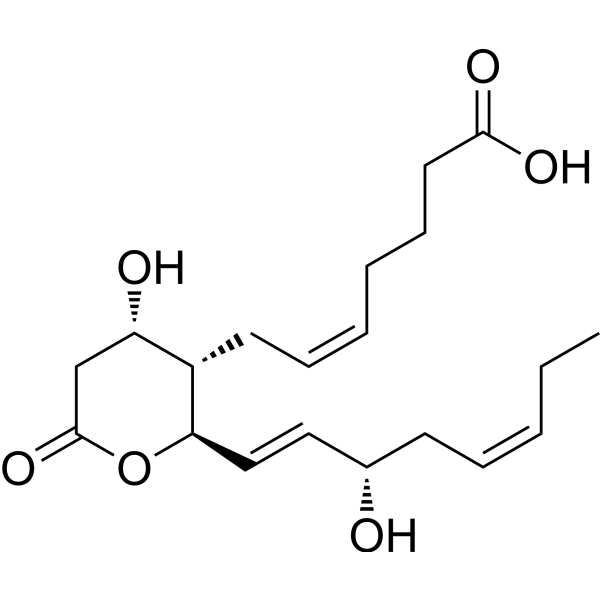
11-Dehydro thromboxane B3 (11-Dehydro-TXB3) is a urinary metabolite of Thromboxane A3 (TXA3) .
|
-
-
- HY-137339
-
|
|
Drug Metabolite
|
Others
|
|
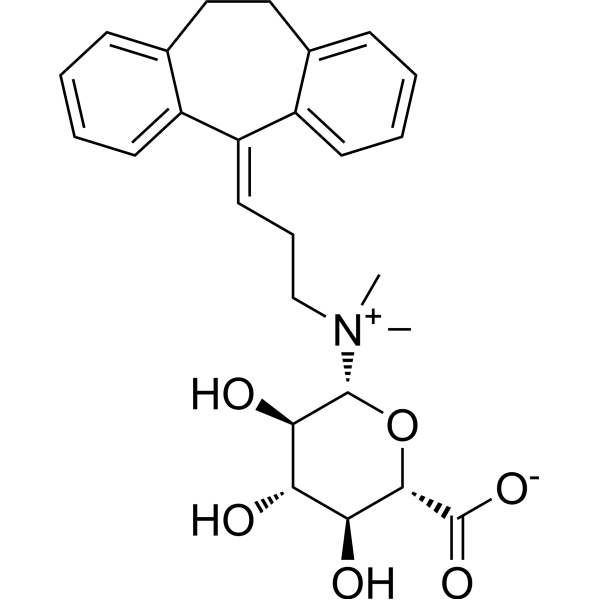
Amitriptyline N-β-D-glucuronide is an ammonium glucuronide and an urinary excretion metabolite of amitriptyline .
|
-
-
- HY-124320
-
-
-
- HY-W011848R
-
|
2-((Benzyloxy)carbonyl)benzoic acid (Standard)
|
Reference Standards
Endogenous Metabolite
|
Metabolic Disease
|
|
Monobenzyl phthalate (Standard) is the analytical standard of Monobenzyl phthalate. This product is intended for research and analytical applications. Monobenzyl phthalate (2-((Benzyloxy)carbonyl)benzoic acid) is the urinary metabolite exposuring to phthalates, such as, diethylhexyl phthalate (DEHP) .
|
-

-
- HY-113114R
-
|
|
Endogenous Metabolite
Reference Standards
|
Others
|
|
Tetrahydrocortisone (Standard) is the analytical standard of Tetrahydrocortisone. This product is intended for research and analytical applications. Tetrahydrocortisone is a stress-induced hormone. Tetrahydrocortisone is also a urinary metabolite of Cortisone derived from the reduction of Cortisone by 5-reductase .
|
-

-
- HY-100644
-
|
Trimethoprim 1-N-oxide
|
Drug Metabolite
|
Infection
|
|
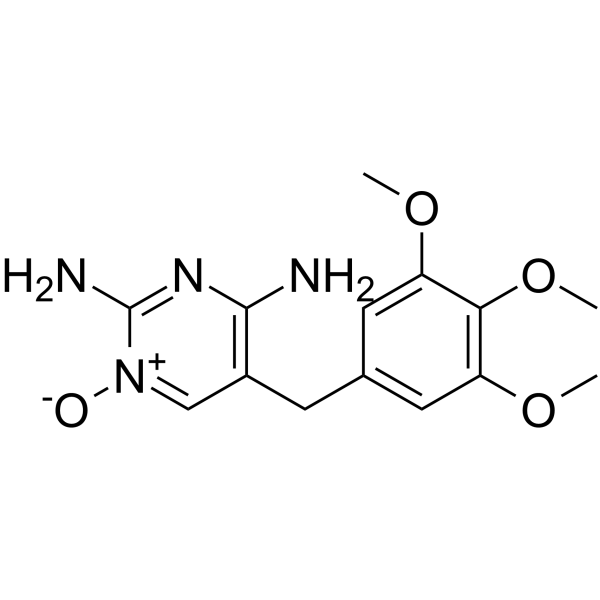
Trimethoprim N-oxide (Trimethoprim 1-N-oxide) belongs to human urinary metabolites. Trimethoprim N-oxide is generated by oxidation of nitrogen atoms in the pyrimidine ring. Trimethoprim N-oxide is formed predominantly by CYP1A2 in human liver microsomes .
|
-
-
- HY-W008449R
-
|
|
Drug Metabolite
Reference Standards
Endogenous Metabolite
|
Cancer
|
|
1-Methylxanthine (Standard) is the analytical standard of 1-Methylxanthine. This product is intended for research and analytical applications. 1-Methylxanthine, a caffeine derivative, is an essential human urinary metabolite of caffeine and theophylline (1,3-dimethylxanthine, TP) . 1-Methylxanthine enhances the radiosensitivity of tumor cells .
|
-

-
- HY-W008449S2
-
|
|
Drug Metabolite
Endogenous Metabolite
Isotope-Labeled Compounds
|
Cancer
|
|
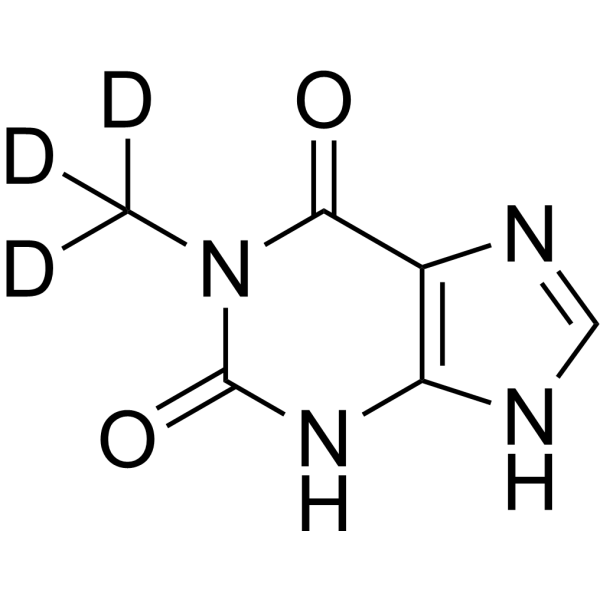
1-Methylxanthine-d3 is deuterated labeled 1-Methylxanthine (HY-W008449). 1-Methylxanthine, a caffeine derivative, is an essential human urinary metabolite of caffeine and theophylline (1,3-dimethylxanthine, TP) . 1-Methylxanthine enhances the radiosensitivity of tumor cells .
|
-
- HY-135895
-
-
- HY-118163
-
-

- HY-160542
-
|
|
Endogenous Metabolite
|
Others
|
|
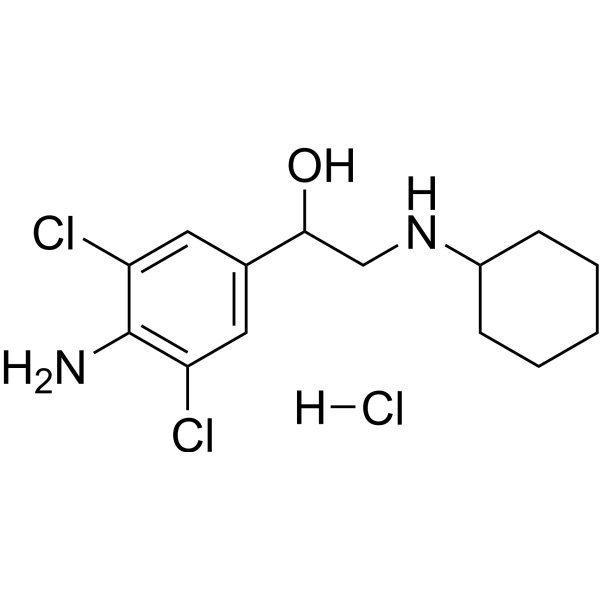
Clenhexyl hydrochloride is a urinary metabolite useful for quantitative screening in doping control screening programs .
|
-
- HY-W722110
-
-

- HY-117659
-
|
Prostaglandin D metabolite
|
Prostaglandin Receptor
|
Inflammation/Immunology
|
|
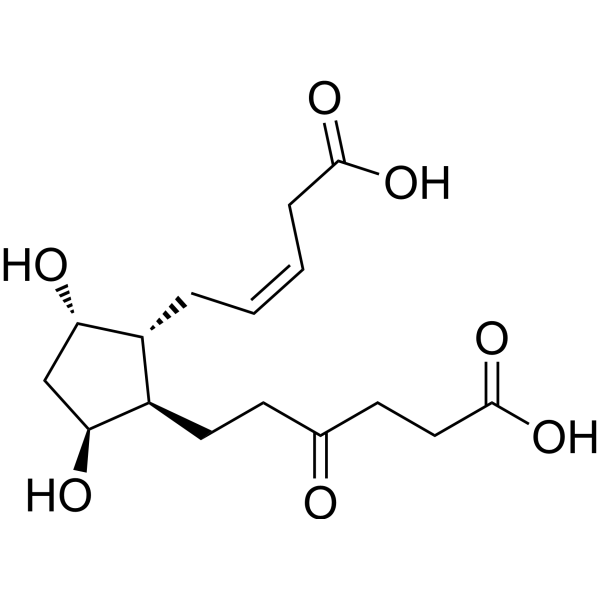
PGDM (Prostaglandin D Metabolite) is the main urinary metabolite of Prostaglandin D2 and is prone to reversible cyclization. PGDM may serve as a biomarker for the endogenous production of PGD2 or be used to evaluate the severity of acute allergic reactions .
|
-
- HY-114687
-
|
|
Endogenous Metabolite
|
Cardiovascular Disease
Others
|
|
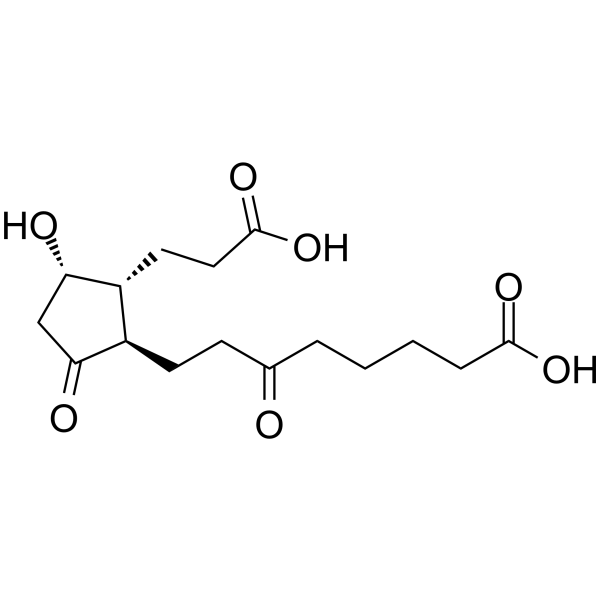
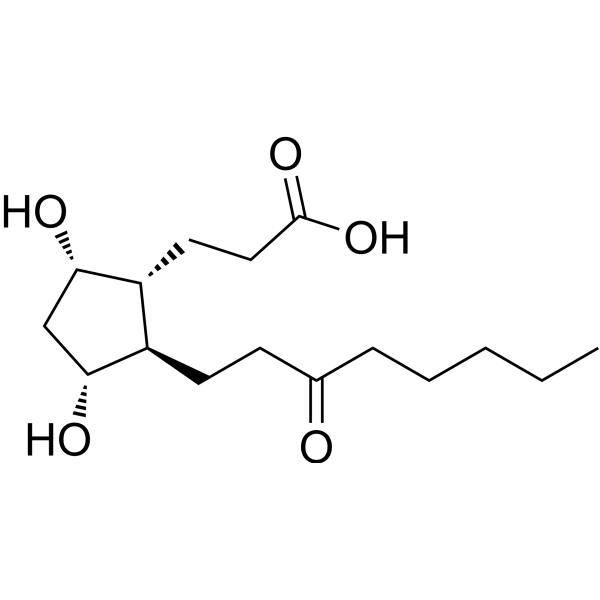
5,7-Dihydroxy-11-ketotetranorprostanoic acid is a urinary metabolite of prostaglandin F2α and precursor to tetranor-PGF metabolites, exhibits hardly activity in blood pressure assay and smooth muscle stiumulation assay .
|
-
- HY-133668R
-
|
|
Drug Metabolite
Reference Standards
|
Cancer
|
|
Sulfamonomethoxine (sodium) (Standard) is the analytical standard of Sulfamonomethoxine (sodium). This product is intended for research and analytical applications. Sulfamonomethoxine sodium is a long acting sulfonamide antibacterial agent, used in blood kinetic studies,and blocks the synthesis of folic acid by inhibiting synthetase of dihydropteroate .
|
-

- HY-126816
-
|
|
Endogenous Metabolite
|
Others
|
|
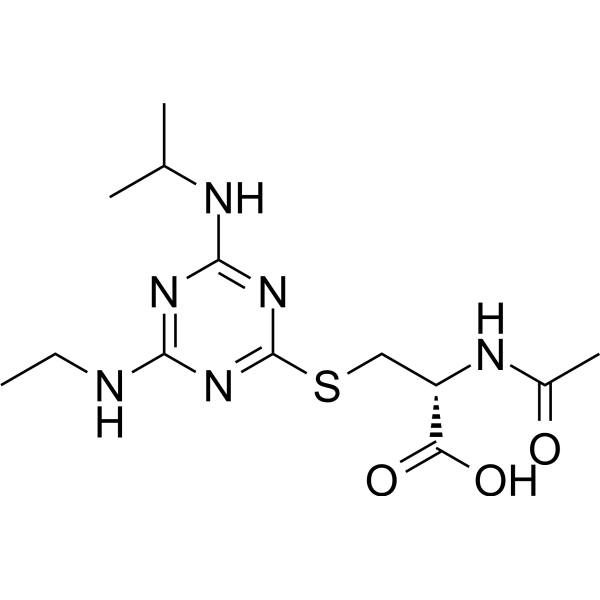
Atrazine mercapturate is a metabolite of herbicide Atrazine (HY-N7091), which is detectable in urinary excretion. Atrazine mercapturate serve as an unambiguous confirmation of human exposure to Atrazine .
|
-
- HY-113286R
-
-

- HY-113114S
-
|
|
Isotope-Labeled Compounds
Endogenous Metabolite
|
Others
|
|
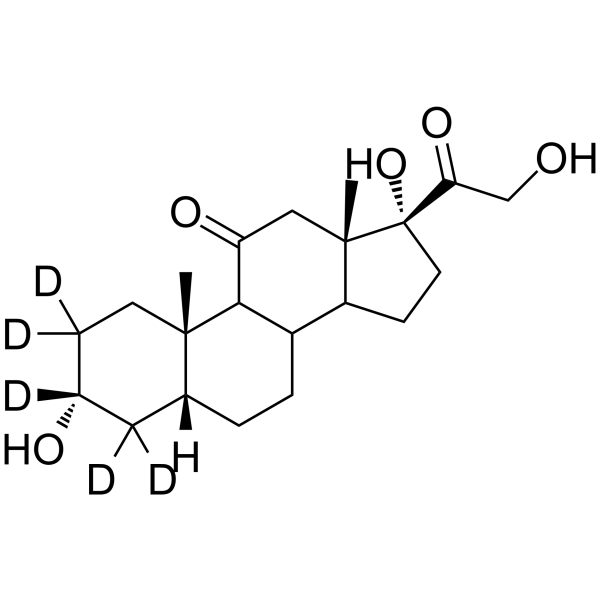
Tetrahydrocortisone-d5 is the deuterium labeled Tetrahydrocortisone. Tetrahydrocortisone is a stress-induced hormone. Tetrahydrocortisone is also a urinary metabolite of Cortisone derived from the reduction of Cortisone by 5-reductase .
|
-
- HY-113114S1
-
|
|
Isotope-Labeled Compounds
Endogenous Metabolite
|
Others
|
|
Tetrahydrocortisone-d6 is the deuterium labeled Tetrahydrocortisone. Tetrahydrocortisone is a stress-induced hormone. Tetrahydrocortisone is also a urinary metabolite of Cortisone derived from the reduction of Cortisone by 5-reductase .
|
-
- HY-168801
-
-

- HY-113114S2
-
|
|
Isotope-Labeled Compounds
Endogenous Metabolite
|
Others
|
|
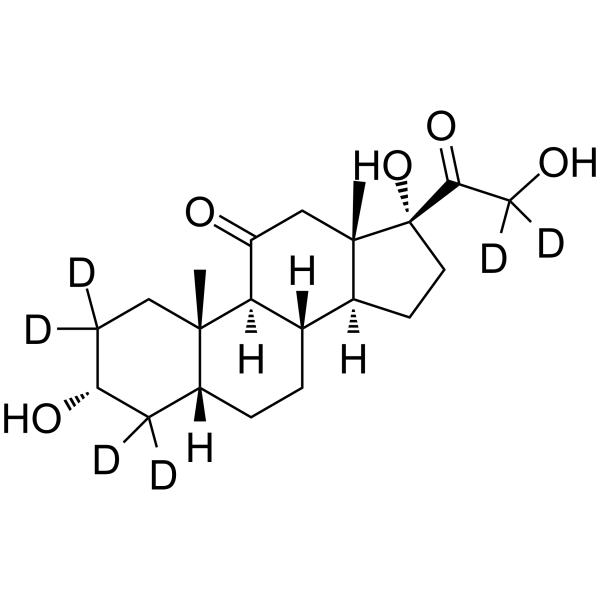
Tetrahydrocortisone-d5-1 is the deuterium labeled Tetrahydrocortisone (HY-113114). Tetrahydrocortisone is a stress-induced hormone. Tetrahydrocortisone is also a urinary metabolite of Cortisone derived from the reduction of Cortisone by 5-reductase .
|
-

- HY-113247S1
-
-
- HY-W769286
-
|
|
Isotope-Labeled Compounds
HDAC
|
Cancer
|
|
Valproic acid β-D-glucuronide-d15 is the deuterium labeled Valproic acid β-D-glucuronide (HY-W400496). Valproic acid β-D-glucuronide is the major urinary metabolite of Valproic acid (HY-10585) .
|
-

- HY-W700378
-
|
|
Isotope-Labeled Compounds
HDAC
|
Cancer
|
|
Valproic acid β-D-glucuronide-d6-1 is the deuterium labeled Valproic acid β-D-glucuronide (HY-W400496). Valproic acid β-D-glucuronide is the major urinary metabolite of Valproic acid (HY-10585) .
|
-

- HY-113377A
-
|
|
Endogenous Metabolite
|
Metabolic Disease
|
|
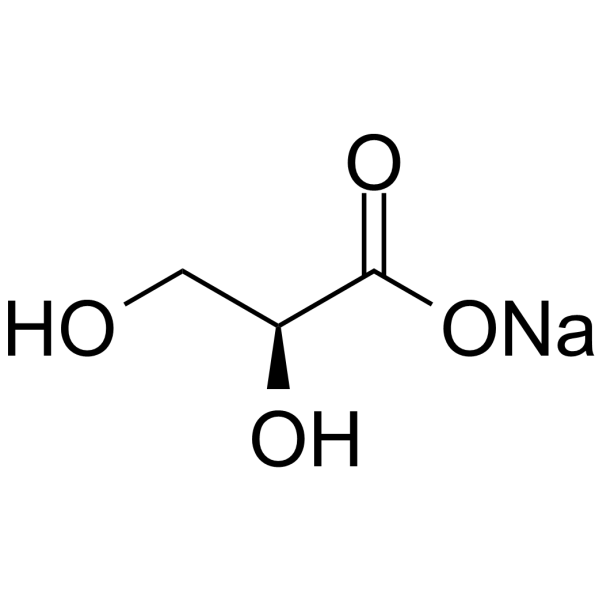
L-Glyceric acid sodium is a mainly urinary metabolite accumulating in rare inherited metabolic disease L-glyceric aciduria. L-Glyceric acid sodium can be used to diagnose primary hyperoxaluria type 2 (PH2). L-Glyceric acid sodium excretion to distinguish PH1 from PH2 .
|
-
- HY-109174A
-
|
CPX-POM disodium
|
γ-secretase
|
Metabolic Disease
Cancer
|
|
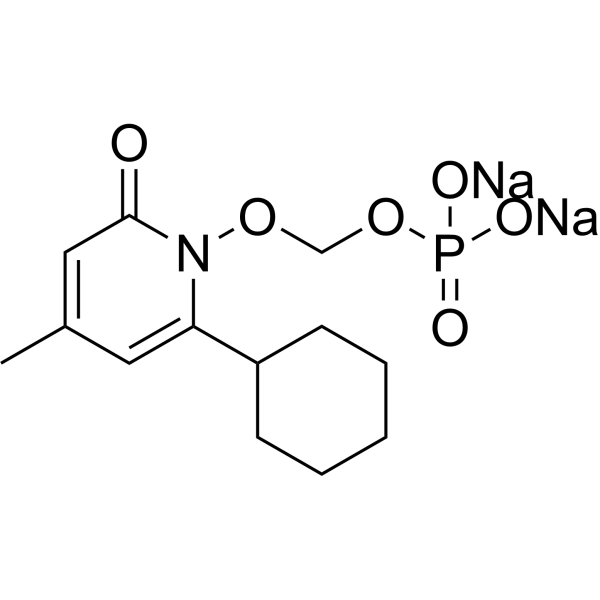
Fosciclopirox disodium suppresses growth of urothelial cancer by targeting the γ-secretase complex. Fosciclopirox disodium selectively delivers the active metabolite, Ciclopirox (HY-B0450), to the entire urinary tract. Ciclopirox has anticancer activity in a number of solid and hematologic malignancies .
|
-
- HY-113247R
-
|
|
Reference Standards
Endogenous Metabolite
|
Metabolic Disease
|
|
trans-trans-Muconic acid (Standard) is the analytical standard of trans-trans-Muconic acid. This product is intended for research and analytical applications. trans-trans-Muconic acid is a urinary metabolite of benzene and has been used as a biomarker of exposure to benzene in human. trans-trans-Muconic acid is mutagenic in an E. coli assay .
|
-

- HY-131589
-
|
Atenolol acid
|
Endogenous Metabolite
|
Others
|
|
Metoprolol acid (Atenolol acid) is a urinary metabolite with no pharmacological activity. Metoprolol acid does not exert its pharmacological effects in vivo. Metoprolol acid can be detected by solid phase extraction and reversed phase high performance liquid chromatography. The analysis of metoprolol acid requires specific conditions, such as the use of fluorescence detection and specific eluents .
|
-

- HY-W008449S1
-
|
|
Isotope-Labeled Compounds
Endogenous Metabolite
|
Cancer
|
|
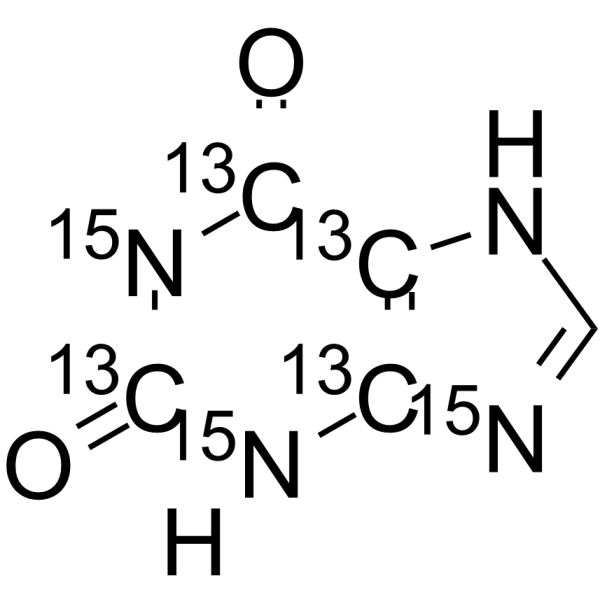
1-Methylxanthine- 13C4, 15N3 is the 13C-labeled and 15N-labeled 1-Methylxanthine. 1-Methylxanthine, a caffeine derivative, is an essential human urinary metabolite of caffeine and theophylline (1,3-dimethylxanthine, TP) . 1-Methylxanthine enhances the radiosensitivity of tumor cells .
|
-
- HY-131589R
-
|
Atenolol acid (Standard)
|
Endogenous Metabolite
Reference Standards
|
Others
|
|
Metoprolol acid (Standard) is the analytical standard of Metoprolol acid. This product is intended for research and analytical applications. Metoprolol acid (Atenolol acid) is a urinary metabolite with no pharmacological activity. Metoprolol acid does not exert its pharmacological effects in vivo. Metoprolol acid can be detected by solid phase extraction and reversed phase high performance liquid chromatography. The analysis of metoprolol acid requires specific conditions, such as the use of fluorescence detection and specific eluents .
|
-

- HY-W040821R
-
|
|
Reference Standards
Endogenous Metabolite
|
Neurological Disease
|
|
Metoprolol acid (Standard) is the analytical standard of Metoprolol acid. This product is intended for research and analytical applications. Metoprolol acid (Atenolol acid) is a urinary metabolite with no pharmacological activity. Metoprolol acid does not exert its pharmacological effects in vivo. Metoprolol acid can be detected by solid phase extraction and reversed phase high performance liquid chromatography. The analysis of metoprolol acid requires specific conditions, such as the use of fluorescence detection and specific eluents .
|
-

- HY-Y1097R
-
|
2-(Methoxycarbonyl)benzoic acid (Standard)
|
Reference Standards
Endogenous Metabolite
|
Cancer
|
|
Monomethyl phthalate (Standard) is the analytical standard of Monomethyl phthalate. This product is intended for research and analytical applications. Monomethyl phthalate is an orally active metabolite of phthalic acid. Monomethyl phthalate, as a urine biomarker after exposure to phthalate, can be used as a detection indicator for thyroid cancer and benign nodules. Monomethyl phthalate reduces the survival rate of young frogs. Monomethyl phthalate induces oxidative damage to red blood cells in rats.
|
-

- HY-153993
-
|
|
Endogenous Metabolite
|
Others
|
|
Pyrocatechol sulfate, a phenolic metabolite present in human plasma, is associated with the consumption of specific foods such as berries and the condition of gut microbiota. It serves as a potential urinary biomarker for kidney function, dialytic clearance, whole grain consumption, and regular coffee intake. Additionally, Pyrocatechol sulfate, along with other phenolic sulfates, plays a role in modulating various biological functions, including those related to brain health and the rhythmic beating of cardiomyocytes.
|
-

- HY-A0111A
-
|
Ro15-8074/001; Deacetoxycefotaxime sodium
|
Antibiotic
Bacterial
Penicillin-binding protein (PBP)
Drug Metabolite
|
Infection
|
|
Cefetamet (Ro 15-8074) sodium is a cephalosporin antibiotic and the active metabolite of Cefetamet pivoxil (HY-B1894A). Cefetamet sodium binds to bacterial penicillin-binding protein (PBP) (IC50 for PBP3 in Escherichia coli W3110 is 2.5 μg/mL). Cefetamet sodium has significant activity against Gram-negative bacteria such as Enterobacteriaceae, Neisseria species, and Haemophilus influenzae, as well as Gram-positive bacteria such as Streptococcus. Cefetamet sodium kills and lyses Treponema pallidum. Cefetamet sodium can be used in the research of respiratory tract, urinary tract, ear, nose and throat infections, and syphilis .
|
-

- HY-A0111B
-
|
Ro 15-8074 hydrochloride; Deacetoxycefotaxime hydrochloride
|
Antibiotic
Bacterial
Penicillin-binding protein (PBP)
Drug Metabolite
|
Infection
|
|
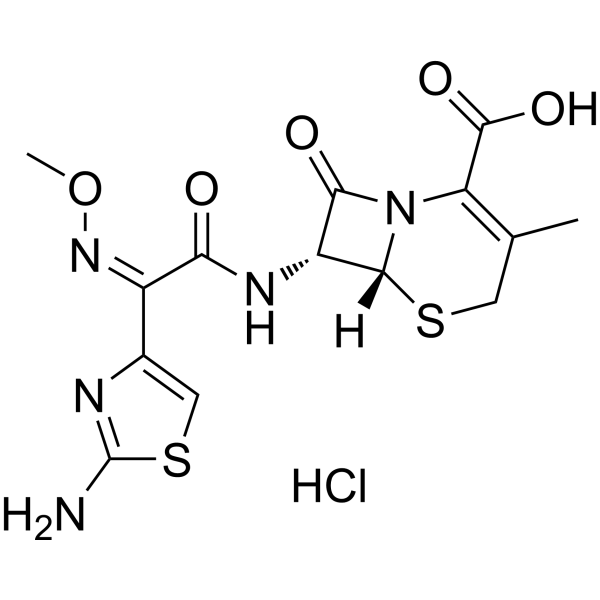
Cefetamet (Ro 15-8074) hydrochloride is a cephalosporin antibiotic and the active metabolite of Cefetamet pivoxil (HY-B1894A). Cefetamet hydrochloride binds to bacterial penicillin-binding protein (PBP) (IC50 for PBP3 in Escherichia coli W3110 is 2.5 μg/mL). Cefetamet hydrochloride has significant activity against Gram-negative bacteria such as Enterobacteriaceae, Neisseria species, and Haemophilus influenzae, as well as Gram-positive bacteria such as Streptococcus. Cefetamet hydrochloride kills and lyses Treponema pallidum. Cefetamet hydrochloride can be used in the research of respiratory tract, urinary tract, ear, nose and throat infections, and syphilis .
|
-
- HY-129397
-
|
BPG; 2,3-Dinor-11β-PGF2α; 2,3-dinor-11-epi PGF2α
|
Prostaglandin Receptor
|
Endocrinology
|
|
2,3-Dinor-11beta-prostaglandin F2alpha (2,3-Dinor-11β-PGF2α) is a metabolite of PGD2. Urinary excretion of 2,3-Dinor-11beta-prostaglandin F2alpha is increased in patients with mast cell activation disease (MCAD) and has been used as a marker of increased PGD2 levels. 2,3-Dinor-11beta-prostaglandin F2alpha levels are also increased in the urine of patients with asthma and are positively correlated with impaired lung function.
|
-

- HY-A0111R
-
|
Ro 15-8074 (Standard); Deacetoxycefotaxime (Standard)
|
Reference Standards
Antibiotic
Bacterial
Penicillin-binding protein (PBP)
Drug Metabolite
|
Infection
|
|
Cefetamet (Standard) is the analytical standard of Cefetamet (HY-A0111). This product is intended for research and analytical applications. Cefetamet (Ro 15-8074) is a cephalosporin antibiotic and the active metabolite of Cefetamet pivoxil (HY-B1894A). Cefetamet binds to bacterial penicillin-binding protein (PBP) (IC50 for PBP3 in Escherichia coli W3110 is 2.5 μg/mL). Cefetamet has significant activity against Gram-negative bacteria such as Enterobacteriaceae, Neisseria species, and Haemophilus influenzae, as well as Gram-positive bacteria such as Streptococcus. Cefetamet kills and lyses Treponema pallidum. Cefetamet can be used in the research of respiratory tract, urinary tract, ear, nose and throat infections, and syphilis .
|
-

- HY-W611602
-
|
N-Me-His-OH (hydrochloride)
|
Amino Acid Derivatives
|
Others
|
|
N-Methyl-L-histidine (N-Me-His-OH) hydrochloride is a derivative of histidine, and a urinary metabolite with statistically significant differences in urinary secretion between male and female human .
|
-

- HY-W014277
-
|
|
Environmental Pollutants
Drug Metabolite
|
Others
|
|
2,6-Diisopropylnaphthalene is a substituted naphthalene compound and metabolite precursor. 2,6-Diisopropylnaphthalene undergoes metabolism exclusively via oxidation of its isopropyl chain in Rattus norvegicus (rats), producing five major unconjugated urinary metabolites. 2,6-Diisopropylnaphthalene forms glucuronide conjugates of these metabolites, and a small amount of unchanged compound is excreted in urine .
|
-

- HY-N9440
-
|
|
Drug Metabolite
|
Inflammation/Immunology
Cancer
|
|
7-Hydroxycoumarin glucuronide is a transport substrate and main human coumarin metabolite. 7-Hydroxycoumarin glucuronide undergoes ATP-dependent efflux transport via MRP3 and MRP4. 7-Hydroxycoumarin glucuronide undergoes active transport processes for urinary excretion and is primarily excreted into urine in humans.
|
-

- HY-116687
-
-

- HY-W714541
-
-

- HY-120975
-
-

- HY-W587436
-
|
|
Drug Metabolite
|
Metabolic Disease
|
|
N-Acetyl-S-(2-carbamoylethyl) -L-cysteine is the urinary metabolite of acrylamide in humans, and its association with other diseases.
|
-

- HY-W671225
-
|
|
Endogenous Metabolite
|
Metabolic Disease
|
|
(S)-3,4-Dihydroxybutyric acid sodium is a normal human urinary metabolite that is excreted in increased concentration in patients with succinic semialdehyde dehydrogenase (SSADH) deficiency .
|
-

- HY-W140665
-
|
|
Drug Metabolite
|
Others
|
|
3-Nonanol is a urinary metabolite of n-nonane in male rats after gavage administration. 3-Nonanol appears in urine of the rats following exposure to n-nonane .
|
-

- HY-113340R
-
|
|
Endogenous Metabolite
Reference Standards
|
Others
|
|
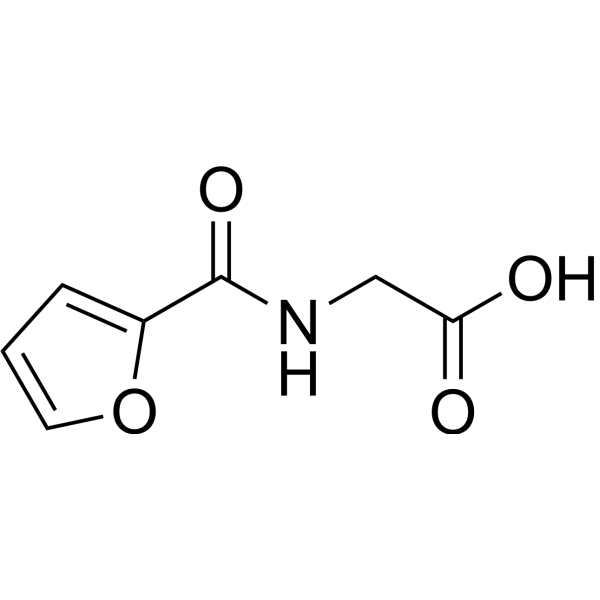
2-Furoylglycine (Standard) is the analytical standard of 2-Furoylglycine. This product is intended for research and analytical applications. 2-Furoylglycine, a urinary metabolite in human, is a putative biomarker for coffee consumption .
|
-

- HY-N19001
-
|
|
Drug Metabolite
|
Metabolic Disease
|
|
(rac)-5-Hydroxykynurenine is a urinary metabolite. (rac)-5-Hydroxykynurenine is generated via indole ring oxidative cleavage of 5-hydroxytryptophan (HY-N0122) catalyzed by indoleamine 2,3-dioxygenase .
|
-

- HY-133941
-
|
2,3-Dinor-6-keto-PGF1α
|
Drug Metabolite
|
Cardiovascular Disease
|
|
2,3-Dinor-6-keto-prostaglandin F1α (2,3-Dinor-6-keto-PGF1α) is the major urinary metabolite of Prostaglandin I2 (HY-A0126A). 2,3-Dinor-6-keto-prostaglandin F1α is applicable to the research of coronary heart disease .
|
-

- HY-N7388
-
|
|
Endogenous Metabolite
|
Metabolic Disease
|
|
3-Hydroxy-2-methylbutanoic acid is a short-chain carboxylic acid and a normal urinary metabolite produced via isoleucine catabolism, fatty acid β-oxidation and ketogenesis. 3-Hydroxy-2-methylbutanoic acid exists as an acylated residue in resin glycosides derived from plants of the Ipomoea genus. 3-Hydroxy-2-methylbutanoic acid can be used in studies related to β-ketothiolase deficiency .
|
-

- HY-W011910R
-
|
|
Endogenous Metabolite
Reference Standards
Aryl Hydrocarbon Receptor
Cytochrome P450
UGT
Interleukin Related
|
Endocrinology
|
|
Potassium 1H-indol-3-yl sulfate (Standard) is the analytical standard of Potassium 1H-indol-3-yl sulfate (HY-W011910). This product is intended for research and analytical applications. Potassium 1H-indol-3-yl sulfate is a metabolite of tryptophan, produced by intestinal microorganisms and combined with sulfate in the liver before entering the circulatory system. Potassium 1H-indol-3-yl sulfate is a potent endogenous agonist of the aryl hydrocarbon receptor (AhR) and a urinary toxin. Potassium 1H-indol-3-yl sulfate can be used for research on kidney diseases.
|
-

- HY-167246
-
|
|
Insecticide
|
Infection
|
|
Profluthrin is a pyrethroid insecticide. Profluthrin can be used as mothproof repellents for clothes .
|
-

| Cat. No. |
Product Name |
Category |
Target |
Chemical Structure |
-
- HY-W045271
-
-
-
- HY-W011910
-
-
-
- HY-113409
-
-
-
- HY-40161
-
-
-
- HY-77641
-
-
-
- HY-113247
-
-
-
- HY-113157
-
-
-
- HY-114988
-
-
-
- HY-W008449
-
-
-
- HY-113286
-
-
-
- HY-N9941
-
-
-
- HY-Y1097
-
-
-
- HY-113340
-
-
-
- HY-113215
-
-
-
- HY-113304
-
-
-
- HY-113304A
-
-
-
- HY-113377
-
-
-
- HY-40161R
-
-
-
- HY-N15364
-
|
|
Structural Classification
Ketones, Aldehydes, Acids
Endogenous metabolite
Source Classification
|
Endogenous Metabolite
|
|
Imidazoleacetic acid riboside is a metabolite of histamine, belonging to the riboside conjugates of imidazoleacetic acid. Imidazoleacetic acid riboside is generated by dephosphorylation of imidazoleacetic acid ribonucleotide in rats. Imidazoleacetic acid riboside can be detected in the kidney and brain tissue after administration of labeled histamine or histidine, and exists as a urinary metabolite of histamine in both rats and humans. Imidazoleacetic acid riboside is not only excreted in urine, but also can be used to capture and isolate ribose for studying the metabolic pathways of ribose synthesis from glucose or glucuronolactone via the pentose phosphate pathway or the C-6 oxidation pathway in vivo .
|
-
-
- HY-137393
-
-
-
- HY-77641R
-
-
-
- HY-W011848R
-
-
-
- HY-113114R
-
-
-
- HY-W008449R
-
-
-
- HY-133668R
-
|
|
Other disease
Disease markers
Endogenous metabolite
|
Drug Metabolite
Reference Standards
|
|
Sulfamonomethoxine (sodium) (Standard) is the analytical standard of Sulfamonomethoxine (sodium). This product is intended for research and analytical applications. Sulfamonomethoxine sodium is a long acting sulfonamide antibacterial agent, used in blood kinetic studies,and blocks the synthesis of folic acid by inhibiting synthetase of dihydropteroate .
|
-
-
- HY-113286R
-
-
-
- HY-113377A
-
-
-
- HY-113247R
-
-
-
- HY-W040821R
-
-
-
- HY-Y1097R
-
|
2-(Methoxycarbonyl)benzoic acid (Standard)
|
Structural Classification
Ketones, Aldehydes, Acids
Endogenous metabolite
Source Classification
|
Reference Standards
Endogenous Metabolite
|
|
Monomethyl phthalate (Standard) is the analytical standard of Monomethyl phthalate. This product is intended for research and analytical applications. Monomethyl phthalate is an orally active metabolite of phthalic acid. Monomethyl phthalate, as a urine biomarker after exposure to phthalate, can be used as a detection indicator for thyroid cancer and benign nodules. Monomethyl phthalate reduces the survival rate of young frogs. Monomethyl phthalate induces oxidative damage to red blood cells in rats.
|
-
-
- HY-113340R
-
-
-
- HY-N19001
-
-
-
- HY-133941
-
-
-
- HY-N7388
-
|
|
Structural Classification
Endogenous metabolite
Lipid
Source Classification
|
Endogenous Metabolite
|
|
3-Hydroxy-2-methylbutanoic acid is a short-chain carboxylic acid and a normal urinary metabolite produced via isoleucine catabolism, fatty acid β-oxidation and ketogenesis. 3-Hydroxy-2-methylbutanoic acid exists as an acylated residue in resin glycosides derived from plants of the Ipomoea genus. 3-Hydroxy-2-methylbutanoic acid can be used in studies related to β-ketothiolase deficiency .
|
-
-
- HY-W011910R
-
-
| Cat. No. |
Product Name |
Chemical Structure |
-
- HY-132429S
-
|
|
|
Potassium 1H-indol-3-yl sulfate-d5 is the deuterium labeled 3-Indoxyl Sulfate potassium. Potassium 1H-indol-3-yl sulfate is a metabolite of tryptophan, produced by intestinal microorganisms and combined with sulfate in the liver before entering the circulatory system. Potassium 1H-indol-3-yl sulfate is a potent endogenous agonist of the aryl hydrocarbon receptor (AhR) and a urinary toxin. Potassium 1H-indol-3-yl sulfate can be used for research on kidney diseases.
|
-
-
- HY-W011910S
-
|
|
|
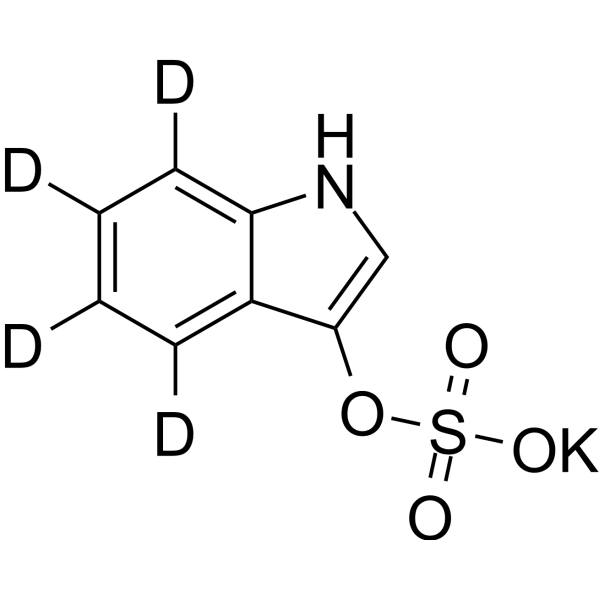
Potassium 1H-indol-3-yl sulfate-d4 potassium is the deuterium labeled Potassium 1H-indol-3-yl sulfate. Potassium 1H-indol-3-yl sulfate is a metabolite of tryptophan, produced by intestinal microorganisms and combined with sulfate in the liver before entering the circulatory system. Potassium 1H-indol-3-yl sulfate is a potent endogenous agonist of the aryl hydrocarbon receptor (AhR) and a urinary toxin. Potassium 1H-indol-3-yl sulfate can be used for research on kidney diseases.
|
-
-
- HY-Y1097S
-
|
|
|
Monomethyl phthalate-d4 (2-(Methoxycarbonyl)benzoic acid-d4) is the deuterium labeled Monomethyl phthalate. Monomethyl phthalate is a phthalate metabolite. Monomethyl phthalate acts as a urinary biomarker of phthalates exposure and can be used as a standard for the determination of thyroid cancer and benign nodule .
|
-
-
- HY-113247S
-
|
|
|
trans-trans-Muconic acid-d4 is the deuterium labeled trans-trans-Muconic acid . trans-trans-Muconic acid is a urinary metabolite of benzene and has been used as a biomarker of exposure to benzene in human .
|
-
-
- HY-40161S
-
|
|
|
Indole-3-carboxylic acid-d4 is deuterium labeled Indole-3-carboxylic acid. Indole-3-carboxylic acid is a normal urinary indolic tryptophan metabolite and has been found elevated in patients with liver diseases .
|
-
-
- HY-77641S
-
|
|
|
Cinnamoylglycine-d2 is the deuterium labeled Cinnamoylglycine. Cinnamoylglycine is a glycine conjugate of cinnamic acid and a urinary metabolite in human. Cinnamoylglycine is used as a potential urinary biomarker indicating intact or disrupted colonization resistance during and after antibiotic treatment .
|
-
-
- HY-W011848S
-
|
|
|
Monobenzyl phthalate-d4 is the deuterium labeled Monobenzyl phthalate. Monobenzyl phthalate (2-((Benzyloxy)carbonyl)benzoic acid) is the urinary metabolite exposuring to phthalates, such as, diethylhexyl phthalate (DEHP) .
|
-
-
- HY-W008449S
-
|
|
|
1-Methylxanthine- 13C,d3 is the 13C- and deuterium labeled 1-Methylxanthine. 1-Methylxanthine, a caffeine derivative, is an essential human urinary metabolite of caffeine and theophylline (1,3-dimethylxanthine, TP) . 1-Methylxanthine enhances the radiosensitivity of tumor cells .
|
-
-
- HY-W743473
-
|
|
|
Cefetamet-d3 (Ro 15-8074-d3; Deacetoxycefotaxime-d3) is the deuterium labeled Cefetamet (HY-A0111). Cefetamet (Ro 15-8074) is a cephalosporin antibiotic and the active metabolite of Cefetamet pivoxil (HY-B1894A). Cefetamet binds to bacterial penicillin-binding protein (PBP) (IC50 for PBP3 in Escherichia coli W3110 is 2.5 μg/mL). Cefetamet has significant activity against Gram-negative bacteria such as Enterobacteriaceae, Neisseria species, and Haemophilus influenzae, as well as Gram-positive bacteria such as Streptococcus. Cefetamet kills and lyses Treponema pallidum. Cefetamet can be used in the research of respiratory tract, urinary tract, ear, nose and throat infections, and syphilis .
|
-
-
- HY-W008449S2
-
|
|
|
1-Methylxanthine-d3 is deuterated labeled 1-Methylxanthine (HY-W008449). 1-Methylxanthine, a caffeine derivative, is an essential human urinary metabolite of caffeine and theophylline (1,3-dimethylxanthine, TP) . 1-Methylxanthine enhances the radiosensitivity of tumor cells .
|
-
-
- HY-113114S
-
|
|
|
Tetrahydrocortisone-d5 is the deuterium labeled Tetrahydrocortisone. Tetrahydrocortisone is a stress-induced hormone. Tetrahydrocortisone is also a urinary metabolite of Cortisone derived from the reduction of Cortisone by 5-reductase .
|
-
-
- HY-113114S1
-
|
|
|
Tetrahydrocortisone-d6 is the deuterium labeled Tetrahydrocortisone. Tetrahydrocortisone is a stress-induced hormone. Tetrahydrocortisone is also a urinary metabolite of Cortisone derived from the reduction of Cortisone by 5-reductase .
|
-
-
- HY-113114S2
-
|
|
|
Tetrahydrocortisone-d5-1 is the deuterium labeled Tetrahydrocortisone (HY-113114). Tetrahydrocortisone is a stress-induced hormone. Tetrahydrocortisone is also a urinary metabolite of Cortisone derived from the reduction of Cortisone by 5-reductase .
|
-
-
- HY-113247S1
-
|
|
|
trans-trans-Muconic acid-d4-1 is a deuterium labeled trans-trans-Muconic acid (HY-113247). trans-trans-Muconic acid is a urinary metabolite of benzene and has been used as a biomarker of exposure to benzene in human.
|
-
-
- HY-W769286
-
|
|
|
Valproic acid β-D-glucuronide-d15 is the deuterium labeled Valproic acid β-D-glucuronide (HY-W400496). Valproic acid β-D-glucuronide is the major urinary metabolite of Valproic acid (HY-10585) .
|
-
-
- HY-W700378
-
|
|
|
Valproic acid β-D-glucuronide-d6-1 is the deuterium labeled Valproic acid β-D-glucuronide (HY-W400496). Valproic acid β-D-glucuronide is the major urinary metabolite of Valproic acid (HY-10585) .
|
-
-
- HY-W008449S1
-
|
|
|
1-Methylxanthine- 13C4, 15N3 is the 13C-labeled and 15N-labeled 1-Methylxanthine. 1-Methylxanthine, a caffeine derivative, is an essential human urinary metabolite of caffeine and theophylline (1,3-dimethylxanthine, TP) . 1-Methylxanthine enhances the radiosensitivity of tumor cells .
|
-
Your information is safe with us. * Required Fields.
Inquiry Information
- Product Name:
- Cat. No.:
- Quantity:
- MCE Japan Authorized Agent:








