
Search Result
Results for "
vitamin A deficiency
" in MedChemExpress (MCE) Product Catalog:
2
Biochemical Assay Reagents
4
Isotope-Labeled Compounds
| Cat. No. |
Product Name |
Target |
Research Areas |
Chemical Structure |
-
- HY-16637
-
-
-
- HY-103395
-
|
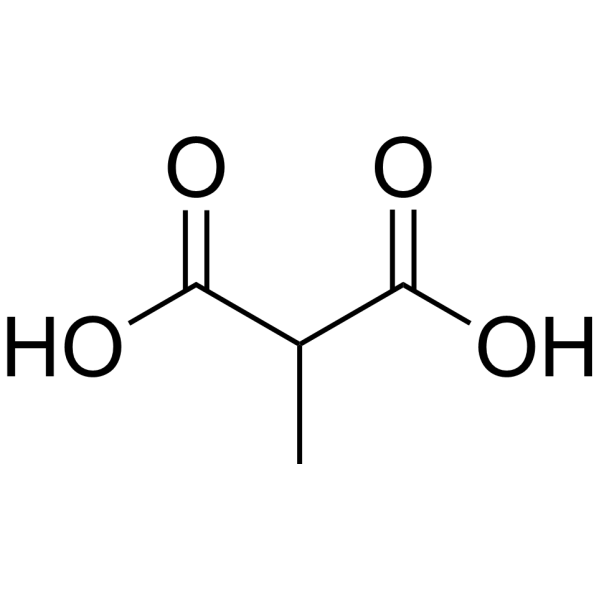
Methylpropanedioic acid; Methylmalonate
|
Endogenous Metabolite
|
Cancer
|
|
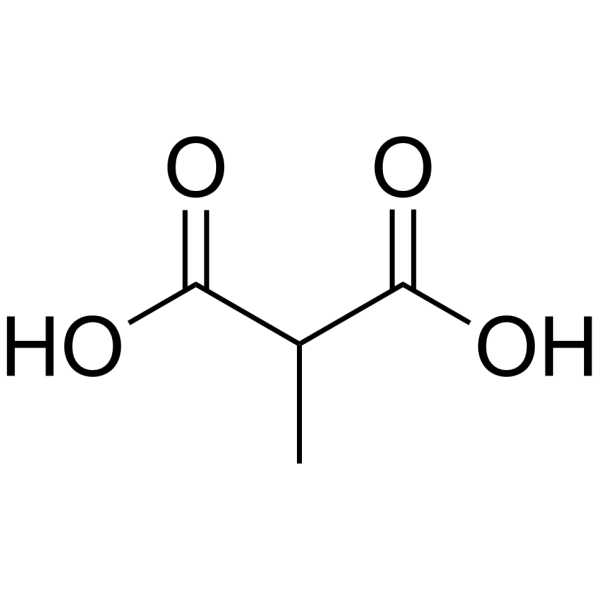
Methylmalonic acid (Methylmalonate) is an indicator of Vitamin B-12 deficiency in cancer.
|
-
-
- HY-137808
-
|
Succinyl-CoA sodium
|
Endogenous Metabolite
|
Neurological Disease
Metabolic Disease
|
|
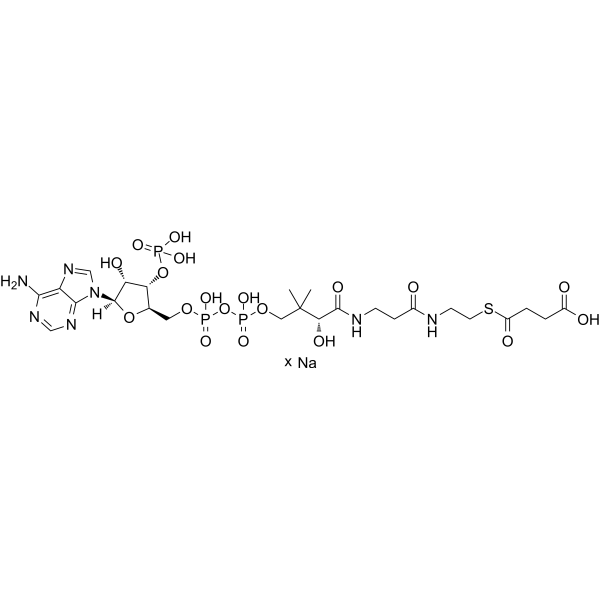
Succinyl CoA (Succinyl-coenzyme A) sodium is a pivotal intermediate metabolite in the tricarboxylic acid cycle and a key coenzyme A metabolite. Succinyl CoA sodium is biosynthesized from α-ketoglutarate or propionyl-CoA. Succinyl CoA sodium acts as a critical precursor and substrate for heme biosynthesis and gluconeogenesis. Succinyl CoA sodium insufficiency caused by cobalamin deficiency is directly linked to growth retardation, impaired heme synthesis, tissue glycine accumulation and neurological abnormalities. Succinyl CoA sodium can be used in research on metabolic, neurological, and hematological abnormalities (such as porphyria) caused by nutritional vitamin B12 deficiency (leading to a lack of Succinyl-Coenzyme A synthesis) .
|
-
-
- HY-B2209A
-
|
vitamin B12a monohydrochloride
|
Endogenous Metabolite
|
Metabolic Disease
|
|
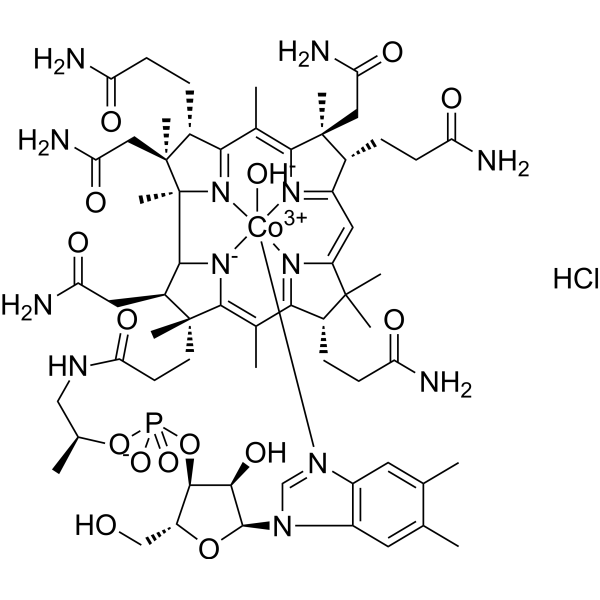
Hydroxocobalamin monohydrochloride (Vitamin B12a monohydrochloride) is an injectable naturally occurring form of vitamin B12 with a favorable adverse effect profile, used as a dietary supplement in the treatment of vitamin B12 deficiency including pernicious anemia .
|
-
-
- HY-B2209
-
|
vitamin B12a
|
Endogenous Metabolite
|
Neurological Disease
Metabolic Disease
|
|
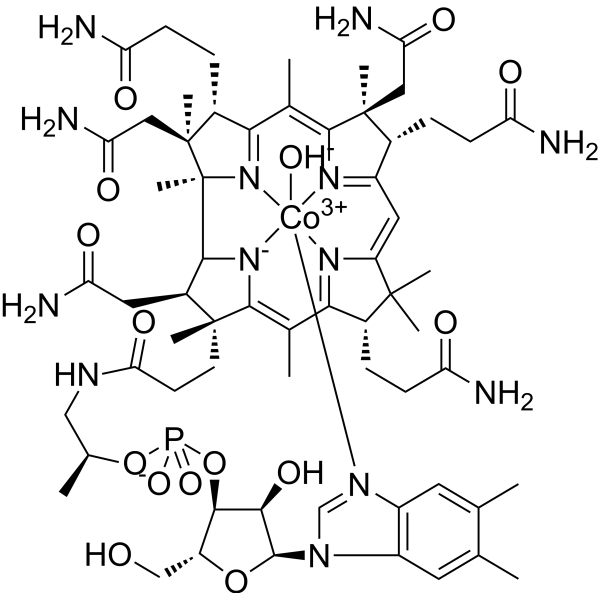
Hydroxocobalamin (Vitamin B12a) is a cyanide antidote. Hydroxocobalamin can decrease the cell and plasma cyanide concentrations and increase survival rate in acute cyanide poisoning. Hydroxocobalamin can improve newborn Cbl-C defect-induced metabolic profile and neurocognitive outcome. Hydroxocobalamin can normalize Vitamin B12 deficiency. Hydroxocobalamin can induce acute kidney injury. Hydroxocobalamin can be used for the researches of metabolic and neurological disease .
|
-
-
- HY-B2209B
-
|
vitamin B12a acetate
|
NO Synthase
|
Cardiovascular Disease
Metabolic Disease
|
|
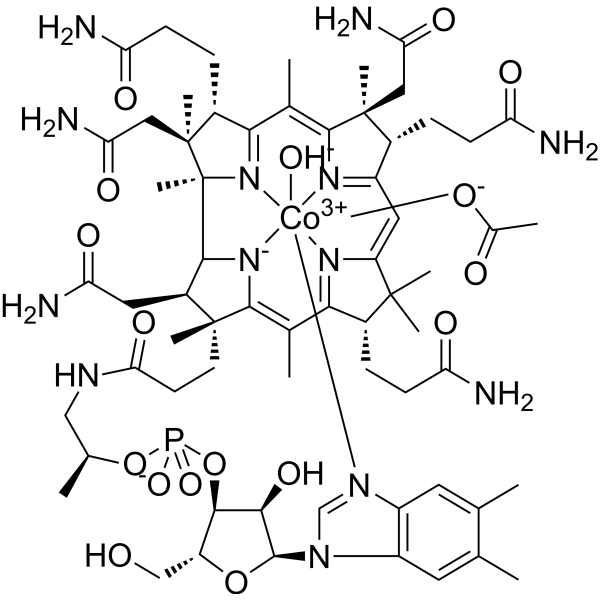
Hydroxocobalamin acetate is an injectable natural vitamin B12. Hydroxocobalamin acetate binds to NO. Hydroxocobalamin acetate detoxifies Cyanide and NaSH. Hydroxocobalamin acetate reduces hypotension. Hydroxocobalamin acetate is used in research related to vitamin B12 deficiency, including pernicious anemia .
|
-
-
- HY-B0921
-
|
Succinylsulphathiazole
|
Antibiotic
Bacterial
Dihydrofolate reductase (DHFR)
mTOR
|
Infection
|
|
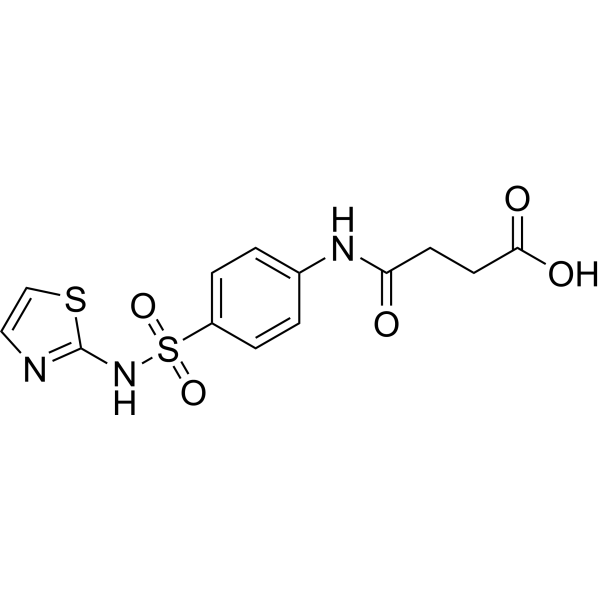
Succinylsulfathiazole (Succinylsulphathiazole) is a long-acting sulfonamide antibiotic with localized gut-specific antibacterial activity and is orally active. Succinylsulfathiazole inhibits bacterial folate synthesis, reduces coliform counts, suppresses intestinal bacterial growth and vitamin biosynthesis, and depletes gut folate-producing bacteria. Succinylsulfathiazole modulates hepatic mTOR signaling, diminishes cecal fermentation, decreases hepatic folate levels and total folate excretion, elevates nitrogen excretion and reduces the fermentability of certain dietary fibers. Succinylsulfathiazole induces folate deficiency and triggers biotin- and folate-related nutritional deficiency symptoms in rats and C57BL/6 mice .
|
-
-
- HY-B2082
-
-
-
- HY-113092
-
|
|
Endogenous Metabolite
|
Metabolic Disease
|
|
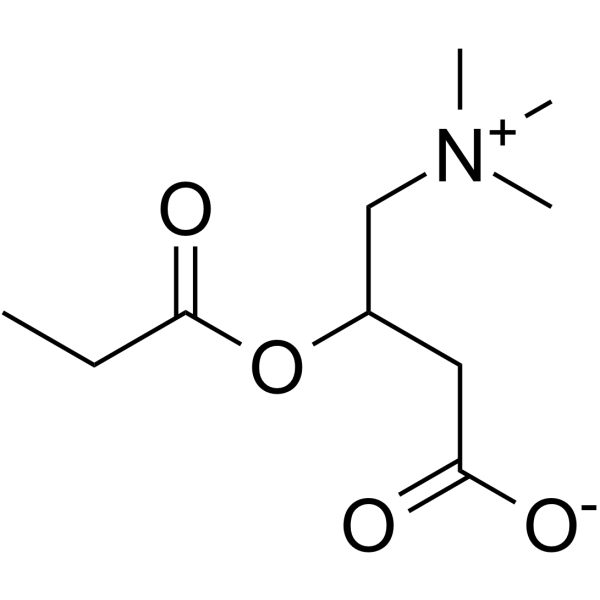
Propionylcarnitine is metabolized by carnitine acetyltransferase from propionyl-CoA. Increased propionylcarnitine is regarded as a biomarker of vitamin B12 deficiency .
|
-
-
- HY-W017464
-
|
N-Acetyl-4-benzoquinone Imine
|
Drug Metabolite
Endogenous Metabolite
|
Metabolic Disease
|
|
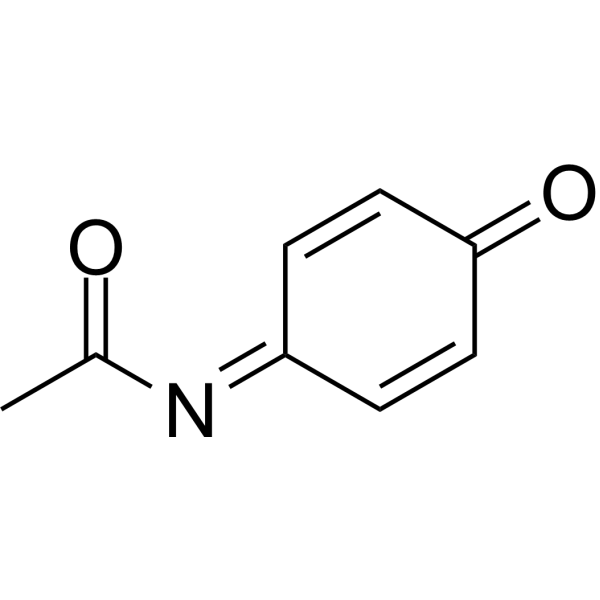
NAPQI is the toxic metabolite of Acetaminophen (HY-66005). NAPQI is also an inhibitor of enzymes in the vitamin K cycle. NAPQI is rapidly detoxified by glutathione (GSH), but in situations of GSH deficiency, excess NAPQI reacts with cysteine residues in proteins, causing cell death and toxicity in the liver .
|
-
-
- HY-16637R
-
|
vitamin B9 (Standard); vitamin M (Standard)
|
Reference Standards
DNA/RNA Synthesis
Endogenous Metabolite
|
Neurological Disease
Cancer
|
|
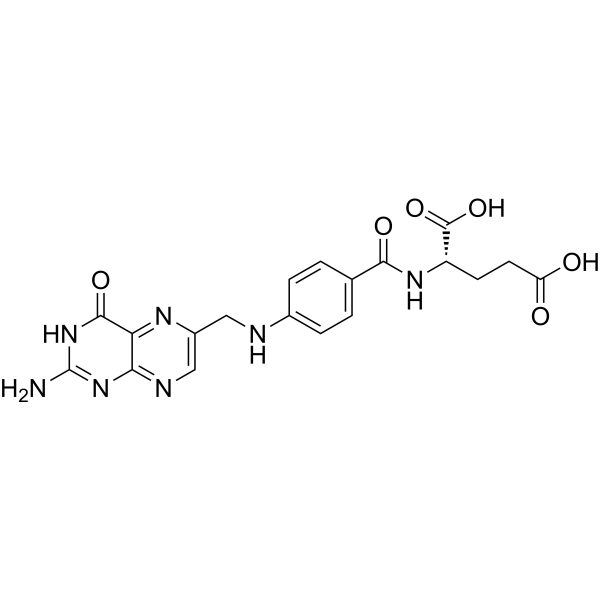
Folic acid (Standard) is the analytical standard of Folic acid. This product is intended for research and analytical applications. Folic acid (Vitamin B9) is a orally active essential nutrient from the B complex group of vitamins. Folic acid shows antidepressant-like effect. Folic acid sodium reduces the risk of neonatal neural tube defects. Folic acid can be used to the research of megaloblastic and macrocytic anemias due to folic deficiency .
|
-
-
- HY-116073
-
|
|
Acyltransferase
|
Infection
Cancer
|
|
L-Penicillamine is an orally active serine palmitoyltransferase (SPT) inhibitor. L-Penicillamine inactivates the PLP cofactor by forming adducts, thereby inhibiting SPT activity and reducing sphingolipid biosynthesis. L-Penicillamine not only blocks tumor access to vitamin B6, but also stabilizes the human papillomavirus 16 E6 oncoprotein monomer and inhibits its polymerization, exhibiting a unique anticancer mechanism. L-Penicillamine effectively delays the growth of Sarcoma-180, induces tumor necrosis and prolongs survival (though long-term use may lead to Pyridoxine (HY-B1328) deficiency and weight loss) .
|
-
-
- HY-139410
-
|
|
c-Fms
|
Inflammation/Immunology
|
|
Sodium caseinates is a kind of sodium salts of major milk proteins, which act as protein-based biopolymers and innate immune system activators. Sodium caseinates induce granulopoiesis, activation and differentiation, promote the production of M-CSF, and increase serum levels of G-CSF and GM-CSF. Sodium caseinates inhibit the proliferation and reduce the viability of leukemia macrophage-like cells, thereby significantly improving the survival rate of mice inoculated with leukemia cells. Sodium caseinates can serve as carriers for probiotics in edible films and exhibit anti-Listeria activity. Sodium caseinates effectively protect vitamin A from degradation, enhance its stability, bioaccessibility and bioavailability, and regulate protein digestibility when complexed with vitamin A. Sodium caseinates can be applied to research related to acute monocytic leukemia and vitamin A deficiency .
|
-
-
- HY-103395S1
-
|
|
Endogenous Metabolite
|
Cancer
|
|
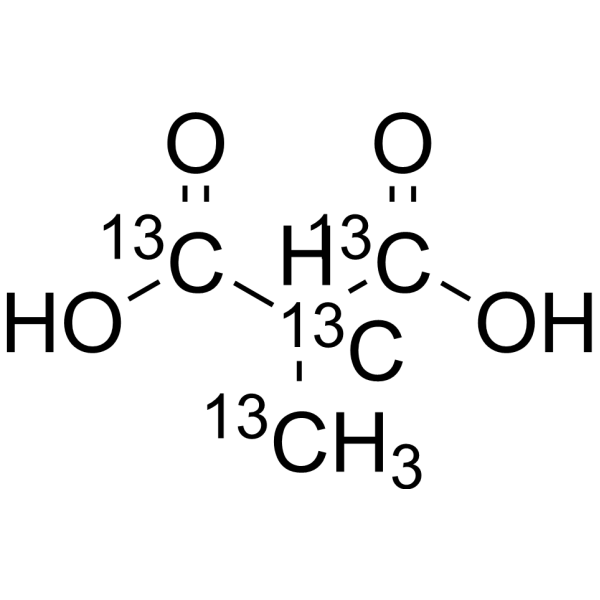
Methylmalonic acid- 13C4 is the 13C labeled Methylmalonic acid . Methylmalonic acid (Methylmalonate) is an indicator of Vitamin B-12 deficiency in cancer .
|
-
-
- HY-16637D
-
|
vitamin B9 disodium; vitamin M disodium
|
Endogenous Metabolite
DNA/RNA Synthesis
|
Others
Neurological Disease
Cancer
|
|
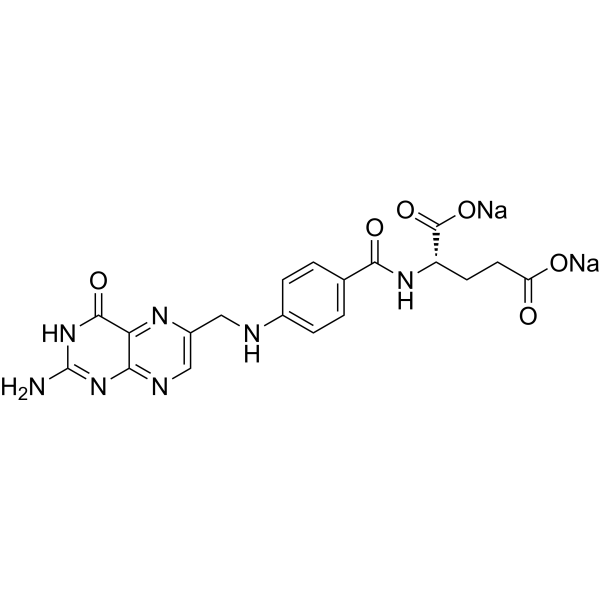
Folic acid disodium (Vitamin B9 disodium; Vitamin M disodium) is an orally active disodium salt form of Folic acid (HY-16637) with an intrinsic dissolution rate (IDR) of 4.96·10 5 g/s . Folic acid disodium serves as cofactor in single-carbon transfer reactions and exhibits protective effects against neural tube defects, ischemic events, and cancer. Folate acid disodium overload leads to impaired brain development in embryogenesis and promotes growth of precancerous altered cells. Folic acid deficiency leads to megaloblastic anemia .
|
-
-
- HY-148285
-
|
Succinyl-coenzyme A; S-(Hydrogen succinyl)coenzyme A
|
Endogenous Metabolite
|
Metabolic Disease
|
|
Succinyl CoA (Succinyl-coenzyme A) is a pivotal intermediate metabolite in the tricarboxylic acid cycle and a key coenzyme A metabolite. Succinyl CoA is biosynthesized from α-ketoglutarate or propionyl-CoA. Succinyl CoA acts as a critical precursor and substrate for heme biosynthesis and gluconeogenesis. Succinyl CoA insufficiency caused by cobalamin deficiency is directly linked to growth retardation, impaired heme synthesis, tissue glycine accumulation and neurological abnormalities. Succinyl CoA can be used in research on metabolic, neurological, and hematological abnormalities (such as porphyria) caused by nutritional vitamin B12 deficiency (leading to a lack of Succinyl-Coenzyme A synthesis) .
|
-
-
- HY-103395R
-
|
Methylpropanedioic acid (Standard); Methylmalonate (Standard)
|
Reference Standards
Endogenous Metabolite
|
Cancer
|
|
Methylmalonic acid (Standard) is the analytical standard of Methylmalonic acid. This product is intended for research and analytical applications. Methylmalonic acid (Methylmalonate) is an indicator of Vitamin B-12 deficiency in cancer.
|
-
-
- HY-103395S
-
|
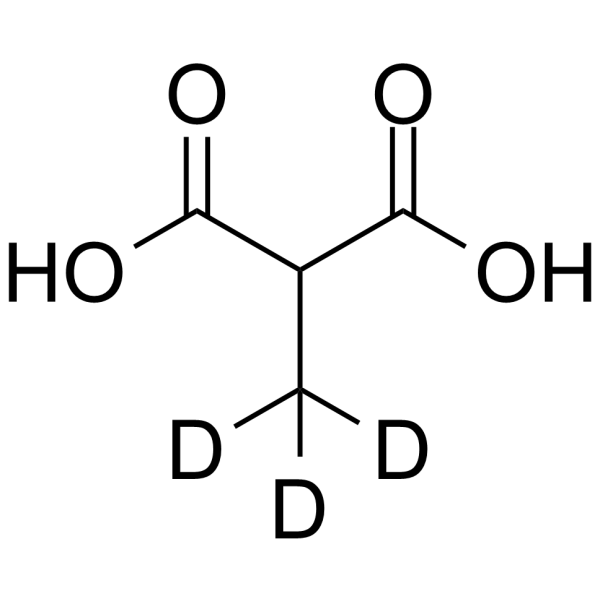
Methylpropanedioic acid-d3; Methylmalonate-d3
|
Endogenous Metabolite
|
Cancer
|
|
Methylmalonic acid-d3 is the deuterium labeled Methylmalonic acid. Methylmalonic acid (Methylmalonate) is an indicator of Vitamin B-12 deficiency in cancer .
|
-
-
- HY-16637A
-
|
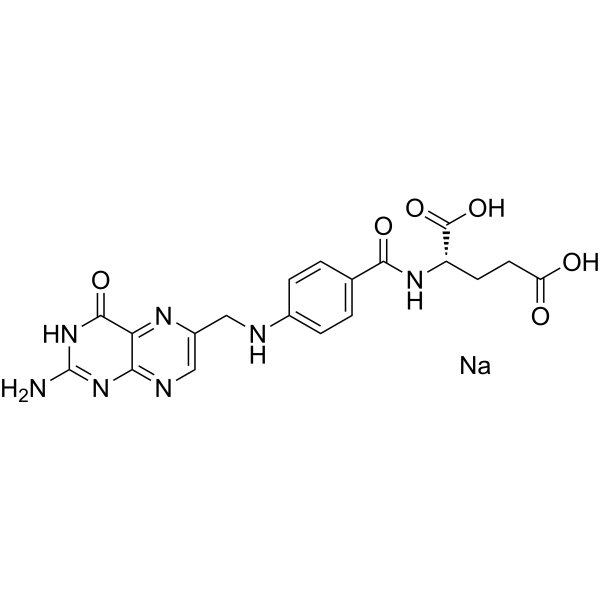
vitamin B9 sodium; vitamin M sodium
|
DNA/RNA Synthesis
Endogenous Metabolite
|
Neurological Disease
|
|
Folic acid (Vitamin B9) sodium is a orally active essential nutrient from the B complex group of vitamins. Folic acid sodium shows antidepressant-like effect. Folic acid sodium reduces the risk of neonatal neural tube defects. Folic acid sodium can be used to the research of megaloblastic and macrocytic anemias due to folic deficiency .
|
-
-
- HY-E70075
-
|
GDH-TIM; GDH-TPI
|
Transketolase
|
Metabolic Disease
|
|
α-Glycerophosphate Dehydrogenase-Triosephosphate (GDH-TIM) is an enzyme mixture composed of glycerol phosphate dehydrogenase (GDH) and triphosphate isomerase (TIM). α-Glycerophosphate Dehydrogenase-Triosephosphate can be used to determine the activity of transketolase (TK) in hemolytic substances of red blood cells to evaluate vitamin B deficiency .
|
-
-
- HY-N10479
-
|
|
DNA/RNA Synthesis
Drug Intermediate
Endogenous Metabolite
Bacterial
|
Infection
|
|
Chorismic acid is a precursor for the biosynthesis of aromatic amino acids and vitamins, as well as a key metabolite in tRNA modification. Chorismic acid is a critical metabolite for the synthesis of cmo 5U. Deficiency of Chorismic acid inhibits the formation of cmo 5U and mcmo 5U. Chorismic acid can be used in studies of S. typhimurium and E. coli infections .\n
|
-
-
- HY-W587827
-
|
Thiamine triphosphate
|
Endogenous Metabolite
|
Metabolic Disease
|
|
Thiamine triphosphoric acid ester (Thiamine triphosphate) is a neuroactive compound and a triphosphate derivative of vitamin thiamine. Thiamine triphosphoric acid ester exists in microorganisms, animal organs and plants. In E. coli, Thiamine triphosphoric acid ester is transiently produced under amino acid deficiency, while in mammalian cells, it is continuously produced at a low rate. Thiamine triphosphoric acid ester can be synthesized by two distinct enzymes (cytosolic AK1 and FoF1-ATP synthase in brain mitochondria). Thiamine triphosphoric acid ester plays a fundamental role in cellular metabolism or cellular signal transduction .
|
-
-
- HY-16637S5
-
|
vitamin B9-13C6; vitamin M-13C6
|
Isotope-Labeled Compounds
DNA/RNA Synthesis
Endogenous Metabolite
|
Cancer
|
|
Folic acid-13C6 is a deuterated labeled Folic acid . Folic acid (Vitamin B9) is a orally active essential nutrient from the B complex group of vitamins. Folic acid shows antidepressant-like effect. Folic acid sodium reduces the risk of neonatal neural tube defects. Folic acid can be used to the research of megaloblastic and macrocytic anemias due to folic deficiency .
|
-
-
- HY-34235
-
|
|
Drug Derivative
|
Metabolic Disease
|
|
2-Methyl-1-naphthol is a key precursor in the synthesis of Vitamin K3. 2-Methyl-1-naphthol is can be used for the research of Vitamin K Deficiency .
|
-
-
- HY-W719989
-
|
|
Drug Intermediate
|
Metabolic Disease
|
|
γ-Carotene is a carotenoid found in Hippophae rhamnoides L. and peach palm fruits. γ-Carotene exhibits no significant inhibitory activity against self-activated hepatic stellate cells in vitro. γ-Carotene can be converted into retinol (Vitamin A) (HY-B1342) and can be used for the research of vitamin A deficiency [2].
|
-
-
- HY-105541
-
|
TATD
|
Drug Derivative
|
Others
|
|
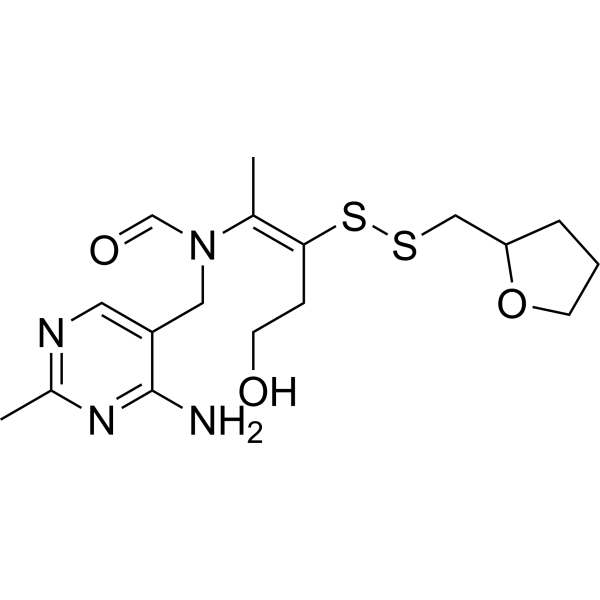
Octotiamine (TATD) is a vitamin B1 analogue, a component of vitamin complex. Octotiamine can be used for the research of vitamin B1 deficiency .
|
-
-
- HY-113601
-
|
|
Bacterial
|
Others
|
|
Linatine is an antagonist for Vitamin B6 (HY-150525). Linatine inhibits the growth of chicken and Azotobacter vinelandii, induces vitamin B6 deficiency symptoms in chickens .
|
-
-
- HY-N13061
-
|
|
Others
|
Neurological Disease
|
|
Nervon is a crystalline cerebroside. Nervon can be used for the research of peripheral neuropathies and megaloblastic anemia caused by vitamin B12 deficiency .
|
-
-
- HY-B2082R
-
-
-
- HY-W127737
-
|
Mecobalamin hydrate
|
Biochemical Assay Reagents
|
Others
|
|
Methylcobalamin Hydrate is a coenzyme required for methionine biosynthesis. Vitamins (hematopoiesis). It acts as a histamine receptor, Alzheimer study. Methylcobalamin is also used in the research of peripheral neuropathy, diabetic neuropathy, and as an initial research for amyotrophic lateral sclerosis. It can be used to prevent or research pathologies caused by vitamin B12 deficiency, such as pernicious anemia.
|
-
-
- HY-148285A
-
|
Succinyl-coenzyme A disodium; S-(Hydrogen succinyl)coenzyme A disodium
|
Endogenous Metabolite
|
Metabolic Disease
|
|
Succinyl CoA (Succinyl-coenzyme A) disodium is a pivotal intermediate metabolite in the tricarboxylic acid cycle and a key coenzyme A metabolite. Succinyl CoA disodium is biosynthesized from α-ketoglutarate or propionyl-CoA. Succinyl CoA disodium acts as a critical precursor and substrate for heme biosynthesis and gluconeogenesis. Succinyl CoA disodium insufficiency caused by cobalamin deficiency is directly linked to growth retardation, impaired heme synthesis, tissue glycine accumulation and neurological abnormalities. Succinyl-Coenzyme A sodium can be used in research on metabolic, neurological, and hematological abnormalities (such as porphyria) caused by nutritional vitamin B12 deficiency (leading to a lack of Succinyl-Coenzyme A synthesis) .
|
-
-
- HY-B0921R
-
|
Succinylsulphathiazole (Standard)
|
Reference Standards
Bacterial
Antibiotic
Dihydrofolate reductase (DHFR)
mTOR
|
Infection
|
|
Succinylsulfathiazole (Standard) (Succinylsulphathiazole) is the analytical standard of Succinylsulfathiazole (HY-B0921). This product is intended for research and analytical applications. Succinylsulfathiazole is a long-acting sulfonamide antibiotic with localized gut-specific antibacterial activity and is orally active. Succinylsulfathiazole inhibits bacterial folate synthesis, reduces coliform counts, suppresses intestinal bacterial growth and vitamin biosynthesis, and depletes gut folate-producing bacteria. Succinylsulfathiazole modulates hepatic mTOR signaling, diminishes cecal fermentation, decreases hepatic folate levels and total folate excretion, elevates nitrogen excretion and reduces the fermentability of certain dietary fibers. Succinylsulfathiazole induces folate deficiency and triggers biotin- and folate-related nutritional deficiency symptoms in rats and C57BL/6 mice .
|
-
-
- HY-W744265
-
|
N-Acetyl-4-benzoquinone Imine-d3
|
Isotope-Labeled Compounds
Drug Metabolite
Endogenous Metabolite
|
Metabolic Disease
|
|
NAPQI-d3 (N-Acetyl-4-benzoquinone Imine-d3) is the deuterium labeled NAPQI (HY-W017464). NAPQI is the toxic metabolite of Acetaminophen (HY-66005). NAPQI is also an inhibitor of enzymes in the vitamin K cycle. NAPQI is rapidly detoxified by glutathione (GSH), but in situations of GSH deficiency, excess NAPQI reacts with cysteine residues in proteins, causing cell death and toxicity in the liver .
|
-
-
- HY-W017464R
-
|
N-Acetyl-4-benzoquinone Imine (Standard)
|
Drug Metabolite
Reference Standards
Endogenous Metabolite
|
Metabolic Disease
|
|
NAPQI (Standard) is the analytical standard of NAPQI (HY-W017464). This product is intended for research and analytical applications. NAPQI is the toxic metabolite of Acetaminophen (HY-66005). NAPQI is also an inhibitor of enzymes in the vitamin K cycle. NAPQI is rapidly detoxified by glutathione (GSH), but in situations of GSH deficiency, excess NAPQI reacts with cysteine residues in proteins, causing cell death and toxicity in the liver .
|
-
-
- HY-Z11709
-
|
|
Endogenous Metabolite
|
Cancer
|
|
13-Hydroxy-alpha-tocopherol is a fat-soluble vitamin E derivative and anticancer agent with antioxidant and antiproliferative activities. 13-Hydroxy-alpha-tocopherol scavenges peroxyl free radicals and protects polyunsaturated fatty acids from oxidative damage. 13-Hydroxy-alpha-tocopherol not only inhibits the growth of glioma cancer cells, but its deficiency is also closely associated with recurrent miscarriage, embryonic growth retardation and death. Clinical observations show that the expression of 13-Hydroxy-alpha-tocopherol is downregulated in the follicular fluid of patients with recurrent miscarriage. 13-Hydroxy-alpha-tocopherol has important application potential in the research of recurrent miscarriage and glioma .
|
-
| Cat. No. |
Product Name |
Type |
-
- HY-139410
-
|
|
Biochemical Assay Reagents
|
|
Sodium caseinates is a kind of sodium salts of major milk proteins, which act as protein-based biopolymers and innate immune system activators. Sodium caseinates induce granulopoiesis, activation and differentiation, promote the production of M-CSF, and increase serum levels of G-CSF and GM-CSF. Sodium caseinates inhibit the proliferation and reduce the viability of leukemia macrophage-like cells, thereby significantly improving the survival rate of mice inoculated with leukemia cells. Sodium caseinates can serve as carriers for probiotics in edible films and exhibit anti-Listeria activity. Sodium caseinates effectively protect vitamin A from degradation, enhance its stability, bioaccessibility and bioavailability, and regulate protein digestibility when complexed with vitamin A. Sodium caseinates can be applied to research related to acute monocytic leukemia and vitamin A deficiency .
|
-
- HY-W127737
-
|
Mecobalamin hydrate
|
Biochemical Assay Reagents
|
|
Methylcobalamin Hydrate is a coenzyme required for methionine biosynthesis. Vitamins (hematopoiesis). It acts as a histamine receptor, Alzheimer study. Methylcobalamin is also used in the research of peripheral neuropathy, diabetic neuropathy, and as an initial research for amyotrophic lateral sclerosis. It can be used to prevent or research pathologies caused by vitamin B12 deficiency, such as pernicious anemia.
|
| Cat. No. |
Product Name |
Target |
Research Area |
-
- HY-116073
-
|
|
Acyltransferase
|
Infection
Cancer
|
|
L-Penicillamine is an orally active serine palmitoyltransferase (SPT) inhibitor. L-Penicillamine inactivates the PLP cofactor by forming adducts, thereby inhibiting SPT activity and reducing sphingolipid biosynthesis. L-Penicillamine not only blocks tumor access to vitamin B6, but also stabilizes the human papillomavirus 16 E6 oncoprotein monomer and inhibits its polymerization, exhibiting a unique anticancer mechanism. L-Penicillamine effectively delays the growth of Sarcoma-180, induces tumor necrosis and prolongs survival (though long-term use may lead to Pyridoxine (HY-B1328) deficiency and weight loss) .
|
| Cat. No. |
Product Name |
Category |
Target |
Chemical Structure |
| Cat. No. |
Product Name |
Chemical Structure |
-
- HY-103395S1
-
|
|
|
Methylmalonic acid- 13C4 is the 13C labeled Methylmalonic acid . Methylmalonic acid (Methylmalonate) is an indicator of Vitamin B-12 deficiency in cancer .
|
-
-
- HY-103395S
-
|
|
|
Methylmalonic acid-d3 is the deuterium labeled Methylmalonic acid. Methylmalonic acid (Methylmalonate) is an indicator of Vitamin B-12 deficiency in cancer .
|
-
-
- HY-16637S5
-
|
|
|
Folic acid-13C6 is a deuterated labeled Folic acid . Folic acid (Vitamin B9) is a orally active essential nutrient from the B complex group of vitamins. Folic acid shows antidepressant-like effect. Folic acid sodium reduces the risk of neonatal neural tube defects. Folic acid can be used to the research of megaloblastic and macrocytic anemias due to folic deficiency .
|
-
-
- HY-W744265
-
|
|
|
NAPQI-d3 (N-Acetyl-4-benzoquinone Imine-d3) is the deuterium labeled NAPQI (HY-W017464). NAPQI is the toxic metabolite of Acetaminophen (HY-66005). NAPQI is also an inhibitor of enzymes in the vitamin K cycle. NAPQI is rapidly detoxified by glutathione (GSH), but in situations of GSH deficiency, excess NAPQI reacts with cysteine residues in proteins, causing cell death and toxicity in the liver .
|
-
Your information is safe with us. * Required Fields.
Inquiry Information
- Product Name:
- Cat. No.:
- Quantity:
- MCE Japan Authorized Agent:

