Endocrinology
-
Endocrinology Related Products (3763)
Related Products (3763)

-
Antibodies (4)
-
Related Compound Screening Libraries (1)
-
Phorbol 12-myristate 13-acetate
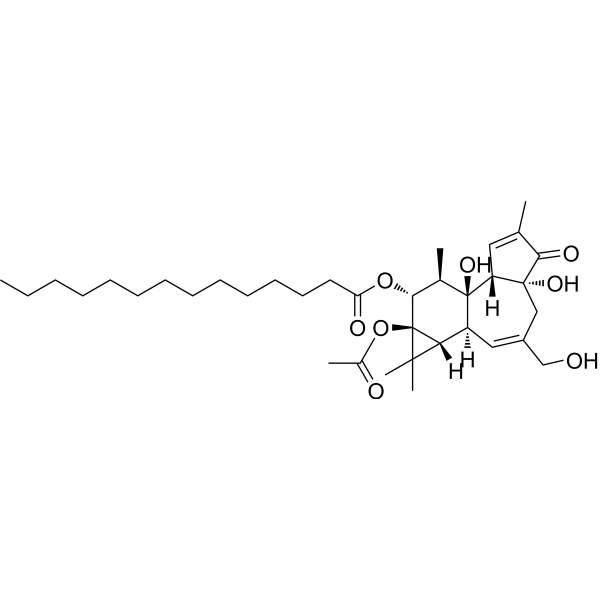 0 ImagesSynonyms: PMA; TPA; Phorbol myristate acetate
Phorbol 12-myristate 13-acetate (PMA; TPA; Phorbol myristate acetate), a phorbol ester, is a dual SphK and protein kinase C (PKC) activator. Phorbol 12-myristate 13-acetate is a NF-κB activator. Phorbol 12-myristate 13-acetate induces differentiation in THP-1 cells (Validated by MedChemExpress).

-
Resmetirom
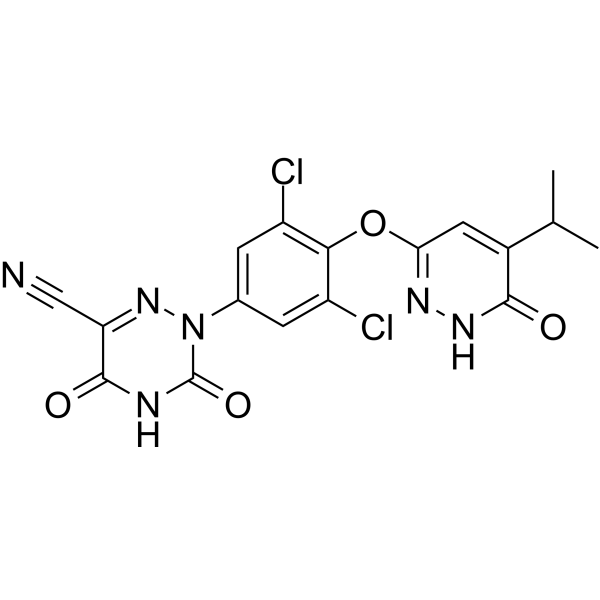 0 ImagesSynonyms: MGL-3196; VIA-3196
Resmetirom (MGL-3196) is a highly selective and orally active thyroid hormone receptor β (THR-β) agonist with an EC50 value of 0.21 μM. Resmetirom can be used for the study of noncirrhotic nonalcoholic steatohepatitis.
-
Liothyronine
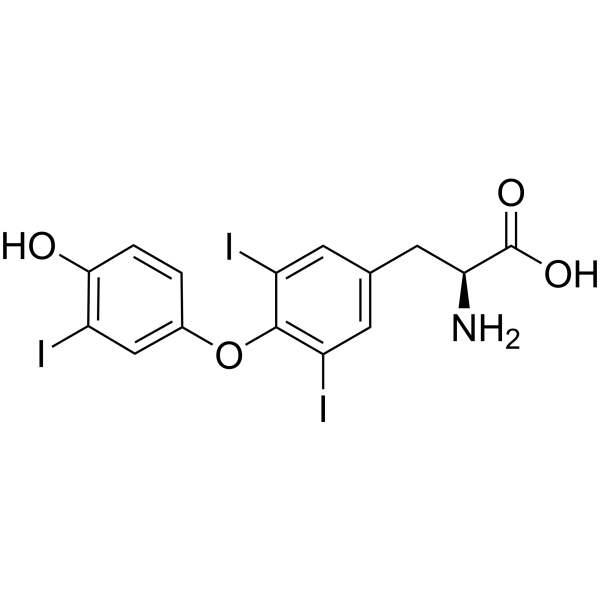 0 ImagesSynonyms: Triiodothyronine; 3,3',5-Triiodo-L-thyronine; T3
Liothyronine is an active form of thyroid hormone. Liothyronine binds to thyroid hormone receptors TRα and TRβ with Kis of 2.33 and 2.29 nM for hTRα and hTRβ, respectively. Liothyronine also binds to PVR and blocks the interaction of TIGIT/PVR.
-
Erlotinib
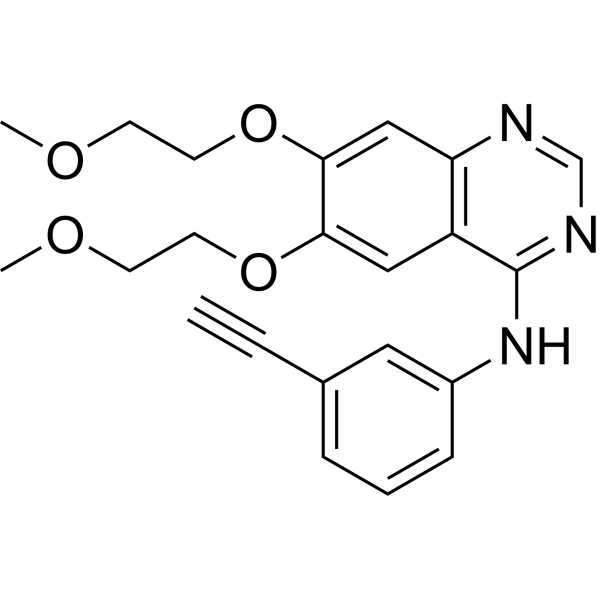 0 ImagesSynonyms: CP-358774; NSC 718781; OSI-774
Erlotinib (CP-358774) is a selective, orally active EGFR tyrosine kinase inhibitor. Erlotinib also acts as a substrate and inhibitor of OATP2B1, with an IC50 of approximately 0.079 μM for inhibiting OATP2B1-mediated uptake of estrone 3-sulfate. Erlotinib blocks EGFR phosphorylation, downstream signal transduction, as well as the growth and proliferation of cancer cells. Erlotinib inhibits MMP-10-mediated renal injury, fibrotic lesions, the ERK1/2, GSK-3β and β-catenin signaling pathways, fibronectin, α-SMA, collagen deposition, and renal injury markers. Erlotinib is metabolized via CYP3A to produce the active metabolite OSI-420. Erlotinib can be used in research related to non-small cell lung cancer, gastric cancer, papillary renal cell carcinoma, pancreatic cancer, renal fibrosis, and other conditions.
-
Insulin(cattle)
 0 ImagesCat. No.: HY-P1156CAS No.: 11070-73-8
-
Mifepristone
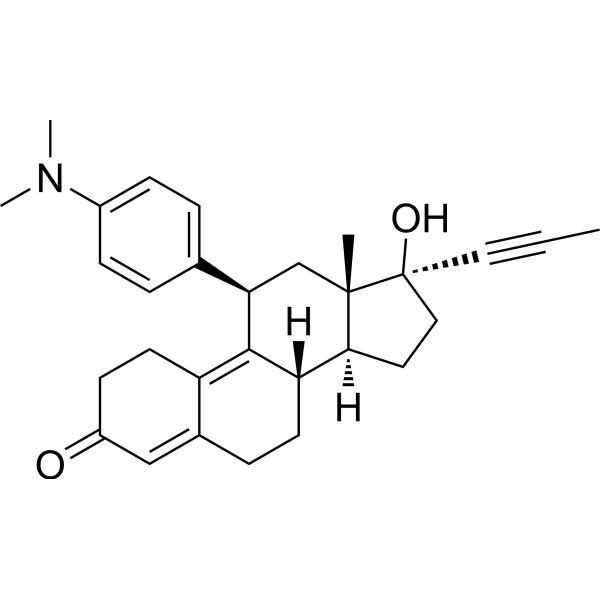 0 ImagesSynonyms: RU486; RU 38486
Mifepristone (RU486) is a progesterone receptor (PR) and glucocorticoid receptor (GR) antagonist with IC50s of 0.2 nM and 2.6 nM in in vitro assay.
-
Plerixafor
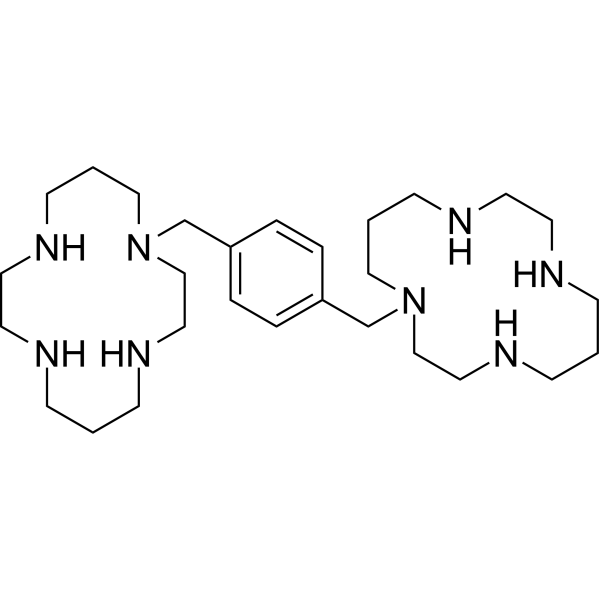 0 ImagesSynonyms: AMD 3100; JM3100; SID791
-
Lenalidomide
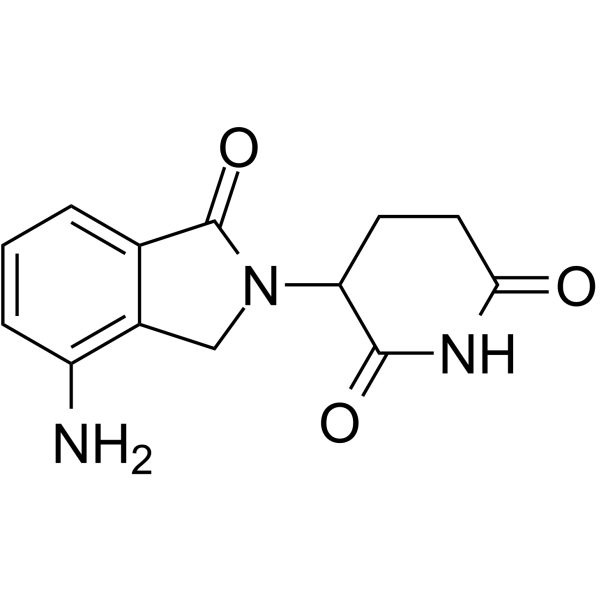 0 ImagesSynonyms: CC-5013
Lenalidomide (CC-5013) is an orally active immunomodulatory agent that binds CRBN as a molecular glue to alter substrate specificity, inducing ubiquitination and proteasome-dependent degradation of IKZF1, IKZF3 and CK1α. Lenalidomide induces apoptosis by degrading IKZF1/3, and activates p53 by degrading CK1α. Lenalidomide promotes IL-2 release and effector functions of CD8+ T/NK cells, while inhibiting TNF-α secretion and M1-type pyroptosis. Lenalidomide can be used in research related to hematological malignancies, acute liver failure and acute kidney injury.
-
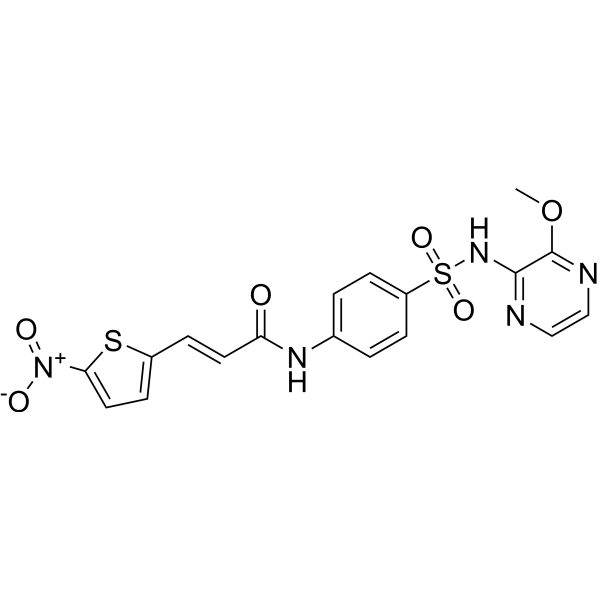
Necrosulfonamide
 0 Images
Necrosulfonamide is a MLKL and Gasdermin D (GSDMD) inhibitor, capable of separately inhibiting necroptosis and pyroptosis of cells. Necrosulfonamide does not affect the activation of upstream signals, but specifically inhibits the downstream executor oligomerization step. Necrosulfonamide reduces the expression of the key kinases NLRP3 and caspase-1 involved in necroptosis and pyroptosis, activate the Nrf2 pathway and the downstream antioxidant enzymes, and also downregulates a variety of inflammatory factors. Necrosulfonamide plays significant roles in various diseases such as neurodegenerative diseases (such as Parkinson’s disease), tissue damage and ischemia-reperfusion injury, inflammatory bowel disease, osteoarthritis and fracture repair, and hair loss by regulating two important programmed necrosis pathways.
-
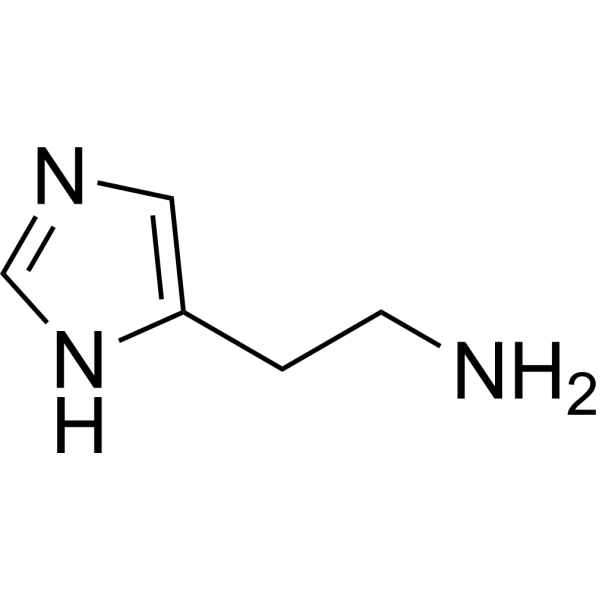
Histamine
 0 Images
Histamine is the agonist for histamine receptor and a vasodilator. Histamine is an organic nitrogen compound that participates in local immune responses, regulates intestinal physiological functions, and acts as a neurotransmitter. Histamine affects p38 MAPK/Akt signaling pathway, exhibits antitumor, antioxidant and anti-inflammatory activities. Histamine can be used in the research of acute myeloid leukemia, malignant melanoma, and renal cell carcinoma.
-
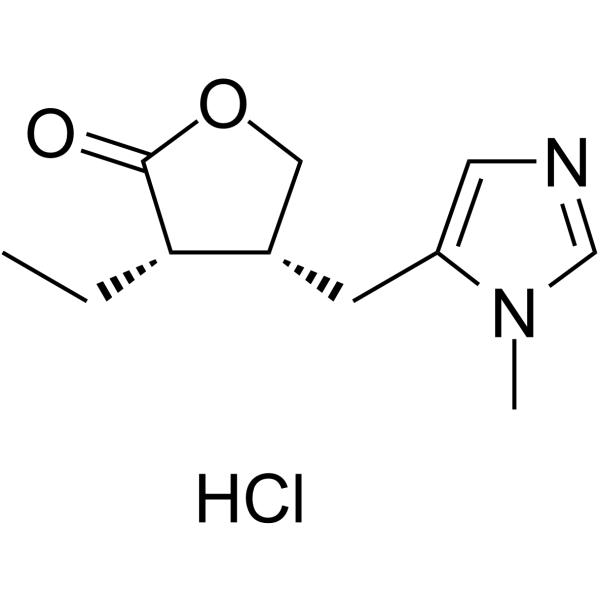
Pilocarpine Hydrochloride
 0 Images
Pilocarpine Hydrochloride is an orally active, selective M3 muscarinic acetylcholine receptor agonist. Pilocarpine Hydrochloride can induce seizures and is used in research on conditions such as epilepsy, dry mouth (xerostomia), and elevated intraocular pressure.
-
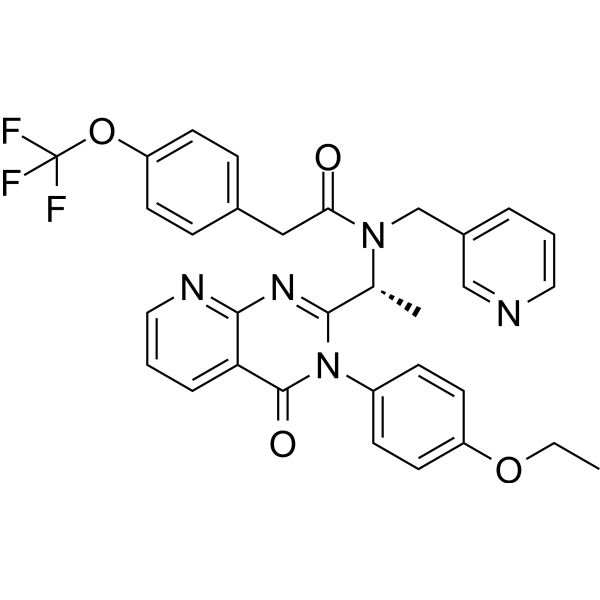
AMG 487
 0 Images
AMG 487 is an orally active and selective antagonist of CXC chemokine receptor 3 (CXCR3) which inhibits the binding of CXCL10 and CXCL11 to CXCR3 with IC50s of 8.0 and 8.2 nM, respectively.
-
Zenidolol hydrochloride
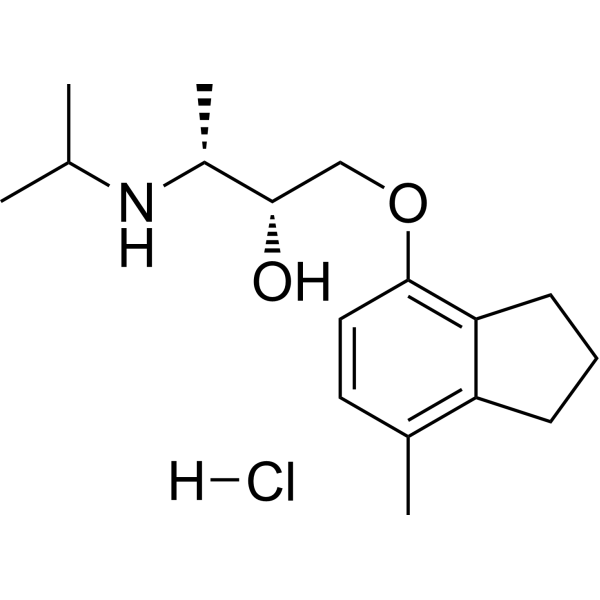 0 ImagesSynonyms: ICI-118551 hydrochloride
Zenidolol (ICI-118551) hydrochloride is a highly selective β2 adrenergic receptor antagonist, with Kis of 0.7, 49.5 and 611 nM for β2, β1 and β3 receptors, respectively.
-
Linsitinib
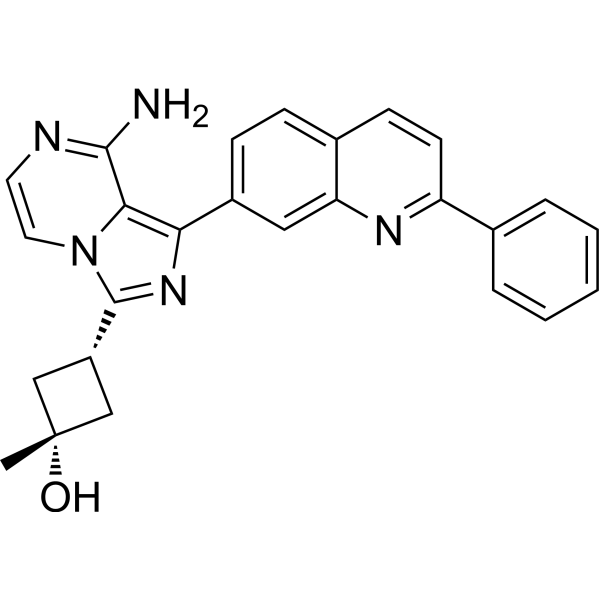 0 ImagesSynonyms: OSI-906
Linsitinib (OSI-906) is a potent, selective and orally bioavailable dual inhibitor of the IGF-1 receptor and insulin receptor (IR) with IC50s of 35 and 75 nM, respectively.