



HDAC Inhibitor
-
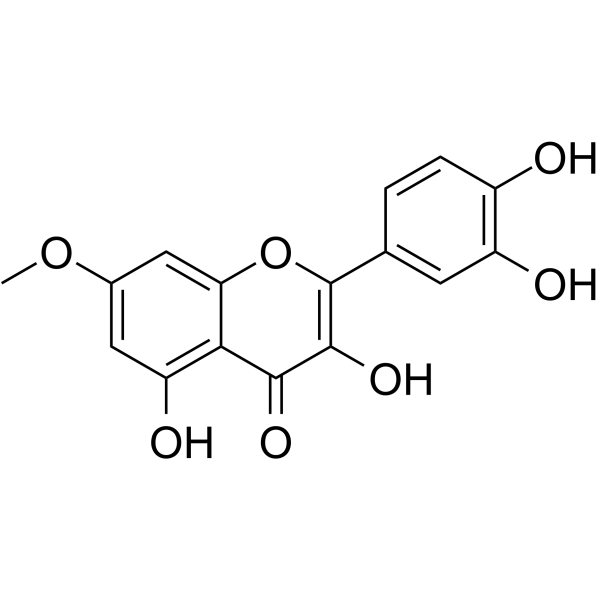
Rhamnetin
 0 Images
Rhamnetin is a quercetin derivative found in Coriandrum sativum, inhibits secretory phospholipase A2 and histone deacetylase 2 (HDAC2). Rhamnetin exhibits antitumor, antioxidant and anti-inflammatory activity.
-
Vorinostat (Standard)
 0 ImagesSynonyms: SAHA (Standard); Suberoylanilide hydroxamic acid (Standard)
Vorinostat (Standard) is the analytical standard of Vorinostat. This product is intended for research and analytical applications. Vorinostat (SAHA) is a potent and orally active pan-inhibitor of HDAC1, HDAC2 and HDAC3 (Class I), HDAC6 and HDAC7 (Class II) and HDAC11 (Class IV), with ID50 values of 10 nM and 20 nM for HDAC1 and HDAC3, respectively. Vorinostat induces cell apoptosis. Vorinostat is also an effective inhibitor of human papillomaviruse (HPV)-18 DNA amplification.

-
Nanatinostat
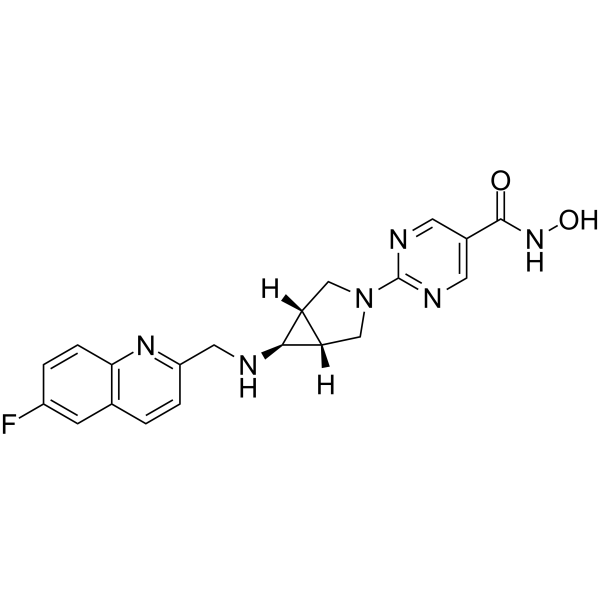 0 ImagesSynonyms: CHR-3996
Nanatinostat (CHR-3996) is a potent, class I selective and orally active HDAC inhibitor with IC50s of 3 nM, 4 nM, and 7 nM for HDAC1, HDAC2, and HDAC3, respectively. Nanatinostat has low activity against HDAC5 (IC50 of 200 nM) and HDAC6 (IC50 of 2100 nM). Nanatinostat induces apoptosis in myeloma cells. Nanatinostat has potent anticancer effects, such as myeloma, advanced solid tumours and colorectal cancer.
-
Carbamazepine (Standard)
 0 ImagesSynonyms: CBZ (Standard); NSC 169864 (Standard)
Carbamazepine (Standard) is the analytical standard of Carbamazepine. This product is intended for research and analytical applications. Carbamazepine is an orally active pressure-sensitive sodium ion channel blocker with an IC50 of 131 μM. Carbamazepine blocks voltage gated Na+, Ca2+, and K+ channels, and is also a HDAC inhibitor (IC50: 2 μM). Carbamazepine is an anticonvulsant and can be used for research of epilepsy and neuropathic pain.
-
Oleuropein Aglycone
 0 ImagesSynonyms: 3,4-DHPEA-EA
Oleuropein Aglycone (3,4-DHPEA-EA) is a polyphenol and the aglycone form of oleuropein (HY-N0292), formed by enzymatic, acidic or acetylated hydrolysis of oleuropein. Dietary intake of oleuropein Aglycone (50 mg/kg diet) increases the number of neuronal autophagic vesicles, reverses cognitive deficits in the TgCRND8 transgenic mouse model of Alzheimer's disease, and reduces the levels of histone deacetylase 2 (HDAC2) in the cortex and hippocampus. Oleuropein Aglycone increases urinary norepinephrine, interscapular brown adipose tissue epinephrine, and UCP1 protein levels, and reduced plasma leptin levels and total abdominal adipose tissue weight in a rat model of high-fat diet-induced obesity. Oleuropein Aglycone also reduced lung neutrophil infiltration, lipid peroxidation, and IL-1β levels in a mouse model of carrageenan-induced pleurisy.
-
Valproic acid (Standard)
 0 ImagesSynonyms: VPA (Standard); 2-Propylpentanoic acid (Standard); Dipropylacetic acid (Standard)
Valproic acid (Dipropylacetic Acid) (Standard) is an analytical standard for valproic acid. This product is intended for research and analytical applications. Valproic acid is an orally active HDAC inhibitor (IC50=0.5-2 mM), inhibits the activity of HDAC1 (IC50=400 μM), and induces the degradation of HDAC2. Valproic acid activates Notch1 signaling and inhibits the proliferation of small cell lung cancer (SCLC) cells. Valproic acid is used in the study of epilepsy, bipolar disorder, metabolic diseases, HIV infection, and migraine.
-
GSK3117391
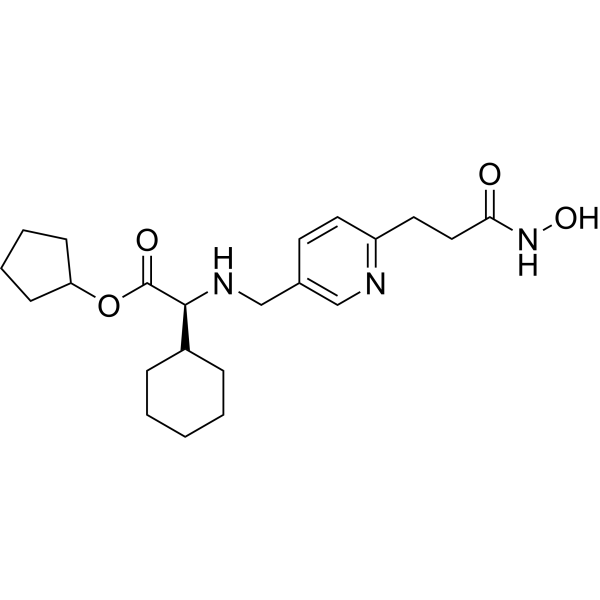 0 ImagesSynonyms: ESM-HDAC391; CHR-5154; HDAC-IN-3
GSK3117391 (ESM-HDAC391; CHR-5154; HDAC-IN-3) is an orally active HDAC inhibitor with a IC50 of 55 nM. Using esterase-sensitive motif technology, GSK3117391 is selectively converted into its active acid metabolite HDAC189 in cells expressing carboxylesterase-1. GSK3117391 induces sustained global protein acetylation in monocytes, inhibits the production of proinflammatory cytokines, depletes circulating monocytes, downregulates the expression of CSF1R, and inhibits monocyte adhesion and differentiation. GSK3117391 can be used in the research of chronic inflammatory diseases.
-
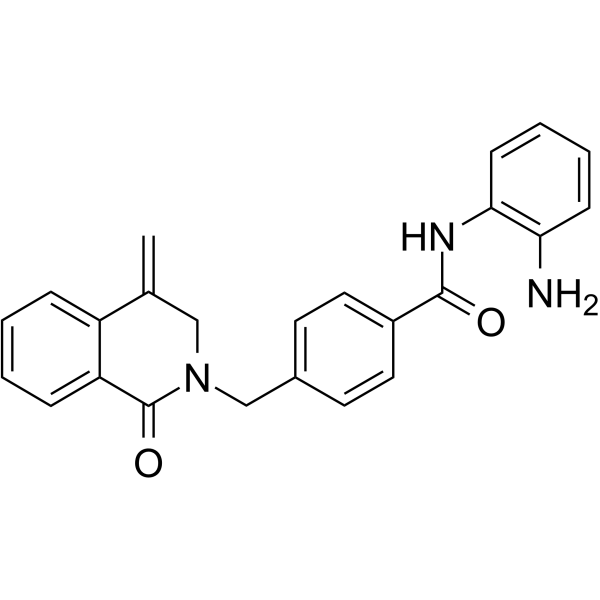
PB94
 0 Images
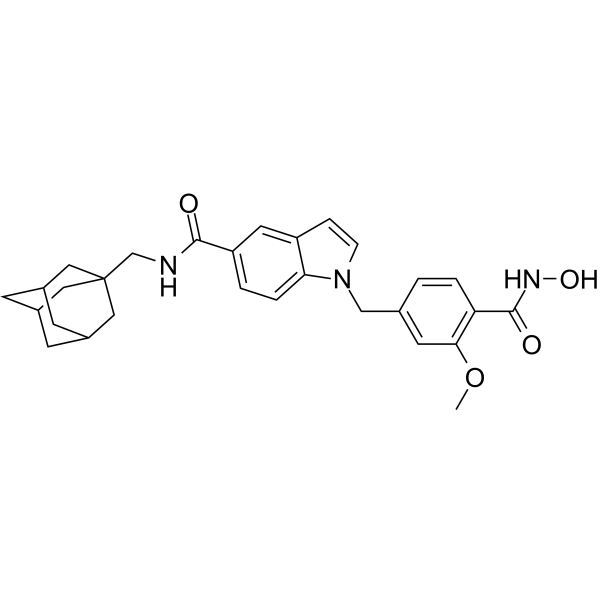
PB94 is a selective HDAC11 inhibitor (IC50=108 nM). PB94 can be radiolabeled as [11C]-PB94 for use in positron emission tomography (PET), as well as brain uptake and metabolic properties in administered live animals. PB94 improves neuropathic pain in mice and could be used to study neurological indications.
-
Panobinostat lactate
 0 ImagesSynonyms: LBH589 lactate; NVP-LBH589 lactate
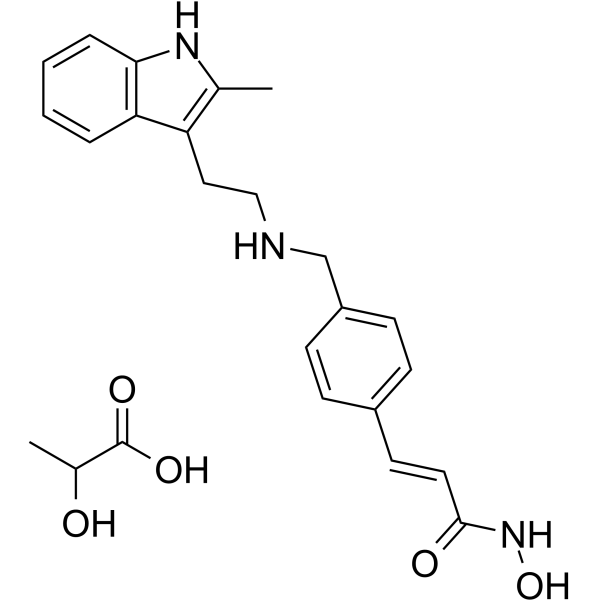
Panobinostat lactate is a potent and orally active non-selective HDAC inhibitor. Panobinostat lactate has antineoplastic activities. Panobinostat lactate effectively disrupts HIV latency. Panobinostat lactate induces cell apoptosis and autophagy. Panobinostat lactate can be used for the study of refractory or relapsed multiple myeloma.
-
DL-Sulforaphane N-acetyl-L-cysteine
 0 ImagesSynonyms: SFN-NAC
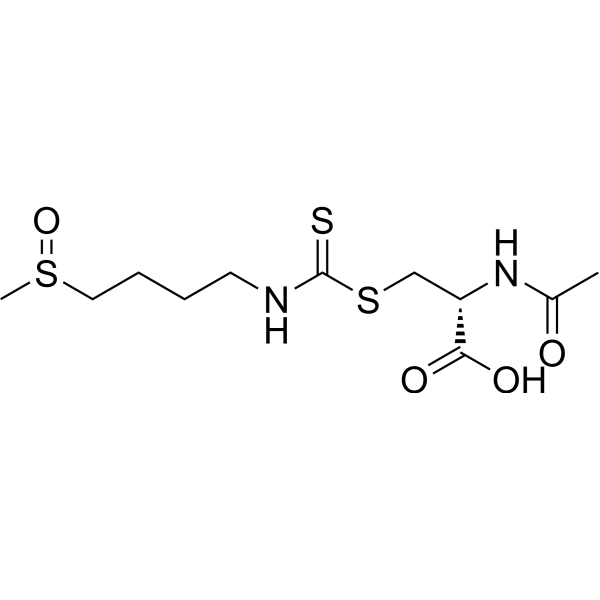
DL-Sulforaphane N-acetyl-L-cysteine (SFN-NAC) is an orally active HDAC inhibitor and metabolite of sulforaphane (HY-13755) with longer half-life and better blood-brain barrier permeability. DL-Sulforaphane N-acetyl-L-cysteine activates autophagy-mediated downregulation of α-tubulin expression through the ERK pathway and can be used in cancer research.
-
Butyric acid-13C4 sodium
 0 ImagesSynonyms: Butanoic acid-13C4 sodium
Butyric acid-13C4 sodium (Butyric acid-13C4 sodium) is a stable isotope labeled compound with the activity of promoting cell proliferation and regulating gene expression. Butyric acid-13C4 sodium can be used in metabolic research and compound development to help scientists gain a deeper understanding of the role of short-chain fatty acids in organisms. Butyric acid-13C4 sodium also plays an important role in nutrition and intestinal health research, especially in the regulation of probiotic function and intestinal microbiota.
-
Ivaltinostat formic
 0 ImagesSynonyms: CG-200745 formic
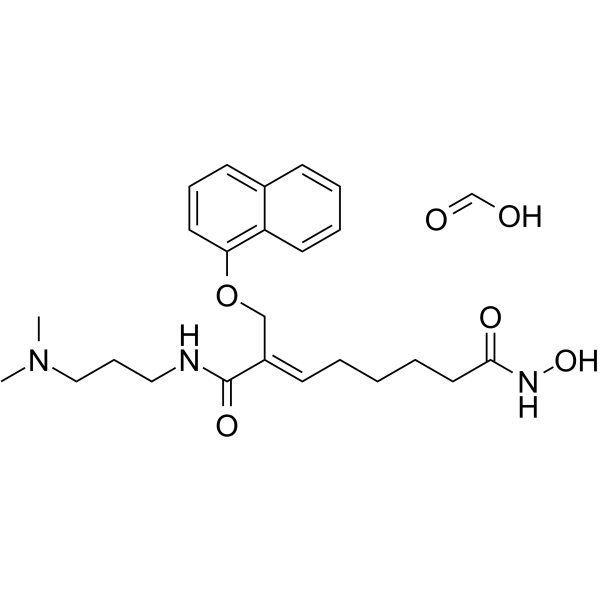
Ivaltinostat (CG-200745) formic is an orally active, potent pan-HDAC inhibitor which has the hydroxamic acid moiety to bind zinc at the bottom of catalytic pocket. Ivaltinostat formic inhibits deacetylation of histone H3 and tubulin. Ivaltinostat formic induces the accumulation of p53, promotes p53-dependent transactivation, and enhances the expression of MDM2 and p21 (Waf1/Cip1) proteins. Ivaltinostat formic enhances the sensitivity of Gemcitabine-resistant cells to Gemcitabine (HY-16138) and 5-Fluorouracil (5-FU; HY-90006). Ivaltinostat formic induces apoptosis and has anti-tumour effects.
-
Oxamflatin
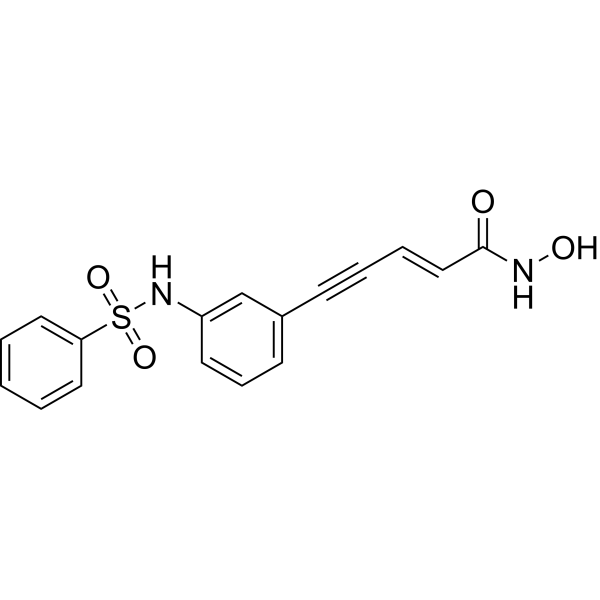 0 ImagesSynonyms: Metacept-3
-
Marein
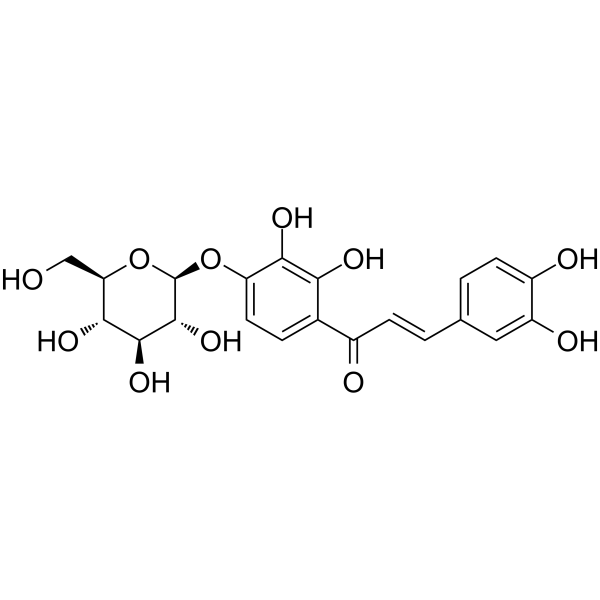 0 Images
Marein has the neuroprotective effect due to a reduction of damage to mitochondria function and activation of the AMPK signal pathway. Marein improves insulin resistance induced by high glucose in HepG2 cells through CaMKK/AMPK/GLUT1 to promote glucose uptake, through IRS/Akt/GSK-3β to increase glycogen synthesis, and through Akt/FoxO1 to decrease gluconeogenesis. Marein is a HDAC inhibitor with an IC50 of 100 μM. Marein has beneficial antioxidative, antihypertensive, antihyperlipidemic and antidiabetic effects.
-
CM-1758
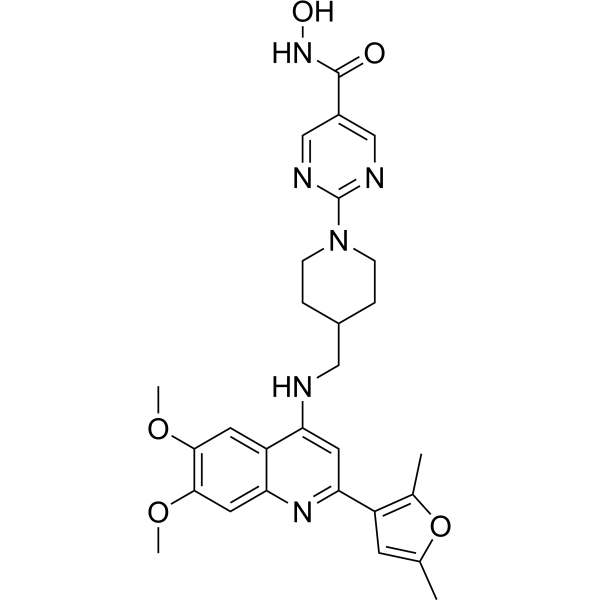 0 Images
CM-1758 is a histone deacetylase (HDAC) inhibitor. CM-1758 inhibits tumor growth in vivo. CM-1758 induces acetylation of non-histone proteins in acute myeloid leukemia cells.
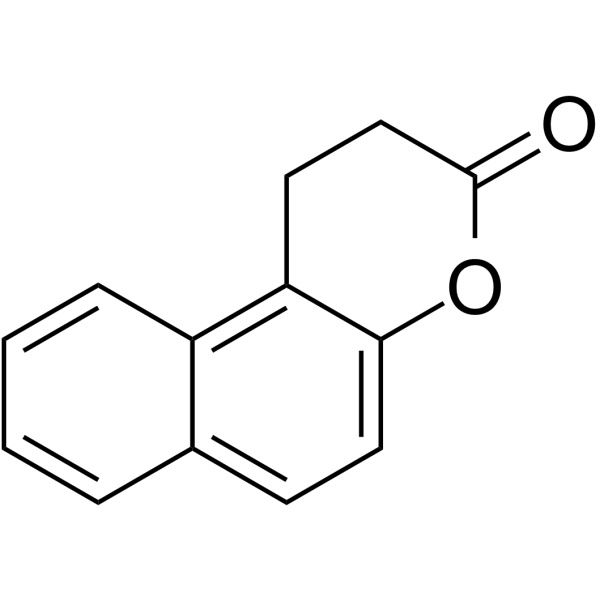
-
Valproic acid-d15
 0 ImagesSynonyms: VPA-d15; 2-Propylpentanoic acid-d15
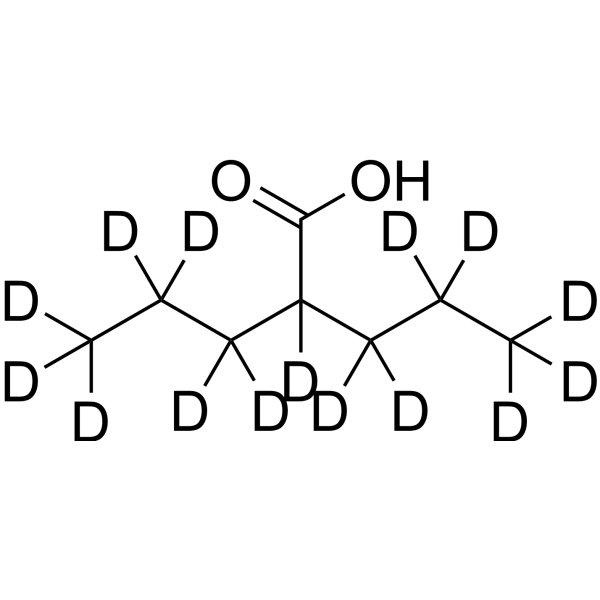
Valproic acid-d15 is the deuterium labeled Valproic acid. Valproic acid (VPA; 2-Propylpentanoic Acid) is an HDAC inhibitor, with IC50 in the range of 0.5 and 2 mM, also inhibits HDAC1 (IC50, 400 μM), and induces proteasomal degradation of HDAC2. Valproic acid activates Notch1 signaling and inhibits proliferation in small cell lung cancer (SCLC) cells. Valproic acid sodium salt is used in the treatment of epilepsy, bipolar disorder and prevention of migraine headaches.



