



Environmental Pollutants
Environmental Contaminants
Environmental pollutants are any physical, chemical, biological, or radiological substance or matter that has an adverse effect on air, water, soil, or living organisms.
All Product Categories
-
Environmental Pollutants Related Products (1445)
Related Products (1445)

-
Acetaminophen
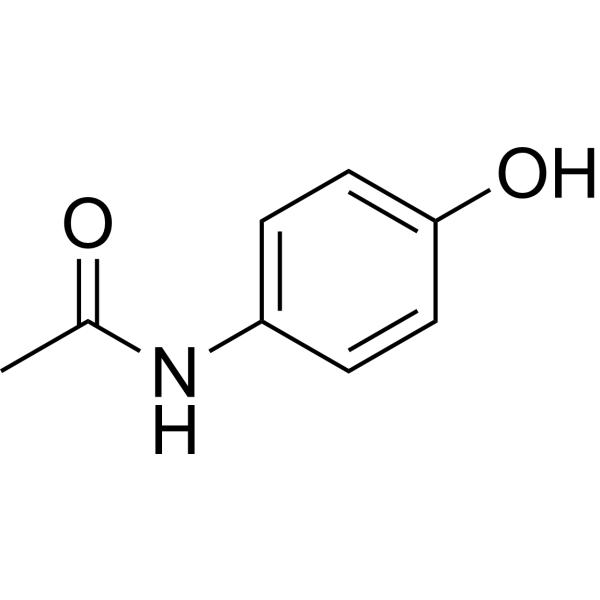 0 ImagesSynonyms: Paracetamol; 4-Acetamidophenol; 4'-HydroxyacetanilideAcetaminophen (Paracetamol) is a selective cyclooxygenase-2 (COX-2) inhibitor with an IC50 of 25.8 μM; is a widely used antipyretic and analgesic agent.. Acetaminophen is a potent hepatic N-acetyltransferase 2 (NAT2) inhibitor. Acetaminophen induces ferroptosis and leads to acute liver injury in mice model.
-
DHEA
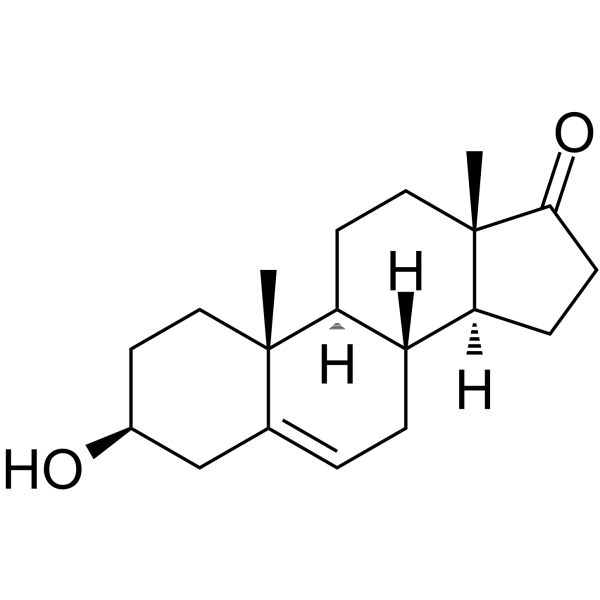 0 ImagesSynonyms: Prasterone; Dehydroisoandrosterone; DehydroepiandrosteroneDHEA (Prasterone) is one of the most abundant steroid hormones. DHEA (Prasterone) mediates its action via multiple signaling pathways involving specific membrane receptors and via transformation into androgen and estrogen derivatives (e.g., androgens, estrogens, 7α and 7β DHEA, and 7α and 7β epiandrosterone derivatives) acting through their specific receptors.
-
D-Glucose
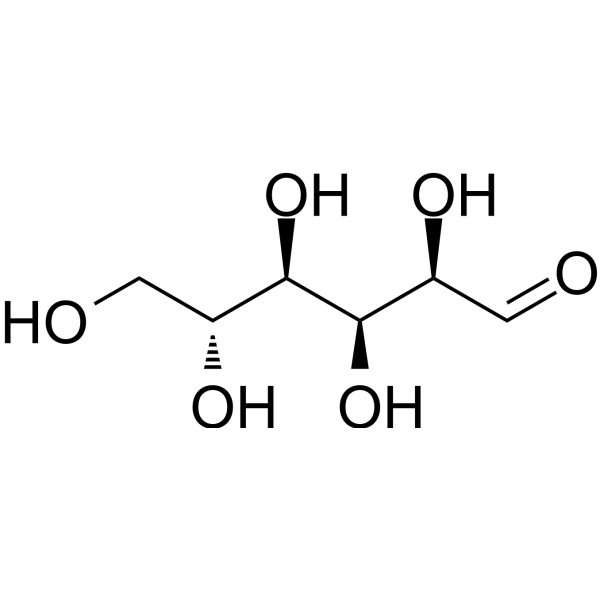 0 ImagesD-Glucose is the naturally occurring form of glucose and the most abundant monosaccharide. D-Glucose is a critical components of the general metabolism, and serve as critical signaling molecules in relation to both cellular metabolic status and biotic or abiotic stress response.
-
Colchicine
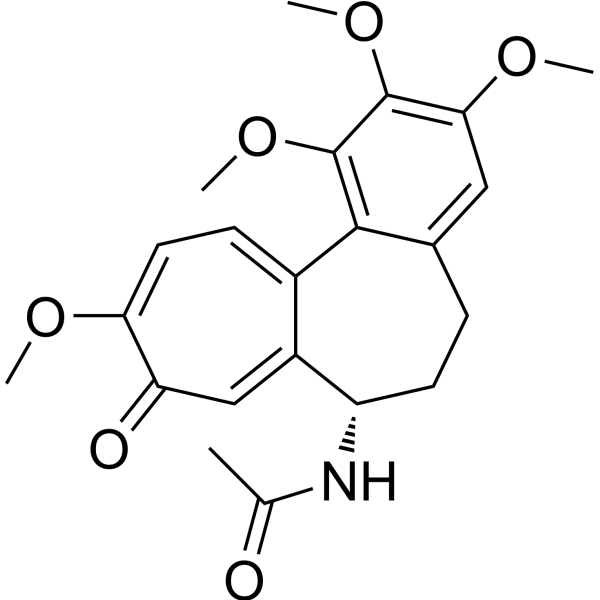 0 ImagesColchicine, an orally active alkaloid, is a potent tubulin inhibitor and a microtubule disrupting agent. Colchicine inhibits microtubule polymerization with an IC50 of 3 nM. Colchicine is also a competitive antagonist of the α3 glycine receptors (GlyRs). Colchicine prevents non-steroidal anti-inflammatory drug (NSAID)-induced small intestinal injury by inhibiting activation of the NLRP3 inflammasome. Colchicine has extensive anti-inflammatory, immunosuppressive and strong anti-fibrosis effects and has the potential for gouty arthritis research.
-
L-Glutamic acid
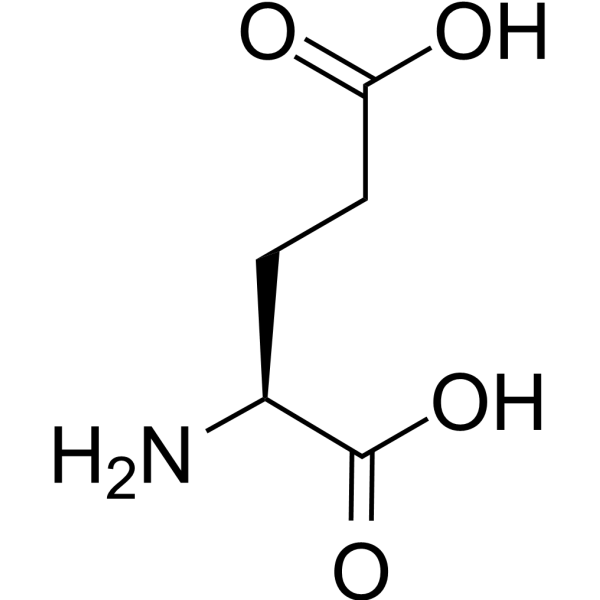 0 ImagesL-Glutamic acid is an excitatory amino acid neurotransmitter that acts as an agonist for all subtypes of glutamate receptors (metabolic rhodophylline, NMDA, and AMPA). L-Glutamic acid has an agonist effect on the release of DA from dopaminergic nerve endings. L-Glutamic acid can be used in the study of neurological diseases. L-Glutamic acid acts at ionotropic and metabotropic glutamate receptors.
-
L-Lactic acid sodium
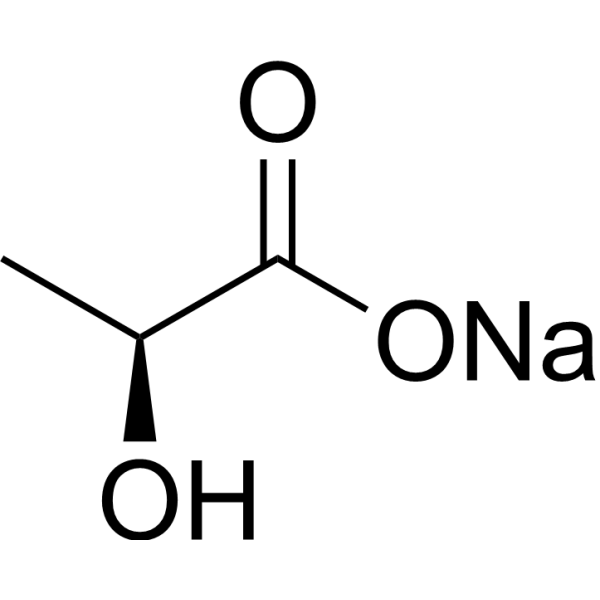 0 ImagesSynonyms: (S)-2-Hydroxypropanoic acid sodiumL-lactate Sodium (Sodium (S)-2-hydroxypropanoate) is a buildiing block which can be used as a precursor for the production of the bioplastic polymer poly-lactic acid. L-Lactic acid Sodium has antiproliferative activity.
-
Adenosine
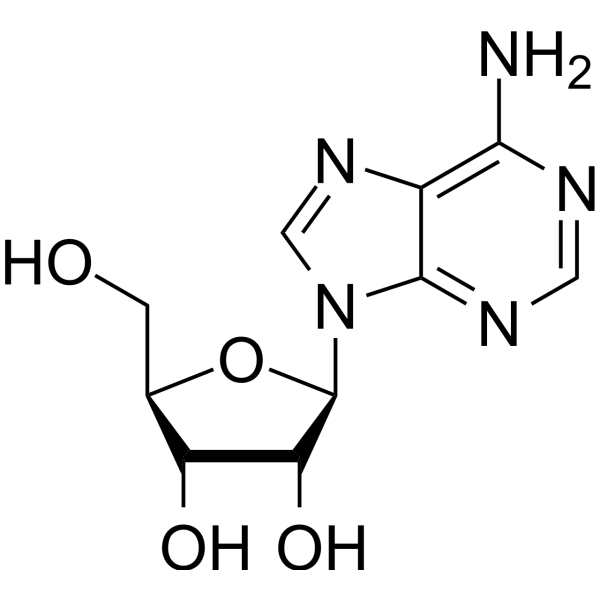 0 ImagesAdenosine (Adenine riboside), a ubiquitous and BBB-permeable endogenous autacoid, acts through the enrollment of four G protein-coupled receptors: A1, A2A, A2B, and A3. Adenosine affects almost all aspects of cellular physiology, including neuronal activity, vascular function, platelet aggregation, and blood cell regulation.
-
Cremophor EL-40
 0 ImagesSynonyms: Polyoxyethylene(40) Castor Oil; PEG-40 Castor OilCremophor EL-40, a polyoxyethylene castor oil derivative, is a nonionic surfactant. Cremophor EL-40 is widely employed to improve dissolution and delivery of agents.
-
Linoleic acid
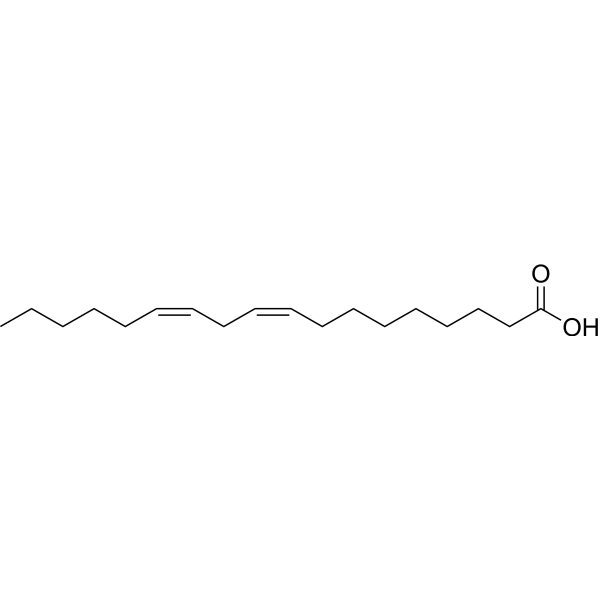 0 ImagesLinoleic acid is a common polyunsaturated (PUFA) found in plant-based oils, nuts and seeds. Linoleic acid is a part of membrane phospholipids, and functions as a structural component to maintain a certain level of membrane fluidity of the transdermal water barrier of the epidermis. Linoleic acid induces red blood cells and hemoglobin damage via oxidative mechanism .
-
Folic acid
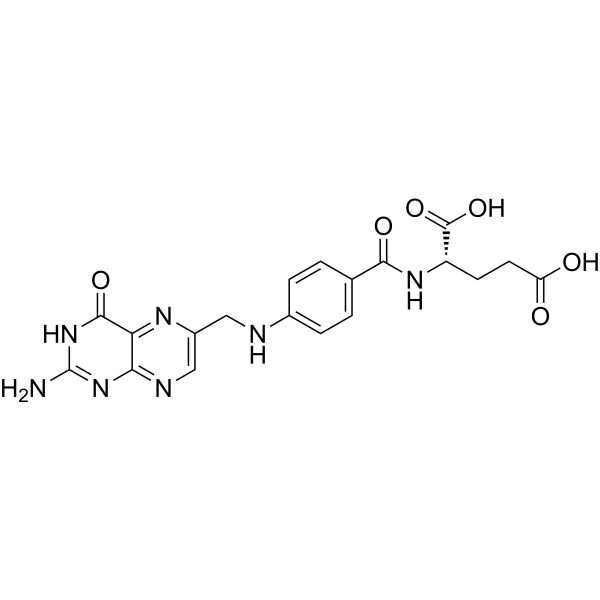 0 ImagesFolic acid (Vitamin B9) is a orally active essential nutrient from the B complex group of vitamins. Folic acid shows antidepressant-like effect. Folic acid sodium reduces the risk of neonatal neural tube defects. Folic acid can be used to the research of megaloblastic and macrocytic anemias due to folic deficiency.
-
PEG8000
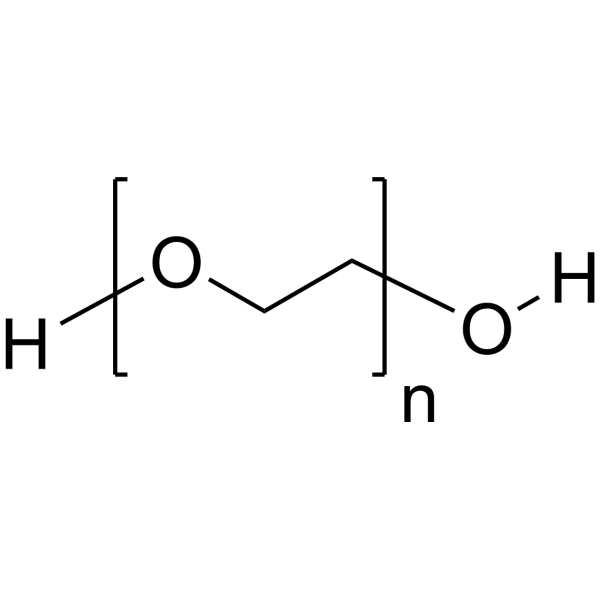 0 ImagesSynonyms: Polyethylene glycol 8000PEG8000 can be used for phage precipitation, isolation of plasmid DNA, and promotion of flat end-junction reactions.
-
Aspirin
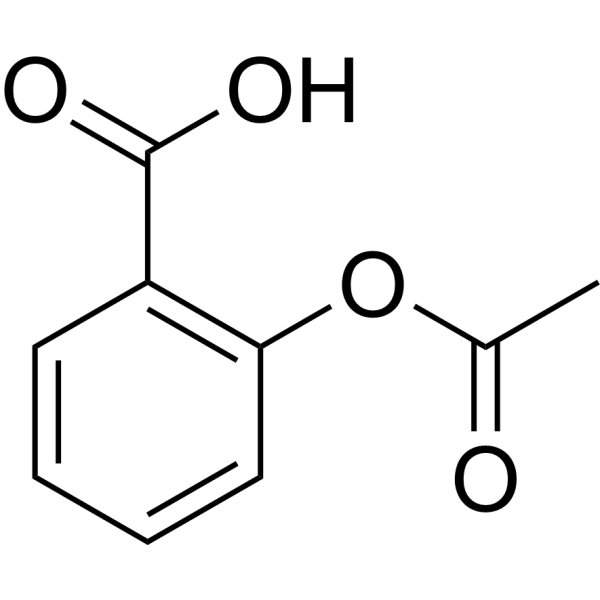 0 ImagesAspirin (Acetylsalicylic acid) is an orally active, potent and irreversible inhibitor of cyclooxygenase COX-1 and COX-2, with IC50 values of 5 and 210 μg/mL, respectively. Aspirin induces apoptosis. Aspirin inhibits the activation of NF-κB. Aspirin also inhibits platelet prostaglandin synthetase, and can prevent coronary artery and cerebrovascular thrombosis.
-
Ammonium iron(III) citrate
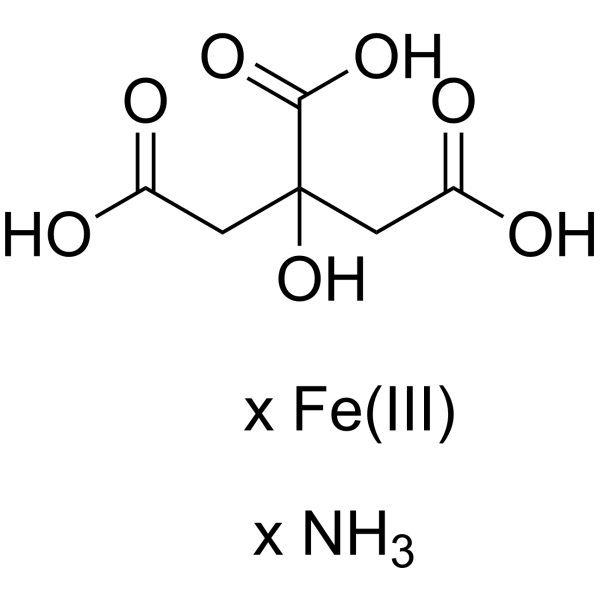 0 ImagesAmmonium iron(III) citrate (Ammonium ferric citrate), a physiological form of nonetransferrin-bound iron, induces intracellular iron overload to cause ferroptosis. Ammonium iron(III) citrate can enhance protein production.
-
L-Glutamine
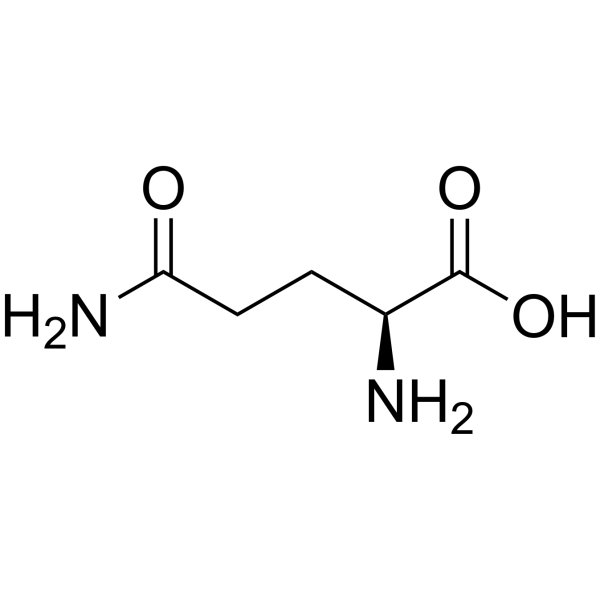 0 ImagesL-Glutamine (L-Glutamic acid 5-amide) is a non-essential amino acid present abundantly throughout the body and involved in many metabolic processes. L-Glutamine provides a source of carbons for oxidation in some cells.
-
γ-Aminobutyric acid
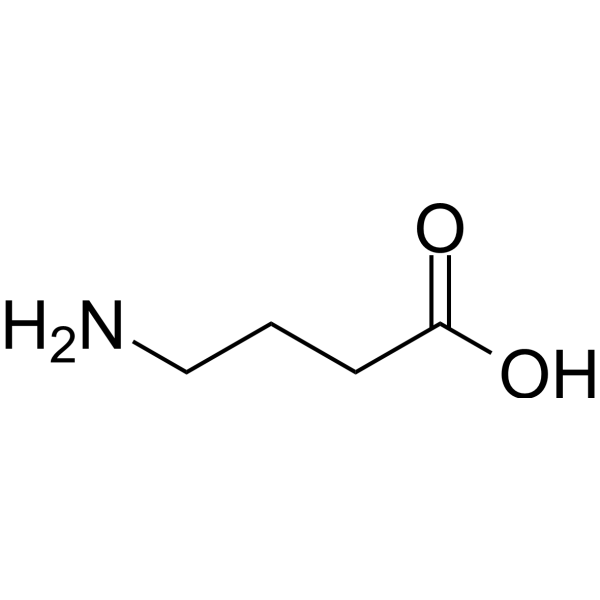 0 Imagesγ-Aminobutyric acid (4-Aminobutyric acid) is a major inhibitory neurotransmitter in the adult mammalian brain, binding to the ionotropic GABA receptors (GABAA receptors) and metabotropic receptors (GABAB receptors. γ-Aminobutyric acid shows calming effect by blocking specific signals of central nervous system.

-
L-Ascorbic acid sodium salt
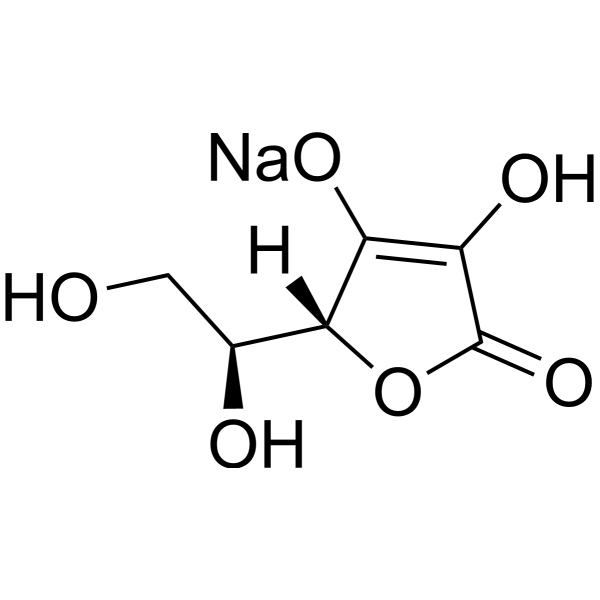 0 ImagesSynonyms: Sodium ascorbate; Sodium L-ascorbate; Vitamin C sodium saltL-Ascorbic acid sodium salt (Sodium ascorbate), an electron donor, is an endogenous antioxidant agent. L-Ascorbic acid sodium salt selectively inhibits Cav3.2 channels with an IC50 of 6.5 μM. L-Ascorbic acid sodium salt is also a collagen deposition enhancer and an elastogenesis inhibitor.



