



Vitamins
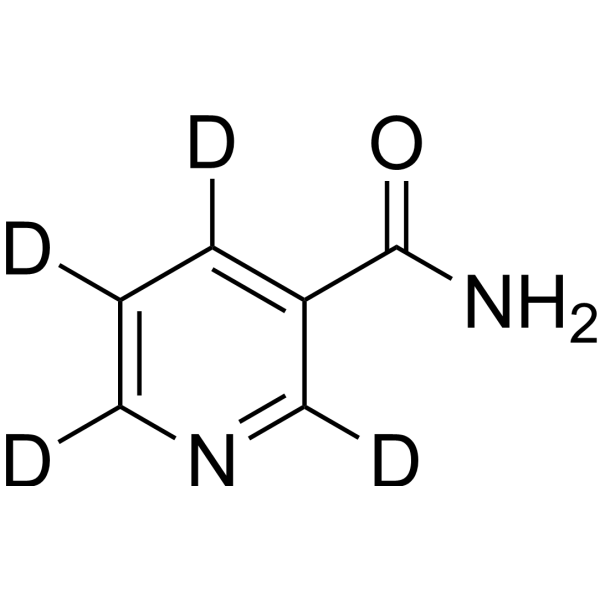
- Formula: C6H2D4N2O
- Molecular Weight: 126.15
Nicotinamide-d4 is the deuterium labeled Nicotinamide. Nicotinamide is a form of vitamin B3 that plays essential roles in cell physiology through facilitating NAD+ redox homeostasis and providing NAD+ as a substrate to a class of enzymes that catalyze non-redox reactions. Nicotinamide is an inhibitor of SIRT1.
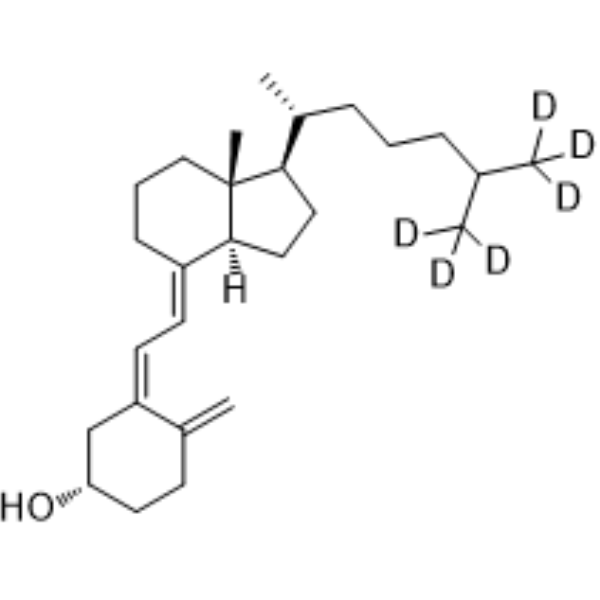
- Formula: C27H38D6O
- Molecular Weight: 390.67
Vitamin D3-d6 (Cholecalciferol-d6 ) is the deuterium labeled Vitamin D3 (HY-15398) . Vitamin D3 (Cholecalciferol; Colecalciferol) is a naturally occuring form of vitamin D. Vitamin D3 induces cell differentiation and prevents proliferation of cancer cells.
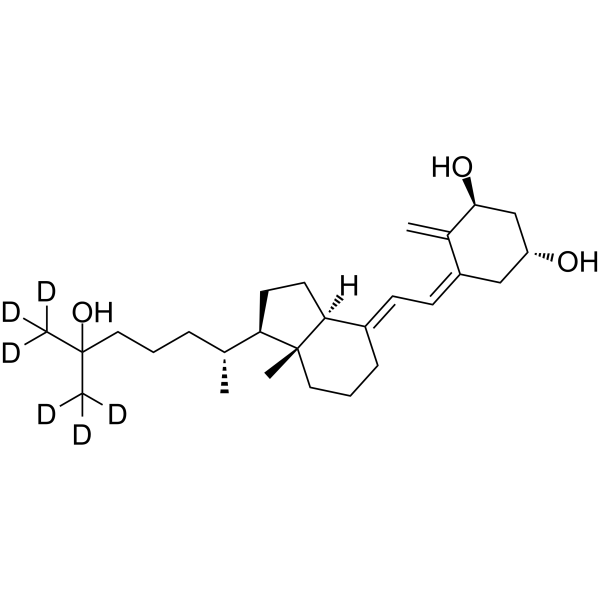
- Formula: C27H38D6O3
- Molecular Weight: 422.67
Calcitriol-d6 is the deuterium labeled Calcitriol. Calcitriol is the active metabolite of vitamin D3 and an agonist of the vitamin D receptor (VDR).
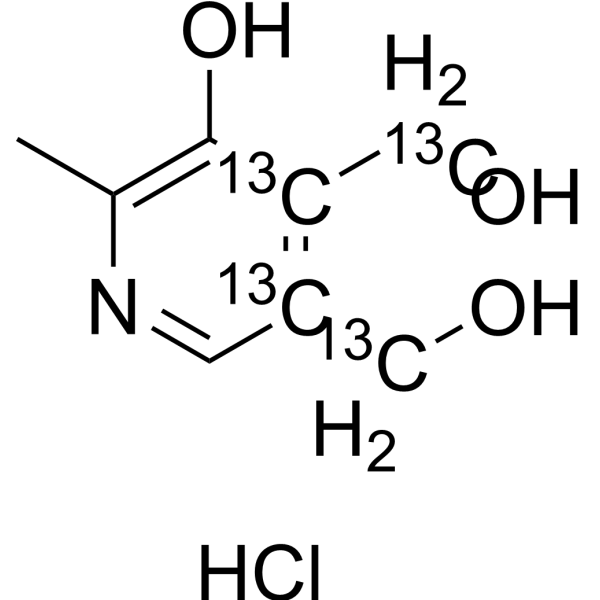
- Formula: C413C4H12ClNO3
- Molecular Weight: 209.61
Pyridoxine-13C4 (hydrochloride) is the 13C-labeled Pyridoxine (hydrochloride). Pyridoxine hydrochloride (Pyridoxol; Vitamin B6) is a pyridine derivative. Pyridoxine (Pyridoxol; Vitamin B6) exerts antioxidant effects in cell model of Alzheimer's disease via the Nrf-2/HO-1 pathway.
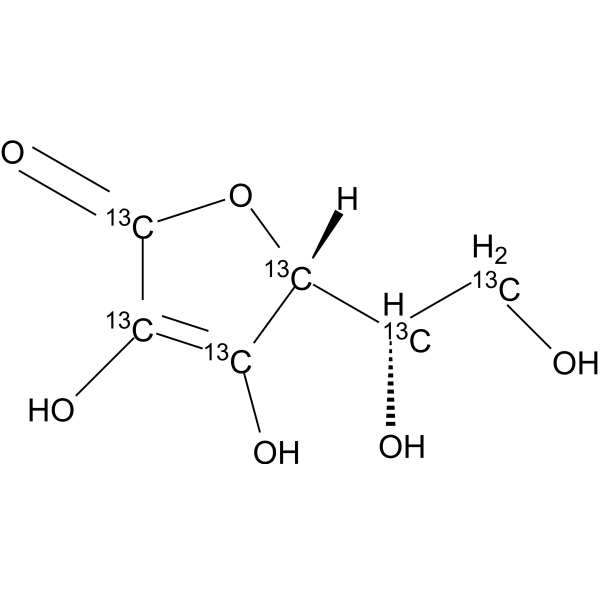
- Formula: 13C6H8O6
- Molecular Weight: 182.08
L-Ascorbic acid-13C6 is the 13C-labeled L-Ascorbic acid. L-Ascorbic acid (L-Ascorbate), an electron donor, is an endogenous antioxidant agent. L-Ascorbic acid inhibits selectively Cav3.2 channels with an IC50 of 6.5 μM. L-Ascorbic acid is also a collagen deposition enhancer and an elastogenesis inhibitor. L-Ascorbic acid exhibits anti-cancer effects through the generation of reactive oxygen species (ROS) and selective damage to cancer cells.
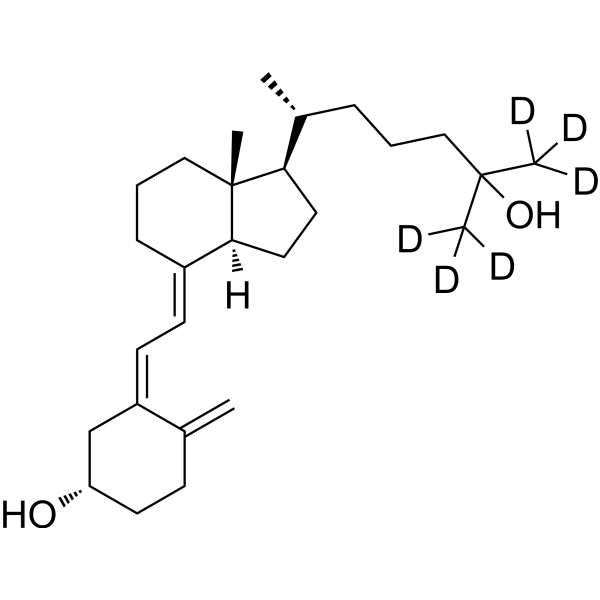
- Formula: C27H38D6O2
- Molecular Weight: 406.67
Calcifediol-d6 is the deuterium labeled Calcifediol. Calcifediol, a major circulating metabolite of vitamin D3, is a potent VDR ligand.
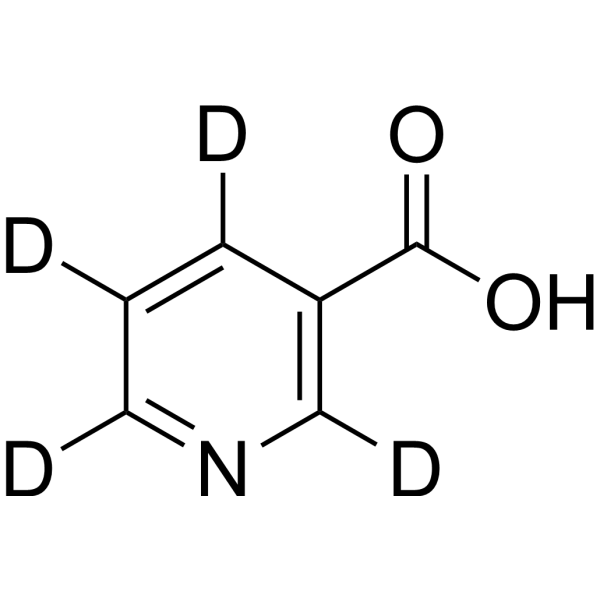
- Formula: C6HD4NO2
- Molecular Weight: 127.13
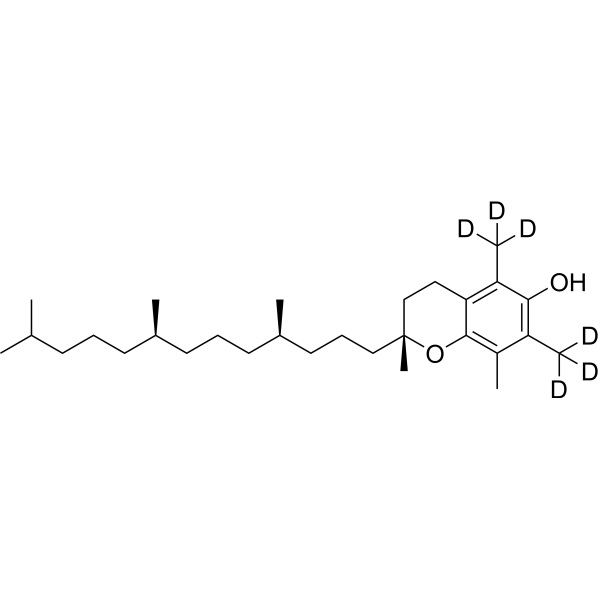
- Formula: C29H44D6O2
- Molecular Weight: 436.74
α-Vitamin E-d6 is the deuterium labeled α-Vitamin E.
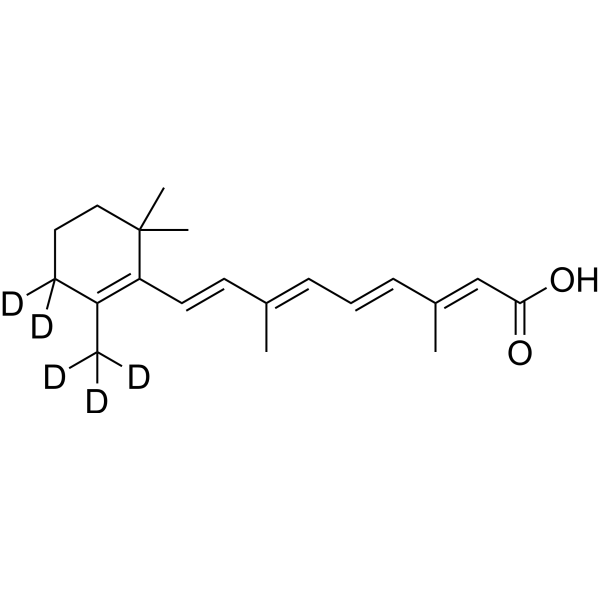
- Formula: C20H23D5O2
- Molecular Weight: 305.47
Retinoic acid-d5 is the the deuterium labeled Retinoic acid (HY-14649). Retinoic acid is a metabolite of vitamin A that plays important roles in cell growth, differentiation, and organogenesis. Retinoic acid is a natural agonist of RAR nuclear receptors, with IC50s of 14 nM for RARα/β/γ. Retinoic acid bind to PPARβ/δ with Kd of 17 nM. Retinoic acid acts as an inhibitor of transcription factor Nrf2 through activation of retinoic acid receptor alpha.
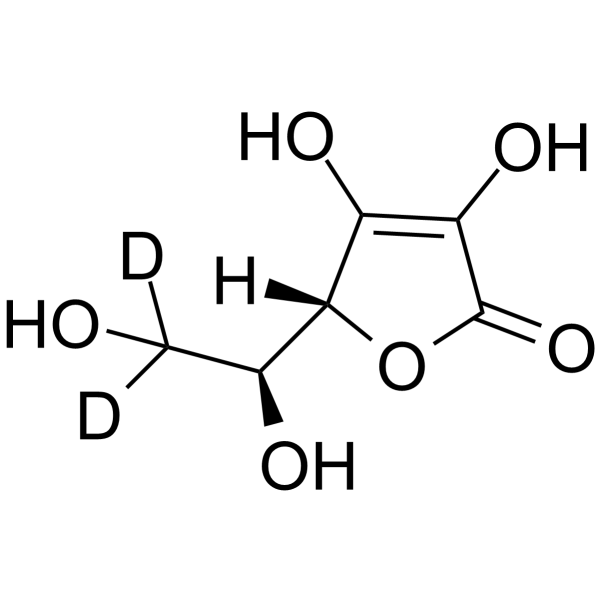
- Formula: C6H6D2O6
- Molecular Weight: 178.14
L-Ascorbic acid-d2 is the deuterium labeled L-Ascorbic acid. L-Ascorbic acid (L-Ascorbate), an electron donor, is an endogenous antioxidant agent. L-Ascorbic acid inhibits selectively Cav3.2 channels with an IC50 of 6.5 μM. L-Ascorbic acid is also a colla
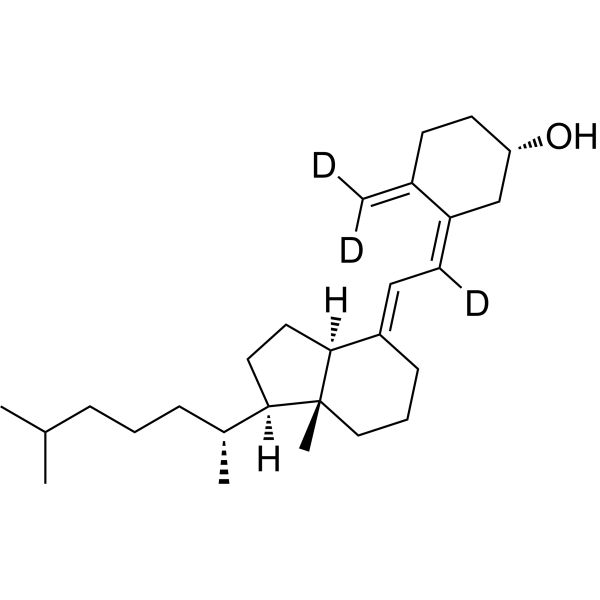
- Formula: C27H41D3O
- Molecular Weight: 387.66
Vitamin D3-d3 is the deuterium labeled Vitamin D3. Vitamin D3 (Cholecalciferol; Colecalciferol) is a naturally occuring form of vitamin D. Vitamin D3 induces cell differentiation and prevents proliferation of cancer cells.
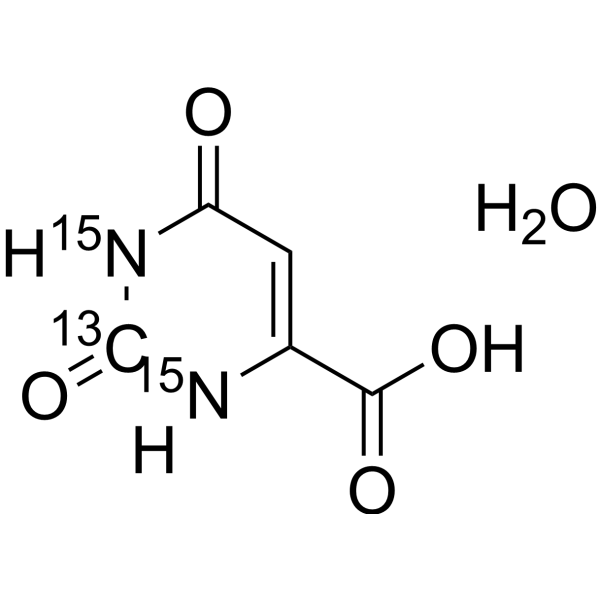
- Formula: C413CH615N2O5
- Molecular Weight: 177.09
Orotic acid-13C,15N2 (monohydrate) is the 13C and 15N labeled Orotic acid. Orotic acid (6-Carboxyuracil), a precursor in biosynthesis of pyrimidine nucleotides and RNA, is released from the mitochondrial dihydroorotate dehydrogenase (DHODH) for conversion to UMP by the cytoplasmic UMP synthase enzyme. Orotic acid is a marker for measurement in routine newborn screening for urea cycle disorders. Orotic acid can induce hepatic steatosis and hepatomegaly in rats.
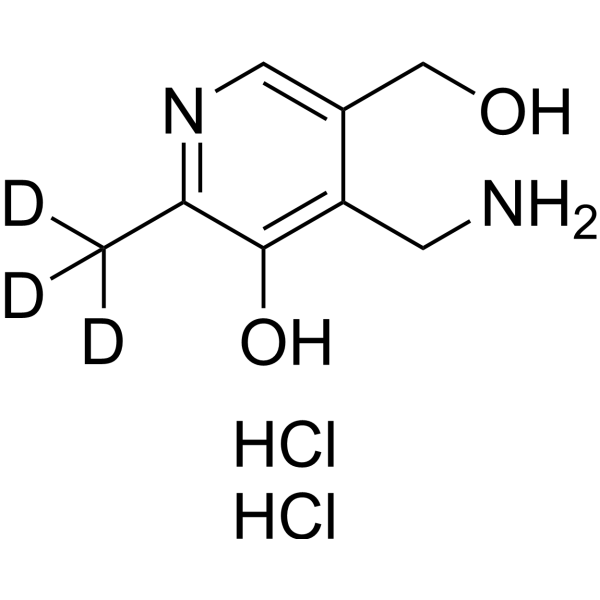
- Formula: C8H11D3Cl2N2O2
- Molecular Weight: 244.13
Pyridoxamine-d3 (dihydrochloride) is the deuterium labeled Pyridoxamine dihydrochloride.
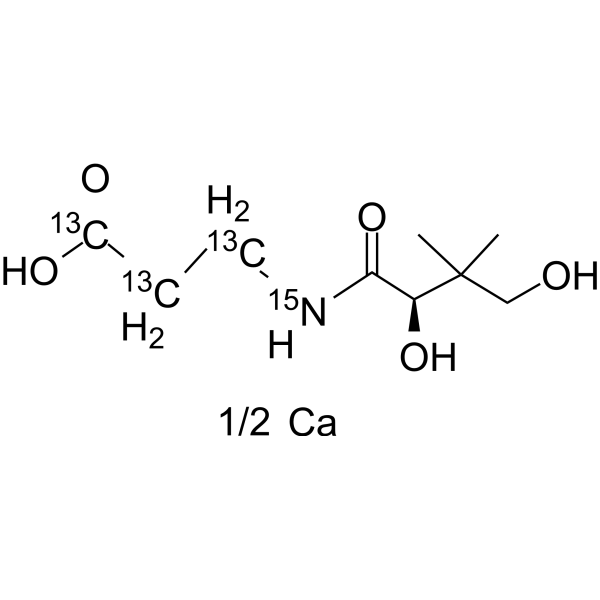
- Formula: C9H17NO5.1/2Ca
- Molecular Weight: 243.24
Pantothenic acid-13C3,15N (hemicalcium) is the 13C-labeled and 15N-labeled D-Pantothenic acid. D-Pantothenic acid is an essential trace nutrient that functions as the obligate precursor of coenzyme A (CoA). D-Pantothenic acid plays key roles in myriad biological processes, including many that regulate carbohydrate, lipid, protein, and nucleic acid metabolism.
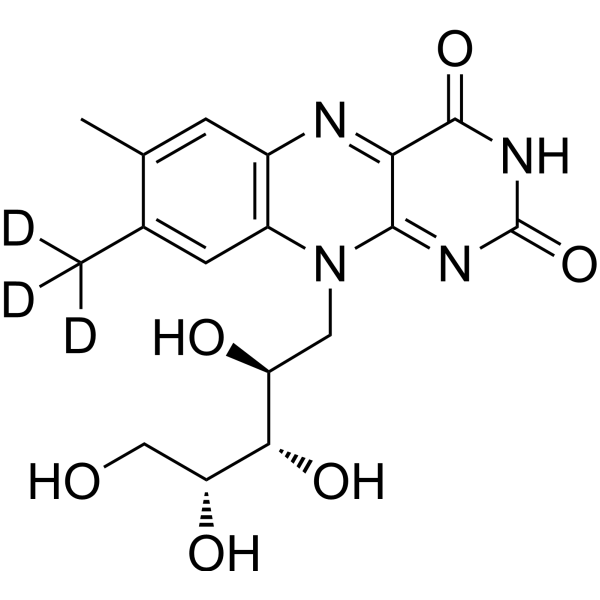
- Formula: C17H17D3N4O6
- Molecular Weight: 379.38
Riboflavin-d3 is the deuterium labeled Riboflavin. Riboflavin is an easily absorbed micronutrient with a key role in maintaining health in humans and other animals.
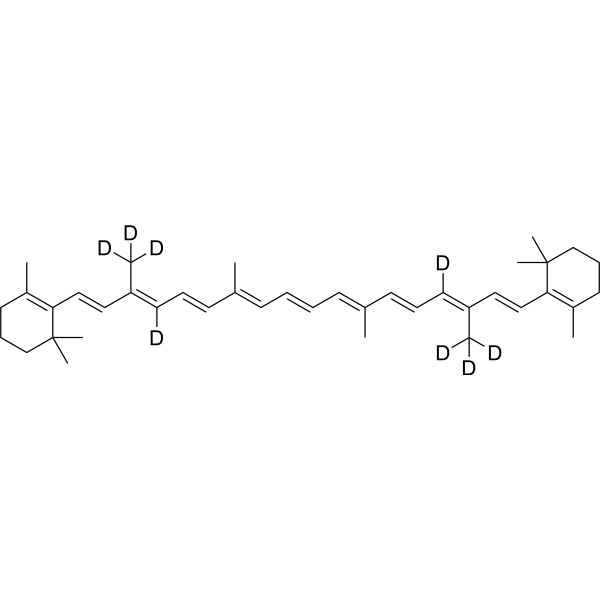
- Formula: C40H48D8
- Molecular Weight: 544.92
β-Carotene-d8 is the deuterium labeled β-Carotene (HY-N0411).
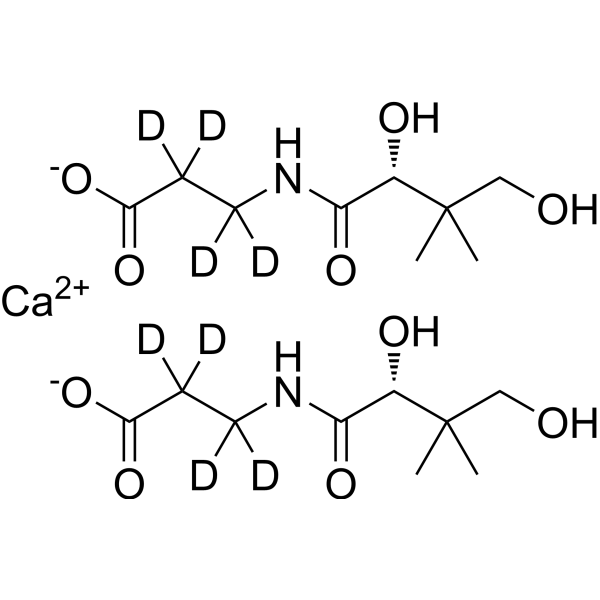
- Formula: C18H24D8CaN2O10
- Molecular Weight: 484.58
Vitamin B5-d4 (calcium) is the deuterium labeled Vitamin B5 calcium.
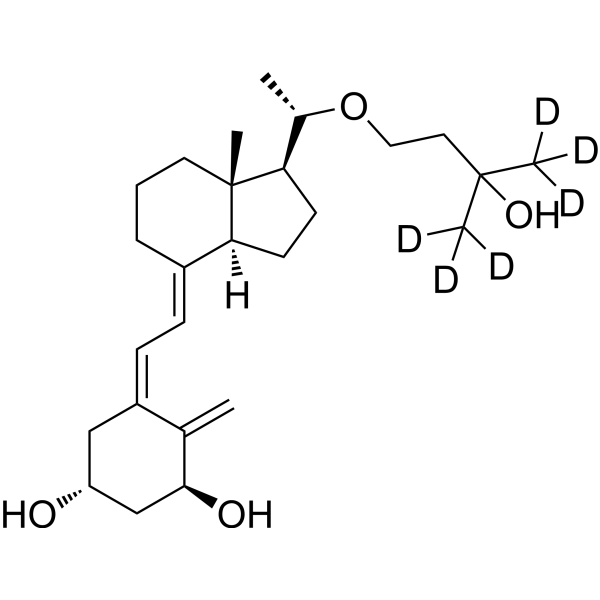
- Formula: C26H36D6O4
- Molecular Weight: 424.65
Maxacalcitol-d66 is the deuterated form of Maxacalcitol (22-Oxacalcitriol), which is a non-calcemic vitamin D3 analog and VDR ligand of VDR-like receptors.
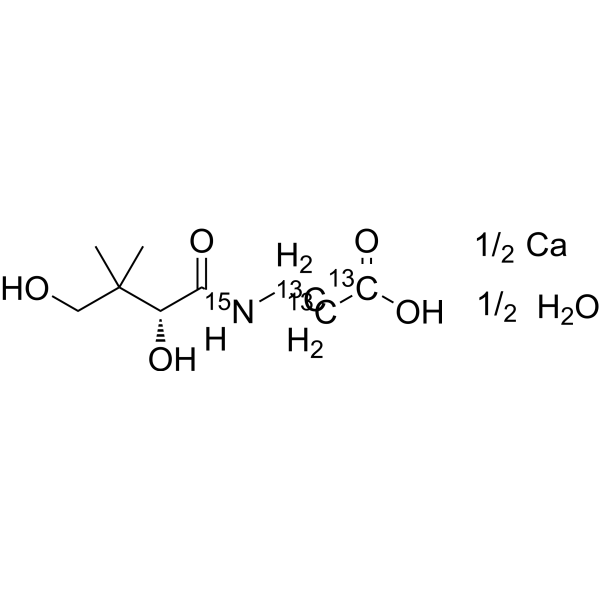
- Formula: C9H17NO5·1/2Ca·1/2H2O
- Molecular Weight: 504.51
Vitamin B5-13C3,15N hemicalcium hemihydrate is the 13C and 15N labeled Vitamin B5 hemicalcium hemihydrate.
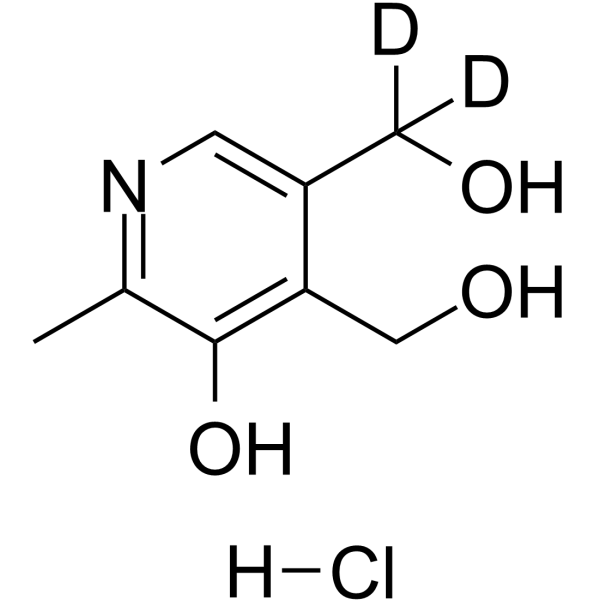
- Formula: C8H10D2ClNO3
- Molecular Weight: 207.65
Pyridoxine-d2 (hydrochloride) is the deuterium labeled Pyridoxine hydrochloride. Pyridoxine hydrochloride is a pyridine derivative. Pyridoxine (Pyridoxol; Vitamin B6) exerts antioxidant effects in cell model of Alzheimer's disease via the Nrf-2/HO-1 pathway.



