Search Result
Results for "
carboxymethyl-
" in MedChemExpress (MCE) Product Catalog:
40
Biochemical Assay Reagents
6
Isotope-Labeled Compounds
| Cat. No. |
Product Name |
Target |
Research Areas |
Chemical Structure |
-
- HY-Y0703
-
-

-
- HY-Y1889A
-
|
CMC-Na (MW 250000); CMC-Na (Viscosity:1500-3100 mPa.s)
|
Environmental Pollutants
Biochemical Assay Reagents
|
Others
|
|
Sodium carboxymethyl cellulose (CMC-Na) (MW 250000) is a sodium salt of carboxymethyl cellulose. Sodium carboxymethyl cellulose has adsorption and corrosion inhibition on low-carbon steel in an acidic medium. Sodium carboxymethyl cellulose can be used as a thickener, paste and barrier agent .
|
-
-
- HY-W250111
-
|
|
Biochemical Assay Reagents
Apoptosis
Reactive Oxygen Species (ROS)
Bcl-2 Family
Caspase
|
Cancer
|
|
Carboxymethyl chitosan is a derivative of chitosan. Carboxymethyl chitosan inhibits Apoptosis and ROS. Carboxymethyl chitosan increases the expression of Bcl-2 and reduces the expression of Bax, cytochrome c and caspase-3. Carboxymethyl chitosan inhibits the migration of various cells. Carboxymethyl chitosan exerts antitumor effects on Lewis tumors and hepatocarcinoma .
|
-

-
- HY-134124
-
|
|
Reactive Oxygen Species (ROS)
|
Metabolic Disease
|
|
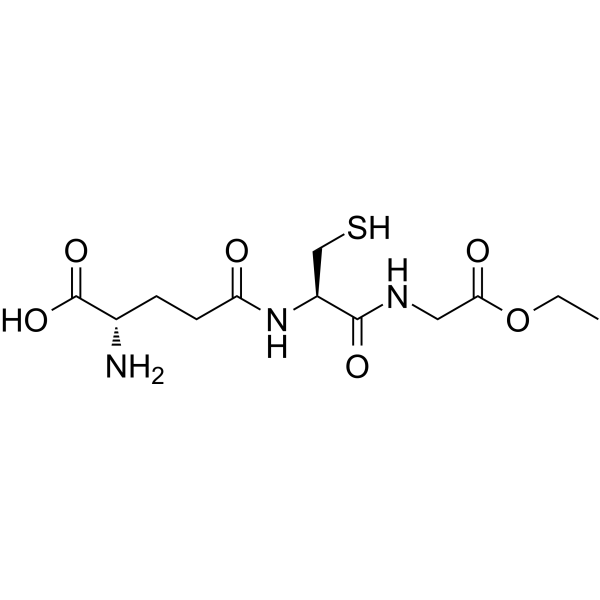
Glutathione ethyl ester is a cell-permeable GSH donor and provides an efficient supply of GSH to the oocyte. Glutathione ethyl ester shows positive effect on the in vitro production of embryos by enhancement of the antioxidative defense .
|
-
-
- HY-Y0703C
-
-
-
- HY-W286743
-
|
CML; N6-(carboxymethyl)-L-lysine; Nε-(1-carboxymethyl)-L-lysine
|
Polo-like Kinase (PLK)
ERK
NF-κB
|
Cancer
|
|
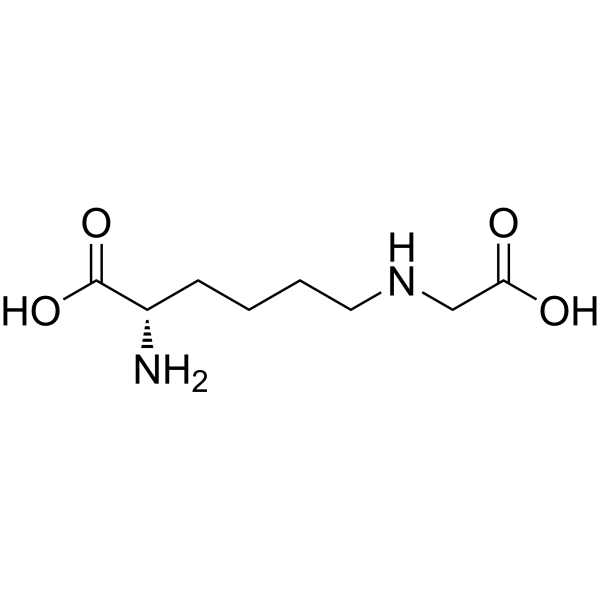
Nε-(Carboxymethyl)-L-lysine (CML) is an orally active advanced glycation end product. Nε-(Carboxymethyl)-L-lysine upregulates the expression of PLK1 and CEP20, and induces the activation of RAGE and ERK/NFκB. Nε-(Carboxymethyl)-L-lysine drives centrosome amplification. Nε-(Carboxymethyl)-L-lysine induces malignant transformation of hepatocytes and promotes the development of hepatocellular carcinoma. Nε-(Carboxymethyl)-L-lysine induces epithelial-mesenchymal transition in osteosarcoma cells and enhances their migration and invasion properties .
|
-
-
- HY-Y0703A
-
-

-
- HY-Y1889
-
-
-
- HY-Y0703D
-
|
CMC-Na (average Mw 90000, DS=0.7, Viscosity:50-200 mPa.s)
|
Environmental Pollutants
Biochemical Assay Reagents
|
Others
|
|
Sodium carboxymethyl cellulose (average Mw 90000, DS=0.7, Viscosity:50-200 mPa.s) is the sodium salt of cellulose arboxymethyl and frequently used as viscous agent, paste and barrier agent .
|
-

-
- HY-P10272
-
|
PTG-300
|
Ferroportin
|
Others
|
|
Rusfertide is a peptide mimetic of natural hepcidin, which targets and degrades ferroportin, reduces serum iron and transferrin-saturation, and thus regulates the production of red blood cells. Rusfertide ameliorates the polycythemia vera, β-thalassemia and hereditary hemochromatosis .
|
-

-
- HY-A0248A
-
|
|
Bacterial
|
Infection
|
|
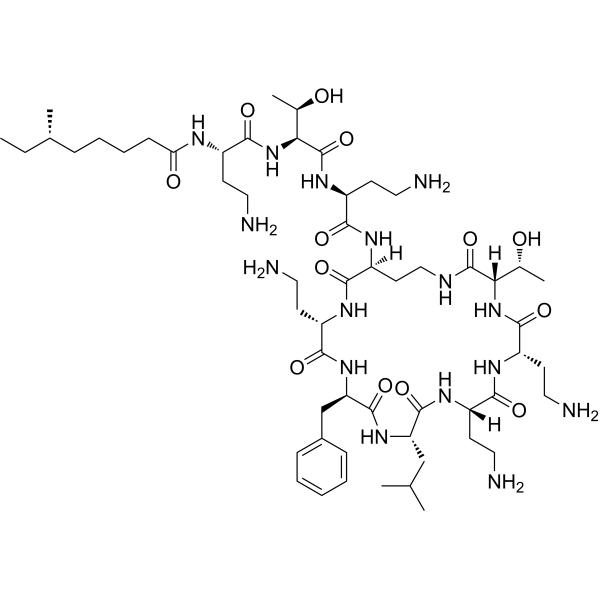
Polymyxin B1 is a potent antimicrobial lipopeptide first derived from Bacilus polymyxa. Polymyxin B1 is the major component in Polymyxin B (HY-A0248). Polymyxin B1 can induce lysis of bacterial cells through interaction with their membranes. Polymyxin B1 has the potential for multidrug-resistant Gram-negative bacterial infections treatment .
|
-
-
- HY-100047
-
|
|
Taste Receptor
|
Others
|
|
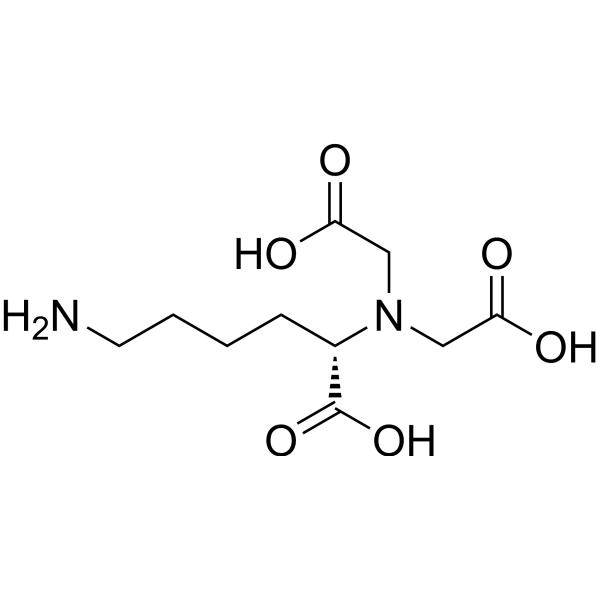
Nα,Nα-Bis(carboxymethyl)-L-lysine is a competitive inhibitor of bitter taste receptor 4, with an IC50 of 59 nM. Nα,Nα-Bis(carboxymethyl)-L-lysine can be used in bitter receptors related study .
|
-
-
- HY-B2221C
-
|
carboxymethyl cellulose CM-32; CM-32
|
Environmental Pollutants
Biochemical Assay Reagents
|
Others
|
|
CM Cellulose CM-32 (Carboxymethyl cellulose) is a cellulose derivative. CM Cellulose CM-32 has a wide range of applications in the biomedical field, including tissue engineering, wound dressing, absorbent nonwovens, fabrication of 3D-scaffolds for biocompatible implants, artificial organs or mimics of extracellular polymeric matrix and diagnosis of various diseases. CM Cellulose CM-32 can decrease osteoclasts formation. CM Cellulose CM-32 can be used as a biological material or organic compound for life science related research .
|
-

-
- HY-W004761
-
|
Hypodiboric acid
|
Bacterial
Reactive Oxygen Species (ROS)
|
Infection
Inflammation/Immunology
|
|
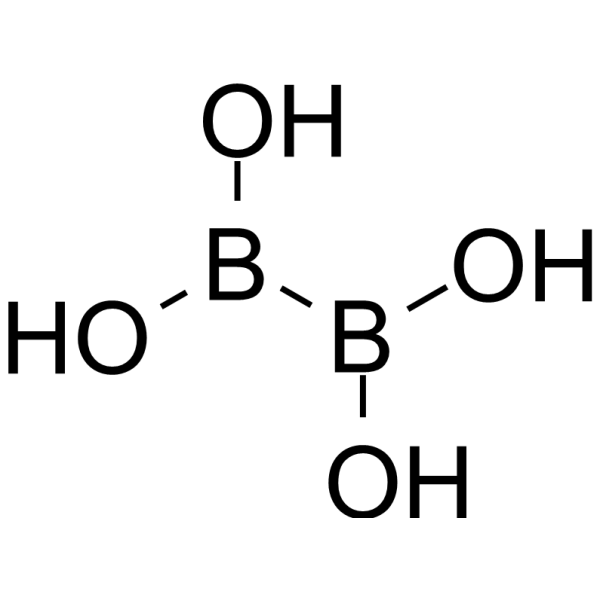
Tetrahydroxydiboron (Hypodiboric acid) acts as a hydrogel initiator and bioadhesion promoter, with broad-spectrum antibacterial activity, ROS scavenging capacity, and osteogenic induction properties. Tetrahydroxydiboron initiates rapid gelation by generating free radicals through reactions with vinyl monomers and dissolved oxygen, overcoming oxygen inhibition without deoxygenation or external triggers. Tetrahydroxydiboron achieves strong bioadhesion via interaction with carboxymethyl chitosan. Tetrahydroxydiboron can be used in the research of periodontitis and related inflammatory diseases .
|
-
-
- HY-P1108A
-
|
|
CRFR
|
Neurological Disease
Inflammation/Immunology
|
Astressin 2B TFA is a blood-brain barrier-impermeable, highly selective CRFR2 antagonist (rCRFR2, IC50=0.57 nM). Astressin 2B TFA blocks the protective effects mediated by CRFR2, thereby exacerbating indomethacin (HY-14397)-induced hemorrhagic intestinal injury in rats. Astressin 2B TFA reverses the protective effects of Urocortin 1 against intestinal hypermotility, bacterial invasion and upregulation of inflammatory mediators. Astressin 2B TFA also blocks the anxiogenic effect of Urocortin 2 and attenuates stress-induced anxiety-related behaviors. In the Clostridioides difficile toxin A (C. difficile toxin A)-mediated enteritis model, Astressin 2B TFA mimics the phenotype of CRFR2-deficient mice, significantly exacerbating intestinal epithelial damage, edema, neutrophil migration and the expression of multiple proinflammatory cytokines. Astressin 2B TFA is an important tool molecule for investigating the intestinal protective mechanisms of CRFR2 .
|
-

-
- HY-P1108
-
|
|
CRFR
|
Neurological Disease
Inflammation/Immunology
|
Astressin 2B is a blood-brain barrier-impermeable, highly selective CRFR2 antagonist (rCRFR2, IC50=0.57 nM). Astressin 2B blocks the protective effects mediated by CRFR2, thereby exacerbating indomethacin (HY-14397)-induced hemorrhagic intestinal injury in rats. Astressin 2B reverses the protective effects of Urocortin 1 against intestinal hypermotility, bacterial invasion and upregulation of inflammatory mediators. Astressin 2B also blocks the anxiogenic effect of Urocortin 2 and attenuates stress-induced anxiety-related behaviors. In the Clostridioides difficile toxin A (C. difficile toxin A)-mediated enteritis model, Astressin 2B mimics the phenotype of CRFR2-deficient mice, significantly exacerbating intestinal epithelial damage, edema, neutrophil migration and the expression of multiple proinflammatory cytokines. Astressin 2B is an important tool molecule for investigating the intestinal protective mechanisms of CRFR2 .
|
-

-
- HY-D0980
-
|
Biotinyl-3,6-dioxaoctanediamine; EZ-Link Amine-PEO2-Biotin
|
Biochemical Assay Reagents
|
Infection
|
|
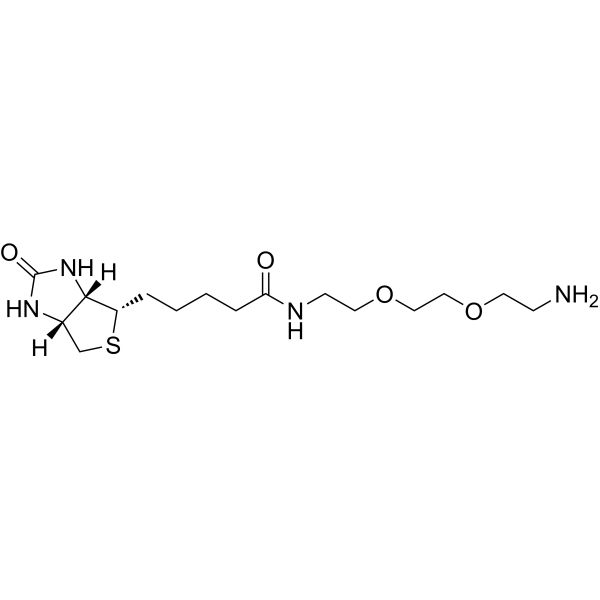
Biotin-DADOO (Biotinyl-3,6-dioxaoctanediamine; EZ-Link Amine-PEO2-Biotin) is a biotin-containing amine compound and a biotinylation reagent. As an amino component, Biotin-DADOO participates in the nucleophilic ring-opening reaction of epoxidized ω-double bonds during the synthesis of biotinylated inhibitor derivatives. Biotin-DADOO can be conjugated with carboxymethyl cellulose derivatives. Biotin-DADOO is involved in the synthesis of biotin-estradiol conjugates for enzyme immunoassays. Biotin-DADOO can be used in the research of influenza A .
|
-
-
- HY-114118S1
-
|
|
Isotope-Labeled Compounds
GLP Receptor
Insulin Receptor
α-synuclein
Apoptosis
p38 MAPK
Autophagy
Bcl-2 Family
|
Neurological Disease
Metabolic Disease
Cancer
|
|
Semaglutide-d8 tetraTFA is the deuterium labeled Semaglutide (HY-114118). Semaglutide is a long-acting, selective, competitive GLP-1R agonist that can penetrate the blood-brain barrier. After activating GLP-1R, Semaglutide promotes insulin secretion, inhibits gastric emptying and appetite, and at the same time enhances autophagy, inhibits oxidative stress and apoptosis. Semaglutide also regulates mitochondrial function and lipid metabolism (such as reducing de novo lipogenesis in the liver). Semaglutide has activities such as lowering blood sugar, reducing weight, neuroprotection (such as improving motor function in Parkinson's disease models, reducing α-synuclein aggregation) and improving hepatic steatosis. Semaglutide can be used for the study of neurodegenerative diseases and liver diseases such as type 2 diabetes, obesity, Parkinson's disease, metabolic associated fatty liver disease (MASLD), and cancer .
|
-

-
- HY-114118S
-
|
|
Isotope-Labeled Compounds
GLP Receptor
Insulin Receptor
α-synuclein
Apoptosis
p38 MAPK
Autophagy
Bcl-2 Family
|
Neurological Disease
Metabolic Disease
Cancer
|
|
Semaglutide-d8 is the deuterium labeled Semaglutide (HY-114118). Semaglutide is a long-acting, selective, competitive GLP-1R agonist that can penetrate the blood-brain barrier. After activating GLP-1R, Semaglutide promotes insulin secretion, inhibits gastric emptying and appetite, and at the same time enhances autophagy, inhibits oxidative stress and apoptosis. Semaglutide also regulates mitochondrial function and lipid metabolism (such as reducing de novo lipogenesis in the liver). Semaglutide has activities such as lowering blood sugar, reducing weight, neuroprotection (such as improving motor function in Parkinson's disease models, reducing α-synuclein aggregation) and improving hepatic steatosis. Semaglutide can be used for the study of neurodegenerative diseases and liver diseases such as type 2 diabetes, obesity, Parkinson's disease, metabolic associated fatty liver disease (MASLD), and cancer .
|
-

-
- HY-P2336A
-
|
|
Melanocortin Receptor
|
Cancer
|
|
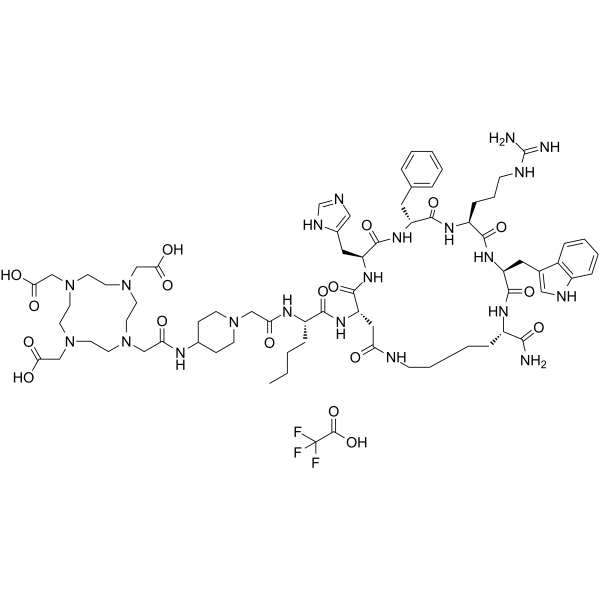
CCZ01048 TFA, a α-MSH analogue, exhibits high binding affinity to melanocortin 1 receptor (MC1R) with a Ki of 0.31 nM. CCZ01048 TFA shows rapid internalization into B16F10 melanoma cells and high in vivo stability. CCZ01048 TFA is a promising candidate for PET imaging of malignant melanoma .
|
-
-
- HY-126393
-
|
|
Biochemical Assay Reagents
|
Others
|
|
Carboxymethyl-β-cyclodextrin is a cationic cyclodextrin used as a carrier for drugs. It has been shown to bind nonsteroidal anti-inflammatory drugs (NSAIDs) with high affinity and selectivity.
|
-

-
- HY-75005
-
|
|
PROTAC Linkers
|
Cancer
|
|
1-Boc-4-carboxymethyl piperazine is a PROTAC linker. 1-Boc-4-carboxymethyl piperazine can be used in the synthesis of PROTACs (e.g. PROTAC IRAK4 degrader-12 (HY-168586)) .
|
-

-
- HY-164071
-
|
CM-Dextran
|
Drug Derivative
|
Others
|
|
Carboxymethyl Dextran (CM-Dextran) is a dextran derivative and a biocompatible coating for superparamagnetic iron oxide nanoparticles. When coated on the surface of superparamagnetic nanoparticles, Carboxymethyl Dextran forms stable particles across all pH values and NaCl concentrations. Carboxymethyl Dextran can be used to prepare materials for magnetic resonance molecular imaging .
|
-

-
- HY-Y0703E
-
|
|
Biochemical Assay Reagents
|
Others
|
|
Sodium carboxymethyl cellulose (Viscosity:2500-6000mpa.s) is the sodium salt of cellulose arboxymethyl and frequently used as viscous agent, paste and barrier agent .
|
-

-
- HY-P10143
-
|
Ac-Pro-Leu-Gly-[(S)-2-mercapto-4-methyl-pentanoyl]-Leu-Gly-OEt
|
MMP
|
Others
|
|
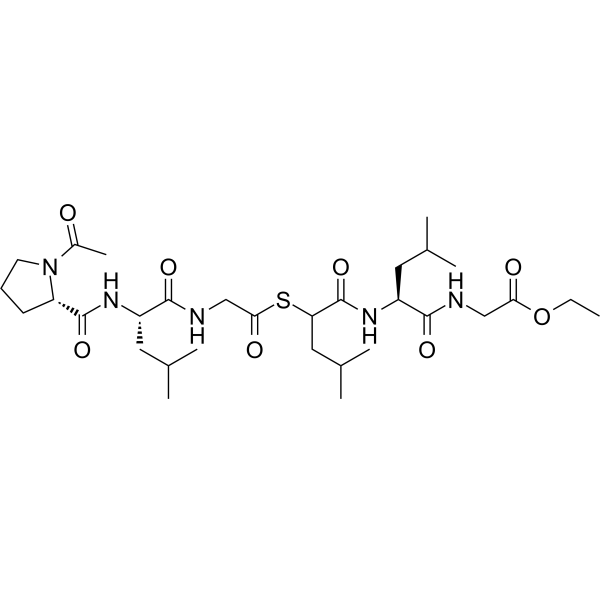
MMP-2/MMP-9 Substrate (Ac-Pro-Leu-Gly-[(S)-2-mercapto-4-methyl-pentanoyl]-Leu-Gly-OEt) is a synthetic chromogenic polypeptide substrate whose core structure mimics the cleavage sites of MMP-2 and MMP-9 (gelatinase A and B) in collagen. After being hydrolyzed by collagenase, MMP-2/MMP-9 Substrate reacts with 4,4'-dithiodipyridine or Ellman's Reagent via its thiol fragment to produce a product with ultraviolet absorption properties .
|
-
-
- HY-W1048555A
-
|
|
Biochemical Assay Reagents
|
Others
|
|
Mal-PEG2000-SCM is a heterobifunctional PEG crosslinker bearing maleimide and succinimidyl carboxymethyl ester functional groups. MMal-PEG2000-SCM conjugates the F3 peptide to nanoparticles: the SCM group reacts with amino groups on the nanoparticle surface to form amide groups, while the MAL group reacts with thiol groups of the F3 peptide to form carbon-sulfur bonds. Mal-PEG-SCM enables unidirectional addition of linkers, ensuring that appropriate functional groups are available for RGD incorporation. Mal-PEG2000-SCM can be used in the development of nanoparticles targeting specific tumor cells .
|
-

-
- HY-A0248AS
-
|
|
Isotope-Labeled Compounds
Bacterial
|
Infection
|
|
Polymyxin B1-d7 TFA is the deuterium labeled Polymyxin B1 TFA (HY-A0248A). Polymyxin B1 is a potent antimicrobial lipopeptide first derived from Bacilus polymyxa. Polymyxin B1 is the major component in Polymyxin B (HY-A0248). Polymyxin B1 can induce lysis of bacterial cells through interaction with their membranes. Polymyxin B1 has the potential for multidrug-resistant Gram-negative bacterial infections treatment .
|
-

-
- HY-158223
-
|
CMCSMA
|
Biochemical Assay Reagents
|
Others
|
Carboxymethyl chitosan Methacryloyl (CMCSMA) is methacrylated carboxymethyl chitosan with properties as a 3D printing ink. A composite hydrogel made of Carboxymethyl chitosan Methacryloyl can effectively accelerate bone healing in an infectious microenvironment after implantation in a rat model of Staphylococcus aureus-infected femoral defect . Carboxymethyl chitosan Methacryloyl needs to self-assemble into fibrous hydrogel under the action of photoinitiator LAP (HY-44076), and target bioactive adhesion sites, play an inherent supporting role for tissue cells and biodegradable activity.
Application: cell culture, biological 3D printing, tissue engineering, etc.
|
-
-
- HY-W000969
-
|
|
PROTAC Linkers
|
Cancer
|
|
4-(Carboxymethyl)phenylboronic acid pinacol ester is a PROTAC linker that can be used in the synthesis of PROTACs.
|
-

-
- HY-162836
-
|
4-O-(carboxymethyl)-Rifamycin
|
Antibiotic
Bacterial
|
Infection
|
|
Rifamycin B (4-O-(Carboxymethyl)-Rifamycin) is a member of ansamycin antibiotics family with an anti-mycobacterial activity against tuberculosis, leprosy and AIDS-related mycobacterial infections. Rifamycin B is a metabolic product of Nocardia inediterranei, which can yield Rifamycin O and Rifamycin S (HY-125365) by microbial transformation .
|
-

-
- HY-W016194
-
|
1-Carboxycyclohexaneacetic acid; Gabapentin Impurity E; Gabapentin Related Compound E
|
5-HT Receptor
|
Neurological Disease
|
|
1-(Carboxymethyl)cyclohexanecarboxylic acid (1-Carboxycyclohexaneacetic acid; Gabapentin Impurity E) is a potential impurity in commercial preparations of the antiepileptic agent Gabapentin (HY-A0057). It is also used as a precursor for the synthesis of a serotonin (5-HT) receptor subtype 5-HT2A antagonist.
|
-

-
- HY-P10563
-
|
BHV-1100
|
CD38
|
Cancer
|
|
Noraramtide (BHV-1100) is an antibody recruitment molecule. Noraramtide can specifically bind to CD38 molecules to recruit natural killer (NK) cells. Noraramtide enhances the ability of NK cells to kill tumor cells through antibody-dependent cellular cytotoxicity (ADCC). This mechanism allows NK cells to more effectively recognize and eliminate tumor cells while avoiding mutual killing between NK cells. Noraramtide can be used for the study of autologous cancer immunity .
|
-

-
- HY-B2220B
-
|
|
Endogenous Metabolite
|
Others
|
|
Thermostable cellulase recombinant is a cellulose hydrolase present in hyperthermophiles, which catalyzes the hydrolysis of β-1,4 glycosidic bonds in cellulose. Thermostable cellulase recombinant targets carboxymethyl cellulose (CMC) as its primary substrate, and retains high residual activity even after incubation at high temperatures. The activity of Thermostable cellulase recombinant is inhibited by ionic and non-ionic detergents, and can be enhanced by cobalt ions. Thermostable cellulase recombinant can be applied in the paper industry .
|
-

-
- HY-W1113135
-
|
|
Biochemical Assay Reagents
|
Others
|
|
Carboxymethyl-β-cyclodextrin sodium salt is a negatively charged β-cyclodextrin derivative, as well as a metal ion chelator and solubilizing reagent. Carboxymethyl-β-cyclodextrin sodium salt forms stable aqueous complexes with Ba 2+, Ca 2+, Cd 2+, Ni 2+, Pb 2+, Sr 2+, and Zn 2+ ions. Carboxymethyl-β-cyclodextrin sodium salt derived hydrogel carriers support oral insulin delivery via paracellular permeation across Caco-2 monolayers and produce sustained hypoglycemic effects in diabetic mice. Carboxymethyl-β-cyclodextrin sodium salt can be conjugated onto folate-modified BSA nanoparticles to boost folate receptor-mediated endocytosis, elevate intracellular anticancer drug uptake and trigger cell apoptosis. Carboxymethyl-β-cyclodextrin sodium salt can be utilized for chiral separation in capillary electrophoresis, development of nanoscale drug carriers and nucleic acid transfection research .
|
-

-
- HY-W127837
-
|
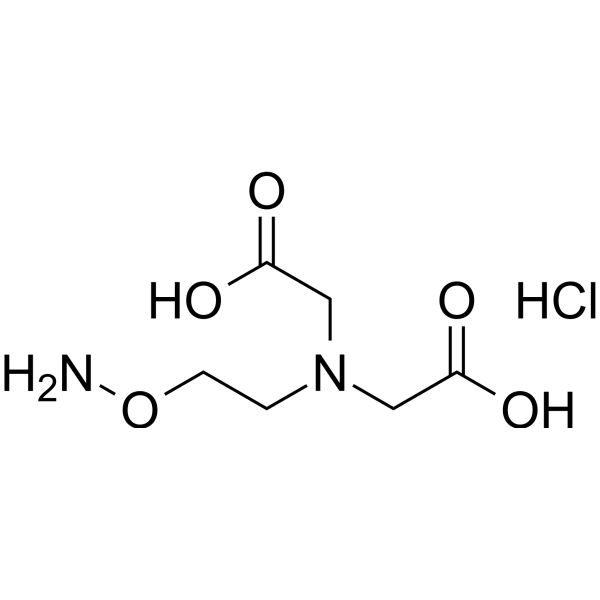
N-[2-(AMinooxy)ethyl]-N-(carboxymethyl)glycine hydrochloride
|
Biochemical Assay Reagents
|
Others
|
|
2-Aminooxyethyliminodiacetic Acid Hydrochloride is a biochemical reagent that can be used as a biological material or organic compound for life science related research.
|
-
-
- HY-P3066
-
|
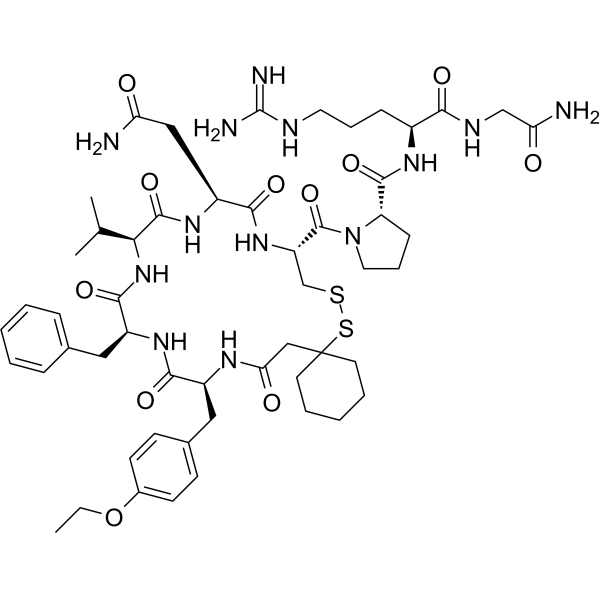
d(CH2)5Tyr(Et)VAVP
|
Vasopressin Receptor
|
Metabolic Disease
|
|
SKF 100398 (d(CH2)5Tyr(Et)VAVP), an arginine vasopressin (AVP) analogue, is a specific antagonist of the antidiuretic effect of exogenous and endogenous AVP .
|
-
-
- HY-W009913
-
-
-
- HY-154704
-
|
|
Biochemical Assay Reagents
|
Others
|
|
Calcium carboxymethyl cellulose can be used as an excipient. Pharmaceutical excipients, or pharmaceutical auxiliaries, refer to other chemical substances used in the pharmaceutical process other than pharmaceutical ingredients. Pharmaceutical excipients generally refer to inactive ingredients in pharmaceutical preparations, which can improve the stability, solubility and processability of pharmaceutical preparations. Pharmaceutical excipients also affect the absorption, distribution, metabolism, and elimination (ADME) processes of co-administered drugs .
|
-

-
- HY-W554021
-
|
Carbocisteine lysine; Carbocysteine-L-lysine
|
Others
|
Inflammation/Immunology
|
|
S-Carboxymethyl-L-cysteine L-lysine monohydrate (Carbocisteine lysine) is a mucosal active drug with anti-inflammatory and antioxidant activities, which can be used in the research of chronic obstructive pulmonary disease (COPD) .
|
-

-
- HY-W286743S1
-
-
-
- HY-P10828
-
|
|
Virus Protease
|
Infection
Inflammation/Immunology
|
|
MAPI is a polypeptide irreversible 3C cysteine protease (SV3CP) inhibitor. MAPI inhibits SV3CP by covalently binding its C-terminal Michael-acceptor extension to the active site thiol of SV3CP Cys 139. MAPI is promising for research of noroviruses infection .
|
-

-
- HY-W1048555B
-
|
|
Biochemical Assay Reagents
|
Others
|
|
Mal-PEG3400-SCM is a linear hetero-bifunctional PEG product with maleimide and succinimidyl NHS ester groups. Mal-PEG3400-SCM is an important cross-linker with PEG chains. Maleimide reacts with thiols, SH, sulfhydryls or sulfhydryls, and SCM stands for succinimidyl carboxymethyl ester, which reacts with primary amines. Maleimide contains a reactive C=C double bond and is sensitive to light or oxygen .
|
-

-
- HY-140723
-
|
|
PROTAC Linkers
|
Cancer
|
|
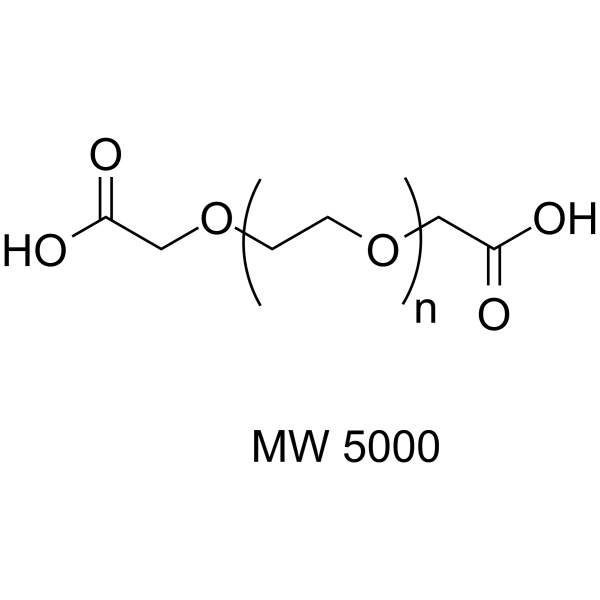
Carboxymethyl-PEG5000-Carboxymethyl is a PEG-based PROTAC linker that can be used in the synthesis of PROTACs .
|
-
-
- HY-CE00532
-
-

-
- HY-160764
-
|
|
Drug Derivative
|
Others
|
|
N6-Carboxymethyl-ATP is the alkylation product of ATP with iodoacetic acid at pH 6.5, where alkylation of ATP with iodoacetic acid at pH 6.5 yielded 1-carboxymethyl-ATP which, after alkaline rearrangement gave N6-carboxymethyl-ATP .
|
-

-
- HY-152465
-
|
|
Nucleoside Antimetabolite/Analog
|
Cancer
|
|
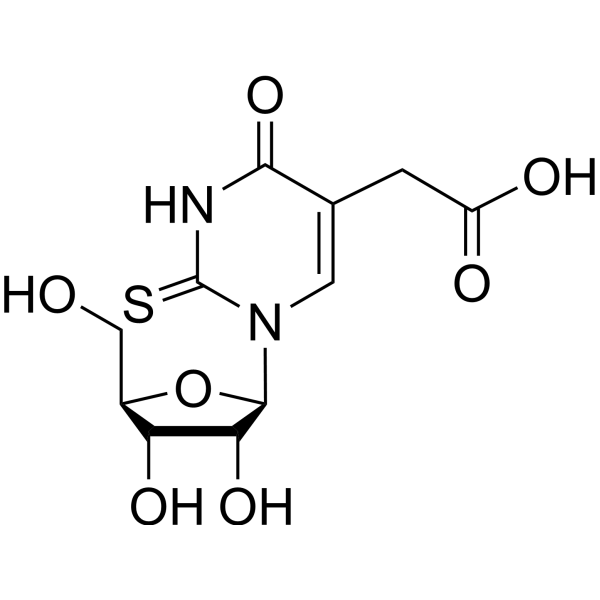
5-Carboxymethyl-2-thiouridine is a purine nucleoside analog. Purine nucleoside analogs have broad antitumor activity targeting indolent lymphoid malignancies. Anticancer mechanisms in this process rely on inhibition of DNA synthesis, induction of apoptosis, etc .
|
-
-
- HY-133246A
-
|
Daclatasvir Impurity A TFA
|
HCV
|
Infection
|
|
Monodes(N-carboxymethyl)valine Daclatasvir TFA (Daclatasvir Impurity A TFA) is the TFA salt form of Monodes(N-carboxymethyl)valine Daclatasvir (HY-133246). Monodes(N-carboxymethyl)valine Daclatasvir TFA is the main degradation product of Daclatasvir (HY-10466). Daclatasvir is a potent HCV NS5A protein inhibitor .
|
-

-
- HY-D0205
-
|
S-(carboxymethyl)-DL-cysteine
|
Biochemical Assay Reagents
|
Others
|
|
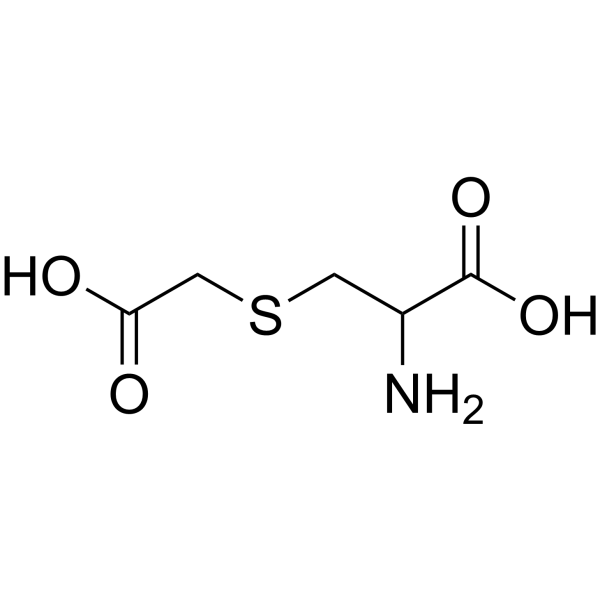
(RS)-Carbocisteine is the S-carboxymethyl cysteine with no detectable inhibitory effect. (RS)-Carbocisteine is the inactive enantiomer of Carbocisteine.
|
-
-
- HY-W587411S
-
-
![Mono[2-(carboxymethyl)hexyl] phthalate-d4](//file.medchemexpress.com/product_pic/hy-w587411s.gif)
-
- HY-W093254A
-
-

- HY-W093254B
-
-

- HY-133246
-
|
Daclatasvir Impurity A
|
HCV
|
Infection
|
|
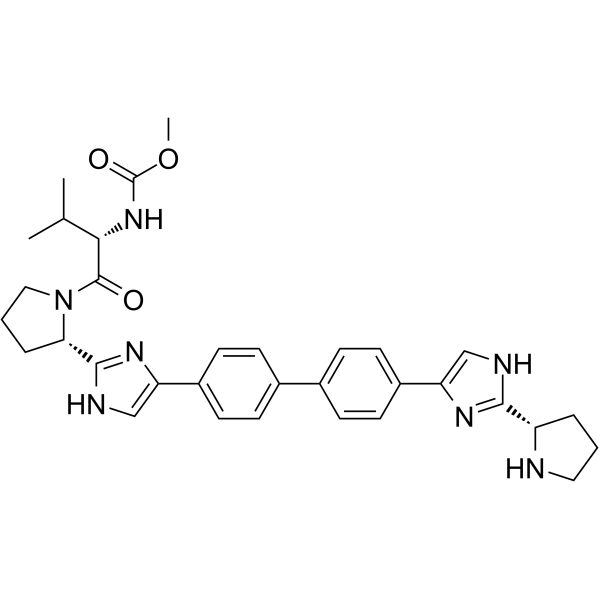
Monodes(N-carboxymethyl)valine Daclatasvir (Daclatasvir Impurity A) is the main degradation product of Daclatasvir. Daclatasvir is a potent HCV NS5A protein inhibitor .
|
-
- HY-W016194R
-
|
1-Carboxycyclohexaneacetic acid (Standard); Gabapentin Impurity E (Standard); Gabapentin Related Compound E (Standard)
|
5-HT Receptor
Reference Standards
|
Neurological Disease
|
|
1-(Carboxymethyl)cyclohexanecarboxylic acid (Standard) is the analytical standard of 1-(Carboxymethyl)cyclohexanecarboxylic acid. This product is intended for research and analytical applications. 1-(Carboxymethyl)cyclohexanecarboxylic acid (1-Carboxycyclohexaneacetic acid; Gabapentin Impurity E) is a potential impurity in commercial preparations of the antiepileptic agent Gabapentin (HY-A0057). It is also used as a precursor for the synthesis of a serotonin (5-HT) receptor subtype 5-HT2A antagonist.
|
-

- HY-W1049024
-
|
Azide PEG2000 Succinimidyl carboxymethyl Ester
|
Biochemical Assay Reagents
|
Others
|
|
N3-PEG2000-SCM (Azide PEG2000 Succinimidyl Carboxymethyl Ester) is a linear heteroterminal bifunctional PEG product with succinimidyl carbonate and azide groups.
|
-

- HY-W1049024A
-
|
Azide PEG5000 Succinimidyl carboxymethyl Ester
|
Biochemical Assay Reagents
|
Others
|
|
N3-PEG5000-SCM (Azide PEG5000 Succinimidyl Carboxymethyl Ester) is a linear heteroterminal bifunctional PEG product with succinimidyl carbonate and azide groups.
|
-

- HY-D0089
-
|
|
Fluorescent Dye
|
Others
|
|
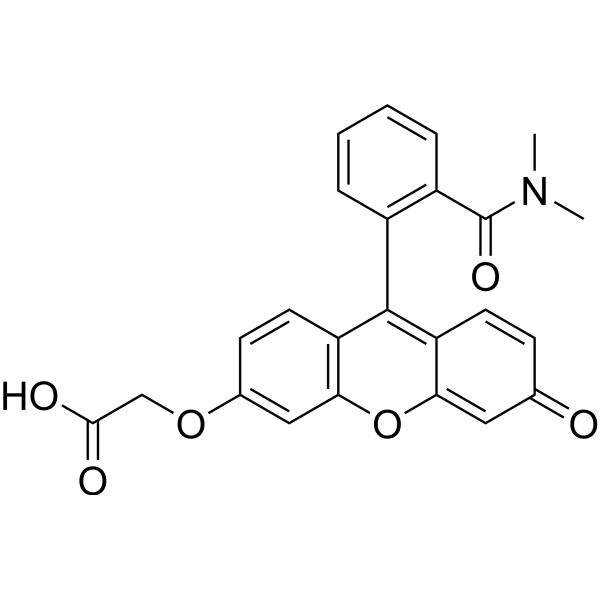
O'-(carboxymethyl)fluoresceinamide is a multifunctional dye. Dyes are important tools in biological experiments. They can help researchers observe and analyze cell structures, track biomolecules, evaluate cell functions, distinguish cell types, detect biomolecules, study tissue pathology and monitor microorganisms. Their applications range from basic scientific research to clinical A wide range of diagnostics. Dyes are also widely used in traditional fields such as textile dyeing, as well as in emerging fields such as functional textile processing, food pigments and dye-sensitized solar cells.
|
-
- HY-135774R
-
|
|
Reference Standards
Drug Metabolite
Phosphatase
|
Cardiovascular Disease
|
|
1-(Carboxymethyl)cyclohexanecarboxylic acid (Standard) is the analytical standard of 1-(Carboxymethyl)cyclohexanecarboxylic acid. This product is intended for research and analytical applications. 1-(Carboxymethyl)cyclohexanecarboxylic acid (1-Carboxycyclohexaneacetic acid; Gabapentin Impurity E) is a potential impurity in commercial preparations of the antiepileptic agent Gabapentin (HY-A0057). It is also used as a precursor for the synthesis of a serotonin (5-HT) receptor subtype 5-HT2A antagonist.
|
-

- HY-W1049071D
-
|
|
Biochemical Assay Reagents
|
Others
|
|
HO-PEG40000-SCM is a hetero-bifunctional hydroxy PEG succinimidyl carboxymethyl ester product, which is commonly used as a cross-linker or spacer between two different chemical entities.
|
-

- HY-W1048555D
-
|
|
Biochemical Assay Reagents
|
Others
|
|
Mal-PEG10000-SCM is a linear hetero-bifunctional PEG product with maleimide and succinimidyl NHS ester groups. Mal-PEG10000-SCM is an important cross-linker with PEG chains. Maleimide reacts with thiols, SH, sulfhydryls or sulfhydryls, and SCM stands for succinimidyl carboxymethyl ester, which reacts with primary amines. Maleimide contains a reactive C=C double bond and is sensitive to light or oxygen .
|
-

- HY-W1048555
-
|
|
Biochemical Assay Reagents
|
Others
|
|
Mal-PEG1000-SCM is a linear hetero-bifunctional PEG product with maleimide and succinimidyl NHS ester groups. Mal-PEG1000-SCM is an important cross-linker with PEG chains. Maleimide reacts with thiols, SH, sulfhydryls or sulfhydryls, and SCM stands for succinimidyl carboxymethyl ester, which reacts with primary amines. Maleimide contains a reactive C=C double bond and is sensitive to light or oxygen .
|
-

- HY-P2592
-
-
- HY-CE01277
-
-

- HY-125628
-
|
|
Endogenous Metabolite
|
Infection
|
|
Kahalalide A is an anti-mycobacterial compound with antimicrobial activity. Kahalalide A is derived from the marine mollusk Elysia rufescens. Kahalalide A has attracted extensive attention in natural product research due to its potential medicinal value .
|
-

- HY-W020201R
-
|
|
Reference Standards
|
|
|
Ethyl 4-carboxymethyl-2-ethoxybenzoate (Standard) is the analytical standard of Ethyl 4-carboxymethyl-2-ethoxybenzoate. This product is intended for research and analytical applications.
|
-

- HY-W614122
-
|
4-COOH-Hippuric acid; 4-[(carboxymethyl)amino]benzoic acid
|
Drug Derivative
|
Others
|
|
4-((Carboxymethyl)amino)benzoic acid (4-COOH-Hippuric acid) is a derivative of 4-Aminobenzoic acidchorismate (PABA) (HY-B1008). 4-((Carboxymethyl)amino)benzoic acid is a competitive inhibitor of 4-Amino-4-deoxychorismate synthase .
|
-

- HY-100047R
-
|
|
Taste Receptor
Reference Standards
|
Others
|
|
Nα,Nα-Bis(carboxymethyl)-L-lysine (Standard) is the analytical standard of Nα,Nα-Bis(carboxymethyl)-L-lysine (HY-100047). This product is intended for research and analytical applications. Nα,Nα-Bis(carboxymethyl)-L-lysine is a competitive inhibitor of bitter taste receptor 4, with an IC50 of 59 nM. Nα,Nα-Bis(carboxymethyl)-L-lysine can be used in bitter receptors related study .
|
-

- HY-W227047
-
|
|
MOFs
|
Others
|
|
2-(n-(Carboxymethyl)sulfamoyl)terephthalic acid is a metal-organic framework (MOF).
|
-

- HY-W112321
-
|
|
MOFs
|
Others
|
|
5-((Bis(carboxymethyl)amino)methyl)isophthalic acid is a metal-organic framework (MOF).
|
-

- HY-176010
-
|
|
Drug Derivative
|
Others
|
|
Dehydroepiandrosterone sulfate 17-(O-carboxymethyl)oxime is a derivative of dehydroepiandrosterone sulfate .
|
-

- HY-W1113135A
-
|
|
Biochemical Assay Reagents
|
Others
|
|
Carboxymethyl-β-cyclodextrin sodium salt, for capillary electrophoresis is a negatively charged β-cyclodextrin derivative, as well as a metal ion chelator and solubilizing reagent. Carboxymethyl-β-cyclodextrin sodium salt, for capillary electrophoresis forms stable aqueous complexes with Ba 2+, Ca 2+, Cd 2+, Ni 2+, Pb 2+, Sr 2+, and Zn 2+ ions. Carboxymethyl-β-cyclodextrin sodium salt derived hydrogel carriers support oral insulin delivery via paracellular permeation across Caco-2 monolayers and produce sustained hypoglycemic effects in diabetic mice. Carboxymethyl-β-cyclodextrin sodium salt can be conjugated onto folate-modified BSA nanoparticles to boost folate receptor-mediated endocytosis, elevate intracellular anticancer drug uptake and trigger cell apoptosis. Carboxymethyl-β-cyclodextrin sodium salt can be utilized for chiral separation in capillary electrophoresis, development of nanoscale drug carriers and nucleic acid transfection research .
|
-

- HY-W586891
-
|
|
MOFs
|
Others
|
|
5-[Bis(carboxymethyl)amino]-1,3-benzenedicarboxylic acid is a metal-organic framework (MOF).
|
-
![5-[Bis(carboxymethyl)amino]-1,3-benzenedicarboxylic acid](//file.medchemexpress.com/product_pic/hy-w586891.gif)
- HY-W587411
-
|
Mono[2-(carboxymethyl)hexyl] phthalate; MCHP
|
Drug Metabolite
|
Metabolic Disease
|
|
Mono[2-(carboxymethyl)hexyl] phthalate (MCHP) is a metabolite of Di-(2-ethylhexyl)phthalate (DEHP). DEH is an endocrine disrupting chemical that is widely used as the major plasticizer .
|
-

- HY-W1049024E
-
|
Azide PEG1000 Succinimidyl carboxymethyl Ester
|
Biochemical Assay Reagents
|
Others
|
|
N3-PEG1000-SCM (Azide PEG1000 Succinimidyl Carboxymethyl Ester) is a linear heteroterminal bifunctional PEG product with succinimidyl carbonate and azide groups.
|
-

- HY-W1049024H
-
|
Azide PEG3400 Succinimidyl carboxymethyl Ester
|
Biochemical Assay Reagents
|
Others
|
|
N3-PEG3400-SCM (Azide PEG3400 Succinimidyl Carboxymethyl Ester) is a linear heteroterminal bifunctional PEG product with succinimidyl carbonate and azide groups.
|
-

- HY-W1049024B
-
|
Azide PEG10000 Succinimidyl carboxymethyl Ester
|
Biochemical Assay Reagents
|
Others
|
|
N3-PEG10000-SCM (Azide PEG10000 Succinimidyl Carboxymethyl Ester) is a linear heteroterminal bifunctional PEG product with succinimidyl carbonate and azide groups.
|
-

- HY-W1049024C
-
|
Azide PEG20000 Succinimidyl carboxymethyl Ester
|
Biochemical Assay Reagents
|
Others
|
|
N3-PEG20000-SCM (Azide PEG20000 Succinimidyl Carboxymethyl Ester) is a linear heteroterminal bifunctional PEG product with succinimidyl carbonate and azide groups.
|
-

- HY-W1049024D
-
|
Azide PEG40000 Succinimidyl carboxymethyl Ester
|
Biochemical Assay Reagents
|
Others
|
|
N3-PEG40000-SCM (Azide PEG40000 Succinimidyl Carboxymethyl Ester) is a linear heteroterminal bifunctional PEG product with succinimidyl carbonate and azide groups.
|
-

- HY-W586985
-
|
|
MOFs
|
Others
|
|
2,2'-(5'-(4-(Carboxymethyl)phenyl)-[1,1':3',1''-terphenyl]-4,4''-diyl)diacetic acid is a metal-organic framework (MOF).
|
-
![2,2'-(5'-(4-(Carboxymethyl)phenyl)-[1,1':3',1''-terphenyl]-4,4''-diyl)diacetic acid](//file.medchemexpress.com/product_pic/hy-w586985.gif)
- HY-W074655
-
|
2-[4-[3,5-Bis[1-(carboxymethyl)triazol-4-yl]phenyl]triazol-1-yl]acetic acid
|
MOFs
|
Others
|
|
4,4′,4′′-(1,3,5-Benzenetriyl)tris[1H-1,2,3-triazole-1-acetic acid] (2-[4-[3,5-Bis[1-(carboxymethyl)triazol-4-yl]phenyl]triazol-1-yl]acetic acid) is a metal-organic framework (MOF).
|
-
![4,4′,4′′-(1,3,5-Benzenetriyl)tris[1H-1,2,3-triazole-1-acetic acid]](//file.medchemexpress.com/product_pic/hy-w074655.gif)
- HY-179067
-
|
|
Biochemical Assay Reagents
|
Others
|
|
CM-Polysucrose 70 consists of polysucrose substituted with carboxymethyl groups, which imparts polyanionic properties to the product .
|
-

- HY-W1049071C
-
|
|
Biochemical Assay Reagents
|
Others
|
|
HO-PEG20000-SCM is a hetero-bifunctional hydroxy PEG succinimidyl carboxymethyl ester product, which is commonly used as a cross-linker or spacer between two different chemical entities.
|
-

- HY-W1049071A
-
|
|
Biochemical Assay Reagents
|
Others
|
|
HO-PEG5000-SCM is a hetero-bifunctional hydroxy PEG succinimidyl carboxymethyl ester product, which is commonly used as a cross-linker or spacer between two different chemical entities.
|
-

- HY-W1049071I
-
|
|
Biochemical Assay Reagents
|
Others
|
|
HO-PEG3400-SCM is a hetero-bifunctional hydroxy PEG succinimidyl carboxymethyl ester product, which is commonly used as a cross-linker or spacer between two different chemical entities.
|
-

- HY-W1049071B
-
|
|
Biochemical Assay Reagents
|
Others
|
|
HO-PEG10000-SCM is a hetero-bifunctional hydroxy PEG succinimidyl carboxymethyl ester product, which is commonly used as a cross-linker or spacer between two different chemical entities.
|
-

- HY-W1049071H
-
|
|
Biochemical Assay Reagents
|
Others
|
|
HO-PEG2000-SCM is a hetero-bifunctional hydroxy PEG succinimidyl carboxymethyl ester product, which is commonly used as a cross-linker or spacer between two different chemical entities.
|
-

- HY-W1049071E
-
|
|
Biochemical Assay Reagents
|
Others
|
|
HO-PEG1000-SCM is a hetero-bifunctional hydroxy PEG succinimidyl carboxymethyl ester product, which is commonly used as a cross-linker or spacer between two different chemical entities.
|
-

- HY-P2859A
-
|
|
Biochemical Assay Reagents
|
Metabolic Disease
|
|
Chitosanase, Streptomyces griseus (EC 3.2.1.132) catalyzes the endohydrolysis of β (1,4) linkages between N-acetyl-D-glucosamine and D-glucosamine residues in partially deacetylated chitosan. Chitosanase, Streptomyces griseus (EC 3.2.1.132) is capable of hydrolyzing both chitosan and carboxymethyl cellulose.
|
-

- HY-179068
-
|
|
Fluorescent Dye
|
Others
|
|
FITC-CM-Polysucrose 70 is FITC-labeled CM-Polysucrose 70 (HY-179067). CM-Polysucrose 70 consists of polysucrose substituted with carboxymethyl groups, which imparts polyanionic properties to the product. FITC-CM-Polysucrose 70 is primarily used in permeability and microcirculatory studies (Ex/Em = 488/525 nm) .
|
-

- HY-W1048555H
-
|
|
Biochemical Assay Reagents
|
Others
|
|
Mal-PEG40000-SCM is a linear hetero-bifunctional PEG product with maleimide and succinimidyl NHS ester groups. Mal-PEG40000-SCM is an important cross-linker with PEG chains. Maleimide reacts with thiols, SH, sulfhydryls or sulfhydryls, and SCM stands for succinimidyl carboxymethyl ester, which reacts with primary amines. Maleimide contains a reactive C=C double bond and is sensitive to light or oxygen .
|
-

- HY-W1048555C
-
|
|
Biochemical Assay Reagents
|
Others
|
|
Mal-PEG5000-SCM is a linear hetero-bifunctional PEG product with maleimide and succinimidyl NHS ester groups. Mal-PEG5000-SCM is an important cross-linker with PEG chains. Maleimide reacts with thiols, SH, sulfhydryls or sulfhydryls, and SCM stands for succinimidyl carboxymethyl ester, which reacts with primary amines. Maleimide contains a reactive C=C double bond and is sensitive to light or oxygen .
|
-

- HY-W1048555E
-
|
|
Biochemical Assay Reagents
|
Others
|
|
Mal-PEG20000-SCM is a linear hetero-bifunctional PEG product with maleimide and succinimidyl NHS ester groups. Mal-PEG20000-SCM is an important cross-linker with PEG chains. Maleimide reacts with thiols, SH, sulfhydryls or sulfhydryls, and SCM stands for succinimidyl carboxymethyl ester, which reacts with primary amines. Maleimide contains a reactive C=C double bond and is sensitive to light or oxygen .
|
-

- HY-182824
-
|
|
Autophagy
|
Others
|
|
Sucrose dilaurate acts as an emulsifier, dispersant and stabilizer. Sucrose dilaurate reduces the release of HMGB1 from UVB-irradiated keratinocytes. Sucrose dilaurate inhibits melanogenesis and decreases bilirubin levels. Sucrose dilaurate induces autophagy in human epidermal keratinocytes, thereby reducing carboxymethyl lysine (CML) levels. Sucrose dilaurate reduces the secretion of insulin-like growth factor-binding protein 3 (IGFBP3) and nerve growth factor (NGF) by senescent keratinocytes. Sucrose dilaurate is investigated as an emulsifier, dispersant or stabilizer in the cosmetics, food and pharmaceutical industries .
|
-

- HY-A0248AS1
-
|
|
Isotope-Labeled Compounds
Bacterial
|
Infection
|
|
Polymyxin B1-D-Leu-d7 TFA is the deuterium labeled Polymyxin B1 (HY-A0248A). Polymyxin B1 is a potent antimicrobial lipopeptide first derived from Bacilus polymyxa. Polymyxin B1 is the major component in Polymyxin B (HY-A0248). Polymyxin B1 can induce lysis of bacterial cells through interaction with their membranes. Polymyxin B1 has the potential for multidrug-resistant Gram-negative bacterial infections treatment .
|
-

| Cat. No. |
Product Name |
Type |
-
- HY-D0089
-
|
|
Fluorescent Dyes
|
|
O'-(carboxymethyl)fluoresceinamide is a multifunctional dye. Dyes are important tools in biological experiments. They can help researchers observe and analyze cell structures, track biomolecules, evaluate cell functions, distinguish cell types, detect biomolecules, study tissue pathology and monitor microorganisms. Their applications range from basic scientific research to clinical A wide range of diagnostics. Dyes are also widely used in traditional fields such as textile dyeing, as well as in emerging fields such as functional textile processing, food pigments and dye-sensitized solar cells.
|
| Cat. No. |
Product Name |
Type |
-
- HY-Y0703
-
|
CMC-Na (Viscosity:800-1200 mPa.s)
|
Biochemical Assay Reagents
|
|
Sodium carboxymethyl cellulose (Viscosity:800-1200 mPa.s) is the sodium salt of cellulose arboxymethyl and frequently used as viscous agent, paste and barrier agent.
|
-
- HY-Y1889A
-
|
CMC-Na (MW 250000); CMC-Na (Viscosity:1500-3100 mPa.s)
|
Biochemical Assay Reagents
|
|
Sodium carboxymethyl cellulose (CMC-Na) (MW 250000) is a sodium salt of carboxymethyl cellulose. Sodium carboxymethyl cellulose has adsorption and corrosion inhibition on low-carbon steel in an acidic medium. Sodium carboxymethyl cellulose can be used as a thickener, paste and barrier agent .
|
-
- HY-W250111
-
|
|
Biochemical Assay Reagents
|
|
Carboxymethyl chitosan is a derivative of chitosan. Carboxymethyl chitosan inhibits Apoptosis and ROS. Carboxymethyl chitosan increases the expression of Bcl-2 and reduces the expression of Bax, cytochrome c and caspase-3. Carboxymethyl chitosan inhibits the migration of various cells. Carboxymethyl chitosan exerts antitumor effects on Lewis tumors and hepatocarcinoma .
|
-
- HY-Y0703C
-
|
CMC-Na (Viscosity:300-800mpa.s)
|
Biochemical Assay Reagents
|
|
Sodium carboxymethyl cellulose (Viscosity:300-800mpa.s) is the sodium salt of cellulose arboxymethyl and frequently used as viscous agent, paste and barrier agent.
|
-
- HY-W286743
-
|
CML; N6-(carboxymethyl)-L-lysine; Nε-(1-carboxymethyl)-L-lysine
|
Biochemical Assay Reagents
|
|
Nε-(Carboxymethyl)-L-lysine (CML) is an orally active advanced glycation end product. Nε-(Carboxymethyl)-L-lysine upregulates the expression of PLK1 and CEP20, and induces the activation of RAGE and ERK/NFκB. Nε-(Carboxymethyl)-L-lysine drives centrosome amplification. Nε-(Carboxymethyl)-L-lysine induces malignant transformation of hepatocytes and promotes the development of hepatocellular carcinoma. Nε-(Carboxymethyl)-L-lysine induces epithelial-mesenchymal transition in osteosarcoma cells and enhances their migration and invasion properties .
|
-
- HY-Y0703A
-
|
CMC-Na (Viscosity:1200-1400 mPa.s)
|
Biochemical Assay Reagents
|
|
Sodium carboxymethyl cellulose (Viscosity:1200-1400 mPa.s) is the sodium salt of cellulose arboxymethyl and frequently used as viscous agent, paste and barrier agent.
|
-
- HY-Y1889
-
|
CMC-Na (Viscosity:5000-15000 mPa.s)
|
Biochemical Assay Reagents
|
|
Sodium carboxymethyl cellulose (Viscosity:5000-15000 mPa.s) is the sodium salt of cellulose arboxymethyl and frequently used as viscous agent, paste and barrier agent.
|
-
- HY-Y0703D
-
|
CMC-Na (average Mw 90000, DS=0.7, Viscosity:50-200 mPa.s)
|
Biochemical Assay Reagents
|
|
Sodium carboxymethyl cellulose (average Mw 90000, DS=0.7, Viscosity:50-200 mPa.s) is the sodium salt of cellulose arboxymethyl and frequently used as viscous agent, paste and barrier agent .
|
-
- HY-B2221C
-
|
carboxymethyl cellulose CM-32; CM-32
|
Biochemical Assay Reagents
|
|
CM Cellulose CM-32 (Carboxymethyl cellulose) is a cellulose derivative. CM Cellulose CM-32 has a wide range of applications in the biomedical field, including tissue engineering, wound dressing, absorbent nonwovens, fabrication of 3D-scaffolds for biocompatible implants, artificial organs or mimics of extracellular polymeric matrix and diagnosis of various diseases. CM Cellulose CM-32 can decrease osteoclasts formation. CM Cellulose CM-32 can be used as a biological material or organic compound for life science related research .
|
-
- HY-W004761
-
|
Hypodiboric acid
|
Biochemical Assay Reagents
|
|
Tetrahydroxydiboron (Hypodiboric acid) acts as a hydrogel initiator and bioadhesion promoter, with broad-spectrum antibacterial activity, ROS scavenging capacity, and osteogenic induction properties. Tetrahydroxydiboron initiates rapid gelation by generating free radicals through reactions with vinyl monomers and dissolved oxygen, overcoming oxygen inhibition without deoxygenation or external triggers. Tetrahydroxydiboron achieves strong bioadhesion via interaction with carboxymethyl chitosan. Tetrahydroxydiboron can be used in the research of periodontitis and related inflammatory diseases .
|
-
- HY-D0980
-
|
Biotinyl-3,6-dioxaoctanediamine; EZ-Link Amine-PEO2-Biotin
|
Biochemical Assay Reagents
|
|
Biotin-DADOO (Biotinyl-3,6-dioxaoctanediamine; EZ-Link Amine-PEO2-Biotin) is a biotin-containing amine compound and a biotinylation reagent. As an amino component, Biotin-DADOO participates in the nucleophilic ring-opening reaction of epoxidized ω-double bonds during the synthesis of biotinylated inhibitor derivatives. Biotin-DADOO can be conjugated with carboxymethyl cellulose derivatives. Biotin-DADOO is involved in the synthesis of biotin-estradiol conjugates for enzyme immunoassays. Biotin-DADOO can be used in the research of influenza A .
|
-
- HY-126393
-
|
|
Biochemical Assay Reagents
|
|
Carboxymethyl-β-cyclodextrin is a cationic cyclodextrin used as a carrier for drugs. It has been shown to bind nonsteroidal anti-inflammatory drugs (NSAIDs) with high affinity and selectivity.
|
-
- HY-Y0703E
-
|
|
Biochemical Assay Reagents
|
|
Sodium carboxymethyl cellulose (Viscosity:2500-6000mpa.s) is the sodium salt of cellulose arboxymethyl and frequently used as viscous agent, paste and barrier agent .
|
-
- HY-W1048555A
-
|
|
Biochemical Assay Reagents
|
|
Mal-PEG2000-SCM is a heterobifunctional PEG crosslinker bearing maleimide and succinimidyl carboxymethyl ester functional groups. MMal-PEG2000-SCM conjugates the F3 peptide to nanoparticles: the SCM group reacts with amino groups on the nanoparticle surface to form amide groups, while the MAL group reacts with thiol groups of the F3 peptide to form carbon-sulfur bonds. Mal-PEG-SCM enables unidirectional addition of linkers, ensuring that appropriate functional groups are available for RGD incorporation. Mal-PEG2000-SCM can be used in the development of nanoparticles targeting specific tumor cells .
|
-
- HY-158223
-
|
CMCSMA
|
Biochemical Assay Reagents
|
Carboxymethyl chitosan Methacryloyl (CMCSMA) is methacrylated carboxymethyl chitosan with properties as a 3D printing ink. A composite hydrogel made of Carboxymethyl chitosan Methacryloyl can effectively accelerate bone healing in an infectious microenvironment after implantation in a rat model of Staphylococcus aureus-infected femoral defect . Carboxymethyl chitosan Methacryloyl needs to self-assemble into fibrous hydrogel under the action of photoinitiator LAP (HY-44076), and target bioactive adhesion sites, play an inherent supporting role for tissue cells and biodegradable activity.
Application: cell culture, biological 3D printing, tissue engineering, etc.
|
-
- HY-W127837
-
|
N-[2-(AMinooxy)ethyl]-N-(carboxymethyl)glycine hydrochloride
|
Biochemical Assay Reagents
|
|
2-Aminooxyethyliminodiacetic Acid Hydrochloride is a biochemical reagent that can be used as a biological material or organic compound for life science related research.
|
-
- HY-W1048555B
-
|
|
Biochemical Assay Reagents
|
|
Mal-PEG3400-SCM is a linear hetero-bifunctional PEG product with maleimide and succinimidyl NHS ester groups. Mal-PEG3400-SCM is an important cross-linker with PEG chains. Maleimide reacts with thiols, SH, sulfhydryls or sulfhydryls, and SCM stands for succinimidyl carboxymethyl ester, which reacts with primary amines. Maleimide contains a reactive C=C double bond and is sensitive to light or oxygen .
|
-
- HY-W093254A
-
-
- HY-W093254B
-
-
- HY-W1049024
-
|
Azide PEG2000 Succinimidyl carboxymethyl Ester
|
Biochemical Assay Reagents
|
|
N3-PEG2000-SCM (Azide PEG2000 Succinimidyl Carboxymethyl Ester) is a linear heteroterminal bifunctional PEG product with succinimidyl carbonate and azide groups.
|
-
- HY-W1049024A
-
|
Azide PEG5000 Succinimidyl carboxymethyl Ester
|
Biochemical Assay Reagents
|
|
N3-PEG5000-SCM (Azide PEG5000 Succinimidyl Carboxymethyl Ester) is a linear heteroterminal bifunctional PEG product with succinimidyl carbonate and azide groups.
|
-
- HY-W1049071D
-
|
|
Biochemical Assay Reagents
|
|
HO-PEG40000-SCM is a hetero-bifunctional hydroxy PEG succinimidyl carboxymethyl ester product, which is commonly used as a cross-linker or spacer between two different chemical entities.
|
-
- HY-W1048555D
-
|
|
Biochemical Assay Reagents
|
|
Mal-PEG10000-SCM is a linear hetero-bifunctional PEG product with maleimide and succinimidyl NHS ester groups. Mal-PEG10000-SCM is an important cross-linker with PEG chains. Maleimide reacts with thiols, SH, sulfhydryls or sulfhydryls, and SCM stands for succinimidyl carboxymethyl ester, which reacts with primary amines. Maleimide contains a reactive C=C double bond and is sensitive to light or oxygen .
|
-
- HY-W1048555
-
|
|
Biochemical Assay Reagents
|
|
Mal-PEG1000-SCM is a linear hetero-bifunctional PEG product with maleimide and succinimidyl NHS ester groups. Mal-PEG1000-SCM is an important cross-linker with PEG chains. Maleimide reacts with thiols, SH, sulfhydryls or sulfhydryls, and SCM stands for succinimidyl carboxymethyl ester, which reacts with primary amines. Maleimide contains a reactive C=C double bond and is sensitive to light or oxygen .
|
-
- HY-W1049024E
-
|
Azide PEG1000 Succinimidyl carboxymethyl Ester
|
Biochemical Assay Reagents
|
|
N3-PEG1000-SCM (Azide PEG1000 Succinimidyl Carboxymethyl Ester) is a linear heteroterminal bifunctional PEG product with succinimidyl carbonate and azide groups.
|
-
- HY-W1049024H
-
|
Azide PEG3400 Succinimidyl carboxymethyl Ester
|
Biochemical Assay Reagents
|
|
N3-PEG3400-SCM (Azide PEG3400 Succinimidyl Carboxymethyl Ester) is a linear heteroterminal bifunctional PEG product with succinimidyl carbonate and azide groups.
|
-
- HY-W1049024B
-
|
Azide PEG10000 Succinimidyl carboxymethyl Ester
|
Biochemical Assay Reagents
|
|
N3-PEG10000-SCM (Azide PEG10000 Succinimidyl Carboxymethyl Ester) is a linear heteroterminal bifunctional PEG product with succinimidyl carbonate and azide groups.
|
-
- HY-W1049024C
-
|
Azide PEG20000 Succinimidyl carboxymethyl Ester
|
Biochemical Assay Reagents
|
|
N3-PEG20000-SCM (Azide PEG20000 Succinimidyl Carboxymethyl Ester) is a linear heteroterminal bifunctional PEG product with succinimidyl carbonate and azide groups.
|
-
- HY-W1049024D
-
|
Azide PEG40000 Succinimidyl carboxymethyl Ester
|
Biochemical Assay Reagents
|
|
N3-PEG40000-SCM (Azide PEG40000 Succinimidyl Carboxymethyl Ester) is a linear heteroterminal bifunctional PEG product with succinimidyl carbonate and azide groups.
|
-
- HY-179067
-
|
|
Biochemical Assay Reagents
|
|
CM-Polysucrose 70 consists of polysucrose substituted with carboxymethyl groups, which imparts polyanionic properties to the product .
|
-
- HY-W1049071C
-
|
|
Biochemical Assay Reagents
|
|
HO-PEG20000-SCM is a hetero-bifunctional hydroxy PEG succinimidyl carboxymethyl ester product, which is commonly used as a cross-linker or spacer between two different chemical entities.
|
-
- HY-W1049071A
-
|
|
Biochemical Assay Reagents
|
|
HO-PEG5000-SCM is a hetero-bifunctional hydroxy PEG succinimidyl carboxymethyl ester product, which is commonly used as a cross-linker or spacer between two different chemical entities.
|
-
- HY-W1049071I
-
|
|
Biochemical Assay Reagents
|
|
HO-PEG3400-SCM is a hetero-bifunctional hydroxy PEG succinimidyl carboxymethyl ester product, which is commonly used as a cross-linker or spacer between two different chemical entities.
|
-
- HY-W1049071B
-
|
|
Biochemical Assay Reagents
|
|
HO-PEG10000-SCM is a hetero-bifunctional hydroxy PEG succinimidyl carboxymethyl ester product, which is commonly used as a cross-linker or spacer between two different chemical entities.
|
-
- HY-W1049071H
-
|
|
Biochemical Assay Reagents
|
|
HO-PEG2000-SCM is a hetero-bifunctional hydroxy PEG succinimidyl carboxymethyl ester product, which is commonly used as a cross-linker or spacer between two different chemical entities.
|
-
- HY-W1049071E
-
|
|
Biochemical Assay Reagents
|
|
HO-PEG1000-SCM is a hetero-bifunctional hydroxy PEG succinimidyl carboxymethyl ester product, which is commonly used as a cross-linker or spacer between two different chemical entities.
|
-
- HY-179068
-
|
|
Biochemical Assay Reagents
|
|
FITC-CM-Polysucrose 70 is FITC-labeled CM-Polysucrose 70 (HY-179067). CM-Polysucrose 70 consists of polysucrose substituted with carboxymethyl groups, which imparts polyanionic properties to the product. FITC-CM-Polysucrose 70 is primarily used in permeability and microcirculatory studies (Ex/Em = 488/525 nm) .
|
-
- HY-W1048555H
-
|
|
Biochemical Assay Reagents
|
|
Mal-PEG40000-SCM is a linear hetero-bifunctional PEG product with maleimide and succinimidyl NHS ester groups. Mal-PEG40000-SCM is an important cross-linker with PEG chains. Maleimide reacts with thiols, SH, sulfhydryls or sulfhydryls, and SCM stands for succinimidyl carboxymethyl ester, which reacts with primary amines. Maleimide contains a reactive C=C double bond and is sensitive to light or oxygen .
|
-
- HY-W1048555C
-
|
|
Biochemical Assay Reagents
|
|
Mal-PEG5000-SCM is a linear hetero-bifunctional PEG product with maleimide and succinimidyl NHS ester groups. Mal-PEG5000-SCM is an important cross-linker with PEG chains. Maleimide reacts with thiols, SH, sulfhydryls or sulfhydryls, and SCM stands for succinimidyl carboxymethyl ester, which reacts with primary amines. Maleimide contains a reactive C=C double bond and is sensitive to light or oxygen .
|
-
- HY-W1048555E
-
|
|
Biochemical Assay Reagents
|
|
Mal-PEG20000-SCM is a linear hetero-bifunctional PEG product with maleimide and succinimidyl NHS ester groups. Mal-PEG20000-SCM is an important cross-linker with PEG chains. Maleimide reacts with thiols, SH, sulfhydryls or sulfhydryls, and SCM stands for succinimidyl carboxymethyl ester, which reacts with primary amines. Maleimide contains a reactive C=C double bond and is sensitive to light or oxygen .
|
| Cat. No. |
Product Name |
Target |
Research Area |
-
- HY-134124
-
|
|
Reactive Oxygen Species (ROS)
|
Metabolic Disease
|
|
Glutathione ethyl ester is a cell-permeable GSH donor and provides an efficient supply of GSH to the oocyte. Glutathione ethyl ester shows positive effect on the in vitro production of embryos by enhancement of the antioxidative defense .
|
-
- HY-P10272
-
|
PTG-300
|
Ferroportin
|
Others
|
|
Rusfertide is a peptide mimetic of natural hepcidin, which targets and degrades ferroportin, reduces serum iron and transferrin-saturation, and thus regulates the production of red blood cells. Rusfertide ameliorates the polycythemia vera, β-thalassemia and hereditary hemochromatosis .
|
-
- HY-A0248A
-
|
|
Bacterial
|
Infection
|
|
Polymyxin B1 is a potent antimicrobial lipopeptide first derived from Bacilus polymyxa. Polymyxin B1 is the major component in Polymyxin B (HY-A0248). Polymyxin B1 can induce lysis of bacterial cells through interaction with their membranes. Polymyxin B1 has the potential for multidrug-resistant Gram-negative bacterial infections treatment .
|
-
- HY-100047
-
|
|
Taste Receptor
|
Others
|
|
Nα,Nα-Bis(carboxymethyl)-L-lysine is a competitive inhibitor of bitter taste receptor 4, with an IC50 of 59 nM. Nα,Nα-Bis(carboxymethyl)-L-lysine can be used in bitter receptors related study .
|
-
- HY-P1108A
-
|
|
CRFR
|
Neurological Disease
Inflammation/Immunology
|
Astressin 2B TFA is a blood-brain barrier-impermeable, highly selective CRFR2 antagonist (rCRFR2, IC50=0.57 nM). Astressin 2B TFA blocks the protective effects mediated by CRFR2, thereby exacerbating indomethacin (HY-14397)-induced hemorrhagic intestinal injury in rats. Astressin 2B TFA reverses the protective effects of Urocortin 1 against intestinal hypermotility, bacterial invasion and upregulation of inflammatory mediators. Astressin 2B TFA also blocks the anxiogenic effect of Urocortin 2 and attenuates stress-induced anxiety-related behaviors. In the Clostridioides difficile toxin A (C. difficile toxin A)-mediated enteritis model, Astressin 2B TFA mimics the phenotype of CRFR2-deficient mice, significantly exacerbating intestinal epithelial damage, edema, neutrophil migration and the expression of multiple proinflammatory cytokines. Astressin 2B TFA is an important tool molecule for investigating the intestinal protective mechanisms of CRFR2 .
|
-
- HY-P1108
-
|
|
CRFR
|
Neurological Disease
Inflammation/Immunology
|
Astressin 2B is a blood-brain barrier-impermeable, highly selective CRFR2 antagonist (rCRFR2, IC50=0.57 nM). Astressin 2B blocks the protective effects mediated by CRFR2, thereby exacerbating indomethacin (HY-14397)-induced hemorrhagic intestinal injury in rats. Astressin 2B reverses the protective effects of Urocortin 1 against intestinal hypermotility, bacterial invasion and upregulation of inflammatory mediators. Astressin 2B also blocks the anxiogenic effect of Urocortin 2 and attenuates stress-induced anxiety-related behaviors. In the Clostridioides difficile toxin A (C. difficile toxin A)-mediated enteritis model, Astressin 2B mimics the phenotype of CRFR2-deficient mice, significantly exacerbating intestinal epithelial damage, edema, neutrophil migration and the expression of multiple proinflammatory cytokines. Astressin 2B is an important tool molecule for investigating the intestinal protective mechanisms of CRFR2 .
|
-
- HY-114118S1
-
|
|
Isotope-Labeled Compounds
GLP Receptor
Insulin Receptor
α-synuclein
Apoptosis
p38 MAPK
Autophagy
Bcl-2 Family
|
Neurological Disease
Metabolic Disease
Cancer
|
|
Semaglutide-d8 tetraTFA is the deuterium labeled Semaglutide (HY-114118). Semaglutide is a long-acting, selective, competitive GLP-1R agonist that can penetrate the blood-brain barrier. After activating GLP-1R, Semaglutide promotes insulin secretion, inhibits gastric emptying and appetite, and at the same time enhances autophagy, inhibits oxidative stress and apoptosis. Semaglutide also regulates mitochondrial function and lipid metabolism (such as reducing de novo lipogenesis in the liver). Semaglutide has activities such as lowering blood sugar, reducing weight, neuroprotection (such as improving motor function in Parkinson's disease models, reducing α-synuclein aggregation) and improving hepatic steatosis. Semaglutide can be used for the study of neurodegenerative diseases and liver diseases such as type 2 diabetes, obesity, Parkinson's disease, metabolic associated fatty liver disease (MASLD), and cancer .
|
-
- HY-114118S
-
|
|
Isotope-Labeled Compounds
GLP Receptor
Insulin Receptor
α-synuclein
Apoptosis
p38 MAPK
Autophagy
Bcl-2 Family
|
Neurological Disease
Metabolic Disease
Cancer
|
|
Semaglutide-d8 is the deuterium labeled Semaglutide (HY-114118). Semaglutide is a long-acting, selective, competitive GLP-1R agonist that can penetrate the blood-brain barrier. After activating GLP-1R, Semaglutide promotes insulin secretion, inhibits gastric emptying and appetite, and at the same time enhances autophagy, inhibits oxidative stress and apoptosis. Semaglutide also regulates mitochondrial function and lipid metabolism (such as reducing de novo lipogenesis in the liver). Semaglutide has activities such as lowering blood sugar, reducing weight, neuroprotection (such as improving motor function in Parkinson's disease models, reducing α-synuclein aggregation) and improving hepatic steatosis. Semaglutide can be used for the study of neurodegenerative diseases and liver diseases such as type 2 diabetes, obesity, Parkinson's disease, metabolic associated fatty liver disease (MASLD), and cancer .
|
-
- HY-P2336A
-
|
|
Melanocortin Receptor
|
Cancer
|
|
CCZ01048 TFA, a α-MSH analogue, exhibits high binding affinity to melanocortin 1 receptor (MC1R) with a Ki of 0.31 nM. CCZ01048 TFA shows rapid internalization into B16F10 melanoma cells and high in vivo stability. CCZ01048 TFA is a promising candidate for PET imaging of malignant melanoma .
|
-
- HY-P10143
-
|
Ac-Pro-Leu-Gly-[(S)-2-mercapto-4-methyl-pentanoyl]-Leu-Gly-OEt
|
MMP
|
Others
|
|
MMP-2/MMP-9 Substrate (Ac-Pro-Leu-Gly-[(S)-2-mercapto-4-methyl-pentanoyl]-Leu-Gly-OEt) is a synthetic chromogenic polypeptide substrate whose core structure mimics the cleavage sites of MMP-2 and MMP-9 (gelatinase A and B) in collagen. After being hydrolyzed by collagenase, MMP-2/MMP-9 Substrate reacts with 4,4'-dithiodipyridine or Ellman's Reagent via its thiol fragment to produce a product with ultraviolet absorption properties .
|
-
- HY-A0248AS
-
|
|
Isotope-Labeled Compounds
Bacterial
|
Infection
|
|
Polymyxin B1-d7 TFA is the deuterium labeled Polymyxin B1 TFA (HY-A0248A). Polymyxin B1 is a potent antimicrobial lipopeptide first derived from Bacilus polymyxa. Polymyxin B1 is the major component in Polymyxin B (HY-A0248). Polymyxin B1 can induce lysis of bacterial cells through interaction with their membranes. Polymyxin B1 has the potential for multidrug-resistant Gram-negative bacterial infections treatment .
|
-
- HY-P10563
-
|
BHV-1100
|
CD38
|
Cancer
|
|
Noraramtide (BHV-1100) is an antibody recruitment molecule. Noraramtide can specifically bind to CD38 molecules to recruit natural killer (NK) cells. Noraramtide enhances the ability of NK cells to kill tumor cells through antibody-dependent cellular cytotoxicity (ADCC). This mechanism allows NK cells to more effectively recognize and eliminate tumor cells while avoiding mutual killing between NK cells. Noraramtide can be used for the study of autologous cancer immunity .
|
-
- HY-P3066
-
|
d(CH2)5Tyr(Et)VAVP
|
Vasopressin Receptor
|
Metabolic Disease
|
|
SKF 100398 (d(CH2)5Tyr(Et)VAVP), an arginine vasopressin (AVP) analogue, is a specific antagonist of the antidiuretic effect of exogenous and endogenous AVP .
|
-
- HY-W009913
-
-
- HY-P10828
-
|
|
Virus Protease
|
Infection
Inflammation/Immunology
|
|
MAPI is a polypeptide irreversible 3C cysteine protease (SV3CP) inhibitor. MAPI inhibits SV3CP by covalently binding its C-terminal Michael-acceptor extension to the active site thiol of SV3CP Cys 139. MAPI is promising for research of noroviruses infection .
|
-
- HY-P4756
-
|
|
Peptides
|
Others
|
|
N-(2-Carbamoyl-ethyl)-Val-Leu-anilide is a polypeptide that can be found by peptide screening. Peptide screening is a research tool that pools active peptides primarily by immunoassay. Peptide screening can be used for protein interaction, functional analysis, epitope screening, especially in the field of agent research and development .
|
-
- HY-P2592
-
-
- HY-125628
-
|
|
Endogenous Metabolite
|
Infection
|
|
Kahalalide A is an anti-mycobacterial compound with antimicrobial activity. Kahalalide A is derived from the marine mollusk Elysia rufescens. Kahalalide A has attracted extensive attention in natural product research due to its potential medicinal value .
|
-
- HY-100047R
-
|
|
Taste Receptor
Reference Standards
|
Others
|
|
Nα,Nα-Bis(carboxymethyl)-L-lysine (Standard) is the analytical standard of Nα,Nα-Bis(carboxymethyl)-L-lysine (HY-100047). This product is intended for research and analytical applications. Nα,Nα-Bis(carboxymethyl)-L-lysine is a competitive inhibitor of bitter taste receptor 4, with an IC50 of 59 nM. Nα,Nα-Bis(carboxymethyl)-L-lysine can be used in bitter receptors related study .
|
-
- HY-A0248AS1
-
|
|
Isotope-Labeled Compounds
Bacterial
|
Infection
|
|
Polymyxin B1-D-Leu-d7 TFA is the deuterium labeled Polymyxin B1 (HY-A0248A). Polymyxin B1 is a potent antimicrobial lipopeptide first derived from Bacilus polymyxa. Polymyxin B1 is the major component in Polymyxin B (HY-A0248). Polymyxin B1 can induce lysis of bacterial cells through interaction with their membranes. Polymyxin B1 has the potential for multidrug-resistant Gram-negative bacterial infections treatment .
|
-
- HY-K0257
-
|
|
|
MCE CM Agarose 6FF is a weak cation exchanger formed by covalently coupling carboxymethyl (CM) groups to agarose microspheres. It is suitable for both laboratory research and large-scale industrial purification processes.
|
| Cat. No. |
Product Name |
Category |
Target |
Chemical Structure |
| Cat. No. |
Product Name |
Chemical Structure |
-
- HY-114118S1
-
|
|
|
Semaglutide-d8 tetraTFA is the deuterium labeled Semaglutide (HY-114118). Semaglutide is a long-acting, selective, competitive GLP-1R agonist that can penetrate the blood-brain barrier. After activating GLP-1R, Semaglutide promotes insulin secretion, inhibits gastric emptying and appetite, and at the same time enhances autophagy, inhibits oxidative stress and apoptosis. Semaglutide also regulates mitochondrial function and lipid metabolism (such as reducing de novo lipogenesis in the liver). Semaglutide has activities such as lowering blood sugar, reducing weight, neuroprotection (such as improving motor function in Parkinson's disease models, reducing α-synuclein aggregation) and improving hepatic steatosis. Semaglutide can be used for the study of neurodegenerative diseases and liver diseases such as type 2 diabetes, obesity, Parkinson's disease, metabolic associated fatty liver disease (MASLD), and cancer .
|
-
-
- HY-114118S
-
|
|
|
Semaglutide-d8 is the deuterium labeled Semaglutide (HY-114118). Semaglutide is a long-acting, selective, competitive GLP-1R agonist that can penetrate the blood-brain barrier. After activating GLP-1R, Semaglutide promotes insulin secretion, inhibits gastric emptying and appetite, and at the same time enhances autophagy, inhibits oxidative stress and apoptosis. Semaglutide also regulates mitochondrial function and lipid metabolism (such as reducing de novo lipogenesis in the liver). Semaglutide has activities such as lowering blood sugar, reducing weight, neuroprotection (such as improving motor function in Parkinson's disease models, reducing α-synuclein aggregation) and improving hepatic steatosis. Semaglutide can be used for the study of neurodegenerative diseases and liver diseases such as type 2 diabetes, obesity, Parkinson's disease, metabolic associated fatty liver disease (MASLD), and cancer .
|
-
-
- HY-A0248AS
-
|
|
|
Polymyxin B1-d7 TFA is the deuterium labeled Polymyxin B1 TFA (HY-A0248A). Polymyxin B1 is a potent antimicrobial lipopeptide first derived from Bacilus polymyxa. Polymyxin B1 is the major component in Polymyxin B (HY-A0248). Polymyxin B1 can induce lysis of bacterial cells through interaction with their membranes. Polymyxin B1 has the potential for multidrug-resistant Gram-negative bacterial infections treatment .
|
-
-
- HY-W286743S1
-
|
|
|
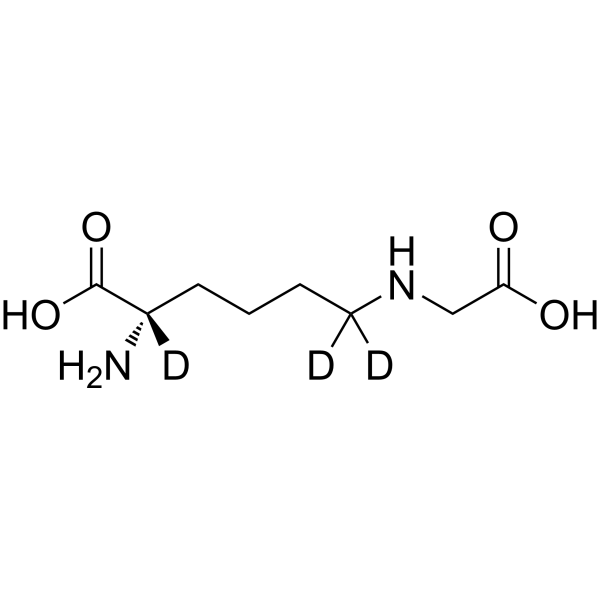
CML-d3 is the deuterium labeled CML.
|
-
-
- HY-W587411S
-
|
|
|
Mono[2-(carboxymethyl)hexyl] phthalate-d4 is a deuterium labeled compound.
|
-
-
- HY-A0248AS1
-
|
|
|
Polymyxin B1-D-Leu-d7 TFA is the deuterium labeled Polymyxin B1 (HY-A0248A). Polymyxin B1 is a potent antimicrobial lipopeptide first derived from Bacilus polymyxa. Polymyxin B1 is the major component in Polymyxin B (HY-A0248). Polymyxin B1 can induce lysis of bacterial cells through interaction with their membranes. Polymyxin B1 has the potential for multidrug-resistant Gram-negative bacterial infections treatment .
|
-
| Cat. No. |
Product Name |
|
Classification |
-
- HY-Y0703
-
|
CMC-Na (Viscosity:800-1200 mPa.s)
|
|
Binders
Disintegrants
Suspending Agents
|
|
Sodium carboxymethyl cellulose (Viscosity:800-1200 mPa.s) is the sodium salt of cellulose arboxymethyl and frequently used as viscous agent, paste and barrier agent.
|
-
- HY-154704
-
|
|
|
Disintegrants
|
|
Calcium carboxymethyl cellulose can be used as an excipient. Pharmaceutical excipients, or pharmaceutical auxiliaries, refer to other chemical substances used in the pharmaceutical process other than pharmaceutical ingredients. Pharmaceutical excipients generally refer to inactive ingredients in pharmaceutical preparations, which can improve the stability, solubility and processability of pharmaceutical preparations. Pharmaceutical excipients also affect the absorption, distribution, metabolism, and elimination (ADME) processes of co-administered drugs .
|
-
- HY-152465
-
|
|
|
Nucleoside Analogs
Uridine
|
|
5-Carboxymethyl-2-thiouridine is a purine nucleoside analog. Purine nucleoside analogs have broad antitumor activity targeting indolent lymphoid malignancies. Anticancer mechanisms in this process rely on inhibition of DNA synthesis, induction of apoptosis, etc .
|
Your information is safe with us. * Required Fields.
Inquiry Information
- Product Name:
- Cat. No.:
- Quantity:
- MCE Japan Authorized Agent:





![Mono[2-(carboxymethyl)hexyl] phthalate-d4](http://file.medchemexpress.com/product_pic/hy-w587411s.gif)


![5-[Bis(carboxymethyl)amino]-1,3-benzenedicarboxylic acid](http://file.medchemexpress.com/product_pic/hy-w586891.gif)


![2,2'-(5'-(4-(Carboxymethyl)phenyl)-[1,1':3',1''-terphenyl]-4,4''-diyl)diacetic acid](http://file.medchemexpress.com/product_pic/hy-w586985.gif)
![4,4′,4′′-(1,3,5-Benzenetriyl)tris[1H-1,2,3-triazole-1-acetic acid]](http://file.medchemexpress.com/product_pic/hy-w074655.gif)





