1. Search Result
Search Result
Results for "

Aβ25-35

" in MedChemExpress (MCE) Product Catalog:

30

Inhibitors & Agonists

5

Peptides

16

Natural
Products

1

Isotope-Labeled Compounds

Targets Recommended:
Cat. No. Product Name Target Research Areas Chemical Structure
  • HY-P0128
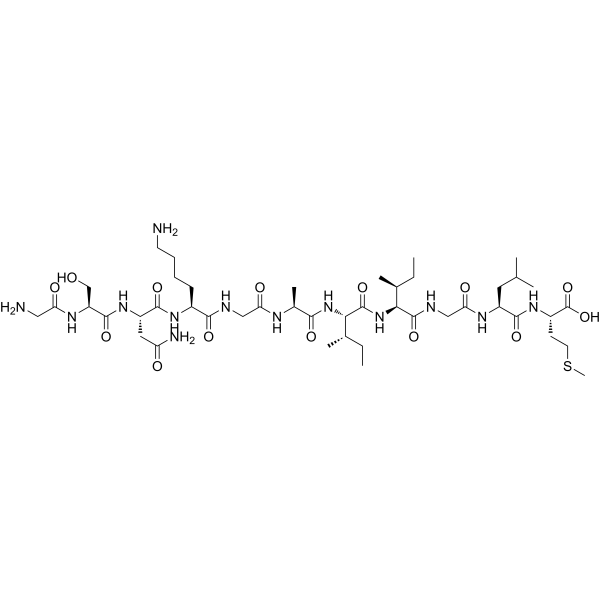
    β-Amyloid (25-35)
    40+ Cited Publications

    Amyloid beta-peptide (25-35); Aβ25-35; β-Amyloid peptide (25-35)

    Amyloid-β Neurological Disease
    β-Amyloid (25-35) (Amyloid beta-peptide (25-35)) is the fragment Aβ(25-35) of the Alzheimer's amyloid β-peptide, has shown neurotoxic activities in cultured cells .
    β-Amyloid (25-35)
  • HY-N0028
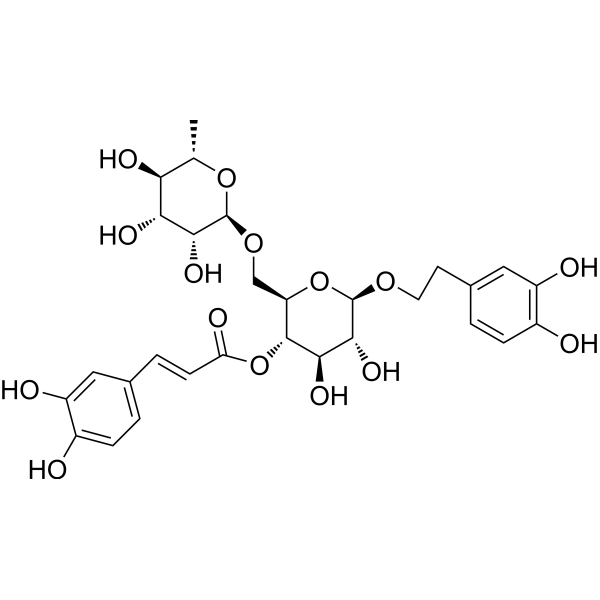
    Forsythiaside A
    5 Publications Verification

    Others Inflammation/Immunology
    Forsythiaside A is an orally active phenylethanoid glycoside isolated from the dried fruits of Forsythia suspensa. Forsythiaside A is also an inhibitor of COX-2 and has anti-inflammatory, antioxidant and neuroprotective effects. Forsythiaside A prevents neuroinflammation and apoptosis caused by Aβ25-35 damage and may be used in Alzheimer's disease (AD) research. Forsythiaside A also activates the Nrf2/HO-1 signaling pathway and inhibits OVA-induced asthma in mice. Forsythiaside A inhibits the interaction between KLRB1 and CLEC2D .
    Forsythiaside A
  • HY-D0186
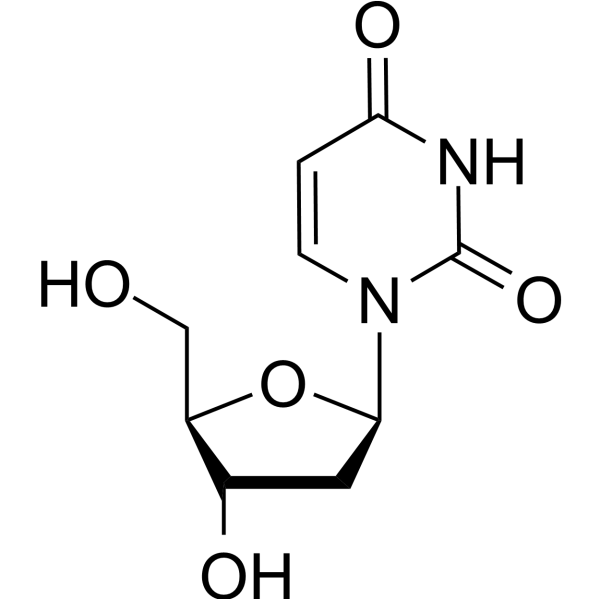
    2'-Deoxyuridine
    3 Publications Verification

    Endogenous Metabolite Thymidylate Synthase Infection
    2’-deoxyuridine is a brain-penetrant pyrimidines nucleotide that is associated with nervous system diseases. 2'-Deoxyuridine could increase chromosome breakage and results in a decreased thymidylate synthetase activity. 2'-Deoxyuridine is a precursor in the synthesis of Edoxudine (HY-B1011) and also an analogue of 5-ethynyl-2'-deoxyuridine, EdU (HY-118411). 2’-deoxyuridine reduces microglial activation and improve oxidative stress damage by modulating glycolytic metabolism on the Aβ25-35-induced brain injury, which is promising for research of Alzheimer’s disease (AD) .
    2'-Deoxyuridine
  • HY-P0128A
    β-Amyloid (25-35), HFIP-treated
    40+ Cited Publications

    Amyloid beta-peptide (25-35), HFIP-treated; Aβ25-35, HFIP-treated; β-Amyloid peptide (25-35), HFIP-treated

    Amyloid-β Neurological Disease
    β-Amyloid (25-35) (Amyloid beta-peptide (25-35)), HFIP-treated is a β-Amyloid (25-35) (HY-P0128) treated with HFIP. β-Amyloid (25-35) (Amyloid beta-peptide (25-35)) is the fragment Aβ(25-35) of the Alzheimer's amyloid β-peptide, has shown neurotoxic activities in cultured cells .
    β-Amyloid (25-35), HFIP-treated
  • HY-N0702

    Beta-secretase Cholinesterase (ChE) Neurological Disease
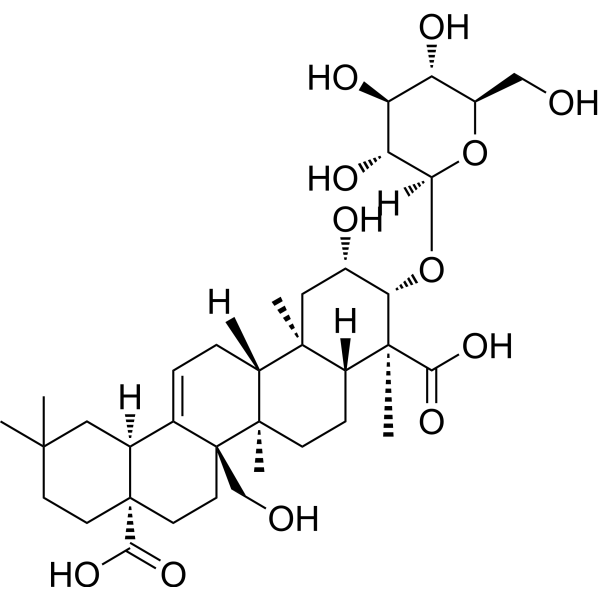
    Tenuifolin is effective and has a protective action. Tenuifolin inhibits β-secretase decreases Aβ protein secretion, suppresses Aβ25-35 secretion, and subsequently caspase-3 and caspase-9 become active. Tenuifolin's ability to lower AChE activity, increase at the same time, increase the ability of the upper glands, and improve the ability to read and remember. Research on tenuifolin's potential for use in urinary disease (AD).
    Tenuifolin
  • HY-106353
    Smilagenin
    1 Publications Verification

    mAChR Endogenous Metabolite Neurological Disease
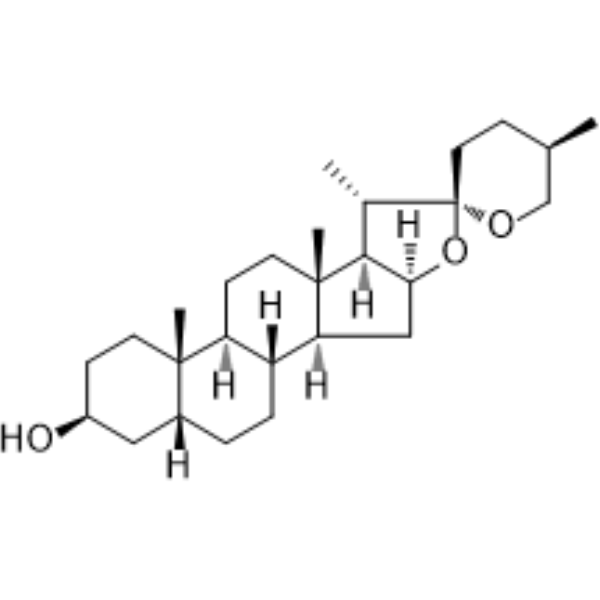
    Smilagenin (SMI) is a small-molecule steroidal sapogenin from Anemarrhena asphodeloides and Pelargonium hortorum widely used in traditional Chinese medicine for treating chronic neurodegeneration diseases . Smilagenin (SMI) improves memory of aged rats by increasing the muscarinic receptor subtype 1 (M1)-receptor density . Smilagenin (SMI) attenuates Aβ(25-35)-induced neurodegenerationvia stimulating the gene expression of brain-derived neurotrophic factor, may represents a novel therapeutic strategy for AD .
    Smilagenin
  • HY-149845

    PROTACs GSK-3 Neurological Disease
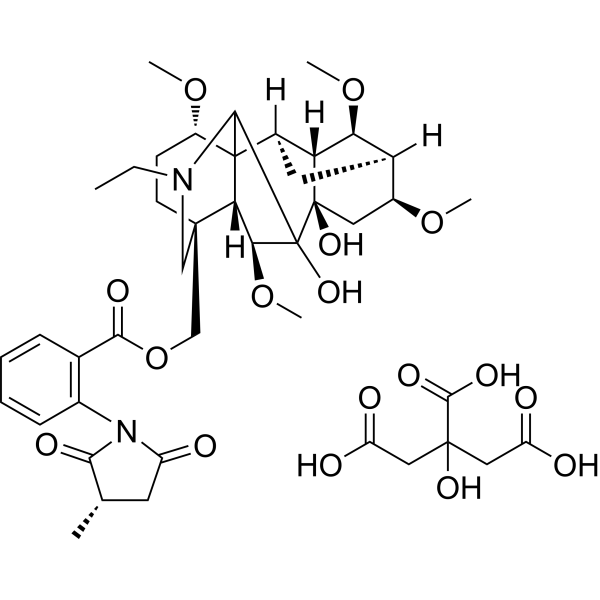
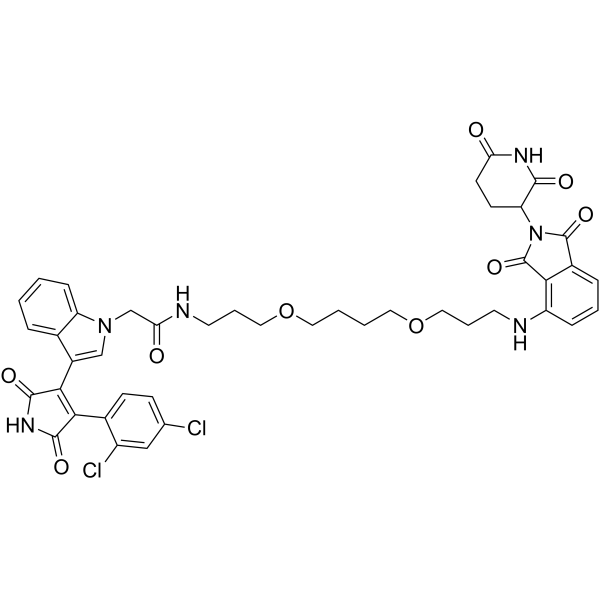
    PROTAC GSK-3β Degrader-1 (compound 1) is a degrader targets GSK-3β degradation with an IC50 value of 833 nM. PROTAC GSK-3β Degrader-1 contains SB-216763 (a GSK-3β inhibitor), a PEG linker and a CRBN (E3 ligase liand). PROTAC GSK-3β Degrader-1 reduces the neurotoxicity induced by Aβ25-35 peptide and CuSO4. PROTAC GSK-3β Degrader-1 can be used to research in Alzheimer's disease .
    PROTAC GSK-3β Degrader-1
  • HY-N0909
    Notoginsenoside R2
    1 Publications Verification

    20(S)-Notoginsenoside R2; Ginsenoside Ng-R2

    Apoptosis MEK ERK Reactive Oxygen Species (ROS) Caspase COX β-catenin Src MDM-2/p53 JAK STAT Neurological Disease Metabolic Disease Inflammation/Immunology
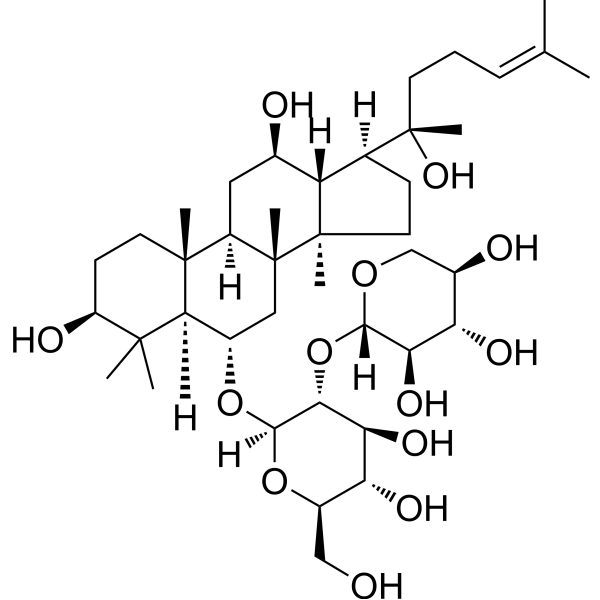
    Notoginsenoside R2 (20(S)-Notoginsenoside R2; Ginsenoside Ng-R2) is an orally active notoginsenoside . Notoginsenoside R2 activates P90RSK and Nrf2 via the MEK1/2-ERK1/2 pathway to inhibit 6-OHDA-induced apoptotic damage in nerve cells. Notoginsenoside R2 upregulates SOX8/β-catenin by reducing miR-27a, thereby suppressing Aβ25-35-induced neuronal apoptosis and inflammatory responses . Notoginsenoside R2 alleviates lipid accumulation and mitochondrial dysfunction in diabetic nephropathy by inhibiting c-Src. Notoginsenoside R2 alleviates hepatic fibrosis by inducing hepatic stellate cell senescence and inhibiting the inflammatory microenvironment via JAK/STAT3 suppression . Notoginsenoside R2 can be used in research related to Parkinson's disease, Alzheimer's disease, diabetic nephropathy and hepatic fibrosis .
    Notoginsenoside R2
  • HY-116753

    Amyloid-β Tau Protein Neurological Disease
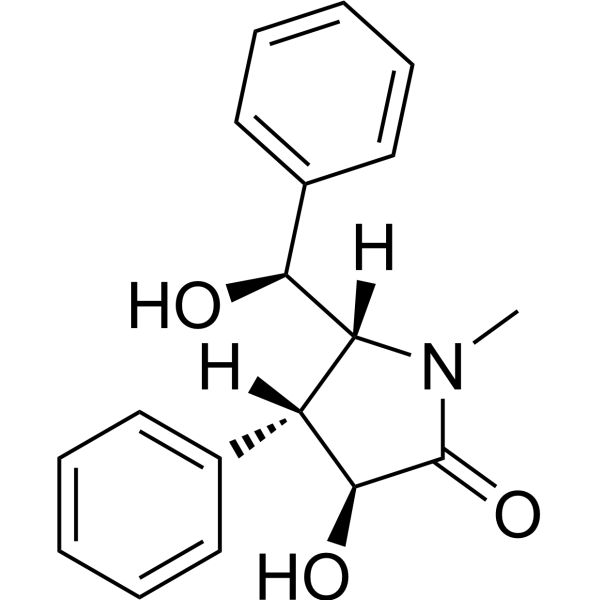
    (-)Clausenamide is an active alkaloid isolated from the leaves of Clausena lansium (Lour.) Skeels, and improves cognitive function in both normal physiological and pathological conditions. (-)Clausenamide inhibits β-amyloid (Aβ) toxicity, blocking neurofibrillary tangle formation by inhibiting the phosphorylation of tau protein. (-)Clausenamide exerts a significant neuroprotective activity against Aβ25-35. (-)Clausenamide can be used for researching Alzheimer's disease (AD) .
    (-)Clausenamide
  • HY-N4098

    Apoptosis Neurological Disease
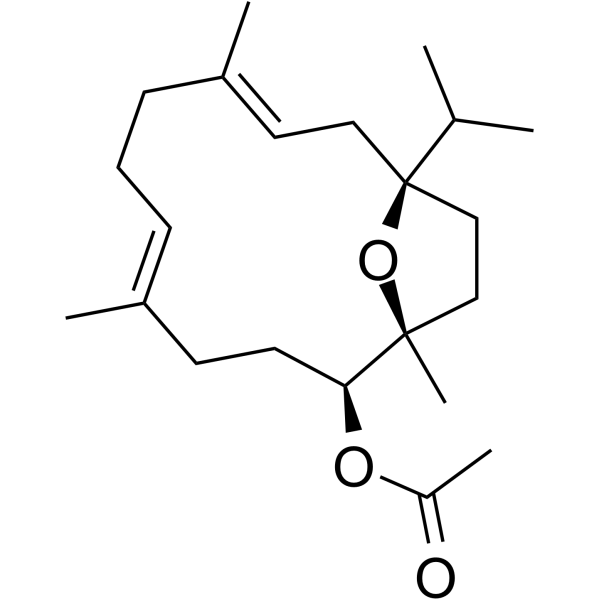
    Incensole acetate is a main constituent of Boswellia carterii resin, has neuroprotective effects against neuronal damage in traumatic and ischemic head injury. Incensole acetate reduces Aβ25–35-triggered apoptosis in hOBNSCs .
    Incensole Acetate
  • HY-N3489

    Others Neurological Disease
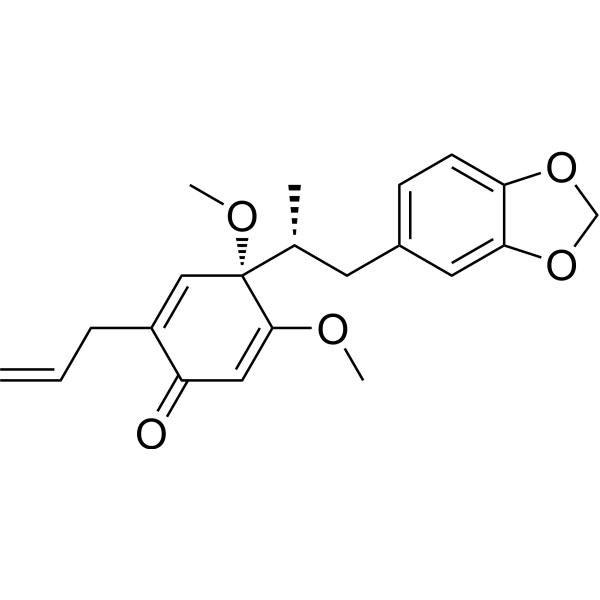
    Isodihydrofutoquinol B (compound 9), an active compound, can be isolated from the stems of Piper kadsura (Choisy) Ohwi. Isodihydrofutoquinol B has A neuroprotective effect on Aβ25-35-induced PC12 cell damage with E50 values of 3.06-29.3μM .
    Isodihydrofutoquinol B
  • HY-146619

    Amyloid-β Serotonin Transporter Neurological Disease
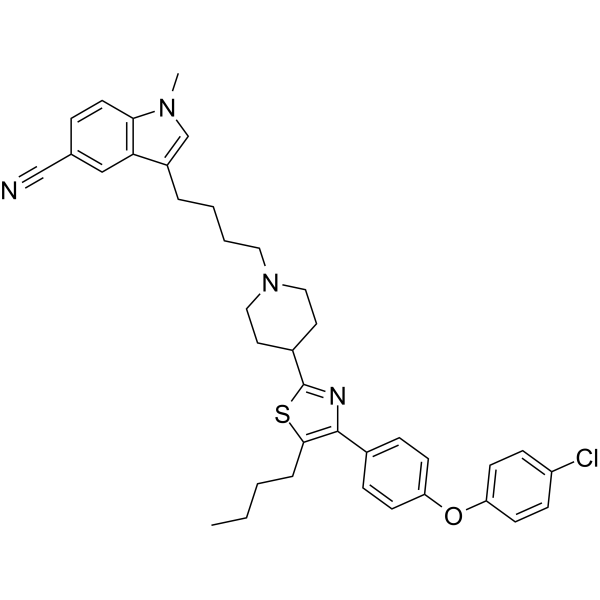
    RAGE/SERT-IN-1 is a potent and orally active advanced glycation end products (RAGE) and serotonin transporter (SERT) inhibitor with IC50s of 8.26 μM and 31.09 nM, respectively. RAGE/SERT-IN-1 exhibits significant neuroprotective effect against Aβ25-35-induced neuronal damage and alleviates depressive behavior of mice. RAGE/SERT-IN-1 can be used for researching the comorbidity of Alzheimer's disease and depression .
    RAGE/SERT-IN-1
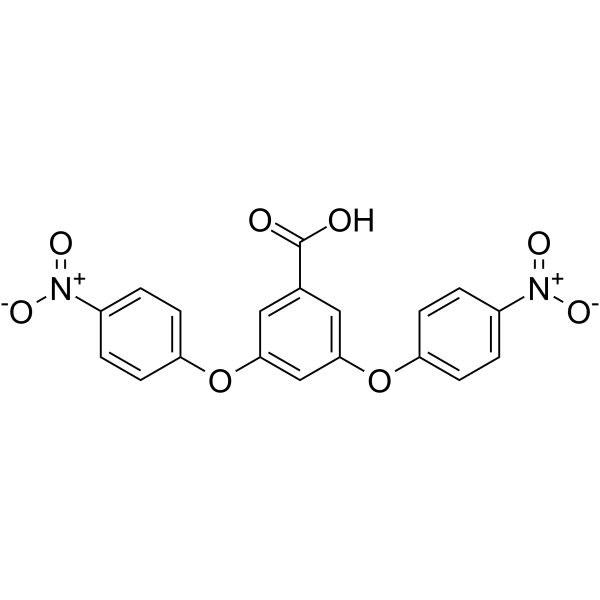
  • HY-103539

    γ-secretase Metabolic Disease
    3,5-Bis(4-nitrophenoxy)benzoic acid is an inhibitor of γ-secretase. 3,5-Bis(4-nitrophenoxy)benzoic acid causes a decrease in the released levels of Aβ42 and notch-1 Aβ-like peptide 25 (Nβ25). 3,5-Bis(4-nitrophenoxy)benzoic acid, as a marker for fetal hypothyroidism, is a 3,3’-diiodothyronine sulfate (T2S) cross-reactive material in maternal serum .
    3,5-Bis(4-nitrophenoxy)benzoic acid
  • HY-P5968A

    β(25-35)KA TFA

    Amyloid-β Neurological Disease
    [Ala28]-β Amyloid(25-35) (β(25-35)KA) TFA is an electrically neutral mutant peptide of Aβ(25-35) that accelerates the aggregation of Firefly Luciferase .
    [Ala28]-β Amyloid(25-35) TFA
  • HY-D0186R

    Reference Standards Endogenous Metabolite Thymidylate Synthase Infection
    2'-Deoxyuridine (Standard) is the analytical standard of 2'-Deoxyuridine. This product is intended for research and analytical applications. 2’-deoxyuridine is a brain-penetrant pyrimidines nucleotide that is associated with nervous system diseases. 2'-Deoxyuridine could increase chromosome breakage and results in a decreased thymidylate synthetase activity. 2'-Deoxyuridine is a precursor in the synthesis of Edoxudine (HY-B1011) and also an analogue of 5-ethynyl-2'-deoxyuridine, EdU (HY-118411). 2’-deoxyuridine reduces microglial activation and improve oxidative stress damage by modulating glycolytic metabolism on the Aβ25-35-induced brain injury, which is promising for research of Alzheimer’s disease (AD) . In Vitro:The interaction between the 2-deoxyuridine and the column increases the duration of retention of 2-deoxyuridine .
    Gradient elution with sodium acetate buffer-ACN eluent on two ZIC-HILIC homemade columns separates 2-deoxyuridine in under 9 min .
    In Vivo:2'-Deoxyuridine (34.42 ng/mL, gavage, 15 min) passes the blood-brain barrier (BBB) to enter the hippocampus of mice brain .
    2'-Deoxyuridine (20 mg/kg, gavage, daily for 4 weeks) improves cognition and memory loss and attenuates the damage to the hippocampus in Aβ25-35-induced mice model .
    2'-Deoxyuridine (Standard)
  • HY-N9928

    Cholinesterase (ChE) Neurological Disease
    Echinenone is an acetylcholinesterase (AChE) inhibitor (IC50=16.29 μg/mL) with anti-Aβ(25-35) activity. Echinenone can inhibit MDA content and increase superoxide dismutase (SOD), catalase (CAT) and glutathione peroxidase (GSH-Px) activities to cope with oxidative stress damage .
    Echinenone
  • HY-P5968

    β(25-35)KA

    Amyloid-β Neurological Disease
    [Ala28]-β Amyloid(25-35) (β(25-35)KA) is an electrically neutral mutant peptide of Aβ(25-35) that accelerates the aggregation of Firefly Luciferase .
    [Ala28]-β Amyloid(25-35)
  • HY-N8103

    Amyloid-β Neurological Disease
    Heishuixiecaoline A is a germacrane-type sesquiterpenoid. Heishuixiecaoline A shows protective effect on the neurotoxicity of PC12 cells induced by Aβ25-35 .
    Heishuixiecaoline A
  • HY-W778990

    Isotope-Labeled Compounds Thymidylate Synthase Endogenous Metabolite Infection
    2-Deoxyuridine-1,2,3,4,5- 13C5 is the 13C-labeled 2'-Deoxyuridine (HY-D0186). 2’-deoxyuridine is a brain-penetrant pyrimidines nucleotide that is associated with nervous system diseases. 2'-Deoxyuridine could increase chromosome breakage and results in a decreased thymidylate synthetase activity. 2'-Deoxyuridine is a precursor in the synthesis of Edoxudine (HY-B1011) and also an analogue of 5-ethynyl-2'-deoxyuridine, EdU (HY-118411). 2’-deoxyuridine reduces microglial activation and improve oxidative stress damage by modulating glycolytic metabolism on the Aβ25-35-induced brain injury, which is promising for research of Alzheimer’s disease (AD) .
    2-Deoxyuridine-1,2,3,4,5-13C5
  • HY-157384

    Cholinesterase (ChE) Neurological Disease
    BChE-IN-22 (compound 5A) is a selective eqBChE inhibitor (IC50: 0.53 μM), has anti-inflammatory and neuroprotective activities. BChE-IN-22 can inhibit cell damage caused by Aβ25-35 (HY-P0128) and improve cognitive dysfunction caused by Scopolamine (HY-N0296) .
    BChE-IN-22
  • HY-N0702R

    Reference Standards Beta-secretase Cholinesterase (ChE) Neurological Disease
    Tenuifolin (Standard) is the analytical standard of Tenuifolin. This product is intended for research and analytical applications. Tenuifolin is effective and has a protective action. Tenuifolin inhibits β-secretase decreases Aβ protein secretion, suppresses Aβ25-35 secretion, and subsequently caspase-3 and caspase-9 become active. Tenuifolin's ability to lower AChE activity, increase at the same time, increase the ability of the upper glands, and improve the ability to read and remember. Research on tenuifolin's potential for use in urinary disease (AD) .
    Tenuifolin (Standard)
  • HY-N0028R

    Reference Standards Others Inflammation/Immunology
    Forsythiaside A (Standard) is the analytical standard of Forsythiaside A. This product is intended for research and analytical applications. Forsythiaside A is an orally active phenylethanoid glycoside isolated from the dried fruits of Forsythia suspensa. Forsythiaside A is also an inhibitor of COX-2 and has anti-inflammatory, antioxidant and neuroprotective effects. Forsythiaside A prevents neuroinflammation and apoptosis caused by Aβ25-35 damage and may be used in Alzheimer's disease (AD) research. Forsythiaside A also activates the Nrf2/HO-1 signaling pathway and inhibits OVA-induced asthma in mice .
    Forsythiaside A (Standard)
  • HY-P4832

    Amyloid-β Neurological Disease
    Acetyl-Tau Peptide (273-284) amide is an acetylated Tau peptide fragment. Acetyl-Tau Peptide (273-284) amide limits the substantial aggregation of Ac-Aβ(25–35)-NH2 and can be used as an inhibitor of Ac-Aβ(25–35)-NH2. Acetyl-Tau Peptide (273-284) amide can be used as an experimental model to investigate the Aβ/Tau cross-interaction .
    Acetyl-Tau Peptide (273-284) amide
  • HY-N4098R

    Reference Standards Apoptosis Neurological Disease
    Incensole Acetate (Standard) is the analytical standard of Incensole Acetate. This product is intended for research and analytical applications. Incensole acetate is a main constituent of Boswellia carterii resin, has neuroprotective effects against neuronal damage in traumatic and ischemic head injury. Incensole acetate reduces Aβ25–35-triggered apoptosis in hOBNSCs .
    Incensole Acetate (Standard)
  • HY-157394

    Cholinesterase (ChE) Inflammation/Immunology
    eeAChE/eqBuChE-IN-1 (compound 3F) is a reversible dual eeAChE/eqBuChE inhibitor with IC50s of 1.3?μM and 0.81?μM, respectively. eeAChE/eqBuChE-IN-1 exhibits anti-inflammatory activity. eeAChE/eqBuChE-IN-1 also shows neuroprotective effect on Aβ25-35-induced PC12 cell injury .
    eeAChE/eqBuChE-IN-1
  • HY-N0894A

    (3R,5R)-Hexahydrobisdemethoxycurcumin

    Drug Metabolite Neurological Disease Inflammation/Immunology
    (3R,5R)-Octahydrocurcumin (Compound 7) is gut microbial metabolite of Curcumin (HY-N0005). (3R,5R)-Octahydrocurcumin exhibits neuroprotective efficacy against Aβ25-35-induced cell damage in SH-SY5Y, and anti-inflammatory activity against LPS-stimulated mouse microglial BV-2 .
    (3R,5R)-Octahydrocurcumin
  • HY-106353R

    Reference Standards mAChR Endogenous Metabolite Neurological Disease
    Smilagenin (Standard) is the analytical standard of Smilagenin. This product is intended for research and analytical applications. Smilagenin (SMI) is a small-molecule steroidal sapogenin from Anemarrhena asphodeloides and Pelargonium hortorum widely used in traditional Chinese medicine for treating chronic neurodegeneration diseases . Smilagenin (SMI) improves memory of aged rats by increasing the muscarinic receptor subtype 1 (M1)-receptor density . Smilagenin (SMI) attenuates Aβ(25-35)-induced neurodegenerationvia stimulating the gene expression of brain-derived neurotrophic factor, may represents a novel therapeutic strategy for AD .
    Smilagenin (Standard)
  • HY-175841

    Tau Protein p38 MAPK NF-κB Apoptosis Bcl-2 Family ERK JNK Neurological Disease
    Tau Protein Phosphorylation-IN-1 is a tau protein phosphorylation inhibitor that potently protects PC12 cells against Aβ25–35-induced cytotoxicity (EC50 = 1.93 μM), and can penetrate the blood-brain barrier (BBB).Tau Protein Phosphorylation-IN-1 reverses the hyperphosphorylation of tau, significantly inhibits the expression of certain immune-related cytotoxic factors, suppresses the MAPK and NF-κB signaling pathways, and significantly inhibits the expression of RAGE and the apoptosis factors Bax/Bcl-2, both in vitro and in vivo. Tau Protein Phosphorylation-IN-1 relieves nerve damage, and improves learning and memory in an Alzheimer’s disease (AD) mouse model. Tau Protein Phosphorylation-IN-1 can be used for AD research .
    Tau Protein Phosphorylation-IN-1
  • HY-181649

    Sigma Receptor Neurological Disease
    S1R agonist 3 is a potent, selective and brain-penetrant sigma-1 receptor (S1R) agonist with a Ki of 1.5 nM. S1R agonist 3 reduces hyperlocomotion in wfs1abKO zebrafish larvae without affecting locomotion in wildtype wfs1abWT zebrafish larvae. S1R agonist 3 reverses Aβ25-35 (HY-P0128)-induced learning and memory impairments. S1R ligand 1 can be used for the research of Alzheimer’s disease .
    S1R agonist 3
  • HY-181865

    Cholinesterase (ChE) Drug Intermediate Neurological Disease
    BuChE-IN-22 is a pseudo-irreversible butyrylcholinesterase (BuChE) inhibitor, with IC50 values of 4 nM and 157 nM against hBuChE and hAChE, respectively. It also acts as a prodrug of 7-hydroxysertraline. BuChE-IN-22 releases 7-hydroxysertraline during BuChE inhibition. BuChE-IN-22 completely reverses Aβ25-35-induced short-term and long-term memory impairments in a mouse model of Alzheimer's disease. BuChE-IN-22 can be used in research related to Alzheimer's disease .
    BuChE-IN-22

Inquiry Online

Your information is safe with us. * Required Fields.

Salutation


Country or Region *

Applicant Name *


Organization Name *

Department *


Email Address *


Product Name *

Cat. No.


Requested quantity *

Phone Number *


Remarks

Inquiry Online

Inquiry Information

Product Name:
Cat. No.:
Quantity:
MCE Japan Authorized Agent:

