Search Result
Results for "
AKT+ERK
" in MedChemExpress (MCE) Product Catalog:
2
Isotope-Labeled Compounds
| Cat. No. |
Product Name |
Target |
Research Areas |
Chemical Structure |
-
- HY-14463
-
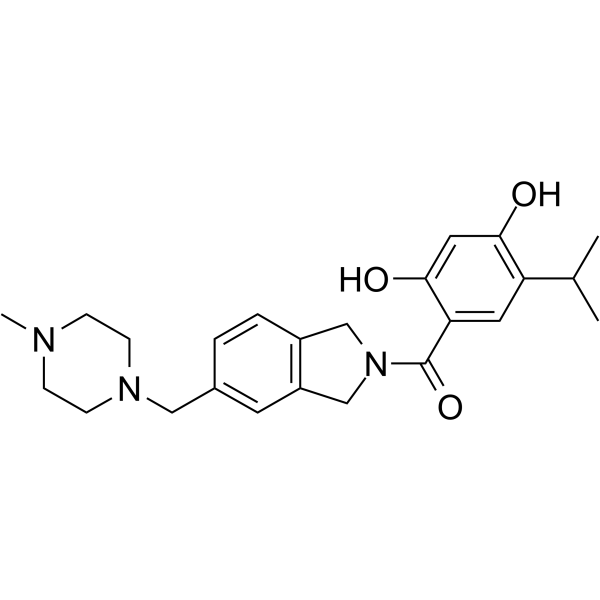
Onalespib
Maximum Cited Publications
11 Publications Verification
AT13387
|
HSP
|
Cancer
|
|
Onalespib (AT13387) is a potent and cross the blood-brain barrier heat-shock-protein-90 (Hsp90) inhibitor. Onalespib inhibits the proliferation, survival and migration. Onalespib decreases the expression of EGFR, p-EGFR, AKT, P-AKT, ERK1/2, P-ERK1/2, S6, P-S6 protein. Onalespib shows antitumor activity. Onalespib has the potential for the research of non-small cell lung cancer (NSCLC) .
|
-
-
- HY-N2292
-
|
|
Keap1-Nrf2
Apoptosis
|
Inflammation/Immunology
|
|
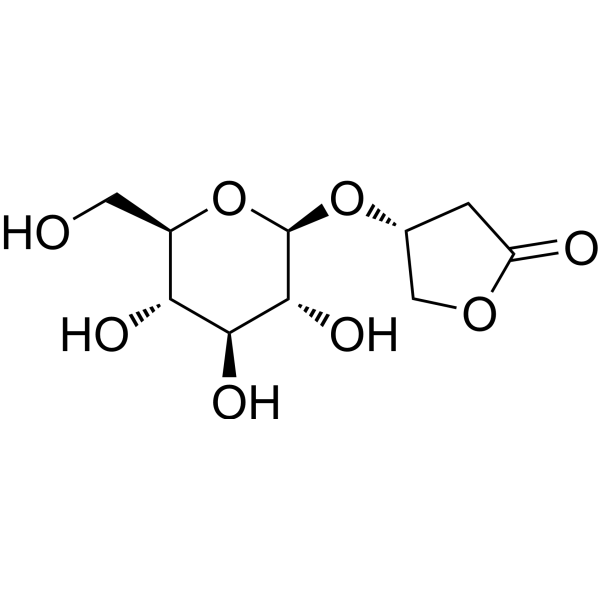
Kinsenoside is the main active ingredient of the genus plant, and has various biological activities. Kinsenoside and Nrf2 depend on the protection of nuclear cells (NPCs), which significantly reduces their ability to survive. Kinsenoside Active NPC Medium AKT-ERK1/2-Nrf2 Signal passage, Prevent physical decline, aging, harmonious physical function impairment. Kinsenoside can improve the puncture guide model for intermediate vertebral wall discharge (IDD).
|
-
-
- HY-N7110
-
|
|
Akt
ERK
JNK
GABA Receptor
|
Neurological Disease
Metabolic Disease
Inflammation/Immunology
|
|
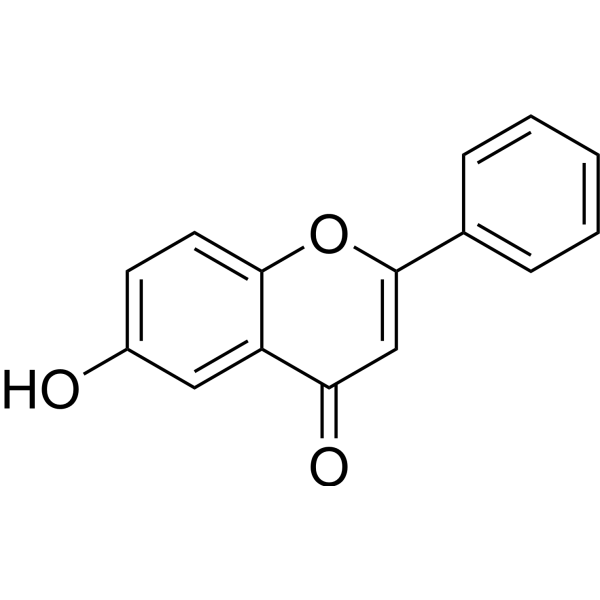
6-Hydroxyflavone is an orally effective flavonoid compound. 6-Hydroxyflavone can inhibit LPS (HY-D1056) -induced NO production and has anti-inflammatory effects. 6-Hydroxyflavone promotes osteoblast differentiation by activating AKT, ERK 1/2 and JNK signaling pathways. 6-Hydroxyflavone has an inhibitory effect on bovine hemoglobin (BHb) glycosylation. 6-Hydroxyflavone has a kidney protective effect. In addition, 6-Hydroxyflavone enhances GABA-induced current through the Benzodiazepine sites of γ-aminobutyric acid (GABAA) receptors. 6-Hydroxyflavone shows a clear preference for α2 - and α3 - subtypes, which play an anti-anxiety role .
|
-
-
- HY-B0380A
-
|
|
Opioid Receptor
Toll-like Receptor (TLR)
Calcium Channel
Potassium Channel
IRAK
ERK
JNK
NF-κB
Akt
Apoptosis
|
Neurological Disease
Metabolic Disease
Inflammation/Immunology
Cancer
|
|
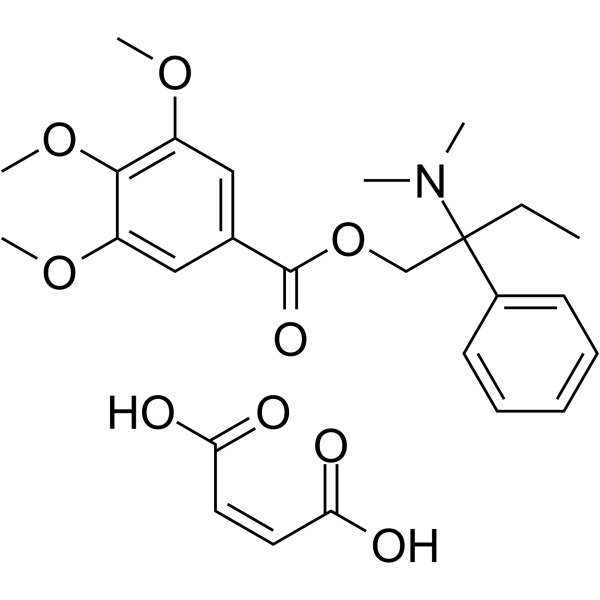
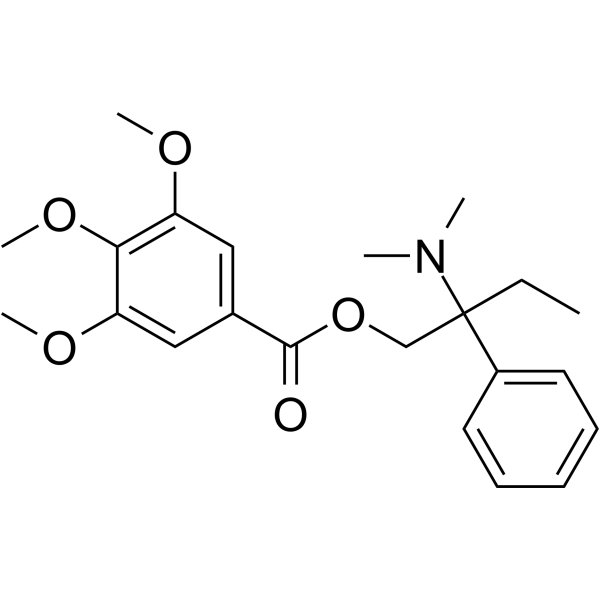
Trimebutine maleate is a multi-target inhibitor and opioid receptor agonist with antimuscarinic activity. Trimebutine maleate inhibits L-type Ca 2+ channels and large-conductance calcium-activated potassium channels (BKCa channels), thereby inhibiting extracellular calcium influx and potassium ion efflux. Trimebutine maleate also targets Toll-like receptors, inhibits Toll-like receptor 2/4/7/8/9 signals, and inhibits LPS-induced IRAK1 activation, as well as ERK1/2, JNK and NF-κB activation, thereby exerting anti-inflammatory effects. Trimebutine maleate also induces tumor cell apoptosis by inhibiting the AKT/ERK pathway. Trimebutine maleate also inhibits excessive contraction of smooth muscle and can be used in the study of gastrointestinal disorders such as irritable bowel syndrome (IBS) .
|
-
-
- HY-B0380
-
|
|
Opioid Receptor
Toll-like Receptor (TLR)
Calcium Channel
Potassium Channel
IRAK
ERK
JNK
NF-κB
Akt
Apoptosis
|
Neurological Disease
Metabolic Disease
Inflammation/Immunology
Cancer
|
|
Trimebutine is a multi-target inhibitor and opioid receptor agonist with antimuscarinic activity. Trimebutine inhibits L-type Ca 2+ channels and large-conductance calcium-activated potassium channels (BKCa channels), thereby inhibiting extracellular calcium influx and potassium ion efflux. Trimebutine also targets Toll-like receptors, inhibits Toll-like receptor 2/4/7/8/9 signals, and inhibits LPS-induced IRAK1 activation, as well as ERK1/2, JNK and NF-κB activation, thereby exerting anti-inflammatory effects. Trimebutine also induces tumor cell apoptosis by inhibiting the AKT/ERK pathway. Trimebutine also inhibits excessive contraction of smooth muscle and can be used in the study of gastrointestinal disorders such as irritable bowel syndrome (IBS) .
|
-
-
- HY-19820A
-
|
|
Akt
Ser/Thr Protease
Apoptosis
MMP
|
Cardiovascular Disease
Neurological Disease
Inflammation/Immunology
|
|
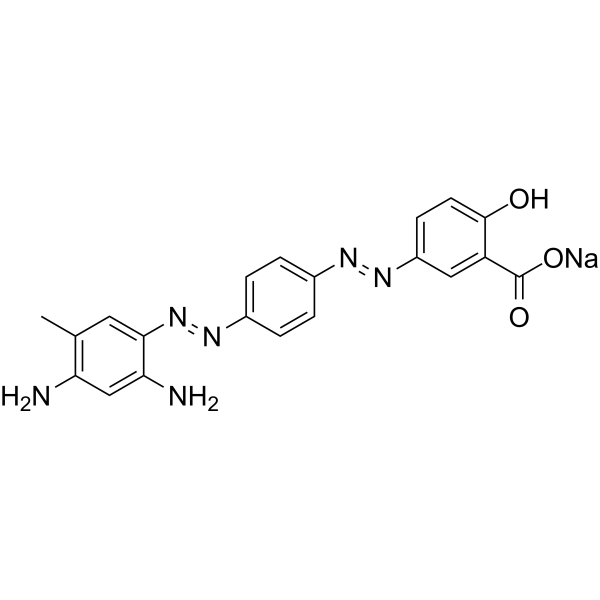
NSC45586 sodium is an inhibitor of PHLPP. NSC45586 sodium targets the PP2C phosphatase domains of PHLPP1 and PHLPP2, blocks the phosphatase activity of PHLPP, increases the expression level of FOXO1 in the nucleus, and reduces the protein expression of PHLPP1. NSC45586 sodium activates the AKT survival signaling pathway, enhances IGF-1-induced AKT activation, and inhibits the phosphorylation of AKT/ERK under basal conditions. NSC45586 sodium reduces staurosporine-induced neuronal death, preserves notochord cell morphology and KRT19 expression, inhibits cell apoptosis (apoptosis), improves the viability and proliferation of nucleus pulposus cells, upregulates the expression of ACAN/SOX9, and downregulates the expression of MMP13. NSC45586 sodium binds tightly to bovine serum albumin (bovine serum albumin), and exerts a more significant effect on nucleus pulposus in male individuals. NSC45586 sodium can be used in studies related to global cerebral ischemia and intervertebral disc degeneration .
|
-
-
- HY-150795
-
|
|
TGF-beta/Smad
PI3K
Akt
ERK
JNK
|
Others
|
|
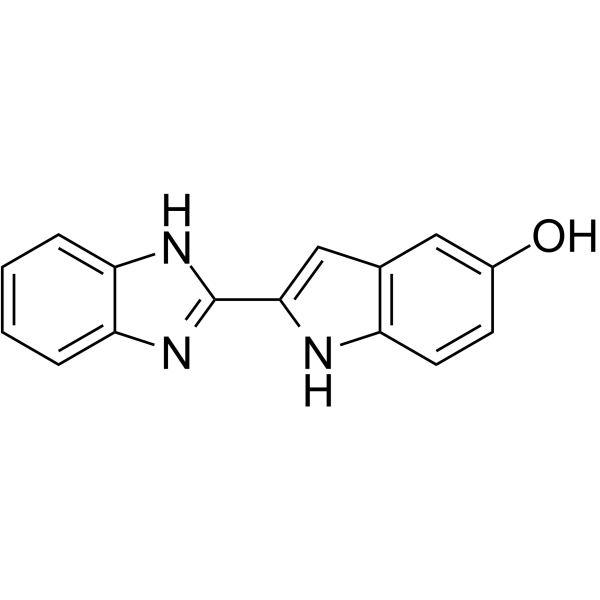
SY-LB-35 is a potent bone morphogenetic protein (BMP) receptor agonist. SY-LB-35 can stimulate significant increases in cell number and cell viability in the C2C12 myoblast cell line, and causes shifts towards the S and G2/M phases of the cell cycle. SY-LB-35 stimulates canonical Smad and non-canonical PI3K/Akt, ERK, p38 and JNK intracellular signaling pathways .
|
-
-
- HY-N12445
-
|
|
Topoisomerase
Caspase
Apoptosis
SOD
|
Metabolic Disease
Inflammation/Immunology
Cancer
|
|
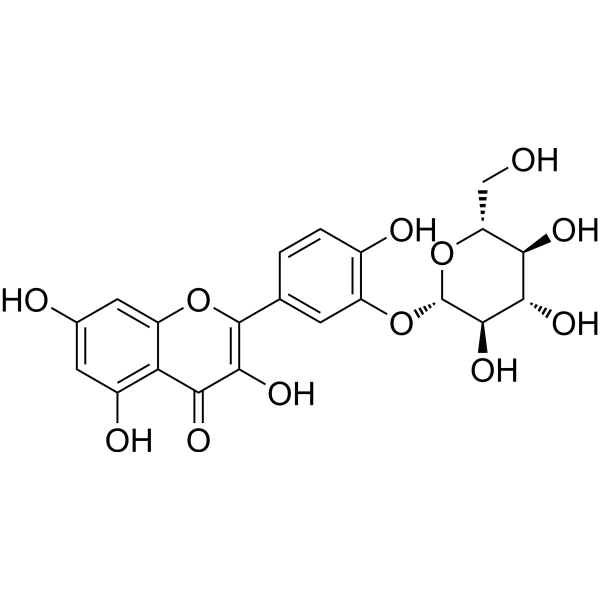
Quercetin-3'-O-glucoside is an orally active flavonoid glycoside. Quercetin-3'-O-glucoside reduces liver glucose-6-phosphatase activity, alters serum insulin and glucose levels, and regulates the activities of antioxidant enzymes in the liver and kidney. Quercetin-3'-O-glucoside inhibits DNA topoisomerase II, induces S-phase cell cycle arrest and caspase-3-mediated apoptosis in hepatocellular carcinoma cells. Quercetin-3'-O-glucoside selectively inhibits EGFR-mediated signaling pathways targeting AKT, ERK1/2, FAK and MEK1/2. Quercetin-3'-O-glucoside inhibits growth factor-induced migration and invasion in pancreatic cancer cells. Quercetin-3'-O-glucoside exerts free radical scavenging effects. Quercetin-3'-O-glucoside is applicable to research related to pancreatic cancer, diabetes, hepatocellular carcinoma and malignant tumors .
|
-
-
- HY-161275
-
|
|
EGFR
Akt
ERK
Ribosomal S6 Kinase (RSK)
|
Cancer
|
|
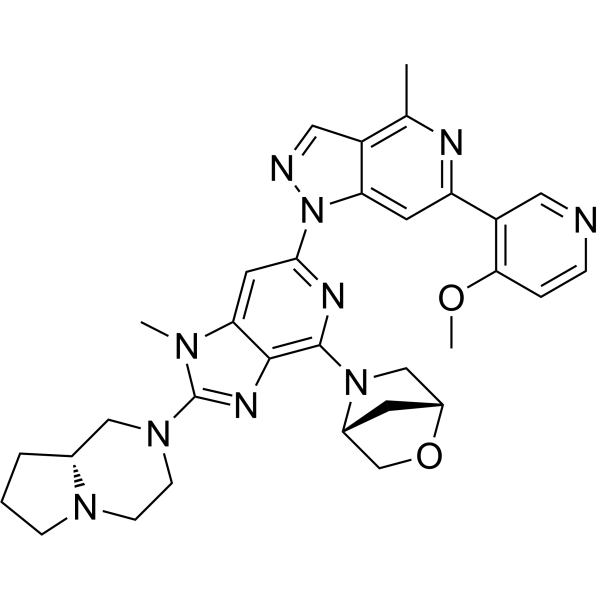
BI-4732 is an orally active, reversible, ATP-competitive EGFR inhibitor with blood-brain barrier penetration. BI-4732 inhibits the kinase activity of EGFR L858R, T790M and C797S with IC50 values of 1 nM while sparing EGFR wild-type. BI-4732 inhibits EGFR and reduces the phosphorylation of AKT, ERK, and S6K. BI-4732 demonstrates excellent intracranial anti-tumor efficacy in YU-1097 xenograft model harboring EGFR_E19del/T790M/C797S. BI-4732 can be used for the study of non-small cell lung cancer (NSCLC) .
|
-
-
- HY-N4309
-
|
|
Amylases
Glycosidase
|
Neurological Disease
Metabolic Disease
Cancer
|
|
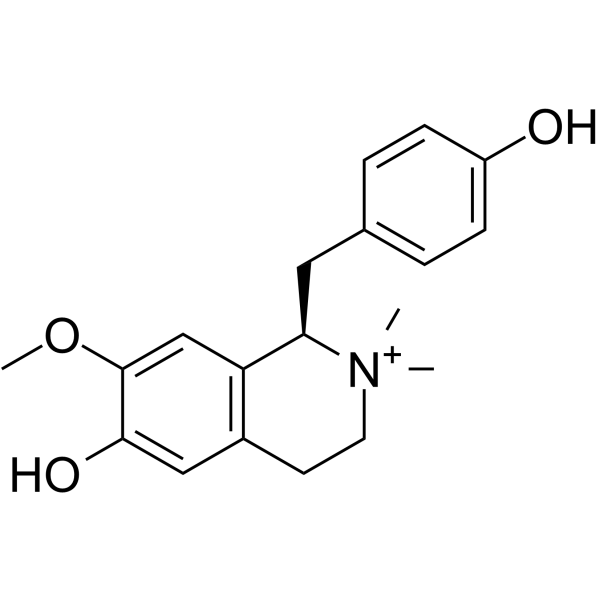
Lotusine is an orally active signaling pathway modulator and enzyme inhibitor, with an IC50 of 30.60 μg/mL against α-amylase and an IC50 of 36.15 μg/mL against α-glucosidase. Lotusine inhibits the EGFR-Akt-ERK signaling pathway by reducing the levels of phosphorylated EGFR, Akt and ERK. Lotusine induces apoptosis, triggers G0/G1 cell cycle arrest and inhibits cancer cell proliferation. Lotusine reduces lipid peroxidation and increases the activities of SOD, CAT and GPx. Lotusine is applicable to researches related to non-small cell lung cancer, type 2 diabetes and autism spectrum disorder .
|
-
-
- HY-113916
-
|
AT13387 lactate
|
HSP
|
Cancer
|
|
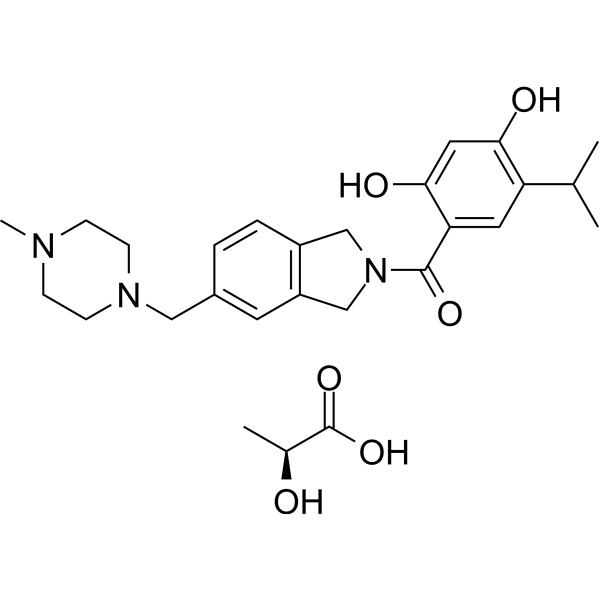
Onalespib lactate is a potent and cross the blood-brain barrier heat-shock-protein-90 (Hsp90) inhibitor with an Kd value of 0.71 nM. Onalespib lactate inhibits the proliferation, survival and migration. Onalespib lactate decreases the expression of EGFR, p-EGFR, AKT, P-AKT, ERK1/2, P-ERK1/2, S6, P-S6 protein. Onalespib lactate shows antitumor activity. Onalespib lactate has the potential for the research of non-small cell lung cancer (NSCLC) .
|
-
-
- HY-P11147
-
|
|
Interleukin Related
FAK
Src
Akt
ERK
MMP
|
Cancer
|
|
IL13Rα2 D1 is an effective IL-13/IL13Rα2 signaling axis inhibitor. IL13Rα2 D1 can inhibit IL-13-induced cell adhesion, migration, invasion, and proliferation. IL13Rα2 D1 can inhibit FAK, Src, AKT, ERK1/2 phosphorylation, and MMP expression. IL13Rα2 D1 can be used for research on cancers such as colorectal cancer .
|
-

-
- HY-174829
-
|
|
Protease Activated Receptor (PAR)
NF-κB
Reactive Oxygen Species (ROS)
Calcium Channel
Akt
ERK
p38 MAPK
PKC
|
Cardiovascular Disease
Metabolic Disease
|
|
7,4'-Dimethoxy-3-hydroxyflavone is an orally active PAR4 antagonist. 7,4'-Dimethoxy-3-hydroxyflavone inhibits PAR4-mediated human platelet aggregation with an IC50 of 1.4 μM. 7,4'-Dimethoxy-3-hydroxyflavone inhibits PAR4-mediated human platelet aggregation and PAR4 signaling pathways, including NF-κB, Ca 2+/protein kinase C, Akt, ERK and p38. 7,4'-Dimethoxy-3-hydroxyflavone prevents vascular PAR4 expression, endothelial dysfunction and ameliorates oxidative stress in Streptozotocin (STZ) (HY-13753)-induced diabetic mice.
7,4'-Dimethoxy-3-hydroxyflavone prevents thrombosis in mice without affecting bleeding time [1][2].
|
-

-
- HY-B0380S1
-
|
|
Isotope-Labeled Compounds
Opioid Receptor
Toll-like Receptor (TLR)
Calcium Channel
Potassium Channel
IRAK
ERK
JNK
NF-κB
Akt
Apoptosis
|
Neurological Disease
Metabolic Disease
Inflammation/Immunology
Cancer
|
|
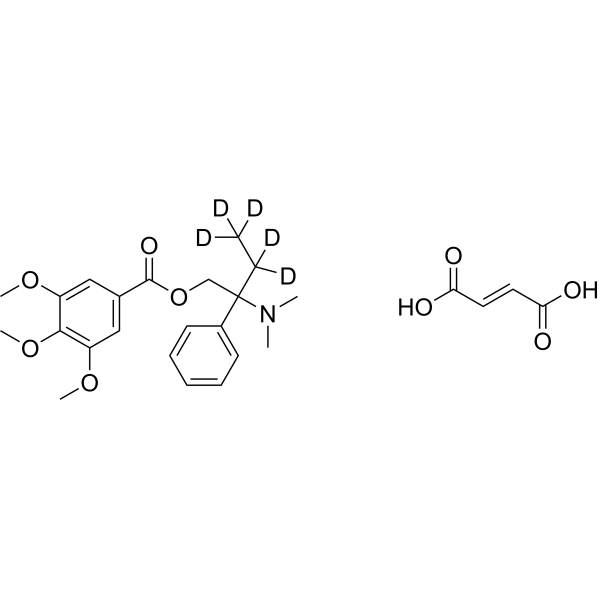
Trimebutine-d5 fumarate is deuterium labeled Trimebutine fumarate. Trimebutine fumarate is a multi-target inhibitor and opioid receptor agonist with antimuscarinic activity. Trimebutine fumarate inhibits L-type Ca 2+ channels and large-conductance calcium-activated potassium channels (BKCa channels), thereby inhibiting extracellular calcium influx and potassium ion efflux. Trimebutine fumarate also targets Toll-like receptors, inhibits Toll-like receptor 2/4/7/8/9 signals, and inhibits LPS-induced IRAK1 activation, as well as ERK1/2, JNK and NF-κB activation, thereby exerting anti-inflammatory effects. Trimebutine fumarate also induces tumor cell apoptosis by inhibiting the AKT/ERK pathway. Trimebutine fumarate also inhibits excessive contraction of smooth muscle and can be used in the study of gastrointestinal disorders such as irritable bowel syndrome (IBS) .
|
-
-
- HY-B0380AR
-
|
|
Reference Standards
Opioid Receptor
Apoptosis
Potassium Channel
NF-κB
Akt
IRAK
JNK
Toll-like Receptor (TLR)
ERK
Calcium Channel
|
Neurological Disease
Metabolic Disease
Inflammation/Immunology
Cancer
|
|
Trimebutine maleate (Standard) is the analytical standard of Trimebutine maleate (HY-B0380A). This product is intended for research and analytical applications. Trimebutine maleate is a multi-target inhibitor and opioid receptor agonist with antimuscarinic activity. Trimebutine maleate inhibits L-type Ca 2+ channels and large-conductance calcium-activated potassium channels (BKCa channels), thereby inhibiting extracellular calcium influx and potassium ion efflux. Trimebutine maleate also targets Toll-like receptors, inhibits Toll-like receptor 2/4/7/8/9 signals, and inhibits LPS-induced IRAK1 activation, as well as ERK1/2, JNK and NF-κB activation, thereby exerting anti-inflammatory effects. Trimebutine maleate also induces tumor cell apoptosis by inhibiting the AKT/ERK pathway. Trimebutine maleate also inhibits excessive contraction of smooth muscle and can be used in the study of gastrointestinal disorders such as irritable bowel syndrome (IBS) .
|
-

-
- HY-178996
-
|
|
FLT3
Apoptosis
Akt
ERK
PI3K
STAT
Mitochondrial Metabolism
|
Cancer
|
|
FLT3-IN-36 is a potent FLT3 inhibitor. FLT3-IN-36 exhibits antitumor activity against FLT3-mutated acute myeloid leukemia (AML) cells. FLT3-IN-36 induces cell cycle arrest, reduces mitochondrial membrane potential, and induces apoptosis, downregulating FLT3 and downstream protein expression (including AKT, ERK, PI3K, and STAT5). FLT3-IN-36 can be used for AML research .
|
-

-
- HY-168954
-
|
|
c-Fms
Apoptosis
Akt
ERK
STAT
|
Inflammation/Immunology
Cancer
|
|
CSF1R-IN-26 (Compound III-1) is the inhibitor for CSF-1R with an IC50 of 20.07 nM. CSF1R-IN-26 promotes the polarization of M2 macrophages to M1 macrophages, thereby inducing apoptosis in MC-38 cancer cell. CSF1R-IN-26 inhibits the activation of AKT/ERK/STAT3 signaling pathway. CSF1R-IN-26 reconstructs the tumor immune microenvironment and exhibits antitumor activity in mouse models. CSF1R-IN-26 exhibits pharmacokinetics characteristics in SD rats with a half-life 1.86 hours, and an oral bioavailability of 79.22% .
|
-

-
- HY-152079
-
|
|
Cytochrome P450
|
Cancer
|
|
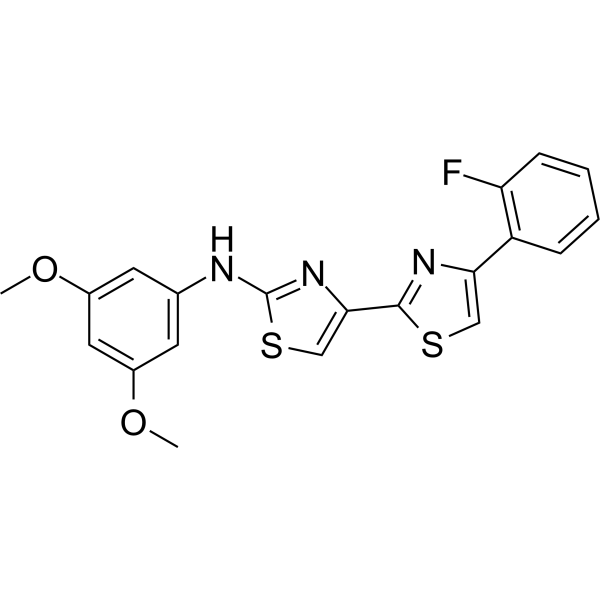
CYP1B1-IN-3 is a potent and selective CYP1B1 inhibitor with IC50 values of 6.6, 347.3, >10000 nM for CYP1B1, CYP1A1, CYP1A2, respectively. CYP1B1-IN-3 inhibits cell migration and invasion. CYP1B1-IN-3 inhibits P-gp, AKT/ERK, FAK/SRC, and EMT pathways .
|
-
-
- HY-B0380S2
-
|
|
Isotope-Labeled Compounds
Opioid Receptor
Toll-like Receptor (TLR)
Calcium Channel
Potassium Channel
IRAK
ERK
JNK
NF-κB
Akt
Apoptosis
|
Neurological Disease
Metabolic Disease
Inflammation/Immunology
Cancer
|
|
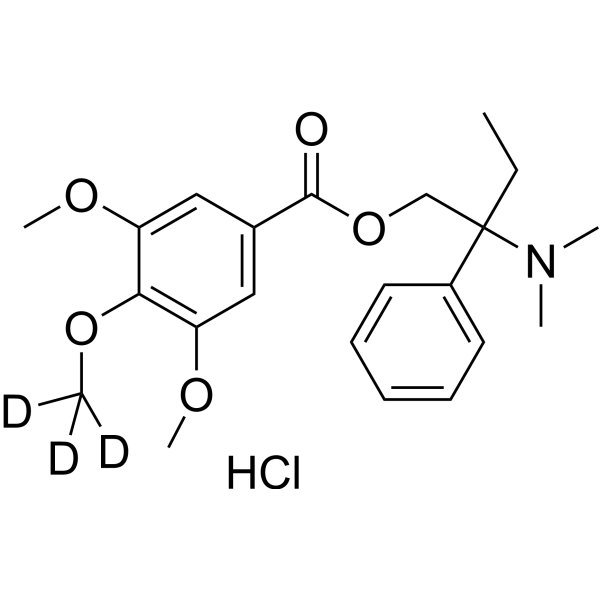
Trimebutine-d3 hydrochloride is deuterium labeled Trimebutine hydrochloride. Trimebutine hydrochloride is a multi-target inhibitor and opioid receptor agonist with antimuscarinic activity. Trimebutine hydrochloride inhibits L-type Ca 2+ channels and large-conductance calcium-activated potassium channels (BKCa channels), thereby inhibiting extracellular calcium influx and potassium ion efflux. Trimebutine hydrochloride also targets Toll-like receptors, inhibits Toll-like receptor 2/4/7/8/9 signals, and inhibits LPS-induced IRAK1 activation, as well as ERK1/2, JNK and NF-κB activation, thereby exerting anti-inflammatory effects. Trimebutine hydrochloride also induces tumor cell apoptosis by inhibiting the AKT/ERK pathway. Trimebutine hydrochloride also inhibits excessive contraction of smooth muscle and can be used in the study of gastrointestinal disorders such as irritable bowel syndrome (IBS) .
|
-
-
- HY-B0380R
-
|
|
Opioid Receptor
Toll-like Receptor (TLR)
Calcium Channel
Potassium Channel
IRAK
ERK
JNK
NF-κB
Akt
Apoptosis
Reference Standards
|
Neurological Disease
Metabolic Disease
Inflammation/Immunology
Cancer
|
|
Trimebutine (Standard) is the analytical standard of Trimebutine (HY-B0380). This product is intended for research and analytical applications. Trimebutine is a multi-target inhibitor and opioid receptor agonist with antimuscarinic activity. Trimebutine inhibits L-type Ca 2+ channels and large-conductance calcium-activated potassium channels (BKCa channels), thereby inhibiting extracellular calcium influx and potassium ion efflux. Trimebutine also targets Toll-like receptors, inhibits Toll-like receptor 2/4/7/8/9 signals, and inhibits LPS-induced IRAK1 activation, as well as ERK1/2, JNK and NF-κB activation, thereby exerting anti-inflammatory effects. Trimebutine also induces tumor cell apoptosis by inhibiting the AKT/ERK pathway. Trimebutine also inhibits excessive contraction of smooth muscle and can be used in the study of gastrointestinal disorders such as irritable bowel syndrome (IBS) .
|
-

-
- HY-172110
-
|
|
EGFR
Akt
p38 MAPK
ERK
Apoptosis
|
Cancer
|
|
Apoptosis inducer 35 (Compound 6) is a multi-targeted inhibitor, that reduces the expressions of EGFR, AKT, ERK and P38-MAPKα. Apoptosis inducer 35 inhibits the proliferation of cancer cell A549 and Jurkat, arrests the cell cycle at S phase, and induces apoptosis .
|
-

-
- HY-181672
-
|
|
PI3K
Akt
ERK
Epigenetic Reader Domain
|
Neurological Disease
|
|
PI3K/AKT/ERK/CREB activator 1 is an orally active PI3K/AKT/ERK/CREB pathway activator. PI3K/AKT/ERK/CREB activator 1 maintains neuronal survival and function, promotes neuronal proliferation, restores the viability of damaged neurons, and facilitates synapse formation. PI3K/AKT/ERK/CREB activator 1 alleviates neuroinflammation by reducing the levels of pro-inflammatory cytokines, preserves synaptic ultrastructure and restores spatial memory in Alzheimer's disease models. PI3K/AKT/ERK/CREB activator 1 can be used in research related to Alzheimer's disease .
|
-

-
- HY-N4309A
-
|
|
Amylases
Glycosidase
|
Cardiovascular Disease
|
|
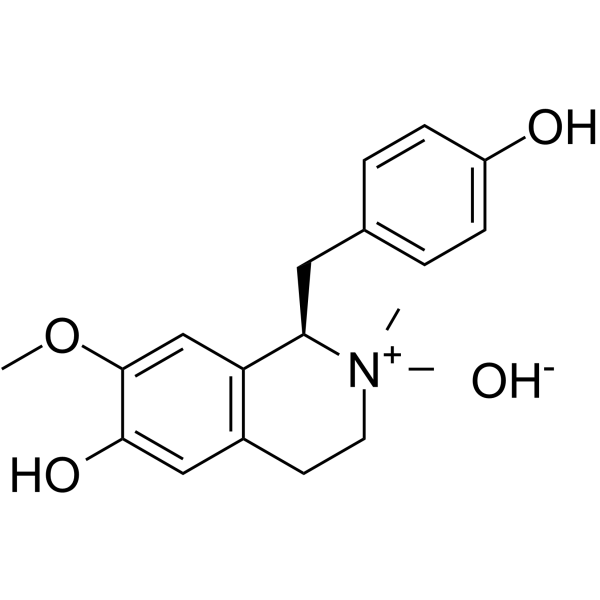
Lotusine hydroxide is an orally active signaling pathway modulator and enzyme inhibitor, with an IC50 of 30.60 μg/mL against α-amylase and an IC50 of 36.15 μg/mL against α-glucosidase. Lotusine hydroxide inhibits the EGFR-Akt-ERK signaling pathway by reducing the levels of phosphorylated EGFR, Akt and ERK. Lotusine hydroxide induces apoptosis, triggers G0/G1 cell cycle arrest and inhibits cancer cell proliferation. Lotusine hydroxide reduces lipid peroxidation and increases the activities of SOD, CAT and GPx. Lotusine hydroxide is applicable to researches related to non-small cell lung cancer, type 2 diabetes and autism spectrum disorder .
|
-
-
- HY-N9684
-
|
|
EGFR
GSK-3
Hedgehog
Akt
ERK
Apoptosis
|
Cancer
|
|
Degalactotigonin is a saponin-selective inhibitor targeting the EGFR, GSK3β and Hedgehog/Gli1 pathways and can be isolated from Solanum nigrum (Solanum nigrum). Degalactotigonin inhibits EGFR phosphorylation and the downstream Akt/ERK signaling pathway, and at the same time inhibits the Hedgehog/Gli1 pathway through GSK3β inactivation, thereby inducing cancer cell apoptosis, arresting the cell cycle, and inhibiting migration and invasion. Degalactotigonin can be used in targeted research on malignant tumors such as pancreatic cancer and osteosarcoma .
|
-

-
- HY-182354
-
|
|
VEGFR
FGFR
FLT3
PDGFR
RET
Akt
ERK
c-Kit
|
Cancer
|
|
VEGFR2-IN-84 is an orally active, multi-targeted tyrosine kinase inhibitor based on a naphthalene ring scaffold. VEGFR2-IN-84 inhibits VEGFR2 with sub-nanomolar affinity and broadly targets kinases including Kit, FGFR, PDGFR, and Ret. By competitively binding to the ATP-binding pocket, VEGFR2-IN-84 blocks the phosphorylation of VEGFR2 and its downstream AKT/ERK signaling pathway, thereby significantly inhibiting endothelial cell proliferation, migration, and tumor angiogenesis. VEGFR2-IN-84 exhibits broad-spectrum antiproliferative activity against various solid tumors such as liver cancer, lung cancer, and renal cancer, shows weak toxicity to normal cells, and has superior potency to Lenvatinib (HY-10981). VEGFR2-IN-84 possesses favorable pharmacokinetic properties and high safety (LD50>2000 mg/kg), and can be used in related studies of various malignant tumors .
|
-

-
- HY-180226
-
|
|
Apoptosis
Akt
ERK
STAT
Ribosomal S6 Kinase (RSK)
|
Cancer
|
|
Apoptosis inducer 55 (Compound 10) is an Apoptosis inducer. Apoptosis inducer 55 induces rapid apoptosis via the intrinsic pathway. Apoptosis inducer 55 potently inhibits several signaling cascades including AKT, ERK1/2, STAT1, STAT3, and S6K. Apoptosis inducer 55 has anti-cancer activity against melanoma .
|
-

-
- HY-P992464
-
|
|
c-Met/HGFR
Akt
ERK
|
Cancer
|
|
SHR-A1403 Antibody is an anti-c-Met monoclonal antibody. SHR-A1403 Antibody down-regulates phosphorylated c-Met, Akt, ERK, weakens intracellular signal cascades, and mediates antibody-c-Met complex endocytosis. SHR-A1403 Antibody can be used for the research of c-met-overexpressing cancers and pancreatic ductal adenocarcinoma .
|
-

-
- HY-183684
-
|
|
RET
VEGFR
PDGFR
Akt
ERK
|
Endocrinology
Cancer
|
|
RET-IN-33 (Compound CN-3) is a moderately selective inhibitor of RET mutants. RET-IN-33 potently inhibits G810 mutants, with IC50 values of 4.43 nM (G810R), 3.28 nM (G810C) and 0.51 nM (G810S), respectively. RET-IN-33 also inhibits other RET mutants: V804M (IC50 0.73 nM), V804L (IC50 0.36 nM), Y806H (IC50 0.74 nM) and M918T (IC50 0.55 nM). RET-IN-33 also inhibits other kinases, with an IC50 of 1.50 nM against VEGFR2 and 1.60 nM against PDGFRα. RET-IN-33 blocks the autophosphorylation of RET mutants and the downstream SHC/AKT/ERK signaling pathway. RET-IN-33 selectively inhibits the proliferation of RET-driven cell models without affecting non-RET-dependent or normal cells. RET-IN-33 exhibits dose-dependent antitumor efficacy in RET-driven xenograft models. RET-IN-33 can be used for the research of medullary thyroid carcinoma, papillary thyroid carcinoma and non-small cell lung cancer .
|
-

| Cat. No. |
Product Name |
Target |
Research Area |
-
- HY-P11147
-
|
|
Interleukin Related
FAK
Src
Akt
ERK
MMP
|
Cancer
|
|
IL13Rα2 D1 is an effective IL-13/IL13Rα2 signaling axis inhibitor. IL13Rα2 D1 can inhibit IL-13-induced cell adhesion, migration, invasion, and proliferation. IL13Rα2 D1 can inhibit FAK, Src, AKT, ERK1/2 phosphorylation, and MMP expression. IL13Rα2 D1 can be used for research on cancers such as colorectal cancer .
|
| Cat. No. |
Product Name |
Target |
Research Area |
Image |
-
- HY-P992464
-
|
|
c-Met/HGFR
Akt
ERK
|
Cancer
|
|
SHR-A1403 Antibody is an anti-c-Met monoclonal antibody. SHR-A1403 Antibody down-regulates phosphorylated c-Met, Akt, ERK, weakens intracellular signal cascades, and mediates antibody-c-Met complex endocytosis. SHR-A1403 Antibody can be used for the research of c-met-overexpressing cancers and pancreatic ductal adenocarcinoma .
|
-

(5)
| Cat. No. |
Product Name |
Category |
Target |
Chemical Structure |
-
- HY-N2292
-
-
-
- HY-N7110
-
-
-
- HY-N12445
-
|
|
Malvaceae
Structural Classification
Flavonols
Flavonoids
Abelmoschus manihot (Linn.) Medicus
Plants
Source Classification
|
Topoisomerase
Caspase
Apoptosis
SOD
|
|
Quercetin-3'-O-glucoside is an orally active flavonoid glycoside. Quercetin-3'-O-glucoside reduces liver glucose-6-phosphatase activity, alters serum insulin and glucose levels, and regulates the activities of antioxidant enzymes in the liver and kidney. Quercetin-3'-O-glucoside inhibits DNA topoisomerase II, induces S-phase cell cycle arrest and caspase-3-mediated apoptosis in hepatocellular carcinoma cells. Quercetin-3'-O-glucoside selectively inhibits EGFR-mediated signaling pathways targeting AKT, ERK1/2, FAK and MEK1/2. Quercetin-3'-O-glucoside inhibits growth factor-induced migration and invasion in pancreatic cancer cells. Quercetin-3'-O-glucoside exerts free radical scavenging effects. Quercetin-3'-O-glucoside is applicable to research related to pancreatic cancer, diabetes, hepatocellular carcinoma and malignant tumors .
|
-
-
- HY-N4309
-
-
-
- HY-N4309A
-
-
-
- HY-N9684
-
|
|
Plantaginaceae
Digitalis purpurea L.
Structural Classification
Natural Products
Plants
Source Classification
|
EGFR
GSK-3
Hedgehog
Akt
ERK
Apoptosis
|
|
Degalactotigonin is a saponin-selective inhibitor targeting the EGFR, GSK3β and Hedgehog/Gli1 pathways and can be isolated from Solanum nigrum (Solanum nigrum). Degalactotigonin inhibits EGFR phosphorylation and the downstream Akt/ERK signaling pathway, and at the same time inhibits the Hedgehog/Gli1 pathway through GSK3β inactivation, thereby inducing cancer cell apoptosis, arresting the cell cycle, and inhibiting migration and invasion. Degalactotigonin can be used in targeted research on malignant tumors such as pancreatic cancer and osteosarcoma .
|
-
| Cat. No. |
Product Name |
Chemical Structure |
-
- HY-B0380S1
-
|
|
|
Trimebutine-d5 fumarate is deuterium labeled Trimebutine fumarate. Trimebutine fumarate is a multi-target inhibitor and opioid receptor agonist with antimuscarinic activity. Trimebutine fumarate inhibits L-type Ca 2+ channels and large-conductance calcium-activated potassium channels (BKCa channels), thereby inhibiting extracellular calcium influx and potassium ion efflux. Trimebutine fumarate also targets Toll-like receptors, inhibits Toll-like receptor 2/4/7/8/9 signals, and inhibits LPS-induced IRAK1 activation, as well as ERK1/2, JNK and NF-κB activation, thereby exerting anti-inflammatory effects. Trimebutine fumarate also induces tumor cell apoptosis by inhibiting the AKT/ERK pathway. Trimebutine fumarate also inhibits excessive contraction of smooth muscle and can be used in the study of gastrointestinal disorders such as irritable bowel syndrome (IBS) .
|
-
-
- HY-B0380S2
-
|
|
|
Trimebutine-d3 hydrochloride is deuterium labeled Trimebutine hydrochloride. Trimebutine hydrochloride is a multi-target inhibitor and opioid receptor agonist with antimuscarinic activity. Trimebutine hydrochloride inhibits L-type Ca 2+ channels and large-conductance calcium-activated potassium channels (BKCa channels), thereby inhibiting extracellular calcium influx and potassium ion efflux. Trimebutine hydrochloride also targets Toll-like receptors, inhibits Toll-like receptor 2/4/7/8/9 signals, and inhibits LPS-induced IRAK1 activation, as well as ERK1/2, JNK and NF-κB activation, thereby exerting anti-inflammatory effects. Trimebutine hydrochloride also induces tumor cell apoptosis by inhibiting the AKT/ERK pathway. Trimebutine hydrochloride also inhibits excessive contraction of smooth muscle and can be used in the study of gastrointestinal disorders such as irritable bowel syndrome (IBS) .
|
-
Your information is safe with us. * Required Fields.
Inquiry Information
- Product Name:
- Cat. No.:
- Quantity:
- MCE Japan Authorized Agent:








