
1. Search Result
Search Result
Results for "

Anticonvulsant effect

" in MedChemExpress (MCE) Product Catalog:

50

Inhibitors & Agonists

2

Peptides

7

Natural
Products

7

Isotope-Labeled Compounds

Cat. No. Product Name Target Research Areas Chemical Structure
  • HY-101392
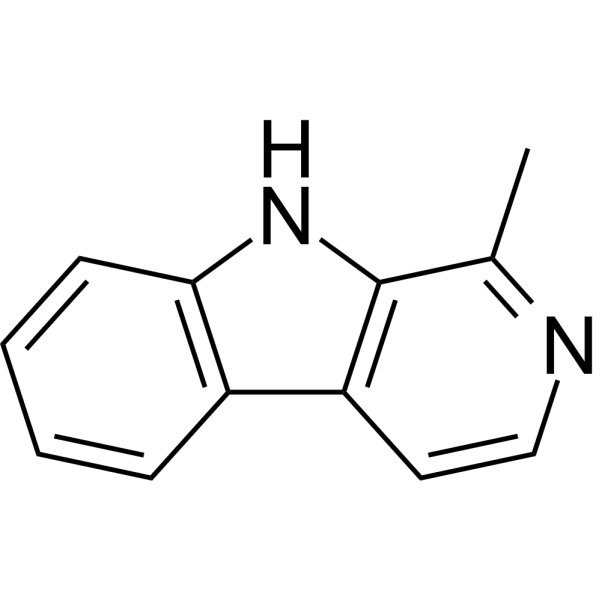
    Harmane
    1 Publications Verification

    Imidazoline Receptor Monoamine Oxidase Adrenergic Receptor nAChR GABA Receptor Opioid Receptor Neurological Disease Inflammation/Immunology
    Harmane is a benzodiazepine receptor inhibitor (IC50=7 μM), with IC50 values for mACh, Opioid Receptor, MAO-A/B, and α2-adrenergic receptor of 24 μM, 2.8 μM, 0.5 μM, 5 μM, and 18 μM, respectively. Harmane inhibits the I1 imidazoline receptor (IC50 = 30 nM) to reduce blood pressure and has antidepressant, anti-anxiety, anticonvulsant, and analgesic effects. Harmane inhibits dopamine biosynthesis by decreasing tyrosine hydroxylase (TH) activity and enhancing L-DOPA-induced cytotoxicity in PC12 cells. Additionally, Harmane can increase the mutagenic effect induced by 2-acetylaminofluorene (AAF) .
    Harmane
  • HY-B0184
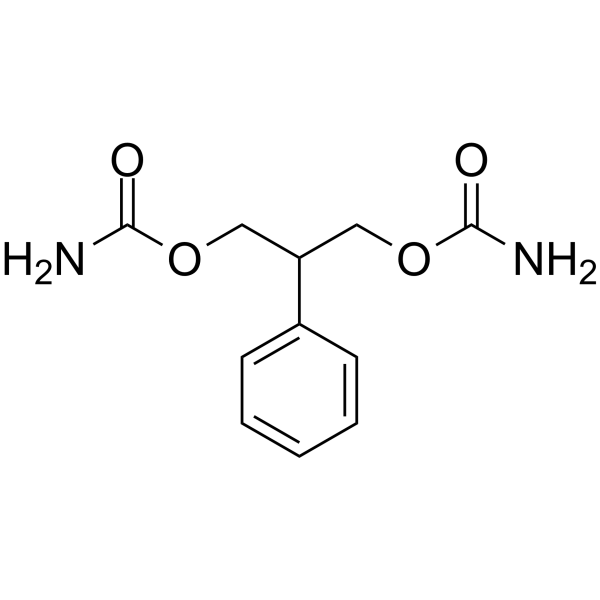
    Felbamate
    2 Publications Verification

    W-554; ADD-03055

    iGluR Neurological Disease
    Felbamate (W-554) is a potent nonsedative anticonvulsant whose clinical effect may be related to the inhibition of N-methyl-D-aspartate (NMDA).
    Felbamate
  • HY-B1302
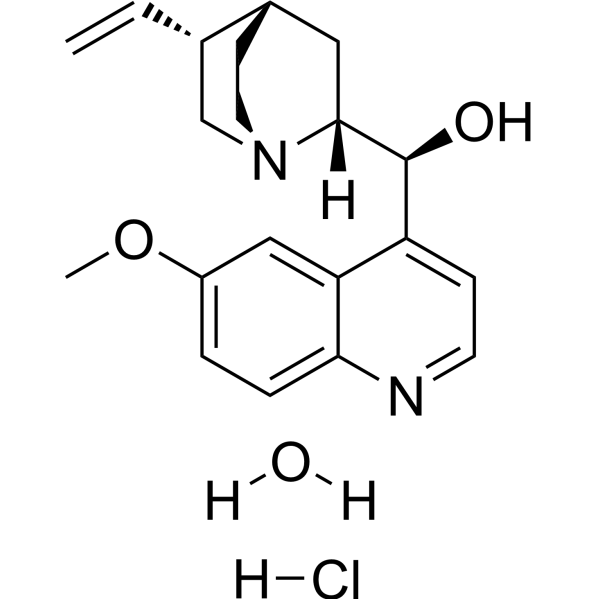
    Quinidine hydrochloride monohydrate
    Maximum Cited Publications
    25 Publications Verification

    P-glycoprotein PARP Caspase Apoptosis Potassium Channel Cardiovascular Disease Neurological Disease
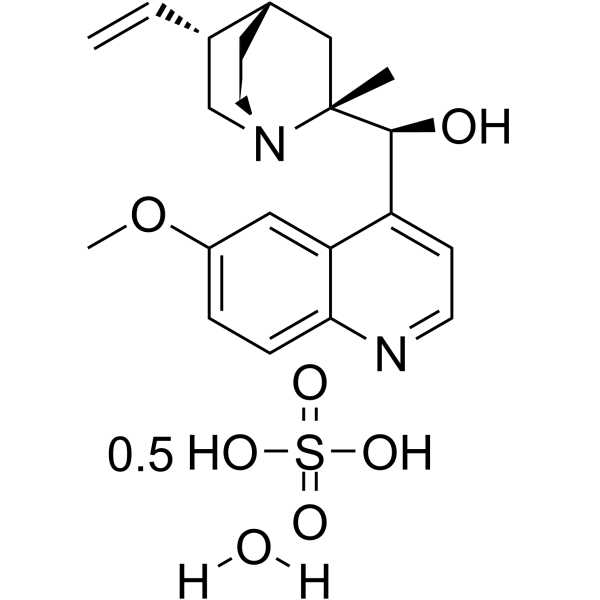
    Quinidine hydrochloride monohydrate is an orally active antiarrhythmic agent. Quinidine hydrochloride monohydrate reduces the expression level of P-gp, inhibits P-gp-mediated efflux, increases the intracellular accumulation of P-gp substrates, induces PARP cleavage and Caspase-3 activation, and elevates the proportion of Apoptotic cells at the sub-G1 phase. Quinidine hydrochloride monohydrate exerts sustained block and open-channel block effects on IK(f). Quinidine hydrochloride monohydrate alters the urinary metabolic ratio of Amphetamine, modulates the Pentylenetetrazol-induced seizure threshold, and regulates the anticonvulsant effect of Dextromethorphan. Quinidine hydrochloride monohydrate can be used in studies related to uterine sarcoma and seizures .
    Quinidine hydrochloride monohydrate
  • HY-W090292

    Drug Intermediate Neurological Disease
    Olivetolic acid is a biosynthetic precursor of cannabinol acid (CBGA). Olivetolic acid exhibits a modest anticonvulsant effect in a mouse model of Dravet syndrome. Olivetolic acid can be used for the study of convulsion .
    Olivetolic acid
  • HY-B1199

    Monoamine Oxidase Reactive Oxygen Species (ROS) Cardiovascular Disease Neurological Disease Inflammation/Immunology
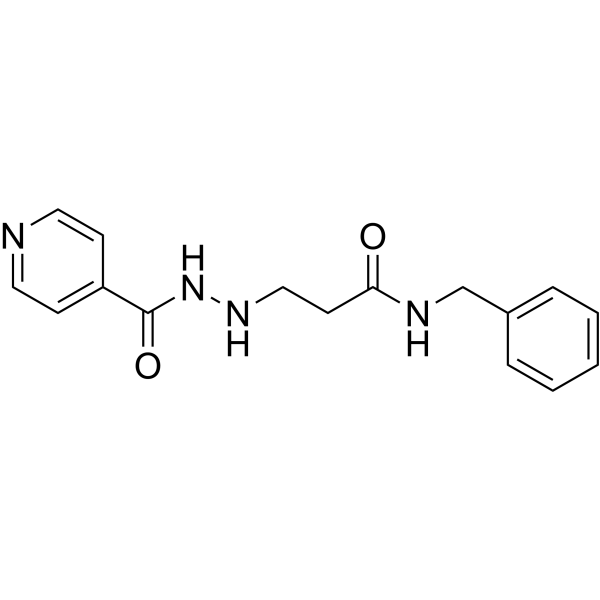
    Nialamide is a non-selective monoamine oxidase (MAO) inhibitor. Nialamide inhibits MAO and regulates ROS production. Nialamide induces hyperkinesis in animals, enhances the anticonvulsant effect of Diphenylhydantoin in mice, increases rectal temperature, and enhances the pressor effect of Norepinephrine. Nialamide can be used in the research of depression, inflammatory diseases, neurodegenerative diseases, and hypertension .
    Nialamide
  • HY-103234A

    iGluR Neurological Disease
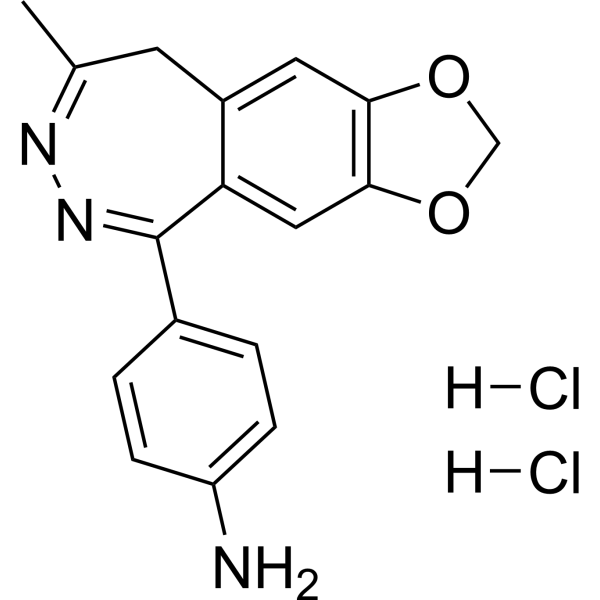
    GYKI 52466 dihydrochloride is an orally active, highly selective and noncompetitive AMPA/kainate receptor antagonist with the IC50 values of 7.5 and 11μM, respectively. GYKI 52466 dihydrochloride has good blood brain barrier permeability and anticonvulsant effect. GYKI 52466 dihydrochloride can be used in Parkinson's disease research .
    GYKI 52466 dihydrochloride
  • HY-P3960

    Thyroid Hormone Receptor Endogenous Metabolite Neurological Disease
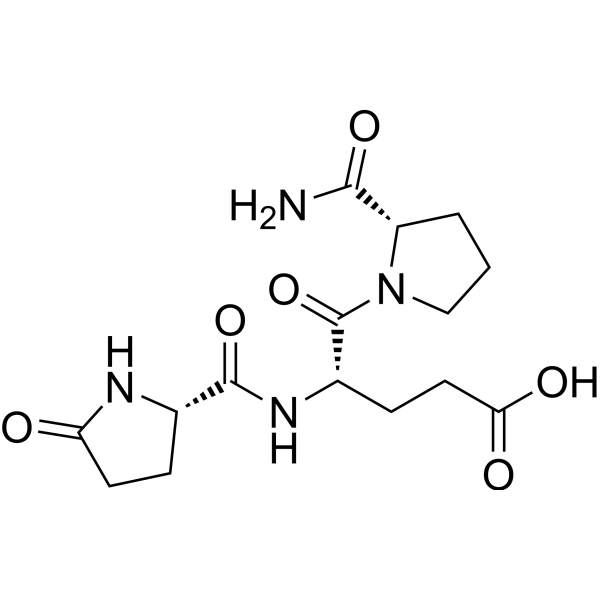
    (Glu2)-TRH, a metabolically stable analogue of Thyrotropin-releasing hormone (TRH; HY-P0002), is a negative modulator for the cholinergic effect of TRH in the mouse brain. (Glu2)-TRH significantly attenuates TRH-induced hippocampal extracellular acetylcholine release. (Glu2)-TRH is not metabolized by thyroliberinase. (Glu2)-TRH manifests neuroprotective, antidepressant, anticonvulsant in the CNS .
    (Glu2)-TRH
  • HY-103230

    iGluR Neurological Disease
    IEM-1460 blocks both AMPA and NMDA glutamate receptor with anticonvulsant effect in vivo .
    IEM-1460
  • HY-136591

    Drug Metabolite Neurological Disease Cancer
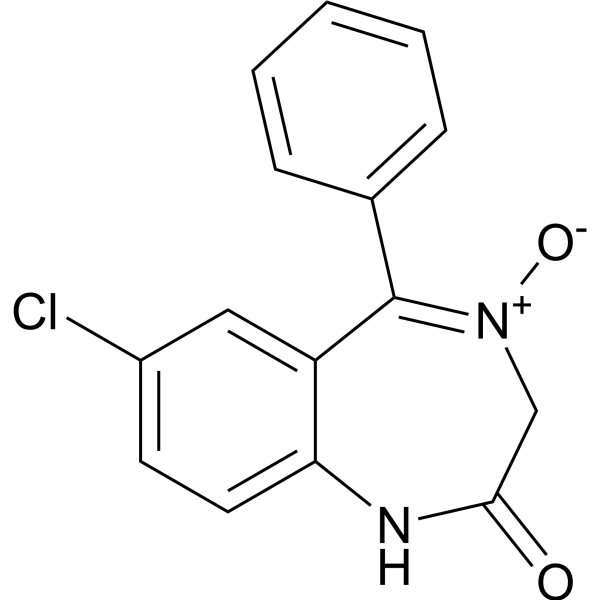
    Demoxepam is a major metabolite of Chlordiazepoxide. Demoxepam exhibits cytotoxicity activity against cancer cell lines. Demoxepam has anticonvulsant and anxiolytic effects. Demoxepam has an inhibitory effect on in vitro [ 3H]tryptophan binding to rat hepatic nuclei .
    Demoxepam
  • HY-N8303

    ERK PAK Neurological Disease Inflammation/Immunology
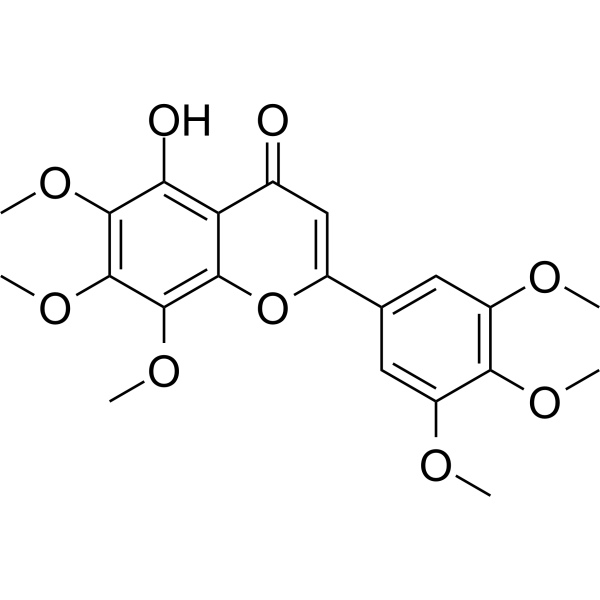
    Gardenin A is an orally active and synthetic PMF analogue with the neurotrophic effect for neurite outgrowth and neuronal differentiation. Gardenin A promotes neuritogenesis via activating MAPK/ERK, PKC, and PKA, but not TrkA, CREB signaling pathways. Gardenin A also has sedative, anxiolytic, antidepressant, and anticonvulsant effects .
    Gardenin A
  • HY-123335A

    Somatostatin Receptor Neurological Disease
    L-796778 acetate is a selective agonist of the sst3 receptor. In CHO-K1 cells expressing the hsst3 receptor, L-796778 acetate is a partial agonist that inhibits Forskolin (HY-15371)-stimulated cAMP production with an IC50 value of 18 nM. L-796778 acetate has anticonvulsant effect .
    L-796778 acetate
  • HY-103506

    NO-711 hydrochloride

    GABA Receptor Neurological Disease
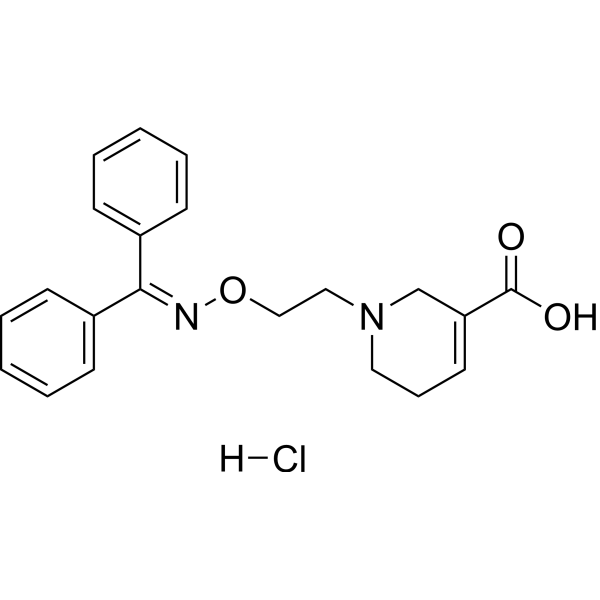
    NNC-711 (NO-711 hydrochloride) is a potent and selective inhibitor of GAT-1 (GABA transporter 1) with IC50 values of 0.04, 0.38, 171, 1700, 349, 622 μM for human GAT-1, rat GAT-1, rGAT-2, hGAT-3, rGAT-3, hBGT-3, respectively. NNC-711 has anticonvulsant and analgesic effect in vivo and exhibits cognition-enhancing activity .
    NNC-711
  • HY-101392A
    Harmane hydrochloride
    1 Publications Verification

    Imidazoline Receptor Monoamine Oxidase Adrenergic Receptor nAChR GABA Receptor Opioid Receptor Neurological Disease Inflammation/Immunology
    Harmane hydrochloride is a benzodiazepine receptor inhibitor (IC50=7 μM), with IC50 values for mACh, Opioid Receptor, MAO-A/B, and α2-adrenergic receptor of 24 μM, 2.8 μM, 0.5 μM, 5 μM, and 18 μM, respectively. Harmane hydrochloride inhibits the I1 imidazoline receptor (IC50 = 30 nM) to reduce blood pressure and has antidepressant, anti-anxiety, anticonvulsant, and analgesic effects. Harmane hydrochloride inhibits dopamine biosynthesis by decreasing tyrosine hydroxylase (TH) activity and enhancing L-DOPA-induced cytotoxicity in PC12 cells. Additionally, Harmane hydrochloride can increase the mutagenic effect induced by 2-acetylaminofluorene (AAF) .
    Harmane hydrochloride
  • HY-P1132A

    Neuropeptide Y Receptor Neurological Disease
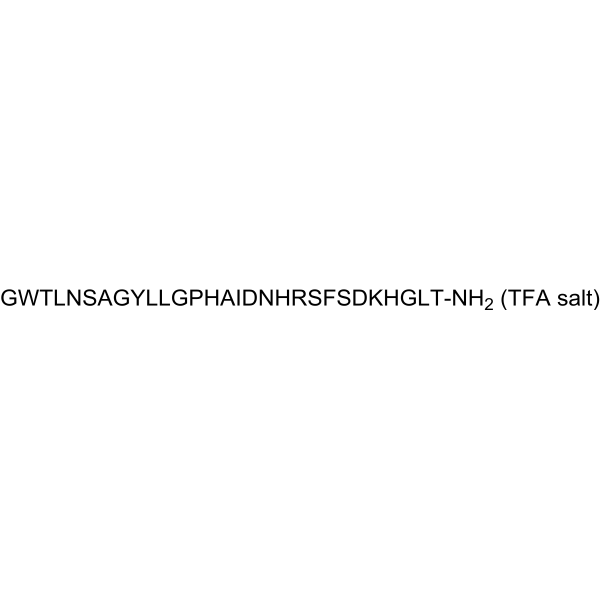
    Galanin (1-29)(rat, mouse) TFA is a non-selective galanin receptor agonist, with Kis of 0.98, 1.48 and 1.47 nM for GAL1, GAL2 and GAL3, respectively. Anticonvulsant effect .
    Galanin (1-29)(rat, mouse) TFA
  • HY-141795

    Co 134444

    Drug Derivative Neurological Disease
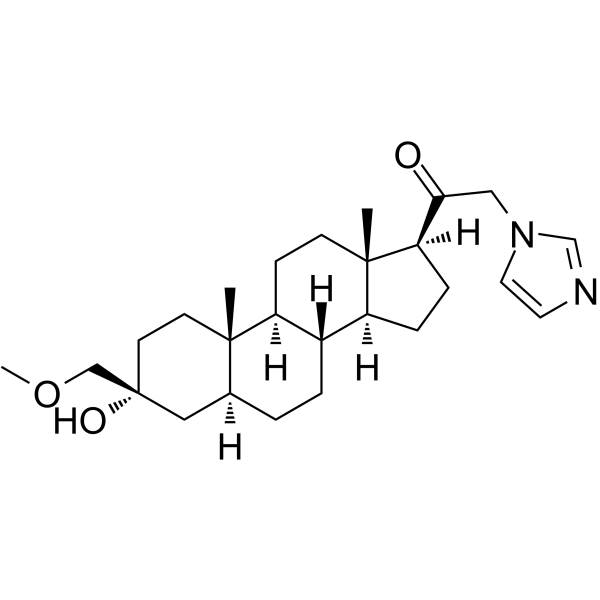
    Posovolone (Co 134444) is an orally active, neuroactive steroid. Posovolone has anticonvulsant and anxiolytic-like activity as well as ataxic effects .
    Posovolone
  • HY-N4267

    Calcium Channel Platelet-activating Factor Receptor (PAFR) UGT Leukotriene Receptor TNF Receptor PGE synthase Interleukin Related Cardiovascular Disease Infection Inflammation/Immunology
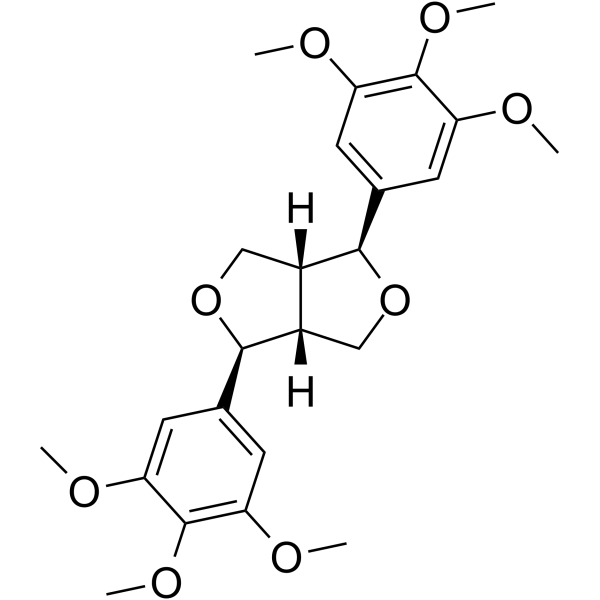
    Yangambin is a PAF receptor antagonist and UGT1A1/UGT1A3 inhibitor, with an IC50 of 29.7 μM and a Ki of 17.1 μM against human UGT1A1, and an IC50 of 56.5 μM and a Ki of 66.8 μM against human UGT1A3. Yangambin blocks PAF-mediated responses, inhibits LTB4-mediated neutrophil infiltration, and suppresses inflammatory events and anaphylactic contraction. Yangambin acts as a central nervous system inhibitor to reduce spontaneous activity, and also exhibits analgesic, anticonvulsant, antileishmanial, vasodilatory and hypotensive effects. Yangambin blocks voltage-gated Ca 2+ channels, reduces the production of NO, TNF-α, IL-6 and PGE2 in cells, increases the production of IL-10, and exerts a protective effect against cardiovascular injury. Yangambin can be used in research related to allergies, cutaneous leishmaniasis, central nervous system diseases and cardiovascular diseases .
    Yangambin
  • HY-P1132

    Neuropeptide Y Receptor Neurological Disease
    Galanin (1-29)(rat, mouse) is a non-selective galanin receptor agonist, with Kis of 0.98, 1.48 and 1.47 nM for GAL1, GAL2 and GAL3 respectively. Anticonvulsant effect .
    Galanin (1-29)(rat, mouse)
  • HY-116944

    GABA Receptor Neurological Disease
    Ro 17-1812 is a benzodiazepine receptor partial agonist with anticonvulsant effect .
    Ro 17-1812
  • HY-B0184A

    W-554 hydrate; ADD-03055 hydrate

    iGluR Neurological Disease
    Felbamate hydrate (W-554 hydrate) is a potent nonsedative anticonvulsant whose clinical effect may be related to the inhibition of N-methyl-D-aspartate (NMDA) .
    Felbamate hydrate
  • HY-177986

    Drug Derivative Neurological Disease
    NCR 631 is a 3-HAO inhibitor and 3-hydroxyanthranilic acid (HY-W001171) analogue. NCR-631 has anticonvulsant properties. NCR-631shows a concentration-dependent protective effect against the anoxia .
    NCR 631
  • HY-W013378S

    Endogenous Metabolite Isotope-Labeled Compounds Others
    Carbamazepine 10,11 epoxide-d2 is the deuterium labeled Carbamazepine 10,11 epoxide . Carbamazepine 10,11-epoxide is an orally active metabolite of Carbamazepine (HY-B0246). Carbamazepine has anticonvulsant effect. Carbamazepine can be used for the research of seizures .
    Carbamazepine 10,11 epoxide-d2
  • HY-176065

    Sodium Channel Neurological Disease
    Nav1.2-IN-1 (compound 5i), a 3-(1,2,3,6-tetrahydropyridine)-4-azaindole derivative, is a potent and selective Nav1.2 inhibitor. Nav1.2-IN-1 induces a reduction in the peak amplitude of Nav1.2 currents with an IC50 value of 7.79 μM. Nav1.2-IN-1 exhibits antiepileptic activity. Nav1.2-IN-1 shows high anticonvulsant effect and low neurotoxicity in subcutaneous Pentetrazole (sc-PTZ)-induced epilepsy mode .
    Nav1.2-IN-1
  • HY-133773

    Biochemical Assay Reagents Neurological Disease
    Desoxochlordiazepoxide is a kind of benzodiazepine compound. Desoxochlordiazepoxide has anticonvulsant effect .
    Desoxochlordiazepoxide
  • HY-125555

    Bacterial Infection Neurological Disease
    Azosulfamide has an anticonvulsant effect and can be used for research of epilepsy. Azosulfamide is active against recurrent tetanus .
    Azosulfamide
  • HY-U00315S

    Gidasepam-d5; Hidazepam-d5; Hydazepam-d5

    GABA Receptor Neurological Disease
    Gidazepam-d5 is a deuterium labeled Gidazepam. Gidazepam is an agonist of GABA receptor channels (GABA RCs), and has anticonvulsant effect .
    Gidazepam-d5
  • HY-107323

    QM 6008; Thiadipone; Tiadipone

    GABA Receptor Neurological Disease
    Bentazepam (Thiadipone) is a compound with short-action anxiolytic effect. Bentazepam shows anticonvulsant and sedative properties. Bentazepam can be used for the research of depressive disorder and anxiety .
    Bentazepam
  • HY-107323A

    QM 6008 hydrochloride; Thiadipone hydrochloride; Tiadipone hydrochloride

    GABA Receptor Neurological Disease
    Bentazepam (QM 6008, Thiadipone) hydrocholide is a compound with short-action anxiolytic effect. Bentazepam hydrocholide shows anticonvulsant and sedative properties. Bentazepam hydrocholide can be used for the research of depressive disorder and anxiety .
    Bentazepam hydrochloride
  • HY-B0184S1

    Felbamyl-d5; Felbatol-d5; Taloxa-d5

    iGluR Neurological Disease
    Felbamate-d5 is the deuterium labeled Felbamate . Felbamate (W-554) is a potent nonsedative anticonvulsant whose clinical effect may be related to the inhibition of N-methyl-D-aspartate (NMDA) .
    Felbamate-d5
  • HY-B0184R

    W-554 (Standard); ADD-03055 (Standard)

    Reference Standards iGluR Neurological Disease
    Felbamate (Standard) is the analytical standard of Felbamate. This product is intended for research and analytical applications. Felbamate (W-554) is a potent nonsedative anticonvulsant whose clinical effect may be related to the inhibition of N-methyl-D-aspartate (NMDA).
    Felbamate (Standard)
  • HY-B1199A

    Monoamine Oxidase Reactive Oxygen Species (ROS) Cardiovascular Disease Neurological Disease Inflammation/Immunology
    Nialamide hydrochloride is a non-selective monoamine oxidase (MAO) inhibitor. Nialamide hydrochloride inhibits MAO and regulates ROS production. Nialamide hydrochloride induces hyperkinesis in animals, enhances the anticonvulsant effect of Diphenylhydantoin in mice, increases rectal temperature, and enhances the pressor effect of Norepinephrine. Nialamide hydrochloride can be used in the research of depression, inflammatory diseases, neurodegenerative diseases, and hypertension .
    Nialamide hydrochloride
  • HY-B0184S

    iGluR Neurological Disease
    Felbamate-d4 (W-554-d4) is the deuterium labeled Felbamate. Felbamate (W-554) is a potent anticonvulsant whose clinical effect may be related to the inhibition of N-methyl-D-aspartate (NMDA).
    Felbamate-d4
  • HY-W097106

    Drug Isomer Neurological Disease
    (S)-3-N-Cbz-Amino-succinimide (Compound 1d) is an antiepileptic agent that can inhibit pentylenetetrazole (PTZ) and maximal electroshock (MES)-induced tonic convulsions in mice .
    (S)-3-N-Cbz-Amino-succinimide
  • HY-147377

    Calcium Channel ERK Potassium Channel Guanylate Cyclase NF-κB Cardiovascular Disease Neurological Disease Inflammation/Immunology
    N-Salicyloyltryptamine acts on voltage-dependent Na +, Ca 2+, and K + ion channels inhibitor. N-Salicyloyltryptamine inhibits K + currents with an IC50 value of 34.6 μM (Ito). N-Salicyloyltryptamine also exhibits anticonvulsant, anti-inflammatory, analgesic, and vasorelaxation effect - .
    N-Salicyloyltryptamine
  • HY-103234

    iGluR Neurological Disease
    GYKI 52466 is an orally active, highly selective and noncompetitive AMPA/kainate receptor antagonist with the IC50 values of 7.5 and 11μM, respectively. GYKI 52466 has good blood brain barrier permeability and anticonvulsant effect. GYKI 52466 can be used in Parkinson's disease research .
    GYKI 52466
  • HY-103234B

    iGluR Neurological Disease
    GYKI 52466 hydrochloride is an orally active, highly selective and noncompetitive AMPA/kainate receptor antagonist with the IC50 values of 7.5 and 11μM, respectively. GYKI 52466 hydrochloride has good blood brain barrier permeability and anticonvulsant effect. GYKI 52466 hydrochloride can be used in Parkinson's disease research .
    GYKI 52466 hydrochloride
  • HY-177302

    mGluR Neurological Disease
    mGluR2 modulator 6 (Compound 25-a) is a mGluR2 modulator. mGluR2 modulator 6 has anticonvulsant activity in the 6Hz epilepsy model, and the effect is better when combined with Levetiracetam (HY-B0106). mGluR2 modulator 6 can be used in the research of epilepsy .
    mGluR2 modulator 6
  • HY-103234AR

    Reference Standards iGluR Neurological Disease
    GYKI 52466 (dihydrochloride) (Standard) is the analytical standard of GYKI 52466 (dihydrochloride). This product is intended for research and analytical applications. GYKI 52466 dihydrochloride is an orally active, highly selective and noncompetitive AMPA/kainate receptor antagonist with the IC50 values of 7.5 and 11μM, respectively. GYKI 52466 dihydrochloride has good blood brain barrier permeability and anticonvulsant effect. GYKI 52466 dihydrochloride can be used in Parkinson's disease research .
    GYKI 52466 dihydrochloride (Standard)
  • HY-W013378S2

    Endogenous Metabolite Others
    Carbamazepine 10,11-epoxide- 13C,d2 is the deuterium labeled Carbamazepine 10,11-epoxide-C13. Carbamazepine 10,11-epoxide-C13 is a 13C-labled Carbamazepine 10,11-epoxide. Carbamazepine 10,11-epoxide is an orally active metabolite of Carbamazepine (HY-B0246). Carbamazepine has anticonvulsant effect. Carbamazepine can be used for the research of seizures .
    Carbamazepine 10,11-epoxide-13C,d2
  • HY-17032

    (rac)-AS1069562 free base; YM-08054 free base

    Endogenous Metabolite Neurological Disease
    Indeloxazine ((rac)-AS1069562 free base) is a brain active compound with anti-amnesic activity. Indeloxazine significantly prolonged the step latency in senescence accelerated mice (SAM-P/8/Ta), indicating that it has a promoting effect on brain function. Indeloxazine has a broader pharmacology than piracetam and exhibits stronger anti-amnesic activity. Indeloxazine has also been used as an anticonvulsant compound, further supporting its potential use in neuroprotection and behavioral improvement .
    Indeloxazine
  • HY-W777360

    Isotope-Labeled Compounds Adrenergic Receptor Monoamine Oxidase nAChR Opioid Receptor Imidazoline Receptor GABA Receptor Neurological Disease Inflammation/Immunology
    Harman- 13C2, 15N is 13C and 15N labeled Harmane. Harmane is a benzodiazepine receptor inhibitor (IC50=7 μM), with IC50 values for mACh, Opioid Receptor, MAO-A/B, and α2-adrenergic receptor of 24 μM, 2.8 μM, 0.5 μM, 5 μM, and 18 μM, respectively. Harmane also inhibits haloperidol and serotonin, with IC50 values of 163 μM and 101 μM, respectively. Harmane inhibits the I1 imidazoline receptor (IC50=30 nM) to reduce blood pressure and has antidepressant, anti-anxiety, anticonvulsant, and analgesic effects. Harmane inhibits dopamine biosynthesis by decreasing tyrosine hydroxylase (TH) activity and enhancing L-DOPA-induced cytotoxicity in PC12 cells. Additionally, Harmane can increase the mutagenic effect induced by 2-acetylaminofluorene (AAF) .
    Harman-13C2,15N
  • HY-105340

    iGluR Neurological Disease
    MDL 27266 is an orally active NMDA receptor antagonist with neuroprotective effect. MDL 27266 is a broad-spectrum anticonvulsant agent .
    MDL 27266
  • HY-103230R

    Reference Standards iGluR Neurological Disease
    IEM-1460 (Standard) is the analytical standard of IEM-1460 (HY-103230). This product is intended for research and analytical applications. IEM-1460 blocks both AMPA and NMDA glutamate receptor with anticonvulsant effect in vivo .
    IEM-1460 (Standard)
  • HY-182548

    GABA Receptor Sodium Channel iGluR Cardiovascular Disease Neurological Disease
    BTS 72664 is a broad-spectrum, non-sedating, orally effective anticonvulsant. Its anticonvulsant effect mainly arises from enhancing GABAA receptor (GABAA receptor)-mediated chloride channel currents, while it exerts weak blocking effects on Na + channels (Ki = 350 μM) and NMDA receptors (NMDA receptor) (IC50 = 43 μM). BTS 72664 prevents the elevation of extracellular glutamate, glycine and serine concentrations in neurons, reduces cerebral infarct size, promotes functional recovery, prevents multiple types of epileptic seizures, and has low sedative potential. BTS 72664 can be used for the research of epilepsy, stroke and migraine .
    BTS 72664
  • HY-136591R

    Drug Metabolite Reference Standards Neurological Disease Cancer
    Demoxepam (Standard) is the analytical standard of Demoxepam. This product is intended for research and analytical applications. Demoxepam is a major metabolite of Chlordiazepoxide. Demoxepam exhibits cytotoxicity activity against cancer cell lines. Demoxepam has anticonvulsant and anxiolytic effects. Demoxepam has an inhibitory effect on in vitro [ 3H]tryptophan binding to rat hepatic nuclei .
    Demoxepam (Standard)
  • HY-N16538

    Drug Derivative Cardiovascular Disease Neurological Disease
    4-(Acetoxymethyl)phenyl glucoside is a type of gastrodin derivative that can cross the blood-brain barrier. 4-(Acetoxymethyl)phenyl glucoside exhibits sedative, anticonvulsant and analgesic effects in mouse models. 4-(Acetoxymethyl)phenyl glucoside can be used for research on senile cardiovascular and cerebrovascular diseases as well as brain nerve disorders .
    4-(Acetoxymethyl)phenyl glucoside
  • HY-103566R

    Reference Standards mGluR EGFR p38 MAPK Apoptosis Infection Neurological Disease Metabolic Disease Inflammation/Immunology Cancer
    LY456236 (Standard) is the analytical standard of LY456236 (HY-103566). This product is intended for research and analytical applications. LY456236 is a selective, non-competitive and orally active antagonist of glutamate receptor 1 (mGlu1), which can inhibit phosphatidylinositol hydrolysis with an IC50 of 0.145 μM. LY456236 can also inhibit EGFR, with an IC50 of 0.918 μM. LY456236 has anticonvulsant effects and blocks cell proliferation by inhibiting the MAPK pathway, reversing the anti-apoptotic effect of DHPG (HY-12598A). LY456236 can be used in epilepsy research .
    LY456236 (Standard)
  • HY-W115674

    P-glycoprotein PARP Caspase Apoptosis Potassium Channel Cardiovascular Disease Neurological Disease Cancer
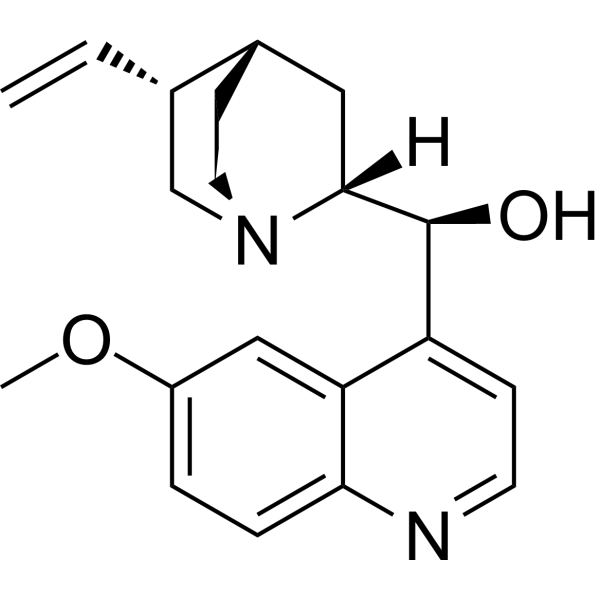
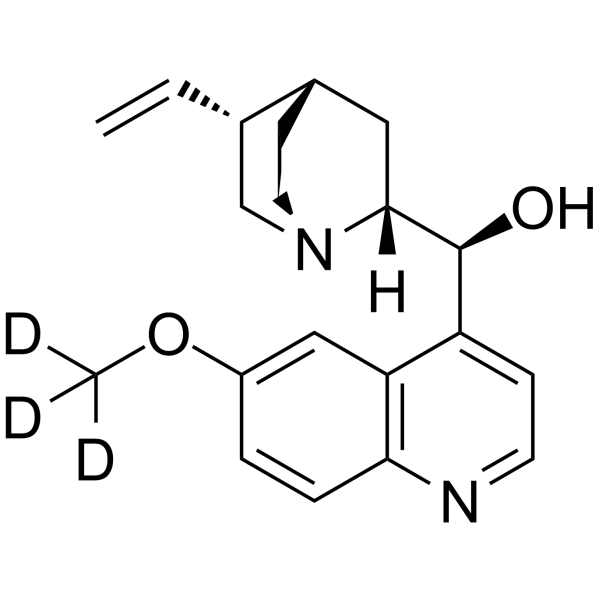
    Quinidine hydrochloride is an orally active antiarrhythmic agent. Quinidine hydrochloride reduces the expression level of P-gp, inhibits P-gp-mediated efflux, increases the intracellular accumulation of P-gp substrates, induces PARP cleavage and Caspase-3 activation, and elevates the proportion of Apoptotic cells at the sub-G1 phase. Quinidine hydrochloride exerts sustained block and open-channel block effects on IK(f). Quinidine hydrochloride alters the urinary metabolic ratio of Amphetamine, modulates the Pentylenetetrazol-induced seizure threshold, and regulates the anticonvulsant effect of Dextromethorphan. Quinidine hydrochloride can be used in studies related to uterine sarcoma and seizures .
    Quinidine hydrochloride
  • HY-15080

    LY 293606

    iGluR Cardiovascular Disease Neurological Disease
    GYKI 53405 is a non-competitive, orally active AMPA receptor antagonist. GYKI 53405 shows no significant binding affinity for GABAA, GABAB or benzodiazepine receptors. GYKI 53405 increases self-grooming behavior, induces wet dog-like shakes, reduces spontaneous activity, produces anxiolytic-like behavior, reverses the anxiogenic effect induced by mCPP, inhibits locomotor activity, suppresses sound-induced and maximal electroshock-induced seizures, prolongs survival in global cerebral ischemia models, and exhibits sustained anticonvulsant effects at doses below the sedation threshold. GYKI 53405 can be used in research related to absence epilepsy, anxiety disorders and global cerebral ischemia .
    GYKI 53405
  • HY-103506R

    NO-711 hydrochloride (Standard)

    Reference Standards GABA Receptor Neurological Disease
    NNC-711 (Standard) is the analytical standard of NNC-711 (HY-103506). This product is intended for research and analytical applications. NNC-711 (NO-711 hydrochloride) is a potent and selective inhibitor of GAT-1 (GABA transporter 1) with IC50 values of 0.04, 0.38, 171, 1700, 349, 622 μM for human GAT-1, rat GAT-1, rGAT-2, hGAT-3, rGAT-3, hBGT-3, respectively. NNC-711 has anticonvulsant and analgesic effect in vivo and exhibits cognition-enhancing activity .
    NNC-711 (Standard)
  • HY-W700834

    Isotope-Labeled Compounds Neurological Disease Inflammation/Immunology
    Harman-d3 is deuterium labeled Harmane. Harmane is a benzodiazepine receptor inhibitor (IC50=7 μM), with IC50 values for mACh, Opioid Receptor, MAO-A/B, and α2-adrenergic receptor of 24 μM, 2.8 μM, 0.5 μM, 5 μM, and 18 μM, respectively. Harmane also inhibits haloperidol and serotonin, with IC50 values of 163 μM and 101 μM, respectively. Harmane inhibits the I1 imidazoline receptor (IC50=30 nM) to reduce blood pressure and has antidepressant, anti-anxiety, anticonvulsant, and analgesic effects. Harmane inhibits dopamine biosynthesis by decreasing tyrosine hydroxylase (TH) activity and enhancing L-DOPA-induced cytotoxicity in PC12 cells. Additionally, Harmane can increase the mutagenic effect induced by 2-acetylaminofluorene (AAF) .
    Harman-d3

Inquiry Online

Your information is safe with us. * Required Fields.

Salutation


Country or Region *

Applicant Name *


Organization Name *

Department *


Email Address *


Product Name *

Cat. No.


Requested quantity *

Phone Number *


Remarks

Inquiry Online

Inquiry Information

Product Name:
Cat. No.:
Quantity:
MCE Japan Authorized Agent:

