



Quinidine hydrochloride monohydrate
Based on 24 publication(s) in Google Scholar
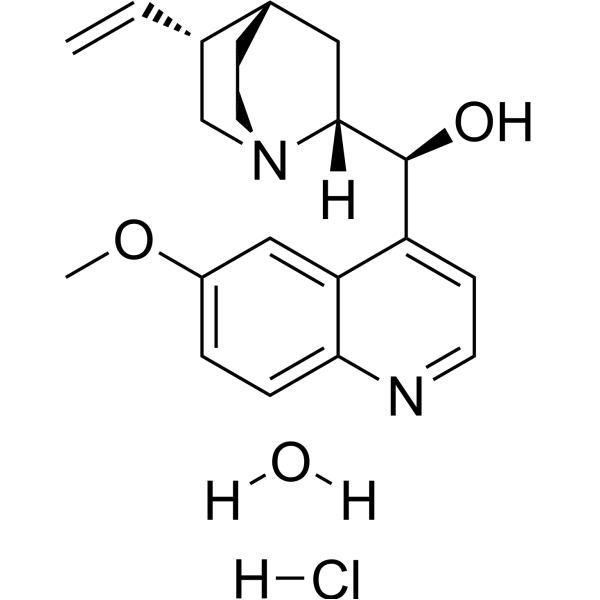
Quinidine hydrochloride monohydrate is an orally active antiarrhythmic agent. Quinidine hydrochloride monohydrate reduces the expression level of P-gp, inhibits P-gp-mediated efflux, increases the intracellular accumulation of P-gp substrates, induces PARP cleavage and Caspase-3 activation, and elevates the proportion of Apoptotic cells at the sub-G1 phase. Quinidine hydrochloride monohydrate exerts sustained block and open-channel block effects on IK(f). Quinidine hydrochloride monohydrate alters the urinary metabolic ratio of Amphetamine, modulates the Pentylenetetrazol-induced seizure threshold, and regulates the anticonvulsant effect of Dextromethorphan. Quinidine hydrochloride monohydrate can be used in studies related to uterine sarcoma and seizures.
For research use only. We do not sell to patients.
- Purity : 99.97%
- CAS No.: 6151-40-2
- Formula: C20H27ClN2O3
- Molecular Weight:378.89
-
Storage:
4°C, sealed storage, away from moisture
* In solvent : -80°C, 6 months; -20°C, 1 month (sealed storage, away from moisture)

To place orders, for customer services and technical support, please contact: MedChemExpress USA
Tel: 609-228-6898 E-mail: [email protected] [email protected]


-
 Biological Activity
-
Chemical Information
-
Solvent & Solubility
- Protocols
- Purity & Documentation
- References
-
 Help & FAQs


-
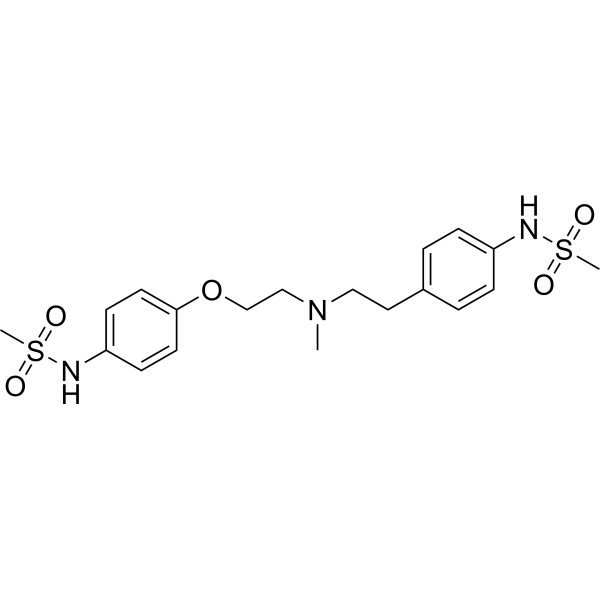
HY-B0232
DofetilideIKr Blocker -
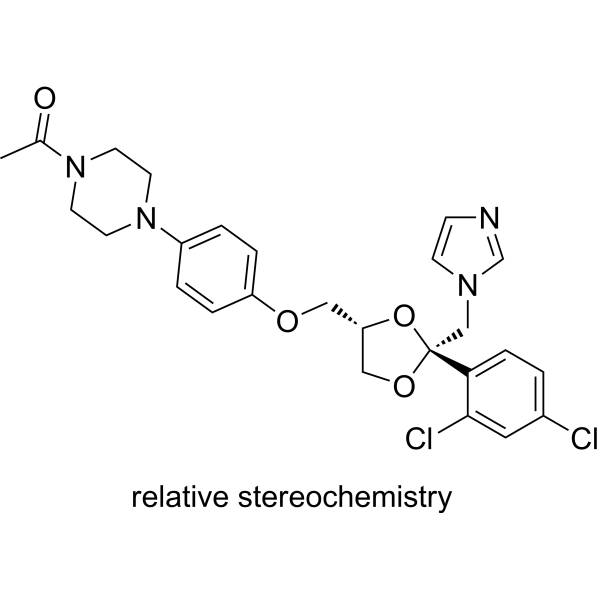
HY-B0105
KetoconazoleCYP3A4 Inhibitor -
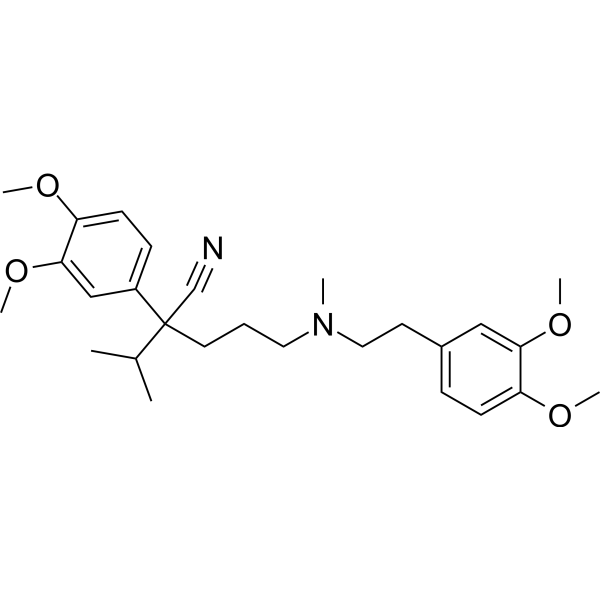
HY-14275
VerapamilCalcium Channel Blocker -
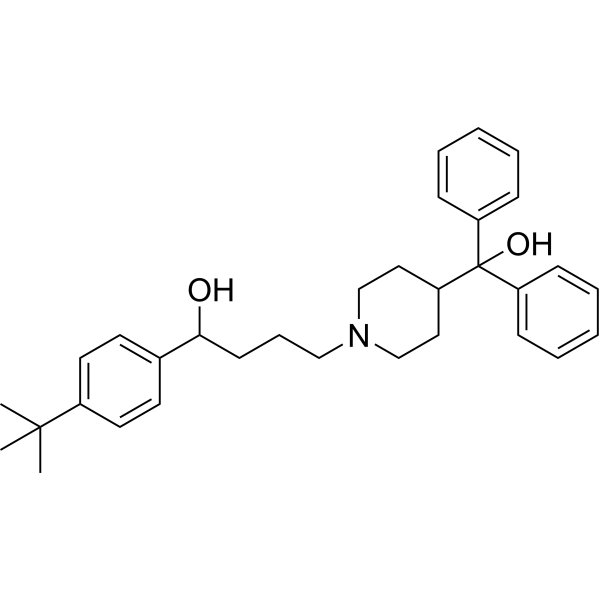
HY-B1193
TerfenadineCaspase Activator -
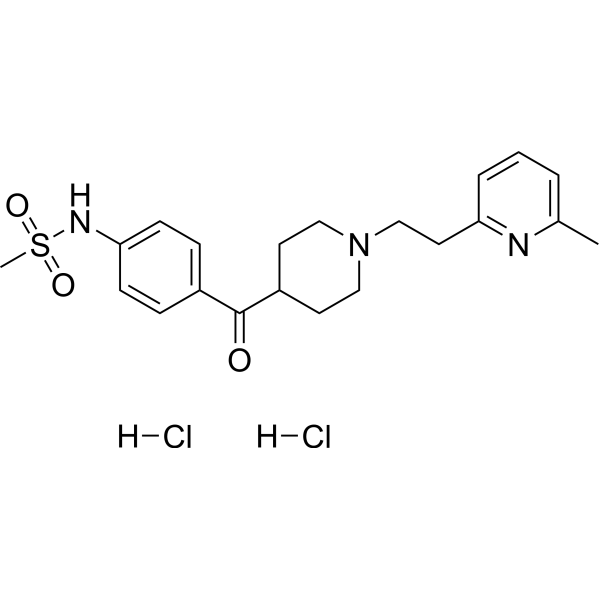
HY-15551
E-4031hERG Channels Blocker -
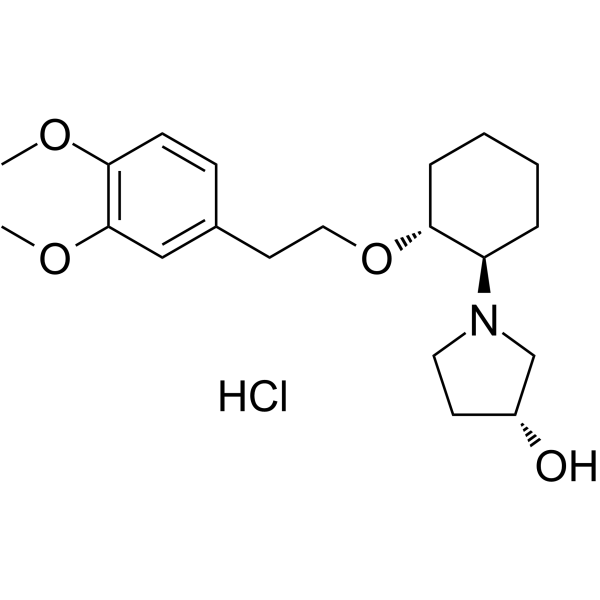
HY-14183
Vernakalant HydrochloridePotassium Channel Inhibitor -
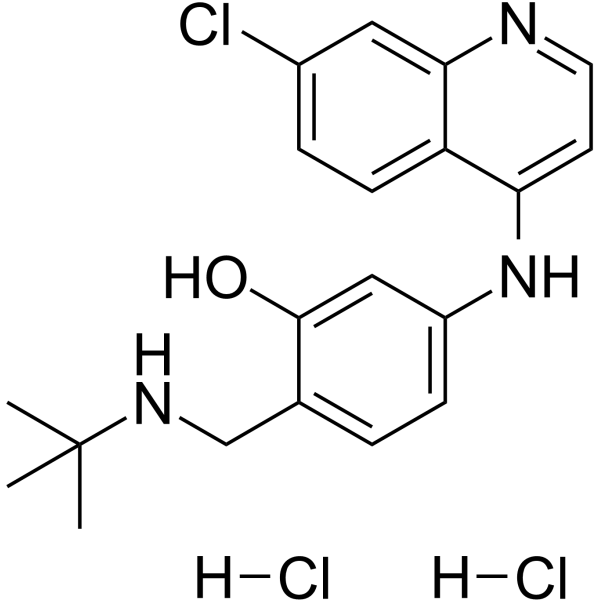
HY-12082A
GSK369796 DihydrochloridehERG Inhibitor -
HY-125833
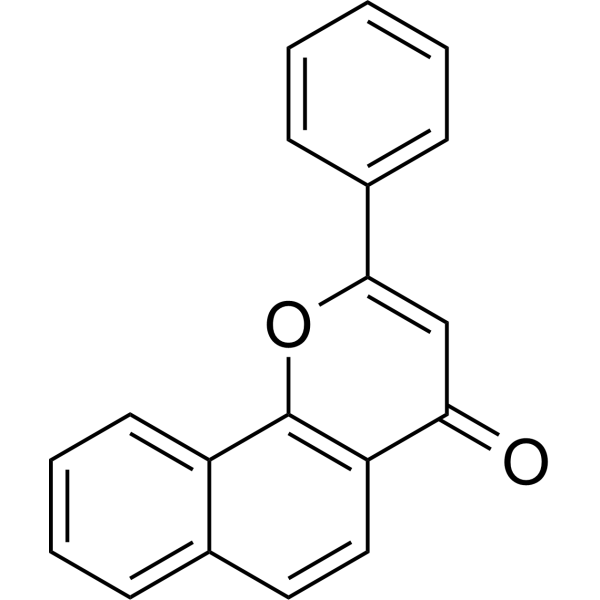
Alpha-NaphthoflavoneAromatase Inhibitor -
HY-B1218
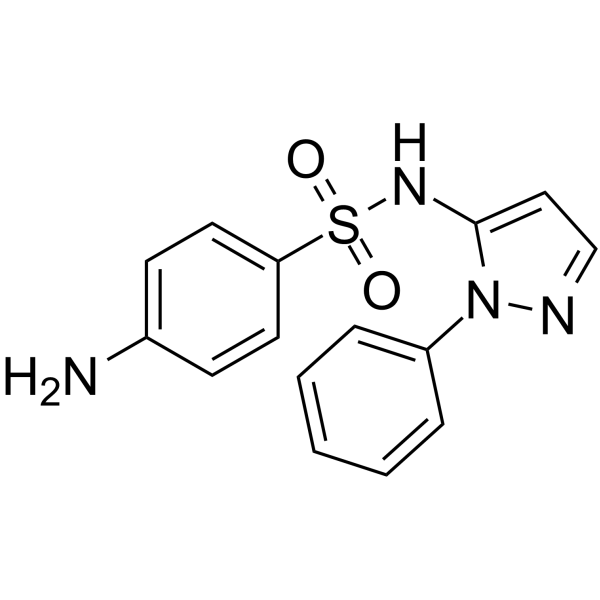
SulfaphenazoleCYP2C9 Inhibitor -
HY-A0064
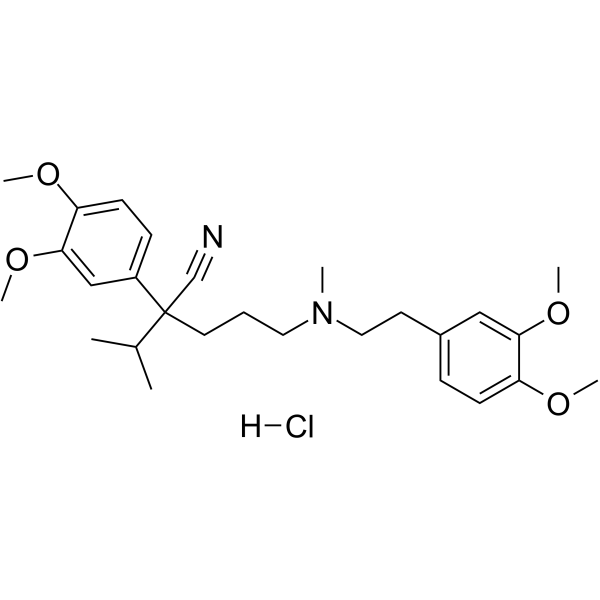
Verapamil hydrochlorideCalcium Channel Blocker -
HY-66005
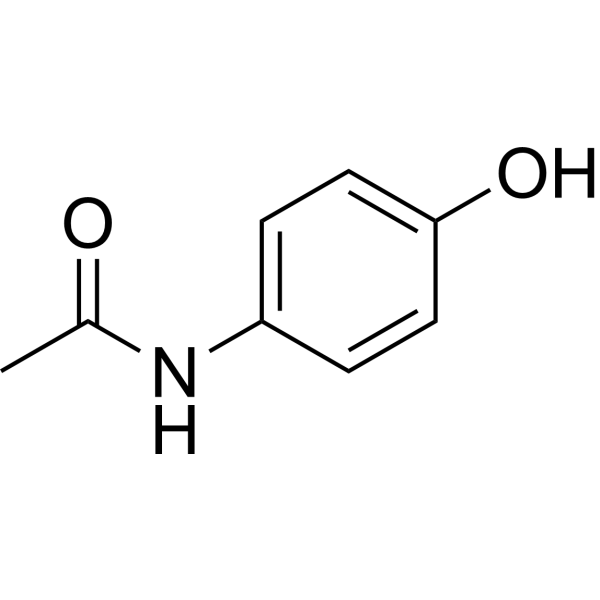
AcetaminophenCOX-2 Inhibitor -
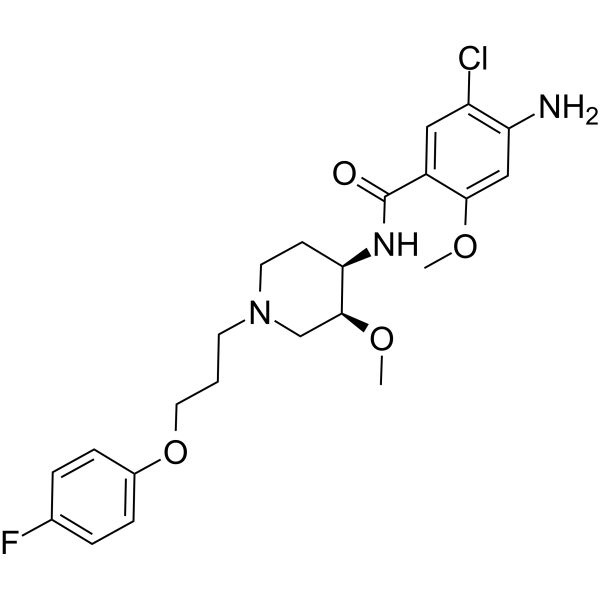
HY-14149
Cisapride5-HT4 Receptor Agonist/hERG Potassium Channel blocker
Publications Citing Use of MedChemExpress (MCE) Quinidine hydrochloride monohydrate
More- Nat Commun. 2024 Jun 19;15(1):5230. [Abstract]
- Adv Sci (Weinh). 2025 Aug 19:e05666. [Abstract]
- J Hazard Mater. 2021 Aug 15:416:125764. [Abstract]
- Environ Int. 2019 Jun:127:694-703. [Abstract]
- Anal Chem. 2025 Nov 18;97(45):25158-25167. [Abstract]
- J Med Chem. 2021 Mar 11;64(5):2725-2738. [Abstract]
- J Med Chem. 2020 Oct 8;63(19):11085-11099. [Abstract]
- Environ Pollut. 2024 Aug 15:355:124214. [Abstract]
- Pharmaceutics. 2025 Mar 26;17(4):423. [Abstract]
- J Agric Food Chem. 2022 Mar 2;70(8):2520-2528. [Abstract]
- Cell Mol Life Sci. 2025 Nov 25;82(1):419. [Abstract]
- RSC Adv. 2019 May 23;9(28):16136-16146. [Abstract]
- Front Pharmacol. 2020 Jul 31:11:1038. [Abstract]
- Cell Calcium. 2026 Mar:134:103125. [Abstract]
- Virol J. 2024 Aug 8;21(1):181. [Abstract]
- J Anim Sci. 2022 Apr 1;100(4):skac069. [Abstract]
- Andrology. 2025 Oct;13(7):1805-1815. [Abstract]
- AAPS J. 2021 Jun 28;23(4):91. [Abstract]
- Food Chem Toxicol. 2022 Nov:169:113431. [Abstract]
- Vet Microbiol. 2026 May:316:110992. [Abstract]
- Pharmacol Res Perspect. 2021 Oct;9(5):e00879. [Abstract]
- Pharmacol Res Perspect. 2020 Apr;8(2):e00575. [Abstract]
- Eur J Drug Metab Pharmacokinet. 2022 Sep;47(5):639-652. [Abstract]
- Chemosphere. 2021 Dec:284:131347. [Abstract]
 Customer Validation & Images

-
Flow Cytometry
-
Bio/Physico-chemical Assay
-
WB
-
RT-PCR
-
Bio/Physico-chemical Assay
All Caspase Isoforms
More

Biological Activity
Description
|
Caspase 3 |
Cellular Effect
|
Cell Line

|
Type | Value | Description | References |
|---|---|---|---|---|
| Vero C1008 | CC50 |
>40 μM
Compound: Quinidine hydrochloride monohydrate
|
Cytotoxicity (CC50) determination in Vero E6 cells measured by fluorescence (OD590nm)
Cytotoxicity (CC50) determination in Vero E6 cells measured by fluorescence (OD590nm)
|
10.1101/2020.04.03.023846 |
| Vero C1008 | EC50 |
5.11 μM
Compound: Quinidine hydrochloride monohydrate
|
Antiviral efficacy against SARS-CoV-2 (strain BavPat1) in Vero E6 cells assessed by inhibition of viral RNA replication measured by RT-PCR after 2 days
Antiviral efficacy against SARS-CoV-2 (strain BavPat1) in Vero E6 cells assessed by inhibition of viral RNA replication measured by RT-PCR after 2 days
|
10.1101/2020.04.03.023846 |
In Vitro
Quinidine (10 μM; 24 h) hydrochloride monohydrate potentiates Paclitaxel (HY-B0015)-induced cytotoxicity in P-gp-positive MES-SA/DX5 uterine sarcoma cells (reducing paclitaxel IC50 to 80.56 nM) but does not alter paclitaxel cytotoxicity in P-gp-negative MES-SA uterine sarcoma cells[1].
Quinidine (10 μM; 24 h) hydrochloride monohydrate significantly increases the sub-G1 apoptotic portion in paclitaxel-treated P-gp-positive MES-SA/DX5 uterine sarcoma cells, enhancing paclitaxel-induced apoptosis[1].
Quinidine inhibits the in vitro metabolism of Debrisoquine in rat liver microsomes, with lower potency than observed in human liver microsomes[3].
MedChemExpress (MCE) has not independently confirmed the accuracy of these methods. They are for reference only. Further protocols information, click here.
-
Cell Line:P-gp-negative MES-SA uterine sarcoma cells, P-gp-positive MES-SA/DX5 uterine sarcoma cells
-
Concentration:10 μM
-
Incubation Time:24 h
-
Result:Did not significantly alter the cytotoxicity of paclitaxel in MES-SA cells, with paclitaxel IC50 remaining comparable to paclitaxel alone (19 nM vs. 18 nM).
Strongly potentiated paclitaxel-induced cytotoxicity in MES-SA/DX5 cells, reducing the IC50 of paclitaxel from 13851 nM to 81 nM.
Showed no significant cytotoxicity up to 100 μM in either cell line.\nShowed concentration-dependent cytotoxicity with docetaxel against MES-SA cells.
Enhanced docetaxel-induced cytotoxicity in MES-SA/DX5 cells more potently than hydrocinchonine, alongside cinchonine.
Showed no significant cytotoxicity up to 100 μM in either cell line.
-
Cell Line:P-gp-positive MES-SA/DX5 uterine sarcoma cells (paclitaxel-treated)
-
Concentration:10 μM
-
Incubation Time:24 h
-
Result:Significantly increased the sub-G1 apoptotic portion (G0 = 27.19) in paclitaxel-treated MES-SA/DX5 cells, whereas paclitaxel alone induced minimal sub-G1 accumulation (G0 = 0.05).
In Vivo
Quinidine (10-30 mg/kg; intraperitoneal injection; single administration) hydrochloride monohydrate significantly elevates the threshold of pentylenetetrazol-induced tonic convulsions in male NMRI mice[4].
MedChemExpress (MCE) has not independently confirmed the accuracy of these methods. They are for reference only.
-
Animal Model:Lewis (male, 175-225 g)[3]
-
Dosage:80 mg/kg
-
Administration:p.o.; single dose
-
Result:Reduced urinary excretion of p-hydroxyamphetamine to 7.2% of vehicle-control levels in the 0-24 h collection period.
Reduced urinary excretion of p-hydroxyamphetamine to 24.1% of vehicle-control levels in the 24-48 h collection period.
Increased amphetamine excretion to 542% of control levels in the 24-48 h period.
Excreted an average of 0.40 μmol p-hydroxyamphetamine and 7.80 μmol amphetamine in the 0-24 h period.
Excreted an average of 3.60 μmol amphetamine and a significantly reduced amount of p-hydroxyamphetamine relative to controls in the 24-48 h period.
Achieved total combined excretion of amphetamine and p-hydroxyamphetamine over 48 h equal to 79.7% of the administered dose, which was not significantly different from control groups.
-
Animal Model:NMRI (male, 5-6 weeks old, 25-30 g)[4]
-
Dosage:10 mg/kg; 20 mg/kg; 30 mg/kg
-
Administration:i.p.; single dose
-
Result:Did not alter the pentylenetetrazole threshold dose for onset of myoclonic twitch.
Significantly increased the pentylenetetrazole threshold dose for onset of tonic hind limb extension compared to saline-treated controls (p < 0.05).


Chemical Information
-
CAS No. 6151-40-2
-
Appearance Solid
-
Molecular Weight 378.89
-
Formula C20H27ClN2O3
-
Color White to off-white
-
SMILES
C=C[C@H]1C[N@](CC[C@H]1C2)[C@@]2([H])[C@@H](O)C3=CC=NC4=CC=C(OC)C=C34.[H]Cl.[H]O[H]
-
Structure Classification
-
Initial Source
-
Shipping
Room temperature in continental US; may vary elsewhere.
-
Storage
4°C, sealed storage, away from moisture
* In solvent : -80°C, 6 months; -20°C, 1 month (sealed storage, away from moisture)


Publications (24)
-
Journal Impact Factor
-
Most Recent
-
Nat Commun
Small molecule in situ resin capture provides a compound first approach to natural product discovery. [Abstract]2024 Jun 19;15(1):5230. PMID: 38898025 -
Adv Sci (Weinh)
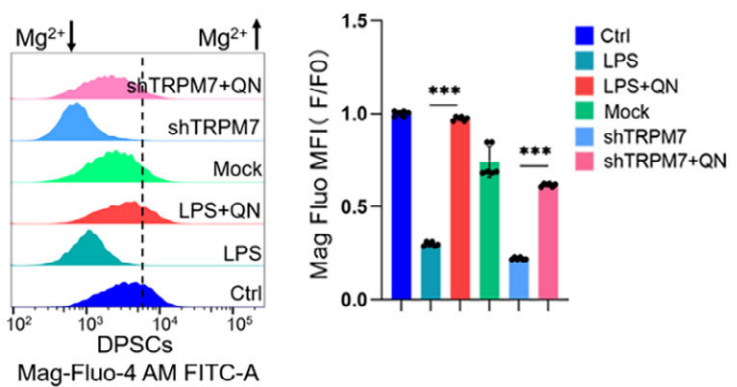
LPS-Induced Mitochondrial Damage via SLC41A1-Mediated Magnesium Ion Efflux Leads to the Pyroptosis of Dental Stem Cells. [Abstract]2025 Aug 19:e05666. PMID: 40831212
Quinidine hydrochloride monohydrate purchased from MedChemExpress. Usage Cited in: Adv Sci (Weinh). 2025 Aug 19:e05666. [Abstract]
Quinidine rescued [Mg2⁺]i levels in LPS‐treated or TRPM7‐silenced DPSCs and SCAP.
-
J Hazard Mater
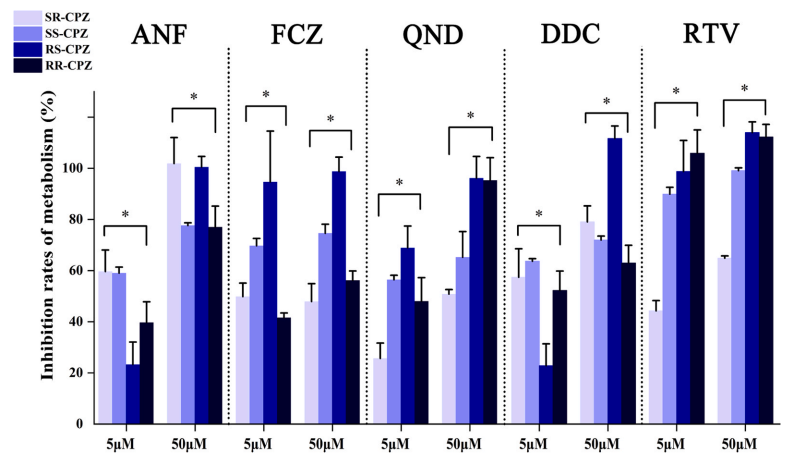
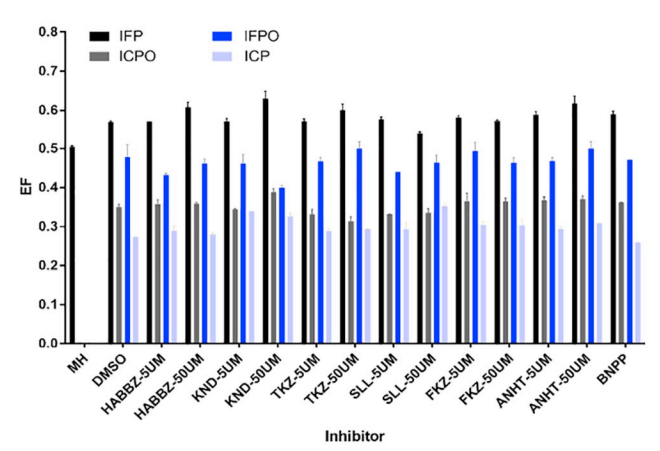
Stereostructure-activity mechanism of cyproconazole by cytochrome P450 in rat liver microsomes: A combined experimental and computational study. [Abstract]2021 Aug 15:416:125764. PMID: 33827004
Quinidine hydrochloride monohydrate purchased from MedChemExpress. Usage Cited in: J Hazard Mater. 2021 Aug 15:416:125764. [Abstract]
Effects of CYP enzymes inhibitors on metabolic rates of cyproconazole stereoisomers in the in vitro incubation mixtures with RLMs. The asterisks (*) indicates the significant difference in metabolic rates under inhibition compared to the control.
-
Environ Int
2019 Jun:127:694-703. PMID: 30991225
Quinidine hydrochloride monohydrate purchased from MedChemExpress. Usage Cited in: Environ Int. 2019 Jun:127:694-703. [Abstract]
CYP2D6 has contributed in the enantioselectivity of IFP and ICPO because the EF value of the KND-supplemented group follows a doseeffect relationship and the difference in the EF values was over 10% relative to the DMSO control group.
-
Anal Chem
A Computational Integration Strategy Driven by Chemical Similarity Uncovers Comprehensive Metabolic Profiles of Small Bioactive Peptides via UHPLC-HRMS for Doping Control. [Abstract]2025 Nov 18;97(45):25158-25167. PMID: 41202118 -
J Med Chem
Development of an In Silico Prediction Model for P-glycoprotein Efflux Potential in Brain Capillary Endothelial Cells toward the Prediction of Brain Penetration. [Abstract]2021 Mar 11;64(5):2725-2738. PMID: 33619967 -
J Med Chem
Screening and Reverse-Engineering of Estrogen Receptor Ligands as Potent Pan-Filovirus Inhibitors. [Abstract]2020 Oct 8;63(19):11085-11099. PMID: 32886512 -
Environ Pollut
Assessing environmental and human health risks: Insight from the enantioselective metabolism and degradation of fenpropidin. [Abstract]2024 Aug 15:355:124214. PMID: 38801883 -
Pharmaceutics
Plasma Protein Binding, Biostability, Metabolite Profiling, and CYP450 Phenotype of TPB15 Across Different Species: A Novel Smoothened Inhibitor for TNBC Therapy. [Abstract]2025 Mar 26;17(4):423. PMID: 40284418 -
J Agric Food Chem
Enantioselective Metabolic Mechanism and Metabolism Pathway of Pydiflumetofen in Rat Liver Microsomes: In Vitro and In Silico Study. [Abstract]2022 Mar 2;70(8):2520-2528. PMID: 35184556 -
Cell Mol Life Sci
2025 Nov 25;82(1):419. PMID: 41288707 -
RSC Adv
Identification of key transporters mediating uptake of aconitum alkaloids into the liver and kidneys and the potential mechanism of detoxification by active ingredients of liquorice. [Abstract]2019 May 23;9(28):16136-16146. PMID: 35521419 -
Front Pharmacol
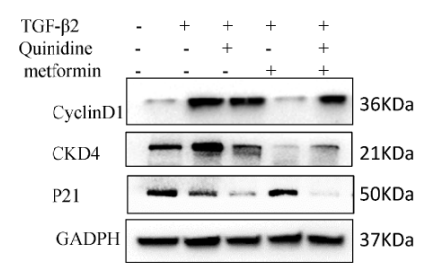
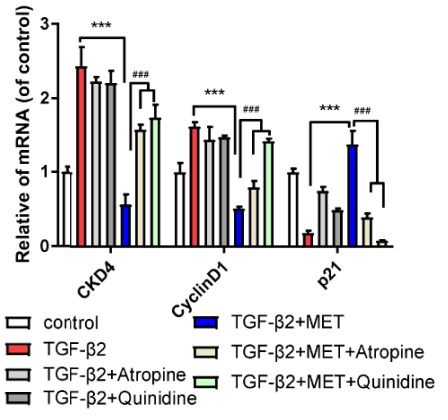
Eye Drops of Metformin Prevents Fibrosis After Glaucoma Filtration Surgery in Rats via Activating AMPK/Nrf2 Signaling Pathway. [Abstract]2020 Jul 31:11:1038. PMID: 32903813
Quinidine hydrochloride monohydrate purchased from MedChemExpress. Usage Cited in: Front Pharmacol. 2020 Jul 31:11:1038. [Abstract]
Cell cycle relative proteins/genes (CyclinD1, CDK4, P21 and P27) level were assessed in HConFs after Quinidine treatment by western blot.
Quinidine hydrochloride monohydrate purchased from MedChemExpress. Usage Cited in: Front Pharmacol. 2020 Jul 31:11:1038. [Abstract]
Cell cycle relative proteins/genes (CyclinD1, CDK4, P21 and P27) level were assessed in HConFs after Atropine/Quinidine treatment by qRT-PCR.
-
Cell Calcium
MONNA alleviates MPTP-induced Parkinson's disease in zebrafish by activating TFEB dependently on ER Calcium. [Abstract]2026 Mar:134:103125. PMID: 41637953 -
Virol J
2024 Aug 8;21(1):181. PMID: 39118175 -
J Anim Sci
2022 Apr 1;100(4):skac069. PMID: 35247050 -
Andrology
Pharmacological inhibition of KSper impairs flagellar pH homeostasis of human spermatozoa. [Abstract]2025 Oct;13(7):1805-1815. PMID: 39498893 -
AAPS J
Cannabinoid Interactions with Cytochrome P450 Drug Metabolism: a Full-Spectrum Characterization. [Abstract]2021 Jun 28;23(4):91. PMID: 34181150 -
Food Chem Toxicol
The "steric-like" inhibitory effect and mechanism of doxycycline on florfenicol metabolism: Interaction risk. [Abstract]2022 Nov:169:113431. PMID: 36116547 -
Vet Microbiol
The Chinese medicine monomer Schisandrin C inhibits PRRSV infection by regulating the OGT-PI3K/AKT/mTOR signaling pathway. [Abstract]2026 May:316:110992. PMID: 41865607 -
Pharmacol Res Perspect
Effects of membrane transport activity and cell metabolism on the unbound drug concentrations in the skeletal muscle and liver of drugs: A microdialysis study in rats. [Abstract]2021 Oct;9(5):e00879. PMID: 34628723 -
Pharmacol Res Perspect
Applicability of free drug hypothesis to drugs with good membrane permeability that are not efflux transporter substrates: A microdialysis study in rats. [Abstract]2020 Apr;8(2):e00575. PMID: 32266794 -
Eur J Drug Metab Pharmacokinet
Evaluation of an Ussing Chamber System Equipped with Rat Intestinal Tissues to Predict Intestinal Absorption and Metabolism in Humans. [Abstract]2022 Sep;47(5):639-652. PMID: 35733077 -
Chemosphere
A proposed "steric-like effect" for the slowdown of enrofloxacin antibiotic metabolism by ciprofloxacin, and its mechanism. [Abstract]2021 Dec:284:131347. PMID: 34323809


Solvent & Solubility
In Vitro:
DMSO : 100 mg/mL (263.93 mM; Need ultrasonic; Hygroscopic DMSO has a significant impact on the solubility of product, please use newly opened DMSO)
H2O : 2.5 mg/mL (6.60 mM; Need ultrasonic)
Please refer to the solubility information to select the appropriate solvent. Once prepared, please aliquot and store the solution to prevent product inactivation from repeated freeze-thaw cycles.
Storage method and period of stock solution: -80°C, 6 months; -20°C, 1 month (sealed storage, away from moisture). When stored at -80°C, please use it within 6 months. When stored at -20°C, please use it within 1 month.
* Note: If you choose water as the stock solution, please dilute it to the working solution, then filter and sterilize it with a 0.22 μm filter before use.
Please refer to the solubility information to select the appropriate solvent. Once prepared, please aliquot and store the solution to prevent product inactivation from repeated freeze-thaw cycles.
Storage method and period of stock solution: -80°C, 6 months; -20°C, 1 month (sealed storage, away from moisture). When stored at -80°C, please use it within 6 months. When stored at -20°C, please use it within 1 month.
* Note: If you choose water as the stock solution, please dilute it to the working solution, then filter and sterilize it with a 0.22 μm filter before use.
Concentration (start) × Volume (start) = Concentration (final) × Volume (final)
In Vivo:
Select the appropriate dissolution method based on your experimental animal and administration route.
- For the following dissolution methods, please ensure to first prepare a clear stock solution using an In Vitro approach and then sequentially add co-solvents:
- To ensure reliable experimental results, the clarified stock solution can be appropriately stored based on storage conditions. As for the working solution for In Vivo experiments, it is recommended to prepare freshly and use it on the same day.
- The percentages shown for the solvents indicate their volumetric ratio in the final prepared solution. If precipitation or phase separation occurs during preparation, heat and/or sonication can be used to aid dissolution.
Add each solvent one by one: 10% DMSO 40% PEG300 5% Tween-80 45% Saline
Solubility: ≥ 2.5 mg/mL (6.60 mM); Clear solution
This protocol yields a clear solution of ≥ 2.5 mg/mL (saturation unknown).
Taking 1 mL working solution as an example, add 100 μL DMSO stock solution (25.0 mg/mL) to 400 μL PEG300, and mix evenly; then add 50 μL Tween-80 and mix evenly; then add 450 μL Saline to adjust the volume to 1 mL.
Preparation of Saline: Dissolve 0.9 g sodium chloride in ddH₂O and dilute to 100 mL to obtain a clear Saline solution.
Add each solvent one by one: 10% DMSO 90% (20% SBE-β-CD in Saline)
Solubility: ≥ 2.5 mg/mL (6.60 mM); Clear solution
This protocol yields a clear solution of ≥ 2.5 mg/mL (saturation unknown).
Taking 1 mL working solution as an example, add 100 μL DMSO stock solution (25.0 mg/mL) to 900 μL 20% SBE-β-CD in Saline, and mix evenly.
Preparation of 20% SBE-β-CD in Saline (4°C, storage for one week): 2 g SBE-β-CD powder is dissolved in 10 mL Saline, completely dissolve until clear.
In Vivo Dissolution Calculator
Please enter the basic information of animal experiments:
-
-
-
-
Recommended: Prepare an additional quantity of animals to account for potential losses during experiments.
Please enter your animal formula composition:
-
%DMSO +
Recommended: Keep the proportion of DMSO in working solution below 2% if your animal is weak.
-
%+
-
+%Tween-80 + +
-
%Saline +
The co-solvents required include: DMSO, . All of co-solvents are available by MedChemExpress (MCE). , Tween 80. All of co-solvents are available by MedChemExpress (MCE).
Working solution concentration: 0.22 mg/mL
Method for preparing stock solution: mg drug dissolved in μL DMSO. Stock solution concentration: mg/mL. * In solvent : -80°C, 6 months; -20°C, 1 month (sealed storage, away from moisture)
1. Take μL DMSO stock solution;
2. Add μL .
μL , mix evenly;
3. Then add μL Tween 80, mix evenly;
4. Then add μL
Please ensure that the stock solution in the first step is dissolved to a clear state, and add co-solvents in sequence. You can use ultrasonic heating (ultrasonic cleaner, recommended frequency 20-40 kHz), vortexing, etc. to assist dissolution.

Protocols
-
RNA extraction experimental
By lysing cells, releasing RNA, and removing impurities such as proteins and DNA, high-purity RNA products are finally obtained. The commonly used traditional method is the guanidine isothiocyanate/phenol/chloroform method (Trizol), which is suitable for a variety of animal materials including animal tissues, microorganisms, cultured cells, etc., and most plant materials.
-
Apoptosis
Apoptosis, also called programmed cell death, is generally characterized by distinct morphological characteristics.
-
TUNEL staining for apoptotic DNA fragmentation
TUNEL staining detects DNA strand breaks by using terminal deoxynucleotidyl transferase to add labeled nucleotides to exposed 3′-OH DNA termini, generating either microscopic staining in fixed cells or tissue sections, or fluorescence/cytometric signal in cell suspensions. TUNEL positivity reflects DNA fragmentation but should not be interpreted alone as definitive apoptosis, because TUNEL can also label necrotic, autolytic, mechanically damaged, or DNA-repair-associated DNA breaks.
-
Annexin V plus membrane-impermeant dye apoptosis staining
Annexin V-based apoptosis assays rely on the detection of phosphatidylserine (PS) externalization from the inner leaflet of the plasma membrane to the outer leaflet, an early biochemical hallmark of apoptosis. Fluorescently labeled Annexin V binds PS in a calcium-dependent manner, enabling identification of early apoptotic cells by flow cytometry or fluorescence microscopy. When combined with a membrane-impermeant DNA-binding dye (e. g. , propidium iodide), this approach allows discrimination between viable (Annexin V−/dye−), early apoptotic (Annexin V+/dye−), and late apoptotic or necrotic (Annexin V+/dye+) cell populations by assessing membrane integrity and PS exposure.
-
Apoptosis Solutions
Apoptosis is a regulated, generally non-lytic cell-death pathway that removes unwanted, damaged, infected, or abnormal cells through coordinated morphological changes, caspase activation, DNA fragmentation, and membrane remodeling. The intrinsic apoptosis pathway is controlled mainly by mitochondrial outer membrane permeabilization, BCL-2 family proteins, cytochrome c release, apoptosome formation, caspase-9 activation, and downstream executioner caspase-3/7 activation. The extrinsic apoptosis pathway is initiated by death receptors such as Fas, TNFR, and TRAIL receptors, which recruit adaptor proteins and activate caspase-8 before engaging executioner caspases or mitochondrial amplification through BID cleavage. Apoptosis is linked to many phenotypes, including cancer cell killing, tissue homeostasis, immune regulation, neurodegeneration, infection response, and treatment-induced cytotoxicity; unresolved questions include how apoptosis interacts with necroptosis, pyroptosis, ferroptos


Purity & Documentation
-
Data Sheet (288 KB)
-
SDS (393 KB)
- English - EN (393 KB)
- Français - FR (393 KB)
- Deutsch - DE (393 KB)
- Norwegian - NO (393 KB)
- Español - ES (393 KB)
- Swedish - SV (393 KB)
- Italian - IT (393 KB)
- Korean - KR (393 KB)
- Portuguese - PT (393 KB)
-
Handling Instructions (2659 KB)
References
[1]. Lee SY, et al. Hydrocinchonine, cinchonine, and quinidine potentiate paclitaxel-induced cytotoxicity and apoptosis via multidrug resistance reversal in MES-SA/DX5 uterine sarcoma cells. Environ Toxicol. 2011 Aug;26(4):424-31. [Content Brief]
[2]. Kehl SJ, et al. Quinidine-induced inhibition of the fast transient outward K+ current in rat melanotrophs. Br J Pharmacol. 1991;103(3):1807-1813. [Content Brief]
[3]. Moody DE, et al. Quinidine inhibits in vivo metabolism of amphetamine in rats: impact upon correlation between GC/MS and immunoassay findings in rat urine. J Anal Toxicol. 1990;14(5):311-317. [Content Brief]
[4]. Jamali H, et al. Effect of dextromethorphan/quinidine on pentylenetetrazole- induced clonic and tonic seizure thresholds in mice. Neurosci Lett. 2020;729:134988. [Content Brief]


Complete Stock Solution Preparation Table
Please refer to the solubility information to select the appropriate solvent. Once prepared, please aliquot and store the solution to prevent product inactivation from repeated freeze-thaw cycles.
Storage method and period of stock solution: -80°C, 6 months; -20°C, 1 month (sealed storage, away from moisture). When stored at -80°C, please use it within 6 months. When stored at -20°C, please use it within 1 month.
| Optional Solvent | Concentration Solvent Mass | 1 mg | 5 mg | 10 mg | 25 mg |
|---|---|---|---|---|---|
| H2O / DMSO | 1 mM | 2.6393 mL | 13.1964 mL | 26.3929 mL | 65.9822 mL |
| 5 mM | 0.5279 mL | 2.6393 mL | 5.2786 mL | 13.1964 mL | |
| DMSO | 10 mM | 0.2639 mL | 1.3196 mL | 2.6393 mL | 6.5982 mL |
| 15 mM | 0.1760 mL | 0.8798 mL | 1.7595 mL | 4.3988 mL | |
| 20 mM | 0.1320 mL | 0.6598 mL | 1.3196 mL | 3.2991 mL | |
| 25 mM | 0.1056 mL | 0.5279 mL | 1.0557 mL | 2.6393 mL | |
| 30 mM | 0.0880 mL | 0.4399 mL | 0.8798 mL | 2.1994 mL | |
| 40 mM | 0.0660 mL | 0.3299 mL | 0.6598 mL | 1.6496 mL | |
| 50 mM | 0.0528 mL | 0.2639 mL | 0.5279 mL | 1.3196 mL | |
| 60 mM | 0.0440 mL | 0.2199 mL | 0.4399 mL | 1.0997 mL | |
| 80 mM | 0.0330 mL | 0.1650 mL | 0.3299 mL | 0.8248 mL | |
| 100 mM | 0.0264 mL | 0.1320 mL | 0.2639 mL | 0.6598 mL |
* Note: If you choose water as the stock solution, please dilute it to the working solution, then filter and sterilize it with a 0.22 μm filter before use.


Quinidine hydrochloride monohydrate Related Classifications
HY-B1302 Related Classifications
 Powered by Bioz