1. Search Result
Search Result
Results for "

Beta-galactosidase A

" in MedChemExpress (MCE) Product Catalog:

74

Inhibitors & Agonists

21

Fluorescent Dyes

13

Biochemical Assay Reagents

2

Peptides

1

MCE Kits

7

Natural
Products

1

Isotope-Labeled Compounds

3

Oligonucleotides

Cat. No. Product Name Target Research Areas Chemical Structure
  • HY-126839
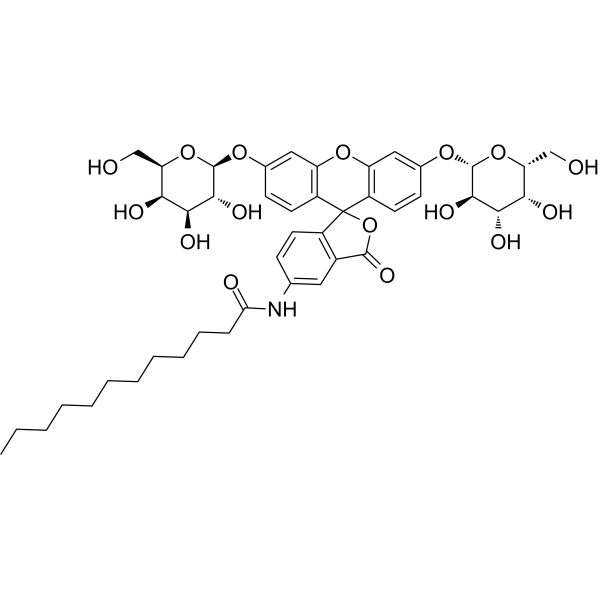
    C12FDG
    Maximum Cited Publications
    9 Publications Verification

    5-Dodecanoylaminofluorescein di-β-D-Galactopyranoside

    Fluorescent Dye Others
    C12FDG (5-Dodecanoylaminofluorescein di-β-D-Galactopyranoside) is a lipophilic green fluorescent substrate for β-galactosidase detection. C12-FDG is more sensitive than Fluorescein di(β-D-galactopyranoside) (HY-101895) for beta-galactosidase activity determinations in animal cells (Ex/Em = 488/523 nm) .
    C12FDG
  • HY-15934
    X-GAL
    5 Publications Verification

    BCIG

    Fluorescent Dye Glycosidase Others
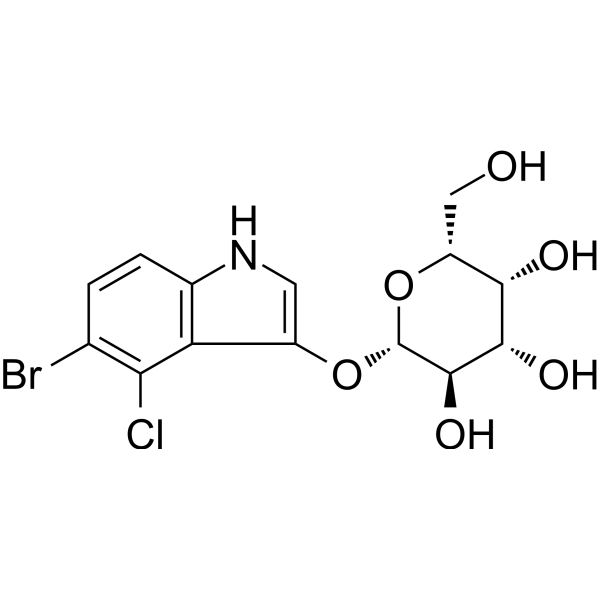
    X-GAL (BCIG) is a widely used chromogenic β-galactosidase substrate. X-GAL is a colorless compound until cleaved by β-galactosidase, at which point X-GAL turns to an insoluble and detectable blue compound, making X-GAL particularly useful in techniques such as blue-white screening for cloning in bacteria. X-GAL can also be used for detection of β-galactosidase activity .
    X-GAL
  • HY-137862
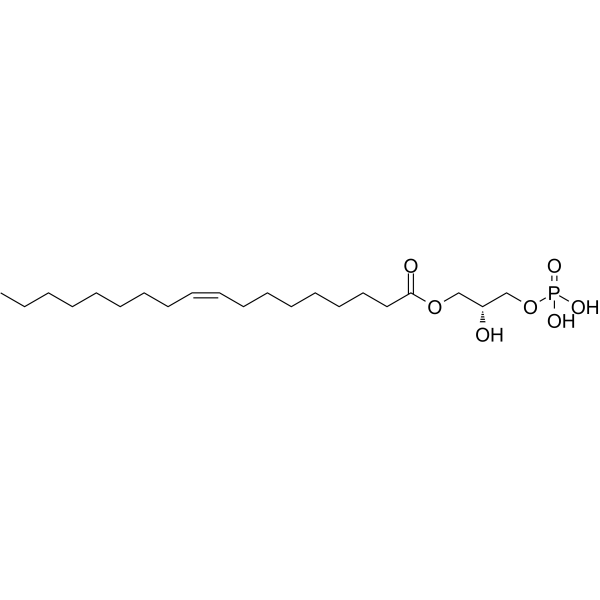
    1-Oleoyl lysophosphatidic acid
    3 Publications Verification

    1-Oleoyl-sn-glycero-3-phosphate; 1-Oleoyl-LPA

    LPL Receptor Neurological Disease
    1-Oleoyl lysophosphatidic acid (1-Oleoyl-sn-glycero-3-phosphate) is an abundant lysophosphatidic acid (LPA) species with high biological activity due to its strong affinity for the LPA receptors. 1-Oleoyl lysophosphatidic acid is commonly used in most laboratories as a reagent for LPA receptor activation . 1-Oleoyl lysophosphatidic acid increases SRE-driven β-galactosidase activity .
    1-Oleoyl lysophosphatidic acid
  • HY-P2869

    EC 3.2.1.23; GAL

    Glycosidase Metabolic Disease
    β-Galactosidase, E. coli (EC 3.2.1.23; GAL) is a glycoside hydrolase that hydrolyzes the β-glycosidic bonds formed between galactose and its organic moieties. β-Galactosidase, E. coli can hydrolyze lactose to form glucose and galactose, and enter glycolysis; it can also catalyze the transgalactosylation of lactose into allolactose; allolactose can be cracked into monosaccharides .
    β-Galactosidase, E. coli
  • HY-101895

    FDG

    Fluorescent Dye Others
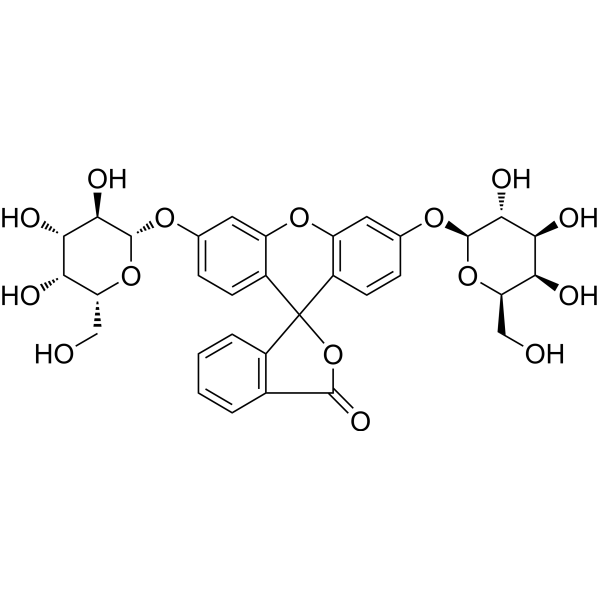
    Fluorescein di(β-D-galactopyranoside) is a fluorogenic substrate for β-galactosidaseex=485 nm, λem=535 nm).
    Fluorescein di(β-D-galactopyranoside)
  • HY-15926
    ONPG
    5+ Cited Publications

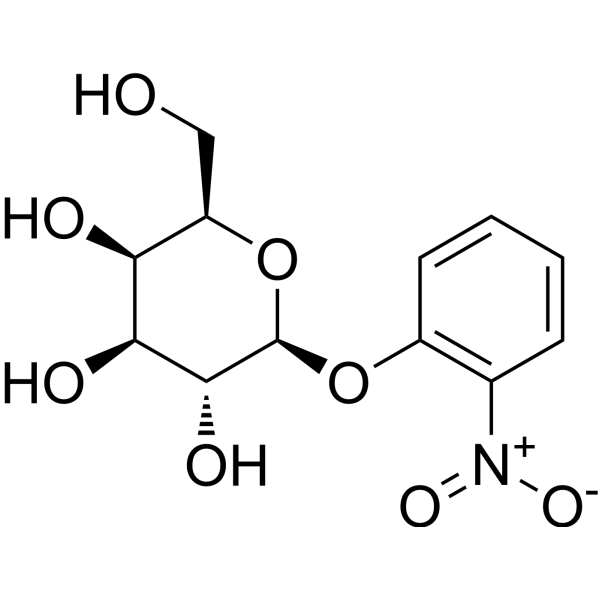
    2-Nitrophenyl β-D-galactopyranoside

    Biochemical Assay Reagents Others
    ONPG is a colorimetric and spectrophotometric substrate for detection of β-galactosidase activity.
    ONPG
  • HY-137276

    Bluo-Gal

    Fluorescent Dye Glycosidase Others
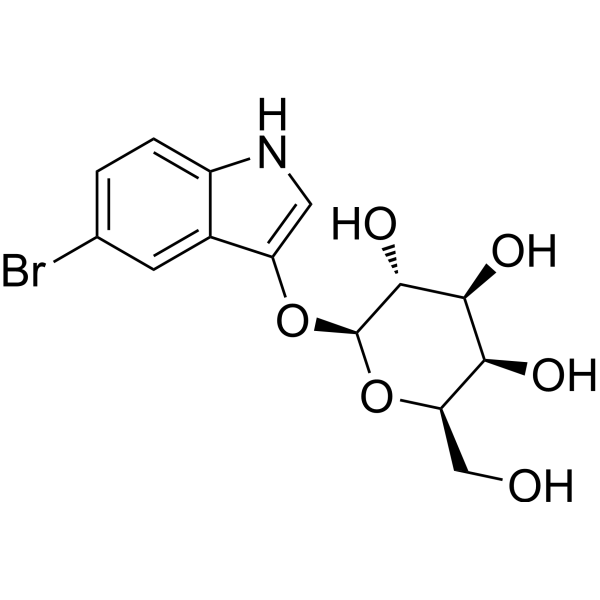
    5-Bromo-3-indolyl β-D-galactopyranoside (Bluo-Gal) is a chromogenic substrate for β-galactosidase. 5-Bromo-3-indolyl β-D-galactopyranoside is hydrolyzed by the enzyme to generate a 5-bromoindole intermediate, which is further oxidized to form an insoluble blue precipitate. 5-Bromo-3-indolyl β-D-galactopyranoside can specifically recognize bacterial β-galactosidases (such as the product of the Escherichia coli lacZ gene) and reacts at pH 7.4, making it suitable for light and electron microscopic observations. 5-Bromo-3-indolyl β-D-galactopyranoside can be used in histochemical detection of reporter gene expression in transgenic organisms, such as the localization analysis of β-galactosidase activity in mouse embryos or muscle tissues .
    5-Bromo-3-indolyl β-D-galactopyranoside
  • HY-D1224
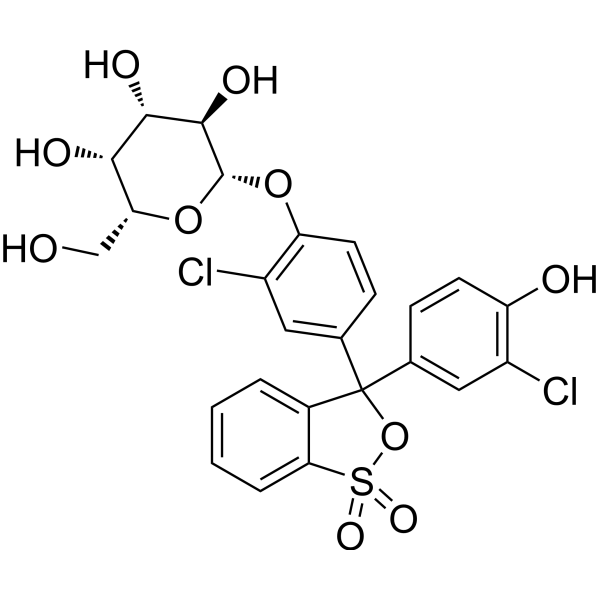
    Chlorophenol red-β-D-galactopyranoside
    2 Publications Verification

    CPRG

    Biochemical Assay Reagents Others
    Chlorophenol red-β-D-galactopyranoside (CPRG) is an efficient and sensitive chromogenic substrate for β-galactosidase (HY-P2869), widely used in colorimetric assays. Chlorophenol red-β-D-galactopyranoside itself appears pale yellow. When it is specifically hydrolyzed by β-galactosidase, it releases chlorophenol red. The released chlorophenol red turns purple-red under alkaline or neutral pH conditions. This color change from yellow to red can be quantitatively detected at wavelengths of 540-572 nm using visible spectrophotometry .
    Chlorophenol red-β-D-galactopyranoside
  • HY-DY2002

    Fluorescent Dye Glycosidase Others
    X-GAL (BCIG) (solution) is a widely used chromogenic β-galactosidase substrate. X-GAL is a colorless compound until cleaved by β-galactosidase, at which point X-GAL turns to an insoluble and detectable blue compound, making X-GAL particularly useful in techniques such as blue-white screening for cloning in bacteria. X-GAL can also be used for detection of β-galactosidase activity .
    Solvent and Concentration: DMF: 20 mg/mL
    X-GAL (solution)
  • HY-138936
    SSK1
    2 Publications Verification

    p38 MAPK Apoptosis Inflammation/Immunology
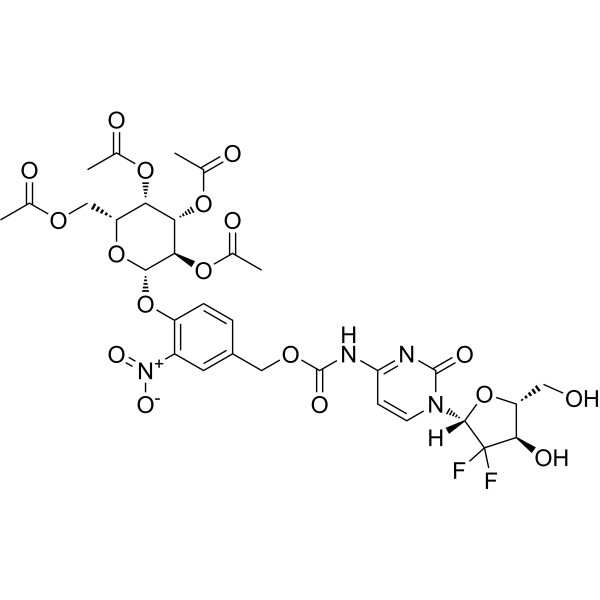
    SSK1, a senescence-specific killing compound, is a β-galactosidase-targeted proagent attenuates inflammation. SSK1 is activated by lysosomal β-galactosidase and selectively killed senescent cells through the activation of p38 MAPK and induction of apoptosis .
    SSK1
  • HY-76691

    Endogenous Metabolite Bacterial Infection
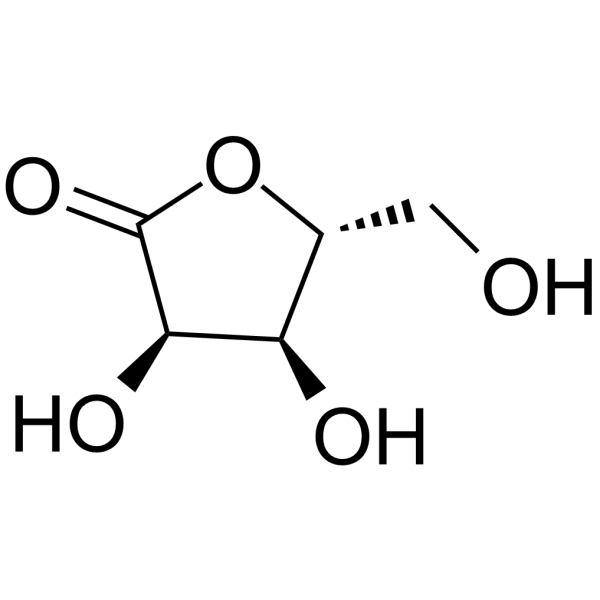
    D-Ribonolactone is sugar lactone and an inhibitor of β-galactosidase of Escherichia coli with a Ki of 26 mM .
    D-Ribonolactone
  • HY-N8211
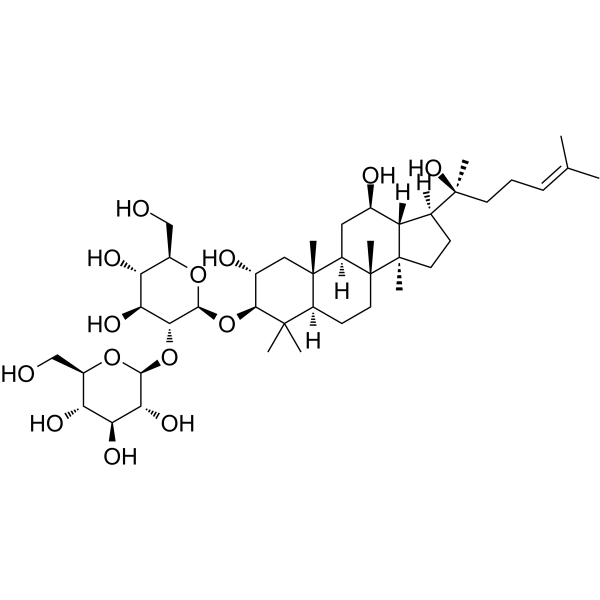
    Gypenoside L
    4 Publications Verification

    p38 MAPK ERK NF-κB Inflammation/Immunology Cancer
    Gypenoside L is a saponin that can be found in Gynostemma pentaphyllum. Gypenoside L increases the SA-β-galactosidase activity, promotes the production of senescence-associated secretory cytokines. Gypenoside L also can activate p38 and ERK MAPK pathways and NF-κB pathway to induce senescence. Gypenoside L exhibits anti-tumor and anti-inflammatory activities .
    Gypenoside L
  • HY-114879
    DDAO
    1 Publications Verification

    Fluorescent Dye Carboxylesterase (CES) Cancer
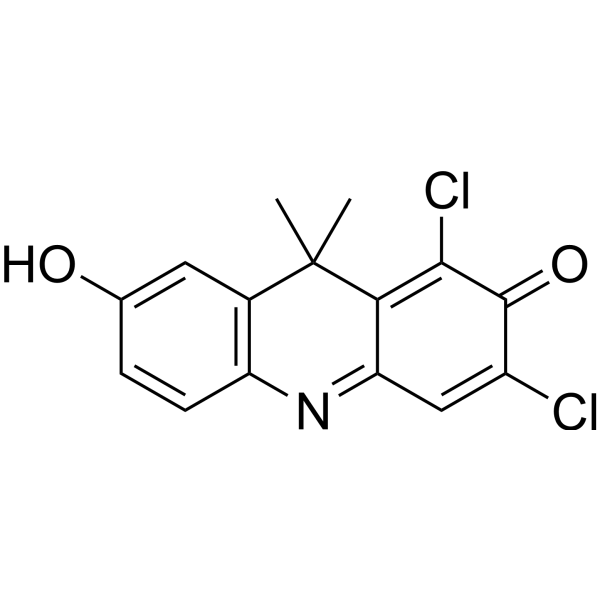
    DDAO is a promising near-infrared (NIR) red fluorescent probewith tunable excitation wavelength (600-650nm) and longemission wavelength(λem=656nm). DDAO can de desiged for detection of the activities of different enzymes such asβ-galactosidase,sulfatase, proteinphosphatase2A,carboxylesterase 2, humanalbumin andesterases .
    DDAO
  • HY-P3185

    Biochemical Assay Reagents Metabolic Disease
    Beta-galactose dehydrogenase is a selective catalyst for β-galactose. Under pH 8.6 conditions, beta-galactose dehydrogenase catalyzes the oxidation of β-galactose, produced by the hydrolysis of lactose by β-galactosidase, with nicotinamide adenine dinucleotide (NAD) to produce reduced nicotinamide adenine dinucleotide (NADH). Beta-galactose dehydrogenase specifically mediates this oxidation reaction for the quantitative detection of the substrate, used in the analysis of lactose concentration in samples such as breast milk .
    beta-Galactose dehydrogenase
  • HY-W011654

    4-Aminophenyl-Beta-D-galactopyranoside, 98%

    Glycosidase Inflammation/Immunology Cancer
    4-Aminophenyl-β-D-galactopyranoside, 98% is a highly efficient substrate for β-galactosidase. It is specifically hydrolyzed by this enzyme to release galactose and electroactive p-aminophenol. 4-Aminophenyl-β-D-galactopyranoside, 98% is widely used in colorimetric and electrochemical assays for detecting β-galactosidase activity and determining enzyme kinetics, such as in biosensing fields including cellular senescence, pathogen and contaminant detection. In addition, since β-galactosidase is often overexpressed in primary ovarian cancer, 4-Aminophenyl-β-D-galactopyranoside, 98% can also be applied to related research on primary ovarian cancer .
    4-Aminophenyl-β-D-galactopyranoside, 98%
  • HY-DY1033

    Fluorescent Dye Others
    C12FDG (5-Dodecanoylaminofluorescein di-β-D-Galactopyranoside) (solution) is a lipophilic green fluorescent substrate for β-galactosidase detection. C12-FDG is more sensitive than Fluorescein di (β-D-galactopyranoside) (HY-101895) for beta-galactosidase activity determinations in animal cells (Ex/Em = 488/523 nm) .
    Solvent and concentration: DMSO: 10 mM
    C12FDG (solution)
  • HY-137845

    Fluorescent Dye Others
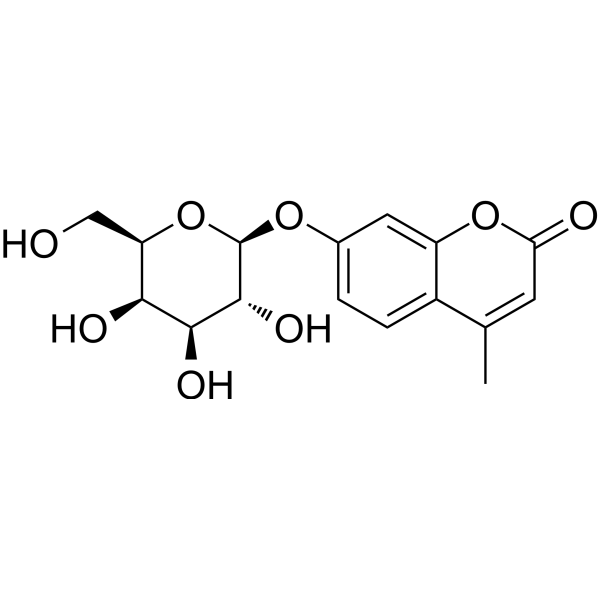
    4-Methylumbelliferyl β-D-galactopyranoside is a fluorescent substrate for β-galactosidase which, when cleaved, produces a water-soluble blue fluorescent coumarin fluorophore that can be detected using a fluoroenzymeter or fluorometer .
    4-Methylumbelliferyl β-D-galactopyranoside
  • HY-137249

    Biochemical Assay Reagents Others
    Resorufin-β-D-galactopyranoside is a commonly used substrate in various biochemical assays to measure the activity of β-galactosidase, an important enzyme involved in lactose metabolism and regulation of gene expression. Resorufin-β-D-galactopyranoside has unique chemical properties and can be hydrolyzed by β-galactosidase to form a red fluorescent product called resorufin. This makes it a useful tool for detecting and quantifying β-galactosidase activity in biological samples such as bacteria or mammalian cells.
    Resorufin-β-D-galactopyranoside
  • HY-137779

    Biochemical Assay Reagents Others
    5-Bromo-4-chloro-3-indolyl β-D-glucopyranoside, a chromogenic substrate for the detection of β-galactosidase activity. It is commonly used in molecular biology techniques such as gene expression analysis and reporter gene analysis. When β-galactosidase cleaves X-Gluc, a blue precipitate is produced, which can be observed by microscopy or other detection methods. X-Gluc has high sensitivity and specificity for the detection of β-galactosidase activity, making it a widely used tool in molecular biology research.
    5-Bromo-4-chloro-3-indolyl β-D-glucopyranoside
  • HY-W127769

    Salmon-Gal

    Fluorescent Dye Others
    Rose-β-D-Gal is a chromogenic substrate, is also a β-galactosidase substrate. Rose-β-D-Gal creates a pink/magenta color after the reaction and has been used for detection of β-gal activity .
    Rose-β-D-Gal
  • HY-P5189A

    Endogenous Metabolite Cholinesterase (ChE) Others
    His-D-beta-Nal-Ala-Trp-D-Phe-Lys-NH2 TFA, is a growth hormone releasing peptide, as well as a metabolite of GHRP-1. GHRP-1, or Ala-His-D-beta Nal-Ala-Trp-D-Phe-Lys-NH2, has the effect of promoting the release of growth hormone (GH). GHRP-1 increases GH release and increases [Ca2+]i levels in static monolayer cells of rat pituitary gland, but does not affect cAMP levels .
    His-D-beta-Nal-Ala-Trp-D-Phe-Lys-NH2 TFA
  • HY-151890

    Fluorescent Dye Cancer
    NIR-βgal-2 is a β-galactosidase-activated near-infrared fluorescent probe with superior sensitivity. NIR-βgal-2 can be used for visualizing β-galactosidase in breast cancer .
    NIR-βgal-2
  • HY-E70136

    Keratan-sulfate endo-1,4-Beta-galactosidase; Keratanase

    Others Metabolic Disease
    Endo-β-Galactosidase catalyzes the hydrolysis of internal β1-4 galactose linkages in unbranched, repeating poly-N-acetyllactosamine ([GlcNAc- (1-3)Gal- (1-4)]n) structures .
    Endo-β-Galactosidase
  • HY-P2876

    Bacterial Others
    Tryptophanase is a zymogen-converting enzyme and inducible enzyme that can convert its inactive precursor form into an active enzyme without additional polypeptide synthesis. In Escherichia coli K12, tryptophanase functions as an inducible enzyme, and its induction kinetics are similar to those of β-galactosidase. Tryptophanase catalyzes the conversion of L-tryptophan to indole .
    Tryptophanase
  • HY-P2869I

    Glycosidase Metabolic Disease
    β-Galactosidase, Sweet almond is a glycoside hydrolase that hydrolyzes the β-glycosidic bonds formed between galactose and its organic moieties. β-Galactosidase, Sweet almond can hydrolyze lactose to form glucose and galactose, and enter glycolysis; it can also catalyze the transgalactosylation of lactose into allolactose; allolactose can be cracked into monosaccharides .
    β-Galactosidase, Sweet almond
  • HY-D1461

    Fluorescent Dye Cancer
    Fluorescein Di-β-D-Glucopyranoside is a specific β-glucocerebrosidase substrate that can be used for the intralysosomal β-galactosidase .
    Fluorescein Di-β-D-Glucopyranoside
  • HY-15926S

    2-Nitrophenyl β-D-galactopyranoside-13C

    Isotope-Labeled Compounds Others
    ONPG- 13C is the 13C labeled ONPG. ONPG is a colorimetric and spectrophotometric substrate for detection of β-galactosidase activit .
    ONPG-13C
  • HY-D1699

    Fluorescent Dye Others
    PFB-FDG is a non-fluorescent galactosidase substrate that can be hydrolysed to green fluorescent PFB-F (Ex=485 nm, Em=535 nm). PFB-FDG can be used for the determination of β-galactosidase activity .
    PFB-FDG
  • HY-E70885

    BgaA

    Glycosidase Others
    Beta-galactosidase A (BgaA) is a hydrolytic enzyme that hydrolyzes Lactose (HY-B2123) .
    Beta-galactosidase A
  • HY-D1633A

    Fluorescent Dye Others
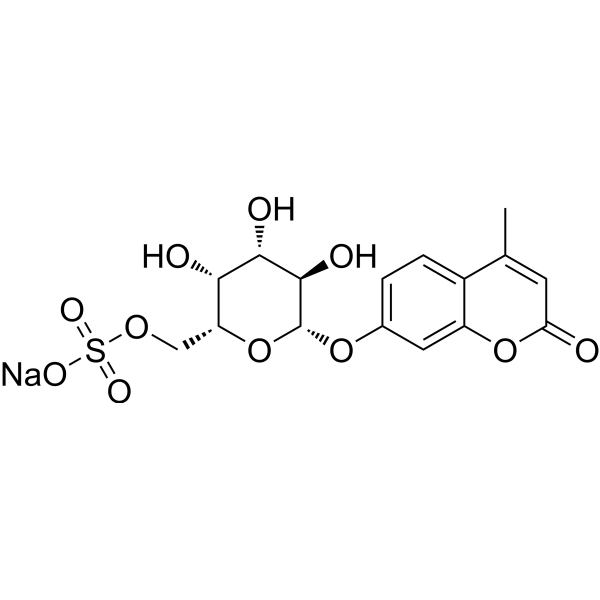
    4-Methylumbelliferyl-β-D-galactopyranoside 6-sulfate sodium is a fluorescent dye. 4-Methylumbelliferyl-β-D-galactopyranoside 6-sulfate sodium undergoes desulphation by galactose-6-sulphate sulphatase to form 4-methylumbelliferyl-β-D-galactopyranoside, which is cleaved by β-galactosidase to release fluorescent 4-methylumbelliferone. 4-Methylumbelliferyl-β-D-galactopyranoside 6-sulfate sodium interacts with N-acetylgalactosamine-6-sulfate sulfatase (GALNS) via hydrogen bonds, electrostatic interactions, and steric interactions. 4-Methylumbelliferyl-β-D-galactopyranoside 6-sulfate sodium serves as a substrate in assays measuring galactose-6-sulphate sulphatase and GALNS activity. 4-Methylumbelliferyl-β-D-galactopyranoside 6-sulfate sodium can be used for the research of Morquio disease type A (mucopolysaccharidosis IV A) .
    4-Methylumbelliferyl-β-D-galactopyranoside 6-sulfate sodium
  • HY-D1633

    Fluorescent Dye Metabolic Disease
    4-Methylumbelliferyl-β-D-galactopyranoside 6-sulfate is a fluorescent dye. 4-Methylumbelliferyl-β-D-galactopyranoside 6-sulfate undergoes desulphation by galactose-6-sulphate sulphatase to form 4-methylumbelliferyl-β-D-galactopyranoside, which is cleaved by β-galactosidase to release fluorescent 4-methylumbelliferone. 4-Methylumbelliferyl-β-D-galactopyranoside 6-sulfate interacts with N-acetylgalactosamine-6-sulfate sulfatase (GALNS) via hydrogen bonds, electrostatic interactions, and steric interactions. 4-Methylumbelliferyl-β-D-galactopyranoside 6-sulfate serves as a substrate in assays measuring galactose-6-sulphate sulphatase and GALNS activity. 4-Methylumbelliferyl-β-D-galactopyranoside 6-sulfate can be used for the research of Morquio disease type A (mucopolysaccharidosis IV A) .
    4-Methylumbelliferyl-β-D-galactopyranoside 6-sulfate
  • HY-150358

    Beta-galactosidase mRNA

    mRNA Others
    β-galactosidase mRNA encodes β-galactosidase, a protein product of the bacterial LacZ gene. β-galactosidase catalyzes the conversion of β-galactosides into monosaccharides which could be used as a common marker to assess transfection efficiency.
    β-galactosidase mRNA
  • HY-114958

    Fluorescent Dye Others
    RH 421 is a voltage-sensitive styryl dye that can penetrate through the lipid bilayers. RH 421 is a chromogenic substrate for β-galactosidase .
    RH 421
  • HY-D1224A

    CPRG sodium

    Biochemical Assay Reagents Others
    Chlorophenol red-β-D-galactopyranoside (CPRG) sodium is an efficient and sensitive chromogenic substrate for β-galactosidase (HY-P2869), widely used in colorimetric assays. Chlorophenol red-β-D-galactopyranoside sodium itself appears pale yellow. When it is specifically hydrolyzed by β-galactosidase, it releases chlorophenol red. The released chlorophenol red turns purple-red under alkaline or neutral pH conditions. This color change from yellow to red can be quantitatively detected at wavelengths of 540-572 nm using visible spectrophotometry .
    Chlorophenol red β-D-galactopyranoside sodium
  • HY-116055

    3-O-β-D-Galactopyranosyl-sn-glycerol

    Biochemical Assay Reagents Others
    (2R)-Glycerol-O-β-D-galactopyranoside (3-O-β-D-Galactopyranosyl-sn-glycerol) is a good substrate for all three components of the lac operon, i.e. β-galactosidase, the lactose transporter and thiogalactoside transacetylase .
    (2R)-Glycerol-O-β-D-galactopyranoside
  • HY-D1739

    Fluorescent Dye Carboxylesterase (CES) Others
    DDAO phosphate diammonium is a fluorescent phosphatase substrate. DDAO phosphate diammonium has tunable excitation wavelength (600-650nm) and long emission wavelength (λem=656nm). DDAO phosphate diammonium can be used to detect the activity of different enzymes such as β-galactosidase, sulfatase, protein phosphatase 2A, carboxylesterase 2, human albumin and esterase.
    DDAO phosphate diammonium
  • HY-P11083

    HBV Cancer
    Xentry is a cell-penetrating peptide (CCP) consisting of only 7 amino acids of hepatitis B virus: LCLRPVG. Xentry-linked anti-B-raf antibodies and siRNAs demonstrates the capability to kill B-raf-dependent melanoma cells. Xentry alone or conjugated to β-galactosidase leads to its delivery to most tissues in mice, except circulating blood cells. Xentry can be used for the delivery of large molecules (antibodies, siRNA, enzymes) .
    Xentry
  • HY-165424

    Fluorescent Dye Glycosidase Cardiovascular Disease Cancer
    NIR-BG2 is a near-infrared fluorescent probe targeting senescence-associated β-galactosidase (SA-β-Gal). NIR-BG2 is activated by SA-β-Gal and undergoes hydrolysis to release electrophilic quinone methide that covalently binds to surrounding proteins for in situ labeling, with a 16-fold enhancement of fluorescence signal at 709 nm . NIR-BG2 is promising for research of vivo imaging of cellular senescence .
    NIR-BG2
  • HY-174501

    Beta-galactosidase mRNA (5moU)

    mRNA Others
    β-galactosidase mRNA (5moU) encodes β-galactosidase, a protein product of the bacterial LacZ gene. β-galactosidase catalyzes the conversion of β-galactosides into monosaccharides which could be used as a common marker to assess transfection efficiency. The incorporation of 5moU can reduce the immunogenicity of the resulting mRNA.
    β-galactosidase mRNA (5moU)
  • HY-N15004

    Glycosidase Infection
    Galactostatin is a β-galactosidase inhibitor .
    Galactostatin
  • HY-130570

    Bacterial Infection Inflammation/Immunology
    Beta-gal-nonoate is a β-galactosidase dependent nitric oxide (NO) donor that releases NO once activated by β-galactosidase. β-Gal-NONOate has bactericidal activity and can be used as a bactericide .
    β-Gal-NONOate
  • HY-W104635

    6-Bromo-2-naphthyl-Beta-D-galactopyranoside

    Biochemical Assay Reagents Others
    6-Bromo-2-naphthyl-β-D-galactopyranoside is a chromogenic substrate commonly used to measure β-galactosidase enzyme activity in food, enzyme substrates, and culture media. Upon hydrolysis by β-galactosidase, it generates a yellow precipitate indicating the enzyme's presence.
    6-Bromo-2-naphthyl-β-D-galactopyranoside
  • HY-N12219

    NSC 266530

    Endogenous Metabolite Metabolic Disease
    Pyridindolol (NSC 266530) is a β-galactosidase inhibitor. Pyridindolol can be produced by actinomycetes .
    Pyridindolol
  • HY-137382

    Biochemical Assay Reagents Others
    4-Methylumbelliferyl-N-acetyl-β-D-galactosaminide is a substrate for detecting β-galactosidase activity.
    4-Methylumbelliferyl-N-acetyl-β-D-galactosaminide
  • HY-W154295

    Fluorescent Dye Others
    Purple-β-D-Gal is a chromogenic β-galactosidase substrate. Intracellular enzymatic hydrolysis of Purple-β-D-Gal generates free indoxyl molecules, which undergo in situ oxidation and subsequent dimerization to produce chromogenic, water-insoluble, indigo precipitates. Purple-β-D-Gal can be used for the detection of β-galactosidase activity .
    Purple-β-D-Gal
  • HY-14829A

    D-Isofagomine hydrochloride; Isofagomine hydrochloride

    Glycosidase Metabolic Disease
    Afegostat hydrochloride (D-Isofagomine hydrochloride) is a potent β-galactosidase inhibitor with activity ameliorating GM1-gangliosidosis and Morquio B disease-associated mutations. Afegostat hydrochloride is able to induce the maturation of mutant β-galactosidase in fibroblasts from patients with GM1-gangliosidosis. Afegostat hydrochloride also promotes the reduction of keratin sulfate and oligosaccharide load in patient cells .
    Afegostat hydrochloride
  • HY-W116594

    Fluorescent Dye Infection
    X-GalNAc is a chromogenic substrate for for N-acetyl-β-galactosidase, used to determine the presence or absence of a cloned DNA insert in bacteria growing on agar plates .
    X-GalNAc
  • HY-W357146

    Phenethyl β-D-galactoside

    Others Others
    2-Phenylethyl β-D-galactopyranoside (Phenethyl β-D-galactoside) can be synthesized catalyzed by Aspergillus oryzae β-galactosidase .
    2-Phenylethyl β-D-galactopyranoside
  • HY-W288676

    Biochemical Assay Reagents Others
    6-Fluoro-3-indolyl-β-D-galactopyranoside is a chromogenic enzyme substrate commonly used in microbiology to detect the expression of β-galactosidase in bacterial colonies.
    6-Fluoro-3-indolyl-β-D-galactopyranoside
  • HY-76691R

    Endogenous Metabolite Bacterial Reference Standards Infection
    D-Ribonolactone (Standard) is the analytical standard of D-Ribonolactone. This product is intended for research and analytical applications. D-Ribonolactone is sugar lactone and an inhibitor of β-galactosidase of Escherichia coli with a Ki of 26 mM .
    D-Ribonolactone (Standard)

Inquiry Online

Your information is safe with us. * Required Fields.

Salutation


Country or Region *

Applicant Name *


Organization Name *

Department *


Email Address *


Product Name *

Cat. No.


Requested quantity *

Phone Number *


Remarks

Inquiry Online

Inquiry Information

Product Name:
Cat. No.:
Quantity:
MCE Japan Authorized Agent:

