Search Result
Results for "
Dopamine+Transporter
" in MedChemExpress (MCE) Product Catalog:
1
Biochemical Assay Reagents
6
Isotope-Labeled Compounds
| Cat. No. |
Product Name |
Target |
Research Areas |
Chemical Structure |
-
- HY-W008719
-
MPP+ iodide
Maximum Cited Publications
34 Publications Verification
|
Mitochondrial Metabolism
|
Neurological Disease
|
|
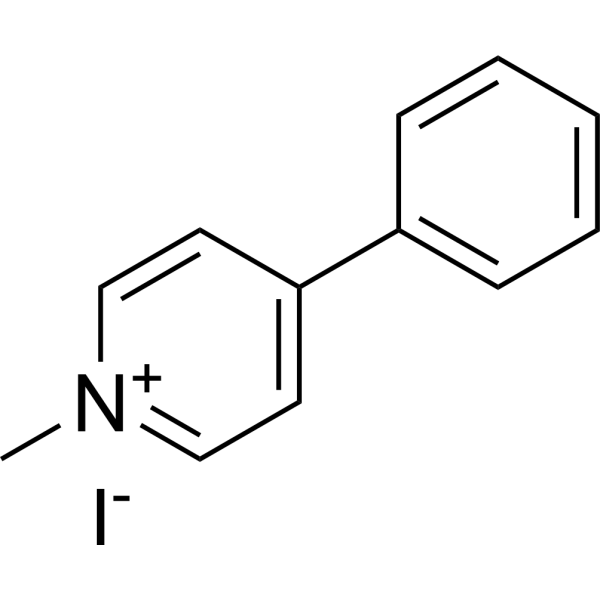
MPP+ iodide, a toxic metabolite of the neurotoxin MPTP, causes symptom of Parkinson's disease in animal models by selectively destroying dopaminergic neurons in substantia nigra. MPP+ iodide is taken up by the dopamine transporter into dopaminergic neurons where it exerts its neurotoxic action on mitochondria by affecting complex I of the respiratory chain. MPP+ iodide is also a high affinity substrate for the serotonin transporter (SERT) .
|
-
-
- HY-13217
-
|
GBR-12909 dihydrochloride; I893 dihydrochloride
|
Dopamine Transporter
|
Neurological Disease
|
|
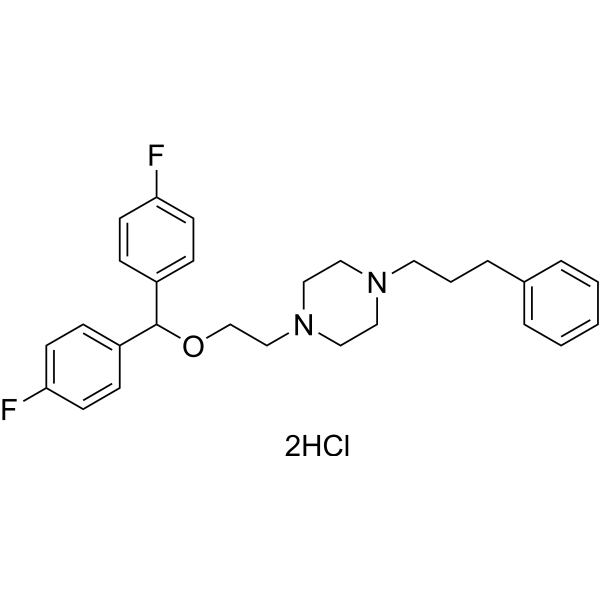
Vanoxerine dihydrochloride (GBR-12909 dihydrochloride) is a competitive, potent, and highly selective dopamine reuptake inhibitor (Ki=1 nM). Vanoxerine dihydrochloride (GBR-12909 dihydrochloride) binds to the target site on the dopamine transporter (DAT) .
|
-
-
- HY-14258
-
|
(S)-Citalopram; (S)-(+)-Citalopram
|
Serotonin Transporter
|
Neurological Disease
|
|
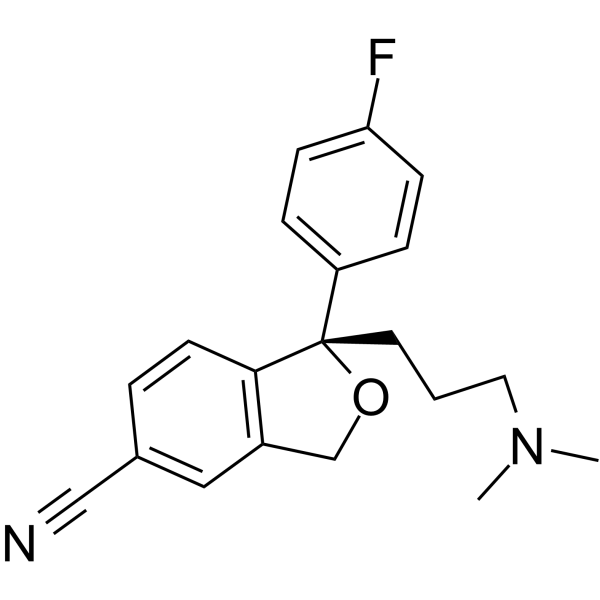
Escitalopram ((S)-Citalopram), the S-enantiomer of racemic Citalopram, is a selective serotonin reuptake inhibitor (SSRI) with a Ki of 0.89 nM. Escitalopram has ∼30 fold higher binding affinity than its R(-)-enantiomer and shows selectivity over both dopamine transporter (DAT) and norepinephrine transporter (NET). Escitalopram is an antidepressant for the research of major depression .
|
-
-
- HY-14258A
-
|
(S)-Citalopram oxalate; (S)-(+)-Citalopram oxalate
|
Serotonin Transporter
|
Neurological Disease
Cancer
|
|
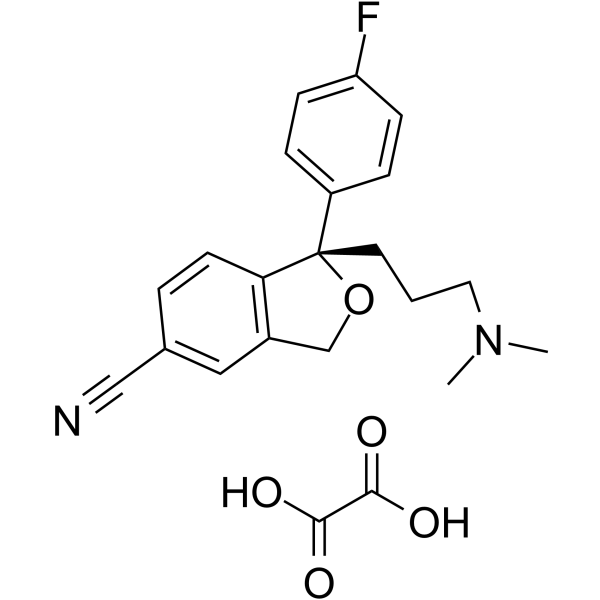
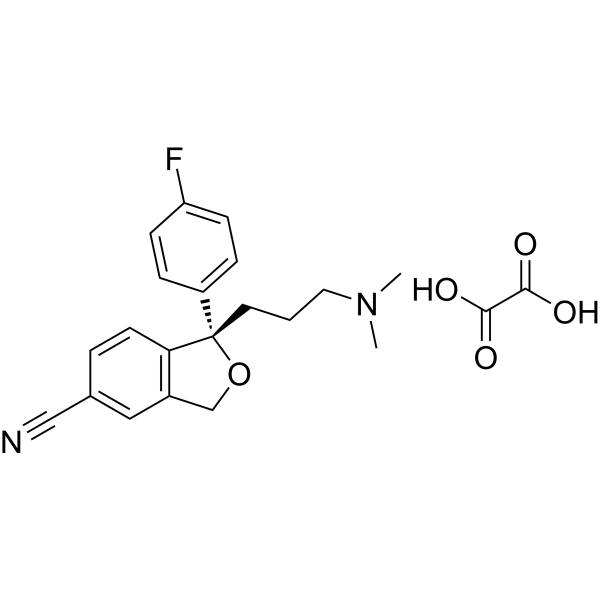
Escitalopram ((S)-Citalopram) oxalate, the S-enantiomer of racemic Citalopram, is a selective serotonin reuptake inhibitor (SSRI) with a Ki of 0.89 nM. Escitalopram oxalate has ∼30 fold higher binding affinity than its R(-)-enantiomer and shows selectivity over both dopamine transporter (DAT) and norepinephrine transporter (NET). Escitalopram oxalate is an antidepressant for the research of major depression .
|
-
-
- HY-Y1191
-
-

-
- HY-13779
-
|
|
Monoamine Oxidase
Dopamine Transporter
|
Neurological Disease
|
|
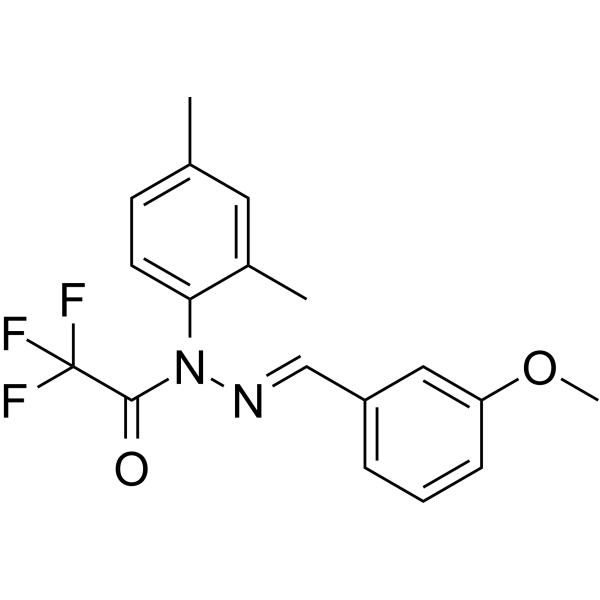
(E/Z)-J147 is an exceptionally potent, orally active, neuroprotective agent for cognitive enhancement. (E/Z)-J147 can readily pass the blood brain barrier (BBB). (E/Z)-J147 can inhibit monoamine oxidase B (MAO B) and the dopamine transporter with EC50 values of 1.88 μM and 0.649 μM, respectively. (E/Z)-J147 has potential for the study of Alzheimer’s disease (AD) .
|
-
-
- HY-135608
-
|
|
Sigma Receptor
|
Neurological Disease
|
|
BD-1008 is a nonselective σ receptor antagonist with Kis against σ1 receptor and σ2 receptor of 2 nM and 8 nM. The BD-1008 has an extremely low affinity for the D2 receptor (Ki = 1112 nM) and dopamine transporter (DAT) (Ki > 10,000 nM). BD-1008 significantly antagonizes dopamine release in the shell region of the nucleus accumbens via the σ₂ receptor. BD-1008 blocks the self-administration behavior of σ agonists.BD-1008 can be used for the study of addiction therapy that target the σ receptor .
|
-

-
- HY-16639
-
|
|
GPR35
Neurotensin Receptor
|
Neurological Disease
Endocrinology
|
|
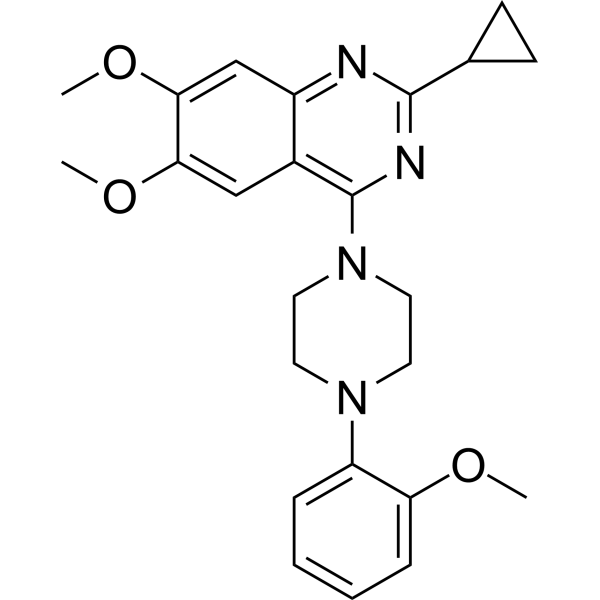
ML314 is a potent, BBB-penetrant and β-arrestin biased molecule agonist of NTR1 (EC50 = 1.9 μM). ML314 shows good selectivity against NTR2 and GPR35, but does not stimulate Ca2+ mobilization. ML314 can attenuate amphetamine-like hyperlocomotion in dopamine transporter knockout mice. ML314 attenuates methamphetamine-associated hyperlocomotion and potentiates the psychostimulant inhibitory effects of a ghrelin antagonist in wild type mouse model. ML314 also acts as an allosteric enhancer of endogenous neurotensin. ML314 antagonizes G protein signaling. ML314 can be studied in research for methamphetamine abuse conditions .
|
-
-
- HY-101315
-
|
3α-Bis-(4-fluorophenyl) Methoxytropane hydrochloride
|
Dopamine Transporter
|
Neurological Disease
|
|
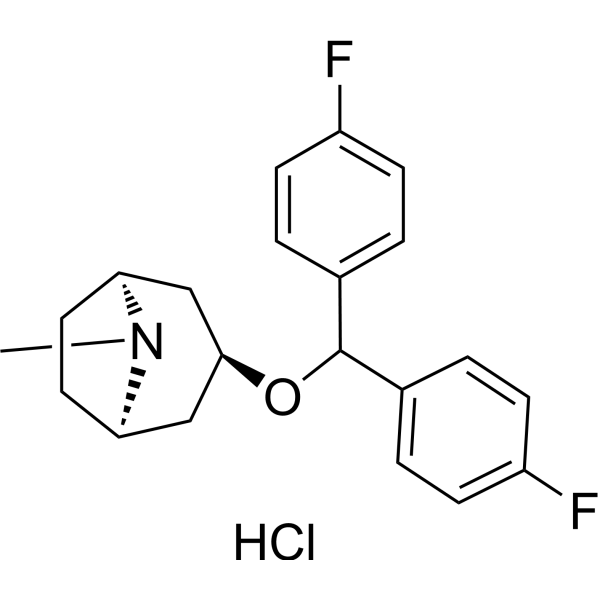
AHN 1-055 hydrochloride is a dopamine uptake inhibitor that can cross the blood-brain barrier, with an IC50 of 71 nM. AHN 1-055 hydrochloride binds with high affinity to the dopamine transporter (DAT) .
|
-
-
- HY-13779A
-
|
|
Monoamine Oxidase
Dopamine Transporter
|
Neurological Disease
|
|
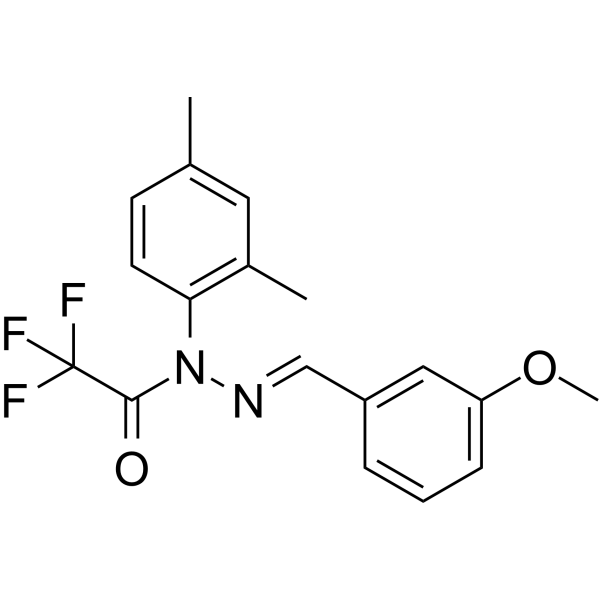
J147 is an exceptionally potent, orally active, neuroprotective agent for cognitive enhancement. J147 can pass the blood brain barrier (BBB). J147 can inhibit monoamine oxidase B (MAO B) and the dopamine transporter. J147 plays an impotant role in Alzheimer’s disease (AD) .
|
-
-
- HY-161724
-
|
|
Amyloid-β
Dopamine Transporter
CDK
Autophagy
|
Neurological Disease
|
|
TFEB activator 2 is an orally active compound that can cross the blood-brain barrier. TFEB activator 2 can bind to the dopamine transporter (DAT). TFEB activator 2 promotes TFEB nuclear translocation and lysosome biogenesis by targeting the DAT-CDK9-TFEB pathway. TFEB activator 2 has neuroprotective activity and can be used in the research of Alzheimer's disease and other diseases .
|
-

-
- HY-103430A
-
|
|
Dopamine Receptor
5-HT Receptor
Adenylate Cyclase
|
Neurological Disease
|
|
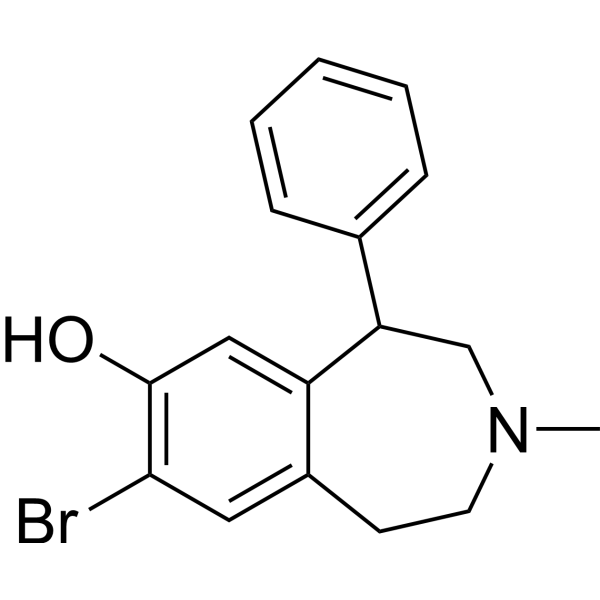
SKF-83566 is a potent, blood-brain permeable and orally active D1-like dopamine receptor (D1DR) antagonist and a weaker competitive antagonist at the vascular 5-HT2 receptor (Ki=11 nM) . SKF-83566 is a competitive DAT (dopamine transporter) inhibitor with an IC50 of 5.7 μM . SKF-83566 also shows selective inhibition for adenylyl cyclase 2 (AC2) over AC1 and AC5 in the isolated rabbit thoracic aorta . SKF-83566 can be used for research of parkinson’s disease and nicotine craving alleviation .
|
-
-
- HY-111928
-
-
-
- HY-13217A
-
|
GBR 12909; I893
|
Dopamine Transporter
|
Neurological Disease
|
|
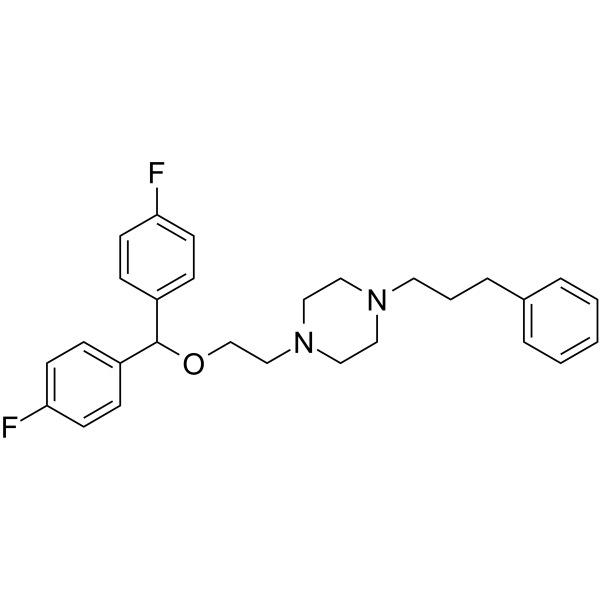
Vanoxerine (GBR-12909) is a competitive, potent, and highly selective dopamine reuptake inhibitor (Ki=1 nM). Vanoxerine (GBR-12909) binds to the target site on the dopamine transporter (DAT) .
|
-
-
- HY-108510
-
|
BW 234U dihydrochloride
|
Sigma Receptor
Dopamine Receptor
|
Neurological Disease
Cancer
|
|
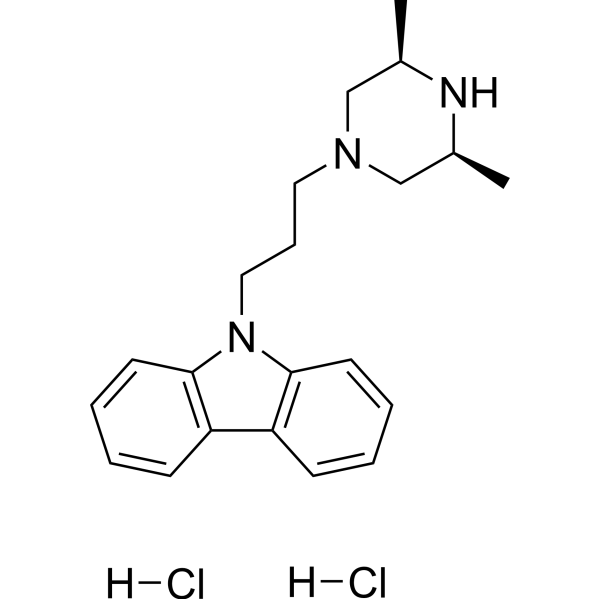
Rimcazole (BW 234U) dihydrochloride is a carbazole derivative that acts in part as a sigma (σ) receptor antagonist. Rimcazole dihydrochloride also binds with moderate affinity to the dopamine transporter and inhibit dopamine uptake. Rimcazole dihydrochloride can reduce locomotor activity and sensitization. Rimcazole dihydrochloride also can be used for the research of cancer .
|
-
-
- HY-158013A
-
|
|
Dopamine Transporter
|
Neurological Disease
|
|
JJC8-088 dioxalate is the dioxalate salt form of JJC8-088 (HY-158013). JJC8-088 dioxalate is a derivative of modafinil. JJC8-088 dioxalate is an inhibitor for dopamine transporter (DAT). JJC8-088 dioxalate exhibits behavioral characteristics similar to cocaine in rat models, and can be to study psychostimulant use disorders .
|
-

-
- HY-14258AR
-
|
(S)-Citalopram oxalate (Standard); (S)-(+)-Citalopram oxalate (Standard)
|
Reference Standards
Serotonin Transporter
|
Neurological Disease
Cancer
|
|
Escitalopram (oxalate) (Standard) is the analytical standard of Escitalopram (oxalate). This product is intended for research and analytical applications. Escitalopram ((S)-Citalopram) oxalate, the S-enantiomer of racemic Citalopram, is a selective serotonin reuptake inhibitor (SSRI) with a Ki of 0.89 nM. Escitalopram oxalate has ∼30 fold higher binding affinity than its R(-)-enantiomer and shows selectivity over both dopamine transporter (DAT) and norepinephrine transporter (NET). Escitalopram oxalate is an antidepressant for the research of major depression .
|
-
-
- HY-161723
-
|
|
Dopamine Transporter
CDK
|
Neurological Disease
|
|
LH2-051, a lysosome-enhancing compound (LYEC), is a brain-penetrant dopamine transporter (DAT) inhibitor (Ki: 0.95 μM). LH2-051 inhibits DAT-mediated dopamine uptake with an IC50 of 3.0 μM. LH2-051 promotes nuclear translocation of TFEB and lysosome biogenesis. LH2-051 improves the memory of amyloid precursor protein (APP)/Presenilin 1 (PS1) mice. LH2-051 can be used for the study of Alzheimer’s disease .
|
-

-
- HY-N7506
-
|
Delta3,2-Hydroxylbakuchiol
|
Monoamine Transporter
Dopamine Transporter
|
Neurological Disease
|
|
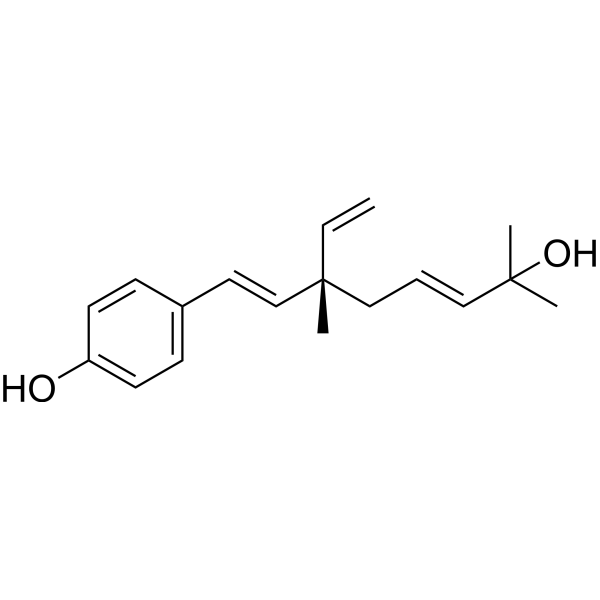
13-Hydroxyisobakuchiol (Delta3,2-Hydroxylbakuchiol), an analog of Bakuchiol (HY-N0235) that can be isolated from Psoralea corylifolia (L.), is a potent selective monoamine transporter inhibitor. 13-Hydroxyisobakuchiol is more selective for the dopamine transporter (DAT) (IC50 = 0.58 μM) and norepinephrine transporter (NET) (IC50 = 0.69 μM) than for the serotonin transporter (SERT) (IC50 = 312.02 μM). 13-Hydroxyisobakuchiol increases the activity of intact mice and improves the decreased activity of reserpinized mice in vivo. 13-Hydroxyisobakuchiol can be used for the research of disorders such as Parkinson's disease and depression .
|
-
-
- HY-17590
-
|
(S,S)-Hydroxybupropion hydrochloride; GW-353162A; BW-306U
|
Monoamine Transporter
|
Neurological Disease
|
|
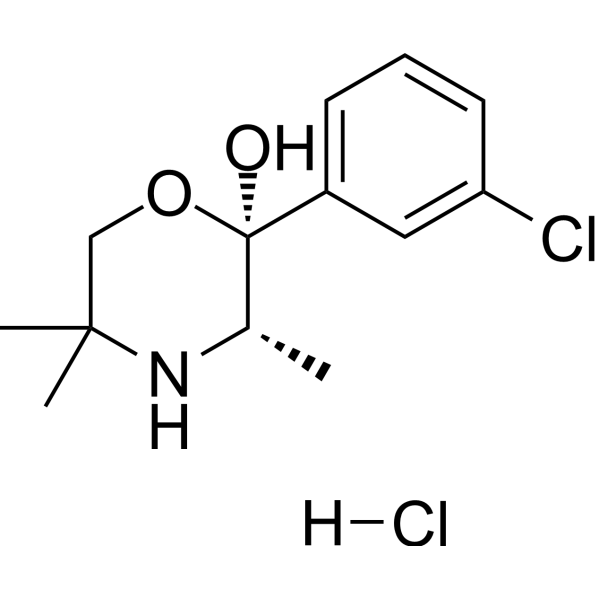
Radafaxine hydrochloride (GW-353162A) is a DAT (dopamine transporter) and NET(norepinephrine transporter) transporters inhibitor, and nAChR family modulator.
|
-
-
- HY-116548
-
|
|
Dopamine Receptor
|
Neurological Disease
|
|
Nitracaine is a structural analog of Dimethocaine (HY-121870), a local anesthetic that inhibits dopamine reuptake through the dopamine transporter .
|
-

-
- HY-14840A
-
-

-
- HY-116211
-
|
WIN-25978
|
Biochemical Assay Reagents
|
Neurological Disease
|
|
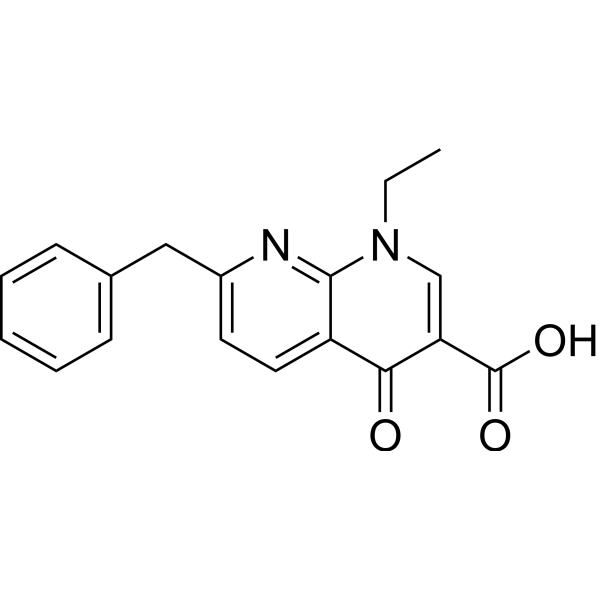
Amfonelic acid (WIN-25978) is a highly selective dopamine reuptake inhibitor. Amfonelic acid interferes with the in vitro neuronal uptake of norepinephrine in the iris of rats, but does not alter the concentrations of norepinephrine or dopamine in the whole mouse brain. Amfonelic acid can be used as a pharmacological tool to study the brain reward system, dopamine pathway and dopamine transporter .
|
-
-
- HY-163384
-
|
|
Dopamine Transporter
|
Neurological Disease
|
|
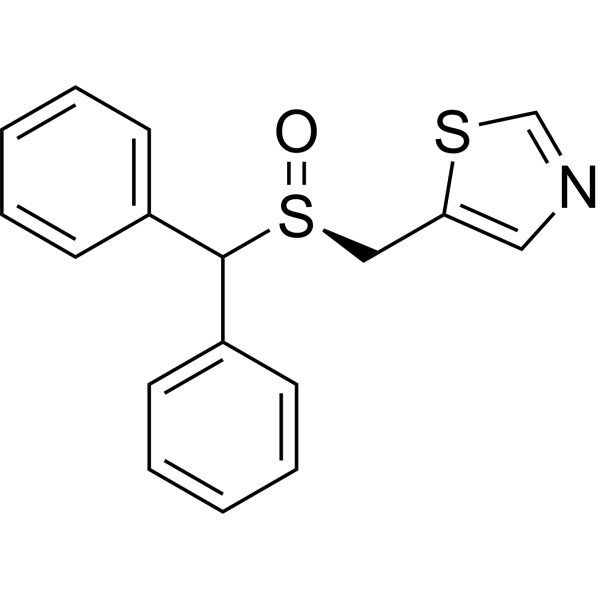
(S)-CE-123 is a potent, selective, and novel atypical dopamine transporter (DAT) inhibitor with an EC50 of 2.76 μM in uptake inhibition assays conducted in HEK293 cells stably expressing human isoforms of DAT. (S)-CE-123, a Modafinil analogue, is able to penetrate the blood–brain barrier. (S)-CE-123 improves cognitive and motivational processes in experimental animals .
|
-
-
- HY-117902
-
|
|
Dopamine Transporter
|
Neurological Disease
|
|
SRI-31142 is a putative, brain-penetrant allosteric inhibitor of the dopamine transporter (DAT). In behavioral studies using intracranial self-stimulation (ICSS), SRI-31142 did not produce the abuse-related effects seen with cocaine and GBR-12935, but instead reduced ICSS responses and dopamine levels in the nucleus accumbens (NAc) at effective doses. SRI-31142 also blocked cocaine-induced increases in ICSS and NAc dopamine .
|
-

-
- HY-W008719S
-
|
|
Mitochondrial Metabolism
|
Neurological Disease
|
|
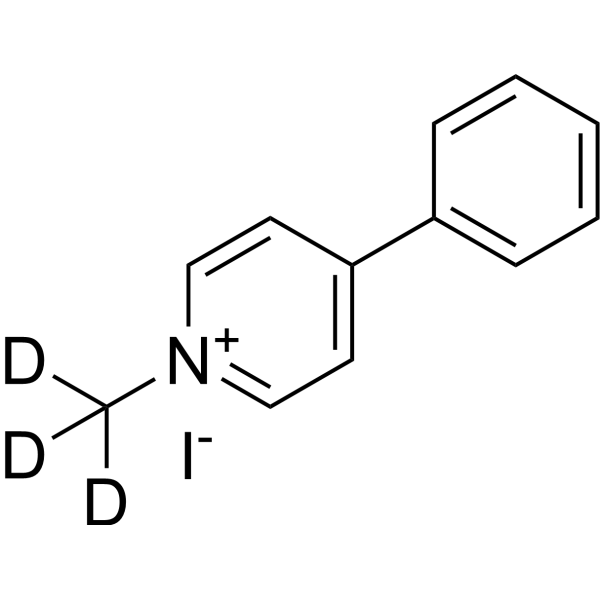
MPP+-d3 (iodide) is deuterium labeled MPP+ (iodide). MPP+ iodide, a toxic metabolite of the neurotoxin MPTP, causes symptom of Parkinson's disease in animal models by selectively destroying dopaminergic neurons in substantia nigra. MPP+ iodide is taken up by the dopamine transporter into dopaminergic neurons where it exerts its neurotoxic action on mitochondria by affecting complex I of the respiratory chain. MPP+ iodide is also a high affinity substrate for the serotonin transporter (SERT) .
|
-
-
- HY-155036
-
-
-
- HY-158013
-
|
|
Dopamine Transporter
|
Neurological Disease
|
|
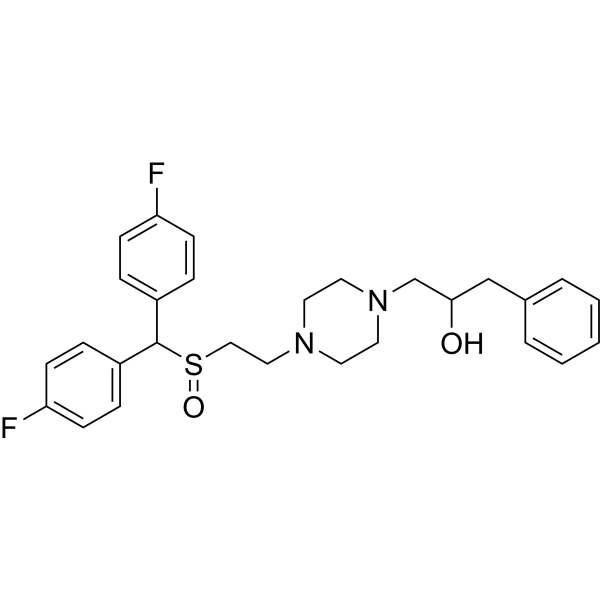
JJC8-088, a Modafinil-derived ligand, is a dopamine transporter (DAT) inhibitor with a Ki of 2.53 nM. JJC8-088 dioxalate can be to study psychostimulant use disorders .
|
-
-
- HY-14258AS
-
|
|
Serotonin Transporter
|
Neurological Disease
|
|
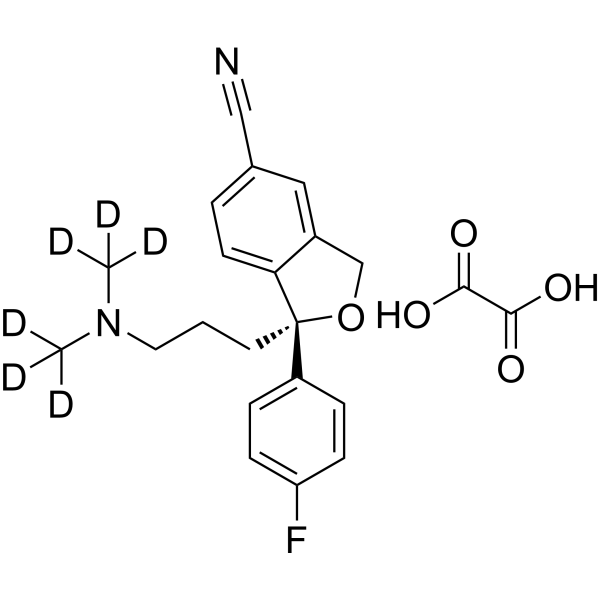
Escitalopram-d6 (oxalate) is the deuterium labeled Escitalopram oxalate. Escitalopram ((S)-Citalopram) oxalate, the S-enantiomer of racemic Citalopram, is a selective serotonin reuptake inhibitor (SSRI) with a Ki of 0.89 nM. Escitalopram oxalate has ~30 fold higher binding affinity than its R(-)-enantiomer and shows selectivity over both dopamine transporter (DAT) and norepinephrine transporter (NET). Escitalopram oxalate is an antidepressant for the research of major depression .
|
-
-
- HY-172421
-
-

-
- HY-163974
-
-

-
- HY-W009666
-
|
|
Dopamine Transporter
|
Others
|
|
6-Chloro-5-(2-chloroethyl)oxindole (Imp Z2) is an impurity of Ziprasidone (HY-14542), a substrate of the human dopamine transporter (hDAT) .
|
-

-
- HY-B0457S
-
|
Chlorimipramine-d3 hydrochloride; G-34586-d3 hydrochloride; NSC-169865-d3 hydrochloride
|
Serotonin Transporter
Dopamine Receptor
|
Neurological Disease
|
|
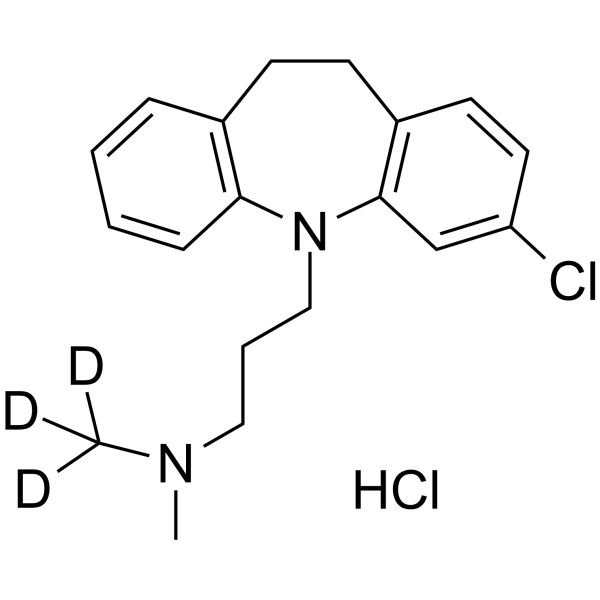
Clomipramine-d3 (hydrochloride) is a deuterium labeled Clomipramine hydrochloride. Clomipramine hydrochloride is a serotonin transporter (SERT), norepinephrine transporter (NET) dopamine transporter (DAT) blocker with Ki of 0.14, 54 and 3 nM, respectively .
|
-
-
- HY-B0457AS
-
-
-
- HY-175535
-
-

-
- HY-107055
-
|
|
Dopamine Transporter
|
Neurological Disease
|
|
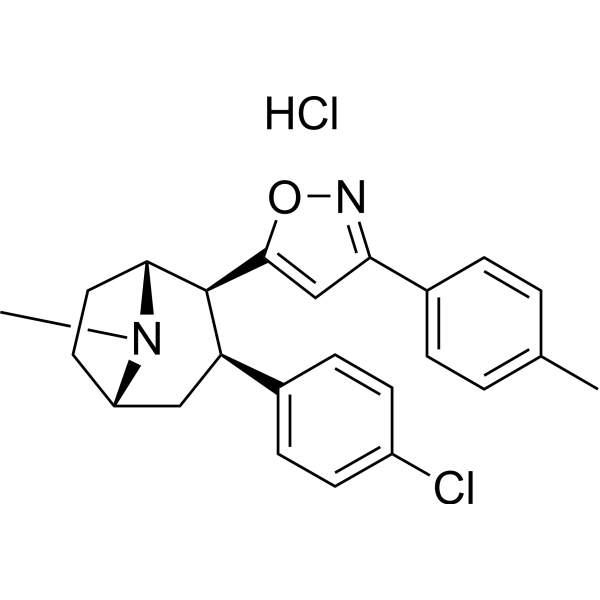
RTI 336 is a phenyltropane analog, as well as a potent and selective dopamine transporter (DAT) inhibitor. RTI 336 inhibits addictive agent induced locomotor activity and self-administration in Lewis rats. RTI 336 exhibits inhibitory effects depending on inherent NAc DAT levels .
|
-
-
- HY-107128
-
|
TD-9855 hydrochloride
|
Serotonin Transporter
|
Neurological Disease
|
|
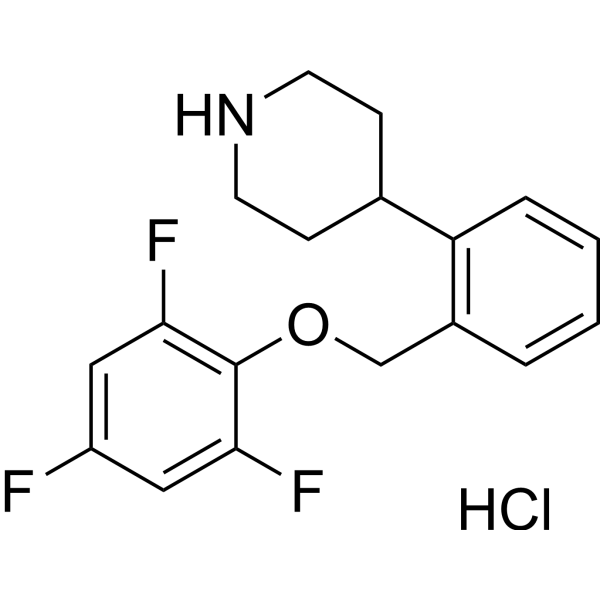
Ampreloxetine (TD-9855) hydrochloride is an orally active and CNS-penetrant inhibitor of Norepinephrine transporter (NET) and Serotonin 5-HT uptake transporter (SERT), but not Dopamine transporter (DAT). Ampreloxetine hydrochloride binds norepinephrine transporters (NET) and serotonin transporters (SERT) with EC50 values of 11.7 ng/mL and 50.8 ng/mL, respectively, in plasma .
|
-
-
- HY-158014
-
|
|
Dopamine Transporter
|
Neurological Disease
|
|
JJC8-089 is a dopamine transporter (DAT) inhibitor that may improve motivational dysfunction and increase effortful behavior in goal-directed activities. JJC8-089 significantly reversed the low-effort effects induced by the VMAT-2 inhibitor Tetrabenazine (HY-B0590) in rats and increased the choice of high-effort fixed-ratio 5-bar presses versus food intake. .
|
-

-
- HY-14258AS1
-
|
(S)-Citalopram-d4 oxalate; (S)-(+)-Citalopram-d4 oxalate
|
Isotope-Labeled Compounds
Serotonin Transporter
|
Neurological Disease
|
|
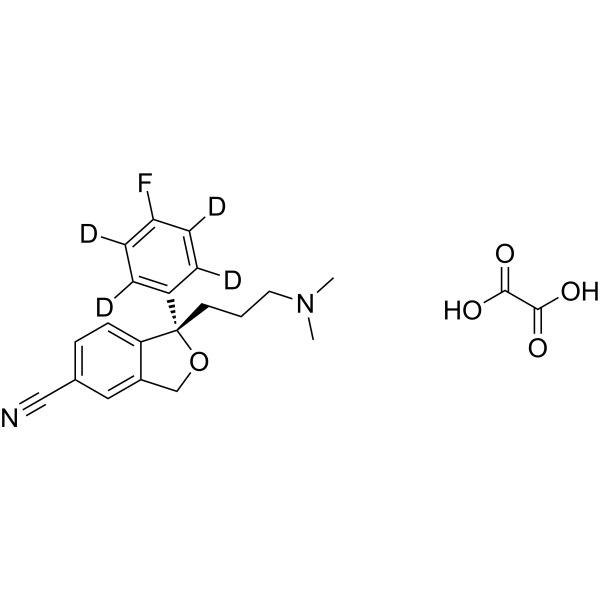
Escitalopram-d4 (oxalate) is deuterium labeled Escitalopram (oxalate). Escitalopram ((S)-Citalopram) oxalate, the S-enantiomer of racemic Citalopram, is a selective serotonin reuptake inhibitor (SSRI) with a Ki of 0.89 nM. Escitalopram oxalate has ~30 fold higher binding affinity than its R(-)-enantiomer and shows selectivity over both dopamine transporter (DAT) and norepinephrine transporter (NET). Escitalopram oxalate is an antidepressant for the research of major depression .
|
-
-
- HY-100966
-
|
|
Sigma Receptor
|
Neurological Disease
|
|
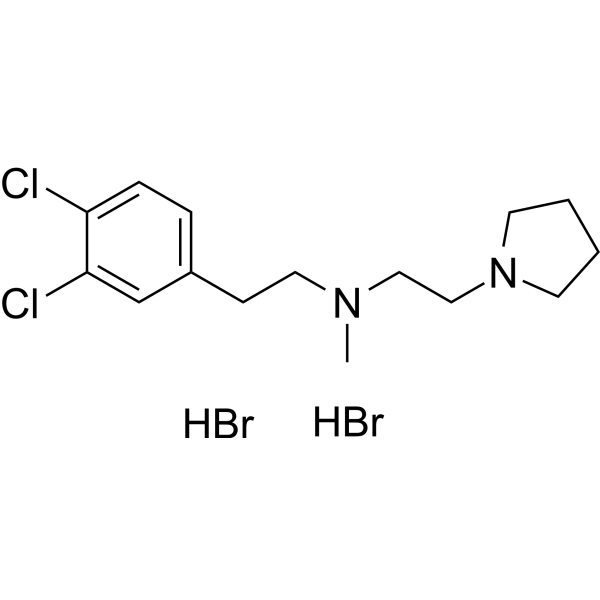
BD-1008 dihydrobromide is a nonselective σ receptor antagonist with Kis against σ1 receptor and σ2 receptor of 2 nM and 8 nM. The BD-1008 dihydrobromide has an extremely low affinity for the D2 receptor (Ki = 1112 nM) and dopamine transporter (DAT) (Ki > 10,000 nM). BD-1008 dihydrobromide significantly antagonizes dopamine release in the shell region of the nucleus accumbens via the σ₂ receptor. BD-1008 dihydrobromide blocks the self-administration behavior of σ agonists.BD-1008 dihydrobromide can be used for the study of addiction therapy that target the σ receptor .
|
-
-
- HY-163156
-
-
-
- HY-137107
-
-

-
- HY-120206
-
-

-
- HY-120206B
-
|
BMS-204756 sulfate
|
Monoamine Oxidase
|
Neurological Disease
|
|
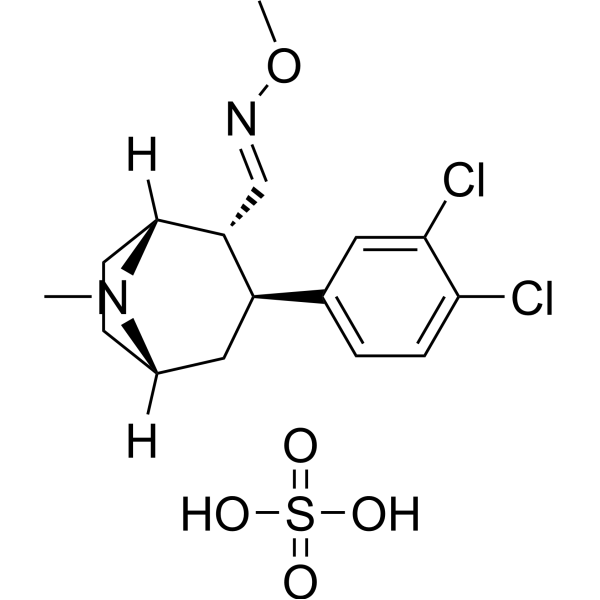
Brasofensine (BMS-204756) sulfate is an oral active dopamine transporter antagonist and can be used for parkinson’s disease research .
|
-
-
- HY-163155
-
-
-
- HY-173475
-
-

-
- HY-172029
-
|
|
Monoamine Transporter
|
Neurological Disease
|
|
3,4-Methylenedioxy pyrovalerone metabolite 2 hydrochloride is an analog of Pyrovalerone. Pyrovalerone inhibits the dopamine transporter (DAT),serotonin transporter (SERT),and the norepinephrine transporter (NET) .
|
-

-
- HY-163154
-
|
|
Dopamine Transporter
|
Neurological Disease
|
|
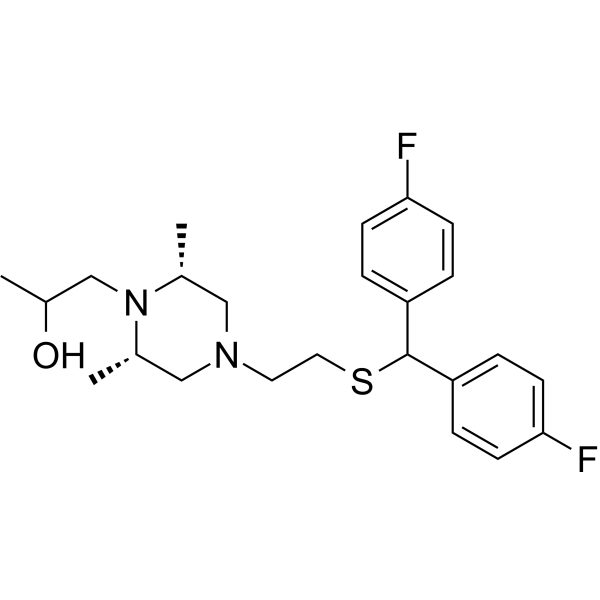
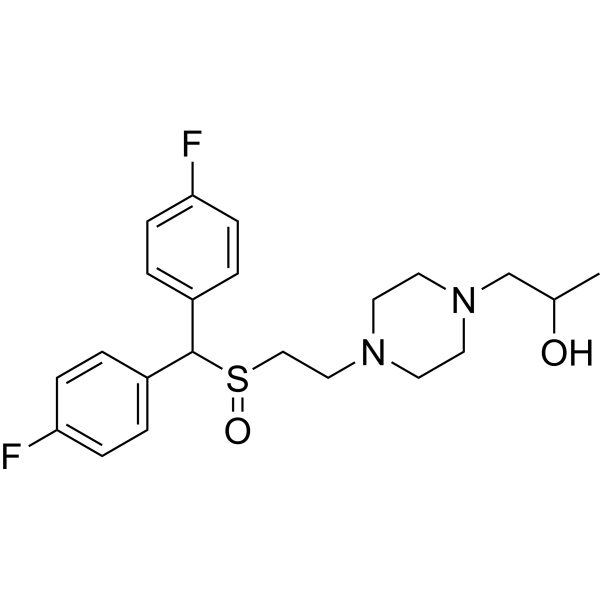
JJC8-091 is a potent dopamine transporter (DAT) inhibitor with Ki values of 230, 97800 nM for DAT, SERT, respectively. JJC8-091 has the potential for the research of psychostimulant use disorders (PSUD) .
|
-
-
- HY-105297
-
|
|
5-HT Receptor
|
Neurological Disease
|
|
BMS-505130 fumarate is a potent, selective and orally active serotonin transport inhibitor with a Ki for binding to the serotonin transporter of 0.18 nM (Ki for norepinephrine and dopamine transporters of 4.6 and 2.1 μM, respectively). BMS-505130 fumarate can be used for the research of neurological disease, such as depression .
|
-

-
- HY-10427
-
|
NRI-022
|
Histone Methyltransferase
|
Neurological Disease
|
|
WAY-260022 is a selective norepinephrine reuptake inhibitor with potent inhibitory activity on norepinephrine reuptake. WAY-260022 exhibits excellent selectivity in inhibiting serotonin and dopamine transporters. WAY-260022 also showed oral efficacy in a rat model of thermoregulatory dysfunction .
|
-

- HY-13217R
-
|
GBR-12909 dihydrochloride (Standard); I893 dihydrochloride (Standard)
|
Dopamine Transporter
Reference Standards
|
Neurological Disease
|
|
Vanoxerine (dihydrochloride) (Standard) is the analytical standard of Vanoxerine (dihydrochloride). This product is intended for research and analytical applications. Vanoxerine dihydrochloride (GBR-12909 dihydrochloride) is a competitive, potent, and highly selective dopamine reuptake inhibitor (Ki=1 nM). Vanoxerine dihydrochloride (GBR-12909 dihydrochloride) binds to the target site on the dopamine transporter (DAT) .
|
-

- HY-161913
-
|
|
Dopamine Transporter
|
Neurological Disease
|
|
AC-4-248 is an atypical non-competitive dopamine transporter (DAT) inhibitor and reduces the potency of cocaine to inhibit DAT. AC-4-248 is a non-selective inhibitor of SLC6 transporters with IC50 values for hDAT, hSERT, and hNET of 45.5 μM, 96.2 μM, and 250 μM, respectively .
|
-

- HY-126158
-
|
|
Dopamine Transporter
Serotonin Transporter
|
Neurological Disease
|
|
SRI-29574 is an allosteric modulator of the dopamine transporter (DAT). SRI-29574 partially inhibits the uptake of the DAT (IC50=2.3 nM) and also partially inhibits the uptake of the serotonin transporter (SERT) and norepinephrine transporter (NET). SRI-29574 may serve as a useful probe to study the function and regulatory mechanisms of DAT .
|
-

- HY-174282
-
|
|
Dopamine Transporter
|
Neurological Disease
|
|
RDS-04-010 is an atypical dopamine transporter (DAT) inhibitor. RDS-04-010 has the effect of inhibiting cocaine intake and seeking behavior. RDS-04-010 exerts its modulatory effect mainly by binding to the inward conformation of DAT, thereby reducing the reinforcing effect of cocaine. RDS-04-010 can be used in the study of cocaine use disorder (CUD) .
|
-

- HY-14258R
-
|
(S)-Citalopram (Standard); (S)-(+)-Citalopram (Standard)
|
Serotonin Transporter
Reference Standards
|
Neurological Disease
Cancer
|
|
Escitalopram (Standard) is the analytical standard of Escitalopram. This product is intended for research and analytical applications. Escitalopram ((S)-Citalopram), the S-enantiomer of racemic Citalopram, is a selective serotonin reuptake inhibitor (SSRI) with a Ki of 0.89 nM. Escitalopram has ~30 fold higher binding affinity than its R(-)-enantiomer and shows selectivity over both dopamine transporter (DAT) and norepinephrine transporter (NET). Escitalopram is an antidepressant for the research of major depression .
|
-

- HY-117542
-
|
|
Histone Methyltransferase
|
Neurological Disease
|
|
D595 is a phenylethylamine calcium channel blocker with potent negative inotropic activity. D595 has shown significant efficacy in its corresponding pharmacological studies, especially in inhibiting the uptake of monoamine neurotransmitters. D595 has high affinity in binding to the dopamine transporter (DAT), serotonin transporter (SERT), and norepinephrine transporter (NET). Structural adjustments of D595, especially changes in the hydroxyl stereochemistry, significantly affect its interaction with the transporters, showing a specific preference for stereoisomers .
|
-

- HY-10427A
-
|
iso-NRI-022
|
Serotonin Transporter
Dopamine Transporter
|
Cardiovascular Disease
|
|
iso-WAY-260022 (Compound 13R) is an orally active, brain-penetrant and selective norepinephrine transporter (hNET) inhibitor with an IC50 value of 140 nM. iso-WAY-260022 also shows inhibitory effects on human serotonin (hSERT) and dopamine transporters (hDAT). iso-WAY-260022 inhibits norepinephrine reuptake and increases hypothalamic norepinephrine levels to regulate thermoregulatory center function. iso-WAY-260022 is promising for research of vasomotor symptoms, such as menopausal hot flushes, night sweats .
|
-

- HY-103430
-
|
|
Dopamine Receptor
5-HT Receptor
Adenylate Cyclase
|
Neurological Disease
|
|
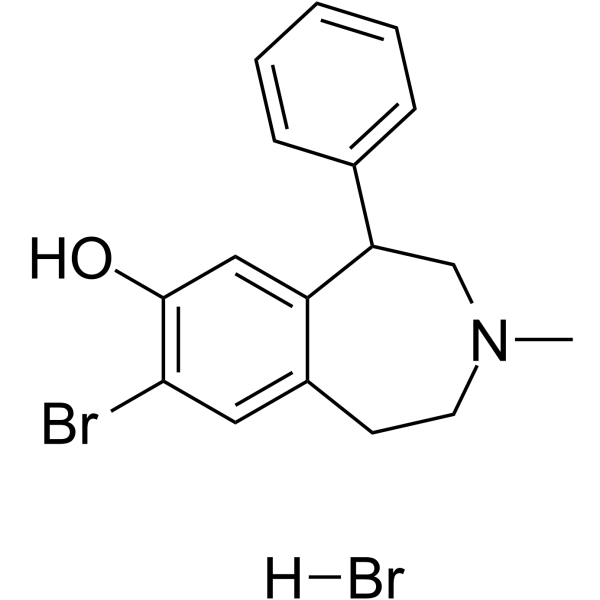
SKF-83566 hydrobromide is a potent, blood-brain permeable and orally active D1-like dopamine receptor (D1DR) antagonist and a weaker competitive antagonist at the vascular 5-HT2 receptor (Ki=11 nM) . SKF-83566 is a competitive DAT (dopamine transporter) inhibitor with an IC50 of 5.7 μM . SKF-83566 also shows selective inhibition for adenylyl cyclase 2 (AC2) over AC1 and AC5 in the isolated rabbit thoracic aorta . SKF-83566 can be used for the research of parkinson’s disease and nicotine craving alleviation .
|
-
- HY-116062A
-
|
|
Histone Methyltransferase
|
Neurological Disease
|
|
JNJ-7925476 is a triple reuptake inhibitor that selectively and potently inhibits the activity of the serotonin transporter (SERT), norepinephrine transporter (NET), and dopamine transporter (DAT). JNJ-7925476 is rapidly absorbed into the blood and its concentration in the brain is 7-fold higher than that in plasma. The occupancy ED(50) values of JNJ-7925476 for SERT, NET, and DAT in the rat brain are 0.18, 0.09, and 2.4 mg/kg, respectively. JNJ-7925476 rapidly induces a significant increase in the levels of extracellular serotonin, dopamine, and norepinephrine in the rat cerebral cortex in a dose-dependent manner. JNJ-7925476 exhibits potent antidepressant-like activity in the mouse tail suspension test. These results suggest that JNJ-7925476 has in vivo efficacy in biochemical and behavioral models of depression .
|
-

- HY-100966S
-
|
|
Isotope-Labeled Compounds
Sigma Receptor
|
Neurological Disease
|
|
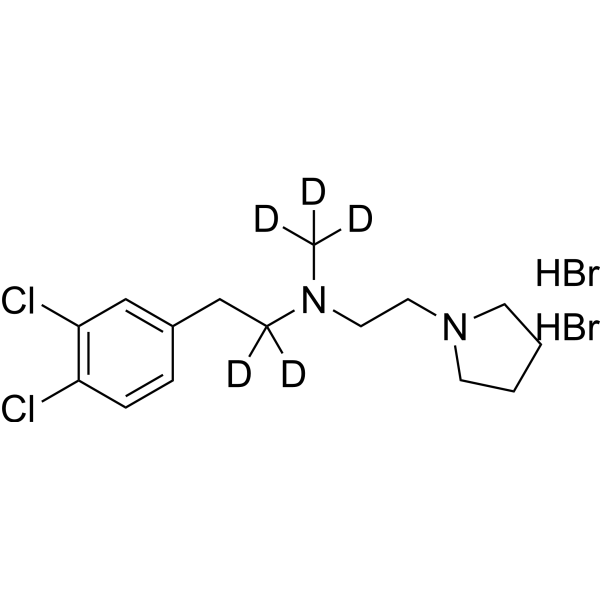
BD-1008-d5 dihydrobromide is the deuterium labeled BD-1008 dihydrobromide (HY-100966). BD-1008 dihydrobromide is a nonselective σ receptor antagonist with Kis against σ1 receptor and σ2 receptor of 2 nM and 8 nM. The BD-1008 dihydrobromide has an extremely low affinity for the D2 receptor (Ki = 1112 nM) and dopamine transporter (DAT) (Ki > 10,000 nM). BD-1008 dihydrobromide significantly antagonizes dopamine release in the shell region of the nucleus accumbens via the σ₂ receptor. BD-1008 dihydrobromide blocks the self-administration behavior of σ agonists.BD-1008 dihydrobromide can be used for the study of addiction therapy that target the σ receptor .
|
-
- HY-167674
-
-

- HY-120206A
-
|
BMS-204756 maleate
|
Monoamine Oxidase
|
Neurological Disease
|
|
Brasofensine maleate(BMS-204756) sulfate is an oral active dopamine transporter antagonist and can be used for parkinson’s disease research .
|
-

- HY-P11504
-
|
|
Biochemical Assay Reagents
|
Others
|
|
Fmoc-Lys-Gly-Dopa-OH is a tripeptide. Fmoc-Lys-Gly-Dopa-OH forms coacervates in aqueous solution via phase separation. Fmoc-Lys-Gly-Dopa-OH coacervates, with the assistance of Fe 3+, provide a viable material to engineer the surface of mammalian cells .
|
-

- HY-179714
-
|
Z236004662
|
Dopamine Transporter
|
Neurological Disease
|
|
DAM-001 (Z236004662) is a potent, non-competitive allosteric inhibitor for human dopamine transporter (hDAT) with an IC50 of 24.70 μM and 1.026 μM in the absence and presence of orthosteric inhibitor Nomifensine (HY-B1110) .
|
-

- HY-101315R
-
|
3α-Bis-(4-fluorophenyl) Methoxytropane hydrochloride (Standard)
|
Dopamine Transporter
Reference Standards
|
Neurological Disease
|
|
AHN 1-055 (hydrochloride) (Standard) is the analytical standard of AHN 1-055 (hydrochloride) (HY-101315). This product is intended for research and analytical applications. AHN 1-055 hydrochloride is a dopamine uptake inhibitor, with an IC50 of 71 nM. AHN 1-055 hydrochloride binds with high affinity to the dopamine transporter (DAT) .
|
-

- HY-172763
-
|
|
Drug Derivative
Serotonin Transporter
Dopamine Transporter
5-HT Receptor
|
Neurological Disease
|
|
EDMA hydrochloride is a derivative of MDMA. EDMA hydrochloride is a substrate for multiple neurotransmitter transporters, including serotonin transporter (SERT), dopamine transporter (DAT), and norepinephrine transporter (NET). EDMA hydrochloride has 5-HT releasing activity at SERT (EC50 = 117 nM) and MPP + releasing activity at DAT (EC50 = 597 nM) and NET (EC50 = 325 nM) .
|
-

- HY-183428
-
|
|
Trace Amine-associated Receptor (TAAR)
|
Neurological Disease
|
|
LK00764 is a TAAR1 agonist with an EC50 of 4 nM. LK00764 alleviates Dizocilpine (HY-15084B)-induced hyperlocomotion, reduces vertical locomotor activity, attenuates spontaneous hyperlocomotion in dopamine transporter knockout rats, and inhibits stress-induced hyperthermia in rats. LK00764 can be used for the research of schizophrenia .
|
-

- HY-108510R
-
|
BW 234U dihydrochloride (Standard)
|
Reference Standards
Sigma Receptor
Dopamine Receptor
|
Neurological Disease
Cancer
|
|
Rimcazole dihydrochloride (Standard) is the analytical standard of Rimcazole (dihydrochloride) (HY-108510). This product is intended for research and analytical applications. Rimcazole (BW 234U) dihydrochloride is a carbazole derivative that acts in part as a sigma (σ) receptor antagonist. Rimcazole dihydrochloride also binds with moderate affinity to the dopamine transporter and inhibit dopamine uptake. Rimcazole dihydrochloride can reduce locomotor activity and sensitization. Rimcazole dihydrochloride also can be used for the research of cancer .
|
-

- HY-124186
-
|
|
Dopamine Receptor
5-HT Receptor
|
Neurological Disease
|
|
LR1143 is a dopamine transporter (DAT) and 5-HT uptake inhibitor, with IC50 values of 3.4 nM and 112 nM in rats, respectively. LR1143 binds to DAT labeled with the dopamine reuptake inhibitor GBR 12935 (HY-12242A), with an IC50 of 4.4 nM. LR1143 shows lower selectivity for DAT than for serotonin reuptake sites. LR1143 can be used in studies related to cocaine abuse .
|
-

- HY-107128R
-
|
TD-9855 hydrochloride (Standard)
|
Reference Standards
Serotonin Transporter
|
Neurological Disease
|
|
Ampreloxetine hydrochloride (Standard) (TD-9855 hydrochloride (Standard)) is the analytical standard of Ampreloxetine (hydrochloride) (HY-107128). This product is intended for research and analytical applications. Ampreloxetine (TD-9855) hydrochloride is an orally active and CNS-penetrant inhibitor of Norepinephrine transporter (NET) and Serotonin 5-HT uptake transporter (SERT), but not Dopamine transporter (DAT). Ampreloxetine hydrochloride binds norepinephrine transporters (NET) and serotonin transporters (SERT) with EC50 values of 11.7 ng/mL and 50.8 ng/mL, respectively, in plasma .
|
-

- HY-183324
-
|
|
iGluR
Dopamine Transporter
|
Neurological Disease
|
|
AMPA receptor modulator-12 is an orally acrive AMPA receptor positive allosteric modulator. AMPA receptor modulator-12 also exhibits moderate binding affinity for the human dopamine transporter with a Kd of 1.57 μM. AMPA receptor modulator-12 enhances AMPA receptor-mediated ion currents, delays channel deactivation. AMPA receptor modulator-12 prolongs sleep latency, reduces sleep duration, extends forced swimming time, improves rotarod endurance, and alleviates acute sleep deprivation-related behavioral deficits. AMPA receptor modulator-12 does not increase spontaneous locomotion. AMPA receptor modulator-12 can be used for the research of narcolepsy and fatigue-related conditions .
|
-

- HY-103430AR
-
|
|
Reference Standards
Dopamine Receptor
5-HT Receptor
Adenylate Cyclase
|
Neurological Disease
|
|
SKF-83566 (Standard) is the analytical standard of SKF-83566 (HY-103430A). This product is intended for research and analytical applications. SKF-83566 is a potent, blood-brain permeable and orally active D1-like dopamine receptor (D1DR) antagonist and a weaker competitive antagonist at the vascular 5-HT2 receptor (Ki=11 nM) . SKF-83566 is a competitive DAT (dopamine transporter) inhibitor with an IC50 of 5.7 μM . SKF-83566 also shows selective inhibition for adenylyl cyclase 2 (AC2) over AC1 and AC5 in the isolated rabbit thoracic aorta . SKF-83566 can be used for research of parkinson’s disease and nicotine craving alleviation .
|
-

| Cat. No. |
Product Name |
Type |
-
- HY-Y1191
-
|
EEDQ
|
Biochemical Assay Reagents
|
|
EEDQ is a carboxylate activator and irreversible antagonist of 5HT2c receptors. EEDQ reduces [ 3H]β-CIT binding to the dopamine transporter (DAT) in rat caudate-putamen (CPu) homogenates (IC50 = 78.3 μM). EEDQ inhibits contralateral rotation behavior .
|
| Cat. No. |
Product Name |
Target |
Research Area |
-
- HY-P11504
-
|
|
Biochemical Assay Reagents
|
Others
|
|
Fmoc-Lys-Gly-Dopa-OH is a tripeptide. Fmoc-Lys-Gly-Dopa-OH forms coacervates in aqueous solution via phase separation. Fmoc-Lys-Gly-Dopa-OH coacervates, with the assistance of Fe 3+, provide a viable material to engineer the surface of mammalian cells .
|
| Cat. No. |
Product Name |
Category |
Target |
Chemical Structure |
-
- HY-14258
-
|
(S)-Citalopram; (S)-(+)-Citalopram
|
Natural Products
Endogenous metabolite
Source Classification
|
Serotonin Transporter
|
|
Escitalopram ((S)-Citalopram), the S-enantiomer of racemic Citalopram, is a selective serotonin reuptake inhibitor (SSRI) with a Ki of 0.89 nM. Escitalopram has ∼30 fold higher binding affinity than its R(-)-enantiomer and shows selectivity over both dopamine transporter (DAT) and norepinephrine transporter (NET). Escitalopram is an antidepressant for the research of major depression .
|
-
-
- HY-111928
-
-
-
- HY-N7506
-
|
Delta3,2-Hydroxylbakuchiol
|
Structural Classification
Monophenols
Leguminosae
Phenols
Psoralea corylifolia L.
Plants
Source Classification
|
Monoamine Transporter
Dopamine Transporter
|
|
13-Hydroxyisobakuchiol (Delta3,2-Hydroxylbakuchiol), an analog of Bakuchiol (HY-N0235) that can be isolated from Psoralea corylifolia (L.), is a potent selective monoamine transporter inhibitor. 13-Hydroxyisobakuchiol is more selective for the dopamine transporter (DAT) (IC50 = 0.58 μM) and norepinephrine transporter (NET) (IC50 = 0.69 μM) than for the serotonin transporter (SERT) (IC50 = 312.02 μM). 13-Hydroxyisobakuchiol increases the activity of intact mice and improves the decreased activity of reserpinized mice in vivo. 13-Hydroxyisobakuchiol can be used for the research of disorders such as Parkinson's disease and depression .
|
-
-
- HY-14258R
-
|
(S)-Citalopram (Standard); (S)-(+)-Citalopram (Standard)
|
Structural Classification
Natural Products
Endogenous metabolite
Source Classification
|
Serotonin Transporter
Reference Standards
|
|
Escitalopram (Standard) is the analytical standard of Escitalopram. This product is intended for research and analytical applications. Escitalopram ((S)-Citalopram), the S-enantiomer of racemic Citalopram, is a selective serotonin reuptake inhibitor (SSRI) with a Ki of 0.89 nM. Escitalopram has ~30 fold higher binding affinity than its R(-)-enantiomer and shows selectivity over both dopamine transporter (DAT) and norepinephrine transporter (NET). Escitalopram is an antidepressant for the research of major depression .
|
-
| Cat. No. |
Product Name |
Chemical Structure |
-
- HY-W008719S
-
|
|
|
MPP+-d3 (iodide) is deuterium labeled MPP+ (iodide). MPP+ iodide, a toxic metabolite of the neurotoxin MPTP, causes symptom of Parkinson's disease in animal models by selectively destroying dopaminergic neurons in substantia nigra. MPP+ iodide is taken up by the dopamine transporter into dopaminergic neurons where it exerts its neurotoxic action on mitochondria by affecting complex I of the respiratory chain. MPP+ iodide is also a high affinity substrate for the serotonin transporter (SERT) .
|
-
-
- HY-14258AS
-
|
|
|
Escitalopram-d6 (oxalate) is the deuterium labeled Escitalopram oxalate. Escitalopram ((S)-Citalopram) oxalate, the S-enantiomer of racemic Citalopram, is a selective serotonin reuptake inhibitor (SSRI) with a Ki of 0.89 nM. Escitalopram oxalate has ~30 fold higher binding affinity than its R(-)-enantiomer and shows selectivity over both dopamine transporter (DAT) and norepinephrine transporter (NET). Escitalopram oxalate is an antidepressant for the research of major depression .
|
-
-
- HY-B0457S
-
|
|
|
Clomipramine-d3 (hydrochloride) is a deuterium labeled Clomipramine hydrochloride. Clomipramine hydrochloride is a serotonin transporter (SERT), norepinephrine transporter (NET) dopamine transporter (DAT) blocker with Ki of 0.14, 54 and 3 nM, respectively .
|
-
-
- HY-B0457AS
-
|
|
|
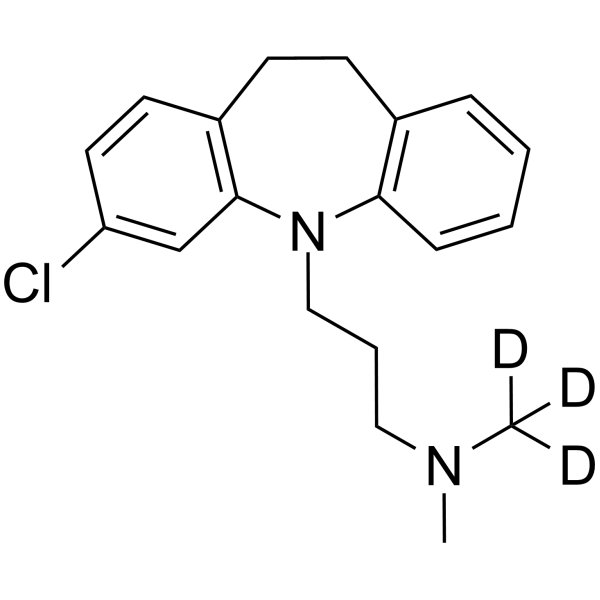
Clomipramine-d3 is the deuterium labeled Clomipramine. Clomipramine is a serotonin transporter (SERT), norepinephrine transporter (NET) dopamine transporter (DAT) blocker with Ki of 0.14, 54 and 3 nM, respectively .
|
-
-
- HY-14258AS1
-
|
|
|
Escitalopram-d4 (oxalate) is deuterium labeled Escitalopram (oxalate). Escitalopram ((S)-Citalopram) oxalate, the S-enantiomer of racemic Citalopram, is a selective serotonin reuptake inhibitor (SSRI) with a Ki of 0.89 nM. Escitalopram oxalate has ~30 fold higher binding affinity than its R(-)-enantiomer and shows selectivity over both dopamine transporter (DAT) and norepinephrine transporter (NET). Escitalopram oxalate is an antidepressant for the research of major depression .
|
-
-
- HY-100966S
-
|
|
|
BD-1008-d5 dihydrobromide is the deuterium labeled BD-1008 dihydrobromide (HY-100966). BD-1008 dihydrobromide is a nonselective σ receptor antagonist with Kis against σ1 receptor and σ2 receptor of 2 nM and 8 nM. The BD-1008 dihydrobromide has an extremely low affinity for the D2 receptor (Ki = 1112 nM) and dopamine transporter (DAT) (Ki > 10,000 nM). BD-1008 dihydrobromide significantly antagonizes dopamine release in the shell region of the nucleus accumbens via the σ₂ receptor. BD-1008 dihydrobromide blocks the self-administration behavior of σ agonists.BD-1008 dihydrobromide can be used for the study of addiction therapy that target the σ receptor .
|
-
Your information is safe with us. * Required Fields.
Inquiry Information
- Product Name:
- Cat. No.:
- Quantity:
- MCE Japan Authorized Agent:











