1. Search Result
Search Result
Pathways Recommended: Metabolic Enzyme/Protease
Results for "

EGFR enzyme

" in MedChemExpress (MCE) Product Catalog:

14

Inhibitors & Agonists

2

Screening Libraries

4

Natural
Products

Cat. No. Product Name Target Research Areas Chemical Structure
  • HY-156112

    Ser/Thr Protease Cancer
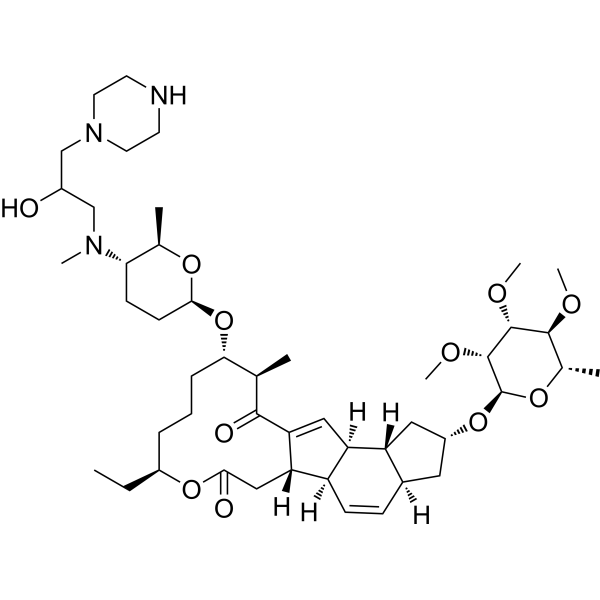
    LM2I is a derivative of Spinosyn A (SPA). LM2I is argininosuccinate synthase (ASS1) enzyme activator, and tumor inhibitor that directly interact with ASS1. LM2I has significant antiproliferative activity in seven colorectal cancer cell-lines and xenograft tumors of colorectal cancer. LM2I inhibits colorectal cancer cell growth via the EGFR pathway .
    LM2I
  • HY-48999A
    FSK hydrochloride
    1 Publications Verification

    EGFR Cancer
    FSK hydrochloride is fluorosulfonyloxybenzoyl-L-lysine, which features a long, flexible aryl fluorosulfate-containing side chain that can reach protein sites inaccessible to covalent conjugation. FSK hydrochloride modifies nanomolecules to target epidermal growth factor receptor (EGFR), resulting in irreversibly bound covalent interactions. Through genetically encoded chemical crosslinking, FSK hydrochloride captures unknown enzyme-substrate interactions in living cells, targets residues other than Cys, and mediates crosslinking at the binding periphery. FSK hydrochloride enables the construction of a bioreactive SuFEx system for generating covalent bonds in various proteins both in vitro and in vivo .
    FSK hydrochloride
  • HY-N12445
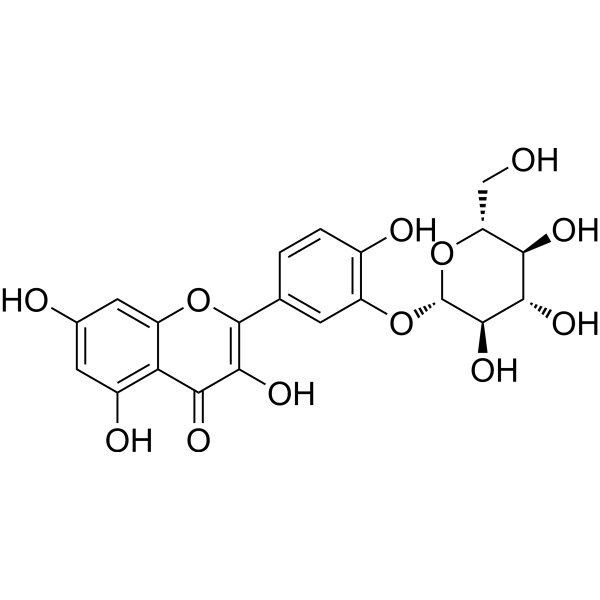
    Quercetin-3'-O-glucoside
    1 Publications Verification

    Topoisomerase Caspase Apoptosis SOD Metabolic Disease Inflammation/Immunology Cancer
    Quercetin-3'-O-glucoside is an orally active flavonoid glycoside. Quercetin-3'-O-glucoside reduces liver glucose-6-phosphatase activity, alters serum insulin and glucose levels, and regulates the activities of antioxidant enzymes in the liver and kidney. Quercetin-3'-O-glucoside inhibits DNA topoisomerase II, induces S-phase cell cycle arrest and caspase-3-mediated apoptosis in hepatocellular carcinoma cells. Quercetin-3'-O-glucoside selectively inhibits EGFR-mediated signaling pathways targeting AKT, ERK1/2, FAK and MEK1/2. Quercetin-3'-O-glucoside inhibits growth factor-induced migration and invasion in pancreatic cancer cells. Quercetin-3'-O-glucoside exerts free radical scavenging effects. Quercetin-3'-O-glucoside is applicable to research related to pancreatic cancer, diabetes, hepatocellular carcinoma and malignant tumors .
    Quercetin-3'-O-glucoside
  • HY-N4309

    Amylases Glycosidase Neurological Disease Metabolic Disease Cancer
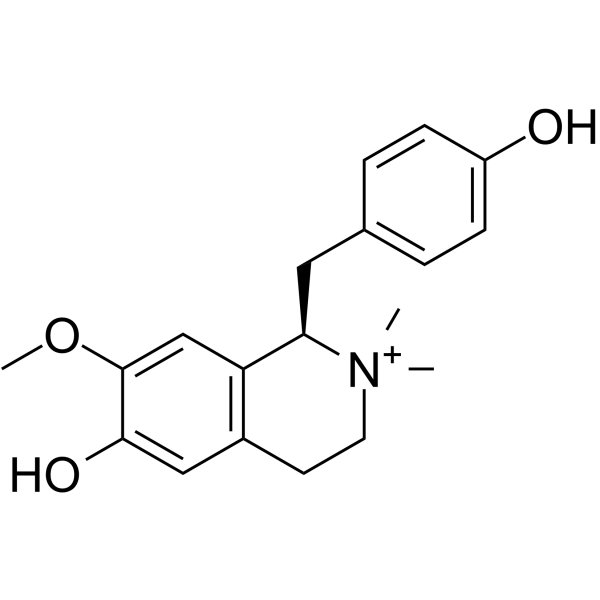
    Lotusine is an orally active signaling pathway modulator and enzyme inhibitor, with an IC50 of 30.60 μg/mL against α-amylase and an IC50 of 36.15 μg/mL against α-glucosidase. Lotusine inhibits the EGFR-Akt-ERK signaling pathway by reducing the levels of phosphorylated EGFR, Akt and ERK. Lotusine induces apoptosis, triggers G0/G1 cell cycle arrest and inhibits cancer cell proliferation. Lotusine reduces lipid peroxidation and increases the activities of SOD, CAT and GPx. Lotusine is applicable to researches related to non-small cell lung cancer, type 2 diabetes and autism spectrum disorder .
    Lotusine
  • HY-N9454

    Pregnane X Receptor (PXR) COX NF-κB Amylases β-glucuronidase DNA/RNA Synthesis Amyloid-β NOD-like Receptor (NLR) Pyroptosis Cancer
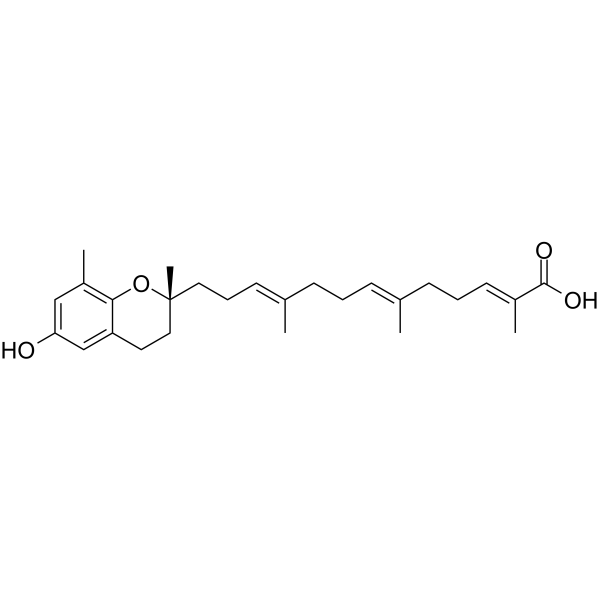
    Garcinoic acid is an orally active anti-inflammatory agent that crosses the blood-brain barrier. Garcinoic acid also enhances efferocytosis and enzyme/receptor regulation, and selectively inhibits human COX-2, porcine α-amylase, Saccharomyces cerevisiae α-glucosidase and human DNA polymerase β (IC50=11 μM), as well as activates human PXR. Garcinoic acid enhances macrophage efferocytosis via receptors such as MerTK and LRP-1, and promotes the production of pro-resolving lipid mediators. Garcinoic acid inhibits NF-κB activation and pro-inflammatory cytokine secretion, interferes with aggregation, downregulates NLRP3 inflammasome activity, and binds to targets including CD44 and EGFR to inhibit leukemia cell proliferation. The pharmacological activities of Garcinoic acid, such as antioxidant, anti-inflammatory and lipid metabolism-regulating effects, are widely used in studies related to various diseases including atherosclerosis, Alzheimer's disease, type 2 diabetes, inflammatory bowel disease and viral pneumonia .
    Garcinoic acid
  • HY-178955

    EGFR HSP PI3K Caspase Apoptosis CDK ERK Akt Cancer
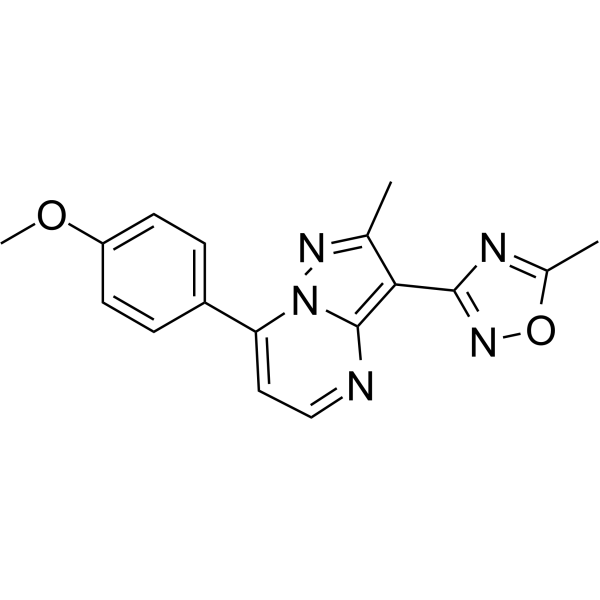
    EGFR-IN-182 (Compound 4) is an EGFR inhibitor with an IC50 value of 199 nM. EGFR-IN-182 inhibits HSP90 and PI3K, with IC50 values of 5.007 and 13.596 μM respectively. EGFR-IN-182 exhibits strong anti-proliferative activity against MCF-7 and MDA-MB-231 cells. EGFR-IN-182 downregulates Cyclin D1, inducing cell cycle arrest; it enhances the activity of caspase-9, inducing cell apoptosis. EGFR-IN-182 downregulates the expressions of ERK and AKT. EGFR-IN-182 can be used for research on breast cancer .
    EGFR-IN-182
  • HY-122079

    Ras Cancer
    NSC1011 is a potent Ras converting enzyme 1 endoprotease (Rce1) inhibitor with an IC50 value of 6.9 µM for HsRce1 (crystal structure of the human Rce1). NSC1011 induces mislocalizing EGFR-H-Ras, EGFR-N-Ras, and EGFR-K-Ras .
    NSC1011
  • HY-178448

    EGFR JAK Ferroptosis Apoptosis Reactive Oxygen Species (ROS) Cannabinoid Receptor Glutathione Peroxidase Caspase Inflammation/Immunology Cancer
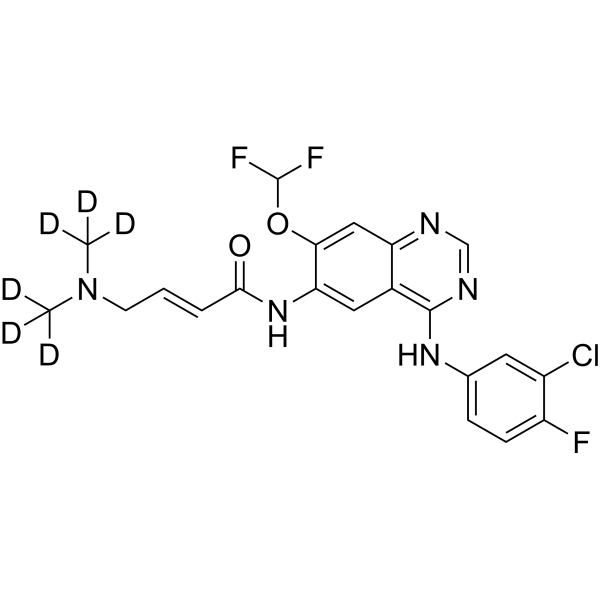
    EGFR-IN-178 is an orally active EGFR mutant inhibitor, exhibits highly selective inhibitory activity against mutants of the EGFR enzyme, including Del19 (IC50 = 3.4 nM), L858R/T790 M (IC50 = 2.9 nM), and Del19/T790 M (IC50 = 2.5 nM). EGFR-IN-178 has good activity against JAK2 (IC50 = 55.6 nM) and JAK3 (IC50 = 46.1 nM) kinases. EGFR-IN-178 can increase cellular lipid oxide MDA, meanwhile decrease GSH content, causing ferroptosis in cancer cells. EGFR-IN-178 promotes apoptosis by increasing cleaved caspase-3 expression. EGFR-IN-178 can inhibit the phosphorylation of EGFR protein and decrease the active form p-JAK2 for JAK2, induce an increase in intracellular ROS. EGFR-IN-178 can be used for the study of non-small cell lung cancer (NSCLC) .
    EGFR-IN-178
  • HY-149636

    EGFR CDK VEGFR Apoptosis Cancer
    Multi-target kinase inhibitor 2 is a multi-targeted kinase inhibitor, and exhibits activity against EGFR, Her2, VEGFR2, and CDK2 enzymes, with IC50 values of 79 nM, 40 nM,136 nM, and 204 nM, respectively. Multi-target kinase inhibitor 2 shows cytotoxic effects were observed against HepG2, HeLa , MDA-MB-231 and MCF-7, with IC50 of 41, 57, 51 and 59 μM. Multi-target kinase inhibitor 2 induces cell cycle arrest and apoptosis in HepG2 cells .
    Multi-target kinase inhibitor 2
  • HY-156470

    Trk Receptor Anaplastic lymphoma kinase (ALK) c-Kit EGFR Pim Casein Kinase Checkpoint Kinase (Chk) CDK Apoptosis Cancer
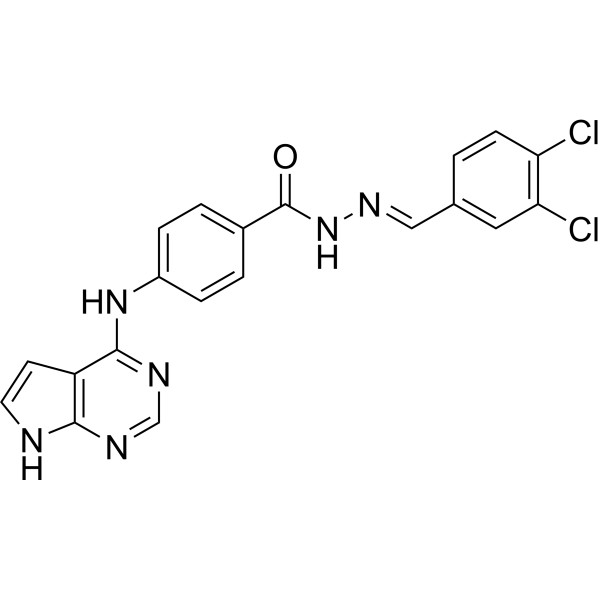
    Multi-kinase-IN-6 (compound 10e) is a multikinase inhibitor that shows good enzyme inhibitory activity against TrkA, ALK2, c-KIT, EGFR, PIM1, CK2α, CHK1, and CDK2. Multi-kinase-IN-6 reveals antiproliferative activity against MCF7, HCT116 and EKVX with IC50 values of 3.36 μM, 1.40 μM and 3.49 μM, respectively. Multi-kinase-IN-6 shows cell cycle arrest at the G1/S phase and G1 phase in MCF7 and HCT116 cells with good apoptotic effect .
    Multi-kinase-IN-6
  • HY-158154

    EGFR Cancer
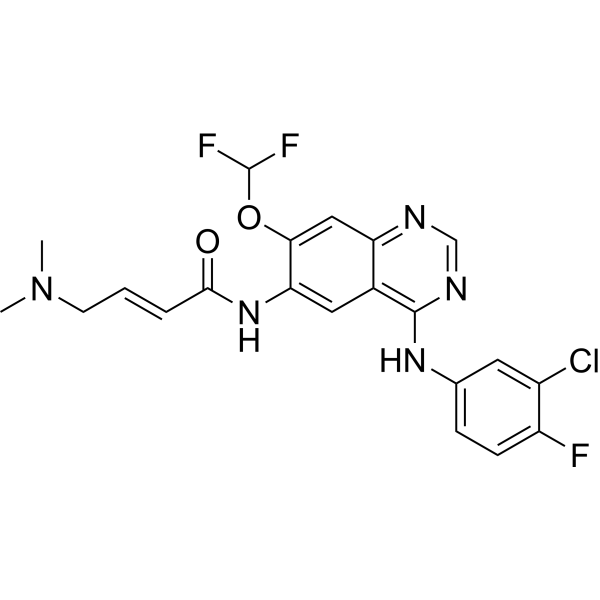
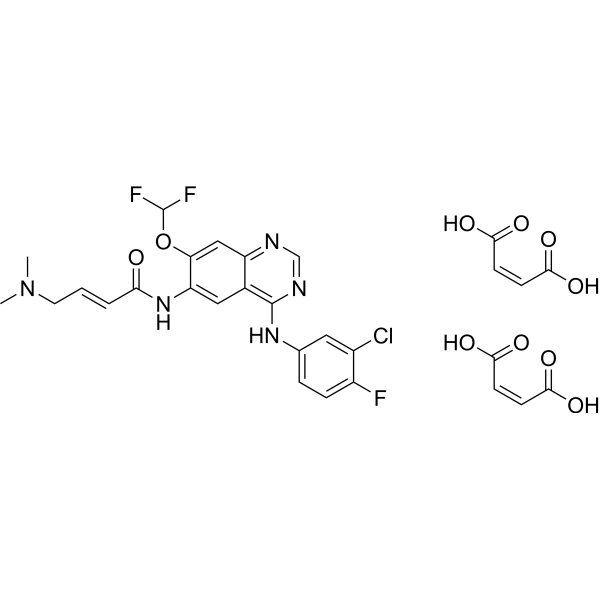
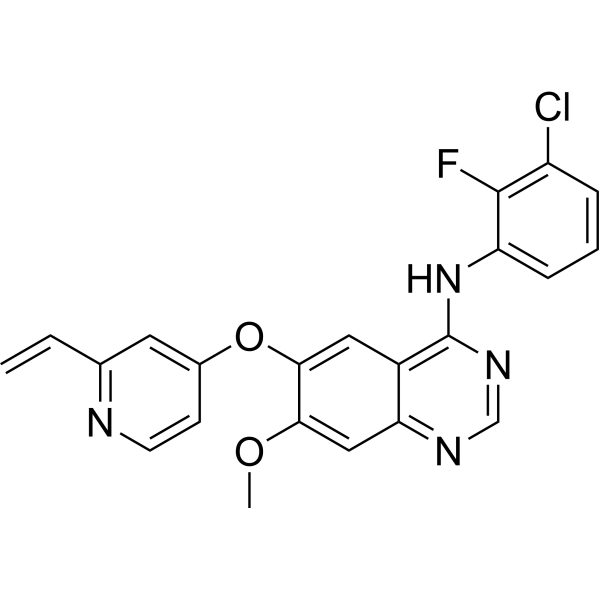
    EGFR-IN-110 (Compound 6) is a covalent EGFR inhibitor, with pIC50 values of 9.2 and 8.7 for EGFR enzyme and EGFR cell, respectively. EGFR-IN-110 shows high EGFR potency and good kinase selectivity .
    EGFR-IN-110
  • HY-158177

    EGFR Cancer
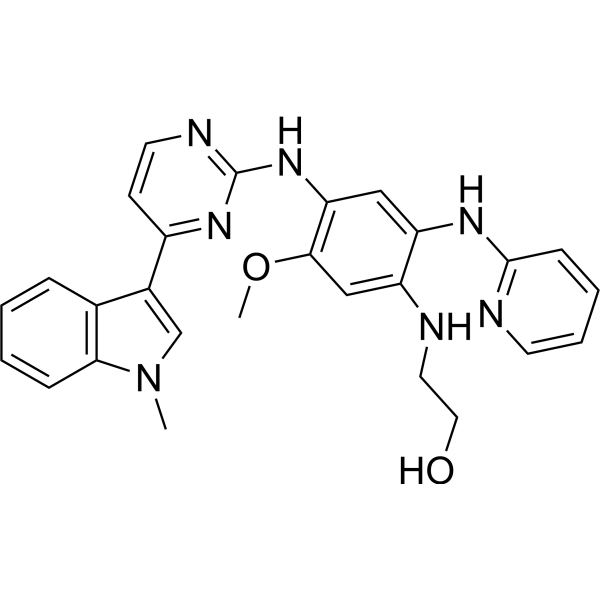
    EGFR T790M/L858R-IN-6 (compound 53), a pyrimidine compound, is a potent EGFR T790M/L858R inhibitor. EGFR T790M/L858R-IN-6 shows 90.88% enzyme activity inhibition with 0.05 μM .
    EGFR T790M/L858R-IN-6
  • HY-N4309A

    Amylases Glycosidase Cardiovascular Disease
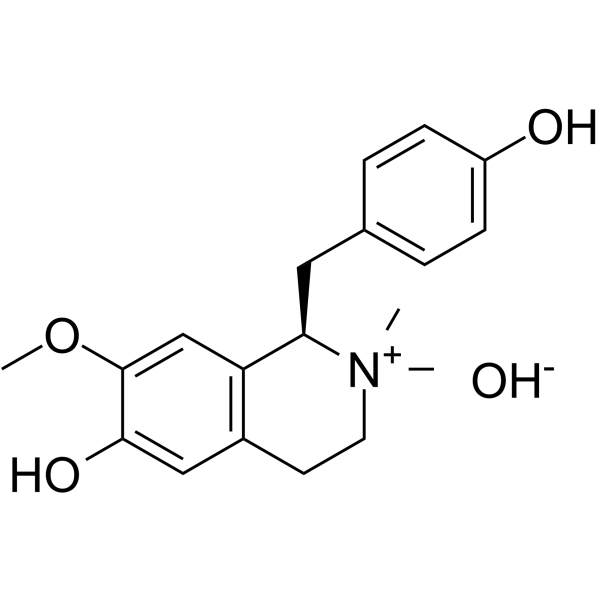
    Lotusine hydroxide is an orally active signaling pathway modulator and enzyme inhibitor, with an IC50 of 30.60 μg/mL against α-amylase and an IC50 of 36.15 μg/mL against α-glucosidase. Lotusine hydroxide inhibits the EGFR-Akt-ERK signaling pathway by reducing the levels of phosphorylated EGFR, Akt and ERK. Lotusine hydroxide induces apoptosis, triggers G0/G1 cell cycle arrest and inhibits cancer cell proliferation. Lotusine hydroxide reduces lipid peroxidation and increases the activities of SOD, CAT and GPx. Lotusine hydroxide is applicable to researches related to non-small cell lung cancer, type 2 diabetes and autism spectrum disorder .
    Lotusine hydroxide
  • HY-179529

    EGFR Bacterial Infection Cancer
    EGFR/InhA-IN-1 (Compound 15) is an inhibitor of the anti-cancer target EGFR tyrosine kinase (1M17) (Ki = 0.05 μM) and the anti-tuberculosis target InhA enzyme (1OUZ) (Ki = 0.02 μM). EGFR/InhA-IN-1 exhibits anti-proliferative activity against A549 cells, with an IC50 of 10.38 μM. EGFR/InhA-IN-1 has inhibitory activity against Mycobacterium tuberculosis H37Rv, with a MIC of 6.25 μM. EGFR/InhA-IN-1 can be used for research on non-small cell lung cancer and Mycobacterium tuberculosis infection .
    EGFR/InhA-IN-1

Inquiry Online

Your information is safe with us. * Required Fields.

Salutation


Country or Region *

Applicant Name *


Organization Name *

Department *


Email Address *


Product Name *

Cat. No.


Requested quantity *

Phone Number *


Remarks

Inquiry Online

Inquiry Information

Product Name:
Cat. No.:
Quantity:
MCE Japan Authorized Agent:

