

Search Result
Results for "
Formyl Peptide Receptor
" in MedChemExpress (MCE) Product Catalog:
| Cat. No. |
Product Name |
Target |
Research Areas |
Chemical Structure |
-
- HY-P0224
-
|
fMLP; N-Formyl-MLF
|
TNF Receptor
|
Inflammation/Immunology
|
|
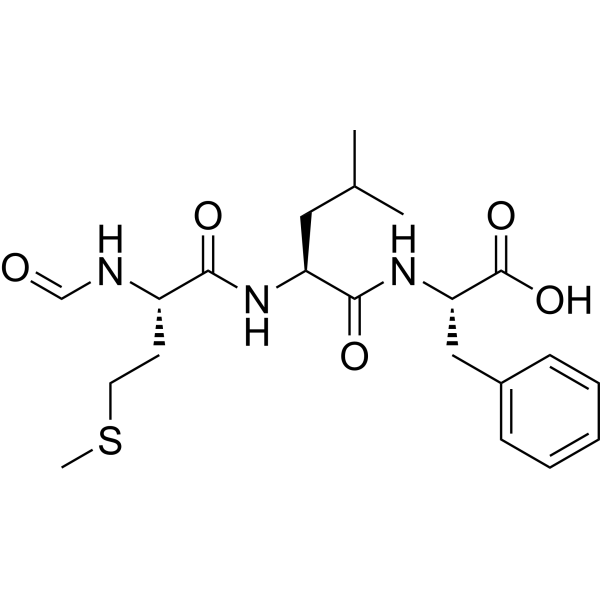
N-Formyl-Met-Leu-Phe (fMLP; N-Formyl-MLF) is a chemotactic peptide and a specific ligand of N-formyl peptide receptor (FPR). N-Formyl-Met-Leu-Ph is reported to inhibit TNF-alpha secretion.
|
-
-
- HY-P1122
-
|
|
Formyl Peptide Receptor (FPR)
|
Infection
Inflammation/Immunology
|
|
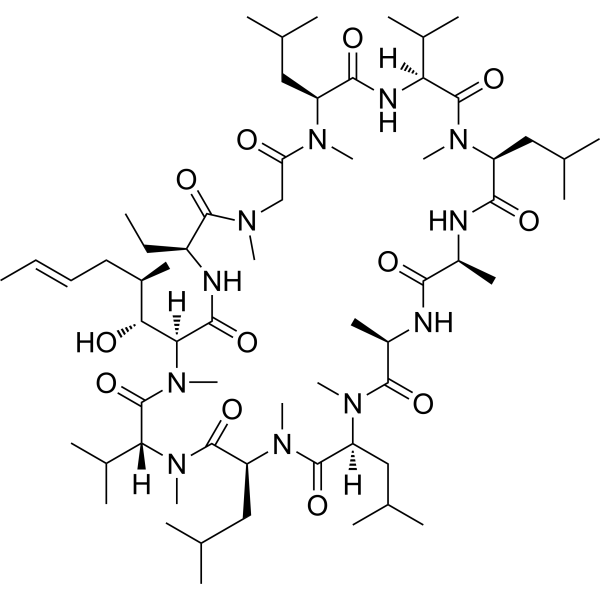
Cyclosporin H is a selective and potent inhibitor of FPR-1 (formyl peptide receptor 1). Cyclosporin H, a viral transduction enhancer, increases lentiviral transduction up to 10-fold in human cord blood-derived hematopoietic stem and progenitor cells (HSPCs). Cyclosporin H displays an additive effect when combined with Rapamycin (HY-10219) or Prostaglandin E2 (HY-101952). Cyclosporin H lacks immunosuppressant activity of Cyclosporin A.
|
-
-
- HY-P1119
-
|
|
Formyl Peptide Receptor (FPR)
|
Neurological Disease
|
|
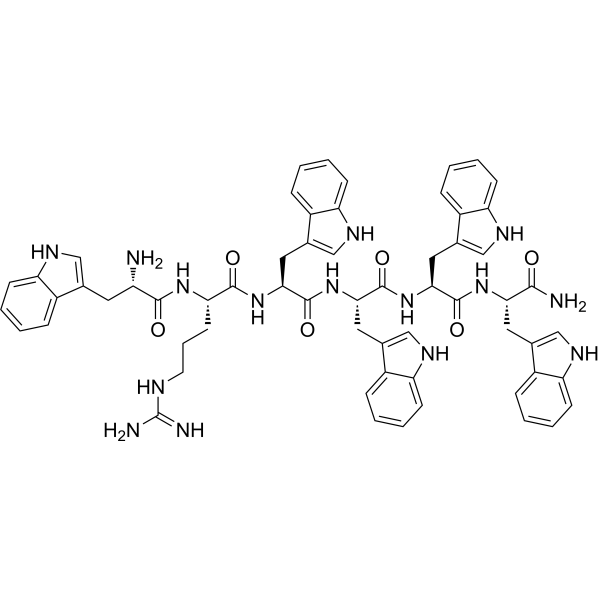
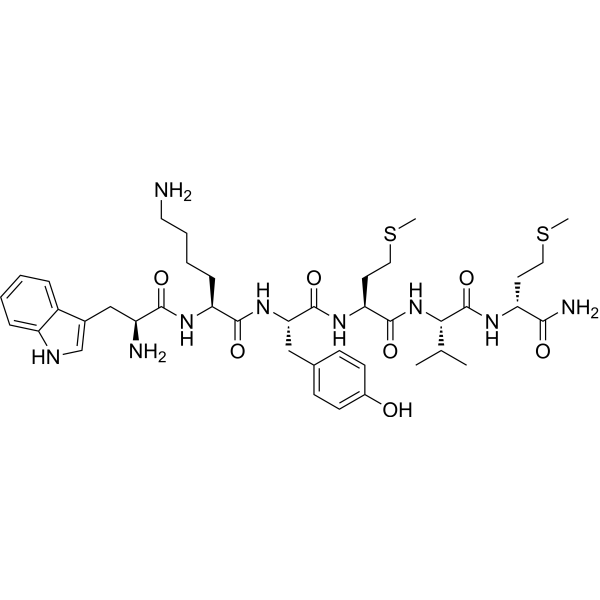
WRW4, a specific formyl peptide receptor-like 1 (FPRL1) antagonist, inhibits WKYMVm binding to FPRL1 with an IC50 of 0.23 μM. WRW4 specifically inhibits the increase in intracellular calcium by the FPRL1 agonists MMK-1, amyloid beta42 (Abeta42) peptide, and F peptide .
|
-
-
- HY-101283
-
HCH6-1
5 Publications Verification
|
Formyl Peptide Receptor (FPR)
|
Inflammation/Immunology
|
|
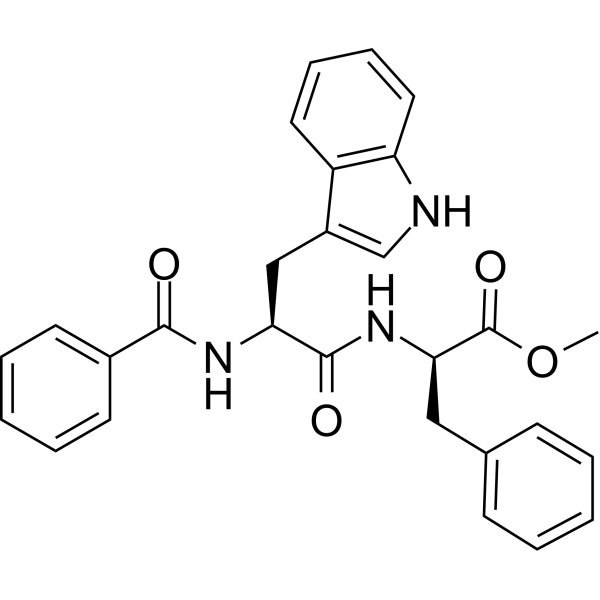
HCH6-1 is a potent and competitive dipeptide antagonist of Formyl peptide receptor 1 (FPR1). HCH6-1 inhibits chemotaxis, superoxide anion generation, and elastase release in human neutrophils specifically activated by fMLF (an FPR1 agonist). HCH6-1 has protective effects against acute lung injury (ALI) in vivo and can be used for the research of FPR1-involved inflammatory lung diseases .
|
-
-
- HY-P1120
-
|
WKYMVm-amide; W-Peptide
|
Formyl Peptide Receptor (FPR)
PERK
Apoptosis
|
Neurological Disease
Metabolic Disease
Inflammation/Immunology
Cancer
|
|
WKYMVm is a selective formylpeptide receptor 2 (FPR2) agonist. WKYMVm has a powerful anti-inflammatory effect that can reduce lung injury and spinal cord injury. WKYMVm ameliorates obesity by regulating lipid metabolism and leptin signaling. WKYMVm is involved in the regulation of immune cells by activating FPRs. WKYMVm can promote the chemotactic migration of immune cells and inhibit the apoptosis of phagocytes. In addition, WKYMVm may play a favorable or unfavorable role in tumors, depending on the type of tumor .
|
-
-
- HY-P4744
-
|
|
Formyl Peptide Receptor (FPR)
Bacterial
|
Infection
Cancer
|
|
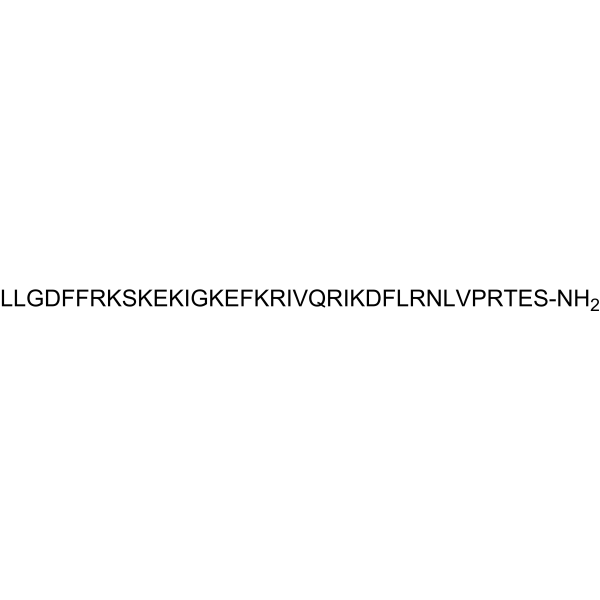
LL-37 amide is a selective agonist of formyl peptide receptor-like FPRL1, effectively inhibiting periodontal pathogens (ED99=8.5-8.7 μg/mL). LL-37 amide exerts its bactericidal effect by activating FPRL1-mediated immune cell chemotaxis and disrupting bacterial cell membrane integrity. It can also regulate inflammatory responses (inhibiting the release of factors such as TNF-α) and promote angiogenesis. Amidation modification reduces its sensitivity to serum inhibition and improves its stability. LL-37 amide possesses key activities in bactericidal action, immunomodulation, and wound healing, and is mainly used in research on infection-related diseases such as periodontal disease and deep tissue injuries (pressure ulcers), and wound healing .
|
-
-
- HY-131180
-
|
LAR-1219
|
Formyl Peptide Receptor (FPR)
|
Cardiovascular Disease
|
|
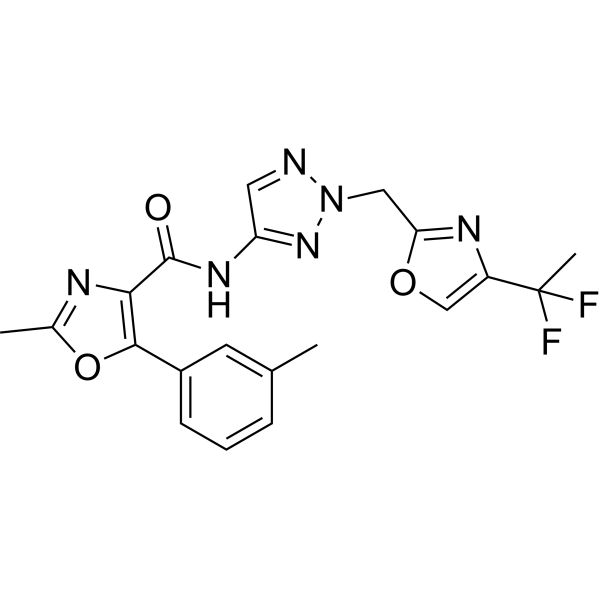
BMS-986235 (LAR-1219) is a selective, orally active formyl peptide receptor 2 (FPR2) agonist, with EC50s of 0.41 nM and 3.4 nM for hFPR2 and mFPR2, respectively. BMS-986235 has potential for the prevention of heart failure .
|
-
-
- HY-172435
-
|
AGN-232411; AG-80308; AGN-411
|
Formyl Peptide Receptor (FPR)
|
Neurological Disease
|
|
Rezuforimod (AGN-232411; AG-80308) is an ophthalmic solution targeting the formyl peptide receptor (FPR) pathway. Rezuforimod exerts anti-inflammatory effects by targeting the formyl peptide receptor pathway. Administered topically, Rezuforimod significantly reduces the corneal conjunctival staining score and improves ocular discomfort symptoms, with no serious adverse events reported and favorable overall safety profile. Rezuforimod shows remarkable potential to serve as a novel therapeutic option for dry eye disease .
|
-
-
- HY-19574
-
-
-
- HY-103286
-
|
|
Bombesin Receptor
|
Cancer
|
|
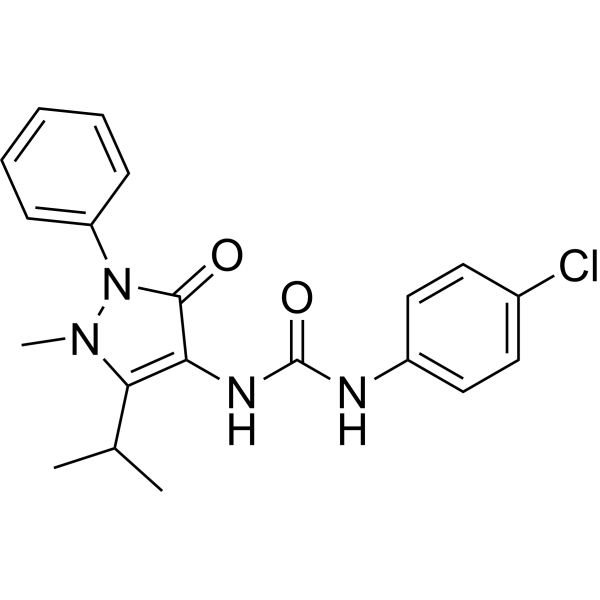
PD176252 is a potent antagonist of neuromedin-B preferring (BB1) and gastrin-releasing peptide-preferring (BB2) receptor with Kis of 0.17 nM and 1 nM for human BB1 and BB2 receptors, and 0.66 nM, 16 nM for Rat BB1 and BB2 receptors, respectively; PD176252 is also an agonist of N-Formyl peptide receptor1/2 (FPR1/FPR2), with EC50s of 0.31 and 0.66 μM in HL-60 cells.
|
-
-
- HY-P1795
-
|
|
Formyl Peptide Receptor (FPR)
|
Inflammation/Immunology
|
|
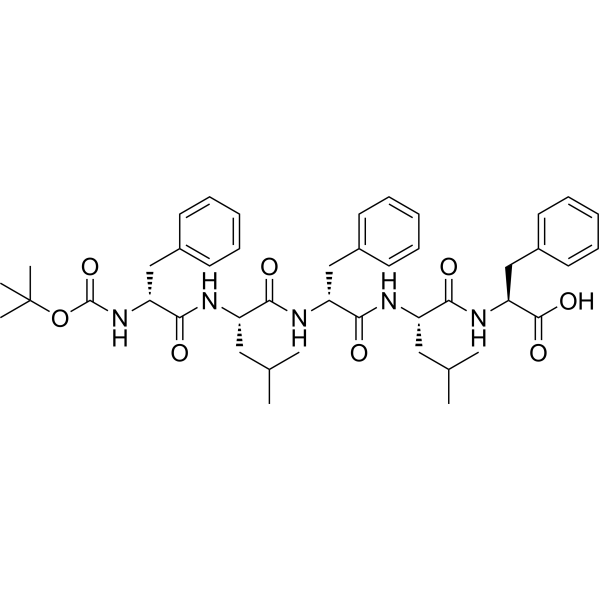
Boc-dPhe-Leu-dPhe-Leu-Phe (Boc-fLfLF) is a selective N-formyl peptide receptor1 (FPR1) antagonist. Boc-dPhe-Leu-dPhe-Leu-Phe inhibits fMIFL(HY-P0224)-induced NADPH oxidase activity. Boc-dPhe-Leu-dPhe-Leu-Phe can be used for the study of inflammation .
|
-
-
- HY-P10724
-
|
|
Formyl Peptide Receptor (FPR)
Bacterial
|
Infection
|
|
fMIFL is a formyl tetrapeptide derived from Staphylococcus aureus, and also an agonist of mouse formyl peptide receptor 1 (mFPR1). It exhibits nanomolar activity against mFPR1 and micromolar activity against mFPR2. fMIFL is applicable to studies related to bacterial infections .
|
-
-
- HY-124071
-
|
|
Formyl Peptide Receptor (FPR)
|
Inflammation/Immunology
|
|
ACT-389949 is a first-in-class, potent and selective and agonist of formyl peptide receptor type 2 (FPR2)/Lipoxin A4 receptor (ALX), with an EC50 of 3 nM for FPR2/ALX internalization into monocytes. ACT-389949 has potential for the treatment of inflammatory disorders .
|
-
-
- HY-173591
-
|
|
Formyl Peptide Receptor (FPR)
Apoptosis
|
Cardiovascular Disease
Neurological Disease
Inflammation/Immunology
|
|
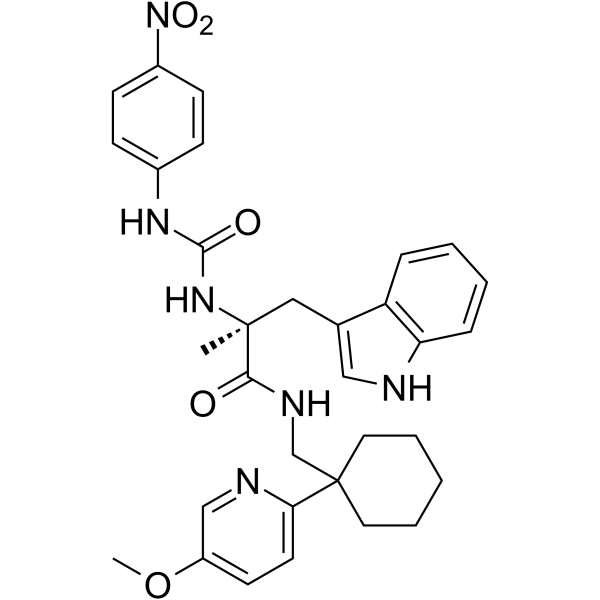
T0080 is a central nervous system-penetrant FPR1 inhibitor. By functionally blocking the FPR1 signaling pathway, T0080 effectively reduces neutrophil infiltration into ischemic brain tissue and maintains the integrity of the blood-brain barrier. T0080 alleviates tPA-associated hemorrhagic transformation, inhibits demyelination responses and the expression of NOX2. T0080 also possesses anti-apoptotic (apoptosis) and anti-inflammatory properties, thereby protecting myelin and reducing neurological deficits. T0080 is widely used in studies related to ischemic stroke complicated by hemorrhagic transformation after tPA thrombolysis, as well as multiple sclerosis .
|
-
-
- HY-P1117
-
MMK1
1 Publications Verification
|
Formyl Peptide Receptor (FPR)
Calcium Channel
|
Neurological Disease
Inflammation/Immunology
|
|
MMK1 is a potent and selective human formyl peptide receptor like-1 (FPRL-1/FPR2) agonist with EC50s of <2 nM and >10000 nM for FPRL-1 and FPR1, respectively. MMK1 is a potent chemotactic and calcium-mobilizing agonist. MMK1 potently activates phagocytic leukocytes and enhances Pertussis Toxin-sensitive production by human monocytes of proinflammatory cytokines IL-1b and IL-6. MMK1 exerts anxiolytic-like activity .
|
-
-
- HY-128113
-
-
-
- HY-156293
-
|
|
Formyl Peptide Receptor (FPR)
Apoptosis
|
Cancer
|
|
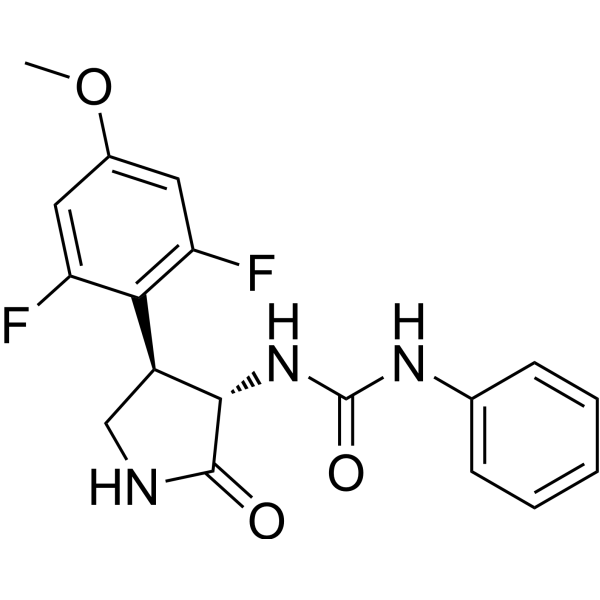
FPR1 antagonist 1 (compound 24a) is a formyl peptide receptor 1 (FPR1) antagonist with an IC50 of 25 nM. FPR1 antagonist 1 inhibits cell growth through a combined effect on cell proliferation and apoptosis and reduces cell migration, while inducing an increase in angiogenesis .
|
-
-
- HY-P4744A
-
|
|
Formyl Peptide Receptor (FPR)
Bacterial
|
Infection
Cancer
|
|
LL-37 amide TFA is a selective agonist of formyl peptide receptor-like FPRL1, effectively inhibiting periodontal pathogens (ED99=8.5-8.7 μg/mL). LL-37 amide TFA exerts its bactericidal effect by activating FPRL1-mediated immune cell chemotaxis and disrupting bacterial cell membrane integrity. It can also regulate inflammatory responses (inhibiting the release of factors such as TNF-α) and promote angiogenesis. Amidation modification reduces its sensitivity to serum inhibition and improves its stability. LL-37 amide TFA possesses key activities in bactericidal action, immunomodulation, and wound healing, and is mainly used in research on infection-related diseases such as periodontal disease and deep tissue injuries (pressure ulcers), and wound healing .
|
-
-
- HY-103473A
-
|
Boc-Met-Leu-Phe-OH TFA
|
Formyl Peptide Receptor (FPR)
|
Inflammation/Immunology
|
|
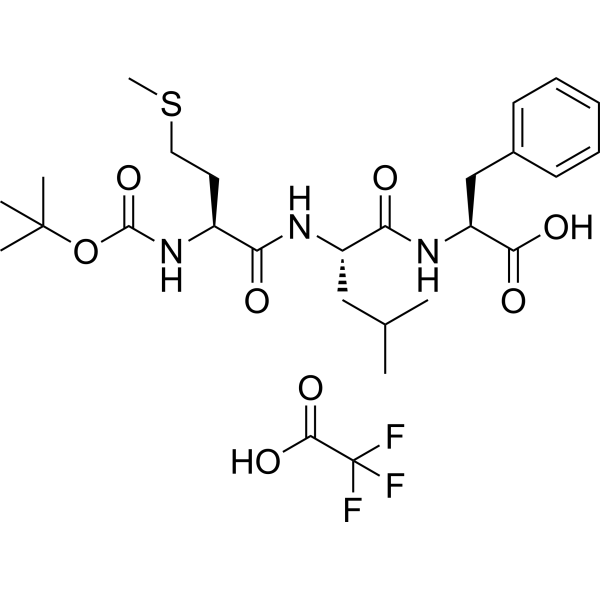
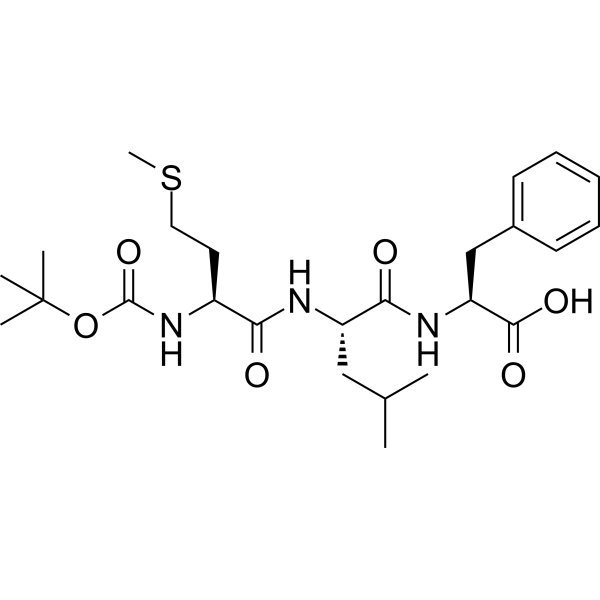
Boc-MLF (TFA) is a peptide, used as a specific formyl peptide receptor (FPR) antagonist, also inhibits the signaling through formyl peptide receptor like 1 (FPRL1) at higher concentrations .
|
-
-
- HY-103473
-
-
-
- HY-P1118
-
-
-
- HY-P2355
-
|
BOC2; Boc-Phe-dLeu-Phe-dLeu-Phe
|
Formyl Peptide Receptor (FPR)
|
Inflammation/Immunology
|
|
BOC-FlFlF (Boc-Phe-dLeu-Phe-dLeu-Phe) is a selective FPR1 antagonist. Boc-FlFlF has an apparent dissociation constant (KD) of 230 nM as determined by the intracellular calcium mobilization assay. Boc-FlFlF can be used for the study of inflammation .
|
-
-
- HY-P1121A
-
|
|
Formyl Peptide Receptor (FPR)
|
Inflammation/Immunology
|
|
WKYMVM-NH2 TFA is a potent N-formyl peptide receptor (FPR1) and FPRL1/2 agonist, also activates several leukocyte effector functions such as chemotaxis, mobilization of complement receptor-3, and activation of the NADPH oxidase .
|
-
-
- HY-117971
-
|
|
CXCR
Formyl Peptide Receptor (FPR)
|
Others
|
|
BVT173187 is a selective inhibitor of the neutrophil formyl peptide receptor FPR1, with activity that inhibits FPR1 activation. BVT173187 inhibits FPR1 agonist-induced activation in neutrophils, reduces adhesion molecule mobilization and superoxide anion production, and has inhibitory activity on FPR1 similar to that of earlier described peptide antagonists, but also has effects on C5aR and CXCR signaling.
|
-
-
- HY-P3318
-
|
L-BOC2
|
Leukotriene Receptor
|
Inflammation/Immunology
|
|
Boc-Phe-Leu-Phe-Leu-Phe (Boc-FLFLF) is a N-formyl peptide receptors (FPR) inhibitor. Boc-Phe-Leu-Phe-Leu-Phe abolishes the FMLP-induced release of peptide leukotrienes. Boc-Phe-Leu-Phe-Leu-Phe inhibits the sprouting of human umbilical vein endothelial cell (HUVEC) spheroids mediated by proliferative diabetic retinopathy (PDR) vitreous and vascular endothelial growth factor (VEGF) respectively in a three-dimensional fibrin gel. Boc-Phe-Leu-Phe-Leu-Phe inhibits the anti-inflammatory and antifibrotic effects of Ac2-26 (HY-P1098). Boc-Phe-Leu-Phe-Leu-Phe can be used for the study of immunology .
|
-
-
- HY-P1591
-
-
-
- HY-103472
-
FPR-A14
1 Publications Verification
|
Formyl Peptide Receptor (FPR)
|
Neurological Disease
|
|
FPR-A14 is a potent formyl peptide receptor (FPR) agonist. FPR-A14 is a potent activator of neutrophil Ca 2+ mobilization and chemotaxis with EC50s of 630 nM and 42 nM, respectively. FPR-A14 induces cell differentiation .
|
-
-
- HY-P1756
-
-
-
- HY-N8152
-
-
-
- HY-130675
-
|
(±)15-hydroxyeicosapentaenoic acid; 15-OHEPA
|
Lipoxygenase
Bacterial
|
Metabolic Disease
|
|
(±)15-HEPE is a racemic mixture of the monohydroxy fatty acids 15(R)-HEPE and 15(S)-HEPE (HY-130675A). (±)15-HEPE is active against P. acnes and S. aureus (MICs = 128 and 512 mg/L, respectively). It inhibits aggregation of isolated rat neutrophils induced by the formyl peptide receptor agonist fMLP (IC50 = 4.7 µM). Bronchoalveolar lavage fluid (BALF) levels of (±)15-HEPE are increased in patients with allergic asthma or COVID-19.
|
-
-
- HY-P11491
-
|
|
Formyl Peptide Receptor (FPR)
Reactive Oxygen Species (ROS)
|
Inflammation/Immunology
|
|
Ac2-26 (mouse) is the N-terminal active peptide of Annexin A1 (AnxA1). Ac2-26 (mouse) regulates the inflammatory response by modulating the formyl peptide receptor (FPR) signaling pathway. Ac2-26 (mouse) can promote the release of chemokines and inhibit the production of ROS. Ac2-26 (mouse) can be used for the research of inflammation, such as rheumatoid arthritis .
|
-
-
- HY-156294
-
|
|
Formyl Peptide Receptor (FPR)
Apoptosis
|
Cancer
|
|
FPR1 antagonist 2 (compound 25b) is a formyl peptide receptor 1 (FPR1) antagonist with an IC50 of 70 nM. FPR1 antagonist 2 inhibits cell growth through a combined effect on cell proliferation and apoptosis and reduces cell migration, while inducing an increase in angiogenesis .
|
-
-
- HY-110246
-
|
|
Formyl Peptide Receptor (FPR)
|
Inflammation/Immunology
|
|
Quin C1 is a highly specific and potent agonist for formyl peptide receptor 2 (FPR2/ALX). Quin-C1 significantly reduces the neutrophil and lymphocyte counts in BALF, diminishes expression of TNF-α, IL-1β, KC, and TGF-β1, and decreases collagen deposition in lung tissue. Quin C1 has the potential for the research of lung injury .
|
-
-
- HY-P1117A
-
|
|
Formyl Peptide Receptor (FPR)
Calcium Channel
|
Neurological Disease
Inflammation/Immunology
|
|
MMK1 TFA is a potent and selective human formyl peptide receptor like-1 (FPRL-1/FPR2) agonist with EC50s of <2 nM and >10000 nM for FPRL-1 and FPR1, respectively. MMK1 TFA is a potent chemotactic and calcium-mobilizing agonist. MMK1 TFA potently activates phagocytic leukocytes and enhances Pertussis Toxin-sensitive production by human monocytes of proinflammatory cytokines IL-1b and IL-6. MMK1 TFA exerts anxiolytic-like activity .
|
-
-
- HY-P1591A
-
-
-
- HY-P1118A
-
-
-
- HY-P2355A
-
|
BOC2 TFA; Boc-Phe-dLeu-Phe-dLeu-Phe TFA
|
Formyl Peptide Receptor (FPR)
|
Inflammation/Immunology
|
|
BOC-FlFlF (TFA) (Boc-Phe-dLeu-Phe-dLeu-Phe (TFA)) is a selective FPR1 antagonist. BOC-FlFlF has an apparent dissociation constant (KD) of 230 nM as determined by the intracellular calcium mobilization assay. BOC-FlFlF can be used for the study of inflammation .
|
-
-
- HY-P5469
-
|
|
Formyl Peptide Receptor (FPR)
|
Others
|
|
WRW4-OH is a biological active peptide. (This peptide inhibits binding of one of formyl peptide receptor-like 1 (FPRL1) agonists WKYMVm to its specific receptor. FPRL1 is an important classical chemoattractant receptor that is expressed in phagocytic cells in the peripheral blood and brain. Activation of FPRL1 is closely related to inflammatory responses in the host defense mechanism and neurodegenerative disorders.)
|
-
-
- HY-P1119A
-
|
|
Formyl Peptide Receptor (FPR)
|
Neurological Disease
|
|
WRW4 TFA, a specific formyl peptide receptor-like 1 (FPRL1) antagonist, inhibits WKYMVm binding to FPRL1 with an IC50 of 0.23 μM. WRW4 TFA specifically inhibits the increase in intracellular calcium by the FPRL1 agonists MMK-1, amyloid beta42 (Abeta42) peptide, and F peptide .
|
-
-
- HY-176403
-
-
-
- HY-178144
-
|
|
Formyl Peptide Receptor (FPR)
Calcium Channel
Interleukin Related
NO Synthase
|
Neurological Disease
Inflammation/Immunology
|
|
FPR2 agonist 5 is a selective Formyl Peptide Receptor 2 (FPR2) agonist. FPR2 agonist 5 induces Ca 2+ mobilization in FPR2-HL60 transfected cells with an EC50 of 1.2 μM and causes FPR2 desensitization with an IC50 of 0.32 μM. FPR2 agonist 5 exerts neuroprotective effects by mitigating LDH release, NO production, IL-1β, IL-6, IL-33, and IL-10 levels in LPS (HY-D1056)-induced mouse primary microglial cells. FPR2 agonist 5 can be used for the study of neuroinflammatory-related diseases .
|
-
-
- HY-P11704
-
|
|
Formyl Peptide Receptor (FPR)
Bacterial
|
Neurological Disease
|
|
f-MKKFRW is a selective mouse formyl peptide receptor 3 (Fpr3) activator and bacterial MgrB-derived peptide motif. f-MKKFRW activates Fpr3 to trigger downstream signaling and calcium responses in Fpr3-expressing cells. f-MKKFRW stimulates a subset of mouse vomeronasal sensory neurons in the accessory olfactory system to evoke calcium responses. f-MKKFRW drives innate avoidance behavior in mice via nasal contact .
|
-
-
- HY-P991864
-
|
MDX-124
|
Formyl Peptide Receptor (FPR)
|
Cancer
|
|
Annexuzlimab is a humanised IgG1 monoclonal antibody which specifically binds to ANXA1 disrupting its interaction with formyl peptide receptors 1 and 2 (FPR1/2). Annexuzlimab arrests cell cycle progression with cancer cells accumulating in the G1 phase. Annexuzlimab targets secreted ANXA1, preventing FPR1/2 activation and reducing cancer progression. Annexuzlimab can be used for the research of triple negative breast cancer, pancreatic cancer and osteosarcoma .
|
-
-
- HY-103286R
-
|
|
Reference Standards
Bombesin Receptor
|
Cancer
|
|
PD176252 (Standard) is the analytical standard of PD176252 (HY-103286). This product is intended for research and analytical applications. PD176252 is a potent antagonist of neuromedin-B preferring (BB1) and gastrin-releasing peptide-preferring (BB2) receptor with Kis of 0.17 nM and 1 nM for human BB1 and BB2 receptors, and 0.66 nM, 16 nM for Rat BB1 and BB2 receptors, respectively; PD176252 is also an agonist of N-Formyl peptide receptor1/2 (FPR1/FPR2), with EC50s of 0.31 and 0.66 μM in HL-60 cells.
|
-
-
- HY-103472R
-
|
|
Reference Standards
Formyl Peptide Receptor (FPR)
|
Neurological Disease
|
|
FPR-A14 (Standard) is the analytical standard of FPR-A14 (HY-103472). This product is intended for research and analytical applications. FPR-A14 is a potent formyl peptide receptor (FPR) agonist. FPR-A14 is a potent activator of neutrophil Ca2+ mobilization and chemotaxis with EC50s of 630 nM and 42 nM, respectively. FPR-A14 induces cell differentiation .
|
-
-
- HY-101283R
-
|
|
Formyl Peptide Receptor (FPR)
Reference Standards
|
Inflammation/Immunology
|
|
HCH6-1 (Standard) is the analytical standard of HCH6-1 (HY-101283). This product is intended for research and analytical applications. HCH6-1 is a potent and competitive dipeptide antagonist of Formyl peptide receptor 1 (FPR1). HCH6-1 inhibits chemotaxis, superoxide anion generation, and elastase release in human neutrophils specifically activated by fMLF (an FPR1 agonist). HCH6-1 has protective effects against acute lung injury (ALI) in vivo and can be used for the research of FPR1-involved inflammatory lung diseases .
|
-
-
- HY-181822
-
|
|
Formyl Peptide Receptor (FPR)
Arrestin
PKA
Interleukin Related
|
Cardiovascular Disease
|
|
BMS-986331 is an orally active selective N-Formyl Peptide Receptor 2 (FPR2) agonist with an EC50 of 0.5 nM in humans and 1 nM in rats. BMS-986331 activates Gαi2, GαoA, Gα12, Gα13 signaling pathways, recruits β-arrestin1 and β-arrestin2, and inhibits downstream cAMP. BMS-986331 induces the expression and release of the pro-resolution cytokine IL-10. BMS-986331 improves cardiac structure and function in a rat model of heart failure induced by permanent coronary artery occlusion. BMS-986331 can be used for the research of heart failure .
|
-
| Cat. No. |
Product Name |
Target |
Research Area |
-
- HY-P0224
-
|
fMLP; N-Formyl-MLF
|
TNF Receptor
|
Inflammation/Immunology
|
|
N-Formyl-Met-Leu-Phe (fMLP; N-Formyl-MLF) is a chemotactic peptide and a specific ligand of N-formyl peptide receptor (FPR). N-Formyl-Met-Leu-Ph is reported to inhibit TNF-alpha secretion.
|
-
- HY-P1122
-
|
|
Formyl Peptide Receptor (FPR)
|
Infection
Inflammation/Immunology
|
|
Cyclosporin H is a selective and potent inhibitor of FPR-1 (formyl peptide receptor 1). Cyclosporin H, a viral transduction enhancer, increases lentiviral transduction up to 10-fold in human cord blood-derived hematopoietic stem and progenitor cells (HSPCs). Cyclosporin H displays an additive effect when combined with Rapamycin (HY-10219) or Prostaglandin E2 (HY-101952). Cyclosporin H lacks immunosuppressant activity of Cyclosporin A.
|
-
- HY-P1119
-
|
|
Formyl Peptide Receptor (FPR)
|
Neurological Disease
|
|
WRW4, a specific formyl peptide receptor-like 1 (FPRL1) antagonist, inhibits WKYMVm binding to FPRL1 with an IC50 of 0.23 μM. WRW4 specifically inhibits the increase in intracellular calcium by the FPRL1 agonists MMK-1, amyloid beta42 (Abeta42) peptide, and F peptide .
|
-
- HY-P1120
-
|
WKYMVm-amide; W-Peptide
|
Formyl Peptide Receptor (FPR)
PERK
Apoptosis
|
Neurological Disease
Metabolic Disease
Inflammation/Immunology
Cancer
|
|
WKYMVm is a selective formylpeptide receptor 2 (FPR2) agonist. WKYMVm has a powerful anti-inflammatory effect that can reduce lung injury and spinal cord injury. WKYMVm ameliorates obesity by regulating lipid metabolism and leptin signaling. WKYMVm is involved in the regulation of immune cells by activating FPRs. WKYMVm can promote the chemotactic migration of immune cells and inhibit the apoptosis of phagocytes. In addition, WKYMVm may play a favorable or unfavorable role in tumors, depending on the type of tumor .
|
-
- HY-P4744
-
|
|
Formyl Peptide Receptor (FPR)
Bacterial
|
Infection
Cancer
|
|
LL-37 amide is a selective agonist of formyl peptide receptor-like FPRL1, effectively inhibiting periodontal pathogens (ED99=8.5-8.7 μg/mL). LL-37 amide exerts its bactericidal effect by activating FPRL1-mediated immune cell chemotaxis and disrupting bacterial cell membrane integrity. It can also regulate inflammatory responses (inhibiting the release of factors such as TNF-α) and promote angiogenesis. Amidation modification reduces its sensitivity to serum inhibition and improves its stability. LL-37 amide possesses key activities in bactericidal action, immunomodulation, and wound healing, and is mainly used in research on infection-related diseases such as periodontal disease and deep tissue injuries (pressure ulcers), and wound healing .
|
-
- HY-P1795
-
|
|
Formyl Peptide Receptor (FPR)
|
Inflammation/Immunology
|
|
Boc-dPhe-Leu-dPhe-Leu-Phe (Boc-fLfLF) is a selective N-formyl peptide receptor1 (FPR1) antagonist. Boc-dPhe-Leu-dPhe-Leu-Phe inhibits fMIFL(HY-P0224)-induced NADPH oxidase activity. Boc-dPhe-Leu-dPhe-Leu-Phe can be used for the study of inflammation .
|
-
- HY-P10724
-
|
|
Formyl Peptide Receptor (FPR)
Bacterial
|
Infection
|
|
fMIFL is a formyl tetrapeptide derived from Staphylococcus aureus, and also an agonist of mouse formyl peptide receptor 1 (mFPR1). It exhibits nanomolar activity against mFPR1 and micromolar activity against mFPR2. fMIFL is applicable to studies related to bacterial infections .
|
-
- HY-P1117
-
MMK1
1 Publications Verification
|
Formyl Peptide Receptor (FPR)
Calcium Channel
|
Neurological Disease
Inflammation/Immunology
|
|
MMK1 is a potent and selective human formyl peptide receptor like-1 (FPRL-1/FPR2) agonist with EC50s of <2 nM and >10000 nM for FPRL-1 and FPR1, respectively. MMK1 is a potent chemotactic and calcium-mobilizing agonist. MMK1 potently activates phagocytic leukocytes and enhances Pertussis Toxin-sensitive production by human monocytes of proinflammatory cytokines IL-1b and IL-6. MMK1 exerts anxiolytic-like activity .
|
-
- HY-P4744A
-
|
|
Formyl Peptide Receptor (FPR)
Bacterial
|
Infection
Cancer
|
|
LL-37 amide TFA is a selective agonist of formyl peptide receptor-like FPRL1, effectively inhibiting periodontal pathogens (ED99=8.5-8.7 μg/mL). LL-37 amide TFA exerts its bactericidal effect by activating FPRL1-mediated immune cell chemotaxis and disrupting bacterial cell membrane integrity. It can also regulate inflammatory responses (inhibiting the release of factors such as TNF-α) and promote angiogenesis. Amidation modification reduces its sensitivity to serum inhibition and improves its stability. LL-37 amide TFA possesses key activities in bactericidal action, immunomodulation, and wound healing, and is mainly used in research on infection-related diseases such as periodontal disease and deep tissue injuries (pressure ulcers), and wound healing .
|
-
- HY-103473
-
-
- HY-P1118
-
-
- HY-P2355
-
|
BOC2; Boc-Phe-dLeu-Phe-dLeu-Phe
|
Formyl Peptide Receptor (FPR)
|
Inflammation/Immunology
|
|
BOC-FlFlF (Boc-Phe-dLeu-Phe-dLeu-Phe) is a selective FPR1 antagonist. Boc-FlFlF has an apparent dissociation constant (KD) of 230 nM as determined by the intracellular calcium mobilization assay. Boc-FlFlF can be used for the study of inflammation .
|
-
- HY-P1121A
-
|
|
Formyl Peptide Receptor (FPR)
|
Inflammation/Immunology
|
|
WKYMVM-NH2 TFA is a potent N-formyl peptide receptor (FPR1) and FPRL1/2 agonist, also activates several leukocyte effector functions such as chemotaxis, mobilization of complement receptor-3, and activation of the NADPH oxidase .
|
-
- HY-P3318
-
|
L-BOC2
|
Leukotriene Receptor
|
Inflammation/Immunology
|
|
Boc-Phe-Leu-Phe-Leu-Phe (Boc-FLFLF) is a N-formyl peptide receptors (FPR) inhibitor. Boc-Phe-Leu-Phe-Leu-Phe abolishes the FMLP-induced release of peptide leukotrienes. Boc-Phe-Leu-Phe-Leu-Phe inhibits the sprouting of human umbilical vein endothelial cell (HUVEC) spheroids mediated by proliferative diabetic retinopathy (PDR) vitreous and vascular endothelial growth factor (VEGF) respectively in a three-dimensional fibrin gel. Boc-Phe-Leu-Phe-Leu-Phe inhibits the anti-inflammatory and antifibrotic effects of Ac2-26 (HY-P1098). Boc-Phe-Leu-Phe-Leu-Phe can be used for the study of immunology .
|
-
- HY-P1591
-
-
- HY-P1756
-
-
- HY-P11491
-
|
|
Formyl Peptide Receptor (FPR)
Reactive Oxygen Species (ROS)
|
Inflammation/Immunology
|
|
Ac2-26 (mouse) is the N-terminal active peptide of Annexin A1 (AnxA1). Ac2-26 (mouse) regulates the inflammatory response by modulating the formyl peptide receptor (FPR) signaling pathway. Ac2-26 (mouse) can promote the release of chemokines and inhibit the production of ROS. Ac2-26 (mouse) can be used for the research of inflammation, such as rheumatoid arthritis .
|
-
- HY-P1117A
-
|
|
Formyl Peptide Receptor (FPR)
Calcium Channel
|
Neurological Disease
Inflammation/Immunology
|
|
MMK1 TFA is a potent and selective human formyl peptide receptor like-1 (FPRL-1/FPR2) agonist with EC50s of <2 nM and >10000 nM for FPRL-1 and FPR1, respectively. MMK1 TFA is a potent chemotactic and calcium-mobilizing agonist. MMK1 TFA potently activates phagocytic leukocytes and enhances Pertussis Toxin-sensitive production by human monocytes of proinflammatory cytokines IL-1b and IL-6. MMK1 TFA exerts anxiolytic-like activity .
|
-
- HY-P1591A
-
-
- HY-P1118A
-
-
- HY-P2355A
-
|
BOC2 TFA; Boc-Phe-dLeu-Phe-dLeu-Phe TFA
|
Formyl Peptide Receptor (FPR)
|
Inflammation/Immunology
|
|
BOC-FlFlF (TFA) (Boc-Phe-dLeu-Phe-dLeu-Phe (TFA)) is a selective FPR1 antagonist. BOC-FlFlF has an apparent dissociation constant (KD) of 230 nM as determined by the intracellular calcium mobilization assay. BOC-FlFlF can be used for the study of inflammation .
|
-
- HY-P5469
-
|
|
Formyl Peptide Receptor (FPR)
|
Others
|
|
WRW4-OH is a biological active peptide. (This peptide inhibits binding of one of formyl peptide receptor-like 1 (FPRL1) agonists WKYMVm to its specific receptor. FPRL1 is an important classical chemoattractant receptor that is expressed in phagocytic cells in the peripheral blood and brain. Activation of FPRL1 is closely related to inflammatory responses in the host defense mechanism and neurodegenerative disorders.)
|
-
- HY-P1119A
-
|
|
Formyl Peptide Receptor (FPR)
|
Neurological Disease
|
|
WRW4 TFA, a specific formyl peptide receptor-like 1 (FPRL1) antagonist, inhibits WKYMVm binding to FPRL1 with an IC50 of 0.23 μM. WRW4 TFA specifically inhibits the increase in intracellular calcium by the FPRL1 agonists MMK-1, amyloid beta42 (Abeta42) peptide, and F peptide .
|
-
- HY-P11704
-
|
|
Formyl Peptide Receptor (FPR)
Bacterial
|
Neurological Disease
|
|
f-MKKFRW is a selective mouse formyl peptide receptor 3 (Fpr3) activator and bacterial MgrB-derived peptide motif. f-MKKFRW activates Fpr3 to trigger downstream signaling and calcium responses in Fpr3-expressing cells. f-MKKFRW stimulates a subset of mouse vomeronasal sensory neurons in the accessory olfactory system to evoke calcium responses. f-MKKFRW drives innate avoidance behavior in mice via nasal contact .
|
| Cat. No. |
Product Name |
Target |
Research Area |
Image |
-
- HY-P991864
-
|
MDX-124
|
Formyl Peptide Receptor (FPR)
|
Cancer
|
|
Annexuzlimab is a humanised IgG1 monoclonal antibody which specifically binds to ANXA1 disrupting its interaction with formyl peptide receptors 1 and 2 (FPR1/2). Annexuzlimab arrests cell cycle progression with cancer cells accumulating in the G1 phase. Annexuzlimab targets secreted ANXA1, preventing FPR1/2 activation and reducing cancer progression. Annexuzlimab can be used for the research of triple negative breast cancer, pancreatic cancer and osteosarcoma .
|
-
(5)
| Cat. No. |
Product Name |
Category |
Target |
Chemical Structure |
Your information is safe with us. * Required Fields.
Inquiry Information
- Product Name:
- Cat. No.:
- Quantity:
- MCE Japan Authorized Agent:

