



WRW4
Based on 17 publication(s) in Google Scholar
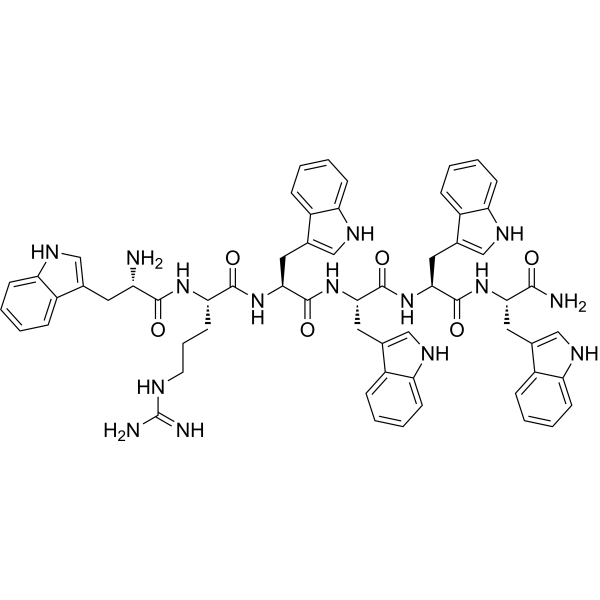
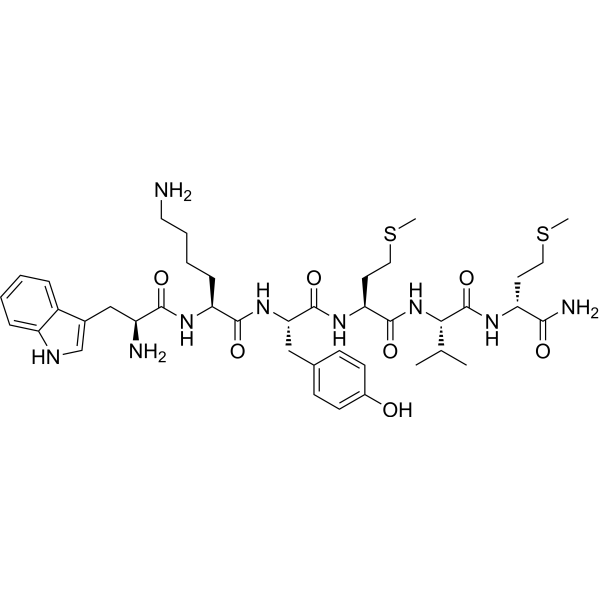
WRW4, a specific formyl peptide receptor-like 1 (FPRL1) antagonist, inhibits WKYMVm binding to FPRL1 with an IC50 of 0.23 μM. WRW4 specifically inhibits the increase in intracellular calcium by the FPRL1 agonists MMK-1, amyloid beta42 (Abeta42) peptide, and F peptide.
Nur für Forschungszwecke. Wir verkaufen nicht an Patienten.
- Reinheit : 99.76%
- CAS. Nr.: 878557-55-2
- Formel: C61H65N15O6
- Molecular Weight:1104.27
-
Speicherung:
Sealed storage, away from moisture and light, under nitrogen.
Powder -80°C, 2 years , -20°C, 1 year* In solvent : -80°C, 2 years; -20°C, 1 year (sealed storage, away from moisture and light, under nitrogen)

To place orders, for customer services and technical support, please contact: MedChemExpress USA
Tel: 609-228-6898 E-mail: [email protected] [email protected]


-
 Biologische Aktivität
-
Chemical Information
-
Lösungsmittel & Löslichkeit
- Protokoll
- Reinheit & Dokumentation
- Verweise
-
 Help & FAQs


-
HY-P1120
WKYMVmN-Formyl Peptide Receptor Agonist -
HY-101283
HCH6-1FPR1 Antagonist -
HY-P1122
Cyclosporin HFPR-1 Inhibitor -
HY-P1098
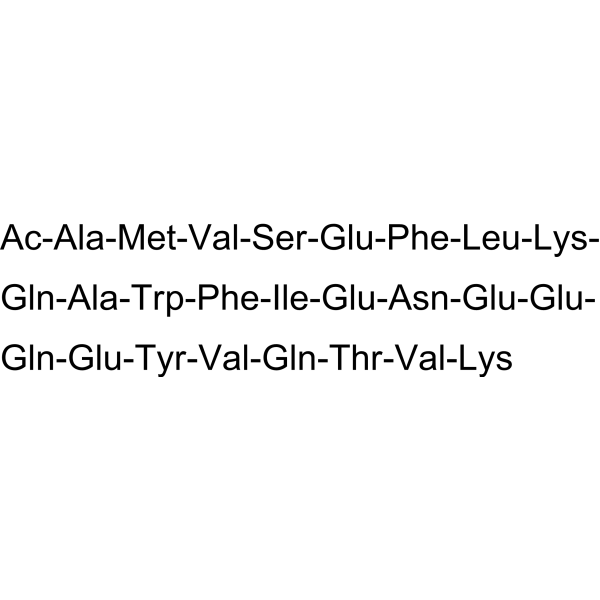
Ac2-26Anti-Inflammatory Peptide -
HY-113509
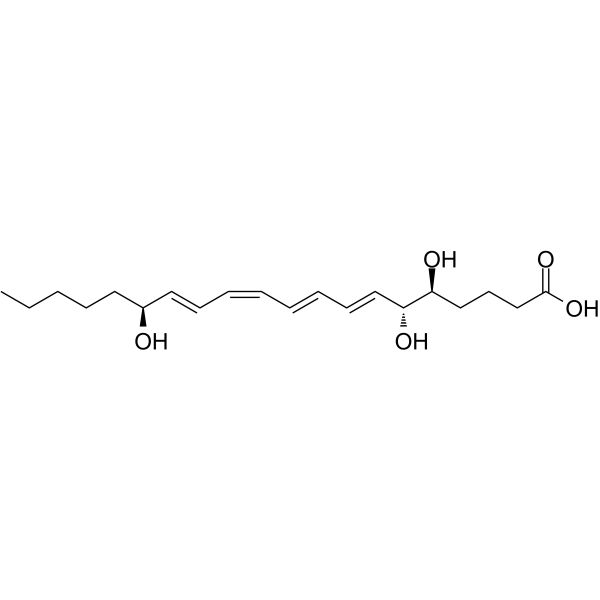
Lipoxin A4Anti-inflammatory Agent -
HY-103473
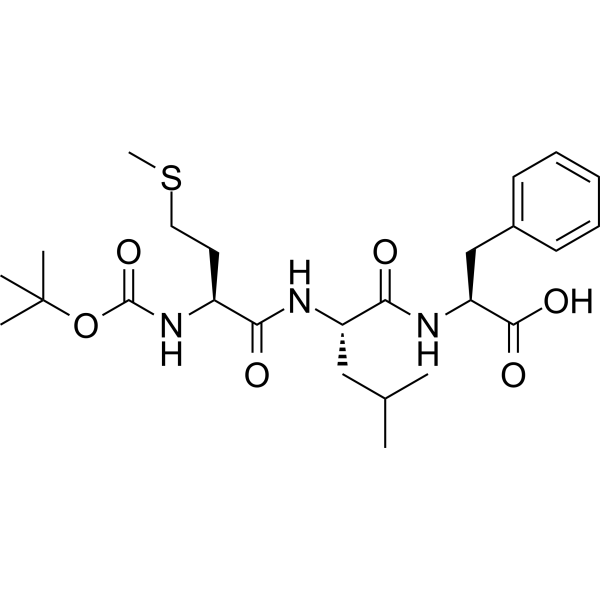
Boc-MLFFPR1 Antagonist -
HY-P1795
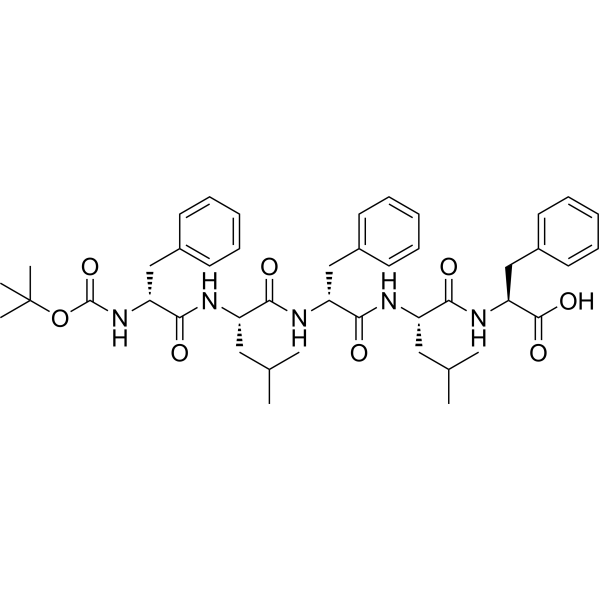
Boc-dPhe-Leu-dPhe-Leu-PheFPR1 Antagonist -

HY-P1117
MMK1FPRL-1 Agonist -
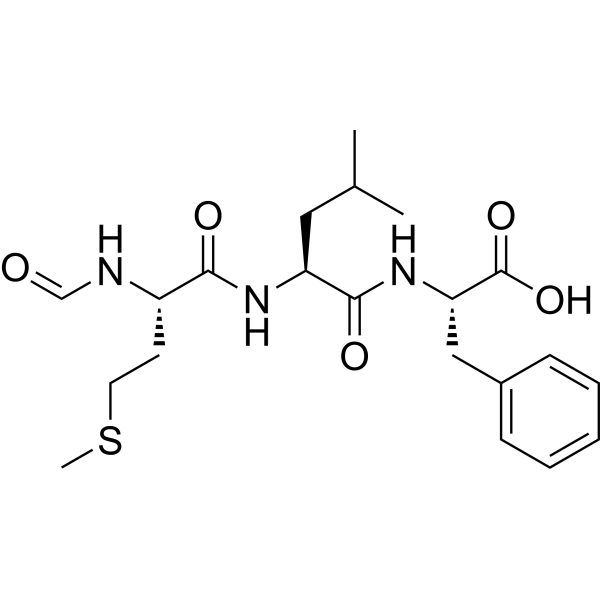
HY-P0224
N-Formyl-Met-Leu-PheTNF Receptor Inhibitor -
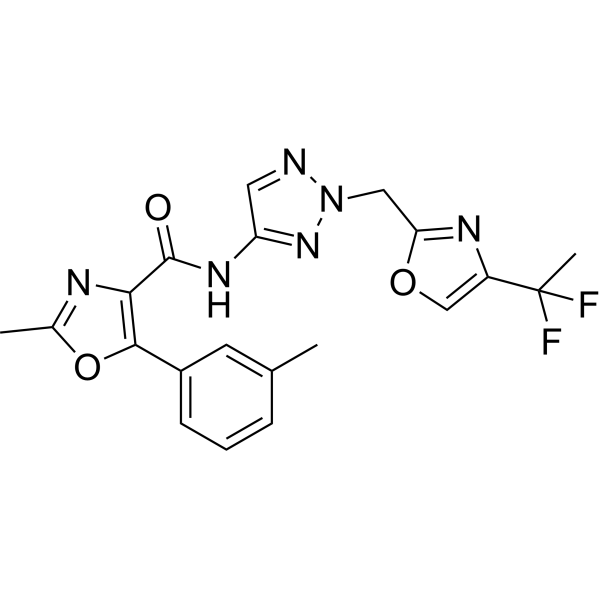
HY-124071
ACT-389949FPR2/ALX Agonist -
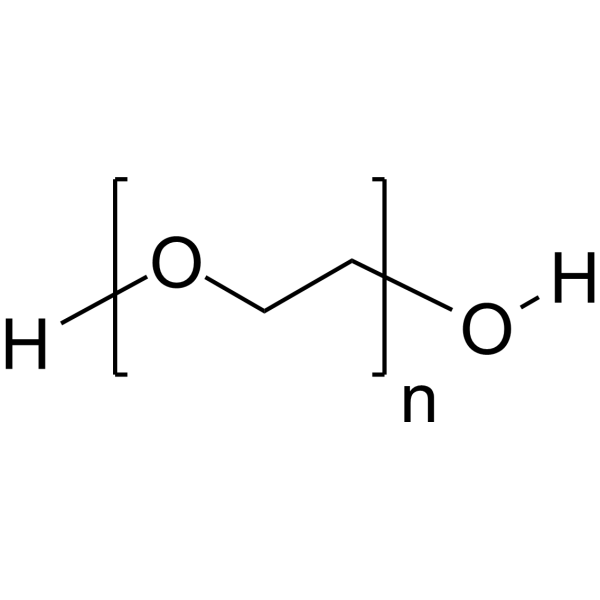
HY-Y0873
PEG300Neutral Polymer -
HY-Y1891
Tween 80
Publications Citing Use of MedChemExpress (MCE) WRW4
More- Cancer Res. 2022 Aug 16;82(16):2887-2903. [Abstract]
- Redox Biol. 2026 Jun 27:95:104280. [Abstract]
- J Clin Invest. 2026 Mar 12;136(9):e199516. [Abstract]
- Cell Rep Med. 2026 Jul 1:102908. [Abstract]
- Cell Mol Biol Lett. 2023 Jan 19;28(1):4. [Abstract]
- Phytomedicine. 2026 Jun:155:158101. [Abstract]
- Phytomedicine. 2025 Apr:139:156462. [Abstract]
- Clin Transl Med. 2026 May;16(5):e70698. [Abstract]
- NPJ Regen Med. 2026 Apr 23;11(1):30. [Abstract]
- J Agric Food Chem. 2022 Aug 31;70(34):10532-10542. [Abstract]
- Life Metab. 2025 Dec 24.
- Eur J Pharmacol. 2025 Jun 15:997:177614. [Abstract]
- Int Immunopharmacol. 2025 Apr 4:151:114322. [Abstract]
- Int Immunopharmacol. 2025 Feb 6:147:113941. [Abstract]
- J Inflamm Res. 2026 Jul 16:19:597266. [Abstract]
- University of Toronto. 2026.
- Environ Toxicol. 2024 Jul;39(7):3967-3979. [Abstract]
 Customer Validation & Images

-
Histological Imaging/Staining
-
IHC
-
ELISA
-
IF
-
ELISA


Biologische Aktivität
Beschreibung
In Vitro
WRW4 inhibits Abeta42 peptide-induced superoxide generation and chemotactic migration of neutrophils, and also completely inhibits the internalization of Abeta42 peptide in human macrophages. WRW4 specifically blocks ERK phosphorylation downstream of FPRL1 by WKYMVm[1].
MedChemExpress (MCE) has not independently confirmed the accuracy of these methods. They are for reference only.


Chemical Information
-
CAS. Nr. 878557-55-2
-
Appearance Solid
-
Molecular Weight 1104.27
-
Formel C61H65N15O6
-
Color White to off-white
-
Sequence
Trp-Arg-Trp-Trp-Trp-Trp-NH2
-
Sequence Shortening
WRWWWW-NH2
-
Versand
Room temperature in continental US; may vary elsewhere.
-
Speicherung
Sealed storage, away from moisture and light, under nitrogen
Powder -80°C 2 years -20°C 1 year * In solvent : -80°C, 2 years; -20°C, 1 year (sealed storage, away from moisture and light, under nitrogen)


Publications (17)
-
Journal Impact Factor
-
Most Recent
-
Cancer Res
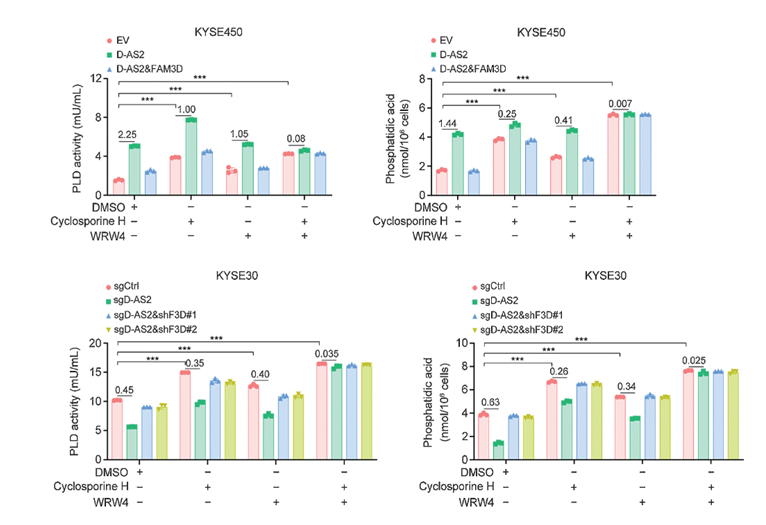
DLGAP1-AS2-Mediated Phosphatidic Acid Synthesis Activates YAP Signaling and Confers Chemoresistance in Squamous Cell Carcinoma. [Abstract]2022 Aug 16;82(16):2887-2903. PMID: 35731019
WRW4 purchased from MedChemExpress. Usage Cited in: Cancer Res. 2022 Aug 16;82(16):2887-2903. [Abstract]
Detection of PLD activity and PA production in the indicated cells. Cells were treated with cyclosporine H (5 μmol/L; FPR1 inhibitor) or WRW4 (10 μmol/L; FPR2 inhibitor) for 1 hour. The fold increases after D-AS2 overexpression and fold decreases after D-AS2 depletion are shown.
-
Redox Biol
Histidine metabolic reprogramming drives oxidative stress induced mtDNA release to promote necroptosis and airway inflammation in severe asthma. [Abstract]2026 Jun 27:95:104280. PMID: 42372708 -
J Clin Invest
A CD138+ tumor-associated macrophage/Siglec-F+ neutrophil feed-forward loop promotes immune evasion in pancreatic cancer. [Abstract]2026 Mar 12;136(9):e199516. PMID: 41818263 -
Cell Rep Med
2026 Jul 1:102908. PMID: 42385709 -
Cell Mol Biol Lett
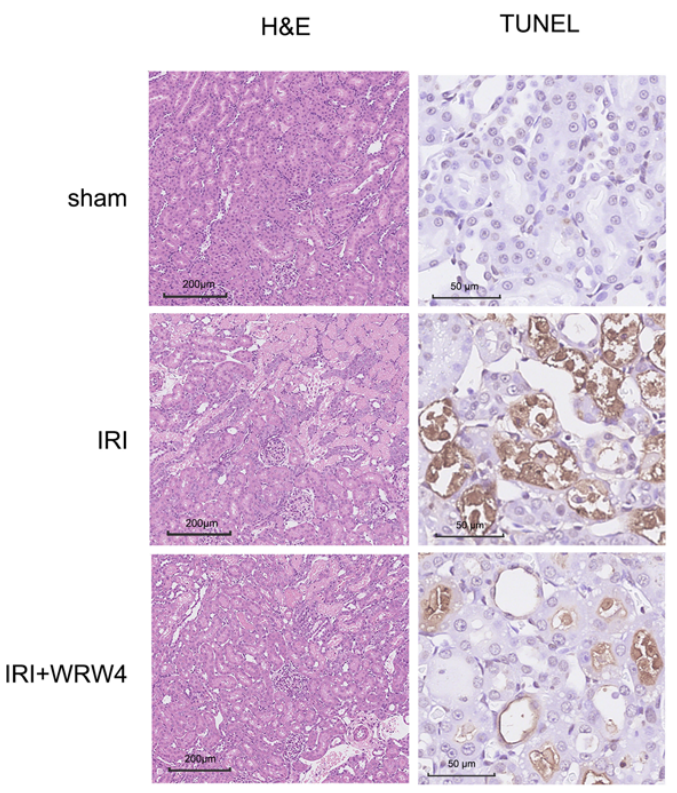
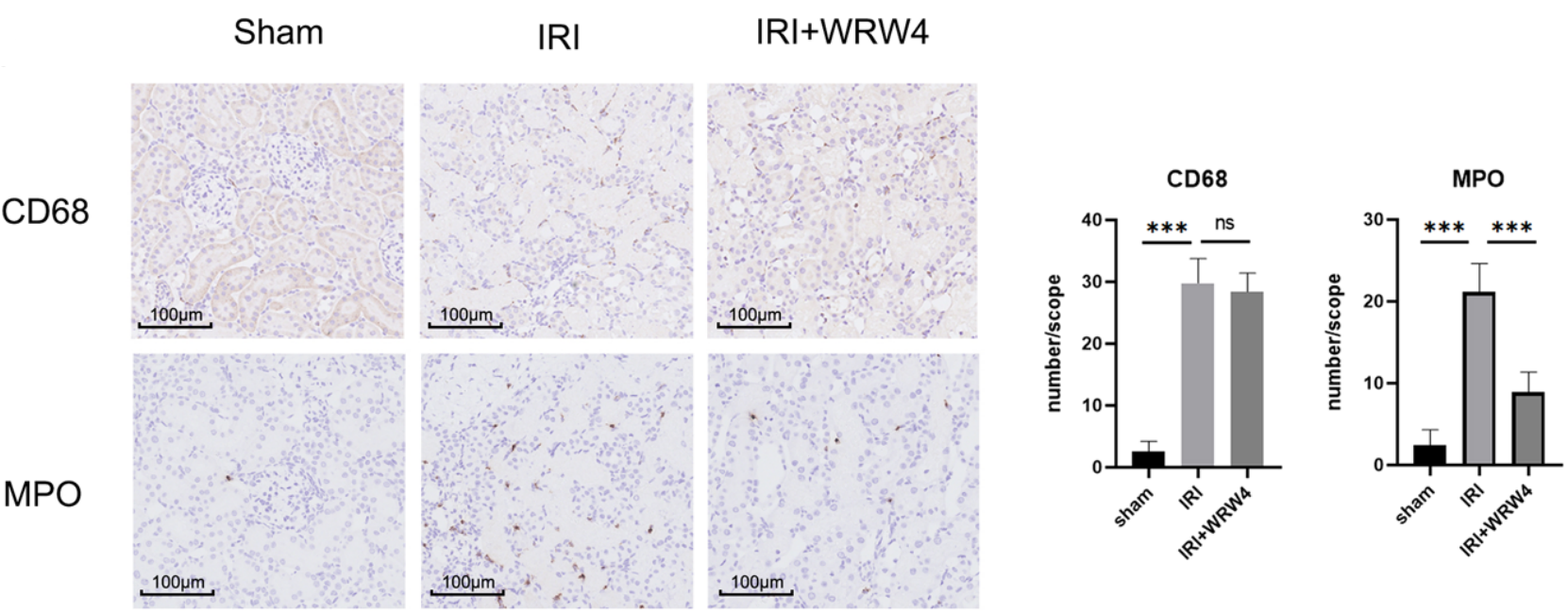
Formyl peptide receptor 2 activation by mitochondrial formyl peptides stimulates the neutrophil proinflammatory response via the ERK pathway and exacerbates ischemia-reperfusion injury. [Abstract]2023 Jan 19;28(1):4. PMID: 36658472
WRW4 purchased from MedChemExpress. Usage Cited in: Cell Mol Biol Lett. 2023 Jan 19;28(1):4. [Abstract]
Inhibition of elevated FPR2 is protective against kidney injury. The left renal pedicle of the rat was clamped for 45 min to induce IRI. The right kidney was removed before releasing the clamps. WRW4 (10 mg/kg; single dose) was administered intravenously 30 min before surgery. Serum or kidney tissues were collected 24 h after surgery. Kidney tissues were sectioned for histological examination and TUNEL staining. Scale bar, 100 μm. TUNEL staining results showed a decrease in the number of apoptotic renal tubular cells in the WRW4 pretreatment group compared with the surgical group.
WRW4 purchased from MedChemExpress. Usage Cited in: Cell Mol Biol Lett. 2023 Jan 19;28(1):4. [Abstract]
Inhibition of FPR2 reduces neutrophil infiltration in IRI kidneys. The left renal pedicle of the rat was clamped for 45 min to induce IRI. The right kidney was removed before releasing the clamps. WRW4 (10 mg/kg; single dose) was administered intravenously 30 min before surgery. Kidney tissues were collected 24 h after surgery. A Immunochemistry staining of CD68+ macrophages and MPO+ neutrophils. Scale bar, 100 μm.
-
Phytomedicine
Trifolirhizin alleviates bone destruction in rheumatoid arthritis by inhibiting osteoclast differentiation through the activation of FPR2. [Abstract]2026 Jun:155:158101. PMID: 41935464 -
Phytomedicine
Cycloastragenol targets Fpr2 to inhibit the TLR4/NF-κB signaling pathway and alleviate neuroinflammation in Parkinson's disease. [Abstract]2025 Apr:139:156462. PMID: 39922145 -
Clin Transl Med
Tumour-derived SAA1 reprogrammes macrophages to promote CXCL1-mediated metastasis in Ovarian Cancer. [Abstract]2026 May;16(5):e70698. PMID: 42145073 -
NPJ Regen Med
2026 Apr 23;11(1):30. PMID: 42026088 -
J Agric Food Chem
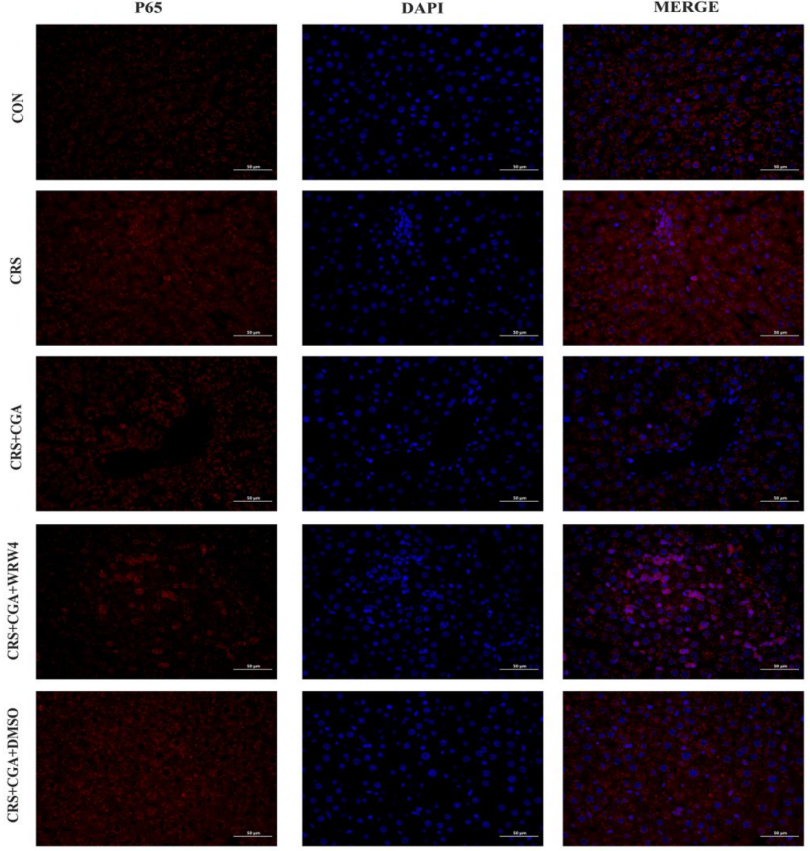
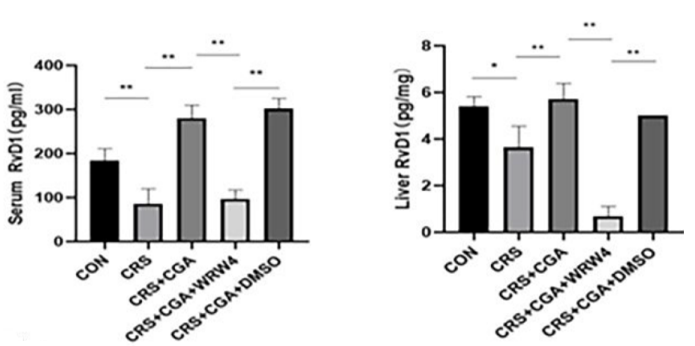
Effect of Chlorogenic Acid via Upregulating Resolvin D1 Inhibiting the NF-κB Pathway on Chronic Restraint Stress-Induced Liver Inflammation. [Abstract]2022 Aug 31;70(34):10532-10542. PMID: 35975781
WRW4 purchased from MedChemExpress. Usage Cited in: J Agric Food Chem. 2022 Aug 31;70(34):10532-10542. [Abstract]
Positive expression of p65 in liver tissue was observed by immunofluorescence staining under a laser scanning confocal microscope. The p65 cells were marked in red, and the nucleus was stained with 4′,6-diamidino-2-phenylindole (DAPI) in blue. Scale bars = 50 μm. The results showed that the expression level of p65 within the hepatocytes' nuclei was elevated in the CRS group rats; in the CRS + CGA group, the p65 expression level was reduced; furthermore, this effect of CGA was reversed by WRW4 (0.1 mg/kg; i.p.).
WRW4 purchased from MedChemExpress. Usage Cited in: J Agric Food Chem. 2022 Aug 31;70(34):10532-10542. [Abstract]
Levels of serum RvD1 and RvD1 in liver tissue. ELISA results showed that RvD1 levels in serum and liver were significantly lower in CRS rats than in CON rats, and significantly higher in CGA-treated rats; this effect was prevented by WRW4 (0.1 mg/kg; i.p.).
-
-
Eur J Pharmacol
Taurine ameliorates liver fibrosis by repressing Fpr2-regulated macrophage M1 polarization. [Abstract]2025 Jun 15:997:177614. PMID: 40216178 -
Int Immunopharmacol
LXA4 alleviates inflammation and ferroptosis in cigarette smoke induced chronic obstructive pulmonary disease via the ALX/FPR2 receptor. [Abstract]2025 Apr 4:151:114322. PMID: 40007378 -
Int Immunopharmacol
Electroacupuncture promotes resolution of inflammation by modulating SPMs via vagus nerve activation in LPS-induced ALI. [Abstract]2025 Feb 6:147:113941. PMID: 39746272 -
J Inflamm Res
Lipoxin A4 Attenuates E. coli-Induced ARDS-Like Lung Injury in Mice via ALX/FPR2-Dependent Macrophage Reprogramming. [Abstract]2026 Jul 16:19:597266. PMID: 42518610 -
-
Environ Toxicol
Role of formyl peptide receptor 2 in steatosis of L02 cells exposed to Mono-(2-ethylhexyl) phthalate. [Abstract]2024 Jul;39(7):3967-3979. PMID: 38598732


Lösungsmittel & Löslichkeit
In Vitro:
DMSO : 100 mg/mL (90.56 mM; Need ultrasonic; Hygroscopic DMSO has a significant impact on the solubility of product, please use newly opened DMSO)
H2O : < 0.1 mg/mL (insoluble)
Please refer to the solubility information to select the appropriate solvent. Once prepared, please aliquot and store the solution to prevent product inactivation from repeated freeze-thaw cycles.
Storage method and period of stock solution: -80°C, 2 years; -20°C, 1 year (sealed storage, away from moisture and light, under nitrogen). When stored at -80°C, please use it within 2 years. When stored at -20°C, please use it within 1 year.
Please refer to the solubility information to select the appropriate solvent. Once prepared, please aliquot and store the solution to prevent product inactivation from repeated freeze-thaw cycles.
Storage method and period of stock solution: -80°C, 2 years; -20°C, 1 year (sealed storage, away from moisture and light, under nitrogen). When stored at -80°C, please use it within 2 years. When stored at -20°C, please use it within 1 year.
Konzentration (Stammlösung) × Volumen (Stammlösung) = Konzentration (Ziellösung) × Volumen (Ziellösung)
In Vivo:
Select the appropriate dissolution method based on your experimental animal and administration route.
- For the following dissolution methods, please ensure to first prepare a clear stock solution using an In Vitro approach and then sequentially add co-solvents:
- To ensure reliable experimental results, the clarified stock solution can be appropriately stored based on storage conditions. As for the working solution for In Vivo experiments, it is recommended to prepare freshly and use it on the same day.
- The percentages shown for the solvents indicate their volumetric ratio in the final prepared solution. If precipitation or phase separation occurs during preparation, heat and/or sonication can be used to aid dissolution.
Add each solvent one by one: 10% DMSO 40% PEG300 5% Tween-80 45% Saline
Solubility: 2.5 mg/mL (2.26 mM); Suspended solution; Need ultrasonic
This protocol yields a suspended solution of 2.5 mg/mL. Suspended solution can be used for oral and intraperitoneal injection.
Taking 1 mL working solution as an example, add 100 μL DMSO stock solution (25.0 mg/mL) to 400 μL PEG300, and mix evenly; then add 50 μL Tween-80 and mix evenly; then add 450 μL Saline to adjust the volume to 1 mL.
Preparation of Saline: Dissolve 0.9 g sodium chloride in ddH₂O and dilute to 100 mL to obtain a clear Saline solution.
Add each solvent one by one: 10% DMSO 90% (20% SBE-β-CD in Saline)
Solubility: 2.5 mg/mL (2.26 mM); Suspended solution; Need ultrasonic
This protocol yields a suspended solution of 2.5 mg/mL. Suspended solution can be used for oral and intraperitoneal injection.
Taking 1 mL working solution as an example, add 100 μL DMSO stock solution (25.0 mg/mL) to 900 μL 20% SBE-β-CD in Saline, and mix evenly.
Preparation of 20% SBE-β-CD in Saline (4°C, storage for one week): 2 g SBE-β-CD powder is dissolved in 10 mL Saline, completely dissolve until clear.
In Vivo Dissolution Calculator
Please enter the basic information of animal experiments:
-
-
-
-
Recommended: Prepare an additional quantity of animals to account for potential losses during experiments.
Please enter your animal formula composition:
-
%DMSO +
Recommended: Keep the proportion of DMSO in working solution below 2% if your animal is weak.
-
%+
-
+%Tween-80 + +
-
%Saline +
The co-solvents required include: DMSO, . All of co-solvents are available by MedChemExpress (MCE). , Tween 80. All of co-solvents are available by MedChemExpress (MCE).
Working solution concentration: 0.22 mg/mL
Method for preparing stock solution: mg drug dissolved in μL DMSO. Stock solution concentration: mg/mL. * In solvent : -80°C, 2 years; -20°C, 1 year (sealed storage, away from moisture and light, under nitrogen)
1. Take μL DMSO stock solution;
2. Add μL .
μL , mix evenly;
3. Then add μL Tween 80, mix evenly;
4. Then add μL
Please ensure that the stock solution in the first step is dissolved to a clear state, and add co-solvents in sequence. You can use ultrasonic heating (ultrasonic cleaner, recommended frequency 20-40 kHz), vortexing, etc. to assist dissolution.


Reinheit & Dokumentation
-
Data Sheet (279 KB)
-
SDS (394 KB)
- English - EN (394 KB)
- Français - FR (394 KB)
- Deutsch - DE (394 KB)
- Norwegian - NO (394 KB)
- Español - ES (394 KB)
- Swedish - SV (394 KB)
- Italian - IT (394 KB)
- Korean - KR (394 KB)
- Portuguese - PT (394 KB)
-
Handling Instructions (2659 KB)
Verweise


Complete Stock Solution Preparation Table
Please refer to the solubility information to select the appropriate solvent. Once prepared, please aliquot and store the solution to prevent product inactivation from repeated freeze-thaw cycles.
Storage method and period of stock solution: -80°C, 2 years; -20°C, 1 year (sealed storage, away from moisture and light, under nitrogen). When stored at -80°C, please use it within 2 years. When stored at -20°C, please use it within 1 year.
| Optional Solvent | Concentration Solvent Mass | 1 mg | 5 mg | 10 mg | 25 mg |
|---|---|---|---|---|---|
| DMSO | 1 mM | 0.9056 mL | 4.5279 mL | 9.0558 mL | 22.6394 mL |
| 5 mM | 0.1811 mL | 0.9056 mL | 1.8112 mL | 4.5279 mL | |
| 10 mM | 0.0906 mL | 0.4528 mL | 0.9056 mL | 2.2639 mL | |
| 15 mM | 0.0604 mL | 0.3019 mL | 0.6037 mL | 1.5093 mL | |
| 20 mM | 0.0453 mL | 0.2264 mL | 0.4528 mL | 1.1320 mL | |
| 25 mM | 0.0362 mL | 0.1811 mL | 0.3622 mL | 0.9056 mL | |
| 30 mM | 0.0302 mL | 0.1509 mL | 0.3019 mL | 0.7546 mL | |
| 40 mM | 0.0226 mL | 0.1132 mL | 0.2264 mL | 0.5660 mL | |
| 50 mM | 0.0181 mL | 0.0906 mL | 0.1811 mL | 0.4528 mL | |
| 60 mM | 0.0151 mL | 0.0755 mL | 0.1509 mL | 0.3773 mL | |
| 80 mM | 0.0113 mL | 0.0566 mL | 0.1132 mL | 0.2830 mL |


WRW4 Related Classifications
HY-P1119 Related Classifications
 Powered by Bioz