1. Search Result
Search Result
Pathways Recommended: Stem Cell/Wnt Cell Cycle/DNA Damage
Results for "

Human Leukemic Cells

" in MedChemExpress (MCE) Product Catalog:

36

Inhibitors & Agonists

1

Fluorescent Dyes

1

Biochemical Assay Reagents

2

Peptides

2

Inhibitory Antibodies

8

Natural
Products

2

Isotope-Labeled Compounds

Cat. No. Product Name Target Research Areas Chemical Structure
  • HY-16210
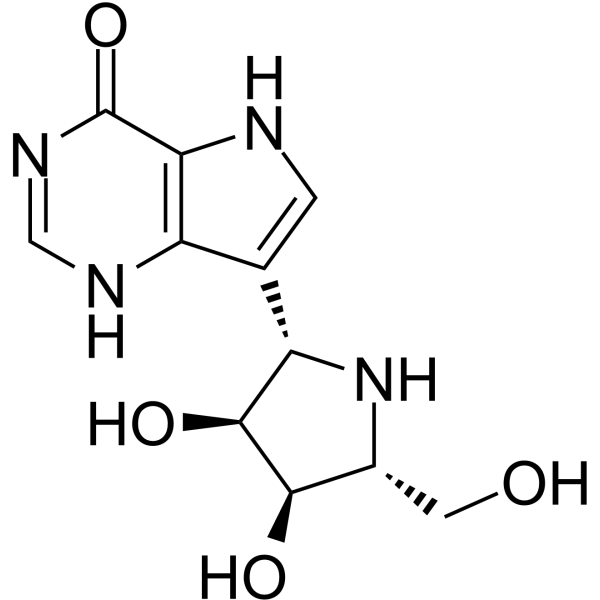
    Forodesine
    Maximum Cited Publications
    19 Publications Verification

    BCX-1777; Immucillin-H

    Nucleoside Antimetabolite/Analog Apoptosis Cancer
    Forodesine (BCX-1777) is a highly potent and orally active purine nucleoside phosphorylase (PNP) inhibitor with IC50 values ranging from 0.48 to 1.57 nM for human, mouse, rat, monkey and dog PNP. Forodesine is a potent human lymphocyte proliferation inhibitor. Forodesine could induce apoptosis in leukemic cells by increasing the dGTP levels .
    Forodesine
  • HY-N0928
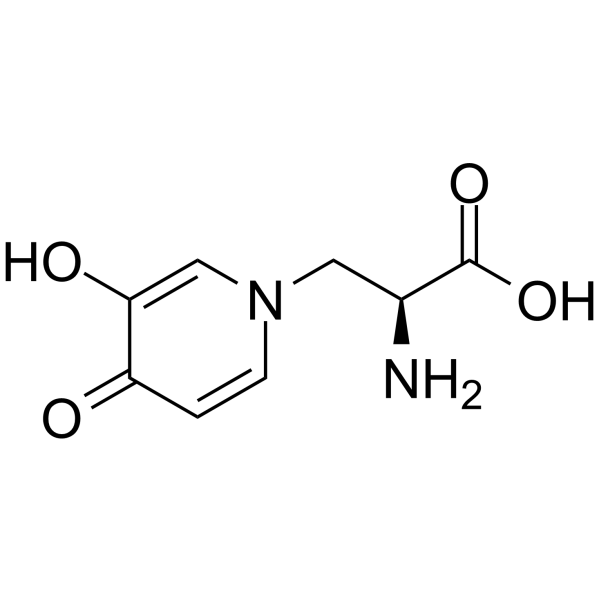
    Mimosine
    4 Publications Verification

    Apoptosis Inflammation/Immunology Cancer
    Mimosine, a tyrosine analog , can act as an antioxidant by its potent iron-binding activity . Mimosine is a known chelator of Fe(III) . Mimosine induces apoptosis through metal ion chelation, mitochondrial activation and ROS production in human leukemic cells . Anti-cancer, antiinflammation.
    Mimosine
  • HY-128067
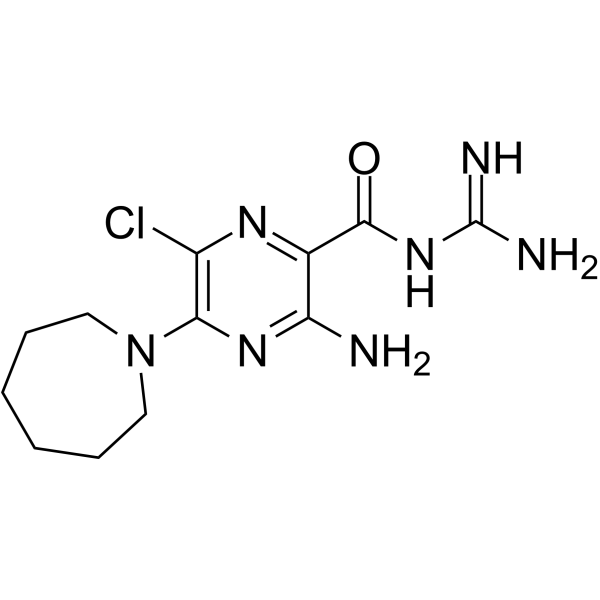
    5-(N,N-Hexamethylene)-amiloride
    2 Publications Verification

    Hexamethylene amiloride; HMA

    Sodium Channel HIV Apoptosis Infection Cancer
    5-(N,N-Hexamethylene)-amiloride (Hexamethylene amiloride) derives from an amiloride and is a potent Na +/H + exchanger inhibitor, which decreases the intracellular pH (pHi) and induces apoptosis in leukemic cells. 5-(N,N-Hexamethylene)-amiloride (Hexamethylene amiloride) is also an inhibitor of the HIV-1 Vpu virus ion channel and inhibits mouse hepatitis virus (MHV) replication and human coronavirus 229E (HCoV229E) replication in cultured L929 cells with EC50s of 3.91 μM and 1.34 μM, respectively .
    5-(N,N-Hexamethylene)-amiloride
  • HY-16209
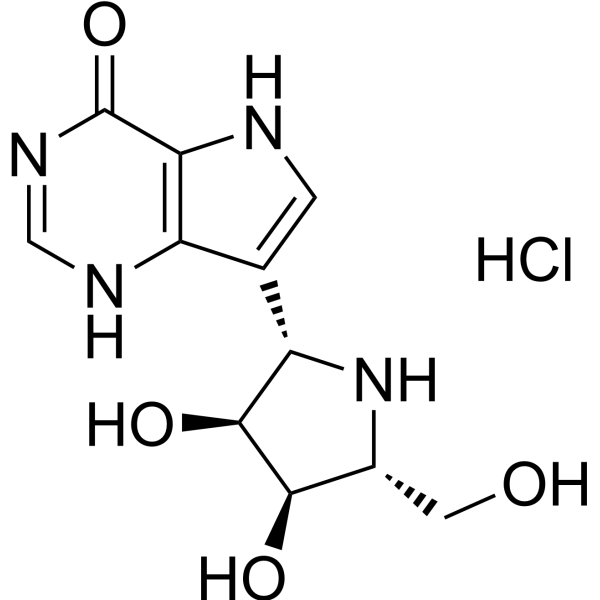
    Forodesine hydrochloride
    Maximum Cited Publications
    19 Publications Verification

    BCX-1777 hydrochloride; Immucillin-H hydrochloride

    Nucleoside Antimetabolite/Analog Apoptosis Cancer
    Forodesine hydrochloride (BCX-1777 hydrochloride) is a highly potent and orally active purine nucleoside phosphorylase (PNP) inhibitor with IC50 values ranging from 0.48 to 1.57 nM for human, mouse, rat, monkey and dog PNP. Forodesine hydrochloride is a potent human lymphocyte proliferation inhibitor. Forodesine hydrochloride could induce apoptosis in leukemic cells by increasing the dGTP levels .
    Forodesine hydrochloride
  • HY-100490

    Imidazoline Receptor Adrenergic Receptor Apoptosis Autophagy Cardiovascular Disease Cancer
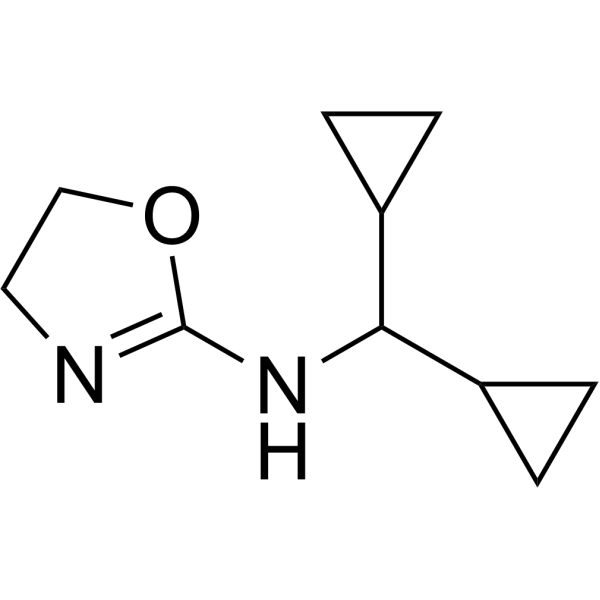
    Rilmenidine, an innovative antihypertensive agent, is an orally active, selective I1 imidazoline receptor agonist. Rilmenidine is an alpha 2-adrenoceptor agonist. Rilmenidine induces autophagy. Rilmenidine acts both centrally by reducing sympathetic overactivity and in the kidney by inhibiting the Na +/H + antiport. Rilmenidine modulates proliferation and stimulates the proapoptotic protein Bax thus inducing the perturbation of the mitochondrial pathway and apoptosis in human leukemic K562 cells .
    Rilmenidine
  • HY-W588250

    Integrin Inflammation/Immunology
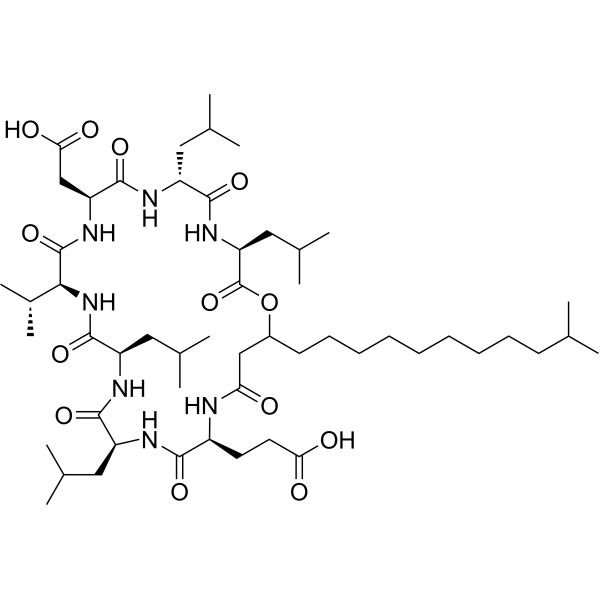
    Surfactin C1 is an amphiphilic biosurfactants. Surfactin C1 inhibits leukemic cell (HL-60) adhesion to human umbilical vein endothelial cells (HUVEC). Surfactin C1 inhibits adhesion melecules expression, such as ICAM-1 and VCAM-1 .
    Surfactin C1
  • HY-N0097A

    AraG

    Drug Derivative Cancer
    9-β-D-Arabinofuranosylguanine is a Guanosine (HY-N0097) analog and shows high affinity for deoxyguanosine kinase (dGK) with a Km of 8.0 μM. 9-β-D-Arabinofuranosylguanine can be used for the research of T-cell lymphoblastic disease .
    9-β-D-Arabinofuranosylguanine
  • HY-100490B

    Imidazoline Receptor Adrenergic Receptor Apoptosis Autophagy Cardiovascular Disease Cancer
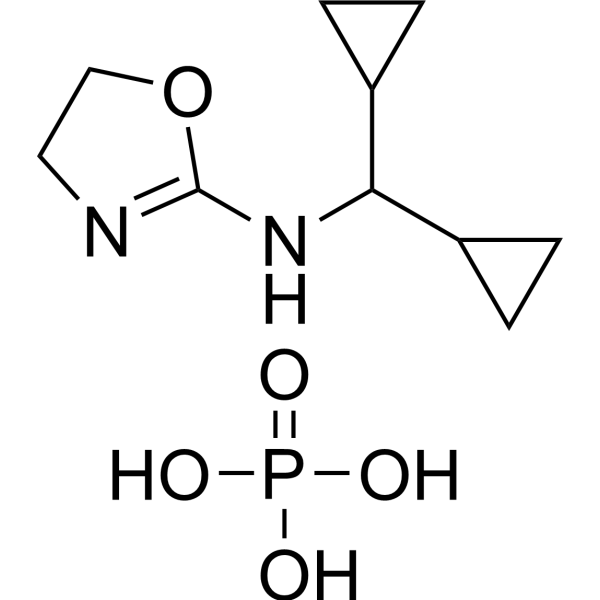
    Rilmenidine phosphate, an innovative antihypertensive agent, is an orally active, selective I1 imidazoline receptor agonist. Rilmenidine phosphate is an alpha 2-adrenoceptor agonist. Rilmenidine phosphate induces autophagy. Rilmenidine phosphate acts both centrally by reducing sympathetic overactivity and in the kidney by inhibiting the Na +/H + antiport. Rilmenidine phosphate modulates proliferation and stimulates the proapoptotic protein Bax thus inducing the perturbation of the mitochondrial pathway and apoptosis in human leukemic K562 cells .
    Rilmenidine phosphate
  • HY-157421

    NAMPT Metabolic Disease
    Nampt activator-4 is an orally active NAMPT activator, with an EC50 of 58 nM and a Ka of 85.38 nM against human NAMPT. Nampt activator-4 effectively relieves the feedback inhibition of nicotinamide and NAD +, thereby enhancing enzymatic activity and significantly increasing intracellular NAD + levels. Nampt activator-4 exhibits moderate stability in human and mouse liver microsomes. Nampt activator-4 shows low to moderate inhibitory effects on cytochrome P450 (especially CYP3A4). Nampt activator-4 can be used for the research of type 2 diabetes and related metabolic disorders .
    Nampt activator-4
  • HY-118563

    ICMT Apoptosis Ras Cancer
    Farnesylthioacetic acid is a competitive, non-substrate inhibitor of Prenylcysteine α-carboxyl methyltransferase. It acts as a non-substrate competitive inhibitor of Arabidopsis thaliana Prenylcysteine α-carboxyl methyltransferase and blocks methyltransferase activity. Farnesylthioacetic acid does not inhibit protein farnesyltransferase activity in Arabidopsis. It induces Apoptosis. Farnesylthioacetic acid regulates the subcellular localization of Ras protein, reducing the proportion of cytoplasmic Ras protein without disrupting membrane binding. It enhances ABA-induced seed dormancy, delays seed germination, and promotes maximum stomatal closure at lower exogenous ABA concentrations. Farnesylthioacetic acid can be used in studies related to promyelocytic leukemia .
    Farnesylthioacetic acid
  • HY-100490A

    Imidazoline Receptor Adrenergic Receptor Apoptosis Autophagy Cardiovascular Disease Cancer
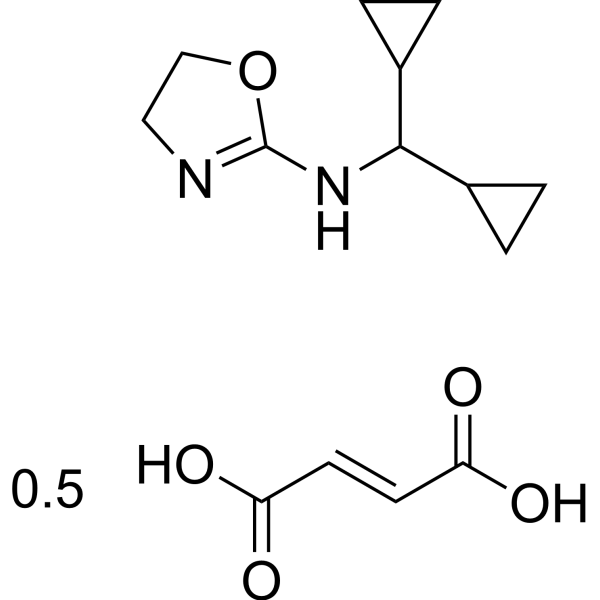
    Rilmenidine hemifumarate, an innovative antihypertensive agent, is an orally active, selective I1 imidazoline receptor agonist. Rilmenidine hemifumarate is an alpha 2-adrenoceptor agonist. Rilmenidine hemifumarate induces autophagy. Rilmenidine hemifumarate acts both centrally by reducing sympathetic overactivity and in the kidney by inhibiting the Na +/H + antiport. Rilmenidine hemifumarate modulates proliferation and stimulates the proapoptotic protein Bax thus inducing the perturbation of the mitochondrial pathway and apoptosis in human leukemic K562 cells .
    Rilmenidine hemifumarate
  • HY-N8146

    STAT Bcl-2 Family Ser/Thr Kinase Survivin c-Myc Apoptosis Necroptosis CDK Infection Cancer
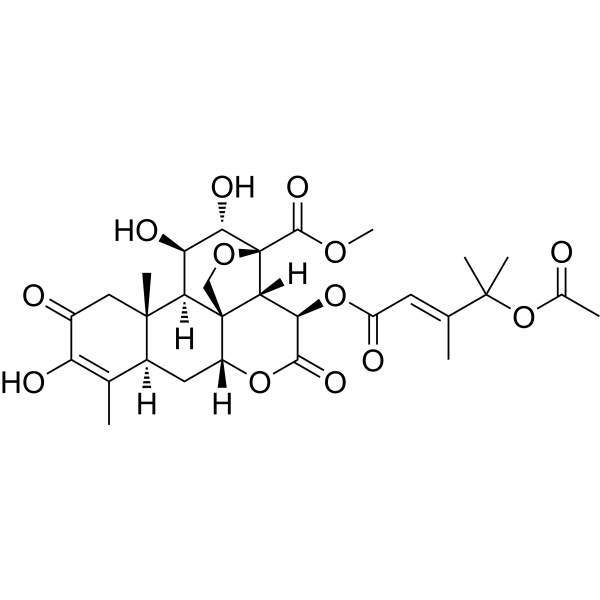
    Bruceantinol is a quassinoid that can be isolated from Brucea javanica, inhibits pepper mottle virus (PepMoV) in pepper. Bruceantinol is a STAT3 inhibitor demonstrating potent antitumor activity in in vitro and in vivo human colorectal cancer (CRC) models. Bruceantinol has potent anti-leukemic activity. Bruceantinol strongly inhibits STAT3 DNA-binding ability (IC50 = 2.4 pM), blocks the constitutive and IL-6-induced STAT3 activation, and suppresses transcription of MCL-1, PTTG1, survivin and c-Myc. Bruceantinol binds with CDK2/4/6 to facilitate protein degradation through proteasome pathway. Bruceantinol can dose- and time-dependently reduces the cell growth, impede cell proliferation, disrupts the cell cycle, and induces necrosis in MCF-7 cells and apoptosis in MDA-MB-231 cells .
    Bruceantinol
  • HY-158783

    Ceramidase Bcl-2 Family LPL Receptor Apoptosis Neurological Disease
    SACLAC, a Ceramide analog, is a potent and covalent acid ceramidase (ASAH1; AC) inhibitor with a Ki of 97.1 nM. SACLAC effectively blocks AC activity and induces a decrease in sphingosine 1-phosphate (S1P) and total ceramide levels. SACLAC reduces the levels of splicing factor SF3B1 and alternative Mcl-1 mRNA splicing, increases pro-apoptotic Mcl-1S levels to induce apoptosis in acute myeloid leukemia (AML) cells. SACLAC reduces the leukemic burden in human AML xenograft mouse models .
    SACLAC
  • HY-N3514

    Others Cancer
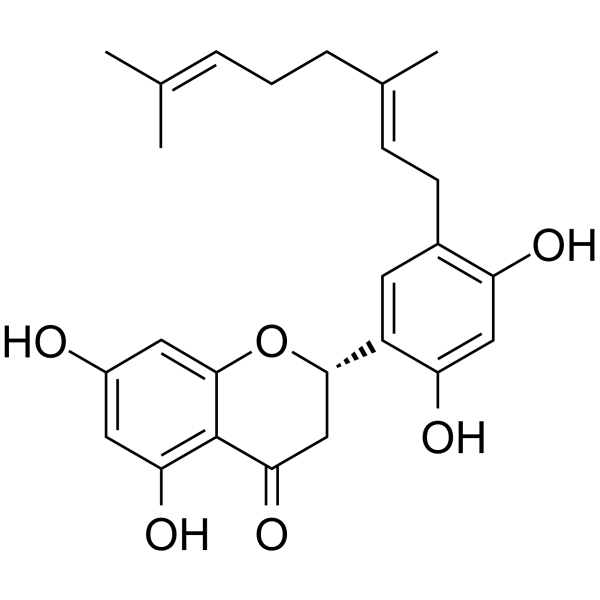
    Kuwanon E is a flavonoid isolated from Morus alba, cytotoxic to human monocytic leukemic cell lines, and reduces the level of IL-1β .
    Kuwanon E
  • HY-155556

    ClpP Cancer
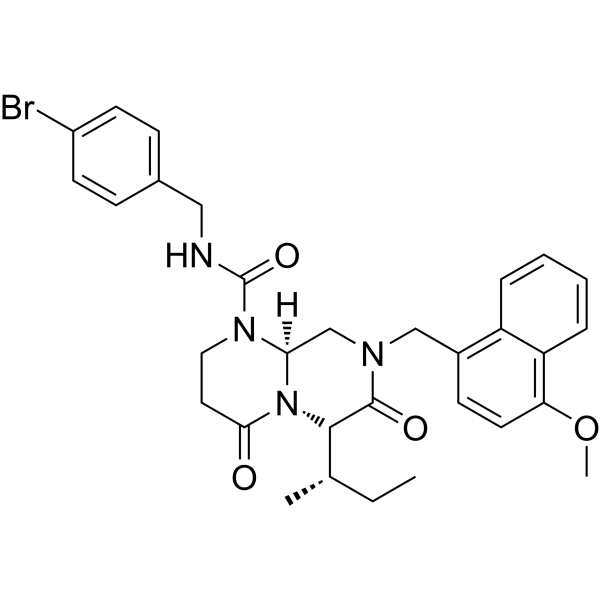
    ZG36 is a human Caseinolytic protease P (ClpP) agonist. ZG36 non-selectively degrades respiratory chain complexes and reduces mitochondrial DNA, ultimately leading to mitochondrial dysfunction and leukemic cell death. ZG36 also inhibits the development of acute myeloid leukemia in a xenograft mouse model .
    ZG36
  • HY-107203

    HWA 285

    Phosphodiesterase (PDE) Adenosine Receptor Cardiovascular Disease Neurological Disease Cancer
    Propentofylline (HWA 285) is an orally active and brain-penetrant phosphodiesterase inhibitor. Propentofylline blocks adenosine reuptake and prevents cyclic nucleotide degradation. Propentofylline can be used for the research of primary degenerative (Alzheimer's) dementia, vascular dementia, cerebral ischemia, acute stroke, and learning and memory disorders .
    Propentofylline
  • HY-N10789

    Others Cancer
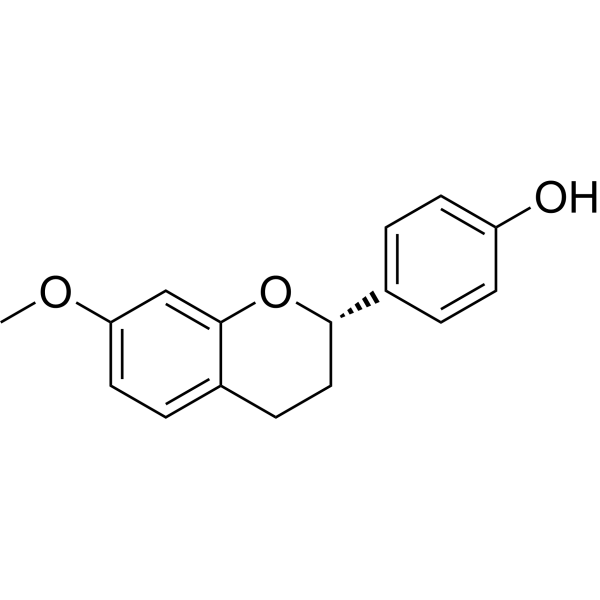
    (2S)-4'-Hydroxy-7-methoxyflavan is a Flavan. Flavan (4′-hydroxy-7-methoxyflavan) showed an important cytotoxic effect on human leukemic Molt 4 cells .
    (2S)-4'-Hydroxy-7-methoxyflavan
  • HY-N0928R

    Reference Standards Apoptosis Inflammation/Immunology Cancer
    Mimosine, a tyrosine analog , can act as an antioxidant by its potent iron-binding activity . Mimosine is a known chelator of Fe(III) . Mimosine induces apoptosis through metal ion chelation, mitochondrial activation and ROS production in human leukemic cells . Anti-cancer, antiinflammation.
    Mimosine (Standard)
  • HY-P3083

    PKC Inflammation/Immunology
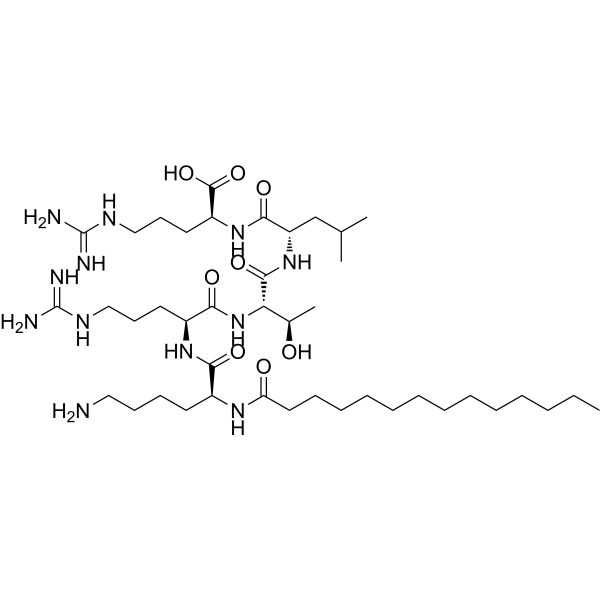
    N-Myristoyl-Lys-Arg-Thr-Leu-Arg is a protein kinase C (PKC) inhibitor with an IC50 value of 75 μM. N-Myristoyl-Lys-Arg-Thr-Leu-Arg inhibits IL-2 receptor induction and IL-2 production in the human leukemic cell line Jurkat .
    N-Myristoyl-Lys-Arg-Thr-Leu-Arg
  • HY-N0732R

    Reference Standards IAP Akt Caspase NF-κB TGF-beta/Smad JAK Bacterial Apoptosis Infection Inflammation/Immunology Cancer
    Jolkinolide B (Standard) is the analytical standard of Jolkinolide B (HY-N0732). This product is intended for research and analytical applications. Jolkinolide B is a bioactive diterpene isolated from the roots of Euphorbia fischeriana Steud with oral activity. Jolkinolide B downregulates XIAP, cIAP1, cIAP2, and phosphorylated Akt, upregulates Smac, activates caspase-3 and caspase-9, and inhibits NF-κB, TGFβ/smad3 and JAK/STAT3 pathways. Jolkinolide B exerts comprehensive biological effects including inducing cancer cell apoptosis, suppressing inflammatory responses, improving lung function, alleviating hepatic steatosis and eliminating intracellular Mycobacterium tuberculosis. Jolkinolide B can be used for the research of leukemia, histiocytic lymphoma, asthma, metabolic dysfunction-associated steatotic liver disease and tuberculosis .
    Jolkinolide B (Standard)
  • HY-N10071

    Others Cancer
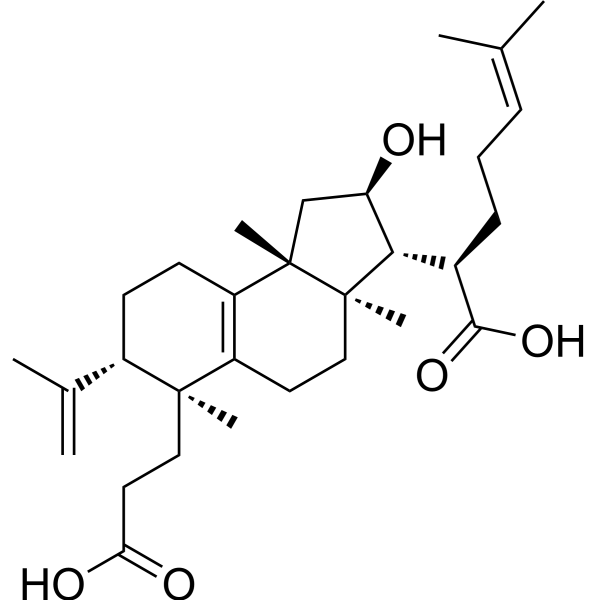
    Poricoic acid G is a triterpenoid that can be isolated from Poria cocos. Poricoic acid G has a significant cytotoxic effect on leukemia cells and is a potential potent anti-leukemic compound in humans .
    Poricoic acid G
  • HY-100490S

    Isotope-Labeled Compounds Imidazoline Receptor Adrenergic Receptor Apoptosis Autophagy Cardiovascular Disease Cancer
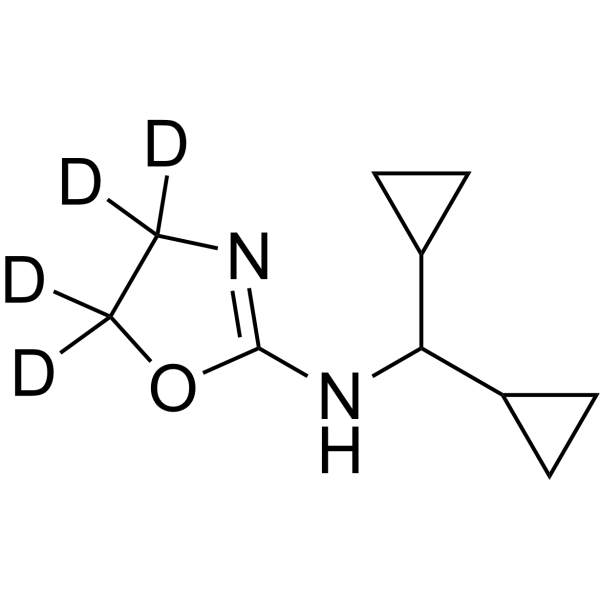
    Rilmenidine-d4 is the deuterium labeled Rilmenidine. Rilmenidine, an innovative antihypertensive agent, is an orally active, selective I1 imidazoline receptor agonist. Rilmenidine is an alpha 2-adrenoceptor agonist. Rilmenidine induces autophagy. Rilmenidine acts both centrally by reducing sympathetic overactivity and in the kidney by inhibiting the Na+/H+ antiport. Rilmenidine modulates proliferation and stimulates the proapoptotic protein Bax thus inducing the perturbation of the mitochondrial pathway and apoptosis in human leukemic K562 cells .
    Rilmenidine-d4
  • HY-136498AR

    Reference Standards Drug Metabolite Infection
    Rilmenidine (phosphate) (Standard) is the analytical standard of Rilmenidine (phosphate). This product is intended for research and analytical applications. Rilmenidine phosphate, an innovative antihypertensive agent, is an orally active, selective I1 imidazoline receptor agonist. Rilmenidine phosphate is an alpha 2-adrenoceptor agonist. Rilmenidine phosphate induces autophagy. Rilmenidine phosphate acts both centrally by reducing sympathetic overactivity and in the kidney by inhibiting the Na+/H+ antiport. Rilmenidine phosphate modulates proliferation and stimulates the proapoptotic protein Bax thus inducing the perturbation of the mitochondrial pathway and apoptosis in human leukemic K562 cells .
    T-705RMP ammonium (Standard)
  • HY-100490BR

    Reference Standards Imidazoline Receptor Adrenergic Receptor Apoptosis Autophagy Cardiovascular Disease Cancer
    Rilmenidine (phosphate) (Standard) is the analytical standard of Rilmenidine (phosphate). This product is intended for research and analytical applications. Rilmenidine phosphate, an innovative antihypertensive agent, is an orally active, selective I1 imidazoline receptor agonist. Rilmenidine phosphate is an alpha 2-adrenoceptor agonist. Rilmenidine phosphate induces autophagy. Rilmenidine phosphate acts both centrally by reducing sympathetic overactivity and in the kidney by inhibiting the Na+/H+ antiport. Rilmenidine phosphate modulates proliferation and stimulates the proapoptotic protein Bax thus inducing the perturbation of the mitochondrial pathway and apoptosis in human leukemic K562 cells .
    Rilmenidine phosphate (Standard)
  • HY-100490R

    Reference Standards Imidazoline Receptor Adrenergic Receptor Apoptosis Autophagy Cardiovascular Disease Cancer
    Rilmenidine (Standard) is the analytical standard of Rilmenidine. This product is intended for research and analytical applications. Rilmenidine, an innovative antihypertensive agent, is an orally active, selective I1 imidazoline receptor agonist. Rilmenidine is an alpha 2-adrenoceptor agonist. Rilmenidine induces autophagy. Rilmenidine acts both centrally by reducing sympathetic overactivity and in the kidney by inhibiting the Na+/H+ antiport. Rilmenidine modulates proliferation and stimulates the proapoptotic protein Bax thus inducing the perturbation of the mitochondrial pathway and apoptosis in human leukemic K562 cells .
    Rilmenidine (Standard)
  • HY-100490AR

    Reference Standards Imidazoline Receptor Adrenergic Receptor Apoptosis Autophagy Cardiovascular Disease Cancer
    Rilmenidine (hemifumarate) (Standard) is the analytical standard of Rilmenidine (hemifumarate). This product is intended for research and analytical applications. Rilmenidine hemifumarate, an innovative antihypertensive agent, is an orally active, selective I1 imidazoline receptor agonist. Rilmenidine hemifumarate is an alpha 2-adrenoceptor agonist. Rilmenidine hemifumarate induces autophagy. Rilmenidine hemifumarate acts both centrally by reducing sympathetic overactivity and in the kidney by inhibiting the Na+/H+ antiport. Rilmenidine hemifumarate modulates proliferation and stimulates the proapoptotic protein Bax thus inducing the perturbation of the mitochondrial pathway and apoptosis in human leukemic K562 cells .
    Rilmenidine hemifumarate (Standard)
  • HY-128067R

    Hexamethylene amiloride (Standard); HMA (Standard)

    Sodium Channel HIV Apoptosis Reference Standards Infection Cancer
    5-(N,N-Hexamethylene)-amiloride (Standard) is the analytical standard of 5-(N,N-Hexamethylene)-amiloride. This product is intended for research and analytical applications. 5-(N,N-Hexamethylene)-amiloride (Hexamethylene amiloride) derives from an amiloride and is a potent Na+/H+ exchanger inhibitor, which decreases the intracellular pH (pHi) and induces apoptosis in leukemic cells. 5-(N,N-Hexamethylene)-amiloride (Hexamethylene amiloride) is also an inhibitor of the HIV-1 Vpu virus ion channel and inhibits mouse hepatitis virus (MHV) replication and human coronavirus 229E (HCoV229E) replication in cultured L929 cells with EC50s of 3.91 μM and 1.34 μM, respectively .
    5-(N,N-Hexamethylene)-amiloride (Standard)
  • HY-107203S

    HWA 285-d6

    Isotope-Labeled Compounds Phosphodiesterase (PDE) Adenosine Receptor Neurological Disease Cancer
    Propentofylline-d6 (HWA 285-d6) is the deuterium labeled Propentofylline. Propentofylline is an orally active and brain-penetrant phosphodiesterase inhibitor. Propentofylline blocks adenosine reuptake and prevents cyclic nucleotide degradation. Propentofylline can be used for the research of primary degenerative (Alzheimer's) dementia, vascular dementia, cerebral ischemia, acute stroke, and learning and memory disorders .
    Propentofylline-d6
  • HY-P992439

    CXCR Cancer
    PF-06747143 is recombinant anti-human antibody targeting CXCR4. PF-06747143 blocks CXCL12-induced calcium flux, F-actin polymerization, chemotaxis, cell migration, and leukemic cell bone marrow homing. PF-06747143 reduces tumor burden and improves survival in mouse models of hematologic malignancies. PF-06747143 can be used for the research of chronic lymphocytic leukemia, acute myeloid leukemia, and hematologic malignancies .
    PF-06747143
  • HY-402815

    Drug Intermediate Cancer
    (E)-4-(Naphthalen-2-yl)but-3-en-2-one (Compound 7) is a small active molecule that can be used as building block. (E)-4-(Naphthalen-2-yl)but-3-en-2-one exhibits anti-leukemic activity, that inhibits the proliferation of human chronic myeloid leukemia cell K562 with an IC50 of 7.6 μM .
    (E)-4-(Naphthalen-2-yl)but-3-en-2-one
  • HY-183870

    Sirtuin Apoptosis Caspase Atg8/LC3 Autophagy Mitochondrial Metabolism Cancer
    NCO-90 is a selective SIRT2 inhibitor with an IC50 of 1.0 μM. NCO-90 induces Apoptosis via Caspase activation and mitochondrial superoxide anion production, and also induces Autophagic cell death by increasing LC3-II levels and autophagosome accumulation. NCO-90 exhibits anticancer activity against leukemia. NCO-90 can be used in research related to acute lymphoblastic leukemia and acute myeloid leukemia .
    NCO-90
  • HY-P992333

    C-type Lectin-like Receptors (CTLRs) Cancer
    CLT030 Antibody is a human monoclonal antibody targeting CLL1/CLEC12A/CD371, with a Kd value of 7.32 nM against human targets. CLT030 Antibody can be used to synthesize the ADC CLT030. It is applicable to research related to acute myeloid leukemia .
    CLT030 Antibody
  • HY-181078

    c-Myc Apoptosis Bcl-2 Family Cancer
    Cephalotaxine-ester-(R)-1-ethoxy-3-mercaptopropan-2-ol-Ph (3,4OMe) is an anti-leukemic agent with potent ribosome-targeting protein synthesis inhibition. Cephalotaxine-ester-(R)-1-ethoxy-3-mercaptopropan-2-ol-Ph (3,4OMe) downregulates short-lived oncoproteins, including c-Myc and Mcl-1, by inhibiting protein synthesis. Cephalotaxine-ester-(R)-1-ethoxy-3-mercaptopropan-2-ol-Ph (3,4OMe) induces cell cycle arrest at the G0/G1 phase and triggers mitochondrial pathway-mediated apoptosis in acute myeloid leukemia (AML) cells. Cephalotaxine-ester-(R)-1-ethoxy-3-mercaptopropan-2-ol-Ph (3,4OMe) is applicable for research on leukemia .
    Cephalotaxine-ester-(R)-1-ethoxy-3-mercaptopropan-2-ol-Ph(3,4OMe)
  • HY-182356

    Methylenetetrahydrofolate Dehydrogenase (MTHFD) Cancer
    MTHFD1/2-IN-1 is an orally active dual MTHFD1/MTHFD2 inhibitor, with IC50 values of 0.26 μM and 0.031 μM against human MTHFD1 and MTHFD2, respectively. MTHFD1/2-IN-1 blocks one-carbon metabolism by inhibiting the dehydrogenase activity of MTHFD1 as well as the dehydrogenase and cyclohydrolase activities of MTHFD2, thereby disrupting nucleotide biosynthesis and redox homeostasis in cancer cells. MTHFD1/2-IN-1 exhibits favorable Caco-2 permeability and hepatic microsomal metabolic stability. MTHFD1/2-IN-1 shows significant anti-leukemic activity, which not only reduces the viability of various leukemia cells but also inhibits tumor growth of acute myeloid leukemia (AML) in mouse models .
    MTHFD1/2-IN-1
  • HY-N15339A

    Sigma Receptor Neurological Disease
    Convolamine hydrochloride is a tropane alkaloid and a potent Sigma-1 receptor positive allosteric modulator with an IC50 value of 289 nM. Convolamine hydrochloride can be extracted from Convolvulus plauricalis. Convolamine hydrochloride exhibits cognitive-improving and neuroprotective properties. Convolamine hydrochloride can be used in research related to Wolfram syndrome and Alzheimer's disease .
    Convolamine hydrochloride
  • HY-D3185

    Fluorescent Dye Aldehyde Dehydrogenase (ALDH) Cancer
    AlDeSense AM is a cell-permeable ALDH1A1-selective fluorescent reporter. AlDeSense AM is oxidized by ALDH1A1, which eliminates photoinduced electron transfer quenching and enhances the fluorescent signal. AlDeSense AM can be used to detect cells with cancer stem cell properties, as well as to monitor the plasticity of cancer stem cells in cell culture systems and animal models. AlDeSense AM is applicable to the study of cancers associated with cancer stem cells, including chronic myeloid leukemia, melanoma, and breast cancer .
    AlDeSense AM

Inquiry Online

Your information is safe with us. * Required Fields.

Salutation


Country or Region *

Applicant Name *


Organization Name *

Department *


Email Address *


Product Name *

Cat. No.


Requested quantity *

Phone Number *


Remarks

Inquiry Online

Inquiry Information

Product Name:
Cat. No.:
Quantity:
MCE Japan Authorized Agent:

