Search Result
Results for "
Mitochondria probe
" in MedChemExpress (MCE) Product Catalog:
1
Biochemical Assay Reagents
1
Isotope-Labeled Compounds
| Cat. No. |
Product Name |
Target |
Research Areas |
Chemical Structure |
-
- HY-D1055
-
MitoSOX Red
Maximum Cited Publications
263 Publications Verification
|
Fluorescent Dye
Reactive Oxygen Species (ROS)
Mitochondrial Metabolism
|
Cancer
|
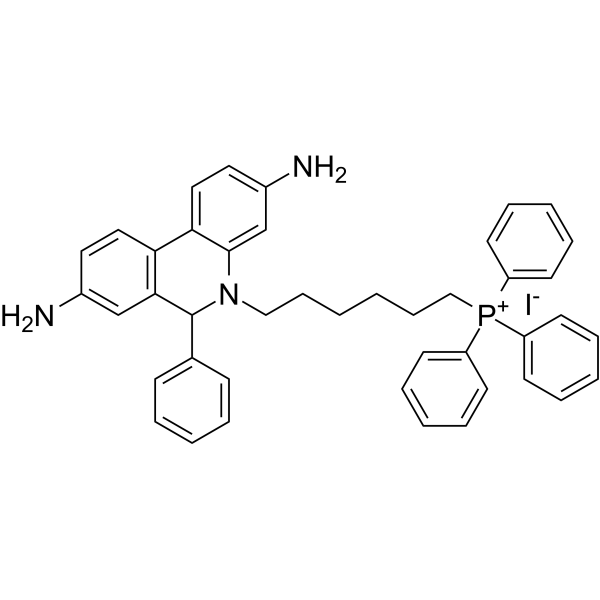
MitoSOX Red is a live cell fluorescent probe that specifically targets mitochondria and is cell membrane permeable. MitoSOX Red enters mitochondria and is oxidized by superoxide but not by other ROS or RNS generating systems. The oxidized MitoSOX Red then binds to nucleic acids in mitochondria/nucleus, producing strong red fluorescence. MitoSOX Red can be used as a fluorescent indicator to specifically detect superoxide. In addition, superoxide dismutase (SOD) can prevent the oxidation of MitoSOX Red.
Excitation/emission wavelength: 510/580 nm.
|
-
-
- HY-15534
-
|
CBIC2
|
Fluorescent Dye
|
Others
|
|
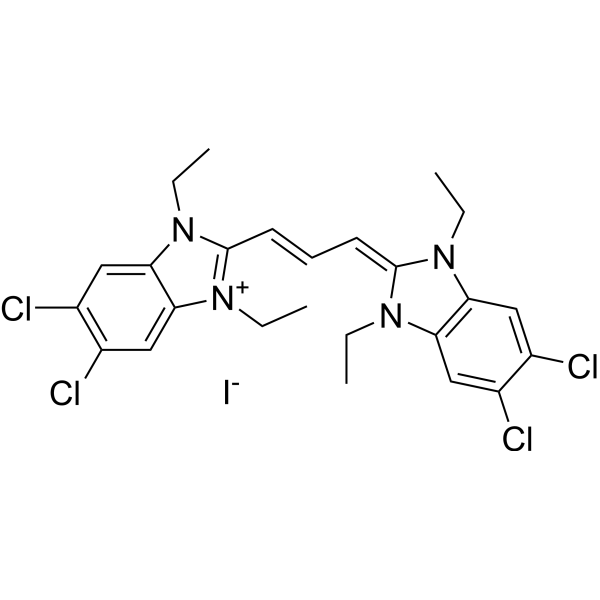
JC-1 (CBIC2) is an ideal fluorescent probe widely used to detect mitochondrial membrane potential. JC-1 accumulates in mitochondria in a potential dependent manner and can be used to detect the membrane potential of cells, tissues or purified mitochondria. In normal mitochondria, JC-1 aggregates in the mitochondrial matrix to form a polymer, which emits strong red fluorescence (Ex=585 nm, Em=590 nm); When the mitochondrial membrane potential is low, JC-1 cannot aggregate in the matrix of mitochondria and produce green fluorescence (ex=510 nm, em= 527 nm) .
|
-
-
- HY-D0985A
-
|
Tetramethylrhodamine ethyl ester perchlorate
|
Fluorescent Dye
|
Others
|
|
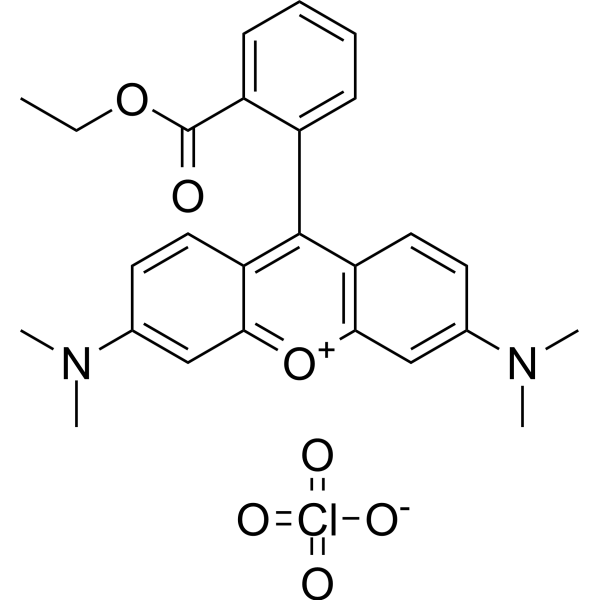
Rhodamine dyes are membrane-permeable cationic fluorescent probes that specifically recognize mitochondrial membrane potentials, thereby attaching to mitochondria and producing bright fluorescence, and at certain concentrations, rhodamine dyes have low toxicity to cells, so they are commonly used to detect mitochondria in animal cells, plant cells, and microorganisms .
|
-
-
- HY-D0984A
-
|
T668
|
Fluorescent Dye
|
Others
|
|
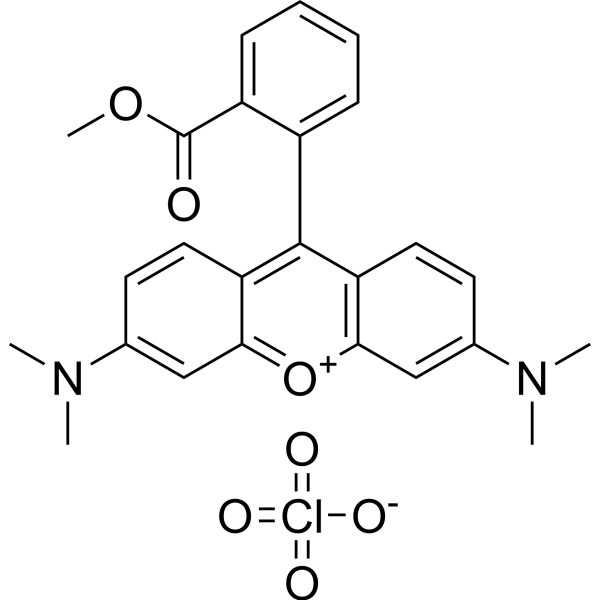
Rhodamine dyes are membrane-permeable cationic fluorescent probes that specifically recognize mitochondrial membrane potentials, thereby attaching to mitochondria and producing bright fluorescence, and at certain concentrations, rhodamine dyes have low toxicity to cells, so they are commonly used to detect mitochondria in animal cells, plant cells, and microorganisms .
|
-
-
- HY-D0816
-
|
RH-123; R-22420
|
Fluorescent Dye
|
Cardiovascular Disease
|
|
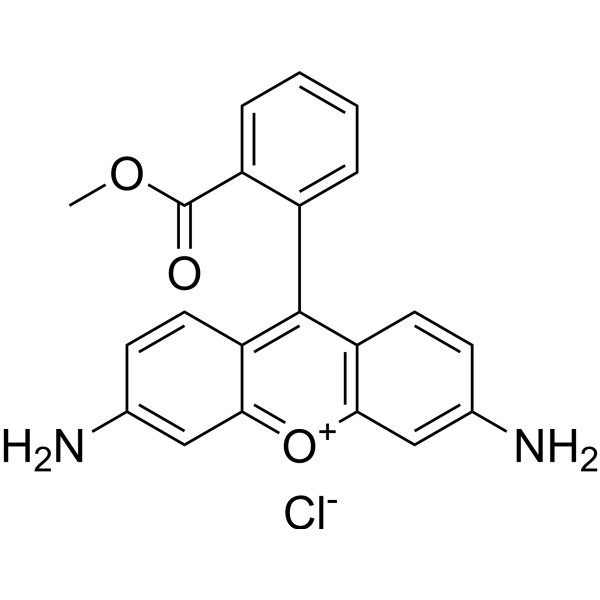
Rhodamine dyes are membrane-permeable cationic fluorescent probes that specifically recognize mitochondrial membrane potentials, thereby attaching to mitochondria and producing bright fluorescence, and at certain concentrations, rhodamine dyes have low toxicity to cells, so they are commonly used to detect mitochondria in animal cells, plant cells, and microorganisms .
|
-
-
- HY-D1063
-
|
|
Fluorescent Dye
Apoptosis
Reactive Oxygen Species (ROS)
|
Cancer
|
|
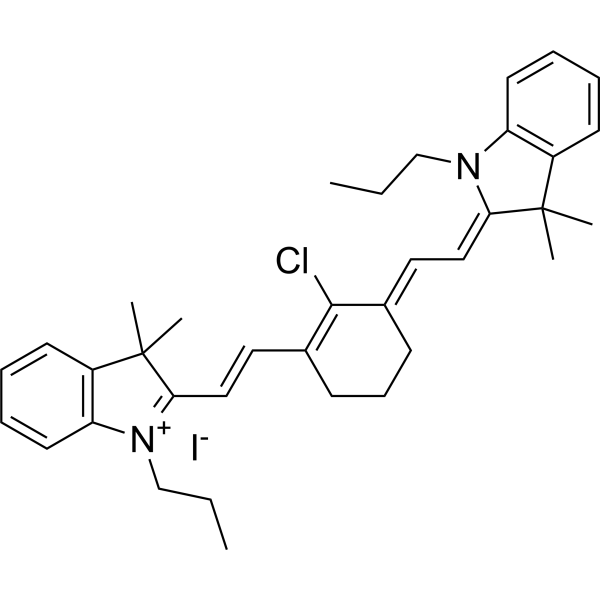
IR-780 is a near-infrared fluorescent probe for in vivo imaging of tumor cells. IR-780 is transported into tumor cells via OATPs and ABCB10, with uptake dependent on glycolytic activity and plasma membrane potential. IR-780 preferentially accumulates in tumor cell mitochondria, including those of drug-resistant cancer cells, without chemical conjugation. IR-780 generates reactive oxygen species (ROS), induces hyperthermia and apoptosis, inhibits tumor growth and recurrence, and modulates HSP70 expression upon ultrasound or 808 nm laser exposure. IR-780 acts as a sonosensitizer, photodynamic and photothermal agent, and drug delivery carrier, with low acute imaging-dose toxicity and rapid vital organ clearance. IR-780 can be used for the research of cancer, such as breast cancer, lung cancer, and non-small cell lung cancer (NSCLC) .
|
-
-
- HY-D0309
-
|
Basic Red 1
|
Environmental Pollutants
Fluorescent Dye
|
Cancer
|
|
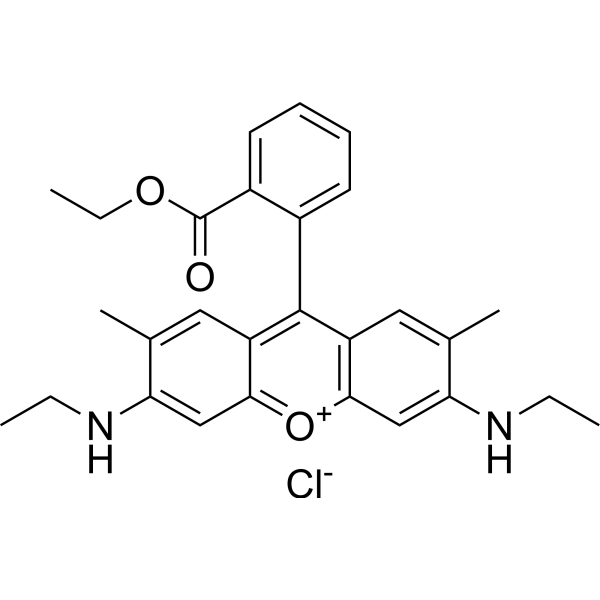
Rhodamine dyes are membrane-permeable cationic fluorescent probes that specifically recognize mitochondrial membrane potentials, thereby attaching to mitochondria and producing bright fluorescence, and at certain concentrations, rhodamine dyes have low toxicity to cells, so they are commonly used to detect mitochondria in animal cells, plant cells, and microorganisms .
|
-
-
- HY-125623
-
|
|
Fluorescent Dye
|
Others
|
|
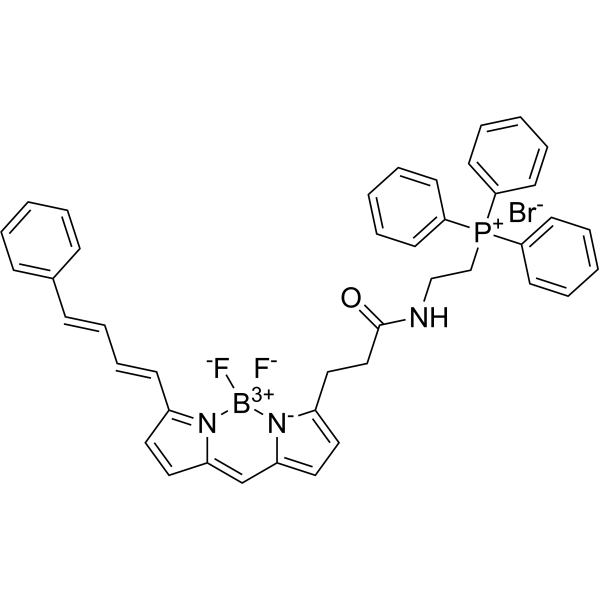
MitoPerOx is a mitochondrial-targeted, lipid peroxidation-indicating fluorescent probe with BODIPY581/591 fluorophores. The triphenylphosphine cation (TPP+) of MitoPerOx can be selectively enriched in mitochondria (depending on membrane potential) and can be used to detect lipid peroxidation in the inner mitochondrial membrane. Under the action of lipid peroxides, the BODIPY581/591 fluorophores of MitoPerOx shift their emission wavelength from 590 nm (reduced state) to 520 nm (oxidized state), and ratiometric detection can be performed at an excitation wavelength of 488 nm. MitoPerOx can specifically monitor the peroxidation of mitochondrial phospholipids (especially cardiolipin) and is used in the study of oxidative stress-related diseases (such as aging, neurodegenerative diseases, and mitochondrial dysfunction)[1][2].
|
-
-
- HY-W111141
-
|
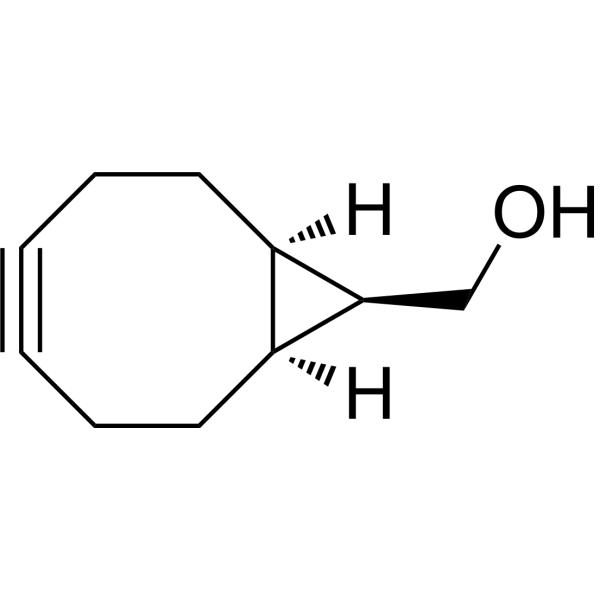
endo-9-Hydroxymethylbicyclo[6.1.0]non-4-yne
|
Biochemical Assay Reagents
|
Others
|
|
BCN-OH (endo-9-Hydroxymethylbicyclo[6.1.0]non-4-yne) is an alcohol functionalized cyclooctyne derivative. BCN-OH can act as a raw material for synthesizing other probes (such as BCN-TPP). BCN-OH is used to construct targeted probes by coupling with carboxyl-containing compounds (such as TPP-COOH). BCN-OH can be used as control reagent for BCN-TPP .
|
-
-
- HY-N16308
-
|
|
Fluorescent Dye
|
Others
|
|
ER-Laurdan is a derivative of the membrane-permeable fluorescent probe Laurdan (HY-D0080) that targets the endoplasmic reticulum (ER). As a membrane fluidity reporter, ER-Laurdan specifically localizes to the ER luminal membrane, and exhibits a prominent solvatochromic response to fluidity changes caused by membrane packing and exogenous saturated fatty acid stress. ER-Laurdan shows no overlapping localization with mitochondria, enables quantitative analysis of ER membrane fluidity via generalized polarization ratio measurement, and allows automatic signal masking with the help of ER markers. With high specificity and quantitative capability, ER-Laurdan serves as an important tool for investigating metabolic disorders and associated changes in the physical properties of cell membranes .
|
-

-
- HY-D0984
-
|
|
Fluorescent Dye
|
Inflammation/Immunology
|
|
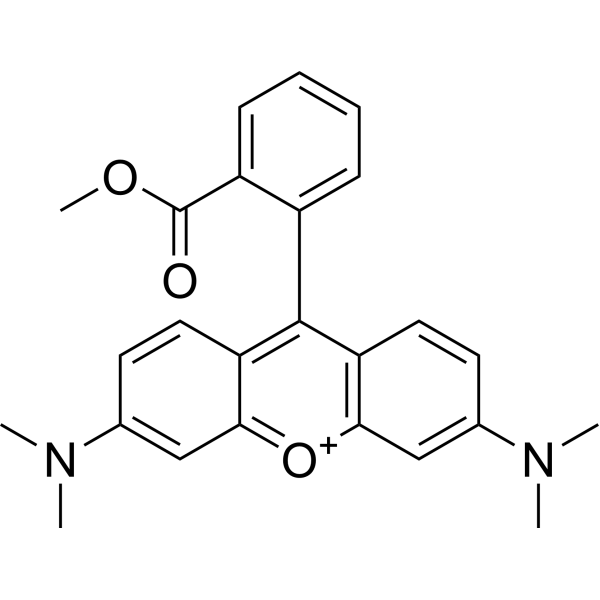
Rhodamine dyes are membrane-permeable cationic fluorescent probes that specifically recognize mitochondrial membrane potentials, thereby attaching to mitochondria and producing bright fluorescence, and at certain concentrations, rhodamine dyes have low toxicity to cells, so they are commonly used to detect mitochondria in animal cells, plant cells, and microorganisms .
|
-
-
- HY-DY1003
-
|
|
Fluorescent Dye
|
Others
|
JC-1 (CBIC2) (solution) is an ideal fluorescent probe widely used to detect mitochondrial membrane potential. JC-1 accumulates in mitochondria in a potential dependent manner and can be used to detect the membrane potential of cells, tissues or purified mitochondria. In normal mitochondria, JC-1 aggregates in the mitochondrial matrix to form a polymer, which emits strong red fluorescence (Ex=585 nm, Em=590 nm) ; When the mitochondrial membrane potential is low, JC-1 cannot aggregate in the matrix of mitochondria and produce green fluorescence (ex=510 nm, em= 527 nm) .
Solvent and concentration: DMSO: 1.5 mM
|
-

-
- HY-D2295
-
|
|
Fluorescent Dye
|
Others
|
|
Mito-FerroGreen is a mitochondria-specific ferrous ion detection probe with an excitation wavelength of 488nm .
|
-

-
- HY-DY1042
-
|
|
Fluorescent Dye
|
Others
|
Rhodamine dyes are membrane-permeable cationic fluorescent probes that specifically recognize mitochondrial membrane potentials, thereby attaching to mitochondria and producing bright fluorescence, and at certain concentrations, rhodamine dyes have low toxicity to cells, so they are commonly used to detect mitochondria in animal cells, plant cells, and microorganisms .
Solvent and concentration: DMSO: 10 mM
|
-

-
- HY-DY1073
-
|
|
Fluorescent Dye
|
Others
|
MitoPerOx (solution) is a mitochondrial-targeted, lipid peroxidation-indicating fluorescent probe with BODIPY581/591 fluorophores. The triphenylphosphine cation (TPP+) of MitoPerOx can be selectively enriched in mitochondria (depending on membrane potential) and can be used to detect lipid peroxidation in the inner mitochondrial membrane. Under the action of lipid peroxides, the BODIPY581/591 fluorophores of MitoPerOx shift their emission wavelength from 590 nm (reduced state) to 520 nm (oxidized state) , and ratiometric detection can be performed at an excitation wavelength of 488 nm. MitoPerOx can specifically monitor the peroxidation of mitochondrial phospholipids (especially cardiolipin) and is used in the study of oxidative stress-related diseases (such as aging, neurodegenerative diseases, and mitochondrial dysfunction) .
Solvent and concentration: DMSO: 2 mM
|
-

-
- HY-101876
-
|
|
Fluorescent Dye
|
Others
|
|
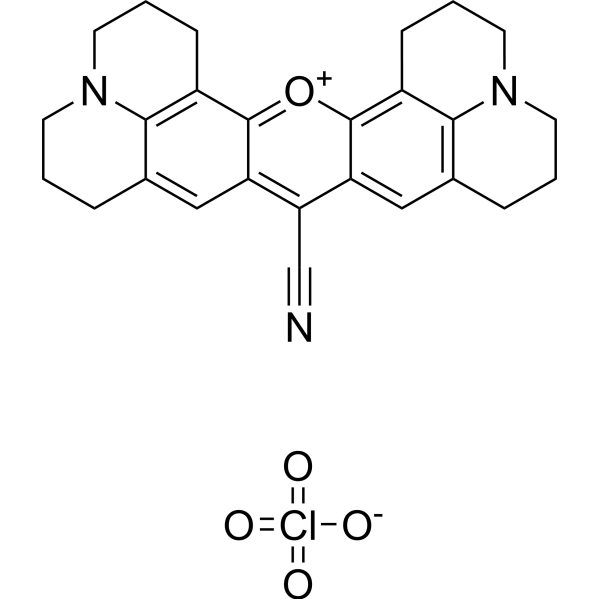
Rhodamine dyes are membrane-permeable cationic fluorescent probes that specifically recognize mitochondrial membrane potentials, thereby attaching to mitochondria and producing bright fluorescence, and at certain concentrations, rhodamine dyes have low toxicity to cells, so they are commonly used to detect mitochondria in animal cells, plant cells, and microorganisms .
|
-
-
- HY-126220
-
|
|
Fluorescent Dye
|
Others
|
|
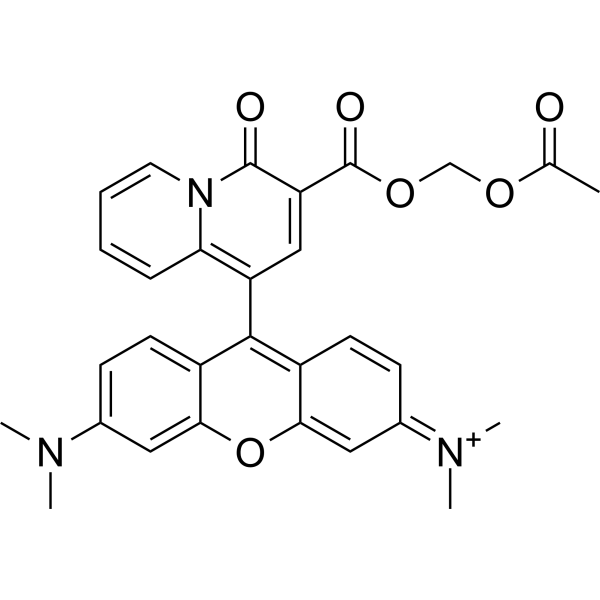
KMG-301AM is the acetoxy methyl esterified form of KMG-301. KMG-301AM successfully accumulates in mitochondria and then it is hydrolyzed to KMG-301. KMG-301 is an Mg 2+-selective fluorescent probe functional in mitochondria in intact cells. Since the mitochondrial membrane is impermeable to KMG-301, it is not released upon depolarization of the mitochondrial membrane potential. KMG-301 can indicate changes in mitochondrial Mg2+ concentration and shows Mg 2+ transport across the mitochondrial membrane in the early phases of a cellular model .
|
-
-
- HY-DY1023
-
|
|
Fluorescent Dye
|
Others
|
Rhodamine dyes are membrane-permeable cationic fluorescent probes that specifically recognize mitochondrial membrane potentials, thereby attaching to mitochondria and producing bright fluorescence, and at certain concentrations, rhodamine dyes have low toxicity to cells, so they are commonly used to detect mitochondria in animal cells, plant cells, and microorganisms .
Solvent and concentration: DMSO: 10 mM
|
-

-
- HY-126220A
-
|
|
Fluorescent Dye
|
Others
|
|
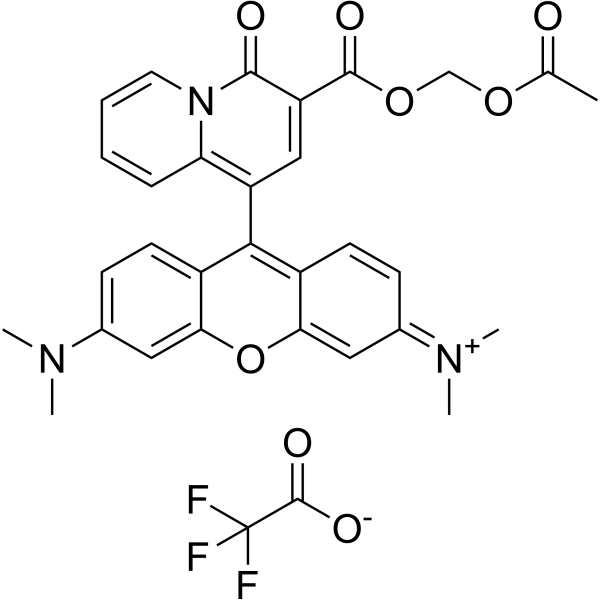
KMG-301AM TFA is the acetoxy methyl esterified form of KMG-301. KMG-301AM TFA successfully accumulates in mitochondria and then it is hydrolyzed to KMG-301. KMG-301 is an Mg 2+-selective fluorescent probe functional in mitochondria in intact cells. Since the mitochondrial membrane is impermeable to KMG-301, it is not released upon depolarization of the mitochondrial membrane potential. KMG-301 can indicate changes in mitochondrial Mg2+ concentration and shows Mg 2+ transport across the mitochondrial membrane in the early phases of a cellular model .
|
-
-
- HY-126474
-
|
|
Reactive Oxygen Species (ROS)
|
Inflammation/Immunology
|
|
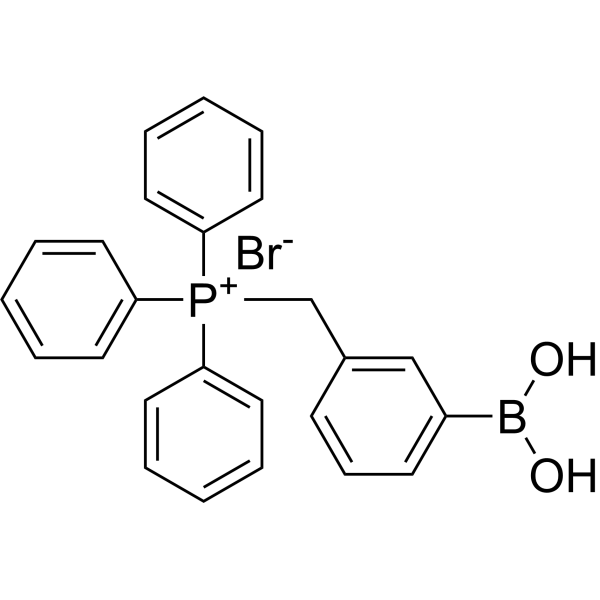
MitoB bromide is an exomarker of mitochondrial hydrogen peroxide. MitoB bromide is a mitochondria-targeted ratiometric probe, and can be used to measure levels of one major ROS, hydrogen peroxide, within living animals .
|
-
-
- HY-D1158
-
-
-
- HY-157036
-
|
|
Fluorescent Dye
|
Others
|
|
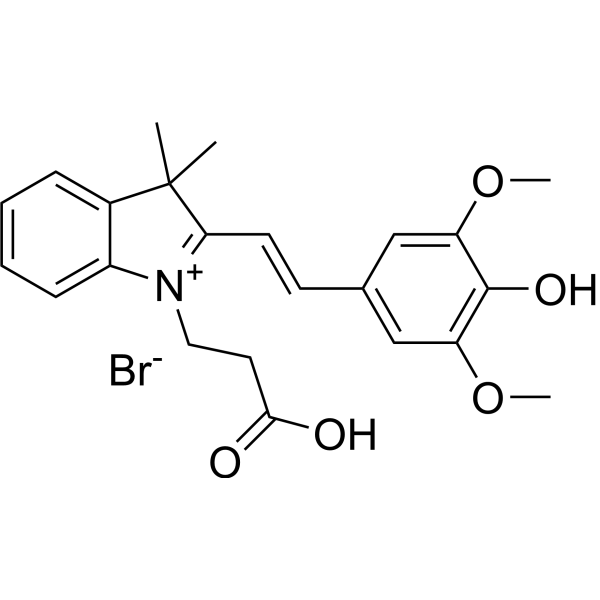
INSA is a a pH-sensitive fluorescent probe. INSA can simultaneously light up mitochondria (red emission) and lysosomes (green emission) for their internal pH differences .
|
-
-
- HY-DY1054
-
|
|
Fluorescent Dye
|
Cardiovascular Disease
|
Rhodamine dyes are membrane-permeable cationic fluorescent probes that specifically recognize mitochondrial membrane potentials, thereby attaching to mitochondria and producing bright fluorescence, and at certain concentrations, rhodamine dyes have low toxicity to cells, so they are commonly used to detect mitochondria in animal cells, plant cells, and microorganisms .
Solvent and concentration: DMSO: 5 mM
|
-

-
- HY-D1156A
-
|
|
Reactive Oxygen Species (ROS)
Fluorescent Dye
|
Others
|
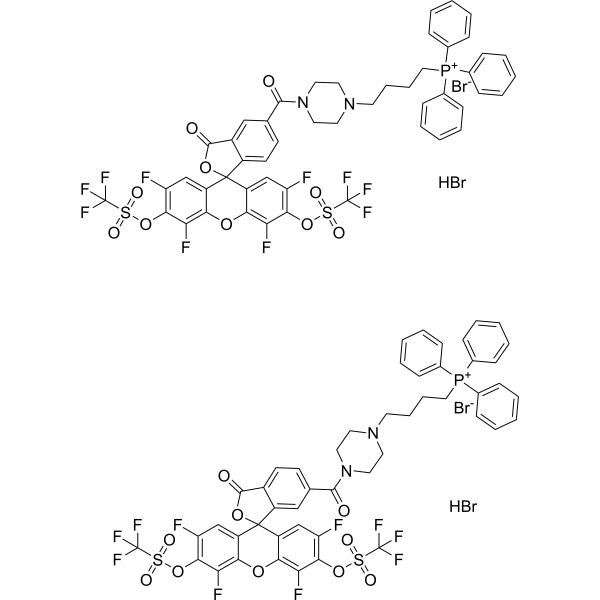
HKSOX-1m (5/6-mixture) hydrobromide is a O2 fluorescent probe for mitochondria-targeting (Ex/Em=509/534nm; green), exhibiting excellent selectivity and sensitivity toward O2 over a broad range of pH, strong oxidants, and abundant reductants found in cells .
|
-
-
- HY-D2479
-
|
|
Fluorescent Dye
|
Metabolic Disease
|
|
DMANI is an intramolecular charge transfer (ICT)-based mitochondria-targeted ratiometric fluorescent probe. DMANI can monitor mitochondrial peroxynitrite (ONOO −) in living cells .
|
-

-
- HY-D0309R
-
|
Basic Red 1 (Standard)
|
Fluorescent Dye
Reference Standards
|
Cancer
|
|
Rhodamine 6G (Standard) is the analytical standard of Rhodamine 6G. This product is intended for research and analytical applications. Rhodamine dyes are membrane-permeable cationic fluorescent probes that specifically recognize mitochondrial membrane potentials, thereby attaching to mitochondria and producing bright fluorescence, and at certain concentrations, rhodamine dyes have low toxicity to cells, so they are commonly used to detect mitochondria in animal cells, plant cells, and microorganisms .
|
-

-
- HY-169838
-
|
|
Biochemical Assay Reagents
|
Others
|
|
WYneC can specifically bind to sulfinylated proteins in living cells and then react with fluorescent probes containing azide groups for detection. In the field of redox biology, WYneC can also be used to determine the occupancy of S-sulfinylation sites or as a carrier to deliver substances to mitochondria .
|
-

-
- HY-123583
-
|
|
Fluorescent Dye
|
Others
|
|
MitoBADY is a mitochondria-selective Raman probe that successfully visualizes mitochondria in live HeLa cells at a concentration of 200-400 nM for 10 minutes. MitoBADY can be utilized for the study of mitochondrial dynamics .
|
-

-
- HY-141646
-
|
|
Fluorescent Dye
|
Others
|
|
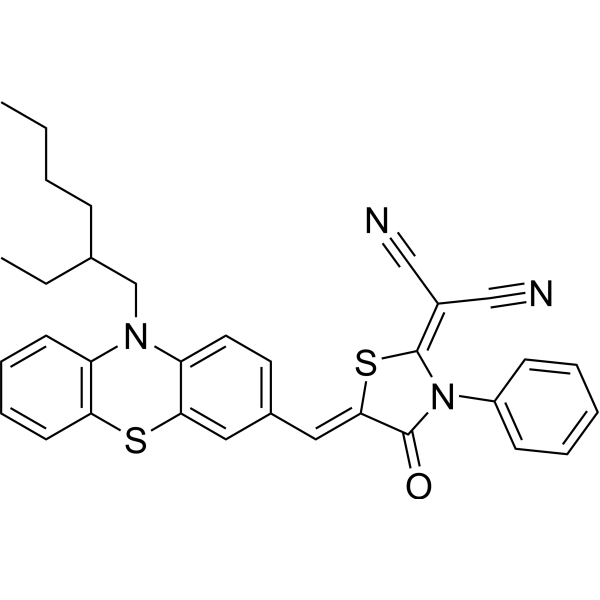
MIT-PZR is a mitochondria-targeted,? low cytotoxicity fluorescent probe that can be used in live cells and in vivo imaging. Ex / Em = 485 / 705 nm
|
-
-
- HY-D1156
-
|
|
Reactive Oxygen Species (ROS)
Fluorescent Dye
|
Others
|
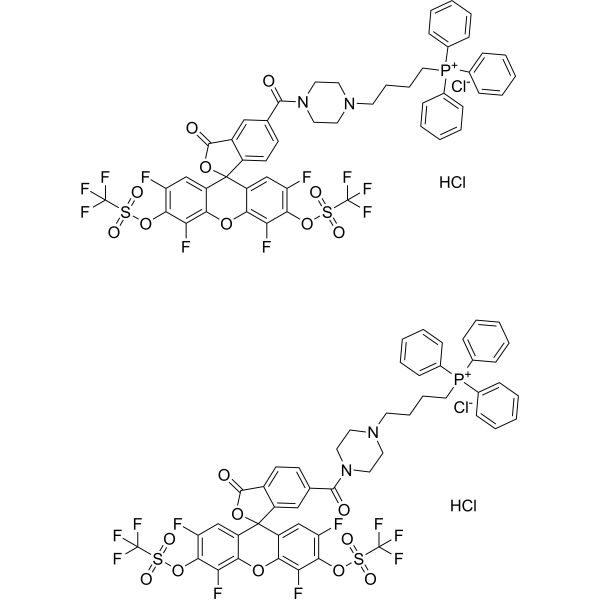
HKSOX-1m (5/6-mixture) is a O2 fluorescent probe for mitochondria-targeting (Ex/Em=509/534nm; green), exhibiting excellent selectivity and sensitivity toward O2 over a broad range of pH, strong oxidants, and abundant reductants found in cells .
|
-
-
- HY-172342
-
|
|
Fluorescent Dye
|
Cardiovascular Disease
|
|
MitoA (bromide) is a mitochondria-targeted H2S probe, which can be used to assess relative changes in mitochondrial levels of H2S in vivo. MitoA (bromide) can accumulate inside mitochondria within tissues in vivo due to tryphenylphosphonium (TPP) cation. MitoA (bromide) can be studied in research on myocardial ischemia .
|
-

-
- HY-D2215
-
|
|
Fluorescent Dye
|
Cancer
|
|
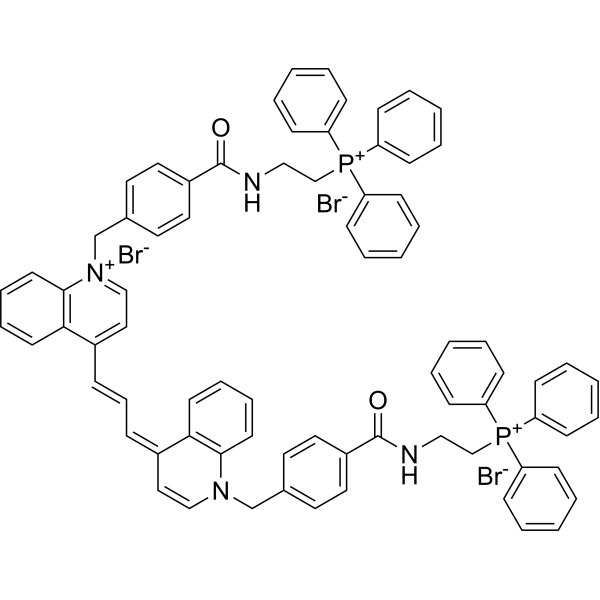
Mito-CCY is a mitochondria-targeted, NIR-absorbing cryptocyanine probe. Mito-CCY displays a high photothermal conversion efficiency, good biological compatibility in vitro, and photoinduced cytotoxicity in HeLa cells .
|
-
-
- HY-126474S
-
-

-
- HY-158918
-
|
4-CF3-Triphenylphosphonium-DC
|
Biochemical Assay Reagents
|
Others
|
|
4-CF3-TPP-DC (4-CF3-Triphenylphosphonium-DC) is an inert mitochondrial targeting carrier, that delivers target drugs and probes to mitochondria without causing mitochondrial depolarization and cytotoxicity in cell C2C12 .
|
-

-
- HY-155062
-
|
|
Mitochondrial Metabolism
Reactive Oxygen Species (ROS)
β-catenin
Fluorescent Dye
PPAR
|
Cancer
|
|
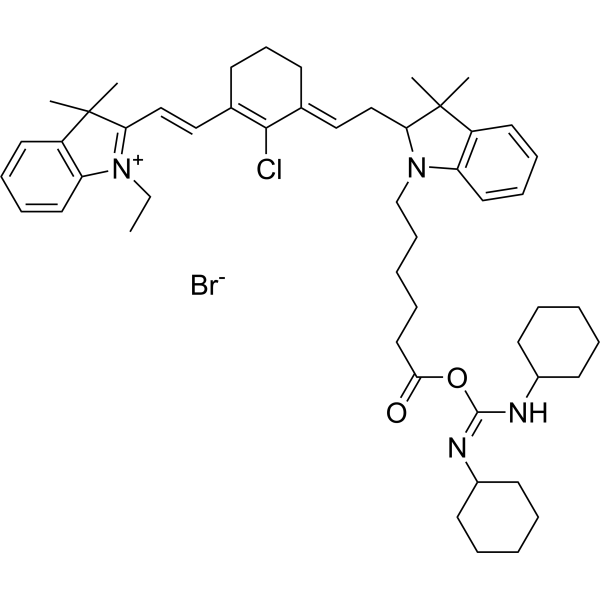
IR-251 is a mitochondrion-targeting NIR fluorescent probe. IR-251 targets mitochondria via OATPs and causes mitochondrial damage in tumor cells. IR-251 IR-251 induced ROS overproduction by inhibiting PPARγ, and then inhibiting the β-catenin signaling pathway and downstream protein molecules related to the cell cycle and metastasis. IR-251 inhibits tumor proliferation and metastasis .
|
-
-
- HY-149203
-
|
|
Fluorescent Dye
|
Others
|
|
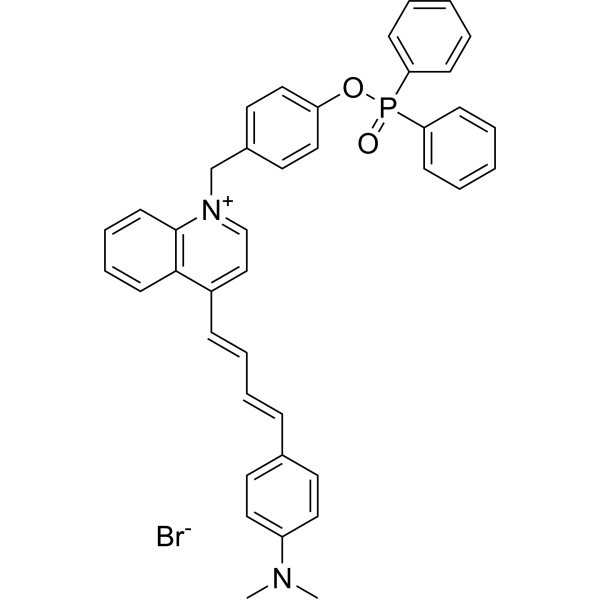
MQA-P is a multifunctional near-infrared (NIR) fluorescent probe for simultaneously detecting ONOO -, viscosity, and polarity within mitochondria. MQA-P exhibits a remarkable turn-on response to ONOO - (λem=645 nm) and is highly sensitive to viscosity/polarity in the NIR channel with λem>704 nm. MQA-P exhibits excited-state intramolecular charge transfer (ESICT) feature that is highly polarity-sensitive by engineering N,N-dimethylamino as the electron donor and a quinoline cationic unit as the electron acceptor. MQA-P is used for ferroptosis or cancer diagnosis in vitro and in vivo via dual-channel images .
|
-
-
- HY-149203A
-
|
|
Fluorescent Dye
|
Others
|
|
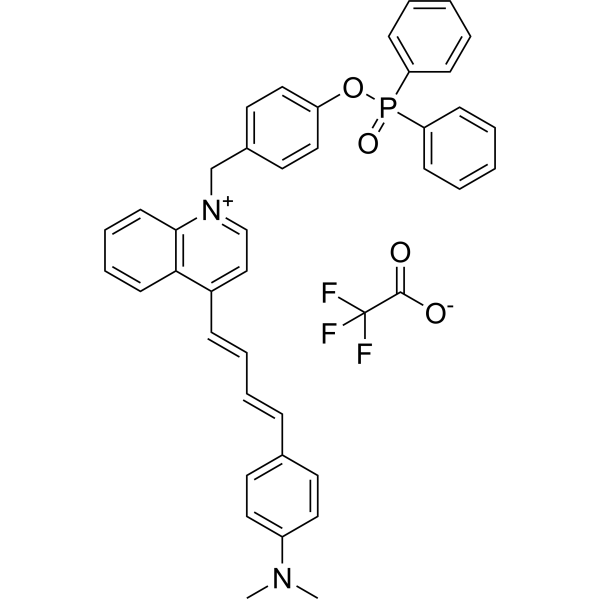
MQA-P is a multifunctional near-infrared (NIR) fluorescent probe that simultaneously detects ONOO -, viscosity, and polarity within mitochondria. MQA-P exhibits significant response to ONOO -, λem=645 nm; and NIR channel at λem>704 nm Medium is highly sensitive to viscosity/polarity. MQA-P possesses excited-state intramolecular charge transfer (ESICT) properties that are highly sensitive to polarity by designing the N,N-dimethylamino group as the electron donor and the quinoline cation unit as the electron acceptor. MQA-P is used for ferroptosis or cancer diagnosis in vitro and in vivo via dual-channel images .
|
-
-
- HY-W205529
-
|
|
Fluorescent Dye
|
Neurological Disease
|
|
RO 16-6491 Free base is a selective, reversible inhibitor of monoamine oxidase type B (MAO-B), exhibiting high affinity and specificity for binding sites in human frontal cortex mitochondria and platelet membranes. RO 16-6491 demonstrates a fast dissociation of bound radioactivity at 20 degrees C, indicating its dynamic binding properties. RO 16-6491 also acts as a substrate for MAO-B, suggesting that its oxidation may produce a stable intermediate responsible for its potent inhibitory effects. RO 16-6491 serves as an excellent radioligand probe for investigating the regional tissue distribution of MAO-B in various physiological and pathological states.
|
-

-
- HY-D3381
-
|
|
Fluorescent Dye
|
Others
|
|
MitoCLox is a mitochondria-targeted ratiometric fluorescent probe for measuring mitochondrial inner membrane lipid peroxidation .
|
-

-
- HY-D3269
-
|
|
Fluorescent Dye
|
Others
|
|
Mito-Cu (II) is a mitochondria-targeted fluorescent probe (Ex/Em = 370/450 nM). Mito-Cu (II) specifically accumulates in mitochondria of living cells and enables real-time detection of exogenous Cu 2+ within mitochondria of living cells. Mito-Cu (II) achieves "on-off-on" fluorescence switching through sequential exposure to Cu 2+ and ethylenediaminetetraacetic acid (EDTA) (HY-Y0682). Its fluorescence is quenched after forming a 1:1 complex with Cu 2+, and the fluorescence recovers when Cu 2+ is chelated by EDTA .
|
-

-
- HY-D2985
-
|
|
Mitochondrial Metabolism
Fluorescent Dye
|
Others
|
|
MI-BP-CC is a mitochondrial-targeting near-infrared fluorescent probe. MI-BP-CC can specifically localize in the mitochondria of living cells. MI-BP-CC visualizes viscosity with an emission wavelength of 722 nm for detecting mitochondrial viscosity .
|
-

-
- HY-D2958
-
|
|
Fluorescent Dye
|
Others
|
|
ZP1BG is a SNAP tag fluorescent probe for detecting Zn 2+, which is formed by the covalent connection of the zinc sensor ZP1 from the Zinpyr family with the benzyl guanine group. ZP1BG can be used to detect the concentration of Zn 2+ in neuronal organelles such as the Golgi apparatus and mitochondria .
|
-

-
- HY-D3166
-
|
|
Fluorescent Dye
|
Others
|
|
CEMT is a carboxylesterase (CE) substrate and a ratiometric two-photon fluorescent reporter probe. CEMT can be hydrolyzed by CE to generate HMT, which is used for mitochondrial pH sensing. After activation by CE, CEMT exhibits ratiometric fluorescence changes in response to pH variations. CEMT targets and covalently binds to mitochondria, and can avoid leakage during acidification, thus enabling in situ imaging .
|
-

-
- HY-D3255
-
|
|
Fluorescent Dye
|
Others
|
|
CTAP-1 is a monovalent copper ion probe. CTAP-1 binds to monovalent copper Cu (I) to inhibit photoinduced electron transfer, thereby enhancing fluorescence emission. CTAP-1 produces copper-dependent perinuclear staining that colocalizes with mitochondria and the Golgi apparatus. CTAP-1 can be used for imaging Cu (I) pools, excitation/emission Wavelength: 365/480 nm .
|
-

-
- HY-161476
-
|
|
Fluorescent Dye
|
Cancer
|
|
Ir-ImNO is a mitochondria-targeted two-photon probe with excellent cell membrane permeability, capable of detecting both endogenous and exogenous cell membrane permeability. Ir-ImNO can monitor different immune response states of macrophages through various imaging techniques, including one-photon and two-photon phosphorescence imaging as well as phosphorescence lifetime imaging. Ir-ImNO can be utilized in the research to assist in the clinical monitoring of immunotherapy .
|
-

-
- HY-D3196
-
|
|
Fluorescent Dye
|
Cancer
|
|
AG2 is a glucose uptake tracer and two-photon fluorescent probe. AG2 is taken up by cells via glucose-specific transport systems, rather than passive diffusion; it preferentially accumulates in cancer cells and colon cancer tissues compared with normal cells and tissues; it mainly localizes to mitochondria, with a small amount also distributed in the cytoplasm and cell membrane. AG2 can be used for colon cancer research .
|
-

| Cat. No. |
Product Name |
Type |
-
- HY-D1055
-
MitoSOX Red
Maximum Cited Publications
263 Publications Verification
|
Fluorescent Dyes
|
MitoSOX Red is a live cell fluorescent probe that specifically targets mitochondria and is cell membrane permeable. MitoSOX Red enters mitochondria and is oxidized by superoxide but not by other ROS or RNS generating systems. The oxidized MitoSOX Red then binds to nucleic acids in mitochondria/nucleus, producing strong red fluorescence. MitoSOX Red can be used as a fluorescent indicator to specifically detect superoxide. In addition, superoxide dismutase (SOD) can prevent the oxidation of MitoSOX Red.
Excitation/emission wavelength: 510/580 nm.
|
-
- HY-15534
-
|
CBIC2
|
Fluorescent Dyes
|
|
JC-1 (CBIC2) is an ideal fluorescent probe widely used to detect mitochondrial membrane potential. JC-1 accumulates in mitochondria in a potential dependent manner and can be used to detect the membrane potential of cells, tissues or purified mitochondria. In normal mitochondria, JC-1 aggregates in the mitochondrial matrix to form a polymer, which emits strong red fluorescence (Ex=585 nm, Em=590 nm); When the mitochondrial membrane potential is low, JC-1 cannot aggregate in the matrix of mitochondria and produce green fluorescence (ex=510 nm, em= 527 nm) .
|
-
- HY-D0985A
-
|
Tetramethylrhodamine ethyl ester perchlorate
|
Fluorescent Dyes
|
|
Rhodamine dyes are membrane-permeable cationic fluorescent probes that specifically recognize mitochondrial membrane potentials, thereby attaching to mitochondria and producing bright fluorescence, and at certain concentrations, rhodamine dyes have low toxicity to cells, so they are commonly used to detect mitochondria in animal cells, plant cells, and microorganisms .
|
-
- HY-D0984A
-
|
T668
|
Fluorescent Dyes
|
|
Rhodamine dyes are membrane-permeable cationic fluorescent probes that specifically recognize mitochondrial membrane potentials, thereby attaching to mitochondria and producing bright fluorescence, and at certain concentrations, rhodamine dyes have low toxicity to cells, so they are commonly used to detect mitochondria in animal cells, plant cells, and microorganisms .
|
-
- HY-D0816
-
|
RH-123; R-22420
|
Fluorescent Dyes
|
|
Rhodamine dyes are membrane-permeable cationic fluorescent probes that specifically recognize mitochondrial membrane potentials, thereby attaching to mitochondria and producing bright fluorescence, and at certain concentrations, rhodamine dyes have low toxicity to cells, so they are commonly used to detect mitochondria in animal cells, plant cells, and microorganisms .
|
-
- HY-D1063
-
|
|
Fluorescent Dyes
|
|
IR-780 is a near-infrared fluorescent probe for in vivo imaging of tumor cells. IR-780 is transported into tumor cells via OATPs and ABCB10, with uptake dependent on glycolytic activity and plasma membrane potential. IR-780 preferentially accumulates in tumor cell mitochondria, including those of drug-resistant cancer cells, without chemical conjugation. IR-780 generates reactive oxygen species (ROS), induces hyperthermia and apoptosis, inhibits tumor growth and recurrence, and modulates HSP70 expression upon ultrasound or 808 nm laser exposure. IR-780 acts as a sonosensitizer, photodynamic and photothermal agent, and drug delivery carrier, with low acute imaging-dose toxicity and rapid vital organ clearance. IR-780 can be used for the research of cancer, such as breast cancer, lung cancer, and non-small cell lung cancer (NSCLC) .
|
-
- HY-D0309
-
|
Basic Red 1
|
Fluorescent Dyes
|
|
Rhodamine dyes are membrane-permeable cationic fluorescent probes that specifically recognize mitochondrial membrane potentials, thereby attaching to mitochondria and producing bright fluorescence, and at certain concentrations, rhodamine dyes have low toxicity to cells, so they are commonly used to detect mitochondria in animal cells, plant cells, and microorganisms .
|
-
- HY-125623
-
|
|
Fluorescent Dyes
|
|
MitoPerOx is a mitochondrial-targeted, lipid peroxidation-indicating fluorescent probe with BODIPY581/591 fluorophores. The triphenylphosphine cation (TPP+) of MitoPerOx can be selectively enriched in mitochondria (depending on membrane potential) and can be used to detect lipid peroxidation in the inner mitochondrial membrane. Under the action of lipid peroxides, the BODIPY581/591 fluorophores of MitoPerOx shift their emission wavelength from 590 nm (reduced state) to 520 nm (oxidized state), and ratiometric detection can be performed at an excitation wavelength of 488 nm. MitoPerOx can specifically monitor the peroxidation of mitochondrial phospholipids (especially cardiolipin) and is used in the study of oxidative stress-related diseases (such as aging, neurodegenerative diseases, and mitochondrial dysfunction)[1][2].
|
-
- HY-D0984
-
|
|
Fluorescent Dyes
|
|
Rhodamine dyes are membrane-permeable cationic fluorescent probes that specifically recognize mitochondrial membrane potentials, thereby attaching to mitochondria and producing bright fluorescence, and at certain concentrations, rhodamine dyes have low toxicity to cells, so they are commonly used to detect mitochondria in animal cells, plant cells, and microorganisms .
|
-
- HY-DY1003
-
|
|
Fluorescent Dyes
|
JC-1 (CBIC2) (solution) is an ideal fluorescent probe widely used to detect mitochondrial membrane potential. JC-1 accumulates in mitochondria in a potential dependent manner and can be used to detect the membrane potential of cells, tissues or purified mitochondria. In normal mitochondria, JC-1 aggregates in the mitochondrial matrix to form a polymer, which emits strong red fluorescence (Ex=585 nm, Em=590 nm) ; When the mitochondrial membrane potential is low, JC-1 cannot aggregate in the matrix of mitochondria and produce green fluorescence (ex=510 nm, em= 527 nm) .
Solvent and concentration: DMSO: 1.5 mM
|
-
- HY-D2295
-
|
|
Fluorescent Dyes
|
|
Mito-FerroGreen is a mitochondria-specific ferrous ion detection probe with an excitation wavelength of 488nm .
|
-
- HY-DY1042
-
|
|
Fluorescent Dyes
|
Rhodamine dyes are membrane-permeable cationic fluorescent probes that specifically recognize mitochondrial membrane potentials, thereby attaching to mitochondria and producing bright fluorescence, and at certain concentrations, rhodamine dyes have low toxicity to cells, so they are commonly used to detect mitochondria in animal cells, plant cells, and microorganisms .
Solvent and concentration: DMSO: 10 mM
|
-
- HY-DY1073
-
|
|
Fluorescent Dyes
|
MitoPerOx (solution) is a mitochondrial-targeted, lipid peroxidation-indicating fluorescent probe with BODIPY581/591 fluorophores. The triphenylphosphine cation (TPP+) of MitoPerOx can be selectively enriched in mitochondria (depending on membrane potential) and can be used to detect lipid peroxidation in the inner mitochondrial membrane. Under the action of lipid peroxides, the BODIPY581/591 fluorophores of MitoPerOx shift their emission wavelength from 590 nm (reduced state) to 520 nm (oxidized state) , and ratiometric detection can be performed at an excitation wavelength of 488 nm. MitoPerOx can specifically monitor the peroxidation of mitochondrial phospholipids (especially cardiolipin) and is used in the study of oxidative stress-related diseases (such as aging, neurodegenerative diseases, and mitochondrial dysfunction) .
Solvent and concentration: DMSO: 2 mM
|
-
- HY-101876
-
|
|
Fluorescent Dyes
|
|
Rhodamine dyes are membrane-permeable cationic fluorescent probes that specifically recognize mitochondrial membrane potentials, thereby attaching to mitochondria and producing bright fluorescence, and at certain concentrations, rhodamine dyes have low toxicity to cells, so they are commonly used to detect mitochondria in animal cells, plant cells, and microorganisms .
|
-
- HY-DY1023
-
|
|
Fluorescent Dyes
|
Rhodamine dyes are membrane-permeable cationic fluorescent probes that specifically recognize mitochondrial membrane potentials, thereby attaching to mitochondria and producing bright fluorescence, and at certain concentrations, rhodamine dyes have low toxicity to cells, so they are commonly used to detect mitochondria in animal cells, plant cells, and microorganisms .
Solvent and concentration: DMSO: 10 mM
|
-
- HY-D1158
-
|
|
Fluorescent Dyes
|
|
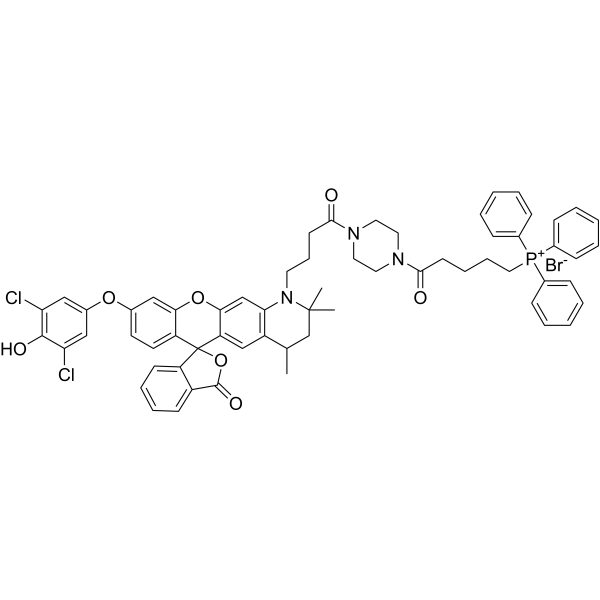
HKOCl-4m is a selective and mitochondria-targeting rhodol-based fluorescent probe for monitoring mitochondrial hypochlorous acid (HOCl) .
|
-
- HY-157036
-
|
|
Fluorescent Dyes
|
|
INSA is a a pH-sensitive fluorescent probe. INSA can simultaneously light up mitochondria (red emission) and lysosomes (green emission) for their internal pH differences .
|
-
- HY-DY1054
-
|
|
Fluorescent Dyes
|
Rhodamine dyes are membrane-permeable cationic fluorescent probes that specifically recognize mitochondrial membrane potentials, thereby attaching to mitochondria and producing bright fluorescence, and at certain concentrations, rhodamine dyes have low toxicity to cells, so they are commonly used to detect mitochondria in animal cells, plant cells, and microorganisms .
Solvent and concentration: DMSO: 5 mM
|
-
- HY-D1156A
-
|
|
Fluorescent Dyes
|
HKSOX-1m (5/6-mixture) hydrobromide is a O2 fluorescent probe for mitochondria-targeting (Ex/Em=509/534nm; green), exhibiting excellent selectivity and sensitivity toward O2 over a broad range of pH, strong oxidants, and abundant reductants found in cells .
|
-
- HY-D2479
-
|
|
Fluorescent Dyes
|
|
DMANI is an intramolecular charge transfer (ICT)-based mitochondria-targeted ratiometric fluorescent probe. DMANI can monitor mitochondrial peroxynitrite (ONOO −) in living cells .
|
-
- HY-D0309R
-
|
Basic Red 1 (Standard)
|
Fluorescent Dyes
|
|
Rhodamine 6G (Standard) is the analytical standard of Rhodamine 6G. This product is intended for research and analytical applications. Rhodamine dyes are membrane-permeable cationic fluorescent probes that specifically recognize mitochondrial membrane potentials, thereby attaching to mitochondria and producing bright fluorescence, and at certain concentrations, rhodamine dyes have low toxicity to cells, so they are commonly used to detect mitochondria in animal cells, plant cells, and microorganisms .
|
-
- HY-141646
-
|
|
Fluorescent Dyes
|
|
MIT-PZR is a mitochondria-targeted,? low cytotoxicity fluorescent probe that can be used in live cells and in vivo imaging. Ex / Em = 485 / 705 nm
|
-
- HY-D1156
-
|
|
Fluorescent Dyes
|
HKSOX-1m (5/6-mixture) is a O2 fluorescent probe for mitochondria-targeting (Ex/Em=509/534nm; green), exhibiting excellent selectivity and sensitivity toward O2 over a broad range of pH, strong oxidants, and abundant reductants found in cells .
|
-
- HY-D2215
-
|
|
Fluorescent Dyes
|
|
Mito-CCY is a mitochondria-targeted, NIR-absorbing cryptocyanine probe. Mito-CCY displays a high photothermal conversion efficiency, good biological compatibility in vitro, and photoinduced cytotoxicity in HeLa cells .
|
-
- HY-149203
-
|
|
Fluorescent Dyes
|
|
MQA-P is a multifunctional near-infrared (NIR) fluorescent probe for simultaneously detecting ONOO -, viscosity, and polarity within mitochondria. MQA-P exhibits a remarkable turn-on response to ONOO - (λem=645 nm) and is highly sensitive to viscosity/polarity in the NIR channel with λem>704 nm. MQA-P exhibits excited-state intramolecular charge transfer (ESICT) feature that is highly polarity-sensitive by engineering N,N-dimethylamino as the electron donor and a quinoline cationic unit as the electron acceptor. MQA-P is used for ferroptosis or cancer diagnosis in vitro and in vivo via dual-channel images .
|
-
- HY-D3381
-
|
|
Fluorescent Dyes
|
|
MitoCLox is a mitochondria-targeted ratiometric fluorescent probe for measuring mitochondrial inner membrane lipid peroxidation .
|
-
- HY-D3269
-
|
|
Fluorescent Dyes
|
|
Mito-Cu (II) is a mitochondria-targeted fluorescent probe (Ex/Em = 370/450 nM). Mito-Cu (II) specifically accumulates in mitochondria of living cells and enables real-time detection of exogenous Cu 2+ within mitochondria of living cells. Mito-Cu (II) achieves "on-off-on" fluorescence switching through sequential exposure to Cu 2+ and ethylenediaminetetraacetic acid (EDTA) (HY-Y0682). Its fluorescence is quenched after forming a 1:1 complex with Cu 2+, and the fluorescence recovers when Cu 2+ is chelated by EDTA .
|
-
- HY-D2985
-
|
|
Fluorescent Dyes
|
|
MI-BP-CC is a mitochondrial-targeting near-infrared fluorescent probe. MI-BP-CC can specifically localize in the mitochondria of living cells. MI-BP-CC visualizes viscosity with an emission wavelength of 722 nm for detecting mitochondrial viscosity .
|
-
- HY-D2958
-
|
|
Fluorescent Dyes
|
|
ZP1BG is a SNAP tag fluorescent probe for detecting Zn 2+, which is formed by the covalent connection of the zinc sensor ZP1 from the Zinpyr family with the benzyl guanine group. ZP1BG can be used to detect the concentration of Zn 2+ in neuronal organelles such as the Golgi apparatus and mitochondria .
|
-
- HY-D3166
-
|
|
Fluorescent Dyes
|
|
CEMT is a carboxylesterase (CE) substrate and a ratiometric two-photon fluorescent reporter probe. CEMT can be hydrolyzed by CE to generate HMT, which is used for mitochondrial pH sensing. After activation by CE, CEMT exhibits ratiometric fluorescence changes in response to pH variations. CEMT targets and covalently binds to mitochondria, and can avoid leakage during acidification, thus enabling in situ imaging .
|
-
- HY-D3255
-
|
|
Fluorescent Dyes
|
|
CTAP-1 is a monovalent copper ion probe. CTAP-1 binds to monovalent copper Cu (I) to inhibit photoinduced electron transfer, thereby enhancing fluorescence emission. CTAP-1 produces copper-dependent perinuclear staining that colocalizes with mitochondria and the Golgi apparatus. CTAP-1 can be used for imaging Cu (I) pools, excitation/emission Wavelength: 365/480 nm .
|
-
- HY-D3196
-
|
|
Fluorescent Dyes
|
|
AG2 is a glucose uptake tracer and two-photon fluorescent probe. AG2 is taken up by cells via glucose-specific transport systems, rather than passive diffusion; it preferentially accumulates in cancer cells and colon cancer tissues compared with normal cells and tissues; it mainly localizes to mitochondria, with a small amount also distributed in the cytoplasm and cell membrane. AG2 can be used for colon cancer research .
|
| Cat. No. |
Product Name |
Type |
-
- HY-W111141
-
|
endo-9-Hydroxymethylbicyclo[6.1.0]non-4-yne
|
Biochemical Assay Reagents
|
|
BCN-OH (endo-9-Hydroxymethylbicyclo[6.1.0]non-4-yne) is an alcohol functionalized cyclooctyne derivative. BCN-OH can act as a raw material for synthesizing other probes (such as BCN-TPP). BCN-OH is used to construct targeted probes by coupling with carboxyl-containing compounds (such as TPP-COOH). BCN-OH can be used as control reagent for BCN-TPP .
|
-
- HY-KD1029
-
|
|
|
Mito Red is a red-fluorescent fluorescent probe that specifically labels mitochondria in living mammalian cells.
|
| Cat. No. |
Product Name |
Category |
Target |
Chemical Structure |
-
- HY-N16308
-
|
|
Structural Classification
Lipid
|
Fluorescent Dye
|
|
ER-Laurdan is a derivative of the membrane-permeable fluorescent probe Laurdan (HY-D0080) that targets the endoplasmic reticulum (ER). As a membrane fluidity reporter, ER-Laurdan specifically localizes to the ER luminal membrane, and exhibits a prominent solvatochromic response to fluidity changes caused by membrane packing and exogenous saturated fatty acid stress. ER-Laurdan shows no overlapping localization with mitochondria, enables quantitative analysis of ER membrane fluidity via generalized polarization ratio measurement, and allows automatic signal masking with the help of ER markers. With high specificity and quantitative capability, ER-Laurdan serves as an important tool for investigating metabolic disorders and associated changes in the physical properties of cell membranes .
|
-
| Cat. No. |
Product Name |
Chemical Structure |
-
- HY-126474S
-
|
|
|
MitoB-d15 (bromide) is deuterium labeled MitoB (bromide). MitoB bromide is an exomarker of mitochondrial hydrogen peroxide. MitoB bromide is a mitochondria-targeted ratiometric probe, and can be used to measure levels of one major ROS, hydrogen peroxide, within living animals .
|
-
Your information is safe with us. * Required Fields.
Inquiry Information
- Product Name:
- Cat. No.:
- Quantity:
- MCE Japan Authorized Agent:








