Search Result
Results for "
NLRP3+inhibitor
" in MedChemExpress (MCE) Product Catalog:
| Cat. No. |
Product Name |
Target |
Research Areas |
Chemical Structure |
-
- HY-12815
-
-
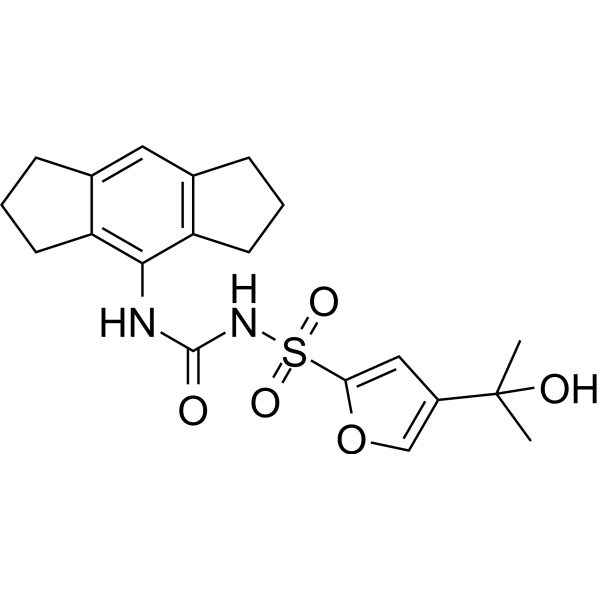
-
- HY-12815A
-
MCC950 sodium
Maximum Cited Publications
453 Publications Verification
CP-456773 sodium; CRID3 sodium salt
|
NOD-like Receptor (NLR)
|
Inflammation/Immunology
|
|
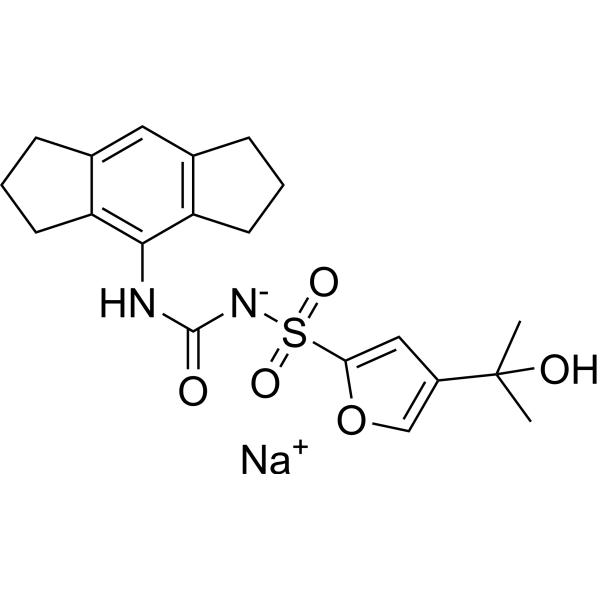
MCC950 sodium (CP-456773 sodium; CRID3 sodium salt) is a potent, selective NLRP3 inhibitor with IC50s of 7.5 and 8.1 nM in BMDMs and HMDMs, respectively.
|
-
-
- HY-N3005
-
|
|
Apoptosis
Autophagy
NOD-like Receptor (NLR)
Pyroptosis
|
Inflammation/Immunology
Cancer
|
|
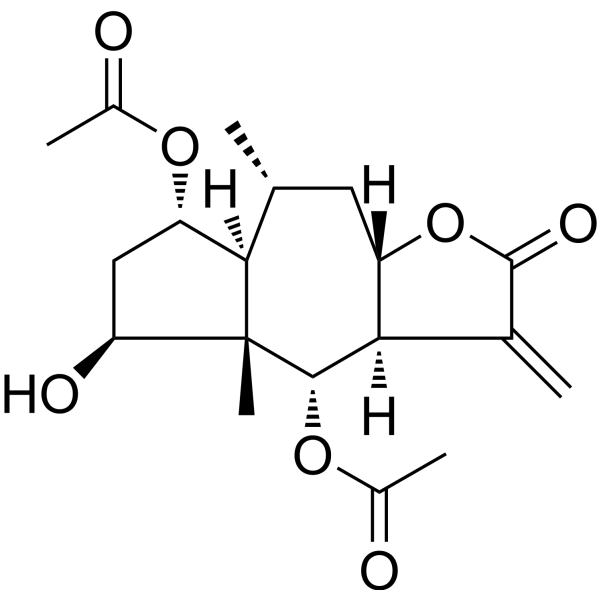
Britannin is an NLRP3 inhibitor with an IC50 of 3.630 μM, exhibiting anti-inflammatory activity. Britannin inhibits the activation and assembly of the NLRP3 inflammasome by blocking the interaction between NLRP3 and NEK7. Additionally, Britannin demonstrates antitumor activity by inhibiting the proliferation of tumor cells through blocking the interaction between HIF-1α and Myc, thereby suppressing PD-L1 expression and enhancing cytotoxic T lymphocyte activity. Britannin can also induce apoptosis and autophagy in liver cancer cells by activating ROS-regulated AMPK. Britannin holds promise for research in the fields of anti-inflammatory and antitumor therapeutics [3] .
|
-
-
- HY-155876
-
|
NLRP3 antagonist 2
|
NOD-like Receptor (NLR)
|
Infection
Inflammation/Immunology
|
|
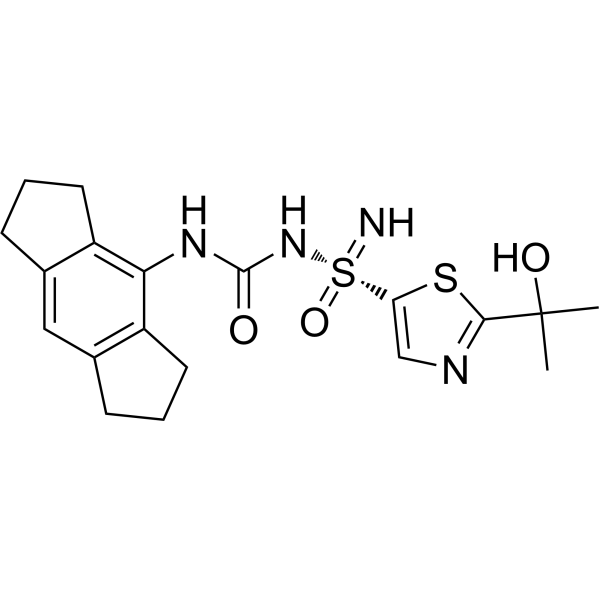
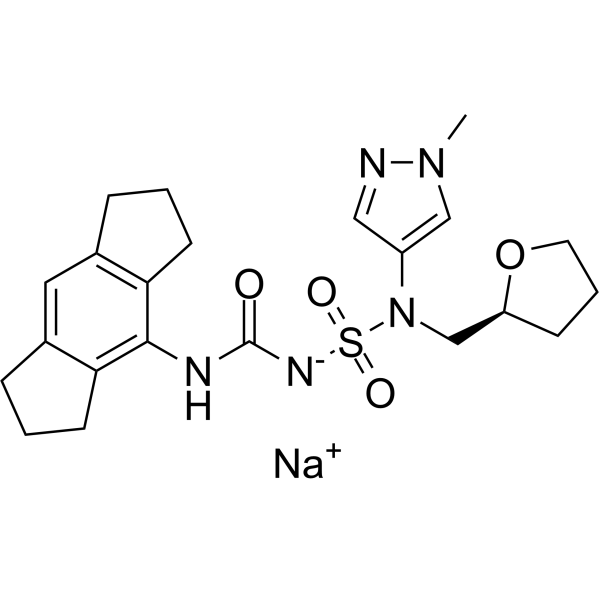
NVP-DFV890 is an orally administered, selective NLRP3 inhibitor. NVP-DFV890 directly binds to NLRP3, blocks maturation of pro-inflammatory cytokines IL-1β and IL-18, and inhibits pyroptotic cell death. NVP-DFV890 acts as an inducer of viral clearance, promoting earlier clearance of SARS-CoV-2. NVP-DFV890 can be used for the research of COVID-19 pneumonia and coronavirus-associated acute respiratory distress syndrome (CARDS) .
|
-
-
- HY-103666
-
|
|
NOD-like Receptor (NLR)
|
Inflammation/Immunology
|
|
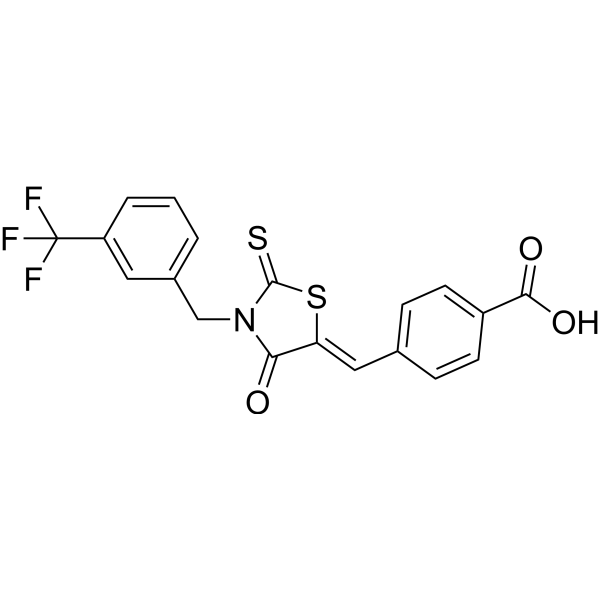
CY-09 is a selective and direct NLRP3 inhibitor. CY-09 directly binds to the ATP-binding motif of NLRP3 NACHT domain and inhibits NLRP3 ATPase activity, resulting in the suppression of NLRP3 inflammasome assembly and activation .
|
-
-
- HY-162877
-
|
|
NOD-like Receptor (NLR)
Interleukin Related
Potassium Channel
|
Inflammation/Immunology
|
|
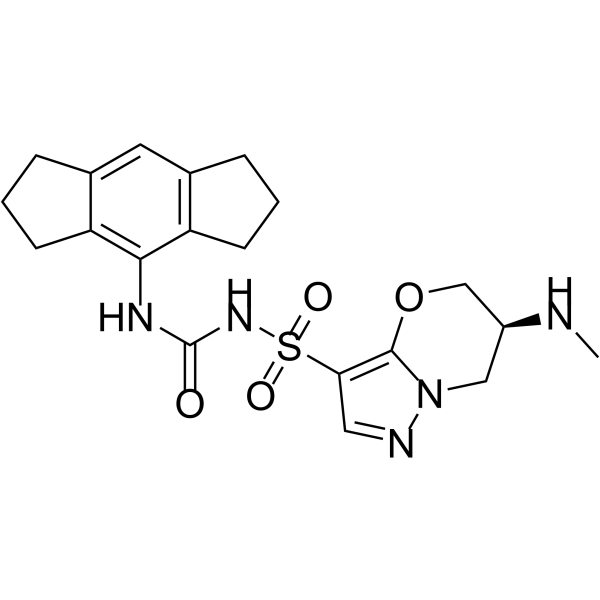
AZD4144 is an orally active NLRP3 inhibitor (EC50: 0.082 μM). AZD4144 effectively inhibits the release of IL-1β when NLRP3 is overactivated, exerting an anti-inflammatory effect. AZD4144 has low inhibitory effect on hERG and low cardiotoxicity. AZD4144 has the potential to study diseases and conditions associated with NLRP3 inflammasome activation .
|
-

-
- HY-N1431
-
|
|
NOD-like Receptor (NLR)
Apoptosis
Cytochrome P450
NF-κB
PI3K
Akt
CDK
Caspase
Interleukin Related
p38 MAPK
|
Inflammation/Immunology
Cancer
|
|
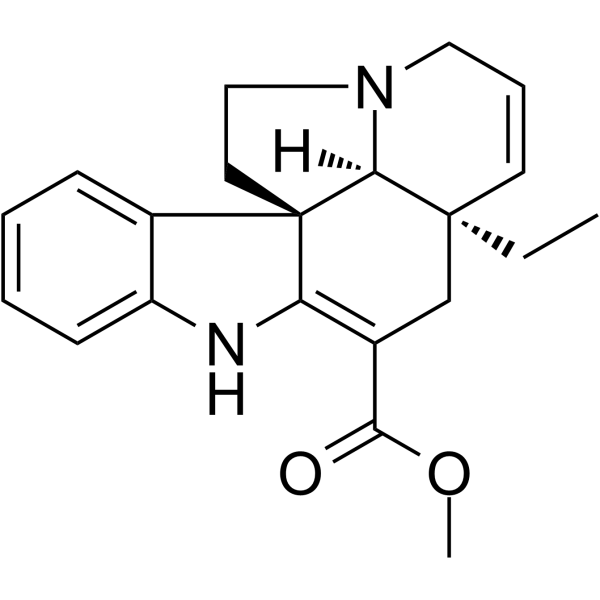
Tabersonine is a selective, orally active NLRP3 inhibitor. Tabersonine directly binds to the NACHT domain of NLRP3, inhibiting its ATPase activity and oligomerization, thereby blocking ASC spot formation and caspase-1 activation, and reducing the release of pro-inflammatory cytokines such as IL-1β. Tabersonine also inhibits K63-linked ubiquitination of TRAF6, blocking NF-κB, PI3K/Akt, and p38 MAPK signaling pathways. Tabersonine can inhibit inflammatory responses, induce apoptosis of liver cancer cells through mitochondrial pathways and death receptor pathways, reduce mitochondrial membrane potential, promote cytochrome c release, and activate caspase proteins. Tabersonine is mainly used in the study of NLRP3-driven inflammatory diseases (such as acute lung injury, sepsis, peritonitis) and tumors such as liver cancer [3].
|
-
-
- HY-148258
-
-
-
- HY-101868
-
-
-
- HY-163159
-
|
|
NOD-like Receptor (NLR)
Interleukin Related
|
Inflammation/Immunology
|
|
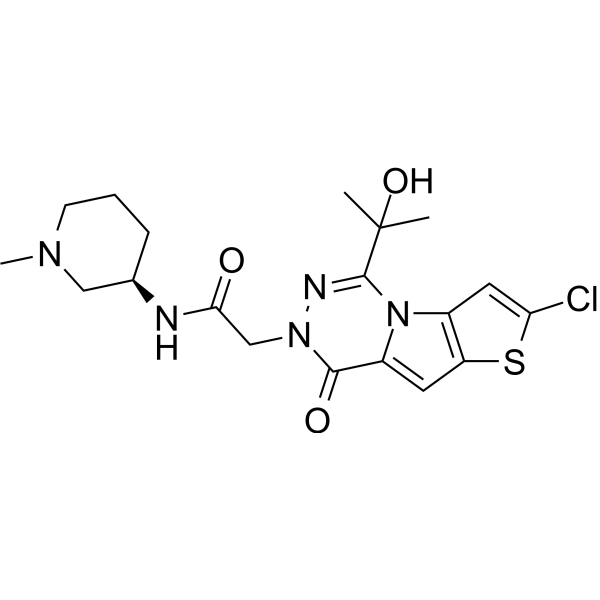
NP3-562 is an orally active NLRP3 Inhibitor. NP3-562 inhibits IL-1β release in the supernatant of Nigericin (HY-127019)-stimulated THP-1 cells (IC50 = 66 nM), human whole blood (IC50 = 214 nM) and a mouse acute peritonitis model. NP3-562 can be used for the study of acute peritonitis .
|
-
-
- HY-171820
-
-

-
- HY-161297A
-
-

-
- HY-163358
-
-
-
- HY-164304
-
-

-
- HY-150206
-
|
|
NOD-like Receptor (NLR)
|
Neurological Disease
Inflammation/Immunology
|
|
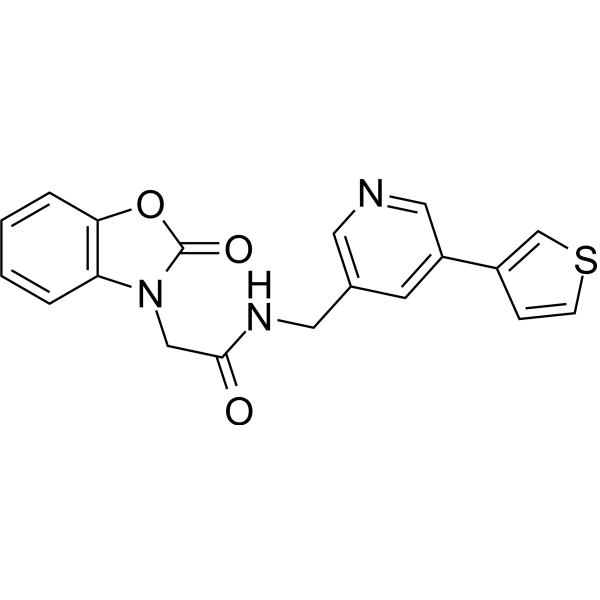
NLRP3-IN-13 (Compound C77 in reference patent) is a selective and potent NLRP3 inhibitor (IC50: 2.1 μM). NLRP3-IN-13 inhibits NLRP3 andNLRC4 inflammasomes, and inhibits NLRP3-mediated IL-1β production. NLRP3-IN-13 also inhibits NLRP3 ATPase activity. NLRP3-IN-13 can be used in the research of neuroinflammatory disorders .
|
-
-
- HY-174270
-
|
|
NOD-like Receptor (NLR)
Interleukin Related
NEKs
|
Inflammation/Immunology
|
|
NLRP3-IN-79 is an orally active NLRP3 inhibitor. NLRP3-IN-79 inhibits NLRP3 inflammasome with an IC50 of 10.69 nM. NLRP3-IN-79 blocks NLRP3 inflammasome assembly by directly binding to NLRP3 and disrupting the NEK7-NLRP3 interaction. NLRP3-IN-79 can be used for the study of NLRP3-driven diseases model, including systemic inflammation, peritonitis, and colitis .
|
-

-
- HY-175278
-
|
|
NOD-like Receptor (NLR)
|
Neurological Disease
Inflammation/Immunology
|
|
BAL-1516 is an orally active NLRP3 inhibitor with human NLRP3 Kd of 14.2 nM, mouse NLRP3 Kd of 200 nM, and blood-brain barrier penetration.BAL-1516 binds to a surface groove of the NLRP3 nucleotide-binding domain, contacts FISNA and WHD subdomains, forms three hydrogen bonds to the peripheral β-strand of the triple-ATPase, and does not alter NLRP3 ATP-hydrolysis activity.BAL-1516 shows specificity for NLRP3 over other NOD-like receptors, directly binds mouse NLRP3, and inhibits inflammasome formation in monocytes and microglia .
|
-

-
- HY-161297
-
-
-
- HY-146765
-
|
|
NOD-like Receptor (NLR)
|
Neurological Disease
Inflammation/Immunology
|
|
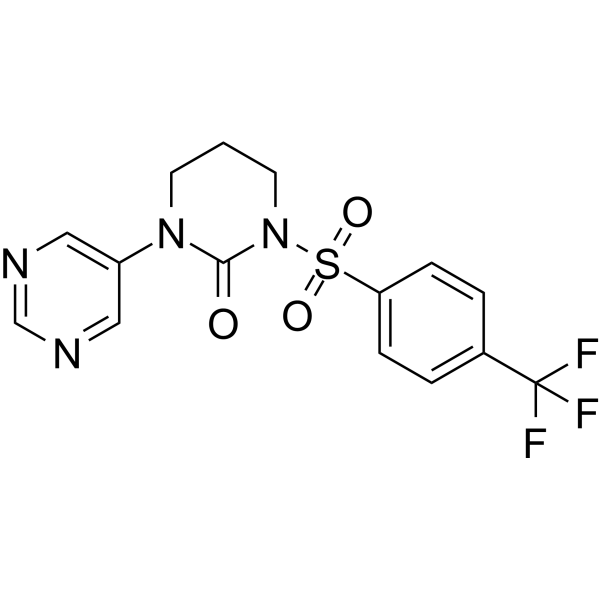
AMS-17 is a potent NLRP3 inhibitor, inhibiting microglia activation in vitro and in vivo. AMS-17 also inhibits cytokines such as caspase-1, TNF-α, IL-1β and inducible nitric oxide synthase (iNOS) in N9 cells. AMS-17 can be used for researching inflammation-associated neurological disorders, such as vascular dementia (VaD) .
|
-
-
- HY-162588
-
|
|
NOD-like Receptor (NLR)
ATTECs
Autophagy
|
Inflammation/Immunology
|
|
MC-ND-18 is an ATTEC degrader that degrades NLRP3 via the Autophagy pathway, with a DC50 of 125.5 nM in THP-1 cells. MC-ND-18 exhibits anti-inflammatory activity in a DSS-induced mouse model of colitis. MC-ND-18 can be used for research on inflammatory bowel disease. MC-ND-18 consists of an NLRP3 inhibitor (HY-156121), a linker (HY-W018745), and an LC3 ligand .
|
-

-
- HY-155463
-
|
|
NOD-like Receptor (NLR)
Interleukin Related
|
Inflammation/Immunology
|
|
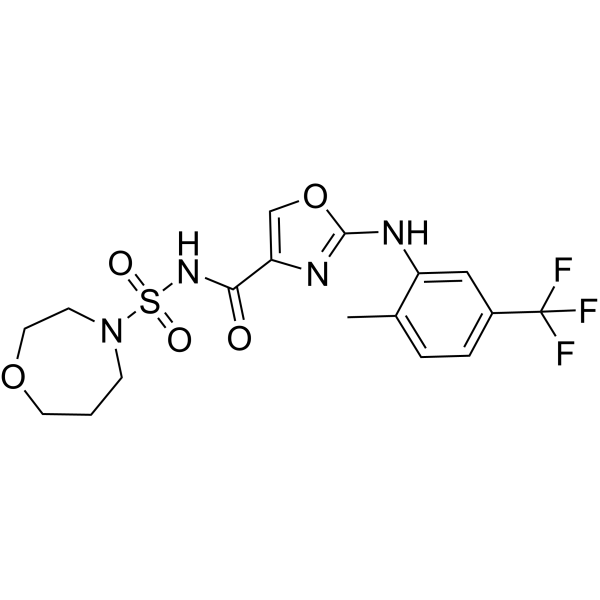
NLRP3-IN-25 (compound 32) is an orally available NLRP3 inhibitor with anti-inflammatory activity. NLRP3-IN-25 attenuates renal injury in doxorubicin-induced glomerulonephritis in mice. NLRP3-IN-25 inhibits IL-1β secretion in THP-1 cells with an IC50 of 21 nM .
|
-
-
- HY-N1431A
-
|
|
NOD-like Receptor (NLR)
Apoptosis
Cytochrome P450
NF-κB
PI3K
Akt
CDK
Caspase
Interleukin Related
p38 MAPK
|
Neurological Disease
Inflammation/Immunology
|
|
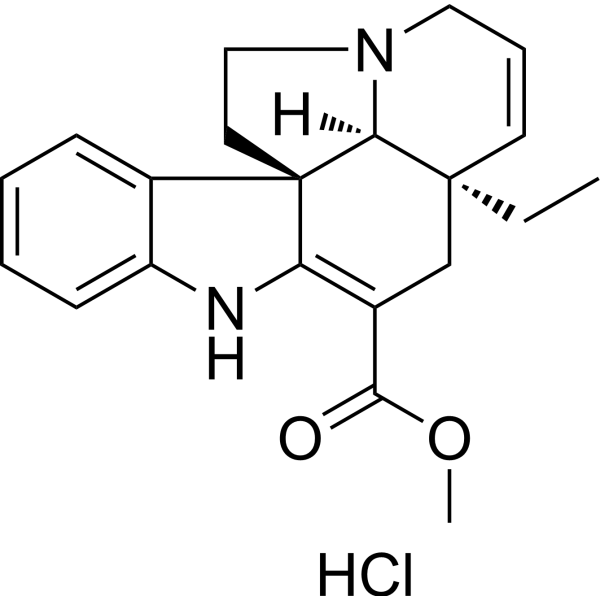
Tabersonine hydrochloride is a selective, orally active NLRP3 inhibitor. Tabersonine hydrochloride directly binds to the NACHT domain of NLRP3, inhibiting its ATPase activity and oligomerization, thereby blocking ASC spot formation and caspase-1 activation, and reducing the release of pro-inflammatory cytokines such as IL-1β. Tabersonine hydrochloride also inhibits K63-linked ubiquitination of TRAF6, blocking NF-κB, PI3K/Akt, and p38 MAPK signaling pathways. Tabersonine hydrochloride can inhibit inflammatory responses, induce apoptosis of liver cancer cells through mitochondrial pathways and death receptor pathways, reduce mitochondrial membrane potential, promote cytochrome c release, and activate caspase proteins. Tabersonine hydrochloride is mainly used in the study of NLRP3-driven inflammatory diseases (such as acute lung injury, sepsis, peritonitis) and tumors such as liver cancer [3].
|
-
-
- HY-177128
-
-

-
- HY-179024
-
-

-
- HY-170537
-
-

-
- HY-153554
-
-
-
- HY-156469
-
-
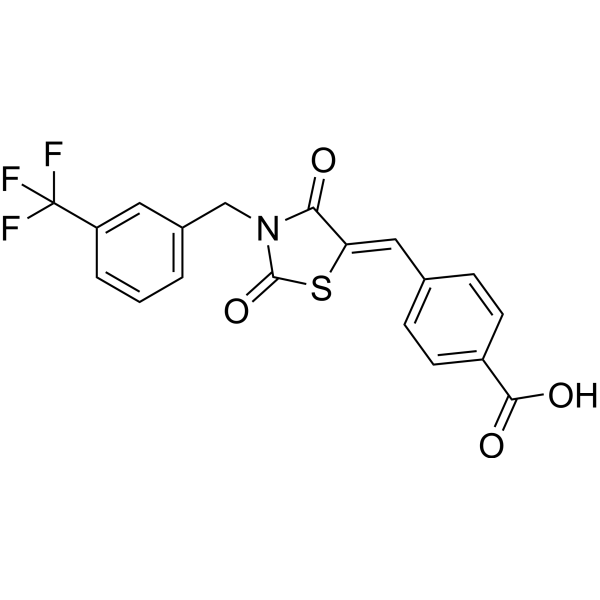
-
- HY-179132
-
-

-
- HY-N9921
-
|
|
Pyroptosis
NOD-like Receptor (NLR)
|
Inflammation/Immunology
|
|
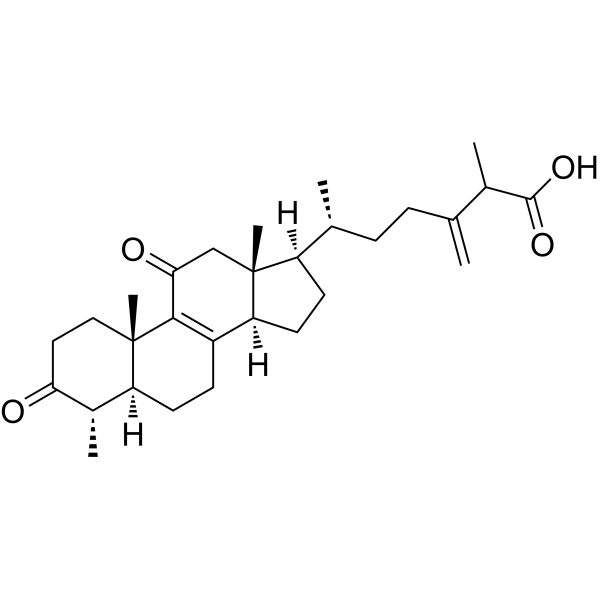
Antcin A is a potent NLRP3 inhibitor that inhibits the assembly and activation of the NLRP3 inflammasome. Antcin A can inhibit Kupffer cell pyroptosis and has liver protective activity. Antcin A can be used to study inflammation, such as non-alcoholic fatty liver disease .
|
-
-
- HY-159159
-
|
|
NOD-like Receptor (NLR)
|
Inflammation/Immunology
|
|
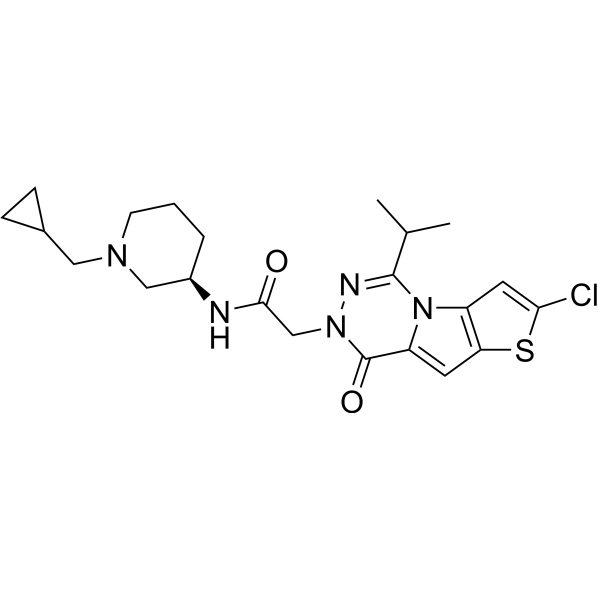
MS-II-124 is an effective and selective NLRP3 inhibitor (IC50=0.12 μM) with anti-inflammatory and immunomodulatory activities, which can be used in the research of acute lung injury (ALI)/acute respiratory distress syndrome (ARDS) .
|
-

-
- HY-158093
-
|
|
NOD-like Receptor (NLR)
|
Inflammation/Immunology
|
|
NIC-12 is a potent NLRP3 inhibitor. NIC-12 selectively reduces circulating IL-1ß levels in the LPS-endotoxemia mice model. NIC-12 inhibits NLRP3 inflammasome activation in mouse macrophages .
|
-
-
- HY-12815R
-
|
CP-456773 (Standard); CRID3 (Standard)
|
NOD-like Receptor (NLR)
Reference Standards
|
Inflammation/Immunology
|
|
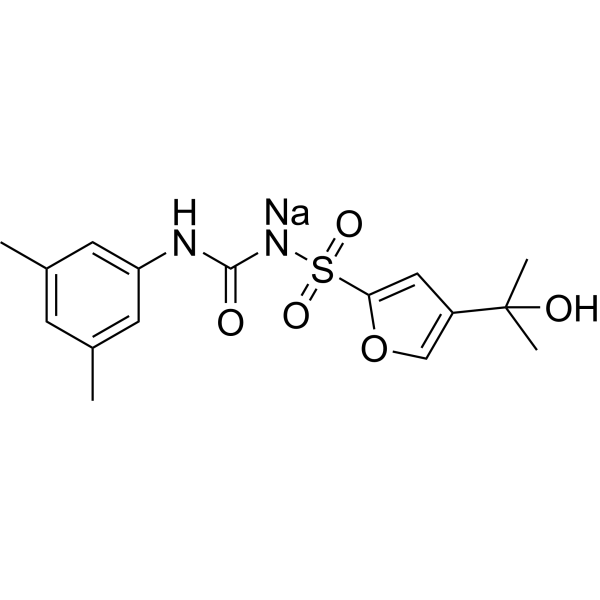
MCC950 (Standard) is the analytical standard of MCC950. This product is intended for research and analytical applications. MCC950 (CP-456773; CRID3) is a potent and selective NLRP3 inhibitor with IC50s of 7.5 and 8.1 nM in BMDMs and HMDMs, respectively.
|
-

-
- HY-N10312
-
-

-
- HY-146802
-
|
|
NOD-like Receptor (NLR)
|
Inflammation/Immunology
|
|
NLRP3-IN-9 is a potent NLRP3 inhibitor. NLRP3-IN-9 inhibits IL-1β release. NLRP3-IN-9 reduces inflammation and mechanical hyperalgesia. NLRP3-IN-9 has the potential for the research of gout .
|
-
-
- HY-163695
-
|
|
NOD-like Receptor (NLR)
|
Inflammation/Immunology
|
|
NLRP3-IN-41 (compd S-9) is an orally active and brain-penetrant NLRP3 inhibitor with anti-inflammatory activities, anti-neuroinflammatory effect and without obvious cytotoxicity. NLRP3-IN-41 inhibits the priming and activation stages of the NLRP3 inflammasome and can be used for inflammasome-related diseases research .
|
-

-
- HY-172788
-
|
|
Pyroptosis
NF-κB
|
Inflammation/Immunology
|
|
NLRP3-IN-78 (compound 21) is a NLRP3 inhibitor with the inhibition rate of 46.72% in GSDMD-induced pyroptosis at 5 μM. NLRP3-IN-78 binds to the NLRP3 protein and inhibits GSDMD-NT oligomerization. NLRP3-IN-78 also inhibits GSDMD cleavage, and upstream NF-κB signaling, demonstrating its anti-inflammatory activity .
|
-

-
- HY-172941
-
|
|
NOD-like Receptor (NLR)
|
Neurological Disease
|
|
VEN-02XX is an orally active and brain-permeable NLRP3 inhibitor. VEN-02XX inhibits the release of IL-1β and IL-18 (IC50 0.3 and 0.28 μM, respectively). VEN-02XX restores memory and cognition, inhibits microgliosis, and reduces neuroinflammation and tau pathology in the 5XFAD/Rubicon KO mouse model. VEN-02XX may be used in the study of Alzheimer's disease (AD) .
|
-

-
- HY-179429
-
|
|
NOD-like Receptor (NLR)
TNF Receptor
Interleukin Related
|
Inflammation/Immunology
|
|
NLRP3-IN-85 (compound 5d) is a potent NLRP3 inhibitor that targets mitochondria in a ΔΨm-independent manner. NLRP3-IN-85 protects mitochondria from oxidative stress and inflammation damage and suppresses key inflammatory factors (NO, TNF-α, IL-6). NLRP3-IN-85 relives acute lung injury in mice and inhibits paw edema in rats. NLRP3-IN-85 can be used for acute lung injury (ALI) research .
|
-

-
- HY-162980
-
-

-
- HY-170536
-
-

-
- HY-170535
-
-

-
- HY-178125
-
-

-
- HY-163493
-
-
-
- HY-162992
-
-

-
- HY-163494
-
-

-
- HY-160545
-
-
-
- HY-169188
-
|
|
NOD-like Receptor (NLR)
|
Cancer
|
|
NLRP3-IN-50 (compound SN3-1) is a potential NLRP3 inhibitor with therapeutic potential for inflammatory diseases. .
|
-

-
- HY-161120
-
-
-
- HY-162013
-
-
-
- HY-157554
-
-
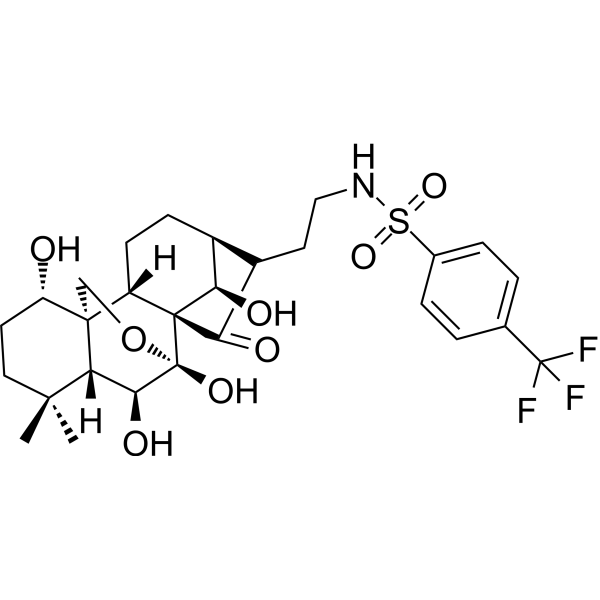
- HY-163300
-
-
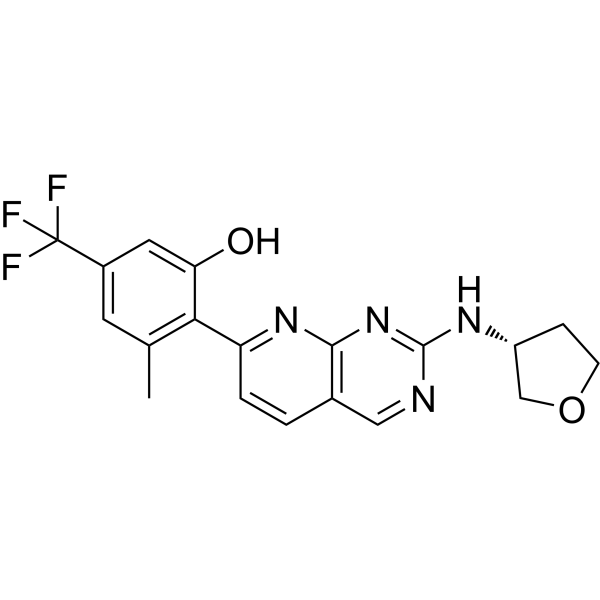
- HY-168264
-
|
|
NOD-like Receptor (NLR)
|
Neurological Disease
|
|
MC1 is a potent NLRP3 inhibitor with a KD value of 19.3 nM. MC1 shows no cytotoxicity. MC1 ameliorates cognitive deficits without eliciting adverse effects and shows an absence of hepatotoxicity. MC1 has the potential for the research of Alzheimer's disease (AD) .
|
-

- HY-12815AR
-
|
CP-456773 sodium (Standard); CRID3 sodium salt (Standard)
|
NOD-like Receptor (NLR)
Reference Standards
|
Inflammation/Immunology
|
|
MCC950 (sodium) (Standard) is the analytical standard of MCC950 (sodium). This product is intended for research and analytical applications. MCC950 sodium (CP-456773 sodium; CRID3 sodium salt) is a potent, selective NLRP3 inhibitor with IC50s of 7.5 and 8.1 nM in BMDMs and HMDMs, respectively.
|
-

- HY-173046
-
-

- HY-168503
-
-

- HY-169227
-
|
|
Pyroptosis
NOD-like Receptor (NLR)
|
Inflammation/Immunology
|
|
NLRP3-IN-55 (Compound 19) is a potent NLRP3 inhibitor (IC50 = 0.34 μM). NLRP3-IN-55 directly targets the NLRP3 protein (KD = 0.45 μM), blocking the assembly and activation of the NLRP3 inflammasome, leading to anti-inflammatory effects and inhibition of cellular pyroptosis .
|
-

- HY-162901
-
|
|
NOD-like Receptor (NLR)
|
Inflammation/Immunology
|
NLRP3-IN-48 is an NLRP3 inhibitor. NLRP3-IN-48 targets the NLRP3 protein, affecting the assembly of the NLRP3 inflammasome and thereby inhibiting its activation. NLRP3-IN-48 has anti-inflammatory activity in a mouse model of acute colitis induced by DSS .
|
-

- HY-163498
-
|
|
NOD-like Receptor (NLR)
|
Neurological Disease
Inflammation/Immunology
|
|
NLRP3-IN-37 (Compound 23) is a NLRP3 inhibitor (EC50: 5 nM). NLRP3-IN-37 can be used for NLRP3 related research, such as gout, pseudogout, CAPS, NASH fibrosis, heart failure, idiophathic pericarditis, atopic dermatitis, inflammatory bowel disease, Alzheimer's Disease, Parkinson's Disease and traumatic brain injury .
|
-
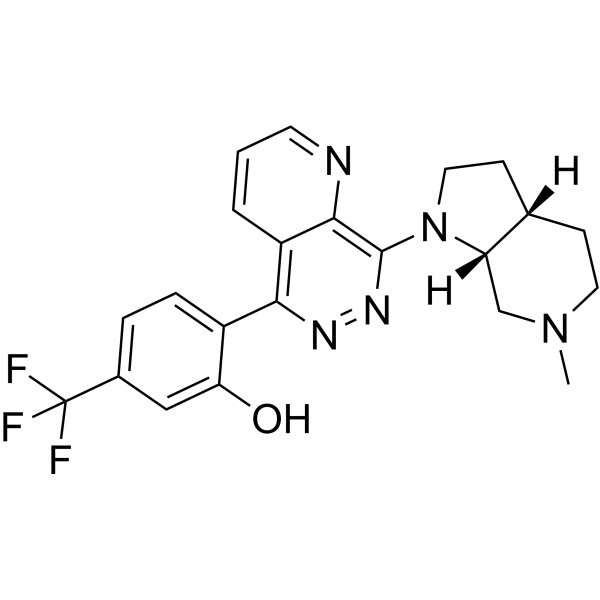
- HY-164765
-
|
|
NOD-like Receptor (NLR)
|
Inflammation/Immunology
|
|
NLRP3-IN-56 (compound 062) is a NLRP3 inhibitor. NLRP3-IN-56 potently inhibits the level of IL-1β secretion by THP-1 cells with an IC50 of 9.7 nM. NLRP3-IN-56 can be used for the study of NLRP3-mediated symptoms and/or diseases .
|
-

- HY-161266
-
-
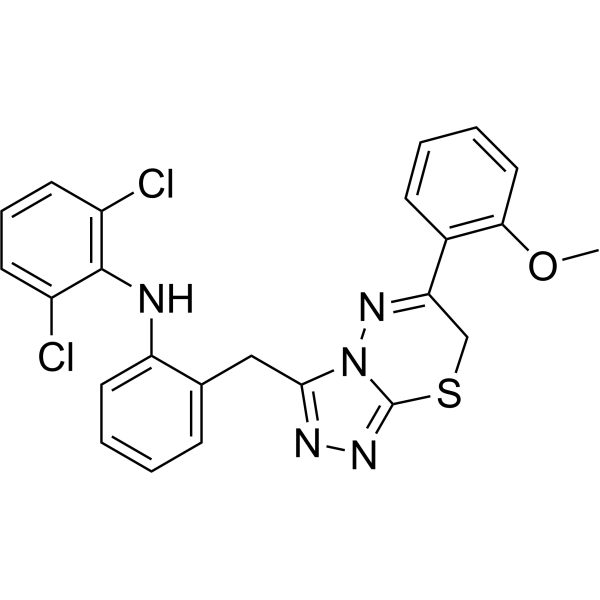
- HY-163744
-
-

- HY-173294
-
|
|
NOD-like Receptor (NLR)
|
Cardiovascular Disease
Neurological Disease
|
|
NLRP3-IN-74 (Compound 11) is an orally active NLRP3 inhibitor with an IC50 value of 2.7 μM. NLRP3-IN-74 can inhibit the release of IL-1β, reducing the release level by approximately 90%, and does not inhibit the release of TNFα. NLRP3-IN-74 can be used in the research of related diseases such as atherosclerosis and Parkinson's disease .
|
-

- HY-161072
-
|
|
NOD-like Receptor (NLR)
|
Inflammation/Immunology
|
|
CSC-6 is a NLRP3 inhibitor. CSC-6 can significantly inhibit IL-1β secreted by PMATHP-1 cells with an IC50 value of 2.3 μM. CSC-6 specifically binds NLRP3 and inhibits NLRP3 activation by blocking ASC oligomerization during NLRP3 assembly. CSC-6 effectively reduces the symptoms of NLRP3 overactivation-mediated sepsis and gout in mouse models .
|
-
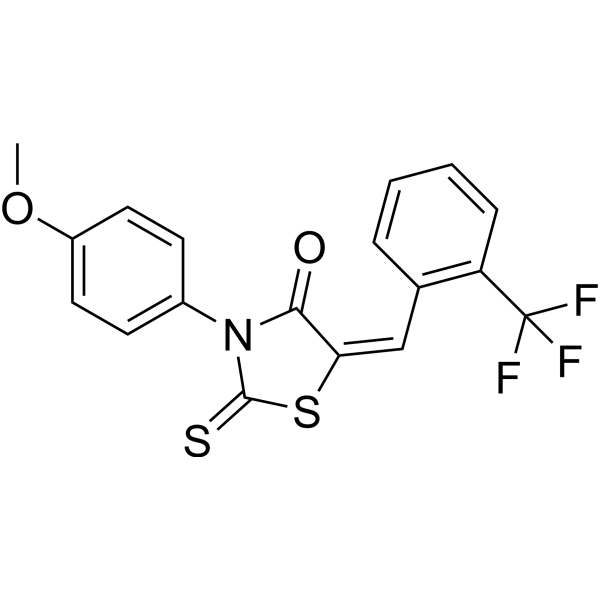
- HY-170233
-
|
|
NOD-like Receptor (NLR)
Interleukin Related
NF-κB
|
Inflammation/Immunology
|
|
NLRP3-IN-75 is an orally active NLRP3 inhibitor. NLRP3-IN-75 suppresses IL-1β secretion (IC50 = 23 nM). NLRP3-IN-75 selectively inhibits NLRP3 activation by disrupting inflammasome assembly without affecting NLRC4 or AIM2 inflammasomes. NLRP3-IN-75 exhibits superior efficacy in acute peritonitis, diabetic kidney disease and IBD models .
|
-

- HY-168089
-
|
|
NOD-like Receptor (NLR)
|
Inflammation/Immunology
|
|
NLRP3-IN-49 (compound Z48) is a potent and specific NLRP3 inhibitor (IC50=0.26 μM in THP-1 cells, IC50=0.21 μM in mouse bone marrow macrophages). NLRP3-IN-49 can directly bind to NLRP3 protein (Kd=1.05 μM), effectively preventing the assembly and activation of NLRP3 inflammasome, thereby exhibiting anti-inflammatory properties. NLRP3-IN-49 can be used in the study of inflammatory bowel disease .
|
-

- HY-170218
-
|
|
NOD-like Receptor (NLR)
Interleukin Related
NF-κB
NO Synthase
|
Inflammation/Immunology
|
|
NLRP3-IN-76 is an orally active NLRP3 inhibitor. NLRP3-IN-76 inhibits the production of NO, and the mRNA levels of proinflammatory cytokines (iNOS, IL-6, IL-1β and TNFα). NLRP3-IN-76 shows anti-inflammatory effects by inhibiting the activation of the NLRP3 inflammasome and NF-κB signaling pathway. NLRP3-IN-76 ameliorates DSS (HY-116282C)-induced colitis and can be used for research of inflammatory bowel diseases (IBD) .
|
-

- HY-183889
-
-

- HY-101868R
-
-

- HY-182102
-
-

- HY-103666R
-
|
|
Reference Standards
NOD-like Receptor (NLR)
|
Inflammation/Immunology
|
|
CY-09 (Standard) is the analytical standard of CY-09 (HY-103666). This product is intended for research and analytical applications. CY-09 is a selective and direct NLRP3 inhibitor. CY-09 directly binds to the ATP-binding motif of NLRP3 NACHT domain and inhibits NLRP3 ATPase activity, resulting in the suppression of NLRP3 inflammasome assembly and activation .
|
-

- HY-148258A
-
-

- HY-181488
-
|
|
NOD-like Receptor (NLR)
Caspase
Interleukin Related
|
Metabolic Disease
Inflammation/Immunology
|
|
NLRP3-IN-87 is a selective and orally active NLRP3 inhibitor with a Kd of 0.23 μM. NLRP3-IN-87 binds directly to the NLRP3 NACHT domain, disrupts NLRP3-NEK7 and NLRP3-ASC interactions, inhibits ASC oligomerization, and blocks inflammasome assembly. NLRP3-IN-87 suppresses caspase-1 activation and IL-1β secretion. NLRP3-IN-87 exhibits anti-inflammatory and analgesic activity, reducing joint swelling, inflammation, and pain in an MSU (HY-B2130A)-induced acute gout mouse model. NLRP3-IN-87 can be used for the research of gout .
|
-

- HY-182380
-
|
|
STAT
NOD-like Receptor (NLR)
Apoptosis
|
Others
Neurological Disease
Inflammation/Immunology
Cancer
|
|
ODZ10117 is a STAT3 and NLRP3 inhibitor with a human STAT3 SH2 domain IC50 of 7.5 μM. ODZ10117 binds to the STAT3 SH2 domain, suppressing tyrosine phosphorylation, dimerization, nuclear translocation, and transcriptional activity. ODZ10117 binds to NLRP3, impairs NEK7 interaction, prevents inflammasome formation, and inhibits caspase-1 and IL-1β cleavage.ODZ10117 reduces MSU (HY-B2130A)-induced IL-1β release, lowers LPS (HY-D1056)-induced sepsis mortality, and exhibits anti-inflammatory effects. ODZ10117 induces apoptosis, suppresses breast cancer cell migration and invasion, reduces tumor growth and lung metastasis, and extends survival in breast cancer models. ODZ10117 can be used for the research of Monosodium urate (HY-B2130A)-induced peritonitis, LPS-induced sepsis, breast cancer, glioblastoma, and Alzheimer's disease [3] .
|
-

| Cat. No. |
Product Name |
Category |
Target |
Chemical Structure |
-
- HY-N3005
-
-
-
- HY-N1431
-
|
|
Apocynaceae
Alkaloids
Structural Classification
Plants
Indole Alkaloids
Catharanthus roseus (L.) G. Don
Source Classification
|
NOD-like Receptor (NLR)
Apoptosis
Cytochrome P450
NF-κB
PI3K
Akt
CDK
Caspase
Interleukin Related
p38 MAPK
|
|
Tabersonine is a selective, orally active NLRP3 inhibitor. Tabersonine directly binds to the NACHT domain of NLRP3, inhibiting its ATPase activity and oligomerization, thereby blocking ASC spot formation and caspase-1 activation, and reducing the release of pro-inflammatory cytokines such as IL-1β. Tabersonine also inhibits K63-linked ubiquitination of TRAF6, blocking NF-κB, PI3K/Akt, and p38 MAPK signaling pathways. Tabersonine can inhibit inflammatory responses, induce apoptosis of liver cancer cells through mitochondrial pathways and death receptor pathways, reduce mitochondrial membrane potential, promote cytochrome c release, and activate caspase proteins. Tabersonine is mainly used in the study of NLRP3-driven inflammatory diseases (such as acute lung injury, sepsis, peritonitis) and tumors such as liver cancer [3].
|
-
-
- HY-N1431A
-
|
|
Apocynaceae
Alkaloids
Plants
Indole Alkaloids
Catharanthus roseus (L.) G. Don
Source Classification
|
NOD-like Receptor (NLR)
Apoptosis
Cytochrome P450
NF-κB
PI3K
Akt
CDK
Caspase
Interleukin Related
p38 MAPK
|
|
Tabersonine hydrochloride is a selective, orally active NLRP3 inhibitor. Tabersonine hydrochloride directly binds to the NACHT domain of NLRP3, inhibiting its ATPase activity and oligomerization, thereby blocking ASC spot formation and caspase-1 activation, and reducing the release of pro-inflammatory cytokines such as IL-1β. Tabersonine hydrochloride also inhibits K63-linked ubiquitination of TRAF6, blocking NF-κB, PI3K/Akt, and p38 MAPK signaling pathways. Tabersonine hydrochloride can inhibit inflammatory responses, induce apoptosis of liver cancer cells through mitochondrial pathways and death receptor pathways, reduce mitochondrial membrane potential, promote cytochrome c release, and activate caspase proteins. Tabersonine hydrochloride is mainly used in the study of NLRP3-driven inflammatory diseases (such as acute lung injury, sepsis, peritonitis) and tumors such as liver cancer [3].
|
-
-
- HY-N9921
-
-
-
- HY-N10312
-
-
| Cat. No. |
Product Name |
|
Classification |
-
- HY-159159
-
|
|
|
Alkynes
|
|
MS-II-124 is an effective and selective NLRP3 inhibitor (IC50=0.12 μM) with anti-inflammatory and immunomodulatory activities, which can be used in the research of acute lung injury (ALI)/acute respiratory distress syndrome (ARDS) .
|
Your information is safe with us. * Required Fields.
Inquiry Information
- Product Name:
- Cat. No.:
- Quantity:
- MCE Japan Authorized Agent:








