Search Result
Results for "
R-isomer
" in MedChemExpress (MCE) Product Catalog:
2
Isotope-Labeled Compounds
| Art. -Nr. |
Produktname |
Target |
Forschungsgebiete |
Chemical Structure |
-
- HY-B1670A
-
|
Levisoprenaline hydrochloride; Proternol L hydrochloride
|
Caspase
TNF Receptor
|
Metabolic Disease
|
|
(-)-Isoproterenol (Levisoprenalinel) hydrochloride is the R-isomer of Isoproterenol. (-)-Isoproterenol hydrochloride can reduce the cleavage of caspase 3 and TNFα levels in retinal endothelial cells (REC). (-)-Isoproterenol hydrochloride can be used for the study of diabetic retinopathy .
|
-
-
- HY-18340
-
|
CR8, (R)-isomer
|
Molecular Glues
CDK
Apoptosis
|
Neurological Disease
Cancer
|
|
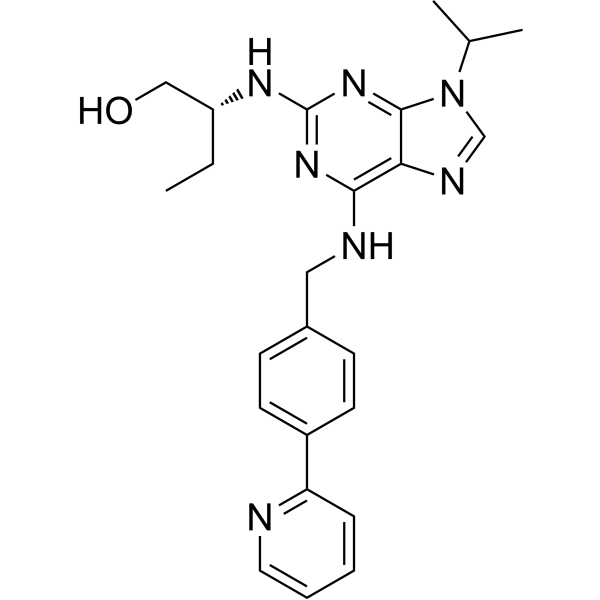
(R)-CR8, a second-generation analog of Roscovitine, is a potent CDK1/2/5/7/9 inhibitor. (R)-CR8 inhibits CDK1/cyclin B (IC50=0.09 μM), CDK2/cyclin A (0.072 μM), CDK2/cyclin E (0.041 μM), CDK5/p25 (0.11 μM), CDK7/cyclin H (1.1 μM), CDK9/cyclin T (0.18 μM) and CK1δ/ε (0.4 μM). (R)-CR8 induces apoptosis and has neuroprotective effect . (R)-CR8 acts as a molecular glue degrader that depletes cyclin K .
|
-
-
- HY-118590
-
|
|
Topoisomerase
DNA/RNA Synthesis
Apoptosis
Fungal
|
Infection
Cardiovascular Disease
Inflammation/Immunology
Cancer
|
|
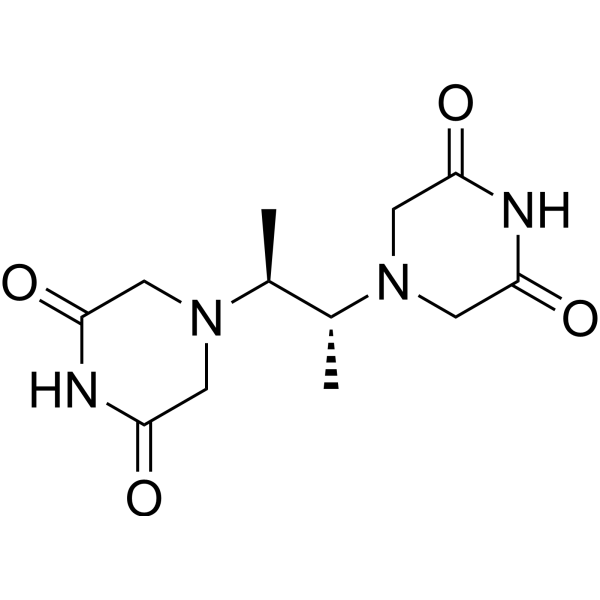
ICRF-193 is a DNA Topoisomerase II inhibitor. (S,S)- and (R,R)-isomers ICRF-193 make up an racemic mixture, ICRF-196 (HY-118590A). ICRF-193 can inhibit DNA syntheses and induces apoptosis. ICRF-193 exhibits anti-cancer and anti-inflammation effects. ICRF-193 shows cardioprotective effect against anthracycline toxicity to cardiomyocytes. ICRF-193 can be used for the researches of cancer, infection, inflammation and cardiovascular disease, such as acute promyelocytic leukemia .
|
-
-
- HY-Z0031
-
|
|
Drug Isomer
|
Others
|
|
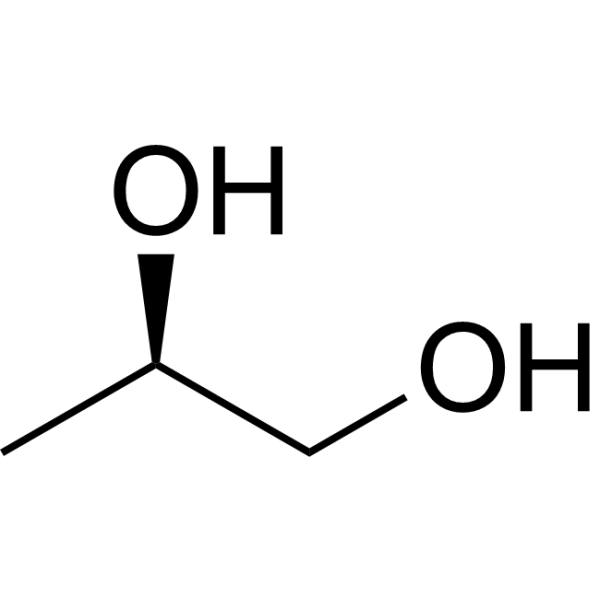
(R)-(-)-1,2-Propanediol is the (R)-isomer of 1,2-Propanediol (HY-Y0921). 1,2-Propanediol is an important bulk chemical product .
|
-
-
- HY-15314
-
|
AS-3201
|
Aldose Reductase
|
Neurological Disease
Metabolic Disease
|
|
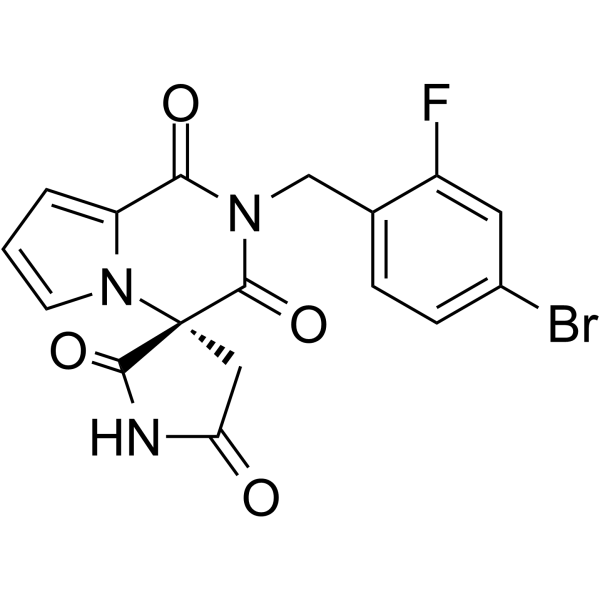
Ranirestat (AS-3201) potent and orally active aldose reductase (AR) inhibitor with IC50s of 11 nM and 15 nM for rat lens AR and recombinant human AR, respectively, and a Ki of 0.38 nM for recombinant human AR. Ranirestat has the potential for diabetic sensorimotor polyneuropathy treatment. Ranirestat also has a neuroprotective effect on diabetic retinas .
|
-
-
- HY-18340A
-
|
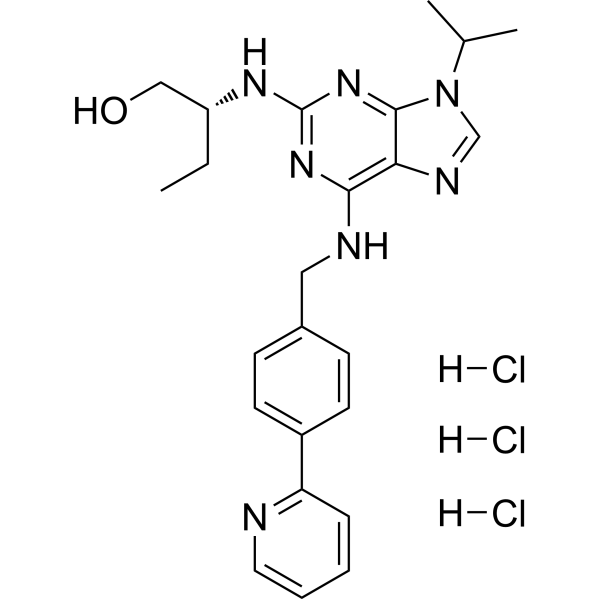
CR8, (R)-isomer trihydrochloride
|
Molecular Glues
CDK
Apoptosis
|
Neurological Disease
Cancer
|
|
(R)-CR8 (CR8) trihydrochloride, a second-generation analog of Roscovitine, is a potent CDK1/2/5/7/9 inhibitor. (R)-CR8 trihydrochloride inhibits CDK1/cyclin B (IC50=0.09 μM), CDK2/cyclin A (0.072 μM), CDK2/cyclin E (0.041 μM), CDK5/p25 (0.11 μM), CDK7/cyclin H (1.1 μM), CDK9/cyclin T (0.18 μM) and CK1δ/ε (0.4 μM). (R)-CR8 trihydrochloride induces apoptosis and has neuroprotective effect . (R)-CR8 trihydrochloride acts as a molecular glue degrader that depletes cyclin K .
|
-
-
- HY-N1400
-
|
|
PKC
|
Cardiovascular Disease
|
|
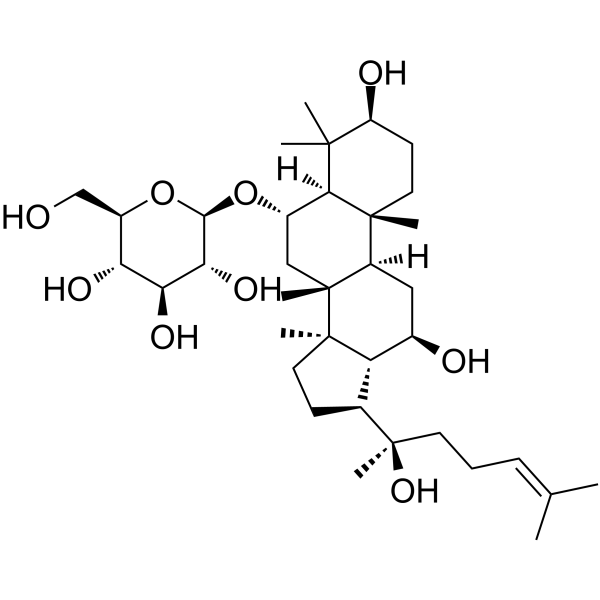
(20R)-Ginsenoside Rh1 is the R-isomer of Ginsenoside Rh1 (HY-N0604), and it is found in red ginseng, ginseng, and other sources. (20R)-Ginsenoside Rh1 inhibits thrombin-induced conversion of fibrinogen to fibrin, exerting anticoagulant and antithrombotic effects .
|
-
-
- HY-B0006C
-
|
(R)-BM 14190
|
Adrenergic Receptor
Calcium Channel
|
Cardiovascular Disease
Cancer
|
|
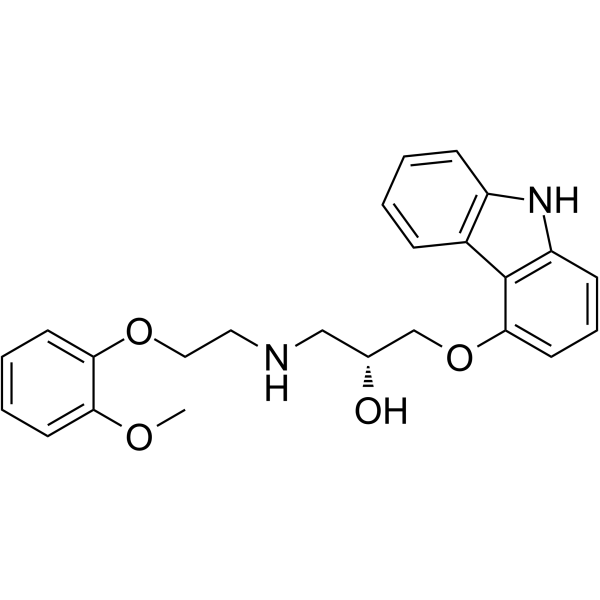
(R)-Carvedilol ((R)-BM 14190) is the orally active R-isomer of Carvedilol (HY-B0006). (R)-Carvedilol has α-receptor blocking activity but no β-receptor blocking activity. (R)-Carvedilol inhibits spontaneous Ca 2+ waves. (R)-Carvedilol inhibits stress-induced ventricular tachycardia and delays the development of UV-induced skin tumors and reduces their malignancy .
|
-
-
- HY-126028
-
|
(R)-Sotalol
|
Potassium Channel
|
Cardiovascular Disease
|
|
(-)-Sotalol ((R)-Sotalol) is the R-isomer of Sotalol. (-)-Sotalol is a hERG inhibitor, with a Kd of 0.60 μM. (-)-Sotalol can be used for the research of cardiac arrhythmias .
|
-
-
- HY-109167
-
|
(R)-Amisulpride; (R)-Esamisulpride; (R)-DAN 2163
|
Dopamine Receptor
5-HT Receptor
|
Neurological Disease
|
|
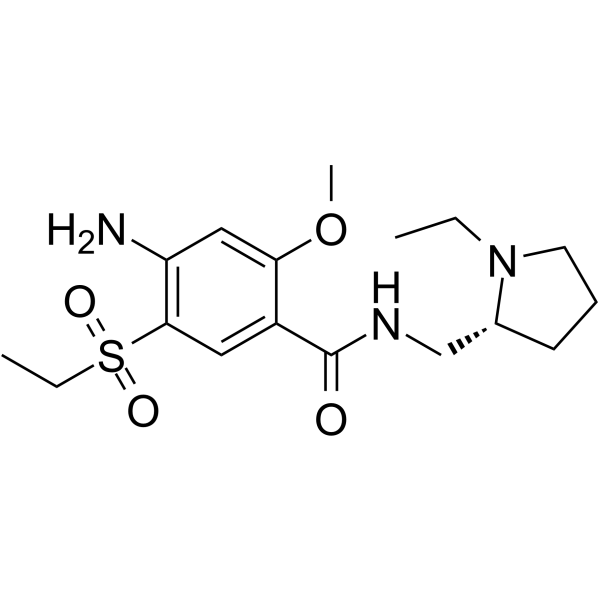
Aramisulpride (R-(+)-Amisulpride) is the R-isomer of Amisulpride (HY-14545). Aramisulpride is a 5-HT7 receptor antagonist with a Ki value of 22 nM. Aramisulpride is a D2/D3 receptor antagonist with a Ki value of 140 nM for D2R and a Ki value of 13.9 nM for D3R. Aramisulpride can be used in psychiatric research .
|
-
-
- HY-125784A
-
|
|
5-HT Receptor
|
Neurological Disease
|
|
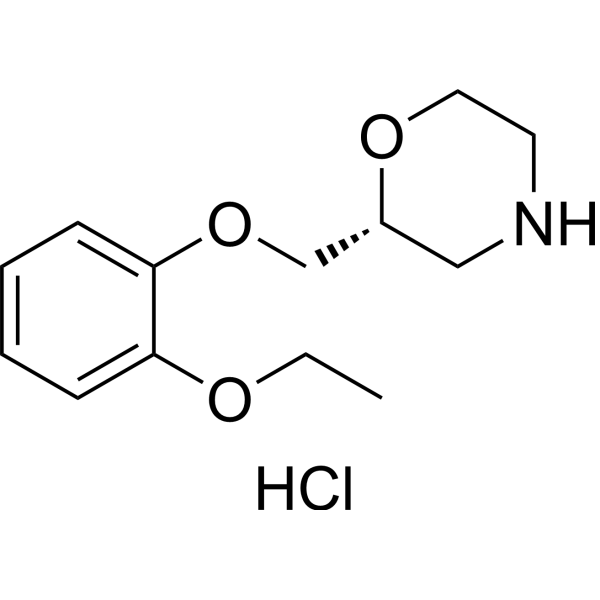
(R)-Viloxazine hydrochloride is a less active R-isomer of Viloxazine hydrochloride. Viloxazine hydrochloride is an effective antidepressant agent .
|
-
-
- HY-50674A
-
|
|
CCR
|
Inflammation/Immunology
|
|
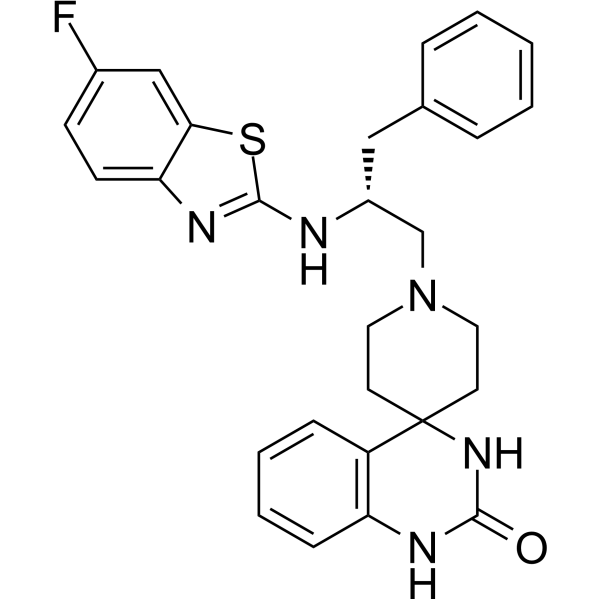
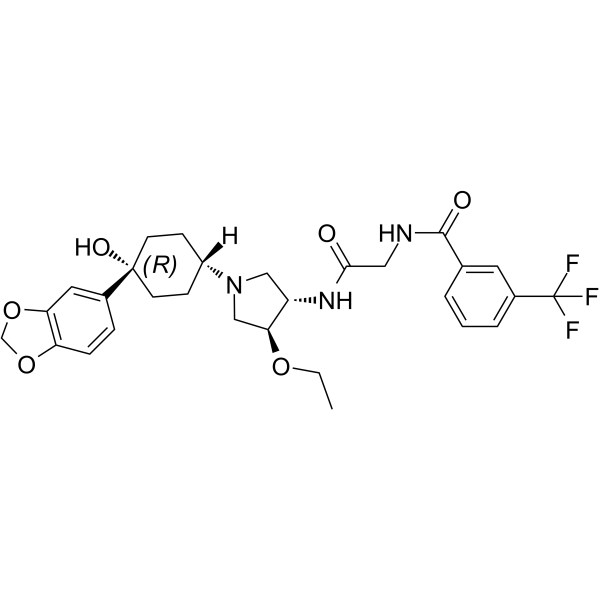
INCB3344 R-isomer is the R-isomer of INCB3344. INCB3344 is a potent, selective and orally bioavailable CCR2 antagonist with IC50 values of 5.1 nM (hCCR2) and 9.5 nM (mCCR2) in binding antagonism and 3.8 nM (hCCR2) and 7.8 nM (mCCR2) in antagonism of chemotaxis activity .
|
-
-
- HY-B1670
-
|
Levisoprenalinel; Proternol L
|
Caspase
TNF Receptor
|
Metabolic Disease
|
|
(-)-Isoproterenol (Levisoprenalinel) is the R-isomer of Isoproterenol. (-)-Isoproterenol can reduce the cleavage of caspase 3 and TNFα levels in retinal endothelial cells (REC). (-)-Isoproterenol can be used for the study of diabetic retinopathy .
|
-
-
- HY-116567A
-
|
|
Endogenous Metabolite
|
Endocrinology
|
|
(S)-OPC-51803 is an agonist of the vasopressin V2 receptor, with activity in suppressing nocturia and urinary incontinence. (S)-OPC-51803 was evaluated in terms of biological activity and showed a stronger V2 receptor agonist effect compared to its (R)-isomer. The use of (S)-OPC-51803 may improve the patient's ability to control nocturnal polyuria .
|
-
-
- HY-B0267B
-
|
Aroxybutynin hydrochloride
|
mAChR
|
Neurological Disease
|
|
(R)-Oxybutynin hydrochloride, a (R)-isomer of Oxybutynin hydrochloride, is an orally active muscarinic receptor antagonist. (R)-Oxybutynin hydrochloride has antimuscarinic, antispasmodic and anticholinergic activity, competitively antagonizes Carbachol-induced contractions. (R)-Oxybutynin hydrochloride can be used for researching incontinence due to neurogenic bladder dysfunction . (R)-Oxybutynin (hydrochloride) is a click chemistry reagent, it contains an Alkyne group and can undergo copper-catalyzed azide-alkyne cycloaddition (CuAAc) with molecules containing Azide groups.
|
-
-
- HY-160431
-
|
|
PPAR
NF-κB
COX
Drug Metabolite
|
Metabolic Disease
|
|
8(9)-EET is one of the main metabolites produced by the metabolism of arachidonic acid (HY-109590) through the cytochrome P450 epoxide pathway. 8(9)-EET is an effective substrate for COX-1 and COX-2. 8(9)-EET activates PPARα in HEK293 cells and inhibits the activity of NF-κB induced by IL-1β in a PPARα-dependent and -independent manner. The (8S,9R)-isomer of 8(9)-EET ([(8S,9R)-EET]) causes vasoconstriction, thereby reducing renal plasma flow and glomerular filtration rate .
|
-
-
- HY-148516A
-
|
|
Myosin
|
Neurological Disease
|
|
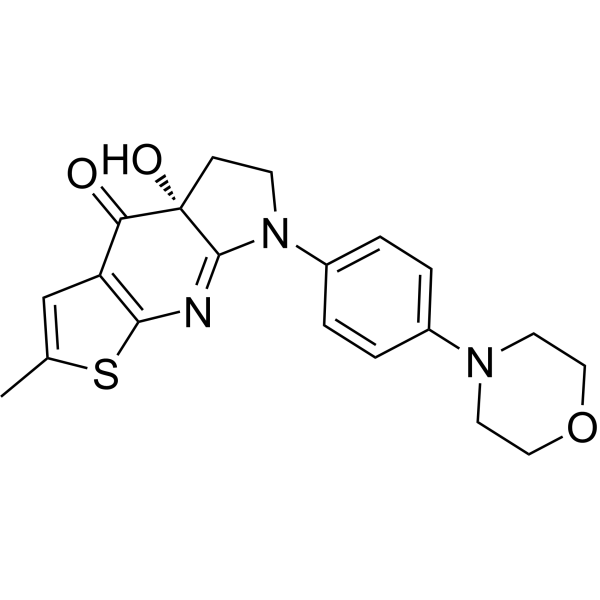
(R)-MPH-220 is the R isomer of MPH-220 (HY-148516). MPH-220 is a selective and orally active inhibitor of skeletal muscle myosin-2. MPH-220 enables muscle relaxation. MPH-220 is anti-spastic agent that can be used in the research of spasticity and muscle stiffness .
|
-
-
- HY-113381B
-
|
(R)-α-Hydroxybutyric acid sodium
|
Endogenous Metabolite
Drug Isomer
|
Others
|
|
(R)-2-Hydroxybutanoic acid ((R)-α-Hydroxybutyric acid) sodium is the R-isomer of 2-Hydroxybutyric acid (HY-113381), and can be used as an experimental control. 2-Hydroxybutyric acid is converted from 2-Aminobutyric acid, with 2-oxobutyric acid as an intermediate metabolite .
|
-
-
- HY-14735
-
|
XP 19986
|
GABA Receptor
|
Neurological Disease
|
|
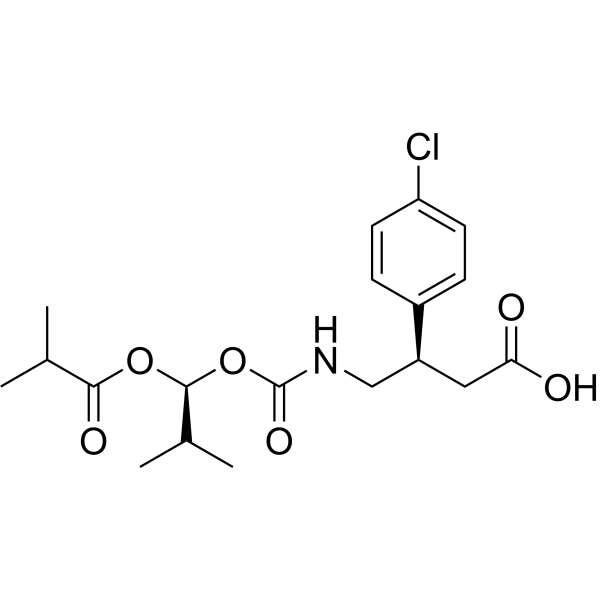
Arbaclofen placarbil is a novel transported proagent of the active R-isomer of baclofen. Baclofen is a racemic GABAB receptor agonist
|
-
-
- HY-153692A
-
|
|
DNA/RNA Synthesis
|
Cancer
|
|
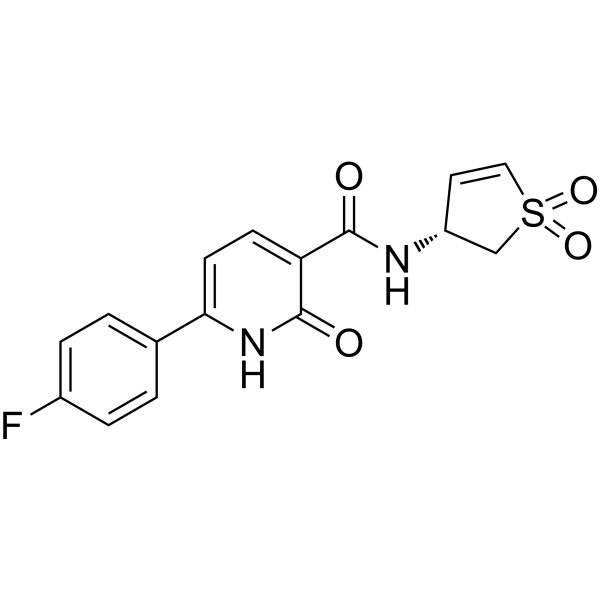
(R)-WRN inhibitor 1 is the R-isomer of WRN inhibitor 1 (example 7). WRN inhibitor 1 is a WRN inhibitor with anticancer activity .
|
-
-
- HY-112316A
-
|
|
Epigenetic Reader Domain
|
Cancer
|
|
(R)-BAY1238097 is the R-isomer with lower activity of BAY1238097. BAY1238097 is a potent and selective inhibitor of BET binding to histones and has strong anti-proliferative activity in different AML (acute myeloid leukemia) and MM (multiple myeloma) models through down-regulation of c-Myc levels and its downstream transcriptome .
|
-
-
- HY-120039
-
|
|
Elastase
|
Inflammation/Immunology
|
|
(R)-MDL-101146 is the R-isomer of MDL-101146. MDL-101146 is an orally active, competitive and reversible inhibitor against human neutrophil elastase (HNE) with a Ki value of 25 nM. MDL-101146 inhibits HNE-induced hemorrhage in hamsters. MDL-101146 is promising for research of emphysema, rheumatoid arthritis, chronic bronchitis, cystic fibrosis, adult respiratory distress syndrome and glomerulonephritis .
|
-
-
- HY-114061
-
|
|
LPL Receptor
|
Others
|
|
(R)-FTY 720P is the R-isomer of FTY 720P. (R)-FTY 720P has less potent binding affinities to S1P1,3,4,5 than (S)-Isomer (HY-15382) .
|
-
-
- HY-118590A
-
|
|
Topoisomerase
DNA/RNA Synthesis
Apoptosis
Fungal
|
Infection
Cardiovascular Disease
Inflammation/Immunology
Cancer
|
|
ICRF-196 is an racemic mixture of the (S,S)- and (R,R)-isomers of ICRF-193 (HY-118590). ICRF-193 is a DNA Topoisomerase II inhibitor. ICRF-193 can inhibit DNA syntheses and induces apoptosis. ICRF-193 exhibits anti-cancer and anti-inflammation effects. ICRF-193 shows cardioprotective effect against anthracycline toxicity to cardiomyocytes. ICRF-193 can be used for the researches of cancer, infection, inflammation and cardiovascular disease, such as acute promyelocytic leukemia .
|
-
-
- HY-Z19644
-
|
Duloxetine N-desmethyl (R)-isomer
|
Drug Intermediate
|
Others
|
|
Duloxetine impurity 6 (Duloxetine N-desmethyl (R)-isomer) is an impurity of Duloxetine.
|
-
-
- HY-W751034A
-
-
-
- HY-Z19643
-
|
Duloxetine N-methyl (R)-isomer oxalate
|
Drug Intermediate
|
Others
|
|
Duloxetine impurity 5 oxalate (Duloxetine N-methyl (R)-isomer oxalate) is an impurity of Duloxetine oxalate.
|
-
-
- HY-12170B
-
|
(R)-AG3340; (R)-KB-R9896
|
MMP
|
Cancer
|
|
(R)-Prinomastat ((R)-AG3340) is the R-isomer of Prinomastat (HY-12170) (a MMP Inhibitor) .
|
-
-
- HY-N6008A
-
|
7R-O-methylmorroniside
|
Drug Isomer
|
Others
|
|
7β-O-Methylmorroniside (7R-O-methylmorroniside) is a R-isomer of 7-O-Methyl morroniside .
|
-
-
- HY-B1370E
-
-
-
- HY-10017A
-
|
|
CXCR
|
Inflammation/Immunology
Endocrinology
|
|
(R)-SCH 546738 is the R-isomer of SCH 546738 (HY-10017). SCH 546738 is an orally active and non-competitive antagonist for CXCR3 with Ki of 0.4 nM for human CXCR3 receptor .
|
-
-
- HY-44234A
-
|
|
ADC Linker
|
Cancer
|
|
Fmoc-Gly-Gly-D-Phe-OtBu is a cleavable ADC linker used in the synthesis of antibody-drug conjugates (ADCs). Fmoc-Gly-Gly-D-Phe-OtBu is the R-isomer of Fmoc-Gly-Gly-Phe-OtBu (HY-44234) .
|
-
-
- HY-18642A
-
|
(R)-PF-4981517
|
Cytochrome P450
|
Others
|
|
(R)-CYP3cide ((R)-PF-4981517) is the R-isomer of CYP3cide (HY-18642). CYP3cide is a potent, selective and time-dependent inhibitor of cytochrome P4503A4 (CYP3A4) .
|
-
-
- HY-114395A
-
|
|
Drug Isomer
|
Inflammation/Immunology
|
|
(R)-NVS-ZP7-4 is the R-isomer of NVS-ZP7-4. NVS-ZP7-4 is a Zinc transporter SLC39A7 (ZIP7) inhibitor that is also the first reported chemical tool to probe the impact of modulating ER zinc levels and investigate ZIP7 as a novel agentgable node in the Notch pathway.
|
-
-
- HY-Z0031R
-
|
|
Reference Standards
Drug Isomer
|
Others
|
|
(R)-(-)-1,2-Propanediol (Standard) is the analytical standard of (R)-(-)-1,2-Propanediol. This product is intended for research and analytical applications. (R)-(-)-1,2-Propanediol is the (R)-isomer of 1,2-Propanediol (HY-Y0921). 1,2-Propanediol is an important bulk chemical product.
|
-
-
- HY-13991A
-
|
|
Ras
|
Metabolic Disease
Cancer
|
|
(S)-CCG-1423 is an inhibitor of Rho signaling that blocks the nuclear import of MRTF-A. (S)-CCG-1423 reduces the nuclear accumulation of MRTF-A and improves glucose uptake and tolerance in insulin-resistance mice in vivo. (S)-CCG-1423 exhibits higher inhibition activity than the SR- and the R-isomers of CCG-1423 (HY-13991). (S)-CCG-1423 can be used for the research of cancer and diabetes .
|
-
-
- HY-W339645
-
|
(S)-Naproxen ethyl ester
|
COX
|
Inflammation/Immunology
|
|
Naproxen ethyl ester ((S)-Naproxen ethyl ester) is a nonsteroidal anti-inflammatory drug with activity in relieving pain, fever, swelling and stiffness. Naproxen ethyl ester exerts its effects by inhibiting non-selective cyclooxygenase (COX). The R-(-)-isomer of Naproxen ethyl ester shows stronger immunogenicity, and the Michaelis-Menten parameter of its catalytic reaction is K(M)=6.67 mM, and the catalytic efficiency is 5.8 x 10^4 times higher than that of the non-catalytic reaction .
|
-
-
- HY-N1400R
-
|
|
Reference Standards
PKC
|
Cardiovascular Disease
|
|
(20R)-Ginsenoside Rh1 (Standard) is the analytical standard of (20R)-Ginsenoside Rh1 (HY-N1400). This product is intended for research and analytical applications. (20R)-Ginsenoside Rh1 is the R-isomer of Ginsenoside Rh1 (HY-N0604), and it is found in red ginseng, ginseng, and other sources. (20R)-Ginsenoside Rh1 inhibits thrombin-induced conversion of fibrinogen to fibrin, exerting anticoagulant and antithrombotic effects .
|
-
-
- HY-B0267BS
-
|
|
mAChR
Isotope-Labeled Compounds
|
Neurological Disease
|
|
Oxybutynin-d5 hydrochloride is deuterated labeled (R)-Oxybutynin hydrochloride (HY-B0267B). (R)-Oxybutynin hydrochloride, a (R)-isomer of Oxybutynin hydrochloride, is an orally active muscarinic receptor antagonist. (R)-Oxybutynin hydrochloride has antimuscarinic, antispasmodic and anticholinergic activity, competitively antagonizes Carbachol-induced contractions. (R)-Oxybutynin hydrochloride can be used for researching incontinence due to neurogenic bladder dysfunction . (R)-Oxybutynin hydrochloride is a click chemistry reagent, it contains an Alkyne group and can undergo copper-catalyzed azide-alkyne cycloaddition (CuAAc) with molecules containing Azide groups.
|
-
-
- HY-B0006CS
-
|
(R)-BM 14190-d4
|
Isotope-Labeled Compounds
Adrenergic Receptor
Calcium Channel
|
Cardiovascular Disease
Cancer
|
|
(R)-Carvedilol-d4 is deuterium labeled (R)-Carvedilol (HY-B0006C). (R)-Carvedilol ((R)-BM 14190) is the orally active R-isomer of Carvedilol (HY-B0006). (R)-Carvedilol has α-receptor blocking activity but no β-receptor blocking activity. (R)-Carvedilol inhibits spontaneous Ca 2+ waves. (R)-Carvedilol inhibits stress-induced ventricular tachycardia and delays the development of UV-induced skin tumors and reduces their malignancy .
|
-
-
- HY-121535
-
|
|
Sodium Channel
Calcium Channel
|
Others
|
|
Levosemotiadil, an S-isomer of semotiadil, exhibits stronger binding affinity to human serum albumin (HSA) compared to its R-isomer counterpart. This study utilized high-performance frontal analysis (HPFA) to demonstrate that levosemotiadil binds approximately three times more strongly to HSA than semotiadil. The binding parameters were evaluated using Scatchard analysis, revealing specific interactions with the diazepam binding site on HSA. The presence of diazepam decreased the binding affinity of both enantiomers, while warfarin did not alter their binding characteristics. These findings highlight levosemotiadil's potential as a Ca- and Na-channel blocker with significant binding preferences for HSA, crucial for understanding its pharmacokinetics and therapeutic effects .
|
-
-
- HY-139124
-
|
15(R)-Carboprost; 15(R)-15-methyl PGF2α
|
Prostaglandin Receptor
|
Metabolic Disease
|
|
15(R)-15-Methyl Prostaglandin F2α (15(R)-Carboprost; 15(R)-15-methyl PGF2α) is a metabolically stable analog of PGF2α. 15(R)-15-Methyl Prostaglandin F2α is an inactive, prodrug PGF agonist designed for activation by gastric acid after oral administration. Acid-catalyzed epimerization of 15(R)-15-Methyl Prostaglandin F2α converts it into the active 15(S)-isomer. The 15(S)-isomer induces luteolysis when injected in rhesus monkeys at a dose of about 12 mg/animal, while the 15(R)-isomer does not.
|
-
-
- HY-N2715A
-
|
|
NO Synthase
|
Inflammation/Immunology
|
|
(2R)-6-Methoxynaringenin is the R isomer of 6-Methoxynaringenin (HY-N2715). 6-Methoxynaringenin is a flavonoid, that inhibits NO production with an IC50 of 25.8 μM .
|
-
-
- HY-156063
-
|
|
Parasite
|
Infection
|
|
(2R,4R)-UCB7362 is the (2R,4R) isomer of UCB7362 (HY-151568). UCB7362 is an inhibitor of plasma proteinase X (PMX) with antimalarial activity .
|
-
-
- HY-101339A
-
|
|
5-HT Receptor
|
Others
|
|
(R)-RS 56812 hydrochloride is a 5-HT3 receptor antagonist that enhances performance in monkeys on a delayed matching task. The (R) isomer produces more systematic improvements than the (S) isomer and has potential inhibitory effects in diseases involving cognitive decline.
|
-
-
- HY-101339
-
|
|
Others
|
Others
|
|
(R)-RS 56812 is a 5-HT3 receptor antagonist that enhances performance in monkeys on a delayed matching task. The (R) isomer produces more systematic improvements than the (S) isomer and has potential inhibitory effects in diseases involving cognitive decline.
|
-
-
- HY-126108
-
|
|
Others
|
Metabolic Disease
|
|
(±)8-HEPE is produced by non-enzymatic oxidation of EPA. It contains equal amounts of (±)8-HEPE and 8(R)-HEPE. The ability of (±)8-HEPE to induce hatching of E. modestus and B. balanoides eggs is probably due to the presence of the 8(R) isomer within the racemic mixture.
|
-
-
- HY-156063A
-
|
|
Parasite
|
Infection
|
|
(2R,4R)-UCB7362 hydrochloride is the (2R,4R) isomer of UCB7362 (HY-151568). (2R,4R)-UCB7362 hydrochloride is an inhibitor of plasma proteinase X (PMX) with antimalarial activity .
|
-
-
- HY-105135
-
|
|
Prostaglandin Receptor
|
Cardiovascular Disease
|
|
15-Deoxy-16-hydroxy-16-vinyl-PGE2 Me ester is the (R,R,R)-isomer of Viprostol (HY-105135A) and a PGE2 analogue with antihypertensive property. 15-Deoxy-16-hydroxy-16-vinyl-PGE2 Me ester can be utilized in cardiovascular disease research .
|
-
-
- HY-120935
-
-
- HY-113724
-
|
|
Endogenous Metabolite
|
Cardiovascular Disease
Metabolic Disease
|
|
S-8666 is an orally active uricosuric antihypertensive diuretic. The S-8666 has both S-(-)- and R-(+)-isomers. The diuretic and sodium-excretion activities of it are entirely dominated by the S-(-)-isomer, while the R-(+)-isomer shows no significant activity. S-8666 relies on the organic acid transport system to be secreted through the proximal tubule. S-8666 exhibits a clear uric acid excretion-promoting activity and diuretic effect in various species (such as rats and chimpanzees) .
|
-
- HY-13467A
-
-
- HY-15150C
-
|
(R)-R428; (R)-BGB324
|
Drug Isomer
|
Cancer
|
|
(R)-Bemcentinib ((R)-R428) is the R-isomer of Bemcentinib (HY-15150). Bemcentinib (R428) is a selective, orally active Axl inhibitor with an IC50 of 14 nM. Bemcentinib blocks tumor metastasis and prolongs survival in metastatic breast cancer models .
|
-
- HY-135517A
-
|
(2R)-RXP-470
|
MMP
|
Cardiovascular Disease
|
|
(2R)-RXP470.1 ((2R)-RXP-470) is the (2R)-isomer of RXP470.1 (HY-135517). RXP470.1 (RXP-470) is a potent, selective MMP-12 inhibitor with a Ki of 0.2 nM against human MMP-12 .
|
-
- HY-158952
-
|
(R)-2'-Hydroxy cer(d18:0/24:0); (R)-2'-Hydroxy ceramide (d18:0/24:0); N-(R)-α-C24 Dihydro ceramide (d18:0/24:0)
|
Biochemical Assay Reagents
|
Metabolic Disease
|
|
C24 (2'(R)-Hydroxy) dihydro ceramide (d18:0/24:0) ((R)-2'-Hydroxy cer(d18:0/24:0)) is the 2R-isomer of a 2’-hydroxylated form of C24 Dihydro ceramide (d18:0/24:0) (HY-156206).
|
-
- HY-185554
-
|
|
HDAC
|
Cancer
|
|
HDAC-IN-102 (Compound 21) is a histone deacetylase (HDAC) inhibitor with an IC50 of 58 μM. HDAC-IN-102 inhibits total HDAC activity and exhibits partial subtype selectivity, with the R-isomer targeting HDAC2 and the S-isomer targeting HDAC8. HDAC-IN-102 exerts antioxidant effects by scavenging DPPH free radicals. HDAC-IN-102 can be used in cancer-related research .
|
-
- HY-W1130459
-
|
|
Liposome
|
Cancer
|
|
(R)-C12-200 is the (R)-isomer of C12-200 (HY-145405), an ionizable cationic lipid and helper lipid. (R)-C12-200 enables functional mRNA delivery to head and neck squamous cell carcinoma xenograft tumor cells in NU/J immunocompromised mice, with minimal off-target delivery to liver or spleen. (R)-C12-200 can be utilized in the formation of lipid nanoparticles and mRNA delivery .
|
-
- HY-137258A
-
|
|
Drug Isomer
Cytochrome P450
|
Metabolic Disease
|
|
(R)-N-3-Benzylnirvanol is the R-isomer of (±)-N-3-Benzylnirvanol (HY-137258). (±)-N-3-Benzylnirvanol is a racemic mixture of (+)-N-3-Benzylnirvanol and (-)-N-3-Benzylnirvanol. (+)-N-3-Benzylnirvanol and (–)-N-3-Benzylnirvanol are potent and selective cytochrome P450 inhibitors with Ki values of 0.25 and 5.3 μM for CYP2C19, respectively .
|
-
- HY-W741136
-
|
|
Drug Isomer
Microtubule/Tubulin
NOD-like Receptor (NLR)
Autophagy
Apoptosis
|
Inflammation/Immunology
|
|
(R)-Colchicine is the R-isomer of Colchicine (HY-16569). Colchicine, an orally active alkaloid, is a potent tubulin inhibitor and a microtubule disrupting agent. Colchicine inhibits microtubule polymerization with an IC50 of 3 nM. Colchicine is also a competitive antagonist of the α3 glycine receptors (GlyRs). Colchicine prevents non-steroidal anti-inflammatory drug (NSAID)-induced small intestinal injury by inhibiting activation of the NLRP3 inflammasome. Colchicine has extensive anti-inflammatory, immunosuppressive and strong anti-fibrosis effects and has the potential for gouty arthritis research .
|
-
- HY-179488
-
|
|
PPAR
NF-κB
COX
Drug Metabolite
|
Metabolic Disease
|
|
(±)8(9)-EET is one of the main metabolites produced by the metabolism of arachidonic acid (HY-109590) through the cytochrome P450 epoxide pathway. (±)8(9)-EET is an effective substrate for COX-1 and COX-2. (±)8(9)-EET activates PPARα in HEK293 cells and inhibits the activity of NF-κB induced by IL-1β in a PPARα-dependent and -independent manner. The (8S,9R)-isomer of (±)8(9)-EET ([(8S,9R)-EET]) causes vasoconstriction, thereby reducing renal plasma flow and glomerular filtration rate .
|
-
- HY-18697A
-
-
- HY-E71093
-
|
|
Biochemical Assay Reagents
|
Others
|
|
(R)-6-Hydroxynicotine oxidase (EC 1.5.3.6) , which participates in nicotine degradation, is specific for (R) isomer of 6-hydroxynicotine, derived from the uncommon (R)-nicotine.
|
-
- HY-E71063
-
|
|
Biochemical Assay Reagents
|
Others
|
|
(2R)-Sulfolactate sulfo-lyase (EC 4.4.1.24) is an inducible enzyme participates in cysteate degradation by the bacterium Paracoccus pantotrophus NKNCYSA and in 3-sulfolactate degradation by the bacterium Chromohalobacter salexigens. (2R)-Sulfolactate sulfo-lyase (EC 4.4.1.24) is specific for the (R) isomer of its substrate.
|
-
- HY-111156
-
|
|
Monoamine Oxidase
|
Neurological Disease
|
|
NW-1172 (free base) (compound 22b) is a 5-HT3 receptor antagonist with performance-enhancing activity in a delayed matching task in monkeys, with the (R) isomer producing more systematic improvements than the (S) isomer, a difference paralleled by the higher affinity of the (R) enantiomer for the 5-HT3 receptor.
|
-
| Art. -Nr. |
Produktname |
Category |
Target |
Chemical Structure |
| Art. -Nr. |
Produktname |
Chemical Structure |
-
- HY-B0267BS
-
|
|
|
Oxybutynin-d5 hydrochloride is deuterated labeled (R)-Oxybutynin hydrochloride (HY-B0267B). (R)-Oxybutynin hydrochloride, a (R)-isomer of Oxybutynin hydrochloride, is an orally active muscarinic receptor antagonist. (R)-Oxybutynin hydrochloride has antimuscarinic, antispasmodic and anticholinergic activity, competitively antagonizes Carbachol-induced contractions. (R)-Oxybutynin hydrochloride can be used for researching incontinence due to neurogenic bladder dysfunction . (R)-Oxybutynin hydrochloride is a click chemistry reagent, it contains an Alkyne group and can undergo copper-catalyzed azide-alkyne cycloaddition (CuAAc) with molecules containing Azide groups.
|
-
-
- HY-B0006CS
-
|
|
|
(R)-Carvedilol-d4 is deuterium labeled (R)-Carvedilol (HY-B0006C). (R)-Carvedilol ((R)-BM 14190) is the orally active R-isomer of Carvedilol (HY-B0006). (R)-Carvedilol has α-receptor blocking activity but no β-receptor blocking activity. (R)-Carvedilol inhibits spontaneous Ca 2+ waves. (R)-Carvedilol inhibits stress-induced ventricular tachycardia and delays the development of UV-induced skin tumors and reduces their malignancy .
|
-
Your information is safe with us. * Required Fields.
Inquiry Information
- Produktname:
- Art. -Nr.:
- Menge:
- MCE Japan Authorized Agent:

