Search Result
Results for "
S1P1 receptor
" in MedChemExpress (MCE) Product Catalog:
3
Isotope-Labeled Compounds
| Cat. No. |
Nombre del producto |
Target |
Áreas de investigación |
Chemical Structure |
-
- HY-108496
-
|
S1P
|
Endogenous Metabolite
LPL Receptor
|
Inflammation/Immunology
Endocrinology
Cancer
|
|
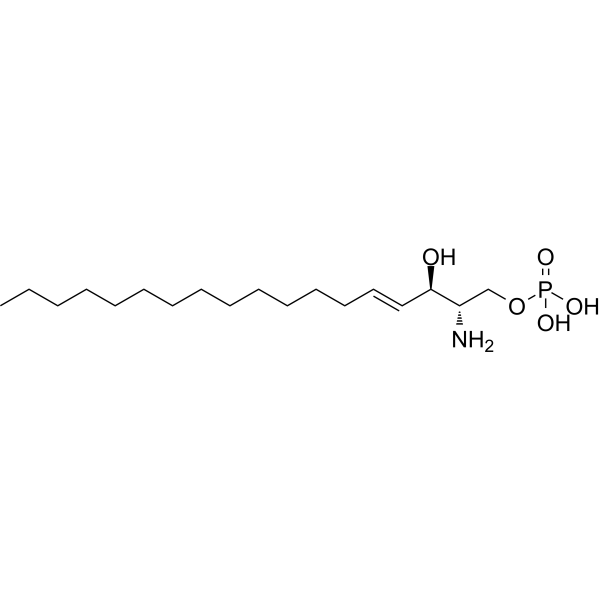
Sphingosine-1-phosphate (S1P) is an agonist of S1P1-5 receptors and a ligand of GPR3, GPR6 and GPR12. Sphingosine-1-phosphate is an intracellular second messenger and mobilizes Ca 2+ as an extracellular ligand for G protein-coupled receptors . Sphingosine-1-phosphate is an important lipid mediator generated from Sphingomyelin (HY-113498) or other membrane phospholipids . Sphingosine-1-phosphate stimulates the DNA synthesis, cell proliferation and migration .
|
-
-
- HY-12288
-
|
RPC-1063
|
LPL Receptor
|
Neurological Disease
Inflammation/Immunology
|
|
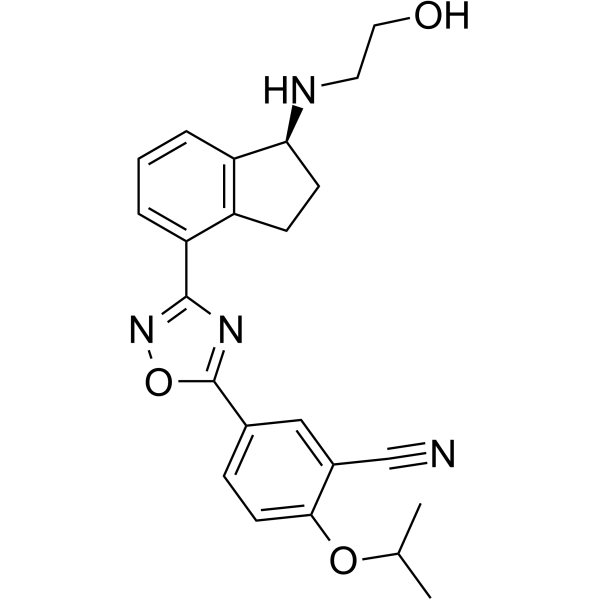
Ozanimod (RPC-1063) is a CNS-penetrant sphingosine 1-phosphate (S1P) receptor modulator that binds with high affinity selectively to S1P receptor subtypes 1 (S1P1) and 5 (S1P5). Ozanimod has modulate effect for hS1P1 and hS1P5 receptor with EC50s of 1.03 nM and 8.6 nM, respectively. Ozanimod can be used for the research of relapsing multiple sclerosis (MS) .
|
-
-
- HY-12355
-
|
BAF-312
|
LPL Receptor
Potassium Channel
|
Infection
Inflammation/Immunology
|
|
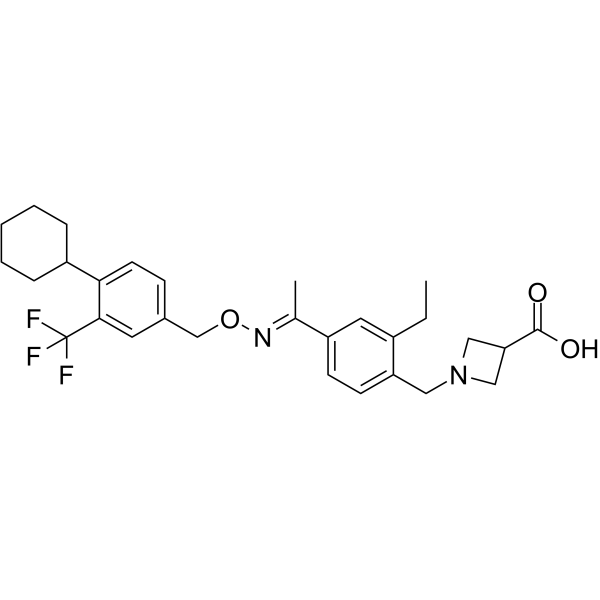
Siponimod (BAF-312) is an orally active, blood-brain barrier penetrant dual agonist of S1P1/S1P5, with EC50 values of 0.39 nM and 0.98 nM, respectively. Siponimod induces S1P1 internalization, activates GIRK channels, inhibits lymphocyte egress, reduces peripheral lymphocyte counts, triggers transient bradycardia, prevents synaptic neurodegeneration, promotes remyelination, alleviates demyelination, and prevents the loss of GABAergic interneurons. Siponimod can be used in research related to multiple sclerosis .
|
-
-
- HY-12789
-
|
APD334
|
LPL Receptor
|
Inflammation/Immunology
|
|
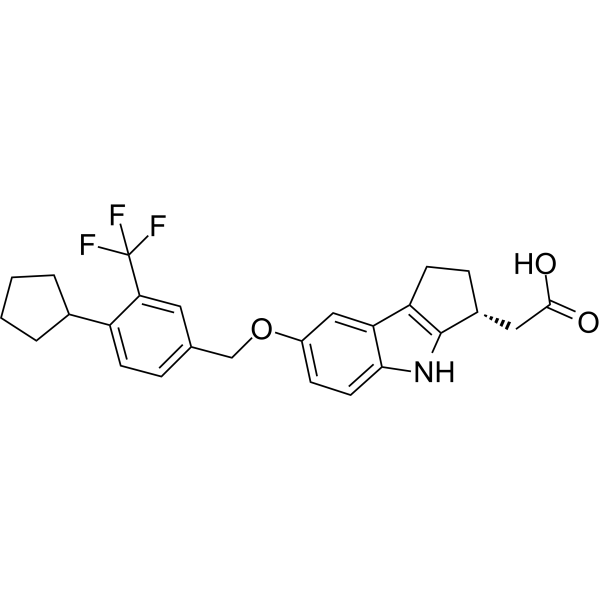
Etrasimod (APD334) is a potent, selective and orally available antagonist of the sphingosine-1-phosphate-1 (S1P1) receptor with an IC50 value of 1.88 nM in CHO cells.
|
-
-
- HY-W008947
-
|
|
LPL Receptor
ERK
Akt
|
Neurological Disease
Metabolic Disease
Inflammation/Immunology
|
|
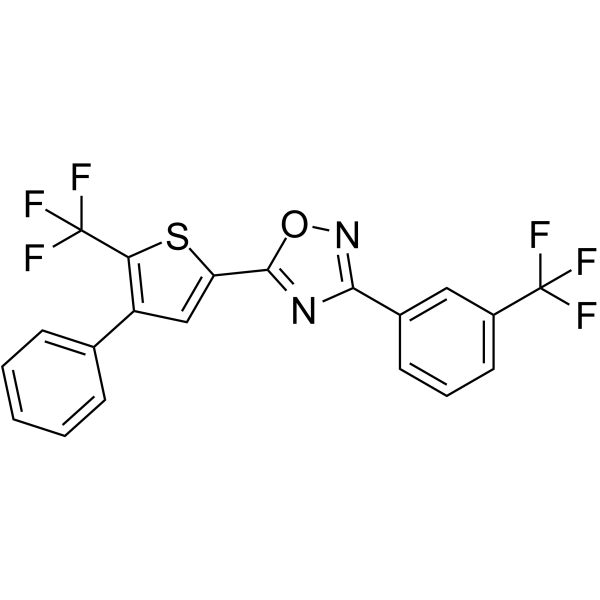
SEW2871 is an orally active, potent, highly selective S1P1 (sphingosine-1-phosphate type 1 receptor) agonist, with an EC50 of 13.8 nM. SEW2871 activates ERK, Akt, and Rac signaling pathways and induces S1P1 internalization and recycling. SEW2871 reduces lymphocyte numbers in blood. SEW2871 can be used for the research of diabetes, Alzheimer’s disease, liver fibrosis, and inflammatory responses .
|
-
-
- HY-12288A
-
|
RPC-1063 hydrochloride
|
LPL Receptor
|
Neurological Disease
Inflammation/Immunology
|
|
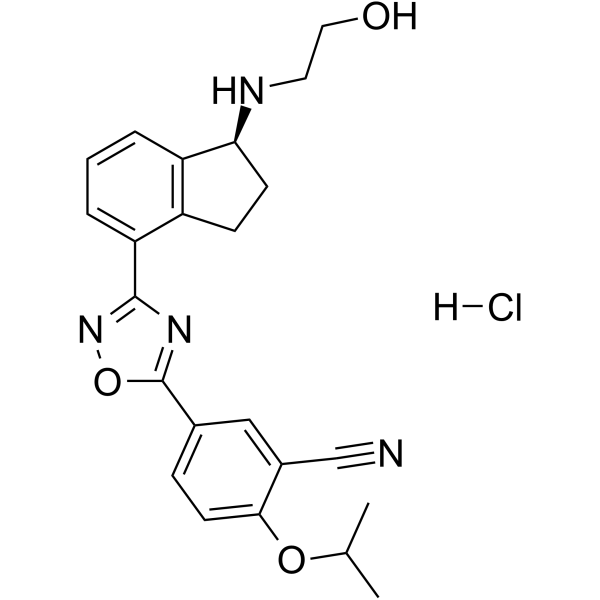
Ozanimod (RPC-1063) hydrochloride, a sphingosine 1-phosphate (S1P) receptor modulator that binds with high affinity selectively to S1P receptor subtypes 1 (S1P1) and 5 (S1P5). Ozanimod hydrochloride has modulate effect for hS1P1 and hS1P5 receptor with EC50s of 1.03 nM and 8.6 nM, respectively. Ozanimod hydrochloride can be used for the research of relapsing multiple sclerosis (MS) .
|
-
-
- HY-115831
-
|
S1P1 agonist 3
|
LPL Receptor
|
Cardiovascular Disease
|
|
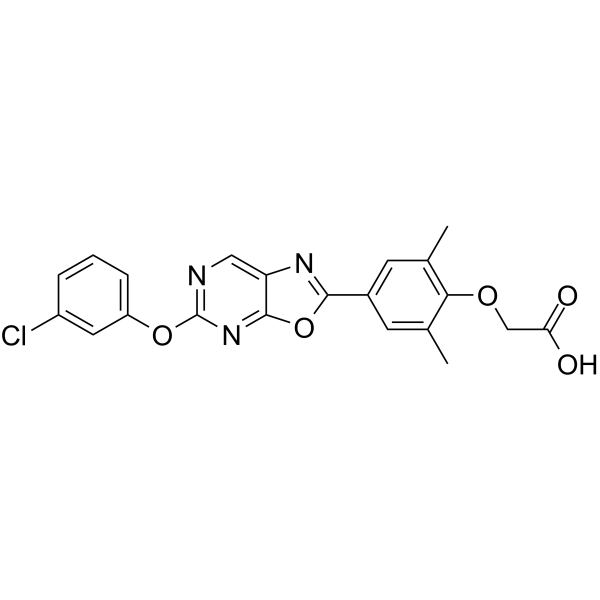
SAR247799 (S1P1 agonist 3) is an oral activity, selective G-protein-biased sphingosine-1 phosphate receptor-1 (S1P1 ) agonist, with EC50s rang from 12.6 to 493 nM in S1P1-overexpressing cells and HUVECs. SAR247799 can be used for the research of endothelial protection, including type-2 diabetes, metabolic syndrome .
|
-
-
- HY-17606
-
|
ACT-334441
|
LPL Receptor
|
Inflammation/Immunology
|
|
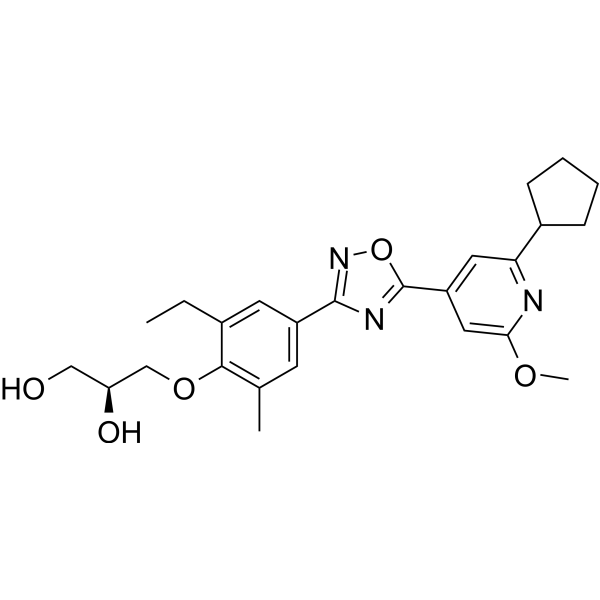
Cenerimod (ACT-334441) is a potent, selective and orally active S1P1 receptor modulator, with an EC50 of 1 nM. Cenerimod shows more than 36 fold selctivity for hS1P1 over hS1P2, hS1P3, hS1P4, and hS1P5 receptor subtypes (EC50s=>10000, 228, 2134, and 36 nM, respectively). Cenerimod can attenuate murine experimental autoimmune encephalomyelitis (EAE) and murine sclerodermatous .
|
-
-
- HY-16734A
-
|
MT-1303 hydrochloride
|
LPL Receptor
|
Cardiovascular Disease
Inflammation/Immunology
|
|
Amiselimod (MT-1303) hydrochloride is converted to its active metabolite Amiselimod phosphate by sphingosine kinases in vivo. Amiselimod hydrochloride is an orally active and high selectivity sphingosine 1-phosphate receptor-1 (S1P1) agonist, designed to reduce the bradycardia effects associated with fingolimod and other S1P receptor modulators. Amiselimod hydrochloride inhibits chronic colitis via inhibiting infiltration of colitogenic Th1 and Th17 cells into the colon. Amiselimod hydrochloride inhibits lupus nephritis by reducing the infiltration of autoreactive T cells into the kidneys. Amiselimod hydrochloride is promising for research of autoimmune diseases .
|
-
-
- HY-10968
-
CYM5442
3 Publications Verification
|
LPL Receptor
|
Neurological Disease
|
|
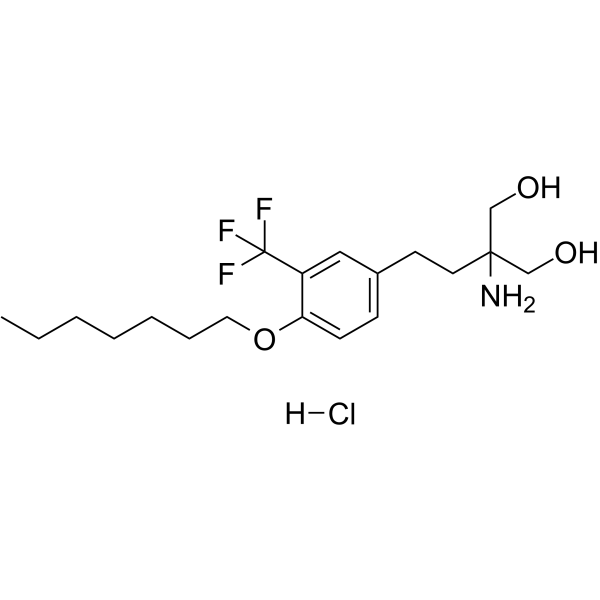
CYM5442 is a potent, highly-selective and orally active sphingosine 1-phosphate (S1P1) receptor agonist with an EC50 of 1.35 nM. CYM5442 is inactive against S1P2, S1P3, S1P4, and S1P5. CYM5442 activates S1P1-dependent p42/p44-MAPK phosphorylation. CYM5442 exerts retinal neuroprotection. CYM5442 can easily penetrate the central nervous system (CNS) .
|
-
-
- HY-108494
-
|
|
LPL Receptor
|
Cardiovascular Disease
|
|
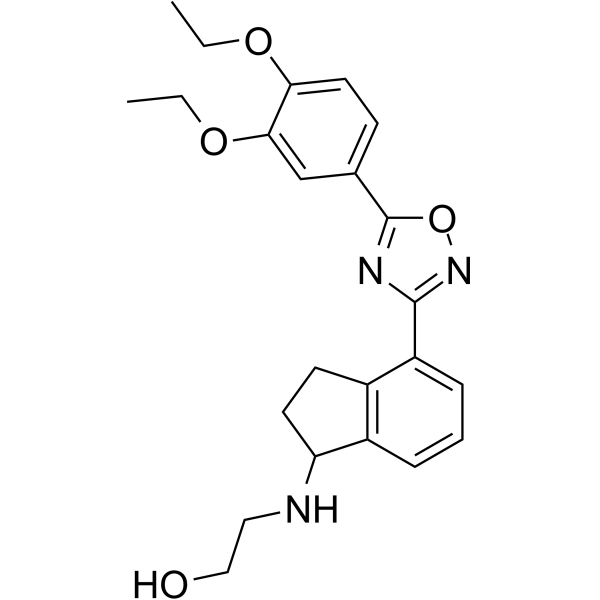
CYM50260 is a potent and exquisitely selective sphingosine-1-phosphate 4 receptor (S1P4-R) agonist with an EC50 of 45 nM. CYM50260 displays no activity against S1P1-R, S1P2-R, S1P3-R and S1P5-R .
|
-
-
- HY-110291
-
|
|
LPL Receptor
|
Neurological Disease
|
|
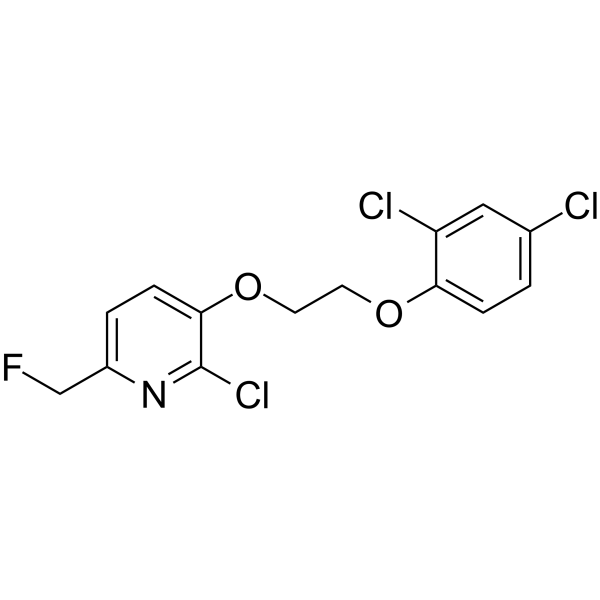
A-971432 is a potent, selective and orally active sphingosine-1-phosphate (S1P) receptor 5 agonist with IC50s of .362, >10, 0.006 μM for S1P1, S1P3, S1P5 respectively. A-971432 protects blood–brain barrier (BBB) homeostasis. A-971432 reverses age-related cognitive decline. A-971432 has the potential for the research of alzheimer’s disease or multiple sclerosis .
|
-
-
- HY-108495
-
|
ML248
|
LPL Receptor
|
Cardiovascular Disease
|
|
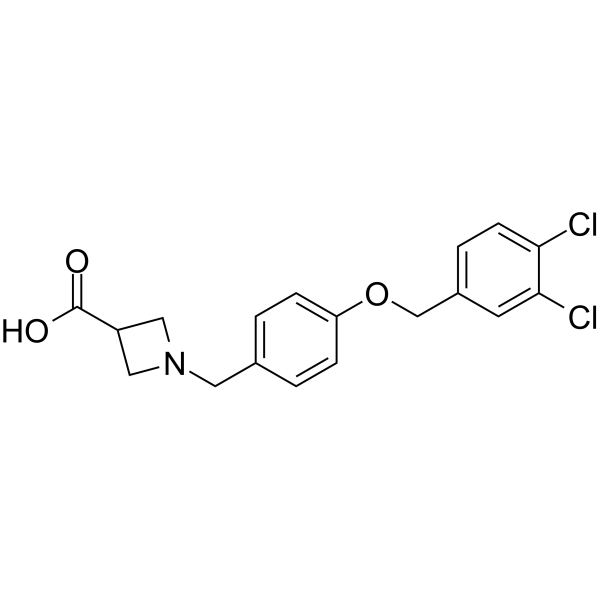
CYM50308 (ML248) is a potent, selective and high affinity sphingosine-1-phosphate receptor 4 (S1P4-R) agonist with an EC50 of 56 nM. CYM50308 displays 37-fold more selective for S1P4-R than S1P5-R. CYM50308 has no activity at S1P1-R, S1P2-R and S1P3-R subtypes at concentrations up to 25 μM .
|
-
-
- HY-117213
-
|
S1P1-IN-Ex26
|
LPL Receptor
|
Neurological Disease
Metabolic Disease
Inflammation/Immunology
|
|
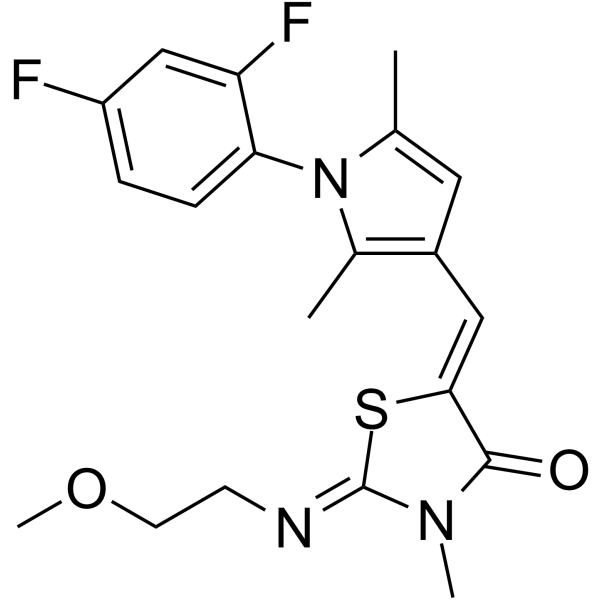
Ex26 (S1P1-IN-Ex26) is a potent and selective sphingosine 1-phosphate receptor 1 (S1P1) antagonist (IC50=0.93 nM). Ex26 shows >3,000-fold selectivity for S1P1 over other Sphingosine 1-phosphate receptors. Ex26 can be used in experimental autoimmune encephalomyelitis reseach .
|
-
-
- HY-101265
-
|
S1p receptor agonist 1
|
LPL Receptor
|
Inflammation/Immunology
|
|
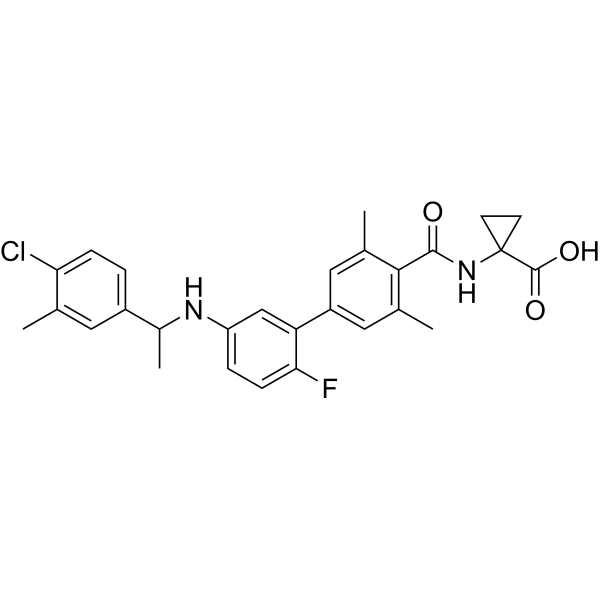
Icanbelimod (S1p receptor agonist 1) is a potent and orally active S1P receptor agonist, exhibits an activity of inducing S1P1 internalization (EC50=9.83 nM). Icanbelimod has the potential for the study of arthritis and EAE (experimental autoimmune encephalitis). Icanbelimod is extracted from patent WO2015039587A1, Compound 2.
|
-
-
- HY-19511
-
|
|
LPL Receptor
|
Inflammation/Immunology
|
|
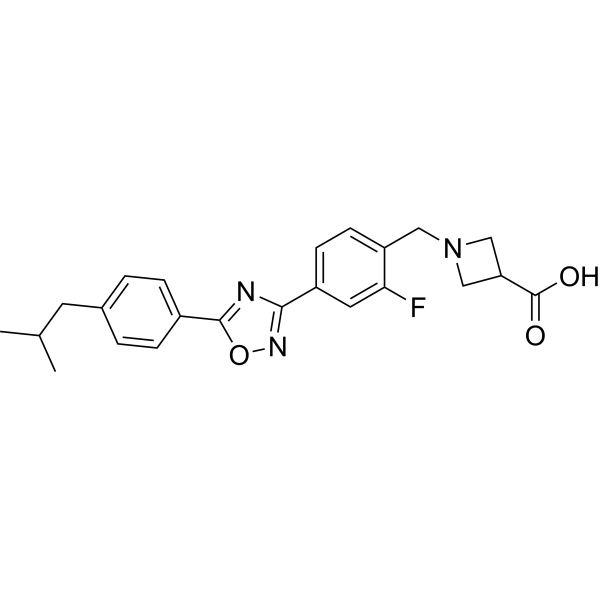
GSK2018682 is an agonist for S1P1 and S1P5 receptor with pEC50s of 7.7 and 7.2, respectively, and has no agonist activity towards human S1P2, S1P3, or S1P4. GSK2018682 is used in the research of multiple sclerosis.
|
-
-
- HY-108496S
-
|
S1P-d7
|
Endogenous Metabolite
LPL Receptor
|
Endocrinology
|
|
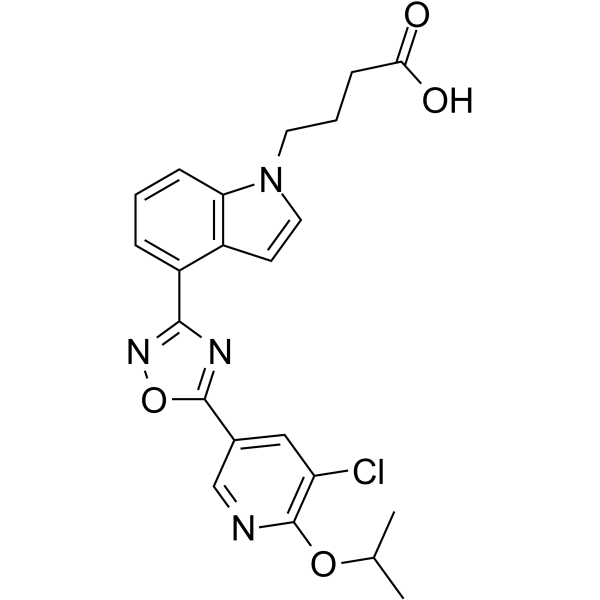
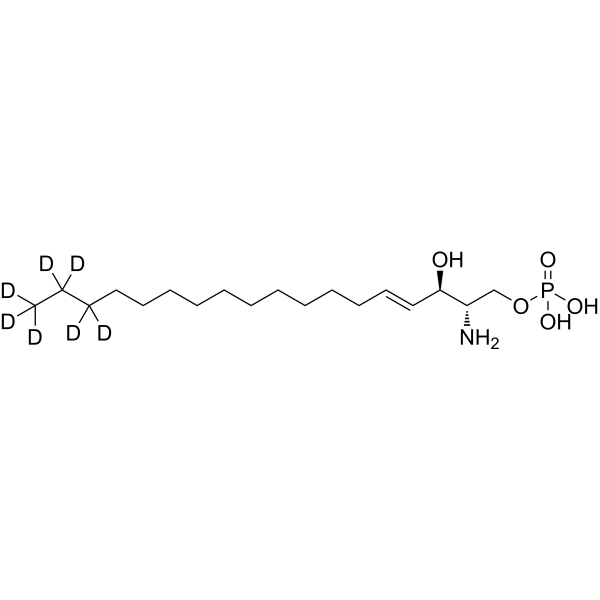
Sphingosine-1-phosphate-d7 is the deuterium labeled Sphingosine-1-phosphate. Sphingosine-1-phosphate (S1P) is an agonist of S1P1-5 receptors and a ligand of GPR3, GPR6 and GPR12.?Sphingosine-1-phosphate is an intracellular second messenger and mobilizes Ca2+ as an extracellular ligand for G protein-coupled receptors . Sphingosine-1-phosphate is an important lipid mediator generated from Sphingomyelin (HY-113498) or other membrane phospholipids .
|
-
-
- HY-108490
-
|
|
LPL Receptor
|
Inflammation/Immunology
|
|
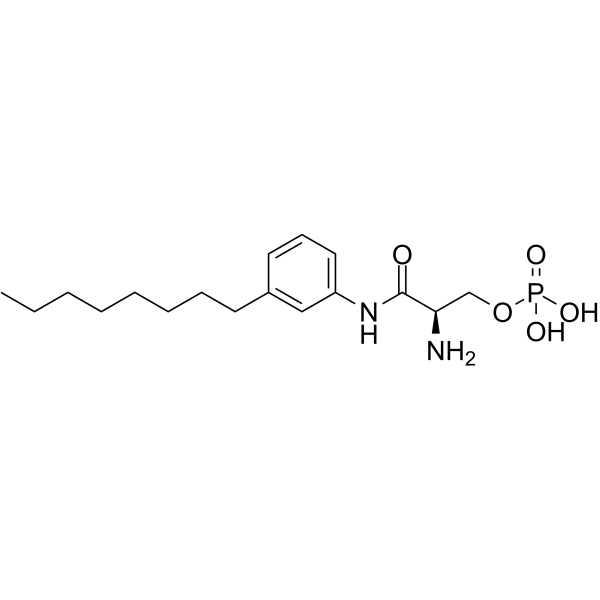
VPC 23019, an aryl amide-containing Sphingosine 1-phosphate (S1P) analog, is a competitive antagonist at the S1P1 and S1P3 receptors (pKi= 7.86 and 5.93, respectively) and an agonist at the S1P4 and S1P5 receptors (pEC50= 6.58 and 7.07, respectively) .
|
-
-
- HY-148198
-
|
|
LPL Receptor
|
Neurological Disease
Inflammation/Immunology
|
|
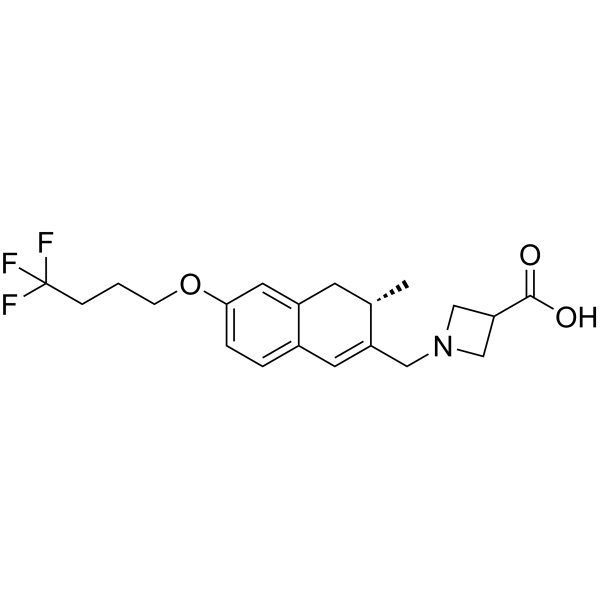
S1P5 receptor agonist-1 (Example 6) is an effective and selective S1P5 receptor (S1P5 receptor) agonist. The EC50 values for S1P5 and S1P1 receptors are 20 nM and > 3 μM, respectively. S1P5 receptor agonist-1 can be used in studies on neuroprotection and immune regulation .
|
-
-
- HY-32854
-
-

-
- HY-111021
-
|
|
LPL Receptor
|
Inflammation/Immunology
|
|
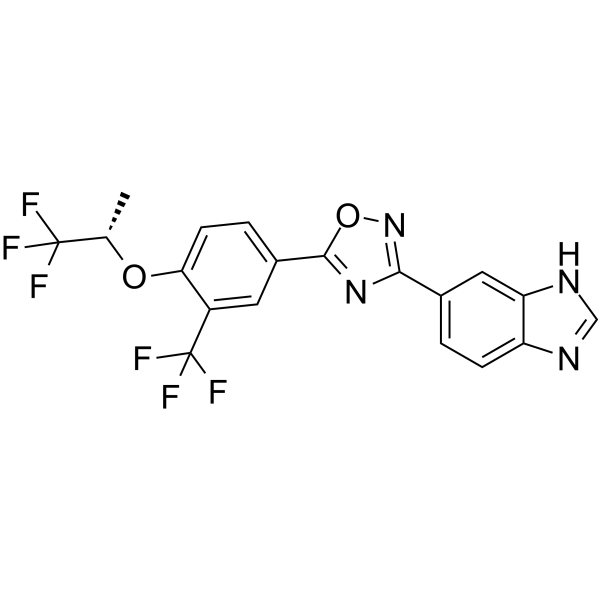
ASP-4058 is a next-generation, selective and oral bioactive agonist for Sphingosine 1-Phosphate receptors 1 and 5 (S1P1 and S1P5), ameliorates rodent experimental autoimmune encephalomyelitis with a favorable safety profile .
|
-
-
- HY-132847
-
|
SCD-044
|
LPL Receptor
|
Inflammation/Immunology
|
|
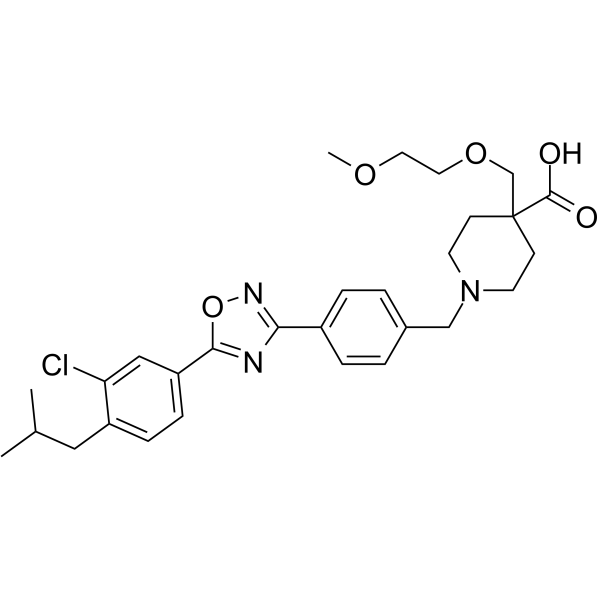
Vibozilimod (SCD-044) is an oral S1P1/EDG1 receptor-selective agonist with an EC50 of <1 nM. Vibozilimod promotes S1P1/EDG1 receptor internalization, inhibits lymphocyte migration, induces lymphopenia and reduces lymphocyte counts. Vibozilimod is used for the research of inflammatory diseases such as psoriasis and atopic dermatitis .
|
-
-
- HY-135432
-
|
APD334 arginine
|
LPL Receptor
|
Inflammation/Immunology
|
|
Etrasimod arginine is an orally available S1P receptor modulator that is a potent full agonist of the S1P1 receptor and has partial agonist activity at S1P4. Etrasimod arginine reduces inflammation in a CD4 +CD45RB high T cell-transferred mouse colitis model .
|
-

-
- HY-120633A
-
-
-
- HY-12789S
-
|
APD334-d9
|
Isotope-Labeled Compounds
LPL Receptor
|
Inflammation/Immunology
|
|
Etrasimod-d9 (APD334-d9) is a deuterium labeled Etrasimod (HY-12789). Etrasimod (APD334) is a potent, selective and orally available antagonist of the sphingosine-1-phosphate-1 (S1P1) receptor with an IC50 value of 1.88 nM in CHO cells. .
|
-

-
- HY-16622
-
-

-
- HY-W008947R
-
|
|
Reference Standards
LPL Receptor
ERK
Akt
|
Neurological Disease
Metabolic Disease
Inflammation/Immunology
|
|
SEW2871 is an orally active, potent, highly selective S1P1 (sphingosine-1-phosphate type 1 receptor) agonist, with an EC50 of 13.8 nM. SEW2871 activates ERK, Akt, and Rac signaling pathways and induces S1P1 internalization and recycling. SEW2871 reduces lymphocyte numbers in blood. SEW2871 can be used for the research of diabetes, Alzheimer’s disease, liver fibrosis, and inflammatory responses .
|
-

-
- HY-120468
-
-
-
- HY-14977
-
|
|
LPL Receptor
|
Inflammation/Immunology
|
|
CS-0777-P, the phosphorylated form of CS-0777, acts as a potent and selective modulator of the S1P receptor-1 (S1P1). It exhibits approximately 320-fold higher agonist activity for human S1P1 compared to S1P3, with an EC50 of 1.1 nM. In pharmacological studies, CS-0777-P demonstrated significant effects in vitro as an S1P1 and S1P3 agonist, leading to lowered peripheral blood lymphocyte counts and suppressive effects on experimental autoimmune encephalomyelitis (EAE) in rats. Pharmacokinetic studies in rats revealed rapid lymphocyte count reductions following oral administration, making CS-0777 a promising candidate currently undergoing clinical trials for the treatment of multiple sclerosis (MS) .
|
-

-
- HY-10968A
-
|
|
LPL Receptor
|
Neurological Disease
|
|
CYM5442 hydrochloride is a potent, highly-selective and orally active sphingosine 1-phosphate (S1P1) receptor agonist with an EC50 of 1.35 nM. CYM5442 hydrochloride is inactive against S1P2, S1P3, S1P4, and S1P5. CYM5442 hydrochloride activates S1P1-dependent p42/p44-MAPK phosphorylation. CYM5442 exerts retinal neuroprotection. CYM5442 hydrochloride can easily penetrate the central nervous system (CNS) .
|
-
-
- HY-147660
-
|
|
LPL Receptor
|
Inflammation/Immunology
|
|
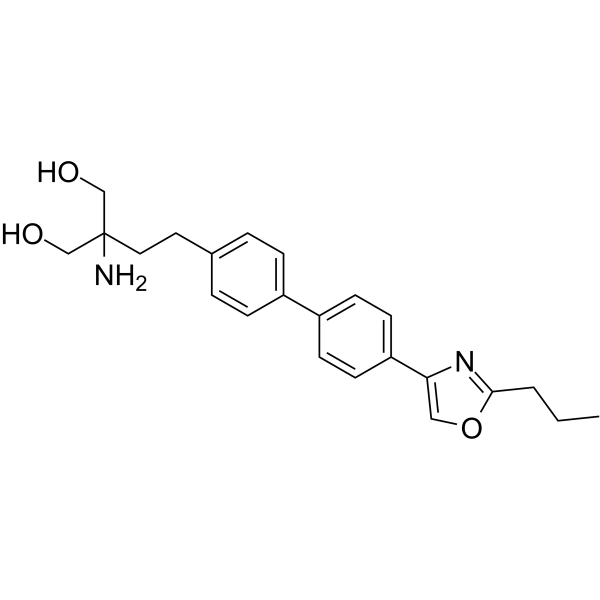
IMMH001, also called SYL930, is an orally active, potent and selective S1P1 (sphingosine-1-phosphate receptor 1) agonist. IMMH001 decreased levels of both chemokines and proinflammatory cytokines, including IL-1β, IL-5, IL-18, IP10, CCL3, and CCL5. IMMH001 can be used for rheumatoid arthritis (RA) research .
|
-
-
- HY-12005R
-
|
FTY720 (Standard)
|
Reference Standards
LPL Receptor
PAK
|
Inflammation/Immunology
Cancer
|
|
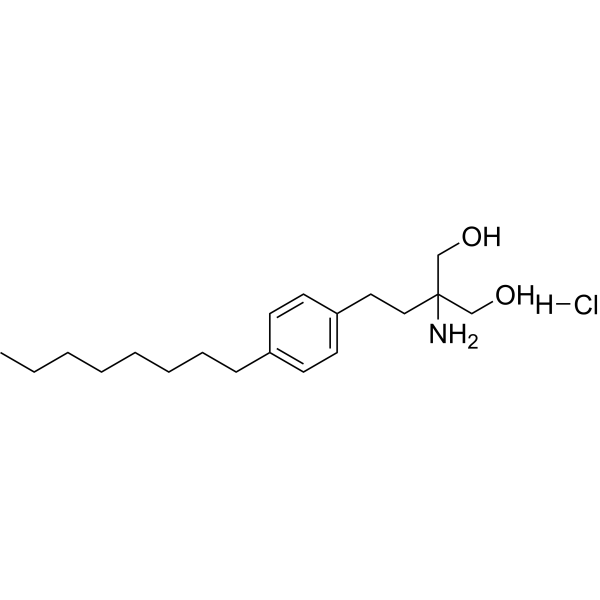
Fingolimod (hydrochloride) (Standard) is the analytical standard of Fingolimod (hydrochloride). This product is intended for research and analytical applications. Fingolimod hydrochloride (FTY720), an analog of sphingosine, is a potent sphingosine 1-phosphate (S1P) receptors modulator. Fingolimod hydrochloride is phosphorylated by sphingosine kinases, particularly by SK2, and then binds S1PR1, 3, 4, and 5. Fingolimod hydrochloride induces the internalization of S1P1, and consequently, inhibits S1P activity. Fingolimod hydrochloride also is a pak1 activator .
|
-
-
- HY-12288R
-
|
RPC-1063 (Standard)
|
Reference Standards
LPL Receptor
|
Neurological Disease
Inflammation/Immunology
|
|
Ozanimod (Standard) is the analytical standard of Ozanimod. This product is intended for research and analytical applications. Ozanimod (RPC-1063), a sphingosine 1-phosphate (S1P) receptor modulator that binds with high affinity selectively to S1P receptor subtypes 1 (S1P1) and 5 (S1P5). Ozanimod has modulate effect for hS1P1 and hS1P5 receptor with EC50s of 1.03 nM and 8.6 nM, respectively. Ozanimod can be used for the research of relapsing multiple sclerosis (MS) .
|
-

-
- HY-16734
-
|
MT-1303
|
LPL Receptor
|
Cardiovascular Disease
Inflammation/Immunology
|
|
Amiselimod (MT-1303) is converted to its active metabolite Amiselimod phosphate by sphingosine kinases in vivo. Amiselimod is an orally active and high selectivity sphingosine 1-phosphate receptor-1 (S1P1) agonist, designed to reduce the bradycardia effects associated with fingolimod and other S1P receptor modulators. Amiselimod inhibits chronic colitis via inhibiting infiltration of colitogenic Th1 and Th17 cells into the colon. Amiselimod inhibits lupus nephritis by reducing the infiltration of autoreactive T cells into the kidneys. Amiselimodis promising for research of autoimmune diseases .
|
-

-
- HY-120611A
-
-
-
- HY-120611
-
-

-
- HY-50692
-
|
|
LPL Receptor
|
Inflammation/Immunology
|
|
CAY10734 is the agonist for sphingosine-1-phosphate receptor 1 (S1P1) with an IC50 of 1.3 nM. CAY10734 promotes the recirculation of peripheral blood lymphocytes, and is a potential immunosuppressant .
|
-

-
- HY-116088
-
|
|
LPL Receptor
|
Inflammation/Immunology
|
|
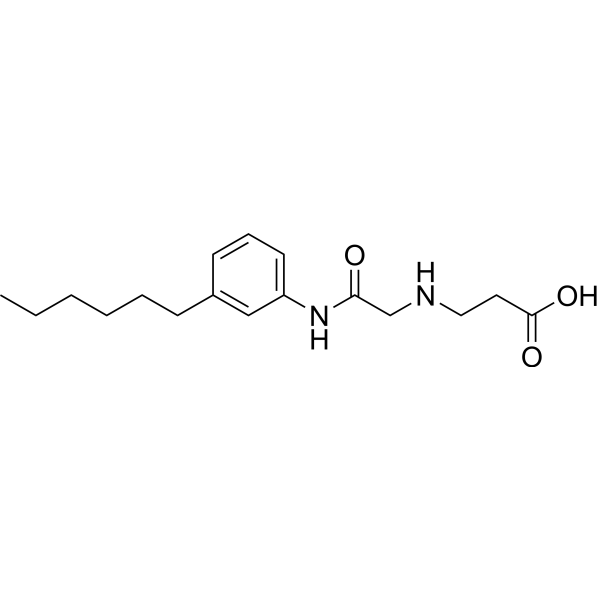
W123, a FTY720 analog, is a competitive sphingosine 1-phosphate type 1 (S1P1) receptor antagonist. W123 is measured by GTPγS activation, MAPK recruitment, cell migration, and ligand-induced receptor internalization .
|
-
-
- HY-111021A
-
|
|
LPL Receptor
|
Inflammation/Immunology
|
|
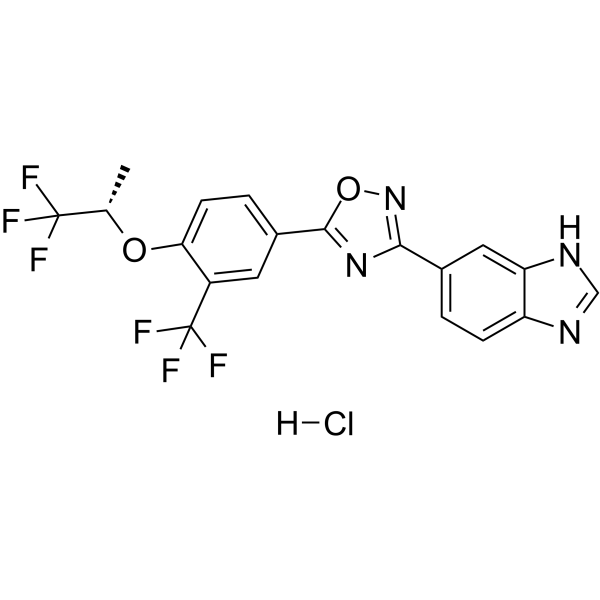
ASP-4058 hydrochloride is a next-generation, selective and orally active agonist for Sphingosine 1-Phosphate receptors 1 and 5 (S1P1 and S1P5), ameliorates rodent experimental autoimmune encephalomyelitis with a favorable safety profile .
|
-
-
- HY-12616
-
|
|
LPL Receptor
|
Cancer
|
|
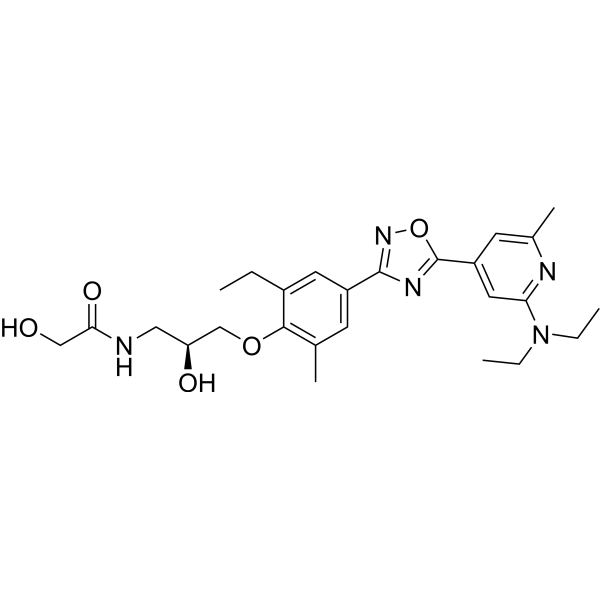
ACT-209905 is a S1P1 receptor agonist. ACT-209905 can inhibit glioblastoma (GBM) cell growth and migration. ACT-209905 also has immunomodulating activity, and can be used in research of autoimmune diseases .
|
-
-
- HY-12789R
-
|
APD334 (Standard)
|
LPL Receptor
Reference Standards
|
Inflammation/Immunology
|
|
Etrasimod (Standard) is the analytical standard of Etrasimod. This product is intended for research and analytical applications. Etrasimod (APD334) is a potent, selective and orally available antagonist of the sphingosine-1-phosphate-1 (S1P1) receptor with an IC50 value of 1.88 nM in CHO cells.
|
-

-
- HY-12355R
-
|
BAF-312 (Standard)
|
Reference Standards
LPL Receptor
Potassium Channel
|
Neurological Disease
Inflammation/Immunology
|
|
Siponimod (BAF-312) (Standard) is the analytical standard of Siponimod. This product is intended for research and analytical applications. Siponimod is an orally active, blood-brain barrier penetrant dual agonist of S1P1/S1P5, with EC50 values of 0.39 nM and 0.98 nM, respectively. Siponimod induces S1P1 internalization, activates GIRK channels, inhibits lymphocyte egress, reduces peripheral lymphocyte counts, triggers transient bradycardia, prevents synaptic neurodegeneration, promotes remyelination, alleviates demyelination, and prevents the loss of GABAergic interneurons. Siponimod can be used in research related to multiple sclerosis.
|
-

-
- HY-10968R
-
|
|
LPL Receptor
|
Neurological Disease
|
|
CYM5442 (Standard) is the analytical standard of CYM5442. This product is intended for research and analytical applications. CYM5442 is a potent, highly-selective and orally active sphingosine 1-phosphate (S1P1) receptor agonist with an EC50 of 1.35 nM. CYM5442 is inactive against S1P2, S1P3, S1P4, and S1P5. CYM5442 activates S1P1-dependent p42/p44-MAPK phosphorylation. CYM5442 exerts retinal neuroprotection. CYM5442 can easily penetrate the central nervous system (CNS) .
|
-

-
- HY-148115
-
|
|
LPL Receptor
|
Inflammation/Immunology
|
|
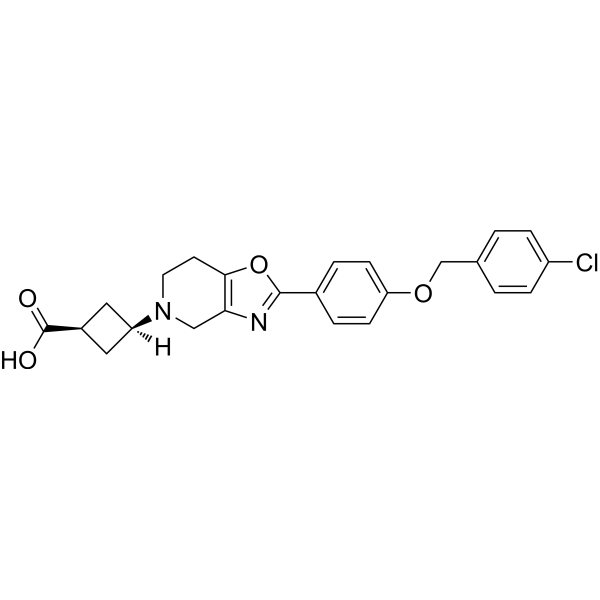
S1p receptor agonist 2 (compound 1) is an agonist of S1P5 receptor, exhibits selectivity over the S1P1 and/or S1P3 receptors. S1p receptor agonist 2 can be used for endogenous SIP signaling system research, and alleviating or preventing CNS disorders research, such as neurodegenerative disorders .
|
-
-
- HY-120633
-
|
|
LPL Receptor
|
|
|
BMS-986104 is a potent and selective S1P1 receptor modulator. BMS-986104 is effective in a mouse EAE model, which is comparable to FTY720. Mechanistically, BMS-986104 exhibites excellent remyelinating effects on lysophosphatidylcholine (LPC)-induced demyelination in a three-dimensional brain cell culture assay.
|
-

-
- HY-19511A
-
|
|
LPL Receptor
|
Inflammation/Immunology
|
|
GSK2018682 hydrochloride is an agonist for S1P1 and S1P5 receptor with pEC50s of 7.7 and 7.2, respectively, and has no agonist activity towards human S1P2, S1P3, or S1P4. GSK2018682 hydrochloride is used in the research of multiple sclerosis.
|
-

-
- HY-119221A
-
|
|
LPL Receptor
|
Neurological Disease
|
|
AUY 954 hydrochloride is a potent and selective sphingosine-1-phosphate (S1P(1)) receptor agonist, exhibiting significant immunomodulatory activity. AUY 954 hydrochloride induces a profound and reversible reduction of circulating lymphocytes upon oral administration. AUY 954 hydrochloride has demonstrated efficacy in prolonging cardiac allograft survival when used in combination with RAD001 in a stringent transplantation model. AUY 954 hydrochloride effectively prevents experimental autoimmune neuritis in rats, showcasing its therapeutic potential in autoimmune conditions.
|
-

-
- HY-169864
-
|
|
LPL Receptor
|
Inflammation/Immunology
|
|
KRO-105714 is the antagonist for sphingosine phosphocholine receptor (SPC Receptor) and sphingosine-1-phosphate receptor 1 (S1P1 Receptor) (IC50=79.2 nM). KRO-105714 inhibits SPC-induced proliferation of NIH3T3 (IC50=5.6 nM), inhibits SPC-induced cell migration (IC50=0.59 μM) and tube formation in HUVECs. KRO-105714 inhibits SPC-induced generation of IL-4 and IL-5, exhibits anti-inflammtory efficacy in mouse atopic dermatitis models .
|
-

-
- HY-18334
-
-

-
- HY-14433
-
|
PF-991
|
LPL Receptor
|
Inflammation/Immunology
|
|
PF-462991 (PF-991) is a S1P1 receptor agonist with an EC50 of 1.9 nM. PF-462991 functionally activates this receptor via the β-arrestin pathway. PF-462991 is applicable to research related to rheumatoid arthritis .
|
-

- HY-117892A
-
-

- HY-16621
-
|
|
SphK
|
Inflammation/Immunology
|
|
PPI-4955 is a subtype 1 (S1P₁) agonist of sphingosine-1-phosphate receptor with an EC50 of 1.62 nM. PPI-4955-P (the active phosphorylated form) exhibits excellent receptor selectivity and affinity, and the IC50 values for hS1P₁, hS1P₃, hS1P₄, and hS1P₅ are 0.23, 2000, 6.5, and 184 nM respectively. PPI-4955 has significantly improved in vivo phosphorylation efficiency, which can reduce lymphocytes and improve cardiovascular risk. PPI-4955 can be used in immunomodulation research .
|
-

- HY-113040B
-
|
(±)-17(S),18(R)-EETeTr
|
Drug Isomer
|
Others
|
|
(±)-(17S,18R)-Epoxyeicosatetraenoic acid ((±)-17 (S),18 (R)-EETeTr) is one of the constituent enantiomers of (±) 17 (18)-EpETE. (±) 17 (18)-EpETE is an active metabolite of the ω-3 fatty acid eicosapentaenoic acid, and also an agonist of sphingosine-1-phosphate receptor 1 (S1P1) .
|
-

- HY-101265R
-
|
S1p receptor agonist 1 (Standard)
|
LPL Receptor
Reference Standards
|
Inflammation/Immunology
|
|
Icanbelimod (Standard) is the analytical standard of Icanbelimod (HY-101265). This product is intended for research and analytical applications. Icanbelimod (S1p receptor agonist 1) is a potent and orally active S1P receptor agonist, exhibits an activity of inducing S1P1 internalization (EC50=9.83 nM). Icanbelimod has the potential for the study of arthritis and EAE (experimental autoimmune encephalitis). Icanbelimod is extracted from patent WO2015039587A1, Compound 2.
|
-

- HY-16622B
-
|
|
Endogenous Metabolite
|
Endocrinology
|
|
GSK 1842799 hydrochloride is a selective S1P1 receptor agonist with potent agonist activity and exceptional selectivity over S1P3. GSK 1842799 hydrochloride demonstrates good oral bioavailability and rapid conversion to its active phosphorylated form. GSK 1842799 hydrochloride significantly reduces blood lymphocyte counts in vivo following oral administration. GSK 1842799 hydrochloride has shown efficacy comparable to FTY720 in the mouse EAE model of multiple sclerosis.
|
-

- HY-108490R
-
|
|
Reference Standards
LPL Receptor
|
Inflammation/Immunology
|
|
VPC 23019 (Standard) is the analytical standard of VPC 23019 (HY-108490). This product is intended for research and analytical applications. VPC 23019, an aryl amide-containing Sphingosine 1-phosphate (S1P) analog, is a competitive antagonist at the S1P1 and S1P3 receptors (pKi= 7.86 and 5.93, respectively) and an agonist at the S1P4 and S1P5 receptors (pEC50= 6.58 and 7.07, respectively) .
|
-

- HY-12898
-
|
|
LPL Receptor
Apoptosis
|
Inflammation/Immunology
|
|
(S)-FTY-720 Vinylphosphonate is a chiral phosphonate analogue of Fingolimod (HY-11063). (S)-FTY-720 Vinylphosphonate can activate the S1P1 receptor with an EC50 value of 75 nM. (S)-FTY-720 Vinylphosphonate can significantly inhibit Camptothecin (HY-16560)-induced apoptosis in IEC-6 cells. (S)-FTY-720 Vinylphosphonate is applicable for the research of autoimmune diseases .
|
-

- HY-12288S
-
|
RPC-1063-d6
|
Isotope-Labeled Compounds
LPL Receptor
|
Neurological Disease
Inflammation/Immunology
|
|
Ozanimod-d6 (RPC-1063-d6) is the deuterium labeled Ozanimod (HY-12288). Ozanimod (RPC-1063) is a CNS-penetrant sphingosine 1-phosphate (S1P) receptor modulator that binds with high affinity selectively to S1P receptor subtypes 1 (S1P1) and 5 (S1P5). Ozanimod has modulate effect for hS1P1 and hS1P5 receptor with EC50s of 1.03 nM and 8.6 nM, respectively. Ozanimod can be used for the research of relapsing multiple sclerosis (MS) .
|
-

- HY-108495R
-
|
ML248 (Standard)
|
Reference Standards
LPL Receptor
|
Cardiovascular Disease
|
|
CYM50308 (Standard) is the analytical standard of CYM50308 (HY-108495). This product is intended for research and analytical applications. CYM50308 (ML248) is a potent, selective and high affinity sphingosine-1-phosphate receptor 4 (S1P4-R) agonist with an EC50 of 56 nM. CYM50308 displays 37-fold more selective for S1P4-R than S1P5-R. CYM50308 has no activity at S1P1-R, S1P2-R and S1P3-R subtypes at concentrations up to 25 μM .
|
-

- HY-164584
-
|
|
LPL Receptor
|
Neurological Disease
|
|
S1P5 receptor antagonist 1 is a selective, blood-brain barrier-permeable S1P5 receptor antagonist with an EC50 of 0.1 nM and a Ki of 4.4 nM. S1P5 receptor antagonist 1 inhibits the migration of natural killer cells towards sphingosine 1-phosphate in vitro, with no effect on T cell migration. S1P5 receptor antagonist 1 can be used in the research of central nervous system diseases .
|
-

| Cat. No. |
Nombre del producto |
Category |
Target |
Chemical Structure |
| Cat. No. |
Nombre del producto |
Chemical Structure |
-
- HY-108496S
-
|
|
|
Sphingosine-1-phosphate-d7 is the deuterium labeled Sphingosine-1-phosphate. Sphingosine-1-phosphate (S1P) is an agonist of S1P1-5 receptors and a ligand of GPR3, GPR6 and GPR12.?Sphingosine-1-phosphate is an intracellular second messenger and mobilizes Ca2+ as an extracellular ligand for G protein-coupled receptors . Sphingosine-1-phosphate is an important lipid mediator generated from Sphingomyelin (HY-113498) or other membrane phospholipids .
|
-
-
- HY-12789S
-
|
|
|
Etrasimod-d9 (APD334-d9) is a deuterium labeled Etrasimod (HY-12789). Etrasimod (APD334) is a potent, selective and orally available antagonist of the sphingosine-1-phosphate-1 (S1P1) receptor with an IC50 value of 1.88 nM in CHO cells. .
|
-
-
- HY-12288S
-
|
|
|
Ozanimod-d6 (RPC-1063-d6) is the deuterium labeled Ozanimod (HY-12288). Ozanimod (RPC-1063) is a CNS-penetrant sphingosine 1-phosphate (S1P) receptor modulator that binds with high affinity selectively to S1P receptor subtypes 1 (S1P1) and 5 (S1P5). Ozanimod has modulate effect for hS1P1 and hS1P5 receptor with EC50s of 1.03 nM and 8.6 nM, respectively. Ozanimod can be used for the research of relapsing multiple sclerosis (MS) .
|
-
Your information is safe with us. * Required Fields.
Inquiry Information
- Nombre del producto:
- Cat. No.:
- Cantidad:
- MCE Japan Authorized Agent:








