1. Search Result
Search Result
Pathways Recommended: Stem Cell/Wnt Cell Cycle/DNA Damage
Results for "

T47D breast cancer cell

" in MedChemExpress (MCE) Product Catalog:

40

Inhibitors & Agonists

2

Peptides

1

Inhibitory Antibodies

6

Natural
Products

1

Isotope-Labeled Compounds

Cat. No. Product Name Target Research Areas Chemical Structure
  • HY-19822
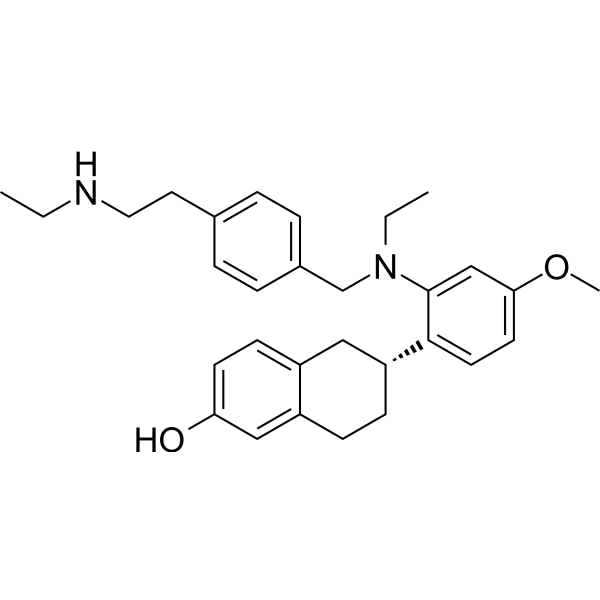
    Elacestrant
    Maximum Cited Publications
    17 Publications Verification

    RAD1901

    Estrogen Receptor/ERR Cancer
    Elacestrant (RAD1901) is an orally available and selective estrogen receptor degrader (SERD) with IC50s of 48 and 870 nM for ERα and ERβ, respectively. Elacestrant also can inhibit growth of ER + breast cancer cell lines in vitro and in vivo .
    Elacestrant
  • HY-113293B
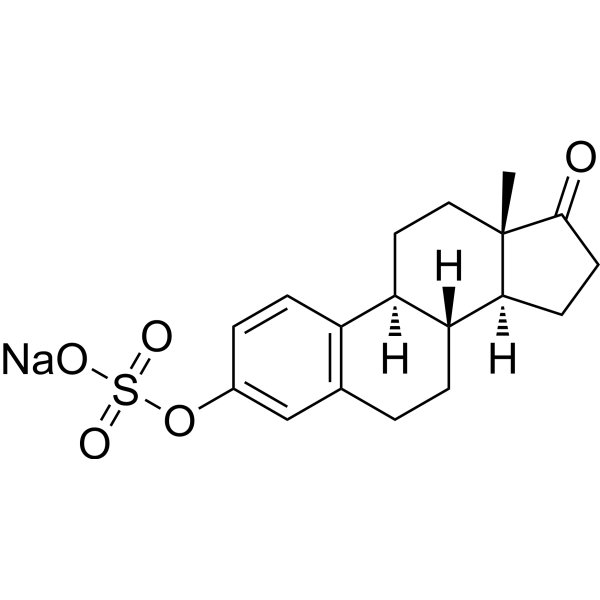
    Estrone sulfate sodium
    3 Publications Verification

    Endogenous Metabolite Estrogen Receptor/ERR Metabolic Disease Cancer
    Estrone sulfate sodium is an inactive endogenous estrogen that can be converted into Estrone (HY-B0234) and Estradiol (HY-B0141). Estrone sulfate sodium is also a substrate of the OATP1B3 transporter. Estrone sulfate sodium can be converted into Estrone and Estradiol in normal mammary parenchymal cells. Estrone sulfate sodium stimulates the growth of nitrosomethylurea-induced mammary tumors in ovariectomized rats and the colony formation of dispersed nitrosomethylurea mammary cells, with conversion into Estrone and Estradiol occurring both in vivo and in vitro during this process. Estrone sulfate sodium is applicable to breast cancer-related research .
    Estrone sulfate sodium
  • HY-19822A
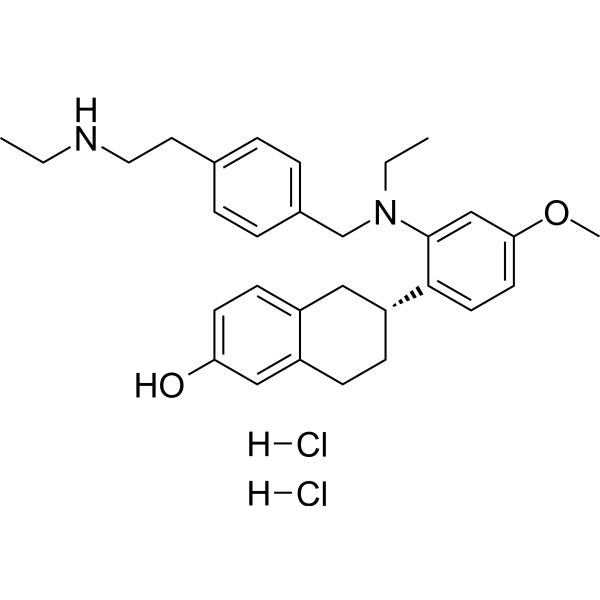
    Elacestrant dihydrochloride
    Maximum Cited Publications
    17 Publications Verification

    RAD1901 dihydrochloride

    Estrogen Receptor/ERR Cancer
    Elacestrant (RAD1901) dihydrochloride is an orally available and selective estrogen receptor degrader (SERD) with IC50s of 48 and 870 nM for ERα and ERβ, respectively. Elacestrant dihydrochloride also can inhibit growth of ER + breast cancer cell lines in vitro and in vivo .
    Elacestrant dihydrochloride
  • HY-175465

    Interleukin Related STAT Cancer
    SMI-10B13 is an Oncostatin M (OSM) inhibitor with a KD of 6.6 μM. SMI-10B13 inhibits OSM-mediated STAT3 phosphorylation in T47D and MCF-7 cell lines (IC50 = 136 and 164 nM, respectively). SMI-10B13 shows anti-tumor effect in human breast cancer mice models .
    SMI-10B13
  • HY-128600
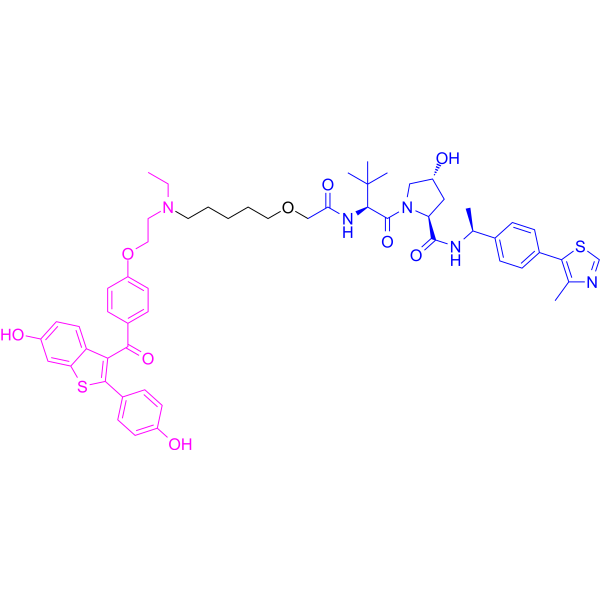
    ERD-308
    1 Publications Verification

    PROTACs Estrogen Receptor/ERR Cancer
    ERD-308 is a potent estrogen receptor (ER) PROTAC degrader. ERD-308 has DC50 values of 0.17 nM and 0.43 nM in MCF-7 and T47D ER+ cells. ERD-308 can inhibit the proliferation of breast cancer cells and exhibits anti-tumor activity. (Pink: Target Protein Ligand (HY-48027); Black: Linker (HY-172643); Blue: VHL Ligand (HY-112078); VHL Ligand+Linker:(HY-172645))
    ERD-308
  • HY-148214

    CDK Cancer
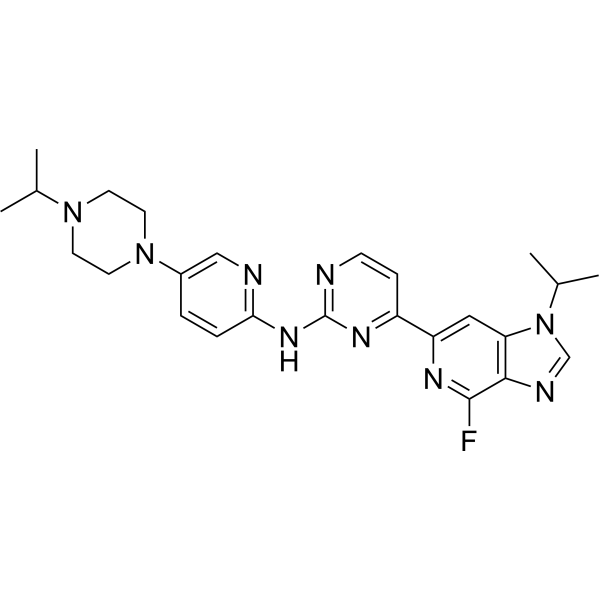
    CDK2/4/6-IN-2 is a selective CDK2/4/6 inhibitor with IC50 values <1 μM. CDK2/4/6-IN-2 inhibits cells proliferation and phosphorylation of retinoblastoma protein at Ser807/811 in breast cancer cells. CDK2/4/6-IN-2 can be used for the research of cancer, such as breast cancer .
    CDK2/4/6-IN-2
  • HY-124053

    HDAC Cancer
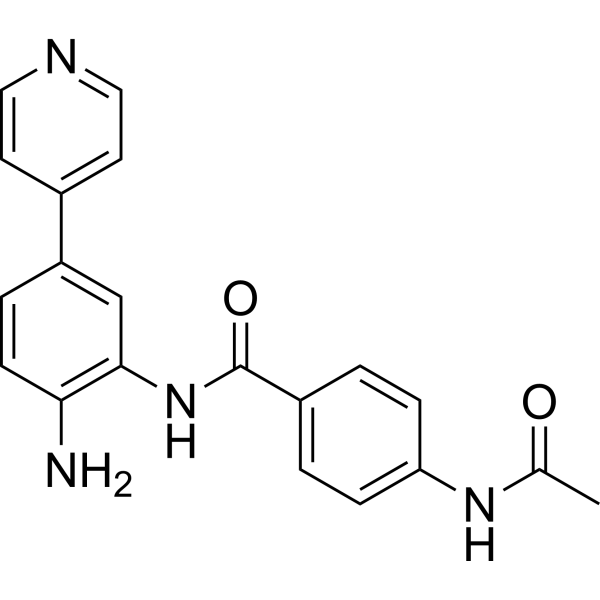
    BRD2492 (compound 6d) is a potent, selective HDAC1 and HDAC2 inhibitor with IC50s of 13.2 nM and 77.2 nM, respecrtively. BRD2492 exhibits >100-fold selectivity for HDAC1/2 over selectivity over HDAC3 and HDAC6. BRD2492 inhibits breast cancer cell lines growth with IC50s of 1.01 μM and 11.13 μM for T-47D and MCF-7 cells, respectively .
    BRD2492
  • HY-N4010

    Others Cancer
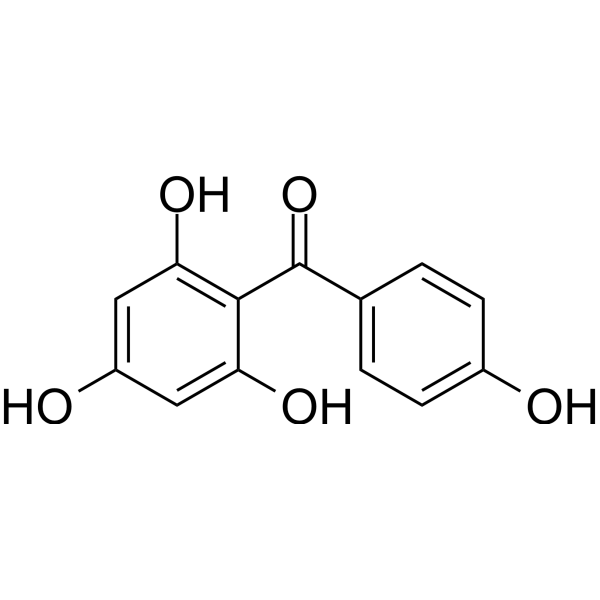
    Iriflophenone, isolated from Aquilaria sinensis, stimulates MCF-7 and T-47D human breast cancer cells proliferation .
    Iriflophenone
  • HY-120234

    Z-Leu-Leu-Nle-CHO; GSII

    γ-secretase Proteasome Apoptosis Cancer
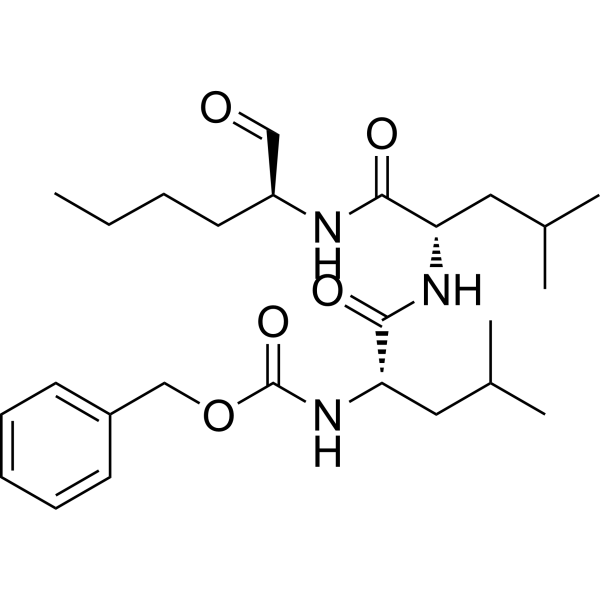
    Z-LLNle-CHO (Z-Leu-Leu-Nle-CHO) is a γ-secretase inhibitor I. Z-LLNle-CHO induces caspase and ROS-dependent apoptosis by blocking the Akt-mediated pro-survival pathway. Z-LLNle-CHO can be used in cancer research, such as breast cancer and leukaemia .
    Z-LLNle-CHO
  • HY-P991358

    LFA-102; X213

    Estrogen Receptor/ERR STAT Akt Cancer
    XOMA-213 (LFA-102; X213) is a human monoclonal antibody (mAb) targeting the prolactin receptor (PRLR), with a Kd value of 2 nM against the human target. XOMA-213 blocks PRL-induced cell proliferation and inhibits the activation of multiple PRLR ligands, including PRL and human growth hormone (hGH). XOMA-213 suppresses PRL-induced phosphorylation of Stat5, Akt and ERK1/2 in cells. XOMA-213 induces tumor regression, delays disease progression, and inhibits PRLR signaling as well as tumor growth. XOMA-213 can be used in research related to breast cancer .
    XOMA-213
  • HY-176184

    PROTACs Discoidin Domain Receptor MMP Cancer
    PROTAC DDR1 degrader-1 is a potent and selective DDR1-targeting PROTAC degrader. PROTAC DDR1 degrader-1 selectively induces full-length DDR1 degradation via the ubiquitin proteasome system, blocking downstream signaling pathways. PROTAC DDR1 degrader-1 inhibits tumor cell migration and invasion. PROTAC DDR1 degrader-1 exhibits anti-tumor activity in mice. PROTAC DDR1 degrader-1 can be used for the research of DDR1-driven cancers .
    PROTAC DDR1 degrader-1
  • HY-15668

    MMP Bcl-2 Family Caspase Apoptosis Drug Derivative Cancer
    ST09 is an efficient and low toxicity Curcumin (HY-N0005) derivative. ST09 significantly inhibits cell migration and downregulates the expression of MMP1, MMP2, and Vimentin. ST09 has strong cytotoxicity to breast cancer cells, such as MDA-MB-231, MCF7 and T47D cells. ST09 induces cell apoptosis by upregulating Bax and cleaved caspase-3/9. ST09 can be used in the research of cancer such as breast cancer .
    ST09
  • HY-172964

    PI3K Akt mTOR Apoptosis Reactive Oxygen Species (ROS) Cancer
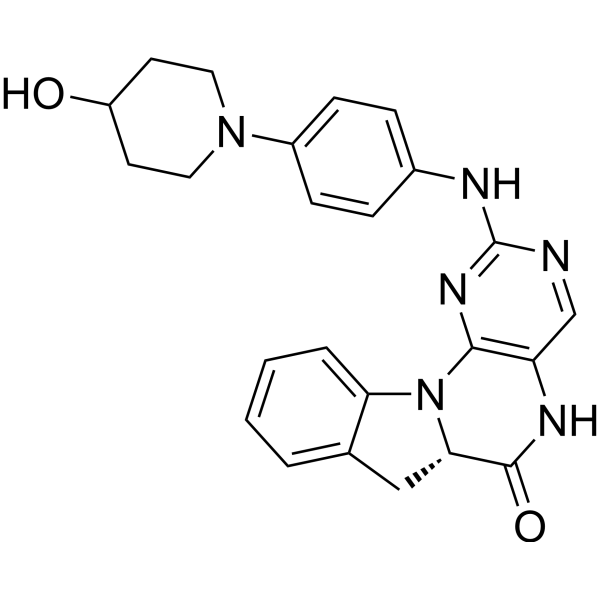
    KIM-161 is a PIK3CA inhibitor. KIM-161 has significant antiproliferative activity with IC50 values of 1.428 and 1.562 µM against PI3KCA mutant breast cancer MCF7 and T47D cells, respectively. KIM-161 induces apoptosis and cell cycle arrest by inhibiting the PI3K/AKT/mTOR signaling pathway and inducing ROS production. KIM-161 can be used to study breast cancer and its PI3KCA mutant subtypes .
    KIM-161
  • HY-157151

    Histone Methyltransferase Cancer
    iPRMT1 is a potent and selective PRMT1 inhibitor for breast cancer research. iPRMT1 inhibits breast cancer cell growth in vitro and in vivo with EC50 values of 90, 70, and 9 nM in MCF7, T47D, and MDA-MB-231 cells, respectively .
    iPRMT1
  • HY-N15759

    Biochemical Assay Reagents Cancer
    8,2'-Diprenylquercetin 3-methyl ether is isolated from Sinopodophyllum hexandrum (Royle) Ying (Sinopodophylli Fructus). 8,2'-Diprenylquercetin 3-methyl ether is cytotoxic to MDA-231 and T47D breast cancer cell lines .
    8,2'-Diprenylquercetin 3-methyl ether
  • HY-174867

    PROTACs Ferroptosis Cancer
    AY-4 (Compound AY-4) is an efficient PROTAC degrader targeting FTH1 (Kd = 3.17 nM). AY-4 effectively upregulates the levels of ferrous (Fe 2+) and ferric (Fe 3+) ions in cells. AY-4 is a potential anticancer candidate compound that regulates iron homeostasis through ferritin degradation and enhances the efficacy of existing drugs. AY-4 can effectively reduce the level of FTH1 in breast cancer cells (Pink: FTH1 ligand AY-2 (HY-174871); Blue: E3 ligand Pomalidomide (HY-10984); Black: Linker, Pomalidomide-PEG3-acid (HY-174872)) .
    AY-4
  • HY-N4010R

    Reference Standards Others Cancer
    Iriflophenone, isolated from Aquilaria sinensis, stimulates MCF-7 and T-47D human breast cancer cells proliferation .
    Iriflophenone (Standard)
  • HY-151120

    Others Cancer
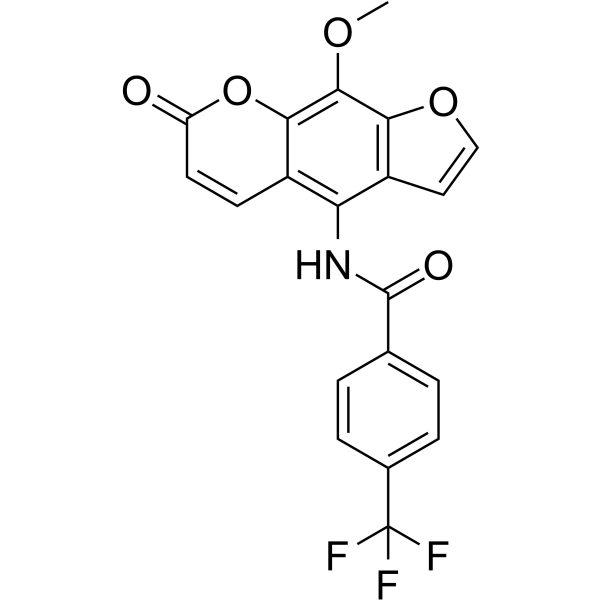
    Anticancer agent 79 (compound 3d) shows good anti-breast cancer activity. Anticancer agent 79 shows good cytotoxic activity in T47-D cells, with an IC50 of 13.64 ± 0.26 μM .
    Anticancer agent 79
  • HY-155197

    Microtubule/Tubulin Estrogen Receptor/ERR Cancer
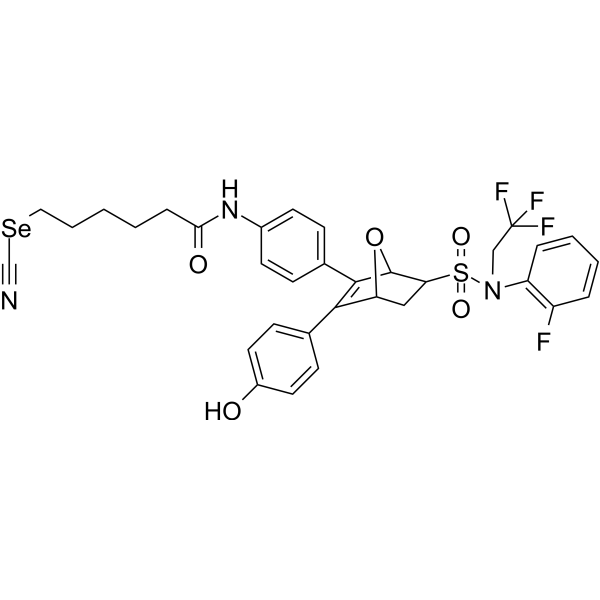
    ER degrader 7 (Compound 35t) is an ERα and ERβ degrader. ER degrader 7 inhibits tubulin polymerization. ER degrader 7 inhibits cell viability with IC50s of 0.06, 2.56, 15.84, 1.59, 1.67, 1.37 μM for MCF-7, T47D, MCF-10A, LCC2, T47D D538G, and T47D Y537S cells respectively. ER degrader 7 also inhibits breast cancer tumor growth .
    ER degrader 7
  • HY-150543

    Steroid Sulfatase Cancer
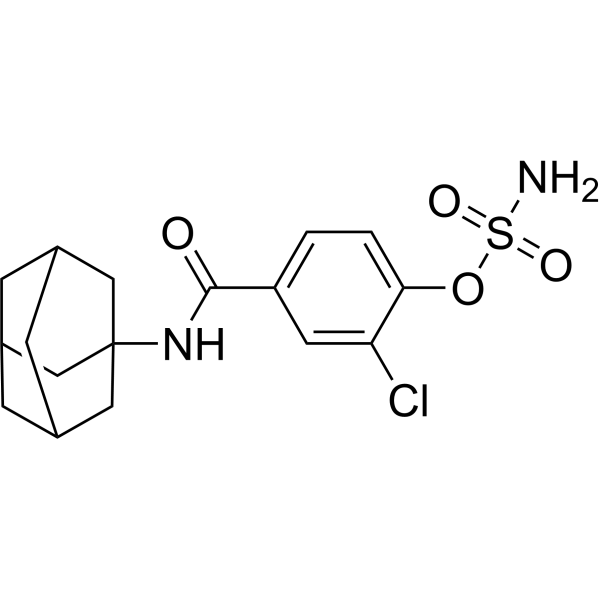
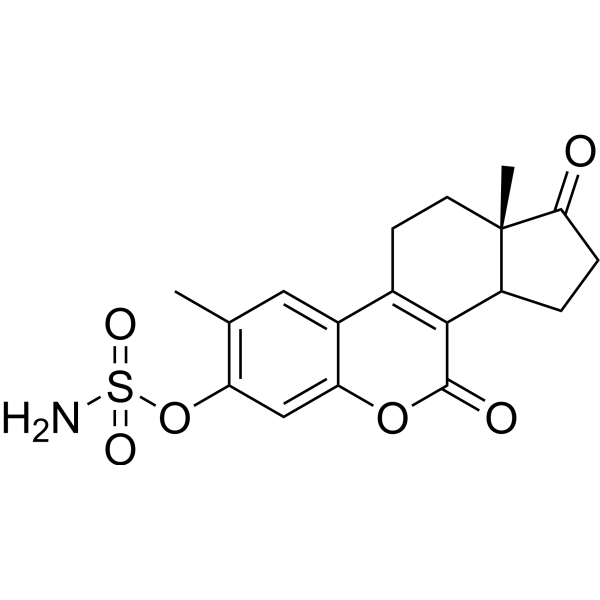
    Steroid sulfatase-IN-3 (compound 1q) is a potent STS (Steroid sulfatase) inhibitor, with an IC50 of 25.8 nM. Steroid sulfatase-IN-3 shows antiproliferative activity against T-47D estrogen-dependent breast cancer cells, with an IC50 of 1.04 µM .
    Steroid sulfatase-IN-3
  • HY-155233

    Steroid Sulfatase Cancer
    Steroid sulfatase-IN-5 (compound 10b) is a steroid sulfatase (STS) inhibitor (IC50: 0.32 nM). Steroid sulfatase-IN-5 inhibits T-47D cell proliferation with an IC50 of 35.7 μM. Steroid sulfatase-IN-5 can be used for research of breast cancer .
    Steroid sulfatase-IN-5
  • HY-N13118

    Others Cancer
    Sinopodophylline B (compound 2) is a flavonoid glycoside compound that is cytotoxic to breast cancer cells. For example, the IC50 of Sinopodophylline B is 1.5 μM (T47D) and 44.2 μM (MDA-MB-231), respectively .
    Sinopodophylline B
  • HY-178463

    Estrogen Receptor/ERR Cancer
    F0840-0093 is a highly selective estrogen receptor α (ERα) degrader. F0840-0093 exhibits potent antiproliferative activity against T47D cells with an IC50 value of 4.65 μM. F0840-0093 is promising for research of estrogen receptor-positive (ER+) breast cancer .
    F0840-0093
  • HY-138089

    Androgen Receptor Estrogen Receptor/ERR LDLR Metabolic Disease Cancer
    17β-Hydroxy exemestane (17-H-EXE) is the primary active metabolite of Exemestane (HY-13632). 17β-Hydroxy exemestane is an aromatase inhibitor (IC50 = 69 nM) and an androgen receptor (AR) agonist (IC50 = 39.6 nM) that is selective for AR over estrogen receptor α (ERα; IC50 = 21.2 μM). 17β-Hydroxy exemestane stimulates growth of AR- and ERα-positive MCF-7 (EC50= 2.7 μM) and T47D breast cancer cells (EC50s = 0.43 and 1500 nM for AR- and ER-mediated growth, respectively) and inhibits proliferation of testosterone-treated aromatase-overexpressing MCF-7 cells. 17β-Hydroxy exemestane inhibits increases in serum cholesterol and LDL levels and prevents decreases in bone mineral density in the lumbar vertebrae and femur, as well as femoral bending strength and compressive strength of the fifth lumbar vertebrae in ovariectomized rats .
    17β-Hydroxy exemestane
  • HY-179045

    Estrogen Receptor/ERR Apoptosis Cancer
    ERα degrader 14 (Compound B7) is a potent ERα degrader. ERα degrader 14 exhibits significantly potent and selective anti-proliferative activity on two ERα-positive breast cancer cell lines (MCF-7 and T47D). ERα degrader 14 induces cell cycle arrest, inhibits cell migration, and induces cell apoptosis. ERα degrader 14 effectively inhibits tumor growth in mouse models. ERα degrader 14 can be used for the study of breast cancer .
    ERα degrader 14
  • HY-123163

    RWJ-66826; RTI-6617-003

    Progesterone Receptor Glucocorticoid Receptor Androgen Receptor Estrogen Receptor/ERR Endocrinology Cancer
    JNJ-1250132 (RWJ-66826) is an orally active and potent steroidal progesterone receptor (PR) antagonist, with an IC50 of 1.3 nM. JNJ-1250132 inhibits binding of the receptor to DNA in vitro. JNJ-1250132 is a potent competitive inhibitor of binding to the human glucocorticoid receptor (GR) (IC50=0.50 nM) and the rat androgen receptor (AR) (IC50=5.6 nM), and was a weak inhibitor of binding to human Estrogen receptor (ER) (IC50 >3000 nM) .
    JNJ-1250132
  • HY-169019

    PI3K Apoptosis Cancer
    XJTU-L453 is a PI3Kα inhibitor with an IC50 value of 0.4 nM. XJTU-L453 can inhibit the proliferation of breast cancer cell lines T47D and MCF7, with IC50 values of 0.2 μM and 0.5 μM, respectively. XJTU-L453 can inhibit the PI3K pathway, induce cell cycle arrest, and trigger cell apoptosis (apoptosis). XJTU-L453 also has antitumor activity in MCF7 xenograft mice .
    XJTU-L453
  • HY-125916

    Endogenous Metabolite Cancer
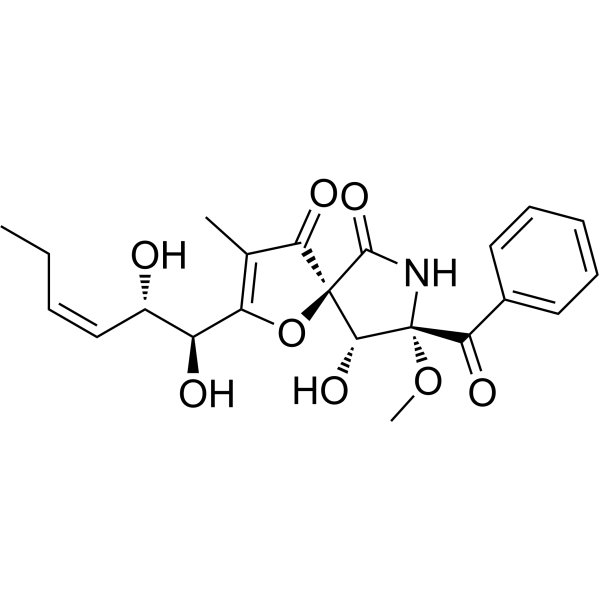
    Pseurotin A is a secondary metabolite of Aspergillus and other fungi. Pseurotin A is a competitive inhibitor of chitin synthase and a neuritogenic agent. Pseurotin A inhibits IgE production (IC50 = 3.6 μM). Pseurotin A inhibits the PCSK9-LDLr interaction. Pseurotin A shows dose-dependent reduction of PCSK9, along with increased LDLR levels in hormone-dependent breast cancer cell lines. Pseurotin A exhibits antitumor activity .
    Pseurotin A
  • HY-P10393

    ERα (295-311)

    Apoptosis Cancer
    ERα17p (ERα 295-311) is the epitope of the CaM binding site on the estrogen receptor α (ER), which interacts with calmodulin (CaM) in a calcium-dependent manner. ERα17p regulates the migration of cancer cells MCF-7, SK-BR-3, T47D, and MDA-MB-231 through Rho/ROCK and PI3K/Akt signaling pathways. ERα17p inhibits proliferations of breast cancer cells, induces apoptosis, and inhibits tumor growth in mouse models .
    ERα17p
  • HY-175292

    EGFR Microtubule/Tubulin Cancer
    EGFR WT/T790M-IN-3 is an irreversible covalent EGFR WT and EGFR T790M inhibitor with IC50s value of 28.1 and 24.6 nM. EGFR WT/T790M-IN-3 hampers tubulin polymerization through IC50 value of 5.1 μM. EGFR WT/T790M-IN-3 shows significant anti-proliferative effects on HCT116 and T47D cells, with IC50 values of 3.12 and 4.12 μM, respectively. EGFR WT/T790M-IN-3 can be used for the study of cancers such as non-small cell lung cancer, colon cancer and breast cancer .
    EGFR WT/T790M-IN-3
  • HY-121149B

    (E/Z)-3-Hydroxytamoxifen

    Estrogen Receptor/ERR Apoptosis Cancer
    (E/Z)-Droloxifene is a mixture of (E)-droloxifene (a selective estrogen receptor modulator) and (Z)-droloxifene. (E)-Droloxifene binds to the estrogen receptor (ER) with an IC50 value of 24 nM in rabbit uterine homogenates. (E)-Droloxifene increases uterine weight in immature rats, and reduces estradiol-induced increases in uterine weight in juvenile rats. (E)-Droloxifene also inhibits 17β-estradiol-stimulated growth of MCF-7, ZR-75-1, and T47D human breast cancer cells. (Z)-Droloxifene binds weakly to ER and has no estrogenic or antiestrogenic activity .
    (E/Z)-Droloxifene
  • HY-179688

    PROTACs CDK Cancer
    PROTAC CDK2/4 Degrader-1 (Compound 5) is a CDK2/4 PROTAC degrader, with its DC50 values for CDK2 and CDK4 both ≤ 10 nM. PROTAC CDK2/4 Degrader-1 exhibits excellent inhibitory activity against cell proliferation in OVCAR3 and T47D cells. PROTAC CDK2/4 Degrader-1 can be used for research on breast cancer and ovarian cancer .
    PROTAC CDK2/4 Degrader-1
  • HY-19822S2

    RAD1901-d10

    Estrogen Receptor/ERR Isotope-Labeled Compounds Cancer
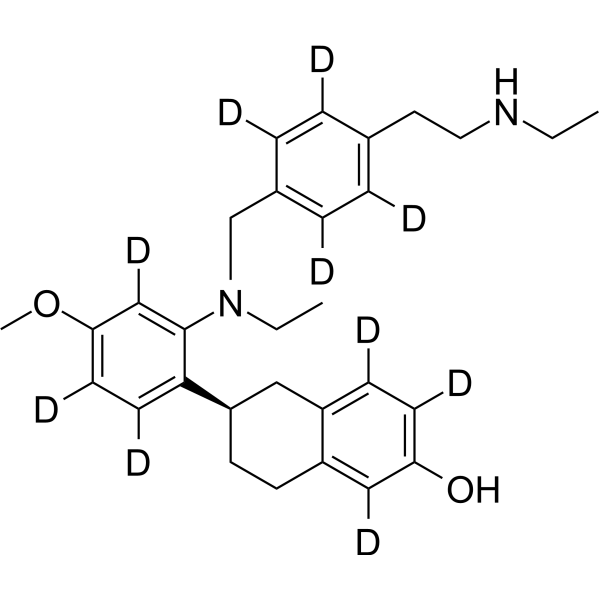
    Elacestrant-d10 is the deuterium labeled of Elacestrant (HY-19822). Elacestrant is an orally available and selective estrogen receptor degrader (SERD) with IC50s of 48 and 870 nM for ERα and ERβ, respectively. Elacestrant also inhibits growth of ER + breast cancer cell lines in vitro and in vivo .
    Elacestrant-d10
  • HY-183285

    PI3K Akt Cancer
    PI3Kα-IN-32 (Compound 11f) is a selective, orally active PI3Kα inhibitor, with an IC50 of 26.3 nM against PI3Kα H1047R. PI3Kα-IN-32 inhibits AKT phosphorylation. PI3Kα-IN-32 exhibits anticancer activity against breast cancer. PI3Kα-IN-32 can be used in the research of HR +/HER2 - breast cancer .
    PI3Kα-IN-32
  • HY-182083

    PROTACs PI3K Cancer
    PROTAC PI3Kα/δ degrader-1 is an orally active PI3Kα/δ PROTAC degrader, with an IC50 of 0.34 nM for PI3Kα and 1.85 nM for PI3Kδ. PROTAC PI3Kα/δ degrader-1 inhibits the proliferation and migration of cancer cells, induces G1-phase cell cycle arrest and PI3Kα degradation. PROTAC PI3Kα/δ degrader-1 suppresses tumor growth in breast cancer xenograft mouse models. PROTAC PI3Kα/δ degrader-1 can be used for the research of breast cancer .
    PROTAC PI3Kα/δ degrader-1
  • HY-183139

    RAR/RXR AP-1 Cancer
    CD666 is a selective retinoic acid receptor-γ (RAR-γ) agonist with a Kd of 68 nM. CD666 inhibits proliferation of cancer cells and shows synergistical effects and anti-AP-1 activity with IFN-γ. CD666 can be used for the research of breast cancer .
    CD666
  • HY-181136

    Estrogen Receptor/ERR Metabolic Disease Cancer
    Antiestrogenic agent-1, an organophosphorus 13α-estrone derivative, is an antiestrogenic agent. Antiestrogenic agent-1 can disrupt estrogen signaling by inhibiting estrogen-mediated transcriptional activity. Antiestrogenic agent-1 can inhibit cancer cells proliferation, migration, invasion and induce G1-phase arrest. Antiestrogenic agent-1 mitigates estrogen-induced uterine growth in immature rats and inhibits tumor growth in a murine triple-negative breast cancer mice model. Antiestrogenic agent-1 can be used for the researches of cancer and endocrinology,such as breast cancer, oropharyngeal squamous cell carcinoma .
    Antiestrogenic agent-1
  • HY-183119

    Legumain Cancer
    Legumain-IN-2 is a selective legumain inhibitor with a human legumain IC50 of 0.9 nM. Legumain-IN-2 can be used for the research of breast cancer .
    Legumain-IN-2
  • HY-181772

    E1/E2/E3 Enzyme Cancer
    MCULE-3064932370 is a covalent and allosteric SUMO E1 (heterodimer of Aos1 and Uba2) inhibitor with IC50 values ranging from 16.66 μM to 2.96 μM. MCULE-3064932370 inhibits SUMOylation of Uba2. MCULE-3064932370 has anti-cancer activity against breast cancer .
    MCULE-3064932370
  • HY-181832

    AMPK Apoptosis Cancer
    ASS1 activator 1 (Compound 10f) is a ASS1 activator with an EC50 of 1.90 μM. ASS1 activator 1 enhances the activity of ASS1 and promotes AMPK phosphorylation. ASS1 activator 1 induces cell Apoptosis. ASS1 activator 1 exhibits anticancer activity against triple-negative breast cancer, colorectal cancer and liver cancer .
    ASS1 activator 1

Inquiry Online

Your information is safe with us. * Required Fields.

Salutation


Country or Region *

Applicant Name *


Organization Name *

Department *


Email Address *


Product Name *

Cat. No.


Requested quantity *

Phone Number *


Remarks

Inquiry Online

Inquiry Information

Product Name:
Cat. No.:
Quantity:
MCE Japan Authorized Agent: