

1. Search Result
Search Result
Results for "

antinociceptive agent

" in MedChemExpress (MCE) Product Catalog:

44

Inhibitors & Agonists

7

Peptides

14

Natural
Products

6

Isotope-Labeled Compounds

1

Oligonucleotides

Cat. No. Product Name Target Research Areas Chemical Structure
  • HY-106224
    Orexin A (human, rat, mouse)
    10+ Cited Publications

    Hypocretin-1 (human, rat, mouse)

    Orexin Receptor (OX Receptor) Neurological Disease
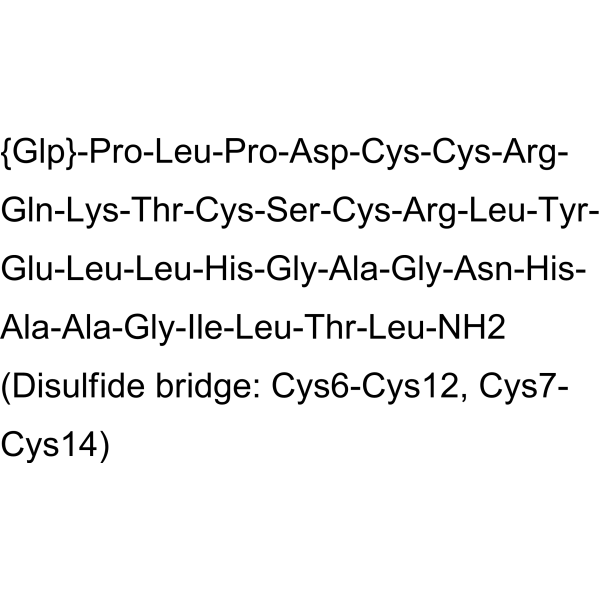
    Orexin A (human, rat, mouse) (Hypocretin-1 (human, rat, mouse)), a 33 amino acid excitatory neuropeptide, orchestrates diverse central and peripheral processes. Orexin A (human, rat, mouse) binds and activates two types of G protein-coupled receptors, the orexin-1 receptor (OX1R) and the orexin-2 receptor (OX2R). Orexin A (human, rat, mouse) has a role in the regulation of feeding behavior. Orexin A (human, rat, mouse) is an effective anti-nociceptive and anti-hyperalgesic agent in mice and rats .
    Orexin A (human, rat, mouse)
  • HY-N6972
    Cepharanthine
    Maximum Cited Publications
    13 Publications Verification

    Autophagy SARS-CoV Cytochrome P450 Apoptosis Parasite Infection Inflammation/Immunology Cancer
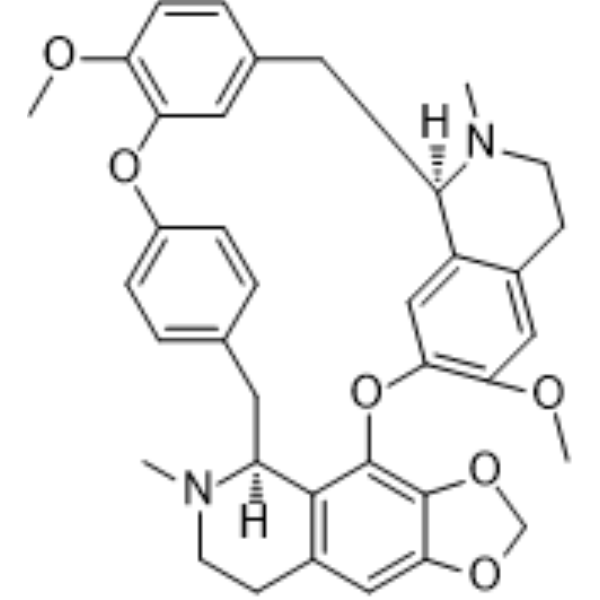
    Cepharanthine is a natural product that can be isolated from the plant Stephania cephalantha Hayata. Cepharanthine has anti-severe acute respiratory syndrome coronavirus 2 (anti-SARS-CoV-2) activities. Cepharanthine has good effective in suppressing viral proliferation (half maximal (50%) inhibitory concentration (IC50) and 90% inhibitory concentration (IC90) values of 1.90 and 4.46 μM . Cepharanthine can also effectively reverses P-gp-mediated multidrug resistance in K562 cells and increase enhances the sensitivity of anticancer agents in xenograft mice model . Cepharanthine shows inhibitory effects of human liver cytochrome P450 enzymes CYP3A4, CYP2E1 and CYP2C9. Cepharanthine has antitumor, anti-inflammatory and antinociceptive effects .
    Cepharanthine
  • HY-154629
    Sesame Oil
    2 Publications Verification

    Environmental Pollutants Biochemical Assay Reagents Interleukin Related NO Synthase Aminotransferases (Transaminases) NF-κB Neurological Disease Metabolic Disease Inflammation/Immunology Cancer
    Sesame Oil is a vegetable oil. Sesame Oil can be extracted from the seeds of Sesamum indicum L. Sesame Oil decreases NF-κB, aspartate aminotransferase, alanine aminotransferase, IL-1β, IL-4 and nitric oxide. Sesame Oil has antitumor activity against malignant melanoma. Sesame Oil has protective effects against liver damage caused by various agents such as Cisplatin (HY-17394) and Acetaminophen (HY-66005). Sesame Oil shows antinociceptive and anti-inflammatory activities .
    Sesame Oil
  • HY-N0709
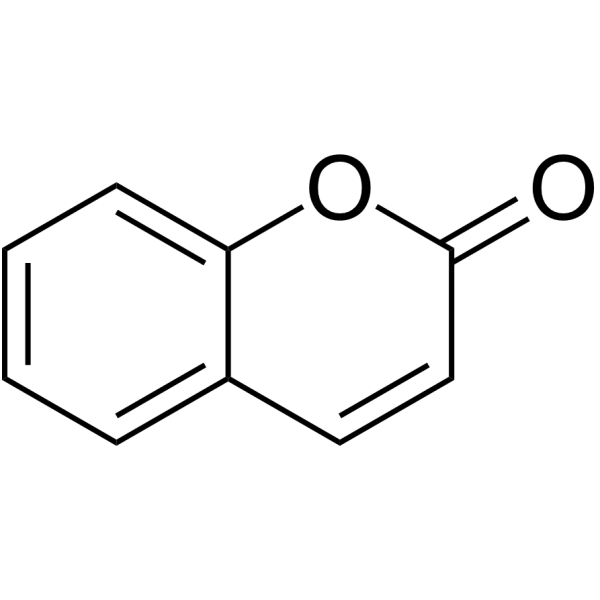
    Coumarin
    3 Publications Verification

    Environmental Pollutants Bacterial Fungal Infection Neurological Disease Inflammation/Immunology Cancer
    Coumarin is a potent and orally active anti-inflammatory agent. Coumarin shows an antinociceptive effect. Coumarin shows antibacterial, antifungal and anticancer activity .
    Coumarin
  • HY-B2114
    Escin
    3 Publications Verification

    Apoptosis Metabolic Disease Inflammation/Immunology Cancer
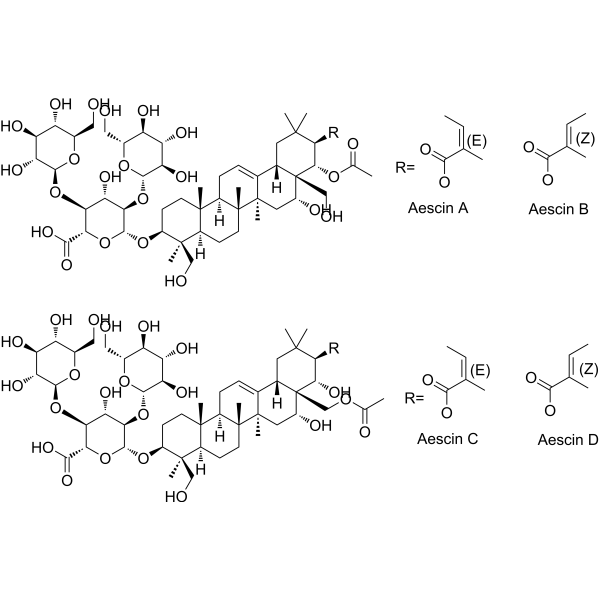
    Escin, a natural compound of triterpenoid saponins that can be isolated from horse chestnut (Aesculus hippocastanum) seeds, can be used as a vasoprotective anti-inflammatory, anti-edematous and anti-nociceptive agent .
    Escin
  • HY-B0968A
    Trimetazidine
    Maximum Cited Publications
    17 Publications Verification

    Autophagy Cardiovascular Disease
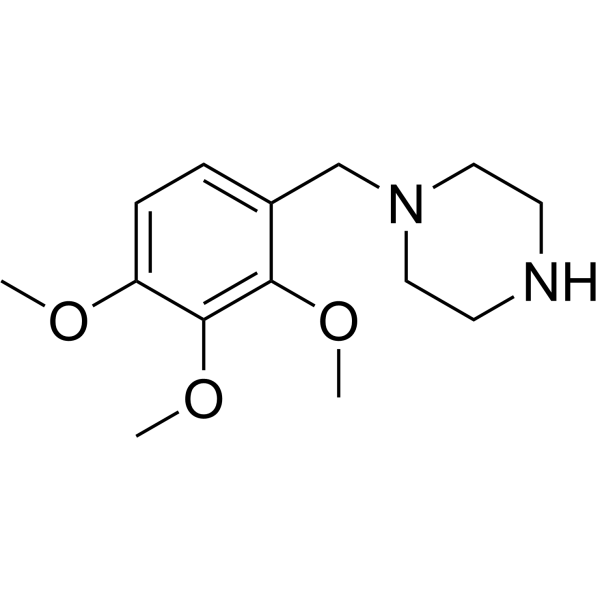
    Trimetazidine is a selective long chain 3-ketoyl coenzyme A thiolase inhibitor with an IC50 of 75 nM, which can inhibit β-oxidation of free fatty acid (FFA). Trimetazidine is an effective antianginal agent and a cytoprotective agent, has anti-oxidant, anti-inflammatory, antinociceptive and gastroprotective properties. Trimetazidine triggers autophagy. Trimetazidine is also a 3-hydroxyacyl-CoA dehydrogenase (HADHA) inhibitor .
    Trimetazidine
  • HY-108652
    α,β-Methylene-ATP trisodium
    1 Publications Verification

    P2X Receptor Inflammation/Immunology
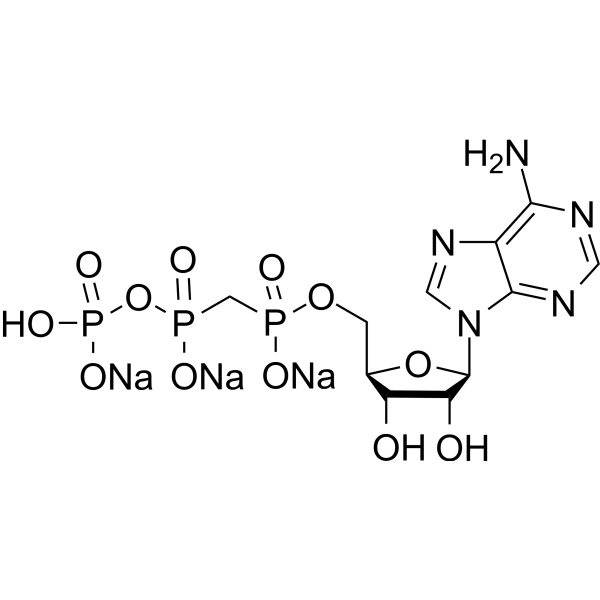
    α,β-Methylene-ATP trisodium is an agonist of P2X1 and P2X3 receptors and can cross the blood-brain barrier. α,β-Methylene-ATP trisodium can trigger a reflex pressor response by activating P2X receptors in peripheral muscles and the central locus coeruleus (LC); this effect can be blocked by the P2X antagonist PPADS (HY-108960). α,β-Methylene-ATP trisodium also activates noradrenergic neurons in the central locus coeruleus, mediating antinociceptive effects; this effect can be attenuated by the locus coeruleus damaging agent DSP-4 (HY-103210/HY-121602). α,β-Methylene-ATP trisodium can be used to study the pathological mechanisms of neuropathic pain, cardiovascular reflex regulation, and antinociceptive effects of the central nervous system .
    α,β-Methylene-ATP trisodium
  • HY-N3017
    Artemitin
    1 Publications Verification

    Antibiotic Neurological Disease Inflammation/Immunology
    Artemitin is a flavonoid neuroanesthetic agent with moderate cytotoxicity. Artemitint has selective inhibitory activity against Meth-A sarcoma cells with an ED50 of 5-10 μg/mL, and has no significant effect on LLC lung cancer cells. Artemitin exerts anticancer activity by affecting cell proliferation signaling pathways, and also has potential anti-inflammatory and neuroprotective effects. Artemitin exhibits a dose-dependent antinociceptive effect in the mouse hot plate test, with an ED50 of 1.6 μg/kg, and has analgesic activity .
    Artemitin
  • HY-B0968
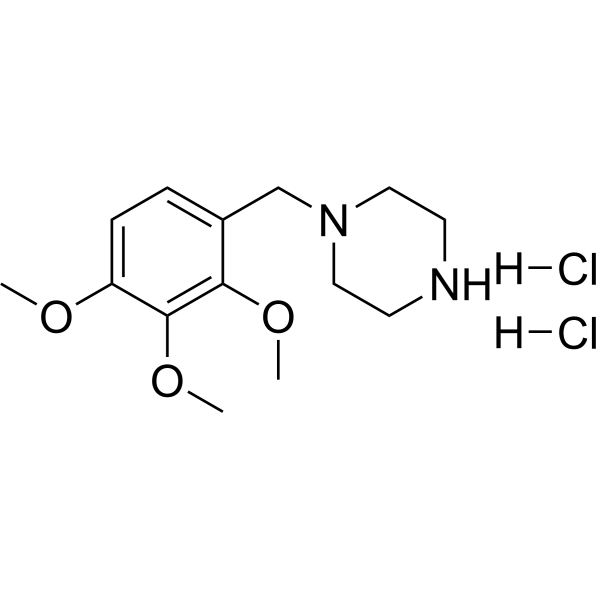
    Trimetazidine dihydrochloride
    Maximum Cited Publications
    17 Publications Verification

    Autophagy Cardiovascular Disease
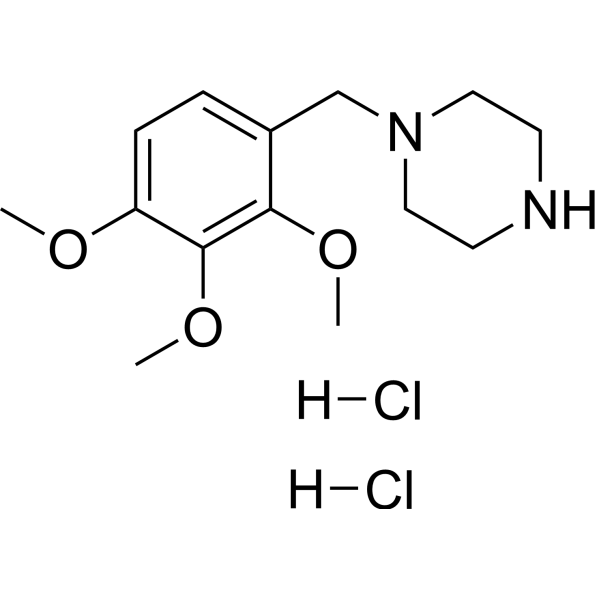
    Trimetazidine dihydrochloride is a selective long chain 3-ketoyl coenzyme A thiolase inhibitor with an IC50 of 75 nM, which can inhibit β-oxidation of free fatty acid (FFA). Trimetazidine dihydrochloride is an effective antianginal agent and a cytoprotective agent, has anti-oxidant, anti-inflammatory, antinociceptive and gastroprotective properties. Trimetazidine dihydrochloride triggers autophagy. Trimetazidine dihydrochloride is also a 3-hydroxyacyl-CoA dehydrogenase (HADHA) inhibitor .
    Trimetazidine dihydrochloride
  • HY-N2067
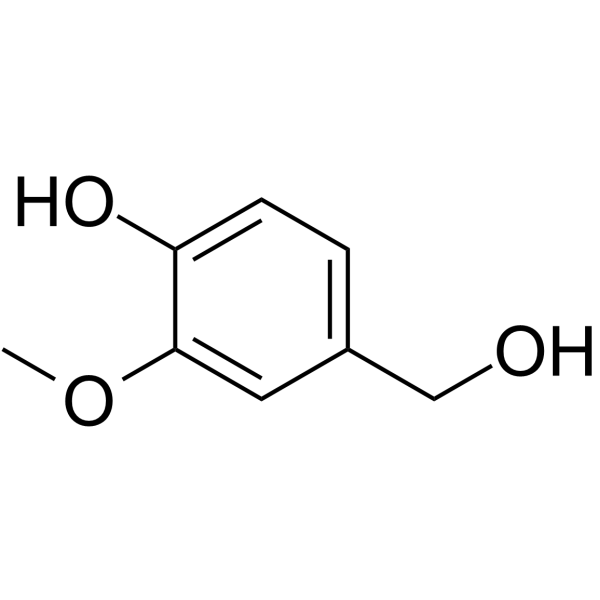
    Vanillyl alcohol
    1 Publications Verification

    p-(Hydroxymethyl)guaiacol

    Reactive Oxygen Species (ROS) Bcl-2 Family Cardiovascular Disease Neurological Disease Inflammation/Immunology
    Vanillyl alcohol (p-(Hydroxymethyl)guaiacol) is an orally active phenolic alcohol. Vanillyl alcohol reduces ROS generation. suppresses Bax, increases Bcl-2. Vanillyl alcohol has anti-angiogenic, anti-inflammatory, anti-nociceptive and neuroprotective effects. Vanillyl alcohol is used as a flavoring agent in foods and beverages .
    Vanillyl alcohol
  • HY-108292

    NF-κB Neurological Disease Cancer
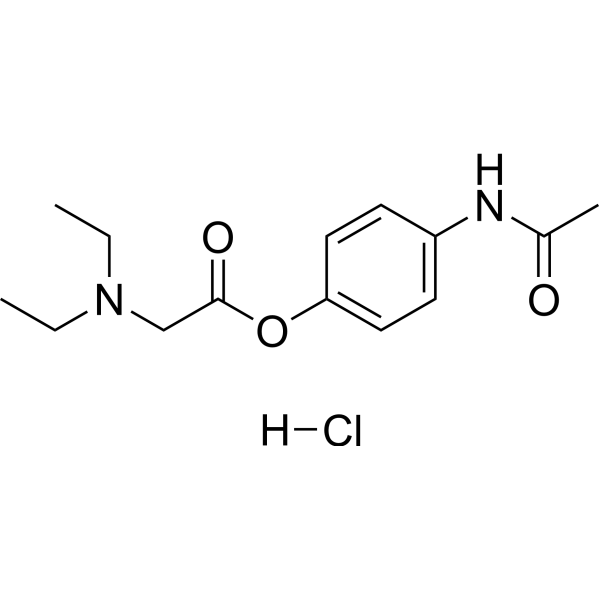
    Propacetamol hydrochloride is an orally active prodrug of paracetamol and an inducer of acute liver injury models, with multiple properties including antinociception, antioxidation and gastroprotection. Propacetamol hydrochloride potentiates Tramadol and attenuates Aspirin (HY-14654)-induced gastric mucosal damage and lipid peroxidation. Under specific conditions, Propacetamol hydrochloride also acts as a hepatotoxic inducer, triggering acute liver injury, oxidative stress and apoptosis, with strain differences in toxicity sensitivity. Propacetamol hydrochloride can be used in the research of acute liver injury, drug-induced hepatotoxicity and gastric mucosal damage .
    Propacetamol hydrochloride
  • HY-N7144A

    Environmental Pollutants PKC TRP Channel PKA Neurological Disease
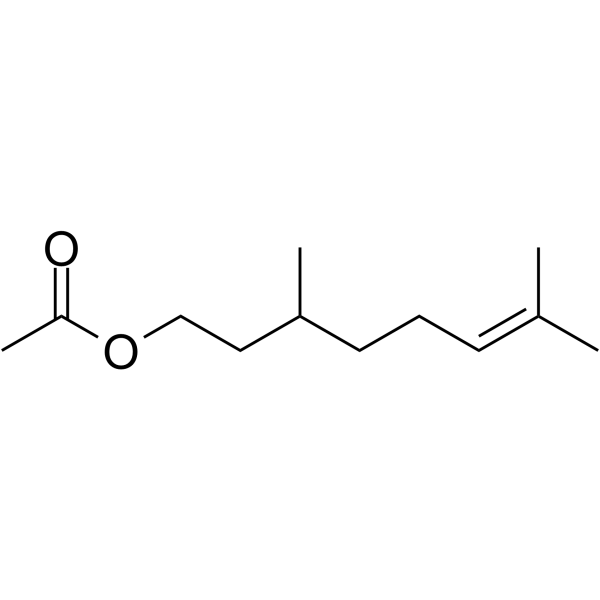
    Citronellyl acetate, a monoterpene product of the secondary metabolism of plants, is an orally active antinociceptive agent. Citronellyl acetate modulates TRPV1, TRPM8, ASIC, glutamate receptors, PKC, and PKA-mediated nociception. Citronellyl acetate can be used for the research of acute pain .
    Citronellyl acetate
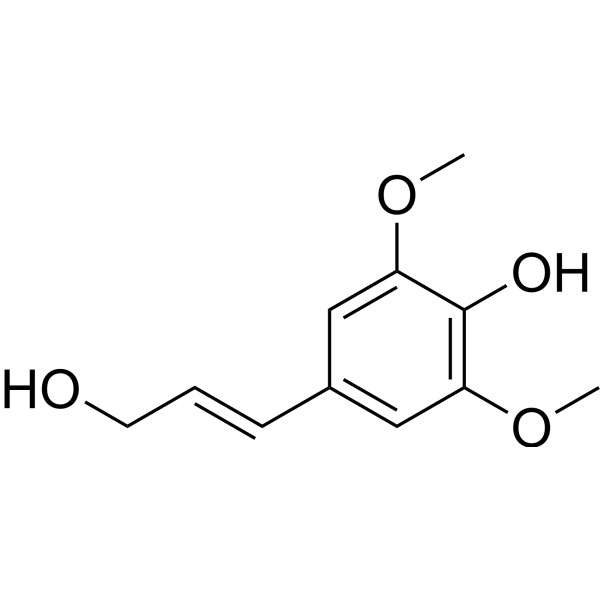
  • HY-W109812

    COX Inflammation/Immunology
    Sinapyl alcohol is an orally active anti-inflammatory and antinociceptive agent. Sinapyl alcohol reduces the expression level of inducible NO synthase and COX-2 .
    Sinapyl alcohol
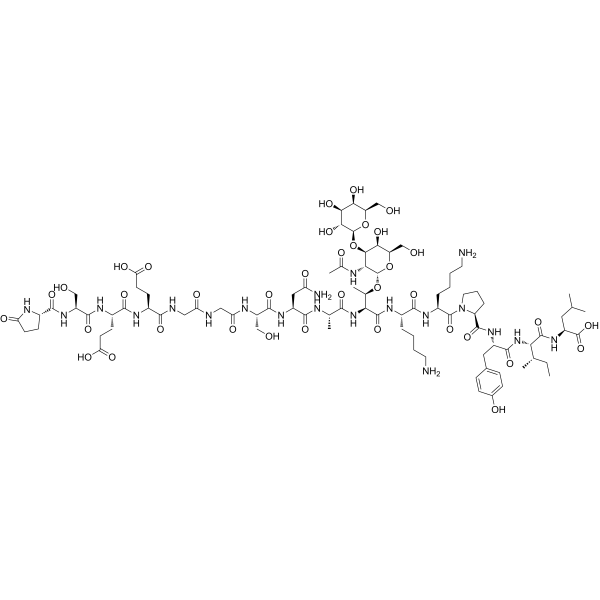
  • HY-P0066

    Neurotensin Receptor Neurological Disease
    Contulakin G is an O-glycosylated invertebrate neurotensin. Contulakin-G is a weaker agonist for the neurotensin receptor. Contulakin G is also a potent antinociceptive agent .
    Contulakin G
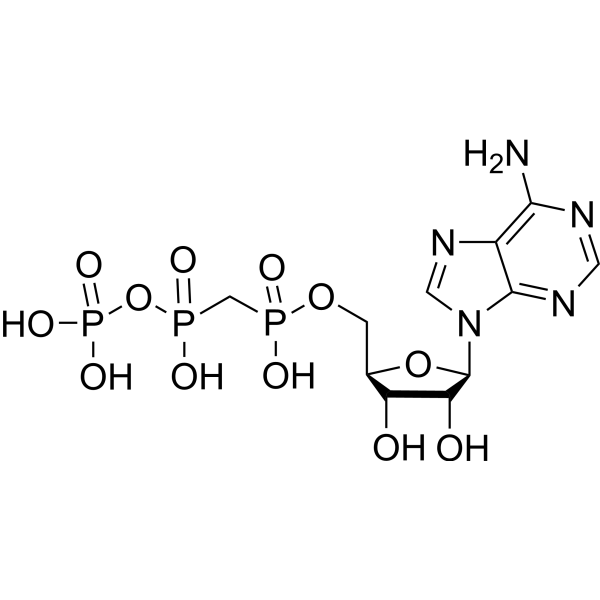
  • HY-134440A

    P2X Receptor Inflammation/Immunology
    α,β-Methylene-ATP is an agonist of P2X1 and P2X3 receptors and can cross the blood-brain barrier. α,β-Methylene-ATP can trigger a reflex pressor response by activating P2X receptors in peripheral muscles and the central locus coeruleus (LC); this effect can be blocked by the P2X antagonist PPADS (HY-108960). α,β-Methylene-ATP also activates noradrenergic neurons in the central locus coeruleus, mediating antinociceptive effects; this effect can be attenuated by the locus coeruleus damaging agent DSP-4 (HY-103210/HY-121602). α,β-Methylene-ATP can be used to study the pathological mechanisms of neuropathic pain, cardiovascular reflex regulation, and antinociceptive effects of the central nervous system .
    α,β-Methylene-ATP
  • HY-114269

    nAChR Neurological Disease Inflammation/Immunology
    (-)-(S)-B-973B is an allosteric activator of α7 nicotinic acetylcholine receptor (α7 nAChR). (-)-(S)-B-973B alleviates pain behaviors. (-)-(S)-B-973B can be used for the research of inflammatory pain .
    (-)-(S)-B-973B
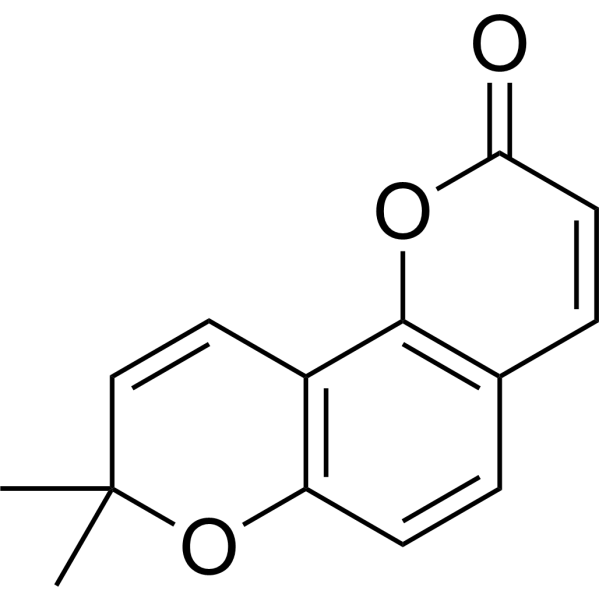
  • HY-W505771

    Fungal Infection Inflammation/Immunology Cancer
    Seselin is an anticancer, antinociceptive, anti-inflammatory and antifungal agent. Seselin is orally active .
    Seselin
  • HY-N0709R

    Reference Standards Bacterial Fungal Infection Neurological Disease Inflammation/Immunology Cancer
    Coumarin (Standard) is the analytical standard of Coumarin. This product is intended for research and analytical applications. Coumarin is a potent and orally active anti-inflammatory agent. Coumarin shows an antinociceptive effect. Coumarin shows antibacterial, antifungal and anticancer activity .
    Coumarin (Standard)
  • HY-106224A
    Orexin A (human, rat, mouse) TFA
    10+ Cited Publications

    Hypocretin-1 (human, rat, mouse) TFA

    Orexin Receptor (OX Receptor) Neurological Disease
    Orexin A (human, rat, mouse) (Hypocretin-1 (human, rat, mouse)) TFA, a 33 amino acid excitatory neuropeptide, orchestrates diverse central and peripheral processes. Orexin A (human, rat, mouse) TFA binds and activates two types of G protein-coupled receptors, the orexin-1 receptor (OX1R) and the orexin-2 receptor (OX2R). Orexin A (human, rat, mouse) TFA has a role in the regulation of feeding behavior. Orexin A (human, rat, mouse) TFA is an effective anti-nociceptive and anti-hyperalgesic agent in mice and rats .
    Orexin A (human, rat, mouse) TFA
  • HY-B0968R
    Trimetazidine dihydrochloride (Standard)
    4 Publications Verification

    Reference Standards Autophagy Cardiovascular Disease
    Trimetazidine (dihydrochloride) (Standard) is the analytical standard of Trimetazidine (dihydrochloride). This product is intended for research and analytical applications. Trimetazidine dihydrochloride is a selective long chain 3-ketoyl coenzyme A thiolase inhibitor with an IC50 of 75 nM, which can inhibit β-oxidation of free fatty acid (FFA). Trimetazidine dihydrochloride is an effective antianginal agent and a cytoprotective agent, has anti-oxidant, anti-inflammatory, antinociceptive and gastroprotective properties. Trimetazidine dihydrochloride triggers autophagy. Trimetazidine dihydrochloride is also a 3-hydroxyacyl-CoA dehydrogenase (HADHA) inhibitor .
    Trimetazidine dihydrochloride (Standard)
  • HY-P5160A

    PhlTx1 TFA

    Sodium Channel Neurological Disease
    Phlotoxin-1 (PhlTx1) is a 34-amino acid and 3-disulfide bridge peptide. Phlotoxin-1 can be isolated from Phlogiellus genus spider. Phlotoxin-1 is an antinociceptive agent by inhibiting NaV1.7 channel .
    Phlotoxin-1 TFA
  • HY-19231

    Org 41793

    Opioid Receptor Neurological Disease
    DPI-3290 (Org 41793) is a potent and specific opioid receptors agonist with Ki values of 0.18 nM, 0.46 nM, and 0.62 nM for δ-, μ-, and κ-opioid receptors, respectively. DPI-3290 is one of a series of novel centrally acting agents with potent antinociceptive activity .
    DPI-3290
  • HY-134602

    Bacterial Inflammation/Immunology
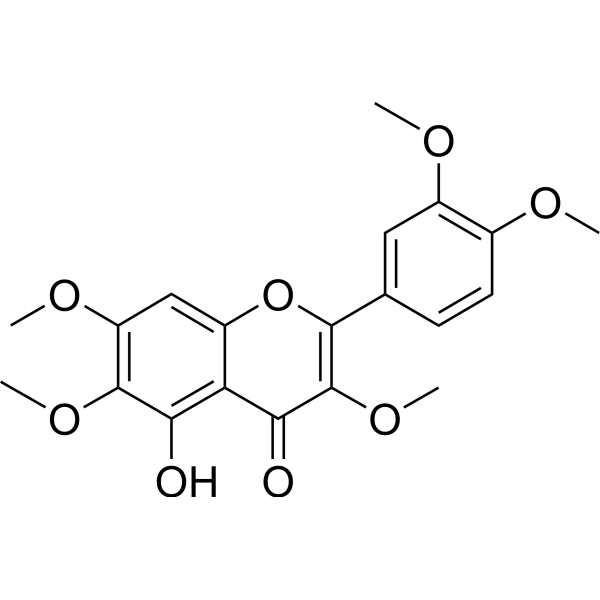
    5'-Methoxynobiletin is a potent and orally active antinociceptive and anti-inflammatory agent. 5'-Methoxynobiletin is a polymethoxyflavone, that can be isolated from A. conyzoides .
    5'-Methoxynobiletin
  • HY-N0709S1

    Bacterial Fungal Isotope-Labeled Compounds Cancer
    Coumarin-d6 is deuterated labeled Coumarin (HY-N0709). Coumarin is a potent and orally active anti-inflammatory agent. Coumarin shows an antinociceptive effect. Coumarin shows antibacterial, antifungal and anticancer activity .
    Coumarin-d6
  • HY-135408

    Drug Metabolite Cardiovascular Disease Inflammation/Immunology
    Trimetazidine-N-oxide is the major active metabolite of Trimetazidine. Trimetazidine is a selective long chain 3-ketoyl coenzyme A thiolase inhibitor with an IC50 of 75 nM. Trimetazidine is an effective antianginal agent, has anti-oxidant, anti-inflammatory, antinociceptive and gastroprotective properties.
    Trimetazidine-N-oxide
  • HY-B0968S

    Autophagy Cardiovascular Disease
    Trimetazidine-d8 (dihydrochloride) is the deuterium labeled Trimetazidine dihydrochloride. Trimetazidine dihydrochloride is a selective long chain 3-ketoyl coenzyme A thiolase inhibitor with an IC50 of 75 nM, which can inhibit β-oxidation of free fatty acid (FFA). Trimetazidine dihydrochloride is an effective antianginal agent and a cytoprotective agent, has anti-oxidant, anti-inflammatory, antinociceptive and gastroprotective properties. Trimetazidine dihydrochloride triggers autophagy. Trimetazidine dihydrochloride is also a 3-hydroxyacyl-CoA dehydrogenase (HADHA) inhibitor .
    Trimetazidine-d8 dihydrochloride
  • HY-134440

    P2X Receptor Inflammation/Immunology
    α,β-Methylene-ATP dilithium is an agonist of P2X1 and P2X3 receptors and can cross the blood-brain barrier. α,β-Methylene-ATP dilithium can trigger a reflex pressor response by activating P2X receptors in peripheral muscles and the central locus coeruleus (LC); this effect can be blocked by the P2X antagonist PPADS (HY-108960). α,β-Methylene-ATP dilithium also activates noradrenergic neurons in the central locus coeruleus, mediating antinociceptive effects; this effect can be attenuated by the locus coeruleus damaging agent DSP-4 (HY-103210/HY-121602). α,β-Methylene-ATP dilithium can be used to study the pathological mechanisms of neuropathic pain, cardiovascular reflex regulation, and antinociceptive effects of the central nervous system .
    α,β-Methylene-ATP dilithium
  • HY-106224AS1

    Hypocretin-1-13C18,15N3 (human, rat, mouse) TFA

    Isotope-Labeled Compounds Orexin Receptor (OX Receptor) Neurological Disease
    Orexin A- 13C18, 15N3 (human, rat, mouse) ((Hypocretin-1- 13C18, 15N3 (human, rat, mouse)) TFA is the 13C- and 15N-labeled Orexin A (human, rat, mouse) (HY-106224). Orexin A (human, rat, mouse) (Hypocretin-1 (human, rat, mouse)), a 33 amino acid excitatory neuropeptide, orchestrates diverse central and peripheral processes. Orexin A (human, rat, mouse) binds and activates two types of G protein-coupled receptors, the orexin-1 receptor (OX1R) and the orexin-2 receptor (OX2R). Orexin A (human, rat, mouse) has a role in the regulation of feeding behavior. Orexin A (human, rat, mouse) is an effective anti-nociceptive and anti-hyperalgesic agent in mice and rats .
    Orexin A-13C18,15N3 (human, rat, mouse) TFA
  • HY-N6972R

    Autophagy Reference Standards SARS-CoV Cytochrome P450 Apoptosis Parasite Infection Inflammation/Immunology Cancer
    Cepharanthine (Standard) is the analytical standard of Cepharanthine. This product is intended for research and analytical applications. Cepharanthine is a natural product that can be isolated from the plant Stephania?cephalantha?Hayata. Cepharanthine has anti-severe acute respiratory syndrome coronavirus 2 (anti-SARS-CoV-2) activities. Cepharanthine has good effective in suppressing viral proliferation (half maximal (50%) inhibitory concentration (IC50) and 90% inhibitory concentration (IC90) values of 1.90 and 4.46?μM . Cepharanthine can also effectively reverses P-gp-mediated multidrug resistance in K562 cells and increase enhances the sensitivity of anticancer agents in xenograft mice model . Cepharanthine shows inhibitory effects of human liver cytochrome P450 enzymes CYP3A4, CYP2E1 and CYP2C9. Cepharanthine has antitumor, anti-inflammatory and antinociceptive effects .
    Cepharanthine (Standard)
  • HY-159634

    COX Inflammation/Immunology
    Zidometacin is a nonsteroidal anti-inflammatory agent. Zidometacin significantly inhibits prostaglandin synthesis with low gastrolesive influence. Zidometacin has antinociceptive and antipyretic activities and shows relatively low ulcerogenicity in rat models. Zidometacin can be used for analgesia and osteoarthritis research .
    Zidometacin
  • HY-W109812R

    COX Reference Standards Inflammation/Immunology
    Sinapyl alcohol (Standard) is the analytical standard of Sinapyl alcohol. This product is intended for research and analytical applications. Sinapyl alcohol is an orally active anti-inflammatory and antinociceptive agent. Sinapyl alcohol reduces the expression level of inducible NO synthase and COX-2[1].
    Sinapyl alcohol (Standard)
  • HY-W109812S

    Isotope-Labeled Compounds COX Inflammation/Immunology
    Sinapyl alcohol-d3 is the deuterated labeled Sinapyl alcohol (HY-W109812). Sinapyl alcohol is an orally active anti-inflammatory and antinociceptive agent. Sinapyl alcohol reduces the expression level of inducible NO synthase and COX-2 .
    Sinapyl alcohol-d3
  • HY-P5160

    PhlTx1

    Sodium Channel Neurological Disease
    Phlotoxin-1 (PhlTx1) is a 34-amino acid and 3-disulfide bridge peptide. Phlotoxin-1 can be isolated from Phlogiellus genus spider. Phlotoxin-1 is an antinociceptive agent by inhibiting NaV1.7 channel .
    Phlotoxin-1
  • HY-N9854

    Potassium Channel Inflammation/Immunology
    Icariside E4 is an antinociceptive agent, and can be isolated from Tabebuia roseo-alba. Icariside E4 has peripheral analgesic activity by ATP-sensitive K + channel-dependent mechanisms. Icariside E4 also has anti-oxidant, anti-Alzheimer and anti-inflammatory effects .
    Icariside E4
  • HY-B0968S1

    Isotope-Labeled Compounds Autophagy Cardiovascular Disease
    Trimetazidine-d9 (dihydrochloride) is deuterium labeled Trimetazidine (dihydrochloride). Trimetazidine dihydrochloride is a selective long chain 3-ketoyl coenzyme A thiolase inhibitor with an IC50 of 75 nM, which can inhibit β-oxidation of free fatty acid (FFA). Trimetazidine dihydrochloride is an effective antianginal agent and a cytoprotective agent, has anti-oxidant, anti-inflammatory, antinociceptive and gastroprotective properties. Trimetazidine dihydrochloride triggers autophagy. Trimetazidine dihydrochloride is also a 3-hydroxyacyl-CoA dehydrogenase (HADHA) inhibitor .
    Trimetazidine-d9 dihydrochloride
  • HY-B0968AR

    Reference Standards Autophagy Cardiovascular Disease
    Trimetazidine (Standard) is the analytical standard of Trimetazidine. This product is intended for research and analytical applications. Trimetazidine is a selective long chain 3-ketoyl coenzyme A thiolase inhibitor with an IC50 of 75 nM, which can inhibit β-oxidation of free fatty acid (FFA). Trimetazidine is an effective antianginal agent and a cytoprotective agent, has anti-oxidant, anti-inflammatory, antinociceptive and gastroprotective properties. Trimetazidine triggers autophagy. Trimetazidine is also a 3-hydroxyacyl-CoA dehydrogenase (HADHA) inhibitor .
    Trimetazidine (Standard)
  • HY-105142

    COX Inflammation/Immunology
    M-5011 is a potent and orally active anti-inflammatory agent. M-5011 shows potent antinociceptive effects and inhibits kaolin (HY-W115786)-induced writhing. M-5011 decreases peritoneal 6-keto-PGF1 alpha levels with low ulcerogenic activities. M-5011 shows anti-inflammatory and anti-pyretic effects and analgesic effect .
    M-5011
  • HY-N2067R

    p-(Hydroxymethyl)guaiacol (Standard)

    Reference Standards Reactive Oxygen Species (ROS) Bcl-2 Family Cardiovascular Disease Neurological Disease Inflammation/Immunology
    Vanillyl alcohol (Standard) is the analytical standard of Vanillyl alcohol (HY-N2067). This product is intended for research and analytical applications. Vanillyl alcohol (p-(Hydroxymethyl)guaiacol) is an orally active phenolic alcohol. Vanillyl alcohol reduces ROS generation. suppresses Bax, increases Bcl-2. Vanillyl alcohol has anti-angiogenic, anti-inflammatory, anti-nociceptive and neuroprotective effects. Vanillyl alcohol is used as a flavoring agent in foods and beverages .
    Vanillyl alcohol (Standard)
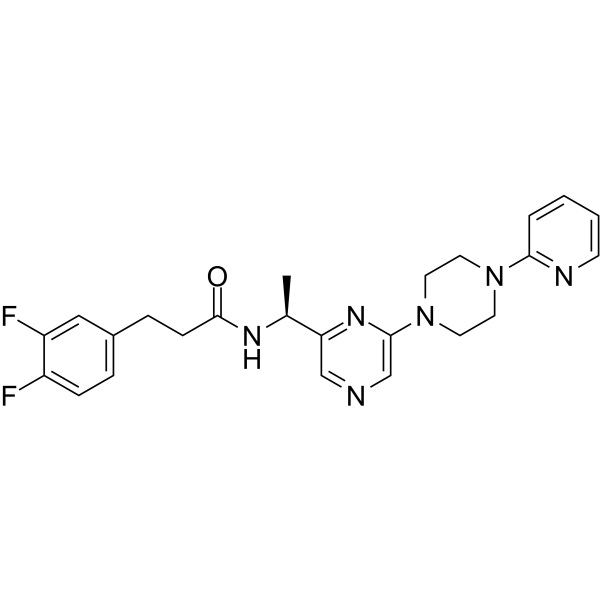
  • HY-182782

    Adenosine Receptor Neurological Disease
    Analgesic agent-4 is an adenosine A3AR ligand with analgesic/antinociceptive activity. Analgesic agent-4 inhibits writhing responses in mice and exhibits dose-dependent activity in the acetic acid (HY-Y0319)-induced mouse writhing model. Analgesic agent-4 can be used in the research of pain-related diseases .
    Analgesic agent-4
  • HY-182589

    FAAH Potassium Channel Neurological Disease Metabolic Disease
    SRP-001 is an orally active, blood-brain barrier-permeable analgesic and antipyretic agent. SRP-001 reduces the expression level of FAAH, mildly inhibits hERG currents, generates AM404 (HY-101388), and maintains the integrity of hepatic tight junctions. SRP-001 exerts analgesic, antipyretic, and antinociceptive effects .
    SRP-001
  • HY-108652R

    Reference Standards P2X Receptor Inflammation/Immunology
    α,β-Methylene-ATP trisodium (Standard) is the analytical standard of α,β-Methylene-ATP (trisodium) (HY-108652). This product is intended for research and analytical applications. α,β-Methylene-ATP trisodium is an agonist of P2X1 and P2X3 receptors and can cross the blood-brain barrier. α,β-Methylene-ATP trisodium can trigger a reflex pressor response by activating P2X receptors in peripheral muscles and the central locus coeruleus (LC); this effect can be blocked by the P2X antagonist PPADS (HY-108960). α,β-Methylene-ATP trisodium also activates noradrenergic neurons in the central locus coeruleus, mediating antinociceptive effects; this effect can be attenuated by the locus coeruleus damaging agent DSP-4 (HY-103210/HY-121602). α,β-Methylene-ATP trisodium can be used to study the pathological mechanisms of neuropathic pain, cardiovascular reflex regulation, and antinociceptive effects of the central nervous system .
    α,β-Methylene-ATP trisodium (Standard)
  • HY-106224AS

    Hypocretin-1-13C6,15N (human, rat, mouse) TFA

    Isotope-Labeled Compounds Orexin Receptor (OX Receptor) Neurological Disease
    Orexin A- 13C6, 15N (human, rat, mouse) (Hypocretin-1- 13C6, 15N (human, rat, mouse)) TFA is the 13C- and 15N-labeled Orexin A (human, rat, mouse) (HY-106224). Orexin A (human, rat, mouse) (Hypocretin-1 (human, rat, mouse)), a 33 amino acid excitatory neuropeptide, orchestrates diverse central and peripheral processes. Orexin A (human, rat, mouse) binds and activates two types of G protein-coupled receptors, the orexin-1 receptor (OX1R) and the orexin-2 receptor (OX2R). Orexin A (human, rat, mouse) has a role in the regulation of feeding behavior. Orexin A (human, rat, mouse) is an effective anti-nociceptive and anti-hyperalgesic agent in mice and rats .
    Orexin A-13C6,15N (human, rat, mouse) TFA
  • HY-181515

    Opioid Receptor Neurological Disease
    KOR agonist 8 (Compound 8a) is a κ-opioid receptor (KOR) agonist and an analgesic agent, with a Ki value of 5.3 nM for human KOR, and EC50 values of 43.1 nM and 9236 nM for human KOR. It exhibits subtype selectivity for MOR/KOR and DOR/KOR. KOR agonist 8 is applicable for pain-related research .
    KOR agonist 8
  • HY-182517

    TRP Channel Inflammation/Immunology
    AG1529 is a TRPV1 inhibitor and capsaicinoid-based soft agent with a human TRPV1 IC50 of 0.9-0.93 μM. AG1529 reversibly blocks capsaicin-evoked TRPV1 activation, binds to the TRPV1 capsaicin binding site, moderately affects pH-induced TRPV1 gating, and does not alter voltage- or heat-mediated TRPV1 responses. AG1529 suppresses TRPV1-mediated neuronal excitability, reduces capsaicin- and pH-evoked neuronal firing, abolishes histaminergic and inflammation-mediated TRPV1 sensitization. AG1529 exhibits anti-nociceptive and antipruritic effects, attenuates in vivo hyperalgesia and pruritus, dose-dependently reduces acute histaminergic itch in rodents, and mildly blocks hTRPA1 and hTRPM8 channel activity. AG1529 undergoes hydrolysis and dermal deactivation, minimizes TRPV1-associated side reactions, does not evoke capsaicin-like burning sensation, and does not disrupt physiological thermal regulation. AG1529 can be used for the research of inflammatory cutaneous nociception and acute histaminergic pruritus .
    AG1529

Inquiry Online

Your information is safe with us. * Required Fields.

Salutation


Country or Region *

Applicant Name *


Organization Name *

Department *


Email Address *


Product Name *

Cat. No.


Requested quantity *

Phone Number *


Remarks

Inquiry Online

Inquiry Information

Product Name:
Cat. No.:
Quantity:
MCE Japan Authorized Agent:

