



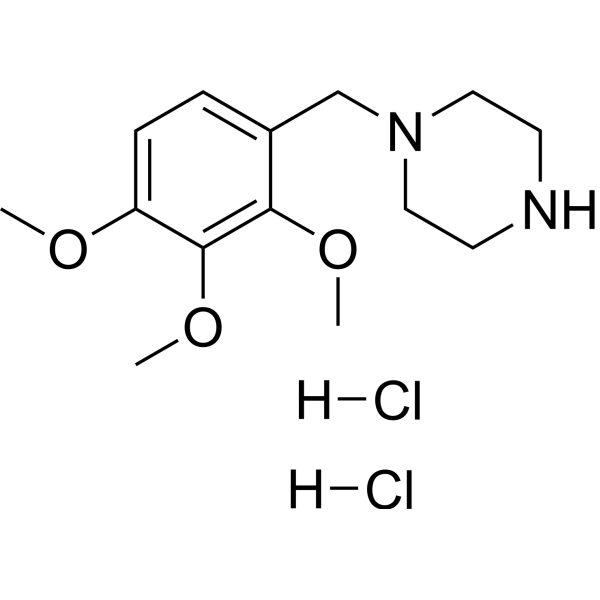
Trimetazidine dihydrochloride
Based on 19 publication(s) in Google Scholar
Trimetazidine dihydrochloride is a selective long chain 3-ketoyl coenzyme A thiolase inhibitor with an IC50 of 75 nM, which can inhibit β-oxidation of free fatty acid (FFA). Trimetazidine dihydrochloride is an effective antianginal agent and a cytoprotective agent, has anti-oxidant, anti-inflammatory, antinociceptive and gastroprotective properties. Trimetazidine dihydrochloride triggers autophagy. Trimetazidine dihydrochloride is also a 3-hydroxyacyl-CoA dehydrogenase (HADHA) inhibitor.
For research use only. We do not sell to patients.
- Purity : 99.94%
- CAS No.: 13171-25-0
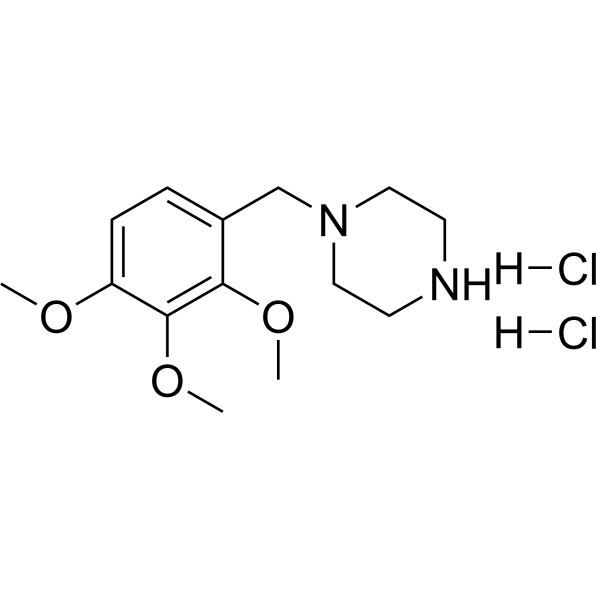
- Formula: C14H24Cl2N2O3
- Molecular Weight:339.26
-
Storage:
4°C, sealed storage, away from moisture
* In solvent : -80°C, 6 months; -20°C, 1 month (sealed storage, away from moisture)

To place orders, for customer services and technical support, please contact: MedChemExpress USA
Tel: 609-228-6898 E-mail: [email protected] [email protected]


-
 Biological Activity
-
Chemical Information
-
Solvent & Solubility
- Purity & Documentation
- References
-
 Help & FAQs


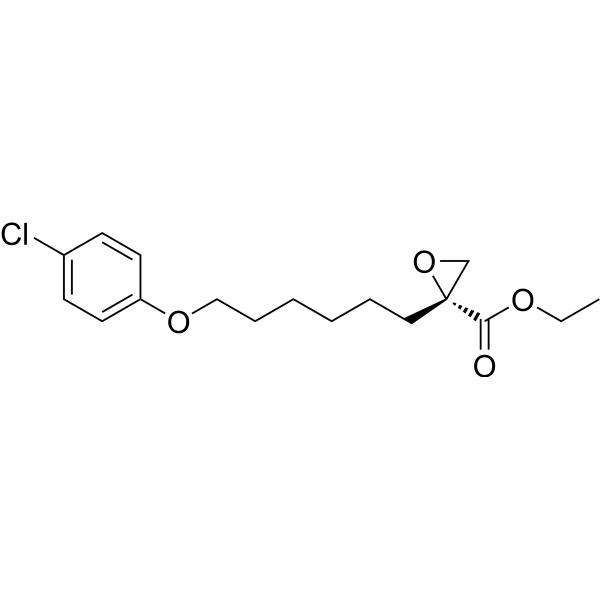
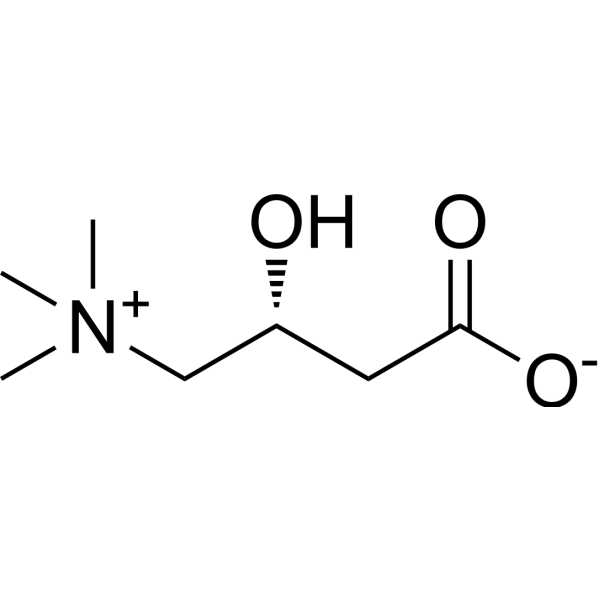
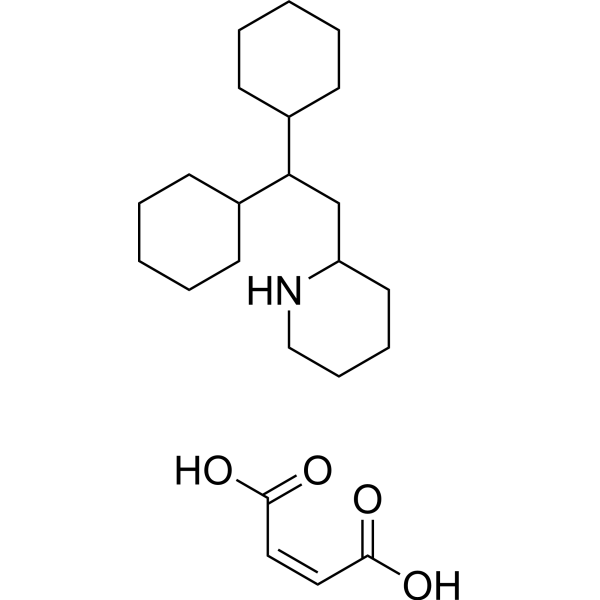
Publications Citing Use of MedChemExpress (MCE) Trimetazidine dihydrochloride
More- Nat Metab. 2025 Jan;7(1):84-101. [Abstract]
- J Adv Res. 2025 Mar 17:S2090-1232(25)00186-9. [Abstract]
- Mol Cell. 2020 Oct 1;80(1):43-58.e7. [Abstract]
- Adv Sci (Weinh). 2026 Jan 21:e17054. [Abstract]
- Adv Sci (Weinh). 2025 Jun;12(23):e2416419. [Abstract]
- Sci Adv. 2025 Aug 29;11(35):eadu6271. [Abstract]
- Acta Pharmacol Sin. 2022 Oct;43(10):2550-2561. [Abstract]
- Cell Rep. 2024 Aug 7;43(8):114591. [Abstract]
- J Ethnopharmacol. 2026 Mar 1:358:121033. [Abstract]
- J Ethnopharmacol. 2026 Feb 28:357:120899. [Abstract]
- Food Funct. 2026 May 12;17(9):4090-4109. [Abstract]
- ACS Appl Nano Mater. 2025 Jun 9;8(24).
- J Pathol. 2026 Jan;268(1):99-112. [Abstract]
- Front Biosci (Landmark Ed). 2025 Jan 20;30(1):25565. [Abstract]
- J Pharm Biomed Anal. 2021 Feb 20:195:113870. [Abstract]
- Anatol J Cardiol. 2019 Nov;22(5):232-239. [Abstract]
- University of California, Irvine. 2026.
- bioRxiv. 2025 April 10.
- Wiad Lek. 2025;78(1):35-44. [Abstract]
 Customer Validation & Images

-
Cell Proliferation/Viability Assay
-
Cell Migration/Invasion Assay
-
Cell Migration/Invasion Assay
-
Cell Proliferation/Viability Assay
-
Cell Proliferation/Viability Assay


Biological Activity
Description
IC50 & Target
IC50: 75 nM (long chain 3-ketoyl coenzyme A thiolase)[2]
β-oxidation[2]
Autophagy[3]
3-hydroxyacyl-CoA dehydrogenase (HADHA)[4]
In Vitro
Trimetazidine (1 μM-100 μM; 24 hours; HUVECs) could enhance the viability of the injured HUVECs induces by oxidation in a certain dose-dependent manner[1].
MedChemExpress (MCE) has not independently confirmed the accuracy of these methods. They are for reference only.
-
Cell Line:Human umbilical vein endothelial cells (HUVECs)
-
Concentration:1 μM, 10 μM, 100 μM
-
Incubation Time:24 hours
-
Result:Enhanced the viability of the injured HUVECs induced by oxidation.
In Vivo
MedChemExpress (MCE) has not independently confirmed the accuracy of these methods. They are for reference only.
-
Animal Model:Swiss albino male mice (24-35 g)[4]
-
Dosage:5 mg/kg, 10 mg/kg and 20 mg/kg;
10 mL/kg body weight -
Administration:Oral administration; 1 hour
-
Result:In 10 mg/kg and 20 mg/kg doses significantly raised the seizure-threshold current in the ICES test.
Clinical Trial
| NCT Number | Sponsor | Condition | Start Date |
Phase

|
|---|---|---|---|---|
| NCT01329991 | Plexxikon| | 2011-05 | PHASE1 |


Chemical Information
-
CAS No. 13171-25-0
-
Appearance Solid
-
Molecular Weight 339.26
-
Formula C14H24Cl2N2O3
-
Color White to off-white
-
SMILES
COC1=CC=C(CN2CCNCC2)C(OC)=C1OC.[H]Cl.[H]Cl
-
Shipping
Room temperature in continental US; may vary elsewhere.
-
Storage
4°C, sealed storage, away from moisture
* In solvent : -80°C, 6 months; -20°C, 1 month (sealed storage, away from moisture)


Publications (19)
-
Journal Impact Factor
-
Most Recent
-
Nat Metab
2025 Jan;7(1):84-101. PMID: 39747484 -
J Adv Res
Mitochondrial fatty acid oxidation as the target for blocking therapy-resistance and inhibiting tumor recurrence: The proof-of-principle model demonstrated for ovarian cancer cells. [Abstract]2025 Mar 17:S2090-1232(25)00186-9. PMID: 40107354
Trimetazidine dihydrochloride purchased from MedChemExpress. Usage Cited in: J Adv Res. 2025 Mar 17:S2090-1232(25)00186-9. [Abstract]
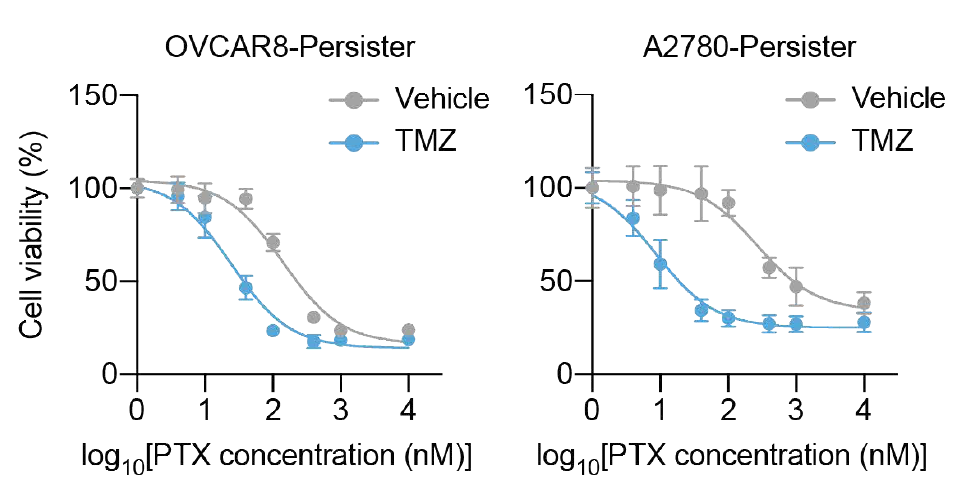
OVCAR8-Persister and A2780-Persister cells were pretreated with vehicle or Trimetazidine (TMZ) (100 μM; 24 h) and subsequently treated with various concentrations of paclitaxel (1-1×10⁴ nM; 48 h), after which cell viability was assessed using a CCK-8 assay.
Trimetazidine dihydrochloride purchased from MedChemExpress. Usage Cited in: J Adv Res. 2025 Mar 17:S2090-1232(25)00186-9. [Abstract]
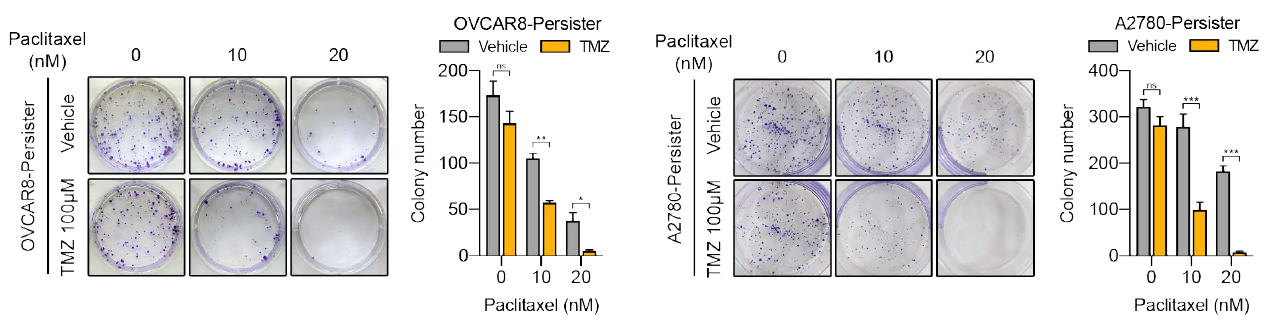
Trimetazidine (TMZ) (100 μM; 24 h) pretreatment increased the sensitivity of OVCAR8-Persister and A2780-Persister cells to paclitaxel.
-
Mol Cell
Histone Deacetylase 3 Couples Mitochondria to Drive IL-1β-Dependent Inflammation by Configuring Fatty Acid Oxidation. [Abstract]2020 Oct 1;80(1):43-58.e7. PMID: 32937100 -
Adv Sci (Weinh)
OCTN2 Activates a Non-Canonical Carnitine Metabolic Pathway to Promote MASH-HCC Progression and Immunotherapy Resistance. [Abstract]2026 Jan 21:e17054. PMID: 41566533
Trimetazidine dihydrochloride purchased from MedChemExpress. Usage Cited in: Adv Sci (Weinh). 2026 Jan 21:e17054. [Abstract]
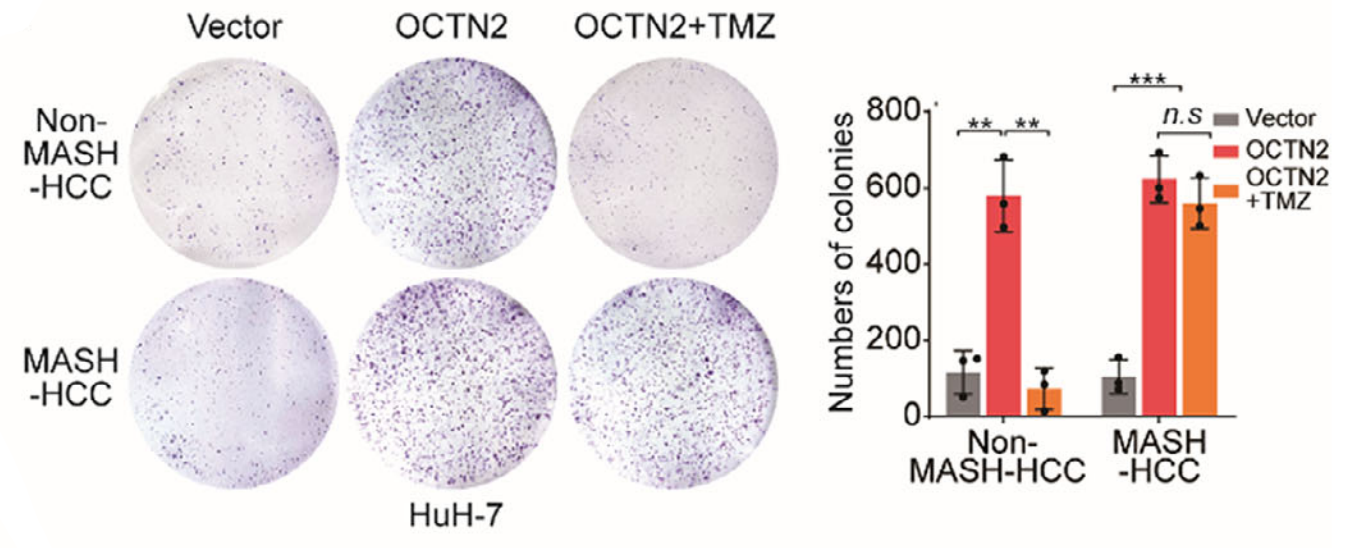
Colony formation assays evaluated the proliferative capacity of MASH‐HCC cells (PA/OA and IL-6/TNF-α/LPS-treated HuH‐7 cells) and non-MASH-HCC cells transfected with vector or OCTN2, with or without Trimetazidine (TMZ) (1 mM).
Trimetazidine dihydrochloride purchased from MedChemExpress. Usage Cited in: Adv Sci (Weinh). 2026 Jan 21:e17054. [Abstract]
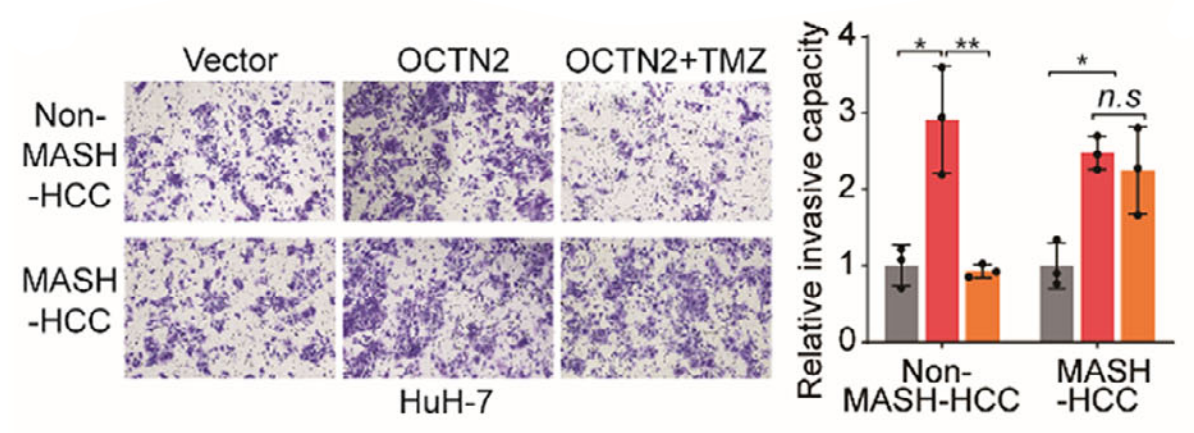
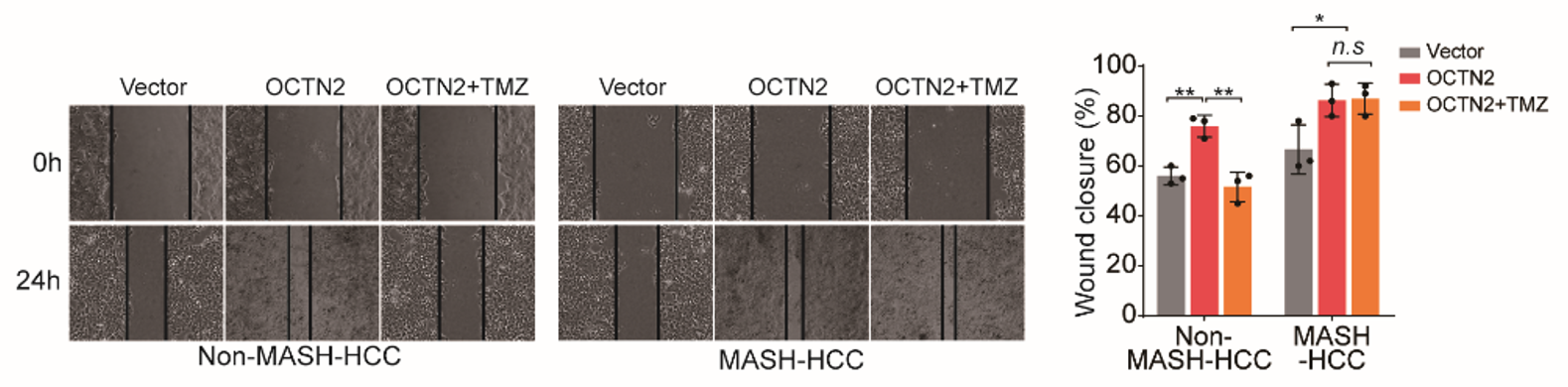
The FAO inhibitor Trimetazidine (TMZ) (1 mM) abrogated the enhanced migration and invasion of non-MASH-HCC cells caused by OCTN2 overexpression.
Trimetazidine dihydrochloride purchased from MedChemExpress. Usage Cited in: Adv Sci (Weinh). 2026 Jan 21:e17054. [Abstract]
Wound healing assays evaluated the migration ability of MASH-HCC and non-MASH-HCC cells transfected with vector or OCTN2, with or without Trimetazidine (TMZ) (1 mM) treatment.
-
Adv Sci (Weinh)
MTFR2-Mediated Fission Drives Fatty Acid and Mitochondrial Co-Transfer from Hepatic Stellate Cells to Tumor Cells Fueling Oncogenesis. [Abstract]2025 Jun;12(23):e2416419. PMID: 40365837 -
Sci Adv
Glutamate utilization fuels rapid production of mitochondrial ROS in dendritic cells and drives systemic inflammation during tularemia. [Abstract]2025 Aug 29;11(35):eadu6271. PMID: 40880474 -
Acta Pharmacol Sin
Trimetazidine enhances myocardial angiogenesis in pressure overload-induced cardiac hypertrophy mice through directly activating Akt and promoting the binding of HSF1 to VEGF-A promoter. [Abstract]2022 Oct;43(10):2550-2561. PMID: 35217815 -
Cell Rep
2024 Aug 7;43(8):114591. PMID: 39116204 -
J Ethnopharmacol
Qiang-Xin 1 formula improves cardiac function and alleviates myocardial injury in lipopolysaccharide-induced septic mice by activating calcium/calmodulin-dependent protein kinase I-mediated mitophagy. [Abstract]2026 Mar 1:358:121033. PMID: 41397542 -
J Ethnopharmacol
Integrating UPLC-Q-TOF-MS/MS, feature-based molecular networking, network pharmacology, and molecular docking to investigate the mechanism of Persicae Ramulus against myocardial ischemia. [Abstract]2026 Feb 28:357:120899. PMID: 41241210 -
Food Funct
Corn silk extract ameliorates cisplatin-induced cardiac injury by restoring mitochondrial function and suppressing ferroptosis. [Abstract]2026 May 12;17(9):4090-4109. PMID: 41989386 -
-
J Pathol
Hypoxia-induced regional heterogeneity in proliferative vitreoretinopathy: implications for targeted therapies. [Abstract]2026 Jan;268(1):99-112. PMID: 41215615 -
Front Biosci (Landmark Ed)
Trimetazidine: Activating AMPK Signal to Ameliorate Coronary Microcirculation Dysfunction after Myocardial Infarction. [Abstract]2025 Jan 20;30(1):25565. PMID: 39862078 -
J Pharm Biomed Anal
Screening method of mildronate and over 300 doping agents by reversed-phase liquid chromatography-high resolution mass spectrometry. [Abstract]2021 Feb 20:195:113870. PMID: 33453569 -
Anatol J Cardiol
Protective effects of trimetazidine and coenzyme Q10 on cisplatin-induced cardiotoxicity by alleviating oxidative stress and mitochondrial dysfunction. [Abstract]2019 Nov;22(5):232-239. PMID: 31674935 -
-
-
Wiad Lek
Potential cardioprotective effect of trimetazidine in mice model of endotoxemia: role of AMPK-Nrf2. [Abstract]2025;78(1):35-44. PMID: 40023854


Solvent & Solubility
In Vitro:
H2O : ≥ 100 mg/mL (294.76 mM)
DMSO : 25 mg/mL (73.69 mM; Need ultrasonic; Hygroscopic DMSO has a significant impact on the solubility of product, please use newly opened DMSO)
* "≥" means soluble, but saturation unknown.
Please refer to the solubility information to select the appropriate solvent. Once prepared, please aliquot and store the solution to prevent product inactivation from repeated freeze-thaw cycles.
Storage method and period of stock solution: -80°C, 6 months; -20°C, 1 month (sealed storage, away from moisture). When stored at -80°C, please use it within 6 months. When stored at -20°C, please use it within 1 month.
* Note: If you choose water as the stock solution, please dilute it to the working solution, then filter and sterilize it with a 0.22 μm filter before use.
Please refer to the solubility information to select the appropriate solvent. Once prepared, please aliquot and store the solution to prevent product inactivation from repeated freeze-thaw cycles.
Storage method and period of stock solution: -80°C, 6 months; -20°C, 1 month (sealed storage, away from moisture). When stored at -80°C, please use it within 6 months. When stored at -20°C, please use it within 1 month.
* Note: If you choose water as the stock solution, please dilute it to the working solution, then filter and sterilize it with a 0.22 μm filter before use.
Concentration (start) × Volume (start) = Concentration (final) × Volume (final)
In Vivo:
Select the appropriate dissolution method based on your experimental animal and administration route.
- For the following dissolution methods, please ensure to first prepare a clear stock solution using an In Vitro approach and then sequentially add co-solvents:
- To ensure reliable experimental results, the clarified stock solution can be appropriately stored based on storage conditions. As for the working solution for In Vivo experiments, it is recommended to prepare freshly and use it on the same day.
- The percentages shown for the solvents indicate their volumetric ratio in the final prepared solution. If precipitation or phase separation occurs during preparation, heat and/or sonication can be used to aid dissolution.
Add each solvent one by one: 10% DMSO 40% PEG300 5% Tween-80 45% Saline
Solubility: ≥ 2.5 mg/mL (7.37 mM); Clear solution
This protocol yields a clear solution of ≥ 2.5 mg/mL (saturation unknown).
Taking 1 mL working solution as an example, add 100 μL DMSO stock solution (25.0 mg/mL) to 400 μL PEG300, and mix evenly; then add 50 μL Tween-80 and mix evenly; then add 450 μL Saline to adjust the volume to 1 mL.
Preparation of Saline: Dissolve 0.9 g sodium chloride in ddH₂O and dilute to 100 mL to obtain a clear Saline solution.
Add each solvent one by one: 10% DMSO 90% (20% SBE-β-CD in Saline)
Solubility: ≥ 2.5 mg/mL (7.37 mM); Clear solution
This protocol yields a clear solution of ≥ 2.5 mg/mL (saturation unknown).
Taking 1 mL working solution as an example, add 100 μL DMSO stock solution (25.0 mg/mL) to 900 μL 20% SBE-β-CD in Saline, and mix evenly.
Preparation of 20% SBE-β-CD in Saline (4°C, storage for one week): 2 g SBE-β-CD powder is dissolved in 10 mL Saline, completely dissolve until clear.
For the following dissolution methods, please prepare the working solution directly:
It is recommended to prepare fresh solutions and use them promptly within a short period of time.
The percentages shown for the solvents indicate their volumetric ratio in the final prepared solution. If precipitation or phase separation occurs during preparation, heat and/or sonication can be used to aid dissolution.
Add each solvent one by one: PBS
Solubility: 100 mg/mL (294.76 mM); Clear solution; Need ultrasonic
In Vivo Dissolution Calculator
Please enter the basic information of animal experiments:
-
-
-
-
Recommended: Prepare an additional quantity of animals to account for potential losses during experiments.
Working solution concentration: 0.22 mg/mL
This product has good water solubility, please refer to the measured solubility data in water/PBS/Saline for details.


Purity & Documentation
-
Data Sheet (280 KB)
-
SDS (394 KB)
- English - EN (394 KB)
- Français - FR (394 KB)
- Deutsch - DE (394 KB)
- Norwegian - NO (394 KB)
- Español - ES (394 KB)
- Swedish - SV (394 KB)
- Italian - IT (394 KB)
- Korean - KR (394 KB)
- Portuguese - PT (394 KB)
-
Handling Instructions (2659 KB)
References
[2]. Chrusciel P, et al. Defining the role of trimetazidine in the treatment of cardiovascular disorders: some insights on its role in heart failure and peripheral artery disease. Drugs. 2014 Jun;74(9):971-80. [Content Brief]
[3]. Kantor PF, et al. The antianginal drug trimetazidine shifts cardiac energy metabolism from fatty acid oxidation to glucose oxidation by inhibiting mitochondrial long-chain 3-ketoacyl coenzyme A thiolase. Circ Res. 2000 Mar 17;86(5):580-8. [Content Brief]
[4]. Hossain F, et al.Inhibition of Fatty Acid Oxidation Modulates Immunosuppressive Functions of Myeloid-Derived Suppressor Cells and Enhances Cancer Therapies. Cancer Immunol Res. 2015 Nov;3(11):1236-47. [Content Brief]
[5]. Jain S, et al. Trimetazidine exerts protection against increasing current electroshock seizure test in mice. Seizure. 2010 Jun;19(5):300-2. [Content Brief]


Complete Stock Solution Preparation Table
Please refer to the solubility information to select the appropriate solvent. Once prepared, please aliquot and store the solution to prevent product inactivation from repeated freeze-thaw cycles.
Storage method and period of stock solution: -80°C, 6 months; -20°C, 1 month (sealed storage, away from moisture). When stored at -80°C, please use it within 6 months. When stored at -20°C, please use it within 1 month.
| Optional Solvent | Concentration Solvent Mass | 1 mg | 5 mg | 10 mg | 25 mg |
|---|---|---|---|---|---|
| DMSO / H2O | 1 mM | 2.9476 mL | 14.7380 mL | 29.4759 mL | 73.6898 mL |
| 5 mM | 0.5895 mL | 2.9476 mL | 5.8952 mL | 14.7380 mL | |
| 10 mM | 0.2948 mL | 1.4738 mL | 2.9476 mL | 7.3690 mL | |
| 15 mM | 0.1965 mL | 0.9825 mL | 1.9651 mL | 4.9127 mL | |
| 20 mM | 0.1474 mL | 0.7369 mL | 1.4738 mL | 3.6845 mL | |
| 25 mM | 0.1179 mL | 0.5895 mL | 1.1790 mL | 2.9476 mL | |
| 30 mM | 0.0983 mL | 0.4913 mL | 0.9825 mL | 2.4563 mL | |
| 40 mM | 0.0737 mL | 0.3684 mL | 0.7369 mL | 1.8422 mL | |
| 50 mM | 0.0590 mL | 0.2948 mL | 0.5895 mL | 1.4738 mL | |
| 60 mM | 0.0491 mL | 0.2456 mL | 0.4913 mL | 1.2282 mL | |
| H2O | 80 mM | 0.0368 mL | 0.1842 mL | 0.3684 mL | 0.9211 mL |
| 100 mM | 0.0295 mL | 0.1474 mL | 0.2948 mL | 0.7369 mL |
* Note: If you choose water as the stock solution, please dilute it to the working solution, then filter and sterilize it with a 0.22 μm filter before use.


Trimetazidine dihydrochloride Related Classifications
HY-B0968 Related Classifications
 Powered by Bioz