1. Search Result
Search Result
Results for "

body fat

" in MedChemExpress (MCE) Product Catalog:

50

Inhibitors & Agonists

1

Screening Libraries

1

Fluorescent Dyes

2

Biochemical Assay Reagents

12

Peptides

12

Natural
Products

2

Isotope-Labeled Compounds

Cat. No. Product Name Target Research Areas Chemical Structure
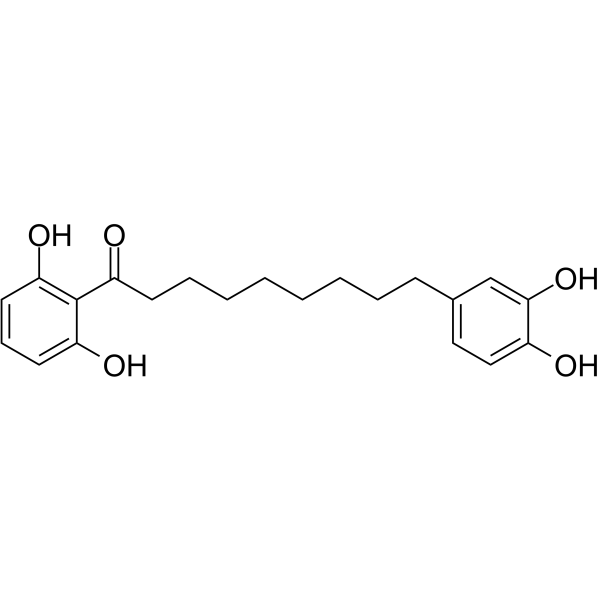
  • HY-N8518
    Malabaricone C
    3 Publications Verification

    Phospholipase p38 MAPK Apoptosis NF-κB Metabolic Disease Inflammation/Immunology Cancer
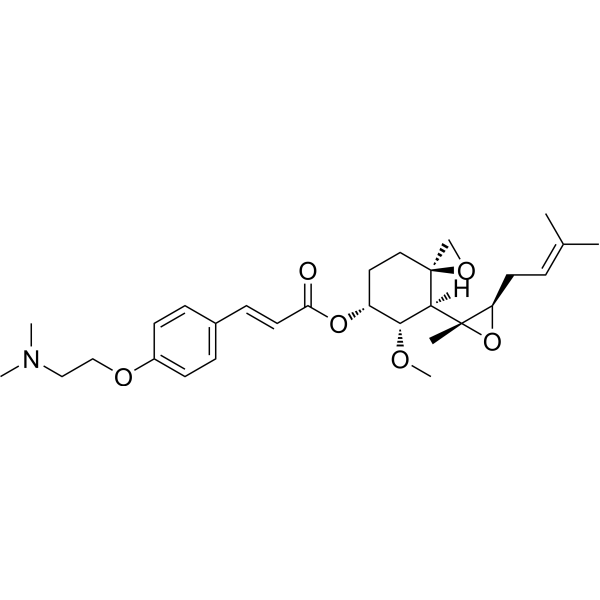
    Malabaricone C is an orally active and noncompetitive sphingomyelin synthase (SMS) inhibitor with IC50 values of 3 μM and 1.5 μM for SMS 1 and SMS 2, respectively. Malabaricone C reduces body weight gain, improves glucose tolerance, and decreases lipid accumulation in the liver, showing significant prevention of high fat diet-induced fatty liver in mice. Malabaricone C has anti-inflammatory effects, which is found in the fruits of Myristica cinnamomea King. Malabaricone C is promising for research of obesity and immunological disorders caused due to hyper-activation of T-cells .
    Malabaricone C
  • HY-Y1110I

    Magnogene, for insect cell culture, 97%

    Environmental Pollutants Biochemical Assay Reagents Infection
    Magnesium chloride, for insect cell culture, 97% is an orally active inorganic mineral salt. Magnesium chloride combined with Potassium chloride (HY-Y0537E) increases the fat body glycogen, protein, total lipids and haemolymph protein and trehalose in the silkworm, Bombyx mori L .
    Magnesium chloride, for insect cell culture, 97%
  • HY-145632

    ALT-801

    GLP Receptor GCGR Metabolic Disease
    Pemvidutide (ALT-801) is a GLP-1R/GCGR dual agonist, shows striking reductions in body weight, liver fat and serum lipids. Pemvidutide can be used in non-alcoholic steatohepatitis (NASH) and obesity research .
    Pemvidutide
  • HY-P11245A

    Amylin Receptor Metabolic Disease
    NN1213 acetate, a long-acting human amylin peptide analog, is a selective Amylin receptor agonist with EC50 values of 0.177 and 0.262 nM for hAMY3R and rAMY3R, respectively. NN1213 acetate significantly reduces food intake and fat mass. NN1213 acetate can reduce body weightin diet-induced obese rats. NN1213 acetate can be used for the research of obesity .
    NN1213 acetate
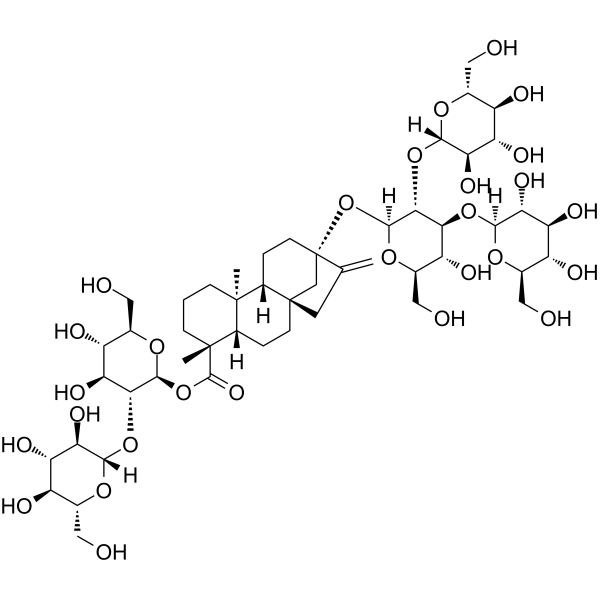
  • HY-N0468
    Rebaudioside D
    1 Publications Verification

    FXR Acetyl-CoA Carboxylase Metabolic Disease
    Rebaudioside D is an orally active sweetener that targets and activates FXR, modulates Acetyl-CoA Carboxylase, and inhibits 3-hydroxy-3-methylglutaryl-CoA reductase. Rebaudioside D regulates bile acid homeostasis and lipid metabolism, reduces the synthesis rates of fatty acids and cholesterol, and exerts multiple effects including anti-adipogenesis, hepatoprotection, anti-steatosis, gut microbiota modulation, enhancement of secondary bile acid metabolism, anti-endotoxin activity, regulation of bile acid transport, and inhibition of bile acid efflux. Rebaudioside D also reduces body weight gain, visceral fat accumulation, hepatic triglyceride and cholesterol accumulation, hepatic lipid peroxidation, and decreases the circulating level of lipopolysaccharide-binding protein. Rebaudioside D additionally enhances the secondary bile acid metabolic pathway of intestinal bacteria, upregulates the gene expression of ileal organic solute transporter α, and downregulates the gene expression of hepatic bile salt export pump. Rebaudioside D does not affect glucose homeostasis, alter total caloric intake or fecal energy excretion, induce weight gain, exacerbate obesity, promote hepatic steatosis, impair brown adipose tissue function, nor change skeletal muscle metabolism-related proteins. Rebaudioside D can be used in diet-induced obesity and obesity-related research .
    Rebaudioside D
  • HY-124529

    11β-HSD Endogenous Metabolite Metabolic Disease Inflammation/Immunology Cancer
    Lunularin is an inhibitor of 11β-hydroxysteroid dehydrogenase 1, with an IC50 of 45.44 μM and a Ki of 35.8 μM against human 11β-HSD1, and an IC50 of 17.39 μM and a Ki of 10.31 μM against rat 11β-HSD1. Lunularin upregulates the transcription levels of Sirt1 and Hmox1 genes in the liver. Lunularin reduces food intake and body weight gain, and decreases blood glucose levels in mice fed a high-fat diet. Lunularin inhibits LPS-induced TLR4-mediated NF-κB pathway activation and nitric oxide production. Lunularin inhibits the proliferation and colony formation of renal cancer and colon cancer cells, and exhibits cancer cell-specific cytotoxicity. Lunularin binds to the steroid-binding site of human 11β-HSD1 and the steroid/NADPH-binding region of rat 11β-HSD1, but does not inhibit 11β-HSD2 or mouse 11β-HSD1. Lunularin can be used in research related to diet-induced obesity, renal cancer, colorectal cancer, inflammatory diseases and metabolic syndrome .
    Lunularin
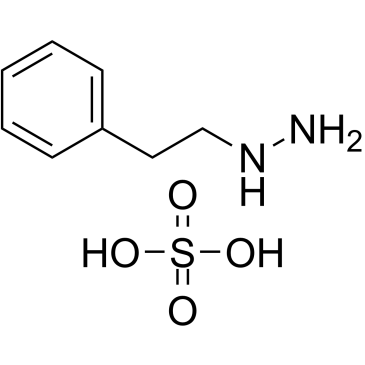
  • HY-B1018A
    Phenelzine sulfate
    Maximum Cited Publications
    6 Publications Verification

    Monoamine Oxidase GABA Receptor Histone Demethylase Cardiovascular Disease Neurological Disease Metabolic Disease Inflammation/Immunology Cancer
    Phenelzine sulfate, an antidepressant agent, is an irreversible and orally active monoamine oxidase (MAO-A and MAO-B) inhibitor. Phenelzine sulfate inhibits GABA transaminase and primary amine oxidase (PrAO), and sequester reactive aldehydes. Phenelzine sulfate also inhibits LSD1 (Ki: 5.6 μM) and suppresses oxidative stress and lipogenesis. Phenelzine sulfate elevates neurotransmitters (serotonin, norepinephrine, dopamine). Phenelzine sulfate is studied in neurological, metabolic and cancer diseases for depression and anxiety disorders, stroke, spinal cord injury, traumatic brain injury, multiple sclerosis, Parkinson’s disease, Alzheimer’s disease, inflammatory pain, obesity and prostate cancer .
    Phenelzine sulfate
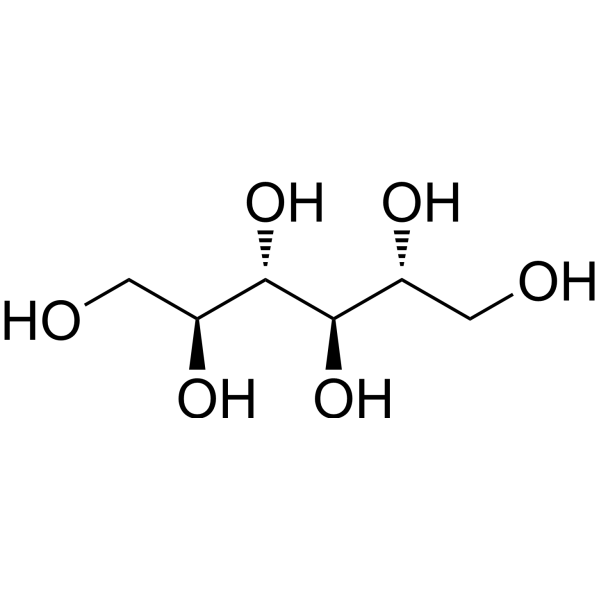
  • HY-N2840
    Allitol
    1 Publications Verification

    Allodulcitol

    Others Metabolic Disease
    Allitol (Allodulcitol) is an orally active rare sugar alcohol found in Itea virginica L, Tylopilus plumbeoviolaceus. Allitol has anti-obesity and hypoglycaemic activities. Allitol reduces carcass and total body fat mass, increases cecal weight, surface area, and short-chain fatty acid production, and upregulates cecal microbial enzymes linked to butyrate metabolism. Allitol can be used for the researches of obesity and diabetes .
    Allitol
  • HY-P11245

    Amylin Receptor Metabolic Disease
    NN1213, a long-acting human amylin peptide analog, is a selective Amylin receptor agonist with EC50 values of 0.177 and 0.262 nM for hAMY3R and rAMY3R, respectively. NN1213 significantly reduces food intake and fat mass. NN1213 can reduce body weightin diet-induced obese rats. NN1213 can be used for the research of obesity .
    NN1213
  • HY-P3704

    Endogenous Metabolite Metabolic Disease
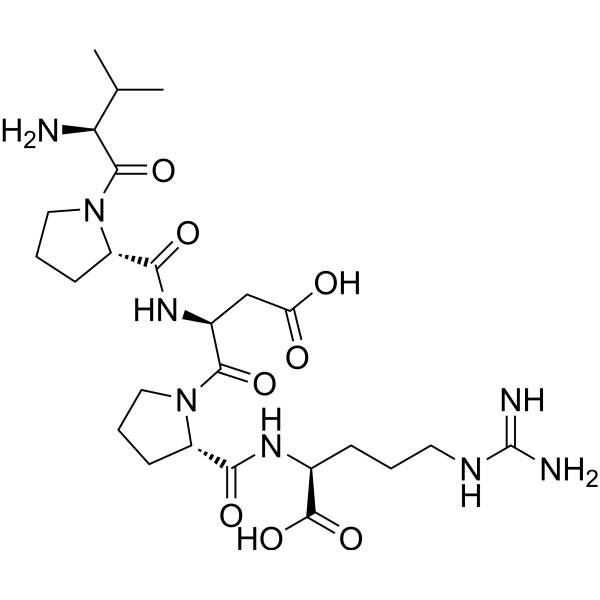
    Enterostatin (rat), an orally active activation peptide of procolipase, selectively reduces fat intake. Enterostatin (rat) reduces serum cholesterol levels by way of a CCK1 receptor-dependent mechanism .
    Enterostatin (rat)
  • HY-W009417

    Environmental Pollutants Glycosidase Metabolic Disease
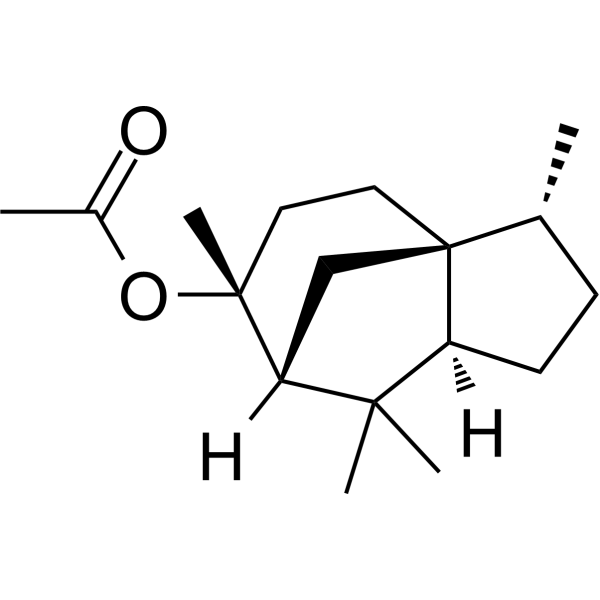
    Cedryl acetate is an orally active α-glucosidase inhibitor with an IC50 of 94 μM against yeast α-glucosidase. Cedryl acetate reduces high-fat diet-induced body weight gain, visceral fat pad weight, adipocyte hypertrophy, hepatic lipid accumulation, glucose intolerance, insulin resistance and gluconeogenesis. Cedryl acetate can be used in the research of obesity and obesity-related metabolic syndrome .
    Cedryl acetate
  • HY-14234
    Glucocorticoid receptor agonist
    1 Publications Verification

    Glucocorticoid Receptor Metabolic Disease Inflammation/Immunology Endocrinology
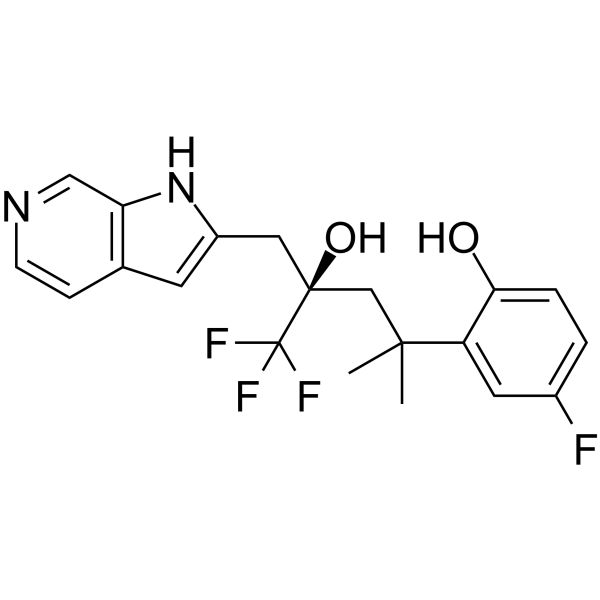
    Glucocorticoid receptor agonist is a Glucocorticoid receptor agonist that acts on Glucocorticoid receptor (GR), progesterone receptor (PR) and mineralocorticoid receptor (MR) with the IC50 values of 2.1 , 1200 and 210 nM, respectively. Glucocorticoid receptor agonist has steroid-like anti-inflammatory properties and may be used to improve metabolism and reduce increased levels of body fat and serum insulin .
    Glucocorticoid receptor agonist
  • HY-E70528

    Biochemical Assay Reagents Others
    HRV-3C protease fuses with GST is a recombinant protease fused with HRV-3C protease and GST, which recognizes the LEVLFQGP polypeptide sequence. HRV-3C protease fuses with GST precisely cleaves between glutamine and glycine-proline residues to remove fusion tags from target proteins. HRV-3C protease fuses with GST exhibits cleavage activity both in vitro in silkworm fat body lysates and in vivo in silkworm larval fat bodies, and achieves functional expression in E. coli and silkworm-baculovirus expression systems. HRV-3C protease fuses with GST can be applied to recombinant protein-related research .
    HRV-3C protease fuses with GST
  • HY-145612

    Biochemical Assay Reagents Others
    Sudan red 7B is a red non-fluorescent stain that can be used to stain fat bodies .
    Sudan red 7B
  • HY-14811

    ZGN-440; CKD-732 free base

    MetAP NF-κB Metabolic Disease
    Beloranib (ZGN-440; CKD-732 free base) is a selective, irreversible inhibitor of methionine aminopeptidase MetAP2 that suppresses appetite and increases energy expenditure. Beloranib blocks the enzymatic cleavage of N-terminal methionine from nascent proteins by forming a covalent bond with MetAP2, thereby regulating fatty acid metabolism, adrenergic signaling, and hypothalamic NF-κB expression. Beloranib significantly reduces food intake, body weight, and fat accumulation, while improving glucose tolerance, insulin sensitivity, and lipid metabolism. Beloranib also elevates energy expenditure and fat oxidation levels, without affecting body temperature, spontaneous activity, or the inflammatory cytokine IL-1β. Beloranib can be used in research on obesity and hypothalamic obesity .
    Beloranib
  • HY-N14035

    FABP PPAR Metabolic Disease
    Garcinia cambogia extract is an orally active anti-obesity agent . Garcinia cambogia extract upregulates the gene expression of aP2, SREBP1c, PPARγ2 and C/EBPα. Garcinia cambogia extract reduces the rate of body weight gain, visceral fat accumulation, lipid levels in blood and liver, as well as plasma insulin and leptin levels . Garcinia cambogia extract ameliorates high-fat diet-induced obesity .
    Garcinia cambogia extract
  • HY-145632A

    ALT-801 TFA

    GLP Receptor GCGR Metabolic Disease
    Pemvidutide (ALT-801) TFA is a GLP-1R/GCGR dual agonist, shows striking reductions in body weight, liver fat and serum lipids. Pemvidutide TFA can be used in non-alcoholic steatohepatitis (NASH) and obesity research .
    Pemvidutide TFA
  • HY-P3570

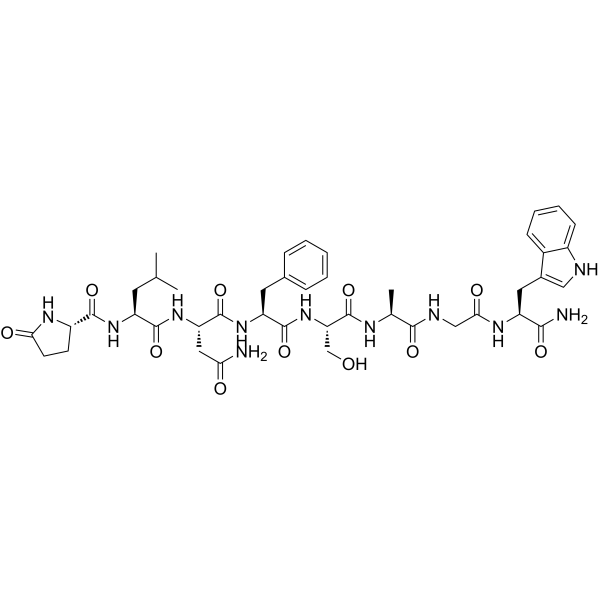
    Lom-AKH-II

    Endogenous Metabolite Metabolic Disease
    Adipokinetic hormone II (Locusta migratoria) (Lom-AKH-II) is a insect adipokinetic hormone (AKH), enhances fat body cAMP levels in vitro. Insect adipokinetic hormones (AKHs) controls flight-directed mobilization of carbohydrate and lipid from fat body stores, which depends on AKH receptor(s) coupling to cAMP formation and glycogen phosphorylase activation via the stimulatory guanine nucleotide-binding protein (Gs) .
    Adipokinetic hormone II (Locusta migratoria)
  • HY-163945

    Thyroid Hormone Receptor Metabolic Disease
    ZTA-261 is a highly selective and low toxic thyroid hormone receptor β subtype (THR-β) agonist (IC50=6.3 nM) that reduces body weight and visceral fat through a liothyronine (HY-A0070A) mediated pathway. ZTA-261 can be used in the study of lipid metabolism and obesity prevalence .
    ZTA-261
  • HY-P3572

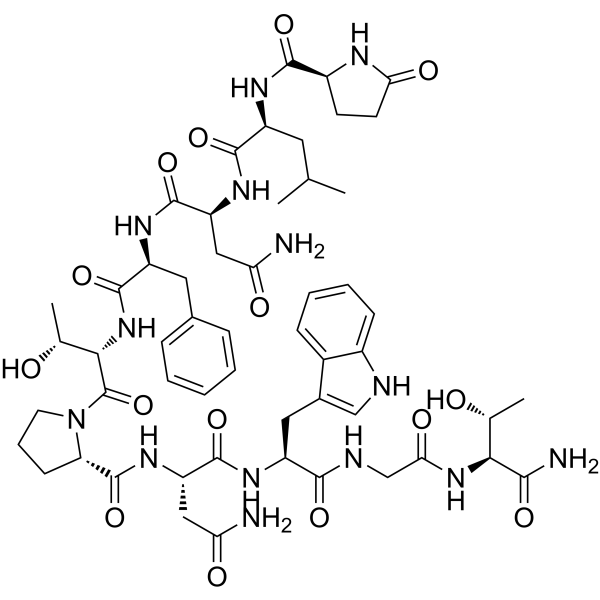
    Lom-AKH-I

    Endogenous Metabolite Endocrinology
    Adipokinetic hormone I (Locusta migratoria) (Lom-AKH-I) is a insect adipokinetic hormone (AKH), enhances fat body cAMP levels in vitro. Insect adipokinetic hormones (AKHs) controls flight-directed mobilization of carbohydrate and lipid from fat body stores, which depends on AKH receptor(s) coupling to cAMP formation and glycogen phosphorylase activation via the stimulatory guanine nucleotide-binding protein (Gs) .
    Adipokinetic hormone I (Locusta migratoria)
  • HY-14811A

    ZGN-440 hemioxalate; ZGN-433 hemioxalate; CDK732 hemioxalate

    NF-κB MetAP Metabolic Disease
    Beloranib (ZGN-440; CKD-732 free base) hemioxalate is a selective, irreversible inhibitor of methionine aminopeptidase MetAP2 that suppresses appetite and increases energy expenditure. Beloranib hemioxalate blocks the enzymatic cleavage of N-terminal methionine from nascent proteins by forming a covalent bond with MetAP2, thereby regulating fatty acid metabolism, adrenergic signaling, and hypothalamic NF-κB expression. Beloranib hemioxalate significantly reduces food intake, body weight, and fat accumulation, while improving glucose tolerance, insulin sensitivity, and lipid metabolism. Beloranib hemioxalate also elevates energy expenditure and fat oxidation levels, without affecting body temperature, spontaneous activity, or the inflammatory cytokine IL-1β. Beloranib hemioxalate can be used in research on obesity and hypothalamic obesity .
    Beloranib hemioxalate
  • HY-W201317

    PPAR Metabolic Disease
    E17241 is an inducer of the expression of ABCA1 that increases the protein levels of ABCA1 in RAW 264.7 macrophages. E17241 is also an agonist of peroxisome proliferator-activated receptors (PPARs ). E17241 decreases plasma glucose levels and body weight in KKAy diabetic mice fed a high-fat and high-glucose (HFHG) diet .
    E17241
  • HY-159595

    LDLR PCSK9 Metabolic Disease Inflammation/Immunology
    PCSK9-IN-29 is a lipid-lowering agent. PCSK9-IN-29 can increase low-density lipoprotein receptor (LDLR) protein expression and decrease PCSK9 protein expression in hepG2 cells. PCSK9-IN-29 can reduce the levels of serum LDL-C, TC, and liver enzyme ALT in crab eating macaques fed a high-fat diet, lower body weight and fat, and increase bone mineral content. PCSK9-IN-29 can be used for research on non-alcoholic fatty liver disease and obesity .
    PCSK9-IN-29
  • HY-B0399A

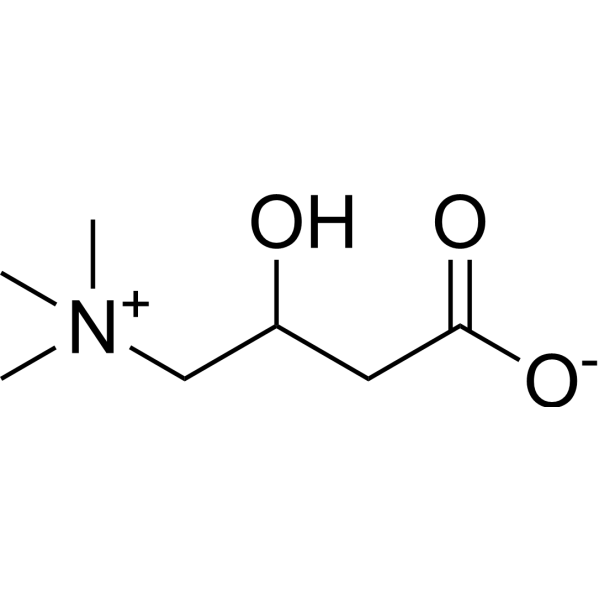
    DL-Carnitine; DL-Levocarnitine

    Mitochondrial Metabolism Metabolic Disease
    (±)-Carnitine (DL-Carnitine) is an orally effective racemic mixture of L-Carnitine (HY-B0399) and D-Carnitine. (±)-Carnitine elevates the mitochondrial NAD +/NADH ratio in the presence of 1,3-butanediol (HY-77490A). (±)-Carnitine does not increase glucose and urea production from L-glutamine, but stimulates propionate gluconeogenesis in rat renal cortical slices, and significantly reduces hepatic ketone body levels in rats fed a diet containing 30% high fat plus 20% 1,3-butanediol .
    (±)-Carnitine
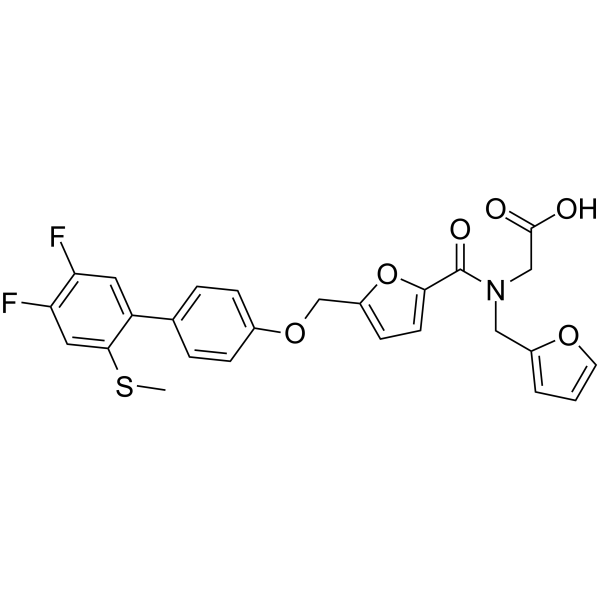
  • HY-120872

    Glycosyltransferase Metabolic Disease
    AJS1669 free acid is a potent and orally available glycogen synthase (GS) activator. AJS1669 improves glucose metabolism and reduces body fat mass in mice[1].
    AJS1669 free acid
  • HY-101699A

    MCHR1 (GPR24) Metabolic Disease
    AMG-076 is an orally bioavailable and selective MCHR1 antagonist. AMG-076 results in significant reduction in body weight gain in nonobese mice fed a high-fat diet and in high-fat diet-induced obese (DIO) mice .
    AMG-076
  • HY-101699

    MCHR1 (GPR24) Metabolic Disease
    AMG-076 free base is an orally bioavailable and selective MCHR1 antagonist. AMG-076 free base results in significant reduction in body weight gain in nonobese mice fed a high-fat diet and in high-fat diet-induced obese (DIO) mice .
    AMG-076 free base
  • HY-P1067A

    Endogenous Metabolite Metabolic Disease
    Enterostatin (human,mouse,rat) TFA is a pentapeptide mainly formed in the intestine by the cleavage of secreted pancreatic procolipase. Enterostatin  selectively reduces fat intake, bodyweight, and body fat in vivo .
    Enterostatin(human,mouse,rat) TFA
  • HY-W127851

    Cypridina luciferin analog

    Biochemical Assay Reagents Others Cancer
    CLA, or conjugated linoleic acid, is a polyunsaturated fatty acid that occurs naturally in a variety of animal products, such as meat and dairy. It has several potential benefits for human health, including the ability to reduce body fat mass, improve insulin sensitivity, and reduce inflammation. CLA has been extensively studied for its effects on weight loss and muscle growth, as well as its potential role in preventing chronic diseases such as heart disease and cancer. Additionally, it can be taken as a dietary supplement in capsule form.
    CLA
  • HY-P11262

    GLP Receptor Metabolic Disease
    GUB021794 is a potent and highly selective glucagon-like peptide-1 receptor (GLP-1R) agonist developed using the streaMLine platform with an EC50 value of 18 pM. GUB021794 has a very weak activity against SCTR, with an EC50 value of 190 nM. GUB021794 can significantly reduce the body weight, food intake, and total fat mass of mice in a diet-induced obesity (DIO) model. GUB021794 can be used for research on obesity/diabetes .
    GUB021794
  • HY-12192

    Histamine Receptor Metabolic Disease
    A-423579 is an orally active non-imidazole histamine H3 receptor antagonist. A-423579 exhibits high affinity and good selectivity for human and rat H3 receptors, and possesses both antagonistic and inverse agonistic activities. A-423579 can effectively reduce body weight in obese rodents, with concomitant decreases in fat content, plasma leptin levels, and triglycerides. A-423579 possesses anti-obesity activity and can be used in the research of obesity and related metabolic disorders .
    A-423579
  • HY-N0468R

    Reference Standards Acetyl-CoA Carboxylase FXR Metabolic Disease
    Rebaudioside D (Standard) is the analytical standard of Rebaudioside D. This product is intended for research and analytical applications. Rebaudioside D is an orally active sweetener that targets and activates FXR, modulates Acetyl-CoA Carboxylase, and inhibits 3-hydroxy-3-methylglutaryl-CoA reductase. Rebaudioside D regulates bile acid homeostasis and lipid metabolism, reduces the synthesis rates of fatty acids and cholesterol, and exerts multiple effects including anti-adipogenesis, hepatoprotection, anti-steatosis, gut microbiota modulation, enhancement of secondary bile acid metabolism, anti-endotoxin activity, regulation of bile acid transport, and inhibition of bile acid efflux. Rebaudioside D also reduces body weight gain, visceral fat accumulation, hepatic triglyceride and cholesterol accumulation, hepatic lipid peroxidation, and decreases the circulating level of lipopolysaccharide-binding protein. Rebaudioside D additionally enhances the secondary bile acid metabolic pathway of intestinal bacteria, upregulates the gene expression of ileal organic solute transporter α, and downregulates the gene expression of hepatic bile salt export pump. Rebaudioside D does not affect glucose homeostasis, alter total caloric intake or fecal energy excretion, induce weight gain, exacerbate obesity, promote hepatic steatosis, impair brown adipose tissue function, nor change skeletal muscle metabolism-related proteins. Rebaudioside D can be used in diet-induced obesity and obesity-related research .
    Rebaudioside D (Standard)
  • HY-12191

    Histamine Receptor Metabolic Disease
    A-331440 is a potent and selective histamine H3 receptor antagonist that regulates neurotransmitter release by inhibiting presynaptic H3 receptors. In preclinical studies involving mice on a high-fat diet, A-331440 demonstrated dose-dependent effects on weight reduction and fat loss. At 5 mg/kg, it effectively decreased body weight comparable to dexfenfluramine, while at 15 mg/kg, it significantly reduced body fat and improved insulin tolerance, similar to mice on a low-fat diet. These findings suggest that A-331440 holds promise as an antiobesity agent by modulating histaminergic pathways involved in food intake and metabolic regulation .
    A-331440
  • HY-145612S

    Isotope-Labeled Compounds Others
    Sudan Red 7B-d5 is a deuterated labeled Sudan red 7B . Sudan red 7B is a red non-fluorescent stain that can be used to stain fat bodies .
    Sudan red 7B-d5
  • HY-19656

    Biochemical Assay Reagents Metabolic Disease
    HMR1426 is an orally active, potent gastric emptying inhibitor. HMR1426 reduces food intake and the rate of gastric emptying, decreases body weight and fat mass and shows an anorectic potential in rats. HMR1426 has the potential for obesity research .
    HMR1426
  • HY-W009417R

    Reference Standards Glycosidase Environmental Pollutants Metabolic Disease
    Cedryl acetate (Standard) is the analytical standard of Cedryl acetate. This product is intended for research and analytical applications. Cedryl acetate is an orally active α-glucosidase inhibitor with an IC50 of 94 μM against yeast α-glucosidase. Cedryl acetate reduces high-fat diet-induced body weight gain, visceral fat pad weight, adipocyte hypertrophy, hepatic lipid accumulation, glucose intolerance, insulin resistance and gluconeogenesis. Cedryl acetate can be used in the research of obesity and obesity-related metabolic syndrome .
    Cedryl acetate (Standard)
  • HY-165111

    1,2-Olein-3-myristin; TG(18:1/18:1/14:0)

    Endogenous Metabolite Others
    1,2-Dioleoyl-3-myristoyl-rac-glycerol (1,2-Olein-3-myristin) is a compound that is being studied as a triglyceride in bumblebee fat body. Chromatographic analysis revealed differences in fatty acid composition and triglyceride isomer distribution in different bumblebee species.
    1,2-Dioleoyl-3-myristoyl-rac-glycerol
  • HY-161985

    PPAR Metabolic Disease
    PPARγ-IN-3 (compound 9ga) is a potent and orally active PPARγ inhibitor. PPARγ-IN-3 reduces triglyceride (TG) accumulation with low cytotoxicity. PPARγ-IN-3 preventes the excessive growth of body weight and lessened fat mass as well as liver mass, decreases lipid accumulation in the liver and blood. PPARγ-IN-3 has the potential for the research of diet-induced obesity .
    PPARγ-IN-3
  • HY-N2840S

    Allodulcitol-13C

    Isotope-Labeled Compounds Metabolic Disease
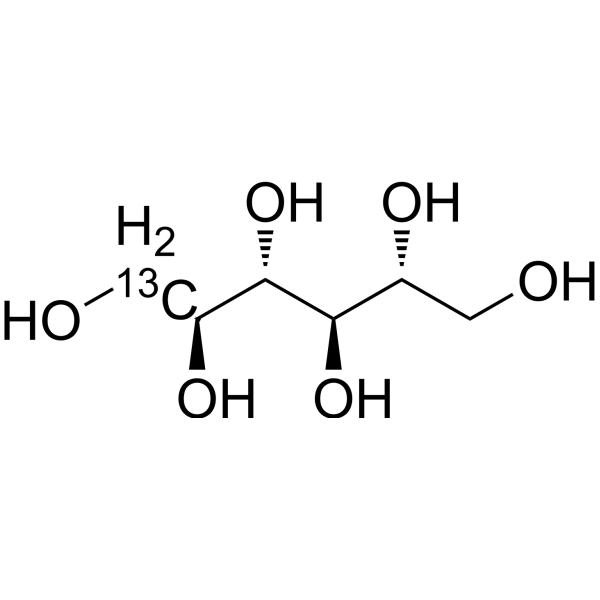
    Allitol (Allodulcitol)- 13C is the 13C labeled Allitol (HY-N2840). Allitol is an orally active rare sugar alcohol found in Itea virginica L, Tylopilus plumbeoviolaceus. Allitol has anti-obesity and hypoglycaemic activities. Allitol reduces carcass and total body fat mass, increases cecal weight, surface area, and short-chain fatty acid production, and upregulates cecal microbial enzymes linked to butyrate metabolism. Allitol can be used for the researches of obesity and diabetes .
    Allitol-13C
  • HY-162703

    AMPK Metabolic Disease
    Lipid-lowering agent-2 (Compound 14d) is an orally active lipid-lowering agent with an EC50 of 0.06 μM. Lipid-lowering agent-2 inhibits the lipid synthesis, activates the AMPK signaling pathway, and exhibits anti-obesity effect. Lipid-lowering agent-2 inhibits food intake, improves the glucose metabolism, and reduces the body weight and adipose tissue in high-fat diet (HFD)-induced obese mice .
    Lipid-lowering agent-2
  • HY-N2840R

    Allodulcitol (Standard)

    Reference Standards Metabolic Disease
    Allitol (Allodulcitol) (Standard) is the analytical standard of Allitol (HY-N2840). This product is intended for research and analytical applications. Allitol is an orally active rare sugar alcohol found in Itea virginica L, Tylopilus plumbeoviolaceus. Allitol has anti-obesity and hypoglycaemic activities. Allitol reduces carcass and total body fat mass, increases cecal weight, surface area, and short-chain fatty acid production, and upregulates cecal microbial enzymes linked to butyrate metabolism. Allitol can be used for the researches of obesity and diabetes .
    Allitol (Standard)
  • HY-11032

    Others Metabolic Disease
    SM-350300 is a glucoprotein. SM-350300 stimulates lipolysis in white adipocytes by activating the cyclic AMP (cAMP) pathway, and upregulates the expression of lipolytic enzymes and uncoupling proteins (UCP1, UCP3) in brown adipose tissue (BAT) and white adipose tissue (WAT). SM-350300 reduces body weight by decreasing carcass fat while increasing lean muscle mass in metabolic disorder models. SM-350300 can be used for the study of metabolic disorders including obesity, type 2 diabetes, and cachexia .
    SM-350300
  • HY-N8518R

    Reference Standards Phospholipase p38 MAPK Apoptosis NF-κB Metabolic Disease Inflammation/Immunology Cancer
    Malabaricone C is an orally active and noncompetitive sphingomyelin synthase (SMS) inhibitor with IC50 values of 3 μM and 1.5 μM for SMS 1 and SMS 2, respectively. Malabaricone C reduces body weight gain, improves glucose tolerance, and decreases lipid accumulation in the liver, showing significant prevention of high fat diet-induced fatty liver in mice. Malabaricone C has anti-inflammatory effects, which is found in the fruits of Myristica cinnamomea King. Malabaricone C is promising for research of obesity and immunological disorders caused due to hyper-activation of T-cells .
    Malabaricone C (Standard)
  • HY-180642

    Thyroid Hormone Receptor Metabolic Disease
    THR-β modulator-3 (Compound 75-2) is a THR-β modulator. THR-β modulator-3reduces total fat mass, body weight. THR-β modulator-3 improves obesity .
    THR-β modulator-3
  • HY-403699

    Liposome Metabolic Disease
    LP-371-p is a lipid that can specifically and efficiently deliver oligonucleotide compounds to the fat tissues in the body (especially fat cells). LP-371-p can be used in research on diseases related to fat, such as obesity and type 2 diabetes .
    LP-371-p
  • HY-N7865

    1,2-Dipalmitoleoyl-3-Oleoyl-rac-glycerol

    Endogenous Metabolite Metabolic Disease
    1,2-Palmitolein-3-olein (1,2-Dipalmitoleoyl-3-Oleoyl-rac-glycerol) is a triacylglycerol found in the fat body of bumblebees .
    1,2-Palmitolein-3-olein
  • HY-186096

    ACSL Family GLP Receptor Metabolic Disease
    LP-856866 is an orally active ACSL5 inhibitor, with IC50 values of 8 nM and 4 nM against mouse and human ACSL5, respectively, and IC50 values of 6 nM and 17 nM against mouse and human ACSL1, respectively. LP-856866 induces delayed gastric emptying, promotes GLP-1 release, reduces food intake, decreases body weight and body fat mass, preserves lean body mass, improves glucose homeostasis, enhances insulin sensitivity, reduces hepatic lipid accumulation, and lowers serum triglyceride and total cholesterol levels. LP-856866 is applicable to research on diet-induced obesity .
    LP-856866
  • HY-165112

    1,2-Olein-3-α-linolenin; 1,2-Olein-3-linolenin; TG(18:1/18:1/18:3)

    Endogenous Metabolite Others
    1,2-Dioleoyl-3-α-linolenoyl-rac-glycerol (1,2-Olein-3-α-linolenin) is a compound that is being studied as a triglyceride in bumblebee fat body. Chromatographic analysis revealed differences in fatty acid composition and triglyceride isomer distribution in different bumblebee species.
    1,2-Dioleoyl-3-α-linolenoyl-rac-glycerol
  • HY-P11587

    Amylin Receptor CGRP Receptor Metabolic Disease
    BGM1812 is a dual agonist of amylin (hAMY3R) (EC50 = 0.627 nM) and CGRP Receptor (hCTR) (EC50 = 2.27 nM). BGM1812 achieves weight loss, increases the proportion of lean body mass, and reduces fat mass in diet-induced obese (DIO) rats. BGM1812 is applicable to research related to obesity .
    BGM1812
  • HY-14341

    5-HT Receptor Metabolic Disease
    E-6837 is a selective and orally active 5-HT6 receptor ligand. E-6837 demonstrates partial agonism at a presumably silent rat 5-HT6 receptor and full agonism at a constitutively active human 5-HT6 receptor by monitoring the cAMP signaling pathway. E-6837 induces hypophagia, reduces fat mass and body weight, and improves glycemic control. E-6837 can be used for the research of obesity .
    E-6837

Inquiry Online

Your information is safe with us. * Required Fields.

Salutation


Country or Region *

Applicant Name *


Organization Name *

Department *


Email Address *


Product Name *

Cat. No.


Requested quantity *

Phone Number *


Remarks

Inquiry Online

Inquiry Information

Product Name:
Cat. No.:
Quantity:
MCE Japan Authorized Agent: