Search Result
Results for "
cognitive+deficits
" in MedChemExpress (MCE) Product Catalog:
1
Biochemical Assay Reagents
| Cat. No. |
Product Name |
Target |
Research Areas |
Chemical Structure |
-
- HY-B1462
-
-
-
- HY-W012722
-
|
α-Ketoisocaproic acid
|
Endogenous Metabolite
Autophagy
mTOR
SOD
|
Neurological Disease
Metabolic Disease
|
|
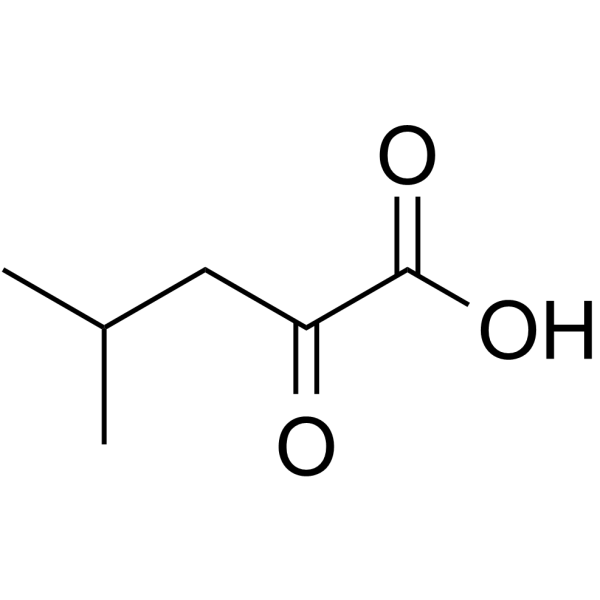
4-Methyl-2-oxopentanoic acid (α-Ketoisocaproic acid) is a metabolite of L-leucine and is involved in energy metabolism. 4-Methyl-2-oxopentanoic acid increases endoplasmic reticulum stress, promotes lipid accumulation in preadipocytes and insulin resistance by impairing mTOR and autophagy signaling pathways. 4-Methyl-2-oxopentanoic acid also causes oxidative damage, leading to cognitive deficits, inhibits α-ketoglutarate dehydrogenase activity, acts as an oxidative phosphorylation uncoupler and metabolic inhibitor. 4-Methyl-2-oxopentanoic acid acts as a nutrient signal and stimulates skeletal muscle protein synthesis. 4-Methyl-2-oxopentanoic acid can be used in the study of maple syrup urine disease .
|
-
-
- HY-D0873
-
|
EPPS
|
Amyloid-β
|
Neurological Disease
|
|
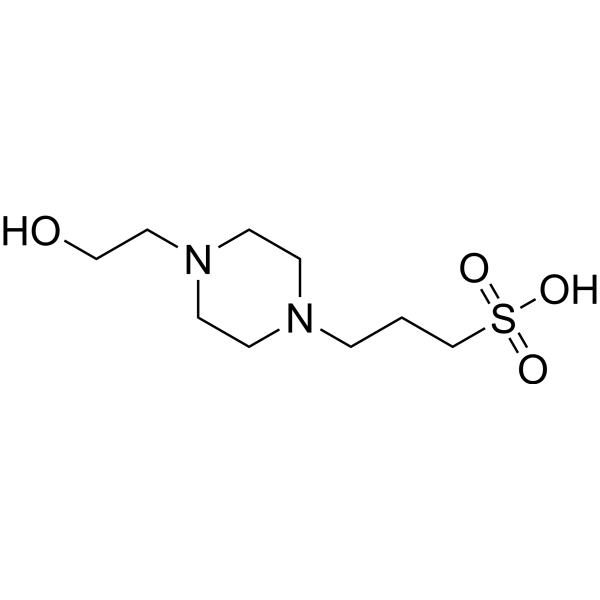
HEPPS (EPPS) is a buffering agent with the useful pH range from 7.3 ~ 8.7. HEPPS reduces Aβ-aggregate-induced memory deficits and rescues cognitive deficits in mice. EPPS is orally active and penetrates the blood-brain barrier .
|
-
-
- HY-N4150
-
|
Quercetagetin-7-O-glucoside
|
Phosphatase
Tau Protein
NF-κB
|
Neurological Disease
Metabolic Disease
Inflammation/Immunology
|
|
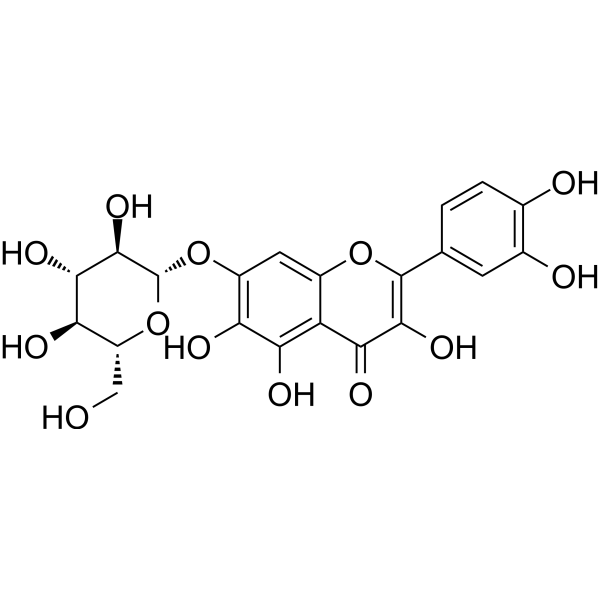
Quercetagitrin (Quercetagetin-7-O-glucoside) is a natural product that can be isolated from the African marigold (Tagetes erecta). Quercetagitrin has anti-inflammatory activity. Quercetagitrin inhibits Tau accumulation. Quercetagitrin can reverse neuroinflammation and cognitive deficits in P301S-Tau transgenic mouse model through inhibiting NF-κB activation. Quercetagitrin is a dual-target inhibitor of PTPN6 (IC50 = 1 μM) and PTPN9 (IC50 = 1.7 μM). Quercetagitrin enhances glucose uptake by mature C2C12 myoblasts. Quercetagitrin can be studied in research for Alzheimer’s disease and type 2 diabetes .
|
-
-
- HY-W275295
-
-

-
- HY-15618
-
|
M1 receptor modulator
|
mAChR
Calcium Channel
|
Neurological Disease
|
|
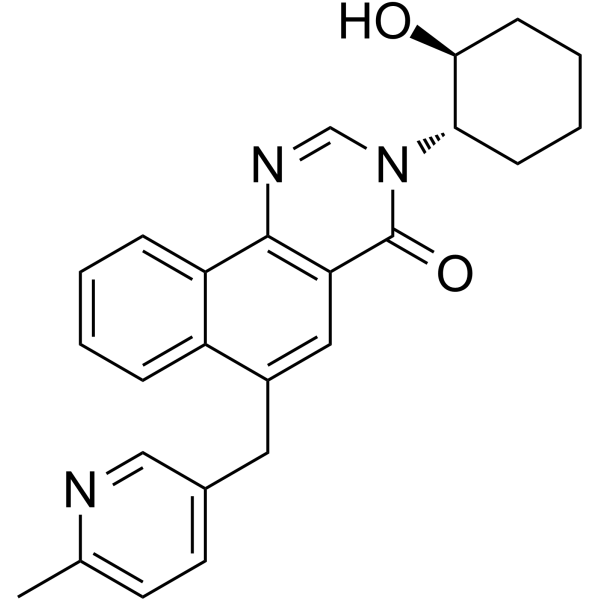
MK-7622 (M1 receptor modulator) is an orally active positive allosteric modulator of muscarinic M1 acetylcholine receptors (mAChRs). MK-7622 enhances ACh-induced calcium flux in CHO cells expressing human M1 receptors (EC50 = 21 nM) and shows robust agonist activity in rat M1-expressing CHO cells, increasing intracellular calcium. MK-7622 reverses Scopolamine (HY-N0296)-induced cognitive deficits in rhesus macaques in an object retrieval detour task. MK-7622 can be used for the study of Alzheimer's disease (AD) .
|
-
-
- HY-N2255
-
|
|
Akt
Apoptosis
NF-κB
Reactive Oxygen Species (ROS)
p38 MAPK
ERK
Interleukin Related
TNF Receptor
NO Synthase
nAChR
Bacterial
|
Cancer
|
|
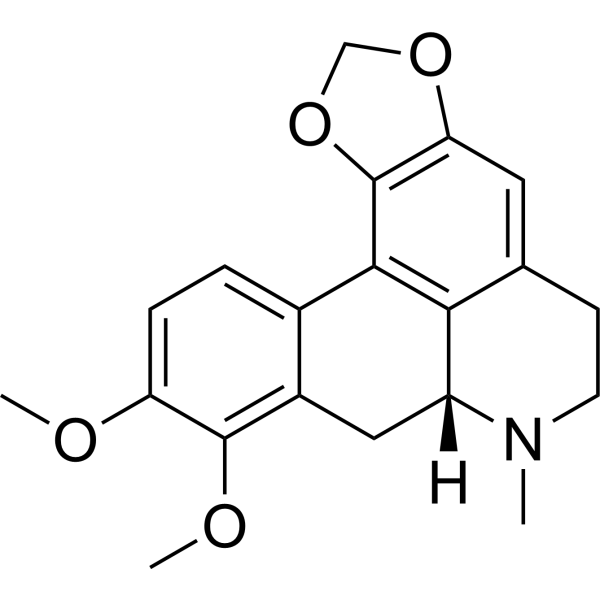
Crebanine is an isoquinoline-like alkaloid that can be derived from Stephania. Crebanine is an antagonist of the α7-nAChR with an IC50 of 19.1 μM. Crebanine suppresses the proliferation, migration, and invasion of cancer cells, triggers reactive oxygen species (ROS) burst, and promotes apoptosis. Crebanine inhibits the AKT/FoxO3a, NF-κB and MAPK signaling pathways. Crebanine attenuates NOX2 hyperactivation, exhibits antioxidant properties by reducing reactive oxygen species and peroxidation in microglia cells. Crebanine inhibits voltage-dependent Na + current in guinea-pig ventricular myocytes. Crebanine has high inhibitory activity against gram-positive animal pathogenic bacteria. Crebanine ameliorates ischemia-reperfusion brain damage in middle cerebral artery occlusion and reperfusion (MCAO/R) rats. Crebanine significantly improves Scopolamine (HY-N0296)-induced cognitive deficits in ICR mice. Crebanine can be used for the study of hepatocellular carcinoma (HCC), cerebral ischemia and Alzheimer's disease .
|
-
-
- HY-116565
-
|
SUVN-D4010
|
5-HT Receptor
|
Neurological Disease
|
|
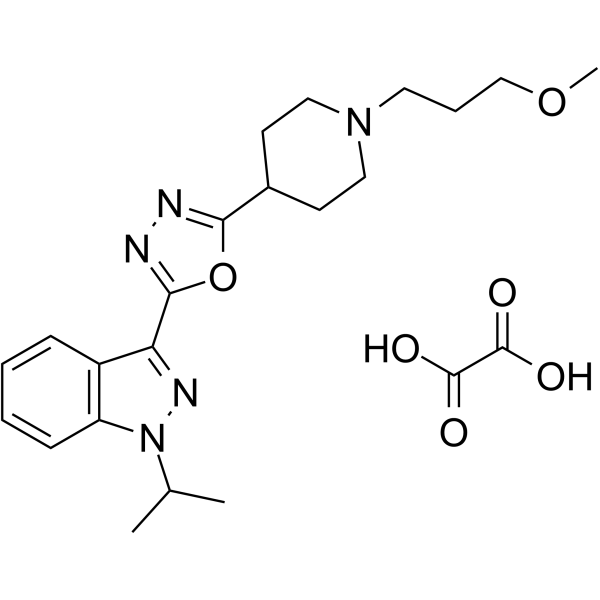
Usmarapride (SUVN-D4010) (Example 3)is a potent, selective, orally active and brain penetrant 5-HT4 receptor partial agonist (EC50=27.5 nM). Usmarapride (SUVN-D4010) can be used for the research of cognitive deficits associated with Alzheimer's disease .
|
-
-
- HY-17549
-
|
CRL 40028
|
Adrenergic Receptor
|
Neurological Disease
|
|
Adrafinil (CRL 40028) is an orally active vigilance promoting agent. Adrafinil enhances central noradrenergic transmission, improves spontaneous activity, exploratory behavior, discriminative learning ability and response motivation, but impairs visuospatial working memory. Adrafinil antagonizes Prazosin (HY-B0193)-induced hypoactivity and hypothermia, exerts anticonvulsant effects, and induces sustained enhancement of high-frequency electrocortical activity. Adrafinil can be used for research on decreased alertness and specific cognitive deficits .
|
-

-
- HY-162566
-
|
|
Calcium Channel
Amyloid-β
|
Neurological Disease
|
|
REM127 is a small molecule compound capable of modulating calcium homeostasis in cells and possesses neuroprotective effects. REM127 can restore the calcium homeostasis imbalance in cellular models caused by pathological accumulation of tau protein. REM127 can efficiently cross the blood-brain barrier, and it has the potential to rescue synaptic and cognitive deficits in Alzheimer's disease animal models, as well as to slow down the progression of amyloid-beta and tau protein pathologies. REM127 can be used for research in neurodegenerative diseases .
|
-

-
- HY-123976
-
|
|
HDAC
|
Neurological Disease
Cancer
|
|
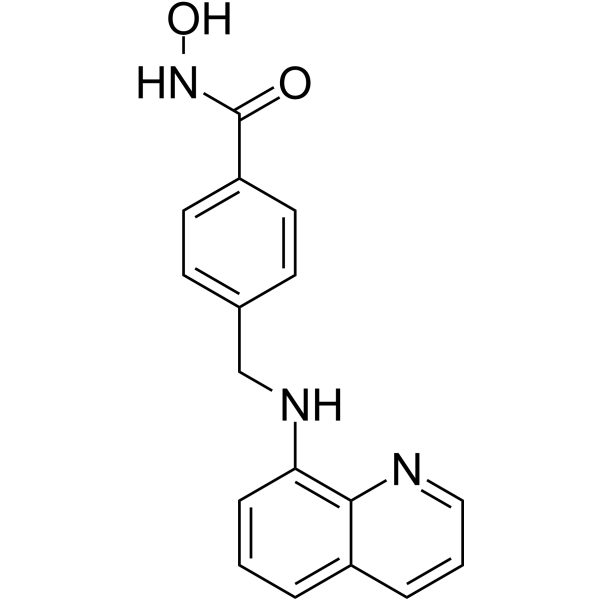
MPT0G211 is a potent, orally active and selective HDAC6 inhibitor (IC50=0.291 nM). MPT0G211 displays >1000-fold selective for HDAC6 over other HDAC isoforms. MPT0G211 can penetrate the blood-brain barrier. MPT0G211 ameliorates tau phosphorylation and cognitive deficits in an Alzheimer’s disease model. MPT0G211 has anti-metastatic and neuroprotective effects. Anticancer activities .
|
-
-
- HY-105670
-
|
|
nAChR
|
Neurological Disease
|
|
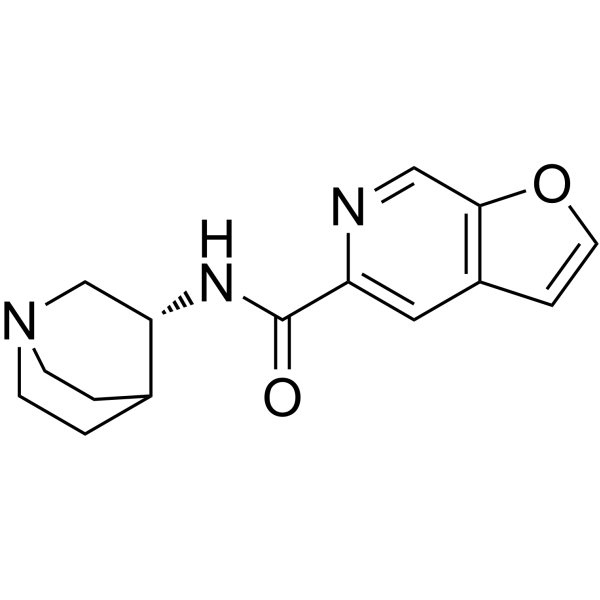
PHA-543613 is a potent, orally active, brain-penetrant and selective α7 nAChR agonist with a Ki of 8.8 nM. PHA-543613 displays selectivity for α7-nAChR over α3β4, α1β1γδ, α4β2 and 5-HT3 receptors . PHA-543613 can be used for the cognitive deficits of Alzheimer's disease and schizophrenia research .
|
-
-
- HY-135115
-
|
3,4-DHPEA-EA
|
α-synuclein
HDAC
Adrenergic Receptor
|
Inflammation/Immunology
|
|
Oleuropein Aglycone (3,4-DHPEA-EA) is a polyphenol and the aglycone form of oleuropein (HY-N0292), formed by enzymatic, acidic or acetylated hydrolysis of oleuropein. Dietary intake of oleuropein Aglycone (50 mg/kg diet) increases the number of neuronal autophagic vesicles, reverses cognitive deficits in the TgCRND8 transgenic mouse model of Alzheimer's disease, and reduces the levels of histone deacetylase 2 (HDAC2) in the cortex and hippocampus. Oleuropein Aglycone increases urinary norepinephrine, interscapular brown adipose tissue epinephrine, and UCP1 protein levels, and reduced plasma leptin levels and total abdominal adipose tissue weight in a rat model of high-fat diet-induced obesity. Oleuropein Aglycone also reduced lung neutrophil infiltration, lipid peroxidation, and IL-1β levels in a mouse model of carrageenan-induced pleurisy.
|
-

-
- HY-118342
-
PQCA
1 Publications Verification
|
mAChR
|
Neurological Disease
|
|
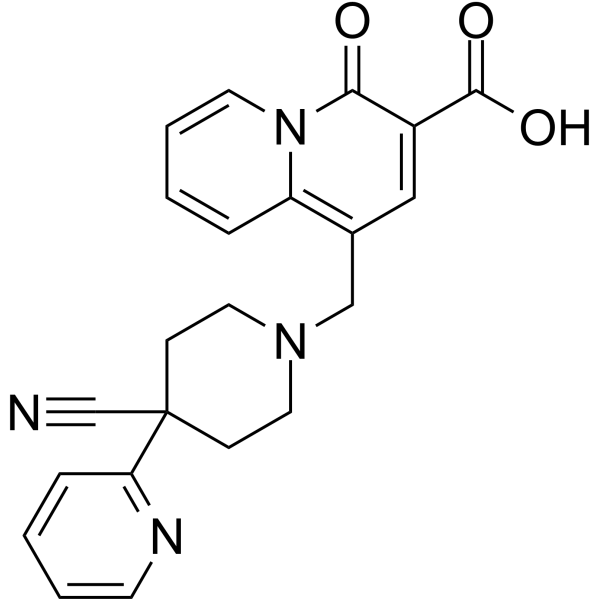
PQCA is a highly selective and potent muscarinic M1 receptor positive allosteric modulator. PQCA has an EC50 value of 49 nM and 135 nM on rhesus and human M1 receptor, respectively. PQCA is inactive for other muscarinic receptors. PQCA has potential to reduce the cognitive deficits associated with Alzheimer's disease .
|
-
-
- HY-P1173
-
|
Myristoylated L 803; GSK-3β Inhibitor XIII
|
GSK-3
Amyloid-β
|
Neurological Disease
|
|
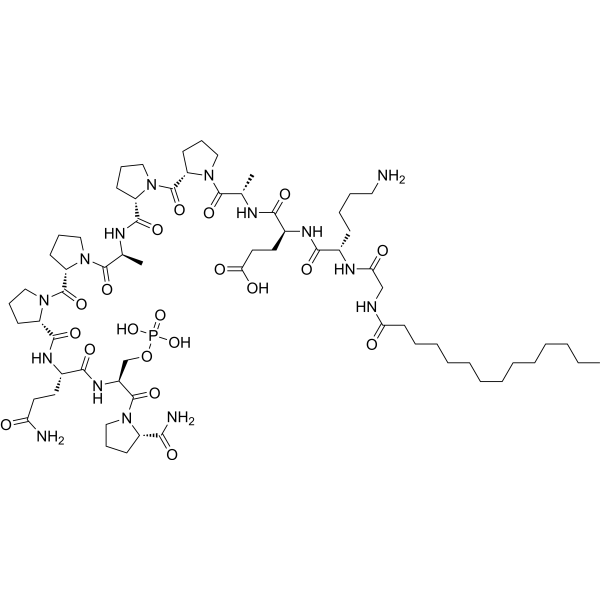
L803-mts (Myristoylated L 803) is a selective and substrate-competitive GSK-3 peptide inhibitor (IC50: 40 μM). L803-mts also reduces Aβ deposits and ameliorates cognitive deficits in 5XFAD mice. L803-mts shows antidepressive effect in the forced swimming test .
|
-
-
- HY-P990001
-
|
|
Interleukin Related
|
Neurological Disease
Metabolic Disease
Inflammation/Immunology
Cancer
|
|
Anti-Mouse IL-10 Antibody (JES5-2A5) is an anti-mouse IL-10 IgG1 monoclonal antibody. Anti-Mouse IL-10 Antibody (JES5-2A5) restores the anti-tumor activity of IL-6 by blocking the IL-10/SOCS3 axis. Anti-Mouse IL-10 Antibody (JES5-2A5) can reverse microcirculation and cognitive deficits. Anti-Mouse IL-10 Antibody (JES5-2A5) can be used for researches on cancer and metabolic disease such as osteosarcoma and type 1 diabetes mellitus (T1DM) .
|
-
-
- HY-118956
-
|
ABT-431 hydrochloride; DAS-431 hydrochloride
|
Dopamine Receptor
|
Neurological Disease
|
|
Adrogolide hydrochloride (ABT-431 hydrochloride) is a chemically stable prodrug that can convert to the dopamine D1 receptor agonist A-86929. Adrogolide hydrochloride ameliorates the MPTP (HY-15608)-induced Parkinson's Disease in marmoset model, reduces the dyskinesias tendency. Adrogolide hydrochloride reverses Risperidone (HY-11018)-induced cognitive deficits in monkey .
|
-

-
- HY-115383
-
-
-
- HY-148325
-
|
|
nAChR
|
Neurological Disease
|
|
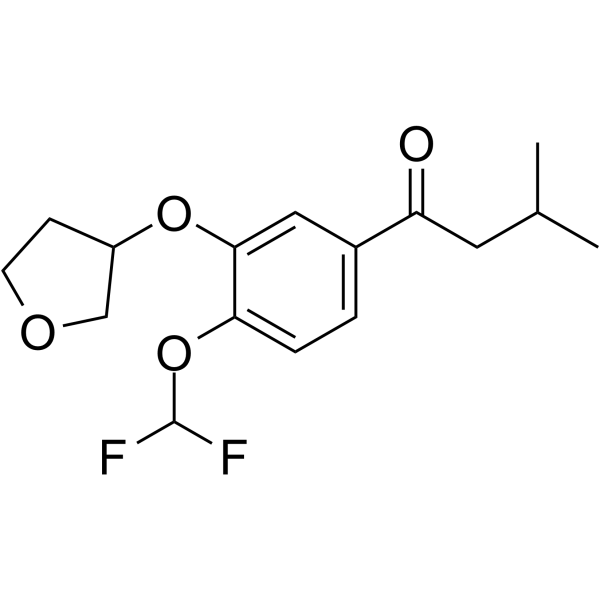
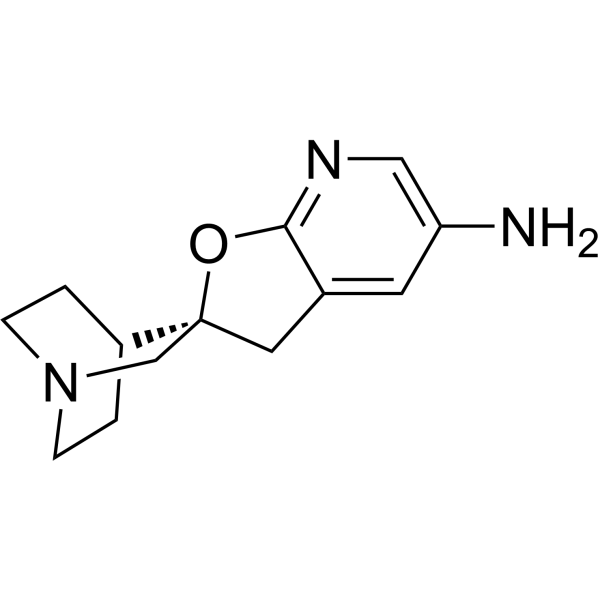
α7 Nicotinic receptor agonist-1 (Preparation 5) is an α7 nAChR agonist. α7 Nicotinic receptor agonist-1 can be used in studies of psychiatric disorders (such as schizophrenia, manic or hypomanic depression and anxiety disorders) and intellectual disorders (such as alzheimer's disease, learning deficits, cognitive deficits, attention deficits, memory loss, lewy body dementia and attention deficit hyperactivity disorder) .
|
-
-
- HY-149651
-
|
|
GPR139
|
Neurological Disease
|
|
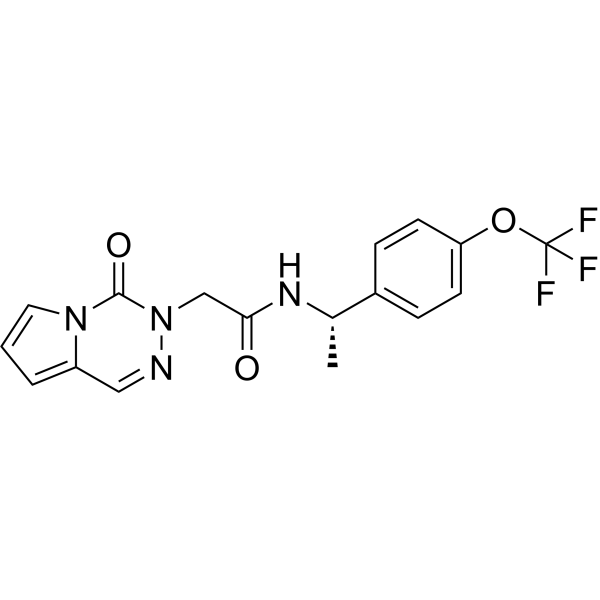
GPR139 agonist-2 (compound 20a) is a potent GPR139 agonist with an EC50 of 24.7 nM. GPR139 agonist-2 rescues the social interaction deficits and alleviates cognitive deficits in murine schizophrenia models. GPR139 agonist-2 has the potential for antischizophrenia drug research .
|
-
-
- HY-105670B
-
|
|
nAChR
|
Neurological Disease
|
|
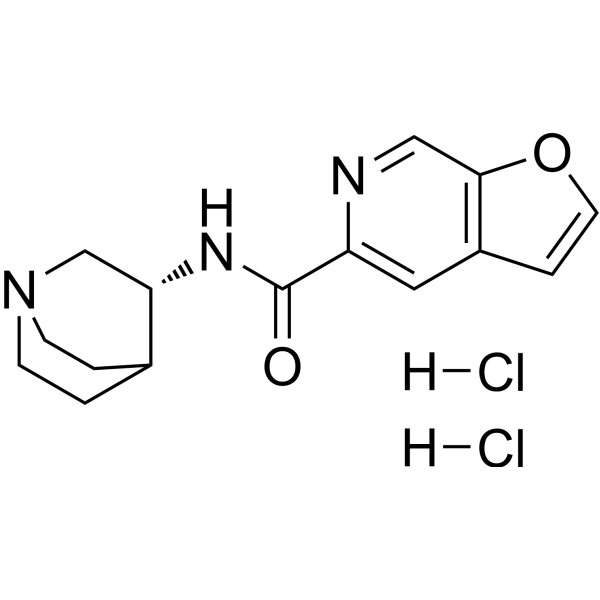
PHA-543613 dihydrochloride is a potent, orally active, brain-penetrant and selective α7 nAChR agonist with a Ki value of 8.8 nM. PHA-543613 dihydrochloride displays selectivity for α7-nAChR over α3β4, α1β1γδ, α4β2 and 5-HT3 receptors . PHA-543613 dihydrochloride can be used for the cognitive deficits of Alzheimer's disease and schizophrenia research .
|
-
-
- HY-N10408
-
|
|
Apoptosis
Autophagy
|
Neurological Disease
Cancer
|
|
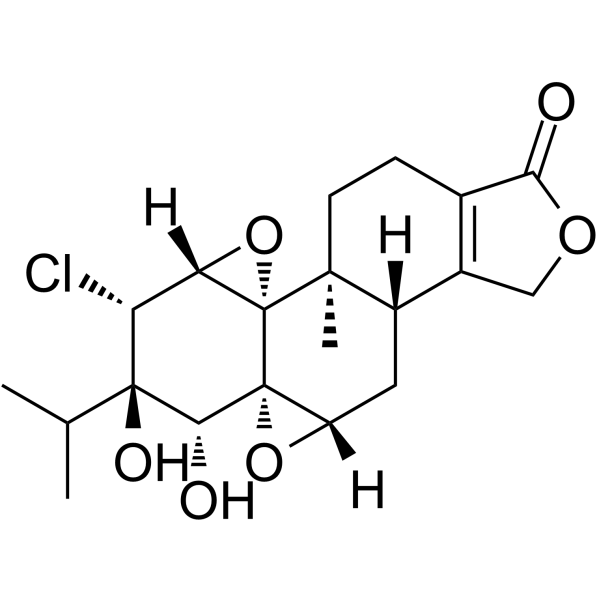
Tripchlorolide is a neuroprotective agent that can be found in Tripterygium wilfordii. Tripchlorolide prevents tumor growth by inducing apoptosis and autophagy. Tripchlorolide improves cognitive deficits in Alzheimer's disease .
|
-
-
- HY-116565A
-
|
SUVN-D4010 free base
|
5-HT Receptor
|
Neurological Disease
|
|
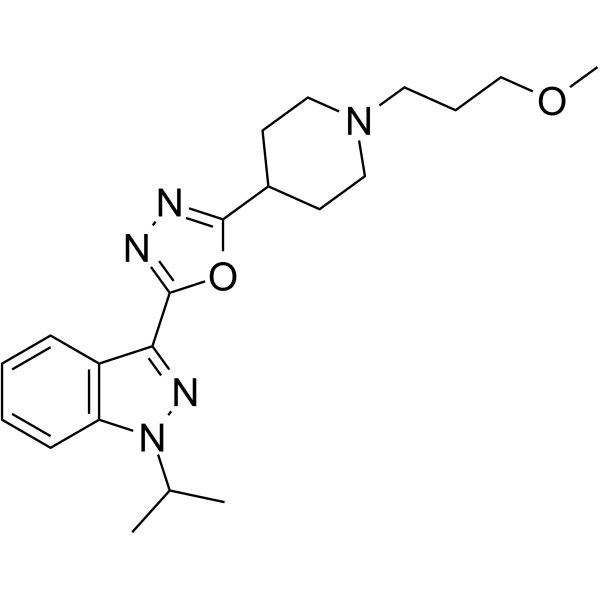
Usmarapride (SUVN-D4010) free base is a potent, selective, orally active and brain penetrant 5-HT4 receptor partial agonist (EC50=44 nM). Usmarapride (SUVN-D4010) free base can be used for the research of cognitive deficits associated with Alzheimer's disease .
|
-
-
- HY-121041
-
|
|
Phosphodiesterase (PDE)
|
Neurological Disease
|
|
GEBR-7b is a selective PDE4D inhibitor with an IC50 of 0.67 μM. GEBR-7b increases hippocampal cAMP and does not influence Aβ levels in rodents. GEBR-7b also improves spatial and can be used for the study of cognitive deficits .
|
-

-
- HY-123928
-
-

-
- HY-165341
-
-

-
- HY-179363
-
|
|
Cholinesterase (ChE)
COX
|
Neurological Disease
|
|
BChE-IN-46 is a selective and brain-penetrant BChE inhibitor (eqBChE IC50 = 7.44 × 10 −5 μM, SI > 270,000; hBChE, IC50 = 1.48 × 10 −3 μM). BChE-IN-46 has COX-2 inhibitory activity (IC50 = 0.11 μM). BChE-IN-46 exhibits neuroprotective effects, enhances acetylcholine levels, and alleviates cognitive deficits, anxiety, and learning/memory impairments. BChE-IN-46 can be used for the development of anti-Alzheimer's disease drugs .
|
-

-
- HY-14565
-
|
ABT-089
|
nAChR
|
Neurological Disease
|
|
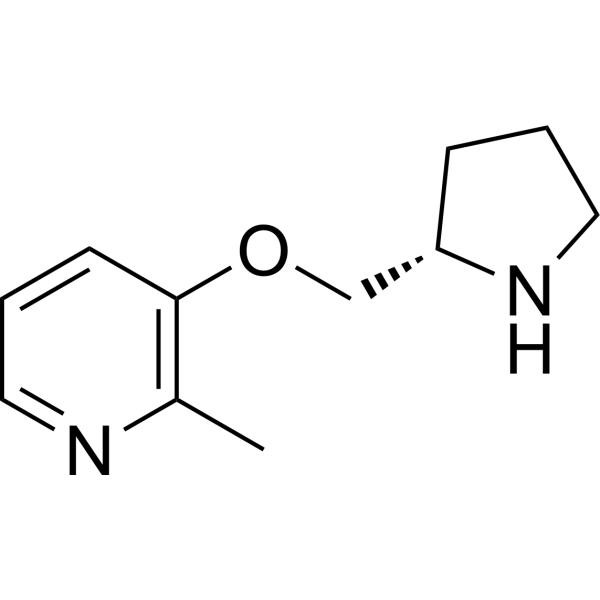
Pozanicline (ABT-089) selectively activate neuronal nicotinic acetylcholine receptor (nAChR) subtypes, is a novel cholinergic agent that is a partial agonist at α4β2* nAChRs (Ki=16 nM) and shows high selectivity for α6β2* and α4α5β2 nAChR subtypes, the binding affinity (Ki, rat) for Pozanicline to [ 3H] cytisine sites is 16.7 nM.
Pozanicline reverses nicotine withdrawal-induced cognitive deficits, may be an effective component of novel therapeutic strategies for nicotine addiction .
|
-
-
- HY-171807
-
|
|
nAChR
STAT
|
Neurological Disease
Inflammation/Immunology
|
|
TC-2559 free base is a α4β2 nicotinic acetylcholine receptor (nAChR) agonists with an EC50 of 0.18 μM. TC-2559 free base shows much weaker potencies on the group of b4-containing nAChR subtypes, α2β4, α4β4 and α3β4 receptors, with EC50s in the range of 10-30 µM. TC-2559 free base can increase the discharge of dopamine cells in the ventral tegmental area (VTA) of rats in vitro, enhancing the excitability and aggressive behavior of VTA dopamine neurons. TC-2559 free base inhibits STAT3 to exert anti-inflammatory properties and relieves mice mechanical allodynia and improve rats cognitive deficits. TC-2559 free base can be used for the study of nerve pain .
|
-

-
- HY-168264
-
|
|
NOD-like Receptor (NLR)
|
Neurological Disease
|
|
MC1 is a potent NLRP3 inhibitor with a KD value of 19.3 nM. MC1 shows no cytotoxicity. MC1 ameliorates cognitive deficits without eliciting adverse effects and shows an absence of hepatotoxicity. MC1 has the potential for the research of Alzheimer's disease (AD) .
|
-

-
- HY-162339
-
|
|
Cholinesterase (ChE)
|
Neurological Disease
|
|
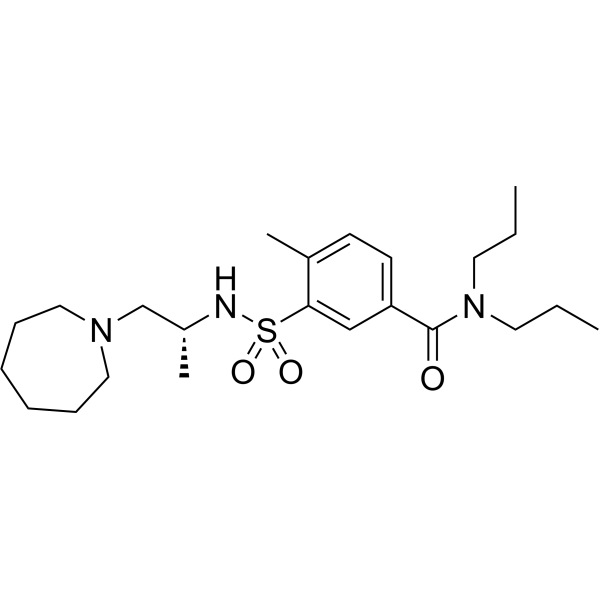
BChE-IN-30 (compound (R)-37a) is a BChE inhibitor (IC50: 5 nM) with anti-inflammatory activity and low toxicity. BChE-IN-30 can improve cognitive deficits induced by scopolamine and Aβ1-42 peptide and can be used in the study of late-stage AD .
|
-
-
- HY-147720
-
|
|
γ-secretase
|
Neurological Disease
|
|
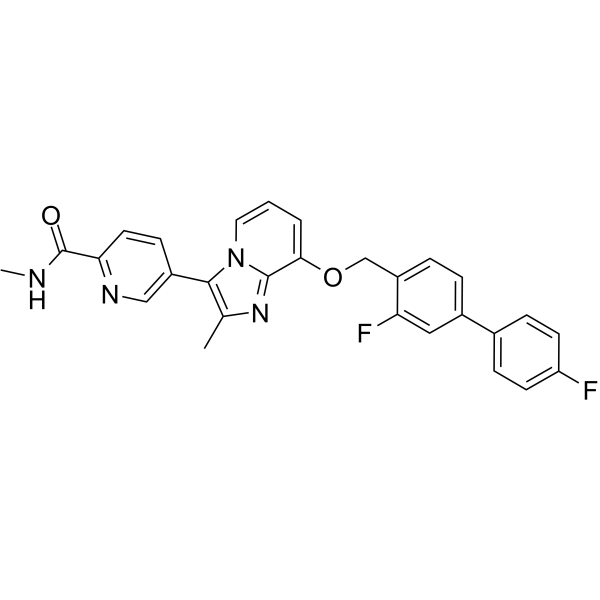
γ-Secretase modulator 11 (1o) showed high potency in vitro and brain exposure, inducing brain a β 42 levels were significantly reduced and showed undetectable inhibition of cytochrome P450 enzymes. In addition, compound 1o showed excellent anti cognitive deficit effect in AD model mice.
|
-
-
- HY-155116
-
|
|
5-HT Receptor
|
Neurological Disease
|
|
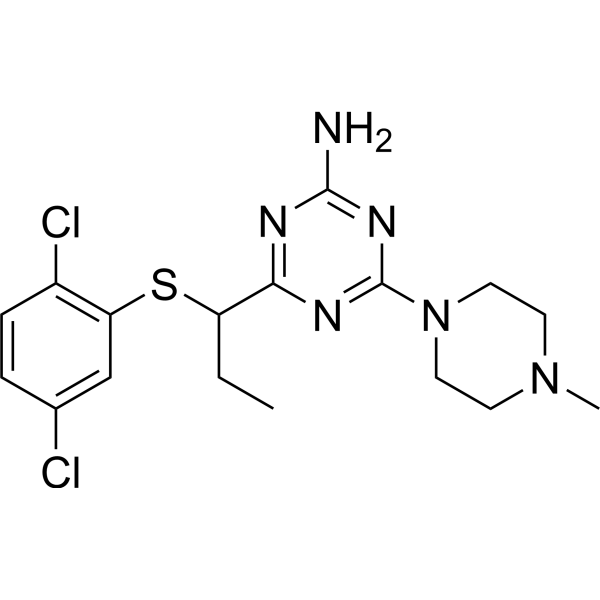
5-HT6 agonist 1 (Compound 19) is a 5-HT6 agonist (Ki: 5 nM). 5-HT6 agonist 1 has antidepressant-like properties, and improves cognitive deficits. 5-HT6 agonist 1 also inhibits platelet aggregation. 5-HT6 agonist 1 has high metabolic stability .
|
-
-
- HY-147720A
-
|
|
γ-secretase
|
Neurological Disease
|
|
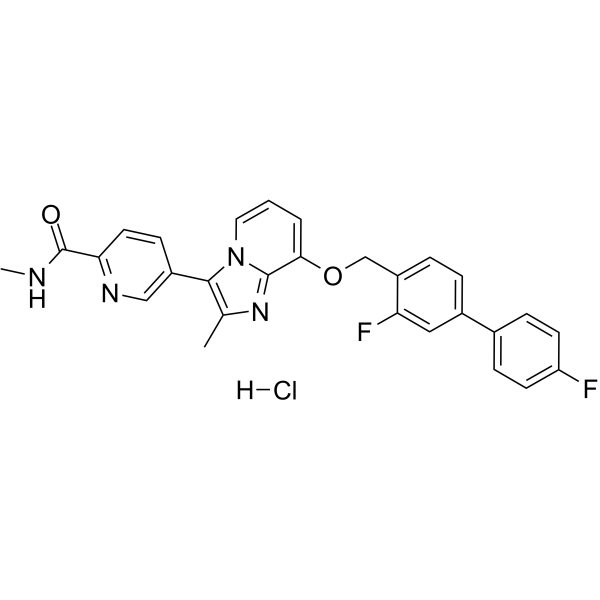
γ-Secretase modulator 11 hydrochloride (compound 1o) is a potent and orally active γ-secretase modulator with an IC50 of 0.029 µM. γ-Secretase modulator 11 hydrochloride induces a robust reduction in brain Aβ42 levels. γ-Secretase modulator 11 hydrochloride rescues cognitive deficits exhibited by AD model mice. γ-Secretase modulator 11 hydrochloride has the potential for the research of alzheimer's disease .
|
-
-
- HY-118575
-
|
|
5-HT Receptor
|
Neurological Disease
|
|
DR-4004 is a 5-HT7 receptor antagonist that attenuates the decreased level of performance produced by mCPP and the performance levels after p-chloroamphetamine (PCA) lesion of the 5-HT system. DR-4004 also reverses amnesia induced by Scopolamine (HY-N0296) and Dizocilpine (HY-15084B). DR-4004 is promising for research of schizophrenia, cognitive deficits and atypical antipsychotic agents .
|
-

-
- HY-123976A
-
|
|
HDAC
|
Neurological Disease
Cancer
|
|
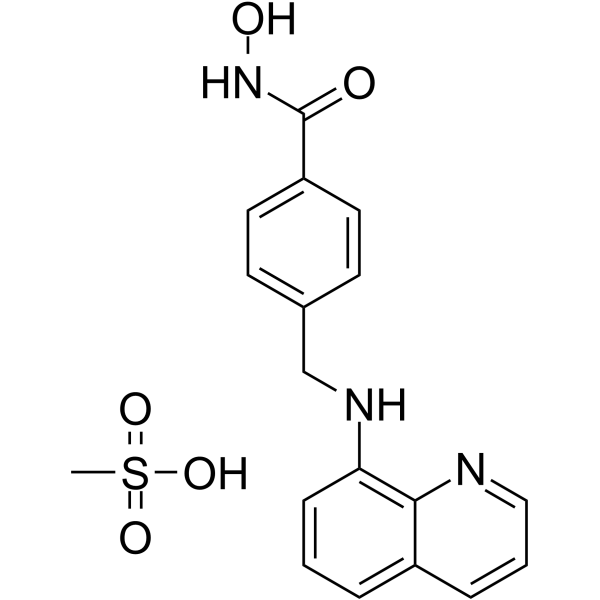
MPT0G211 mesylate is a potent, orally active and selective HDAC6 inhibitor (IC50=0.291 nM). MPT0G211 mesylate displays >1000-fold selective for HDAC6 over other HDAC isoforms. MPT0G211 mesylate can penetrate the blood-brain barrier. MPT0G211 mesylate ameliorates tau phosphorylation and cognitive deficits in an Alzheimer’s disease model. MPT0G211 mesylate has anti-metastatic and neuroprotective effects. Anticancer activities .
|
-
-
- HY-171472
-
|
|
Dopamine Receptor
|
Neurological Disease
|
|
A-86929 is a highly potent and selective dopamine D1 receptor agonist with a pKi value of 7.3. In the 6-OHDA (HY-B1081)-induced unilateral nigrostriatal lesion rat model, A-86929 significantly induces rotational behavior. It also improves motor function in the MPTP (HY-15608)-induced Parkinson's disease marmoset model. Additionally, A-86929 demonstrates potential therapeutic value in reducing cocaine-seeking behavior in rats and reversing Haloperidol (HY-14538)-induced cognitive deficits in rhesus monkeys. A-86929 can be used for research in neurological disorders .
|
-

-
- HY-107650
-
|
CI 979 hydrochloride; RU 35926 hydrochloride
|
mAChR
|
Neurological Disease
|
|
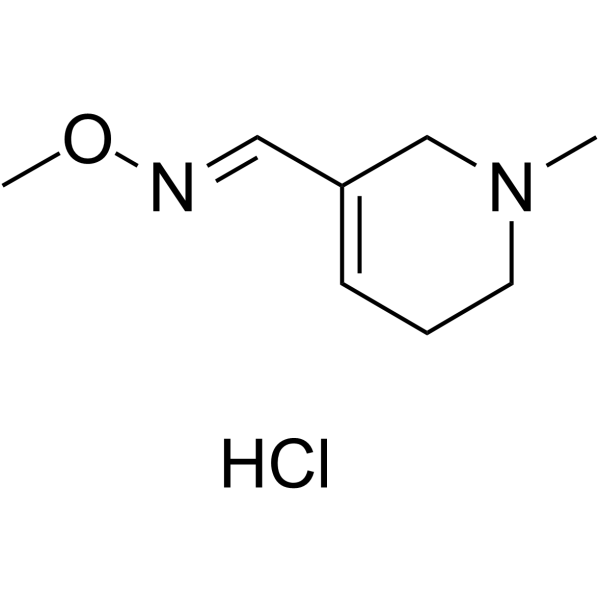
Milameline (CI 979; RU35926) hydrochloride is a nonselective, partical and orally active muscarinic receptor agonist that improves cognition. Milameline hydrochloride has equal affinity for different subtypes of human muscarinic receptors with IC50 of 1.3 µM for M1-, 1.1 µM for M2-, 1.5 µM for M3-, and 1.9 µM for M4-muscarinic receptors. Milameline hydrochloride has a higher affinity for sites [ 3H]CMD (IC50 = 20 nM), than [ 3H]QNB, (IC50 = 3059 nM). Milameline hydrochloride produces both central and peripheral cholinergic effects and reverses the cognitive deficits induced by Scopolamine (HY-N0296). Milameline hydrochloride can be used for the study of Alzheimer’s Disease .
|
-
-
- HY-135460
-
|
CI-979; RU35926
|
mAChR
|
Neurological Disease
|
|
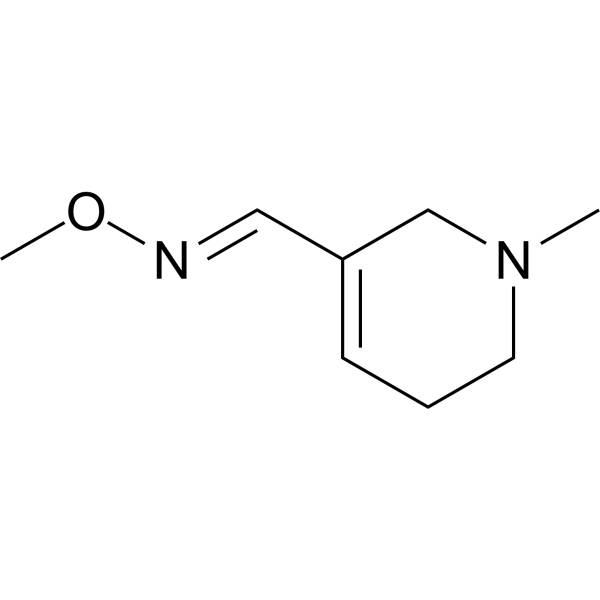
Milameline (CI-979; RU35926) is a nonselective, partical and orally active muscarinic receptor agonist that improves cognition. Milameline has equal affinity for different subtypes of human muscarinic receptors with IC50 of 1.3 µM for M1-, 1.1 µM for M2-, 1.5 µM for M3-, and 1.9 µM for M4-muscarinic receptors. Milameline has a higher affinity for sites [ 3H]CMD (IC50 = 20 nM), than [ 3H]QNB, (IC50 = 3059 nM). Milameline produces both central and peripheral cholinergic effects and reverses the cognitive deficits induced by Scopolamine (HY-N0296). Milameline can be used for the study of Alzheimer’s Disease .
|
-
-
- HY-N4150R
-
|
Quercetagetin-7-O-glucoside (Standard)
|
Reference Standards
Phosphatase
Tau Protein
NF-κB
|
Metabolic Disease
Inflammation/Immunology
Cancer
|
|
Quercetagitrin (Standard) is the analytical standard of Quercetagitrin. This product is intended for research and analytical applications. Quercetagitrin (Quercetagetin-7-O-glucoside) is a natural product that can be isolated from the African marigold (Tagetes erecta). Quercetagitrin has anti-inflammatory activity. Quercetagitrin inhibits Tau accumulation. Quercetagitrin can reverse neuroinflammation and cognitive deficits in P301S-Tau transgenic mouse model through inhibiting NF-κB activation. Quercetagitrin is a dual-target inhibitor of PTPN6 (IC50 = 1 μM) and PTPN9 (IC50 = 1.7 μM). Quercetagitrin enhances glucose uptake by mature C2C12 myoblasts. Quercetagitrin can be studied in research for Alzheimer’s disease and type 2 diabetes .
|
-

-
- HY-123661
-
|
|
Endogenous Metabolite
|
Neurological Disease
|
|
MIPS1455 is a light-activated M1 muscarinic acetylcholine receptor ligand with irreversible binding activity to the allosteric site of the receptor. MIPS1455 is a drug target under investigation for the suppression of cognitive deficits and may become a valuable molecular tool for further investigation of allosteric interactions of the receptor .
|
-

-
- HY-179723
-
|
|
GSK-3
Tau Protein
|
Neurological Disease
|
|
GSK3β-IN-4 is a selective, potent, orally active and brain-penetrant ATP-competitive GSK3β inhibitor with an IC50 of 0.37 nM. GSK3β-IN-4 shows an IC50 of 2.75 nM and SI of 7.4 for GSK3α. GSK3β-IN-4 reduces tau phosphorylation at Ser396 by inhibiting GSK3β and imoroves cognitive deficits in Alzheimer's disease models. GSK3β-IN-4 can be used for the research of Alzheimer's disease .
|
-

-
- HY-103100R
-
|
|
Reference Standards
5-HT Receptor
Epigenetic Reader Domain
Akt
Ribosomal S6 Kinase (RSK)
FOXO
|
Neurological Disease
Cancer
|
|
SB-699551 (Standard) is the analytical standard of SB-699551 (HY-103100). This product is intended for research and analytical applications. SB-699551 is a potent and selective 5-HT5A antagonist with a Ki value of 5.1 μM. SB-699551 increases the phosphorylation levels of CREB and ATF1, and decreases the phosphorylation levels of AKT, PRAS40, P70S6K, FOXO1, and S6RP. SB-699551 improves drug-induced cognitive deficits. SB-699551 improves social withdrawal and forgetfulness. SB-699551 inhibits breast cancer.
|
-

-
- HY-105670R
-
|
|
Reference Standards
nAChR
|
Neurological Disease
|
|
PHA-543613 (Standard) is the analytical standard of PHA-543613 (HY-105670). This product is intended for research and analytical applications. PHA-543613 is a potent, orally active, brain-penetrant and selective α7 nAChR agonist with a Ki of 8.8 nM. PHA-543613 displays selectivity for α7-nAChR over α3β4, α1β1γδ, α4β2 and 5-HT3 receptors . PHA-543613 can be used for the cognitive deficits of Alzheimer's disease and schizophrenia research .
|
-

-
- HY-183280
-
|
|
17β-HSD
CDK
Amyloid-β
Tau Protein
Reactive Oxygen Species (ROS)
|
Neurological Disease
|
|
17β-HSD10/CDK5-IN-1 is a poent dual 17β-HSD10 and CDK5 inhibitor with IC50s of 2.44 and 0.26 μM for 17β-HSD10 and CDK5, respectively. 17β-HSD10/CDK5-IN-1 reduces ROS accumulation, attenuates pathological Tau phosphorylation, reduces Aβ plaque deposition, and ameliorates cognitive deficits in Alzheimer's mice. 17β-HSD10/CDK5-IN-1 can be used for the research of Alzheimer's disease .
|
-

-
- HY-107650A
-
|
CI 979 hydroiodide; RU 35926 hydroiodide
|
mAChR
|
Neurological Disease
|
|
Milameline (CI 979; RU35926) hydroiodide is a nonselective, partical and orally active muscarinic receptor agonist that improves cognition. Milameline hydroiodide has equal affinity for different subtypes of human muscarinic receptors with IC50 of 1.3 µM for M1-, 1.1 µM for M2-, 1.5 µM for M3-, and 1.9 µM for M4-muscarinic receptors. Milameline hydroiodide has a higher affinity for sites [ 3H]CMD (IC50 = 20 nM), than [ 3H]QNB, (IC50 = 3059 nM). Milameline hydroiodide produces both central and peripheral cholinergic effects and reverses the cognitive deficits induced by Scopolamine (HY-N0296). Milameline hydroiodide can be used for the study of Alzheimer’s Disease .
|
-

-
- HY-179724A
-
|
|
5-HT Receptor
Dopamine Receptor
MMP
Potassium Channel
|
Neurological Disease
|
|
PZ-1657 hydrochloride (Compound 57) is a potent, selective and orally active 5-HT7 receptor inverse agonist with a Ki of 5 nM. PZ-1657 hydrochloride can inhibit the constitutive cAMP production mediated by the Gs signaling pathway (EC50 = 2.93 nM). PZ-1657 hydrochloride can significantly reduce the MMP-9 activity mediated by 5-HT7 receptors in the hippocampus of mice, and the effect is comparable to that of SB-269970 (HY-15370). PZ-1657 hydrochloride can reverse the cognitive deficits observed in the rat novel object recognition test induced by Phencyclidine without affecting the animals' spontaneous activities. PZ-1657 hydrochloride can be used for the research of emotional disorders, such as depression and bipolar disorder .
|
-

-
- HY-182707
-
|
|
nAChR
Interleukin Related
TNF Receptor
NF-κB
|
Neurological Disease
|
|
JWX-A0108 is a selective human α7 nAChR positive allosteric modulator with an EC50 of 4.35 μM. JWX-A0108 potentiates α7 nAChR currents only in the presence of acetylcholine, with no direct activating effect or alteration of desensitization. JWX-A0108 enhances hippocampal GABAergic synaptic transmission by increasing spontaneous inhibitory postsynaptic currents. JWX-A0108 reduces the brain expression levels of IL-1β, TNF-α, and IL-6 by blocking the NF-κB signaling pathway, and reduces microglial activation by downregulating Iba1. JWX-A0108 effectively improves cognitive deficits, neuroinflammation, and hippocampal neuronal damage in mouse models of schizophrenia and Alzheimer's disease. JWX-A0108 can be used for research related to schizophrenia and Alzheimer's disease .
|
-

| Cat. No. |
Product Name |
Type |
-
- HY-D0873
-
|
EPPS
|
Biochemical Assay Reagents
|
|
HEPPS (EPPS) is a buffering agent with the useful pH range from 7.3 ~ 8.7. HEPPS reduces Aβ-aggregate-induced memory deficits and rescues cognitive deficits in mice. EPPS is orally active and penetrates the blood-brain barrier .
|
| Cat. No. |
Product Name |
Target |
Research Area |
-
- HY-P1173
-
|
Myristoylated L 803; GSK-3β Inhibitor XIII
|
GSK-3
Amyloid-β
|
Neurological Disease
|
|
L803-mts (Myristoylated L 803) is a selective and substrate-competitive GSK-3 peptide inhibitor (IC50: 40 μM). L803-mts also reduces Aβ deposits and ameliorates cognitive deficits in 5XFAD mice. L803-mts shows antidepressive effect in the forced swimming test .
|
| Cat. No. |
Product Name |
Target |
Research Area |
Image |
-
- HY-P990001
-
|
|
Interleukin Related
|
Neurological Disease
Metabolic Disease
Inflammation/Immunology
Cancer
|
|
Anti-Mouse IL-10 Antibody (JES5-2A5) is an anti-mouse IL-10 IgG1 monoclonal antibody. Anti-Mouse IL-10 Antibody (JES5-2A5) restores the anti-tumor activity of IL-6 by blocking the IL-10/SOCS3 axis. Anti-Mouse IL-10 Antibody (JES5-2A5) can reverse microcirculation and cognitive deficits. Anti-Mouse IL-10 Antibody (JES5-2A5) can be used for researches on cancer and metabolic disease such as osteosarcoma and type 1 diabetes mellitus (T1DM) .
|
-

(5)
| Cat. No. |
Product Name |
Category |
Target |
Chemical Structure |
Your information is safe with us. * Required Fields.
Inquiry Information
- Product Name:
- Cat. No.:
- Quantity:
- MCE Japan Authorized Agent:








