

1. Search Result
Search Result
Results for "

coronary heart disease

" in MedChemExpress (MCE) Product Catalog:

43

Inhibitors & Agonists

2

Bibliotecas de Screening

1

Biochemical Assay Reagents

2

Peptides

10

Natural
Products

3

Isotope-Labeled Compounds

2

Oligonucleotides

Cat. No. Nombre del producto Target Áreas de investigación Chemical Structure
  • HY-P4153

    MK-0616 chloride

    PCSK9 Cardiovascular Disease
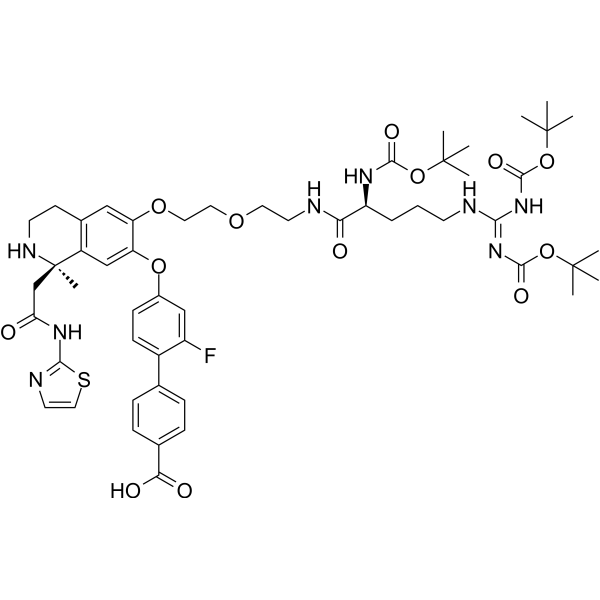
    Enlicitide chloride is an orally active inhibitor for PCSK9 that blocks the interaction between LPL receptor and PSCK9, with an IC50 of 2.5 nM. Enlicitide chloride can be used in the study of cardiovascular diseases such as atherosclerosis, hypercholesterolemia, coronary heart disease, metabolic syndrome, acute coronary syndrome or related cardiovascular and cardiometabolic disorders .
    Enlicitide chloride
  • HY-B0203A
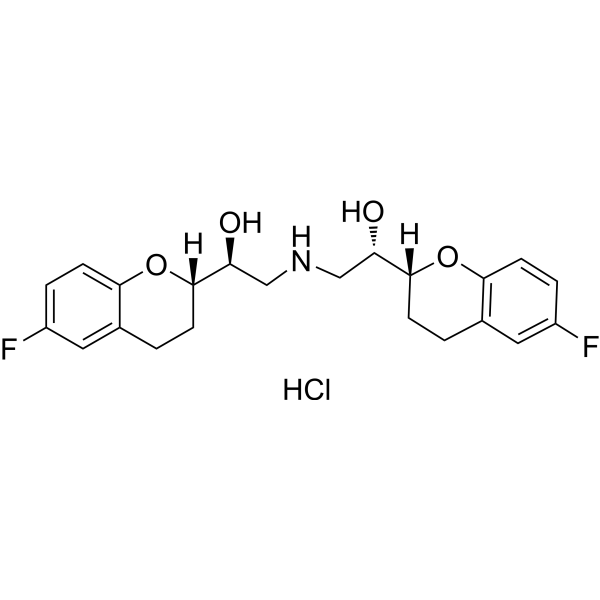
    Nebivolol hydrochloride
    3 Publications Verification

    R 065824 hydrochloride

    Adrenergic Receptor Cardiovascular Disease Endocrinology Cancer
    Nebivolol (R 065824) hydrochloride is an orally active beta receptor blocker and has the high beta(1)-receptor affinity.Nebivolol hydrochloride has direct vasodilator properties and adrenergic blocking characteristics. Nebivolol hydrochloride can be used for the research of kinds of diseases such as hypertension, coronary artery disease, congestive heart failure and ischemic heart disease .
    Nebivolol hydrochloride
  • HY-B0203
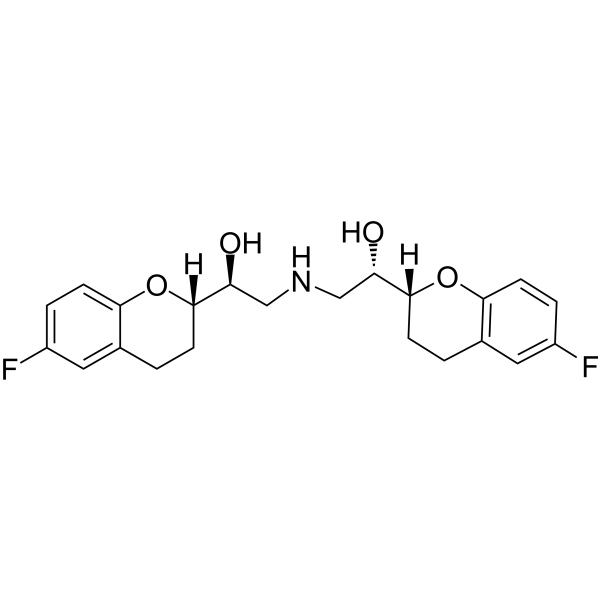
    Nebivolol
    3 Publications Verification

    R 065824

    Adrenergic Receptor Cardiovascular Disease Endocrinology Cancer
    Nebivolol (R 065824) is an orally active beta receptor blocker and has the high beta(1)-receptor affinity. Nebivolol has direct vasodilator properties and adrenergic blocking characteristics. Nebivolol can be used for the research of kinds of diseases such as hypertension, coronary artery disease, congestive heart failure and ischemic heart disease .
    Nebivolol
  • HY-W004284
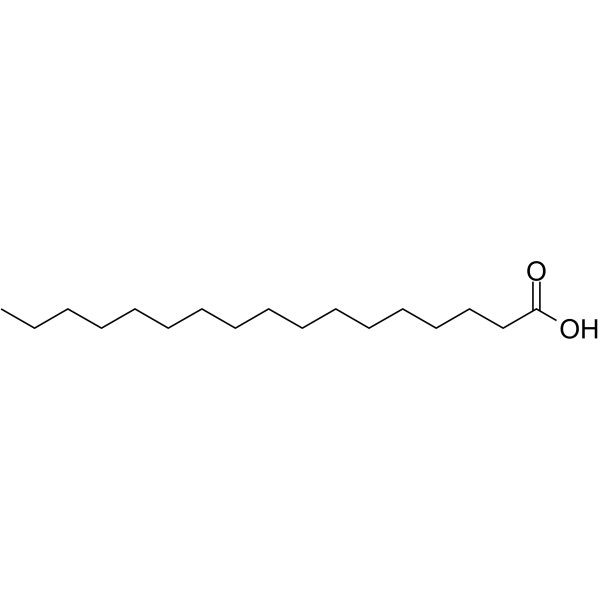
    Heptadecanoic acid
    2 Publications Verification

    Environmental Pollutants Apoptosis PI3K Akt Cardiovascular Disease Metabolic Disease Cancer
    Heptadecanoic acid is an odd-chain saturated fatty acid (OCS-FA) with oral activity. Heptadecanoic acid can inhibit cell proliferation and induce Apoptosis. Heptadecanoic acid has antitumor activity. Heptadecanoic acid is associated with a number of diseases, including coronary heart disease, pre-diabetes and type 2 diabetes, and multiple sclerosis .
    Heptadecanoic acid
  • HY-B0642
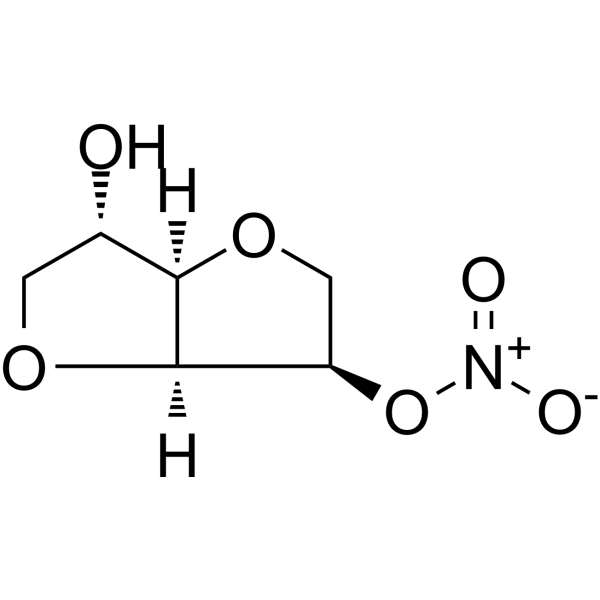
    Isosorbide mononitrate
    5 Publications Verification

    Isosorbide-5-mononitrate

    Autophagy Endogenous Metabolite Apoptosis Cardiovascular Disease Cancer
    Isosorbide mononitrate (Isosorbide-5-mononitrate) is an orally active nitric acid compound used for angina pectoris by dilating blood vessels and lowering blood pressure. Isosorbide mononitrate increases the viability and proliferation of HUVECs by decreasing Apoptosis and elevated the expressions of vedf, kdrl, pdgfr in zebrafish embryos. Isosorbide mononitrate is promising for research of heart failure and coronary heart disease .
    Isosorbide mononitrate
  • HY-108750
    Soybean oil
    1 Publications Verification

    VT 18 (oil); Vegetoil; Wesson

    Environmental Pollutants Cardiovascular Disease
    Soybean oil (VT 18 (oil); Vegetoil; Wesson) is an edible vegetable oil. Soybean oil reduces circulating blood cholesterol levels when it replaces dietary saturated fats. Soybean oil does not affect inflammatory biomarkers or increase oxidative stress. Soybean oil contains γ-tocopherol and δ-tocopherol, which possess antioxidant properties. Soybean oil can be used in research related to coronary heart disease .
    Soybean oil
  • HY-145581
    Mitiperstat
    1 Publications Verification

    AZD4831

    Glutathione Peroxidase Cytochrome P450 Cardiovascular Disease Inflammation/Immunology
    Mitiperstat (AZD4831) is an effective oral inhibitor of myeloperoxidase (MPO). Mitiperstat inhibits MPO and thyroid peroxidase (TPO) with IC50s of 1.5 nM and 0.69 μM. Mitiperstat exhibits a weak inhibitory activity against CYP3A4 with an IC50 of 6 μM. Mitiperstat can reduce inflammation and improve microvascular function, and it can be used in studies related to heart failure, preserved or mildly reduced ejection fraction, non-alcoholic fatty liver disease, and chronic obstructive pulmonary disease .
    Mitiperstat
  • HY-N5139
    Lecithins, egg
    1 Publications Verification

    Lecithins, egg yolk; Belovo PL 85

    Cholinesterase (ChE) Angiotensin-converting Enzyme (ACE) Bacterial Infection Neurological Disease Metabolic Disease Inflammation/Immunology
    Lecithins, egg (Lecithins, egg yolk; Belovo PL 85) is an orally active natural phospholipid mixture extracted from egg yolks . Lecithins, egg inhibits the activities of acetylcholinesterase (AChE) and angiotensin-converting enzyme (ACE). Lecithins, egg exhibits antibacterial, antioxidant and anti-inflammatory activities, and helps delay cellular senescence. Lecithins, egg enhances nerve conduction, improves memory and cognitive function, and exerts positive effects on delaying neurodegenerative diseases. Lecithins, egg promotes lipid absorption and alleviates diarrhea. Lecithins, egg acts as a high-efficiency drug carrier for the preparation of targeted drug delivery systems such as liposomes .
    Lecithins, egg
  • HY-N1179

    Apoptosis Cardiovascular Disease Neurological Disease
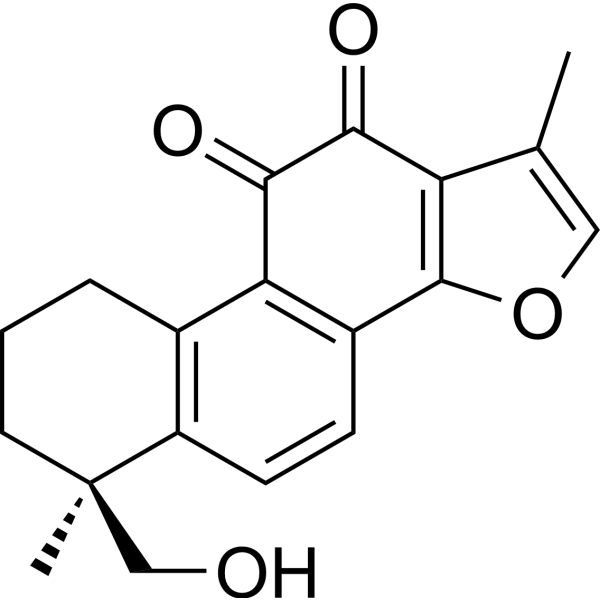
    Tanshinone IIB is a major active constituent of the roots of Salvia miltiorrhiza (Danshen) widely used for the research of stroke and coronary heart disease in Asian countries. Tanshinone IIB has a neuroprotective effect via inhibition of apoptosis .
    Tanshinone IIB
  • HY-126359

    SLPC; 18:0-18:2 PC

    Endogenous Metabolite Cardiovascular Disease Metabolic Disease
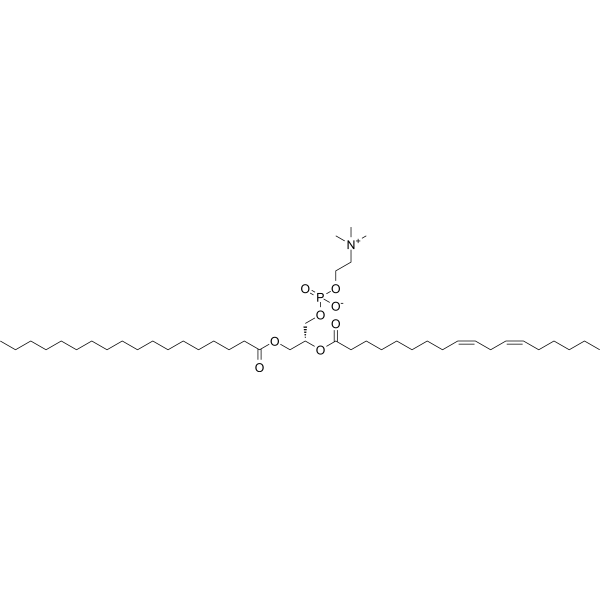
    1-Stearoyl-2-linoleoyl-sn-glycero-3-phosphocholine (SLPC; 18:0-18:2 PC) is an endogenous phospholipid marker molecule in the glycerophospholipid metabolic pathway. 1-Stearoyl-2-linoleoyl-sn-glycero-3-phosphocholine is a core component of the phospholipid bilayer of biological membranes and a key responsive lipid for radiation injury and cardiometabolic diseases. 1-Stearoyl-2-linoleoyl-sn-glycero-3-phosphocholine constitutes the phospholipid bilayers of cell membranes and high-density lipoprotein (HDL), and regulates the core activity of lipoprotein functional homeostasis. The content of 1-Stearoyl-2-linoleoyl-sn-glycero-3-phosphocholine in mouse serum shows a significant dose-dependent decrease with increasing ionizing radiation dose, and its level in human HDL also decreases significantly in metabolic syndrome. 1-Stearoyl-2-linoleoyl-sn-glycero-3-phosphocholine can serve as a biological dosimeter marker for ionizing radiation injury, and is used for rapid and accurate assessment of radiation absorbed dose in exposed individuals. 1-Stearoyl-2-linoleoyl-sn-glycero-3-phosphocholine can also act as a lipidomics research target for cardiometabolic diseases such as lipid metabolic syndrome and early-onset coronary heart disease .
    1-Stearoyl-2-linoleoyl-sn-glycero-3-phosphocholine
  • HY-W004284S1

    Endogenous Metabolite Cardiovascular Disease Metabolic Disease Cancer
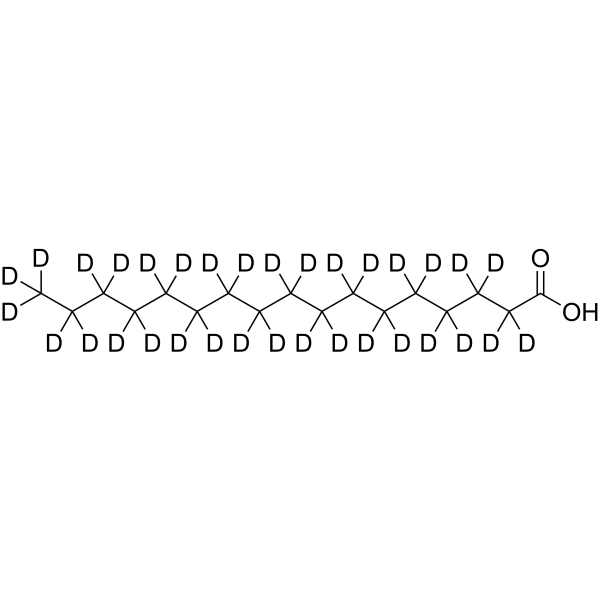
    Heptadecanoic acid-d33 is the deuterium labeled Heptadecanoic acid. Heptadecanoic acid is an odd chain saturated fatty acid (OCS-FA). Heptadecanoic acid is associated with several diseases, including the incidence of coronary heart disease, prediabetes and type 2 diabetes as well as multiple sclerosis .
    Heptadecanoic acid-d33
  • HY-W004284S

    Isotope-Labeled Compounds Endogenous Metabolite Cardiovascular Disease Metabolic Disease Cancer
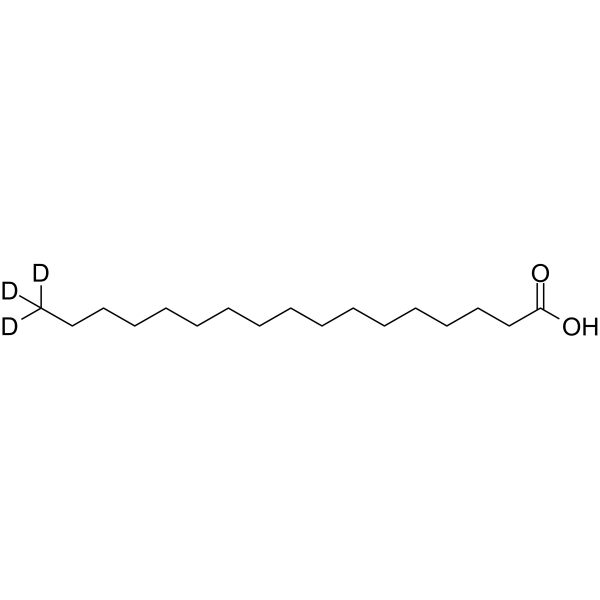
    Heptadecanoic acid-d3 is the deuterium labeled Heptadecanoic acid. Heptadecanoic acid is an odd chain saturated fatty acid (OCS-FA). Heptadecanoic acid is associated with several diseases, including the incidence of coronary heart disease, prediabetes and type 2 diabetes as well as multiple sclerosis .
    Heptadecanoic acid-d3
  • HY-N2509

    Iristectrigenin B

    LXR Cardiovascular Disease
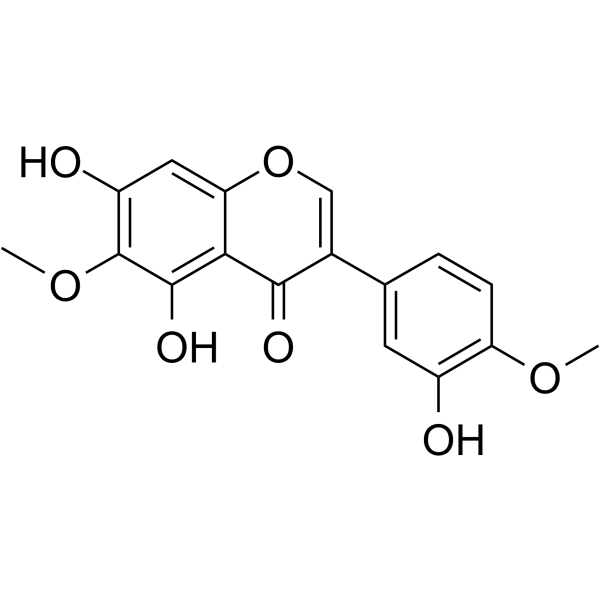
    Iristectorigenin B (Iristectrigenin B) is a liver X receptor (LXR) modulator. Iristectrigenin B stimulates the transcriptional activity of both LXR-α and LXR-β .
    Iristectorigenin B
  • HY-117970

    MMP Cardiovascular Disease
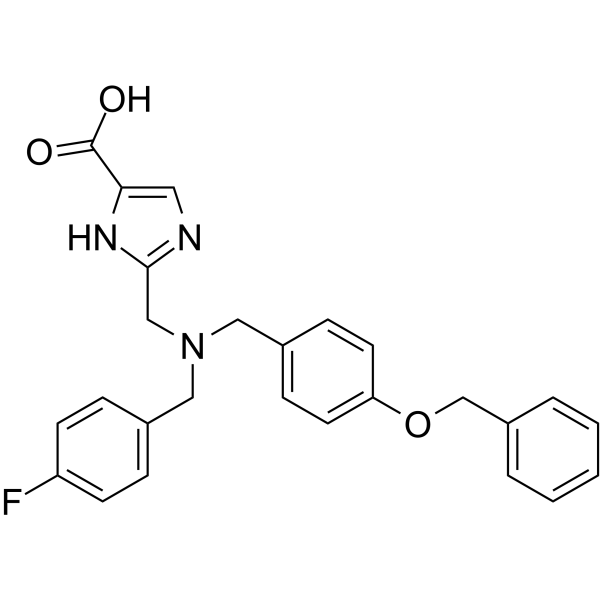
    MMPI-1154 is a promising novel cardio-cytoprotective imidazole-carboxylic acid (ICA) MMP-2 inhibitor(IC50=6.6 μM) and can be used for the study of acute myocardial infarction. MMPI-1154 also inhibits the activity of MMP-13, MMP-1 and MMP-9 with IC50s of 1.8 μM,10 μM, and 13 μM, respectively .
    MMPI-1154
  • HY-W004284R

    Reference Standards Apoptosis PI3K Akt Cardiovascular Disease Metabolic Disease Cancer
    Heptadecanoic acid (Standard) is the analytical standard of Heptadecanoic acid. This product is intended for research and analytical applications. Heptadecanoic acid is an odd-chain saturated fatty acid (OCS-FA) with oral activity. Heptadecanoic acid can inhibit cell proliferation and induce Apoptosis. Heptadecanoic acid has antitumor activity. Heptadecanoic acid is associated with a number of diseases, including coronary heart disease, pre-diabetes and type 2 diabetes, and multiple sclerosis[1].
    Heptadecanoic acid (Standard)
  • HY-N8598

    Others Cardiovascular Disease
    Caulophine is a fluoroketone alkaloid isolated from Caulophyllum robustum MAXIM. Caulophine has antioxidant activity and the ability to protect cardiomyocytes from oxidative and ischemic damage, providing potential value for coronary heart disease research .
    Caulophine
  • HY-P1536

    Protease Activated Receptor (PAR) Cardiovascular Disease
    Thrombin Receptor Activator for Peptide 5 (TRAP-5) is also called Coagulation Factor II Receptor (1-5) or Proteinase Activated Receptor 1 (1-5), used in the research of coronary heart disease (CHD).
    Thrombin Receptor Activator for Peptide 5 (TRAP-5)
  • HY-105362

    Endothelin Receptor Cardiovascular Disease
    PD 155080 is a selective endothelin A receptor (ETA receptor) antagonist. PD 155080 reduces coronary resistance in the isolated rat heart model. PD 155080 improves myocardial systolic function and diastolic function in the ischemia/reperfusion model. PD 155080 can be used for the study of cardiovascular diseases .
    PD 155080
  • HY-135373

    Drug Metabolite Metabolic Disease Inflammation/Immunology
    Desfluoro-atorvastatin is an impurity of Atorvastatin . Atorvastatin is an orally active 3-hydroxy-3-methylglutaryl coenzyme A (HMG-CoA) reductase inhibitor, has the ability to effectively decrease blood lipids .
    Desfluoro-atorvastatin
  • HY-100418
    SKA-111
    1 Publications Verification

    Potassium Channel Cardiovascular Disease
    SKA-111 is a selective activator of potassium phannel KCa 3.1 , evokes KCa 3.1 membrane hyperpolarization in porcine endothelial cell. SKA-111 is capable of improving Bradykinin (HY-P0206)-induced coronary dilations in the isolated rat heart and can be used for cardiovascular disease research .
    SKA-111
  • HY-N4192

    Others Cardiovascular Disease Cancer
    Toringin, a bioflavonoid, is isolated from the bark of Docyniopsis tschonoski. Toringin progressively decreases not only the cis-effect of the expanded CTG repeats but cytotoxicity as well. Exposure to isosakuranetin, Toringin rescues PC12 neuronal cells. Flavonoids are efficacious for ameliorating the RNA gain of function caused by expanded CTG repeats, and have various biological activities and beneficial actions against cancers, coronary heart disease, among other pathologies .
    Toringin
  • HY-101390D

    Calcium Channel Cardiovascular Disease
    (R)-Niguldipine, a R-epimer of Niguldipine (HY-101390B), is a calcium channel antagonist. (R)-Niguldipine exerts a vasodilatory effect by blocking calcium channels and reducing the transmembrane influx of calcium ions. (R)-Niguldipine can inhibit U-46619 (HY-108566)-induced coronary artery contraction in guinea pig Langendorff hearts (pID50 of 9.93), has high affinity for calcium channel binding sites on guinea pig skeletal muscle membranes (Ki of 8.10), and lowers blood pressure in spontaneously hypertensive rats (pED30 of 5.55). (R)-Niguldipine can improve cardiovascular diseases such as hypertension, angina pectoris, and arrhythmias .
    (R)-Niguldipine
  • HY-176333

    Adrenergic Receptor Cardiovascular Disease Endocrinology
    Nebivolol O-β-D-glucuronide is a derivative of Nebivolol (HY-B0203). Nebivolol is an orally active beta receptor blocker and has the high beta(1)-receptor affinity. Nebivolol has direct vasodilator properties and adrenergic blocking characteristics. Nebivolol can be used for the research of kinds of diseases such as hypertension, coronary artery disease, congestive heart failure and ischemic heart disease .
    Nebivolol O-β-D-glucuronide
  • HY-132303

    CETP Cardiovascular Disease Metabolic Disease
    MK-8262 is an orally active and potent cholesteryl ester transfer protein (CETP) inhibitor with an IC50 of 53 nM and a log D of 5.3. MK-8262, a bistrifluoromethyl analogue, has the potential for coronary heart disease (CHD) correlated high-density lipoprotein (HDL) and low-density lipoprotein (LDL) research .
    MK-8262
  • HY-B0203AR

    R 065824 hydrochloride (Standard)

    Reference Standards Adrenergic Receptor Cardiovascular Disease Endocrinology
    Nebivolol (hydrochloride) (Standard) is the analytical standard of Nebivolol (hydrochloride). This product is intended for research and analytical applications. Nebivolol (R 065824) hydrochloride is an orally active beta receptor blocker and has the high beta(1)-receptor affinity.Nebivolol hydrochloride has direct vasodilator properties and adrenergic blocking characteristics. Nebivolol hydrochloride can be used for the research of kinds of diseases such as hypertension, coronary artery disease, congestive heart failure and ischemic heart disease .
    Nebivolol hydrochloride (Standard)
  • HY-B0130S

    Isotope-Labeled Compounds Angiotensin-converting Enzyme (ACE) Cardiovascular Disease Cancer
    Perindopril-d4 t-butylamine salt is the deuterium labeled Perindopril t-butylamine salt. Perindopril t-butylamine salt is a long-acting ACE inhibitor of which is used to treat high blood pressure, heart failure or stable coronary artery disease .
    Perindopril-d4 erbumine
  • HY-125324

    Endogenous Metabolite Cardiovascular Disease
    Squalestatin 3 is a secondary metabolite, which can be isolated from Phoma. Squalestatin 3 is an inhibitor for squalene synthase with an IC50 of 6 nM .
    Squalestatin 3
  • HY-106239

    KB 944

    Calcium Channel Cardiovascular Disease
    Fostedil (KB 944) is a calcium antagonist that can be used in the research of heart diseases such as angina pectoris .
    Fostedil
  • HY-169254

    Phospholipase Metabolic Disease
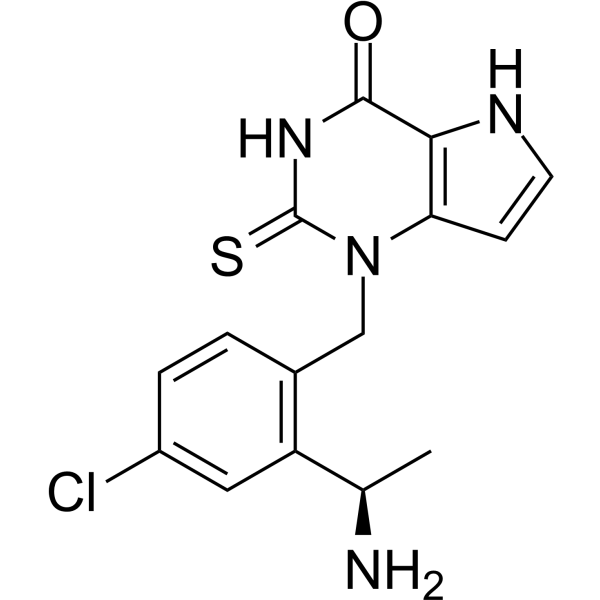
    sPLA2 inhibitor 2 (compound 6a) is a sPLA2 inhibitor, with IC50 of 0.0475 μM. sPLA2 inhibitor 2 can be used in diabetes research .
    sPLA2 inhibitor 2
  • HY-170774

    Apoptosis Reactive Oxygen Species (ROS) Cardiovascular Disease
    Hypoxia inducer-1 (Compound N6) is an orally active hypoxia activated nitric oxide (NO) donor compound. Hypoxia inducer-1 exhibits highly selective NO release under hypoxic conditions and inhibits hypoxia-induced apoptosis, necrosis, and the increase in ROS levels. Hypoxia inducer-1 regulates vascular dilation and has a protective effect in a mouse model of myocardial hypoxia injury. Hypoxia inducer-1 can be used in the research of coronary heart disease .
    Hypoxia inducer-1
  • HY-101390A

    (R)-Niguldipine hydrochloride

    Calcium Channel Cardiovascular Disease
    (-)-Niguldipine ((R)-Niguldipine) hydrochloride is a calcium channel antagonist. (-)-Niguldipine hydrochloride exerts a vasodilatory effect by blocking calcium channels and reducing the transmembrane influx of calcium ions. (-)-Niguldipine can inhibit U-46619 (HY-108566)-induced coronary artery contraction in guinea pig Langendorff hearts (pID50 of 9.93), has high affinity for calcium channel binding sites on guinea pig skeletal muscle membranes (Ki of 8.10), and lowers blood pressure in spontaneously hypertensive rats (pED30 of 5.55). (-)-Niguldipine hydrochloride can improve cardiovascular diseases such as hypertension, angina pectoris, and arrhythmias .
    (-)-Niguldipine hydrochloride
  • HY-44809A

    HIF/HIF Prolyl-Hydroxylase Bacterial Cardiovascular Disease Infection Inflammation/Immunology
    Izilendustat hydrochloride is a potent prolyl hydroxylase inhibitor. Izilendustat hydrochloride competitively inhibits HIFPH2 activity, blocks HIF-1α degradation, stabilizes HIF-1α and HIF-2α proteins, and upregulates downstream target gene expression. Izilendustat hydrochloride can reduce intestinal inflammation and damage, enhance the ability of phagocytes to clear pathogens, and improve ischemia-related pathological phenotypes. Izilendustat hydrochloride can be used for the research of inflammatory bowel disease, ischemic vascular disease and anemia .
    Izilendustat hydrochloride
  • HY-116295

    P2Y Receptor p38 MAPK Calcium Channel Cardiovascular Disease
    MRS2690 is a selective P2Y14 receptor agonist. MRS2690 inhibits adenylyl cyclase activity, thereby reducing intracellular cAMP levels and mediating concentration-dependent vasoconstriction of porcine coronary arteries. MRS2690 induces intracellular calcium mobilization, activates P38 and stimulates [ 35S]GTPγS binding to RBL-2H3 cell membranes. MRS2690 enhances antigen (NP-BSA)-, C3a-induced β-hexosaminidase (β-Hex) release. MRS2690can be used for ischemic heart disease .
    MRS2690
  • HY-116295A

    P2Y Receptor p38 MAPK Calcium Channel Cardiovascular Disease
    MRS2690 disodium is a selective P2Y14 receptor agonist. MRS2690 disodium inhibits adenylyl cyclase activity, thereby reducing intracellular cAMP levels and mediating concentration-dependent vasoconstriction of porcine coronary arteries. MRS2690 disodium induces intracellular calcium mobilization, activates P38 and stimulates [ 35S]GTPγS binding to RBL-2H3 cell membranes. MRS2690 enhances antigen (NP-BSA)-, C3a-induced β-hexosaminidase (β-Hex) release. MRS2690 disodium can be used for ischemic heart disease .
    MRS2690 disodium
  • HY-106458

    Bay a 7168

    Calcium Channel Cardiovascular Disease
    Niludipine (Bay a 7168) is an orally active calcium channel blocker and vasodilator with antihypertensive effects. Niludipine can improve early fatal ventricular arrhythmias induced by acute myocardial ischemia in rats. Niludipine can reduce left ventricular systolic and diastolic loads during pacing-induced angina pectoris. Niludipine can be used in the research of cardiovascular diseases such as coronary heart disease and myocardial ischemia .
    Niludipine
  • HY-W032902

    Drug Derivative Cardiovascular Disease
    4-Amino-N-methylphthalimide (Compound 13) is an angiogenesis regulator and Thalidomide (HY-14658) derivative. 4-Amino-N-methylphthalimide exerts a bidirectional regulatory (inhibitory or promotive) effect on the proliferation of vascular endothelial cells. 4-Amino-N-methylphthalimide is applicable to the research of coronary heart disease .
    4-Amino-N-methylphthalimide
  • HY-120433

    Scavenger Receptor Class B type I (SR-BI) Inflammation/Immunology
    BLT-3 is an inhibitor of scavenger receptor class B type I (SR-BI) that exerts reversible, non-cell-type-specific inhibitory effects on SR-BI-mediated lipid transport. BLT-3 inhibits SR-BI-mediated selective lipid uptake from HDL as well as cholesterol efflux from cells to HDL. BLT-3 enhances the binding of HDL to SR-BI. BLT-3 is applicable to research related to atherosclerosis and coronary heart disease .
    BLT-3
  • HY-133941

    2,3-Dinor-6-keto-PGF1α

    Drug Metabolite Cardiovascular Disease
    2,3-Dinor-6-keto-prostaglandin F1α (2,3-Dinor-6-keto-PGF1α) is the major urinary metabolite of Prostaglandin I2 (HY-A0126A). 2,3-Dinor-6-keto-prostaglandin F1α is applicable to the research of coronary heart disease .
    2,3-Dinor-6-keto-prostaglandin F1α
  • HY-171241

    Drug Derivative Cardiovascular Disease
    Imolamine is a potent antiplatelet aggregation agent, is a phenyl aminoxidiazole derivative. Imolamine has the potential for the research of coronary heart disease .
    Imolamine
  • HY-173551

    Drug Derivative Cardiovascular Disease
    Oleic Acid-biotin is a derivative of Oleic Acid (HY-N1446). Oleic Acid can be used in the research of thrombosis-related diseases .
    Oleic Acid-biotin
  • HY-118991

    Adenosine Receptor Cardiovascular Disease
    KT-1 is a vasodilator. KT 1 can decrease aortic pressure, renal blood flow, left ventricular enddiastolic pressure and resistances of total peripheral, vertebral, coronary and renal vasculatures and increase aortic blood flow, vertebral blood flow, coronary blood flow, peak positive left ventricular dP/dt and heart rate in anesthetized open-chest dogs. KT-1 can be used for the research of cardiovascular disease .
    KT-1
  • HY-180344

    Biochemical Assay Reagents Cardiovascular Disease
    Flurpiridaz is a positron emission tomography (PET) myocardial perfusion imaging tracer. Flurpiridaz can bind to mitochondrial complex I with high affinity. Flurpiridaz demonstrates high heart uptake in multiple species with clear delineation of perfusion deficits. Flurpiridaz shows rapid uptake in the myocardium. Flurpiridaz can be studied in research on coronary artery disease .
    Flurpiridaz
  • HY-182583

    Platelet-activating Factor Receptor (PAFR) Cardiovascular Disease
    PAF antagonist-1 is a platelet activating factor (PAF) receptor antagonist with a target Ki of 69 nM. PAF antagonist-1 inhibits PAF binding and displays enhanced affinity at A1, A2 a, and A3 adenosine receptor subtypes compared to related dihydropyridine analogs with smaller ester groups. PAF antagonist-1 can be used for cardiovascular disorders, especially hypertension and coronary heart disease .
    PAF antagonist-1

Consulta en línea

Your information is safe with us. * Required Fields.

Saludo


Country or Region *

Nombre del solicitante *


Nombre de la Organizaciòn *

Department *


Direcciòn del E-mail *


Nombre del producto *

Cat. No.


Requested quantity *

Número de teléfono *


Observaciones

Consulta en línea

Inquiry Information

Nombre del producto:
Cat. No.:
Cantidad:
MCE Japan Authorized Agent:

