

Search Result
Results for "
endothelial cell membrane
" in MedChemExpress (MCE) Product Catalog:
6
Biochemical Assay Reagents
| Cat. No. |
Product Name |
Target |
Research Areas |
Chemical Structure |
-
- HY-P5423
-
|
|
Exosomes
Liposome
|
Cancer
|
|
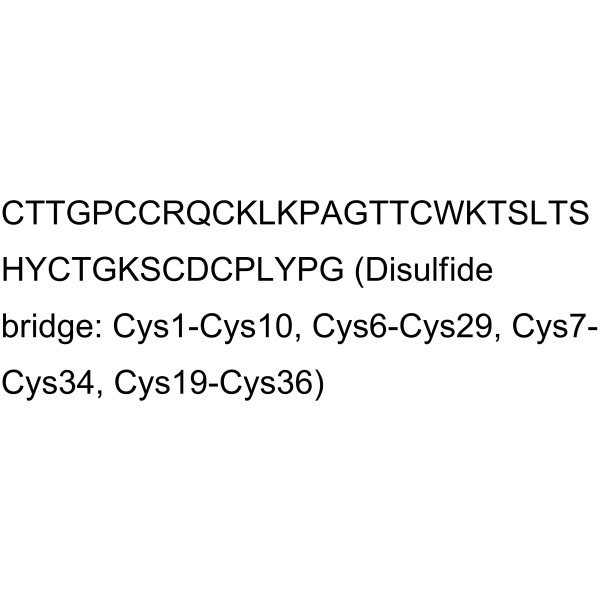
GALA is a pH-responsive amphipathic peptide consisting of 30 amino acids, which acts as a lung endothelium-targeting ligand. GALA undergoes a conformational transition from random coil to α-helix in an acidic environment at pH 5.0, thereby inducing endosomal membrane destabilization and fusion. GALA-modified liposomes traverse lung endothelial cells via clathrin-dependent endocytosis and transcytosis, and specifically accumulate in the lungs after intravenous injection. GALA significantly promotes the cytosolic release of cargos carried by exosomes, plasmids and liposomes, effectively enhances gene transfection efficiency, and drives gene knockdown of functional macromolecules (such as siRNA) in alveolar epithelial cells (with no significant cytotoxicity at effective concentrations). GALA serves as a critical tool for studies on lung cancer metastasis (e.g., melanoma lung metastasis) and lung-targeted drug delivery systems .
|
-
-
- HY-N5074
-
|
|
Apoptosis
VEGFR
|
Inflammation/Immunology
Cancer
|
|
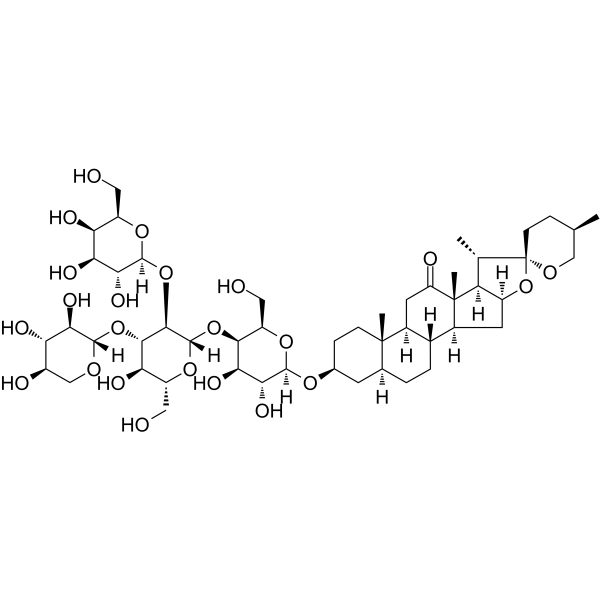
Terrestrosin D is an orally active apoptosis inducer. Terrestrosin D induces cell cycle arrest at the G1 and S phases, reduces mitochondrial membrane potential, and inhibits the growth of cancer cells and endothelial cells. Terrestrosin D is studied in castration-resistant prostate cancer and pulmonary fibrosis .
|
-
-
- HY-NP181
-
|
|
Biochemical Assay Reagents
|
Others
|
|
Testosterone/BSA, a conjugate of Testosterone (HY-113415) and bovine serum albumin (BSA), acts as a nuclear transporter and cytoplasmic accumulator. Testosterone/BSA can enter the nuclei of rat testicular spermatocytes, spermatids and rat liver endothelial cells, while the antigenicity of BSA remains intact. Testosterone/BSA accumulates in the cytoplasm of rat hepatocytes in granular form. Testosterone/BSA can be used to investigate the membrane-initiated or non-genomic activities of steroid hormones .
|
-
-
- HY-N0859
-
|
Schizanhenol; Gomisin-K3
|
UGT
Cholinesterase (ChE)
Tau Protein
SOD
Sirtuin
|
Neurological Disease
Inflammation/Immunology
Cancer
|
|
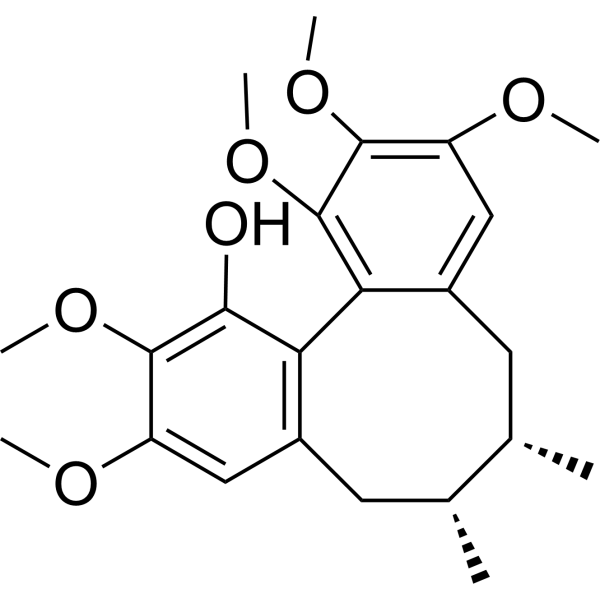
Schisanhenol (Schizanhenol), a lignan, is an orally active antioxidant. Schisanhenol reduces AChE activity, increases SIRT1 and PGC-1α expression, and decreases phosphorylated Tau (Ser 396) levels. Schisanhenol increases SOD and glutathione peroxidase activity, decreases malondialdehyde (MDA) content, and inhibits UGT2B7 activitY. Schisanhenol attenuates ox-LDL-induced apoptosis, intracellular reactive oxygen species generation, and cytotoxicity in endothelial cells. Schisanhenol inhibits LDL oxidation, brain mitochondrial and membrane peroxidative damage, and brain mitochondrial swelling and disintegration. Schisanhenol can be used for the research of Alzheimer’s disease, atherosclerosis, brain ischemia, and age-related brain deterioration .
|
-
-
- HY-P1408
-
|
|
Integrin
VEGFR
|
Cancer
|
|
Obtustatin is a non-RGD disintegrin consisting of 41 residues. Obtustatin inhibits the adhesion of α1β1 integrin to type IV Collagen (HY-NP003), blocks α1β1 integrin signaling in endothelial cells, and suppresses FGF2-induced angiogenesis. Obtustatin inhibits tumor progression in mouse models and upregulates VEGF expression in sarcoma-bearing mice. Obtustatin can be used in research related to Lewis lung carcinoma and S-180 sarcoma .
|
-
-
- HY-D1635
-
|
Biotin-XX-SSE
|
Fluorescent Dye
Exosomes
|
Infection
|
|
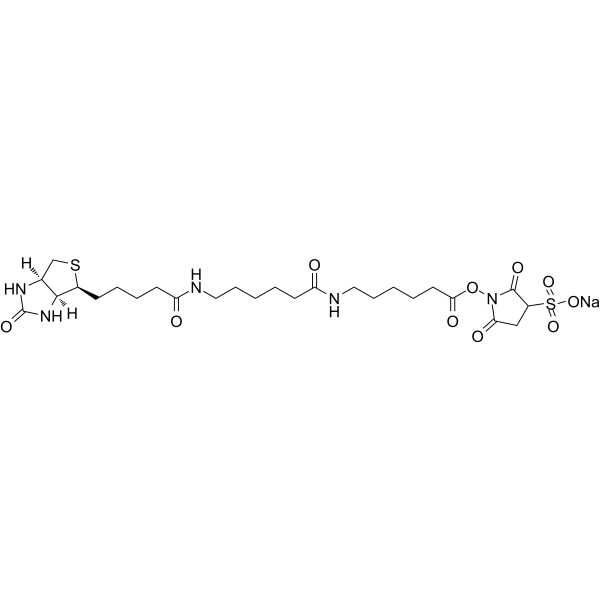
Sulfo-NHS-LC-LC-Biotin (Biotin-XX-SSE), a biotin reagent, is used to label the proteins exposed to the external leaflet of intact exosomes and contains a larger spacer arm between the biotin and amine reactive linker. The size of this linker helps to overcome steric hindrance and increases labeling efficiency at the crowded exosome surface .
|
-
-
- HY-W002199
-
|
6:2 FTOH; 1H,1H,2H,2H-Perfluoro-1-octanol; 2-(Perfluorohexyl)ethanol
|
Bacterial
Apoptosis
ERK
TNF Receptor
|
Infection
Neurological Disease
|
|
6:2 Fluorotelomer alcohol (6:2 FTOH) is an orally active, blood-brain barrier-permeable modulator of cyclin D1 and ETS1. 6:2 Fluorotelomer alcohol downregulates cyclin D1 expression, upregulates ETS1 via the TNF-α/ERK 1/2 pathway, impairs mitochondrial membrane potential and respiratory function, increases reactive oxygen species levels, disrupts calcium homeostasis and activates endoplasmic reticulum stress markers, and induces cell proliferation inhibition and endothelial-mesenchymal transition. Furthermore, 6:2 Fluorotelomer alcohol induces morphological abnormalities in zebrafish embryos and liver developmental damage, while disrupting the brain immune microenvironment in mice, causing systemic toxicity and delayed pup maturation in CD-1 mice. 6:2 Fluorotelomer alcohol also induces cortical neuron apoptosis, glial cell activation, synaptic abnormalities, colonic barrier damage, intestinal dysbiosis and autism spectrum disorder-like symptoms in mice. 6:2 Fluorotelomer alcohol shows no mutagenic, clastogenic, primary skin/eye irritation or skin sensitizing effects, exhibits no selective reproductive toxicity in CD-1 mice, and is classified as GHS Category 4 for acute oral toxicity. 6:2 Fluorotelomer alcohol can be used in studies of neurodevelopmental disorders and autism spectrum disorders .
|
-
-
- HY-W195048
-
|
|
Biochemical Assay Reagents
|
Cancer
|
|
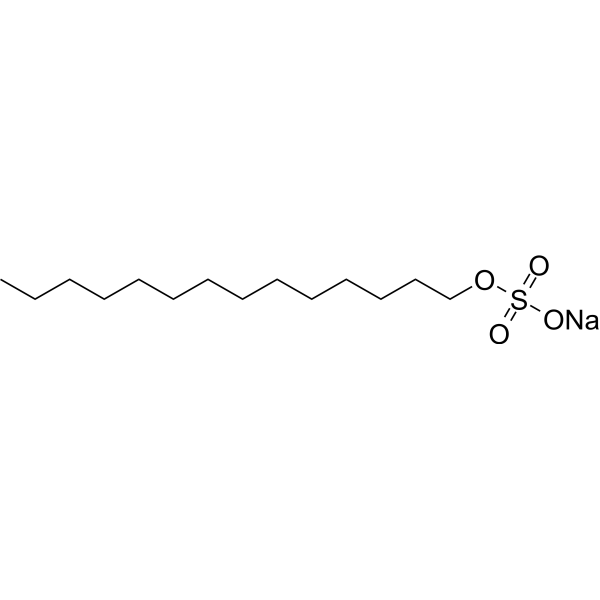
Tetradecyl sulfate sodium is an anionic detergent sclerosant. Tetradecyl sulfate sodium disturbs phospholipid cell membranes, causing membrane solubilization and cell lysis at high concentrations, and creates endothelial cell membrane negative charge to induce coagulation, thrombotic occlusion, fibrosis, and vessel ablation at lower concentrations. Tetradecyl sulfate (sodium) can be used for the research of hemangioma, Kaposi sarcoma, lymphangioma circumscriptum .
|
-
-
- HY-158082B
-
|
Tetramethyl rhodamine isothiocyanate glucan, MW 40000
|
Fluorescent Dye
|
Others
|
|
TRITC-dextran (Tetramethyl rhodamine isothiocyanate glucan), MW 40000 is a TRITC (HY-D0791)-labeled neutral 40 kDa fluorescent polysaccharide probe. TRITC-dextran, MW 40000 forms a membrane layer on the surface of protocells composed of protamine/folate condensates, and is used to assess membrane fluidity via fluorescence recovery after photobleaching. TRITC-dextran, MW 40000 can also be used to evaluate the anti-bacterial invasion ability and colloidal stability of coated condensates, as well as analyze the permeability of vascular and lymphatic endothelial cell layers .
|
-
-
- HY-P11292
-
|
|
Calcium Channel
|
Cardiovascular Disease
|
|
Caloxin 1b3, a peptide, is a selective plasma membrane Ca 2+ pump 1 (PMCA1) inhibitor. Caloxin 1b3 significantly inhibits PMCA1 Ca 2+–Mg 2+-ATPase in the rabbit duodenal mucosa than the PMCA4 in the human erythrocyte ghosts. Caloxin 1b3 also increases cytosolic Ca 2+ concentration in endothelial cells. Caloxin 1b3 can be used for cardiovascular disorders research .
|
-
-
- HY-124314
-
|
|
MAGL
DAGL
|
Metabolic Disease
|
|
LEI-106 is a dual ABHD6 and DAGL-α inhibitor, with a Ki of 0.8 μM for ABHD6, and an IC50 of 18 nM and a Ki of 0.7 μM for DAGL-α. LEI-106 blocks the synthesis of 2-arachidonoylglycerol, reduces the level of endothelial cell-derived 2-arachidonoylglycerol, without altering the levels of cannabinoids and diacylglycerol. LEI-106 is applicable to research related to diet-induced obesity and metabolic syndrome .
|
-
-
- HY-W008956
-
-
-
- HY-W023144
-
-
-
- HY-15778A
-
-
-
- HY-W100959
-
|
Tetramethylquinone
|
Drug Derivative
|
Others
|
|
Duroquinone (Tetramethylquinone) is a model compound of amphiphilic quinone, which can be used as an oxidative-reductive activity probe. Duroquinone can be easily reduced by biological systems to hydrogen peroxide (DQH₂) or semi-quinone free radicals (DQ•⁻). Duroquinone can freely pass through the cell membrane, facilitating the study of the electron transfer process inside and outside the cells. Duroquinone can be used to investigate the relationship between metabolism in the pulmonary circulation and endothelial cells .
|
-
-
- HY-P990189
-
|
|
MHC
Apoptosis
Reactive Oxygen Species (ROS)
|
Infection
Cancer
|
|
Anti-Monkey/Human MHC class II (HLA-DR) Antibody (L243) is a mouse-derived IgG2a κ type antibody inhibitor, targeting to monkey/human MHC class II. Anti-Monkey/Human MHC class II (HLA-DR) Antibody (L243) can inhibits tumor cells proliferation and induce apoptosis. Anti-Monkey/Human MHC class II (HLA-DR) Antibody (L243) increases cellular reactive oxygen species (ROS) and loss of mitochondrial membrane potential in human endothelial cells. Anti-Monkey/Human MHC class II (HLA-DR) Antibody (L243) can be used for the researches of cancer and infection, such as lymphoma .
|
-
-
- HY-131688
-
|
|
PARP
Caspase
|
Inflammation/Immunology
|
|
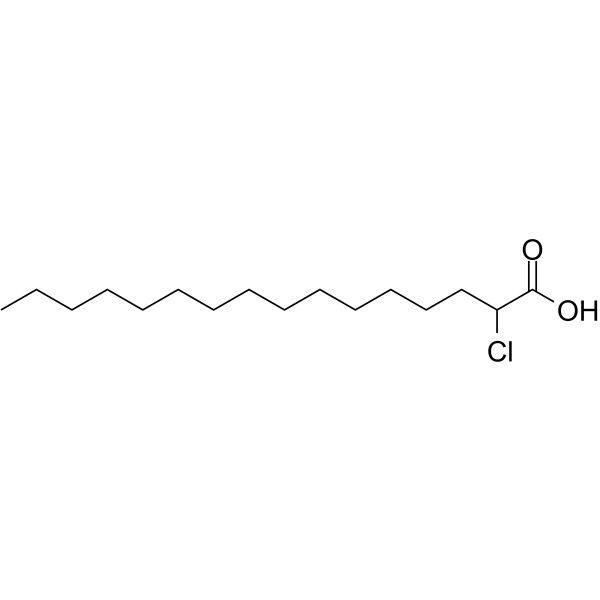
2-Chlorohexadecanoic acid, an inflammatory lipid mediator, interferes with protein palmitoylation,induces ER-stress markers, reduced the ER ATP content, and activates transcription and secretion of IL-6 as well as IL-8.2-Chlorohexadecanoic acid disrupts the mitochondrial membrane potential and induces procaspase-3 and PARP cleavage.2-Chlorohexadecanoic acid can across blood-brain barrier (BBB) and compromises ER- and mitochondrial functions in the human brain endothelial cell line hCMEC/D3 .
|
-
-
- HY-W195048R
-
|
|
Biochemical Assay Reagents
Reference Standards
|
Cardiovascular Disease
|
|
Tetradecyl sulfate sodium (Standard) is an analytical standard of tetradecyl sulfate sodium. This product is intended for research and analytical applications. Tetradecyl sulfate sodium is an anionic detergent sclerosant. Tetradecyl sulfate sodium disturbs phospholipid cell membranes, causing membrane solubilization and cell lysis at high concentrations, and creates endothelial cell membrane negative charge to induce coagulation, thrombotic occlusion, fibrosis, and vessel ablation at lower concentrations. Tetradecyl sulfate (sodium) can be used for the research of hemangioma, Kaposi sarcoma, lymphangioma circumscriptum .
|
-
-
- HY-142444
-
|
|
VAP-1
|
Metabolic Disease
|
|
SSAO/VAP-1 inhibitor 1 is a potent inhibitor of SSAO/VAP-1. SSAO/VAP-1 promotes the transfer of Glucose transport 4 (GLUT 4) from adipocytes to the cell membrane, thereby regulating glucose transport. In endothelial cells, SSAO/VAP-1 can mediate the adhesion and exudation of leukocytes and endothelial cells, and participate in inflammatory responses. SSAO/VAP-1 inhibitor 1 has the potential for the research of inflammation and/or inflammation-related disease or diabetes and/or diabetes-related disease (extracted from patent WO2021102774A1, compound E3) .
|
-
-
- HY-100418
-
SKA-111
1 Publications Verification
|
Potassium Channel
|
Cardiovascular Disease
|
|
SKA-111 is a selective activator of potassium phannel KCa 3.1 , evokes KCa 3.1 membrane hyperpolarization in porcine endothelial cell. SKA-111 is capable of improving Bradykinin (HY-P0206)-induced coronary dilations in the isolated rat heart and can be used for cardiovascular disease research .
|
-
-
- HY-P11313
-
|
Rat chromogranin A367–387
|
nAChR
Akt
|
Cardiovascular Disease
|
|
Catestatin (rat) (Rat chromogranin A367–387) is a potent, reversible, noncompetitive, and noncooperative nicotinic cholinergic antagonist derived from chromogranin A (A367-387). Catestatin (rat) inhibits norepinephrine release in rat PC12 pheochromocytoma cells (IC50 = 1.2 μM), and blocks desensitization of norepinephrine release (IC50 = 0.62 μM). Catestatin (rat) exerts antiadrenergic effects through the endothelial PI3K-AKT-eNOS pathway in rat papillary muscles and isolated cardiomyocytes. Catestatin (rat) maintains mitochondrial membrane potential in I/R cardiomyocytes and increases phosphorylation of AKT at S473, GSK3β at S9, PLB at T17, and eNOS at S1179. Catestatin (rat) reverses desensitization of 22Na + uptake. Catestatin (rat) can be used for the study of nicotinic cholinergic receptor regulation and catecholamine release control mechanisms .
|
-
-
- HY-113884
-
|
13(R)-HODE
|
Endogenous Metabolite
|
Metabolic Disease
|
|
13(R)-HODE is the opposite enantiomer of the 13(S)-HODE produced when linoleic acid is incubated with soybean lipoxygenase. The presence of 13(R)-HODE in the supernatants and membranes of cultured bovine endothelial cells has been attributed to COX metabolism.1 13(R)-HODE is a weak (IC50=2.7 μM) inhibitor of U-46619-induced platelet aggregation.
|
-
-
- HY-175512
-
|
|
Microtubule/Tubulin
Apoptosis
Reactive Oxygen Species (ROS)
|
Cancer
|
|
Tubulin-IN-53 is a potent Tubulin inhibitor with an IC50 of 6.06 μM. Tubulin-IN-53 inhibits the polymerization of tubulin by targeting the colchicine binding site of tubulin and destroys the microtubule network. Tubulin-IN-53 induces MCF-7 cell cycle arrest in the G2/M phase and apoptosis, and inhibits cell migration accompanied by the decrease of mitochondrial membrane potential and increase the accumulation of ROS. Tubulin-IN-53 destroys the angiogenesis of human umbilical vein endothelial cells.Tubulin-IN-53 can used for the study of cancers such as breast cancer and lung cancer .
|
-
-
- HY-N0859R
-
|
Schizanhenol (Standard); Gomisin-K3 (Standard)
|
UGT
Reference Standards
Cholinesterase (ChE)
Tau Protein
SOD
Sirtuin
|
Neurological Disease
Inflammation/Immunology
Cancer
|
|
Schisanhenol (Standard) (Schizanhenol (Standard)) is the analytical standard of Schisanhenol (HY-N0859). This product is intended for research and analytical applications. Schisanhenol, a lignan, is an orally active antioxidant. Schisanhenol reduces AChE activity, increases SIRT1 and PGC-1α expression, and decreases phosphorylated Tau (Ser 396) levels. Schisanhenol increases SOD and glutathione peroxidase activity, decreases malondialdehyde (MDA) content, and inhibits UGT2B7 activitY. Schisanhenol attenuates ox-LDL-induced apoptosis, intracellular reactive oxygen species generation, and cytotoxicity in endothelial cells. Schisanhenol inhibits LDL oxidation, brain mitochondrial and membrane peroxidative damage, and brain mitochondrial swelling and disintegration. Schisanhenol can be used for the research of Alzheimer’s disease, atherosclerosis, brain ischemia, and age-related brain deterioration.
|
-
-
- HY-D3419
-
|
|
Fluorescent Dye
|
Neurological Disease
|
|
Neuro-DiO 4-chlorobenzenesulfonate is a hydrophobic C18 alkyl chain carbocyanine dye with green fluorescence, commonly used as a vascular marker, cell internalizer and deposition agent. Neuro-DiO 4-chlorobenzenesulfonate inserts its alkyl chain into the endothelial plasma membrane via liposome-mediated perfusion to achieve vascular labeling. Neuro-DiO chlorobenzenesulfonate can also stain the cell membrane and cytoplasm of cancer cells to assist in confocal microscopy observations. Neuro-DiO chlorobenzenesulfonate can be released from nanosponges and accumulate on the surface of mouse retina, then internalize into retinal ganglion cells, which is applicable to researches related to glaucoma and other diseases. It should be noted that during liposome-mediated vascular staining in mice, Neuro-DiO 4-chlorobenzenesulfonate may cause leakage of airway lavage fluid .
|
-
-
- HY-P992372
-
|
|
Drug Derivative
Transmembrane Glycoprotein
|
Cancer
|
|
huAA98 is a humanized monoclonal antibody and also a CD146 inhibitor. huAA98 binds to human CD146, regulates its activity and inhibits cancer-related angiogenesis, as well as tube formation, motility, proliferation and migration of endothelial cells. huAA98 inhibits angiogenesis in the chick chorioallantoic membrane assay and reduces microvessel density in human tumor xenograft models. huAA98 shows immunoreactivity only to neovascular vessels within tumors and inhibits the growth of tumor xenograft models. huAA98 can be used in studies related to cancer-related angiogenesis, liver cancer, leiomyosarcoma and pancreatic cancer .
|
-
-
- HY-138008
-
|
|
Microtubule/Tubulin
Apoptosis
|
Cancer
|
|
WX-132-18B is a tubulin inhibitor with an IC50 of 0.45-0.99 nM. WX-132-18B selectively binds to the colchicine-binding site on tubulin, reduces microtubule content via depolymerization, and inhibits tubulin polymerization. WX-132-18B induces tumor cell cycle arrest, apoptosis and changes in nuclear membrane permeability, and decreases mitochondrial membrane potential. WX-132-18B exhibits antiproliferative activity against endothelial cells and human tumor cells, and inhibits the proliferation and growth of xenograft tumors in mice. WX-132-18B can be used in research related to sarcoma, non-small cell lung cancer, gastric cancer and breast cancer .
|
-
-
- HY-180292
-
|
|
VEGFR
Microtubule/Tubulin
Reactive Oxygen Species (ROS)
Apoptosis
|
Cancer
|
|
Tubulin/VEGFR-2-IN-2 is an orally active tubulin and VEGFR-2 inhibitor with IC50s of 3.27 and 0.09 μM, respectively. Tubulin/VEGFR-2-IN-2 exerts the antitumor effects through multifaceted pathways, including enhancing reactive oxygen species (ROS) generation, disrupting mitochondrial membrane potential, inducing apoptosis, and arresting the cell cycle. Tubulin/VEGFR-2-IN-2 demonstrates anti-angiogenic properties by significantly impairing endothelial cell migration, invasion, and tube formation in vitro. Tubulin/VEGFR-2-IN-2 suppresses angiogenesis, tumor growth, and metastasis in vivo. Tubulin/VEGFR-2-IN-2 can be used for non-small lung cancer, breast cancer, gastric cancer and lymphoma .
|
-
-
- HY-N16771
-
|
|
Caspase
Apoptosis
Bcl-2 Family
Bacterial
VEGFR
|
Cancer
|
|
Clausenidin is a selective inhibitor targeting apoptosis-related pathways, including the mitochondrial pathway and death receptor pathway, and vascular endothelial growth factor (VEGF). Clausenidin induces mitochondrial membrane depolarization by activating caspase-3, caspase-8 and caspase-9, upregulating the pro-apoptotic protein Bax and downregulating the anti-apoptotic protein Bcl-2. Clausenidin also inhibits VEGF expression and blocks angiogenesis, exerting anti-tumor activity. Clausenidin has inhibitory effects against Mycobacterium tuberculosis (MIC=200 μg/mL). Clausenidin can induce apoptosis in liver cancer cells, arrest the cell cycle in the G2/M phase, and inhibit tumor angiogenesis. Clausenidin can be used in the research of malignant tumors such as liver cancer .
|
-
-
- HY-182098B
-
|
|
Liposome
|
Cancer
|
|
DSPE-PEG3400-GALA is a PEG compound which composed of DSPE and a lung endothelium-targeting peptide GALA (HY-P5423). GALA is a pH-responsive amphipathic peptide consisting of 30 amino acids, which acts as a lung endothelium-targeting ligand. GALA undergoes a conformational transition from random coil to α-helix in an acidic environment at pH 5.0, thereby inducing endosomal membrane destabilization and fusion. GALA-modified liposomes traverse lung endothelial cells via clathrin-dependent endocytosis and transcytosis, and specifically accumulate in the lungs after intravenous injection. DSPE-PEG3400-GALA can be used for drug delivery .
|
-
-
- HY-182098C
-
|
|
Liposome
|
Cancer
|
|
DSPE-PEG5000-GALA is a PEG compound which composed of DSPE and a lung endothelium-targeting peptide GALA (HY-P5423). GALA is a pH-responsive amphipathic peptide consisting of 30 amino acids, which acts as a lung endothelium-targeting ligand. GALA undergoes a conformational transition from random coil to α-helix in an acidic environment at pH 5.0, thereby inducing endosomal membrane destabilization and fusion. GALA-modified liposomes traverse lung endothelial cells via clathrin-dependent endocytosis and transcytosis, and specifically accumulate in the lungs after intravenous injection. DSPE-PEG5000-GALA can be used for drug delivery .
|
-
-
- HY-182098
-
|
|
Liposome
|
Cancer
|
|
DSPE-PEG1000-GALA is a PEG compound which composed of DSPE and a lung endothelium-targeting peptide GALA (HY-P5423). GALA is a pH-responsive amphipathic peptide consisting of 30 amino acids, which acts as a lung endothelium-targeting ligand. GALA undergoes a conformational transition from random coil to α-helix in an acidic environment at pH 5.0, thereby inducing endosomal membrane destabilization and fusion. GALA-modified liposomes traverse lung endothelial cells via clathrin-dependent endocytosis and transcytosis, and specifically accumulate in the lungs after intravenous injection. DSPE-PEG1000-GALA can be used for drug delivery .
|
-
-
- HY-182098A
-
|
|
Liposome
|
Cancer
|
|
DSPE-PEG2000-GALA is a PEG compound which composed of DSPE and a lung endothelium-targeting peptide GALA (HY-P5423). GALA is a pH-responsive amphipathic peptide consisting of 30 amino acids, which acts as a lung endothelium-targeting ligand. GALA undergoes a conformational transition from random coil to α-helix in an acidic environment at pH 5.0, thereby inducing endosomal membrane destabilization and fusion. GALA-modified liposomes traverse lung endothelial cells via clathrin-dependent endocytosis and transcytosis, and specifically accumulate in the lungs after intravenous injection. DSPE-PEG2000-GALA can be used for drug delivery .
|
-
| Cat. No. |
Product Name |
Type |
-
- HY-D3419
-
|
|
Fluorescent Dyes
|
|
Neuro-DiO 4-chlorobenzenesulfonate is a hydrophobic C18 alkyl chain carbocyanine dye with green fluorescence, commonly used as a vascular marker, cell internalizer and deposition agent. Neuro-DiO 4-chlorobenzenesulfonate inserts its alkyl chain into the endothelial plasma membrane via liposome-mediated perfusion to achieve vascular labeling. Neuro-DiO chlorobenzenesulfonate can also stain the cell membrane and cytoplasm of cancer cells to assist in confocal microscopy observations. Neuro-DiO chlorobenzenesulfonate can be released from nanosponges and accumulate on the surface of mouse retina, then internalize into retinal ganglion cells, which is applicable to researches related to glaucoma and other diseases. It should be noted that during liposome-mediated vascular staining in mice, Neuro-DiO 4-chlorobenzenesulfonate may cause leakage of airway lavage fluid .
|
| Cat. No. |
Product Name |
Type |
-
- HY-NP181
-
|
|
Biochemical Assay Reagents
|
|
Testosterone/BSA, a conjugate of Testosterone (HY-113415) and bovine serum albumin (BSA), acts as a nuclear transporter and cytoplasmic accumulator. Testosterone/BSA can enter the nuclei of rat testicular spermatocytes, spermatids and rat liver endothelial cells, while the antigenicity of BSA remains intact. Testosterone/BSA accumulates in the cytoplasm of rat hepatocytes in granular form. Testosterone/BSA can be used to investigate the membrane-initiated or non-genomic activities of steroid hormones .
|
-
- HY-158082B
-
|
Tetramethyl rhodamine isothiocyanate glucan, MW 40000
|
Biochemical Assay Reagents
|
|
TRITC-dextran (Tetramethyl rhodamine isothiocyanate glucan), MW 40000 is a TRITC (HY-D0791)-labeled neutral 40 kDa fluorescent polysaccharide probe. TRITC-dextran, MW 40000 forms a membrane layer on the surface of protocells composed of protamine/folate condensates, and is used to assess membrane fluidity via fluorescence recovery after photobleaching. TRITC-dextran, MW 40000 can also be used to evaluate the anti-bacterial invasion ability and colloidal stability of coated condensates, as well as analyze the permeability of vascular and lymphatic endothelial cell layers .
|
-
- HY-182098B
-
|
|
Biochemical Assay Reagents
|
|
DSPE-PEG3400-GALA is a PEG compound which composed of DSPE and a lung endothelium-targeting peptide GALA (HY-P5423). GALA is a pH-responsive amphipathic peptide consisting of 30 amino acids, which acts as a lung endothelium-targeting ligand. GALA undergoes a conformational transition from random coil to α-helix in an acidic environment at pH 5.0, thereby inducing endosomal membrane destabilization and fusion. GALA-modified liposomes traverse lung endothelial cells via clathrin-dependent endocytosis and transcytosis, and specifically accumulate in the lungs after intravenous injection. DSPE-PEG3400-GALA can be used for drug delivery .
|
-
- HY-182098C
-
|
|
Biochemical Assay Reagents
|
|
DSPE-PEG5000-GALA is a PEG compound which composed of DSPE and a lung endothelium-targeting peptide GALA (HY-P5423). GALA is a pH-responsive amphipathic peptide consisting of 30 amino acids, which acts as a lung endothelium-targeting ligand. GALA undergoes a conformational transition from random coil to α-helix in an acidic environment at pH 5.0, thereby inducing endosomal membrane destabilization and fusion. GALA-modified liposomes traverse lung endothelial cells via clathrin-dependent endocytosis and transcytosis, and specifically accumulate in the lungs after intravenous injection. DSPE-PEG5000-GALA can be used for drug delivery .
|
-
- HY-182098
-
|
|
Biochemical Assay Reagents
|
|
DSPE-PEG1000-GALA is a PEG compound which composed of DSPE and a lung endothelium-targeting peptide GALA (HY-P5423). GALA is a pH-responsive amphipathic peptide consisting of 30 amino acids, which acts as a lung endothelium-targeting ligand. GALA undergoes a conformational transition from random coil to α-helix in an acidic environment at pH 5.0, thereby inducing endosomal membrane destabilization and fusion. GALA-modified liposomes traverse lung endothelial cells via clathrin-dependent endocytosis and transcytosis, and specifically accumulate in the lungs after intravenous injection. DSPE-PEG1000-GALA can be used for drug delivery .
|
-
- HY-182098A
-
|
|
Biochemical Assay Reagents
|
|
DSPE-PEG2000-GALA is a PEG compound which composed of DSPE and a lung endothelium-targeting peptide GALA (HY-P5423). GALA is a pH-responsive amphipathic peptide consisting of 30 amino acids, which acts as a lung endothelium-targeting ligand. GALA undergoes a conformational transition from random coil to α-helix in an acidic environment at pH 5.0, thereby inducing endosomal membrane destabilization and fusion. GALA-modified liposomes traverse lung endothelial cells via clathrin-dependent endocytosis and transcytosis, and specifically accumulate in the lungs after intravenous injection. DSPE-PEG2000-GALA can be used for drug delivery .
|
| Cat. No. |
Product Name |
Target |
Research Area |
-
- HY-P5423
-
|
|
Exosomes
Liposome
|
Cancer
|
|
GALA is a pH-responsive amphipathic peptide consisting of 30 amino acids, which acts as a lung endothelium-targeting ligand. GALA undergoes a conformational transition from random coil to α-helix in an acidic environment at pH 5.0, thereby inducing endosomal membrane destabilization and fusion. GALA-modified liposomes traverse lung endothelial cells via clathrin-dependent endocytosis and transcytosis, and specifically accumulate in the lungs after intravenous injection. GALA significantly promotes the cytosolic release of cargos carried by exosomes, plasmids and liposomes, effectively enhances gene transfection efficiency, and drives gene knockdown of functional macromolecules (such as siRNA) in alveolar epithelial cells (with no significant cytotoxicity at effective concentrations). GALA serves as a critical tool for studies on lung cancer metastasis (e.g., melanoma lung metastasis) and lung-targeted drug delivery systems .
|
-
- HY-P0131A
-
|
Laminin (925-933) TFA
|
Peptides
|
Cancer
|
|
Laminin peptide CDPGYIGSR (Laminin (925-933)) TFA is a 67 kDa laminin receptor ligand and selective cell adhesion inducer. Laminin peptide CDPGYIGSR TFA not only promotes cell adhesion and mediates directed neurite outgrowth via matrix coating or covalent immobilization, but also inhibits neural crest cell migration under specific conditions. Laminin peptide CDPGYIGSR TFA inhibits lung colonization of melanoma cells, and suppresses the growth of Sarcoma 180 solid tumors and Lewis lung carcinoma (3LL) in mice. Laminin peptide CDPGYIGSR TFA also exerts significant anti-angiogenic effects by inhibiting embryonic angiogenesis in the chick chorioallantoic membrane and vascular endothelial cell migration induced by tumor-conditioned medium. Laminin peptide CDPGYIGSR TFA can be widely used in studies related to melanoma, Sarcoma 180, Lewis lung carcinoma (3LL), and other relevant areas .
|
-
- HY-P1408
-
|
|
Integrin
VEGFR
|
Cancer
|
|
Obtustatin is a non-RGD disintegrin consisting of 41 residues. Obtustatin inhibits the adhesion of α1β1 integrin to type IV Collagen (HY-NP003), blocks α1β1 integrin signaling in endothelial cells, and suppresses FGF2-induced angiogenesis. Obtustatin inhibits tumor progression in mouse models and upregulates VEGF expression in sarcoma-bearing mice. Obtustatin can be used in research related to Lewis lung carcinoma and S-180 sarcoma .
|
-
- HY-P11292
-
|
|
Calcium Channel
|
Cardiovascular Disease
|
|
Caloxin 1b3, a peptide, is a selective plasma membrane Ca 2+ pump 1 (PMCA1) inhibitor. Caloxin 1b3 significantly inhibits PMCA1 Ca 2+–Mg 2+-ATPase in the rabbit duodenal mucosa than the PMCA4 in the human erythrocyte ghosts. Caloxin 1b3 also increases cytosolic Ca 2+ concentration in endothelial cells. Caloxin 1b3 can be used for cardiovascular disorders research .
|
-
- HY-P11313
-
|
Rat chromogranin A367–387
|
nAChR
Akt
|
Cardiovascular Disease
|
|
Catestatin (rat) (Rat chromogranin A367–387) is a potent, reversible, noncompetitive, and noncooperative nicotinic cholinergic antagonist derived from chromogranin A (A367-387). Catestatin (rat) inhibits norepinephrine release in rat PC12 pheochromocytoma cells (IC50 = 1.2 μM), and blocks desensitization of norepinephrine release (IC50 = 0.62 μM). Catestatin (rat) exerts antiadrenergic effects through the endothelial PI3K-AKT-eNOS pathway in rat papillary muscles and isolated cardiomyocytes. Catestatin (rat) maintains mitochondrial membrane potential in I/R cardiomyocytes and increases phosphorylation of AKT at S473, GSK3β at S9, PLB at T17, and eNOS at S1179. Catestatin (rat) reverses desensitization of 22Na + uptake. Catestatin (rat) can be used for the study of nicotinic cholinergic receptor regulation and catecholamine release control mechanisms .
|
| Cat. No. |
Product Name |
Target |
Research Area |
Image |
-
- HY-P990189
-
|
|
MHC
Apoptosis
Reactive Oxygen Species (ROS)
|
Infection
Cancer
|
|
Anti-Monkey/Human MHC class II (HLA-DR) Antibody (L243) is a mouse-derived IgG2a κ type antibody inhibitor, targeting to monkey/human MHC class II. Anti-Monkey/Human MHC class II (HLA-DR) Antibody (L243) can inhibits tumor cells proliferation and induce apoptosis. Anti-Monkey/Human MHC class II (HLA-DR) Antibody (L243) increases cellular reactive oxygen species (ROS) and loss of mitochondrial membrane potential in human endothelial cells. Anti-Monkey/Human MHC class II (HLA-DR) Antibody (L243) can be used for the researches of cancer and infection, such as lymphoma .
|
-
(5)
-
- HY-P992372
-
|
|
Drug Derivative
Transmembrane Glycoprotein
|
Cancer
|
|
huAA98 is a humanized monoclonal antibody and also a CD146 inhibitor. huAA98 binds to human CD146, regulates its activity and inhibits cancer-related angiogenesis, as well as tube formation, motility, proliferation and migration of endothelial cells. huAA98 inhibits angiogenesis in the chick chorioallantoic membrane assay and reduces microvessel density in human tumor xenograft models. huAA98 shows immunoreactivity only to neovascular vessels within tumors and inhibits the growth of tumor xenograft models. huAA98 can be used in studies related to cancer-related angiogenesis, liver cancer, leiomyosarcoma and pancreatic cancer .
|
-
(5)
| Cat. No. |
Product Name |
Category |
Target |
Chemical Structure |
-
- HY-N5074
-
-
-
- HY-N0859
-
|
Schizanhenol; Gomisin-K3
|
Structural Classification
Monophenols
Classification of Application Fields
Lignans
Phenols
Phenylpropanoids
Plants
Schisandraceae
Schisandra chinensis (Turcz.) Baill.
Disease Research Fields
Source Classification
Cancer
|
UGT
Cholinesterase (ChE)
Tau Protein
SOD
Sirtuin
|
|
Schisanhenol (Schizanhenol), a lignan, is an orally active antioxidant. Schisanhenol reduces AChE activity, increases SIRT1 and PGC-1α expression, and decreases phosphorylated Tau (Ser 396) levels. Schisanhenol increases SOD and glutathione peroxidase activity, decreases malondialdehyde (MDA) content, and inhibits UGT2B7 activitY. Schisanhenol attenuates ox-LDL-induced apoptosis, intracellular reactive oxygen species generation, and cytotoxicity in endothelial cells. Schisanhenol inhibits LDL oxidation, brain mitochondrial and membrane peroxidative damage, and brain mitochondrial swelling and disintegration. Schisanhenol can be used for the research of Alzheimer’s disease, atherosclerosis, brain ischemia, and age-related brain deterioration .
|
-
-
- HY-N0859R
-
|
Schizanhenol (Standard); Gomisin-K3 (Standard)
|
Structural Classification
Monophenols
Lignans
Phenols
Phenylpropanoids
Plants
Schisandraceae
Schisandra chinensis (Turcz.) Baill.
Source Classification
|
UGT
Reference Standards
Cholinesterase (ChE)
Tau Protein
SOD
Sirtuin
|
|
Schisanhenol (Standard) (Schizanhenol (Standard)) is the analytical standard of Schisanhenol (HY-N0859). This product is intended for research and analytical applications. Schisanhenol, a lignan, is an orally active antioxidant. Schisanhenol reduces AChE activity, increases SIRT1 and PGC-1α expression, and decreases phosphorylated Tau (Ser 396) levels. Schisanhenol increases SOD and glutathione peroxidase activity, decreases malondialdehyde (MDA) content, and inhibits UGT2B7 activitY. Schisanhenol attenuates ox-LDL-induced apoptosis, intracellular reactive oxygen species generation, and cytotoxicity in endothelial cells. Schisanhenol inhibits LDL oxidation, brain mitochondrial and membrane peroxidative damage, and brain mitochondrial swelling and disintegration. Schisanhenol can be used for the research of Alzheimer’s disease, atherosclerosis, brain ischemia, and age-related brain deterioration.
|
-
-
- HY-N16771
-
|
|
Structural Classification
Rutaceae
Coumarins
Phenylpropanoids
Plants
Clausena excavata N. L. Burman
Source Classification
|
Caspase
Apoptosis
Bcl-2 Family
Bacterial
VEGFR
|
|
Clausenidin is a selective inhibitor targeting apoptosis-related pathways, including the mitochondrial pathway and death receptor pathway, and vascular endothelial growth factor (VEGF). Clausenidin induces mitochondrial membrane depolarization by activating caspase-3, caspase-8 and caspase-9, upregulating the pro-apoptotic protein Bax and downregulating the anti-apoptotic protein Bcl-2. Clausenidin also inhibits VEGF expression and blocks angiogenesis, exerting anti-tumor activity. Clausenidin has inhibitory effects against Mycobacterium tuberculosis (MIC=200 μg/mL). Clausenidin can induce apoptosis in liver cancer cells, arrest the cell cycle in the G2/M phase, and inhibit tumor angiogenesis. Clausenidin can be used in the research of malignant tumors such as liver cancer .
|
-
| Cat. No. |
Compare |
Product Name |
Species |
Source |
Image |
Compare Products
|
| Products |
|
| Cat. No. |
|
| Species |
|
| Source |
|
| Tag |
|
| Accession |
|
| Gene ID |
|
| Molecular Weight |
|
| Purity |
|
| Endotoxin Level |
|
| Biological Activity |
|
| Appearance |
|
| Formulation |
|
| Storage & Stability |
|
| Shipping |
|
| Free Sample |
Yes
No
|
| Size |
* This product has been "discontinued".
Optimized version of product available:
|
Your information is safe with us. * Required Fields.
Inquiry Information
- Product Name:
- Cat. No.:
- Quantity:
- MCE Japan Authorized Agent:

