


Search Result
Results for "
frogs
" in MedChemExpress (MCE) Product Catalog:
3
Biochemical Assay Reagents
1
Isotope-Labeled Compounds
| Cat. No. |
Product Name |
Target |
Research Areas |
Chemical Structure |
-
- HY-P0270
-
|
Magainin II
|
Bacterial
Antibiotic
Fungal
|
Infection
|
|
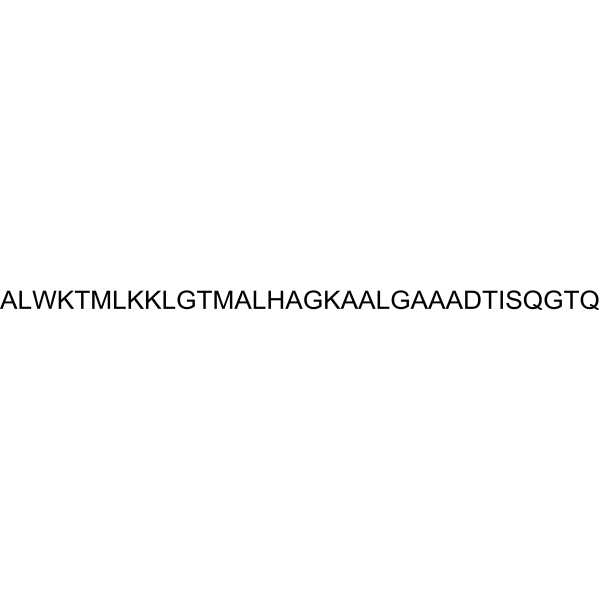
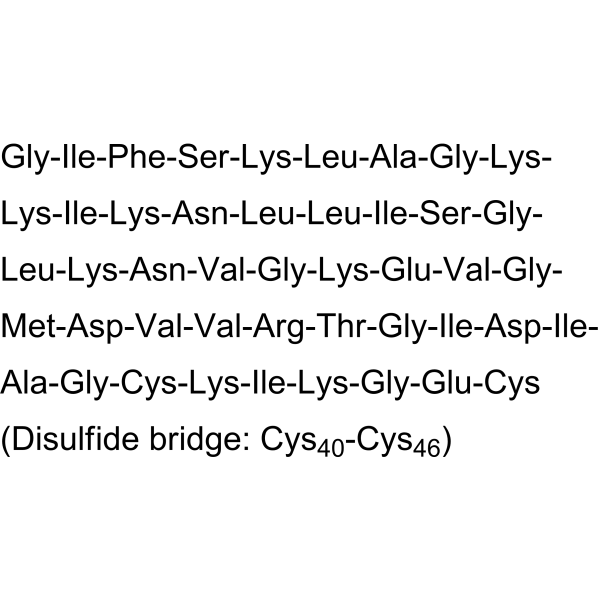
Magainin 2 (Magainin II) is an antimicrobial peptide (AMP) isolated from the skin of the African clawed frog Xenopus laevis. Magainin 2 displays antibiotic activity against numerous gram-negative and gram-positive bacteria. Magainin 2 also is active against protozoa . Magainin 2 exerts its cytotoxicity effects by preferential interactions with anionic phospholipids abundant in bacterial membranes .
|
-
-
- HY-P0263
-
|
|
Bacterial
Fungal
Antibiotic
|
Infection
|
|
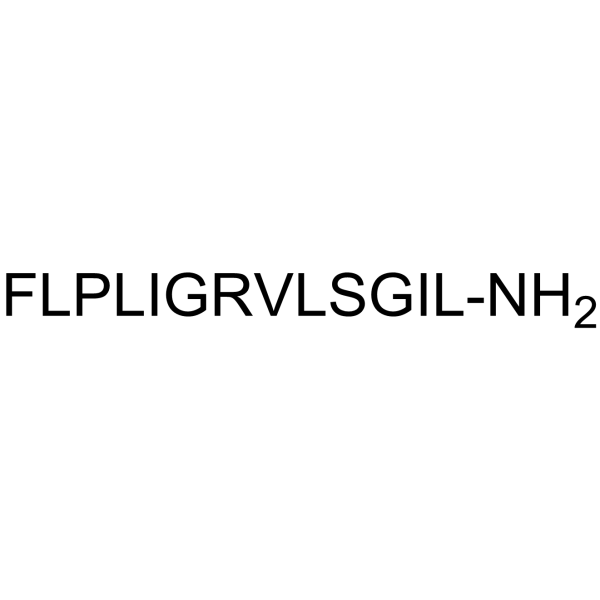
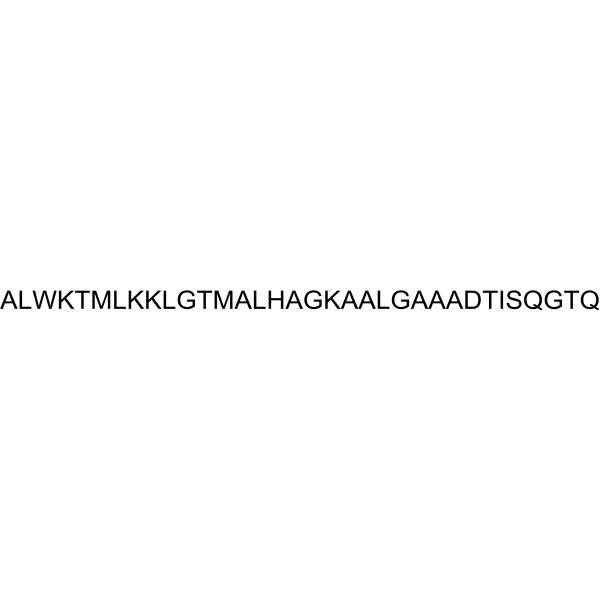
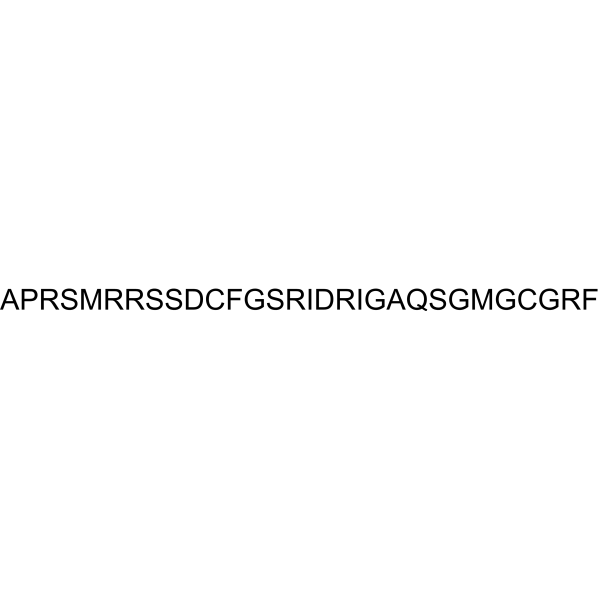
Dermaseptin, a peptide isolated from frog skin, exhibits potent antimicrobial activity against bacteria, fungi, and protozoa at micromolar concentration .
|
-
-
- HY-P1629
-
|
|
Bacterial
Fungal
Antibiotic
|
Infection
|
|
Temporin A is a short alpha-helical antimicrobial peptide isolated from the skin of the frog Rana temporaria. Temporin A is effective against a broad spectrum of Gram-positive bacteria. Temporin A interacts directly with the cell membrane of the microorganism and it is non-toxic to erythrocytes at concentrations that are antimicrobial. Temporin A also has antifungal activities (against yeast-like Candida albicans) .
|
-
-
- HY-P3443
-
|
PNA
|
Biochemical Assay Reagents
|
Cancer
|
|
Peanut agglutinin (PNA) is a carbohydrate-recognition protein that binds competitively and irreversibly to cell-surface β-D-Gal (1-3)-GalNAc, and this binding can be inhibited by D-galactose and asialofetuin. Peanut agglutinin recognizes exposed glycoepitopes and reflects the glycosylation status of cells. Peanut agglutinin can label glycoconjugates at neuromuscular junctions to safely visualize synaptic structures. Peanut agglutinin can be used to synthesize dyes to distinguish between normal and tumor tissues. Peanut agglutinin provides support for research on leukemia, Burkitt's tumors, and cutaneous squamous lesions .
|
-
-
- HY-Y1097
-
|
2-(Methoxycarbonyl)benzoic acid
|
Endogenous Metabolite
Reactive Oxygen Species (ROS)
|
Cancer
|
|
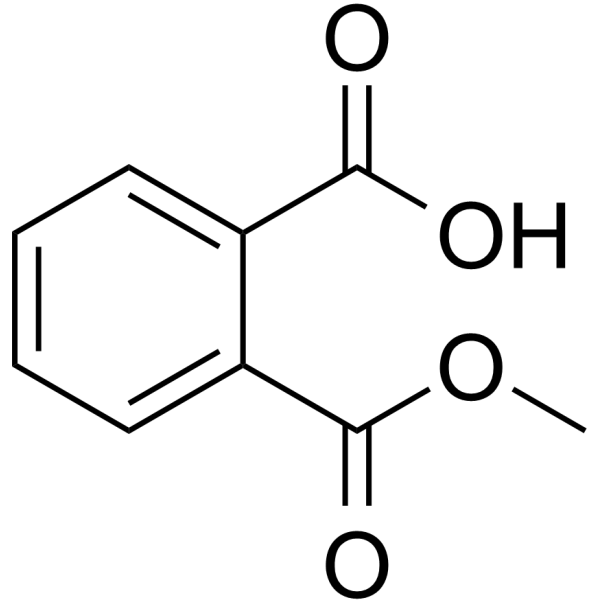
Monomethyl phthalate is an orally active metabolite of phthalic acid. Monomethyl phthalate, as a urine biomarker after exposure to phthalate, can be used as a detection indicator for thyroid cancer and benign nodules. Monomethyl phthalate reduces the survival rate of young frogs. Monomethyl phthalate induces oxidative damage to red blood cells in rats .
|
-
-
- HY-45509
-
|
RAD150
|
Androgen Receptor
|
Neurological Disease
|
|
TLB 150 Benzoate (RAD150) is a nonsteroidal androgen receptor modulator with an IC50 value of 0.13 μM. TLB 150 Benzoate spontaneously cyclizes under physiological conditions to form RAD 179, resulting in a persistent, reversible, and slow neuronal conduction blockade. TLB 150 Benzoate can be used for research on neurological diseases .
|
-
-
- HY-P3915
-
|
|
Bacterial
|
Infection
|
|
Esculentin 1A is a frog skin-derived antimicrobial peptide (AMP) with potent in vitro anti-Pseudomonas activity .
|
-
-
- HY-W276164
-
|
Sodium stearyl sulfate
|
Biochemical Assay Reagents
|
Others
|
|
Sodium octadecyl sulfate (Sodium stearyl sulfate) is a long-chain alkyl sodium sulfate that functions as an emulsifier, crosslinking agent, and regulator. Sodium octadecyl sulfate has high safety, with a LD50 greater than 3.00 Gm./Kg for both intraperitoneal injection in mice and oral administration in rats. Sodium octadecyl sulfate enhances continuous contraction of the gastrocnemius muscle in frogs and boosts intestinal smooth muscle activity in albino rats. However, Sodium octadecyl sulfate exerts no significant effect on isolated tortoise myocardium and does not alter the conduction function of frog sciatic nerves. Sodium octadecyl sulfate can also be used to coat the surface of starch aggregates, promote crosslinking and increase aggregate size through hydrophobic and electrostatic interactions, and further form a coexistent B-V type crystalline structure with acid-hydrolyzed gelatinized starch, thereby effectively modifying the structure and surface properties of high-starch systems .
|
-
-
- HY-P0274
-
|
|
Bacterial
Antibiotic
|
Infection
|
|
PGLa, a 21-residue peptide, is an antimicrobial peptide. PGLa is a member of the magainin family of antibiotic peptides found in frog skin and its secretions .
|
-
-
- HY-P5594
-
|
|
Fungal
|
Infection
|
|
Dermaseptin-S1 is an antimicrobial peptide derived from frog skin against filamentous fungi .
|
-
-
- HY-W127668
-
|
|
Acyltransferase
|
Neurological Disease
|
|
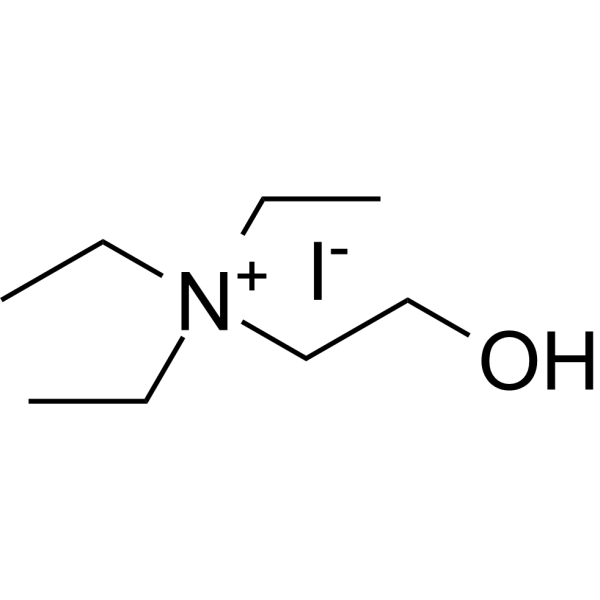
Triethylcholine iodide is a choline acetyltransferase inhibitor and a regulator of the acetylcholine synthesis pathway. Triethylcholine iodide inhibits acetylcholine synthesis in brain tissues and blocks neuromuscular and autonomic ganglionic transmission. Triethylcholine iodide exerts weak curare-like effects at extremely high concentrations. Triethylcholine iodide elevates the pentylenetetrazol seizure threshold, alters electroencephalogram patterns in Felis catus, but does not affect the maximal electroshock seizure threshold in Oryctolagus cuniculus. Triethylcholine iodide can be used in seizure-related research .
|
-
-
- HY-137172
-
|
|
Sodium Channel
|
Others
|
|
ETH 157 is a neutral sodium-selective carrier. ETH 157 exhibits sufficient Na +/K + selectivity and enhanced Na +/Ca 2+ selectivity, making it suitable for the detection of extracellular Na + activity .
|
-
-
- HY-P3645
-
|
|
Melanocortin Receptor
|
Others
|
|
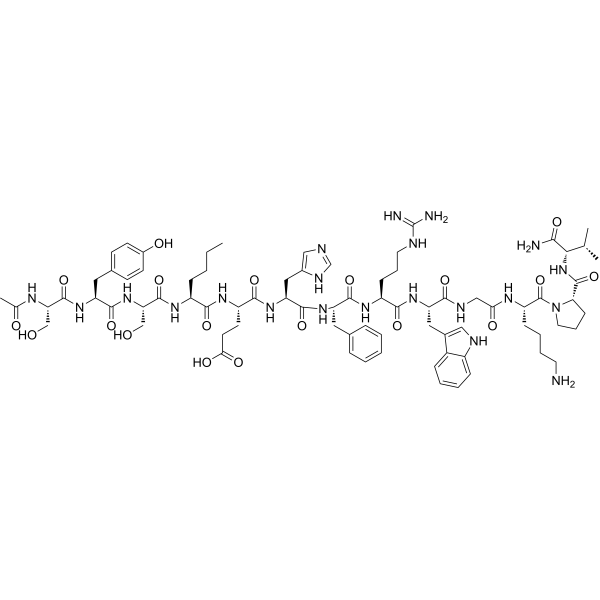
(Nle4)-α-MSH is a synthetic analogue of α-MSH (HY-P0252), a melanocyte-stimulating hormone. (Nle4)-α-MSH reversibly darkens frog skins and also exhibits prolonged activity after heat-alkali treatment .
|
-
-
- HY-W440982A
-
|
(Rac)-PC(18:0/18:1); (Rac)-2-Oleoyl-1-stearoyl-sn-glycero-3-phosphocholine
|
Liposome
|
Others
|
|
(Rac)-SOPC ((Rac)-PC(18:0/18:1)) ((Rac)-2-Oleoyl-1-stearoyl-sn-glycero-3-phosphocholine) is the racemate of SOPC (HY-W440982). SOPC is an asymmetrical phospholipid with saturated fatty acid (stearic acid/18:0) at sn-1 position and unsaturated fatty acid (oleic acid/18:1) at sn-2 position. SOPC can stabilize the outer segment membrane of frog rods .
|
-
-
- HY-P3762
-
-
-
- HY-P4816
-
|
|
Bacterial
Fungal
|
Infection
Inflammation/Immunology
|
|
Pseudin-2, an AMP thast could be isolated from the skin of the South American paradoxical frog Pseudis paradoxa, exert a potent growth inhibitory effect against Gram-negative bacteria .
|
-
-
- HY-P2706
-
|
|
Histamine Receptor
|
Endocrinology
|
|
Granuliberin R is a new mast cell degranulating peptide comes from amphibian, can be isolated from the skin of frog Rana rugosa. Granuliberin R is a dodecapeptide, can act on rat peritoneal mast cell to liberate granules and release histamine .
|
-
-
- HY-P10265
-
|
|
Melanocortin Receptor
|
Others
|
|
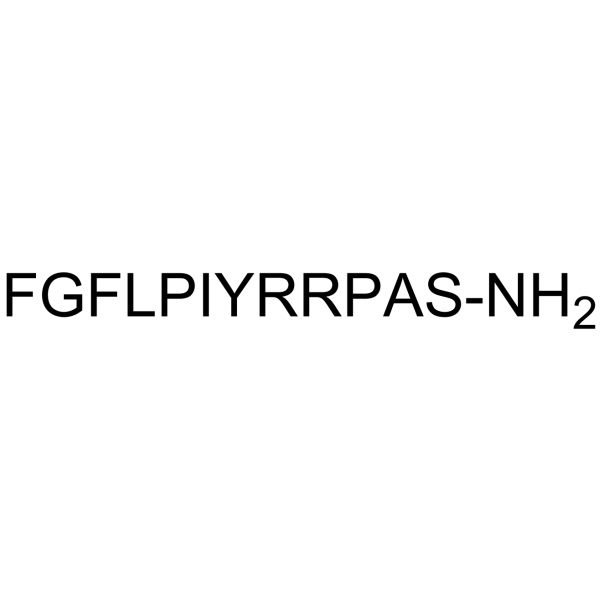
Melanostatin, frog is an inhibitor for α-melanocyte-stimulating hormone (α-MSH) release, with an IC50 of 60 nM .
|
-
-
- HY-P5724
-
|
|
Bacterial
|
Infection
|
|
Nv-CATH is an antibacterial peptide of frog origin. Nv-CATH has broad-spectrum antibacterial activity against gram-positive and gram-negative bacteria. Nv-CATH significantly protects mice from fatal infections caused by Staphylococcus aureus. Nv-CATH protects mice from bacterial infection through antimicrobial immunoregulatory duality .
|
-
-
- HY-129271
-
|
Deltorphin A; Dermenkephalin
|
Opioid Receptor
|
Others
|
|
Deltorphin (Deltorphin A; Dermenkephalin) is a biological active peptide. (Deltorphin A peptide was isolated from skin extracts of the South American frog, Phyllomedusa sauvagei. Deltorphin A is a potent and selective agonist for the delta-opioid receptor.)
|
-
-
- HY-N6609
-
|
|
nAChR
|
Others
|
|
Magnocurarine is a neuromuscular junction blocker that inhibits muscle contraction by functionally blocking signal transmission without directly damaging nerve or muscle tissues. In frog, mouse and rabbit models, Magnocurarine exerts a dose-dependent paralytic effect, which progresses gradually from limb weakness and loss of righting reflex to respiratory depression and even cardiac arrest. Although high doses cause complete cessation of movement, Magnocurarine does not affect the spinal multineuronal reflex in frogs. Magnocurarine exhibits biological activity similar to that of tubocurarine (HY-125901) in various animal models .
|
-
-
- HY-P1685
-
|
|
Bombesin Receptor
|
Cardiovascular Disease
Endocrinology
|
|
Ranatensin is a undecapeptide and a Bombesin Receptor angonist, can be isolated from amphibian skin, such as the frog, Rana pipiens. Ranatensin could maintain the dynamic balance of animal blood pressure, without cross-tachyphylaxis with Angiotensin amide (HY-P2212),Bradykinin (HY-P0206), or Norepinephrine (HY-13715) .
|
-
-
- HY-18612
-
|
|
Bombesin Receptor
|
Metabolic Disease
|
|
MK-7725 is a selective, orally active, and blood-brain barrier-permeable agonist of the subtype 3 of the frog skin peptide receptor (BRS-3). MK-7725 has a high affinity for the human BRS-3 (hBRS-3), with an IC50 of 3 nM, and its functional activity in the mouse-derived BRS-3 (mBRS-3) model with an EC50 of 22 nM (105% agonistic). MK-7725 significantly reduces the body weight of obese rats and obese dogs. MK-7725 can be used for the treatment of obesity .
|
-
-
- HY-P0274A
-
|
|
Bacterial
Antibiotic
|
Infection
|
|
PGLa TFA, a 21-residue peptide, is an antimicrobial peptide. PGLa TFA is a member of the magainin family of antibiotic peptides found in frog skin and its secretions .
|
-
-
- HY-126645
-
|
|
Sodium Channel
|
Cardiovascular Disease
|
|
Atelopidtoxin (zetekitoxin) is a toxin (LD50=0.016 mg/kg for mice), which can be isolated from Panamanian frog Atelopus zeteki. Atelopidtoxin causes hypotension and ventricular fibrillation in rabbits. Atelopidtoxin an inhibitor for sodium channel .
|
-
-
- HY-101078A
-
|
CMI 545 dihydrochloride
|
Dopamine Receptor
|
Neurological Disease
|
|
(±)-Epibatidine (CMI 545) dihydrochloride is an agonist of nicotinic with potent analgetic activity. (±)-Epibatidine (CMI 545) dihydrochloride is an alkaloid originally characterized from frog skin. (±)-Epibatidine (CMI 545) dihydrochloride have little or no activity at a variety of other central receptors, including opioid receptors, muscarinic receptors, adrenergic receptors, dopamine receptors, serotonin receptors, and gamma-aminobutyric acid receptors .
|
-
-
- HY-W424017A
-
|
|
Endogenous Metabolite
|
Neurological Disease
|
|
Lophophine hydrochloride is the drug intermediate of anhalonine and Lophophorine (HY-119478), and can be found in Lophophora diffusa. Anhalonine causes slight sleepiness in frog. Lophophorine causes long-lasting convulsions, reflex excitability, muscle stiffness, and paralysis in rabbit and frog model .
|
-
-
- HY-P5728
-
-
-
- HY-P5587
-
|
|
Fungal
|
Infection
|
|
Dermaseptin-S5 is an antimicrobial peptide derived from frog skin against filamentous fungi .
|
-
-
- HY-P5607
-
-
-
- HY-P5588
-
|
|
Fungal
|
Infection
|
|
Dermaseptin-S4 is an antimicrobial peptide derived from frog skin against filamentous fungi .
|
-
-
- HY-P5590
-
|
|
Fungal
|
Infection
|
|
Dermaseptin-S3 is an antimicrobial peptide derived from frog skin against filamentous fungi .
|
-
-
- HY-P5593
-
|
|
Fungal
|
Infection
|
|
Dermaseptin-S2 is an antimicrobial peptide derived from frog skin against filamentous fungi .
|
-
-
- HY-P5725
-
|
|
Bacterial
Antibiotic
|
Infection
|
|
Aurein 2.1 is an antibiotic peptide that can be found in the Australian Bell Frogs Litoria aurea and Litoria raniformis .
|
-
-
- HY-P5585
-
|
|
Bacterial
|
Infection
|
|
Dermaseptin-B4 is an antimicrobial peptide derived from the skin secretions of the South American frog Phyllomedusa bicolor .
|
-
-
- HY-P0250
-
-
-
- HY-P0263A
-
|
|
Bacterial
Fungal
|
Infection
|
|
Dermaseptin TFA, a peptide isolated from frog skin, exhibits potent antimicrobial activity against bacteria, fungi, and protozoa at micromolar concentration .
|
-
-
- HY-P5638
-
|
|
Bacterial
|
Infection
|
|
FLGFVGQALNALLGKL-NH2 is an antimicrobial peptide of frog origin. FLGFVGQALNALLGKL-NH2 has activity against Staphylococcus aureus ATCC 29213 (MIC=32 μM) .
|
-
-
- HY-167657
-
|
|
Sodium Channel
|
Cardiovascular Disease
|
|
Tizolemide is a sulphonamide diuretic compound that has alkaline properties and is cleared by a tubular transport system. Tizolemide induces changes of passive transport components across the basolateral membrane of isolated frog skin .
|
-
-
- HY-158702
-
|
|
5-HT Receptor
|
Neurological Disease
|
|
5-HTQ chloride is an indole alkaloid that can be isolated from the skin secretions of the Australian golden bell frog Litoria aurea. 5-HTQ chloride is also a full agonist of the 5-HT receptor .
|
-
-
- HY-P5690
-
|
|
Bacterial
|
Infection
|
|
Distinctin is an antimicrobial peptide. Distinctin can be isolated from frog skin. Distinctin has antibacterial activity against E. faecalis, P. aeruginosa, S. aureus and E. coli (MIC: 14.5, 28.0, 28.0, 14.5 μM) .
|
-
-
- HY-P5937
-
|
|
Apoptosis
|
Cancer
|
|
Caerin 1.1 TFA is a host defense peptide isolated from the glandular secretions of the Australian tree frog Litoria. Caerin 1.1 TFA inhibits HeLa cell proliferation and mediates apoptosis. Caerin 1.1 TFA may enhance adaptive T cell immune responses .
|
-
-
- HY-Y1097R
-
|
2-(Methoxycarbonyl)benzoic acid (Standard)
|
Reference Standards
Endogenous Metabolite
|
Cancer
|
|
Monomethyl phthalate (Standard) is the analytical standard of Monomethyl phthalate. This product is intended for research and analytical applications. Monomethyl phthalate is an orally active metabolite of phthalic acid. Monomethyl phthalate, as a urine biomarker after exposure to phthalate, can be used as a detection indicator for thyroid cancer and benign nodules. Monomethyl phthalate reduces the survival rate of young frogs. Monomethyl phthalate induces oxidative damage to red blood cells in rats.
|
-
-
- HY-P2019
-
|
|
Neuropeptide Y Receptor
|
Neurological Disease
|
|
Levitide is a neurohormone-like peptide, can be isolated from skin secretions of the South African frog Xenopus laevis. Levitide comes from preprolevitide, is 88 residues long and contains contains the levitide peptide at the C terminus (Glu-Gly-Met-Ile-Gly-Thr-Leu-Thr-Ser-Lys-Arg-Ile-Lys-Gln-NH2) and the putative signal sequence at the N terminus .
|
-
-
- HY-W033687
-
|
|
Herbicide
|
Others
|
|
Triclopyr triethylamine is a herbicide. Triclopyr triethylamine causes lethargy in metamorphic northern red-legged frogs during exposure, and delays the completion time of metamorphosis in northern red-legged frogs. Triclopyr triethylamine is used to control broadleaf emergent aquatic weeds, such as the invasive species Lythrum salicaria .
|
-
-
- HY-N6609B
-
|
|
nAChR
|
Cardiovascular Disease
|
|
Magnocurarine chloride is a neuromuscular junction blocker that inhibits muscle contraction by functionally blocking signal transmission without directly damaging nerve or muscle tissues. In frog, mouse and rabbit models, Magnocurarine chloride exerts a dose-dependent paralytic effect, which progresses gradually from limb weakness and loss of righting reflex to respiratory depression and even cardiac arrest. Although high doses cause complete cessation of movement, Magnocurarine chloride does not affect the spinal multineuronal reflex in frogs. Magnocurarine chloride exhibits biological activity similar to that of tubocurarine (HY-125901) in various animal models .
|
-
-
- HY-P3171
-
|
|
Biochemical Assay Reagents
|
Others
|
|
Acetyl-(Cys4,D-Phe7,Cys10)-a-MSH (4-13) is a melanotropin cyclic peptide. Acetyl-(Cys4,D-Phe7,Cys10)-a-MSH (4-13) ultraprolongs melanotropic activity in frog and lizard skin model with great agonisim. Acetyl-(Cys4,D-Phe7,Cys10)-a-MSH (4-13) exhibits a complete resistance to tryptic degradation .
|
-
-
- HY-175991S
-
|
Sodium stearyl sulfate sulfate-d37
|
Isotope-Labeled Compounds
Biochemical Assay Reagents
|
Others
|
|
Sodium octadecyl sulfate-d37 (Sodium stearyl sulfate-d37) is the deuterium labeled Sodium octadecyl sulfate (HY-W276164). Sodium octadecyl sulfate (Sodium stearyl sulfate) is a long-chain alkyl sodium sulfate that functions as an emulsifier, crosslinking agent, and regulator. Sodium octadecyl sulfate has high safety, with a LD50 greater than 3.00 Gm./Kg for both intraperitoneal injection in mice and oral administration in rats. Sodium octadecyl sulfate enhances continuous contraction of the gastrocnemius muscle in frogs and boosts intestinal smooth muscle activity in albino rats. However, Sodium octadecyl sulfate exerts no significant effect on isolated tortoise myocardium and does not alter the conduction function of frog sciatic nerves. Sodium octadecyl sulfate can also be used to coat the surface of starch aggregates, promote crosslinking and increase aggregate size through hydrophobic and electrostatic interactions, and further form a coexistent B-V type crystalline structure with acid-hydrolyzed gelatinized starch, thereby effectively modifying the structure and surface properties of high-starch systems .
|
-
-
- HY-N16985
-
|
|
Others
|
Inflammation/Immunology
|
|
Taraxasteryl palmitate is a taraxasterol-type triterpene ester compound with antiemetic activity. Intralymphatic injection of 30 mg/kg and 100 mg/kg Taraxasteryl palmitate significantly inhibited vomiting in a copper sulfate-induced frog vomiting model, with vomiting latency extension rates of 116.9% and 120.0%, respectively. Taraxasteryl palmitate exerts its anti-reflex vomiting activity by prolonging the vomiting latency. Taraxasteryl palmitate can be used in the study of vomiting-related diseases (especially reflex vomiting). Taraxasteryl palmitate can be naturally extracted from the flowers of Inula linariaefolia .
|
-
-
- HY-W795736
-
|
(+)-AH5183
|
nAChR
|
Neurological Disease
|
|
(+)-Vesamicol ((+)-AH5183) is an acetylcholine vesicular transport system inhibitor. (+)-Vesamicol blocks acetylcholine storage and uptake by synaptic vesicles, reducing transmitter availability for neuromuscular junction release. (+)-Vesamicol acts as a neuromuscular blocking agent, producing frequency-dependent neuromuscular block in rat hemidiaphragm preparations .
|
-
| Cat. No. |
Product Name |
Type |
-
- HY-P3443
-
|
PNA
|
Biochemical Assay Reagents
|
|
Peanut agglutinin (PNA) is a carbohydrate-recognition protein that binds competitively and irreversibly to cell-surface β-D-Gal (1-3)-GalNAc, and this binding can be inhibited by D-galactose and asialofetuin. Peanut agglutinin recognizes exposed glycoepitopes and reflects the glycosylation status of cells. Peanut agglutinin can label glycoconjugates at neuromuscular junctions to safely visualize synaptic structures. Peanut agglutinin can be used to synthesize dyes to distinguish between normal and tumor tissues. Peanut agglutinin provides support for research on leukemia, Burkitt's tumors, and cutaneous squamous lesions .
|
-
- HY-W276164
-
|
Sodium stearyl sulfate
|
Biochemical Assay Reagents
|
|
Sodium octadecyl sulfate (Sodium stearyl sulfate) is a long-chain alkyl sodium sulfate that functions as an emulsifier, crosslinking agent, and regulator. Sodium octadecyl sulfate has high safety, with a LD50 greater than 3.00 Gm./Kg for both intraperitoneal injection in mice and oral administration in rats. Sodium octadecyl sulfate enhances continuous contraction of the gastrocnemius muscle in frogs and boosts intestinal smooth muscle activity in albino rats. However, Sodium octadecyl sulfate exerts no significant effect on isolated tortoise myocardium and does not alter the conduction function of frog sciatic nerves. Sodium octadecyl sulfate can also be used to coat the surface of starch aggregates, promote crosslinking and increase aggregate size through hydrophobic and electrostatic interactions, and further form a coexistent B-V type crystalline structure with acid-hydrolyzed gelatinized starch, thereby effectively modifying the structure and surface properties of high-starch systems .
|
-
- HY-W127668
-
|
|
Biochemical Assay Reagents
|
|
Triethylcholine iodide is a choline acetyltransferase inhibitor and a regulator of the acetylcholine synthesis pathway. Triethylcholine iodide inhibits acetylcholine synthesis in brain tissues and blocks neuromuscular and autonomic ganglionic transmission. Triethylcholine iodide exerts weak curare-like effects at extremely high concentrations. Triethylcholine iodide elevates the pentylenetetrazol seizure threshold, alters electroencephalogram patterns in Felis catus, but does not affect the maximal electroshock seizure threshold in Oryctolagus cuniculus. Triethylcholine iodide can be used in seizure-related research .
|
| Cat. No. |
Product Name |
Target |
Research Area |
-
- HY-P0270
-
|
Magainin II
|
Bacterial
Antibiotic
Fungal
|
Infection
|
|
Magainin 2 (Magainin II) is an antimicrobial peptide (AMP) isolated from the skin of the African clawed frog Xenopus laevis. Magainin 2 displays antibiotic activity against numerous gram-negative and gram-positive bacteria. Magainin 2 also is active against protozoa . Magainin 2 exerts its cytotoxicity effects by preferential interactions with anionic phospholipids abundant in bacterial membranes .
|
-
- HY-P0263
-
|
|
Bacterial
Fungal
Antibiotic
|
Infection
|
|
Dermaseptin, a peptide isolated from frog skin, exhibits potent antimicrobial activity against bacteria, fungi, and protozoa at micromolar concentration .
|
-
- HY-P1629
-
|
|
Bacterial
Fungal
Antibiotic
|
Infection
|
|
Temporin A is a short alpha-helical antimicrobial peptide isolated from the skin of the frog Rana temporaria. Temporin A is effective against a broad spectrum of Gram-positive bacteria. Temporin A interacts directly with the cell membrane of the microorganism and it is non-toxic to erythrocytes at concentrations that are antimicrobial. Temporin A also has antifungal activities (against yeast-like Candida albicans) .
|
-
- HY-P3915
-
|
|
Bacterial
|
Infection
|
|
Esculentin 1A is a frog skin-derived antimicrobial peptide (AMP) with potent in vitro anti-Pseudomonas activity .
|
-
- HY-P0274
-
|
|
Bacterial
Antibiotic
|
Infection
|
|
PGLa, a 21-residue peptide, is an antimicrobial peptide. PGLa is a member of the magainin family of antibiotic peptides found in frog skin and its secretions .
|
-
- HY-P5594
-
|
|
Fungal
|
Infection
|
|
Dermaseptin-S1 is an antimicrobial peptide derived from frog skin against filamentous fungi .
|
-
- HY-P3645
-
|
|
Melanocortin Receptor
|
Others
|
|
(Nle4)-α-MSH is a synthetic analogue of α-MSH (HY-P0252), a melanocyte-stimulating hormone. (Nle4)-α-MSH reversibly darkens frog skins and also exhibits prolonged activity after heat-alkali treatment .
|
-
- HY-P3762
-
-
- HY-P4816
-
|
|
Bacterial
Fungal
|
Infection
Inflammation/Immunology
|
|
Pseudin-2, an AMP thast could be isolated from the skin of the South American paradoxical frog Pseudis paradoxa, exert a potent growth inhibitory effect against Gram-negative bacteria .
|
-
- HY-P2706
-
|
|
Histamine Receptor
|
Endocrinology
|
|
Granuliberin R is a new mast cell degranulating peptide comes from amphibian, can be isolated from the skin of frog Rana rugosa. Granuliberin R is a dodecapeptide, can act on rat peritoneal mast cell to liberate granules and release histamine .
|
-
- HY-P10265
-
|
|
Melanocortin Receptor
|
Others
|
|
Melanostatin, frog is an inhibitor for α-melanocyte-stimulating hormone (α-MSH) release, with an IC50 of 60 nM .
|
-
- HY-P5724
-
|
|
Bacterial
|
Infection
|
|
Nv-CATH is an antibacterial peptide of frog origin. Nv-CATH has broad-spectrum antibacterial activity against gram-positive and gram-negative bacteria. Nv-CATH significantly protects mice from fatal infections caused by Staphylococcus aureus. Nv-CATH protects mice from bacterial infection through antimicrobial immunoregulatory duality .
|
-
- HY-P5972
-
|
|
Peptides
|
Cancer
|
|
GRP20–29, frog is a 10-amino acid antigen peptide that can be isolated from Xenopus .
|
-
- HY-129271
-
|
Deltorphin A; Dermenkephalin
|
Opioid Receptor
|
Others
|
|
Deltorphin (Deltorphin A; Dermenkephalin) is a biological active peptide. (Deltorphin A peptide was isolated from skin extracts of the South American frog, Phyllomedusa sauvagei. Deltorphin A is a potent and selective agonist for the delta-opioid receptor.)
|
-
- HY-P1685
-
|
|
Bombesin Receptor
|
Cardiovascular Disease
Endocrinology
|
|
Ranatensin is a undecapeptide and a Bombesin Receptor angonist, can be isolated from amphibian skin, such as the frog, Rana pipiens. Ranatensin could maintain the dynamic balance of animal blood pressure, without cross-tachyphylaxis with Angiotensin amide (HY-P2212),Bradykinin (HY-P0206), or Norepinephrine (HY-13715) .
|
-
- HY-P1343
-
|
|
Peptides
|
Others
|
|
Frog 26RFa is a neuropeptide that can be isolated from frog brain. Frog 26RFa has pro-oxygen activity .
|
-
- HY-P0274A
-
|
|
Bacterial
Antibiotic
|
Infection
|
|
PGLa TFA, a 21-residue peptide, is an antimicrobial peptide. PGLa TFA is a member of the magainin family of antibiotic peptides found in frog skin and its secretions .
|
-
- HY-P5583
-
|
|
Peptides
|
Infection
|
|
Dermaseptin-B9 is an antimicrobial peptide isolated from frogs of the Phyllomedusinae subfamily .
|
-
- HY-P5728
-
-
- HY-P5587
-
|
|
Fungal
|
Infection
|
|
Dermaseptin-S5 is an antimicrobial peptide derived from frog skin against filamentous fungi .
|
-
- HY-P5607
-
-
- HY-P5588
-
|
|
Fungal
|
Infection
|
|
Dermaseptin-S4 is an antimicrobial peptide derived from frog skin against filamentous fungi .
|
-
- HY-P5590
-
|
|
Fungal
|
Infection
|
|
Dermaseptin-S3 is an antimicrobial peptide derived from frog skin against filamentous fungi .
|
-
- HY-P5593
-
|
|
Fungal
|
Infection
|
|
Dermaseptin-S2 is an antimicrobial peptide derived from frog skin against filamentous fungi .
|
-
- HY-P5725
-
|
|
Bacterial
Antibiotic
|
Infection
|
|
Aurein 2.1 is an antibiotic peptide that can be found in the Australian Bell Frogs Litoria aurea and Litoria raniformis .
|
-
- HY-P5585
-
|
|
Bacterial
|
Infection
|
|
Dermaseptin-B4 is an antimicrobial peptide derived from the skin secretions of the South American frog Phyllomedusa bicolor .
|
-
- HY-P0250
-
-
- HY-P0263A
-
|
|
Bacterial
Fungal
|
Infection
|
|
Dermaseptin TFA, a peptide isolated from frog skin, exhibits potent antimicrobial activity against bacteria, fungi, and protozoa at micromolar concentration .
|
-
- HY-P5638
-
|
|
Bacterial
|
Infection
|
|
FLGFVGQALNALLGKL-NH2 is an antimicrobial peptide of frog origin. FLGFVGQALNALLGKL-NH2 has activity against Staphylococcus aureus ATCC 29213 (MIC=32 μM) .
|
-
- HY-P5690
-
|
|
Bacterial
|
Infection
|
|
Distinctin is an antimicrobial peptide. Distinctin can be isolated from frog skin. Distinctin has antibacterial activity against E. faecalis, P. aeruginosa, S. aureus and E. coli (MIC: 14.5, 28.0, 28.0, 14.5 μM) .
|
-
- HY-P5937
-
|
|
Apoptosis
|
Cancer
|
|
Caerin 1.1 TFA is a host defense peptide isolated from the glandular secretions of the Australian tree frog Litoria. Caerin 1.1 TFA inhibits HeLa cell proliferation and mediates apoptosis. Caerin 1.1 TFA may enhance adaptive T cell immune responses .
|
-
- HY-P2019
-
|
|
Neuropeptide Y Receptor
|
Neurological Disease
|
|
Levitide is a neurohormone-like peptide, can be isolated from skin secretions of the South African frog Xenopus laevis. Levitide comes from preprolevitide, is 88 residues long and contains contains the levitide peptide at the C terminus (Glu-Gly-Met-Ile-Gly-Thr-Leu-Thr-Ser-Lys-Arg-Ile-Lys-Gln-NH2) and the putative signal sequence at the N terminus .
|
-
- HY-P3171
-
|
|
Biochemical Assay Reagents
|
Others
|
|
Acetyl-(Cys4,D-Phe7,Cys10)-a-MSH (4-13) is a melanotropin cyclic peptide. Acetyl-(Cys4,D-Phe7,Cys10)-a-MSH (4-13) ultraprolongs melanotropic activity in frog and lizard skin model with great agonisim. Acetyl-(Cys4,D-Phe7,Cys10)-a-MSH (4-13) exhibits a complete resistance to tryptic degradation .
|
-
- HY-P5586
-
|
|
Peptides
|
Infection
|
|
Dermaseptin-B5 is an antimicrobial peptide derived from the skin secretions of the South American frog Phyllomedusa bicolor .
|
| Cat. No. |
Product Name |
Category |
Target |
Chemical Structure |
-
- HY-P0270
-
-
-
- HY-P0263
-
-
-
- HY-P3443
-
-
-
- HY-Y1097
-
-
-
- HY-W440982A
-
|
(Rac)-PC(18:0/18:1); (Rac)-2-Oleoyl-1-stearoyl-sn-glycero-3-phosphocholine
|
Structural Classification
Animals
Lipid
Source Classification
|
Liposome
|
|
(Rac)-SOPC ((Rac)-PC(18:0/18:1)) ((Rac)-2-Oleoyl-1-stearoyl-sn-glycero-3-phosphocholine) is the racemate of SOPC (HY-W440982). SOPC is an asymmetrical phospholipid with saturated fatty acid (stearic acid/18:0) at sn-1 position and unsaturated fatty acid (oleic acid/18:1) at sn-2 position. SOPC can stabilize the outer segment membrane of frog rods .
|
-
-
- HY-N6609
-
-
-
- HY-126645
-
-
-
- HY-101078A
-
|
CMI 545 dihydrochloride
|
Alkaloids
Structural Classification
Animals
Pyridine Alkaloids
Source Classification
|
Dopamine Receptor
|
|
(±)-Epibatidine (CMI 545) dihydrochloride is an agonist of nicotinic with potent analgetic activity. (±)-Epibatidine (CMI 545) dihydrochloride is an alkaloid originally characterized from frog skin. (±)-Epibatidine (CMI 545) dihydrochloride have little or no activity at a variety of other central receptors, including opioid receptors, muscarinic receptors, adrenergic receptors, dopamine receptors, serotonin receptors, and gamma-aminobutyric acid receptors .
|
-
-
- HY-P0250
-
-
-
- HY-Y1097R
-
|
2-(Methoxycarbonyl)benzoic acid (Standard)
|
Structural Classification
Ketones, Aldehydes, Acids
Endogenous metabolite
Source Classification
|
Reference Standards
Endogenous Metabolite
|
|
Monomethyl phthalate (Standard) is the analytical standard of Monomethyl phthalate. This product is intended for research and analytical applications. Monomethyl phthalate is an orally active metabolite of phthalic acid. Monomethyl phthalate, as a urine biomarker after exposure to phthalate, can be used as a detection indicator for thyroid cancer and benign nodules. Monomethyl phthalate reduces the survival rate of young frogs. Monomethyl phthalate induces oxidative damage to red blood cells in rats.
|
-
-
- HY-N6609B
-
|
|
Structural Classification
Alkaloids
Tiliacora racemosa Colebr.
Plants
Isoquinoline Alkaloids
Menispermaceae
Source Classification
|
nAChR
|
|
Magnocurarine chloride is a neuromuscular junction blocker that inhibits muscle contraction by functionally blocking signal transmission without directly damaging nerve or muscle tissues. In frog, mouse and rabbit models, Magnocurarine chloride exerts a dose-dependent paralytic effect, which progresses gradually from limb weakness and loss of righting reflex to respiratory depression and even cardiac arrest. Although high doses cause complete cessation of movement, Magnocurarine chloride does not affect the spinal multineuronal reflex in frogs. Magnocurarine chloride exhibits biological activity similar to that of tubocurarine (HY-125901) in various animal models .
|
-
-
- HY-N16985
-
|
|
Structural Classification
Terpenoids
Asteraceae
Plants
Pentacyclic Triterpenoids
Inula linariifolia Turcz.
Source Classification
|
Others
|
|
Taraxasteryl palmitate is a taraxasterol-type triterpene ester compound with antiemetic activity. Intralymphatic injection of 30 mg/kg and 100 mg/kg Taraxasteryl palmitate significantly inhibited vomiting in a copper sulfate-induced frog vomiting model, with vomiting latency extension rates of 116.9% and 120.0%, respectively. Taraxasteryl palmitate exerts its anti-reflex vomiting activity by prolonging the vomiting latency. Taraxasteryl palmitate can be used in the study of vomiting-related diseases (especially reflex vomiting). Taraxasteryl palmitate can be naturally extracted from the flowers of Inula linariaefolia .
|
-
| Cat. No. |
Product Name |
Chemical Structure |
-
- HY-175991S
-
|
|
|
Sodium octadecyl sulfate-d37 (Sodium stearyl sulfate-d37) is the deuterium labeled Sodium octadecyl sulfate (HY-W276164). Sodium octadecyl sulfate (Sodium stearyl sulfate) is a long-chain alkyl sodium sulfate that functions as an emulsifier, crosslinking agent, and regulator. Sodium octadecyl sulfate has high safety, with a LD50 greater than 3.00 Gm./Kg for both intraperitoneal injection in mice and oral administration in rats. Sodium octadecyl sulfate enhances continuous contraction of the gastrocnemius muscle in frogs and boosts intestinal smooth muscle activity in albino rats. However, Sodium octadecyl sulfate exerts no significant effect on isolated tortoise myocardium and does not alter the conduction function of frog sciatic nerves. Sodium octadecyl sulfate can also be used to coat the surface of starch aggregates, promote crosslinking and increase aggregate size through hydrophobic and electrostatic interactions, and further form a coexistent B-V type crystalline structure with acid-hydrolyzed gelatinized starch, thereby effectively modifying the structure and surface properties of high-starch systems .
|
-
| Cat. No. |
Product Name |
|
Classification |
-
- HY-W440982A
-
|
(Rac)-PC(18:0/18:1); (Rac)-2-Oleoyl-1-stearoyl-sn-glycero-3-phosphocholine
|
|
Phospholipids
|
|
(Rac)-SOPC ((Rac)-PC(18:0/18:1)) ((Rac)-2-Oleoyl-1-stearoyl-sn-glycero-3-phosphocholine) is the racemate of SOPC (HY-W440982). SOPC is an asymmetrical phospholipid with saturated fatty acid (stearic acid/18:0) at sn-1 position and unsaturated fatty acid (oleic acid/18:1) at sn-2 position. SOPC can stabilize the outer segment membrane of frog rods .
|
Your information is safe with us. * Required Fields.
Inquiry Information
- Product Name:
- Cat. No.:
- Quantity:
- MCE Japan Authorized Agent:

