1. Search Result
Search Result
Results for "

fungal ergosterol

" in MedChemExpress (MCE) Product Catalog:

44

Inhibitors & Agonists

8

Natural
Products

8

Isotope-Labeled Compounds

1

Oligonucleotides

Targets Recommended:
Cat. No. Product Name Target Research Areas Chemical Structure
  • HY-B0221
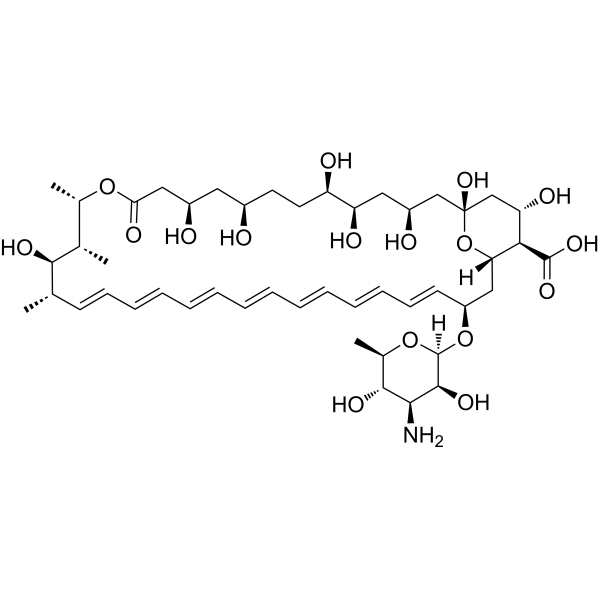
    Amphotericin B
    Maximum Cited Publications
    26 Publications Verification

    Fungal Antibiotic Bacterial Parasite Infection Cancer
    Amphotericin B is a polyene antifungal agent against a wide variety of fungal pathogens. It binds irreversibly to ergosterol, resulting in disruption of membrane integrity and ultimately cell death.
    Amphotericin B
  • HY-76200
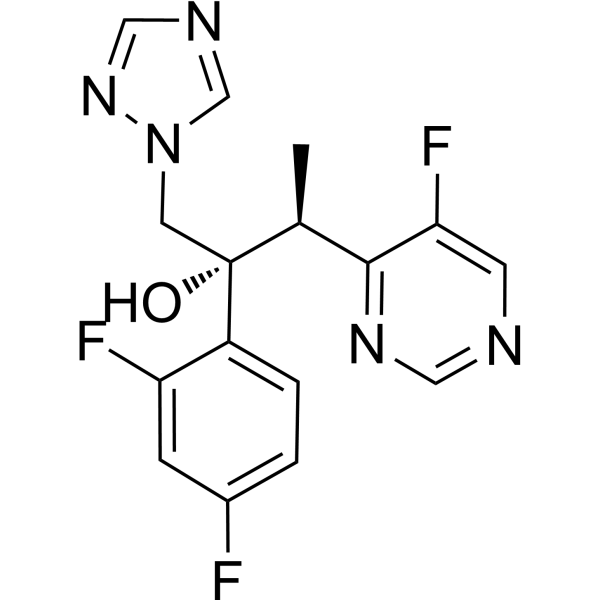
    Voriconazole
    10+ Cited Publications

    UK-109496

    Fungal Bacterial Infection Neurological Disease Cancer
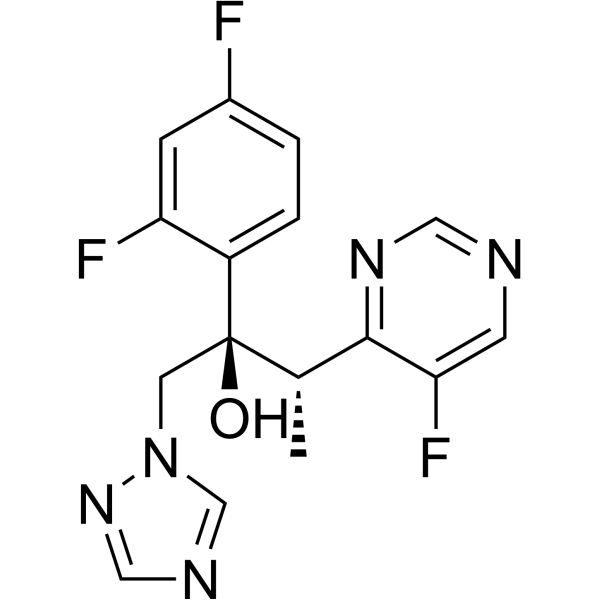
    Voriconazole (UK-109496) is a second-generation, broad-spectrum triazole antifungal agent that inhibits fungal ergosterol biosynthesis. Voriconazole exerts its antifungal activity by inhibition of 14-α-lanosterol demethylation, which is mediated by fungal cytochrome P450 enzymes. Voriconazole can penetrate the blood brain barrier (BBB) .
    Voriconazole
  • HY-14273
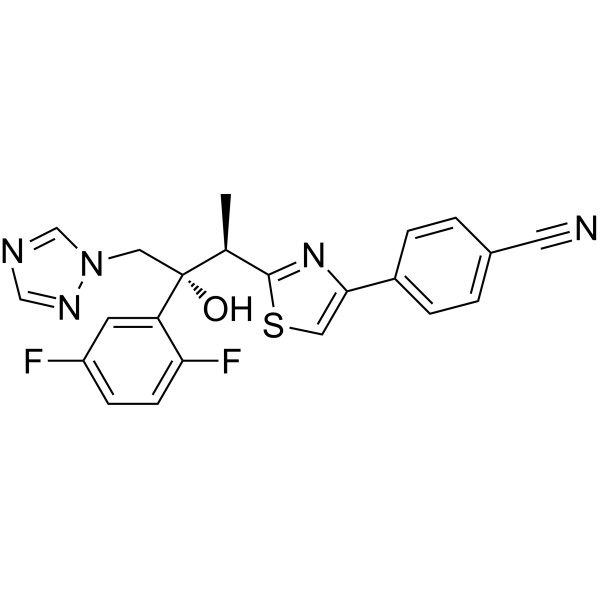
    Isavuconazole
    5 Publications Verification

    BAL-4815; RO-0094815

    Fungal Cytochrome P450 Antibiotic Infection Cancer
    Isavuconazole (BAL-4815) is a triazole proagent with antifungal activity against yeasts, molds, and dimorphic fungi. Isavuconazole inhibits ergosterol biosynthesis and results in the disruption of fungal membrane structure and function. Isavuconazole is a moderate inhibitor of CYP3A4.
    Isavuconazole
  • HY-B0238
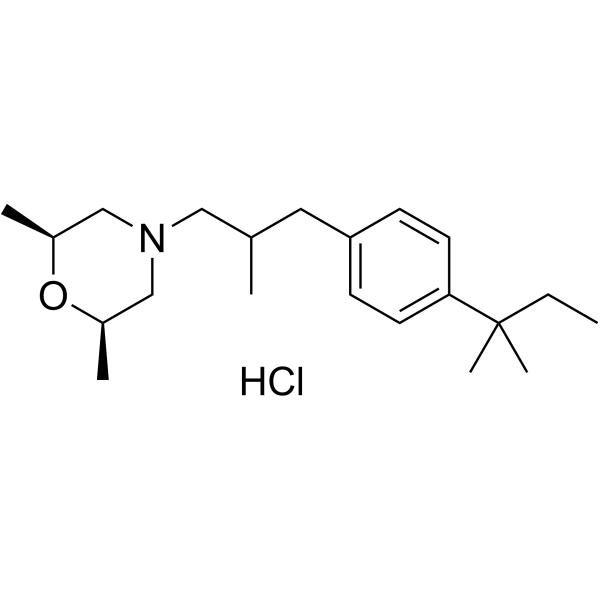
    Amorolfine hydrochloride
    1 Publications Verification

    Ro 14-4767/002

    Fungal Antibiotic Infection
    Amorolfine (Ro 14-4767/002) hydrochloride is a potent anti-fungal agent. Amorolfine hydrochloride inhibits ergosterol biosynthesis. Amorolfine hydrochloride has the potential for the research of Neoscytalidium dimidiatum onychomycosis .
    Amorolfine hydrochloride
  • HY-W010201
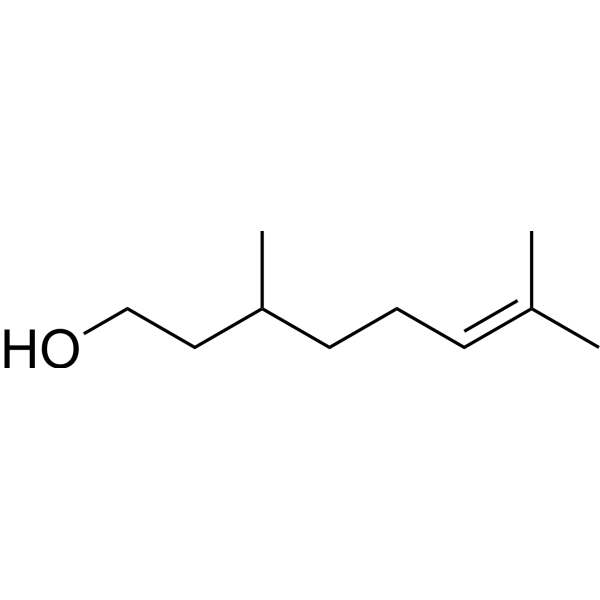
    Citronellol
    2 Publications Verification

    (±)-Citronellol; (±)-β-Citronellol

    Environmental Pollutants Necroptosis Autophagy Fungal Reactive Oxygen Species (ROS) ERK Atg8/LC3 TNF Receptor Apoptosis PI3K p62 Cardiovascular Disease Neurological Disease Cancer
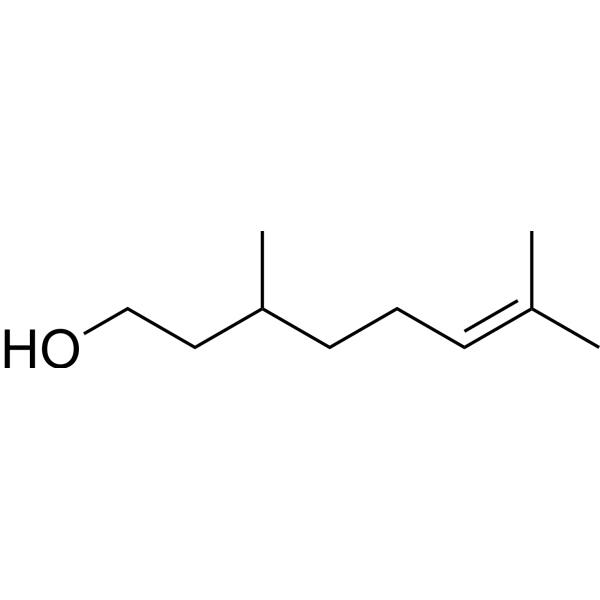
    Citronellol ((±)-Citronellol) is an orally active inducer of apoptosis. Citronellol can prevent oxidative stress, mitochondrial dysfunction, and apoptosis in the SH-SY5Y cell Parkinson's disease model induced by 6-OHDA by regulating the ROS-NO, MAPK/ERK, and PI3K/Akt signaling pathways. Citronellol can induce necroptosis in human lung cancer cells through the TNF-α pathway and accumulation of ROS. Citronellol can reduce the levels of LC-3 and p62 to regulate the autophagy pathway, inhibit oxidative stress and neuroinflammation, and thus have neuroprotective effects on Parkinson's rats. Citronellol exhibits anti-fungal activity against Trichophyton rubrum by inhibiting ergosterol synthesis .
    Citronellol
  • HY-119847

    BAY-W-6341

    Fungal Infection
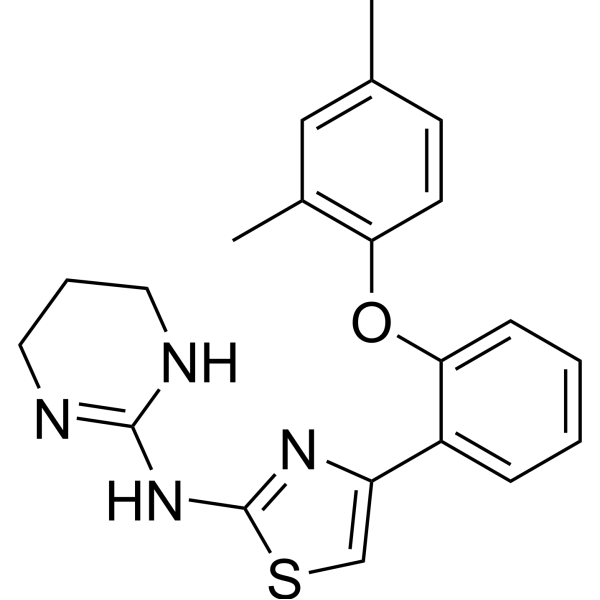
    Abafungin (BAY-W-6341) is a broad-spectrum fungicidal arylguanidine compound and a selective inhibitor of sterol-C-24-methyltransferase. Abafungin blocks the transmethylation reaction at the C-24 position of the sterol side chain during the ergosterol biosynthesis pathway. Abafungin directly disrupts fungal cell membrane integrity, and diminishes fungal viability independent of the fungal growth state. Abafungin can be applied to the research of fungal infections, particularly dermatomycoses .
    Abafungin
  • HY-14282
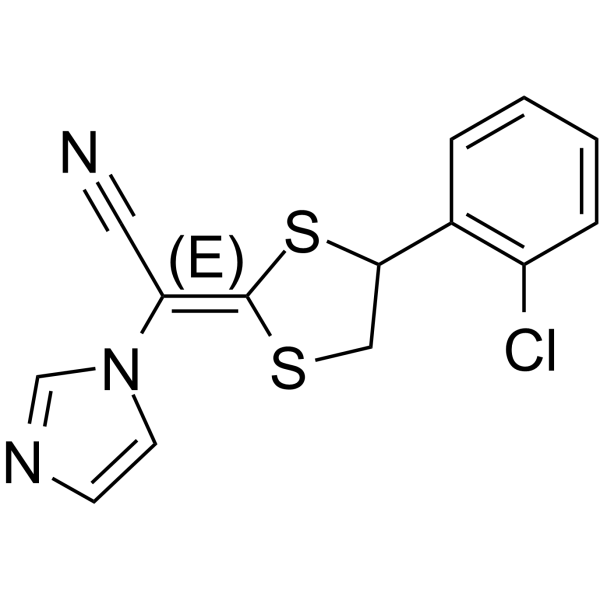
    Lanoconazole
    1 Publications Verification

    Fungal Infection Inflammation/Immunology
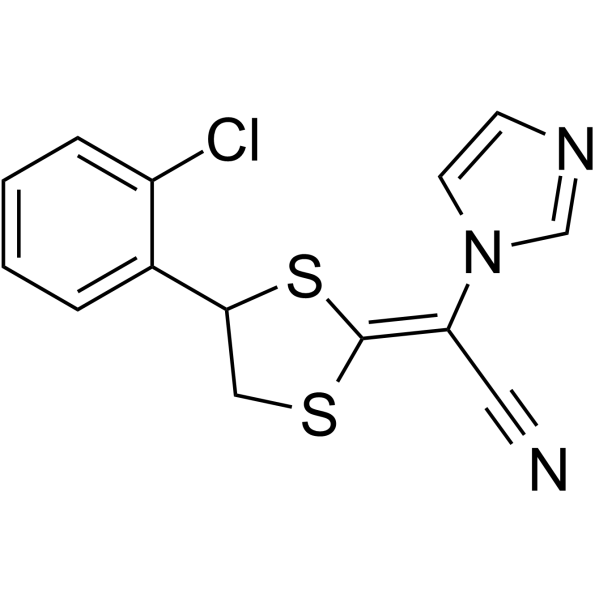
    Lanoconazole is a potent and orally active imidazole antifungal agent, shows a broad spectrum of activity against fungi?in vitro?and?in vivo . Lanoconazole interferes with ergosterol biosynthesis by inhibiting sterol 14-alpha demethylase and blocking fungal membrane ergosterol biosynthesis. Lanoconazole can be used for the investigation of dermatophytosis and onychomycosis .
    Lanoconazole
  • HY-76200S
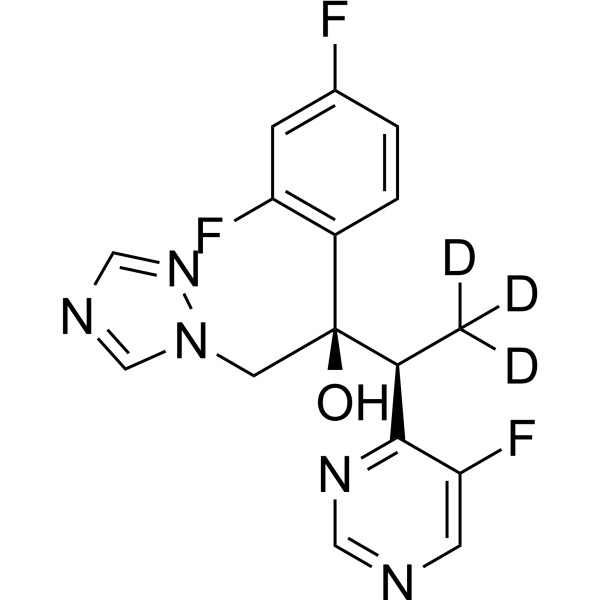
    Voriconazole-d3
    2 Publications Verification

    UK-109496-d3

    Fungal Infection
    Voriconazole-d3 is the deuterium labeled Voriconazole. Voriconazole (UK-109496) is a second-generation, broad-spectrum triazole antifungal agent that inhibits fungal ergosterol biosynthesis. Voriconazole exerts its antifungal activity by inhibition of 14-α-lanosterol demethylation, which is mediated by fungal cytochrome P450 enzymes .
    Voriconazole-d3
  • HY-109040

    VT-1129

    Fungal Cytochrome P450 Infection Inflammation/Immunology
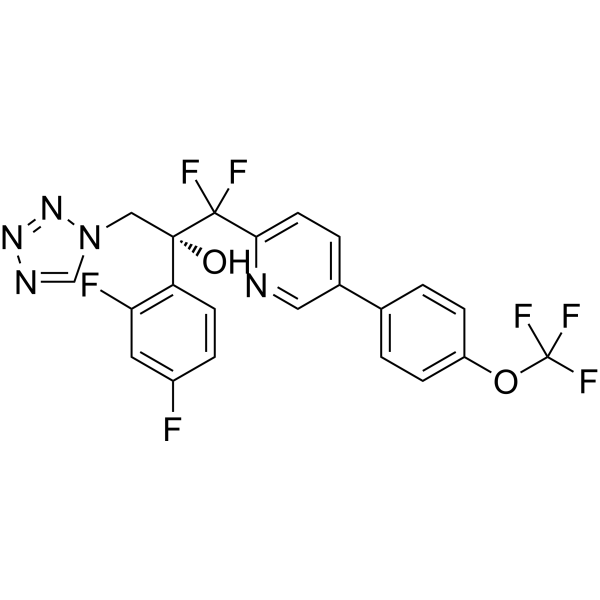
    Quilseconazole (VT-1129) is an orally active, highly selective fungal cytochrome P450 enzyme Cyp51 inhibitor that can cross the blood-brain barrier. Quilseconazole prevents the synthesis of ergosterol, an important component of the fungal cell membrane, by inhibiting Cyp51. Quilseconazole has minimal effects on human CYP enzymes. Quilseconazole has antifungal activity and can be used in the study of cryptococcal meningitis and other diseases .
    Quilseconazole
  • HY-117089

    Environmental Pollutants Fungal Infection
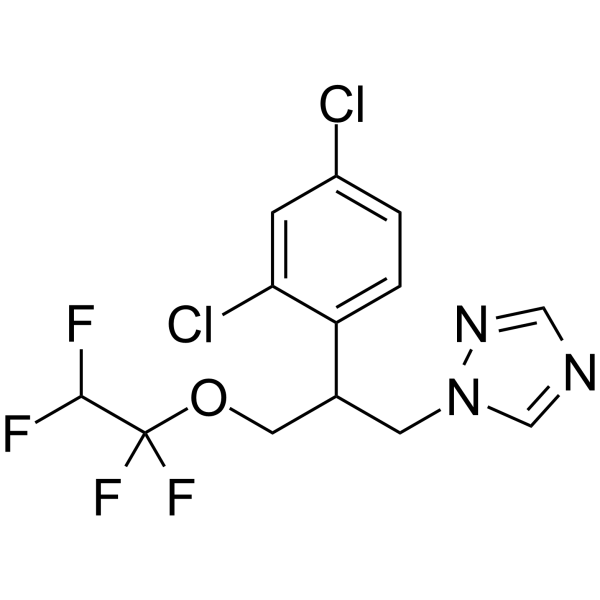
    Tetraconazole is a selective irreversible inhibitor of 14-α-sterol demethylase (CYP51) with antifungal activity. Tetraconazole competitively binds to the enzyme to block fungal ergosterol synthesis, resulting in cell membrane damage. The EC50 of tetraconazole against wheat pathogens is 0.382-0.802 mg/L, and the EC50 against onion root tip meristem cell growth is 6.7 mg/L, and (R)-(+)-Tetraconazole is 1.49-1.98 times more active than (S)-(-)-Tetraconazole. Tetraconazole can also induce oxidative stress and chromosomal aberrations in plant cells .
    Tetraconazole
  • HY-76200R

    UK-109496 (Standard)

    Reference Standards Fungal Bacterial Infection Cancer
    Voriconazole (Standard) is the analytical standard of Voriconazole. This product is intended for research and analytical applications. Voriconazole (UK-109496) is a second-generation, broad-spectrum triazole antifungal agent that inhibits fungal ergosterol biosynthesis. Voriconazole exerts its antifungal activity by inhibition of 14-α-lanosterol demethylation, which is mediated by fungal cytochrome P450 enzymes .
    Voriconazole (Standard)
  • HY-B0238R

    Ro 14-4767/002 (Standard)

    Reference Standards Fungal Antibiotic Infection
    Amorolfine (hydrochloride) (Standard) is the analytical standard of Amorolfine (hydrochloride). This product is intended for research and analytical applications. Amorolfine (Ro 14-4767/002) hydrochloride is a potent anti-fungal agent. Amorolfine hydrochloride inhibits ergosterol biosynthesis. Amorolfine hydrochloride has the potential for the research of Neoscytalidium dimidiatum onychomycosis .
    Amorolfine hydrochloride (Standard)
  • HY-14273R

    BAL-4815 (Standard); RO-0094815 (Standard)

    Reference Standards Fungal Cytochrome P450 Antibiotic Infection
    Isavuconazole (Standard) is the analytical standard of Isavuconazole. This product is intended for research and analytical applications. Isavuconazole (BAL-4815) is a triazole proagent with antifungal activity against yeasts, molds, and dimorphic fungi. Isavuconazole inhibits ergosterol biosynthesis and results in the disruption of fungal membrane structure and function. Isavuconazole is a moderate inhibitor of CYP3A4.
    Isavuconazole (Standard)
  • HY-W010201R
    Citronellol (Standard)
    2 Publications Verification

    (±)-Citronellol (Standard); (±)-β-Citronellol (Standard)

    Reactive Oxygen Species (ROS) Reference Standards ERK PI3K TNF Receptor Atg8/LC3 p62 Apoptosis Necroptosis Autophagy Fungal Cardiovascular Disease Neurological Disease Cancer
    Citronellol (Standard) is the analytical standard of Citronellol. Citronellol (Standard) is an orally active inducer of apoptosis. Citronellol (Standard) can prevent oxidative stress, mitochondrial dysfunction, and apoptosis in the SH-SY5Y cell Parkinson's disease model induced by 6-OHDA by regulating the ROS-NO, MAPK/ERK, and PI3K/Akt signaling pathways. Citronellol (Standard) can induce necroptosis in human lung cancer cells through the TNF-α pathway and accumulation of ROS. Citronellol (Standard) can reduce the levels of LC-3 and p62 to regulate the autophagy pathway, inhibit oxidative stress and neuroinflammation, and thus have neuroprotective effects on Parkinson's rats. Citronellol (Standard) exhibits anti-fungal activity against Trichophyton rubrum by inhibiting ergosterol synthesis .
    Citronellol (Standard)
  • HY-114518

    KP363

    Fungal Infection
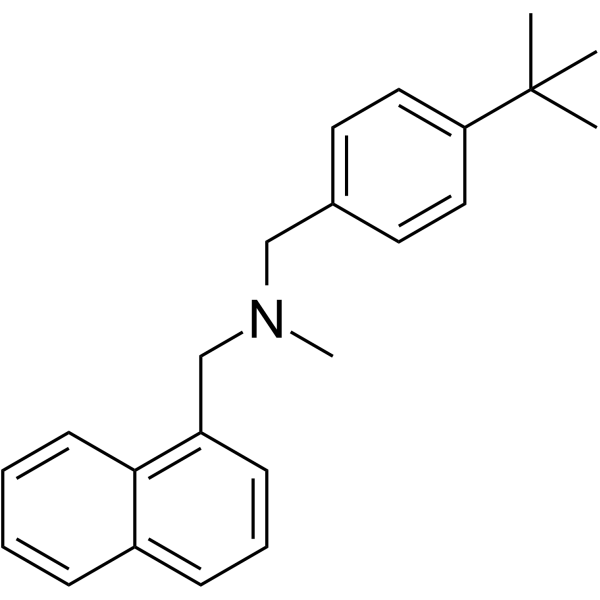
    Butenafine (KP363) is a potent and broad spectrum benzylamine antifungal agent . Butenafine inhibits fungal ergosterol biosynthesis at the point of squalene epoxidation, leading to a deficiency of the fungal cell membranes. Butenafine is effective against dermatophytes infections, such as  tinea pedis,  tinea cruris, tinea versicolor .
    Butenafine
  • HY-14282A

    Fungal Infection Inflammation/Immunology
    (Z)-Lanoconazole is the Z configuration of Lanoconazole. Lanoconazole is a potent and orally active imidazole antifungal agent, shows a broad spectrum of activity against fungi in vitro and in vivo . Lanoconazole interferes with ergosterol biosynthesis by inhibiting sterol 14-alpha demethylase and blocking fungal membrane ergosterol biosynthesis. Lanoconazole can be used for the investigation of dermatophytosis and onychomycosis .
    (Z)-Lanoconazole
  • HY-W706180

    Isotope-Labeled Compounds Fungal Infection
    (±)-Triadimefon-d4 is deuterium labeled Triadimefon. Triadimefon is a triazole fungicide used to control powdery mildew, rusts, and other fungal pests on grains, fruit and vegetable crops, turf, shrubs, and trees. Triadimefon inhibits lanosterol 14α-demethylase, interfering with oxidative demethylation reactions in the ergosterol biosynthesis pathway of fungi, and also blocks gibberellin biosynthesis .
    (±)-Triadimefon-d4
  • HY-152249

    Antibiotic Bacterial Fungal Infection
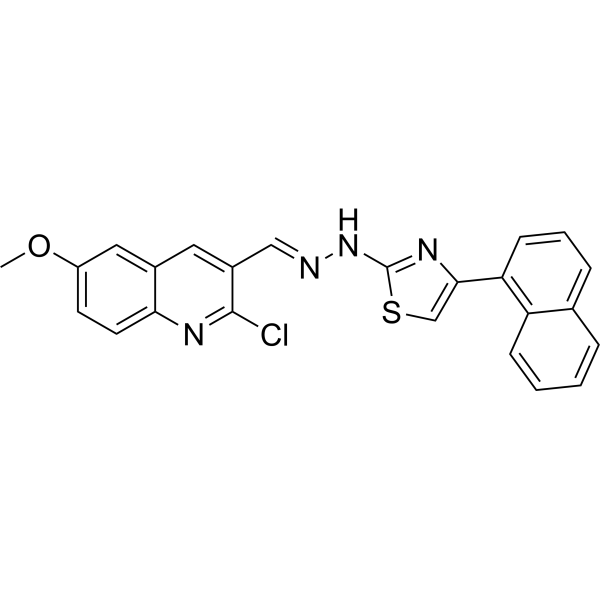
    Antibacterial agent 131 is a quinoline derivative. Antibacterial agent 131 has antimicrobial effect. Antibacterial agent 131 destroys the integrity of the fungal cells via blocking ergosterol production .
    Antibacterial agent 131
  • HY-76200B

    UK-109496 camphorsulfonate

    Fungal Bacterial Infection Cancer
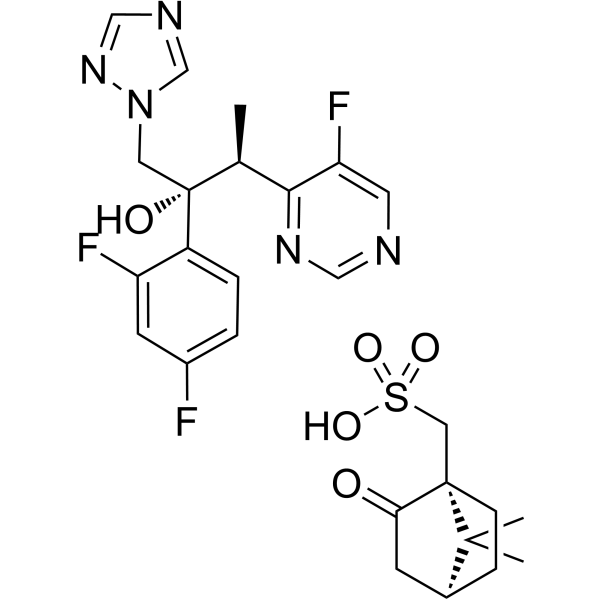
    Voriconazole (UK-109496) camphorsulfonate is a second-generation, broad-spectrum triazole antifungal agent that inhibits fungal ergosterol biosynthesis. Voriconazole camphorsulfonate exerts its antifungal activity by inhibition of 14-α-lanosterol demethylation, which is mediated by fungal cytochrome P450 enzymes .
    Voriconazole camphorsulfonate
  • HY-B0221R

    Reference Standards Fungal Antibiotic Bacterial Parasite Infection Cancer
    Amphotericin B (Standard) is the analytical standard of Amphotericin B. This product is intended for research and analytical applications. Amphotericin B is a polyene antifungal agent against a wide variety of fungal pathogens. It binds irreversibly to ergosterol, resulting in disruption of membrane integrity and ultimately cell death.
    Amphotericin B (Standard)
  • HY-W414596

    Fungal Infection
    Metconazole is a 14α-demethylation inhibitor (DMI) fungicide. Metconazole inhibits fungal ergosterol biosynthesis, inhibits mycelial growth and conidial germ tube elongation. Metconazole reduces antioxidant enzyme activities. Metconazole reduces occurrence of Fusarium crown rot in wheat .
    Metconazole
  • HY-159666

    Antibiotic Fungal Infection
    Nystatin A1 is a polyene macrolide antifungal antibiotic that can be isolated from Streptomyces noursei. Nystatin A1 binds to ergosterol on the fungal cell membrane, increasing the permeability of the cell membrane and causing leakage of cell contents, thereby inhibiting the growth and reproduction of fungi .
    Nystatin A1
  • HY-178162

    Fungal Cytochrome P450 Infection
    CYP51-IN-27 is a sterol 14α-demethylase CYP51 inhibitor with an IC50 of 0.3434 μg/mL. CYP51-IN-27 exhibits antifungal activity and inhibits the production of fungal ergosterol. CYP51-IN-27 can be used for the research of infection, such as rice sheath blight .
    CYP51-IN-27
  • HY-177849

    Amphotericin B liposome

    Liposome Fungal Antibiotic Infection
    Liposomal Amphotericin B is a liposome-encapsulated form of Amphotericin B (HY-B0221). Amphotericin B is a polyene antifungal agent against a wide variety of fungal pathogens. Amphotericin B binds irreversibly to ergosterol, resulting in disruption of membrane integrity and ultimately cell death. Liposomal Amphotericin B can significantly reduce the toxicity of Amphotericin B.
    Liposomal Amphotericin B
  • HY-W422288

    (Rac)-Ketoconazol; (Rac)-R 41400

    Fungal Cytochrome P450 Infection
    (Rac)-Ketoconazole ((Rac)-R 41400) is an antifungal imidazole compound with oral activity. (Rac)-Ketoconazole interferes with ergosterol synthesis by inhibiting cytochrome P450-dependent 14α-sterol demethylase (CYP51), a key enzyme on the fungal cell membrane, leading to membrane dysfunction and ultimately inhibition of fungal growth and reproduction. (Rac)-Ketoconazole is indicated for studies of fungal infections .
    (Rac)-Ketoconazole
  • HY-155711

    Fungal Infection
    Antifungal agent 69 (compound 13) is a eugenol-imidazole against Candida albicans (MIC: 4.6 μM) with no relevant cytotoxicity. Antifungal agent 69 alters the fungal ergosterol biosynthesis and shows antifungal activity .
    Antifungal agent 69
  • HY-14282R

    Reference Standards Fungal Infection Inflammation/Immunology
    Lanoconazole (Standard) is the analytical standard of Lanoconazole. This product is intended for research and analytical applications. Lanoconazole is a potent and orally active imidazole antifungal agent, shows a broad spectrum of activity against fungi in vitro and in vivo . Lanoconazole interferes with ergosterol biosynthesis by inhibiting sterol 14-alpha demethylase and blocking fungal membrane ergosterol biosynthesis. Lanoconazole can be used for the investigation of dermatophytosis and onychomycosis .
    Lanoconazole (Standard)
  • HY-114518S2

    KP363-d4

    Fungal Isotope-Labeled Compounds Infection
    Butenafine-d4 (KP363-d4) is the deuterium labeled Butenafine (HY-114518). Butenafine (KP363) is a potent and broad spectrum benzylamine antifungal agent . Butenafine inhibits fungal ergosterol biosynthesis at the point of squalene epoxidation, leading to a deficiency of the fungal cell membranes. Butenafine is effective against dermatophytes infections, such as ?tinea pedis, ?tinea cruris, tinea versicolor .
    Butenafine-d4
  • HY-176210

    Fungal Cytochrome P450 Infection
    CYP51-IN-24 (Compound 22) is a Sterol 14α-Demethylase (CYP51) inhibitor. CYP51-IN-24 exhibits potent inhibitory activity against wild-type and drug-resistant fungi. CYP51-IN-24 inhibits ergosterol biosynthesis by binding to the fungal CYP51 enzyme. CYP51-IN-24 can be used in research and drug development against drug-resistant fungal infections .
    CYP51-IN-24
  • HY-174394S

    Isotope-Labeled Compounds Fungal Cytochrome P450 Infection
    CYP51-IN-25 is a orally active broad spectrum antifungal agent with the MIC80 of 0.00625-0.05 μg/mL. is a CYP51-IN-25 is a deuterated compound with antibiotic properties. CYP51-IN-25 can inhibit the fungal CYP51 enzyme, block ergosterol synthesis, and disrupt cell membrane integrity. CYP51-IN-25 can be used for research on fungal infections.
    CYP51-IN-25
  • HY-155710

    Fungal Infection
    Antifungal agent 68 (compound 10) is an antifungal agent against Candida and Cryptococcus gattii. Antifungal agent 68 inhibits fungal ergosterol biosynthesis, possibly by targeting lanosterol 14α-demethylase (CYP51). There is an interaction between the imidazole ring of antifungal agent 68 and the heme group of CYP51 .
    Antifungal agent 68
  • HY-109040R

    VT-1129 (Standard)

    Fungal Cytochrome P450 Reference Standards Infection Neurological Disease Inflammation/Immunology
    Quilseconazole (Standard) is the analytical standard of Quilseconazole (HY-109040). This product is intended for research and analytical applications. Quilseconazole (VT-1129) is an orally active, highly selective fungal cytochrome P450 enzyme Cyp51 inhibitor that can cross the blood-brain barrier. Quilseconazole prevents the synthesis of ergosterol, an important component of the fungal cell membrane, by inhibiting Cyp51. Quilseconazole has minimal effects on human CYP enzymes. Quilseconazole has antifungal activity and can be used in the study of cryptococcal meningitis and other diseases .
    Quilseconazole (Standard)
  • HY-155545

    Fungal Infection
    Antifungal agent 60 (compound 16) is an inhibitor of ergosterol biosynthesis with broad-spectrum antifungal activity. Antifungal agent 60 inhibits 7 human pathogenic fungal species, 2 fluconazole-resistant C. albicans isolates and 2 multi-drug resistant Candida auris isolates. Antifungal agent 60 is a click chemistry reagent, it contains an Alkyne group and can undergo copper-catalyzed azide-alkyne cycloaddition (CuAAc) with molecules containing Azide groups.
    Antifungal agent 60
  • HY-B0847S1

    Fungal Reactive Oxygen Species (ROS) Infection
    Propiconazole-d3 (nitrate) is the deuterium labeled Propiconazole nitrate. Propiconazole is a broad-spectrum triazole fungicide that inhibits the conversion of lanosterol to ergosterol, leading to fungal cell membrane disruption. Propiconazole inhibits S. cerevisiae, but not rat liver, microsomal cytochrome P450 (IC50s=0.04 and >200 µM, respectively). Propiconazole inhibits the growth of T. deformans and R. stolonifer (ED50s=0.073 and 4.6 µg/mL, respectively). Propiconazole increases production of reactive oxygen species (ROS).
    Propiconazole-d3 nitrate
  • HY-B0847S

    Isotope-Labeled Compounds Fungal Reactive Oxygen Species (ROS) Infection
    Propiconazole-d7 is the deuterium labeled Propiconazole. Propiconazole is a broad-spectrum triazole fungicide that inhibits the conversion of lanosterol to ergosterol, leading to fungal cell membrane disruption. Propiconazole inhibits S. cerevisiae, but not rat liver, microsomal cytochrome P450 (IC50s=0.04 and >200 μM, respectively). Propiconazole inhibits the growth of T. deformans and R. stolonifer (ED50s=0.073 and 4.6 μg/mL, respectively). Propiconazole increases production of reactive oxygen species (ROS) .
    Propiconazole-d7
  • HY-144643

    Fungal HDAC Cytochrome P450 Inflammation/Immunology
    CYP51/HDAC-IN-1 is a potent, orally active CYP51/HDAC dual inhibitor. CYP51/HDAC-IN-1 inhibits important virulence factors and down-regulated resistance-associated genes. CYP51/HDAC-IN-1 exhibits potent therapeutic effects for both tropical candidiasis and cryptococcal meningitis .
    CYP51/HDAC-IN-1
  • HY-W010201S

    (±)-Citronellol-d6; (±)-β-Citronellol-d6

    Reactive Oxygen Species (ROS) Isotope-Labeled Compounds Cancer
    Citronellol-d6 is deuterated labeled Citronellol (HY-W010201). Citronellol ((±)-Citronellol) is an orally active inducer of apoptosis. Citronellol can prevent oxidative stress, mitochondrial dysfunction, and apoptosis in the SH-SY5Y cell Parkinson's disease model induced by 6-OHDA by regulating the ROS-NO, MAPK/ERK, and PI3K/Akt signaling pathways. Citronellol can induce necroptosis in human lung cancer cells through the TNF-α pathway and accumulation of ROS. Citronellol can reduce the levels of LC-3 and p62 to regulate the autophagy pathway, inhibit oxidative stress and neuroinflammation, and thus have neuroprotective effects on Parkinson's rats. Citronellol exhibits anti-fungal activity against Trichophyton rubrum by inhibiting ergosterol synthesis .
    Citronellol-d6
  • HY-W712766

    Fungal Infection
    Dodemorph is a fungicide. Dodemorph exerts antifungal effects by inhibiting ergosterol biosynthesis. Dodemorph can be used in studies related to fungal mildew in rose cultivation .
    Dodemorph
  • HY-76200C

    (R,R)-UK-109496

    Drug Isomer Fungal Cytochrome P450 Others
    (R,R)-Voriconazole ((R,R)-UK-109496) is an enantiomer of Voriconazole (HY-76200). Voriconazole (UK-109496) is a second-generation broad-spectrum triazole antifungal compound that inhibits the biosynthesis of fungal ergosterol. Voriconazole exerts its antifungal activity by inhibiting the 14-α-lanosterol demethylation mediated by fungal cytochrome P450 enzymes. Voriconazole exhibits blood-brain barrier permeability .
    (R,R)-Voriconazole
  • HY-N19799

    Fungal Infection
    Diorcinol D is a natural product with antifungal activity. Diorcinol D inhibits CYP51 expression, reduces Cdr1 expression, blocks efflux pump activity, and impedes ergosterol biosynthesis. It inhibits planktonic and biofilm growth of Candida albicans. Diorcinol D is applicable to research related to fungal infections .
    Diorcinol D
  • HY-179518

    Fungal PKA Ras Infection
    Antifungal agent 140 (compound 5p) is a potent antifungal agent with broad-spectrum antifungal activity. Antifungal agent 140 exerts a dual mechanism by targeting the Ras/cAMP/PKA pathway to inhibit hyphal formation and the ergosterol biosynthesis pathway. Antifungal agent 140 enhances survival, reduces fungal load in the kidneys, and strengthens host immune responses in a murine model of systemic candidiasis. Antifungal agent 140 can be used for research of resistant fungal infections .
    Antifungal agent 140
  • HY-180483

    Fungal Infection
    Antifungal agent 144 (Compound 3f) is a highly selective antifungal agent against Aspergillus niger, with an MIC of 7.5 μg/mL. Antifungal agent 144 simultaneously inhibits chitin deacetylase AngCDA and 1,3-β-glucan synthase. Antifungal agent 144 functions by disrupting the integrity of the fungal cell wall and does not bind to Ergosterol (HY-N0181). Antifungal agent 144 can be used for research on Aspergillus niger infections .
    Antifungal agent 144
  • HY-W010201S1

    (±)-Citronelloll-d3; (±)-β-Citronelloll-d3

    Isotope-Labeled Compounds Fungal PI3K Apoptosis ERK Autophagy TNF Receptor Reactive Oxygen Species (ROS) Atg8/LC3 Necroptosis p62 Cardiovascular Disease Neurological Disease Cancer
    Citronellol-d3 ( (±)-Citronelloll-d3) is the deuterium labeled Citronellol (HY-W010201). Citronellol ((±)-Citronellol) is an orally active inducer of apoptosis. Citronellol can prevent oxidative stress, mitochondrial dysfunction, and apoptosis in the SH-SY5Y cell Parkinson's disease model induced by 6-OHDA by regulating the ROS-NO, MAPK/ERK, and PI3K/Akt signaling pathways. Citronellol can induce necroptosis in human lung cancer cells through the TNF-α pathway and accumulation of ROS. Citronellol can reduce the levels of LC-3 and p62 to regulate the autophagy pathway, inhibit oxidative stress and neuroinflammation, and thus have neuroprotective effects on Parkinson's rats. Citronellol exhibits anti-fungal activity against Trichophyton rubrum by inhibiting ergosterol synthesis .
    Citronellol-d3
  • HY-N9464

    Drug Intermediate Fungal Infection
    Episterol is an Ergosterol (HY-N0181) biosynthetic intermediate. Episterol replaces Ergosterol as the major sterol in Saccharomyces cerevisiae Δerg3 mutants, confers resistance to combined lethal and vacuole-disruptive actions of Amphotericin B (HY-B0221) and MC12 (HY-175024) .
    Episterol

Inquiry Online

Your information is safe with us. * Required Fields.

Salutation


Country or Region *

Applicant Name *


Organization Name *

Department *


Email Address *


Product Name *

Cat. No.


Requested quantity *

Phone Number *


Remarks

Inquiry Online

Inquiry Information

Product Name:
Cat. No.:
Quantity:
MCE Japan Authorized Agent:

