Search Result
Results for "
gastric mucosal
" in MedChemExpress (MCE) Product Catalog:
2
Biochemical Assay Reagents
2
Isotope-Labeled Compounds
| Cat. No. |
Product Name |
Target |
Research Areas |
Chemical Structure |
-
- HY-B0360
-
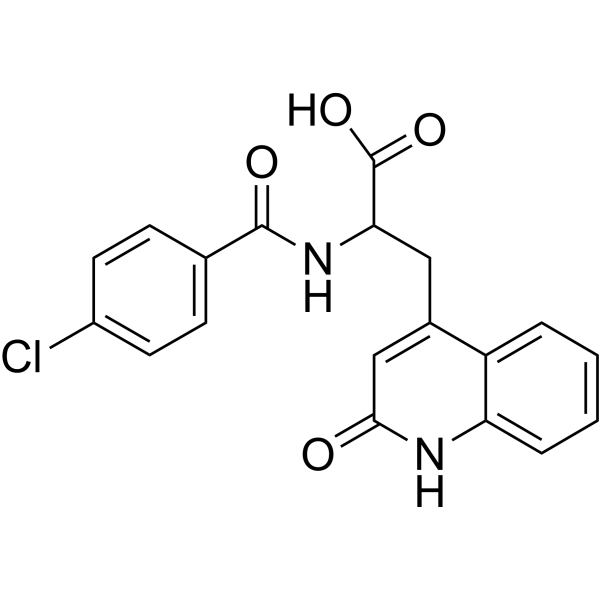
Rebamipide
Maximum Cited Publications
6 Publications Verification
OPC12759; Proamipide
|
COX
|
Inflammation/Immunology
Cancer
|
|
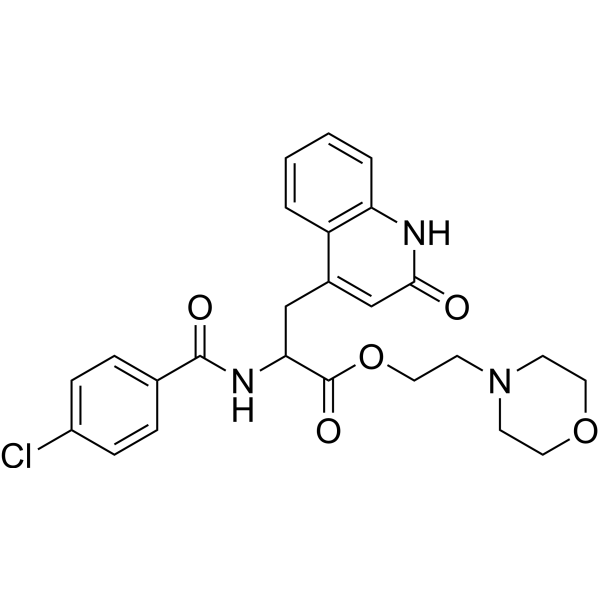
Rebamipide (OPC12759) is an orally active gastroprotective agent that enhances the production of endogenous PGs (especially intragastric PGE2) by inducing COX-2 expression, thereby protecting the gastric mucosa from injury. Rebamipide exerts anti-proliferative activity against gastric cancer cells. Rebamipide can be used in studies of mucosal protection, gastroduodenal ulcer, gastritis and gastric cancer .
|
-
-
- HY-A0261
-
|
ICI-50123
|
Cholecystokinin Receptor
|
Metabolic Disease
Cancer
|
|
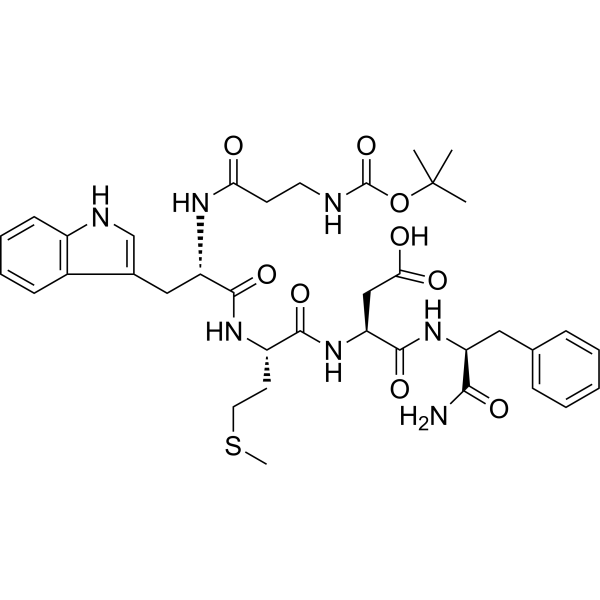
Pentagastrin (ICI-50123) is a potent, selective Cholecystokinin B (CCKB) receptor agonist with an EC50 value of 11 nM. Pentagastrin enhances gastric mucosal defense mechanisms against acid and protects the gastric mucosa from experimental injury .
|
-
-
- HY-W027951
-
|
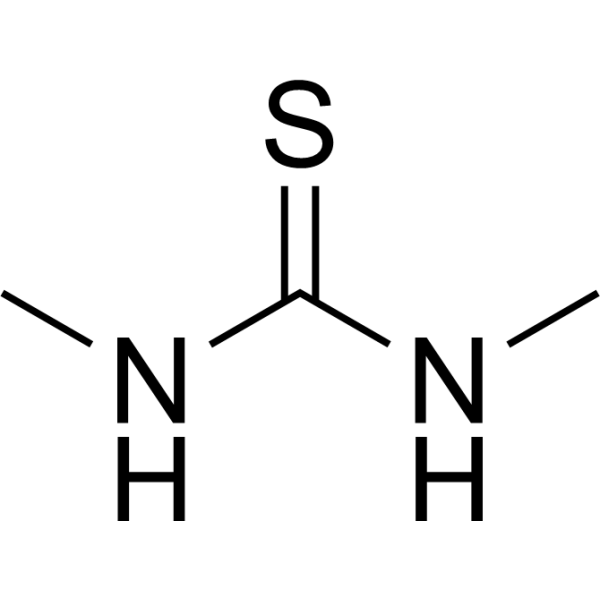
DMTU
|
Environmental Pollutants
Reactive Oxygen Species (ROS)
|
Inflammation/Immunology
|
|
N,N'-Dimethylthiourea (DMTU), isolated from Allium sativum, is an orally active scavenger of hydroxyl radical (•OH) and blocks •OH production by activated neutrophils in vitro. N,N'-Dimethylthiourea protects against water-immersion restraint stress (WIRS)-induced gastric mucosal lesions in rats by exerting its antioxidant action including •OH scavenging and anti-inflammatory action .
|
-
-
- HY-N0554
-
|
|
HIV Protease
Monoamine Oxidase
|
Infection
Inflammation/Immunology
Cancer
|
|
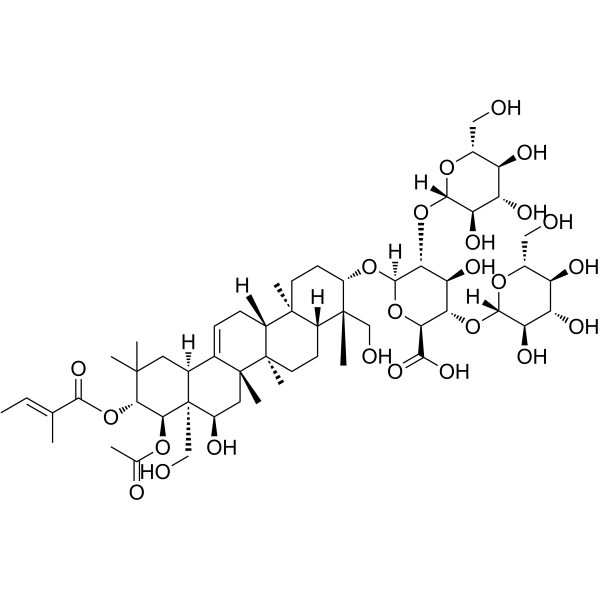
Escin IA is an oral LOXL2 inhibitor and EMT inhibitor, with selectivity for LOXL2-expressing cells. Escin IA suppresses invasion, migration, and metastasis of breast cancer cells, and acts as the primary anti-TNBC metastasis constituent of Aesculus chinensis Bunge fruit saponin fraction. Escin IA can be used for the research of triple-negative breast cancer, acute inflammation, and ethanol-induced gastric mucosal lesions .
|
-
-
- HY-108292
-
|
|
NF-κB
|
Neurological Disease
Cancer
|
|
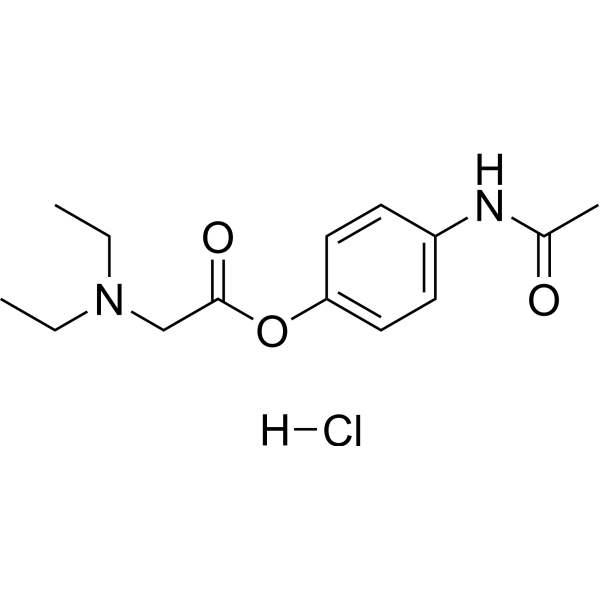
Propacetamol hydrochloride is an orally active prodrug of paracetamol and an inducer of acute liver injury models, with multiple properties including antinociception, antioxidation and gastroprotection. Propacetamol hydrochloride potentiates Tramadol and attenuates Aspirin (HY-14654)-induced gastric mucosal damage and lipid peroxidation. Under specific conditions, Propacetamol hydrochloride also acts as a hepatotoxic inducer, triggering acute liver injury, oxidative stress and apoptosis, with strain differences in toxicity sensitivity. Propacetamol hydrochloride can be used in the research of acute liver injury, drug-induced hepatotoxicity and gastric mucosal damage .
|
-
-
- HY-B0327
-
|
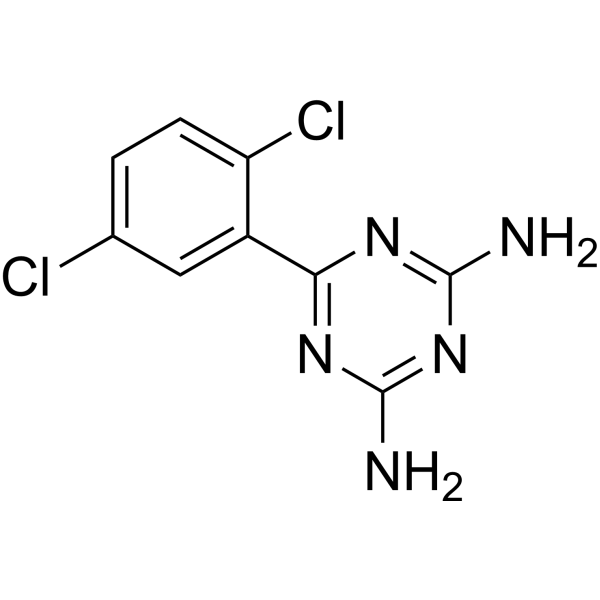
Dicloguamine
|
Phosphodiesterase (PDE)
NF-κB
AP-1
TRP Channel
Interleukin Related
|
Inflammation/Immunology
Cancer
|
|
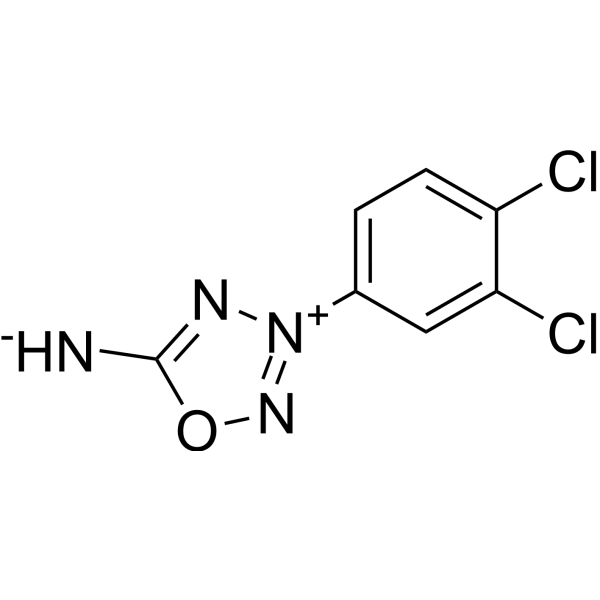
Irsogladine (Dicloguamine) is an orally active gastric mucosal protective agent. Irsogladine inhibits breast cancer recurrence and lung metastasis in nude mice . Irsogladine inhibits the transcriptional activities of NF-κB and AP-1, suppresses the activities of PDE and PDE4 to elevate intracellular cAMP levels, and activates TRPV1 and KATP channels. Irsogladine enhances iNOS expression, NO production, and the activation of cAMP-responsive elements. Irsogladine inhibits the development and progression of intestinal polyps in Apc-mutant mice. Irsogladine alleviates oxidative stress, increases gastric mucosal blood flow, and stimulates the production of endogenous prostaglandins. Irsogladine promotes insulin secretion in MIN6 cells. Irsogladine inhibits tumor angiogenesis, cancer cell proliferation, and the production of proinflammatory cytokines. Irsogladine exerts protective effects on astrocytes in ethanol/hydrochloric acid-induced gastric ulcers in mice. Irsogladine prevents colitis in IL-10 gene-deficient mice by reducing the production of IL-12 and IL-23. Irsogladine upregulates gap junction intercellular communication in pancreatic cancer cells via the PKA pathway. Irsogladine is applicable to research related to breast cancer, intestinal polyposis, gastric ulcer, spontaneous colitis, glioma, liver cancer, and pancreatic cancer [5][6] .
|
-
-
- HY-Y0651
-
|
|
Environmental Pollutants
Biochemical Assay Reagents
|
Infection
Inflammation/Immunology
|
|
Sodium sulfite is an inorganic salt used as an antioxidant and preservative. Sodium sulfite is also used in sulfonation and sulfomethylation reactions. Sodium sulfite can also be used as a bleaching agent, desulfurizer, and dechlorinator. Sodium sulfite inhibits hepatocyte proliferation, promotes hepatocyte apoptosis and necrosis, and impairs mitochondrial integrity. Sodium sulfite induces superoxide anion production, primes neutrophils for enhanced superoxide anion generation, and induces neutrophil gene expression. Sodium sulfite can be used in studies related to pulmonary inflammation and gastric tissue injury .
|
-
-
- HY-B0160
-
|
FRG-8813
|
Histamine Receptor
|
Metabolic Disease
Endocrinology
|
|
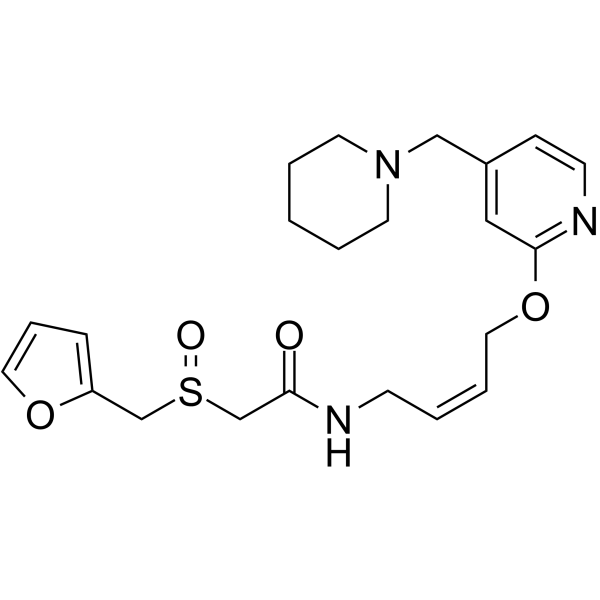
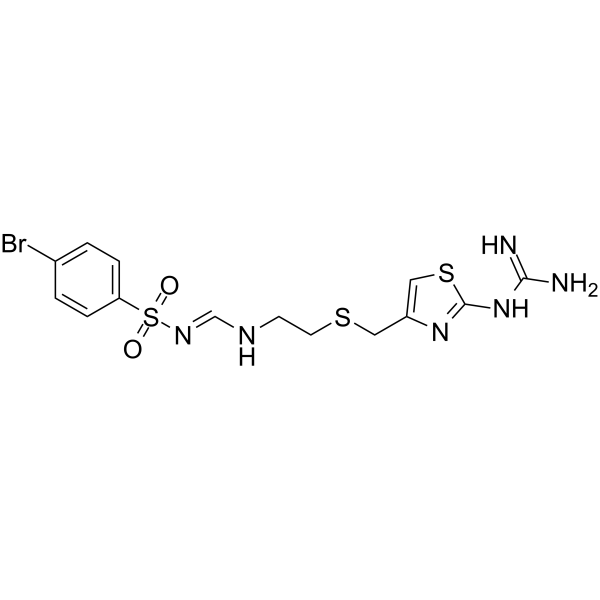
Lafutidine (FRG-8813) is a histamine H2-receptor antagonist (H2RA), with proven gastric mucosal protective effects. Lafutidine can be used for the research of gastroesophageal reflux disease .
|
-
-
- HY-125556
-
|
Cholecystokinin tetrapeptide; CCK-4
|
Cholecystokinin Receptor
|
Metabolic Disease
|
|
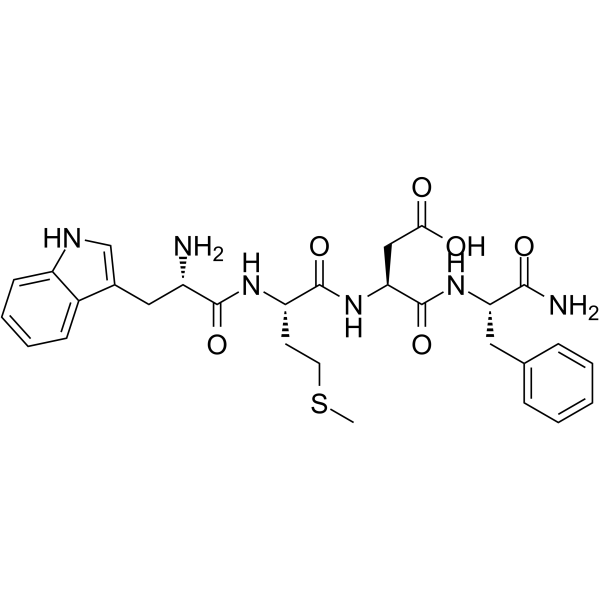
Tetragastrin (Cholecystokinin tetrapeptide; CCK-4) is the C-terminal tetrapeptide of gastrin. Tetragastrin can stimulate gastric secretion . Tetragastrin is a Cholecystokinin (CCK-4) receptor agonist . Gastric mucosal protection .
|
-
-
- HY-145453
-
|
|
Interleukin Related
|
Inflammation/Immunology
|
|
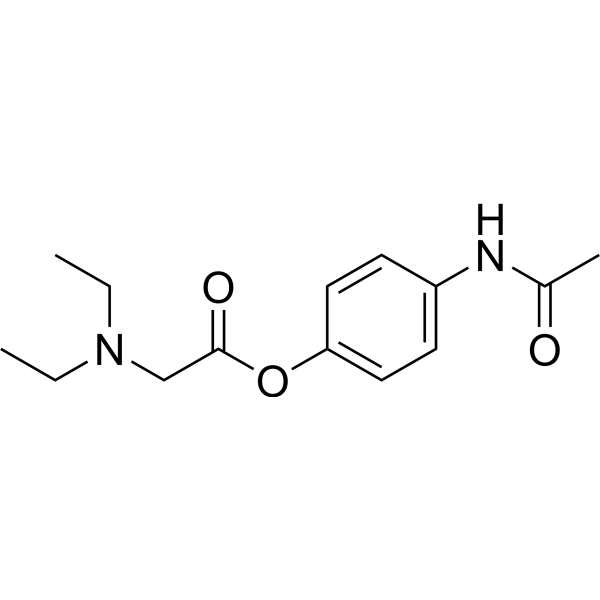
Propacetamol is an orally active prodrug of Acetaminophen (HY-66005), which exerts antipyretic and analgesic effects after metabolism. Propacetamol reduces Aspirin (ASA) (HY-14654)-induced elevation of malondialdehyde (MDA) in gastric mucosa and plasma, regulates the levels of gastric mucosal glutathione (GSH and GSSG) to maintain cellular antioxidant defense, and increases gastric mucosal uric acid (UA) levels. Propacetamol exerts a dose-dependent protective effect against ASA-induced gastric mucosal damage in rats. Propacetamol can be used for the study of gastric mucosal injury by interfering with oxidative stress .
|
-
-
- HY-N6655
-
|
|
Amino Acid Derivatives
|
Inflammation/Immunology
|
|
DL-methionine methylsulfonium chloride is a naturally occurring methionine derivative. DL-methionine methylsulfonium chloride protects gastric mucosal from ethanol-induced damage .
|
-
-
- HY-165131
-
|
Delta-7-avenasterol
|
Prostaglandin Receptor
COX
|
Inflammation/Immunology
|
|
Δ7-Avenasterol (Delta-7-avenasterol) is a phytosterol that binds to prostaglandin E2 receptor (prostaglandin E2 receptor) and cyclooxygenase-2 (COX-2). Δ7-Avenasterol is applicable to research related to gastric ulcer, anti-inflammation and antioxidation .
|
-
-
- HY-18006
-
NKP608
1 Publications Verification
|
Neurokinin Receptor
Wnt
Bcl-2 Family
β-catenin
Cyclin G-associated Kinase (GAK)
VEGFR
Caspase
Cadherin
Apoptosis
|
Neurological Disease
Metabolic Disease
Inflammation/Immunology
Cancer
|
|
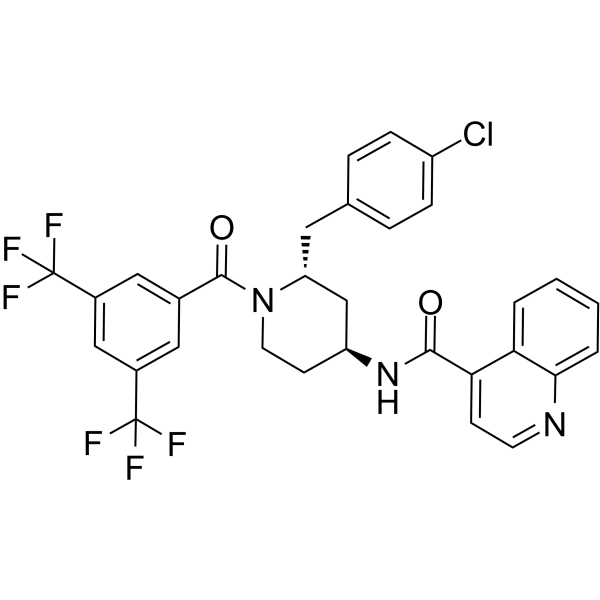
NKP608 is a non-peptidic derivative of 4-aminopiperidine, a highly selective, orally active, neurokinin-1 (NK1) receptor antagonist with IC50 of 2.6 nM. NKP608 is active both in vitro and in vivo, showing extremely low affinity for NK2, NK3 receptors. NKP608 exerts its effects by blocking the NK₁ receptor, regulate cell proliferation and apoptosis, affect neurotransmitter functions and gastric mucosal repair mechanisms, and suppress the Wnt/β-catenin pathway in antitumor research. NKP608 is applicable to research related to various diseases, including cough, anxiety disorders, depression, gastric mucosal injury, and colorectal cancer .
|
-
-
- HY-122762
-
|
DV-1006
|
Ser/Thr Protease
|
Inflammation/Immunology
|
|
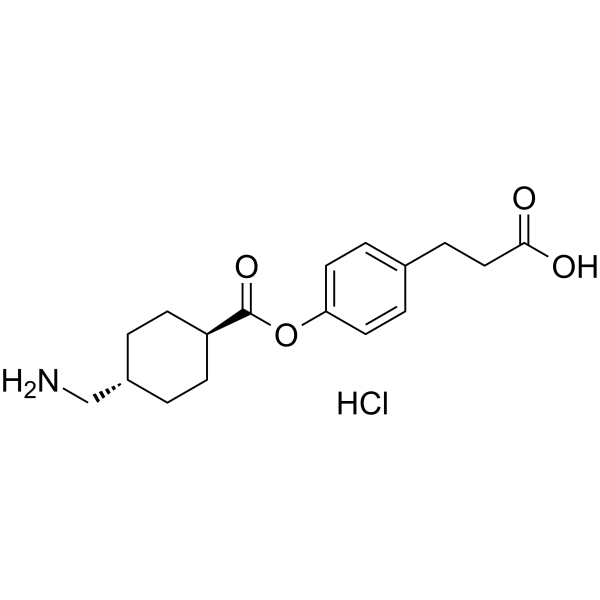
Cetraxate hydrochloride (DV-1006), an orally active anti-ulcer agent with mucosal protective effects, can be used for gastric ulcers research . Cetraxate hydrochloride is a potent acrosomal proteinase acrosin inhibitor with a Ki and an IC50 of 0.94 μM and 3.3 μM, respectively .
|
-
-
- HY-120314
-
|
|
Apoptosis
Caspase
Endogenous Metabolite
|
Inflammation/Immunology
|
GEA 3162 is an orally active compound that acts as a NO/ONOO⁻ donor. GEA 3162 significantly inhibits the activation of human polymorphonuclear leukocytes (PMNs) through the cGMP pathway, inhibits the release of inflammatory mediators, and exerts anti-inflammatory and protective effects. GEA 3162 induces apoptosis of neutrophils and bone marrow cells by activating caspase-2/3/8/9 through the ONOO⁻ pathway. GEA 3162 has a bidirectional effect in the rat gastric ulcer model: at low doses, it significantly reduces gastric mucosal damage, while at high doses, it aggravates the ulcer area. GEA 3162 can be used for research on inflammatory conditions such as gastric ulcers .
|
-
-
- HY-B2121
-
|
6-MNA; Naproxen impurity O
|
Drug Metabolite
COX
|
Neurological Disease
Inflammation/Immunology
|
|
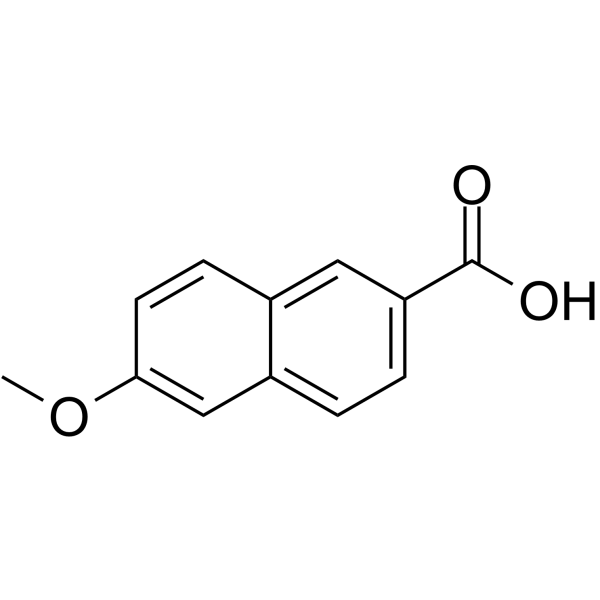
6-Methoxy-2-naphthoic acid (6-MNA) is the active metabolite of Nabumetone (HY-B0559). 6-Methoxy-2-naphthoic acid is also an inhibitor of COX-1 and COX-2. 6-Methoxy-2-naphthoic acid can inhibit the synthesis of gastric mucosal prostaglandin E2. 6-Methoxy-2-naphthoic acid can be used in the research of inflammation and pain-related diseases. In addition, 6-Methoxy-2-naphthoic acid is an impurity in Naproxen (HY-15030) and can also be used in the synthesis of other active compounds .
|
-
-
- HY-126941
-
|
|
ERK
MMP
Reactive Oxygen Species (ROS)
NF-κB
p38 MAPK
NOD-like Receptor (NLR)
TRP Channel
TNF Receptor
Interleukin Related
|
Infection
Neurological Disease
Inflammation/Immunology
Endocrinology
|
|
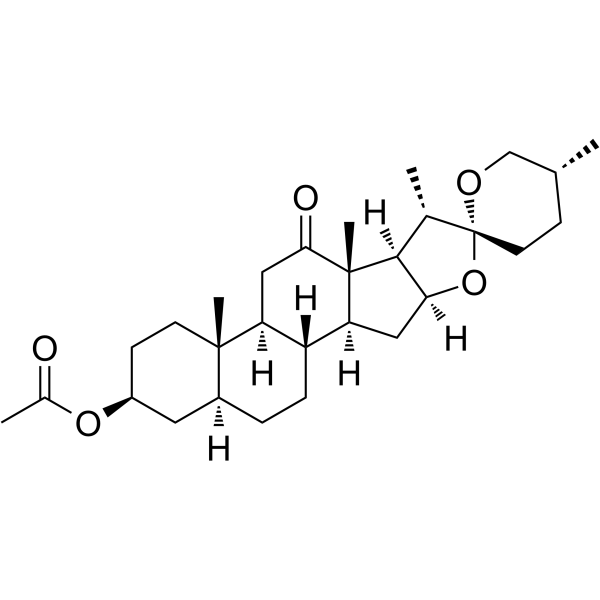
Hecogenin acetate is an orally active steroid saponin aglycone with extensive biological activities. Hecogenin acetate inhibits the phosphorylation of NF-κB and p38 MAPK signaling pathways, antagonizes TRPA1/TRPM8 channels, inhibits the production of pro-inflammatory cytokines, and has anti-inflammatory and analgesic effects. Hecogenin acetate inhibits the production of ROS and the activation of NLRP3 inflammasome; downregulates the expression of MMP-2, and has neuroprotective and anti-tumor activities. Hecogenin acetate enhances gastric mucosal defense and promotes ulcer healing. Hecogenin acetate can be used in combination with certain antibiotics to regulate bacterial efflux pumps and restore antibiotic sensitivity .
|
-
-
- HY-19105A
-
|
|
Histamine Receptor
|
Inflammation/Immunology
|
|
IT 066 hydrochloride is a Histamine H2 receptor antagonist. IT 066 hydrochloride possesses antioxidant activity and can protect rats against acute gastric mucosal injury induced by ischemia-reperfusion. IT 066 hydrochloride can also inhibit secretagogue-induced gastric acid secretion in rats and exert a long-acting anti-lesion effect on experimental gastric and duodenal lesions in rats. IT 066 hydrochloride is applicable for the research of gastrointestinal diseases .
|
-
-
- HY-109158
-
|
|
COX
|
Inflammation/Immunology
|
|
Rebamipide mofetil is an orally active proagent of Rebamipide (OPC12759). Rebamipide is a mucoprotective agent. Rebamipide induces COX-2 expression, increases PGE2 levels, and enhances gastric mucosal defense in a COX-2-dependent manner .
|
-
-
- HY-106054
-
|
|
Prostaglandin Receptor
|
Metabolic Disease
Inflammation/Immunology
|
|
Nocloprost, a prostaglandin E2 (PGE2) analog, is an orally active EP1- and EP3-receptor agonist. Nocloprost inhibits evoked [ 3H]ACh release. Nocloprost has gastroprotective and ulcer-healing properties. Nocloprost accelerates the healing of chronic gastric ulcerations and enhances mucosal growth in rats .
|
-
-
- HY-116777
-
|
SKF 92676
|
Histamine Receptor
|
Others
|
|
Impromidine (SKF 92676) is a potent agonist for histamine H2 receptor. Impromidine induces gastric mucosal blood flow and acid secretion .
|
-
-
- HY-B0360S
-
-
-
- HY-B0360R
-
|
|
COX
Reference Standards
|
Inflammation/Immunology
Cancer
|
|
Rebamipide (Standard) is the analytical standard of Rebamipide. This product is intended for research and analytical applications. Rebamipide (OPC12759) is an orally active gastroprotective agent that enhances the production of endogenous PGs (especially intragastric PGE2) by inducing COX-2 expression, thereby protecting the gastric mucosa from injury. Rebamipide exerts anti-proliferative activity against gastric cancer cells. Rebamipide can be used in studies of mucosal protection, gastroduodenal ulcer, gastritis and gastric cancer .
|
-
-
- HY-B0779A
-
|
(5E,9E,13E)-Geranylgeranylacetone
|
HSP
|
Metabolic Disease
|
|
(5E,9E,13E)-Teprenone ((5E,9E,13E)-Geranylgeranylacetone) is an isomer of Teprenone with antiulcer activity. (5E,9E,13E)-Teprenone induces transcriptional activation of HSP genes that may increase gastric mucosal defense at conditions of stress .
|
-
-
- HY-19048
-
-
-
- HY-117358
-
|
|
Others
|
Inflammation/Immunology
|
|
KW-5805 is an anti-ulcer agent that promotes the biosynthesis, storage and secretion of gastric mucus, improves gastric mucosal hemodynamics, and inhibits the decrease in gastric mucosal blood volume and mucosal oxygenation caused by steroid shock .
|
-
-
- HY-124192
-
|
|
Prostaglandin Receptor
|
Cancer
|
|
Amogastrin is a tetrapeptide that stimulates gastric extraction of 99mTc pertechnetate. Amogastrin can be used for the research of gastric mucosal disease imaging. Amogastrin stimulates the production of prostate hormones .
|
-
-
- HY-N4280
-
|
|
Na+/K+ ATPase
Glutathione Peroxidase
NF-κB
p38 MAPK
Interleukin Related
|
Neurological Disease
Metabolic Disease
Inflammation/Immunology
|
|
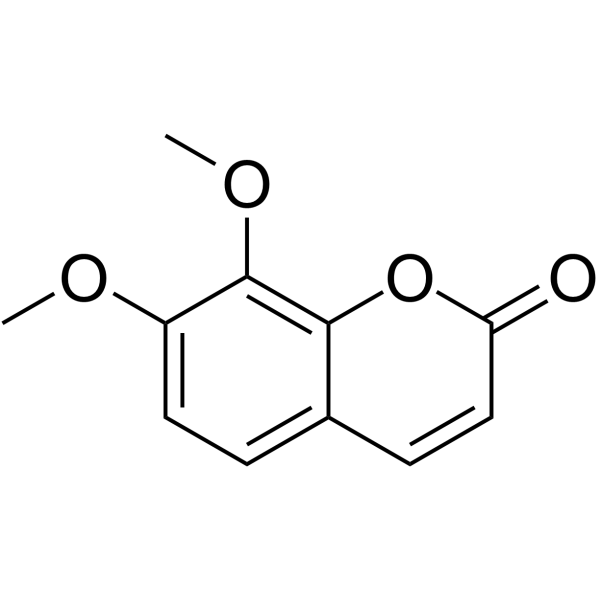
7,8-Dimethoxycoumarin is a coumarin compound derived from Artemisia caruifolia with oral activity. 7,8-Dimethoxycoumarin inhibits mitochondrial permeability transition pore and H +/K +-ATPase, and exhibits antioxidant, anti-inflammatory, renoprotective, neuroprotective and gastroprotective effects. 7,8-Dimethoxycoumarin reduces lipid peroxidation (TBARS), increases GSH levels, inhibits myeloperoxidase (MPO) activity, and regulates the expression of inflammatory factors by inhibiting the NF‑κB and MAPK pathways. 7,8-Dimethoxycoumarin ameliorates gastric mucosal injury, alleviates renal tissue lesions and relieves neuropathic pain. 7,8-Dimethoxycoumarin can be used in studies related to acute renal failure, trigeminal neuralgia and gastritis .
|
-
-
- HY-116777A
-
|
SKF 92676 hydrochloride
|
Histamine Receptor
|
Others
|
|
Impromidine hydrochloride is a potent agonist for histamine H2 receptor. Impromidine hydrochloride induces gastric mucosal blood flow and acid secretion .
|
-
-
- HY-119762
-
|
AG-629
|
Prostaglandin Receptor
|
Cardiovascular Disease
|
|
Spizofurone is an anti-ulcer compound with increased gastric mucosal blood flow activity and oral activity. Spizofurone has a similar mechanism of action to PGE2 (HY-101952), Spizofurone is capable of acting through local and systemic pathways and may promote ulcer healing by improving blood supply to the gastric mucosa. Spizofurone can be used to study the development strategy of gastric ulcer .
|
-
-
- HY-170937
-
|
|
Bacterial
Apoptosis
Reactive Oxygen Species (ROS)
|
Infection
|
Urease-IN-20 (compound XBP2) is an inhibitor of Helicobacter pylori (H. pylori). Urease-IN-20 inhibits H. pylori with an IC50 of 0.14 μM. Urease-IN-20 reduces cell Apoptosis and decreases ROS and γH2AX in GES-1 cells infected with H. pylori. Urease-IN-20 exhibits significant gastric mucosal protective effects. Urease-IN-20 shows the potential for H. pylori research .
|
-
-
- HY-106322
-
|
|
Bacterial
|
Infection
|
|
IO-21 (Compound 3) is a candidate cytoprotective agent. IO-21 exhibits a marked cytoprotective effect. IO-21 shows a potent inhibitory activity against HCl•ethanol-induced lesions. IO-21 shows a MIC of 50 μg/mL against Helicobacter pylori 7795. IO-21 can be used in the research of gastric mucosal ulcers .
|
-
-
- HY-19153
-
|
rel-TY-11345 free base
|
Proton Pump
|
Inflammation/Immunology
|
|
Nepaprazole (rel-TY-11345 free base) is a proton pump inhibitor. Nepaprazole inhibits H +/K +-ATPase activity in isolated rabbit gastric mucosal microsomes with the IC50 values of 5.8 μM and 9.9 μM at pH 6.0 and pH 7.4, respectively. Nepaprazole can be used for study of peptic ulcer diseases .
|
-
-
- HY-B0160R
-
|
FRG-8813 (Standard)
|
Reference Standards
Histamine Receptor
|
Metabolic Disease
Endocrinology
|
|
Lafutidine (Standard) is the analytical standard of Lafutidine. This product is intended for research and analytical applications. Lafutidine (FRG-8813) is a histamine H2-receptor antagonist (H2RA), with proven gastric mucosal protective effects. Lafutidine can be used for the research of gastroesophageal reflux disease .
|
-
-
- HY-129424
-
|
KM-1146
|
Others
|
Inflammation/Immunology
|
|
Mezolidon (KM-1146) is a compound with anti-ulcer activity, which exerts its anti-ulcer activity by enhancing the defense ability of gastric mucosa, especially by increasing and maintaining gastric mucosal blood flow and protecting gastric mucosal potential difference. Mezolidon can be used for the study of gastric mucosal protection .
|
-
-
- HY-145453R
-
|
|
Reference Standards
Interleukin Related
|
Inflammation/Immunology
|
|
Propacetamol (Standard) is the analytical standard of Propacetamol (HY-145453). This product is intended for research and analytical applications. Propacetamol is an orally active prodrug of Acetaminophen (HY-66005), which exerts antipyretic and analgesic effects after metabolism. Propacetamol reduces Aspirin (ASA) (HY-14654)-induced elevation of malondialdehyde (MDA) in gastric mucosa and plasma, regulates the levels of gastric mucosal glutathione (GSH and GSSG) to maintain cellular antioxidant defense, and increases gastric mucosal uric acid (UA) levels. Propacetamol exerts a dose-dependent protective effect against ASA-induced gastric mucosal damage in rats. Propacetamol can be used for the study of gastric mucosal injury by interfering with oxidative stress .
|
-
-
- HY-A0261A
-
|
ICI-50123 meglumine
|
Cholecystokinin Receptor
|
Metabolic Disease
Cancer
|
|
Pentagastrin (ICI-50123) meglumine is a potent, selective Cholecystokinin B (CCKB) receptor agonist with an EC50 value of 11 nM. Pentagastrin meglumine enhances gastric mucosal defense mechanisms against acid and protects the gastric mucosa from experimental injury .
|
-
-
- HY-105126
-
|
TR4698
|
Prostaglandin Receptor
|
Others
|
|
Rioprostil (TR4698) is an orally effective analogue of prostaglandin E1, possessing potent antisecretory and anti-gastric lesion properties. Rioprostil can be utilized in mucosal protection research .
|
-
-
- HY-165489
-
|
|
Endogenous Metabolite
|
Inflammation/Immunology
Endocrinology
|
AU-006 is an orally active inhibitor of gastric acid secretion, with anti-ulcer effects. AU-006 does not rely on NO and mucus regulation. AU-006 significantly prevents 95% of gastric mucosal damage caused by ethanol and has broad-spectrum protective effects against chemical corrosive damage. AU-006 can be used for research on gastric ulcers . .
|
-
-
- HY-107248
-
|
|
Others
|
Inflammation/Immunology
|
|
Escin IIa, isolated from horse chestnut, the seeds of Aesculus hippocastanum L., has positive effects on acute inflammation in animals. Escin IIa has gastroprotections on ethanol-induced gastric mucosal lesions in rats .
|
-
-
- HY-107247
-
|
|
Others
|
Inflammation/Immunology
|
|
Escin IIb, isolated from horse chestnut, the seeds of Aesculus hippocastanum L., has positive effects on acute inflammation in animals . Escin IIb showed potent protective effects against ethanol-induced gastric mucosal lesions .
|
-
-
- HY-135288
-
|
|
Leukotriene Receptor
|
Inflammation/Immunology
|
|
L-649923 is an orally active CysLT1 antagonist. L-649923 reduced the incidence of gastritis in an animal model of acute gastric mucosal injury. L-649923 can be used in research on diseases such as asthma and gastritis .
|
-
-
- HY-B0377G
-
|
MK-208 (GMP)
|
Histamine Receptor
|
Inflammation/Immunology
Cancer
|
|
Famotidine GMP (MK-208 GMP) is Famotidine (HY-B0377) produced in GMP guideline. Famotidine GMP is a competitive histamine H2-receptor antagonist, inhibits gastric secretion, activates the gastric mucosal defensive mechanisms. Famotidine GMP ameliorates peptic ulcer disease (PUD) and gastroesophageal reflux disease (GERD/GORD) in rats model .
|
-
-
- HY-B0160S
-
-
-
- HY-135759
-
|
|
Bacterial
|
Infection
|
|
Cetraxate is an orally active antiulcer Drug. Cetraxate increases the blood flow of gastric mucosal. Cetraxate increases the eradication of Helicobacter pylori in smokers when in combination with Omeprazole (HY-B0113),Amoxicillin (HY-B0467A), and Clarithromycin (HY-17508) .
|
-
-
- HY-125540
-
|
|
Influenza Virus
|
Infection
Inflammation/Immunology
|
|
Saussureamine C shows gastroprotective effect on acidified ethanol-induced gastric mucosal lesions in rats. Saussureamine C inhibits H274Y and N294S mutants and can be used for research of influenza virus infection. Saussureamine C can be isolated from the dried roots of Saussurea lappa Clarke .
|
-
-
- HY-115312
-
|
|
Na+/K+ ATPase
|
Others
|
|
Ro 18-5364 is an inhibitor of gastric H+/K+ ATPase, which has the effect of inhibiting the activity of the enzyme. Ro 18-5364 has a very strong inhibitory effect on gastric mucosal H+/K+ ATPase, and the inhibitory effect is more significant at low pH. At the same time, there is no selectivity difference between the two enantiomers of H+/K+ ATPase, and its inhibitory effect can be studied and verified by a variety of experimental methods, including inhibition of enzyme activity, proton transport, and studies on its binding.
|
-
-
- HY-120314A
-
|
|
Apoptosis
Caspase
Endogenous Metabolite
|
Inflammation/Immunology
|
GEA 3162 hydrochloride is an orally active compound that acts as a NO/ONOO⁻ donor. GEA 3162 hydrochloride significantly inhibits the activation of human polymorphonuclear leukocytes (PMNs) through the cGMP pathway, inhibits the release of inflammatory mediators, and exerts anti-inflammatory and protective effects. GEA 3162 hydrochloride induces apoptosis of neutrophils and bone marrow cells by activating caspase-2/3/8/9 through the ONOO⁻ pathway. GEA 3162 hydrochloride has a bidirectional effect in the rat gastric ulcer model: at low doses, it significantly reduces gastric mucosal damage, while at high doses, it aggravates the ulcer area. GEA 3162 hydrochloride can be used for research on inflammatory conditions such as gastric ulcers .
|
-
-
- HY-W027951R
-
|
DMTU (Standard)
|
Reference Standards
Reactive Oxygen Species (ROS)
|
Inflammation/Immunology
|
|
N,N'-Dimethylthiourea (DMTU), isolated from Allium sativum, is an orally active scavenger of hydroxyl radical (•OH) and blocks •OH production by activated neutrophils in vitro. N,N'-Dimethylthiourea protects against water-immersion restraint stress (WIRS)-induced gastric mucosal lesions in rats by exerting its antioxidant action including •OH scavenging and anti-inflammatory action .
|
-
-
- HY-B2121R
-
|
6-MNA (Standard); Naproxen impurity O (Standard)
|
Reference Standards
Drug Metabolite
COX
|
Neurological Disease
Inflammation/Immunology
|
|
6-Methoxy-2-naphthoic acid (Standard) (6-MNA (Standard)) is the analytical standard of 6-Methoxy-2-naphthoic acid (HY-B2121). This product is intended for research and analytical applications. 6-Methoxy-2-naphthoic acid (6-MNA) is the active metabolite of Nabumetone (HY-B0559). 6-Methoxy-2-naphthoic acid is also an inhibitor of COX-1 and COX-2. 6-Methoxy-2-naphthoic acid can inhibit the synthesis of gastric mucosal prostaglandin E2. 6-Methoxy-2-naphthoic acid can be used in the research of inflammation and pain-related diseases. In addition, 6-Methoxy-2-naphthoic acid is an impurity in Naproxen (HY-15030) and can also be used in the synthesis of other active compounds.
|
-
- HY-105101
-
|
|
Histamine Receptor
|
Inflammation/Immunology
|
|
Osutidine is a selective histamine H2 receptor antagonist, can effectively inhibit histamine-stimulated gastric acid secretion. Osutidine does not affect [ 14C]aminopyrine accumulation stimulated by carbachol or dibutyryl-cAMP. Osutidine is insurmountable and includes non-competitive inhibition. Osutidine can be used for the study of gastric mucosal injury .
|
-
- HY-W747307
-
|
|
Prostaglandin Receptor
|
Inflammation/Immunology
|
|
FCE 20700 is an orally active PGE2 analogue. FCE 20700 can prevent gastric mucosal damage and in inhibit gastric acid and pepsin secretion. FCE 20700 can be used for the research of gastrointestinal ulcer .
|
-
- HY-N15354
-
|
|
Others
|
Others
|
|
Jujubasaponin IV is a triterpenoid saponin compound found in Zizyphi Fructus. Animal studies have shown that Jujubasaponin IV possesses certain anti-ulcer activity, possibly through mechanisms such as enhancing the gastric mucosal barrier or inhibiting gastric acid secretion. Jujubasaponin IV can be used in research on digestive system diseases, particularly in the study of gastric ulcer mechanisms .
|
-
- HY-W1040921
-
|
|
Drug Derivative
|
Inflammation/Immunology
|
|
AY-31574 is a 3, 5-difluoro derivative and selective mucosal protectant. AY-31574 is equipotent with Ranitidine (HY-B0693) against gastric injury caused by stress .
|
-
- HY-N6655R
-
|
|
Amino Acid Derivatives
Reference Standards
|
Inflammation/Immunology
|
|
DL-Methionine methylsulfonium (chloride) (Standard) is the analytical standard of DL-Methionine methylsulfonium (chloride) (HY-N6655). This product is intended for research and analytical applications. DL-methionine methylsulfonium chloride is a naturally occurring methionine derivative. DL-methionine methylsulfonium chloride protects gastric mucosal from ethanol-induced damage .
|
-
- HY-N13073
-
|
|
Others
|
Others
|
|
6-Gingediol (compound 13) is a pungent component of ginger with potential anti-serotonin and gastric mucosal protective effects. 6-Gingediol has no pungent effect at concentrations below 10 μM, but the pungent effect is significant at concentrations above 100 μM or even 1000 μM .
|
-
- HY-182393
-
|
|
Histamine Receptor
|
Inflammation/Immunology
|
|
IGN-2098 is an orally active, competitive histamine H2 receptor antagonist with a pA2 value of 7.32. IGN-2098 inhibits basal and stimulated gastric acid secretion. IGN-2098 accelerates ulcer healing, suppresses ulcer edge elevation, and protects gastric and duodenal mucosa from damage. IGN-2098 can be used in research related to gastric ulcers .
|
-
- HY-186122
-
|
|
Cholecystokinin Receptor
|
Neurological Disease
Inflammation/Immunology
|
|
CCK2R agonist-1 (Compound 2S) is a CCK2R agonist, with an IC50 of 48 nM against wild-type CCK-2R and an IC50 of 450 nM against mutant CCK-2R (N353L). CCK2R agonist-1 stimulates the production of inositol phosphate. The changes in pH and HDC induced by CCK2R agonist-1 in mice are comparable to those induced by the full-length peptide agonist Gastrin. CCK2R agonist-1 can be used in studies of gastric diseases and pain .
|
-
| Cat. No. |
Product Name |
Type |
-
- HY-B0377G
-
|
MK-208 (GMP)
|
Fluorescent Dyes
|
|
Famotidine GMP (MK-208 GMP) is Famotidine (HY-B0377) produced in GMP guideline. Famotidine GMP is a competitive histamine H2-receptor antagonist, inhibits gastric secretion, activates the gastric mucosal defensive mechanisms. Famotidine GMP ameliorates peptic ulcer disease (PUD) and gastroesophageal reflux disease (GERD/GORD) in rats model .
|
| Cat. No. |
Product Name |
Type |
-
- HY-Y0651
-
|
|
Biochemical Assay Reagents
|
|
Sodium sulfite is an inorganic salt used as an antioxidant and preservative. Sodium sulfite is also used in sulfonation and sulfomethylation reactions. Sodium sulfite can also be used as a bleaching agent, desulfurizer, and dechlorinator. Sodium sulfite inhibits hepatocyte proliferation, promotes hepatocyte apoptosis and necrosis, and impairs mitochondrial integrity. Sodium sulfite induces superoxide anion production, primes neutrophils for enhanced superoxide anion generation, and induces neutrophil gene expression. Sodium sulfite can be used in studies related to pulmonary inflammation and gastric tissue injury .
|
-
- HY-B0377G
-
|
MK-208 (GMP)
|
Biochemical Assay Reagents
|
|
Famotidine GMP (MK-208 GMP) is Famotidine (HY-B0377) produced in GMP guideline. Famotidine GMP is a competitive histamine H2-receptor antagonist, inhibits gastric secretion, activates the gastric mucosal defensive mechanisms. Famotidine GMP ameliorates peptic ulcer disease (PUD) and gastroesophageal reflux disease (GERD/GORD) in rats model .
|
| Cat. No. |
Product Name |
Target |
Research Area |
-
- HY-A0261
-
|
ICI-50123
|
Cholecystokinin Receptor
|
Metabolic Disease
Cancer
|
|
Pentagastrin (ICI-50123) is a potent, selective Cholecystokinin B (CCKB) receptor agonist with an EC50 value of 11 nM. Pentagastrin enhances gastric mucosal defense mechanisms against acid and protects the gastric mucosa from experimental injury .
|
-
- HY-125556
-
|
Cholecystokinin tetrapeptide; CCK-4
|
Cholecystokinin Receptor
|
Metabolic Disease
|
|
Tetragastrin (Cholecystokinin tetrapeptide; CCK-4) is the C-terminal tetrapeptide of gastrin. Tetragastrin can stimulate gastric secretion . Tetragastrin is a Cholecystokinin (CCK-4) receptor agonist . Gastric mucosal protection .
|
| Cat. No. |
Product Name |
Category |
Target |
Chemical Structure |
-
- HY-W027951
-
-
-
- HY-N0554
-
-
-
- HY-N6655
-
-
-
- HY-126941
-
-
-
- HY-N4280
-
|
|
Structural Classification
Classification of Application Fields
Rutaceae
Coumarins
Phenylpropanoids
Plants
Inflammation/Immunology
Disease Research Fields
Citrus reticulata Blanco
Source Classification
|
Na+/K+ ATPase
Glutathione Peroxidase
NF-κB
p38 MAPK
Interleukin Related
|
|
7,8-Dimethoxycoumarin is a coumarin compound derived from Artemisia caruifolia with oral activity. 7,8-Dimethoxycoumarin inhibits mitochondrial permeability transition pore and H +/K +-ATPase, and exhibits antioxidant, anti-inflammatory, renoprotective, neuroprotective and gastroprotective effects. 7,8-Dimethoxycoumarin reduces lipid peroxidation (TBARS), increases GSH levels, inhibits myeloperoxidase (MPO) activity, and regulates the expression of inflammatory factors by inhibiting the NF‑κB and MAPK pathways. 7,8-Dimethoxycoumarin ameliorates gastric mucosal injury, alleviates renal tissue lesions and relieves neuropathic pain. 7,8-Dimethoxycoumarin can be used in studies related to acute renal failure, trigeminal neuralgia and gastritis .
|
-
-
- HY-107248
-
-
-
- HY-107247
-
-
-
- HY-125540
-
-
-
- HY-W027951R
-
-
-
- HY-N15354
-
-
-
- HY-N6655R
-
-
-
- HY-N13073
-
-
| Cat. No. |
Product Name |
Chemical Structure |
-
- HY-B0360S
-
|
|
|
Rebamipide-d4 is deuterium labeled Rebamipide. Rebamipide is a mucoprotective agent. Rebamipide induces COX-2 expression, increases PGE2 levels, and enhances gastric mucosal defense in a COX-2-dependent manner .
|
-
-
- HY-B0160S
-
|
|
|
Lafutidine-d10 is deuterium labeled Lafutidine. Lafutidine (FRG-8813) is a histamine H2-receptor antagonist (H2RA), with proven gastric mucosal protective effects. Lafutidine can be used for the research of gastroesophageal reflux disease .
|
-
Your information is safe with us. * Required Fields.
Inquiry Information
- Product Name:
- Cat. No.:
- Quantity:
- MCE Japan Authorized Agent:

