

1. Search Result
Search Result
Results for "

glycolipid

" in MedChemExpress (MCE) Product Catalog:

65

Inhibitors & Agonists

1

Fluorescent Dyes

8

Biochemical Assay Reagents

2

Peptides

1

Inhibitory Antibodies

10

Natural
Products

1

Recombinant Proteins

2

Isotope-Labeled Compounds

1

Oligonucleotides

Cat. No. Product Name Target Research Areas Chemical Structure
  • HY-102022
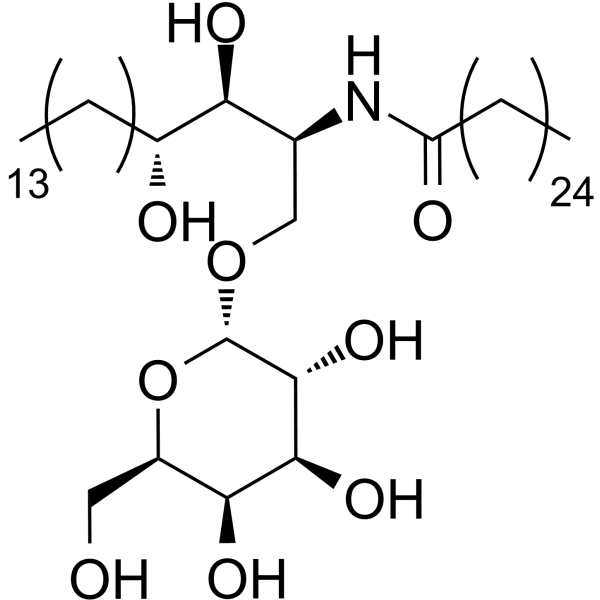
    α-Galactosylceramide
    4 Publications Verification

    α-GalCer; KRN7000

    Transmembrane Glycoprotein Interleukin Related CD1 Inflammation/Immunology Cancer
    α-Galactosylceramide (α-GalCer) is a synthetic glycolipid with antitumorial and immunostimulatory. α-Galactosylceramide is a very potent NKT cell agonist and binds effectively to CD1d. The complex of α-Galactosylceramide plus CD1d binds the NKT cell TCR (T cell antigen receptor) .
    α-Galactosylceramide
  • HY-N7032

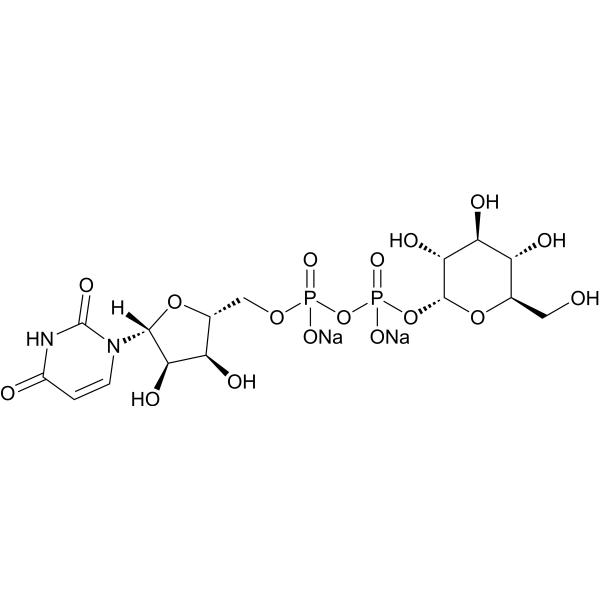
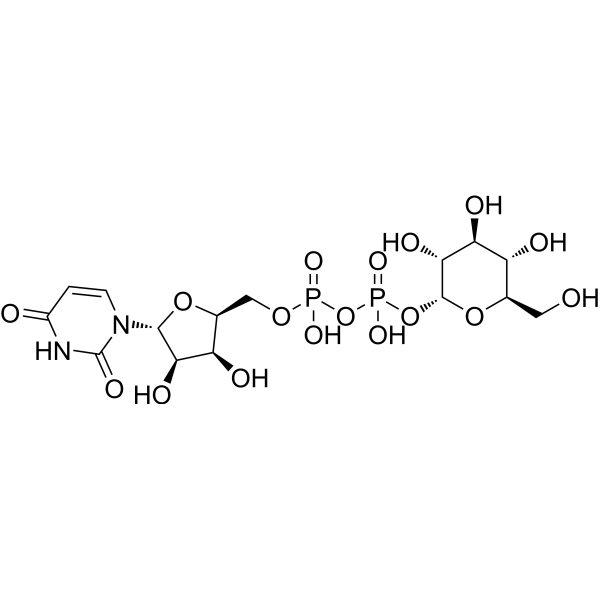
    UDP-D-Glucose disodium

    Endogenous Metabolite P2Y Receptor Cardiovascular Disease Metabolic Disease Inflammation/Immunology
    Uridine 5’-diphosphoglucose (UDP-glucose) disodium, secreted by cardiomyocytes during ischemia and reperfu, is a potent agonist of the proinflammatory P2Y14 receptor. It acts an important role in the regulation of inflammation and neutrophil polarization in neutrophils. Uridine 5’-diphosphoglucose disodium is also the precursor of glucose-containing oligosaccharides, polysaccharides, glycoproteins, and glycolipids in animal tissues and in some microorganisms. Uridine 5’-diphosphoglucose disodium is promising for research in counteracting myocardial infarction/reperfusion (MIR)-induced inflammation in the heart tissue.
    Uridine 5′-diphosphoglucose disodium
  • HY-N10546

    iGluR Trk Receptor ERK Apoptosis Autophagy Neurological Disease
    Ganglioside GM1 is a type of glycosphingolipid, mainly found on the cell membranes of the central nervous system of vertebrates. Ganglioside GM1 exerts neuroprotective effects by reducing excessive activation of NMDAR, activating TrkA and ERK1/2, and inhibiting oxidative stress and cell apoptosis and autophagy. Ganglioside GM1 can be used in the research of diseases such as traumatic brain injury, Parkinson's disease, Alzheimer's disease, and Huntington's disease .
    Ganglioside GM1
  • HY-112137

    Caspase Interleukin Related MyD88 Inflammation/Immunology
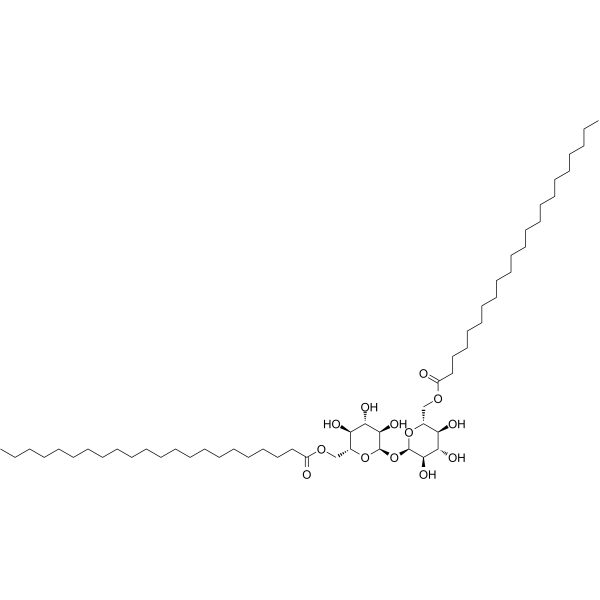
    Trehalose-6,6'-dibehenate is an orally active glycolipid. Trehalose-6,6'-dibehenate activates Mincle and inflammasome, inducing IL-1β secretion in a caspase activity-dependent manner. Trehalose-6,6'-dibehenate exerts a Myd88-dependent adjuvant activity. Trehalose-6,6'-dibehenate induces Th-1/Th-17 immune responses .
    Trehalose-6,6'-dibehenate
  • HY-N7575

    LNFP II

    Endogenous Metabolite Metabolic Disease Cancer
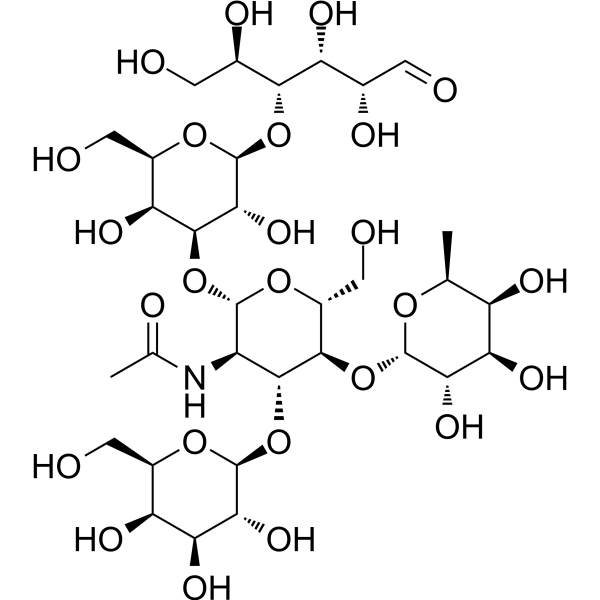
    Lacto-N-fucopentaose II (LNFP II) is a sialyl-Lewis, hapten of human Lewis bloodgroup determinant. Lacto-N-fucopentaose II monosialo-ganglioside/glycolipid and sialyl derivative, CA 19-9, is a molecular tumour markers (TM) for biliopancreatic malignancy .
    Lacto-N-fucopentaose II
  • HY-N10633

    LS-tetrasaccharide c

    Others Infection Cancer
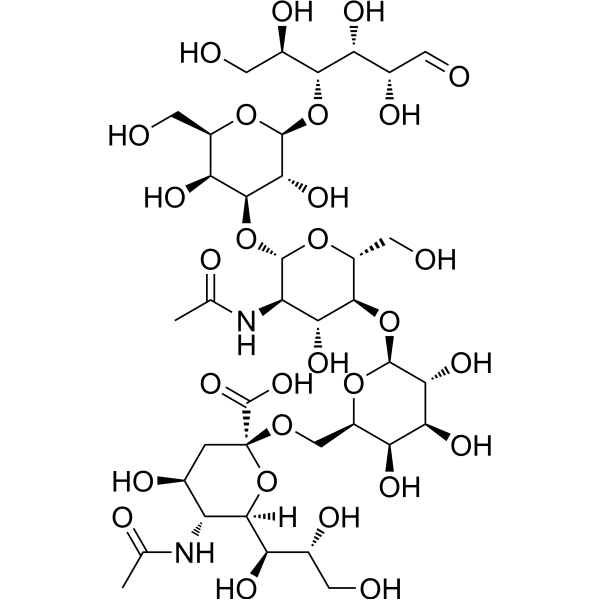
    LSTc (LS-tetrasaccharide c) is a human lactooligosaccharide presents on glycoproteins and glycolipids. LSTc is also a specific human JC polyomavirus (JCV) recognition motif. LSTc has good potential for the study of progressive multifocal leukoencephalopathy (PML) .
    LSTc
  • HY-141633

    Bacterial Infection
    Sucrose monolaurate is a glycolipid surfactant . Sucrose monolaurate interacts with bacterial DNA, disrupts cell membrane permeability, and exerts excellent inhibitory and bactericidal effects against a variety of foodborne pathogens (especially Gram-positive bacteria). Sucrose monolaurate significantly reduces liquid surface tension, and acts as a synergist for chlorine-based disinfectants in food cleaning and disinfection to improve the removal efficiency of pathogens on the surface of agricultural products .
    Sucrose monolaurate
  • HY-W145657

    Cord Factor

    Biochemical Assay Reagents Infection
    Trehalose 6,6'-dimycolate (Cord Factor) is trehalose 6,6'-dimycolate, a cell wall glycolipid of Mycobacterium tuberculosis, which can be used to simulate inflammation and granuloma induced by Mycobacterium tuberculosis (MTB) form. Trehalose 6,6′-dimycolate also protects Mycobacterium tuberculosis from macrophage-mediated killing, inhibits efficient antigen presentation, and reduces the development of protective T cell responses .
    Trehalose 6,6′-dimycolate
  • HY-113044R

    UDP-D-Glucose (Standard)

    Reference Standards Endogenous Metabolite P2Y Receptor Cardiovascular Disease Metabolic Disease Inflammation/Immunology
    Uridine 5′-diphosphoglucose (Standard) (UDP-D-Glucose (Standard)) is the analytical standard of Uridine 5′-diphosphoglucose (HY-113044). This product is intended for research and analytical applications. Uridine 5’-diphosphoglucose (UDP-glucose), secreted by cardiomyocytes during ischemia and reperfu, is a potent agonist of the proinflammatory P2Y14 receptor. It acts an important role in the regulation of inflammation and neutrophil polarization in neutrophils. Uridine 5’-diphosphoglucose is also the precursor of glucose-containing oligosaccharides, polysaccharides, glycoproteins, and glycolipids in animal tissues and in some microorganisms. Uridine 5’-diphosphoglucose is promising for research in counteracting myocardial infarction/reperfusion (MIR)-induced inflammation in the heart tissue.
    Uridine 5′-diphosphoglucose (Standard)
  • HY-119445A

    2-O-beta-D-Glucopyranosyl-D-glucopyranose monohydrate

    Biochemical Assay Reagents Infection Others Cancer
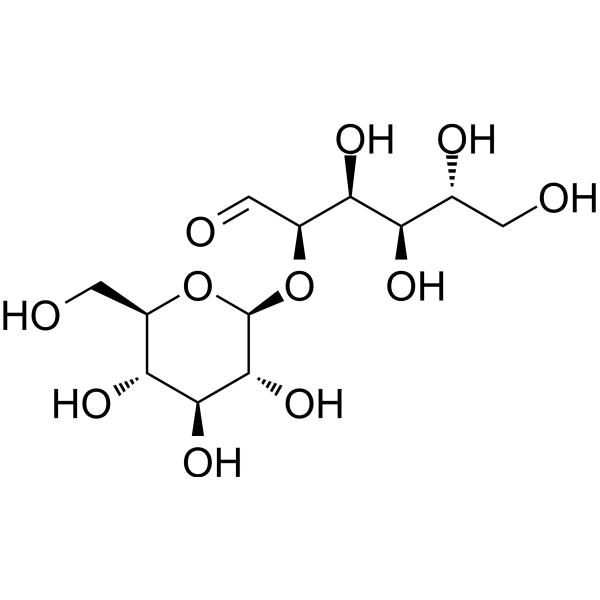
    Sophorose (2-O-beta-D-Glucopyranosyl-D-glucopyranose) monohydrate is the disaccharide component of microbial glycolipids, which are often used as biosurfactants due to their hydrophobicity. Sophorolipids also exhibit antibacterial, antifungal, spermicidal, virucidal, and anticancer activities. In studies of Trichoderma reesei fermentation, sophorose monohydrate has been identified as a potent inducer of cellulase gene expression .
    Sophorose monohydrate
  • HY-143692

    Liposome HSV Topoisomerase MDM-2/p53 Apoptosis Infection Inflammation/Immunology Cancer
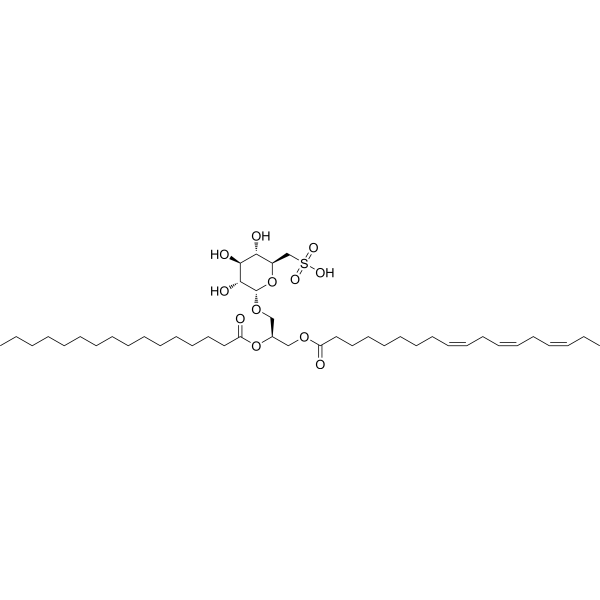
    SQDG inhibits topoisomerase I and P-selectin receptor, exhibits anti-inflammatory, antiviral and antitumor activities. SQDG is a glycolipid that possesses sugar moieties in their head groups. SQDG is a membrane lipid that can be used to investigate the effects of structural lipid in LNP formulations .
    SQDG
  • HY-P2871

    EC 3.2.1.22

    Endogenous Metabolite Others
    α-Galactosidase, Aspergillus niger (EC 3.2.1.22), that is, α-galactosidase, is a glycoside hydrolase that widely exists in animals, plants and microorganisms, and is often used in biochemical research. α-Galactosidase catalyzes the hydrolysis of α-1,6-linked terminal galactose residues, including galactooligosaccharides, galactomannans, and galactolipids. Catalyzes many catabolic processes including cleavage of glycoproteins, glycolipids and polysaccharides .
    α-Galactosidase, Aspergillus niger
  • HY-120034
    NCGC 607
    1 Publications Verification

    Glycosidase α-synuclein Neurological Disease Metabolic Disease
    NCGC 607 is a noninhibitory small-molecule chaperone of glucocerebrosidase (GCase). NCGC 607 can increase GCase activity, reduce α-synuclein levels, and decrease glycolipid levels. NCGC 607 can be used in the research of Gaucher disease and Parkinson's disease .
    NCGC 607
  • HY-113044

    UDP-D-Glucose

    Endogenous Metabolite P2Y Receptor Cardiovascular Disease Metabolic Disease Inflammation/Immunology
    Uridine 5’-diphosphoglucose (UDP-glucose), secreted by cardiomyocytes during ischemia and reperfu, is a potent agonist of the proinflammatory P2Y14 receptor. It acts an important role in the regulation of inflammation and neutrophil polarization in neutrophils. Uridine 5’-diphosphoglucose is also the precursor of glucose-containing oligosaccharides, polysaccharides, glycoproteins, and glycolipids in animal tissues and in some microorganisms. Uridine 5’-diphosphoglucose is promising for research in counteracting myocardial infarction/reperfusion (MIR)-induced inflammation in the heart tissue .
    Uridine 5′-diphosphoglucose
  • HY-P2950

    Glycosidase Metabolic Disease
    α-Mannosidase is a hydrolytic enzyme targeting mannose-containing glycoproteins or glycolipids. α-Mannosidase is promising for research of inherited α-mannosidosis .
    α-Mannosidase
  • HY-W717504

    Drug Derivative
    Glucosylceramide, plant is a plant-derived glycolipid with anti-inflammatory and immunomodulatory activities. Glucosylceramide, plant plays an important role in promoting cell proliferation and repair. Glucosylceramide, plant is widely used in skin care products to enhance skin barrier function. Glucosylceramide, plant has also been studied for improving nervous system health, showing potential neuroprotective effects.
    Glucosylceramide, plant
  • HY-125726

    (3'-sulfo)Galβ-Cer(d18:1/24:1); N-Nervonoyl Sulfatide; C24:1 Sulfatide

    Nuclear Factor of activated T Cells (NFAT) Inflammation/Immunology
    Sulfo galactosylceramide (N-Nervonoyl Sulfatide; C24:1 Sulfatide) is a glycolipid and the major sulfolipid species in mature myelin. Sulfo galactosylceramide interacts with C-type lectins and immunoglobulin-like receptors, with the highest affinity for LMIR5. Sulfo galactosylceramide induces MCP-1 production by basophils but not mast cells, and increases NFAT activation via LMIR5. Sulfo galactosylceramide alleviates symptoms and improves survival in a mouse model of chronic relapsing-remitting experimental autoimmune encephalomyelitis (EAE), and reduces inflammatory lesions and the number of infiltrating mononuclear cells in the lumbar spinal cord of EAE mice.
    Sulfo galactosylceramide
  • HY-N10636

    Drug Derivative Others
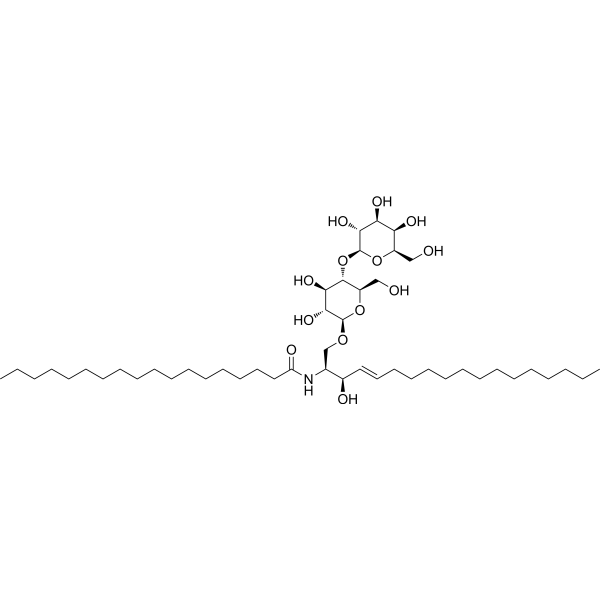
    D-lactosyl-β-1,1′ N-stearoyl-D-erythro-sphingosine is a neutral glycolipid .
    D-lactosyl-β-1,1′ N-stearoyl-D-erythro-sphingosine
  • HY-119445

    2-O-beta-D-Glucopyranosyl-D-glucopyranose

    Biochemical Assay Reagents Others
    Sophorose is a disaccharide component of microbial glycolipids produced by yeast called sophorolipids. Due to their hydrophobic nature, sophorolipids are commonly used as biosurfactants. Sophorolipids also exhibit antibacterial, antifungal, spermicidal, virucidal, and anticancer activities. Sophorose has been identified as a potent inducer of cellulase gene expression in Trichoderma reesei fermentation studies.
    Sophorose
  • HY-E70039

    Others Others
    alpha-2-3,6,8-Sialidosidase (SpNanA) catalyses hydrolysis of alpha-(2->3)-, alpha-(2->6)-, alpha-(2->8)- glycosidic linkages of terminal sialic acid residues in oligosaccharides, glycoproteins, glycolipids, colominic acid and synthetic substrates .
    alpha-2-3,6,8-Sialidosidase (SpNanA)
  • HY-148596

    UDP-N-Acetyl-D-glucosamine; Uridine diphospho-N-acetylglucosamine; UDP-N-acetylglucosamine

    Endogenous Metabolite P2Y Receptor Drug Intermediate Glycosyltransferase Infection
    UDP-GlcNAc (UDP-N-Acetyl-D-glucosamine) is an important component and precursor of bacterial peptidoglycan. UDP-GlcNAc is a nucleotide sugar used by Glycosyltransferases to synthesize glycoproteins, glycosaminoglycans, glycolipids, and glycoRNA. UDP-GlcNAc also serves as the donor substrate for forming O-GlcNAc, a dynamic intracellular protein modification involved in diverse signaling and disease processes. UDP-GlcNAc is the sugar nucleotide donor for the synthesis of O-GlcNAc modified proteins. UDP-GlcNAc also acts as a full agonist of the P2Y14 receptor and inhibits the formation of cAMP. UDP-GlcNAc can be used in studies related to bacterial infections .
    UDP-GlcNAc
  • HY-142975

    C15 Galactosylceramide (d18:1/15:0); GalCer(d18:1/15:0)

    Endogenous Metabolite Others
    N-Pentadecanoyl-psychosine is a glycolipid that can be used in membrane adhesion studies .
    N-Pentadecanoyl-psychosine
  • HY-164915

    Bacterial Metabolic Disease
    5-InoAz is an inositol analogue used as a metabolic probe for labeling the mycobacterial cell envelope. 5-InoAz integrates into cell envelope glycolipids [phosphatidylinositol mannoside (PIM), PIM-anchored lipomannan (LM), and lipoarabinomannan (LAM)] .
    5-InoAz
  • HY-E70062

    Fh8-PmST3

    Endogenous Metabolite Metabolic Disease
    alpha-2,3-Sialyltransferase (PmST3) (EC 2.4.99.4) is a beta-galactoside. alpha-2,3-Sialyltransferase (PmST3) catalyzes the transfer of sialic acid to carbohydrate groups of glycoproteins and glycolipids .
    α-2,3-Sialyltransferase, pasteurella multocida
  • HY-E70282

    rEGCase I assisted by activator II

    Biochemical Assay Reagents Neurological Disease
    Recombinant endoglycoceramidase I assisted by activator II (rEGCase I assisted by Activator II) is a mixture-form of EGCase I and Activator II. EGCase I is a glycolipid-specific hydrolase that well-suited to a comprehensive analysis of glycosphingolipids (GSLs). Activator II is capable of inducing activity of EGCase without any detergent reagents .
    Recombinant endoglycoceramidase I assisted by activator II
  • HY-E70063

    Endogenous Metabolite Metabolic Disease
    alpha-2,3-Sialyltransferase (Phα2,3SiaT) is a beta-galactoside. alpha-2,3-Sialyltransferase (Phα2,3SiaT) catalyzes the transfer of sialic acid to carbohydrate groups of glycoproteins and glycolipids .
    alpha-2,3-Sialyltransferase (Phα2,3SiaT)
  • HY-N7032S1

    UDP-D-Glucose-13C6 disodium

    Isotope-Labeled Compounds Endogenous Metabolite P2Y Receptor Cardiovascular Disease Metabolic Disease Inflammation/Immunology
    Uridine 5′-diphosphoglucose- 13C6 (UDP-D-Glucose- 13C6) disodium is the 13C labeled Uridine 5′-diphosphoglucose disodium (HY-N7032) . Uridine 5’-diphosphoglucose (UDP-glucose) disodium, secreted by cardiomyocytes during ischemia and reperfu, is a potent agonist of the proinflammatory P2Y14 receptor. It acts an important role in the regulation of inflammation and neutrophil polarization in neutrophils. Uridine 5’-diphosphoglucose disodium is also the precursor of glucose-containing oligosaccharides, polysaccharides, glycoproteins, and glycolipids in animal tissues and in some microorganisms. Uridine 5’-diphosphoglucose disodium is promising for research in counteracting myocardial infarction/reperfusion (MIR)-induced inflammation in the heart tissue .
    Uridine 5′-diphosphoglucose-13C6 disodium
  • HY-158725

    Endogenous Metabolite Others
    N-Octadecenoyl-(cis-9) -Sulfatide is a glycolipid found in the brains of mice. N-Octadecenoyl-(cis-9) -Sulfatide can be used as a standard for the determination of C18:13 '-mergogalactosyllactose in dry blood stains of patients with chromatic leukodystrophy (MLD) by ultra-high performance liquid chromatography-mass spectrometry (UPLC-MS) .
    N-Octadecenoyl-(cis-9)-sulfatide
  • HY-172558

    Biochemical Assay Reagents Others
    MEL-A is a glycolipid biosurfactant. MEL-A can be produced from vegetable oils by Pseudozyma yeasts. MEL-A can improve the low-temperature fluidity of biodiesel and hydrocarbon fuels. MEL-A is composed of a mixture of MEL-A isoforms with variable lengths of the fatty acid chain. MEL-A can significantly increases gene transfection by cationic liposomes via membrane fusion .
    MEL-A
  • HY-P10378

    GnRH Receptor Metabolic Disease
    GPR10 agonist 1 (compound 18-S4) is a potent GPR10 agonist with EC50 values of 80, 7.8 nM in the presence (10%) or absence (0%) of FBS, respectively. GPR10 agonist 1 has the potential for the research of chronic obesity .
    GPR10 agonist 1
  • HY-N7032S

    UDP-D-Glucose-13C disodium

    Isotope-Labeled Compounds Endogenous Metabolite P2Y Receptor Cardiovascular Disease Metabolic Disease Inflammation/Immunology
    Uridine 5′-diphosphoglucose- 13C (UDP-D-Glucose- 13C) disodium is the 13C labeled Uridine 5′-diphosphoglucose disodium (HY-N7032) . Uridine 5’-diphosphoglucose (UDP-glucose) disodium, secreted by cardiomyocytes during ischemia and reperfu, is a potent agonist of the proinflammatory P2Y14 receptor. It acts an important role in the regulation of inflammation and neutrophil polarization in neutrophils. Uridine 5’-diphosphoglucose disodium is also the precursor of glucose-containing oligosaccharides, polysaccharides, glycoproteins, and glycolipids in animal tissues and in some microorganisms. Uridine 5’-diphosphoglucose disodium is promising for research in counteracting myocardial infarction/reperfusion (MIR)-induced inflammation in the heart tissue .
    Uridine 5′-diphosphoglucose-13C disodium
  • HY-D2278

    Fluorescent Dye Others
    GDP-Fucose-Cy5 is a fluorescent dye that can be used for labeling free glycans, glycoproteins and glycolipids .
    GDP-Fucose-Cy5
  • HY-158655

    (3'-Sulfo)Galβ-Cer (d18:1/17:0); N-Heptadecanoyl sulfatide; C17 Sulfatide

    Biochemical Assay Reagents Neurological Disease
    C17 3'-Sulfo galactosylceramide (d18:1/17:0) is a member of the sulfatide class of glycolipids. C17 3'-Sulfo galactosylceramide (d18:1/17:0) can be used for the mass spectrometric quantitative urinary determination in metachromatic leukodystrophies .
    C17 3'-Sulfo galactosylceramide (d18:1/17:0)
  • HY-N15763

    Biochemical Assay Reagents Others
    Beta-D-mannosyl farnesyl phosphate ammonium is a Isoprenoid that is involved in the biosynthesis of glycolipids and glycoproteins.
    Beta-D-mannosyl farnesyl phosphate  ammonium
  • HY-144003

    Biochemical Assay Reagents Inflammation/Immunology
    BAY-R 1005, an immunoenhancing agent, is a synthetic glycolipid analogue (GLA), which is supposed to modulate antibody synthesis .
    BAY-R 1005
  • HY-172001

    Drug Derivative Cancer
    α-GalCer analog 8 is a triazole derivative of α-Galactosylceramide (HY-102022). α-Galactosylceramide is a synthetic glycolipid with antitumorial and immunostimulatory .
    α-GalCer analog 8
  • HY-106181A

    R-106056 hydrochloride

    PPAR Metabolic Disease
    Rivoglitazone hydrochloride (R-106056 hydrochloride) is a peroxisome proliferator-activated receptor-γ (PPAR-γ) agonist. Rivoglitazone hydrochloride (R-106056 hydrochloride) exerts its anti-diabetic effect by activating PPARγ to regulate the expression of a large number of genes related to lipid and glucose metabolism. Rivoglitazone hydrochloride (R-106056 hydrochloride) can be used to study insulin secretion and insulin resistance in animal models of diabetes .
    Rivoglitazone hydrochloride
  • HY-156996

    Others Inflammation/Immunology Cancer
    AGI-134 is a fully synthetic alpha-Gal glycolipid. AGI-134 invokes CD8+ T cell-mediated immunity. AGI-134 induces tumor cell destruction and phagocytosis .
    AGI-134
  • HY-106193

    NO Synthase Cardiovascular Disease
    RC-552 is a novel synthetic glycolipid related in chemical structure to MLA. RC-552 induces delayed cardioprotective effects via an iNOS-dependent pathway. RC-552 attenuates myocardial stunning .
    RC-552
  • HY-162727

    IFNAR Interleukin Related CD1 Inflammation/Immunology Cancer
    GCS-12 is a Th1/2-balanced sulfonamide glycolipid with improved interaction with CD1d. GCS-12 is an agonist for natural killer T (NKT) cell, that induces the secretion of cytokine IFN-γ and IL-4, and exhibits immunomodulatory and anti-tumor activities in mice .
    GCS-12
  • HY-165072

    C2 Sulfatide; N-Acetyl sulfatide

    Biochemical Assay Reagents Others
    C2 3'-Sulfo galactosylceramide (d18:1/2:0) (C2 Sulfatide) is one of the sulfatide class of glycolipids. C2 3'-Sulfo galactosylceramide (d18:1/2:0) can be used in the quantification of lysosulfatides in mouse brain tissue and plasma .
    C2 3'-Sulfo galactosylceramide (d18:1/2:0)
  • HY-186103

    CD1 IFNAR Interleukin Related Bacterial Influenza Virus Infection Inflammation/Immunology
    Glycolipid C34, α-GalCer (HY-102022) analog, is a CD1d-binding glycolipid antinfection agent. Glycolipid C34 mediates invariant natural killer T cell activation and increases the secretion of IFN-γ and IL-4. Glycolipid C34 promotes clearance of bacterial infections in murine models and enhances protective immunity against viral infections. Glycolipid C34 can be used for the research of bacterial infection, viral infection .
    Glycolipid C34
  • HY-102022R

    α-GalCer (Standard); KRN7000 (Standard)

    Reference Standards Transmembrane Glycoprotein Interleukin Related CD1 Inflammation/Immunology Cancer
    α-Galactosylceramide (Standard) is the analytical standard of α-Galactosylceramide (HY-102022). This product is intended for research and analytical applications. α-Galactosylceramide (α-GalCer) is a synthetic glycolipid with antitumorial and immunostimulatory. α-Galactosylceramide is a very potent NKT cell agonist and binds effectively to CD1d. The complex of α-Galactosylceramide plus CD1d binds the NKT cell TCR (T cell antigen receptor) .
    α-Galactosylceramide (Standard)
  • HY-N7956

    Others Others
    Gingerglycolipid B is a glycolipid monoacyldigalactosylglycerol compound found in Zingiberis Rhizoma Originating in Taiwan .
    Gingerglycolipid B
  • HY-W1121519

    Liposome Metabolic Disease
    6,6′-Trehalose dioleate is a glycolipid that can be used to prepare lipid nanoparticles (LNPs) for drug delivery.
    6,6′-Trehalose dioleate
  • HY-W145662

    Biochemical Assay Reagents Others
    Octadecylthioethyl 4-O-α-D-galactopyranosyl-β-D-galactopyranoside is a glycolipid receptor that can be used to study lipid regulation mechanisms .
    Octadecylthioethyl 4-O-α-D-galactopyranosyl-β-D-galactopyranoside
  • HY-E71189

    Biochemical Assay Reagents Others
    13-Hydroxydocosanoate 13-β-glucosyltransferase (EC 2.4.1.158) can act as acceptor, leading to the formation by Candida bogoriensis of the extracellular glycolipid, hydroxydocosanoate sophoroside diacetate.
    13-Hydroxydocosanoate 13-β-glucosyltransferase
  • HY-P2871I

    Biochemical Assay Reagents Metabolic Disease
    α-Galactosidase, Green coffee beans (EC 3.2.1.22) is a glycoside hydrolase enzyme that hydrolyses the terminal alpha-galactosyl moieties from glycolipids and glycoproteins.
    α-Galactosidase, Green coffee beans
  • HY-180371

    Drug Derivative Cancer
    NF-115 is a glycolipid inhibitor. NF-115 inhibits proliferation of glioma cancer cells and exhibits potent antimitotic activity in human astroblastoma cells. NF-115 can be used for research on glioma .
    NF-115
  • HY-181469

    Adamantanyl GluCer (d18:1/2:0); Adamantanyl glucosylceramide (d18:1/2:0); AdaGluCer (d18:1/2:0)

    Glycosidase Metabolic Disease
    C2 Adamantanyl glucosylceramide (d18:1/2:0) (Adamantanyl GluCer (d18:1/2:0)) is an inhibitor of glucocerebrosidase (GCC) and LacCer synthase. At low doses, C2 Adamantanyl glucosylceramide (d18:1/2:0) increases intracellular glycolipid levels by inhibiting glucocerebrosidase. C2 Adamantanyl glucosylceramide (d18:1/2:0) alters glycolipid metabolism. C2 Adamantanyl glucosylceramide (d18:1/2:0) can be used for the research of Gaucher disease and Fabry disease .
    C2 Adamantanyl glucosylceramide (d18:1/2:0)

Inquiry Online

Your information is safe with us. * Required Fields.

Salutation


Country or Region *

Applicant Name *


Organization Name *

Department *


Email Address *


Product Name *

Cat. No.


Requested quantity *

Phone Number *


Remarks

Inquiry Online

Inquiry Information

Product Name:
Cat. No.:
Quantity:
MCE Japan Authorized Agent:

