Search Result
Results for "
glycosphingolipids
" in MedChemExpress (MCE) Product Catalog:
2
Biochemical Assay Reagents
1
Isotope-Labeled Compounds
| Cat. No. |
Product Name |
Target |
Research Areas |
Chemical Structure |
-
- HY-N10546
-
|
|
iGluR
Trk Receptor
ERK
Apoptosis
Autophagy
|
Neurological Disease
|
|
Ganglioside GM1 is a type of glycosphingolipid, mainly found on the cell membranes of the central nervous system of vertebrates. Ganglioside GM1 exerts neuroprotective effects by reducing excessive activation of NMDAR, activating TrkA and ERK1/2, and inhibiting oxidative stress and cell apoptosis and autophagy. Ganglioside GM1 can be used in the research of diseases such as traumatic brain injury, Parkinson's disease, Alzheimer's disease, and Huntington's disease .
|
-

-
- HY-E70038
-
|
|
Endogenous Metabolite
|
Metabolic Disease
|
Endoglycoceramidase II (EGCase II) is an endo-β-glucosidase that releases intact glycans from ceramides in glycosphingolipids. Endoglycoceramidase II catalyzes the hydrolysis of β-glycosidic linkages between oligosaccharides and ceramides in various glycosphingolipids .
|
-
-
- HY-148385
-
|
|
Endogenous Metabolite
Integrin
FAK
Src
ERK
p38 MAPK
|
Neurological Disease
Cancer
|
|
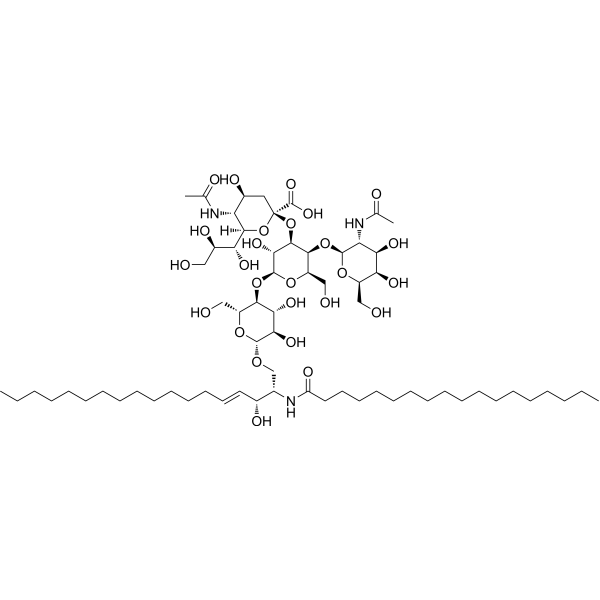
Ganglioside GM2 is a human tumor antigen predominantly found in human tumor cells and fetal brain tissue. As a sialylated glycosphingolipid, Ganglioside GM2 is involved in processes such as cell signaling, adhesion, and motility. Ganglioside GM2 abnormal expression and accumulation are associated with tumors and neurodegenerative disorders. Ganglioside GM2 promotes tumor cell migration and invasion by directly binding to the integrin β1 receptor, activating the FAK/Src/Erk-MAPK signaling pathway, and inducing actin cytoskeleton remodeling .
|
-
-
- HY-164236
-
|
|
Endogenous Metabolite
|
Metabolic Disease
|
|
C22 Glucosylceramide (d18:1/22:0) is a bioactive sphingolipid composed of a d18:1 sphingoid base and a 22:0 fatty acid chain. C22 Glucosylceramide (d18:1/22:0) specifically exists in Doxorubicin (HY-15142A)-sensitive cancer cells, and its circulating concentration is positively correlated with the incidence of cardiovascular events. C22 Glucosylceramide (d18:1/22:0) has been widely used in research related to cardiovascular diseases, hypercholesterolemia, metabolic syndrome, breast adenocarcinoma and other fields .
|
-

-
- HY-141866
-
|
|
Ceramidase
|
Neurological Disease
|
|
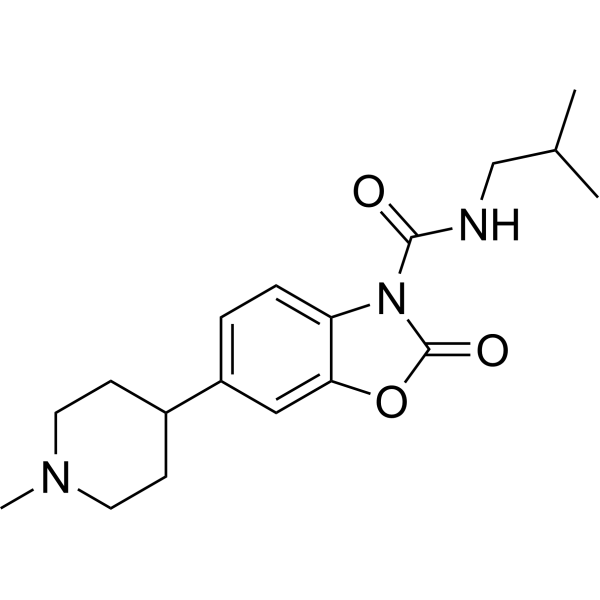
Acid Ceramidase-IN-1 is orally active and blood-brain barrier penetrant acid ceramidase (AC, ASAH-1) inhibitor (hAC IC50=0.166 μM). Acid Ceramidase-IN-1 reduces AC activity, accumulates ceramide species (Cer (d18:0/16:0), Cer (d18:1/16:0)), and decreases sphingosine levels. Acid Ceramidase-IN-1 can be used for the study of severe neurological lysosomal storage diseases (LSDs) such as Gaucher’s disease (GD) and Krabbe’s disease (KD) .
|
-
-
- HY-N0899
-
|
|
JAK
STAT
Wnt
β-catenin
|
Inflammation/Immunology
Cancer
|
|
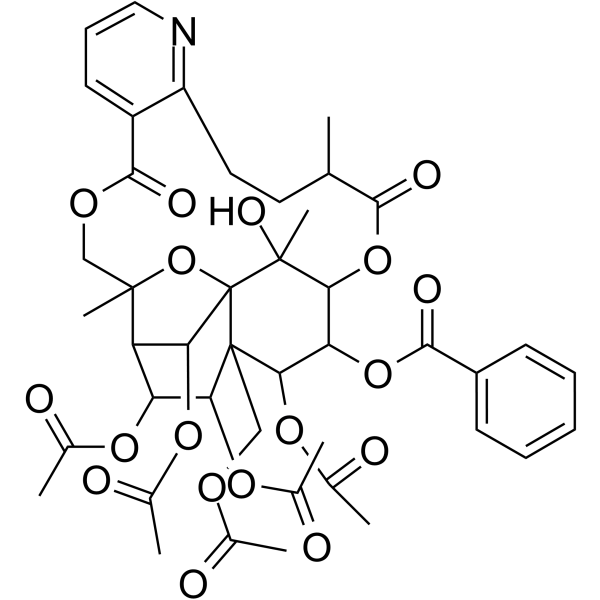
Wilforine is an orally active JAK-STAT pathway inhibitor with immunomodulatory effects and the ability to inhibit osteoclast fusion. Wilforine disrupts lipid raft integrity, reprograms cholesterol and glycosphingolipid metabolic pathways, regulates NF-κB and the complement system, and modulates the expression of various interleukins. Wilforine also inhibits the Wnt11/β-catenin signaling pathway and suppresses the proliferation of fibroblast-like synoviocytes. Wilforine can serve as a quality and pharmacokinetic marker for Tripterygium glycoside tablets, and can be applied to research on related diseases such as rheumatoid arthritis, inflammatory osteolysis, and SAPHO syndrome .
|
-
-
- HY-W341625
-
|
|
Endogenous Metabolite
|
Neurological Disease
Metabolic Disease
Cancer
|
|
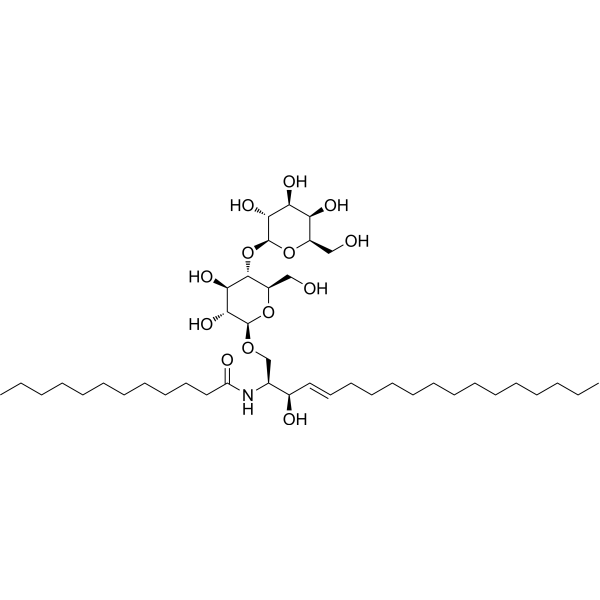
Trihexosylceramide (d18:1/12:0) is a glycosphingolipid and mood-related compound. Trihexosylceramide (d18:1/12:0) is characterized by elevated serum levels in Mus musculus fed a high-fat diet, and its levels are positively correlated with mood Z-scores. Accumulation of Trihexosylceramide (d18:1/12:0) in tissues is considered the etiology of angiokeratoma corporis diffusum. Trihexosylceramide (d18:1/12:0) can be used in studies related to high-fat diet-induced mood disorders .\n
|
-
-
- HY-170035
-
|
C18 Glucosyl(β) ceramide (d18:1/18:0); D-glucosyl-β-1,1' N-stearoyl-D-erythro-sphingosine
|
Fungal
Wnt
β-catenin
|
Infection
Neurological Disease
Cancer
|
|
GlcCer (d18:1/18:0) (C18 Glucosyl(β) ceramide (d18:1/18:0)) is a glycosphingolipids that activates the Wnt/β-catenin pathway by targeting LRP6. GlcCer (d18:1/18:0) drives EMT, migration, invasion and GBA1-mediated liver cancer metastasis. GlcCer (d18:1/18:0) accumulates to impair lysosomal function and induce toxic α-synuclein aggregation. GlcCer (d18:1/18:0) supports growth, sporulation, germination and virulence in Penicillium digitatum. GlcCer (d18:1/18:0) is reduced in demyelinated mouse corpus callosum. GlcCer (d18:1/18:0) can be used for the research of liver cancer, synucleinopathies, fungal, Parkinson’s disease and Gaucher disease .
|
-

-
- HY-W747597
-
|
Disialoganglioside GD1b; Ganglioside C1; Ganglioside G2
|
Endogenous Metabolite
|
Cancer
|
|
Ganglioside GD1b Disodium Salt (Bovine Brain) (Disialoganglioside GD1b; Ganglioside C1) is an acidic glycosphingolipid containing two sialic acid residues linked to an internal galactose unit. Ganglioside GD1b Disodium Salt tightly packs with cholesterol to form lipid microdomains that modulate intracellular and intercellular signaling events. Concentrations of Ganglioside GD1b Disodium Salt (Bovine Brain) in the human brain increase with age and are positively correlated with pilocytic astrocytoma tumor grade. Ganglioside GD1b Disodium Salt has been detected in various other gliomas, including primitive neuroectodermal tumors, glioblastomas, and anaplastic astrocytomas.
|
-

-
- HY-116392E
-
|
|
Glucosylceramide Synthase (GCS)
Apoptosis
|
Neurological Disease
Metabolic Disease
Cancer
|
|
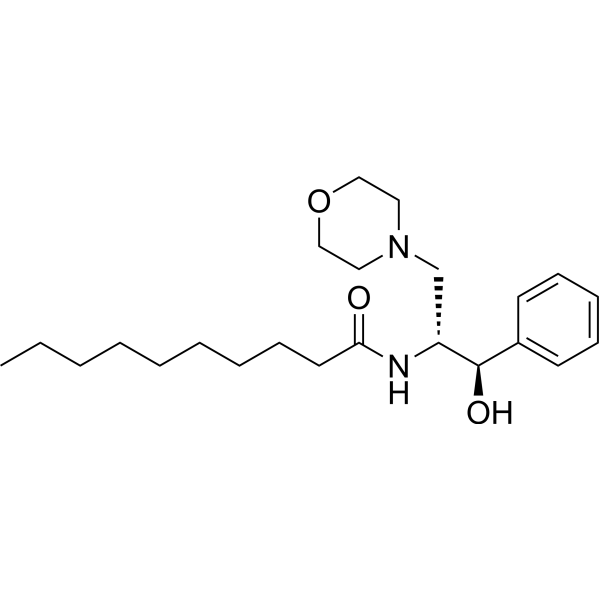
D-threo-PDMP is a potent glucoceramide synthase (GCS) inhibitor, which reduces the glycosphingolipids (such as GM3 and GD3) on the cell surface by inhibiting glycosylation, reduces the total length of the axon plexus and the number of axon branch points, and inhibits neurite growth. D-threo-PDMP inhibits the synthesis of GM3, thereby reducing the adhesion ability of B16 melanoma cells and mimicking the pathological effects of hyperglycemia/TGF-β1. D-threo-PDMP inhibits the synthesis of GD3, thereby protecting liver cells from apoptosis induced by TNF-α. D-threo-PDMP can be used to study diseases related to targeted glycosphingolipid metabolism .
|
-
-
- HY-50055
-
|
|
ERK
|
Cancer
|
|
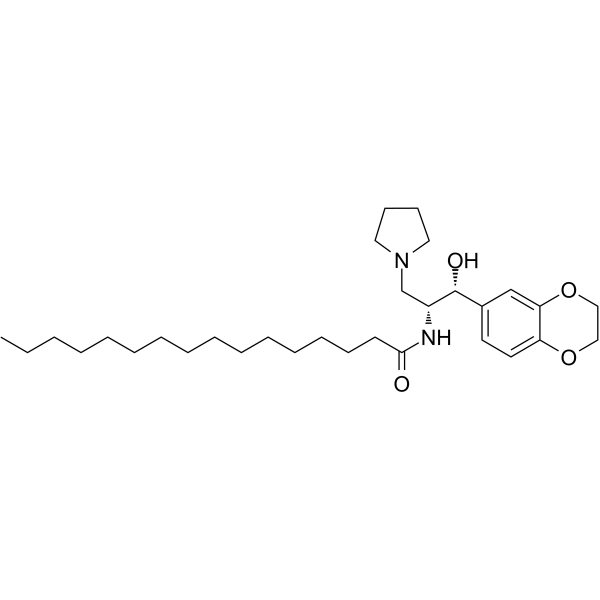
EtDO-P4 is a nanomolar inhibitor of glycosphingolipid (GSL) synthesis. EtDO-P4 suppresses activation of the EGFR-induced ERK pathway and various receptor tyrosine kinases (RTKs). EtDO-P4 can be used for various types of cancer, including Burkitt’s lymphoma .
|
-
-
- HY-116392F
-
|
|
Glucosylceramide Synthase (GCS)
|
Neurological Disease
Metabolic Disease
Cancer
|
|
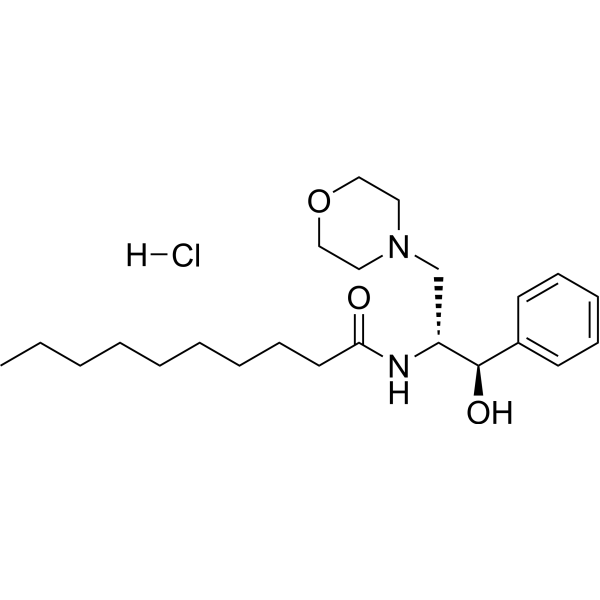
D-threo-PDMP hydrochloride is a potent glucoceramide synthase (GCS) inhibitor, which reduces the glycosphingolipids (such as GM3 and GD3) on the cell surface by inhibiting glycosylation, reduces the total length of the axon plexus and the number of axon branch points, and inhibits neurite growth. D-threo-PDMP hydrochloride inhibits the synthesis of GM3, thereby reducing the adhesion ability of B16 melanoma cells and mimicking the pathological effects of hyperglycemia/TGF-β1. D-threo-PDMP hydrochloride inhibits the synthesis of GD3, thereby protecting liver cells from apoptosis induced by TNF-α. D-threo-PDMP hydrochloride can be used to study diseases related to targeted glycosphingolipid metabolism .
|
-
-
- HY-E70047
-
|
A4GALT
|
Glycosyltransferase
|
Metabolic Disease
|
|
alpha-1,4-Galactosyltransferase (LgtC) (A4GALT) is a glycosphingolipid-specific glycosyltransferase. alpha-1,4-Galactosyltransferase (LgtC) transfers a galactose to the alpha-1,4 position of lactosylceramide to form globotriaosylceramide. alpha-1,4-Galactosyltransferase (LgtC) can be used for the synthesis of P1 blood group antigens .
|
-
-
- HY-156209
-
|
|
Biochemical Assay Reagents
|
Cardiovascular Disease
Cancer
|
|
Gb3 (d18:1/16:0) (Compound 1) is the P k antigen of the P blood group system. Gb3 (d18:1/16:0) acts as a cell surface receptor. Gb3 (d18:1/16:0) is used for research on Burkitt's lymphoma, teratocarcinoma, embryonal carcinoma, and Fabry's disease .
|
-

-
- HY-76981
-
|
|
Others
|
Others
|
|
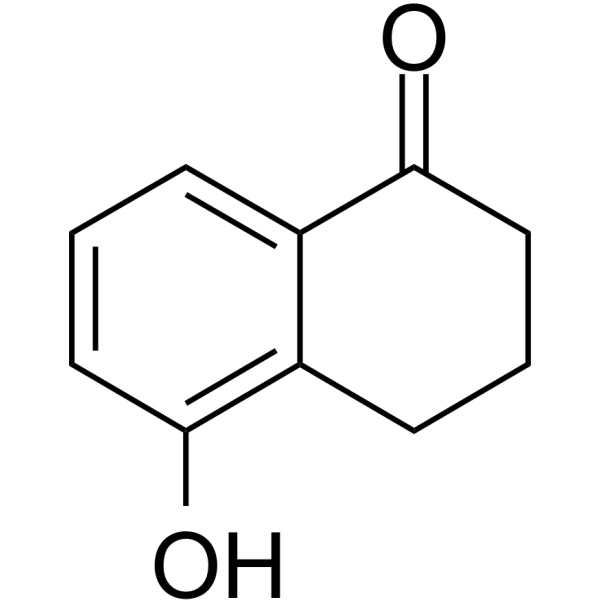
5-hydroxy-1-tetralone can be used as a fluorescent labeling reagent for the determination of glycosphingolipid from biological samples .
|
-
-
- HY-131139A
-
|
|
Apoptosis
|
Neurological Disease
Cancer
|
|
Ganglioside GD3 diammonium is an acidic glycosphingolipid. Ganglioside GD3 diammonium inhibits the proliferation of cancer cells, affects the opening of the mitochondrial permeability transition pore (PTPC), induces apoptosis and activates caspase family. Ganglioside GD3 diammonium can be used in research about cancer and neurodegenerative diseases .
|
-

-
- HY-N10546A
-
|
|
iGluR
Trk Receptor
ERK
Apoptosis
Autophagy
|
Neurological Disease
|
|
Ganglioside GM1 (bovine) ammonium is a type of glycosphingolipid, mainly found on the cell membranes of the central nervous system of vertebrates. Ganglioside GM1 (bovine) ammonium exerts neuroprotective effects by reducing excessive activation of NMDAR, activating TrkA and ERK1/2, and inhibiting oxidative stress and cell apoptosis and autophagy. Ganglioside GM1 (bovine) ammonium can be used in the research of diseases such as traumatic brain injury, Parkinson's disease, Alzheimer's disease, and Huntington's disease .
|
-

-
- HY-N10526
-
|
Gala-3Galb-4Glc
|
Others
|
Others
|
|
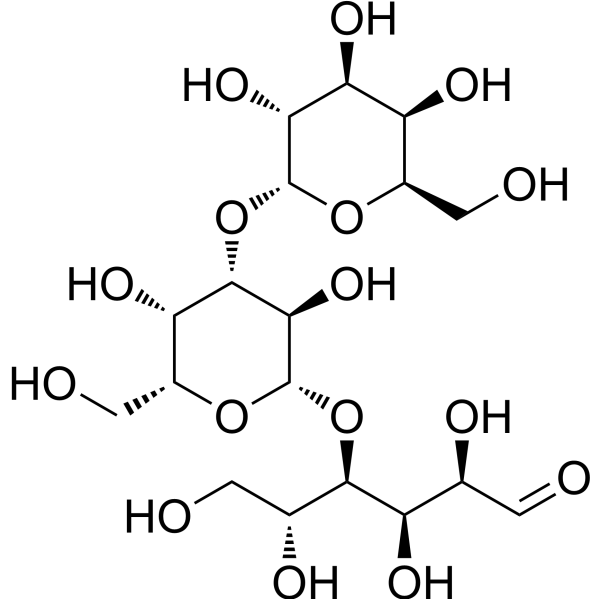
Isoglobotriaose (Gala-3Galb-4Glc) is a glycosphingolipid found in mammalian tissues. Isoglobotriaose is an analogue of Globotriaose, the ganglioside derivatives of them locate in difference position of small intestine, isoglobotriaosylceramide is restricted to the nonepithelial residue, while globotriaosylceramide is in both compartments .
|
-
-
- HY-E70282
-
|
rEGCase I assisted by activator II
|
Biochemical Assay Reagents
|
Neurological Disease
|
|
Recombinant endoglycoceramidase I assisted by activator II (rEGCase I assisted by Activator II) is a mixture-form of EGCase I and Activator II. EGCase I is a glycolipid-specific hydrolase that well-suited to a comprehensive analysis of glycosphingolipids (GSLs). Activator II is capable of inducing activity of EGCase without any detergent reagents .
|
-

-
- HY-D1916A
-
|
|
Fluorescent Dye
|
Others
|
|
ATTO 594 TEA is a highly hydrophilic fluorescent dye used to label the outermost position of the glycan moiety of glycosphingolipids to retain the biophysical and biochemical properties of native glycosphingolipids .
|
-

-
- HY-131139
-
|
|
Apoptosis
|
Neurological Disease
Cancer
|
|
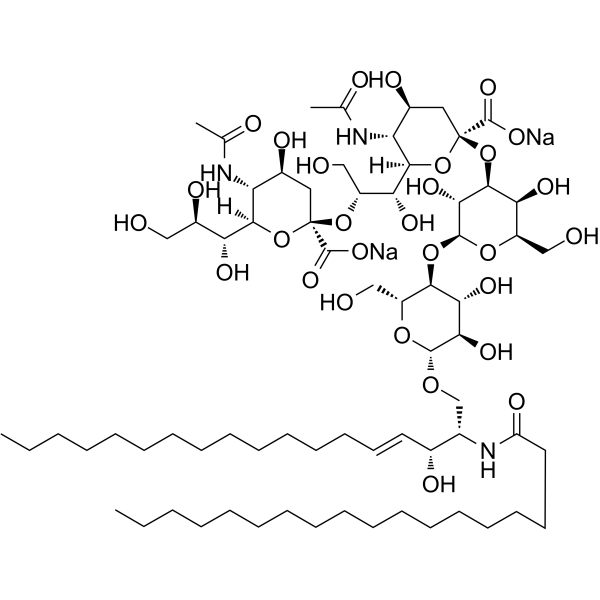
Ganglioside GD3 disodium salt is an acidic glycosphingolipid. Ganglioside GD3 disodium salt inhibits the proliferation of cancer cells, affects the opening of the mitochondrial permeability transition pore (PTPC), induces apoptosis and activates caspase family. Ganglioside GD3 disodium salt can be used in research about cancer and neurodegenerative diseases .
|
-
-
- HY-E70281
-
|
rEGCase II
|
Biochemical Assay Reagents
|
Metabolic Disease
|
|
Recombinant endoglycoceramidase II (rEGCase II) is an endo-β-glucosidase releasing the complete glycan from ceramide in glycosphingolipids. Recombinant endoglycoceramidase II catalyzes the hydrolysis of the β-glycosidic linkage between oligosaccharides and ceramides in various glycosphingolipids .
|
-

-
- HY-N1228
-
|
|
Others
|
Others
|
|
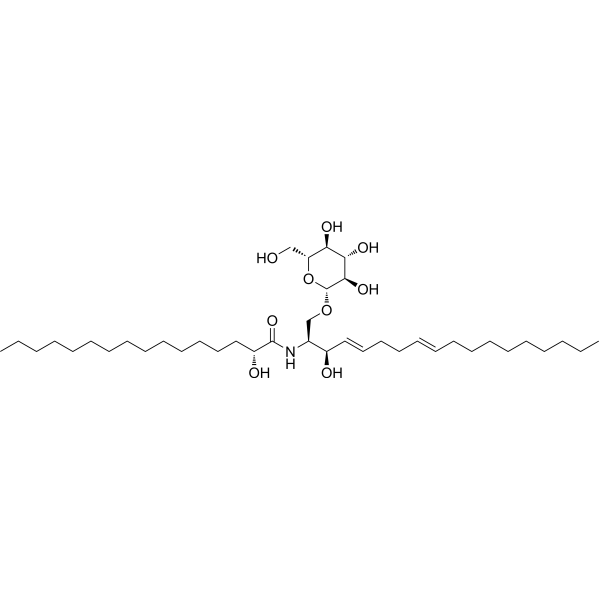
Soyacerebroside I is a glycosphingolipid, together with Soyacerebroside II, which can be isolated from the seeds of Glycine max Merrill (Leguminosae). Soyacerebroside II shows ionophoretic activity for Ca 2+ .
|
-
-
- HY-E70280
-
|
rEGCase I
|
Biochemical Assay Reagents
|
Metabolic Disease
|
|
Recombinant endoglycoceramidase I (rEGCase I) is a glycosidase that catalyzes the hydrolysis of the β-glycosidic linkage between oligosaccharides and ceramides. Recombinant endoglycoceramidase I catalyzes a transglycosylation reaction, which transfers the sugar moiety of glycosphingolipids (GSLs) to the primary hydroxyl group of several 1-alkanols .
|
-

-
- HY-115737A
-
|
|
Apoptosis
|
Cancer
|
|
L-threo-PPMP hydrochloride is a GlcT (UDP-Glc: Ceramide β1,1glucosyltransferase) inhibitor. L-threo-PPMP hydrochloride inhibits glycosphingolipid biosynthesis and induces apoptosis. L-threo-PPMP hydrochloride has anti-cancer activity .
|
-

-
- HY-115737
-
|
|
Apoptosis
|
Cancer
|
|
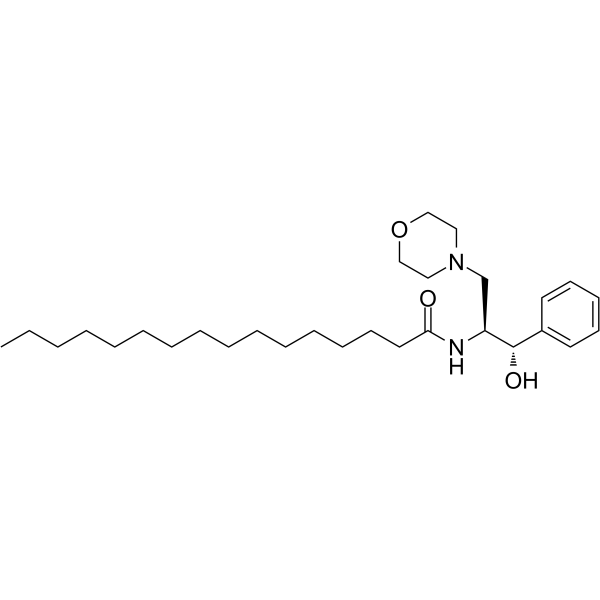
L-threo-PPMP is a GlcT (UDP-Glc: Ceramide β1,1glucosyltransferase) inhibitor. L-threo-PPMP inhibits glycosphingolipid biosynthesis and induces apoptosis. L-threo-PPMP has anti-cancer activity .
|
-
-
- HY-E70023
-
|
|
Endogenous Metabolite
|
Metabolic Disease
|
|
Sphingolipid ceramide N-deacylase (SCDase) cleaves the N-acyl linkage between fatty acids and sphingosine bases in various glycosphingolipids. Sphingolipid ceramide N-deacylase catalyzes glycosphingolipids to lysoglycosphingolipids .
|
-
-
- HY-131992
-
|
C2 Galactosylceramide (d18:1/2:0)
|
Apoptosis
|
Inflammation/Immunology
|
|
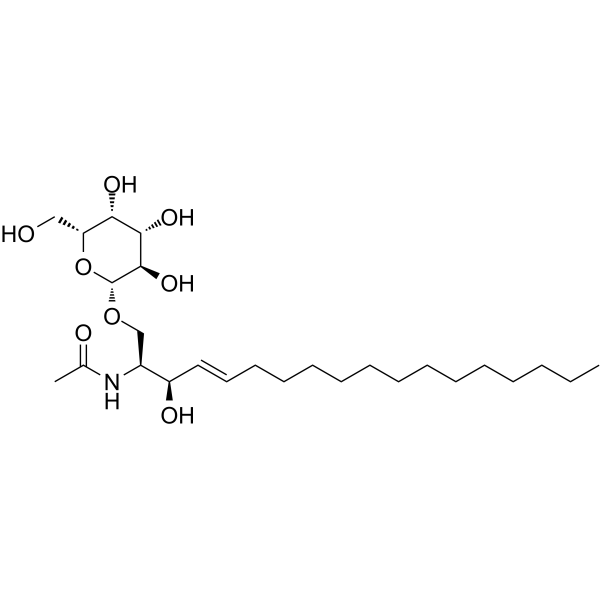
N-Acetylpsychosine (C2 Galactosylceramide (d18:1/2:0)), α-galactosylated C2-ceramide, has immunostimulatory activity. N-Acetylpsychosine can be a useful tool to investigate the mechanism of apoptosis and the immune reponses induced by dendritic cells (DCs) .
|
-
-
- HY-158736
-
|
Psychosine 3′-O-sulfate ammonium; Psychosine 3′-sulfate ammonium
|
Phospholipase
|
Cancer
|
|
Lyso-sulfatide (bovine) ammonium, a derivative of the glycosphingolipid sulfatide, acts as an extracellular signal regulating the migration of a neural precursor cell line (B35 neuroblastoma cells) by rapidly promoting process retraction and cell rounding .
|
-

-
- HY-E70299
-
|
ST3GAL5
|
TGF-beta/Smad
|
Cancer
|
|
ST3 β-Gal α-2,3-Sialyltransferase 5 (ST3GAL5) is a glycosphingolipid (GSL) biosynthetic enzyme that can inhibit TGF-β-induced epithelial-mesenchymal transition (EMT), invasion, and metastasis both in vivo and in vitro. ST3 β-Gal α-2,3-Sialyltransferase 5 can be used in cancer research .
|
-

-
- HY-W127461
-
|
Gangliotriosylceramide
|
Biochemical Assay Reagents
|
Others
|
|
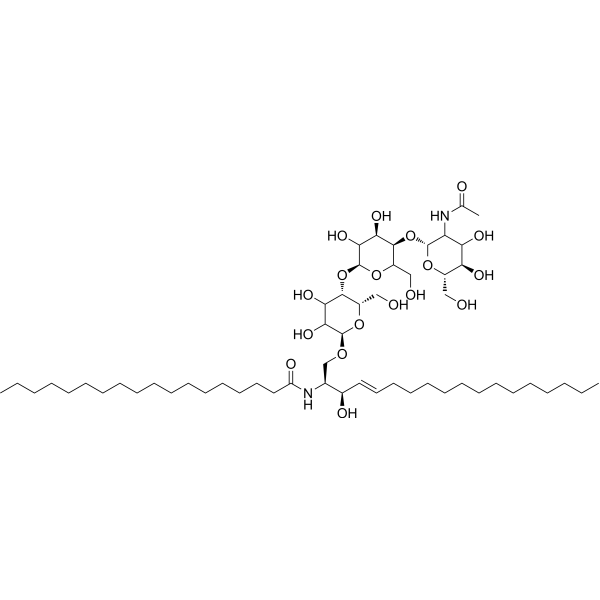
Ganglioside GM2 asialo (asialo-GM2) is a glycosphingolipid containing three monosaccharide residues and one fatty acid of variable chain length, but lacks the sialic acid residue present on ganglioside M2. Asialo-GM2 is found at low or undetectable levels in normal human brains, but it accumulates in the brains of patients with Tay-Sachs disease and Sandhoff disease, which are expressed as lysosomal β- A neurodegenerative disorder characterized by hexosaminidase A and B deficiency. It also binds to various bacteria, including Pseudomonas isolated from cystic fibrosis patients. The Asialo-GM2 mixture contains ganglioside GM2 asialo molecular species with fatty acyl chains of variable length.
|
-
-
- HY-152003S
-
|
|
Isotope-Labeled Compounds
|
Others
|
|
Ganglioside GM2-d3 (ammonium) is the deuterium labeled Ganglioside GM2 (HY-148385). Ganglioside GM2 is a human tumor antigen predominantly found in human tumor cells and fetal brain tissue. As a sialylated glycosphingolipid, Ganglioside GM2 is involved in processes such as cell signaling, adhesion, and motility. Ganglioside GM2 abnormal expression and accumulation are associated with tumors and neurodegenerative disorders. Ganglioside GM2 promotes tumor cell migration and invasion by directly binding to the integrin β1 receptor, activating the FAK/Src/Erk-MAPK signaling pathway, and inducing actin cytoskeleton remodeling .
|
-

-
- HY-N10527
-
|
Globoisotetraose
|
Others
|
Others
|
|
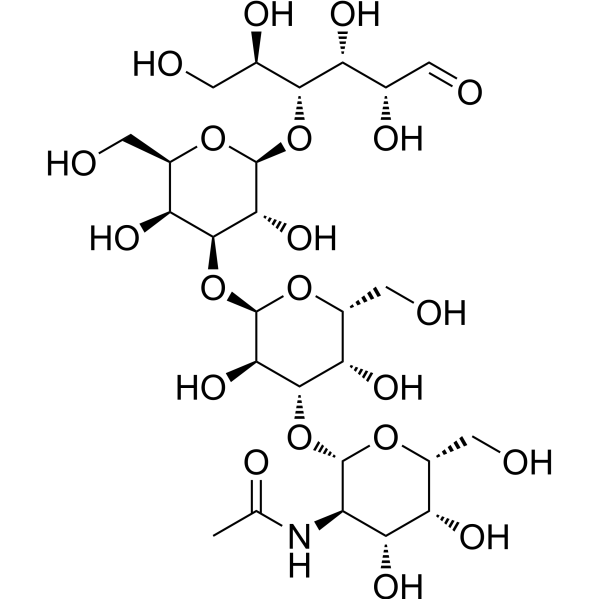
Isoglobotetraose (Globoisotetraose) is the oligosaccharide moiety of human glycosphingolipids. Synthesis process: globotetraose (GalNAcβ1→3Galα1→4Galβ1→4Glc) and isoglobotetraose (GalNAcβ1→3Galα1→3Galβ1→4Glc) .
|
-
-
- HY-152940
-
-

-
- HY-152940A
-
-

-
- HY-179798
-
-

-
- HY-179797
-
-

-
- HY-179859
-
-

-
- HY-153826
-
-

-
- HY-179768
-
-

-
- HY-179845
-
-

-
- HY-179844
-
-

-
- HY-125162
-
-

-
- HY-179843
-
-

-
- HY-179767
-
-

-
- HY-153828
-
-

-
- HY-179841
-
-

-
- HY-179842
-
-

-
- HY-179782
-
-

-
- HY-153869
-
-

- HY-W783401
-
|
C8 L-threo-Lactosyl(ß) ceramide (d18:1/8:0)
|
Others
|
Metabolic Disease
|
|
Lactosyl-b-1,1'-N-octanoyl-L-threo-sphingosine is a glycosphingolipid.
|
-

- HY-179796
-
-

- HY-179831
-
-

- HY-158941
-
-

- HY-179766
-
-

- HY-179816
-
-

- HY-179818
-
-

- HY-153872
-
-

- HY-153862
-
-

- HY-153871A
-
|
3-O-sulfo-α-d-galactosylceramide C24:1 ammonium
|
Others
|
Metabolic Disease
|
|
C24:1 Mono-sulfo Galactosyl (α) ceramide (d18:1/24:1) (ammonium) is a glycosphingolipid.
|
-

- HY-153871
-
|
3-O-Sulfo-β-d-galactosylceramide C24:1 ammonium
|
Others
|
Metabolic Disease
|
|
C24:1 Mono-sulfo Galactosyl (β) ceramide (d18:1/24:1) (ammonium) is a glycosphingolipid.
|
-

- HY-148747
-
|
|
Biochemical Assay Reagents
|
Neurological Disease
Cancer
|
|
Ganglioside GD3 (d18:1/12:0) is a type of glycosphingolipid, the d18:1 indicates the sphingosine base, and the 12:0 represents the fatty acid part which is lauric acid. Ganglioside GD3 (d18:1/12:0) is a crucial intermediate in the biosynthesis pathway of gangliosides and is mainly found in the brain tissues of mammals. Ganglioside GD3 (d18:1/12:0) plays significant roles in development, cell signal transduction, and various diseases .
|
-

- HY-NP216
-
|
LecB
|
Integrin
Endogenous Metabolite
Bacterial
|
Infection
|
|
PA-IIL (LecB) is a lectin produced by Pseudomonas aeruginosa. PA-IIL binds to glycosylated β1-integrin, fucose-containing glycosphingolipids, fucosylated/mannosylated neutrophil glycoconjugates, and pre-formed neutrophil extracellular traps. PA-IIL disrupts host defenses: it creates favorable conditions for Pseudomonas aeruginosa infection and dissemination by modulating the bactericidal activity of neutrophils, impairing the trafficking and recruitment of immune cells, and compromising the repair capacity of epithelial barriers. PA-IIL can be used in studies related to Pseudomonas aeruginosa infection .
|
-

- HY-175076
-
|
|
Endogenous Metabolite
|
Metabolic Disease
Inflammation/Immunology
|
|
Globotriaosylceramide (non-hydroxy) (porcine RBC) is a glycosphingolipid found in the cell membranes of mammals. Globotriaosylceramide (non-hydroxy) (porcine RBC) is the core pathogenic molecule of Fabry disease, and its level can be downregulated by supplementing α-galactosidase A. Globotriaosylceramide (non-hydroxy) (porcine RBC) amplifies B-cell receptor signals by regulating the localization of co-receptor CD19, and can be used as a vaccine adjuvant, capable of guiding the generation of broad-spectrum and cross-protective antibody responses. Globotriaosylceramide (non-hydroxy) (porcine RBC) promotes wound healing and reduces scar formation by regulating fibroblast heterogeneity .
|
-

- HY-181469
-
|
Adamantanyl GluCer (d18:1/2:0); Adamantanyl glucosylceramide (d18:1/2:0); AdaGluCer (d18:1/2:0)
|
Glycosidase
|
Metabolic Disease
|
|
C2 Adamantanyl glucosylceramide (d18:1/2:0) (Adamantanyl GluCer (d18:1/2:0)) is an inhibitor of glucocerebrosidase (GCC) and LacCer synthase. At low doses, C2 Adamantanyl glucosylceramide (d18:1/2:0) increases intracellular glycolipid levels by inhibiting glucocerebrosidase. C2 Adamantanyl glucosylceramide (d18:1/2:0) alters glycolipid metabolism. C2 Adamantanyl glucosylceramide (d18:1/2:0) can be used for the research of Gaucher disease and Fabry disease .
|
-

- HY-180371
-
|
|
Drug Derivative
|
Cancer
|
|
NF-115 is a glycolipid inhibitor. NF-115 inhibits proliferation of glioma cancer cells and exhibits potent antimitotic activity in human astroblastoma cells. NF-115 can be used for research on glioma .
|
-

| Cat. No. |
Product Name |
Type |
-
- HY-D1916A
-
|
|
Fluorescent Dyes
|
|
ATTO 594 TEA is a highly hydrophilic fluorescent dye used to label the outermost position of the glycan moiety of glycosphingolipids to retain the biophysical and biochemical properties of native glycosphingolipids .
|
| Cat. No. |
Product Name |
Type |
-
- HY-W127461
-
|
Gangliotriosylceramide
|
Biochemical Assay Reagents
|
|
Ganglioside GM2 asialo (asialo-GM2) is a glycosphingolipid containing three monosaccharide residues and one fatty acid of variable chain length, but lacks the sialic acid residue present on ganglioside M2. Asialo-GM2 is found at low or undetectable levels in normal human brains, but it accumulates in the brains of patients with Tay-Sachs disease and Sandhoff disease, which are expressed as lysosomal β- A neurodegenerative disorder characterized by hexosaminidase A and B deficiency. It also binds to various bacteria, including Pseudomonas isolated from cystic fibrosis patients. The Asialo-GM2 mixture contains ganglioside GM2 asialo molecular species with fatty acyl chains of variable length.
|
-
- HY-NP216
-
|
LecB
|
Biochemical Assay Reagents
|
|
PA-IIL (LecB) is a lectin produced by Pseudomonas aeruginosa. PA-IIL binds to glycosylated β1-integrin, fucose-containing glycosphingolipids, fucosylated/mannosylated neutrophil glycoconjugates, and pre-formed neutrophil extracellular traps. PA-IIL disrupts host defenses: it creates favorable conditions for Pseudomonas aeruginosa infection and dissemination by modulating the bactericidal activity of neutrophils, impairing the trafficking and recruitment of immune cells, and compromising the repair capacity of epithelial barriers. PA-IIL can be used in studies related to Pseudomonas aeruginosa infection .
|
| Cat. No. |
Product Name |
Category |
Target |
Chemical Structure |
-
- HY-N10546
-
|
|
Structural Classification
Natural Products
Animals
|
iGluR
Trk Receptor
ERK
Apoptosis
Autophagy
|
|
Ganglioside GM1 is a type of glycosphingolipid, mainly found on the cell membranes of the central nervous system of vertebrates. Ganglioside GM1 exerts neuroprotective effects by reducing excessive activation of NMDAR, activating TrkA and ERK1/2, and inhibiting oxidative stress and cell apoptosis and autophagy. Ganglioside GM1 can be used in the research of diseases such as traumatic brain injury, Parkinson's disease, Alzheimer's disease, and Huntington's disease .
|
-
-
- HY-N0899
-
-
-
- HY-76981
-
-
-
- HY-N10526
-
|
Gala-3Galb-4Glc
|
Structural Classification
Polysaccharides
Microorganisms
Saccharides
|
Others
|
|
Isoglobotriaose (Gala-3Galb-4Glc) is a glycosphingolipid found in mammalian tissues. Isoglobotriaose is an analogue of Globotriaose, the ganglioside derivatives of them locate in difference position of small intestine, isoglobotriaosylceramide is restricted to the nonepithelial residue, while globotriaosylceramide is in both compartments .
|
-
-
- HY-N1228
-
-
-
- HY-N10527
-
-
| Cat. No. |
Product Name |
Chemical Structure |
-
- HY-152003S
-
|
|
|
Ganglioside GM2-d3 (ammonium) is the deuterium labeled Ganglioside GM2 (HY-148385). Ganglioside GM2 is a human tumor antigen predominantly found in human tumor cells and fetal brain tissue. As a sialylated glycosphingolipid, Ganglioside GM2 is involved in processes such as cell signaling, adhesion, and motility. Ganglioside GM2 abnormal expression and accumulation are associated with tumors and neurodegenerative disorders. Ganglioside GM2 promotes tumor cell migration and invasion by directly binding to the integrin β1 receptor, activating the FAK/Src/Erk-MAPK signaling pathway, and inducing actin cytoskeleton remodeling .
|
-
Your information is safe with us. * Required Fields.
Inquiry Information
- Product Name:
- Cat. No.:
- Quantity:
- MCE Japan Authorized Agent:








