1. Search Result
Search Result
Results for "

hexosaminidase

" in MedChemExpress (MCE) Product Catalog:

31

Inhibitors & Agonists

2

Fluorescent Dyes

3

Biochemical Assay Reagents

3

Peptides

1

Inhibitory Antibodies

12

Natural
Products

4

Recombinant Proteins

1

Antibodies

Cat. No. Product Name Target Research Areas Chemical Structure
  • HY-W011183

    Biochemical Assay Reagents Metabolic Disease
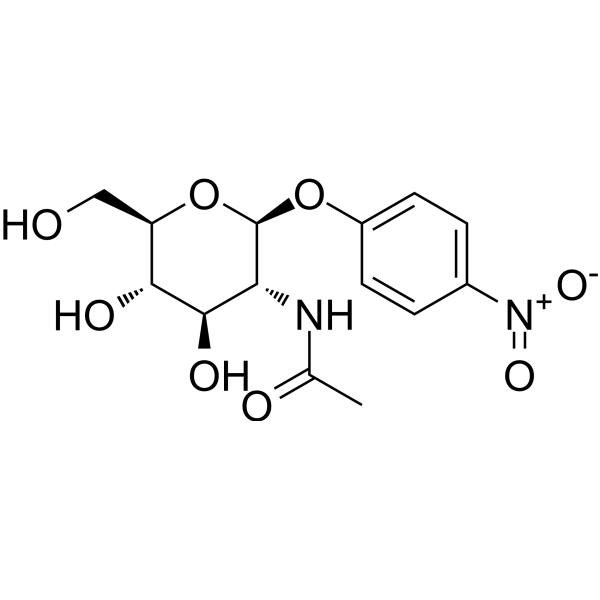
    4-Nitrophenyl-N-acetyl-β-D-glucosaminide, an artificial substrate of N-acetyl-beta-D-hexosaminidase (NAGase), can be used in rapid and accurate rate assay for N-acetyl-beta-D-hexosaminidase. 4-Nitrophenyl-N-acetyl-β-D-glucosaminide is highly soluble and stable. 4-Nitrophenyl-N-acetyl-β-D-glucosaminide can be used for the study of renal tubular injury .
    4-Nitrophenyl-N-acetyl-β-D-glucosaminide
  • HY-W009274

    MurNAc; NAMA

    p38 MAPK NF-κB Bacterial Infection Inflammation/Immunology
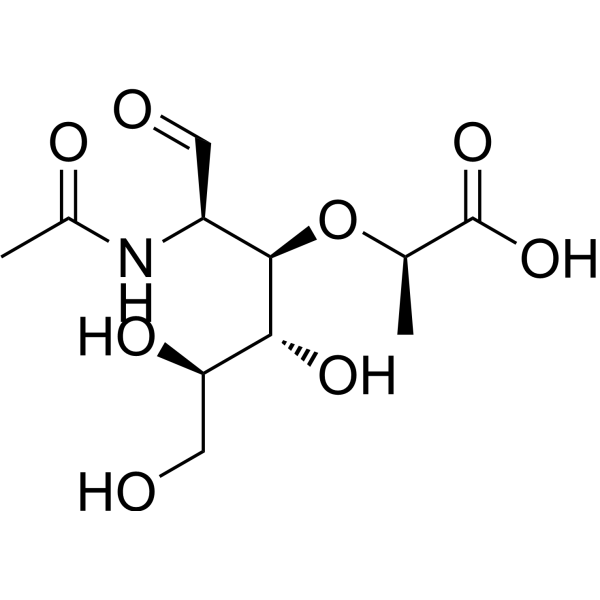
    N-acetylmuramic acid is a component of the bacterial cell wall peptidoglycan, essential for maintaining cell shape and integrity . N-acetylmuramic acid inhibits spore germination by inhibiting a coat-associated hexosaminidase and a core enzyme . N-acetylmuramic acid is required by Bacteroides forsythus for proliferation and the maintenance of its cell shape . N-Acetylmuramic acid inhibits the p38 MAPK/NF-κB signaling pathway, and exhibits anti-inflammatory activity. N-Acetylmuramic acid is orally active .
    N-Acetylmuramic acid
  • HY-104050
    M-31850
    2 Publications Verification

    Glycosidase Metabolic Disease
    M-31850 is a potent, selective and competitive β-hexosaminidase (Hex) inhibitor with IC50s of 6.0 μM and 3.1 μM for human HexA and human HexB, respectively. M-31850 also competitively inhibits β-N-acetyl-D-hexosaminidase OfHex2 with a Ki of 2.5 μM .
    M-31850
  • HY-N2426

    Interleukin Related Inflammation/Immunology
    Clerodendrin is a nature product could be isolated from Lobelia chinensis. Clerodendrin is a potent dual Interleukin-4 (IL-4) inhibitor and β-hexosaminidase (Hex) inhibitor .
    Clerodendrin
  • HY-156586

    ASN90

    OGA Tau Protein Neurological Disease
    Egalognastat (ASN90) is a selective, brain-penetrant and orally active O-GlcNAcase (OGA) enzyme inhibitor with an IC50 value of 10.2 nM. Egalognastat increases O-GlcNAcylation of intracellular proteins like tau and α-synuclein, preventing their aggregation and toxicity. Egalognastat does not inhibit hexosaminidase (Hex). Egalognastat can be used for the research of neurodegenerative diseases, such as tauopathies and α-synucleinopathies (e.g., Alzheimer’s disease and Parkinson’s disease) .
    Egalognastat
  • HY-113242

    Glycosidase Others
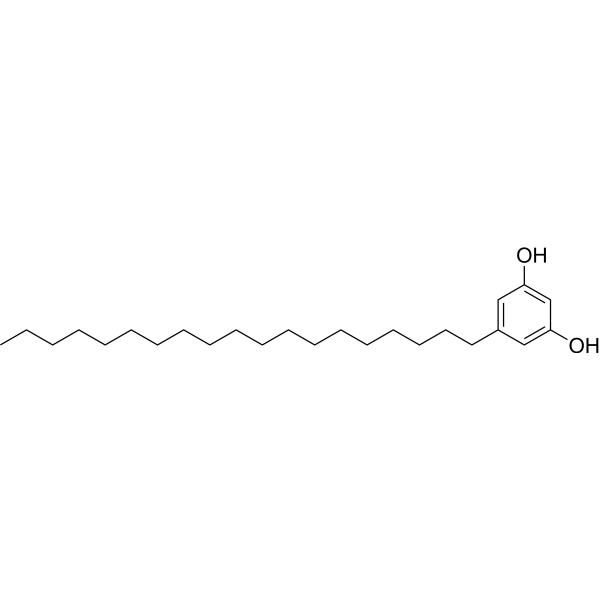
    5-Nonadecylresorcinol is an alkylresorcinol and has inhibitory effects on the release of β-hexosaminidase in vitro .
    5-Nonadecylresorcinol
  • HY-172458
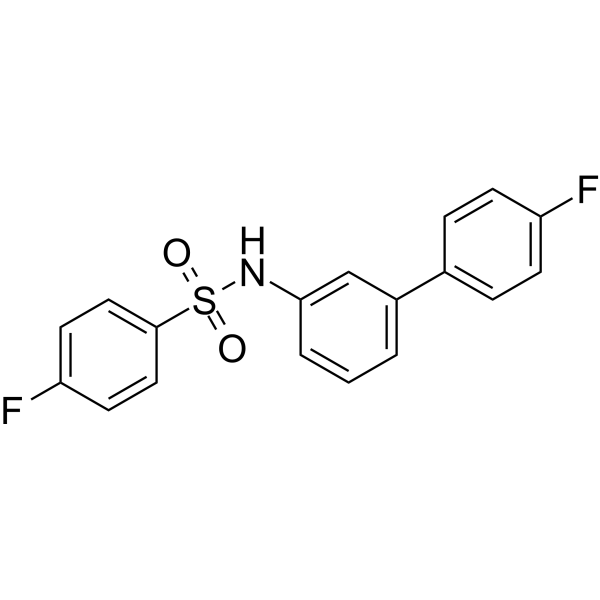
    Z-3578
    1 Publications Verification

    Mas-related G-protein-coupled Receptor (MRGPR) TNF Receptor Inflammation/Immunology
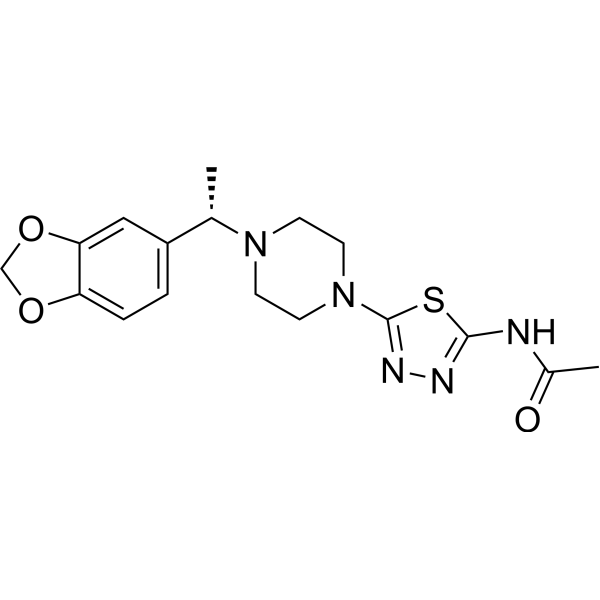
    Z-3578 is an orally active small-molecule antagonist of MrgX2 with potent antipseudoallergic activity, exhibiting a KD value of 729 nM. Z-3578 effectively inhibits mast cell degranulation induced by substance P (SP) and C48/80, suppresses the release of β-hexosaminidase, significantly reduces the release of histamine and TNF-α, and decreases intracellular calcium flux. In a mouse pseudoallergy model, Z-3578 significantly alleviates paw swelling and dye extravasation, and reduces serum histamine levels. Z-3578 can be used for the study of pseudoallergic reactions .
    Z-3578
  • HY-P1793

    Opioid Receptor Biochemical Assay Reagents Neurological Disease Inflammation/Immunology Cancer
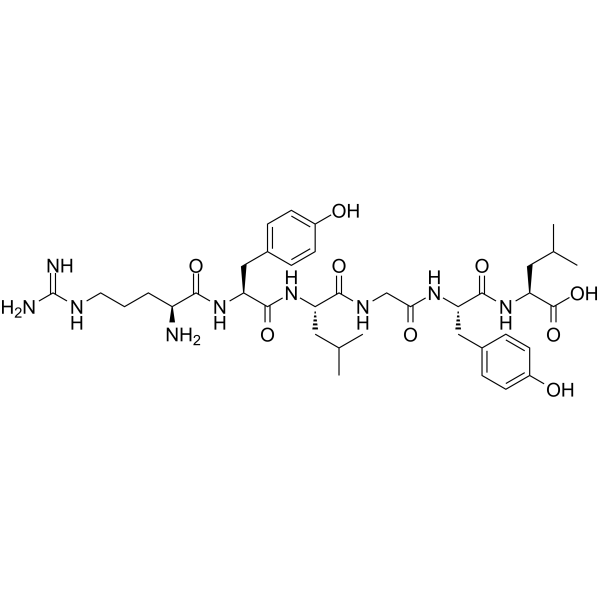
    α-Casein (90-95) is a partial agonist of opioid receptors and a copper ion ligand, with opioid activity. α-Casein (90-95) inhibits the secretion of β-hexosaminidase by rat peritoneal mast cells (PMC) with IC50= 0.1 μM. α-Casein (90-95) inhibits the proliferation of prostate cancer cells LNCaP, DU145, and PC3 with IC50 of 0.94 nM, 137 nM, and 6.92 nM, respectively. α-Casein (90-95) activates Gi-like proteins through a membrane-assisted, receptor-independent pathway, or reversibly binds to opioid receptors, inducing intracellular calcium release and conformational changes, and exerts the activity of promoting mast cell secretion and inhibiting tumor cell proliferation. α-Casein (90-95) can be used in the study of the mechanisms of allergic diseases and prostate cancer .
    α-Casein (90-95)
  • HY-145678

    Glycosidase Metabolic Disease
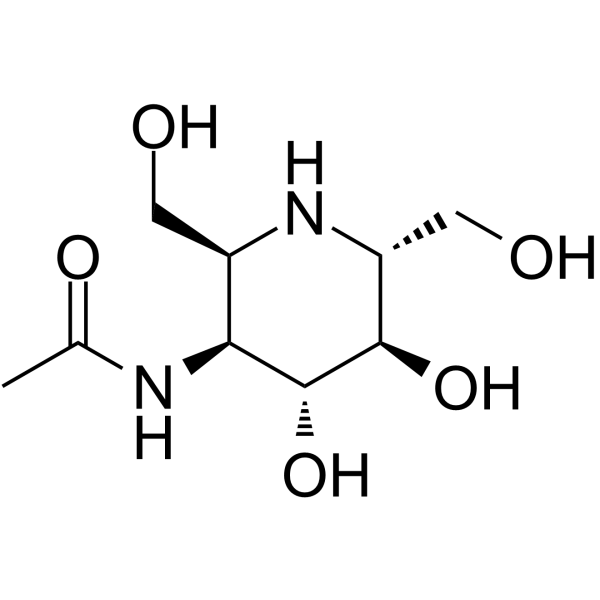
    α-HNJNAc is a potent, competitive hexosaminidases inhibitor without interfering with other glycosidases .
    α-HNJNAc
  • HY-P991651

    Fc Receptor (FcR) Inflammation/Immunology
    MEDI4212 is a humanized IgG1λ monoclonal antibody inhibitor targeting IgE. MEDI4212 potently inhibits human IgE-mediated functional responses through its receptor FcεRI, such as calcium signaling, β-hexosaminidase release and phagocytosis. MEDI4212 prevents the binding of IgE to CD23 with an IC50 of 8 nM. MEDI4212 can be used severe asthma research .
    MEDI4212
  • HY-143285

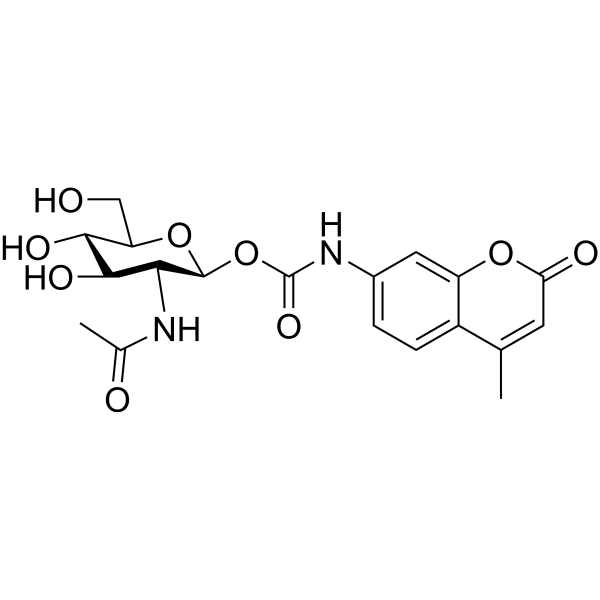
    Fluorescent Dye Infection
    AMC-GlcNAc (compound 1) is a potent fluorogenic probe for detection and characterization of β-hexosaminidase enzyme activity. AMC-GlcNAc enables continuous monitoring by turn-on fluorescence and fluorescence signal is constant over a wide pH range (Ex=325 nm, Em=390 nm). AMC-GlcNAc enables ratiometric fluorescence detection with high sensitivity and low background, which can be used to screen for recombinant dispersin B activity in E. coli cell lysate .
    AMC-GlcNAc
  • HY-N15708

    (R)-(-)-Dichotomine C

    Glycosidase TNF Receptor Interleukin Related Inflammation/Immunology
    Dichotomine C ((R)-(-)-Dichotomine C) is a β-carboline-type alkaloid with antiallergic effects. Dichotomine C inhibits the release of β-hexosaminidase in RBL-2H3 cells with an IC50 of 62 μM. Dichotomine C inhibits the releases of antigen-IgE-mediated TNF-α and IL-4 in RBL-2H3 cells with IC50s of 19 μM and 15 μM, respectively. Dichotomine C can be used for the study of type I allergic reactions .
    Dichotomine C
  • HY-P1793A

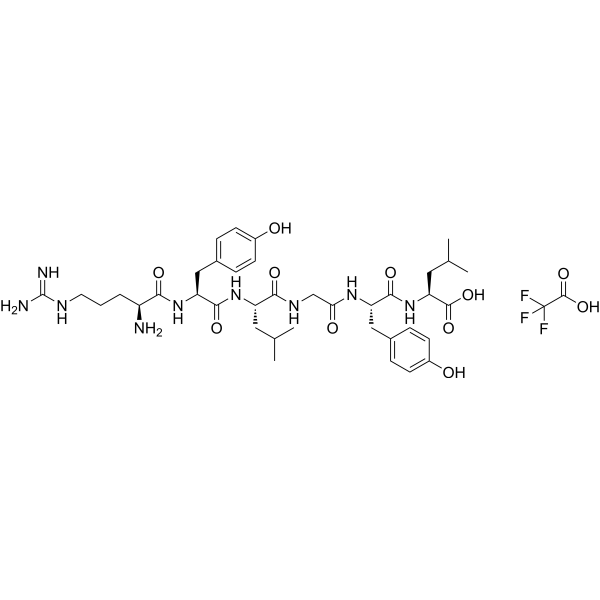
    Opioid Receptor Biochemical Assay Reagents Neurological Disease Inflammation/Immunology Cancer
    α-Casein (90-95) TFA is a partial agonist of opioid receptors and a copper ion ligand, with opioid activity. α-Casein (90-95) TFA inhibits the secretion of β-hexosaminidase by rat peritoneal mast cells (PMC) with IC50= 0.1 μM. α-Casein (90-95) TFA inhibits the proliferation of prostate cancer cells LNCaP, DU145, and PC3 with IC50 of 0.94 nM, 137 nM, and 6.92 nM, respectively. α-Casein (90-95) TFA activates Gi-like proteins through a membrane-assisted, receptor-independent pathway, or reversibly binds to opioid receptors, inducing intracellular calcium release and conformational changes, and exerts the activity of promoting mast cell secretion and inhibiting tumor cell proliferation. α-Casein (90-95) TFA can be used in the study of the mechanisms of allergic diseases and prostate cancer .
    α-Casein (90-95) TFA
  • HY-139733

    Others Others
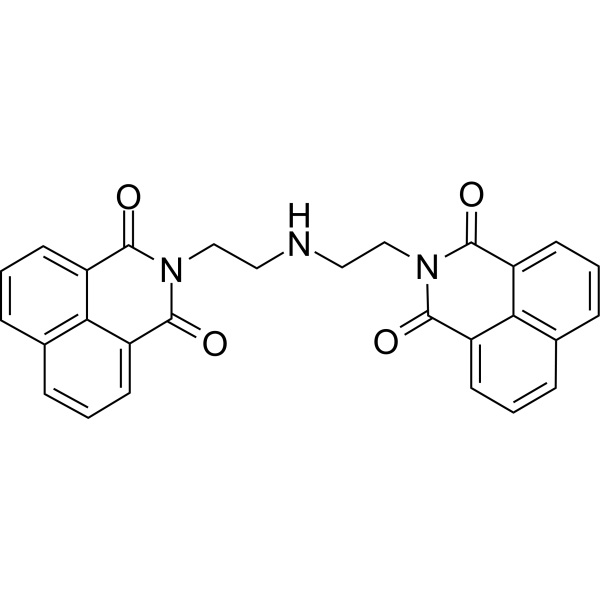
    β-N-Acetyl-D-hexosaminidase-IN-1 is a novel β-N-acetyl-d-hexosaminidase inhibitor with a Ki value of 3.72 μM.
    β-N-Acetyl-D-hexosaminidase-IN-1
  • HY-151544

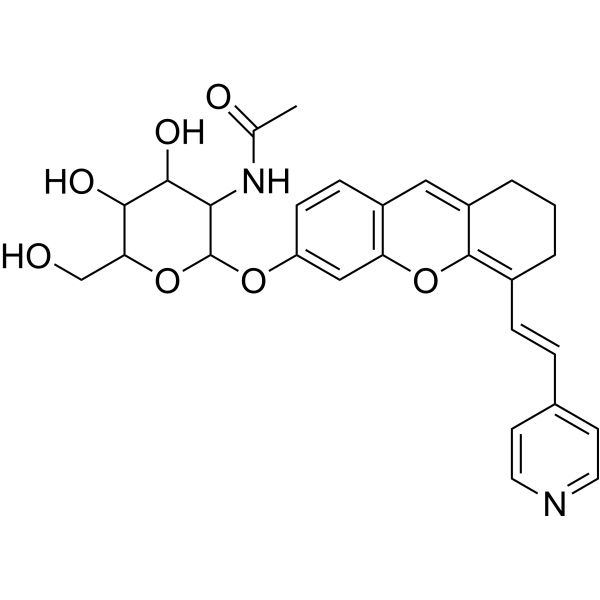
    Fluorescent Dye Others
    PNE-Lyso is a activatable fluorescent probe. PNE-Lyso can be used to detect intracellular pH and hexosaminidases with two kinds of fluorescence signals. PNE-Lyso can be used to distinguish apoptosis from necrosis through visualizing lysosome morphology. PNE-Lyso is capable of investigating the agent-induced cell death process .
    PNE-Lyso
  • HY-N8426

    Ellisinin A

    Histamine Receptor Cancer
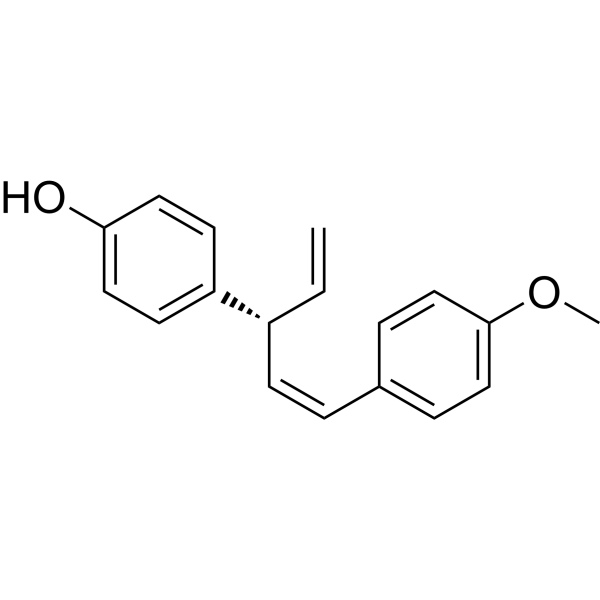
    4'-O-Methylnyasol is an inhibitor of β-hexosaminidase. 4'-O-Methylnyasol inhibits β-hexosaminidase release from rat basophilic leukemia-2H3 cells with an IC50 of 52.67 μM .
    4'-O-Methylnyasol
  • HY-N12261

    Glutathione S-transferase Bacterial Infection Inflammation/Immunology Cancer
    Benastatin B is an inhibitor for glutathione S-transferase, that inhibits human pi class GST with an IC50 of 1.10 μg/mL. Benastatin B exhibits board-spectrum antibacterial efficacy, inhibits MRSA with MIC 3.1 μg/mL. Benastatin B exhibits anti-inflammatory efficacy through inhibition of IgE mediated β-hexosaminidase release with an IC50 of 79 μg/mL .
    Benastatin B
  • HY-N3815

    Others Inflammation/Immunology
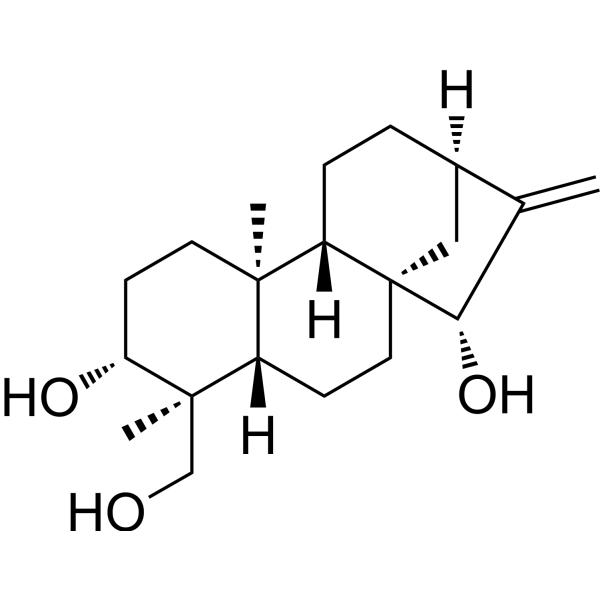
    ent-16-Kaurene-3b,15b,18-triol is a ent-kaurene diterpene. ent-16-Kaurene-3b,15b,18-triol has significant antiallergic activity on β-hexosaminidase release induced by Polyginseng antigen .
    ent-16-Kaurene-3b,15b,18-triol
  • HY-N12116

    TNF Receptor Cancer
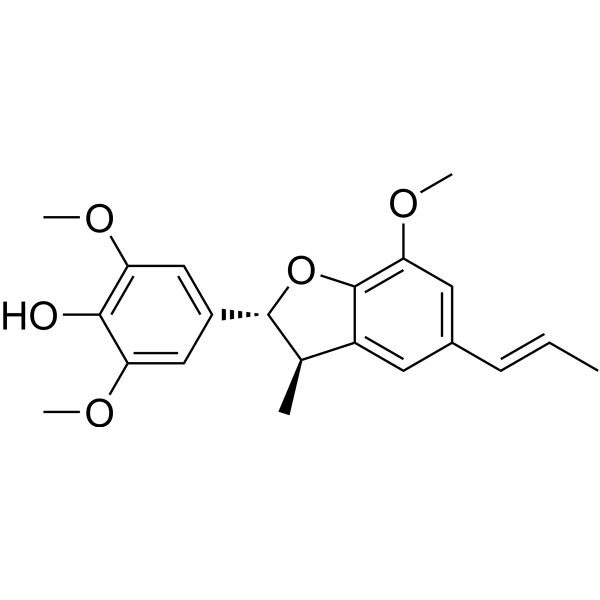
    Maceneolignan A is a natural product that can be isolated from mace, the aril of Myristica fragrans (Myristicaceae). Maceneolignan A inhibits the release of β-hexosaminidase in RBL-2H3 cells, with an IC50 of 48.4 μM. Maceneolignan A inhibits the release of TNF-α in antigen stimulated RBL-2H3 cells, with an IC50 of 63.7 μM .
    Maceneolignan A
  • HY-P11163

    Bacterial Glycosidase Infection
    Eumenitin is an antibacterial peptide with strong membrane activity, broad-spectrum antibacterial activity, and almost no hemolytic toxicity. Eumenitin has inhibitory effects on various Gram positive and Gram negative bacteria. Eumenitin can induce the release of β-hexosaminidase from rat peritoneal mast cells and RBL-2H3 cells. Eumenitin can be used in the research of infectious conditions .
    Eumenitin
  • HY-N16668

    Glycosidase Inflammation/Immunology
    (3R,5S)-5'-Methoxyoctahydrocurcumin (Compound 4) is a diarylheptanoidfound in Curcuma comosa. (3R,5S)-5'-Methoxyoctahydrocurcumin exhibits strong antiallergic activity by inhibiting β-hexosaminidase release and the degranulation of mast cells. (3R,5S)-5'-Methoxyoctahydrocurcumin can be used for the research of immunology, such as asthma .
    (3R,5S)-5'-Methoxyoctahydrocurcumin
  • HY-W127461

    Gangliotriosylceramide

    Biochemical Assay Reagents Others
    Ganglioside GM2 asialo (asialo-GM2) is a glycosphingolipid containing three monosaccharide residues and one fatty acid of variable chain length, but lacks the sialic acid residue present on ganglioside M2. Asialo-GM2 is found at low or undetectable levels in normal human brains, but it accumulates in the brains of patients with Tay-Sachs disease and Sandhoff disease, which are expressed as lysosomal β- A neurodegenerative disorder characterized by hexosaminidase A and B deficiency. It also binds to various bacteria, including Pseudomonas isolated from cystic fibrosis patients. The Asialo-GM2 mixture contains ganglioside GM2 asialo molecular species with fatty acyl chains of variable length.
    Ganglioside GM2, Asialo
  • HY-116295

    P2Y Receptor p38 MAPK Calcium Channel Cardiovascular Disease
    MRS2690 is a selective P2Y14 receptor agonist. MRS2690 inhibits adenylyl cyclase activity, thereby reducing intracellular cAMP levels and mediating concentration-dependent vasoconstriction of porcine coronary arteries. MRS2690 induces intracellular calcium mobilization, activates P38 and stimulates [ 35S]GTPγS binding to RBL-2H3 cell membranes. MRS2690 enhances antigen (NP-BSA)-, C3a-induced β-hexosaminidase (β-Hex) release. MRS2690can be used for ischemic heart disease .
    MRS2690
  • HY-116295A

    P2Y Receptor p38 MAPK Calcium Channel Cardiovascular Disease
    MRS2690 disodium is a selective P2Y14 receptor agonist. MRS2690 disodium inhibits adenylyl cyclase activity, thereby reducing intracellular cAMP levels and mediating concentration-dependent vasoconstriction of porcine coronary arteries. MRS2690 disodium induces intracellular calcium mobilization, activates P38 and stimulates [ 35S]GTPγS binding to RBL-2H3 cell membranes. MRS2690 enhances antigen (NP-BSA)-, C3a-induced β-hexosaminidase (β-Hex) release. MRS2690 disodium can be used for ischemic heart disease .
    MRS2690 disodium
  • HY-104050R

    Glycosidase Reference Standards Metabolic Disease
    M-31850 (Standard) is the analytical standard of M-31850 (HY-104050). This product is intended for research and analytical applications. M-31850 is a potent, selective and competitive β-hexosaminidase (Hex) inhibitor with IC50s of 6.0 μM and 3.1 μM for human HexA and human HexB, respectively. M-31850 also competitively inhibits β-N-acetyl-D-hexosaminidase OfHex2 with a Ki of 2.5 μM .
    M-31850 (Standard)
  • HY-108241A

    Glycosidase Neurological Disease
    Galacto-PUGNAc is a selective competitive inhibitor of lysosomal β-hexosaminidases (HEX), with Ki values of 51 and 18 nM, for hHEXA and hHEXB, respectively. Galacto-PUGNAc elevates GM2 ganglioside levels in neuroblastoma cells. Galacto-PUGNAc can be used for the research of neurodegenerative disorders .
    Galacto-PUGNAc
  • HY-181891

    Mas-related G-protein-coupled Receptor (MRGPR) Calcium Channel Glycosidase Inflammation/Immunology
    XAT-13 is an orally active antiallergic agent. XAT-13 binds to the active pocket of MRGPRX2, and inhibits C48/80-induced calcium influx and β-hexosaminidase release. XAT-13 can be used for the research of pseudo-allergic diseases .
    XAT-13
  • HY-N18182

    Glycosidase Inflammation/Immunology
    Mudanpioside E is an orally effective paeoniflorin-type monoterpene glycoside antiallergic agent, with an IC50 of 40.34 μM against IgE-mediated β-hexosaminidase release. Mudanpioside E reverses the inhibitory effect of the modified Xiaoqinglong Decoction extract (paeonia root component removed) on passive cutaneous anaphylaxis in mice. Mudanpioside E itself shows no activity against passive cutaneous anaphylaxis. Mudanpioside E can be used in research related to allergic diseases .
    Mudanpioside E
  • HY-N11725

    Fc Receptor (FcR) Inflammation/Immunology
    Phlorofucofuroeckol A is a FcεRI inhibitor with low cytotoxicity toward basophilic leukemia cells. Phlorofucofuroeckol A suppresses binding activity between IgE and FcεRI receptor. Phlorofucofuroeckol A inhibits histamine release from basophilic leukemia cells stimulated by IgE/anti-IgE or calcium ionophore A23187 (HY-N6687). Phlorofucofuroeckol A inhibits β-hexosaminidase release from basophilic leukemia cells stimulated by IgE/DNP-BSA. Phlorofucofuroeckol A can be used for the research of allergy disease .
    Phlorofucofuroeckol A
  • HY-E71360

    Glycosidase Others
    O-GlcNAcase, Clostridium perfringens is a glycosidase derived from Clostridium perfringens, which functions in bacterial nutrient metabolism, host interaction and virulence regulation. O-GlcNAcase is a core enzyme in the cellular signal regulatory network and serves as a key target for various major and chronic diseases. O-GlcNAcase, Clostridium perfringens can be used for basic research and drug development of O-GlcNAcase due to its high conservation in catalytic mechanism and structure with human-derived enzymes .
    O-GlcNAcase, Clostridium perfringens
  • HY-149151

    Endogenous Metabolite PKC Glycosidase TNF Receptor Reactive Oxygen Species (ROS) Infection Inflammation/Immunology
    Variegatic acid is a secondary metabolite derived from basidiomycete fungi. Variegatic acid is a PKCβ1 inhibitor with an IC₅₀ of 36.2 μM. Variegatic acid inhibits antigen- or calcium ionophore-induced β-hexosaminidase release (IC₅₀ values of 10.4 μM and 22.2 μM, respectively) and TNF-α secretion (IC₅₀ values of 16.8 μM and 20.1 μM, respectively). Variegatic acid suppresses the enzymatic activity of calcium-activated PKCβ1 and reduces Fe(III) to Fe(II) in a pH-dependent manner, enabling the generation of hydroxyl radicals (·OH) through reaction with H₂O₂, which facilitates the degradation of lignocellulose. Variegatic acid is useful for studying biological degradation and allergic responses.
    Variegatic acid

Inquiry Online

Your information is safe with us. * Required Fields.

Salutation


Country or Region *

Applicant Name *


Organization Name *

Department *


Email Address *


Product Name *

Cat. No.


Requested quantity *

Phone Number *


Remarks

Inquiry Online

Inquiry Information

Product Name:
Cat. No.:
Quantity:
MCE Japan Authorized Agent:

