


1. Search Result
Search Result
Pathways Recommended: Stem Cell/Wnt Cell Cycle/DNA Damage
Results for "

human tumour cells

" in MedChemExpress (MCE) Product Catalog:

32

Inhibitors & Agonists

1

Fluorescent Dyes

1

Biochemical Assay Reagents

2

Peptides

7

Inhibitory Antibodies

5

Natural
Products

1

Click Chemistry

Cat. No. Product Name Target Research Areas Chemical Structure
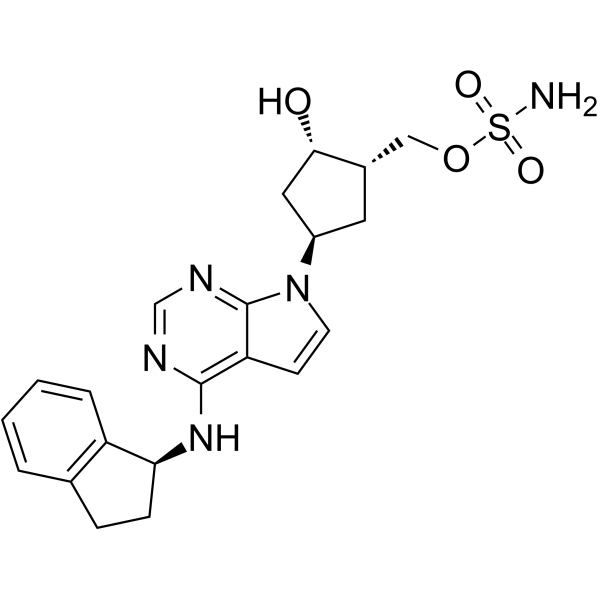
  • HY-70062
    Pevonedistat
    Maximum Cited Publications
    212 Publications Verification

    MLN4924

    NEDD8-activating Enzyme Apoptosis Cancer
    Pevonedistat (MLN4924) is a potent and selective NEDD8-activating enzyme (NAE) inhibitor with an IC50 of 4.7 nM. Pevonedistat induces the deregulation of S-phase DNA synthesis, thereby disrupting protein turnover mediated by cullin-RING ligase, leading to apoptosis of human tumor cells. Pevonedistat suppresses the growth of human tumour xenografts in mice .
    Pevonedistat
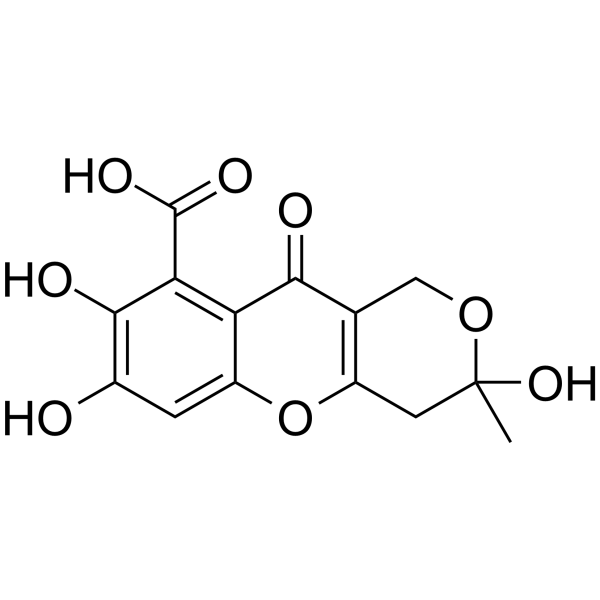
  • HY-122515
    Fulvic Acid
    1 Publications Verification

    Others Metabolic Disease Inflammation/Immunology
    Fulvic Acid is a natural product, which comes from humic substances produced by microorganisms in soil. Fulvic Acid can modulate the immune system, influence the oxidative state of cells, and improve gastrointestinal function. Fulvic Acid has the potential for researching chronic inflammatory diseases, including diabetes .
    Fulvic Acid
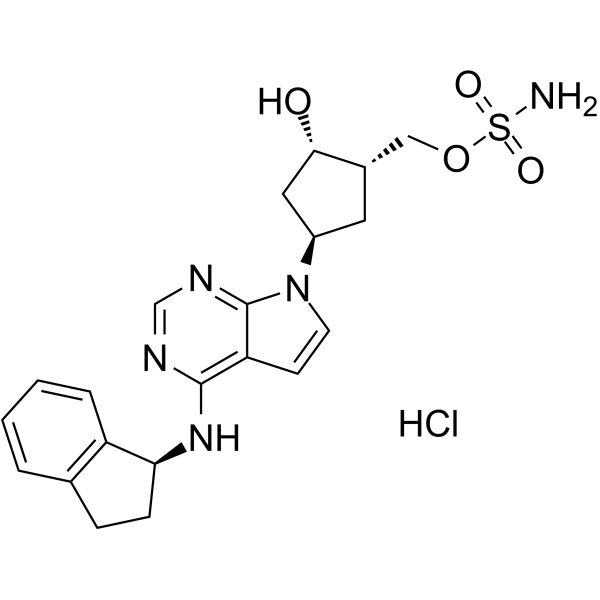
  • HY-10484
    Pevonedistat hydrochloride
    Maximum Cited Publications
    212 Publications Verification

    MLN4924 hydrochloride

    NEDD8-activating Enzyme Apoptosis Cancer
    Pevonedistat (MLN4924) hydrochloride is a potent and selective NEDD8-activating enzyme (NAE) inhibitor, with an IC50 of 4.7 nM. Pevonedistat hydrochloride induces the deregulation of S-phase DNA synthesis, thereby disrupting protein turnover mediated by cullin-RING ligase, leading to apoptosis of human tumor cells. Pevonedistat hydrochloride suppresses the growth of human tumour xenografts in mice .
    Pevonedistat hydrochloride
  • HY-P99617

    REGN3767

    LAG-3 Inflammation/Immunology Cancer
    Fianlimab (REGN3767) is a human monoclonal antibody that targets the immune checkpoint receptor LAG-3 on T cells and has anti-tumour activity .
    Fianlimab
  • HY-125098
    Illudin S
    1 Publications Verification

    DNA Alkylator/Crosslinker Apoptosis Infection Cancer
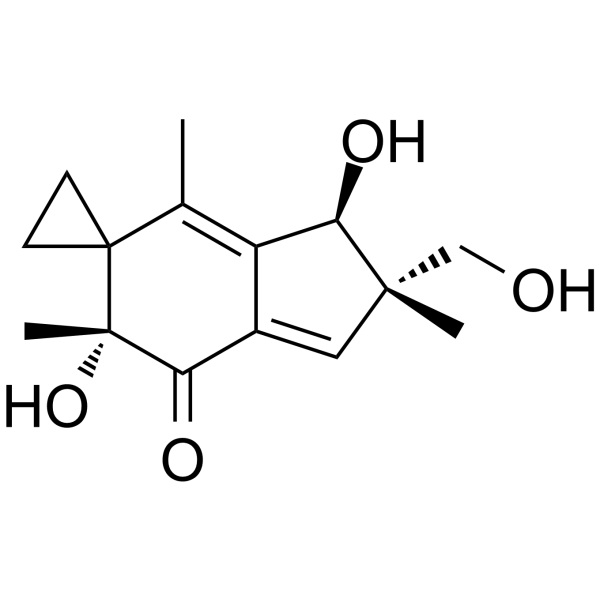
    Illudin S, a cytotoxic Illudin, is a natural sesquiterpene with strong anti-tumour and antiviral activities. Illudin S has genotoxic activities. Illudin S blocks the G1-S phase interface of the cell cycle in human leukemia cells .
    Illudin S
  • HY-P99189

    IMC-A12; NSC742460

    IGF-1R Cancer
    Cixutumumab (IMC-A12) is a human anti-IGF-1R monoclonal antibody with high affinity that inhibits ligand-dependent receptor activation and downstream signaling. Cixutumumab also mediates the internalization and degradation of IGF-IR. Cixutumumab shows broad-spectrum anti-tumour activity and can be used in studies of cancers such as lung cancer, malignancies, leukaemia, non-small cell lung cancer and prostate cancer .
    Cixutumumab
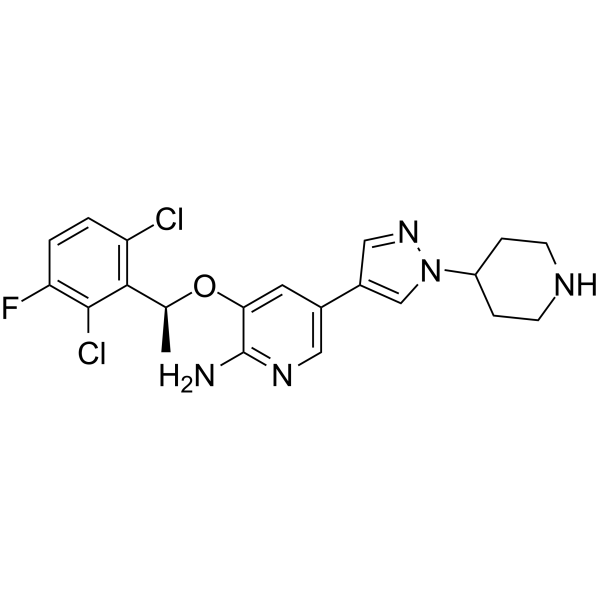
  • HY-100549
    (S)-Crizotinib
    3 Publications Verification

    DNA/RNA Synthesis Apoptosis Cancer
    (S)-Crizotinib is a potent and selective MTH1 (mutT homologue) inhibitor with an IC50 of 330 nM. (S)-Crizotinib disrupts nucleotide pool homeostasis via MTH1 inhibition, induces an increase in DNA single strand breaks, activates DNA repair in human colon carcinoma cells, and effectively suppresses tumour growth in animal models .
    (S)-Crizotinib
  • HY-N1377

    Lysionotin

    Carboxylesterase (CES) DNA/RNA Synthesis Apoptosis Bacterial Infection Metabolic Disease Inflammation/Immunology Endocrinology Cancer
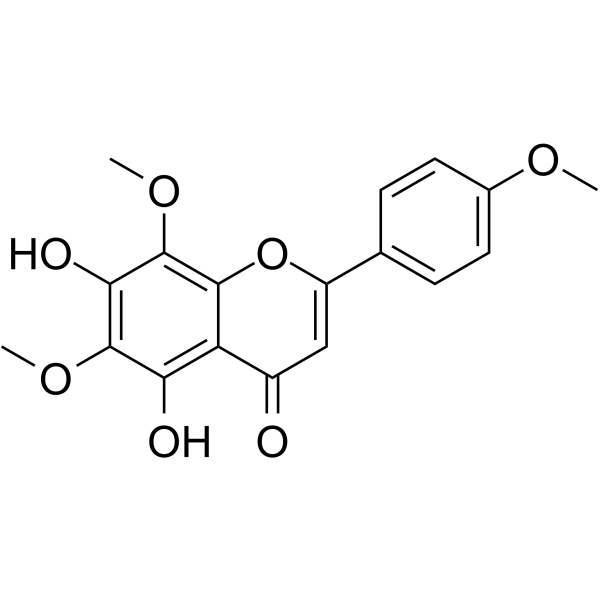
    Nevadensin (Lysionotin), a natural flavonoid, is a selective human carboxylesterase 1 (hCE1) inhibitor with an IC50 of 2.64 μM. Nevadensin is more selective for hCE1 than hCE2 (IC50 of 132.8 μM). Nevadensin can induce apoptosis and DNA damage in cancer cells. Nevadensin has a variety of pharmacological effects such as anti-inflammatory, anti-tumour, anti-hypertensive, anti-tubercular, antitussive, antioxidant and anti-microbial activities .
    Nevadensin
  • HY-B1022
    Dimesna
    1 Publications Verification

    BNP-7787

    Drug Derivative Endocrinology Cancer
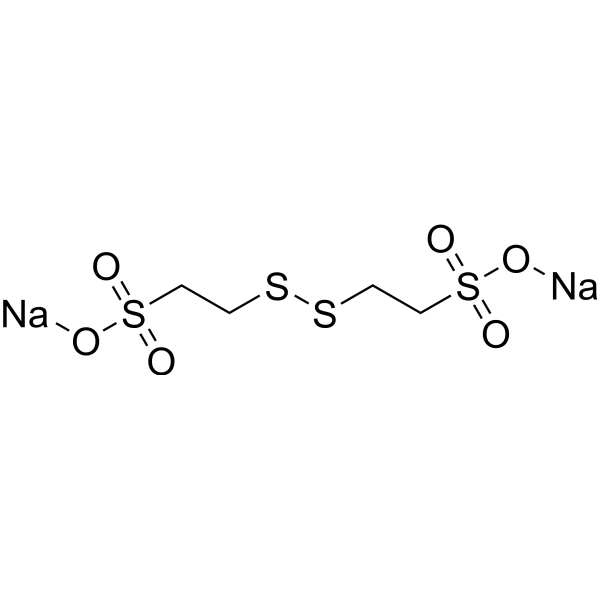
    Dimesna (BNP-7787), the disulfide form of Mesna (HY-13679), is a platinum-related toxicity protective agent. Dimesna converts to Mesna, which in turn inactivates toxic platinum substances. Dimesna does not interfere with the antitumor activity of platinum compounds. Dimesna does not affect the antiproliferative effects of Cisplatin (HY-17394) or Carboplatin (HY-17393). Dimesna counteracts Cisplatin-induced nephrotoxicity. Dimesna exerts selective protective effects on the kidneys. Dimesna can be used in studies related to ovarian cancer and Cisplatin-induced nephrotoxicity .
    Dimesna
  • HY-14373

    ZM 242421

    NAMPT Cancer
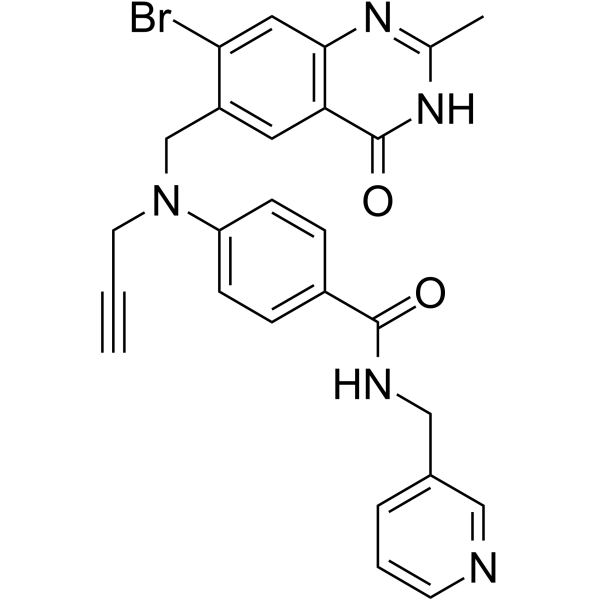
    CB30865 (ZM 242421) is a nicotinamide phosphoribosyltransferase (Nampt) inhibitor, with potent cytotoxicity. CB30865 is highly potent against a variety of human tumour cell lines (IC50 values in the 1-10 nM range) . CB30865 is a click chemistry reagent, it contains an Alkyne group and can undergo copper-catalyzed azide-alkyne cycloaddition (CuAAc) with molecules containing Azide groups.
    CB30865
  • HY-175023

    Phosphatase Cancer
    OncoACP3 is a small-molecule ligand of prostatic acid phosphatase (ACP3) with an IC50 of 0.30 nM. OncoACP3 has a modular structure that supports flexible payload delivery. After radiolabeling with Lu-177 it selectively accumulates in ACP3-expressing tumors with a long retention time, enabling targeted radiation delivery. OncoACP3 is applicable to research related to prostate cancer .
    OncoACP3
  • HY-118953

    MetAP Drug Intermediate Cancer
    LAF389, a prodrug of LAF153 (HY-183876), is a methionine aminopeptidase (MetAps) inhibitor with an IC50 of 800 nM against MetAp2, and exhibits a maximum inhibition rate of 20% against MetAp1 at 300 nM. LAF389 possesses antiproliferative, antiangiogenic and cytotoxic activities. LAF389 can be used in research related to cancers such as advanced solid tumors .
    LAF389
  • HY-P991455

    TNF Receptor Cancer
    PTX-35 is a human IgG monoclonal antibody (mAb) targeting TNFRSF25. PTX-35 reduces the suppressive activity of regulatory T cells and enhances CD4+ T cell effector responses in a mouse melanoma model. PTX-35 can be used in Islet cell transplant rejection and Solid tumours research. Recommended isotype control: Human IgG1 lambda2, Isotype Control (HY-P990096) .
    PTX-35
  • HY-175003

    Proton Pump Cancer
    HV1-IN-2 (Compound 14c) is a human voltage-gated proton channel (HV1) inhibitor with an IC50 of 2.14 μM. HV1-IN-2 has a potent anticancer activity with significant antiproliferative effects against THP-1 and MCF-7 cells. HV1-IN-2 can be used for cancers research, such as colorectal tumours, leukaemia, and breast cancer .
    HV1-IN-2
  • HY-70062R

    MLN4924 (Standard)

    NEDD8-activating Enzyme Apoptosis Reference Standards Cancer
    Pevonedistat (Standard) is the analytical standard of Pevonedistat. This product is intended for research and analytical applications. Pevonedistat (MLN4924) is a potent and selective NEDD8-activating enzyme (NAE) inhibitor with an IC50 of 4.7 nM. Pevonedistat induces the deregulation of S-phase DNA synthesis, thereby disrupting protein turnover mediated by cullin-RING ligase, leading to apoptosis of human tumor cells. Pevonedistat suppresses the growth of human tumour xenografts in mice .
    Pevonedistat (Standard)
  • HY-P991362

    TNF Receptor Cancer
    GB-223 is a human monoclonal antibody (mAb) targeting TNFSF11/RANKL/CD254. GB-223 can be used in Giant cell tumour of bone and Postmenopausal osteoporosis research .
    GB-223
  • HY-P991367

    CD47 Cancer
    ES004 is a human monoclonal antibody (mAb) targeting SIRPα/CD172a. ES004 enhances macrophage phagocytosis and induces potent T cell responses to promote tumor killing. ES004 can be used in Solid tumours research .
    ES004
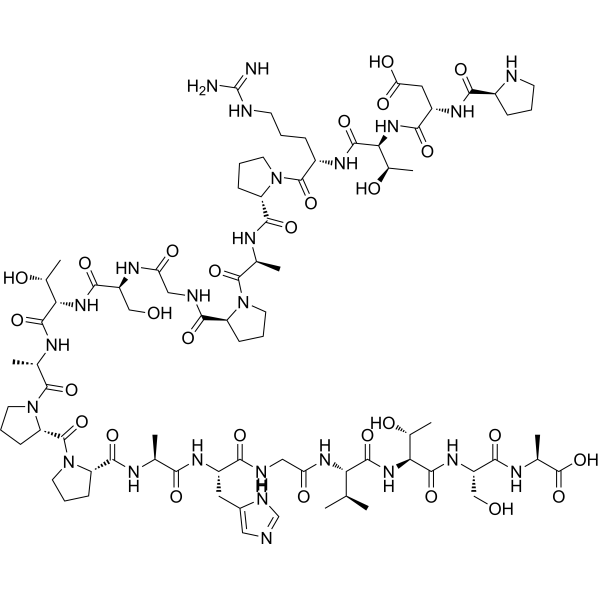
  • HY-P5472

    Transmembrane Glycoprotein Others
    Tumour-associated MUC1 epitope is a biological active peptide. (This sequence is the hallmark of MUC1 mucin. MUC1 is a highly glycosylated type I transmembrane glycoprotein with a unique extracellular domain consisting of a variable number of tandem repeats (VNTR) of this 20 amino acid peptide. It is overexpressed on the cell surface of many human adenocarcinomas and hematological malignancies, including multiple myeloma and B-cell lymphoma, making MUC1 broadly applicable target for immunotherapeutic strategies.)
    Tumour-associated MUC1 epitope
  • HY-P991354

    PD-1/PD-L1 Cancer
    GR-1405 is a human monoclonal antibody (mAb) targeting B7-H1/PD-L1/CD274. GR-1405 enhances cytotoxic T lymphocyte (CTL)-mediated antitumor immune responses against PD-L1-expressing tumor cells. GR-1405 can be used in Lymphoma and Solid tumours research .
    GR-1405
  • HY-123034

    CDK Bcl-2 Family Apoptosis Cancer
    CDKI-83 is a potent CDK9 and CDK1 inhibitor with Ki values of 21 nM and 72 nM for CDK9/T1 and CDK1/B, respectively. CDKI-83 demonstrates effective anti-proliferative activity in human tumour cell lines with a GI50<1 μM. CDKI-83 effectively induces apoptosis in A2780 human ovarian cancer cells. CDKI-83 reduces phosphorylation at Ser-2 of RNA polymerase II (RNAPII) by inhibiting cellular CDK9 activity, and down-regulates Mcl-1 and Bcl-2. CDKI-83 has the potential for anti-cancer research .
    CDKI-83
  • HY-N1377R

    Lysionotin (Standard)

    Carboxylesterase (CES) Reference Standards DNA/RNA Synthesis Apoptosis Bacterial Infection Metabolic Disease Inflammation/Immunology Endocrinology Cancer
    Nevadensin (Standard) (Lysionotin (Standard)) is the analytical standard of Nevadensin (HY-N1377). This product is intended for research and analytical applications. Nevadensin, a natural flavonoid, is a selective human carboxylesterase 1 (hCE1) inhibitor with an IC50 of 2.64 μM. Nevadensin is more selective for hCE1 than hCE2 (IC50 of 132.8 μM). Nevadensin can induce apoptosis and DNA damage in cancer cells. Nevadensin has a variety of pharmacological effects such as anti-inflammatory, anti-tumour, anti-hypertensive, anti-tubercular, antitussive, antioxidant and anti-microbial activities.
    Nevadensin (Standard)
  • HY-112111A

    Biochemical Assay Reagents Cathepsin Cancer
    Poly-L-Glutamic acid (MW 100000) is a synthetic polypeptide with biocompatibility, biodegradability and non-immunogenicity. Poly-L-Glutamic acid is an ideal tumor-targeting polymer carrier. Poly-L-Glutamic acid can be hydrolyzed by cathepsin B during metabolic decomposition .
    Poly-L-Glutamic acid (MW 100000)
  • HY-D3352

    AGSCYCSGPPRFECWCYETEGT-Cy5

    Fluorescent Dye c-Met/HGFR Cancer
    EMI-137 (AGSCYCSGPPRFECWCYETEGT-Cy5) is a fluorescent imaging agent targeting the c-Met receptor. EMI-137 specifically binds to the extracellular domain of the c-Met receptor and is used for fluorescent visualization of c-Met-expressing cells and tissues. EMI-137 can be applied to research related to colorectal cancer .
    EMI-137
  • HY-179481

    Ferroptosis Keap1-Nrf2 Glutathione Peroxidase Reactive Oxygen Species (ROS) Cancer
    Ferroptosis inducer-13 is a 5′-prenylated chalcone derivative that effectively induces ferroptosis in human non-small cell lung cancer (NSCLC) cells by altering the activity of the Nrf2/xCT/GPX4 pathway. Ferroptosis inducer-13 exhibits potent anti-proliferative effects in vitro, and inhibits tumour growth in a NSCLC mouse model. Ferroptosis inducer-13 can be used for NSCLC research .
    Ferroptosis inducer-13
  • HY-10484R

    MLN4924 hydrochloride (Standard)

    Reference Standards NEDD8-activating Enzyme Apoptosis Cancer
    Pevonedistat hydrochloride (Standard) is the analytical standard of Pevonedistat hydrochloride (HY-10484). This product is intended for research and analytical applications. Pevonedistat (MLN4924) hydrochloride is a potent and selective NEDD8-activating enzyme (NAE) inhibitor, with an IC50 of 4.7 nM. Pevonedistat hydrochloride induces the deregulation of S-phase DNA synthesis, thereby disrupting protein turnover mediated by cullin-RING ligase, leading to apoptosis of human tumor cells. Pevonedistat hydrochloride suppresses the growth of human tumour xenografts in mice .
    Pevonedistat hydrochloride (Standard)
  • HY-P11655

    Somatostatin Receptor Neurological Disease
    NOTA-TATE is a somatostatin receptor 2 (SSTR2) binder. NOTA-TATE binds to SSTR2 to enable targeting of SSTR2-positive tumour cells for PET imaging. NOTA-TATE can be used for the research of neuroendocrine tumours .
    NOTA-TATE
  • HY-100549R

    DNA/RNA Synthesis Reference Standards Apoptosis Cancer
    (S)-Crizotinib (Standard) is the analytical standard of (S)-Crizotinib (HY-100549). This product is intended for research and analytical applications. (S)-Crizotinib is a potent and selective MTH1 (mutT homologue) inhibitor with an IC50 of 330 nM. (S)-Crizotinib disrupts nucleotide pool homeostasis via MTH1 inhibition, induces an increase in DNA single strand breaks, activates DNA repair in human colon carcinoma cells, and effectively suppresses tumour growth in animal models .
    (S)-Crizotinib (Standard)
  • HY-118713

    DNA/RNA Synthesis Apoptosis Cancer
    Kuanoniamine A is a pyridoacridine alkaloid and also an anticancer agent. Kuanoniamine A inhibits DNA synthesis, induces apoptosis, and regulates the cell cycle by reducing the proportion of cells in the G2/M phase. Kuanoniamine A inhibits the proliferation of human lymphocytes. Kuanoniamine A can be used in research related to breast cancer, glioma, non-small cell lung cancer, and melanoma .
    Kuanoniamine A
  • HY-115702

    (Rac)-PAF (C16)

    Endogenous Metabolite Platelet-activating Factor Receptor (PAFR) Inflammation/Immunology
    1-Palmityl-2-O-acetyl-3-glyceryl phosphorylcholine ((Rac)-PAF (C16)) is an endogenous inflammatory lipid mediator. 1-Palmityl-2-O-acetyl-3-glyceryl phosphorylcholine acts as a high-affinity agonist for PAFR (GPCR), inducing platelet aggregation, vascular permeability, and leukocyte chemotaxis at extremely low concentrations. 1-Palmityl-2-O-acetyl-3-glyceryl phosphorylcholine exerts its effects via cell surface receptors to regulate inflammation .
    1-Palmityl-2-O-acetyl-3-glyceryl phosphorylcholine
  • HY-171718

    DNA Alkylator/Crosslinker ADC Payload Cancer
    seco-CBI-PBD dimer is a CBI-PBD heterodimer and a minor groove DNA crosslinker. seco-CBI-PBD dimer exhibits cytotoxicity against human tumor cells at sub-pM to low nM levels, shows low sensitivity to P-glycoprotein-mediated drug resistance, and can serve as an ADC payload. seco-CBI-PBD dimer can be used in studies of uterine cancer, breast cancer, non-small cell lung cancer, etc.
    seco-CBI-PBD dimer
  • HY-180371

    Drug Derivative Cancer
    NF-115 is a glycolipid inhibitor. NF-115 inhibits proliferation of glioma cancer cells and exhibits potent antimitotic activity in human astroblastoma cells. NF-115 can be used for research on glioma .
    NF-115
  • HY-P991935

    Apoptosis Cancer
    ANT1034 is humanized anti-CD52 antibody. ANT1034 directs antibody dependent and complement dependent cell cytotoxicity, induces Apoptosis when cross-linked or in the presence of a cross-linking antibody. ANT1034 leads to increased survival in a SCID CD52 tumour xenograft model. ANT1034 can be used for the research of B cell malignancies .
    ANT1034

Inquiry Online

Your information is safe with us. * Required Fields.

Salutation


Country or Region *

Applicant Name *


Organization Name *

Department *


Email Address *


Product Name *

Cat. No.


Requested quantity *

Phone Number *


Remarks

Inquiry Online

Inquiry Information

Product Name:
Cat. No.:
Quantity:
MCE Japan Authorized Agent:

