1. Search Result
Search Result
Results for "

hypoxia inducible factor 1α (HIF-1α)

" in MedChemExpress (MCE) Product Catalog:

36

Inhibitors & Agonists

1

Bibliothèques de criblage

7

Peptides

8

Natural
Products

1

Protéines recombinantes

7

Isotope-Labeled Compounds

5

Antibodies

Cat. No. Nom du produit Target Áreas de investigación Chemical Structure
  • HY-16560
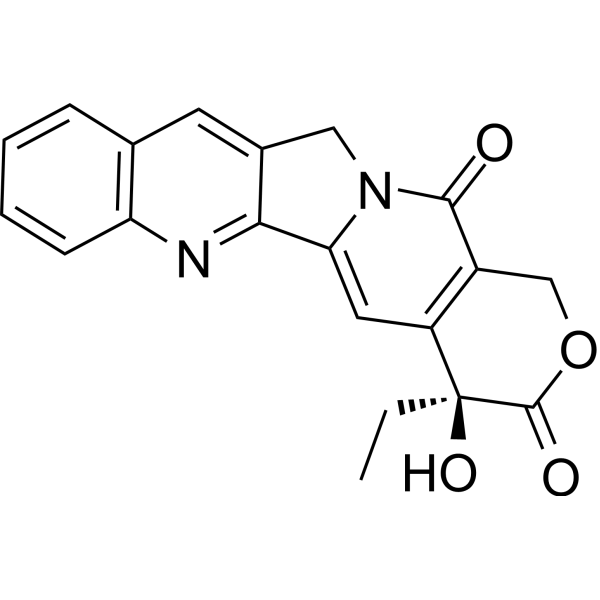
    Camptothecin
    Maximum Cited Publications
    68 Publications Verification

    Campathecin; (S)-(+)-Camptothecin; CPT

    Topoisomerase ADC Payload MicroRNA Influenza Virus Apoptosis Fungal Antibiotic Infection Cancer

    Camptothecin (CPT), a kind of alkaloid, is a DNA topoisomerase I (Topo I) inhibitor with an IC50 of 679 nM . Camptothecin (CPT) exhibits powerful antineoplastic activity against colorectal, breast, lung and ovarian cancers, modulates hypoxia-inducible factor- (HIF-1α) activity by changing microRNAs (miRNA) expression patterns in human cancer cells .
    Camptothecin
  • HY-17412
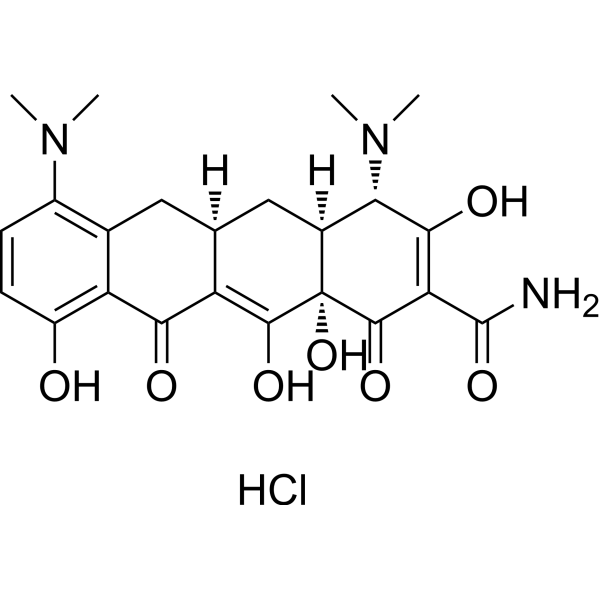
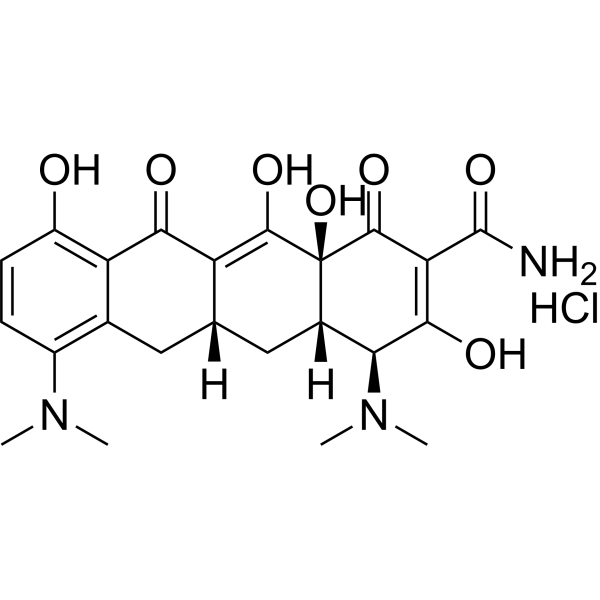
    Minocycline hydrochloride
    60+ Cited Publications

    Bacterial Antibiotic HIF/HIF Prolyl-Hydroxylase Apoptosis MDM-2/p53 Potassium Channel Calcium Channel Infection Cardiovascular Disease Neurological Disease Metabolic Disease Inflammation/Immunology Cancer
    Minocycline hydrochloride is an orally active, potent and BBB-penetrated semi-synthetic tetracycline antibiotic. Minocycline hydrochloride is a hypoxia-inducible factor (HIF)-1α inhibitor. Minocycline hydrochloride shows anti-cancer, anti-inflammatory, and glutamate antagonist effects. Minocycline hydrochloride reduces glutamate neurotransmission and shows neuroprotective properties and antidepressant effects. Minocycline hydrochloride inhibits bacterial protein synthesis through binding with the 30S subunit of the bacterial ribosome, resulting in a bacteriostatic effect .
    Minocycline hydrochloride
  • HY-B0239
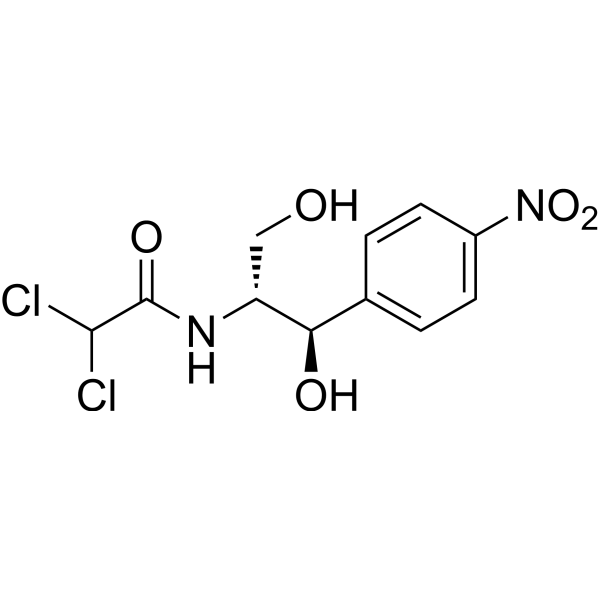
    Chloramphenicol
    15+ Cited Publications

    Antibiotic Bacterial HIF/HIF Prolyl-Hydroxylase VEGFR Autophagy Apoptosis Beclin1 JNK Akt MMP Infection Cancer
    Chloramphenicol is an orally active, potent and broad-spectrum antibiotic. Chloramphenicol shows antibacterial activity. Chloramphenicol represses the oxygen-labile transcription factor and hypoxia inducible factor-1 alpha (HIF-1α) in hypoxic A549 and H1299 cells. Chloramphenicol suppresses the mRNA levels of vascular endothelial growth factor (VEGF) and glucose transporter 1, eventually decreasing VEGF release. Chloramphenicol can be used for anaerobic infections and lung cancer research .
    Chloramphenicol
  • HY-17412A
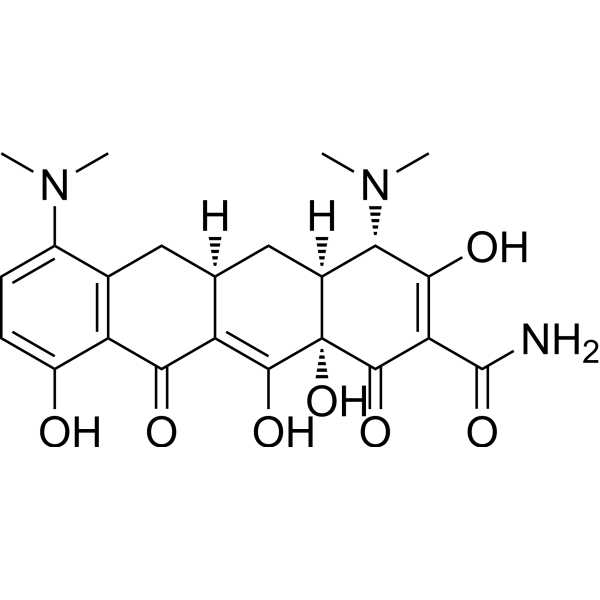
    Minocycline
    60+ Cited Publications

    Antibiotic Bacterial HIF/HIF Prolyl-Hydroxylase Apoptosis MDM-2/p53 Potassium Channel Calcium Channel Infection Cardiovascular Disease Neurological Disease Metabolic Disease Inflammation/Immunology Cancer
    Minocycline is an orally active, potent and BBB-penetrated semi-synthetic tetracycline antibiotic. Minocycline is a hypoxia-inducible factor (HIF)-1α inhibitor. Minocycline shows anti-cancer, anti-inflammatory, and glutamate antagonist effects. Minocycline reduces glutamate neurotransmission and shows neuroprotective properties and antidepressant effects. Minocycline inhibits bacterial protein synthesis through binding with the 30S subunit of the bacterial ribosome, resulting in a bacteriostatic effect .
    Minocycline
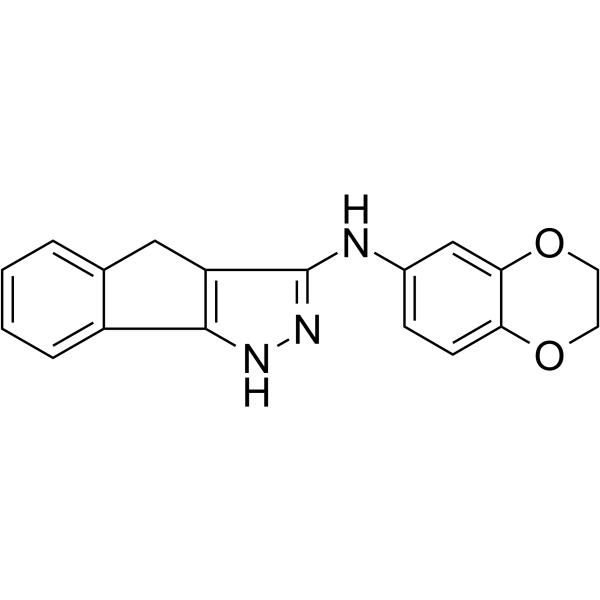
  • HY-110266
    GN44028
    5+ Cited Publications

    HIF/HIF Prolyl-Hydroxylase Cancer
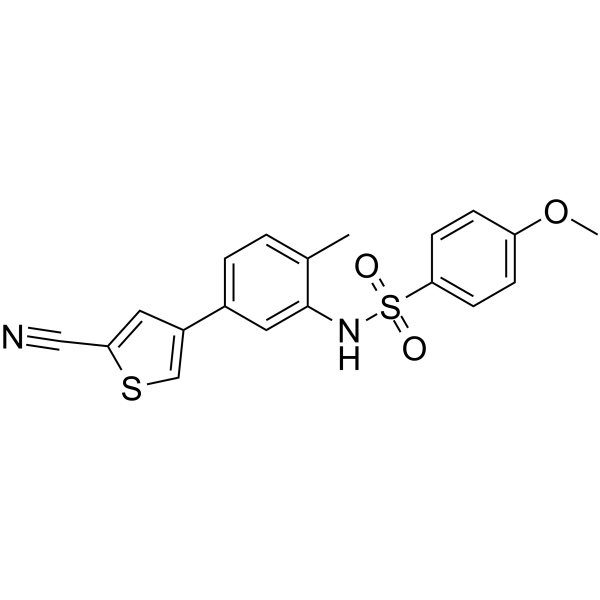
    GN44028 is a potent and orally active hypoxia inducible factor (HIF)-1α inhibitor, with an IC50 of 14 nM. GN44028 inhibits hypoxia-induced HIF-1α transcriptional activity without suppressing HIF-1α mRNA expression, HIF-1α protein accumulation, or HIF-1α/HIF-1β heterodimerization. GN44028 can be used in the research of cancers .
    GN44028
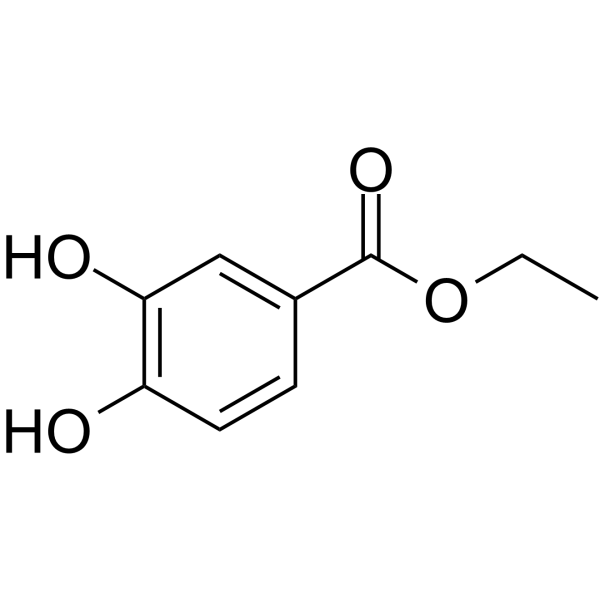
  • HY-W016409
    Ethyl 3,4-dihydroxybenzoate
    1 Publications Verification

    Protocatechuic acid ethyl ester

    HIF/HIF Prolyl-Hydroxylase Reactive Oxygen Species (ROS) NO Synthase Autophagy Apoptosis Metabolic Disease Cancer
    Ethyl 3,4-dihydroxybenzoate (Protocatechuic acid ethyl ester) is an orally effective, blood-brain barrier-permeable, competitive prolyl hydroxylase (PHD) inhibitor that inhibits the hydroxylation modification of hypoxia-inducible factor (HIF) by PHD. Ethyl 3,4-dihydroxybenzoate stabilizes HIF-1α by inhibiting PHD, activates downstream pathways to induce autophagy and apoptosis of tumor cells, and regulates inflammatory responses, inhibits the NF-κB pathway, improves vascular permeability, and promotes osteoblast differentiation. Ethyl 3,4-dihydroxybenzoate has anti-tumor, anti-hypoxic injury, and bone metabolism regulation effects. It can also be used in the research of cardiovascular protection (such as reducing myocardial ischemic damage), bone tissue engineering (promoting osteogenesis/inhibiting osteoclast differentiation), and prevention and treatment of high-altitude cerebral edema .
    Ethyl 3,4-dihydroxybenzoate
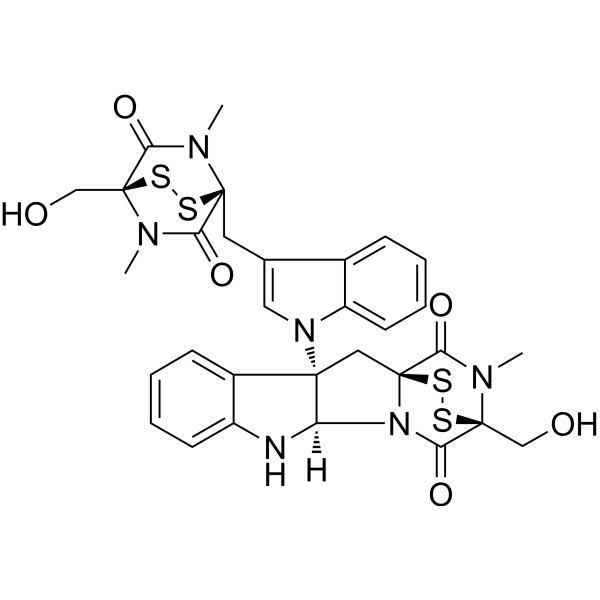
  • HY-107553
    Chetomin
    1 Publications Verification

    HSP Apoptosis Cancer
    Chetomin, an active component of Chaetomium globosum, is a heat shock protein 90/hypoxia-inducible factor 1 alpha (Hsp90/HIF1α) pathway inhibitor. Chetomin is a potent, nontoxic non-small cell lung cancer cancer stem cells (NSCLC CSC)-targeting molecule .
    Chetomin
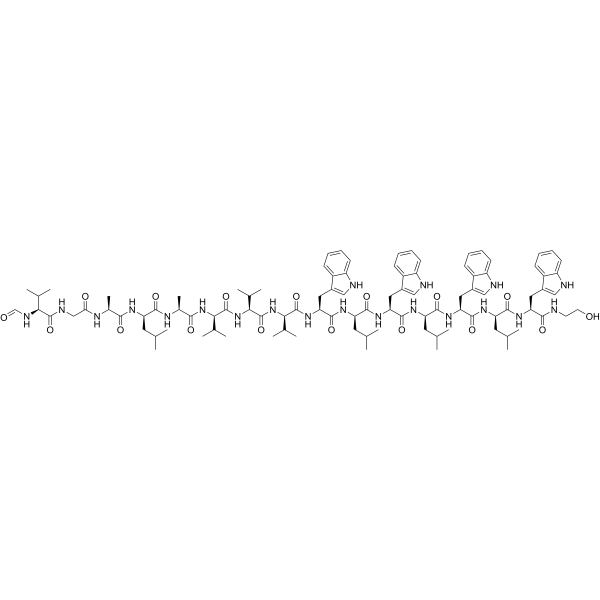
  • HY-P2324
    Gramicidin A
    1 Publications Verification

    Bacterial HIF/HIF Prolyl-Hydroxylase Antibiotic Infection Cancer
    Gramicidin A is a peptide component of gramicidin, an antibiotic mixture originally isolated from B. brevis. Gramicidin A is a highly hydrophobic channel-forming ionophore that forms channels in model membranes that are permeable to monovalent cations. Gramicidin A induces degradation of hypoxia inducible factor 1 α (HIF-1α) .
    Gramicidin A
  • HY-17412R

    Reference Standards Antibiotic Bacterial HIF/HIF Prolyl-Hydroxylase Apoptosis MDM-2/p53 Potassium Channel Calcium Channel Infection Cardiovascular Disease Neurological Disease Metabolic Disease Inflammation/Immunology Cancer
    Minocycline (hydrochloride) (Standard) is the analytical standard of Minocycline (hydrochloride). This product is intended for research and analytical applications. Minocycline hydrochloride is an orally active, potent and BBB-penetrated semi-synthetic tetracycline antibiotic. Minocycline hydrochloride is a hypoxia-inducible factor (HIF)-1α inhibitor. Minocycline hydrochloride shows anti-cancer, anti-inflammatory, and glutamate antagonist effects. Minocycline hydrochloride reduces glutamate neurotransmission and shows neuroprotective properties and antidepressant effects. Minocycline hydrochloride inhibits bacterial protein synthesis through binding with the 30S subunit of the bacterial ribosome, resulting in a bacteriostatic effect .
    Minocycline hydrochloride (Standard)
  • HY-15672

    HIF/HIF Prolyl-Hydroxylase Neurological Disease Cancer
    FM19G11 is a hypoxia-inducible factor-1-alpha (HIF-1α) inhibitor, and it inhibits hypoxia-induced luciferase activity with an IC50 of 80 nM in HeLa cells. FM19G11 modulates other signaling pathways, including mTOR and PI3K/Akt/eNOS, when the HIF-1α pathway is inactivated under normoxic conditions .
    FM19G11
  • HY-168641

    PROTACs Apoptosis HIF/HIF Prolyl-Hydroxylase Cancer
    PROTAC HIF-1α degrader-1 (compound V2) is a potent hypoxia-inducible factor- (HIF-1α) PROTAC degrader with an IC50 value of 7.54 µM. PROTAC HIF-1α degrader-1 shows anti-proliferative activity. PROTAC HIF-1α degrader-1 decreases the HIF-1α protein expression. PROTAC HIF-1α degrader-1 induces apoptosis. (Pink: ligand for target protein (HY-111387); black: linker (HY-W013731); Blue: E3 ligase ligand (HY-112078)) .
    PROTAC HIF-1α degrader-1
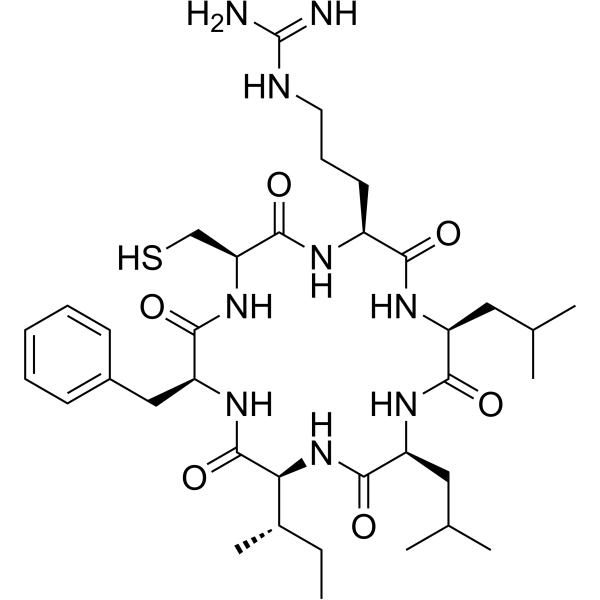
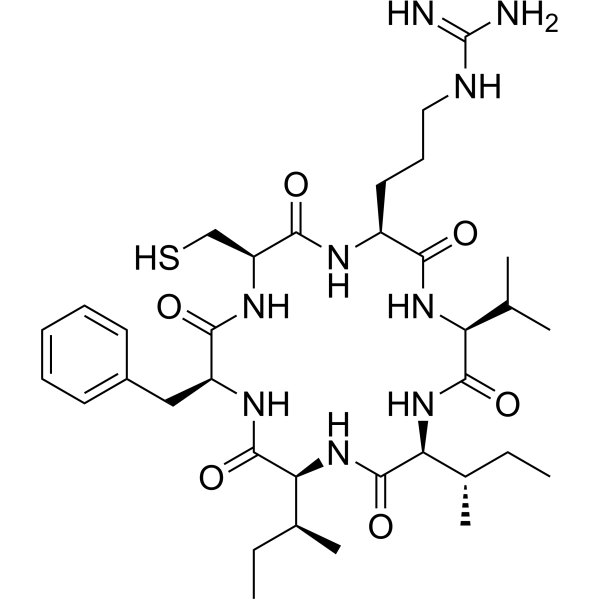
  • HY-P10426

    HIF/HIF Prolyl-Hydroxylase VEGFR Cancer
    cyclo(CLLFVY) is an inhibitor for hypoxia inducible factor-1 (HIF-1), with IC50 of 19 μM (in U2OS) and 16 μM (in MCF-7). cyclo(CLLFVY) binds to the PAS-B domain of HIF-1α, inhibits HIF-1 dimerization and transcriptional activity. cyclo(CLLFVY) downregulates the expression of hypoxia response genes, such as VEGF and CAIX, exhibits antitumor against the HIF-1 associated cancers .
    cyclo(CLLFVY)
  • HY-B0239R

    Reference Standards Antibiotic Bacterial HIF/HIF Prolyl-Hydroxylase VEGFR Autophagy Apoptosis Beclin1 JNK Akt MMP Infection Cancer
    Chloramphenicol (Standard) is the analytical standard of Chloramphenicol. This product is intended for research and analytical applications. Chloramphenicol is an orally active, potent and broad-spectrum antibiotic. Chloramphenicol shows antibacterial activity. Chloramphenicol represses the oxygen-labile transcription factor and hypoxia inducible factor-1 alpha (HIF-1α) in hypoxic A549 and H1299 cells. Chloramphenicol suppresses the mRNA levels of vascular endothelial growth factor (VEGF) and glucose transporter 1, eventually decreasing VEGF release. Chloramphenicol can be used for anaerobic infections and lung cancer research .
    Chloramphenicol (Standard)
  • HY-146144

    HIF/HIF Prolyl-Hydroxylase Cancer
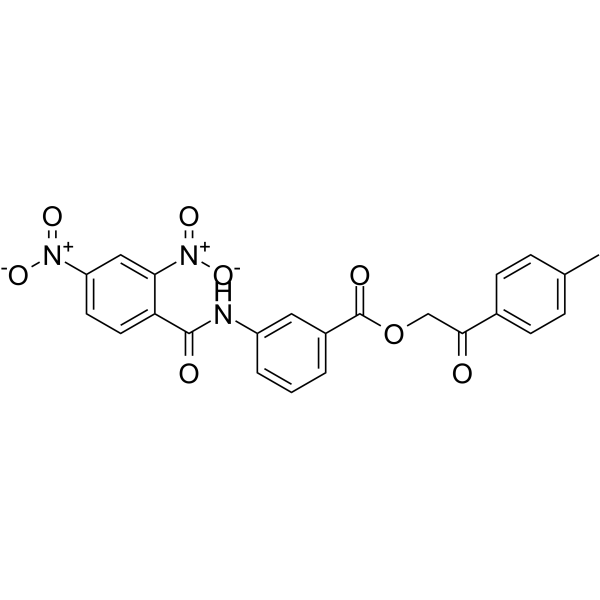
    HIF-IN-1 (Compound 3c) is a hypoxia-inducible factor (HIF)-1 inhibitor. HIF-IN-1 suppresses HIF-1α protein accumulation without affecting the levels of HIF-1α mRNA. HIF-IN-1 shows no obvious cytotoxicity .
    HIF-IN-1
  • HY-16187

    HIF/HIF Prolyl-Hydroxylase Apoptosis Cancer
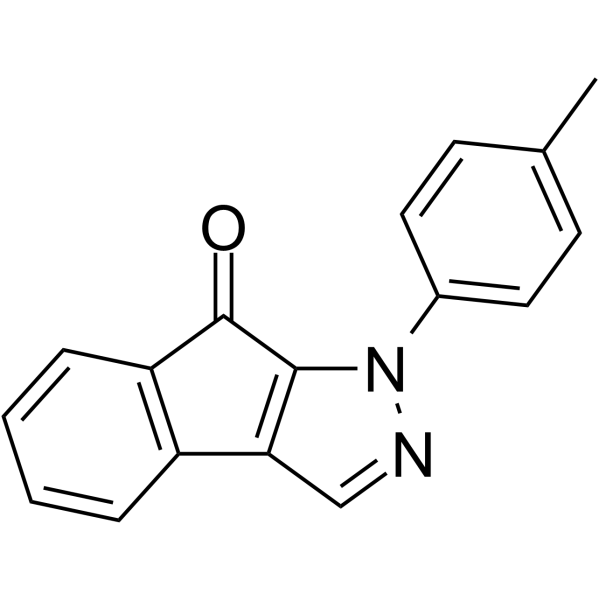
    EL-102 is a hypoxia-induced factor 1 (Hif1α) inhibitor. EL-102 induces apoptosis, inhibits tubulin polymerisation and shows activities against prostate cancer. EL-102 can be used for the research of cancer .
    EL-102
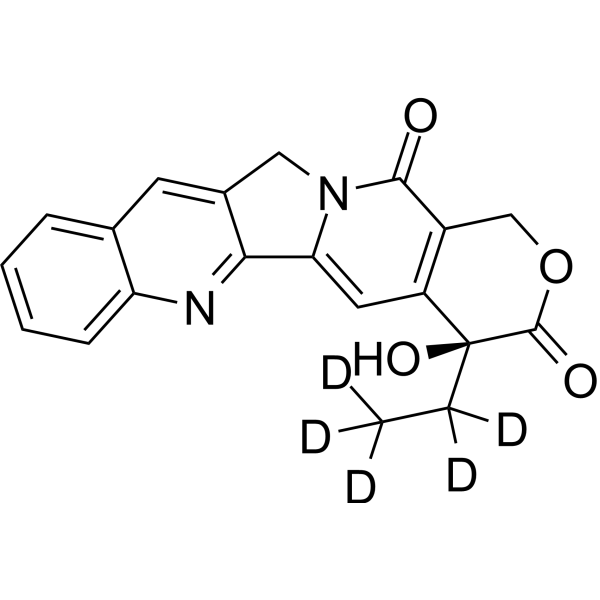
  • HY-16560S

    Campathecin-d5; (S)-(+)-Camptothecin-d5; CPT-d5

    Isotope-Labeled Compounds Topoisomerase ADC Payload MicroRNA Influenza Virus Apoptosis Fungal Antibiotic Infection Cancer
    Camptothecin-d5 is the deuterium labeled Camptothecin. Camptothecin (CPT), a kind of alkaloid, is a DNA topoisomerase I (Topo I) inhibitor with an IC50 of 679 nM . Camptothecin (CPT) exhibits powerful antineoplastic activity against colorectal, breast, lung and ovarian cancers, modulates hypoxia-inducible factor- (HIF-1α) activity by changing microRNAs (miRNA) expression patterns in human cancer cells .
    Camptothecin-d5
  • HY-N13009

    Raf HIF/HIF Prolyl-Hydroxylase ERK MEK Reactive Oxygen Species (ROS) Apoptosis Caspase Cancer
    MO-2097 is a RAF-1/HIF-1α inhibitor. MO-2097 induces RAF-1 destabilization, leading to a reduction in EMT-associated transcription factors and mesenchymal markers. MO-2097 inhibits HIF-1a protein expression mediated by hnRNPA2B1 under hypoxic and mimetic hypoxia. MO-2097 induces mitochondrial ROS, which leads to apoptosis in cells. MO-2097 effectively suppresses colorectal cancer metastasis by inhibiting the RAF/MEK/ERK signaling pathway. MO-2097 attenuates tumor growth in a xenograft HCT116 cell mouse model. MO-2097 can be used for the study of colorectal cancer .
    MO-2097
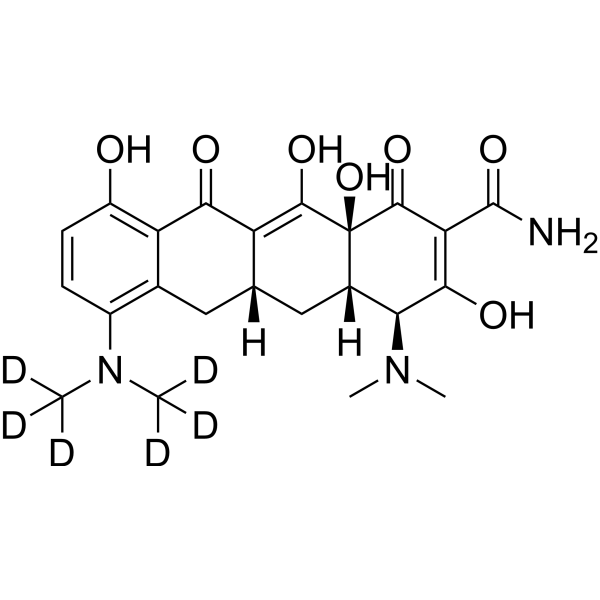
  • HY-17412AS

    Isotope-Labeled Compounds Antibiotic Bacterial HIF/HIF Prolyl-Hydroxylase Apoptosis MDM-2/p53 Potassium Channel Calcium Channel Infection Cardiovascular Disease Neurological Disease Metabolic Disease Inflammation/Immunology Cancer
    Minocycline-d6 is deuterium labeled Minocycline (HY-17412A). Minocycline is an orally active, potent and BBB-penetrated semi-synthetic tetracycline antibiotic. Minocycline is a hypoxia-inducible factor (HIF)-1α inhibitor. Minocycline shows anti-cancer, anti-inflammatory, and glutamate antagonist effects. Minocycline reduces glutamate neurotransmission and shows neuroprotective properties and antidepressant effects. Minocycline inhibits bacterial protein synthesis through binding with the 30S subunit of the bacterial ribosome, resulting in a bacteriostatic effect .
    Minocycline-d6
  • HY-P10222

    HIF/HIF Prolyl-Hydroxylase Cancer
    Cyclo CRLLIF is a dual inhibitor for hypoxia inducible factor (HIF) 1 and 2, which disrupts the interaction of both HIF1-α and HIF2-α with HIF1-β, with affinity for HIF1-α and HIF2-α PAS-B domains KD of 14.5 and 10.2 μM, respectively .
    Cyclo(CRLLIF)
  • HY-P1888

    HIF/HIF Prolyl-Hydroxylase Cardiovascular Disease
    HIF-1 alpha (556-574) is a short hypoxia-inducible factor-1 (HIF-1) 19 residues fragment. HIF-1 functions as master regulator of response to oxygen homeostasis .
    HIF-1 alpha (556-574)
  • HY-179341

    HIF/HIF Prolyl-Hydroxylase Cancer
    CHNQD-03301 is an orally active hypoxia-inducible factor- (HIF-1α) inhibitor (IC50 = 10.97 nM). CHNQD-03301 promotes the proteasomal degradation of HIF-1α protein, leading to its significant suppression. CHNQD-03301 can reverse HIF accumulation-induced angiogenesis and mitigate the HIF-induced erythrocytosis phenotype in zebrafish models. CHNQD-03301 can be used for the study of colon cancer .
    CHNQD-03301
  • HY-175521

    HIF/HIF Prolyl-Hydroxylase IKK NF-κB Apoptosis Reactive Oxygen Species (ROS) Inflammation/Immunology
    HIF-1α-IN-8 is an orally active HIF-1α inhibitor, with an IC50 of 2.02 μM. HIF-1α-IN-8 significantly suppresses the expression of inflammation factors of IL-6 and NO, reduces hypoxia-induced ROS production and apoptosis in C8-D1A cells. HIF-1α-IN-8 inhibits HIF-1α/IKKα/NF-κB signaling pathway and reduces the expression of blood-brain barrier permeability-related proteins. HIF-1α-IN-8 reduces brain water content and oxidative stress level in mice with high altitude cerebral edema (HACE) model. HIF-1α-IN-8 can be used for the study of high altitude cerebral edema (HACE) .
    HIF-1α-IN-8
  • HY-16560R

    Campathecin (Standard); (S)-(+)-Camptothecin (Standard); CPT (Standard)

    Reference Standards Topoisomerase ADC Payload MicroRNA Influenza Virus Apoptosis Fungal Antibiotic Infection Cancer
    Camptothecin (Standard) (Campathecin (Standard)) is the analytical standard of Camptothecin (HY-16560). This product is intended for research and analytical applications. Camptothecin (CPT), a kind of alkaloid, is a DNA topoisomerase I (Topo I) inhibitor with an IC50 of 679 nM. Camptothecin (CPT) exhibits powerful antineoplastic activity against colorectal, breast, lung and ovarian cancers, modulates hypoxia-inducible factor- (HIF-1α) activity by changing microRNAs (miRNA) expression patterns in human cancer cells.
    Camptothecin (Standard)
  • HY-B0239S2

    JNK Apoptosis VEGFR MMP Bacterial Akt Autophagy HIF/HIF Prolyl-Hydroxylase Antibiotic Beclin1 Cancer
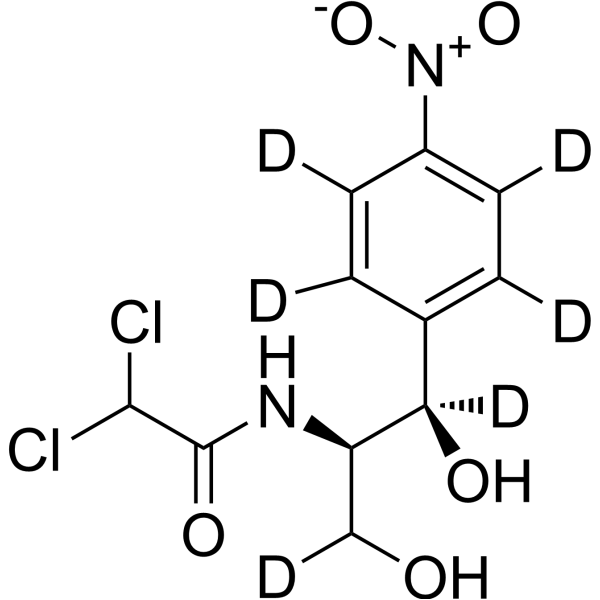
    Threo-Chloramphenicol-d6 is the deuterium labeled Chloramphenicol . Chloramphenicol is an orally active, potent and broad-spectrum antibiotic. Chloramphenicol shows antibacterial activity. Chloramphenicol represses the oxygen-labile transcription factor and hypoxia inducible factor-1 alpha (HIF-1α) in hypoxic A549 and H1299 cells. Chloramphenicol suppresses the mRNA levels of vascular endothelial growth factor (VEGF) and glucose transporter 1, eventually decreasing VEGF release. Chloramphenicol can be used for anaerobic infections and lung cancer research .
    Threo-Chloramphenicol-d6
  • HY-N10330

    HIF/HIF Prolyl-Hydroxylase VEGFR Cancer
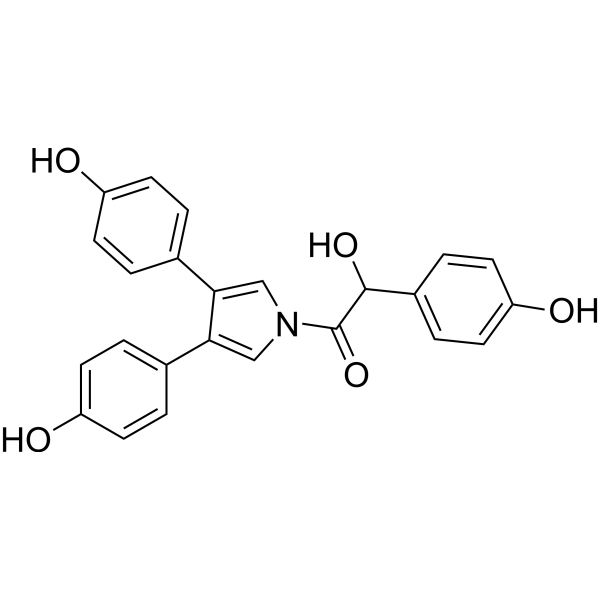
    7-Hydroxyneolamellarin A is a natural product that could be derived from sponge Dendrilla nigra. 7-Hydroxyneolamellarin A is a potent hypoxia-inducible factor- (HIF-1α) inhibitor. 7-Hydroxyneolamellarin A attenuates the accumulation of hypoxia-inducible factor- (HIF-1α) protein and inhibits vascular epidermal growth factor (VEGF) transcriptional activity. 7-Hydroxyneolamellarin A can be used in research of cancer .
    7-Hydroxyneolamellarin A
  • HY-17412S1

    Isotope-Labeled Compounds Antibiotic Bacterial HIF/HIF Prolyl-Hydroxylase Apoptosis MDM-2/p53 Potassium Channel Calcium Channel Infection Cardiovascular Disease Neurological Disease Metabolic Disease Inflammation/Immunology Cancer
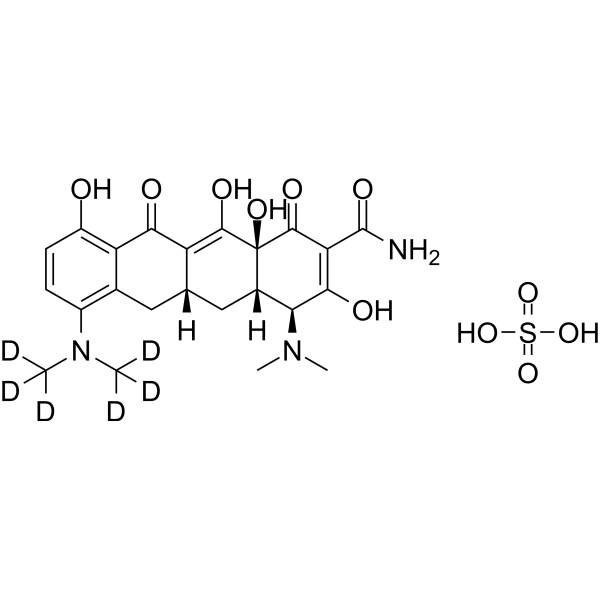
    Minocycline-d6 sulfate is deuterated labeled Minocycline (HY-17412A). Minocycline is an orally active, potent and BBB-penetrated semi-synthetic tetracycline antibiotic. Minocycline is a hypoxia-inducible factor (HIF)-1α inhibitor. Minocycline shows anti-cancer, anti-inflammatory, and glutamate antagonist effects. Minocycline reduces glutamate neurotransmission and shows neuroprotective properties and antidepressant effects. Minocycline inhibits bacterial protein synthesis through binding with the 30S subunit of the bacterial ribosome, resulting in a bacteriostatic effect .
    Minocycline-d6 sulfate
  • HY-17412S

    Isotope-Labeled Compounds Antibiotic Bacterial HIF/HIF Prolyl-Hydroxylase Apoptosis MDM-2/p53 Potassium Channel Calcium Channel Infection Cardiovascular Disease Neurological Disease Metabolic Disease Inflammation/Immunology Cancer
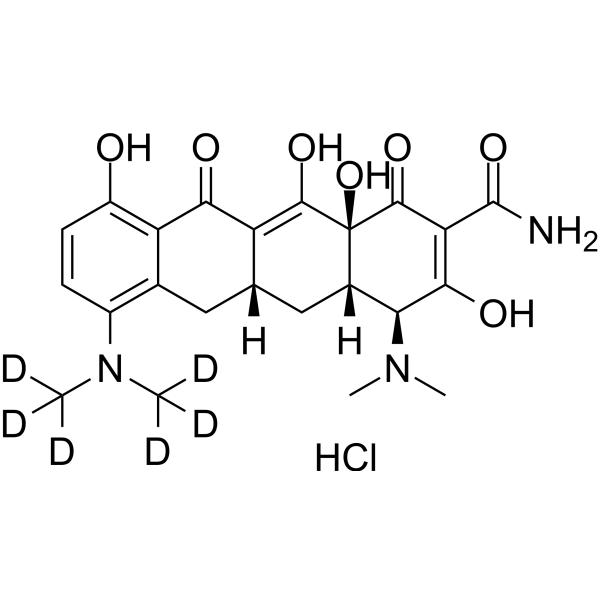
    Minocycline-d6 hydrochloride is deuterated labeled Minocycline hydrochloride (HY-17412). Minocycline hydrochloride is an orally active, potent and BBB-penetrated semi-synthetic tetracycline antibiotic. Minocycline hydrochloride is a hypoxia-inducible factor (HIF)-1α inhibitor. Minocycline hydrochloride shows anti-cancer, anti-inflammatory, and glutamate antagonist effects. Minocycline hydrochloride reduces glutamate neurotransmission and shows neuroprotective properties and antidepressant effects. Minocycline hydrochloride inhibits bacterial protein synthesis through binding with the 30S subunit of the bacterial ribosome, resulting in a bacteriostatic effect .
    Minocycline-d6 hydrochloride
  • HY-P10223

    HIF/HIF Prolyl-Hydroxylase Cancer
    Cyclo CRVIIF is a dual inhibitor for hypoxia inducible factor (HIF) 1 and 2, which disrupts the interaction of both HIF1-α and HIF2-α with HIF1-β, with affinity for HIF1-α and HIF2-α PAS-B domains KD of 65 and 123 μM, respectively .
    Cyclo(CRVIIF)
  • HY-117844

    Ligands for E3 Ligase Others
    VHL Ligand 35 (Compound 14) is a von Hippel-Lindau protein (pVHL) E3 ubiquitin ligase ligand with a Kd of 0.291 μM. VHL Ligand 35 disrupts protein-protein interaction between pVHL and hypoxia inducible factor (HIF-1α) .
    VHL Ligand 35
  • HY-18259

    HIF/HIF Prolyl-Hydroxylase Cancer
    103D5R (Compound 15) is an inhibitor for the activation of hypoxia-inducible factor-1 (HIF-1) with an IC50 of 35 µM, through reduction of the HIF-1α protein synthesis. 103D5R inhibits the proliferation of LN229 with IC50 of 26 µM .
    103D5R
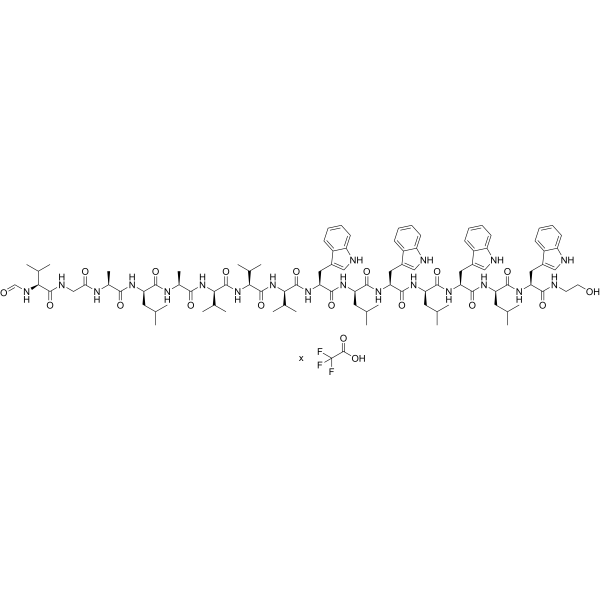
  • HY-P2324A

    Antibiotic Bacterial Infection
    Gramicidin A (TFA) is a peptide component of gramicidin, an antibiotic mixture originally isolated from B. brevis. Gramicidin A (TFA) is a highly hydrophobic channel-forming ionophore that forms channels in model membranes that are permeable to monovalent cations. Gramicidin A (TFA) induces degradation of hypoxia inducible factor 1 α (HIF-1α) .
    Gramicidin A TFA
  • HY-W654013

    Isotope-Labeled Compounds Apoptosis Potassium Channel Antibiotic Bacterial MDM-2/p53 HIF/HIF Prolyl-Hydroxylase Calcium Channel Infection Cardiovascular Disease Neurological Disease Metabolic Disease Inflammation/Immunology Cancer
    Minocycline-d7 is deuterium labeled Minocycline. Minocycline is an orally active, potent and BBB-penetrated semi-synthetic tetracycline antibiotic. Minocycline is a hypoxia-inducible factor (HIF)-1α inhibitor. Minocycline shows anti-cancer, anti-inflammatory, and glutamate antagonist effects. Minocycline reduces glutamate neurotransmission and shows neuroprotective properties and antidepressant effects. Minocycline inhibits bacterial protein synthesis through binding with the 30S subunit of the bacterial ribosome, resulting in a bacteriostatic effect .
    Minocycline-d7
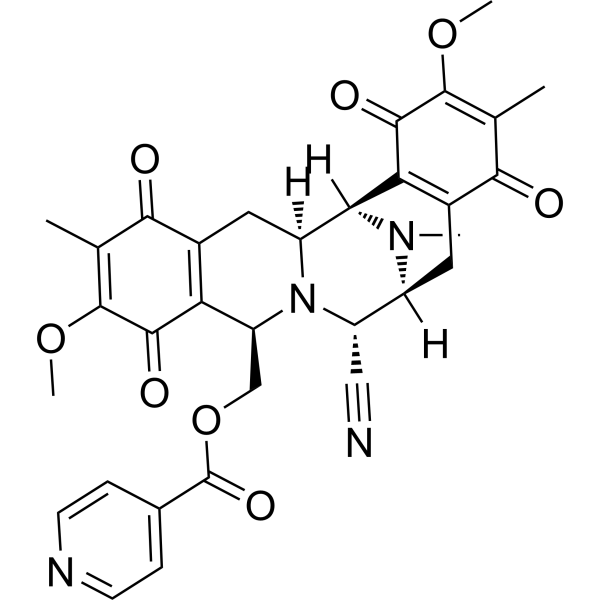
  • HY-155721

    22-4′-Pyridinecarbonyl jorunnamycin A

    Akt mTOR Cancer
    22-(4′-py)-JA is a semisynthetic derivative of junamycin A (JA) that can be isolated from the Thai blue sponge (Xestospongia sp.). 22-(4′-py)-JA has antimetastatic activity and can inhibit AKT/mTOR/p70S6K signaling. 22-(4′-py)-JA inhibits tumor cell invasion and tube formation in human umbilical vein endothelial cells (HUVEC), downregulates metalloproteinases (MMP-2 and MMP-9), hypoxia-inducible factor (HIF-1α) and vascular endothelial growth factor (VEGF). 22-(4′-py)-JA has potent anticancer activity against non-small cell lung cancer (NSCLC) .
    22-(4′-py)-JA
  • HY-W778057

    Protocatechuic acid ethyl ester-13C3

    Reactive Oxygen Species (ROS) Cancer
    Ethyl 3,4-Dihydroxybenzoate- 13C3 (Protocatechuic acid ethyl ester- 13C3) is the 13C-labeled Ethyl 3,4-dihydroxybenzoate (HY-W016409). Ethyl 3,4-dihydroxybenzoate (Protocatechuic acid ethyl ester) is an orally effective, blood-brain barrier-permeable, competitive prolyl hydroxylase (PHD) inhibitor that inhibits the hydroxylation modification of hypoxia-inducible factor (HIF) by PHD. Ethyl 3,4-dihydroxybenzoate stabilizes HIF-1α by inhibiting PHD, activates downstream pathways to induce autophagy and apoptosis of tumor cells, and regulates inflammatory responses, inhibits the NF-κB pathway, improves vascular permeability, and promotes osteoblast differentiation. Ethyl 3,4-dihydroxybenzoate has anti-tumor, anti-hypoxic injury, and bone metabolism regulation effects. It can also be used in the research of cardiovascular protection (such as reducing myocardial ischemic damage), bone tissue engineering (promoting osteogenesis/inhibiting osteoclast differentiation), and prevention and treatment of high-altitude cerebral edema .
    Ethyl 3,4-Dihydroxybenzoate-13C3
  • HY-W016409R

    Protocatechuic acid ethyl ester (Standard)

    Reference Standards HIF/HIF Prolyl-Hydroxylase Reactive Oxygen Species (ROS) NO Synthase Autophagy Apoptosis Metabolic Disease Cancer
    Ethyl 3,4-dihydroxybenzoate (Standard) (Protocatechuic acid ethyl ester (Standard)) is the analytical standard of Ethyl 3,4-dihydroxybenzoate (HY-W016409). This product is intended for research and analytical applications. Ethyl 3,4-dihydroxybenzoate (Protocatechuic acid ethyl ester) is an orally effective, blood-brain barrier-permeable, competitive prolyl hydroxylase (PHD) inhibitor that inhibits the hydroxylation modification of hypoxia-inducible factor (HIF) by PHD. Ethyl 3,4-dihydroxybenzoate stabilizes HIF-1α by inhibiting PHD, activates downstream pathways to induce autophagy and apoptosis of tumor cells, and regulates inflammatory responses, inhibits the NF-κB pathway, improves vascular permeability, and promotes osteoblast differentiation. Ethyl 3,4-dihydroxybenzoate has anti-tumor, anti-hypoxic injury, and bone metabolism regulation effects. It can also be used in the research of cardiovascular protection (such as reducing myocardial ischemic damage), bone tissue engineering (promoting osteogenesis/inhibiting osteoclast differentiation), and prevention and treatment of high-altitude cerebral edema .
    Ethyl 3,4-dihydroxybenzoate (Standard)
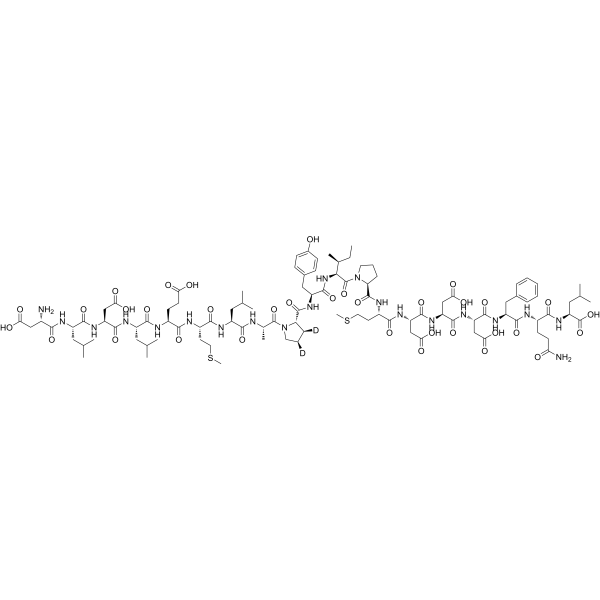
  • HY-P1888A

    HIF/HIF Prolyl-Hydroxylase Cardiovascular Disease
    HIF-1 alpha (556-574) TFA is a short hypoxia-inducible factor-1 (HIF-1) 19 residues fragment. HIF-1 functions as master regulator of response to oxygen homeostasis .
    HIF-1 alpha (556-574) TFA

Demande en ligne

Your information is safe with us. * Required Fields.

Civilité


Country or Region *

Nom du demandeur *


Nom de l'organisation *

Department *


Adresse e-mail *


Nom du produit *

Cat. No.


Requested quantity *

Numéro de téléphone *


Remarques

Demande en ligne

Inquiry Information

Nom du produit:
Cat. No.:
Quantité:
MCE Japan Authorized Agent: