Search Result
Results for "
immune+checkpoint
" in MedChemExpress (MCE) Product Catalog:
| Cat. No. |
Product Name |
Target |
Research Areas |
Chemical Structure |
-
- HY-P99144A
-
|
|
PD-1/PD-L1
|
Inflammation/Immunology
Cancer
|
|
Anti-Mouse PD-1 Antibody (S-5001) is a selective inhibitor targeting PD-1, blocking the PD-1/PD-L1 immune checkpoint axis through competitive binding to PD-1. Anti-Mouse PD-1 Antibody (S-5001) works by reversing the tumor immunosuppressive microenvironment and reactivating the anti-tumor activity of cytotoxic T lymphocytes. It can be used in research on tumors such as melanoma and HPV-positive oropharyngeal squamous cell carcinoma. Anti-Mouse PD-1 Antibody (S-5001) is often combined with photothermal therapy, chemotherapy, etc., to enhance efficacy .
|
-

-
- HY-P9986
-
|
MTIG-7192A; RG-6058
|
CD28
|
Cancer
|
|
Tiragolumab is an immune checkpoint inhibitor binding to the T-cell immunoglobulin and ITIM domain (TIGIT). Tiragolumab in combination with Atezolizumab (HY-P9904) and Bevacizumab (HY-P9906) has benefit in unresectable hepatocellular carcinoma. Tiragolumab can be used to study non-small cell lung cancer (NSCLC) and melanoma .
|
-

-
- HY-P99051
-
|
BAY 1834942
|
Transmembrane Glycoprotein
|
Inflammation/Immunology
Cancer
|
|
Tinurilimab (Bay 1834942) is an anti-CEACAM6 (carcinoembryonic antigen-related cell adhesion molecule 6) humanized IgG2 monoclonal antibody. CEACAM6 is an immune checkpoint regulator suppressing the activity of effector T-cells against tumors. Tinurilimab shows an increased tumor cell killing effect in the tumor-cell/T-cell co-culture system .
|
-

-
- HY-102011
-
BMS-1166
Maximum Cited Publications
6 Publications Verification
|
PD-1/PD-L1
|
Inflammation/Immunology
Cancer
|
|
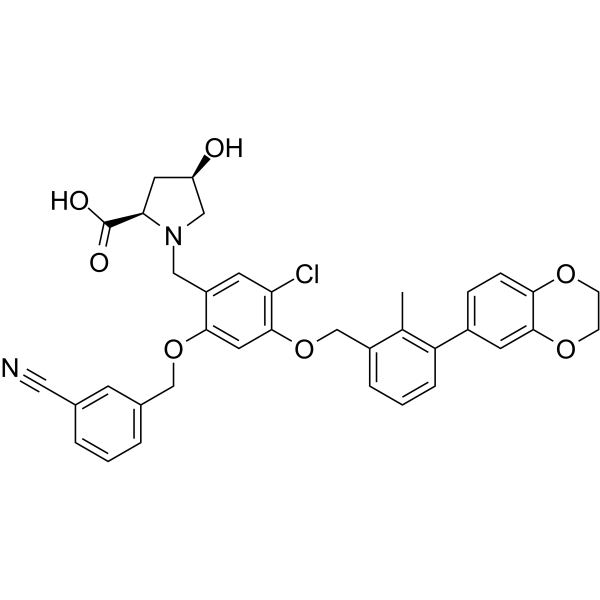
BMS-1166 is a potent PD-1/PD-L1 immune checkpoint inhibitor. BMS-1166 induces dimerization of PD-L1 and blocks its interaction with PD-1, with an IC50 of 1.4 nM. BMS-1166 antagonizes the inhibitory effect of PD-1/PD-L1 immune checkpoint on T cell activation .
|
-
-
- HY-101093
-
CA-170
2 Publications Verification
|
PD-1/PD-L1
|
Inflammation/Immunology
Cancer
|
|
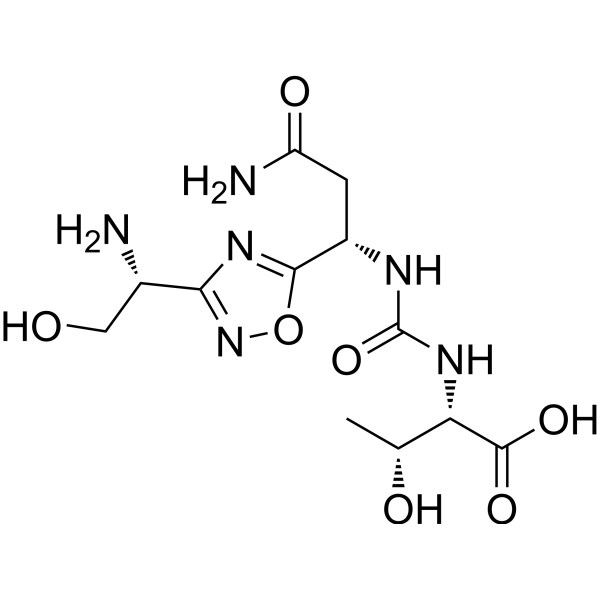
CA-170 is an orally delivered dual inhibitor of VISTA and PD-L1. CA-170 exhibits potent rescue of proliferation and effector functions of T cells inhibited by PD-L1/L2 and VISTA with selectivity over other immune checkpoint proteins as well as a broad panel of receptors and enzymes .
|
-
-
- HY-152293
-
|
|
VEGFR
ERK
|
Cancer
|
|
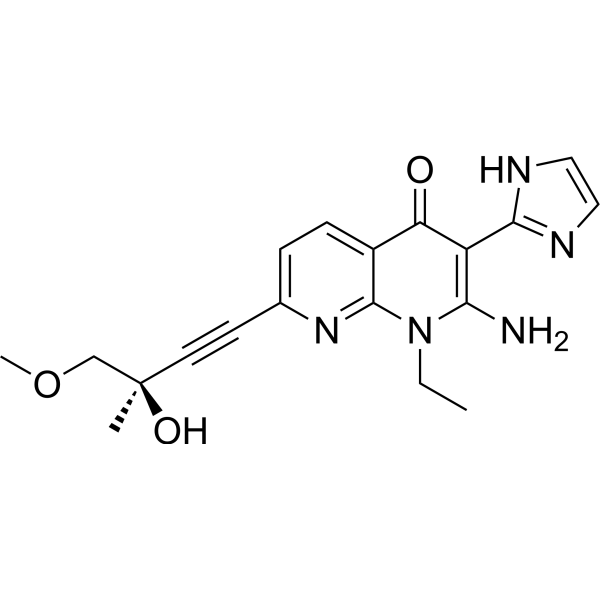
EVT801 is an orally active and selective inhibitor of VEGFR-3 (IC50=11 nM), which has antitumor effects. EVT801 inhibits not only VEGF-C-induced human endothelial cell proliferation, but also tumor (lymphatic) angiogenesis in tumor mouse models. EVT801 can reduce tumor hypoxia, immunosuppressive cytokines (CCL4, CCL5) and myeloid derived suppressor cells (MDSC) production. EVT801 has synergistic effect with immune checkpoint therapy (ICT), which improves ICT response rate and has better inhibitory effect on cancer mouse models . EVT801 is a click chemistry reagent, it contains an Alkyne group and can undergo copper-catalyzed azide-alkyne cycloaddition (CuAAc) with molecules containing Azide groups.
|
-
-
- HY-P99617
-
|
REGN3767
|
LAG-3
|
Inflammation/Immunology
Cancer
|
|
Fianlimab (REGN3767) is a human monoclonal antibody that targets the immune checkpoint receptor LAG-3 on T cells and has anti-tumour activity .
|
-

-
- HY-P99166
-
|
XMAB-20717
|
PD-1/PD-L1
CTLA-4
|
Inflammation/Immunology
Cancer
|
|
Vudalimab is a potent dual PD-1 and CTLA-4 inhibitor as a fully humanized bispecific monoclonal antibody. Vudalimab targets immune checkpoint receptors PD-1 and CTLA-4 and promotes tumor-selective T-cell activation .
|
-

-
- HY-P99032
-
|
IPH2201
|
Checkpoint Kinase (Chk)
IFNAR
|
Inflammation/Immunology
Cancer
|
|
Monalizumab (IPH2201) is an immune checkpoint inhibitor targeting Natural Killer Group 2A (NKG2A). Monalizumab, a humanized anti-NKG2A blocking mAb, increases IFN-γ production, thereby promoting NK cell effector functions. Monalizumab can be used for the research of head and neck squamous cell carcinoma (HNSCC) .
|
-

-
- HY-P99950
-
|
ALX148
|
CD47
|
Cancer
|
|
Evorpacept (ALX148) is a high-affinity CD47-blocking fusion protein with an inactive human immunoglobulin Fc region. Evorpacept binds to CD47, blocks the interaction of the CD47-SIRPα immune checkpoint, and inhibits the binding of wild-type SIRPα to CD47. Evorpacept is applicable to research related to acute myeloid leukemia .
|
-

-
- HY-N6579
-
|
|
p38 MAPK
Mitochondrial Metabolism
|
Cancer
|
|
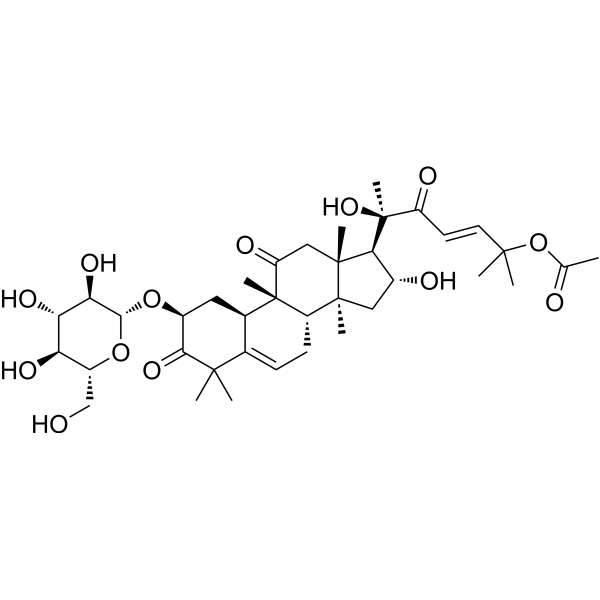
Arvenin I is a natural cucurbitacin glucoside that activates T cells within the cancer-competitive environment. Arvenin I covalently reacts with and hyperactivates MKK3, thereby reviving the mitochondrial fitness of exhausted T cells through the activation of the p38MAPK pathway . Arvenin I exhibits broad-spectrum antiproliferative against cancer cells . Arvenin I enhances antitumor effects both as a monotherapy and in combination with immune checkpoint inhibitors in mice . Arvenin I can be used for cancer research, such as colon cancer, breast cancer, lung cancer, and ovarian cancer [1][2].
|
-
-
- HY-122542B
-
|
|
Ligands for E3 Ligase
Molecular Glues
IKZF Family
|
Cardiovascular Disease
|
|
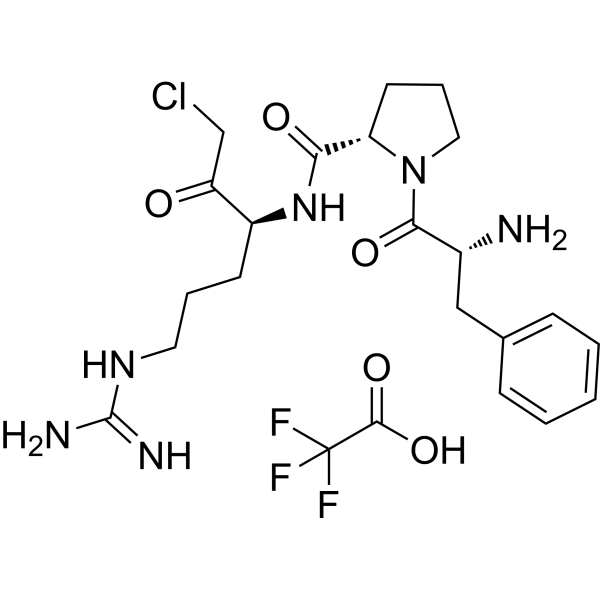
PPACK TFA is an orally active, selective molecular glue degrader targeting IKZF2. Through a molecular glue mechanism, PPACK TFA binds to CRBN, recruits IKZF2 to form a ternary complex, and promotes its ubiquitination and proteasomal degradation. This further converts inhibitory regulatory T cells (Treg) into effector-like T cells, enhances CD8 + T cell responses, and modulates the Teff:Treg balance. PPACK TFA also increases the production of the inflammatory cytokine IL-2 and reduces the suppressive activity of Treg. PPACK TFA can be used in cancer immunotherapy research, and exhibits a synergistic effect when combined with immune checkpoint inhibitors such as anti-PD1 .
|
-
-
- HY-P99378
-
|
ALTB-168; Anti-PSGL1/CD162 Reference Antibody (neihulizumab); AbGn-168
|
Apoptosis
|
Inflammation/Immunology
|
|
Neihulizumab (ALTB-168) is an immune checkpoint agonistic antibody that binds to human CD162 (PSGL-1), leading to downregulation of activated T-cells. Neihulizumab can be uesd for steroid-refractory acute graft-versus-host-disease (SR-aGVHD), psoriasis, psoriatic arthritis and ulcerative colitis research .
|
-

-
- HY-120635
-
|
|
PD-1/PD-L1
|
Inflammation/Immunology
Cancer
|
|
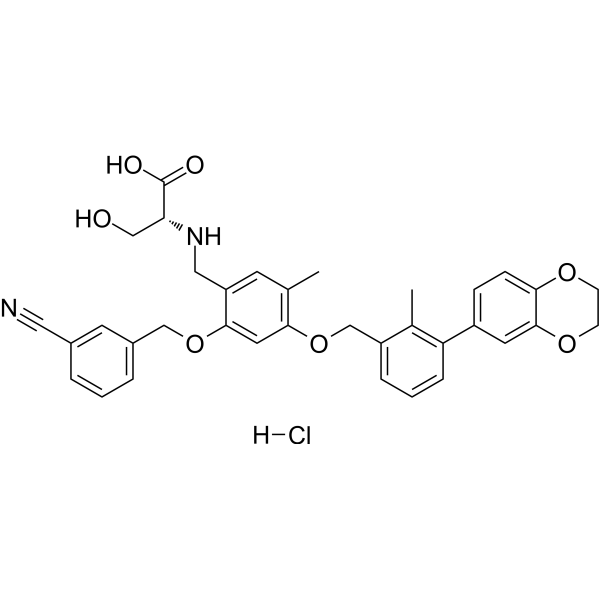
BMS-1001 is an orally active human PD-L1/PD-1 immune checkpoint inhibitor. BMS-1001 exhibits low-toxicity in cells. The IC50 value of BMS-1001 in a homogeneous time-resolved fluorescence (HTRF) binding assay is 2.25 nM .
|
-
-
- HY-156649
-
|
CR6086
|
Prostaglandin Receptor
Interleukin Related
MMP
PD-1/PD-L1
|
Cardiovascular Disease
Inflammation/Immunology
Cancer
|
|
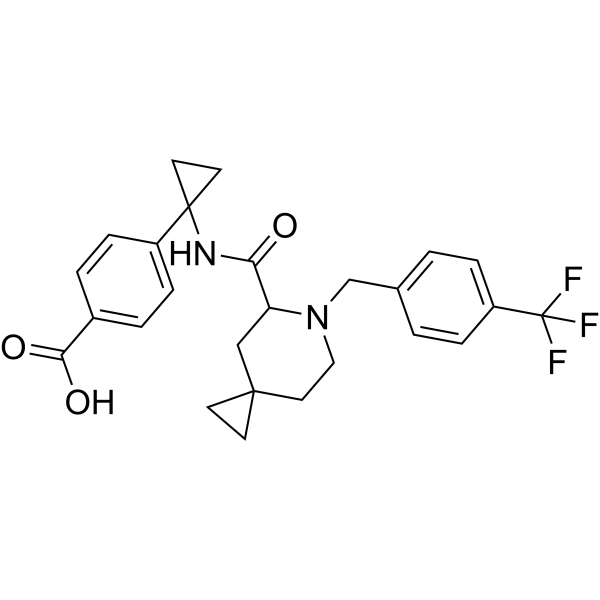
Vorbipiprant (CR6086) is an orally active EP4 receptor antagonist with high selectivity for the human EP4 receptor (Ki: 16.6 nM). Vorbipiprant has immunomodulatory, anti-inflammatory, antitumor, and anti-angiogenic activities. Vorbipiprant can inhibit the expression of multiple pro-inflammatory cytokines and the activation of immune cells, and convert "cold" tumors unresponsive to immune checkpoint inhibitors into "hot" tumors. Vorbipiprant is used in the research of diseases such as rheumatoid arthritis and colon cancer .
|
-
-
- HY-P991480
-
|
|
Transmembrane Glycoprotein
Tau Protein
Amyloid-β
|
Neurological Disease
Cancer
|
|
ONC-841 is a blood-brain barrier-permeable, humanized monoclonal antibody targeting SIGLEC10. As an immune checkpoint inhibitor, ONC-841 restores the functions of immune effector cells such as T cells and enhances anti-tumor immune responses by blocking inhibitory signals mediated by SIGLEC10. ONC-841 restores the phagocytic and migratory activities of microglia, and promotes the phagocytosis of Amyloid-β and Tau protein aggregates by microglia. ONC-841 is applicable to research related to solid tumors and Alzheimer's disease .
|
-

-
- HY-P991023
-
|
6MW3211
|
CD47
PD-1/PD-L1
|
Cancer
|
|
Safimestomig (6MW3211) is an CD47/PD-L1-targeting bispecific antibody. Safimestomig blocks CD47-mediated 'don't eat me' signaling and selectively binds to CD47 on tumor cells. Safimestomig blocks PD-L1-mediated immune checkpoint signaling. Safimestomig can be used for the research of cancer .
|
-

-
- HY-P990704
-
|
AZD-2936
|
PD-1/PD-L1
Transmembrane Glycoprotein
|
Cancer
|
|
Rilvegostomig (AZD-2936) is a bispecific humanized IgG1 antibody targeting PD-1 and TIGIT. Rilvegostomig induces tumor growth inhibition and modulates the tumor immune microenvironment. Rilvegostomig exhibits anti-tumor activity in metastatic non-small cell lung cancer (without prior immune checkpoint inhibitor treatment). Rilvegostomig can be used in research related to metastatic non-small cell lung cancer and endometrial cancer .
|
-

-
- HY-150879
-
|
|
PD-1/PD-L1
Ligands for Target Protein for PROTAC
|
Cancer
|
|
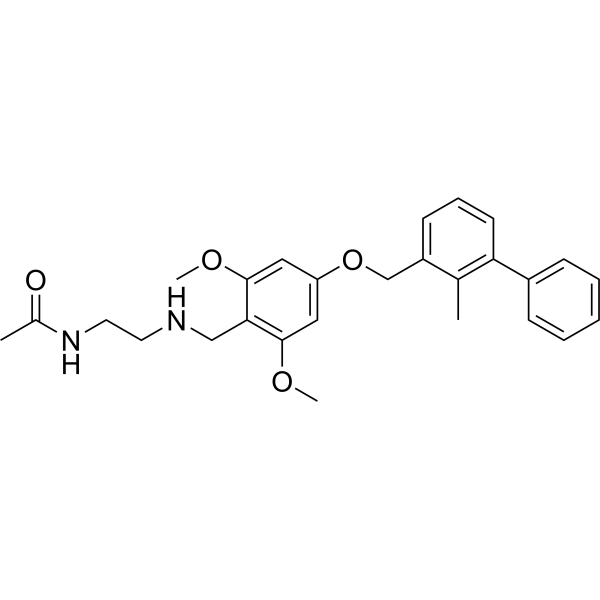
BMS-37 is a PD-1/PD-L1 immune checkpoint inhibitor with an IC50 towards the PD-L1/PD-1 complex in the range of 18 to 200 nM. BMS-37 shows unspecific toxicity against modified Jurkat T cells with an EC50 between 3 and 6 µM. BMS-37 can be used for the study of the PD-L1-induced exhaustion of T-cells or as PD-L1 ligand to synthesize PROTAC molecules .
|
-
-
- HY-122542A
-
|
Pebac; D-Phenylalanyl-prolyl-arginyl Chloromethyl Ketone; D-Phe-Pro-Arg-CH2Cl
|
Ligands for E3 Ligase
Molecular Glues
IKZF Family
|
Cardiovascular Disease
|
|
PPACK dihydrochloride is an orally active, selective molecular glue degrader targeting IKZF2. Through a molecular glue mechanism, PPACK dihydrochloride binds to CRBN, recruits IKZF2 to form a ternary complex, and promotes its ubiquitination and proteasomal degradation. This further converts inhibitory regulatory T cells (Treg) into effector-like T cells, enhances CD8 + T cell responses, and modulates the Teff:Treg balance. PPACK dihydrochloride also increases the production of the inflammatory cytokine IL-2 and reduces the suppressive activity of Treg. PPACK dihydrochloride can be used in cancer immunotherapy research, and exhibits a synergistic effect when combined with immune checkpoint inhibitors such as anti-PD1 .
|
-

-
- HY-159647
-
|
|
Molecular Glues
Ligands for E3 Ligase
IKZF Family
|
Cancer
|
|
PLX-4545 is an orally active, selective molecular glue degrader targeting IKZF2. Through a molecular glue mechanism, PLX-4545 binds to CRBN, recruits IKZF2 to form a ternary complex, and promotes its ubiquitination and proteasomal degradation. This further converts inhibitory regulatory T cells (Treg) into effector-like T cells, enhances CD8 + T cell responses, and modulates the Teff:Treg balance. PLX-4545 also increases the production of the inflammatory cytokine IL-2 and reduces the suppressive activity of Treg. PLX-4545 can be used in cancer immunotherapy research, and exhibits a synergistic effect when combined with immune checkpoint inhibitors such as anti-PD1 .
|
-

-
- HY-P99895
-
|
|
PD-1/PD-L1
|
Inflammation/Immunology
Cancer
|
|
Rulonilimab is a human IgG1 monoclonal antibody against PD-1 that targets, binds and inhibits PD-1 and its downstream signalling pathways with potential immune checkpoint inhibition and anti-tumour activity .
|
-

-
- HY-131386A
-
|
|
Target Protein Ligand-Linker Conjugates
|
Cancer
|
|
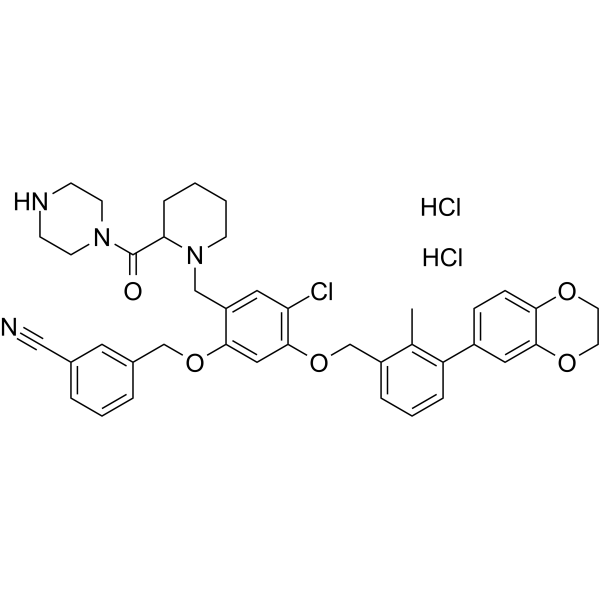
BMS-1166-N-piperidine-CO-N-piperazine dihydrochloride incorporates a ligand for PD-1/PD-L1 immune checkpoint, and a PROTAC linker. BMS-1166-N-piperidine-CO-N-piperazine dihydrochloride can be used in the synthesis of PROTAC PD-1/PD-L1 degrader-1?(HY-131183). PROTAC PD-1/PD-L1 degrader-1 inhibits PD-1/PD-L1 interaction with an IC50 of 39.2 nM .
|
-
-
- HY-172930
-
|
|
Molecular Glues
IKZF Family
Potassium Channel
|
Inflammation/Immunology
Cancer
|
|
PVTX-405 is a selective and oral active IKZF2 molecular glue degrader with a DC50 of 0.7 nM and a Dmax of 91%. PVTX-405 enhances degradation efficiency, significantly reduces off-target degradation, and alleviates hERG inhibition with IC50 of 48 µM. PVTX-405 significantly inhibits the growth of MC38 tumors, with greater synergistic anti-cancer efficacy in combination with immune checkpoint therapies (ICTs) (anti-PD1 or anti-LAG3) in the MC38 mouse tumor xenograft model using Crbn 391V C57BL/6 mice .
|
-

-
- HY-162811
-
|
|
LAG-3
|
Cancer
|
|
LAG-3 biner 1 (compound 3) is a small molecule ligand (Kd=1.23 μM) for the immune checkpoint lymphocyte activation gene 3 (LAG-3). LAG-3 biner 1 can be used in the research of cancer diagnosis targeting LAG-3 .
|
-

-
- HY-169853
-
|
|
VISTA
|
Inflammation/Immunology
|
|
M351-0056 is the agonist for the immune checkpoint protein VISTA, that reduces the secretion of VISTA-induced cytokines, promotes the T-cell proliferation induced by VISTA, and exhibits immunomodulatory activity. M351-0056 ameliorates Imiquimod (HY-B0180)-induced psoriatic dermatitis in mouse models .
|
-

-
- HY-149667
-
|
|
DGK
|
Cancer
|
|
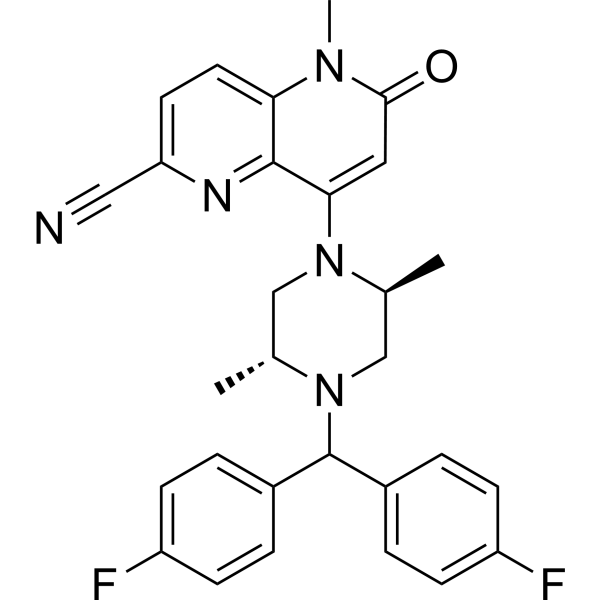
BMS-332 is a dual DGKα/ζ lipid kinase inhibitor, with IC50s of 5 and 1 nM against DGKα and DGKζ, respectively. BMS-332 enhances the antigen-specific T cell response. BMS-332 reduces the viral load in the liver and spleen when combined with anti-PD-1 in chronic infection models. BMS-332 can be used for the study of T cell immune checkpoint strategy .
|
-
-
- HY-P99698
-
|
LDP
|
PD-1/PD-L1
|
Inflammation/Immunology
Cancer
|
|
Lesabelimab (LDP) is an immunoglobulin G1-kappa anti-CD274 monoclonal antibody. CD274 is an immune checkpoint ligand, represses antitumour immunity through the interaction with PDCD1 receptor .
|
-

-
- HY-120647
-
|
|
PD-1/PD-L1
|
Inflammation/Immunology
Cancer
|
|
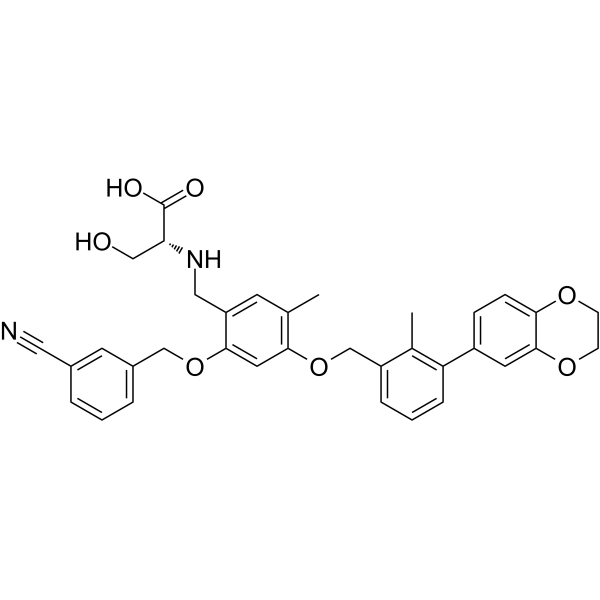
BMS-1001 is an orally active human PD-L1/PD-1 immune checkpoint inhibitor. BMS-1001 exhibits low-toxicity in cells. The IC50 value of BMS-1001 in a homogeneous time-resolved fluorescence (HTRF) binding assay is 2.25 nM .
|
-
-
- HY-148305
-
|
|
PD-1/PD-L1
|
Cancer
|
|
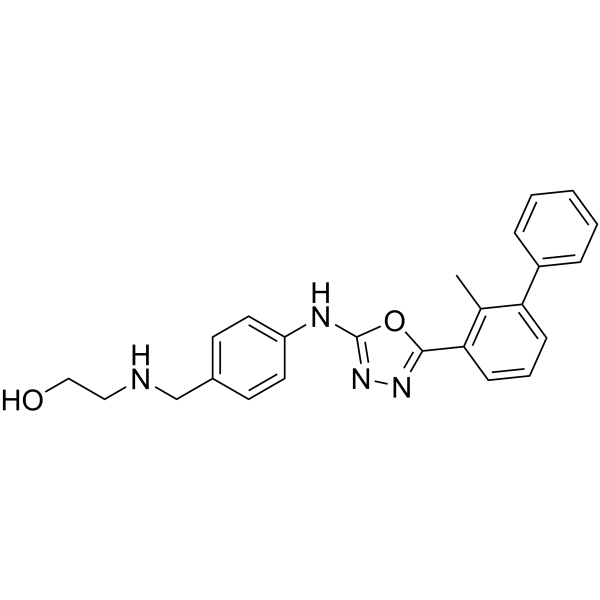
PD-1/PD-L1-IN-28 (compound 3) is an immune checkpoint inhibitor of PD-1/PD-L1 signaling pathway (IC50=0.744 µM). PD-1/PD-L1-IN-28 shows good research potential in tumor immunity .
|
-
-
- HY-145239
-
|
|
PD-1/PD-L1
|
Cancer
|
|
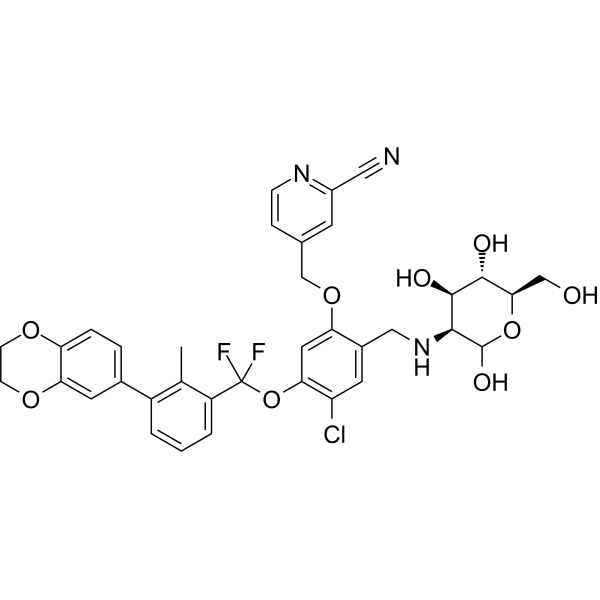
PD-1/PD-L1-IN-13 (Compound 43) is a potent immune checkpoint PD-1/PD-L1 inhibitor with an IC50 value of 10.2 nM. PD-1/PD-L1-IN-13 promots CD8 + T cell activation and delays the tumor growth in the Hepa1-6 syngeneic mouse model .
|
-
-
- HY-145240
-
|
|
Eukaryotic Initiation Factor (eIF)
|
Infection
Cancer
|
|
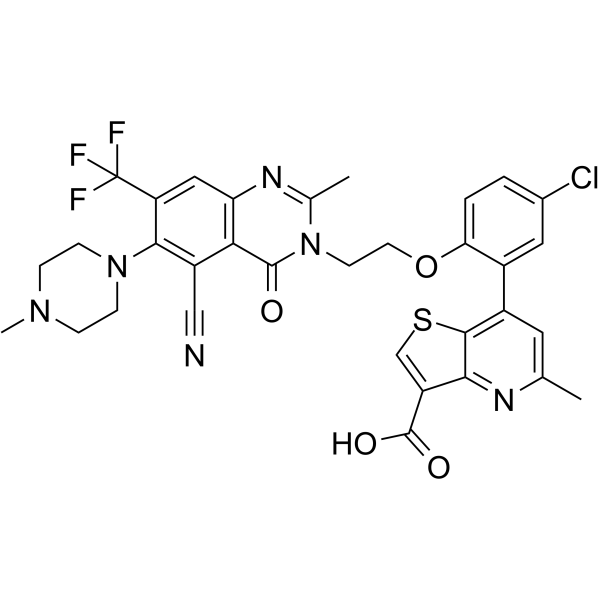
eIF4E-IN-1 is a potent inhibitor of eIF4E. eIF4E-IN-1 inhibits immunosuppression components such as immune checkpoint proteins PD-1, PD-L1, LAG3, TIM3, and/or IDO, in order to inhibit or release immune suppression in certain diseases, such as cancer and infectious disease (extracted from patent WO2021003194A1, compound Y) .
|
-
-
- HY-141431
-
|
|
E1/E2/E3 Enzyme
|
Inflammation/Immunology
Cancer
|
|
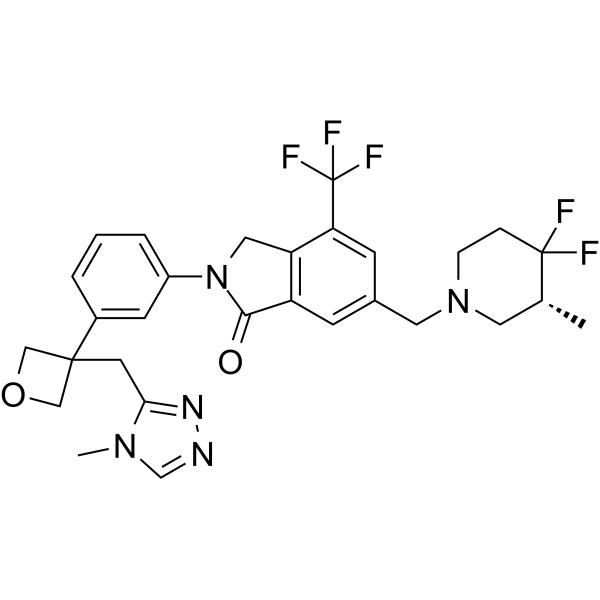
Cbl-b-IN-2 (Example 8) is an orally bioavailable compound, can inhibit the E3 enzyme Casitas B-lineage lymphoma proto-oncogene-b (Cbl-b) in the ubiquitin proteasome pathway. Cbl-b-IN-2 can be used to modulate the immune system and diseases amenable to immune system modulation. Cbl-b-IN-2 (Example 8) also may be administered to an individual with cancer, either alone or as part of a combination, with one or more of an immune checkpoint inhibitor, an anti-neoplastic agent, and radiation agent .
|
-
-
- HY-P990778
-
|
ATG-101
|
TNF Receptor
PD-1/PD-L1
|
Inflammation/Immunology
Cancer
|
|
Xirestomig (ATG-101) is a tetravalent "2+2″ PD-L1×4-1BB bispecific antibody. Xirestomig binds PD-L1 and 4-1BB concurrently, with a greater affinity for PD-L1, and potently activated 4-1BB+ T cells when cross-linked with PD-L1-positive cells. Xirestomig activates exhausted T cells upon PD-L1 binding. Xirestomig displays potent antitumor activity in numerous in vivo tumor models, including those resistant or refractory to immune checkpoint inhibitors (ICIs) .
|
-

-
- HY-P990259
-
|
|
Transmembrane Glycoprotein
|
Inflammation/Immunology
Cancer
|
|
Anti-Mouse CD96 Antibody (3.3) is a rat-derived anti-mouse CD96 IgG1 λ type antibody inhibitor. Anti-Mouse CD96 Antibody (3.3) blocks binding of CD155 to CD96. Anti-Mouse CD96 Antibody (3.3) can enhance the antitumor efficacy of multiple immune-checkpoint inhibitors. Anti-Mouse CD96 Antibody (3.3) shows potent anti-tumor and anti-metastatic activity in various tumor models. Anti-Mouse CD96 Antibody (3.3) can be used for the researches of cancer and inflammation, such as mammary carcinoma .
|
-

-
- HY-102011A
-
|
|
PD-1/PD-L1
|
Inflammation/Immunology
Cancer
|
|
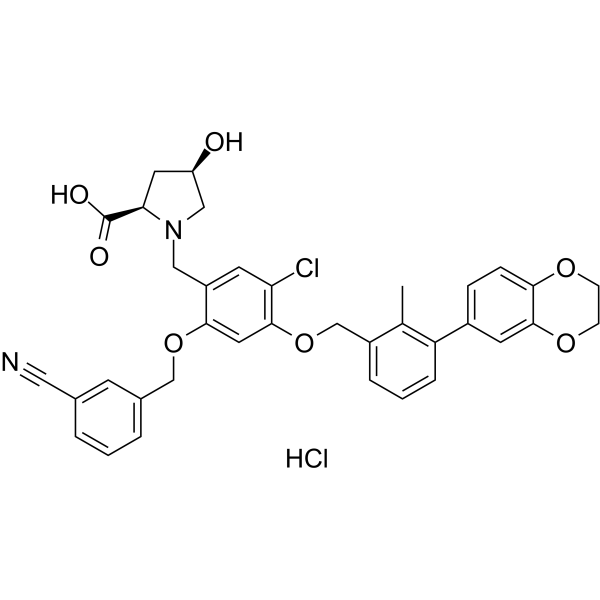
BMS-1166 hydrochloride is a potent PD-1/PD-L1 immune checkpoint inhibitor. BMS-1166 hydrochloride induces dimerization of PD-L1 and blocks its interaction with PD-1, with an IC50 of 1.4 nM. BMS-1166 hydrochloride antagonizes the inhibitory effect of PD-1/PD-L1 immune checkpoint on T cell activation .
|
-
-
- HY-162810
-
|
|
CD28
|
Others
|
|
ICOS-IN-1 (compound 9) is an inhibitor of the interaction between ICOS and ICOS-L (IC50=29.38 μM) and has activity in recognizing immune checkpoints .
|
-

-
- HY-P990046
-
|
Incagn-02385
|
LAG-3
|
Inflammation/Immunology
|
|
Tuparstobart (Incagn-02385) is an IgG1κ antibody targeting LAG-3. LAG-3 is an immune checkpoint receptor protein mainly expressed on activated T cells, NK cells, B cells and plasmacytoid dendritic cells .
|
-

-
- HY-124615
-
|
|
p38 MAPK
PI3K
|
Cancer
|
|
ST-162 is a MAPK/PI3K dual antagonist. ST-162 exhibits antitumor activity and can increase the efficacy of immune checkpoint blockers. ST-162 can be used for the research of cancer, such as melanoma .
|
-

-
- HY-176203
-
|
|
CD73
|
Cancer
|
|
XC-12 is an orally active and potent small-molecule CD73 inhibitor (an immune checkpoint) with IC50 values of 12.36 nM and 1.29 nM against soluble and membrane-bound CD73 forms, respectively. XC-12 is promising for research of cancers .
|
-

-
- HY-P990031
-
|
M-6223
|
Transmembrane Glycoprotein
|
Inflammation/Immunology
Cancer
|
|
Dargistotug (M-6223) is a fully human IgG1 monoclonal antibody targeting TIGIT (T cell immune receptor with Ig domain and ITIM). TIGIT is an inhibitory immune checkpoint that promotes NK cell depletion and reduces the secretion of cytokines by binding to CD155 and other antibodies. It can also directly or indirectly inhibit effector T cells and upregulate Tregs cells, thereby exerting immunosuppression. Function .
|
-

-
- HY-P990061
-
|
JTX 8064
|
LILRB
Transmembrane Glycoprotein
|
Inflammation/Immunology
Cancer
|
|
Polzastobart (JTX-8064) is a humanized IgG4 monoclonal antagonist antibody that selectively binds LILRB2 and prevents it from binding its ligands, classical and non-classical MHC I molecules. Polzastobart enhances pro-inflammatory cytokine production in macrophages by blocking the ability of LILRB2 to bind HLA-A/B and/or HLA-G, a marker of immunotolerance on cancer cells. Polzastobart is a macrophage immune checkpoint inhibitor .
|
-

-
- HY-131187
-
|
|
Ligands for Target Protein for PROTAC
|
Cancer
|
|
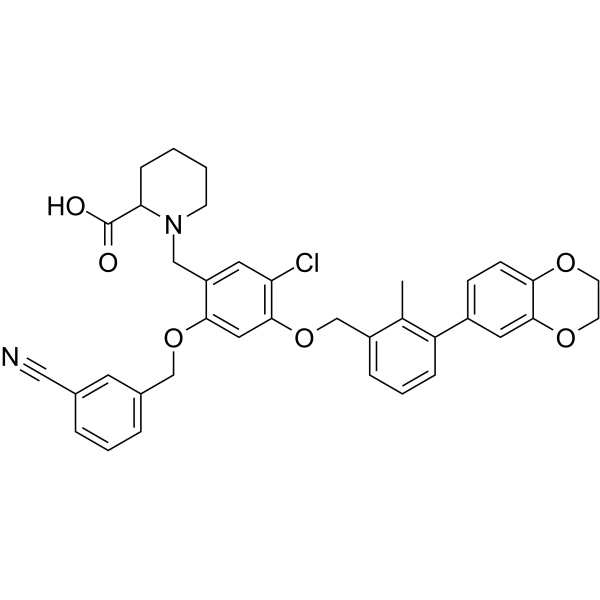
BMS-1166-N-piperidine-COOH, the BMS-1166-based moiety, binds to E3 ligase ligand via a linker to form PROTAC PD-1/PD-L1 degrader-1 (HY-131183) to degrade PD-1/PD-L1 . BMS-1166 is a potent PD-1/PD-L1 interaction inhibitor with an IC50 of 1.4 nM. BMS-1166 antagonizes the inhibitory effect of PD-1/PD-L1 immune checkpoint on T cell activation .
|
-
-
- HY-175236
-
|
|
PD-1/PD-L1
Apoptosis
ERK
JNK
Cadherin
p38 MAPK
GSK-3
IFNAR
Caspase
Bcl-2 Family
|
Cancer
|
|
SF-9-2 is a PD-L1/PD-1 binding inhibitor (IC50 = 24.9 nM). SF-9-2 inhibits epithelial-mesenchymal transition, migration, invasion, and proliferation of SK-N-SH cells, and also induces apoptosis and cell cycle arrest. SF-9-2 blocks PD-L1-induced SK-N-SH cell growth through the MAPK signaling pathway. SF-9-2 restores GSK-3β activity and enhances PD-L1 degradation through the ubiquitin-proteasome pathway. SF-9-2 inhibits tumor growth in the SK-N-SH NOG mouse model without significant toxicity. SF-9-2 also acts as an immune checkpoint inhibitor, blocking PD-L1 to restore T cell function. SF-9-2 can be used in neuroblastoma research .
|
-

-
- HY-P990041
-
|
ADG-116
|
CTLA-4
|
Inflammation/Immunology
Cancer
|
|
Firastotug is an IgG1κ antibody targeting CTLA4. CTLA4 is a cytotoxic T lymphocyte-associated protein and a key immune checkpoint in the fields of autoimmunity and cancer .
|
-

-
- HY-P990740
-
-

-
- HY-151559
-
|
|
Checkpoint Kinase (Chk)
STAT
CXCR
CCR
|
Cancer
|
|
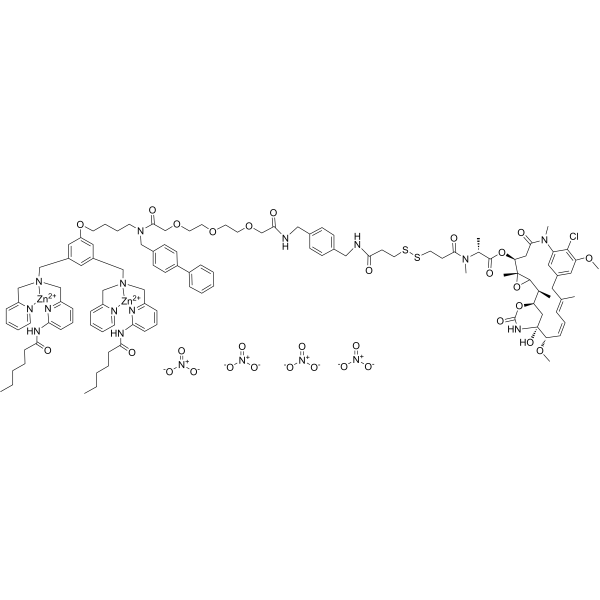
Zn-DPA-maytansinoid conjugate 1 is a small molecule-based maytansinoid conjugate targeting immune checkpoint. Zn-DPA-maytansinoid conjugate 1 induces lasting regression of tumor growth and rejuvenates tumor microenvironment (TME) to an "inflamed hot tumor" .
|
-
-
- HY-117161
-
|
|
Cytochrome P450
|
Cancer
|
|
ZINC05626394 is a cytochrome b5 reductase 3 inhibitor with activity by increasing nitric oxide bioavailability. ZINC05626394 may have potential applications in anti-cancer suppression, especially in combination with antibody drug conjugates (ADCs) and immune checkpoint inhibitors. The efficacy of ZINC05626394 may be limited by different mechanisms, including antigen-related resistance and failure of endocytosis .
|
-

-
- HY-13735H
-
|
Acriquine acetate
|
Parasite
Sodium Channel
DNA Stain
Apoptosis
|
Cancer
|
|
Quinacrine (Acriquine) acetate is a small molecule modulator of the cGAS-STING-TBK1 signaling pathway, possessing immune stimulatory activity. Quinacrine acetate has been explored for its potential therapeutic applications in enhancing anti-tumor immunity. Quinacrine acetate can improve the effectiveness of cancer immunotherapies by addressing the poor immunogenicity of various tumors. Quinacrine acetate also presents a promising strategy for overcoming the limitations associated with immune checkpoint inhibitors in cancer treatment.
|
-

-
- HY-163844
-
|
|
PD-1/PD-L1
|
Inflammation/Immunology
Cancer
|
|
PD-1/PD-L1-IN-49 (compound 1c) is a potent inhibitor of PD-1/PD-L1, with the IC50 of 77 nM. PD-1/PD-L1-IN-49 activates Jurkat T cells, reflecting successful blockade of the PD-1/PD-L1 immune checkpoint .
|
-

- HY-P990986
-
|
|
Interleukin Related
|
Inflammation/Immunology
Cancer
|
|
Efdelikofusp alfa is a bispecific Fc fusion protein. Efdelikofusp alfa is formed by fusing the N-terminal extracellular domain of human CD80 (B7.1) with the Fc fragment of human immunoglobulin G4 (IgG4), and is linked to an interleukin-2 variant (IL-2v) as the C-terminal part. Efdelikofusp alfa exhibits potential immunostimulatory, immune checkpoint inhibitory, and antitumor activities.
|
-

- HY-P990992
-
|
GI-102
|
Interleukin Related
|
Inflammation/Immunology
Cancer
|
|
Efzilonkofusp alfa is a bispecific Fc fusion protein. Efzilonkofusp alfa is formed by fusing the N-terminal extracellular domain of human CD80 (B7.1) with the Fc fragment of human immunoglobulin G4 (IgG4), and is linked to an interleukin-2 variant (IL-2v) as the C-terminal part. Efzilonkofusp alfa exhibits potential immunostimulatory, immune checkpoint inhibitory, and antitumor activities.
|
-

- HY-120646
-
|
|
PD-1/PD-L1
|
Others
|
|
BMS-242 is a small molecule PD-1/PD-L1 inhibitor with the activity of inhibiting the PD-1/PD-L1 interaction. BMS-242 can bind to the hydrophobic channel pocket between PD-L1 molecules, inhibit the PD-1/PD-L1 immune checkpoint pathway, and provide a new way for cancer inhibition.
|
-

- HY-131386
-
|
|
Target Protein Ligand-Linker Conjugates
|
Cancer
|
|
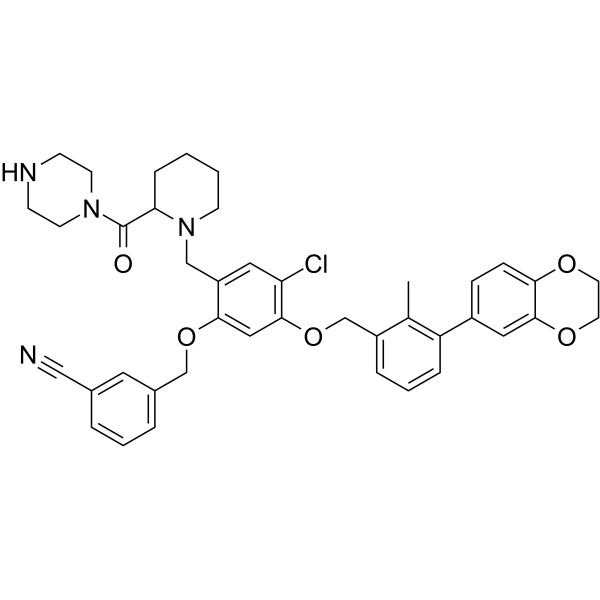
BMS-1166-N-piperidine-CO-N-piperazine incorporates a ligand for PD-1/PD-L1 immune checkpoint, and a PROTAC linker. BMS-1166-N-piperidine-CO-N-piperazine can be used in the synthesis of PROTAC PD-1/PD-L1 degrader-1?(HY-131183). PROTAC PD-1/PD-L1 degrader-1 inhibits PD-1/PD-L1 interaction with an IC50 of 39.2 nM .
|
-
- HY-102011R
-
|
|
Reference Standards
PD-1/PD-L1
|
Inflammation/Immunology
Cancer
|
|
BMS-1166 (Standard) is the analytical standard of BMS-1166 (HY-102011). This product is intended for research and analytical applications. BMS-1166 is a potent PD-1/PD-L1 immune checkpoint inhibitor. BMS-1166 induces dimerization of PD-L1 and blocks its interaction with PD-1, with an IC50 of 1.4 nM. BMS-1166 antagonizes the inhibitory effect of PD-1/PD-L1 immune checkpoint on T cell activation .
|
-

- HY-P992377
-
|
|
C-type Lectin-like Receptors (CTLRs)
|
Cancer
|
|
HY-0102 is a humanized IgG anti-NKG2A monoclonal antibody and immune checkpoint inhibitor targeting the NKG2A/HLA-E axis. HY-0102 is applicable for the research of advanced solid tumors .
|
-

- HY-101093R
-
|
|
PD-1/PD-L1
Reference Standards
|
Inflammation/Immunology
Cancer
|
|
CA-170 (Standard) is the analytical standard of CA-170 (HY-101093). This product is intended for research and analytical applications. CA-170 is an orally delivered dual inhibitor of VISTA and PD-L1. CA-170 exhibits potent rescue of proliferation and effector functions of T cells inhibited by PD-L1/L2 and VISTA with selectivity over other immune checkpoint proteins as well as a broad panel of receptors and enzymes .
|
-

- HY-150879A
-
|
|
PD-1/PD-L1
|
Cancer
|
|
BMS-37 hydrochloride is a PD-1/PD-L1 immune checkpoint inhibitor with an IC50 towards the PD-L1/PD-1 complex in the range of 18 to 200 nM. BMS-37 hydrochloride shows unspecific toxicity against modified Jurkat T cells with an EC50 between 3 and 6 µM. BMS-37 hydrochloride can be used for the study of the PD-L1-induced exhaustion of T-cells or as PD-L1 ligand to synthesize PROTAC molecules .
|
-

- HY-P992012
-
|
|
Opioid Receptor
|
Neurological Disease
Cancer
|
|
CA1001 is a small-molecule ZNF74 inhibitor and a peripherally restricted κ/δ dual opioid receptor agonist. CA1001 exhibits potent antitumor activity both in vitro and in vivo. CA1001, in combination with immune checkpoint inhibitors, significantly enhances tumor regression. CA1001 activates peripherally restricted κ/δ dual opioid receptors and exerts analgesic effects under conditions of inflammatory pain, neuropathic pain, and mechanical hyperalgesia. CA1001 can be used in research related to melanoma, mechanical hyperalgesia, neuropathic pain, and inflammatory arthritis pain.
|
-

-
-
HY-L184
-
|
|
1,122 compounds
|
|
Gastric Cancer (GC) is one of the most common malignant tumors in the world, ranking fourth in mortality rate globally. Because the early symptoms of stomach neoplasm are usually not obvious, are diagnosed with gastric cancer at terminal stage, and the relative survival rate within 5 years is very low. With the further understanding of the molecular characteristics of stomach neoplasm, many therapeutic targets for gastric cancer have been identified, and molecular targeted therapies such as CTLA-4, HER2 and immune checkpoint inhibitors have made rapid progress. Although survival rates for patients with gastric neoplasm have improved over the past few decades, the prognosis is still worrying. Therefore, there is an urgent need for new drugs to treat gastric cancer.
MCE designs a unique collection of 1,122 small molecules with definite or potential anti-gastric cancer activity, which is an important tool for studying the pathological mechanism of stomach neoplasm and developing drugs for stomach neoplasm.
|
| Cat. No. |
Product Name |
Target |
Research Area |
-
- HY-122542B
-
|
|
Ligands for E3 Ligase
Molecular Glues
IKZF Family
|
Cardiovascular Disease
|
|
PPACK TFA is an orally active, selective molecular glue degrader targeting IKZF2. Through a molecular glue mechanism, PPACK TFA binds to CRBN, recruits IKZF2 to form a ternary complex, and promotes its ubiquitination and proteasomal degradation. This further converts inhibitory regulatory T cells (Treg) into effector-like T cells, enhances CD8 + T cell responses, and modulates the Teff:Treg balance. PPACK TFA also increases the production of the inflammatory cytokine IL-2 and reduces the suppressive activity of Treg. PPACK TFA can be used in cancer immunotherapy research, and exhibits a synergistic effect when combined with immune checkpoint inhibitors such as anti-PD1 .
|
-
- HY-P10715
-
|
|
Peptides
|
Inflammation/Immunology
Cancer
|
|
Fmoc-KCRGDK is a self-assembling peptide that can be used to prepare hydrogels and assist in drug delivery for immune checkpoint inhibitors. Fmoc-KCRGDK can be applied in cancer immunotherapy research .
|
| Cat. No. |
Product Name |
Target |
Research Area |
Image |
-
- HY-P99144A
-
|
|
PD-1/PD-L1
|
Inflammation/Immunology
Cancer
|
|
Anti-Mouse PD-1 Antibody (S-5001) is a selective inhibitor targeting PD-1, blocking the PD-1/PD-L1 immune checkpoint axis through competitive binding to PD-1. Anti-Mouse PD-1 Antibody (S-5001) works by reversing the tumor immunosuppressive microenvironment and reactivating the anti-tumor activity of cytotoxic T lymphocytes. It can be used in research on tumors such as melanoma and HPV-positive oropharyngeal squamous cell carcinoma. Anti-Mouse PD-1 Antibody (S-5001) is often combined with photothermal therapy, chemotherapy, etc., to enhance efficacy .
|
-

(5)
-
- HY-P9986
-
|
MTIG-7192A; RG-6058
|
CD28
|
Cancer
|
|
Tiragolumab is an immune checkpoint inhibitor binding to the T-cell immunoglobulin and ITIM domain (TIGIT). Tiragolumab in combination with Atezolizumab (HY-P9904) and Bevacizumab (HY-P9906) has benefit in unresectable hepatocellular carcinoma. Tiragolumab can be used to study non-small cell lung cancer (NSCLC) and melanoma .
|
-
(5)
-
- HY-P99051
-
|
BAY 1834942
|
Transmembrane Glycoprotein
|
Inflammation/Immunology
Cancer
|
|
Tinurilimab (Bay 1834942) is an anti-CEACAM6 (carcinoembryonic antigen-related cell adhesion molecule 6) humanized IgG2 monoclonal antibody. CEACAM6 is an immune checkpoint regulator suppressing the activity of effector T-cells against tumors. Tinurilimab shows an increased tumor cell killing effect in the tumor-cell/T-cell co-culture system .
|
-
(5)
-
- HY-P99617
-
|
REGN3767
|
LAG-3
|
Inflammation/Immunology
Cancer
|
|
Fianlimab (REGN3767) is a human monoclonal antibody that targets the immune checkpoint receptor LAG-3 on T cells and has anti-tumour activity .
|
-
(5)
-
- HY-P99166
-
|
XMAB-20717
|
PD-1/PD-L1
CTLA-4
|
Inflammation/Immunology
Cancer
|
|
Vudalimab is a potent dual PD-1 and CTLA-4 inhibitor as a fully humanized bispecific monoclonal antibody. Vudalimab targets immune checkpoint receptors PD-1 and CTLA-4 and promotes tumor-selective T-cell activation .
|
-
(5)
-
- HY-P99032
-
|
IPH2201
|
Checkpoint Kinase (Chk)
IFNAR
|
Inflammation/Immunology
Cancer
|
|
Monalizumab (IPH2201) is an immune checkpoint inhibitor targeting Natural Killer Group 2A (NKG2A). Monalizumab, a humanized anti-NKG2A blocking mAb, increases IFN-γ production, thereby promoting NK cell effector functions. Monalizumab can be used for the research of head and neck squamous cell carcinoma (HNSCC) .
|
-
(5)
-
- HY-P99950
-
|
ALX148
|
CD47
|
Cancer
|
|
Evorpacept (ALX148) is a high-affinity CD47-blocking fusion protein with an inactive human immunoglobulin Fc region. Evorpacept binds to CD47, blocks the interaction of the CD47-SIRPα immune checkpoint, and inhibits the binding of wild-type SIRPα to CD47. Evorpacept is applicable to research related to acute myeloid leukemia .
|
-
(5)
-
- HY-P99378
-
|
ALTB-168; Anti-PSGL1/CD162 Reference Antibody (neihulizumab); AbGn-168
|
Apoptosis
|
Inflammation/Immunology
|
|
Neihulizumab (ALTB-168) is an immune checkpoint agonistic antibody that binds to human CD162 (PSGL-1), leading to downregulation of activated T-cells. Neihulizumab can be uesd for steroid-refractory acute graft-versus-host-disease (SR-aGVHD), psoriasis, psoriatic arthritis and ulcerative colitis research .
|
-
(5)
-
- HY-P991480
-
|
|
Transmembrane Glycoprotein
Tau Protein
Amyloid-β
|
Neurological Disease
Cancer
|
|
ONC-841 is a blood-brain barrier-permeable, humanized monoclonal antibody targeting SIGLEC10. As an immune checkpoint inhibitor, ONC-841 restores the functions of immune effector cells such as T cells and enhances anti-tumor immune responses by blocking inhibitory signals mediated by SIGLEC10. ONC-841 restores the phagocytic and migratory activities of microglia, and promotes the phagocytosis of Amyloid-β and Tau protein aggregates by microglia. ONC-841 is applicable to research related to solid tumors and Alzheimer's disease .
|
-
(5)
-
- HY-P991023
-
|
6MW3211
|
CD47
PD-1/PD-L1
|
Cancer
|
|
Safimestomig (6MW3211) is an CD47/PD-L1-targeting bispecific antibody. Safimestomig blocks CD47-mediated 'don't eat me' signaling and selectively binds to CD47 on tumor cells. Safimestomig blocks PD-L1-mediated immune checkpoint signaling. Safimestomig can be used for the research of cancer .
|
-
(5)
-
- HY-P990704
-
|
AZD-2936
|
PD-1/PD-L1
Transmembrane Glycoprotein
|
Cancer
|
|
Rilvegostomig (AZD-2936) is a bispecific humanized IgG1 antibody targeting PD-1 and TIGIT. Rilvegostomig induces tumor growth inhibition and modulates the tumor immune microenvironment. Rilvegostomig exhibits anti-tumor activity in metastatic non-small cell lung cancer (without prior immune checkpoint inhibitor treatment). Rilvegostomig can be used in research related to metastatic non-small cell lung cancer and endometrial cancer .
|
-
(5)
-
- HY-P99895
-
|
|
PD-1/PD-L1
|
Inflammation/Immunology
Cancer
|
|
Rulonilimab is a human IgG1 monoclonal antibody against PD-1 that targets, binds and inhibits PD-1 and its downstream signalling pathways with potential immune checkpoint inhibition and anti-tumour activity .
|
-
(5)
-
- HY-P99698
-
|
LDP
|
PD-1/PD-L1
|
Inflammation/Immunology
Cancer
|
|
Lesabelimab (LDP) is an immunoglobulin G1-kappa anti-CD274 monoclonal antibody. CD274 is an immune checkpoint ligand, represses antitumour immunity through the interaction with PDCD1 receptor .
|
-
(5)
-
- HY-P990778
-
|
ATG-101
|
TNF Receptor
PD-1/PD-L1
|
Inflammation/Immunology
Cancer
|
|
Xirestomig (ATG-101) is a tetravalent "2+2″ PD-L1×4-1BB bispecific antibody. Xirestomig binds PD-L1 and 4-1BB concurrently, with a greater affinity for PD-L1, and potently activated 4-1BB+ T cells when cross-linked with PD-L1-positive cells. Xirestomig activates exhausted T cells upon PD-L1 binding. Xirestomig displays potent antitumor activity in numerous in vivo tumor models, including those resistant or refractory to immune checkpoint inhibitors (ICIs) .
|
-
(5)
-
- HY-P990259
-
|
|
Transmembrane Glycoprotein
|
Inflammation/Immunology
Cancer
|
|
Anti-Mouse CD96 Antibody (3.3) is a rat-derived anti-mouse CD96 IgG1 λ type antibody inhibitor. Anti-Mouse CD96 Antibody (3.3) blocks binding of CD155 to CD96. Anti-Mouse CD96 Antibody (3.3) can enhance the antitumor efficacy of multiple immune-checkpoint inhibitors. Anti-Mouse CD96 Antibody (3.3) shows potent anti-tumor and anti-metastatic activity in various tumor models. Anti-Mouse CD96 Antibody (3.3) can be used for the researches of cancer and inflammation, such as mammary carcinoma .
|
-
(5)
-
- HY-P990046
-
|
Incagn-02385
|
LAG-3
|
Inflammation/Immunology
|
|
Tuparstobart (Incagn-02385) is an IgG1κ antibody targeting LAG-3. LAG-3 is an immune checkpoint receptor protein mainly expressed on activated T cells, NK cells, B cells and plasmacytoid dendritic cells .
|
-
(5)
-
- HY-P990031
-
|
M-6223
|
Transmembrane Glycoprotein
|
Inflammation/Immunology
Cancer
|
|
Dargistotug (M-6223) is a fully human IgG1 monoclonal antibody targeting TIGIT (T cell immune receptor with Ig domain and ITIM). TIGIT is an inhibitory immune checkpoint that promotes NK cell depletion and reduces the secretion of cytokines by binding to CD155 and other antibodies. It can also directly or indirectly inhibit effector T cells and upregulate Tregs cells, thereby exerting immunosuppression. Function .
|
-
(5)
-
- HY-P990061
-
|
JTX 8064
|
LILRB
Transmembrane Glycoprotein
|
Inflammation/Immunology
Cancer
|
|
Polzastobart (JTX-8064) is a humanized IgG4 monoclonal antagonist antibody that selectively binds LILRB2 and prevents it from binding its ligands, classical and non-classical MHC I molecules. Polzastobart enhances pro-inflammatory cytokine production in macrophages by blocking the ability of LILRB2 to bind HLA-A/B and/or HLA-G, a marker of immunotolerance on cancer cells. Polzastobart is a macrophage immune checkpoint inhibitor .
|
-
(5)
-
- HY-P990041
-
|
ADG-116
|
CTLA-4
|
Inflammation/Immunology
Cancer
|
|
Firastotug is an IgG1κ antibody targeting CTLA4. CTLA4 is a cytotoxic T lymphocyte-associated protein and a key immune checkpoint in the fields of autoimmunity and cancer .
|
-
(5)
-
- HY-P990740
-
-
(5)
-
- HY-P990986
-
|
|
Interleukin Related
|
Inflammation/Immunology
Cancer
|
|
Efdelikofusp alfa is a bispecific Fc fusion protein. Efdelikofusp alfa is formed by fusing the N-terminal extracellular domain of human CD80 (B7.1) with the Fc fragment of human immunoglobulin G4 (IgG4), and is linked to an interleukin-2 variant (IL-2v) as the C-terminal part. Efdelikofusp alfa exhibits potential immunostimulatory, immune checkpoint inhibitory, and antitumor activities.
|
-
(5)
-
- HY-P990992
-
|
GI-102
|
Interleukin Related
|
Inflammation/Immunology
Cancer
|
|
Efzilonkofusp alfa is a bispecific Fc fusion protein. Efzilonkofusp alfa is formed by fusing the N-terminal extracellular domain of human CD80 (B7.1) with the Fc fragment of human immunoglobulin G4 (IgG4), and is linked to an interleukin-2 variant (IL-2v) as the C-terminal part. Efzilonkofusp alfa exhibits potential immunostimulatory, immune checkpoint inhibitory, and antitumor activities.
|
-
(5)
-
- HY-P992377
-
|
|
C-type Lectin-like Receptors (CTLRs)
|
Cancer
|
|
HY-0102 is a humanized IgG anti-NKG2A monoclonal antibody and immune checkpoint inhibitor targeting the NKG2A/HLA-E axis. HY-0102 is applicable for the research of advanced solid tumors .
|
-
(5)
-
- HY-P992012
-
|
|
Opioid Receptor
|
Neurological Disease
Cancer
|
|
CA1001 is a small-molecule ZNF74 inhibitor and a peripherally restricted κ/δ dual opioid receptor agonist. CA1001 exhibits potent antitumor activity both in vitro and in vivo. CA1001, in combination with immune checkpoint inhibitors, significantly enhances tumor regression. CA1001 activates peripherally restricted κ/δ dual opioid receptors and exerts analgesic effects under conditions of inflammatory pain, neuropathic pain, and mechanical hyperalgesia. CA1001 can be used in research related to melanoma, mechanical hyperalgesia, neuropathic pain, and inflammatory arthritis pain.
|
-
(5)
-
- HY-P992351
-
|
|
Inhibitory Antibodies
|
Infection
Cancer
|
|
ELB021 is an antibody inhibitor targeting the CD160 checkpoint. ELB021 specifically binds to CD160 on the cell surface and blocks its immune checkpoint pathway, thereby stimulating innate and adaptive anti-tumor immune responses. ELB021 effectively eliminates CD160-expressing cancer cells by enhancing T cell proliferation and CD8 + T cell-mediated cytotoxicity. Independent of PD-1 regulation, ELB021 is applicable to research related to B-cell leukemia and HIV-1 infection .
|
-

(5)
| Cat. No. |
Product Name |
Category |
Target |
Chemical Structure |
-
- HY-N6579
-
|
|
Structural Classification
Terpenoids
Scrophulariaceae
Diterpenoids
Lagotis yunnanensis W. W. Smith
Plants
|
p38 MAPK
Mitochondrial Metabolism
|
|
Arvenin I is a natural cucurbitacin glucoside that activates T cells within the cancer-competitive environment. Arvenin I covalently reacts with and hyperactivates MKK3, thereby reviving the mitochondrial fitness of exhausted T cells through the activation of the p38MAPK pathway . Arvenin I exhibits broad-spectrum antiproliferative against cancer cells . Arvenin I enhances antitumor effects both as a monotherapy and in combination with immune checkpoint inhibitors in mice . Arvenin I can be used for cancer research, such as colon cancer, breast cancer, lung cancer, and ovarian cancer [1][2].
|
-
Your information is safe with us. * Required Fields.
Inquiry Information
- Product Name:
- Cat. No.:
- Quantity:
- MCE Japan Authorized Agent:








