



PPACK dihydrochloride
Based on 4 publication(s) in Google Scholar
PPACK dihydrochloride is a potent, peptidic inhibitor targeting thrombin and granzyme GZMK. PPACK dihydrochloride specifically blocks the activities of thrombin and GZMK, thereby inhibiting thrombin-mediated PAR-1 cleavage, as well as downstream inflammatory and procoagulant signaling pathways. Through stabilizing IκB proteins, blocking NF-κB activation and reducing systemic levels of proinflammatory/procoagulant biomarkers, PPACK dihydrochloride exerts multiple effects including anti-inflammatory, antithrombotic, barrier repair, and inhibition of atherosclerotic plaque progression. PPACK dihydrochloride binds to platelets without interference from kininogen, effectively limiting acute thrombus growth and reducing eosinophil infiltration and goblet cell hyperplasia in asthma models. PPACK dihydrochloride is an important tool molecule for investigating the mechanisms of atherosclerosis, asthma and related thromboinflammatory diseases.
Nos produits utilisent uniquement pour la recherche. Nous ne vendons pas aux patients.
- Pureté : 99.07%
- CAS No.: 82188-90-7
- Formule: C21H33Cl3N6O3
- Masse moléculaire:523.88
-
Stockage:
Sealed storage, away from moisture.
Powder -80°C, 2 years , -20°C, 1 year* In solvent : -80°C, 6 months; -20°C, 1 month (sealed storage, away from moisture)


To place orders, for customer services and technical support, please contact: MedChemExpress USA
Tel: 609-228-6898 E-mail: [email protected] [email protected]


-
 Activité biologique
-
Chemical Information
-
Solvant et solubilité
- Protocole
- Pureté et documentation
- Références
-
 Help & FAQs


-
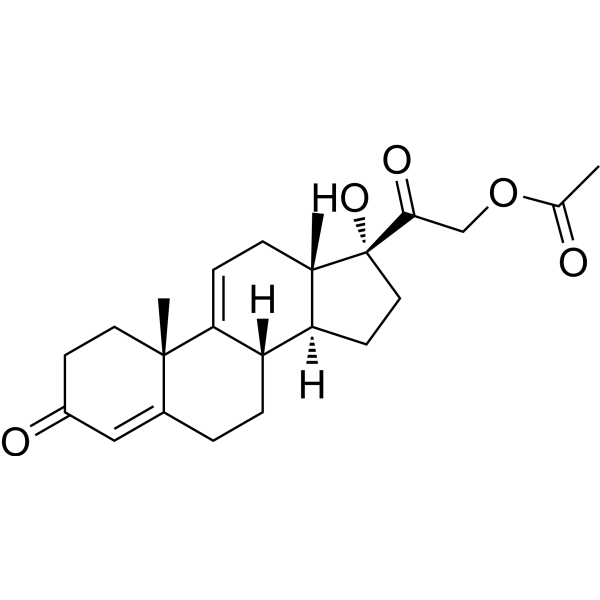
HY-116868
Anecortave acetateAngiostatic Agent -
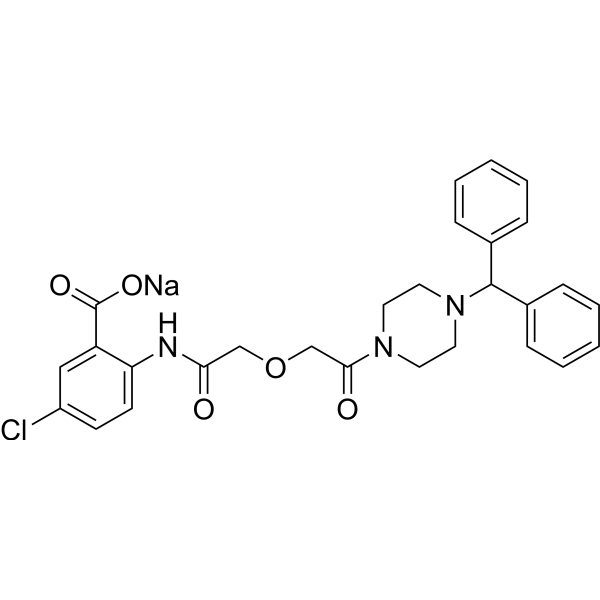
HY-100447
TM5275 sodiumPAI-1 Inhibitor -
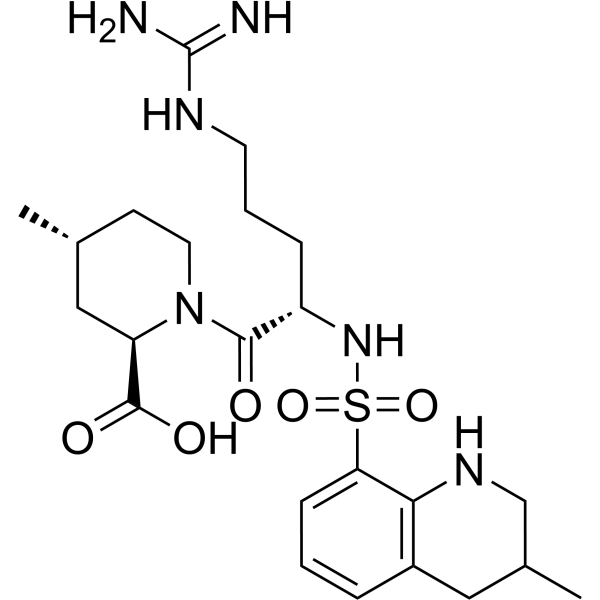
HY-B0375
ArgatrobanThrombin Inhibitor -
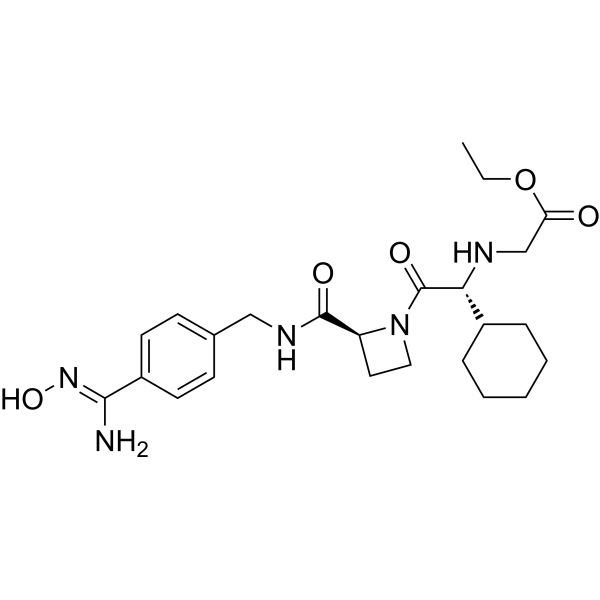
HY-10787
XimelagatranThrombin Inhibitor -

HY-B0375R
Argatroban (Standard)Thrombin Inhibitor -
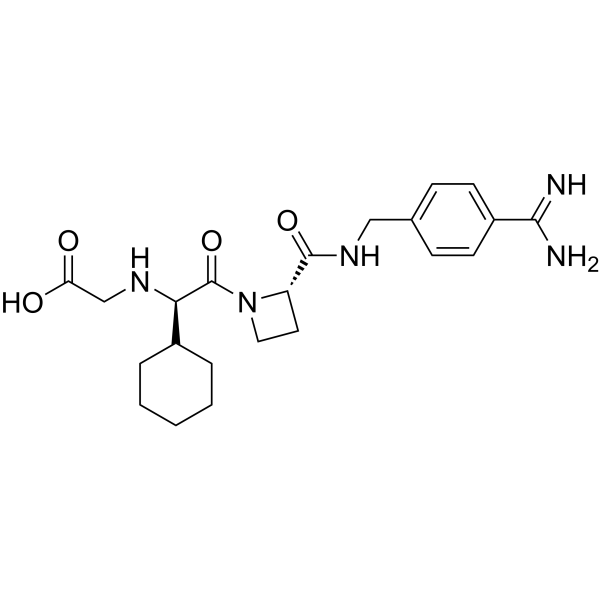
HY-129056
MelagatranThrombin Inhibitor -

HY-10787R
Ximelagatran (Standard)Reference Standard
Publications Citing Use of MedChemExpress (MCE) PPACK dihydrochloride
More Customer Validation & Images

-
Flow Cytometry
-
In Vivo Efficacy Study
-
Histological Imaging/Staining
-
Cell Imaging/Staining


Activité biologique
Description
IC50 & Target
|
PAR1 |
In Vitro
PPACK dihydrochloride nanoparticles completely inhibit thrombin-induced cleavage of the PAR-1 receptor on human aortic endothelial cells, as well as tissue factor expression on the surface of THP-1 monocytes[1].
PPACK dihydrochloride nanoparticles inhibit thrombin-induced NF-κB activation in human aortic endothelial cells and THP-1 monocytes[1].
PPACK dihydrochloride (5-fold molar excess; room temperature; 1 h) inactivates the amidolytic activity of human α-thrombin after 1 h of incubation at room temperature, generating PPACK dihydrochloride-thrombin that does not interfere with the enzymatic function of unmodified α-thrombin[4].
PPACK dihydrochloride (200 μM, 100 μM, 10 μM) exerts anticoagulant effects, and exhibits stronger anticoagulant activity on a molar basis than the factor Xa inhibitor GGACK (HY-137495) used alone at the same concentrations[5].
MedChemExpress (MCE) has not independently confirmed the accuracy of these methods. They are for reference only. Further protocols information, click here.
-
Cell Line:Human aortic endothelial cells and THP-1 monocytes
-
Concentration:PPACK nanoparticle
-
Incubation Time:6 h
-
Result:Inhibited thrombin-induced NF-κB activation in human aortic endothelial cells and THP-1 monocytes.
Resulted in little to no observable posi- tive staining for intracellular phospho-p65 and preservation of IkB protein.
In Vivo
PPACK (62.5 μg; i.p.; every 2 days; 8 to 18 days post-immunization) dihydrochloride significantly attenuates airway eosinophilia, goblet cell hyperplasia and airway hyperresponsiveness in a mouse model of asthma[3].
MedChemExpress (MCE) has not independently confirmed the accuracy of these methods. They are for reference only.
-
Animal Model:C57BL/6J mice with Asthma (sex- and age-matched)[3]
-
Dosage:62.5 μg
-
Administration:i.p.; every 2 days; 8 to 18 days post-immunization
-
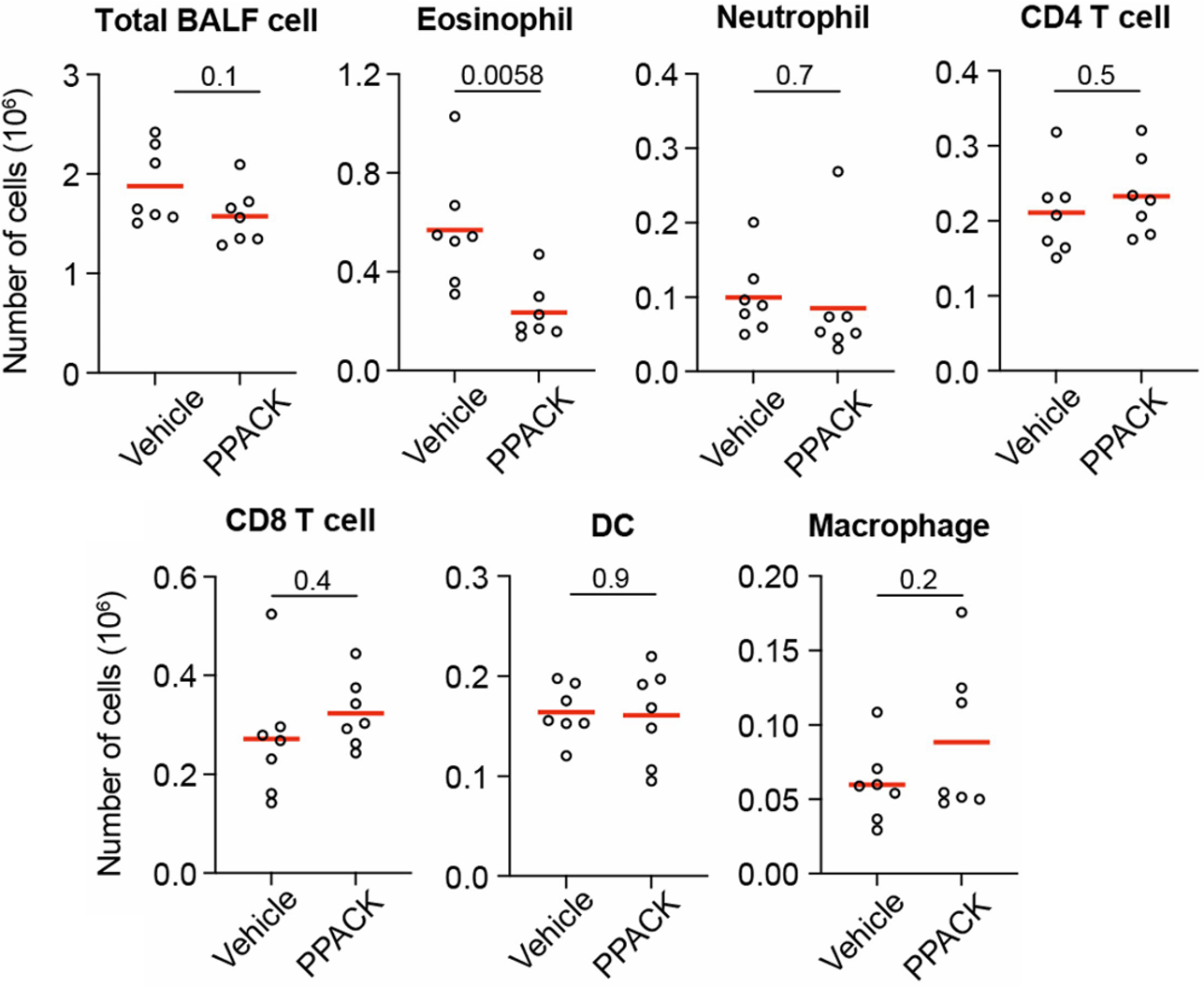
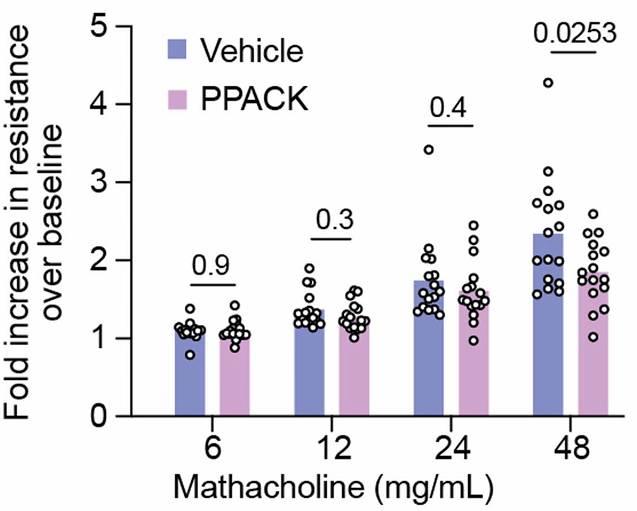
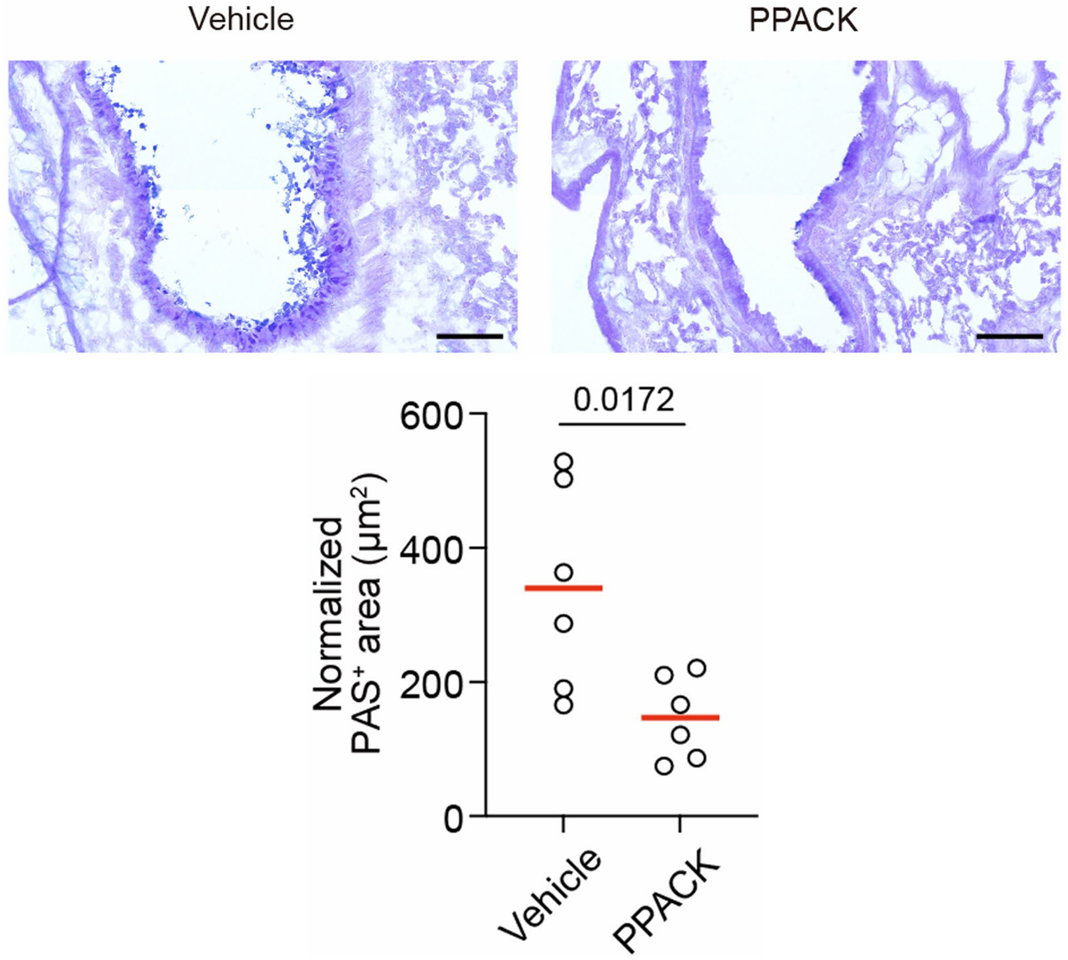
Result:Significantly reduced eosinophil counts in bronchoalveolar lavage fluid (BALF).\nSignificantly reduced goblet cell hyperplasia in lung tissue.\nSignificantly improved lung function via reduced airway resistance in response to methacholine challenge.


Chemical Information
-
CAS No. 82188-90-7
-
Appearance Solid
-
Masse moléculaire 523.88
-
Formule C21H33Cl3N6O3
-
Color White to off-white
-
SMILES
O=C([C@H]1N(CCC1)C([C@H](N)CC2=CC=CC=C2)=O)N[C@@H](CCCNC(N)=N)C(CCl)=O.[H]Cl.[H]Cl
-
Synonyms
Pebac; D-Phenylalanyl-prolyl-arginyl Chloromethyl Ketone; D-Phe-Pro-Arg-CH2Cl
-
Livraison
Room temperature in continental US; may vary elsewhere.
-
Stockage
Sealed storage, away from moisture
Powder -80°C 2 years -20°C 1 year * In solvent : -80°C, 6 months; -20°C, 1 month (sealed storage, away from moisture)


Publications (4)
-
Journal Impact Factor
-
Most Recent
-
Nature
2025 Feb;638(8050):490-498. PMID: 39814882
PPACK dihydrochloride purchased from MedChemExpress. Usage Cited in: Nature. 2025 Feb;638(8050):490-498. [Abstract]
Summary statistics showing the number of different immune cells in the BALF of PPACK (PPACK TFA) (62.5 μg per mouse; i.p.; every 2 days) treated mice. Each symbol indicates one mouse, and lines denote means.
PPACK dihydrochloride purchased from MedChemExpress. Usage Cited in: Nature. 2025 Feb;638(8050):490-498. [Abstract]
Airway hypersensitivity of the vehicle or PPACK (PPACK TFA) (62.5 μg per mouse; i.p.; every 2 days) treated mice measured using the forced oscillation technique. Each symbol indicates one mouse, and bars denote means.
PPACK dihydrochloride purchased from MedChemExpress. Usage Cited in: Nature. 2025 Feb;638(8050):490-498. [Abstract]
Representative AB-PAS staining of lung tissue sections of vehicle or PPACK (PPACK TFA) (62.5 μg per mouse; i.p.; every 2 days) treated mice. Scale bar, 100 μm. Statistics summarizing the PAS+ areas in the airway of indicated mice. Each symbol indicates one mouse, and lines denote means.
-
-
-
J Thromb Thrombolysis
The inhibitory effect of antiplatelet drugs on spontaneous platelet aggregation on glass surfaces: an analysis based on microscopic three-dimensional topography. [Abstract]2025 Sep 9. PMID: 40924280
PPACK dihydrochloride purchased from MedChemExpress. Usage Cited in: J Thromb Thrombolysis. 2025 Sep 9. [Abstract]
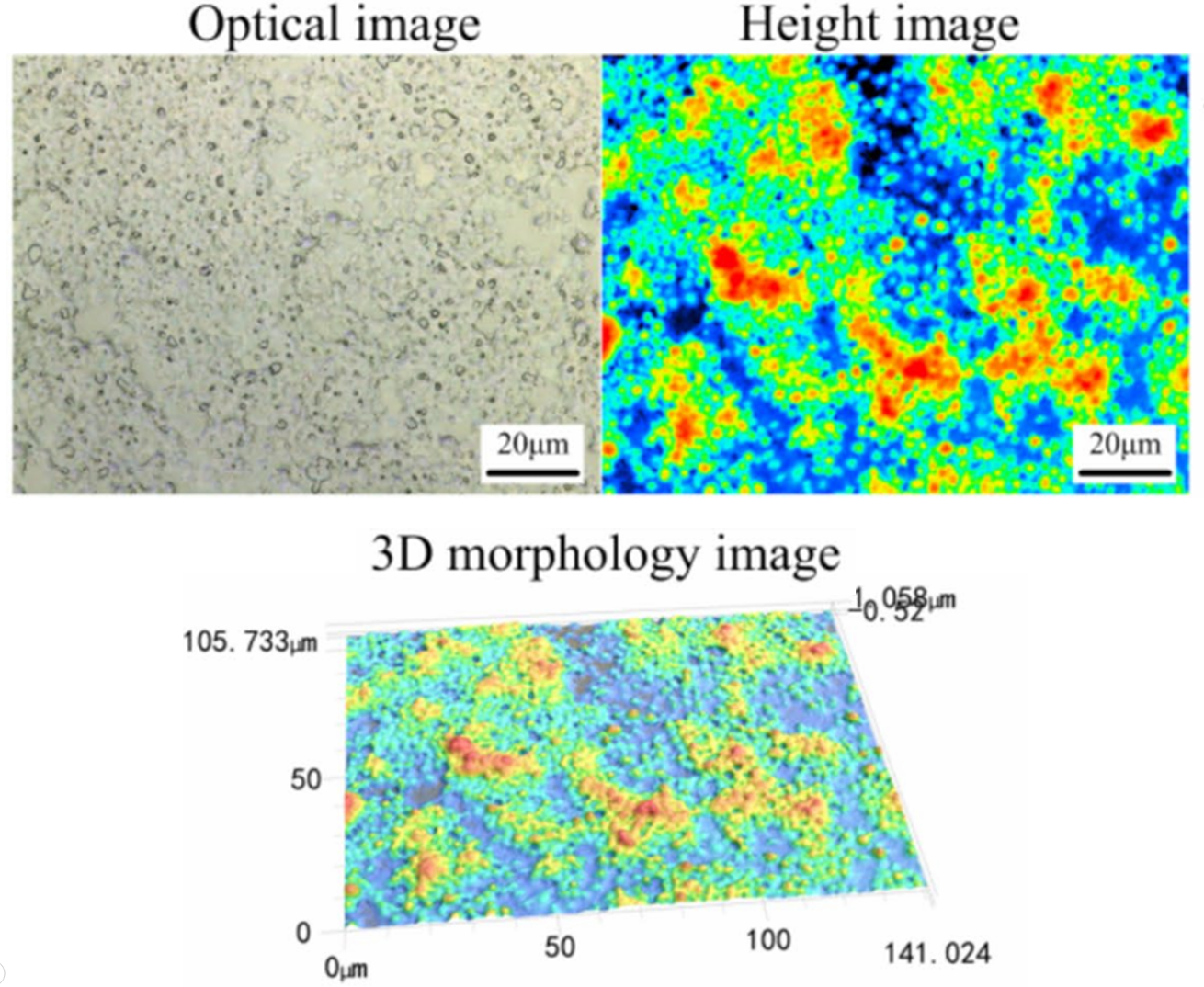
PPACK (PPACK TFA)-anticoagulated PRP droplets deposited on the glass surface. The results showed that 100 μM PPACK-anticoag-ulated PRP on the glass surface retained the ability to form platelet aggregates on the glass surface.


Solvant et solubilité
In Vitro:
DMSO : 100 mg/mL (190.88 mM; Need ultrasonic; Hygroscopic DMSO has a significant impact on the solubility of product, please use newly opened DMSO)
H2O : 50 mg/mL (95.44 mM; Need ultrasonic)
Please refer to the solubility information to select the appropriate solvent. Once prepared, please aliquot and store the solution to prevent product inactivation from repeated freeze-thaw cycles.
Storage method and period of stock solution: -80°C, 6 months; -20°C, 1 month (sealed storage, away from moisture). When stored at -80°C, please use it within 6 months. When stored at -20°C, please use it within 1 month.
* Note: If you choose water as the stock solution, please dilute it to the working solution, then filter and sterilize it with a 0.22 μm filter before use.
Please refer to the solubility information to select the appropriate solvent. Once prepared, please aliquot and store the solution to prevent product inactivation from repeated freeze-thaw cycles.
Storage method and period of stock solution: -80°C, 6 months; -20°C, 1 month (sealed storage, away from moisture). When stored at -80°C, please use it within 6 months. When stored at -20°C, please use it within 1 month.
* Note: If you choose water as the stock solution, please dilute it to the working solution, then filter and sterilize it with a 0.22 μm filter before use.
Concentration (start) × Volume (start) = Concentration (final) × Volume (final)
In Vivo:
Select the appropriate dissolution method based on your experimental animal and administration route.
- For the following dissolution methods, please ensure to first prepare a clear stock solution using an In Vitro approach and then sequentially add co-solvents:
- To ensure reliable experimental results, the clarified stock solution can be appropriately stored based on storage conditions. As for the working solution for In Vivo experiments, it is recommended to prepare freshly and use it on the same day.
- The percentages shown for the solvents indicate their volumetric ratio in the final prepared solution. If precipitation or phase separation occurs during preparation, heat and/or sonication can be used to aid dissolution.
Add each solvent one by one: 10% DMSO 40% PEG300 5% Tween-80 45% Saline
Solubility: ≥ 2.5 mg/mL (4.77 mM); Clear solution
This protocol yields a clear solution of ≥ 2.5 mg/mL (saturation unknown).
Taking 1 mL working solution as an example, add 100 μL DMSO stock solution (25.0 mg/mL) to 400 μL PEG300, and mix evenly; then add 50 μL Tween-80 and mix evenly; then add 450 μL Saline to adjust the volume to 1 mL.
Preparation of Saline: Dissolve 0.9 g sodium chloride in ddH₂O and dilute to 100 mL to obtain a clear Saline solution.
Add each solvent one by one: 10% DMSO 90% (20% SBE-β-CD in Saline)
Solubility: ≥ 2.5 mg/mL (4.77 mM); Clear solution
This protocol yields a clear solution of ≥ 2.5 mg/mL (saturation unknown).
Taking 1 mL working solution as an example, add 100 μL DMSO stock solution (25.0 mg/mL) to 900 μL 20% SBE-β-CD in Saline, and mix evenly.
Preparation of 20% SBE-β-CD in Saline (4°C, storage for one week): 2 g SBE-β-CD powder is dissolved in 10 mL Saline, completely dissolve until clear.
In Vivo Dissolution Calculator
Please enter the basic information of animal experiments:
-
-
-
-
Recommended: Prepare an additional quantity of animals to account for potential losses during experiments.
Working solution concentration: 0.22 mg/mL
This product has good water solubility, please refer to the measured solubility data in water/PBS/Saline for details.

Protocole
-
Research Protocol for Cardiovascular Diseases
Cardiovascular disease can be modeled as maladaptive cardiac remodeling, where ischemic injury or pressure overload activates inflammatory signaling, fibroblast activation, extracellular-matrix deposition, cardiomyocyte hypertrophy, vascular remodeling, and progressive ventricular dysfunction. The TGF-β/SMAD axis is a central profibrotic pathway after myocardial injury and pressure overload, while innate immune and cytokine pathways regulate leukocyte recruitment, scar formation, and adverse remodeling. Key unresolved questions include which inflammatory signals are reparative versus harmful, when fibrosis is protective versus maladaptive, and whether pathway inhibition improves function without weakening necessary infarct healing or compensatory remodeling.
-
Research Protocol for Inflammation-related Diseases
The NLRP3 inflammasome is a cytosolic innate immune signaling platform that integrates priming signals and danger-signal activation to promote caspase-1 activation, maturation of IL-1β and IL-18, and gasdermin D-mediated pyroptotic cell death. The core experimental logic is to determine whether inflammatory disease phenotypes are driven by increased NLRP3 expression, ASC-containing inflammasome assembly, caspase-1 cleavage, GSDMD cleavage, and extracellular release of IL-1β/IL-18 rather than by nonspecific cell injury alone. The pathway is strongly linked to inflammation-related disease phenotypes because monosodium urate crystals activate NALP3/NLRP3 inflammasome signaling in gout-like crystal inflammation, cholesterol crystals activate NLRP3 inflammasomes in atherogenesis models, and DSS-induced intestinal inflammation has been reported to involve NLRP3 inflammasome activity. However, experimental colitis studies also show context-dependent protective effects of NLRP3 inflammasome co


Pureté et documentation
-
Fiche technique (283 KB)
-
SDS (254 KB)
- English - EN (254 KB)
- Français - FR (254 KB)
- Deutsch - DE (254 KB)
- Norwegian - NO (254 KB)
- Español - ES (254 KB)
- Swedish - SV (254 KB)
- Italian - IT (254 KB)
- Korean - KR (254 KB)
- Portuguese - PT (254 KB)
-
Instruction de manipulation (2659 KB)
Références
[1]. Palekar RU, et al. Inhibition of Thrombin With PPACK-Nanoparticles Restores Disrupted Endothelial Barriers and Attenuates Thrombotic Risk in Experimental Atherosclerosis. Arterioscler Thromb Vasc Biol. 2016;36(3):446-455. [Content Brief]
[2]. Wu Y, et al. The inhibitory effect of antiplatelet drugs on spontaneous platelet aggregation on glass surfaces: an analysis based on microscopic three-dimensional topography. J Thromb Thrombolysis. Published online September 9, 2025. [Content Brief]
[3]. Lan F, et al. GZMK-expressing CD8+ T cells promote recurrent airway inflammatory diseases. Nature. 2025;638(8050):490-498. [Content Brief]
[4]. Schmaier AH, et al. PPACK-thrombin is a noncompetitive inhibitor of alpha-thrombin binding to human platelets. Thromb Res. 1992;67(5):479-489. [Content Brief]
[5]. Lyon ME, et al. Evaluation of the thrombin inhibitor D-phenylalanyl-L-prolyl-L-arginine chloromethylketone (PPACK) with the factor Xa inhibitor 1,5-dansyl-L-glutamyl-L-glycyl-L-arginine chloromethylketone (GGACK) as anticoagulants for critical care clinical chemistry specimens. Clin Chim Acta. 1999 Feb;280(1-2):91-9. [Content Brief]


Complete Stock Solution Preparation Table
Please refer to the solubility information to select the appropriate solvent. Once prepared, please aliquot and store the solution to prevent product inactivation from repeated freeze-thaw cycles.
Storage method and period of stock solution: -80°C, 6 months; -20°C, 1 month (sealed storage, away from moisture). When stored at -80°C, please use it within 6 months. When stored at -20°C, please use it within 1 month.
| Optional Solvent | Concentration Solvent Mass | 1 mg | 5 mg | 10 mg | 25 mg |
|---|---|---|---|---|---|
| H2O / DMSO | 1 mM | 1.9088 mL | 9.5442 mL | 19.0883 mL | 47.7209 mL |
| 5 mM | 0.3818 mL | 1.9088 mL | 3.8177 mL | 9.5442 mL | |
| 10 mM | 0.1909 mL | 0.9544 mL | 1.9088 mL | 4.7721 mL | |
| 15 mM | 0.1273 mL | 0.6363 mL | 1.2726 mL | 3.1814 mL | |
| 20 mM | 0.0954 mL | 0.4772 mL | 0.9544 mL | 2.3860 mL | |
| 25 mM | 0.0764 mL | 0.3818 mL | 0.7635 mL | 1.9088 mL | |
| 30 mM | 0.0636 mL | 0.3181 mL | 0.6363 mL | 1.5907 mL | |
| 40 mM | 0.0477 mL | 0.2386 mL | 0.4772 mL | 1.1930 mL | |
| 50 mM | 0.0382 mL | 0.1909 mL | 0.3818 mL | 0.9544 mL | |
| 60 mM | 0.0318 mL | 0.1591 mL | 0.3181 mL | 0.7953 mL | |
| 80 mM | 0.0239 mL | 0.1193 mL | 0.2386 mL | 0.5965 mL | |
| DMSO | 100 mM | 0.0191 mL | 0.0954 mL | 0.1909 mL | 0.4772 mL |
* Note: If you choose water as the stock solution, please dilute it to the working solution, then filter and sterilize it with a 0.22 μm filter before use.


PPACK dihydrochloride Related Classifications
HY-122542A Related Classifications
 Powered by Bioz