Search Result
Results for "
lipid+synthesis
" in MedChemExpress (MCE) Product Catalog:
1
Biochemical Assay Reagents
2
Isotope-Labeled Compounds
| Cat. No. |
Product Name |
Target |
Research Areas |
Chemical Structure |
-
- HY-113596
-
|
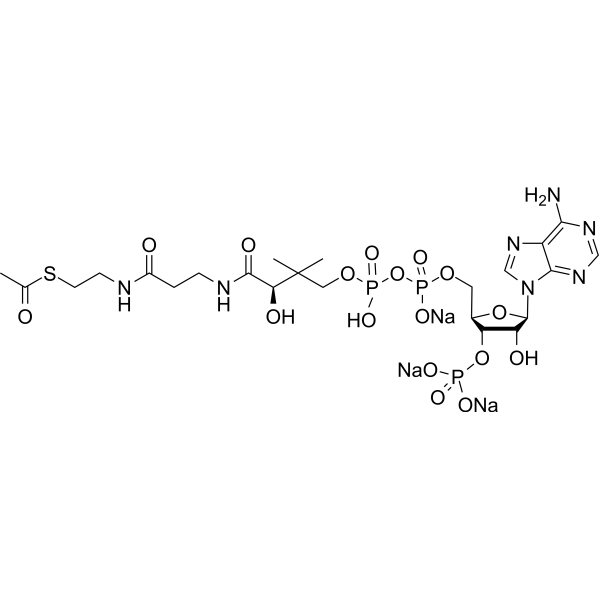
Acetyl-CoA trisodium
|
Oxidative Phosphorylation
Endogenous Metabolite
Autophagy
|
Metabolic Disease
|
|
Acetyl-coenzyme A (Acetyl-CoA) trisodium is a membrane-impermeant central metabolic intermediate, participates in the TCA cycle and oxidative phosphorylation metabolism. Acetyl-coenzyme A trisodium, regulates various cellular mechanisms by providing (sole donor) acetyl groups to target amino acid residues for post-translational acetylation reactions of proteins. Acetyl Coenzyme A trisodium is also a key precursor of lipid synthesis .
|
-
-
- HY-N2468
-
|
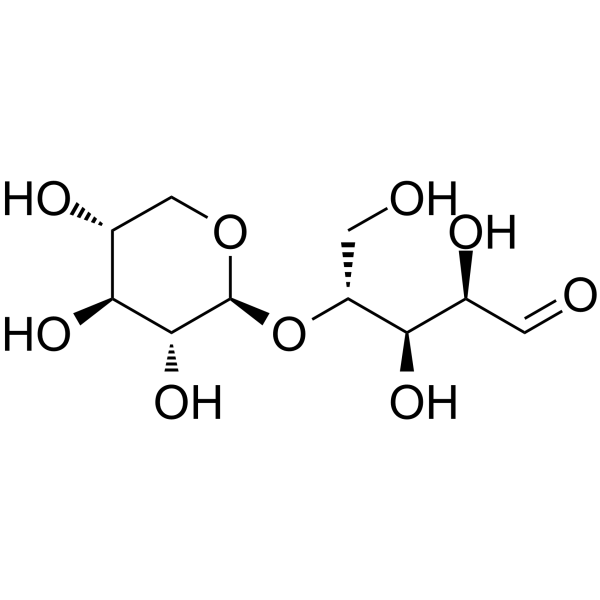
1,4-β-D-Xylobiose; 1,4-D-Xylobiose
|
TNF Receptor
Claudin
HSP
|
Metabolic Disease
Inflammation/Immunology
|
|
Xylobiose (1,4-β-D-Xylobiose; 1,4-D-Xylobiose) is an orally active Claudin 2/CLDN2 inhibitor and HSP27 inducer. Xylobiose works by regulating intestinal barrier function and glucose and lipid metabolism-related signaling pathways. Xylobiose inhibits CLDN2 expression to reduce intestinal permeability, induces HSP27 to enhance cell protection, and regulates the miR-122a/miR-33a axis to inhibit liver lipid synthesis and improve insulin resistance. Xylobiose can strengthen intestinal barrier integrity, reduce blood sugar and blood lipid levels, and reduce oxidative stress and inflammatory response. Xylobiose can be used in the study of type 2 diabetes and metabolic syndrome .
|
-
-
- HY-114293A
-
|
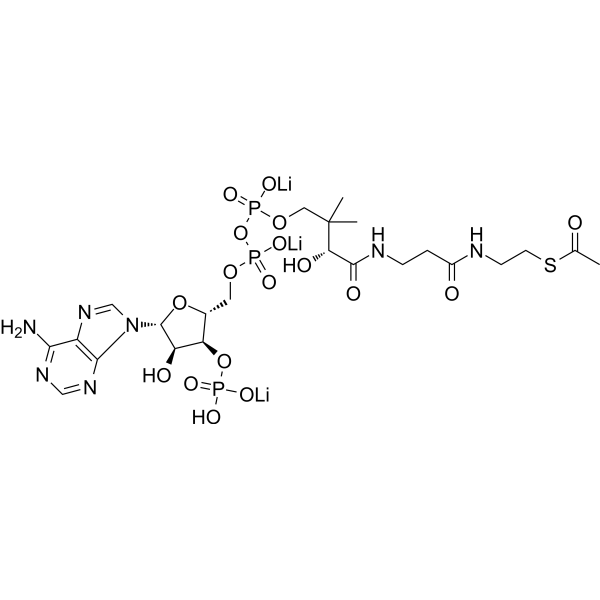
Acetyl-CoA trilithium
|
Oxidative Phosphorylation
Endogenous Metabolite
Autophagy
|
Cardiovascular Disease
Metabolic Disease
|
|
Acetyl-coenzyme A (Acetyl-CoA) trilithium is a membrane-impermeant central metabolic intermediate, participates in the TCA cycle and oxidative phosphorylation metabolism. Acetyl-coenzyme A trilithium regulates various cellular mechanisms by providing (sole donor) acetyl groups to target amino acid residues for post-translational acetylation reactions of proteins. Acetyl Coenzyme A trilithium is also a key precursor of lipid synthesis .
|
-
-
- HY-30216A
-
|
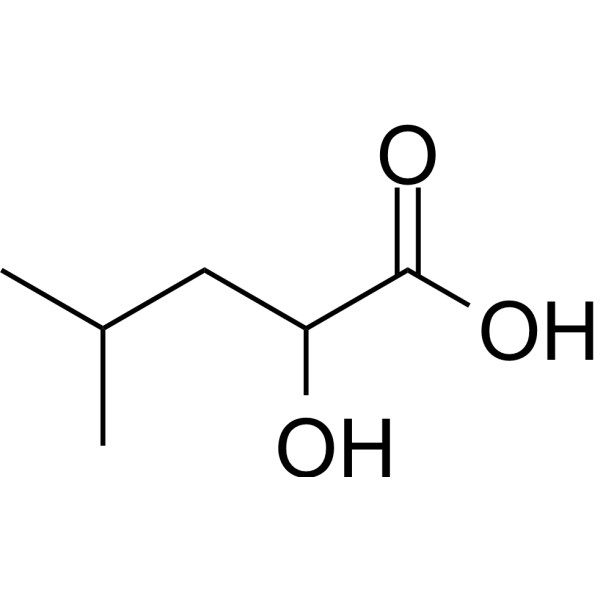
α-Hydroxyisocaproic acid
|
Drug Metabolite
Hydroxycarboxylic Acid Receptor (HCAR)
AMPK
ERK
|
Metabolic Disease
Inflammation/Immunology
|
|
Leucic acid (α-Hydroxyisocaproic acid) is an orally active end-product of the microbial metabolism of leucine. Leucic acid can bind to HCAR2, alters AMPK and ERK1/2 phosphorylation status, suppresses lipid synthesis, promotes catabolism, reduces adiposity, enhances lean mass and exercise capacity. Leucic acid suppresses pro-inflammatory cytokine secretion, inflammation-related gene mRNA expression. Leucic acid decreases basal protein synthesis, attenuates myotube atrophy. Leucic acid can be used for the research of obesity .
|
-
-
- HY-114293
-
|
Acetyl-CoA
|
Oxidative Phosphorylation
Endogenous Metabolite
Autophagy
|
Cardiovascular Disease
Metabolic Disease
|
|
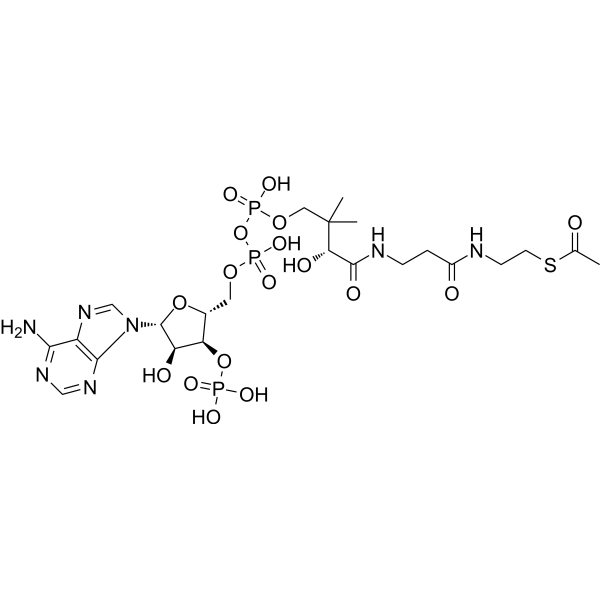
Acetyl-coenzyme A (Acetyl-CoA) is a membrane-impermeant central metabolic intermediate, participates in the TCA cycle and oxidative phosphorylation metabolism. Acetyl-coenzyme A, regulates various cellular mechanisms by providing (sole donor) acetyl groups to target amino acid residues for post-translational acetylation reactions of proteins. Acetyl Coenzyme A is also a key precursor of lipid synthesis .
|
-
-
- HY-N10319
-
|
|
Epigenetic Reader Domain
Necroptosis
TRP Channel
|
Metabolic Disease
Inflammation/Immunology
Cancer
|
|
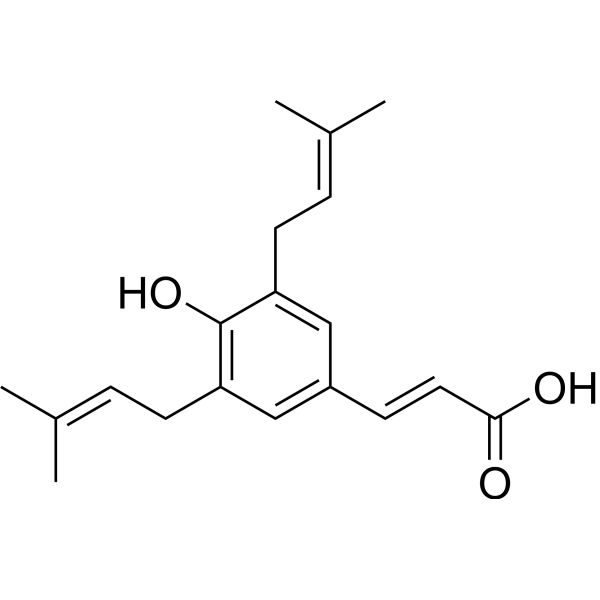
Artepillin C is an orally active CREB/CRTC2 inhibitor and TRPA1 covalent agonist (EC50=1.8 μM). Artepillin C inhibits CREB/CRTC2-mediated gene transcription and downregulates BMAL1 expression to regulate glucose and lipid metabolism. Artepillin C can also activate TRPA1 channels to induce spicy taste signals. Artepillin C can inhibit tumor cell proliferation, induce necroptosis, improve insulin resistance and inhibit liver lipid synthesis. Artepillin C can be used in the study of metabolic syndrome, tumor prevention and treatment, and inflammation .
|
-
-
- HY-160912
-
|
|
ELOVL
|
Metabolic Disease
|
|
ELOVL6-IN-5 is an orally active and selective elongase enzyme of long-chain fatty acid family 6 (ELOVL6) inhibitor with IC50 values of 85 nM and 38 nM for human and mouse ELOVL6, respectively. ELOVL6-IN-5 shows >60-fold selectivity over other ELOVL family enzymes (ELOVL1, 2, 3, 5) and no effect on other lipid synthesis enzymes like ACC1, ACC2. ELOVL6-IN-5 reduces hepatic fatty acid composition ratio of C18 to C16 in diet-induced obesity (DIO) and KKAy mice. ELOVL6 inhibition by ELOVL6-IN-5 does not improve insulin resistance. ELOVL6-IN-5 can be used for the research of metabolic disease .
|
-

-
- HY-109056
-
|
R-1206
|
Drug Intermediate
HIV
Reverse Transcriptase
Carbonic Anhydrase
|
Infection
Cancer
|
|
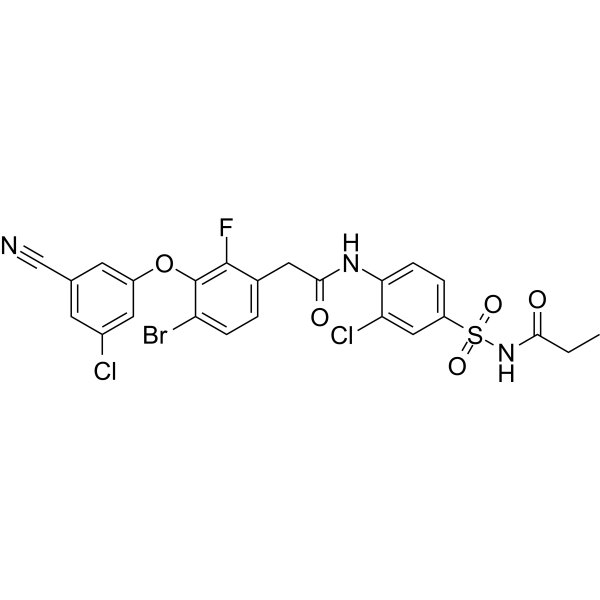
Elsulfavirine (R-1206) is an orally active human carbonic anhydrase (carbonic anhydrase, CA) inhibitor and an allosteric inhibitor of HIV-1 non-nucleoside reverse transcriptase (NNRT). Elsulfavirine also targets and blocks the interaction between adenylosuccinate lyase (ADSL) and insulin-induced gene proteins INSIG1/2, blocks SREBP-1-mediated de novo lipid synthesis, and inhibits the proliferation of liver cancer cells. The combination of Elsulfavirine and Lenvatinib (HY-10981) produces a synergistic anti-tumor effect. Elsulfavirine is converted into the active metabolite VM1500A in vivo, blocks the DNA polymerase activity of reverse transcriptase, and inhibits HIV-1 replication. Elsulfavirine exhibits a Ki of 1960 nM-52400 nM against human carbonic anhydrase isoforms including I, VII, VI, VA, VB, IX, XIII, XIV. Elsulfavirine is used in studies related to HIV-1 infection and liver cancer .
|
-
-
- HY-113596A
-
|
Acetyl-CoA lithium
|
Oxidative Phosphorylation
Endogenous Metabolite
Autophagy
|
Cardiovascular Disease
Metabolic Disease
|
|
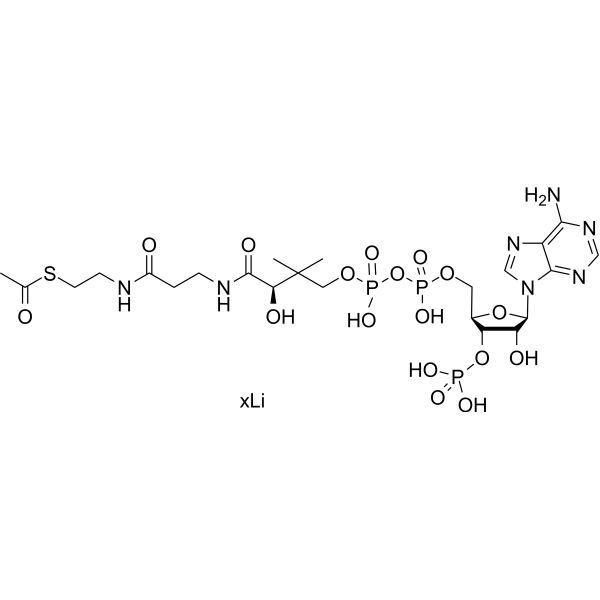
Acetyl-coenzyme A (Acetyl-CoA) lithium is a membrane-impermeant central metabolic intermediate, participates in the TCA cycle and oxidative phosphorylation metabolism. Acetyl-coenzyme A lithium, regulates various cellular mechanisms by providing (sole donor) acetyl groups to target amino acid residues for post-translational acetylation reactions of proteins. Acetyl Coenzyme A lithium is also a key precursor of lipid synthesis .
|
-
-
- HY-114293S
-
|
Acetyl-CoA-13C2 lithium
|
Isotope-Labeled Compounds
Endogenous Metabolite
Autophagy
Oxidative Phosphorylation
|
Metabolic Disease
|
|
Acetyl coenzyme A- 13C2 lithium is the 13C-labeled Acetyl coenzyme A (HY-114293). Acetyl-coenzyme A (Acetyl-CoA) is a membrane-impermeant central metabolic intermediate, participates in the TCA cycle and oxidative phosphorylation metabolism. Acetyl-coenzyme A, regulates various cellular mechanisms by providing (sole donor) acetyl groups to target amino acid residues for post-translational acetylation reactions of proteins. Acetyl Coenzyme A is also a key precursor of lipid synthesis .
|
-

-
- HY-110028
-
|
|
Cannabinoid Receptor
Fatty Acid Synthase (FASN)
Androgen Receptor
|
Endocrinology
Cancer
|
|
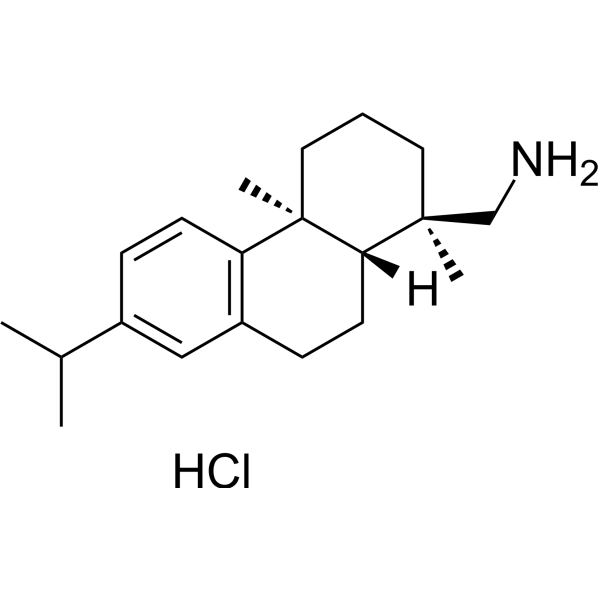
Leelamine hydrochloride is a tricyclic diterpene molecule that is extracted from the bark of pine trees . Leelamine hydrochloride is a cannabinoid receptor type 1 (CB1) agonist and a inhibitor of SREBP1-regulated fatty acid/lipid synthesis in prostate cancer cells that is not affected by androgen receptor status. Leelamine hydrochloride suppresses transcriptional activity of androgen receptor, which is known to regulate fatty acid synthesis [2,3].
|
-
-
- HY-P2989
-
|
|
Endogenous Metabolite
|
Metabolic Disease
Cancer
|
|
Pyruvate carboxylase is a key mitochondrial anaplerotic enzyme that catalyzes the conversion of pyruvate to oxaloacetate. Pyruvate carboxylase not only maintains tricarboxylic acid cycle activity and redox homeostasis, but also drives hepatic gluconeogenesis and fatty acid synthesis. The activity of Pyruvate carboxylase is upregulated in insulin-resistant states, exacerbating hepatic glucose production. Pyruvate carboxylase also shows significantly enhanced expression in early-stage non-small cell lung cancer (NSCLC). Pyruvate carboxylase promotes tumor proliferation by supporting nucleotide and lipid synthesis, and its functional deficiency cannot be compensated by glutaminolysis. Pyruvate carboxylase can be used in the research of prediabetes type 2 and NSCLC .
|
-

-
- HY-114293S5
-
|
Acetyl-CoA-d3
|
Isotope-Labeled Compounds
Oxidative Phosphorylation
Endogenous Metabolite
Autophagy
|
Cardiovascular Disease
Metabolic Disease
|
|
Acetyl coenzyme A-d3 (Acetyl-CoA-d3) is the deuterium labeled Acetyl coenzyme A (HY-114293). Acetyl-coenzyme A (Acetyl-CoA) is a membrane-impermeant central metabolic intermediate, participates in the TCA cycle and oxidative phosphorylation metabolism. Acetyl-coenzyme A, regulates various cellular mechanisms by providing (sole donor) acetyl groups to target amino acid residues for post-translational acetylation reactions of proteins. Acetyl Coenzyme A is also a key precursor of lipid synthesis .
|
-

-
- HY-B2007
-
|
|
Environmental Pollutants
Acetyl-CoA Carboxylase
Herbicide
|
Metabolic Disease
Inflammation/Immunology
|
|
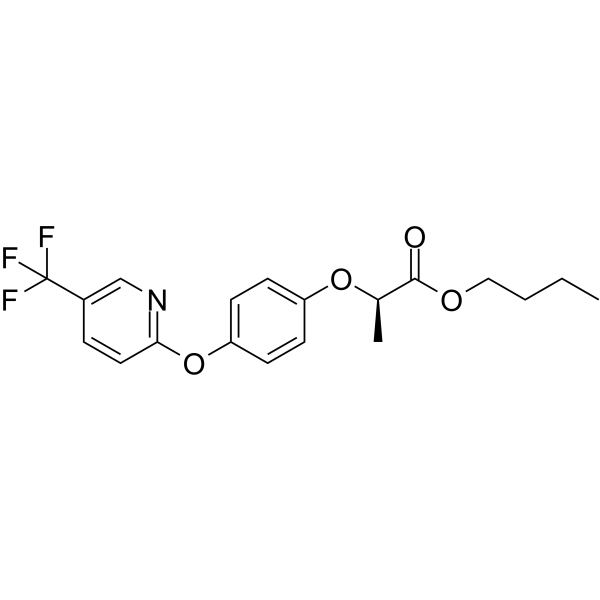
Fluazifop-P-butyl is an orally active herbicide and ACCase inhibitor. Fluazifop-P-butyl blocks the formation of malonyl-CoA, disrupts lipid synthesis in sensitive plants, and exhibits concentration-dependent phytotoxicity to non-target maize seedlings. Fluazifop-P-butyl induces oxidative stress in male Wistar rats, impairs their liver and kidney functions, and disrupts testicular function .
|
-
-
- HY-170027
-
|
|
HIF/HIF Prolyl-Hydroxylase
AMPK
|
Cancer
|
|
LW1564 is an inhibitor for HIF-1α with an IC50 of 1.2 µM in HepG2. LW1564 inhibits mitochondrial respiration, reduces ATP production, stimulates HIF-1α degradation, and inhibits proliferation of various cancer cells with GI50 of 0.4-4.6 μM. LW1564 activates AMPK signaling pathway and inhibits lipid synthesis. LW1564 exhibits antitumor in HepG2 xenograft mouse model .
|
-

-
- HY-N10612
-
|
|
AMPK
PPAR
TRP Channel
Mitochondrial Metabolism
|
Metabolic Disease
Cancer
|
|
Petasin inhibits adipogenesis in cell 3T3-F442A with an IC50 of 0.95 μM. Petasin inhibits the expression of lipid synthesis factors ACC1, FAS and SCD1 by inhibiting transcription factors PPARγ and C/EBPα, as well as targeting TRPA1 and TRPV1 channels . Petasin inhibits mitochondrial complex I, thereby inhibiting tumor growth and metastasis. Petasin activates AMPK signaling pathway, participating in regulation of glucose and lipid metabolism. Petasin is orally active .
|
-

-
- HY-N10319R
-
|
|
Reference Standards
TRP Channel
Necroptosis
Epigenetic Reader Domain
|
Metabolic Disease
Inflammation/Immunology
Cancer
|
|
Artepillin C (Standard) is the analytical standard of Artepillin C (HY-N10319). This product is intended for research and analytical applications. Artepillin C is an orally active CREB/CRTC2 inhibitor and TRPA1 covalent agonist (EC50=1.8 μM). Artepillin C inhibits CREB/CRTC2-mediated gene transcription and downregulates BMAL1 expression to regulate glucose and lipid metabolism. Artepillin C can also activate TRPA1 channels to induce spicy taste signals. Artepillin C can inhibit tumor cell proliferation, induce apoptosis, improve insulin resistance and inhibit liver lipid synthesis. Artepillin C can be used in the study of metabolic syndrome, tumor prevention and treatment, and inflammation .
|
-

-
- HY-N8495
-
|
|
Others
|
Metabolic Disease
|
|
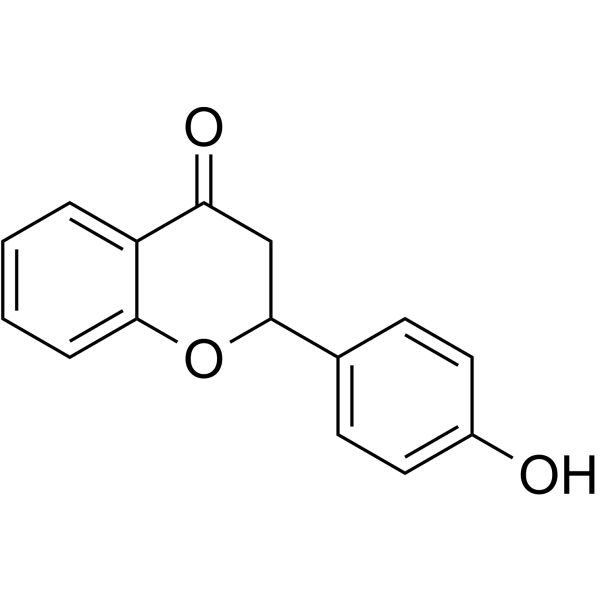
4'-Hydroxyflavanone is an inhibitor of SREBP maturation and lipid synthesis. 4'-Hydroxyflavanone is a synthetic analogue of flavanone, has potential for hepatic steatosis and dyslipidemia research .
|
-
-
- HY-19428A
-
|
RBx-7644
|
Antibiotic
Bacterial
|
Infection
Cardiovascular Disease
|
|
Ranbezolid (RBx7644 free base) is an orally active, oxazolidinone antibiotic against Gram-positive and Gram-negative anaerobes including Staphylococcus aureus, Staphylococcus epidermidis and Bacteroides fragilis. Ranbezolid can inhibit the 50s ribosomal subunit with an IC50 of 17 μM for bacterial ribosomes. Ranbezolid interferes cell wall and lipid synthesis. Ranbezolid can rapidly kill bacteria, significantly reduce bacterial load, and has better cardiovascular safety. Ranbezolid can be used for the study of antibiotics for anaerobic bacteria .
|
-

-
- HY-19428
-
|
RBx7644 free base
|
Antibiotic
Bacterial
|
Infection
Cardiovascular Disease
|
|
Ranbezolid (RBx7644 free base) is an orally active, oxazolidinone antibiotic against Gram-positive and Gram-negative anaerobes including Staphylococcus aureus, Staphylococcus epidermidis and Bacteroides fragilis. Ranbezolid can inhibit the 50s ribosomal subunit with an IC50 of 17 μM for bacterial ribosomes. Ranbezolid interferes cell wall and lipid synthesis. Ranbezolid can rapidly kill bacteria, significantly reduce bacterial load, and has better cardiovascular safety. Ranbezolid can be used for the study of antibiotics for anaerobic bacteria .
|
-

-
- HY-N2468R
-
|
1,4-β-D-Xylobiose (Standard); 1,4-D-Xylobiose (Standard)
|
Reference Standards
TNF Receptor
Claudin
HSP
|
Metabolic Disease
Inflammation/Immunology
|
|
Xylobiose (1,4-β-D-Xylobiose; 1,4-D-Xylobiose) is an orally active Claudin 2/CLDN2 inhibitor and HSP27 inducer. Xylobiose works by regulating intestinal barrier function and glucose and lipid metabolism-related signaling pathways. Xylobiose inhibits CLDN2 expression to reduce intestinal permeability, induces HSP27 to enhance cell protection, and regulates the miR-122a/miR-33a axis to inhibit liver lipid synthesis and improve insulin resistance. Xylobiose can strengthen intestinal barrier integrity, reduce blood sugar and blood lipid levels, and reduce oxidative stress and inflammatory response. Xylobiose can be used in the study of type 2 diabetes and metabolic syndrome .
|
-

-
- HY-U00332
-
|
6,6'-Oxybis[2,2-dimethyl-1-hexanol]
|
Drug Derivative
|
Metabolic Disease
|
|
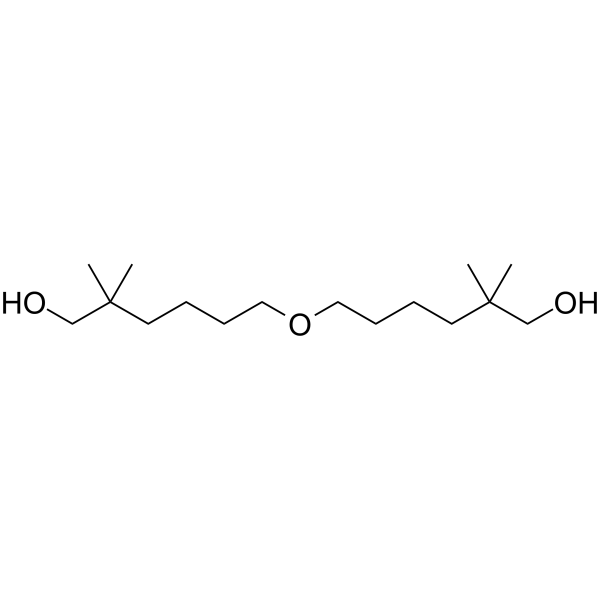
Hydrocarbon chain derivative 1 is an active compound, with inhibitory activities against lipid synthesis.
|
-
-
- HY-105900
-
|
|
Others
|
Metabolic Disease
|
|
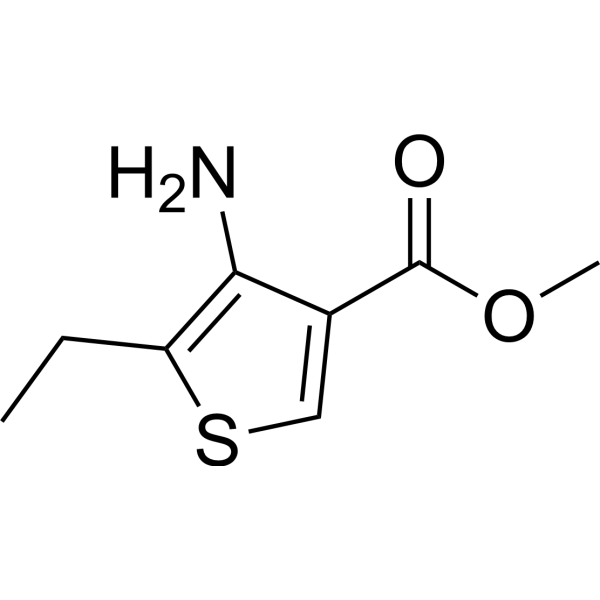
Ro 22-0654 is a potent lipid synthesis inhibitor. Ro 22-0654 inhibits hepatic fatty acid synthesis and has antiobesity effects .
|
-
-
- HY-N8495R
-
|
|
Fatty Acid Synthase (FASN)
Reference Standards
|
Metabolic Disease
|
|
4'-Hydroxyflavanone (Standard) is the analytical standard of 4'-Hydroxyflavanone. This product is intended for research and analytical applications. 4'-Hydroxyflavanone is an inhibitor of SREBP maturation and lipid synthesis. 4'-Hydroxyflavanone is a synthetic analogue of flavanone, has potential for hepatic steatosis and dyslipidemia research[1].
|
-

-
- HY-E70262
-
|
|
Oxidative Phosphorylation
Endogenous Metabolite
|
Metabolic Disease
|
|
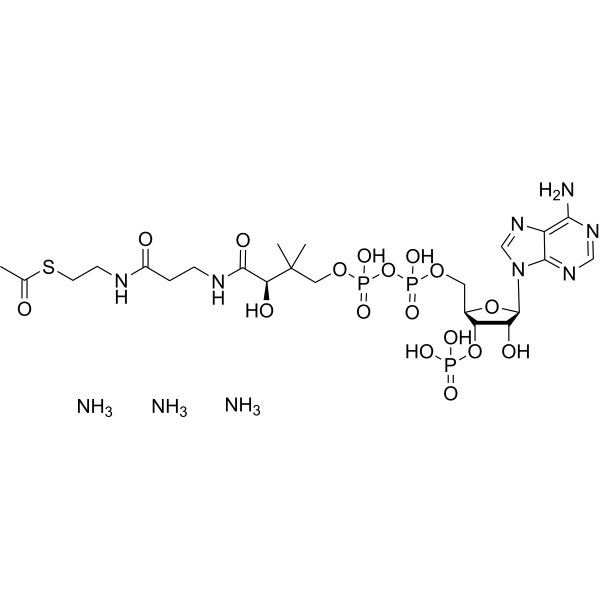
Acetoyl-CoA (triammonium) is a triammonium derivative of Acetoyl-CoA (HY-114293), Acetyl-CoA is a membrane-impermeant central metabolic intermediate, participates in the TCA cycle and oxidative phosphorylation metabolism. Acetyl-coenzyme A, regulates various cellular mechanisms by providing (sole donor) acetyl groups to target amino acid residues for post-translational acetylation reactions of proteins. Acetyl Coenzyme A is also a key precursor of lipid synthesis .
|
-
-
- HY-162703
-
|
|
AMPK
|
Metabolic Disease
|
|
Lipid-lowering agent-2 (Compound 14d) is an orally active lipid-lowering agent with an EC50 of 0.06 μM. Lipid-lowering agent-2 inhibits the lipid synthesis, activates the AMPK signaling pathway, and exhibits anti-obesity effect. Lipid-lowering agent-2 inhibits food intake, improves the glucose metabolism, and reduces the body weight and adipose tissue in high-fat diet (HFD)-induced obese mice .
|
-

-
- HY-118843
-
|
|
Potassium Channel
|
Infection
|
|
Lombazole is an antimicrobial compound with activity that inhibits cell membrane synthesis. Lombazole had little effect on K+ permeability in S. aureus. Lombazole inhibited only de novo synthesis of cell enclosure in S. aureus, and this effect occurred before growth was affected. The main effect of lombazole was through inhibition of lipid synthesis. Lombazole may have an effect on key steps in lipid biosynthesis, as inferred from the lack of changes in lipid patterns after treatment. Lombazole also inhibited the sterol C-14 demethylation step in Candida albicans .
|
-

-
- HY-B2007R
-
|
|
Reference Standards
Acetyl-CoA Carboxylase
|
Metabolic Disease
|
|
Fluazifop-P-butyl (Standard) is the analytical standard of Fluazifop-P-butyl (HY-B2007). This product is intended for research and analytical applications. Fluazifop-P-butyl is an orally active herbicide and ACCase inhibitor. Fluazifop-P-butyl blocks the formation of malonyl-CoA, disrupts lipid synthesis in sensitive plants, and exhibits concentration-dependent phytotoxicity to non-target maize seedlings. Fluazifop-P-butyl induces oxidative stress in male Wistar rats, impairs their liver and kidney functions, and disrupts testicular function .
|
-

-
- HY-113947
-
|
|
Herbicide
Acetyl-CoA Carboxylase
|
Others
|
|
Metamifop is a post-emergence lipid synthesis inhibitor herbicide, with an IC50 of 41.1 nM against the carboxyltransferase (CT) domain of chloroplast acetyl-CoA carboxylase (ACCase) in barnyard grass (Echinochloa crus-galli). Metamifop inhibits the activity of the CT domain, thereby blocking fatty acid biosynthesis .
|
-

-
- HY-P2992A
-
|
|
Biochemical Assay Reagents
|
Metabolic Disease
|
|
Inorganic Pyrophosphatase, Bacillus stearothermophilus (EC 3.6.1.1) catalyzes the conversion of one molecule of pyrophosphate to two phosphate ions. The functionality of Inorganic Pyrophosphatase, Bacillus stearothermophilus (EC 3.6.1.1) plays a critical role in lipid metabolism (including lipid synthesis and degradation), calcium absorption and bone formation, and DNA synthesis,as well as other biochemical transformations.
|
-

-
- HY-109056A
-
|
R-1206 sodium
|
HIV
Drug Intermediate
Reverse Transcriptase
Carbonic Anhydrase
|
Infection
Cancer
|
|
Elsulfavirine sodium (R-1206) is an orally active human carbonic anhydrase (carbonic anhydrase, CA) inhibitor and an allosteric inhibitor of HIV-1 non-nucleoside reverse transcriptase (NNRT). Elsulfavirine sodium also targets and blocks the interaction between adenylosuccinate lyase (ADSL) and insulin-induced gene proteins INSIG1/2, blocks SREBP-1-mediated de novo lipid synthesis, and inhibits the proliferation of liver cancer cells. The combination of Elsulfavirine sodium and Lenvatinib (HY-10981) produces a synergistic anti-tumor effect. Elsulfavirine sodium is converted into the active metabolite VM1500A in vivo, blocks the DNA polymerase activity of reverse transcriptase, and inhibits HIV-1 replication. Elsulfavirine sodium exhibits a Ki of 1960 nM-52400 nM against human carbonic anhydrase isoforms including I, VII, VI, VA, VB, IX, XIII, XIV. Elsulfavirine sodium is used in studies related to HIV-1 infection and liver cancer .
|
-

-
- HY-109056R
-
|
R-1206 (Standard)
|
Reference Standards
Drug Intermediate
HIV
Reverse Transcriptase
Carbonic Anhydrase
|
Infection
Cancer
|
|
Elsulfavirine (Standard) is the analytical standard of Elsulfavirine (HY-109056). This product is intended for research and analytical applications. Elsulfavirine (R-1206) is an orally active human carbonic anhydrase (carbonic anhydrase, CA) inhibitor and an allosteric inhibitor of HIV-1 non-nucleoside reverse transcriptase (NNRT). Elsulfavirine also targets and blocks the interaction between adenylosuccinate lyase (ADSL) and insulin-induced gene proteins INSIG1/2, blocks SREBP-1-mediated de novo lipid synthesis, and inhibits the proliferation of liver cancer cells. The combination of Elsulfavirine and Lenvatinib (HY-10981) produces a synergistic anti-tumor effect. Elsulfavirine is converted into the active metabolite VM1500A in vivo, blocks the DNA polymerase activity of reverse transcriptase, and inhibits HIV-1 replication. Elsulfavirine exhibits a Ki of 1960 nM-52400 nM against human carbonic anhydrase isoforms including I, VII, VI, VA, VB, IX, XIII, XIV. Elsulfavirine is used in studies related to HIV-1 infection and liver cancer .
|
-

| Cat. No. |
Product Name |
Type |
-
- HY-113596A
-
|
Acetyl-CoA lithium
|
Biochemical Assay Reagents
|
|
Acetyl-coenzyme A (Acetyl-CoA) lithium is a membrane-impermeant central metabolic intermediate, participates in the TCA cycle and oxidative phosphorylation metabolism. Acetyl-coenzyme A lithium, regulates various cellular mechanisms by providing (sole donor) acetyl groups to target amino acid residues for post-translational acetylation reactions of proteins. Acetyl Coenzyme A lithium is also a key precursor of lipid synthesis .
|
| Cat. No. |
Product Name |
Target |
Research Area |
-
- HY-30216A
-
|
α-Hydroxyisocaproic acid
|
Drug Metabolite
Hydroxycarboxylic Acid Receptor (HCAR)
AMPK
ERK
|
Metabolic Disease
Inflammation/Immunology
|
|
Leucic acid (α-Hydroxyisocaproic acid) is an orally active end-product of the microbial metabolism of leucine. Leucic acid can bind to HCAR2, alters AMPK and ERK1/2 phosphorylation status, suppresses lipid synthesis, promotes catabolism, reduces adiposity, enhances lean mass and exercise capacity. Leucic acid suppresses pro-inflammatory cytokine secretion, inflammation-related gene mRNA expression. Leucic acid decreases basal protein synthesis, attenuates myotube atrophy. Leucic acid can be used for the research of obesity .
|
| Cat. No. |
Product Name |
Category |
Target |
Chemical Structure |
-
- HY-113596
-
-
-
- HY-N2468
-
|
1,4-β-D-Xylobiose; 1,4-D-Xylobiose
|
Zea mays L.
Polysaccharides
Classification of Application Fields
Gramineae
Other Diseases
Plants
Disease Research Fields
Saccharides
Source Classification
|
TNF Receptor
Claudin
HSP
|
|
Xylobiose (1,4-β-D-Xylobiose; 1,4-D-Xylobiose) is an orally active Claudin 2/CLDN2 inhibitor and HSP27 inducer. Xylobiose works by regulating intestinal barrier function and glucose and lipid metabolism-related signaling pathways. Xylobiose inhibits CLDN2 expression to reduce intestinal permeability, induces HSP27 to enhance cell protection, and regulates the miR-122a/miR-33a axis to inhibit liver lipid synthesis and improve insulin resistance. Xylobiose can strengthen intestinal barrier integrity, reduce blood sugar and blood lipid levels, and reduce oxidative stress and inflammatory response. Xylobiose can be used in the study of type 2 diabetes and metabolic syndrome .
|
-
-
- HY-114293A
-
-
-
- HY-30216A
-
-
-
- HY-114293
-
-
-
- HY-N10319
-
|
|
Ketones, Aldehydes, Acids
Plants
Compositae
Artemisia capillaris Thunb.
Source Classification
|
Epigenetic Reader Domain
Necroptosis
TRP Channel
|
|
Artepillin C is an orally active CREB/CRTC2 inhibitor and TRPA1 covalent agonist (EC50=1.8 μM). Artepillin C inhibits CREB/CRTC2-mediated gene transcription and downregulates BMAL1 expression to regulate glucose and lipid metabolism. Artepillin C can also activate TRPA1 channels to induce spicy taste signals. Artepillin C can inhibit tumor cell proliferation, induce necroptosis, improve insulin resistance and inhibit liver lipid synthesis. Artepillin C can be used in the study of metabolic syndrome, tumor prevention and treatment, and inflammation .
|
-
-
- HY-110028
-
-
-
- HY-N10612
-
|
|
Natural Products
Plants
Compositae
Piptadenia Benth.
|
AMPK
PPAR
TRP Channel
Mitochondrial Metabolism
|
|
Petasin inhibits adipogenesis in cell 3T3-F442A with an IC50 of 0.95 μM. Petasin inhibits the expression of lipid synthesis factors ACC1, FAS and SCD1 by inhibiting transcription factors PPARγ and C/EBPα, as well as targeting TRPA1 and TRPV1 channels . Petasin inhibits mitochondrial complex I, thereby inhibiting tumor growth and metastasis. Petasin activates AMPK signaling pathway, participating in regulation of glucose and lipid metabolism. Petasin is orally active .
|
-
-
- HY-N10319R
-
|
|
Ketones, Aldehydes, Acids
Plants
Compositae
Artemisia capillaris Thunb.
Source Classification
|
Reference Standards
TRP Channel
Necroptosis
Epigenetic Reader Domain
|
|
Artepillin C (Standard) is the analytical standard of Artepillin C (HY-N10319). This product is intended for research and analytical applications. Artepillin C is an orally active CREB/CRTC2 inhibitor and TRPA1 covalent agonist (EC50=1.8 μM). Artepillin C inhibits CREB/CRTC2-mediated gene transcription and downregulates BMAL1 expression to regulate glucose and lipid metabolism. Artepillin C can also activate TRPA1 channels to induce spicy taste signals. Artepillin C can inhibit tumor cell proliferation, induce apoptosis, improve insulin resistance and inhibit liver lipid synthesis. Artepillin C can be used in the study of metabolic syndrome, tumor prevention and treatment, and inflammation .
|
-
-
- HY-N8495
-
-
-
- HY-N2468R
-
|
1,4-β-D-Xylobiose (Standard); 1,4-D-Xylobiose (Standard)
|
Structural Classification
Zea mays L.
Polysaccharides
Gramineae
Plants
Saccharides
Source Classification
|
Reference Standards
TNF Receptor
Claudin
HSP
|
|
Xylobiose (1,4-β-D-Xylobiose; 1,4-D-Xylobiose) is an orally active Claudin 2/CLDN2 inhibitor and HSP27 inducer. Xylobiose works by regulating intestinal barrier function and glucose and lipid metabolism-related signaling pathways. Xylobiose inhibits CLDN2 expression to reduce intestinal permeability, induces HSP27 to enhance cell protection, and regulates the miR-122a/miR-33a axis to inhibit liver lipid synthesis and improve insulin resistance. Xylobiose can strengthen intestinal barrier integrity, reduce blood sugar and blood lipid levels, and reduce oxidative stress and inflammatory response. Xylobiose can be used in the study of type 2 diabetes and metabolic syndrome .
|
-
-
- HY-N8495R
-
-
| Cat. No. |
Product Name |
Chemical Structure |
-
- HY-114293S
-
|
|
|
Acetyl coenzyme A- 13C2 lithium is the 13C-labeled Acetyl coenzyme A (HY-114293). Acetyl-coenzyme A (Acetyl-CoA) is a membrane-impermeant central metabolic intermediate, participates in the TCA cycle and oxidative phosphorylation metabolism. Acetyl-coenzyme A, regulates various cellular mechanisms by providing (sole donor) acetyl groups to target amino acid residues for post-translational acetylation reactions of proteins. Acetyl Coenzyme A is also a key precursor of lipid synthesis .
|
-
-
- HY-114293S5
-
|
|
|
Acetyl coenzyme A-d3 (Acetyl-CoA-d3) is the deuterium labeled Acetyl coenzyme A (HY-114293). Acetyl-coenzyme A (Acetyl-CoA) is a membrane-impermeant central metabolic intermediate, participates in the TCA cycle and oxidative phosphorylation metabolism. Acetyl-coenzyme A, regulates various cellular mechanisms by providing (sole donor) acetyl groups to target amino acid residues for post-translational acetylation reactions of proteins. Acetyl Coenzyme A is also a key precursor of lipid synthesis .
|
-
Your information is safe with us. * Required Fields.
Inquiry Information
- Product Name:
- Cat. No.:
- Quantity:
- MCE Japan Authorized Agent:








