


1. Search Result
Search Result
Pathways Recommended: Membrane Transporter/Ion Channel
Results for "

membrane protein interactions

" in MedChemExpress (MCE) Product Catalog:

33

Inhibitors & Agonists

3

Screening Libraries

1

Fluorescent Dyes

7

Biochemical Assay Reagents

6

Peptides

3

Natural
Products

1

Isotope-Labeled Compounds

3

Oligonucleotides

Targets Recommended:
Cat. No. Product Name Target Research Areas Chemical Structure
  • HY-129047
    Trypsin
    Maximum Cited Publications
    20 Publications Verification

    Ser/Thr Protease Protease Activated Receptor (PAR) Infection Inflammation/Immunology
    Trypsin is a serine protease enzyme, and hydrolyzes proteins at the carboxyl side of the Lysine or Arginine. Trypsin activates PAR2 and PAR4. Trypsin induces cell-to-cell membrane fusion in PDCoV infection by the interaction of S glycoprotein of PDCoV and pAPN. Trypsin also promotes cell proliferation and differentiation. Trypsin can be used in the research of wound healing and neurogenic inflammation .
    Trypsin
  • HY-129047A

    Ser/Thr Protease Protease Activated Receptor (PAR) Infection Inflammation/Immunology
    Trypsin MS grade is a serine protease enzyme, and hydrolyzes proteins at the carboxyl side of the Lysine or Arginine. Trypsin MS grade activates PAR2 and PAR4. Trypsin MS grade induces cell-to-cell membrane fusion in PDCoV infection by the interaction of S glycoprotein of PDCoV and pAPN. Trypsin MS grade also promotes cell proliferation and differentiation. Trypsin MS grade can be used in the research of wound healing and neurogenic inflammation .
    Trypsin (MS grade)
  • HY-130463

    PG(16:0/18:1); 1-Palmitoyl-2-oleoyl-sn-glycero-3-phospho-(1'-rac-glycerol)

    Liposome Biochemical Assay Reagents Neurotensin Receptor Neurological Disease
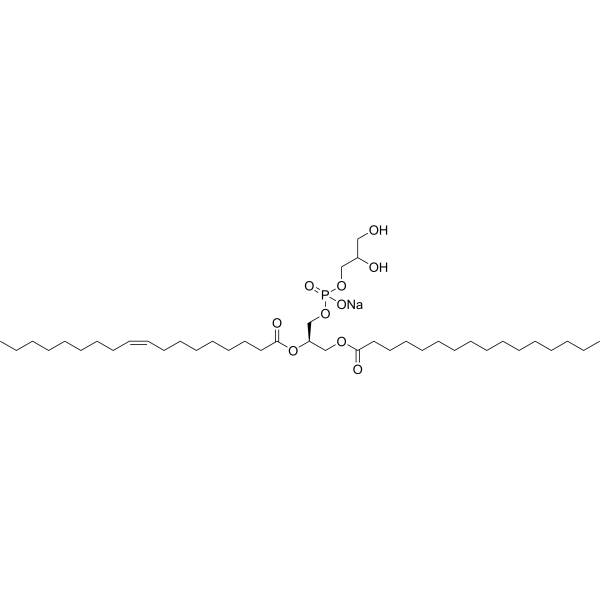
    POPG sodium salt is a negatively charged phospholipid. POPG sodium salt affects the interactions of membrane proteins with other molecules by changing the charge characteristics of the lipid environment. POPG sodium salt increases the apparent affinity of Gαq and 1γ1 for activated NTS1. POPG sodium salt can interact with the positive charge of peptides. POPG sodium salt can be used in Parkinson's disease research .
    POPG sodium salt
  • HY-153714

    BN-104; BNM-1192; Menin-MLL inhibitor 27

    Epigenetic Reader Domain Potassium Channel Cancer
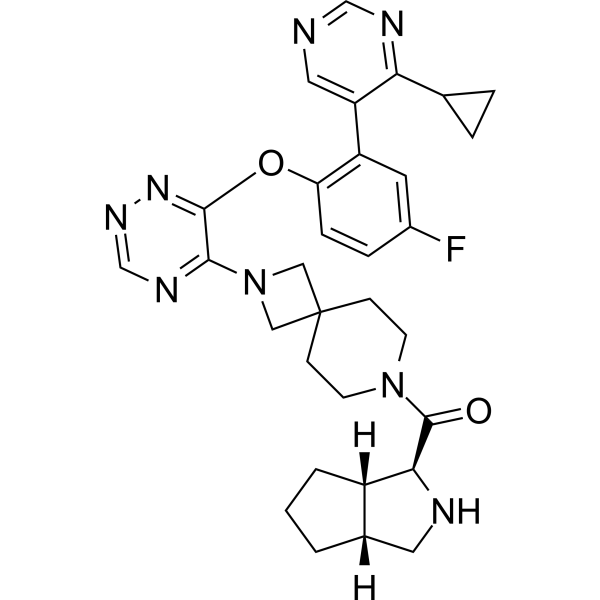
    Zefamenib (BN-104) is an effective selective brain membrane protein inhibitor with oral activity, and it's also a Menin inhibitor, it can block the Menin-MLL interaction and leads to the degradation of Menin protein. Zefamenib is a weak hERG inhibitor, with an IC50 greater than 100 μM. Zefamenib has anti-tumor activity and can be used in cancer research, such as for acute myeloid leukemia .
    Zefamenib
  • HY-A0183
    Phosphatidylserine
    1 Publications Verification

    Phospholipids, phosphatidylserines; Serine glycerophosphatides

    Akt TGF-β Receptor Inflammation/Immunology
    Phosphatidylserine (Phospholipids) is a well-conserved anti-inflammatory and immunosuppressive signal. Phosphatidylserine is involved in membrane translocation and the activation of protein kinase C, participating in Akt signaling through its interaction with PIP3. The local exposure of Phosphatidylserine can interact with complement and other proteins, promoting microglial phagocytosis during critical periods of synaptic refinement. Phosphatidylserine can promote blood coagulation in the extracellular environment and acts as a "eat me" signal to clear out apoptotic cells. Phosphatidylserine can suppress inflammation in tissues by inducing TGF-β secretion and inhibiting immune responses .
    Phosphatidylserine
  • HY-157414

    Biochemical Assay Reagents Others
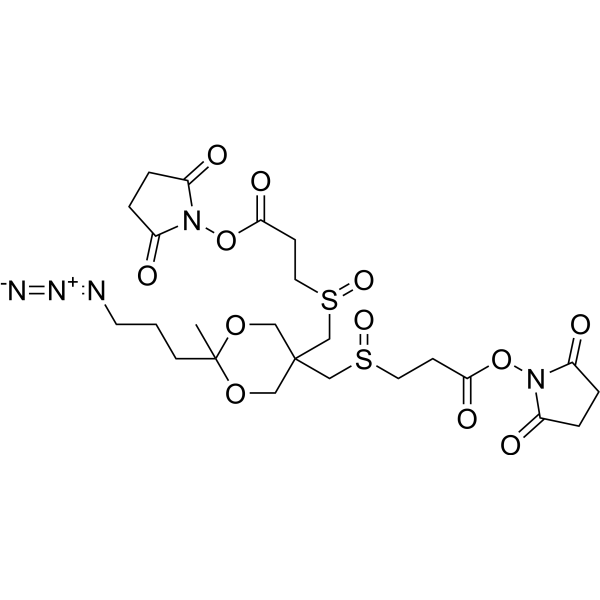
    Azide-A-DSBSO crosslinker is a mass spectrometry (MS) cleavable, membrane permeable, homobifunctional, azide-labeled, acid-cleavable crosslinking peptide. Azide-A-DSBSO crosslinker crosslinks proteins via NHS ester reaction with lysine residues. Azide-A-DSBSO crosslinker can be used to study protein-protein interactions by cross-linking mass spectrometry (XL-MS) [1] .
    Azide-A-DSBSO crosslinker
  • HY-P4121

    Potassium Channel Inflammation/Immunology Cancer
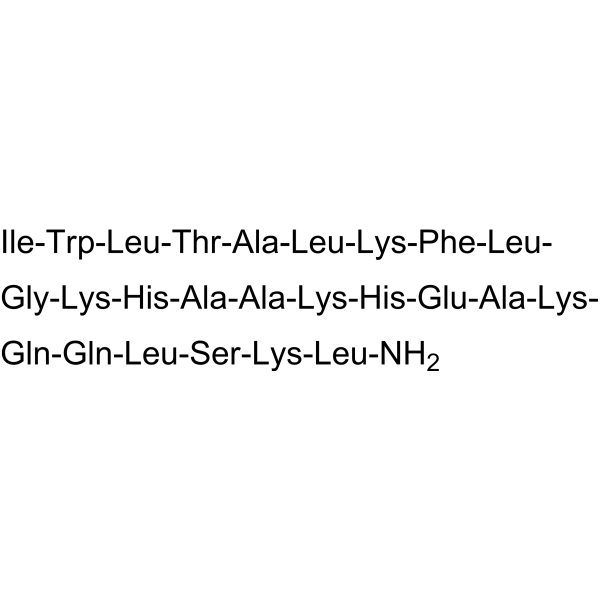
    L17E is an attenuated cationic amphiphilic lytic (ACAL) peptide that can be used to deliver a variety of macromolecules, including proteins, antibodies, and DNA nanostructures. L17E inserts and cleaves the membrane structure through electrostatic interaction, enabling intracellular escape. The efficiency of L17E-mediated delivery is strongly correlated with the expression level of KCNN4 (the gene encoding the calcium-activated potassium channel KCa3.1). L17E also promotes the cellular uptake of macromolecules by inducing micropinocytosis. L17E can be further optimized and improved through dimerization strategies and in combination with other delivery systems, such as nuclear localization signal peptides and cell membrane-coated nanoparticles .
    L17E
  • HY-Y0537B

    Environmental Pollutants Biochemical Assay Reagents Mitochondrial Metabolism Metabolic Disease
    Potassium chloride, for molecular biology is potassium chloride that can be used in molecular biology. Potassium chloride, for molecular biology affects the stability of biological membranes by disrupting the electrostatic interactions between proteins and lipids. Potassium chloride, for molecular biology affects the solubility of myofibrillar proteins and the integrity of mitochondria. Potassium chloride, for molecular biology is commonly used in homogenization buffers and protein extraction procedures .
    Potassium chloride, for molecular biology
  • HY-W587552

    Liposome Endogenous Metabolite
    1,3-Diolein is a phospholipid compound that has the activity of regulating cell membrane fluidity and signal transduction. 1,3-Diolein is widely used in cell biology research to study lipid-mediated signal transduction pathways and membrane protein interactions. 1,3-Diolein can also serve as a functional carrier in compound delivery systems to help improve the bioavailability of compounds.
    1,3-Diolein
  • HY-142980

    Dioleoylphosphatidylglycerol

    Liposome Inflammation/Immunology
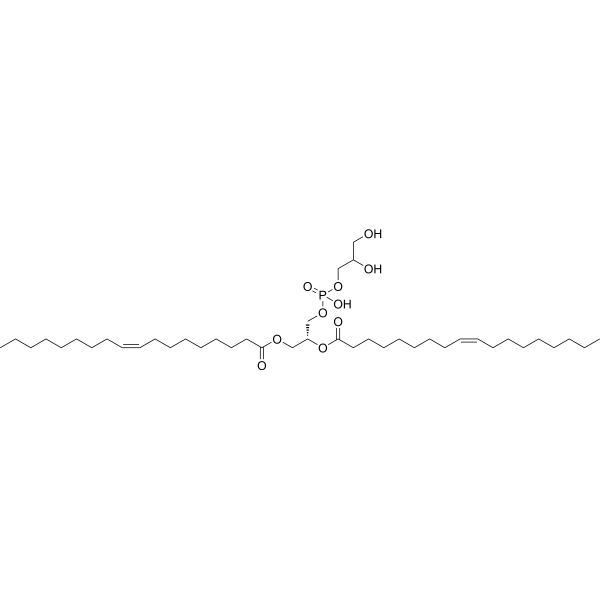
    DOPG (Dioleoylphosphatidylglycerol) is a negatively charged phosphatidylglycerol phospholipid. DOPG is abundant in prokaryotic cell membranes and mitochondria, and has a low phase transition temperature and a tendency to form stable vesicles. DOPG inhibits the production of inflammatory mediators in macrophages in response to heat shock protein B4 (HSPB4)-activated toll-like receptor 2 (TLR2). DOPG is applicable to studies of membrane biology, drug-membrane interactions (especially in systems targeting negatively charged membranes), construction of drug delivery carriers, as well as research on sterile corneal inflammation and wound healing promotion .
    DOPG
  • HY-148978

    Exosomes Endogenous Metabolite Liposome Metabolic Disease
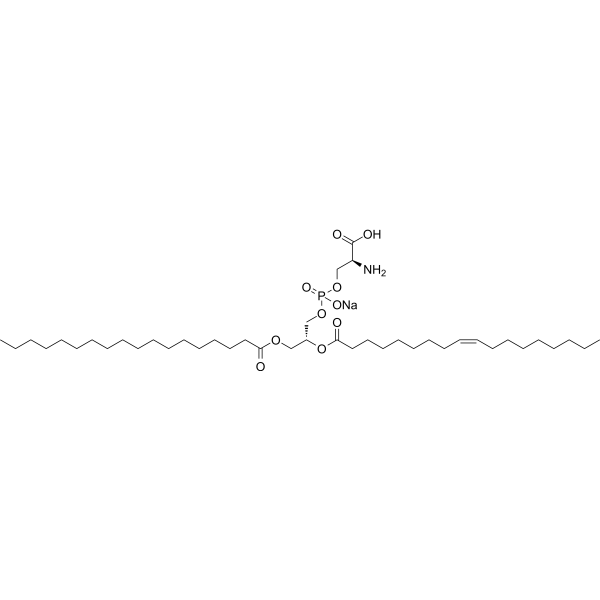
    18:0,18:1 PS sodium is the dominant phosphatidylserine subtype in cells, exosomes and HIV particles. It is abundant in the brain and is essential for maintaining membrane structure, lipid raft organization and intracellular trafficking. 18:0,18:1 PS sodium mediates interleaflet membrane coupling through cholesterol-dependent interactions with very long-chain sphingolipids, and can induce the clustering of glycosylphosphatidylinositol-anchored proteins. In addition, clusters formed by the binding of 18:0,18:1 PS sodium to cholesterol not only facilitate the proper distribution of cholesterol in lipid bilayers, but also effectively protect cholesterol from oxidative damage .
    18:0,18:1 PS sodium
  • HY-P2259
    TAT-GluA2 3Y
    2 Publications Verification

    iGluR HIV Integrase Adenosine Receptor Cardiovascular Disease Neurological Disease
    TAT-GluA2 3Y is a blood-brain barrier-permeable AMPA receptor inhibitory peptide that crosses cell membranes via the HIV-1 TAT protein domain. TAT-GluA2 3Y blocks the endocytosis of AMPA receptors, including the internalization of GluA1/GluA2 subunits, by disrupting interactions with the AP2, Brag2 and Syt3-GluA2 complexes, while also inhibiting long-term depression. TAT-GluA2 3Y blocks hypoxia-mediated AMPAR internalization, alleviates A1R-induced persistent synaptic inhibition, and reduces cerebral ischemic volume, neurological deficits and spatial memory deficits. TAT-GluA2 3Y blocks the effect of NLRP3 deficiency on fear generalization, inhibits amphetamine-induced behavioral/neurochemical sensitization, weakens the unconditioned stimulus-conditioned stimulus association of morphine, and promotes the extinction of morphine CPP. TAT-GluA2 3Y can be used in studies related to fear generalization, ischemic stroke, hypoxia, drug addiction and opioid addiction .
    TAT-GluA2 3Y
  • HY-P4119

    Biochemical Assay Reagents Others
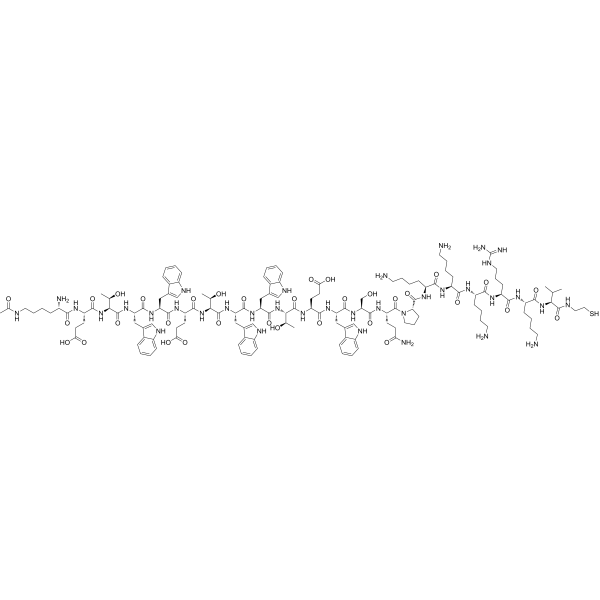
    Pep-1-Cysteamine is an amphipathic chimeric cell-penetrating peptide. Pep-1-Cysteamine can penetrate biological membranes in an energy-independent manner without forming transmembrane pores, and efficiently deliver active proteins into cells, with its translocation dominated by electrostatic interactions and membrane perturbation .
    Pep-1-Cysteamine
  • HY-142991

    POPG

    Liposome Others
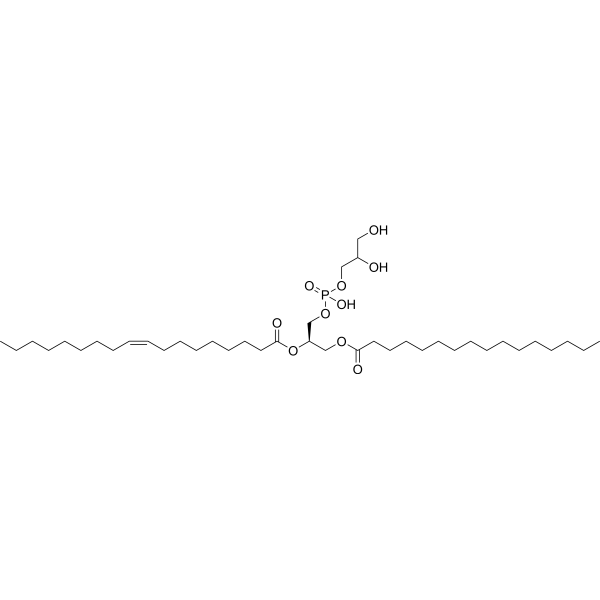
    1-Palmitoyl-2-oleoyl-sn-glycero-3-phosphatidylglycerol (POPG) is an anionic phosphatidylglycerol that often serves as a key component to co-construct model phospholipid bilayers with phosphatidylcholine (e.g., at a 3:1 POPC:POPG ratio) for investigating the structure and dynamics of transmembrane proteins. 1-Palmitoyl-2-oleoyl-sn-glycero-3-phosphatidylglycerol acts as a fundamental material for mimicking the physicochemical properties of biological membranes and enables the elucidation of membrane protein interaction mechanisms .
    1-Palmitoyl-2-oleoyl-sn-glycero-3-phosphatidylglycerol
  • HY-D1005I

    Biochemical Assay Reagents Others
    Poloxamer L61 is a non-ionic triblock copolymer surfactant. Poloxamer L61 effectively achieves intracellular molecular delivery to cancer cells during photoacoustic molecular delivery, and maintains cell viability by promoting cell membrane resealing, thus avoiding irreversible damage caused by laser-induced membrane permeabilization. Poloxamer L61 is a key component of SP1017, a compound related to gene therapy, which regulates the interaction between DNA and extracellular matrix as well as cellular uptake, and significantly enhances the distribution and bioavailability of plasmid DNA in skeletal muscle. Poloxamer L61 can be used in studies on local or systemic therapeutic protein production .
    Poloxamer L61
  • HY-126425

    Parasite Infection
    NCGC00262650 is a potent apical membrane antigen 1-rhoptry neck protein 2 (AMA1-RON2) interaction inhibitor. NCGC00262650 can block entry of merozoites into red blood cells with an IC50 of 9.8 μM .
    NCGC00262650
  • HY-P11224

    DNA/RNA Synthesis Cancer
    RMI-L4 is an efficient cyclic peptide inhibitor that can specifically disrupt the interaction between FANCM and RMI proteins with an IC50 of 54 nM. RMI-L4 engages the FANCM-binding pocket of RMI1/2 with nanomolar affinity (KD = 2.5 nM). RMI-L4 cannot penetrate the cell membrane and can be used to study the FANCM-RMI pathway targeting cancer with alternate lengthening of telomeres (ALT) .
    RMI-L4
  • HY-148978A

    Exosomes Liposome Endogenous Metabolite Metabolic Disease
    18:0,18:1 PS is the dominant phosphatidylserine subtype in cells, exosomes and HIV particles. It is abundant in the brain and is essential for maintaining membrane structure, lipid raft organization and intracellular trafficking. 18:0,18:1 PS mediates interleaflet membrane coupling through cholesterol-dependent interactions with very long-chain sphingolipids, and can induce the clustering of glycosylphosphatidylinositol-anchored proteins. In addition, clusters formed by the binding of 18:0,18:1 PS to cholesterol not only facilitate the proper distribution of cholesterol in lipid bilayers, but also effectively protect cholesterol from oxidative damage .
    18:0,18:1 PS
  • HY-158141

    Bacterial Infection
    BRD1401 is a small molecule targeting the outer membrane protein OprH. BRD1401 disrupts the interaction of OprH with LPS. BRD1401 can increase membrane fluidity .
    BRD1401
  • HY-W776847

    Fluorescent Dye Others
    3-(2-Iodoacetamido)-proxyl serves as a free radical spin probe employed in spin labeling techniques, which facilitate the exploration of the dynamic interactions among molecules, proteins, lipids, and cell membranes.
    3-(2-Iodoacetamido)-proxyl
  • HY-P10829

    Dengue Virus Infection
    MLH40 is a peptide inhibitor with activity against Dengue virus (DENV) infection, which is found in the conserved ectodomain region of DENV membrane protein. MLH40 inhibits DENV through its N-terminal loop interaction with DENV envelope protein and altering the dimer conformation .
    MLH40
  • HY-103300

    Endogenous Metabolite Infection
    NPE-caged-proton is a reagent that releases protons under UV light and has the activity of activating the fusion protein GP64 under weak acidic conditions. NPE-caged-proton can promote the binding of enveloped viruses to liposome membranes with acidic phospholipids in an environment of pH 4.0 to 5.5, thereby initiating membrane fusion. The ultraviolet unblocking effect of NPE-caged-proton can lower the environmental pH, thereby triggering the process of viral membrane fusion. When studying the interaction between viruses and cell membranes, NPE-caged-proton provides a valuable tool for revealing the subtle behaviors of viruses in different chemical and biochemical environments .
    NPE-caged-proton
  • HY-148978R

    Reference Standards Exosomes Endogenous Metabolite Liposome Metabolic Disease
    Resorantel (Standard) is the analytical standard of Resorantel. This product is intended for research and analytical applications. 18:0,18:1 PS sodium is the dominant phosphatidylserine subtype in cells, exosomes and HIV particles. It is abundant in the brain and is essential for maintaining membrane structure, lipid raft organization and intracellular trafficking. 18:0,18:1 PS sodium mediates interleaflet membrane coupling through cholesterol-dependent interactions with very long-chain sphingolipids, and can induce the clustering of glycosylphosphatidylinositol-anchored proteins. In addition, clusters formed by the binding of 18:0,18:1 PS sodium to cholesterol not only facilitate the proper distribution of cholesterol in lipid bilayers, but also effectively protect cholesterol from oxidative damage .
    18:0,18:1 PS sodium (Standard)
  • HY-W250179

    Polyoxyethylene (6) cetyl ether

    Biochemical Assay Reagents Others
    Hexaethylene glycol monohexadecyl ether, is a nonionic surfactant belonging to the polyethylene glycol (PEG) ether family. It has a hydrophilic head and a lipophilic tail, which makes it suitable for a wide range of applications. Specifically, Hexaethylene glycol monohexadecyl ether is commonly used in membrane protein research, for solubilization and stabilization of proteins, and for structural analysis techniques such as X-ray crystallography and electron microscopy. Additionally, Hexaethylene glycol monohexadecyl ether is used in a variety of other industrial and research applications, including drug delivery systems, nanotechnology, and diagnostic analysis. Its unique properties make it ideal for facilitating interactions between molecules with different physicochemical properties.
    Hexaethylene glycol monohexadecyl ether
  • HY-W339834

    Acyltransferase Endogenous Metabolite Liposome Others
    1-Stearoyl-sn-glycerol 3-phosphate sodium is a bioactive phospholipid that plays a crucial role in modulating cellular processes such as motility, proliferation, invasion, survival, and growth factor production, primarily through its interaction with G protein-coupled receptors (GPCRs). Typically found at low concentrations in plasma (~100nM), this compound is synthesized during the formation of membrane phospholipids and is derived from various cell types, including activated platelets, epithelial cells, leukocytes, neuronal cells, and tumor cells. Its unique structure includes stearic acid at the sn-1 position alongside a hydroxyl group at the sn-2 position.
    1-Stearoyl-sn-glycerol 3-phosphate sodium
  • HY-130624

    HSP Apoptosis Cancer
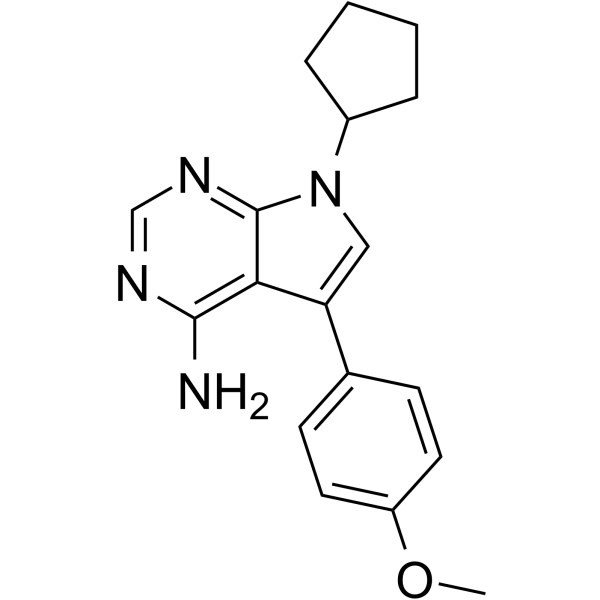
    Hsp90-Cdc37-IN-2 (Compound 41) is an inhibitor for the interaction between heat shock protein 90 (Hsp90) and cyclin 37 (Cdc37). Hsp90-Cdc37-IN-2 inhibits the proliferation of cancer cell A549, MCF-7, HOS and HepG2 with IC50 of 0.41-0.94 μM. Hsp90-Cdc37-IN-2 decreases the mitochondrial membrane potential, induces apoptosis, and arrest cell cycle at G0/G1 phase in A549 .
    Hsp90-Cdc37-IN-2
  • HY-NP009A

    Biochemical Assay Reagents Neurological Disease
    α-Lactalbumin (calcium depleted) is the calcium-depleted form of α-Lactalbumin (HY-NP009). α-Lactalbumin (calcium depleted) can be used for protein-membrane interaction research. α-Lactalbumin (calcium depleted) can be used for Alzheimer's disease research .
    α-Lactalbumin calcium depleted
  • HY-P11742

    Ac-GWW(LA)8LWWA-NH2

    Biochemical Assay Reagents Others
    WALP23 is a synthetic model peptide. WALP23 induces heterogeneity in lipid bilayers, forming stripe-like microdomains in DPPC bilayers. WALP23 can be used to study protein-membrane interactions. WALP23 is also used as a model peptide to determine helical orientation during the association process .
    WALP23
  • HY-151994S

    Isotope-Labeled Compounds Endogenous Metabolite Others
    1,3-Diolein-d66 is deuterium labeled 1,3-Diolein. 1,3-Diolein is a phospholipid compound that has the activity of regulating cell membrane fluidity and signal transduction. 1,3-Diolein is widely used in cell biology research to study lipid-mediated signal transduction pathways and membrane protein interactions. 1,3-Diolein can also serve as a functional carrier in compound delivery systems to help improve the bioavailability of compounds .
    1,3-Diolein-d66
  • HY-183257

    Autophagy Beclin1 Reactive Oxygen Species (ROS) p97 Cancer
    ATI-1 is an autophagy initiation inhibitor. ATI-1 targets valosin-containing protein (VCP/p97, disrupts its interaction with UFL1, impairs UFMylation homeostasis associated with VCP, promotes polyubiquitination and degradation of Beclin1, and blocks the formation of early autophagosomes. ATI-1 induces synergistic death of autophagy-dependent malignant tumor cells under nutrient deprivation conditions, accompanied by decreased mitochondrial membrane potential, reduced ROS levels and lysosomal stress. ATI-1 exhibits anti-tumor efficacy in a pancreatic adenocarcinoma xenograft mouse model. ATI-1 can be used for the research of pancreatic adenocarcinoma and lung cancer .
    ATI-1
  • HY-179548

    Drug Derivative Others
    Photoclick palmitic acid is a derivative of the long-chain saturated fatty acid palmitic acid (HY-N0830). The photoclick-type long-chain saturated fatty acid has been used as a probe for studying protein lipidation .
    Photoclick palmitic acid
  • HY-183355

    Ras ERK Akt Reactive Oxygen Species (ROS) Apoptosis Bcl-2 Family Caspase Cancer
    KRAS G12D-IN-37 is a KRAS G12D inhibitor. KRAS G12D-IN-37 shows antiproliferative activity against KRAS G12D mutant tumor cells and minimal cytotoxicity toward normal cells. KRAS G12D-IN-37 binds stably to KRAS G12D via hydrogen bond interactions with residues His 95, Arg 68, and Asp 12, and inhibits downstream ERK/AKT signaling pathways. KRAS G12D-IN-37 elevates ROS levels, induces apoptosis, disrupts mitochondrial membrane potential. KRAS G12D-IN-37 downregulates the level of anti-apoptotic protein Bcl-2, and upregulates the levels of pro-apoptotic proteins Bax and caspase 3. KRAS G12D-IN-37 can be used for the research of cancer, such as gastric adenocarcinoma and colorectal cancer .
    KRAS G12D-IN-37
  • HY-D1737

    Bacterial Infection
    RADA is a fluorescent D-amino acid (FDAA) with high photostability and thermostability, which emits yellow-to-orange fluorescence. RADA shows low outer membrane permeability in wild-type Gram-negative Escherichia coli, but it targets penicillin-binding proteins and L,D-transpeptidases, mimics the interaction between acyl acceptors and enzyme intermediates, and integrates into peptidoglycan during biosynthesis. As a peptidoglycan labeling reagent, RADA metabolically integrates into the nascent peptidoglycan of live bacterial cells, labels the peptidoglycan at the poles and lateral walls of mycobacteria, and enables visualization of peptidoglycan synthesis and remodeling processes. RADA serves as a non-specific stain for fixed cells, is non-toxic to bacterial cells, and its red-shifted excitation/emission spectra reduce phototoxicity. RADA also supports virtual pulse-chase labeling experiments and stochastic optical reconstruction microscopy for sub-diffraction-limited imaging of bacterial cell walls .
    RADA

Inquiry Online

Your information is safe with us. * Required Fields.

Salutation


Country or Region *

Applicant Name *


Organization Name *

Department *


Email Address *


Product Name *

Cat. No.


Requested quantity *

Phone Number *


Remarks

Inquiry Online

Inquiry Information

Product Name:
Cat. No.:
Quantity:
MCE Japan Authorized Agent:

