


1. Search Result
Search Result
Results for "

oxygen metabolism

" in MedChemExpress (MCE) Product Catalog:

48

Inhibitors & Agonists

1

Screening Libraries

1

Biochemical Assay Reagents

10

Natural
Products

8

Isotope-Labeled Compounds

1

Oligonucleotides

Cat. No. 상품명 Target 연구분야 Chemical Structure
  • HY-Y0445A
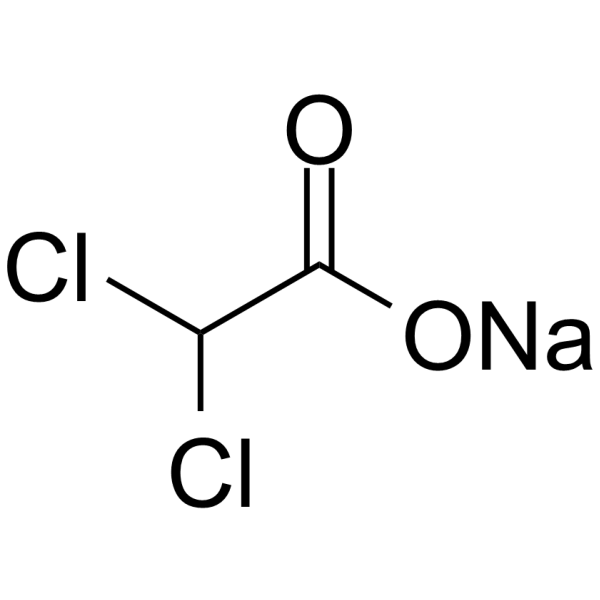
    Sodium dichloroacetate
    Maximum Cited Publications
    26 Publications Verification

    PDK-1 NKCC PDHK Reactive Oxygen Species (ROS) Apoptosis Cancer
    Sodium dichloroacetate is an orally active pyruvate dehydrogenase kinase (PDK) inhibitor. Sodium dichloroacetate also stimulates pyruvate dehydrogenase (PDH) activity and works as a Na +-K +-2Cl cotransporter (NKCC) inhibitor. Sodium dichloroacetate prevents the phosphorylation of the E1α subunit of PDC, promoting the entry of pyruvate into the mitochondria for oxidative metabolism, reducing lactate production, and simultaneously increasing the production of reactive oxygen species (ROS). Sodium dichloroacetate inhibits tumor cell proliferation and induces apoptosis. Sodium dichloroacetate is promising for research of cancers .
    Sodium dichloroacetate
  • HY-135849
    Catalase, Aspergillus niger
    4 Publications Verification

    Reactive Oxygen Species (ROS) Cancer
    Catalase, Aspergillus niger is a key enzyme in the metabolism of H2O2 and reactive oxygen species (ROS), and its expression and localization is markedly altered in tumors . Free oxygen radical scavenger.
    Catalase, Aspergillus niger
  • HY-113224
    Desmosterol
    5 Publications Verification

    Endogenous Metabolite LXR Fatty Acid Synthase (FASN) Interleukin Related Reactive Oxygen Species (ROS) NOD-like Receptor (NLR) Cardiovascular Disease Metabolic Disease Inflammation/Immunology
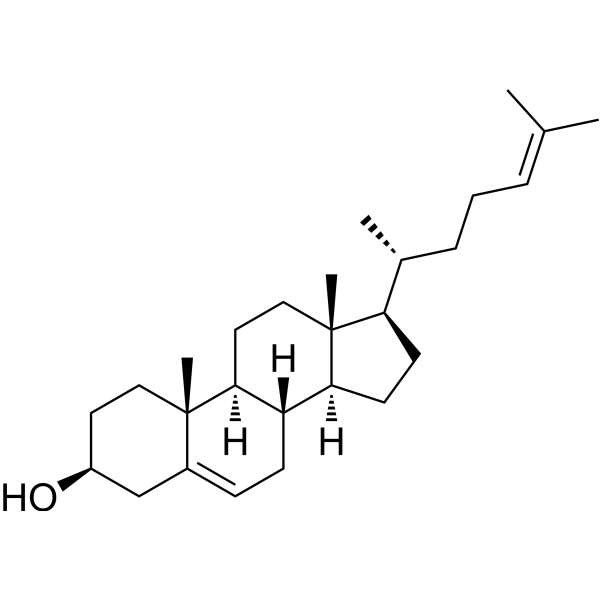
    Desmosterol is a cholesterol-like molecule. In the Bloch pathway of cholesterol biosynthesis, Desmosterol is a direct precursor of cholesterol. As an endogenous metabolite, Desmosterol is used to study cholesterol metabolism . Desmosterol is an LXR activator and SREBP inhibitor, which can suppress macrophage inflammasome activation and prevent vascular inflammation and atherosclerosis. A reduction in Desmosterol promotes the production of mitochondrial reactive oxygen species (ROS) in macrophages and pyrin domain-dependent inflammasome activation of NLRP3. Desmosterol holds potential for research in inflammation, metabolism, and cardiovascular diseases .
    Desmosterol
  • HY-W012382

    Endogenous Metabolite Metabolic Disease Cancer
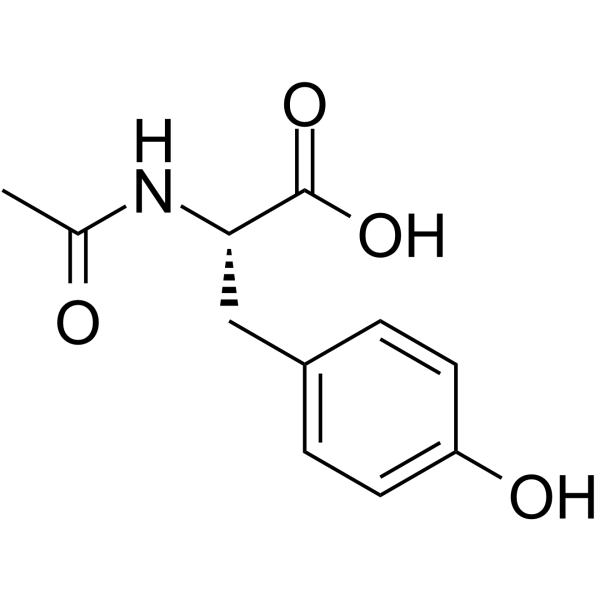
    N-Acetyl-L-tyrosine is an orally active endogenous mitochondrial stress response regulator that can permeate the cell membrane by passive diffusion. N-Acetyl-L-tyrosine induces low-level reactive oxygen species (ROS) generation by transiently perturbing mitochondrial membrane potential, triggering reverse signaling to activate FoxO and Keap1 pathways. As a result, N-Acetyl-L-tyrosine enhances the expression of antioxidant enzyme genes, exerting anti-stress and cytoprotective effects. N-Acetyl-L-tyrosine can improve heat stress tolerance, inhibit tumor growth, and regulate energy metabolism. N-Acetyl-L-tyrosine can be used in the research of aging, metabolic diseases (such as diabetes), and cancer .
    N-Acetyl-L-tyrosine
  • HY-W051271

    Titanium dioxide

    Environmental Pollutants Reactive Oxygen Species (ROS) Photosensitizer Others
    Titanium(IV) oxide is a photosensitizer and photocatalyst. Titanium(IV) oxide can be used as a pharmaceutical excipient such as a flow aid, coating agent, sunscreen, colorant, etc. Pharmaceutical excipients or pharmaceutical excipients refer to other chemical substances used in the pharmaceutical process other than the drug ingredients. Pharmaceutical excipients generally refer to inactive ingredients in pharmaceutical preparations that can improve the stability, solubility and processability of pharmaceutical preparations. Pharmaceutical excipients also affect the absorption, distribution, metabolism and elimination (ADME) process of co-administered drugs. Titanium(IV) oxide can use light energy to generate electron-hole pairs to degrade pollutants. Photons excite electrons in TiO2 to generate active oxygen species (such as ·OH and ·O2 -), thereby oxidizing and mineralizing pollutants such as organic compounds and heavy metals. TiO2 can be used in the research of environmental remediation fields such as water treatment, air purification and self-cleaning materials .
    Titanium(IV) oxide
  • HY-W698249

    Ferroptosis Bacterial Cardiovascular Disease Infection
    Ferrous gluconate is a highly water-soluble iron-containing agent with high bioavailability and bactericidal activity. As a non-heme iron, Ferrous gluconate is used for meat product fortification and improvement of iron deficiency anemia. Ferrous gluconate induces ferroptosis in E. coli through Fe 2+ infiltration, reactive oxygen species burst, lipid peroxidation and direct interaction with DNA. Ferrous gluconate also downregulates the SOS responsive transcriptional repressor LexA. In addition, Ferrous gluconate regulates multiple key pathways in E. coli such as fatty acid metabolism, iron-sulfur cluster assembly and pyruvate metabolism, and is applied in studies related to *E. coli* infection and iron deficiency anemia .
    Ferrous gluconate
  • HY-122723
    GOT1 inhibitor-1
    2 Publications Verification

    Reactive Oxygen Species (ROS) Cancer
    GOT1 inhibitor-1 (compound 2c), a tryptamine-based derivative, acts as a novel, potent and non-covalent inhibitor of glutamate oxaloacetate transaminase 1 (GOT1) with an IC50 of 8.2 uM. GOT1 plays an important role in energy metabolism and Reactive Oxygen Species (ROS) balance. GOT1 inhibitor-1 can be used for the research of pancreatic ductal adenocarcinoma (PDAC) .
    GOT1 inhibitor-1
  • HY-Y1139
    Pimelic acid
    2 Publications Verification

    Heptanedioic acid; 1,5-Pentanedicarboxylic acid; 1,7-Heptanedioic acid

    Endogenous Metabolite PROTAC Linkers Metabolic Disease
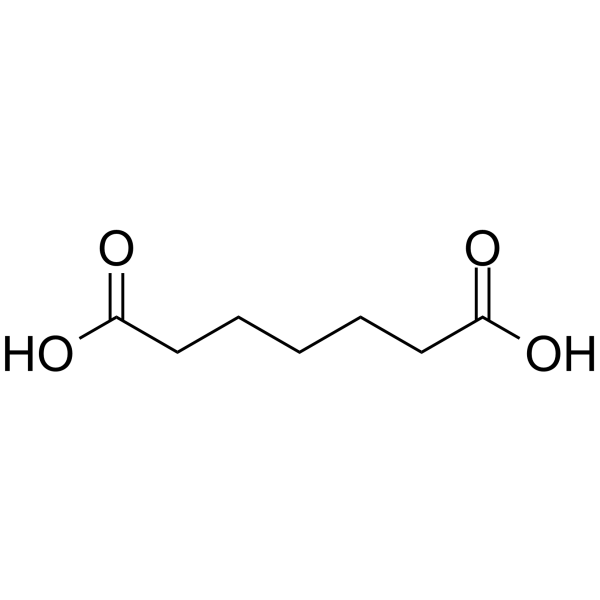
    Pimelic acid (Heptanedioic acid; 1,5-Pentanedicarboxylic acid) is a seven-carbon α,ω-dicarboxylic acid and a downstream product of fatty acid synthesis. Pimelic acid is a key precursor in biotin biosynthesis. Pimelic acid can be converted to pimelic acid-CoA by the BioW enzyme, thereby bypassing exogenous biotin requirements to support growth in various biotinytrophic bacteria and fungi, and reversing antibiotic-induced inhibition of biotin synthesis. Furthermore, Pimelic acid has been proposed as a highly specific biomarker for oxygen-induced retinopathy in mice. Pimelic acid can be used to study retinopathy of preterm infants, oxygen-induced retinopathy, and microbial biotin metabolism .
    Pimelic acid
  • HY-B0831
    Buprofezin
    2 Publications Verification

    Environmental Pollutants Reactive Oxygen Species (ROS) Oxidative Phosphorylation Others
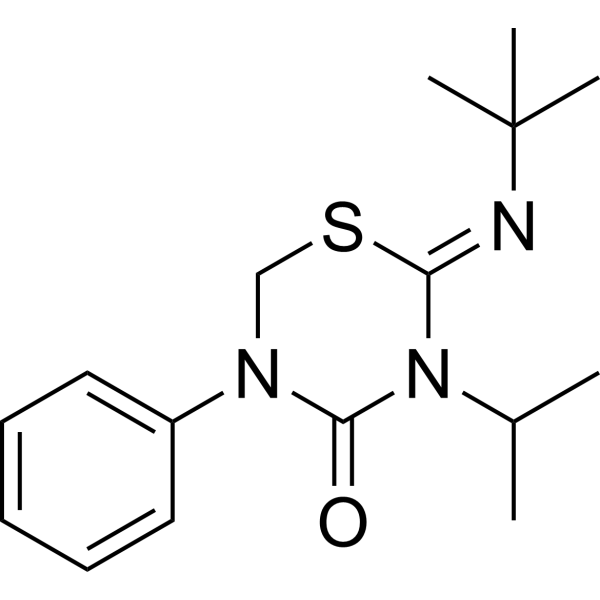
    Buprofezin is a broad-spectrum insecticide and chitin synthesis inhibitor that targets developmental stage coleopteran pests.Buprofezin promotes the conversion of energy metabolism from the aerobic tricarboxylic acid (TCA) cycle and oxidative phosphorylation to anaerobic glycolysis. Buprofezin also promotes the production of reactive oxygen species (ROS) by inhibiting cytochrome c oxidase .
    Buprofezin
  • HY-113285

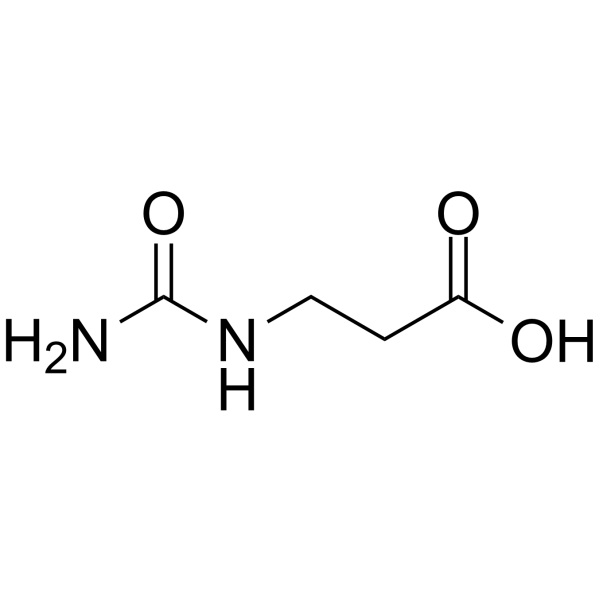
    3-Ureidopropionic acid

    Oxidative Phosphorylation Reactive Oxygen Species (ROS) Metabolic Disease
    Ureidopropionic acid (3-Ureidopropionic acid) is a selective mitochondrial respiratory chain complex V inhibitor. Ureidopropionic acid induces the production of reactive oxygen species, delayed elevation of intracellular calcium concentration, secondary energy-dependent excitotoxicity and neurodegeneration in neurons. Ureidopropionic acid promotes neuropathological changes by impairing mitochondrial energy metabolism, oxidative stress and excitotoxicity pathways. Ureidopropionic acid can be used in studies related to 3-ureidopropionase deficiency and severe propionic aciduria .
    Ureidopropionic acid
  • HY-113225

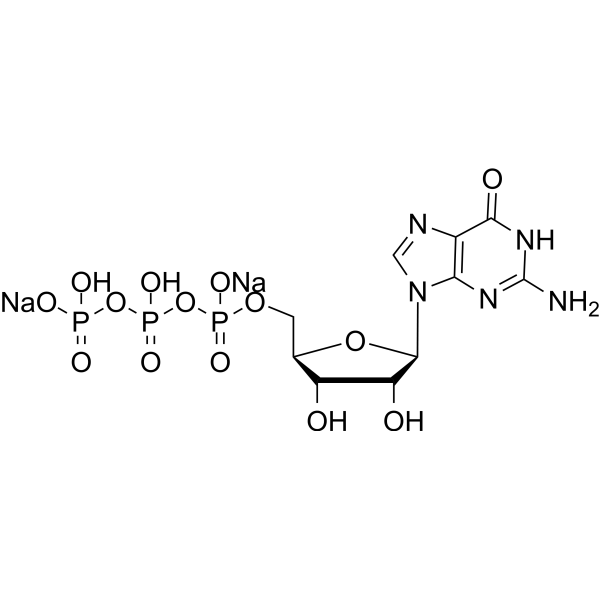
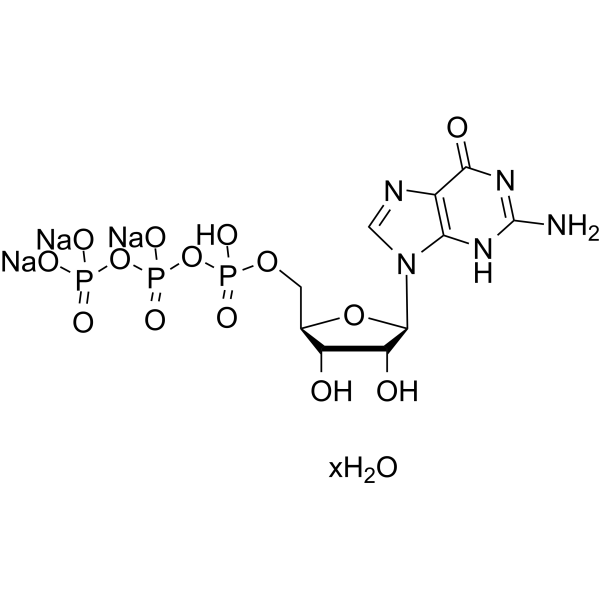
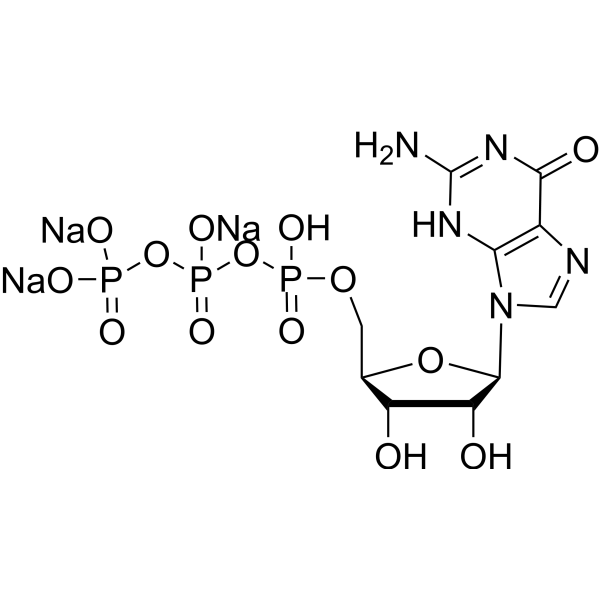
    GTP

    Endogenous Metabolite DNA/RNA Synthesis Apoptosis Mitosis Cancer
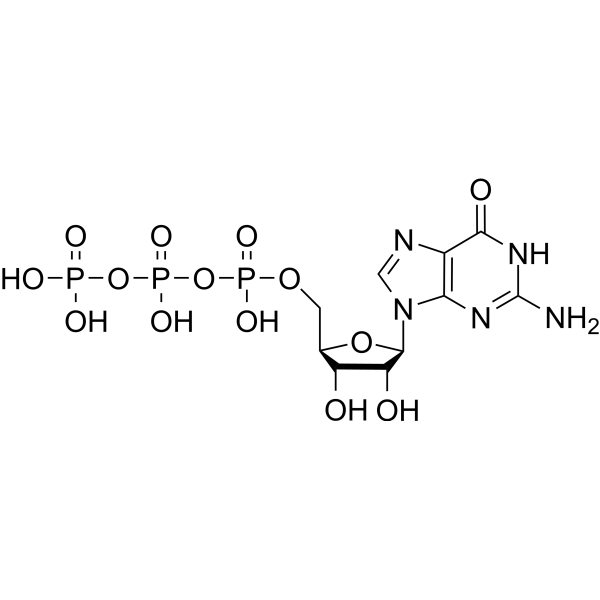
    Guanosine triphosphate (GTP) is a critical nucleotide and regulator of cellular metabolism. Guanosine triphosphate promotes ribosomal DNA localization, pre-rRNA transcription and ribosome biogenesis by binding to RNA polymerase I and GPN proteins (GPN1/3). Guanosine triphosphate links MYC-dependent ribosome biogenesis to nucleotide sufficiency, acts as a metabolic gatekeeper supporting protein synthesis, DNA/RNA synthesis and cellular signal transduction, while also participating in the physiological activities of pancreatic β-cells and serving as an oxidative substrate for reactive oxygen species. In small cell lung cancer with high MYC expression, Guanosine triphosphate accumulates through the IMPDH-driven synthetic pathway, thereby affecting apoptosis and mitotic processes. Guanosine triphosphate is used in the research of small cell lung cancer, hepatoblastoma and cellular metabolism .
    Guanosine triphosphate
  • HY-P2888

    BOD

    Biochemical Assay Reagents Metabolic Disease
    Bilirubin oxidase (BOD) is an electrocatalyst with oxygen removal activity. Bilirubin oxidase can catalyze the oxidation of bilirubin to biliverdin. Bilirubin oxidase participates in the metabolism of porphyrins and chlorophyll, and acts as a catalyst for oxygen reduction. Bilirubin oxidase can serve as a component of a single-enzyme oxygen removal system for reductase-based voltammetric biosensors .
    Bilirubin oxidase
  • HY-153016
    HIF-2α agonist 2
    1 Publications Verification

    HIF/HIF Prolyl-Hydroxylase Inflammation/Immunology
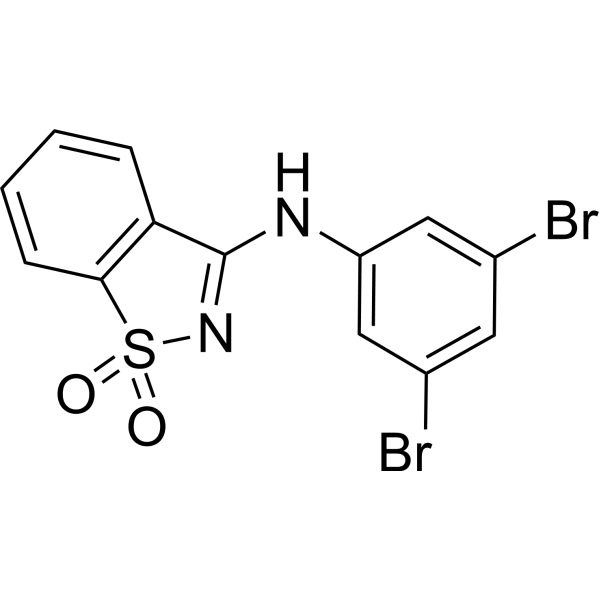
    HIF-2α agonist 2 (compound 10) is a HIF-2α agonist with an EC50 value of 1.68 μM at the dose of 20 μM. HIF-2α agonist 2 is non-cytotoxic against 786-O-HRE-Luc cells. HIF-2α agonist 2 can be used for oxygen metabolism research .
    HIF-2α agonist 2
  • HY-W115789

    Environmental Pollutants Reactive Oxygen Species (ROS) Others
    Sodium silicate is a water-soluble silicate. Sodium silicate is widely used as a binder, particularly in the production of detergents, soaps, and cleaners. Sodium silicate promotes the deposition of suberin polyphenols and lignin at wound sites of potato tubers, accelerates callus structure formation, enhances ROS production, and induces the synthesis of total phenols and flavonoids. Sodium silicate reduces the weight loss rate and disease index of wounded potato tubers during storage .
    Sodium silicate
  • HY-113225S2

    GTP-13C dilithium

    Isotope-Labeled Compounds Endogenous Metabolite Mitosis Apoptosis DNA/RNA Synthesis Infection Cancer
    Guanosine triphosphate- 13C (GTP- 13C) dilithium is 13C-labeled Guanosine triphosphate (HY-113225). Guanosine triphosphate (GTP) is a critical nucleotide and regulator of cellular metabolism. Guanosine triphosphate promotes ribosomal DNA localization, pre-rRNA transcription and ribosome biogenesis by binding to RNA polymerase I and GPN proteins (GPN1/3). Guanosine triphosphate links MYC-dependent ribosome biogenesis to nucleotide sufficiency, acts as a metabolic gatekeeper supporting protein synthesis, DNA/RNA synthesis and cellular signal transduction, while also participating in the physiological activities of pancreatic β-cells and serving as an oxidative substrate for reactive oxygen species. In small cell lung cancer with high MYC expression, Guanosine triphosphate accumulates through the IMPDH-driven synthetic pathway, thereby affecting apoptosis and mitotic processes. Guanosine triphosphate is used in the research of small cell lung cancer, hepatoblastoma and cellular metabolism .
    Guanosine triphosphate-13C dilithium
  • HY-W020788

    CGA 154281

    Environmental Pollutants Glutathione S-transferase Estrogen Receptor/ERR Pregnane X Receptor (PXR) FXR Metabolic Disease Cancer
    Benoxacor (CGA 154281) is a herbicide safener and xenobiotic metabolism regulator. Benoxacor protects maize from the toxicity of metolachlor mainly by inducing detoxifying enzymes such as Glutathione S-transferase. Benoxacor also activates FXR, PXR and ERRα, and inhibits aromatase (aromatase). However, Benoxacor exhibits potential subacute oral toxicity and a high risk of hepatotoxicity in animal models. Benoxacor induces reactive oxygen species accumulation, interferes with embryonic heart development, and causes increased liver and kidney weights as well as alterations in gut microbiota in mice. Benoxacor can be used in studies related to hepatic steatosis, infertility, breast cancer and developmental toxicity .
    Benoxacor
  • HY-113225S5

    GTP-13C10 dilithium

    Isotope-Labeled Compounds Endogenous Metabolite Mitosis Apoptosis DNA/RNA Synthesis Infection Cancer
    Guanosine triphosphate- 13C10 (GTP- 13C10) dilithium is 13C-labeled Guanosine triphosphate (HY-113225). Guanosine triphosphate dilithium (GTP) is a critical nucleotide and regulator of cellular metabolism. Guanosine triphosphate dilithium promotes ribosomal DNA localization, pre-rRNA transcription and ribosome biogenesis by binding to RNA polymerase I and GPN proteins (GPN1/3). Guanosine triphosphate dilithium links MYC-dependent ribosome biogenesis to nucleotide sufficiency, acts as a metabolic gatekeeper supporting protein synthesis, DNA/RNA synthesis and cellular signal transduction, while also participating in the physiological activities of pancreatic β-cells and serving as an oxidative substrate for reactive oxygen species. In small cell lung cancer with high MYC expression, Guanosine triphosphate dilithium accumulates through the IMPDH-driven synthetic pathway, thereby affecting apoptosis and mitotic processes. Guanosine triphosphate dilithium is used in the research of small cell lung cancer, hepatoblastoma and cellular metabolism .
    Guanosine triphosphate-13C10 dilithium
  • HY-113225S3

    GTP-15N5 dilithium

    Isotope-Labeled Compounds Endogenous Metabolite Mitosis Apoptosis DNA/RNA Synthesis Infection Cancer
    Guanosine triphosphate- 15N5 (GTP- 15N5) dilithium is 15N labeled Guanosine triphosphate (HY-113225). Guanosine triphosphate dilithium (GTP) is a critical nucleotide and regulator of cellular metabolism. Guanosine triphosphate dilithium promotes ribosomal DNA localization, pre-rRNA transcription and ribosome biogenesis by binding to RNA polymerase I and GPN proteins (GPN1/3). Guanosine triphosphate dilithium links MYC-dependent ribosome biogenesis to nucleotide sufficiency, acts as a metabolic gatekeeper supporting protein synthesis, DNA/RNA synthesis and cellular signal transduction, while also participating in the physiological activities of pancreatic β-cells and serving as an oxidative substrate for reactive oxygen species. In small cell lung cancer with high MYC expression, Guanosine triphosphate dilithium accumulates through the IMPDH-driven synthetic pathway, thereby affecting apoptosis and mitotic processes. Guanosine triphosphate dilithium is used in the research of small cell lung cancer, hepatoblastoma and cellular metabolism .
    Guanosine triphosphate-15N5 dilithium
  • HY-W012382S

    Isotope-Labeled Compounds Endogenous Metabolite Metabolic Disease Cancer
    N-Acetyl-L-tyrosine-d3 is the deuterated form of N-Acetyl-L-tyrosine (HY-W012382). N-Acetyl-L-tyrosine is an orally active endogenous mitochondrial stress response regulator that can permeate the cell membrane by passive diffusion. N-Acetyl-L-tyrosine induces low-level reactive oxygen species (ROS) generation by transiently perturbing mitochondrial membrane potential, triggering reverse signaling to activate FoxO and Keap1 pathways. As a result, N-Acetyl-L-tyrosine enhances the expression of antioxidant enzyme genes, exerting anti-stress and cytoprotective effects. N-Acetyl-L-tyrosine can improve heat stress tolerance, inhibit tumor growth, and regulate energy metabolism. N-Acetyl-L-tyrosine can be used in the research of aging, metabolic diseases (such as diabetes), and cancer .
    N-Acetyl-L-tyrosine-d3
  • HY-W770183

    Isotope-Labeled Compounds Others
    Uric acid- 13C3 is 13C-labeled Uric acid (HY-B2130). Uric acid is the end product of purine metabolism in the human body. Uric acid can scavenge reactive oxygen species (ROS), such as singlet oxygen and peroxynitrite, and inhibit lipid peroxidation.
    Uric acid-13C3
  • HY-B0831S

    Oxidative Phosphorylation Reactive Oxygen Species (ROS) Metabolic Disease
    Buprofezin-d6 is the deuterium labeled Buprofezin. Buprofezin is a broad-spectrum insecticide and chitin synthesis inhibitor that targets developmental stage coleopteran pests.Buprofezin promotes the conversion of energy metabolism from the aerobic tricarboxylic acid (TCA) cycle and oxidative phosphorylation to anaerobic glycolysis. Buprofezin also promotes the production of reactive oxygen species (ROS) by inhibiting cytochrome c oxidase .
    Buprofezin-d6
  • HY-W142437

    Phytohormone Others
    1,4-Dimethylnaphthalen is a non-competitive potato tuber sprouting inhibitor. 1,4-Dimethylnaphthalen blocks cell cycle progression (G1/S arrest) by inducing PP2A phosphatase and oxygen metabolism-related genes. 1,4-Dimethylnaphthalen is promising for research of fungistatic activity during potato storage and sprout control under abiotic stress .
    1,4-Dimethylnaphthalene
  • HY-113285R

    3-Ureidopropionic acid (Standard)

    Reference Standards Oxidative Phosphorylation Reactive Oxygen Species (ROS) Others
    Ureidopropionic acid (Standard) is the analytical standard of Ureidopropionic acid. This product is intended for research and analytical applications. Ureidopropionic acid (3-Ureidopropionic acid) is a selective mitochondrial respiratory chain complex V inhibitor. Ureidopropionic acid induces the production of reactive oxygen species, delayed elevation of intracellular calcium concentration, secondary energy-dependent excitotoxicity and neurodegeneration in neurons. Ureidopropionic acid promotes neuropathological changes by impairing mitochondrial energy metabolism, oxidative stress and excitotoxicity pathways. Ureidopropionic acid can be used in studies related to 3-ureidopropionase deficiency and severe propionic aciduria .
    Ureidopropionic acid (Standard)
  • HY-W012382R

    Reference Standards Endogenous Metabolite Metabolic Disease Cancer
    N-Acetyl-L-tyrosine (Standard) is the analytical standard of N-Acetyl-L-tyrosine (HY-W012382). This product is intended for research and analytical applications. N-Acetyl-L-tyrosine is an orally active endogenous mitochondrial stress response regulator that can permeate the cell membrane by passive diffusion. N-Acetyl-L-tyrosine induces low-level reactive oxygen species (ROS) generation by transiently perturbing mitochondrial membrane potential, triggering reverse signaling to activate FoxO and Keap1 pathways. As a result, N-Acetyl-L-tyrosine enhances the expression of antioxidant enzyme genes, exerting anti-stress and cytoprotective effects. N-Acetyl-L-tyrosine can improve heat stress tolerance, inhibit tumor growth, and regulate energy metabolism. N-Acetyl-L-tyrosine can be used in the research of aging, metabolic diseases (such as diabetes), and cancer .
    N-Acetyl-L-tyrosine (Standard)
  • HY-113224R

    Reference Standards Endogenous Metabolite LXR Fatty Acid Synthase (FASN) Interleukin Related Reactive Oxygen Species (ROS) NOD-like Receptor (NLR) Cardiovascular Disease Metabolic Disease Inflammation/Immunology
    Desmosterol (Standard) is the analytical standard of Desmosterol. This product is intended for research and analytical applications. Desmosterol is a cholesterol-like molecule. In the Bloch pathway of cholesterol biosynthesis, Desmosterol is a direct precursor of cholesterol. As an endogenous metabolite, Desmosterol is used to study cholesterol metabolism [1]. Desmosterol is an LXR activator and SREBP inhibitor, which can suppress macrophage inflammasome activation and prevent vascular inflammation and atherosclerosis. A reduction in Desmosterol promotes the production of mitochondrial reactive oxygen species (ROS) in macrophages and pyrin domain-dependent inflammasome activation of NLRP3. Desmosterol holds potential for research in inflammation, metabolism, and cardiovascular diseases [1][2][3].
    Desmosterol (Standard)
  • HY-174377

    Androgen Receptor p38 MAPK Caspase Cytochrome P450 Calcium Channel Reactive Oxygen Species (ROS) Apoptosis Mitochondrial Metabolism GLUT Cancer

    PeS-9 is an Androgen Receptor (AR) degrader that induces androgen receptor degradation PeS-9 induces mitochondrial and ER stress by promoting cytotoxic ROS production, leading to the release of mitochondrial cytochrome C and AIF. PeS-9 subsequently activates caspases-9 and -3, causing DNA fragmentation and apoptotic cell death. PeS-9 has anticancer activity against prostate cancer and exerts in vivo antitumor and antimetastatic activity with minor side effects. PeS-9 can be used for the study of targeting monotherapy against GLUT-1-overexpressing tumors .

    PeS-9
  • HY-113225S1

    GTP-13C10,15N5 tetraammonium

    Endogenous Metabolite Mitosis Apoptosis DNA/RNA Synthesis Cancer
    Guanosine triphosphate- 13C10, 15N5 tetraammonium is the 13C and 15N labeled Guanosine triphosphate tetraammonium. Guanosine triphosphate tetraammonium (GTP) is a critical nucleotide and regulator of cellular metabolism. Guanosine triphosphate tetraammonium promotes ribosomal DNA localization, pre-rRNA transcription and ribosome biogenesis by binding to RNA polymerase I and GPN proteins (GPN1/3). Guanosine triphosphate tetraammonium links MYC-dependent ribosome biogenesis to nucleotide sufficiency, acts as a metabolic gatekeeper supporting protein synthesis, DNA/RNA synthesis and cellular signal transduction, while also participating in the physiological activities of pancreatic β-cells and serving as an oxidative substrate for reactive oxygen species. In small cell lung cancer with high MYC expression, Guanosine triphosphate tetraammonium accumulates through the IMPDH-driven synthetic pathway, thereby affecting apoptosis and mitotic processes. Guanosine triphosphate tetraammonium is used in the research of small cell lung cancer, hepatoblastoma and cellular metabolism .
    Guanosine triphosphate-13C10,15N5 tetraammonium solution (100 mM)
  • HY-113225S4

    GTP-15N5,d14 dilithium

    Isotope-Labeled Compounds Endogenous Metabolite Mitosis Apoptosis DNA/RNA Synthesis Infection Cancer
    Guanosine triphosphate- 15N5,d14 (GTP- 15N5,d14) dilithium is deuterium and 15N labeled Guanosine triphosphate (HY-113225). Guanosine triphosphate dilithium (GTP) is a critical nucleotide and regulator of cellular metabolism. Guanosine triphosphate dilithium promotes ribosomal DNA localization, pre-rRNA transcription and ribosome biogenesis by binding to RNA polymerase I and GPN proteins (GPN1/3). Guanosine triphosphate dilithium links MYC-dependent ribosome biogenesis to nucleotide sufficiency, acts as a metabolic gatekeeper supporting protein synthesis, DNA/RNA synthesis and cellular signal transduction, while also participating in the physiological activities of pancreatic β-cells and serving as an oxidative substrate for reactive oxygen species. In small cell lung cancer with high MYC expression, Guanosine triphosphate dilithium accumulates through the IMPDH-driven synthetic pathway, thereby affecting apoptosis and mitotic processes. Guanosine triphosphate dilithium is used in the research of small cell lung cancer, hepatoblastoma and cellular metabolism .
    Guanosine triphosphate-15N5,d14 dilithium
  • HY-W020788R

    CGA 154281 (Standard)

    Reference Standards Glutathione S-transferase Estrogen Receptor/ERR Pregnane X Receptor (PXR) FXR Others
    Benoxacor (Standard) is the analytical standard of Benoxacor. This product is intended for research and analytical applications. Benoxacor (CGA 154281) is a herbicide safener and xenobiotic metabolism regulator. Benoxacor protects maize from the toxicity of metolachlor mainly by inducing detoxifying enzymes such as Glutathione S-transferase. Benoxacor also activates FXR, PXR and ERRα, and inhibits aromatase (aromatase). However, Benoxacor exhibits potential subacute oral toxicity and a high risk of hepatotoxicity in animal models. Benoxacor induces reactive oxygen species accumulation, interferes with embryonic heart development, and causes increased liver and kidney weights as well as alterations in gut microbiota in mice. Benoxacor can be used in studies related to hepatic steatosis, infertility, breast cancer and developmental toxicity .
    Benoxacor (Standard)
  • HY-136855

    Sirtuin AMPK PGC-1α Apoptosis Reactive Oxygen Species (ROS) Metabolic Disease
    MitoPBN is a AMPK/SIRT3/PGC-1α axis modulator, reactive oxygen species scavenger and mitochondrial function enhancer. MitoPBN increases the phosphorylation level of AMPK, restores SIRT3 expression and reverses the down-regulation of PGC-1α, thereby promoting mitochondrial biogenesis. MitoPBN regulates glucose metabolism, reduces blood glucose by inhibiting hepatic gluconeogenesis and increasing hepatic glucose uptake, while scavenging mitochondrial superoxide anion/hydrogen peroxide, maintaining membrane potential and increasing ATP production. MitoPBN also reduces cell apoptosis, improves sperm motility, survival rate and membrane integrity, but may induce reductive stress in cryopreserved sperm at high concentrations. MitoPBN is widely applicable to research related to diabetes and type 2 diabetes .
    MitoPBN
  • HY-P2888B

    BOD, Magnaporthe oryzae

    Endogenous Metabolite Metabolic Disease
    Bilirubin oxidase (BOD), Magnaporthe oryza is a multi-copper oxidase that catalyzes the oxidation of bilirubin to biliverdin and reduces molecular oxygen to water. Bilirubin oxidase, Magnaporthe oryzae can participate in the metabolism of porphyrin and chlorophyll, and is widely used in biochemical research as a catalyst for oxygen reduction .
    Bilirubin oxidase, Magnaporthe oryzae
  • HY-149602

    Glutaminase Reactive Oxygen Species (ROS) Cancer
    Glutaminase C-IN-2 (compound 11) is glutaminase C (GAC) allosteric inhibitor with an IC50 of 10.64 nM. Glutaminase C-IN-2 regulates the cellular metabolite, thereby increasing reactive oxygen species (ROS) by blocking glutamine metabolism. Glutaminase C-IN-2 has anticancer effects .
    Glutaminase C-IN-2
  • HY-B0831R

    Oxidative Phosphorylation Reference Standards Reactive Oxygen Species (ROS) Others
    Buprofezin (Standard) is the analytical standard of Buprofezin. This product is intended for research and analytical applications. Buprofezin is a broad-spectrum insecticide and chitin synthesis inhibitor that targets developmental stage coleopteran pests.Buprofezin promotes the conversion of energy metabolism from the aerobic tricarboxylic acid (TCA) cycle and oxidative phosphorylation to anaerobic glycolysis. Buprofezin also promotes the production of reactive oxygen species (ROS) by inhibiting cytochrome c oxidase .
    Buprofezin (Standard)
  • HY-W698249R

    Reference Standards Ferroptosis Bacterial
    Ferrous gluconate (Standard) is the analytical standard of Ferrous gluconate. This product is intended for research and analytical applications. Ferrous gluconate is a highly water-soluble iron-containing agent with high bioavailability and bactericidal activity. As a non-heme iron, Ferrous gluconate is used for meat product fortification and improvement of iron deficiency anemia. Ferrous gluconate induces ferroptosis in E. coli through Fe 2+ infiltration, reactive oxygen species burst, lipid peroxidation and direct interaction with DNA. Ferrous gluconate also downregulates the SOS responsive transcriptional repressor LexA. In addition, Ferrous gluconate regulates multiple key pathways in E. coli such as fatty acid metabolism, iron-sulfur cluster assembly and pyruvate metabolism, and is applied in studies related to *E. coli* infection and iron deficiency anemia .
    Ferrous gluconate (Standard)
  • HY-16731

    EVT 302; RG1577; RO4602522

    Monoamine Oxidase Reactive Oxygen Species (ROS) Neurological Disease
    Sembragiline (EVT 302) is a potent, selective and reversible monoamine oxidase B (MAO-B) inhibitor. Sembragiline reduces the metabolism of dopamine and other amine neurotransmitters by inhibiting the activity of the MAO-B enzyme, thereby potentially increasing the concentration of these neurotransmitters in the brain. Inhibition of the MAO-B enzyme also reduces the formation of toxic reactive oxygen species (ROS) that play a role in the pathological process of AD. Sembragiline has good oral activity and blood-brain barrier permeability. Sembragiline can be used in studies of AD, especially in patients with AD who show increased MAO-B activity .
    Sembragiline
  • HY-172777

    Succinate Dehydrogenase Fungal Reactive Oxygen Species (ROS) MMP Infection
    SDH-IN-25 is a succinate dehydrogenase (SDH) inhibitor (IC50 = 4.82 mg/L). SDH-IN-25 exhibited broad-spectrum and potent antifungal activity. SDH-IN-25 mimics the interaction pattern of commercial fungicide Fluxapyroxad (HY-135549) through binding to SDH amino acid residues (TRP173, TYR58, and ARG43). SDH-IN-25 can induce hyphal morphology, interfere with respiratory metabolism by binding to complex II, generate reactive oxygen species (ROS), and affect mitochondrial membrane potential (MMP) in mycelia. SDH-IN-25 can be studied in research for agricultural disease control .
    SDH-IN-25
  • HY-168066

    Fungal Infection
    Antifungal agent 117 is a bis-pyrazole carboxamide derivative with antifungal activity, exhibiting an EC50 value of 11.58 mg/L against Sclerotinia sclerotiorum. Antifungal agent 117 increases cell membrane permeability, causing an imbalance in osmotic pressure inside and outside the cell, and induces the accumulation of reactive oxygen species (ROS), leading to oxidative damage to the cell membrane, resulting in leakage of cellular contents and eventually cell death. RNA sequencing analysis reveals that Antifungal agent 117 downregulates catalase genes and upregulates neutral ceramidase genes, disrupting cell membrane structure, accelerating sphingolipid metabolism, and promoting cell death. Antifungal agent 117 shows great potential in the fields of plant protection and antifungal infection .
    Antifungal agent 117
  • HY-N13756

    Bacterial Reactive Oxygen Species (ROS) SOD Infection Neurological Disease
    Deoxymikanolide is an orally active antibacterial agent that inhibits catalase (CAT), peroxidase (POD), and superoxide dismutase (SOD) activities. Deoxymikanolide increases glycan metabolism, phosphorus metabolism, electric conductivity, intrabacterial reactive oxygen species (ROS) levels, and malondialdehyde (MDA) levels, causes cell shrinkage, cytoplasmic damage, and cell disruption in Ralstonia solanacearum. Deoxymikanolide inhibits Acetic acid-induced writhing in mice. Deoxymikanolide can be used for the research of bacterial wilt .
    Deoxymikanolide
  • HY-E71004

    Biochemical Assay Reagents Metabolic Disease
    L-α-glycerophosphate oxidase, microorganism (EC 1.1.3.21), is an oxidoreductase that acts on the CH-OH group of donor molecules and uses oxygen as an acceptor. L-α-glycerophosphate oxidase participates in glycerophospholipid metabolism and utilizes a cofactor, FAD.
    L-α-glycerophosphate oxidase, Microorganism
  • HY-E71004A

    Biochemical Assay Reagents Metabolic Disease
    L-α-glycerophosphate oxidase, Pediococcus sp. (EC 1.1.3.21), is an oxidoreductase that acts on the CH-OH group of donor molecules and uses oxygen as an acceptor. L-α-glycerophosphate oxidase participates in glycerophospholipid metabolism and utilizes a cofactor, FAD.
    L-α-glycerophosphate oxidase, Pediococcus sp.
  • HY-E70009A

    Biochemical Assay Reagents Metabolic Disease
    Acyl-CoA oxidase, Arthrobacter sp. (EC 1.3.3.6) is a redox enzyme that acts on the CH-CH group in donor molecules and uses oxygen as an acceptor. Acyl-CoA oxidase, Arthrobacter sp. (EC 1.3.3.6) is involved in three metabolic pathways: fatty acid metabolism, polyunsaturated fatty acid biosynthesis, and the PPAR signaling pathway.
    Acyl-CoA oxidase, Arthrobacter sp.
  • HY-P2742C

    Endogenous Metabolite Metabolic Disease
    Ascorbate Oxidase, Zucchini (EC 1.10.3.3), belongs to the oxidoreductase family, using diphenols and related substances as donors and oxygen as acceptors. Ascorbate Oxidase participates in ascorbic acid metabolism. Ascorbate Oxidase uses a cofactor-copper. Its two substrates are L-ascorbic acid and O2, while its two products are dehydroascorbic acid and H2O.
    Ascorbate Oxidase, Zucchini
  • HY-P2888D

    Biochemical Assay Reagents Metabolic Disease
    Bilirubin Oxidase, Myrothecium verrucaria (EC 1.3.3.5) is a family of oxidoreductases that act on the CH-CH group as a donor and use oxygen as an acceptor. Bilirubin Oxidase, Myrothecium verrucaria (EC 1.3.3.5) is involved in the metabolism of porphyrins and chlorophyll. The two substrates of Bilirubin Oxidase, Myrothecium verrucaria (EC 1.3.3.5) are bilirubin and O2, while its two products are biliverdin and H2O.
    Bilirubin Oxidase, Myrothecium verrucaria
  • HY-E70385A

    Endogenous Metabolite Metabolic Disease
    Oxalate oxidase, B. subtilis (EC 1.2.3.4) is a redox enzyme that acts on the donor aldehyde or carbonyl group, using oxygen as the acceptor. Oxalate oxidase, B is involved in the metabolism of glyoxylate and dicarboxylic acids. Oxalate oxidase, B has two cofactors: FAD and manganese. Oxalate oxidase, B has three substrates: oxalic acid, O2, and H +, and two products: CO2 and H2O2.
    Oxalate oxidase, B. subtilis
  • HY-P2733D

    Endogenous Metabolite Metabolic Disease
    Glycerol 3-phosphate Oxidase, Streptococcus thermophilus (EC 1.1.3.21), is an oxidoreductase that acts on the CH-OH group in donor molecules and uses oxygen as an acceptor. Glycerol 3-phosphate Oxidase participates in glycerophospholipid metabolism and utilizes a cofactor, FAD. The two substrates of Glycerol 3-phosphate Oxidase are sn-glycerol-3-phosphate and O2, while its two products are glycerophosphate and H2O2.
    Glycerol 3-phosphate Oxidase, Streptococcus thermophilus
  • HY-180241

    Glutaminase Reactive Oxygen Species (ROS) Cancer
    Glutaminase C-IN-3 is a potent allosteric inhibitor of Glutaminase C (GAC) with an EC50 of 116 nM. Glutaminase C-IN-3 regulates cellular metabolites and increases reactive oxygen species (ROS) production by blocking glutamine metabolism. Glutaminase C-IN-3 exhibits strong antitumor activity in an A549 xenograft mouse model. Glutaminase C-IN-3 can be used for the research of non-small cell lung cancer (NSCLC) .
    Glutaminase C-IN-3
  • HY-W879508

    BXT-51072

    Cytochrome P450 Glutathione Peroxidase Inflammation/Immunology
    ALT-2074 (BXT-51071) is an orally active catalytic analogue of glutathione peroxidase. ALT-2074 is an inhibitor of human CYP3A, with its IC50 value ranging from 2.0 to 2.6 μM. ALT-2074 shows only a weak inhibitory effect on CYP3A in vivo, suggesting that it may not significantly affect the metabolism of CYP3A substrate drugs. ALT-2074 can be used to study inflammatory diseases characterized by reactive oxygen species, such as acute coronary syndrome .
    ALT-2074
  • HY-181525

    Reactive Oxygen Species (ROS) Apoptosis Mitochondrial Metabolism Cancer
    Mito-DHH chloride is a mitochondria-targeted catechol-type diphenylhexatriene. Mito-DHH chloride rapidly accumulates in mitochondria and undergoes auto-oxidation in the alkaline mitochondrial matrix to generate ROS. Mito-DHH chloride triggers ROS-dependent reduction of ATP levels via dual inhibition of mitochondrial oxidative phosphorylation and glycolytic metabolism, and induces selective apoptosis in cancer cells. Mito-DHH chloride can be used in research related to lung cancer, liver cancer, malignant melanoma, and colon cancer .
    Mito-DHH chloride

온라인 문의

Your information is safe with us. * Required Fields.

호칭


Country or Region *

고객명 *


회사명 *

Department *


메일주소 *


상품명 *

Cat. No.


Requested quantity *

전화번호 *


비고

온라인 문의

Inquiry Information

상품명:
Cat. No.:
수량:
MCE Japan Authorized Agent:

