From 11:00 pm to 12:00 pm EST ( 8:00 pm to 9:00 pm PST ) on January 6th, the website will be under maintenance. We are sorry for the inconvenience. Please arrange your schedule properly.
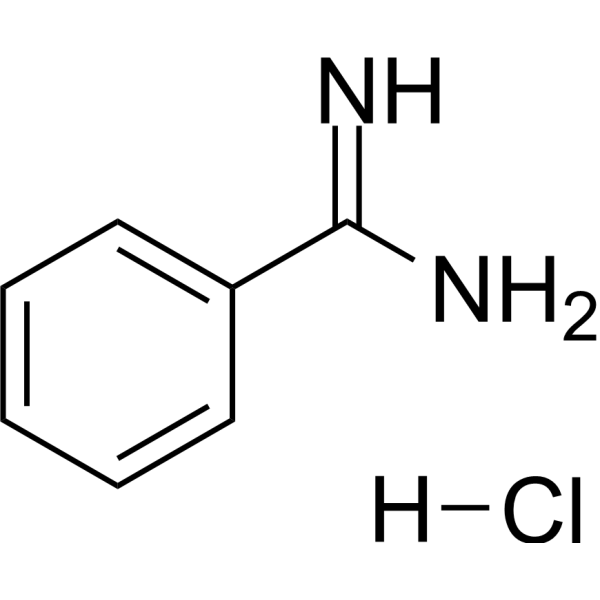
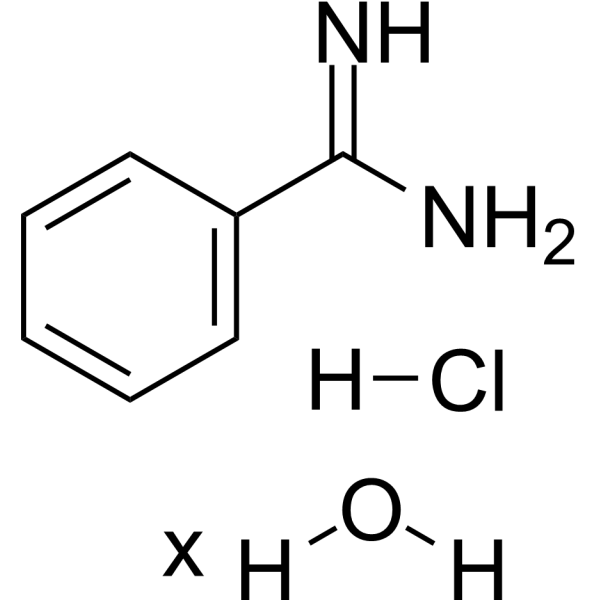
Benzamidine hydrochloride is a competitive protease inhibitor that blocks the hydrolytic cleavage of glucagon by plasmin, trypsin and thrombin. Benzamidine hydrochloride effectively inhibits the degradation of glucagon by relevant proteases during the collection, storage and analysis of human plasma and blood samples. During in vivo metabolism, Benzamidine hydrochloride undergoes N-hydroxylation and produces multiple metabolites, exhibiting characteristics of delayed excretion or biphasic elimination. Benzamidine hydrochloride only induces slight single-strand DNA breaks at high concentrations and shows no significant genotoxic potential overall. Benzamidine hydrochloride may interfere with the detection of some glucagon antisera, but does not affect key antigen-antibody affinity at specific concentrations. Benzamidine hydrochloride can be used as a stabilizer in glucagon radioimmunoassays to ensure the accuracy and recovery rate of detection results .
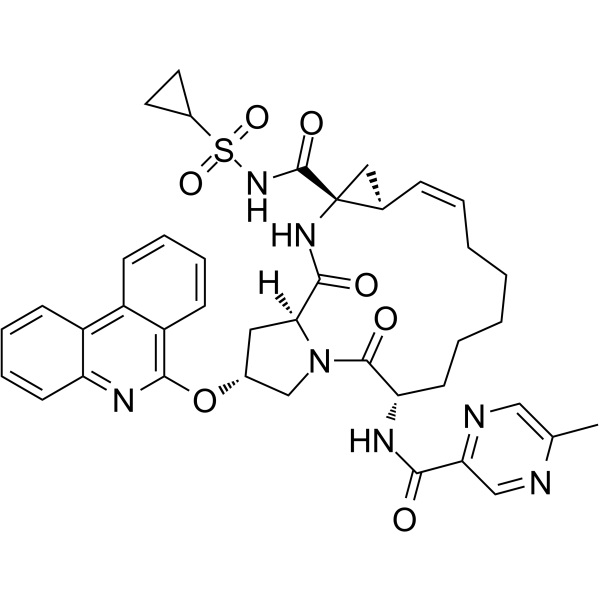
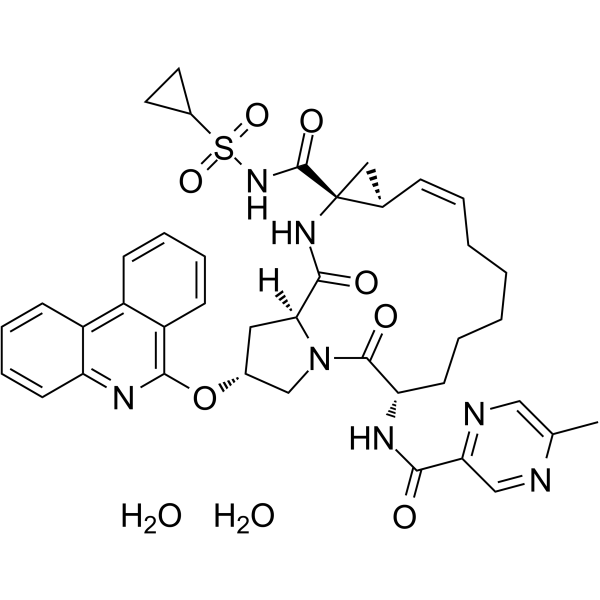
Paritaprevir (ABT-450) is a potent, orally active and antiviral non-structural protein 3/4A (NS3/4A) protease inhibitor with EC50s of 1 and 0.21 nM against HCV 1a and 1b, respectively. Paritaprevir is also a SARS-CoV 3CL pro inhibitor with an IC50 of 1.31 μM. Paritaprevir is metabolized primarily by cytochrome P450 (CYP) 3A. The plasma concentration and half-life of Paritaprevir can be enhanced by Ritonavir (a CYP450 inhibitor) .
Benzamidine is a competitive protease inhibitor that blocks the hydrolytic cleavage of glucagon by plasmin, trypsin and thrombin. Benzamidine effectively inhibits the degradation of glucagon by relevant proteases during the collection, storage and analysis of human plasma and blood samples. During in vivo metabolism, Benzamidine undergoes N-hydroxylation and produces multiple metabolites, exhibiting characteristics of delayed excretion or biphasic elimination. Benzamidine only induces slight single-strand DNA breaks at high concentrations and shows no significant genotoxic potential overall. Benzamidine may interfere with the detection of some glucagon antisera, but does not affect key antigen-antibody affinity at specific concentrations. Benzamidine can be used as a stabilizer in glucagon radioimmunoassays to ensure the accuracy and recovery rate of detection results .
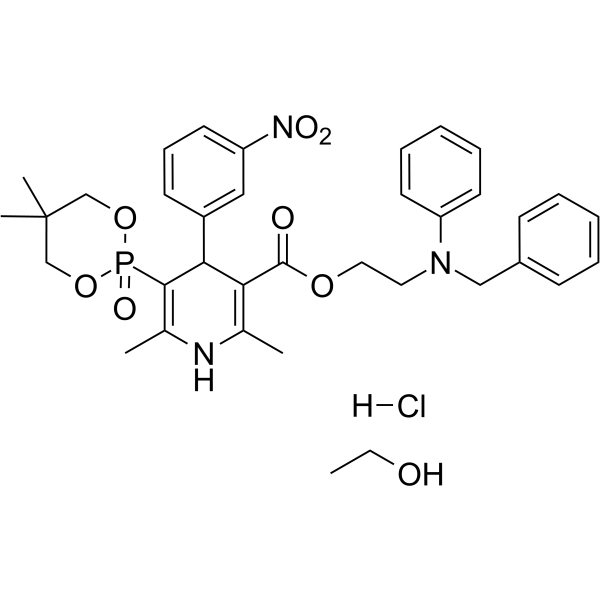
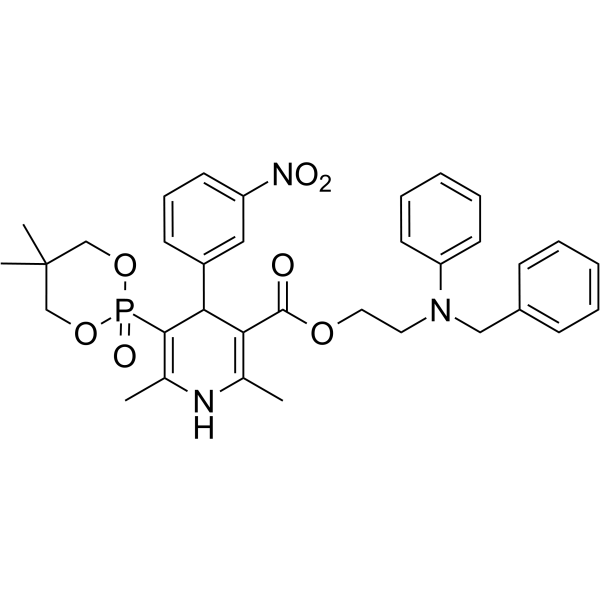
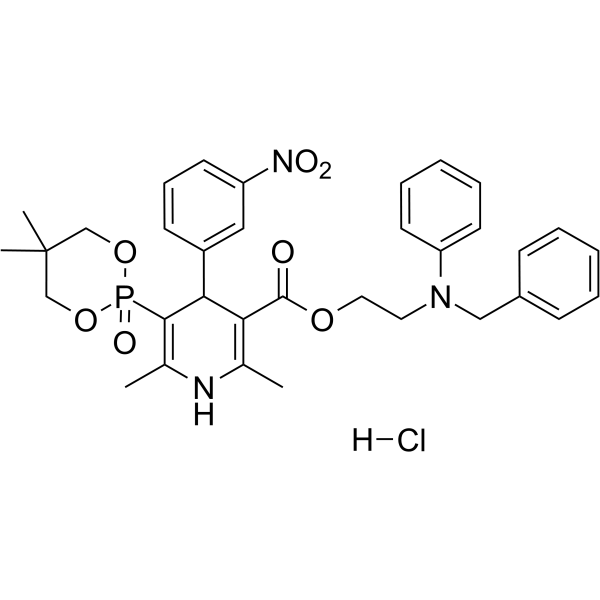
Efonidipine (NZ-105) hydrochloride monoethanolate is an orally active dual L-type and T-type calcium channel blocker (CCB) with IC50 values of 1.8 and 350 nM, respectively. Efonidipine hydrochloride monoethanolate inhibits SARS-CoV-2 main protease. Efonidipine hydrochloride monoethanolate modulates adrenal steroidogenesis by increasing the expression of steroidogenic acute regulatory protein (StAR), dbcAMP-or angiotensin II-induced StAR mRNA expression and DHEA-S production, while suppressing the biosynthesis of aldosterone and cortisol. Efonidipine hydrochloride monoethanolate reduces plasma aldosterone levels in vivo. Efonidipine hydrochloride monoethanolate improves cardiac function in heart failure models by inhibiting T-type calcium channels (via both tonic and use-dependent blockade), independently of blood pressure reduction. Efonidipine hydrochloride monoethanolate can be used for research in hypertension, heart failure, and disorders involving dysregulated steroid hormone synthesis .
PPACK dihydrochloride is an orally active, selective molecular glue degrader targeting IKZF2. Through a molecular glue mechanism, PPACK dihydrochloride binds to CRBN, recruits IKZF2 to form a ternary complex, and promotes its ubiquitination and proteasomal degradation. This further converts inhibitory regulatory T cells (Treg) into effector-like T cells, enhances CD8 + T cell responses, and modulates the Teff:Treg balance. PPACK dihydrochloride also increases the production of the inflammatory cytokine IL-2 and reduces the suppressive activity of Treg. PPACK dihydrochloride can be used in cancer immunotherapy research, and exhibits a synergistic effect when combined with immune checkpoint inhibitors such as anti-PD1 .
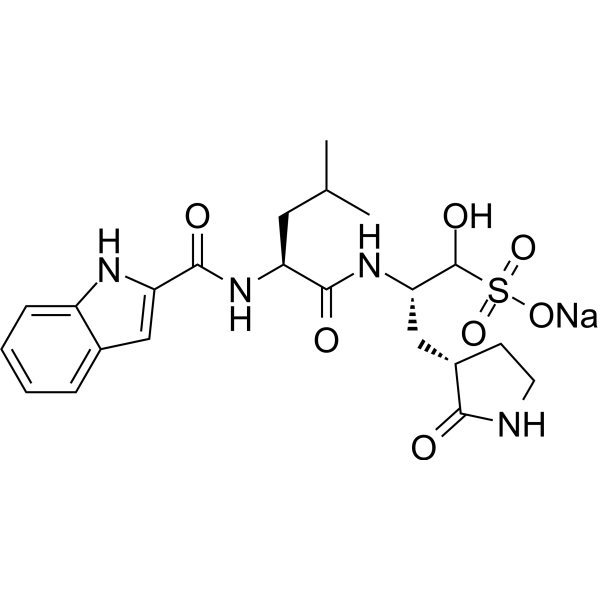
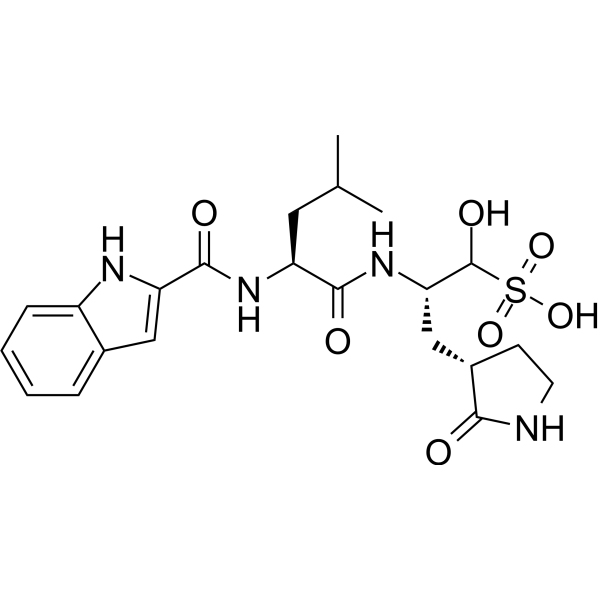
Olgotrelvir (STI-1558) sodium is an orally active dual inhibitor of coronavirus main protease (Mpro) and human cell cathepsin (Cathepsin L). Olgotrelvir sodium is readily converted to its active form, AC1115, in full blood and/or plasma. Olgotrelvir sodium can effectively inhibit both SARS-CoV-2 replication and entry into host cells .
Efonidipine (NZ-105) is an orally active dual L-type and T-type calcium channel blocker (CCB) with IC50 values of 1.8 and 350 nM, respectively. Efonidipine inhibits SARS-CoV-2 main protease. Efonidipine modulates adrenal steroidogenesis by increasing the expression of steroidogenic acute regulatory protein (StAR), dbcAMP-or angiotensin II-induced StAR mRNA expression and DHEA-S production, while suppressing the biosynthesis of aldosterone and cortisol. Efonidipine reduces plasma aldosterone levels in vivo. Efonidipine improves cardiac function in heart failure models by inhibiting T-type calcium channels (via both tonic and use-dependent blockade), independently of blood pressure reduction. Efonidipine can be used for research in hypertension, heart failure, and disorders involving dysregulated steroid hormone synthesis .
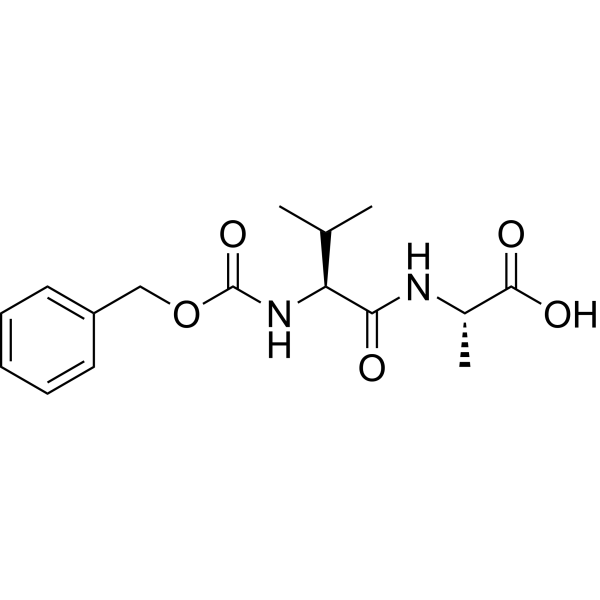
Z-Val-Ala-OH is a dipeptide derivative of valine and alanine. Z-Val-Ala-OH undergoes cleavage by cathepsin B and other lysosomal proteases to enable payload release following lysosomal internalization.Z-Val-Ala-OH can be used for the research of antibody-drug conjugate (ADC) development[1] .
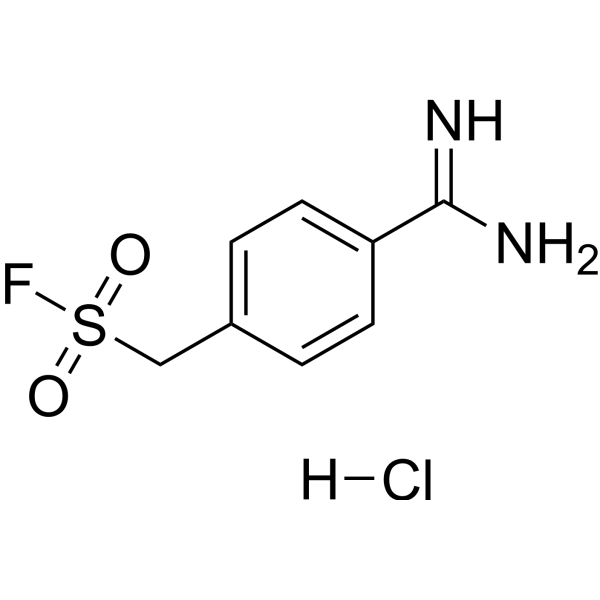
p-APMSF (p-Amidinophenylmethylsulfonylfluoride) hydrochloride is a serine protease and trypsin inhibitor with the characteristic of rapid onset of action. p-APMSF hydrochloride reduces the enzymatic hydrolysis of recombinant human G-CSF in rat pulmonary mucosa. Combined intratracheal treatment with p-APMSF hydrochloride and Laureth-9 significantly enhances its absorption efficiency in rat lungs. Following intranasal administration, p-APMSF hydrochloride does not increase the concentration of recombinant human G-CSF in rat plasma, nor does it alter the effect of G-CSF on inducing an increase in total white blood cell count .
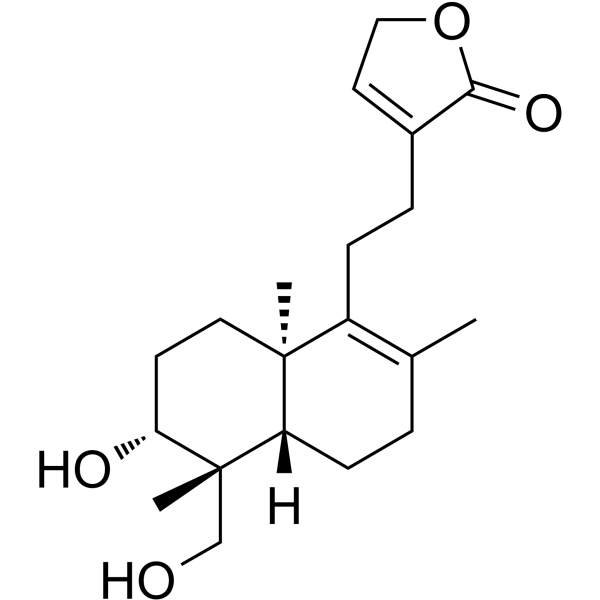
Deoxyandrographolide is an orally active lactone found in the Andrographis paniculata Nees. Deoxyandrographolide shows a KD of 38.4 μM of HDAC1. Deoxyandrographolide enhances GLUT4plasma membrane translocation, activates PI3K and AMPK-dependent signaling pathways, suppresses fasting blood glucose, serum insulin, triglycerides, and LDL-cholesterol levels. Deoxyandrographolide enhances HDAC1 expression via inhibited ubiquitination degradation, represses H3K4me3, improves chromosome stability, and restrains aging biomarkers p16, p21, γH2A.X, p53 and ROS production. Deoxyandrographolide interacts with Foot-and-Mouth Disease Virus 3Cpro active site, inhibits protease and IFN-antagonist activity, derepresses ISG expression, and inhibits viral replication. Deoxyandrographolide can be used for the researches of type 2 diabetes mellitus, vascular senescenceand virus infection .
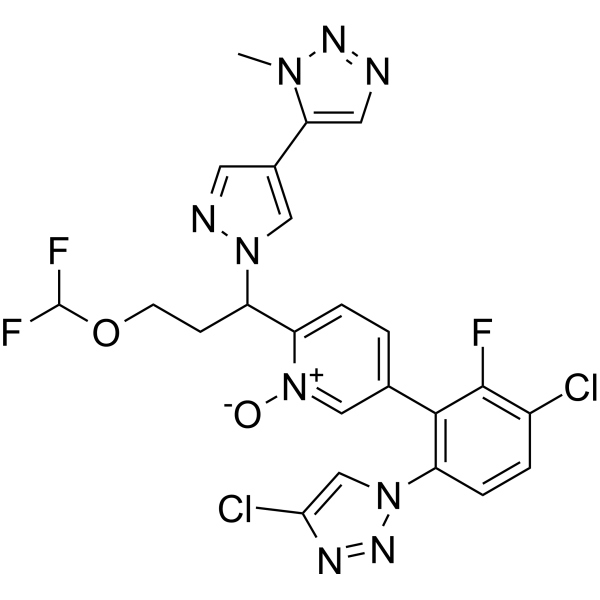
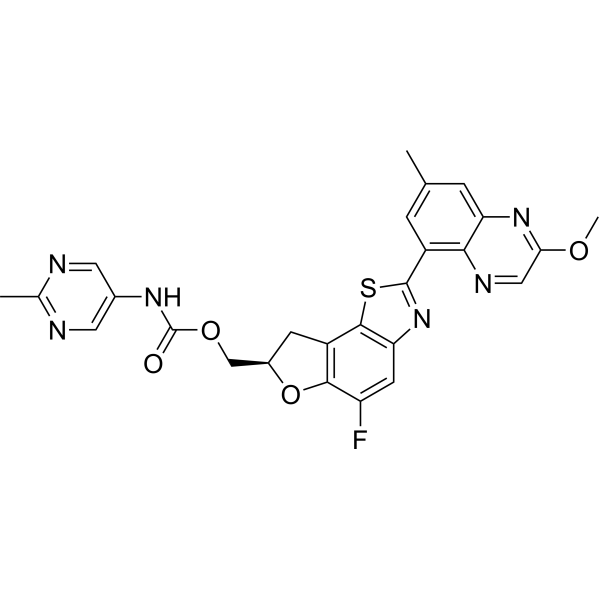
FXIa-IN-9 (compound 3f) is a potent and selective FXIa inhibitor. FXIa-IN-9 can bind with FXIa and form hydrogen bond (human FXIa Ki: 0.17 nM, rabbit FXIa Ki: 0.5 nM). FXIa-IN-9 also has anticoagulant activity, and can be used in the research of thromboembolic diseases such as atrial fibrillation, stroke, myocardial infarction, deep vein thrombosis, and pulmonary embolism .
Benzamidine (Benzenecarboximidamide) hydrochloride hydrate is a competitive protease inhibitor that blocks the hydrolytic cleavage of glucagon by plasmin, trypsin and thrombin. Benzamidine hydrochloride hydrate effectively inhibits the degradation of glucagon by relevant proteases during the collection, storage and analysis of human plasma and blood samples. During in vivo metabolism, Benzamidine hydrochloride hydrate undergoes N-hydroxylation and produces multiple metabolites, exhibiting characteristics of delayed excretion or biphasic elimination. Benzamidine hydrochloride hydrate only induces slight single-strand DNA breaks at high concentrations and shows no significant genotoxic potential overall. Benzamidine hydrochloride hydrate may interfere with the detection of some glucagon antisera, but does not affect key antigen-antibody affinity at specific concentrations. Benzamidine hydrochloride hydrate can be used as a stabilizer in glucagon radioimmunoassays to ensure the accuracy and recovery rate of detection results .
C1 Esterase Inhibitor (Human) is a C1 Esterase inhibitor derived from human plasma. C1 Esterase Inhibitor (Human), a glycoprotein, is a serum protease inhibitor (serpin) that binds covalently and inactivates C1r, C1s, and mannan-binding protein-associated proteases (MASPs). C1 Esterase Inhibitor (Human) has anti-inflammatory effects. C1 Esterase Inhibitor (Human) can be used to prevent angioedema attacks associated with hereditary angioedema .
Manusiran (Divesiran) is a GalNac-siRNA targeting liver and transmembrane serine protease 6 (Serine protease 6). Manusiran increases hepatic Hepcidin synthesis and plasma levels by silencing TMPRSS6, a negative regulator of hepcidin production, and limits the availability of iron required for erythropoiesis. Combined use of Manusiran with Deferiprone (HY-B0568) reduces ineffective erythropoiesis and hepatic iron overload in a mouse model of β-thalassemia. Manusiran can be used for research on polycythemia vera, type 1 hereditary hemochromatosis, and β-thalassemia .
Olgotrelvir (STI-1558) is an orally active dual inhibitor of coronavirus main protease (Mpro) and human cell cathepsin (Cathepsin L). Olgotrelvir is readily converted to its active form, AC1115, in full blood and/or plasma. Olgotrelvir can effectively inhibit both SARS-CoV-2 replication and entry into host cells .
Telinavir (SC-52151) is a potent and selective HIV protease inhibitor. Telinavir inhibits lymphotropic, monocytotropic strains and field isolates of HIV type 1 (HIV-1), HIV-2, and simian immunodeficiency virus with EC50s of 26 ng/mL (43 nM). Telinavir is highly protein bound in human plasma and exhibits low partitioning into erythrocytes .
GZNL-P36 is an orally active inhibitor for SARS-CoV-2 papain-like protease (PL pro), with an IC50 of 6.45 nM. GZNL-P36 inhibits SARS-CoV and its variants with EC50 range from 58.2 nM to 2.66 μM. GZNL-P36 exhibits a peak plasma concentration Cmax of 549 ng/mL, a half-life T1/2 of 1.45 h and a bioavailability of 74.7% in CD-1 mouse. GZNL-P36 exhibits antiviral activity in SARS-CoV-2 XXB.1 infection in mouse .
(Rac)-Telinavir ((Rac)-SC-52151) is a racemate of Telinavir (HY-106395A). Telinavir (SC-52151) is a potent and selective HIV protease inhibitor. Telinavir inhibits lymphotropic, monocytotropic strains and field isolates of HIV type 1 (HIV-1), HIV-2, and simian immunodeficiency virus with EC50s of 26 ng/mL (43 nM). Telinavir is highly protein bound in human plasma and exhibits low partitioning into erythrocytes .
SPSB2-iNOS inhibitory cyclic peptide-1 is an inhibitor for the interaction of SPRY domain and SOCS-box protein 2 (SPSB2) and iNOS, through binding SPSB2 on iNOS site with KD of 4.4 nM. SPSB2-iNOS inhibitory cyclic peptide-1 is resistant to the proteases pepsin, trypsin and α-chymotrypsin. SPSB2-iNOS inhibitory cyclic peptide-1 is stable in human plasma and in oxidative environment .
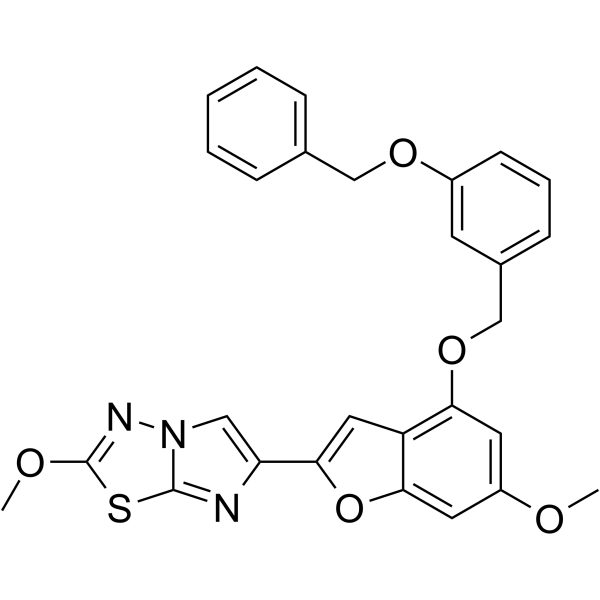
FXIa/Plasma kallikrein-IN-1 is an inhibitor of coagulation factor XIa (FXIa) and plasma kallikrein with Ki values of 187.70 nM and 151.6 nM, respectively. FXIa/Plasma kallikrein-IN-1 can be used in the research of thromboembolic diseases .
KISS1-305, the Metastin/Kisspeptin analog, is a prototype peptide and a chemical probe. KISS1-305 has suboptimal KISS1R agonistic activity, and resists plasmaprotease degradation .
Murine Plasminogen is purified from freshly collected murine plasma and is an inactive precursor of the protease plasmin. It is activated to the serine protease plasmin by urokinase, streptokinase, or tissue plasminogen activator.
DMP 323 is a potent, nonpeptide cyclic urea inhibitor of HIV protease, effective against both HIV type 1 and type 2. Designed using structural information and database searching, it competitively inhibits the cleavage of both peptide and HIV-1 gag polyprotein substrates. DMP 323 shows comparable potency to other highly effective HIV protease inhibitors like A-80987 and Ro-31-8959. Importantly, its efficacy against HIV protease remains unaffected by human plasma or serum, suggesting low affinity for plasma proteins. Furthermore, DMP 323 demonstrates minimal inhibition of various mammalian proteases at concentrations much higher than those needed for HIV protease inhibition, highlighting its specificity for viral targets .
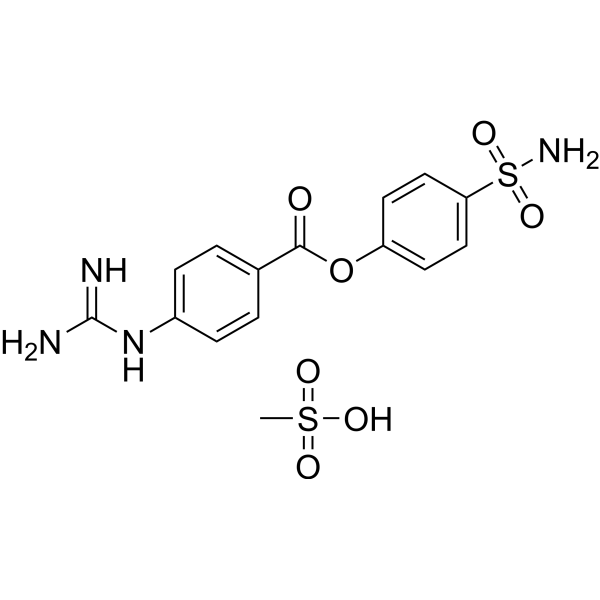
ONO-3307 is a protease inhibitor that competitively inhibits a variety of proteases including trypsin, thrombin, plasma kallikrein, plasmin, pancreatic kallikrein, and chymotrypsin. ONO-3307 alleviates endotoxin-induced experimental disseminated intravascular coagulation (DIC) in rats. ONO-3307 can be used in the study of thrombosis and protease-mediated diseases .
L 373890 is a selective pyridinone acetamide thrombin inhibitor with a Ki of 0.5 nM. L 373890 shows highly selectivity for thrombin over trypsin (Ki of 570 nM), serine proteases plasmin, tPA, activated protein C, plasma kallikrein and chymotrypsin. L 373890 can be used for thrombosis research .
PAR4 antagonist 1 (Compound 48) is a protease activated receptor 4 (PAR4) antagonist with an IC50 of 1.8 nM. PAR4 antagonist 1 has an IC50 of 2 nM against γ-thrombin-activated PAR4 in platelet-rich plasma (PRP). PAR4 antagonist 1 can be used in antithrombotic research .
Efonidipine (NZ-105) hydrochloride is an orally active dual L-type and T-type calcium channel blocker (CCB) with IC50 values of 1.8 and 350 nM, respectively. Efonidipine hydrochloride inhibits SARS-CoV-2 main protease. Efonidipine hydrochloride modulates adrenal steroidogenesis by increasing the expression of steroidogenic acute regulatory protein (StAR), dbcAMP-or angiotensin II-induced StAR mRNA expression and DHEA-S production, while suppressing the biosynthesis of aldosterone and cortisol. Efonidipine hydrochloride reduces plasma aldosterone levels in vivo. Efonidipine hydrochloride improves cardiac function in heart failure models by inhibiting T-type calcium channels (via both tonic and use-dependent blockade), independently of blood pressure reduction. Efonidipine hydrochloride can be used for research in hypertension, heart failure, and disorders involving dysregulated steroid hormone synthesis .
Alpha 1 Antichymotrypsin, Human Plasma is a serine protease inhibitor. Alpha 1 Antichymotrypsin, Human Plasma appears in the amyloid lesions of Alzheimer's disease. Alpha 1 Antichymotrypsin, Human Plasma can be used in Alzheimer's disease research .
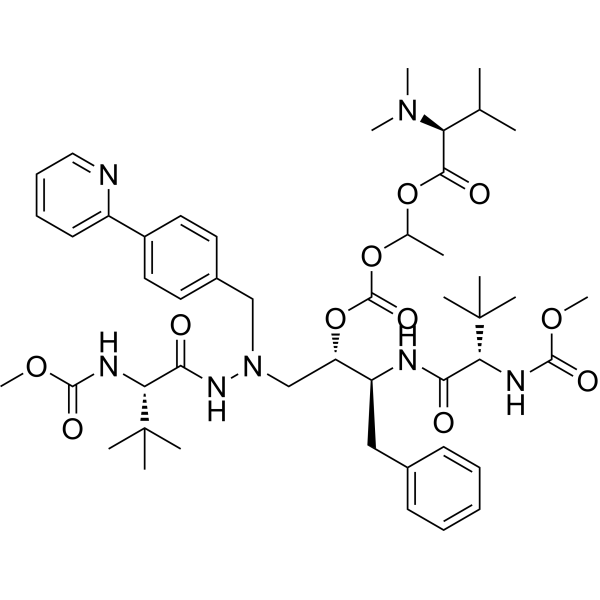
HIV-1 protease-IN-4 (Compound II-22) is a potent HIV-1protease inhibitor. HIV-1 protease-IN-4 is a proagent of atazanavir. HIV-1 protease-IN-4 as a proagent that delivers the parent 1 to rat plasma with a 5-fold higher AUC and 67-fold higher C24 when compared to oral administration of the parent agent .
Human Kallikrein is a serine protease that can be found in plasma and tissue. Human Kallikrein has the potential for the research of blood pressure, complement activation, and mediation and maintenance of inflammatory responses .
Benzamidine hydrochloride (Standard) is the analytical standard of Benzamidine (hydrochloride). This product is intended for research and analytical applications. Benzamidine hydrochloride is a competitive protease inhibitor that blocks the hydrolytic cleavage of glucagon by plasmin, trypsin and thrombin. Benzamidine hydrochloride effectively inhibits the degradation of glucagon by relevant proteases during the collection, storage and analysis of human plasma and blood samples. During in vivo metabolism, Benzamidine hydrochloride undergoes N-hydroxylation and produces multiple metabolites, exhibiting characteristics of delayed excretion or biphasic elimination. Benzamidine hydrochloride only induces slight single-strand DNA breaks at high concentrations and shows no significant genotoxic potential overall. Benzamidine hydrochloride may interfere with the detection of some glucagon antisera, but does not affect key antigen-antibody affinity at specific concentrations. Benzamidine hydrochloride can be used as a stabilizer in glucagon radioimmunoassays to ensure the accuracy and recovery rate of detection results .
Paritaprevir (ABT-450) dihydrate is a potent, orally active and antiviral non-structural protein 3/4A (NS3/4A) protease inhibitor with EC50s of 1 and 0.21 nM against HCV 1a and 1b, respectively. Paritaprevir dihydrate is also a SARS-CoV 3CL pro inhibitor with an IC50 of 1.31 μM. Paritaprevir dihydrate is metabolized primarily by cytochrome P450 (CYP) 3A. The plasma concentration and half-life of Paritaprevir dihydrate can be enhanced by Ritonavir (a CYP450 inhibitor) .
Paritaprevir (Standard) is the analytical standard of Paritaprevir. This product is intended for research and analytical applications. Paritaprevir (ABT-450) is a potent, orally active and antiviral non-structural protein 3/4A (NS3/4A) protease inhibitor with EC50s of 1 and 0.21 nM against HCV 1a and 1b, respectively. Paritaprevir is also a SARS-CoV 3CLpro inhibitor with an IC50 of 1.31 μM. Paritaprevir is metabolized primarily by cytochrome P450 (CYP) 3A. The plasma concentration and half-life of Paritaprevir can be enhanced by Ritonavir (a CYP450 inhibitor) .
Ono 3307 Free base is a novel synthetic protease inhibitor that exhibits protective effects against acute pancreatitis by preventing hyperamylasemia and pancreatic edema. Ono 3307 Free base also inhibits the redistribution of lysosomal enzymes in acinar cells and mitigates lactic dehydrogenase discharge. Ono 3307 Free base effectively reduces cathepsin B leakage from lysosomes in a dose-dependent manner. Ono 3307 Free base is able to target trypsin (Ki=48 nM), thrombin (Ki=0.18 μM), plasma kallikrein (Ki=0.29 μM), plasmin (Ki=0.31 μM), pancreatic kallikrein (Ki=3.6 μM), and chymotrypsin (Ki=47 μM).
SPSB2-iNOS inhibitory cyclic peptide-1 TFA is the TFA salt form of SPSB2-iNOS inhibitory cyclic peptide-1(HY-P10383). SPSB2-iNOS inhibitory cyclic peptide-1 is an inhibitor for the interaction of SPRY domain and SOCS-box protein 2 (SPSB2) and iNOS, through binding SPSB2 on iNOS site with KD of 4.4 nM. SPSB2-iNOS inhibitory cyclic peptide-1 is resistant to the proteases pepsin, trypsin and α-chymotrypsin. SPSB2-iNOS inhibitory cyclic peptide-1 is stable in human plasma and in oxidative environment .
Efonidipine (NZ-105) hydrochloride monoethanolate (Standard) is the analytical standard of Efonidipine hydrochloride monoethanolate (HY-12502AR). This product is intended for research and analytical applications. Efonidipine (NZ-105) hydrochloride monoethanolate is an orally active dual L-type and T-type calcium channel blocker (CCB) with IC50 values of 1.8 and 350 nM, respectively. Efonidipine hydrochloride monoethanolate inhibits SARS-CoV-2 main protease. Efonidipine hydrochloride monoethanolate modulates adrenal steroidogenesis by increasing the expression of steroidogenic acute regulatory protein (StAR), dbcAMP-or angiotensin II-induced StAR mRNA expression and DHEA-S production, while suppressing the biosynthesis of aldosterone and cortisol. Efonidipine hydrochloride monoethanolate reduces plasma aldosterone levels in vivo. Efonidipine hydrochloride monoethanolate improves cardiac function in heart failure models by inhibiting T-type calcium channels (via both tonic and use-dependent blockade), independently of blood pressure reduction. Efonidipine hydrochloride monoethanolate can be used for research in hypertension, heart failure, and disorders involving dysregulated steroid hormone synthesis .
JJ1 is a selective α-thrombin inhibitor with a Ki of 0.019 μM. JJ1 directly binds to the active site of α-thrombin to block its catalytic activity. JJ1 exhibits antithrombotic effects and prolongs activated partial thromboplastin time, prothrombin time, and tail bleeding time in mice. JJ1 can be used for the research of thrombotic diseases .
Benzamidine (Benzenecarboximidamide) hydrochloride hydrate is a competitive protease inhibitor that blocks the hydrolytic cleavage of glucagon by plasmin, trypsin and thrombin. Benzamidine hydrochloride hydrate effectively inhibits the degradation of glucagon by relevant proteases during the collection, storage and analysis of human plasma and blood samples. During in vivo metabolism, Benzamidine hydrochloride hydrate undergoes N-hydroxylation and produces multiple metabolites, exhibiting characteristics of delayed excretion or biphasic elimination. Benzamidine hydrochloride hydrate only induces slight single-strand DNA breaks at high concentrations and shows no significant genotoxic potential overall. Benzamidine hydrochloride hydrate may interfere with the detection of some glucagon antisera, but does not affect key antigen-antibody affinity at specific concentrations. Benzamidine hydrochloride hydrate can be used as a stabilizer in glucagon radioimmunoassays to ensure the accuracy and recovery rate of detection results .
Z-Val-Ala-OH is a dipeptide derivative of valine and alanine. Z-Val-Ala-OH undergoes cleavage by cathepsin B and other lysosomal proteases to enable payload release following lysosomal internalization.Z-Val-Ala-OH can be used for the research of antibody-drug conjugate (ADC) development[1] .
SPSB2-iNOS inhibitory cyclic peptide-1 is an inhibitor for the interaction of SPRY domain and SOCS-box protein 2 (SPSB2) and iNOS, through binding SPSB2 on iNOS site with KD of 4.4 nM. SPSB2-iNOS inhibitory cyclic peptide-1 is resistant to the proteases pepsin, trypsin and α-chymotrypsin. SPSB2-iNOS inhibitory cyclic peptide-1 is stable in human plasma and in oxidative environment .
KISS1-305, the Metastin/Kisspeptin analog, is a prototype peptide and a chemical probe. KISS1-305 has suboptimal KISS1R agonistic activity, and resists plasmaprotease degradation .
SPSB2-iNOS inhibitory cyclic peptide-1 TFA is the TFA salt form of SPSB2-iNOS inhibitory cyclic peptide-1(HY-P10383). SPSB2-iNOS inhibitory cyclic peptide-1 is an inhibitor for the interaction of SPRY domain and SOCS-box protein 2 (SPSB2) and iNOS, through binding SPSB2 on iNOS site with KD of 4.4 nM. SPSB2-iNOS inhibitory cyclic peptide-1 is resistant to the proteases pepsin, trypsin and α-chymotrypsin. SPSB2-iNOS inhibitory cyclic peptide-1 is stable in human plasma and in oxidative environment .
C1 Esterase Inhibitor (Human) is a C1 Esterase inhibitor derived from human plasma. C1 Esterase Inhibitor (Human), a glycoprotein, is a serum protease inhibitor (serpin) that binds covalently and inactivates C1r, C1s, and mannan-binding protein-associated proteases (MASPs). C1 Esterase Inhibitor (Human) has anti-inflammatory effects. C1 Esterase Inhibitor (Human) can be used to prevent angioedema attacks associated with hereditary angioedema .
Deoxyandrographolide is an orally active lactone found in the Andrographis paniculata Nees. Deoxyandrographolide shows a KD of 38.4 μM of HDAC1. Deoxyandrographolide enhances GLUT4plasma membrane translocation, activates PI3K and AMPK-dependent signaling pathways, suppresses fasting blood glucose, serum insulin, triglycerides, and LDL-cholesterol levels. Deoxyandrographolide enhances HDAC1 expression via inhibited ubiquitination degradation, represses H3K4me3, improves chromosome stability, and restrains aging biomarkers p16, p21, γH2A.X, p53 and ROS production. Deoxyandrographolide interacts with Foot-and-Mouth Disease Virus 3Cpro active site, inhibits protease and IFN-antagonist activity, derepresses ISG expression, and inhibits viral replication. Deoxyandrographolide can be used for the researches of type 2 diabetes mellitus, vascular senescenceand virus infection .
HABP2 is a protein that cleaves the alpha chain of fibrinogen as well as the beta chain between "Lys-53" and "Lys-54" at multiple sites, preventing direct formation of a fibrin clot. It activates coagulation factor VII and converts prourokinase into its active form. HABP2 Protein, Human (HEK293, His) is the recombinant human-derived HABP2 protein, expressed by HEK293 , with C-6*His labeled tag.
Serpin G1, also known as C1 inhibitor, controls C1 complex activation by forming a proteolytically inactive complex with C1r or C1s proteases. Their interactions regulate physiological pathways such as complement activation, coagulation, fibrinolysis, and kinin production. Serpin G1 Protein, Human (HEK293, His) is the recombinant human-derived Serpin G1 protein, expressed by HEK293 , with C-10*His labeled tag.
Serpin G1 protein binds complement and inhibits serine-type endopeptidases. It is located in the extracellular space and is involved in aging. Serpin G1 Protein, Rat (HEK293, His) is the recombinant rat-derived Serpin G1 protein, expressed by HEK293 , with C-His labeled tag.
Plasma serine protease inhibitor (SERPINA5) is a glycoproteins that inhibit serine proteases. SERPINA5 is involved in the regulation of intravascular and extravascular proteolytic activities, controls the sperm motility and fertilization and protect components of the genital tract. SERPINA5 also inhibits urinary-type plasminogen activator-dependent tumor cell invasion and metastasis. Serpin A5 Protein, Human (HEK293, His) is the recombinant human-derived Serpin A5 protein, expressed by HEK293 , with C-6*His labeled tag.
Serpin G1 protein, also known as C1 inhibitor, regulates complement activation, coagulation, fibrinolysis, and kinin production. It forms an inactive complex with C1r or C1s protease and controls C1 complex activation. Serpin G1 Protein, Mouse (HEK293, His) is the recombinant mouse-derived Serpin G1 protein, expressed by HEK293 , with C-6*His labeled tag.
Serpin A5 protein is a heparin-dependent serine protease inhibitor that controls proteolytic activity in body fluids. It binds irreversibly to the serine activation site, inactivating serine proteases and regulating intravascular and extravascular proteolysis. Serpin A5 Protein, Mouse (sf9, His) is the recombinant mouse-derived Serpin A5 protein, expressed by sf9 insect cells , with N-10*His labeled tag.
Manusiran (Divesiran) is a GalNac-siRNA targeting liver and transmembrane serine protease 6 (Serine protease 6). Manusiran increases hepatic Hepcidin synthesis and plasma levels by silencing TMPRSS6, a negative regulator of hepcidin production, and limits the availability of iron required for erythropoiesis. Combined use of Manusiran with Deferiprone (HY-B0568) reduces ineffective erythropoiesis and hepatic iron overload in a mouse model of β-thalassemia. Manusiran can be used for research on polycythemia vera, type 1 hereditary hemochromatosis, and β-thalassemia .
Western blot analysis of extracts from THP-1(lane 2(20μg), Jurkat (lane 3(20μg) and NIH3T3(lane 4(20μg) using FOXO1A (HY-P80132) Rabbit mAb. Proteins were transferred
to a PVDF membrane and blocked with 5% non-fat milk in TBST for 2 hour at room temperature. The primary antibody (1/1000) and Loading control antibody (Beta Actin, HY-P80438, 1/10000) was
used in 5% non-fat milk in TBST at 4°C overnight. Goat Anti-Mouse/Rabbit IgG-HRP Secondary Antibody (1/10000) was used for 1 hour at room temperature.
Western blot analysis of extracts from THP-1(lane 2(20μg), Jurkat (lane 3(20μg) and NIH3T3(lane 4(20μg) using FOXO1A (HY-P80132) Rabbit mAb. Proteins were transferred
to a PVDF membrane and blocked with 5% non-fat milk in TBST for 2 hour at room temperature. The primary antibody (1/1000) and Loading control antibody (Beta Actin, HY-P80438, 1/10000) was
used in 5% non-fat milk in TBST at 4°C overnight. Goat Anti-Mouse/Rabbit IgG-HRP Secondary Antibody (1/10000) was used for 1 hour at room temperature.
Western blot analysis of extracts from THP-1(lane 2(20μg), Jurkat (lane 3(20μg) and NIH3T3(lane 4(20μg) using FOXO1A (HY-P80132) Rabbit mAb. Proteins were transferred
to a PVDF membrane and blocked with 5% non-fat milk in TBST for 2 hour at room temperature. The primary antibody (1/1000) and Loading control antibody (Beta Actin, HY-P80438, 1/10000) was
used in 5% non-fat milk in TBST at 4°C overnight. Goat Anti-Mouse/Rabbit IgG-HRP Secondary Antibody (1/10000) was used for 1 hour at room temperature.
Western blot analysis of extracts from THP-1(lane 2(20μg), Jurkat (lane 3(20μg) and NIH3T3(lane 4(20μg) using FOXO1A (HY-P80132) Rabbit mAb. Proteins were transferred
to a PVDF membrane and blocked with 5% non-fat milk in TBST for 2 hour at room temperature. The primary antibody (1/1000) and Loading control antibody (Beta Actin, HY-P80438, 1/10000) was
MedchemExpress Validation 03
Western blot analysis of extracts from THP-1(lane 2(20μg), Jurkat (lane 3(20μg) and NIH3T3(lane 4(20μg) using FOXO1A (HY-P80132) Rabbit mAb. Proteins were transferred
MedchemExpress Validation 04
Western blot analysis of extracts from THP-1(lane 2(20μg), Jurkat (lane 3(20μg) and NIH3T3(lane 4(20μg) using FOXO1A (HY-P80132) Rabbit mAb. Proteins were transferred
to a PVDF membrane and blocked with 5% non-fat milk in TBST for 2 hour at room temperature. The primary antibody (1/1000) and Loading control antibody (Beta Actin, HY-P80438, 1/10000) was
used in 5% non-fat milk in TBST at 4°C overnight. Goat Anti-Mouse/Rabbit IgG-HRP Secondary Antibody (1/10000) was used for 1 hour at room temperature.
MedchemExpress Validation
Western blot analysis of extracts from THP-1(lane 2(20μg), Jurkat (lane 3(20μg) and NIH3T3(lane 4(20μg) using FOXO1A (HY-P80132) Rabbit mAb. Proteins were transferred
to a PVDF membrane and blocked with 5% non-fat milk in TBST for 2 hour at room temperature. The primary antibody (1/1000) and Loading control antibody (Beta Actin, HY-P80438, 1/10000) was
used in 5% non-fat milk in TBST at 4°C overnight. Goat Anti-Mouse/Rabbit IgG-HRP Secondary Antibody (1/10000) was used for 1 hour at room temperature.
Western blot analysis of extracts from THP-1(lane 2(20μg), Jurkat (lane 3(20μg) and NIH3T3(lane 4(20μg) using FOXO1A (HY-P80132) Rabbit mAb. Proteins were transferred
to a PVDF membrane and blocked with 5% non-fat milk in TBST for 2 hour at room temperature. The primary antibody (1/1000) and Loading control antibody (Beta Actin, HY-P80438, 1/10000) was
used in 5% non-fat milk in TBST at 4°C overnight. Goat Anti-Mouse/Rabbit IgG-HRP Secondary Antibody (1/10000) was used for 1 hour at room temperature.
MedchemExpress Validation
Western blot analysis of extracts from THP-1(lane 2(20μg), Jurkat (lane 3(20μg) and NIH3T3(lane 4(20μg) using FOXO1A (HY-P80132) Rabbit mAb. Proteins were transferred
to a PVDF membrane and blocked with 5% non-fat milk in TBST for 2 hour at room temperature. The primary antibody (1/1000) and Loading control antibody (Beta Actin, HY-P80438, 1/10000) was
used in 5% non-fat milk in TBST at 4°C overnight. Goat Anti-Mouse/Rabbit IgG-HRP Secondary Antibody (1/10000) was used for 1 hour at room temperature.
MedchemExpress Validation
Western blot analysis of extracts from THP-1(lane 2(20μg), Jurkat (lane 3(20μg) and NIH3T3(lane 4(20μg) using FOXO1A (HY-P80132) Rabbit mAb. Proteins were transferred
to a PVDF membrane and blocked with 5% non-fat milk in TBST for 2 hour at room temperature. The primary antibody (1/1000) and Loading control antibody (Beta Actin, HY-P80438, 1/10000) was
used in 5% non-fat milk in TBST at 4°C overnight. Goat Anti-Mouse/Rabbit IgG-HRP Secondary Antibody (1/10000) was used for 1 hour at room temperature.
MedchemExpress Validation
Western blot analysis of extracts from THP-1(lane 2(20μg), Jurkat (lane 3(20μg) and NIH3T3(lane 4(20μg) using FOXO1A (HY-P80132) Rabbit mAb. Proteins were transferred
to a PVDF membrane and blocked with 5% non-fat milk in TBST for 2 hour at room temperature. The primary antibody (1/1000) and Loading control antibody (Beta Actin, HY-P80438, 1/10000) was
used in 5% non-fat milk in TBST at 4°C overnight. Goat Anti-Mouse/Rabbit IgG-HRP Secondary Antibody (1/10000) was used for 1 hour at room temperature.
MedchemExpress Validation
Western blot analysis of extracts from THP-1(lane 2(20μg), Jurkat (lane 3(20μg) and NIH3T3(lane 4(20μg) using FOXO1A (HY-P80132) Rabbit mAb. Proteins were transferred
to a PVDF membrane and blocked with 5% non-fat milk in TBST for 2 hour at room temperature. The primary antibody (1/1000) and Loading control antibody (Beta Actin, HY-P80438, 1/10000) was
used in 5% non-fat milk in TBST at 4°C overnight. Goat Anti-Mouse/Rabbit IgG-HRP Secondary Antibody (1/10000) was used for 1 hour at room temperature.
MedchemExpress Validation
Western blot analysis of extracts from THP-1(lane 2(20μg), Jurkat (lane 3(20μg) and NIH3T3(lane 4(20μg) using FOXO1A (HY-P80132) Rabbit mAb. Proteins were transferred
to a PVDF membrane and blocked with 5% non-fat milk in TBST for 2 hour at room temperature. The primary antibody (1/1000) and Loading control antibody (Beta Actin, HY-P80438, 1/10000) was
used in 5% non-fat milk in TBST at 4°C overnight. Goat Anti-Mouse/Rabbit IgG-HRP Secondary Antibody (1/10000) was used for 1 hour at room temperature.
MedchemExpress Validation
Western blot analysis of extracts from THP-1(lane 2(20μg), Jurkat (lane 3(20μg) and NIH3T3(lane 4(20μg) using FOXO1A (HY-P80132) Rabbit mAb. Proteins were transferred
to a PVDF membrane and blocked with 5% non-fat milk in TBST for 2 hour at room temperature. The primary antibody (1/1000) and Loading control antibody (Beta Actin, HY-P80438, 1/10000) was
used in 5% non-fat milk in TBST at 4°C overnight. Goat Anti-Mouse/Rabbit IgG-HRP Secondary Antibody (1/10000) was used for 1 hour at room temperature.
MedChemExpress values your privacy and your trust is important to us. We use cookies to enhance your website experience. Some cookies are necessary to run the website.
Privacy and Cookie Policy