Search Result
Results for "
polymorphonuclear+leukocytes
" in MedChemExpress (MCE) Product Catalog:
2
Isotope-Labeled Compounds
| Cat. No. |
Product Name |
Target |
Research Areas |
Chemical Structure |
-
- HY-129905
-
|
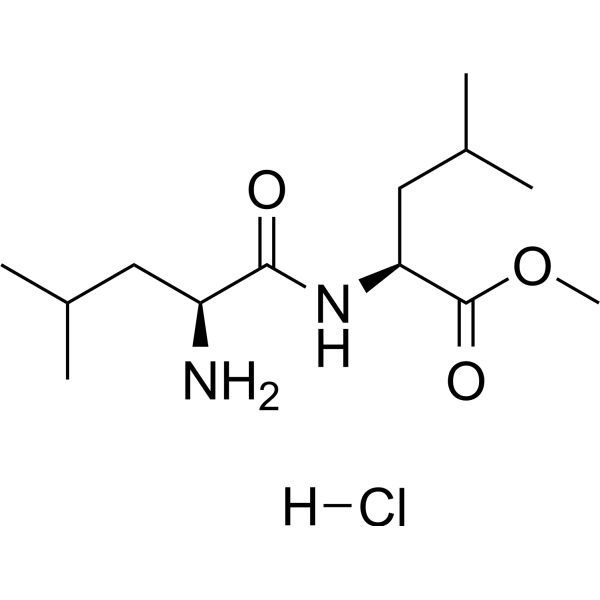
LLOMe hydrochloride; Leu-Leu methyl ester hydrochloride; H-Leu-Leu-OMe hydrochloride
|
Endogenous Metabolite
|
Inflammation/Immunology
|
|
L-Leucyl-L-Leucine methyl ester (LLOMe) hydrochloride, a dipeptide condensation product of L-leucine methyl ester generated by human monocytes or polymorphonuclear leukocytes, selectively eliminates lymphocytes with cytotoxic potential. L-Leucyl-L-Leucine methyl ester hydrochloride also can induce endolysosomal pathway stress .
|
-
-
- HY-129905A
-
|
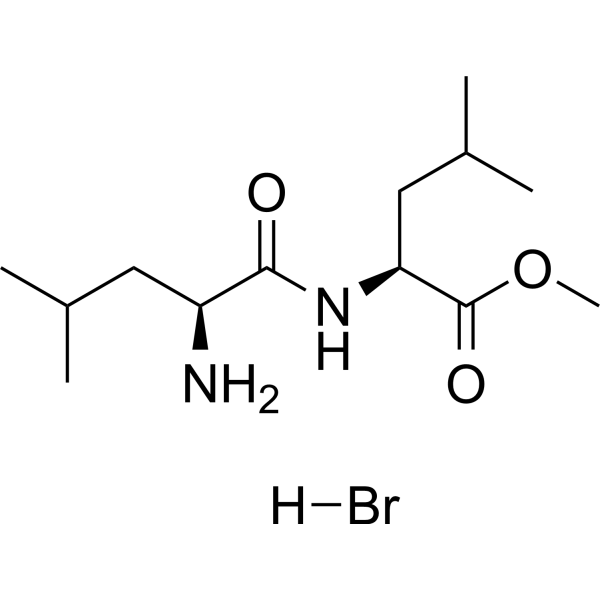
LLOMe hydrobromide; Leu-Leu methyl ester hydrobromide; H-Leu-Leu-OMe hydrobromide
|
Endogenous Metabolite
|
Inflammation/Immunology
|
|
L-Leucyl-L-Leucine methyl ester (LLOMe) hydrobromide, a dipeptide condensation product of L-leucine methyl ester generated by human monocytes or polymorphonuclear leukocytes, selectively eliminates lymphocytes with cytotoxic potential. L-Leucyl-L-Leucine methyl ester hydrobromide also can induce endolysosomal pathway stress .
|
-
-
- HY-114041
-
|
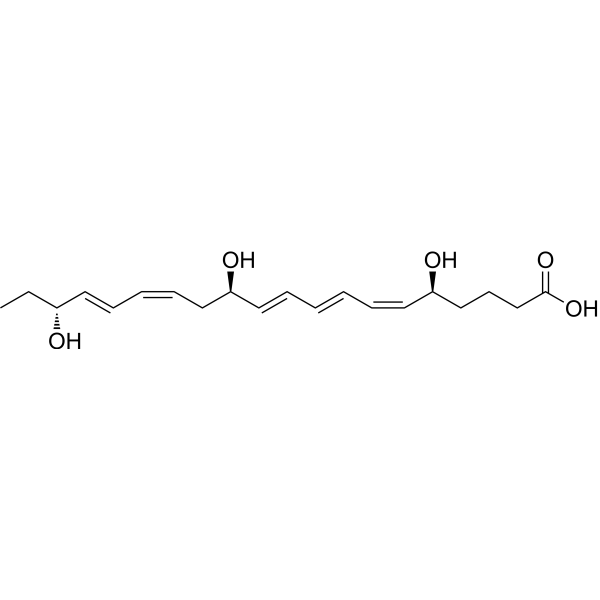
RvE1
|
Endogenous Metabolite
|
Inflammation/Immunology
|
|
Resolvin E1 (RvE1), a potent endogenous pro-resolving mediator of inflammation, is derived from omega-3 fatty acid eicosapentaenoic acid (EPA). Resolvin E1 is endogenously biosynthesized from EPA in the presence of Aspirin during the spontaneous resolution phase of acute inflammation, where specific cell-cell interactions occur. Resolvin E1 possesses unique counterregulatory actions that inhibit polymorphonuclear leukocyte (PMN) transendothelial migration. Resolvin E1 also acts as a potent inhibitor of leukocyte infiltration, dendritic cell migration, and IL-12 production .
|
-
-
- HY-W016733
-
|
H-D-Cit-OH
|
Endogenous Metabolite
|
Cardiovascular Disease
|
|
D-Citrulline (H-D-Cit-OH) is a stereoisomer of L-citrulline (HY-N0391). D-Citrulline significantly attenuates polymorphonuclear leukocyte (PMN)-induced cardiac contractile dysfunction in the isolated perfused rat heart subjected to ischemia/reperfusion via a non-NO-mediated mechanism .
|
-

-
- HY-N3945
-
|
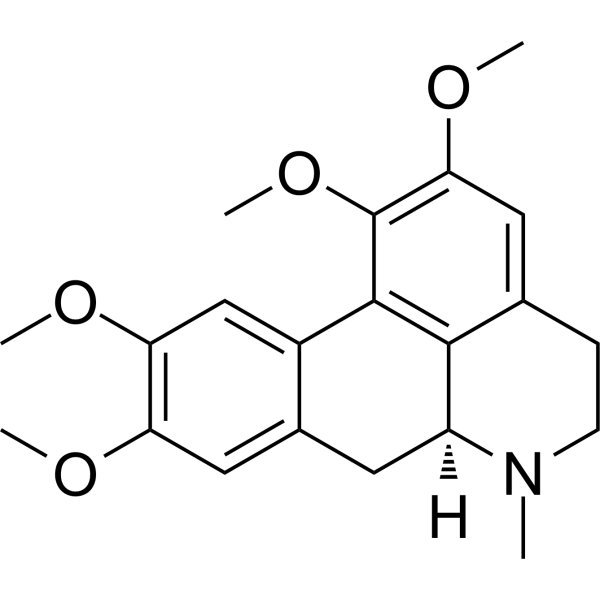
O,O-Dimethylisoboldine; S-(+)-Glaucine; NSC 34396
|
Phosphodiesterase (PDE)
Calcium Channel
MMP
NF-κB
|
Inflammation/Immunology
Cancer
|
|
Glaucine (O,O-Dimethylisoboldine) is an alkaloid extracted from Glaucium flavum that possesses various activities, including cough relief, bronchodilation, anti-inflammatory effects, analgesia, antipyretic properties, and anticancer effects. Glaucine acts as a selective and orally active inhibitor of phosphodiesterase 4 (PDE4), with a Ki of 3.4 µM in human bronchial tissues and polymorphonuclear leukocytes. Glaucine induces relaxation of human isolated bronchi by antagonizing calcium channels. Additionally, Glaucine inhibits the activation of NF-κB, leading to a reduction in the expression of the MMP-9 gene, thereby suppressing the migration and invasion of breast cancer cells. Therefore, Glaucine holds potential for research in asthma and breast cancer .
|
-
-
- HY-148141
-
|
|
Complement System
|
Inflammation/Immunology
|
|
JPE-1375 is a complement C5a receptor 1 (C5aR1) antagonist. JPE-1375 effectively inhibits polymorphonuclear leukocyte mobilization (EC50=6.9 μM) and reduces TNF levels (EC50=4.5 μM) in mice. JPE-1375 can be used in studies of autoimmune and inflammatory diseases .
|
-
-
- HY-P10738
-
|
|
Formyl Peptide Receptor (FPR)
|
Infection
|
|
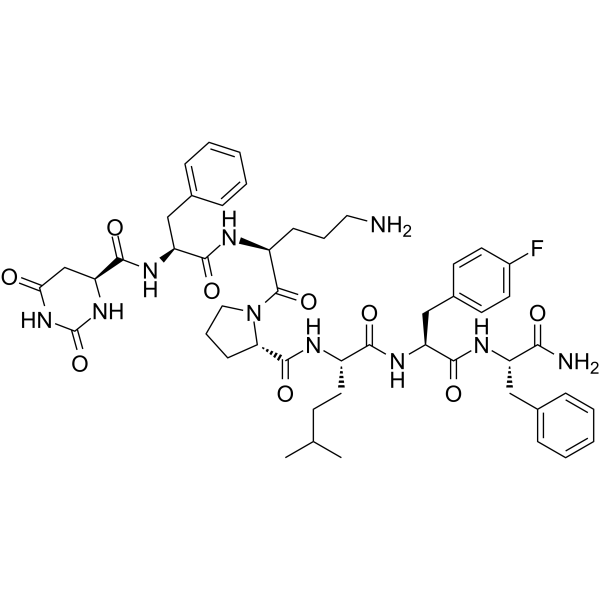
N-Formyl-MMYALF is a potent mitochondrial N-formyl peptide (mtFP) that has the activity of depleting calcium ions in the endoplasmic reticulum. N-Formyl-MMYALF can inhibit the FPR-1-mediated chemotactic response of polymorphonuclear leukocytes (PMNs) to bacterial peptides .
|
-

-
- HY-106200
-
|
|
Lipoxygenase
|
Inflammation/Immunology
|
|
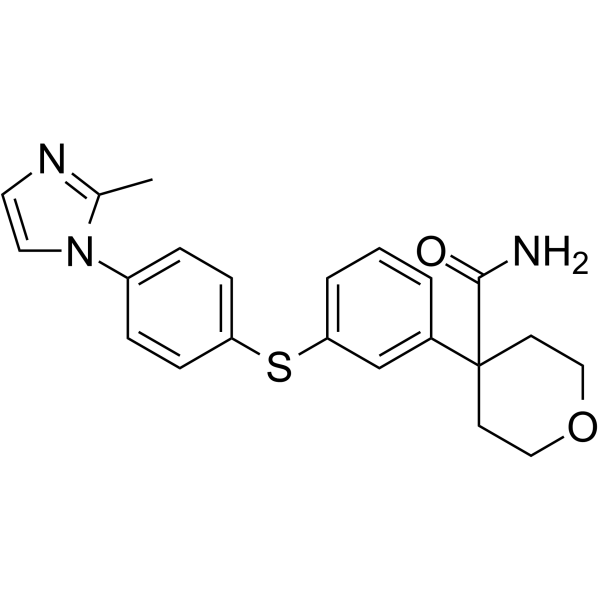
CJ-13,610, a nonredox-type 5-LO inhibitor, dose dependently suppresses 5-LO product formation in ionophore A23187-stimulated PMNL in the absence of exogenous AA with an IC50 of about 70 nM . PMNL: polymorphonuclear leukocytes; AA: arachidonic acid
|
-
-
- HY-120314
-
|
|
Apoptosis
Caspase
Endogenous Metabolite
|
Inflammation/Immunology
|
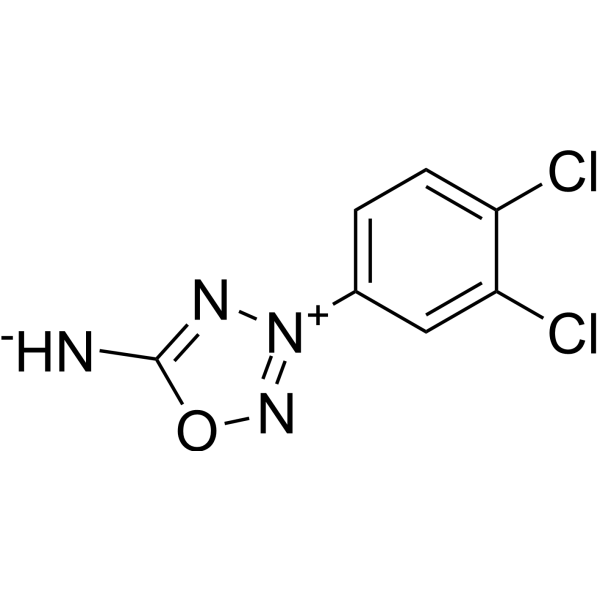
GEA 3162 is an orally active compound that acts as a NO/ONOO⁻ donor. GEA 3162 significantly inhibits the activation of human polymorphonuclear leukocytes (PMNs) through the cGMP pathway, inhibits the release of inflammatory mediators, and exerts anti-inflammatory and protective effects. GEA 3162 induces apoptosis of neutrophils and bone marrow cells by activating caspase-2/3/8/9 through the ONOO⁻ pathway. GEA 3162 has a bidirectional effect in the rat gastric ulcer model: at low doses, it significantly reduces gastric mucosal damage, while at high doses, it aggravates the ulcer area. GEA 3162 can be used for research on inflammatory conditions such as gastric ulcers .
|
-
-
- HY-114041S
-
|
RvE1-d4
|
Isotope-Labeled Compounds
Endogenous Metabolite
|
Inflammation/Immunology
|
|
Resolvin E1-d4 (RvE1-d4) is deuterium labeled Resolvin E1. Resolvin E1 (RvE1), a potent endogenous pro-resolving mediator of inflammation, is derived from omega-3 fatty acid eicosapentaenoic acid (EPA). Resolvin E1 is endogenously biosynthesized from EPA in the presence of Aspirin during the spontaneous resolution phase of acute inflammation, where specific cell-cell interactions occur. Resolvin E1 possesses unique counterregulatory actions that inhibit polymorphonuclear leukocyte (PMN) transendothelial migration. Resolvin E1 also acts as a potent inhibitor of leukocyte infiltration, dendritic cell migration, and IL-12 production .
|
-

-
- HY-N9970
-
|
|
Others
|
Inflammation/Immunology
|
|
Apigenin 7-O-β-D-glucuronide ethyl ester is a flavonoid glucuronate ester that can be isolated from Scutellaria regeliana. Apigenin 7-O-β-D-glucuronide ethyl ester possesses anti-inflammatory activity on the release of β-glucuronidase from rat polymorphonuclear leukocytes (PNMs) induced by platelet activating-factor. Apigenin 7-O-β-D-glucuronide ethyl ester can be used for anti-inflammatory research .
|
-

-
- HY-114041S1
-
|
RvE1-d4-1
|
Isotope-Labeled Compounds
Endogenous Metabolite
|
Inflammation/Immunology
|
|
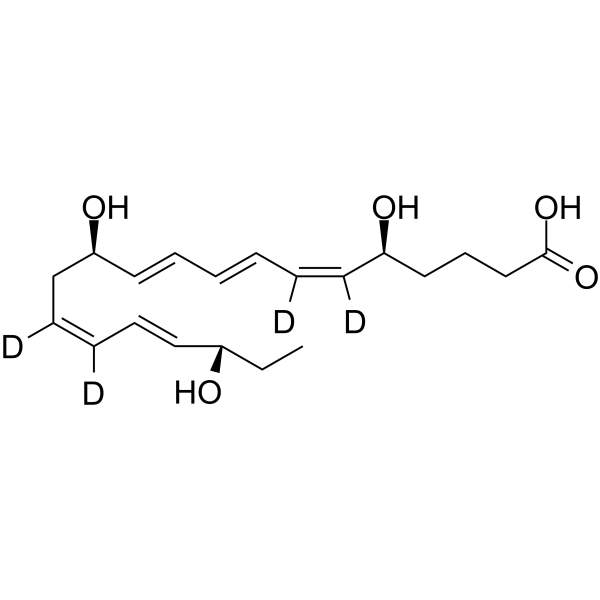
Resolvin E1-d4-1 is the deuterium labeled Resolvin E1. Resolvin E1 (RvE1), a potent endogenous pro-resolving mediator of inflammation, is derived from omega-3 fatty acid eicosapentaenoic acid (EPA). Resolvin E1 is endogenously biosynthesized from EPA in the presence of Aspirin during the spontaneous resolution phase of acute inflammation, where specific cell-cell interactions occur. Resolvin E1 possesses unique counterregulatory actions that inhibit polymorphonuclear leukocyte (PMN) transendothelial migration. Resolvin E1 also acts as a potent inhibitor of leukocyte infiltration, dendritic cell migration, and IL-12 production .
|
-
-
- HY-N17236
-
|
|
β-glucuronidase
Influenza Virus
RSV
|
Infection
|
|
Foryshiyanine A is a triterpenoid alkaloid. Foryshiyanine A possesses anti-inflammatory activity, inhibiting the release of β-glucuronidase from rat polymorphonuclear leukocytes. Foryshiyanine A exhibits antiviral activity, with an EC50 of 4.5 μM against respiratory syncytial virus (RSV) and an IC50 of 7.3 μM against influenza A virus (H1N1). Foryshiyanine A reduces viral load by disrupting viral replication and entry. Foryshiyanine A may be used for the researches of inflammation and infection .
|
-

-
- HY-N3945R
-
|
O,O-Dimethylisoboldine (Standard); S-(+)-Glaucine (Standard); NSC 34396 (Standard)
|
Reference Standards
Phosphodiesterase (PDE)
Calcium Channel
Adrenergic Receptor
Dopamine Receptor
Influenza Virus
|
Infection
Inflammation/Immunology
|
|
Glaucine (Standard) is the analytical standard of Glaucine. This product is intended for research and analytical applications. Glaucine (O,O-Dimethylisoboldine) is an alkaloid isolated from Glaucium flavum with antitussive, bronchodilation and anti-inflammatory properties. Glaucine is a selective and orally active phosphodiesterase 4 (PDE4) inhibitor with Kis of 3.4 μM in human bronchus and polymorphonuclear leukocytes. Glaucine is also a non-selective α-adrenoceptor antagonist, a Ca2+ entry blocker, and a weak dopamine D1 and D2 receptor antagonist. Glaucine has antioxidative and antiviral activities .
|
-

-
- HY-106899
-
|
|
Platelet-activating Factor Receptor (PAFR)
|
Cardiovascular Disease
|
|
MK 287 is a potent, selective and orally active antagonist of platelet-activating factor receptor (PAFR). MK 287 can inhibit [3H]C18-PAF binding to human platelet, polymorphonuclear leukocyte (PMN) and lung membranes with K1 values of 6.1, 3.2, and 5.49 nM, respectively. MK 287 can inhibit PAF-induced aggregation of platelets in plasma or gel-filtered platelets and elastase release from PMNs with ED50 values of 56, 1.5 and 4.4 nM. MK 287 can be used for the research of cardiovascular disease, such as thrombosis .
|
-

-
- HY-113484
-
|
LTB5
|
Leukotriene Receptor
|
Cancer
|
|
Leukotriene B5 (LTB5) is a leukotriene with diverse biological activities. It is a metabolite of eicosapentaenoic acid formed through the 5-lipoxygenase (5-LO) pathway. LTB5 increases contraction of bullfrog lung strips ex vivo in a concentration-dependent manner. In vivo, LTB5 (100 nM) reduces tumor volume in mice injected with Tm1 murine melanoma cells. LTB5 also elicits chemokinesis and lysosomal enzyme release from polymorphonuclear leukocytes (PMNLs) 20- to 30-fold less, and induces platelet aggregation 8-fold less, potently than LTB4.
|
-

-
- HY-112553
-
|
|
Lipoxygenase
|
Inflammation/Immunology
|
|
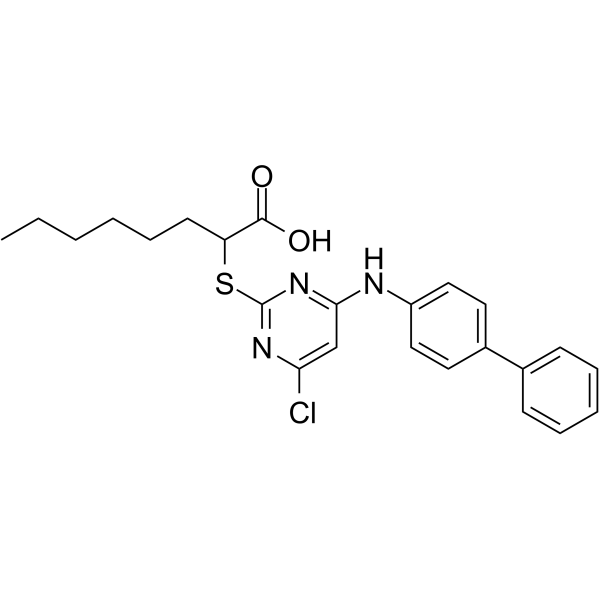
HZ52 is a potent, reversible 5-lipoxygenase inhibitor, blocking leukotriene synthesis with an IC50 of 0.7 μM in intact human polymorphonuclear leukocytes .
|
-
-
- HY-118261
-
|
|
Elastase
|
Inflammation/Immunology
|
|
L 659286 is an inhibitor of human polymorphonuclear leukocyte elastase (PMN elastase) (Ki=0.4 μM). Intratracheal injection of L 659286 can induce lung injury in hamsters.
|
-

-
- HY-105176A
-
|
(R)-BIRM-270
|
Leukotriene Receptor
|
Inflammation/Immunology
|
|
(R)-Ontazolast ((R)-BIRM-270) is a potent inhibitor of leukotriene biosynthesis, effectively blocking the release of arachidonic acid and demonstrating an impressive IC50 value of 0.001 microM in human polymorphonuclear leukocytes.
|
-

-
- HY-120876
-
-

-
- HY-N2247A
-
|
|
Platelet-activating Factor Receptor (PAFR)
|
Metabolic Disease
|
|
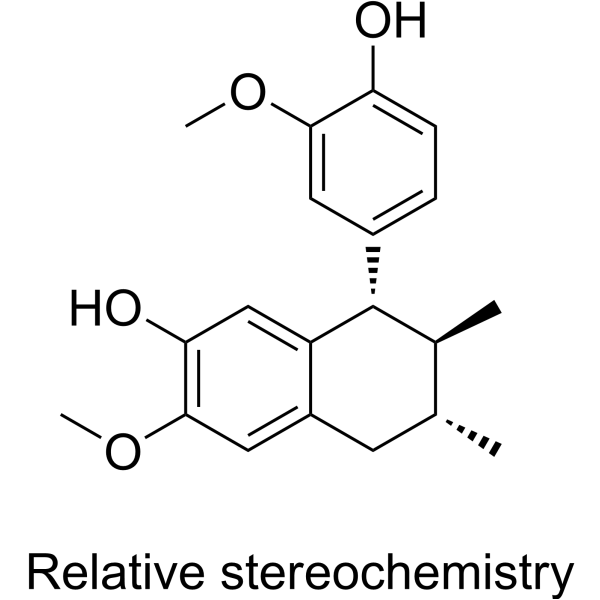
(+)-Guaiacin is a compound extracted of the bark of Machilus wangchiana Chun. (Lauraceae). (+)-Guaiacin shows potent in vitro activities against the release of β-glucuronidase in rat polymorphonuclear leukocytes (PMNs) induced by platelet-activating factor (PAF) .
|
-
-
- HY-101579
-
|
|
COX
Lipoxygenase
Phospholipase
|
Inflammation/Immunology
|
|
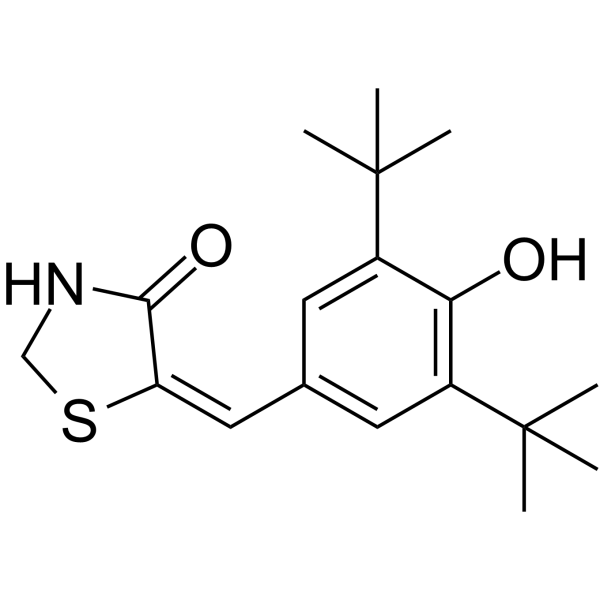
LY 178002 is a potent inhibitor of 5-lipoxygenase (5-LPO), phospholipase A2, with IC50 of 0.6 μM for 5-lipoxygenase, inhibits cellular production of LTB4 by human polymorphonuclear leukocytes, and shows relatively weak inhibition on cyclooxygenase.
|
-
-
- HY-105933
-
|
|
Lipoxygenase
COX
Leukotriene Receptor
|
Inflammation/Immunology
|
|
L-652343 is a dual cyclooxygenase/lipoxygenase inhibitor. L-652343 can inhibit the production of LTB4 in isolated human polymorphonuclear leukocytes treated with Calcimycin (HY-N6687) (IC50: 1.4 μM), but it is inactive in whole blood. L-652343 can be used in the research of inflammatory and immune diseases .
|
-

-
- HY-167715
-
|
|
Histamine Receptor
Phosphodiesterase (PDE)
|
Inflammation/Immunology
|
|
Traxanox is an orally available diuretic that enhances phagocytosis of yeast granules by mouse peritoneal macrophages and rat peritoneal polymorphonuclear leukocytes in vitro.
Traxanox inhibits IgE-mediated histamine release and cyclic AMP phosphodiesterase
activity.Traxanox exhibits anti-inflammatory activity, as it inhibits the anaphylactoid reaction and reduces pleural fluid accumulation in experimental models of inflammation. Traxanox also demonstrates a synergistic effect when combined with hydrocortisone or indomethacin in suppressing adjuvant arthritis in rats.
|
-

-
- HY-134123
-
|
LXB4 methyl ester
|
Drug Intermediate
Leukotriene Receptor
|
Metabolic Disease
|
|
Lipoxin B4 (LXB4) methyl ester is a lipid soluble prodrug form of the transcellular metabolite LXB4. LXB4 is a positional isomer of LXA4 produced by the metabolism of 15-HETE or 15-HpETE by human leukocytes. At a concentration of 100 nM, LXB4 inhibits polymorphonuclear leukocyte (PMN) migration stimulated by leukotriene B4 (LTB4; Item No. 20110) and inhibits LTB4-induced adhesion of PMNs with an IC50 value of 0.3 nM.
|
-

-
- HY-118652
-
|
ω-3 6-keto PGF2α
|
Prostaglandin Receptor
|
Metabolic Disease
|
|
Δ17-6-keto Prostaglandin F1α (Δ17-6-keto PGF1α) is a cyclooxygenase (COX) product of eicosapentaenoic acid (EPA) in various tissues such as seminal vesicles, lung, Polymorphonuclear leukocytes, and ocular tissues. Δ17-6-keto PGF1α and other 3-series COX products from EPA, such as PGF3α, PGE3, and thromboxane B3, may be involved in the reduced incidence of glaucoma in patients on a marine-rich (EPA-rich) diet.
|
-

-
- HY-120314A
-
|
|
Apoptosis
Caspase
Endogenous Metabolite
|
Inflammation/Immunology
|
GEA 3162 hydrochloride is an orally active compound that acts as a NO/ONOO⁻ donor. GEA 3162 hydrochloride significantly inhibits the activation of human polymorphonuclear leukocytes (PMNs) through the cGMP pathway, inhibits the release of inflammatory mediators, and exerts anti-inflammatory and protective effects. GEA 3162 hydrochloride induces apoptosis of neutrophils and bone marrow cells by activating caspase-2/3/8/9 through the ONOO⁻ pathway. GEA 3162 hydrochloride has a bidirectional effect in the rat gastric ulcer model: at low doses, it significantly reduces gastric mucosal damage, while at high doses, it aggravates the ulcer area. GEA 3162 hydrochloride can be used for research on inflammatory conditions such as gastric ulcers .
|
-

-
- HY-117811
-
|
L-680574
|
Platelet-activating Factor Receptor (PAFR)
|
Cardiovascular Disease
|
|
(R,R)-MK 287 (L-680574) is a tetrahydrofuran derivative that potently inhibits the binding of [3H]C18-PAF to human platelets, polymorphonuclear leukocytes (PMNs), and lung membranes with Ki values of 6.1, 3.2, and 5.49 nM, respectively. (R,R)-MK 287 potently and selectively inhibits PAF-induced platelet aggregation (ED50=56 nM) and elastase release from PMNs (ED50=4.4 nM). (R,R)-MK 287 inhibits PAF-induced lethality in mice (ED50=0.8 mg/kg, po) and PAF-induced bronchospasm in guinea pigs (ED50=0.18 mg/kg) .
|
-

-
- HY-106899A
-
|
(rel)-L-680573
|
Platelet-activating Factor Receptor (PAFR)
|
Others
|
|
(rel)-MK 287 ((rel)-L-680573) is a relative configuration of MK 287. MK 287 is a potent, selective and orally active antagonist of platelet-activating factor receptor (PAFR). MK 287 can inhibit [3H]C18-PAF binding to human platelet, polymorphonuclear leukocyte (PMN) and lung membranes with K1 values of 6.1, 3.2, and 5.49 nM, respectively. MK 287 can inhibit PAF-induced aggregation of platelets in plasma or gel-filtered platelets and elastase release from PMNs with ED50 values of 56, 1.5 and 4.4 nM. MK 287 can be used for the research of cardiovascular disease, such as thrombosis .
|
-

-
- HY-157253
-
|
|
Drug Metabolite
|
Metabolic Disease
|
|
13(S)-HODE is the lipoxygenase metabolite of Linoleic acid (HY-N0729). 13(S)-HODE modulates the platelet-activating factor, leukotriene B4, and formyl-Met-Leu-Phe-induced calcium influx in human polymorphonuclear leukocytes.
|
-

-
- HY-W923355
-
|
EPA-TG; Glycerol trieicosapentaenoate; TG(20:5/20:5/20:5)
|
Others
|
Others
|
|
1,2,3-Trieicosapentaenoyl glycerol (EPA-TG) is a glycerol ester that can be obtained by the reaction of polyunsaturated fatty acids or lower alkyl esters with glycerol catalyzed by alkoxide ions . After two intravenous injections of the EPA-TG emulsion into rabbits, the EPA content in plasma and platelet phospholipids increased markedly . In another study, by administering the EPA-TG emulsion, the production of leukotriene B4 by polymorphonuclear leukocytes in rabbits was reduced by 40% .
|
-

-
- HY-106200R
-
|
|
Reference Standards
Lipoxygenase
|
Inflammation/Immunology
|
|
CJ-13,610 (Standard) is the analytical standard of CJ-13,610 (HY-106200). This product is intended for research and analytical applications. CJ-13,610, a nonredox-type 5-LO inhibitor, dose dependently suppresses 5-LO product formation in ionophore A23187-stimulated PMNL in the absence of exogenous AA with an IC50 of about 70 nM . PMNL: polymorphonuclear leukocytes; AA: arachidonic acid
|
-

-
- HY-145474
-
|
|
Endogenous Metabolite
|
Inflammation/Immunology
|
|
17(R)-Resolvin D1 methyl ester is the methyl ester of Resolvin D1 (RvD1) (HY-125527) induced by Aspirin (HY-14654) with the 17R epimer (AT-RvD1). RvD is a regulator of transendothelial migration of human polymorphonuclear leukocytes and an anti-inflammatory agent. The 17R-trihydroxy-4Z of RvD1 also blocks transendothelial migration of human neutrophils (EC50 approximately 30 nM). AT-RvD1 is an effective form that protects against the rapid inactivation of Resolvin D1 .
|
-

| Cat. No. |
Product Name |
Target |
Research Area |
-
- HY-W016733
-
|
H-D-Cit-OH
|
Endogenous Metabolite
|
Cardiovascular Disease
|
|
D-Citrulline (H-D-Cit-OH) is a stereoisomer of L-citrulline (HY-N0391). D-Citrulline significantly attenuates polymorphonuclear leukocyte (PMN)-induced cardiac contractile dysfunction in the isolated perfused rat heart subjected to ischemia/reperfusion via a non-NO-mediated mechanism .
|
-
- HY-P10738
-
|
|
Formyl Peptide Receptor (FPR)
|
Infection
|
|
N-Formyl-MMYALF is a potent mitochondrial N-formyl peptide (mtFP) that has the activity of depleting calcium ions in the endoplasmic reticulum. N-Formyl-MMYALF can inhibit the FPR-1-mediated chemotactic response of polymorphonuclear leukocytes (PMNs) to bacterial peptides .
|
| Cat. No. |
Product Name |
Category |
Target |
Chemical Structure |
-
- HY-129905
-
-
-
- HY-129905A
-
-
-
- HY-114041
-
-
-
- HY-N3945
-
|
O,O-Dimethylisoboldine; S-(+)-Glaucine; NSC 34396
|
Infection
Alkaloids
other families
Classification of Application Fields
Plants
Isoquinoline Alkaloids
Glaucium flavum
Inflammation/Immunology
Disease Research Fields
Papaveraceae
Source Classification
|
Phosphodiesterase (PDE)
Calcium Channel
MMP
NF-κB
|
|
Glaucine (O,O-Dimethylisoboldine) is an alkaloid extracted from Glaucium flavum that possesses various activities, including cough relief, bronchodilation, anti-inflammatory effects, analgesia, antipyretic properties, and anticancer effects. Glaucine acts as a selective and orally active inhibitor of phosphodiesterase 4 (PDE4), with a Ki of 3.4 µM in human bronchial tissues and polymorphonuclear leukocytes. Glaucine induces relaxation of human isolated bronchi by antagonizing calcium channels. Additionally, Glaucine inhibits the activation of NF-κB, leading to a reduction in the expression of the MMP-9 gene, thereby suppressing the migration and invasion of breast cancer cells. Therefore, Glaucine holds potential for research in asthma and breast cancer .
|
-
-
- HY-N9970
-
-
-
- HY-N17236
-
-
-
- HY-N3945R
-
-
-
- HY-N2247A
-
-
| Cat. No. |
Product Name |
Chemical Structure |
-
- HY-114041S
-
|
|
|
Resolvin E1-d4 (RvE1-d4) is deuterium labeled Resolvin E1. Resolvin E1 (RvE1), a potent endogenous pro-resolving mediator of inflammation, is derived from omega-3 fatty acid eicosapentaenoic acid (EPA). Resolvin E1 is endogenously biosynthesized from EPA in the presence of Aspirin during the spontaneous resolution phase of acute inflammation, where specific cell-cell interactions occur. Resolvin E1 possesses unique counterregulatory actions that inhibit polymorphonuclear leukocyte (PMN) transendothelial migration. Resolvin E1 also acts as a potent inhibitor of leukocyte infiltration, dendritic cell migration, and IL-12 production .
|
-
-
- HY-114041S1
-
|
|
|
Resolvin E1-d4-1 is the deuterium labeled Resolvin E1. Resolvin E1 (RvE1), a potent endogenous pro-resolving mediator of inflammation, is derived from omega-3 fatty acid eicosapentaenoic acid (EPA). Resolvin E1 is endogenously biosynthesized from EPA in the presence of Aspirin during the spontaneous resolution phase of acute inflammation, where specific cell-cell interactions occur. Resolvin E1 possesses unique counterregulatory actions that inhibit polymorphonuclear leukocyte (PMN) transendothelial migration. Resolvin E1 also acts as a potent inhibitor of leukocyte infiltration, dendritic cell migration, and IL-12 production .
|
-
Your information is safe with us. * Required Fields.
Inquiry Information
- Product Name:
- Cat. No.:
- Quantity:
- MCE Japan Authorized Agent:








